
Key Insights
The commercial automotive telematics market is experiencing robust growth, projected to reach a substantial market size of $XX,XXX million by 2033, driven by a compelling Compound Annual Growth Rate (CAGR) of XX% between 2025 and 2033. This expansion is fueled by an escalating demand for enhanced fleet efficiency, safety, and regulatory compliance across diverse industries. Key drivers include the continuous innovation in IoT and AI technologies, enabling advanced functionalities such as predictive maintenance, optimized routing, and real-time driver behavior monitoring. The increasing adoption of sophisticated fleet management solutions by logistics, transportation, and construction companies is a primary catalyst, as businesses strive to reduce operational costs, improve fuel efficiency, and ensure the safety of their drivers and assets. Furthermore, the evolving regulatory landscape, mandating specific safety and emission standards, is pushing businesses towards telematics solutions that facilitate compliance and reporting.
The market is segmented into crucial applications, with the OEM segment demonstrating strong potential due to the integration of telematics solutions at the manufacturing stage, offering a seamless user experience. Simultaneously, the Aftermarket segment continues to thrive as existing fleets upgrade to more advanced telematics systems. In terms of types, Fleet Tracking and Monitoring remains the dominant segment, providing essential visibility into vehicle location and performance. However, segments like Driver Management, focusing on safety and productivity, and Safety and Compliance solutions, addressing regulatory needs, are witnessing significant uptake. Emerging technologies like V2X (Vehicle-to-Everything) Solutions are poised for substantial growth, promising enhanced road safety and traffic management. Geographically, North America and Europe currently lead the market due to early adoption and mature regulatory frameworks. However, the Asia Pacific region, particularly China and India, is expected to exhibit the fastest growth, driven by rapid industrialization, increasing fleet sizes, and a burgeoning e-commerce sector. Despite this positive outlook, market restraints such as initial implementation costs and concerns surrounding data privacy and security need to be addressed for sustained and widespread adoption.
Unlock critical insights into the rapidly evolving commercial automotive telematics market. This in-depth report provides a detailed analysis of market dynamics, growth trajectories, regional dominance, product innovations, key drivers, challenges, and emerging opportunities. Optimized with high-traffic keywords for maximum search visibility, this report is essential for industry professionals seeking to navigate and capitalize on the future of connected commercial vehicles.
commercial automotive telematics Market Dynamics & Structure
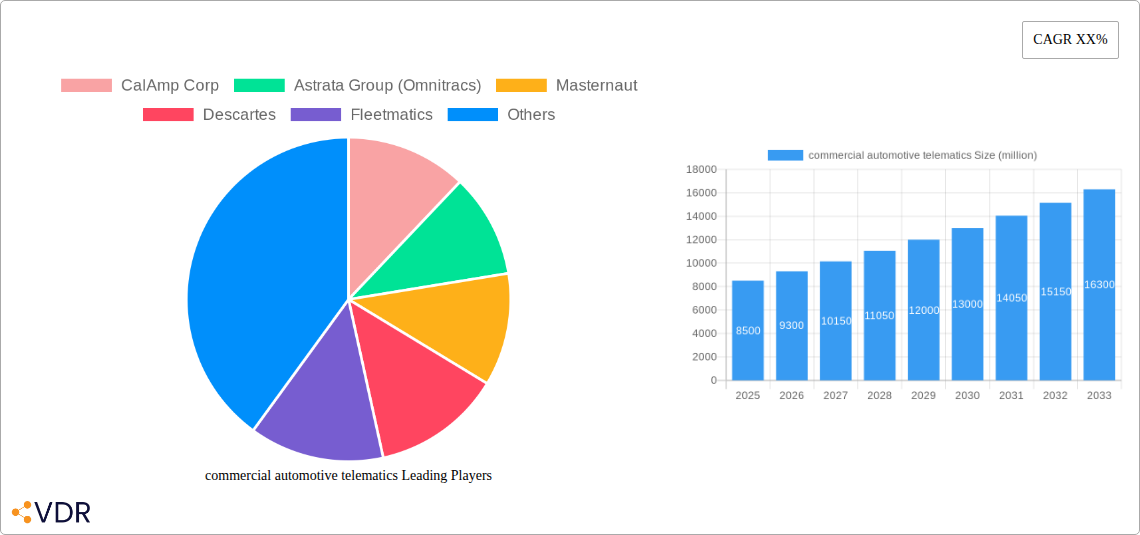
The commercial automotive telematics market is characterized by a moderately concentrated landscape, with key players like Qualcomm, Intel, Trimble Inc, and Verizon Telematics holding significant influence. Technological innovation is a primary driver, fueled by advancements in IoT, AI, and 5G connectivity, enabling more sophisticated fleet tracking and monitoring, driver management, and V2X solutions. Regulatory frameworks, particularly concerning safety, emissions, and data privacy, are increasingly shaping market adoption. Competitive product substitutes, such as advanced standalone GPS devices and manual record-keeping systems, are gradually being phased out by integrated telematics solutions. End-user demographics are shifting towards a greater demand for data-driven insights, operational efficiency, and enhanced safety across diverse sectors, including logistics, transportation, and field services. Mergers and acquisitions (M&A) remain a significant trend, with companies like Omnitracs (which acquired Astrata Group) and Fleetmatics (now part of Verizon Telematics) demonstrating consolidation efforts. Recent M&A deal volumes are estimated to be in the range of 5-8 significant transactions annually. The market faces innovation barriers such as the cost of integration for smaller fleets and the need for robust cybersecurity measures.
commercial automotive telematics Growth Trends & Insights
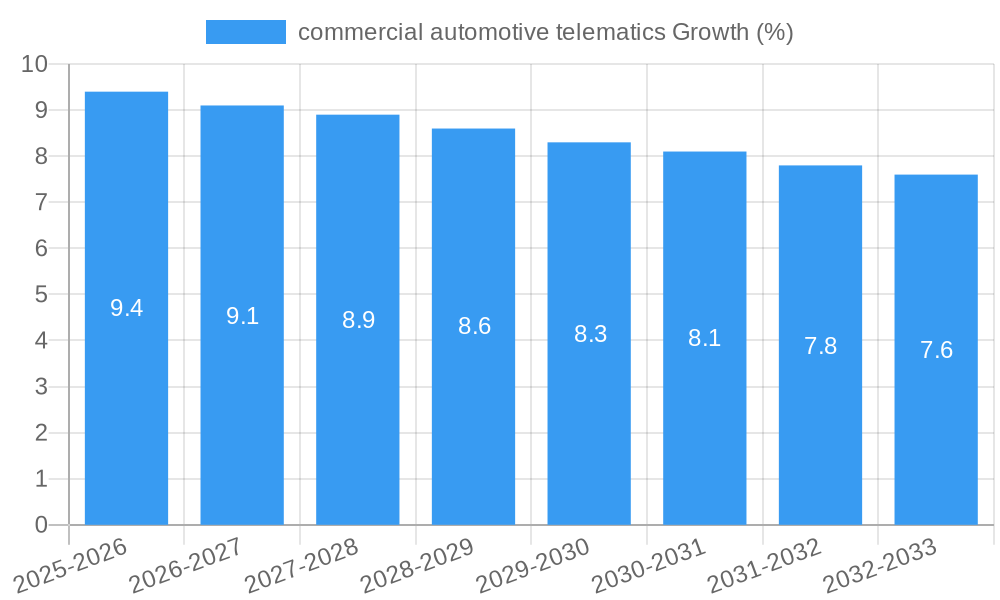
The commercial automotive telematics market is projected for substantial growth, driven by an escalating need for operational efficiency, enhanced safety, and regulatory compliance within the commercial vehicle sector. The global market size, valued at approximately $25,000 million units in the base year of 2025, is expected to witness a Compound Annual Growth Rate (CAGR) of around 15-18% during the forecast period of 2025–2033. This robust expansion is underpinned by increasing fleet sizes and the growing adoption of connected vehicle technologies by businesses seeking to optimize their operations. In historical terms, from 2019 to 2024, the market demonstrated a steady upward trajectory, experiencing a CAGR of approximately 12%. The primary catalyst for this growth is the undeniable benefit telematics offers in reducing operational costs through improved fuel efficiency, proactive maintenance scheduling, and optimized route planning. Furthermore, rising concerns about driver safety and the implementation of stricter government regulations concerning driver behavior and vehicle emissions are significantly bolstering the demand for telematics solutions.
Technological disruptions are at the forefront of market evolution. The integration of AI and machine learning is transforming raw telematics data into actionable insights, enabling predictive analytics for vehicle maintenance and driver performance. Vehicle-to-Everything (V2X) communication technologies are beginning to gain traction, promising enhanced road safety and traffic management. The adoption of advanced driver-assistance systems (ADAS) integrated with telematics further contributes to the demand for sophisticated fleet management solutions.
Consumer behavior within the commercial sector is shifting dramatically. Fleet managers are increasingly data-literate and are demanding comprehensive solutions that not only track vehicle location but also provide deep insights into driver behavior, vehicle health, and operational productivity. The emphasis is moving from mere tracking to intelligent fleet optimization. The penetration of telematics solutions across various commercial vehicle segments, including heavy-duty trucks, light commercial vehicles, and specialized fleets, is steadily increasing. By 2025, market penetration is estimated to exceed 75% in developed economies for large fleets, with a significant surge expected in small and medium-sized enterprises (SMEs) due to the availability of more affordable and scalable solutions. The growth is also fueled by the aftermarket segment, where fleet owners are retrofitting older vehicles with advanced telematics to remain competitive and compliant.
Dominant Regions, Countries, or Segments in commercial automotive telematics
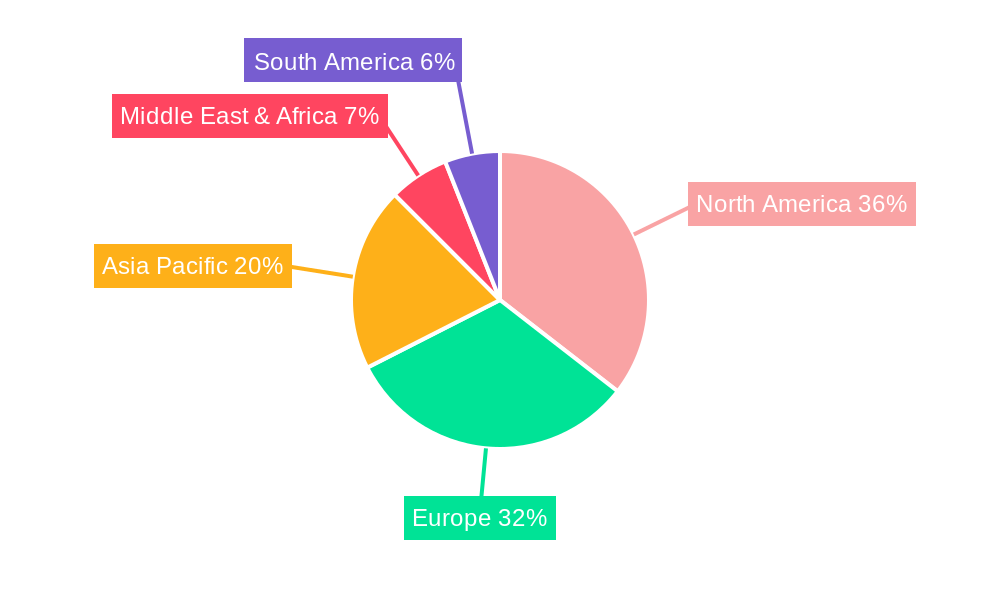
The Fleet Tracking and Monitoring segment, within the Aftermarket application, is currently the dominant force driving growth in the commercial automotive telematics market. This segment is projected to account for over 40% of the total market share by 2025, valued at approximately $10,000 million units. North America, particularly the United States, stands as the leading region, contributing approximately 35% of the global market revenue in 2025, estimated at $8,750 million units. This dominance is attributed to a mature logistics industry, proactive regulatory environments mandating safety and compliance, and a high rate of technological adoption among fleet operators.
Key drivers for the dominance of Fleet Tracking and Monitoring in the aftermarket include:
- Economic Policies: Favorable trade agreements and government initiatives promoting efficient supply chains in North America have spurred investments in fleet management technologies.
- Infrastructure: Well-developed road networks and a high density of commercial vehicles facilitate the widespread deployment and effective utilization of tracking solutions.
- Technological Advancements: Continuous innovation in GPS, cellular, and satellite communication technologies has made fleet tracking more precise, reliable, and cost-effective.
- Demand for Operational Efficiency: Businesses are increasingly reliant on real-time visibility into their fleets to optimize routes, reduce fuel consumption, and enhance asset utilization, directly boosting the demand for tracking and monitoring.
The Aftermarket application segment's strength lies in its ability to provide a cost-effective upgrade path for existing fleets, allowing companies to leverage telematics without the immediate capital expenditure of new vehicles. This makes it particularly attractive to small and medium-sized enterprises (SMEs) who form a significant portion of the commercial vehicle landscape.
The growth potential within this segment is further amplified by:
- Increasing fleet sizes and complexity: As companies expand their operations, the need for centralized control and visibility over a larger number of assets becomes paramount.
- Data analytics and AI integration: Beyond basic tracking, advanced telematics solutions are offering predictive maintenance, driver behavior analysis, and route optimization, adding significant value.
- Regulatory Compliance: Mandates related to driver hours, vehicle inspections, and emissions reporting necessitate robust tracking and monitoring capabilities.
While other segments like Driver Management and Safety and Compliance are experiencing robust growth, their current market share, while substantial, remains secondary to the foundational importance of Fleet Tracking and Monitoring in the commercial automotive telematics ecosystem. V2X Solutions, though a rapidly emerging technology, is still in its nascent stages of widespread adoption in the commercial sector.
commercial automotive telematics Product Landscape
The commercial automotive telematics product landscape is characterized by innovative solutions designed to enhance fleet efficiency, driver safety, and operational intelligence. Companies like CalAmp Corp, Masternaut, and Microlise Limited are at the forefront, offering advanced hardware devices and sophisticated software platforms. These products feature real-time GPS tracking with high accuracy, detailed engine diagnostics for proactive maintenance, and robust driver behavior monitoring through accelerometers and gyroscopes. Performance metrics are constantly improving, with devices offering extended battery life, wider operating temperature ranges, and enhanced connectivity options like LTE-M and NB-IoT for improved data transmission. Unique selling propositions include AI-powered route optimization, predictive analytics for asset failure, and seamless integration with existing enterprise resource planning (ERP) systems. Technological advancements are focused on miniaturization, increased data processing capabilities on-device, and enhanced cybersecurity features to protect sensitive fleet data.
Key Drivers, Barriers & Challenges in commercial automotive telematics
Key Drivers:
- Enhanced Operational Efficiency: Telematics solutions directly contribute to reduced fuel costs, optimized routes, and improved asset utilization, leading to significant cost savings for businesses. The estimated direct cost savings per vehicle can range from 5-10% annually.
- Improved Safety and Compliance: Real-time driver monitoring, accident detection, and adherence to driving regulations are critical. Approximately 70% of commercial vehicle accidents are linked to driver error, making these features paramount.
- Regulatory Mandates: Government regulations for driver hours, emissions, and safety standards are a constant impetus for telematics adoption.
- Technological Advancements: The integration of IoT, AI, and 5G enhances the capabilities and value proposition of telematics systems.
Barriers & Challenges:
- Initial Investment Cost: The upfront cost of hardware and software installation can be a barrier for smaller fleets, with average initial setup costs ranging from $300 to $1,000 per vehicle.
- Data Security and Privacy Concerns: Protecting sensitive fleet and driver data from cyber threats is a growing concern, requiring robust cybersecurity measures.
- Integration Complexity: Integrating telematics solutions with existing IT infrastructure can be complex and time-consuming.
- Skilled Workforce Shortage: A lack of trained personnel to manage and interpret telematics data can hinder effective utilization.
Emerging Opportunities in commercial automotive telematics
Emerging opportunities in commercial automotive telematics lie in the expanding application of Artificial Intelligence (AI) and Machine Learning (ML) for predictive analytics. This includes predicting vehicle breakdowns before they occur, optimizing maintenance schedules with unprecedented accuracy, and forecasting fuel consumption patterns. The growth of the electric vehicle (EV) market presents a significant opportunity for telematics to manage charging infrastructure, optimize battery performance, and monitor vehicle range effectively. Furthermore, the integration of telematics with supply chain management software is creating opportunities for end-to-end visibility and enhanced logistics planning. The development of specialized telematics solutions for niche industries, such as cold chain logistics and construction equipment, also represents untapped market potential.
Growth Accelerators in the commercial automotive telematics Industry
The commercial automotive telematics industry is experiencing significant growth acceleration driven by several key catalysts. The relentless pursuit of operational efficiency by businesses across all sectors is a primary driver, compelling fleet operators to adopt technologies that reduce costs and maximize productivity. Furthermore, the increasing stringency of government regulations concerning vehicle safety, driver behavior, and environmental emissions is compelling widespread adoption. Technological breakthroughs, particularly in AI, IoT, and 5G connectivity, are continuously enhancing the capabilities and value proposition of telematics solutions, moving them beyond basic tracking to intelligent fleet management. Strategic partnerships between telematics providers, vehicle manufacturers (OEMs), and insurance companies are also accelerating market penetration by offering integrated solutions and incentivizing adoption through bundled services.
Key Players Shaping the commercial automotive telematics Market
- CalAmp Corp
- Astrata Group (Omnitracs)
- Masternaut
- Descartes
- Fleetmatics
- Qualcomm
- Intel
- PTC
- Trimble Inc
- TomTom Telematics
- Verizon Telematics
- Zonar Systems
- Octo Telematics
- Omnitracs
- Microlise Limited
- Inseego Corporation
Notable Milestones in commercial automotive telematics Sector
- 2019: Introduction of advanced AI-powered driver behavior analysis tools by leading telematics providers.
- 2020: Increased focus on V2X communication integration for enhanced road safety in commercial fleets.
- 2021: Significant merger and acquisition activity, with consolidation among key players to expand market reach.
- 2022: Growing adoption of telematics for electric vehicle fleet management and charging optimization.
- 2023: Enhanced cybersecurity features becoming standard in telematics solutions to address growing data protection concerns.
- 2024: Expansion of telematics integration with advanced fleet maintenance and predictive analytics platforms.
In-Depth commercial automotive telematics Market Outlook
The future outlook for the commercial automotive telematics market is exceptionally positive, driven by the continuous innovation and increasing strategic importance of connected fleet management. Growth accelerators such as the relentless pursuit of operational efficiency and the imperative of regulatory compliance will continue to propel market expansion. The integration of advanced technologies like AI, IoT, and 5G will unlock new levels of data-driven decision-making, transforming how commercial fleets are managed. Strategic partnerships between telematics providers, OEMs, and other ecosystem players will further foster adoption and create synergistic value. Emerging opportunities in electric vehicle telematics and specialized industry solutions will open up new revenue streams. The market is poised for sustained and significant growth, offering lucrative prospects for stakeholders invested in the future of connected commercial transportation.
commercial automotive telematics Segmentation
-
1. Application
- 1.1. OEM
- 1.2. Aftermarket
-
2. Types
- 2.1. Fleet Tracking and Monitoring
- 2.2. Driver Management
- 2.3. V2X Solutions
- 2.4. Insurance Telematics
- 2.5. Safety and Compliance
- 2.6. Others
commercial automotive telematics Segmentation By Geography
-
1. North America
- 1.1. United States
- 1.2. Canada
- 1.3. Mexico
-
2. South America
- 2.1. Brazil
- 2.2. Argentina
- 2.3. Rest of South America
-
3. Europe
- 3.1. United Kingdom
- 3.2. Germany
- 3.3. France
- 3.4. Italy
- 3.5. Spain
- 3.6. Russia
- 3.7. Benelux
- 3.8. Nordics
- 3.9. Rest of Europe
-
4. Middle East & Africa
- 4.1. Turkey
- 4.2. Israel
- 4.3. GCC
- 4.4. North Africa
- 4.5. South Africa
- 4.6. Rest of Middle East & Africa
-
5. Asia Pacific
- 5.1. China
- 5.2. India
- 5.3. Japan
- 5.4. South Korea
- 5.5. ASEAN
- 5.6. Oceania
- 5.7. Rest of Asia Pacific
commercial automotive telematics REPORT HIGHLIGHTS
| Aspects | Details |
|---|---|
| Study Period | 2019-2033 |
| Base Year | 2024 |
| Estimated Year | 2025 |
| Forecast Period | 2025-2033 |
| Historical Period | 2019-2024 |
| Growth Rate | CAGR of XX% from 2019-2033 |
| Segmentation |
|
Table of Contents
- 1. Introduction
- 1.1. Research Scope
- 1.2. Market Segmentation
- 1.3. Research Methodology
- 1.4. Definitions and Assumptions
- 2. Executive Summary
- 2.1. Introduction
- 3. Market Dynamics
- 3.1. Introduction
- 3.2. Market Drivers
- 3.3. Market Restrains
- 3.4. Market Trends
- 4. Market Factor Analysis
- 4.1. Porters Five Forces
- 4.2. Supply/Value Chain
- 4.3. PESTEL analysis
- 4.4. Market Entropy
- 4.5. Patent/Trademark Analysis
- 5. Global commercial automotive telematics Analysis, Insights and Forecast, 2019-2031
- 5.1. Market Analysis, Insights and Forecast - by Application
- 5.1.1. OEM
- 5.1.2. Aftermarket
- 5.2. Market Analysis, Insights and Forecast - by Types
- 5.2.1. Fleet Tracking and Monitoring
- 5.2.2. Driver Management
- 5.2.3. V2X Solutions
- 5.2.4. Insurance Telematics
- 5.2.5. Safety and Compliance
- 5.2.6. Others
- 5.3. Market Analysis, Insights and Forecast - by Region
- 5.3.1. North America
- 5.3.2. South America
- 5.3.3. Europe
- 5.3.4. Middle East & Africa
- 5.3.5. Asia Pacific
- 5.1. Market Analysis, Insights and Forecast - by Application
- 6. North America commercial automotive telematics Analysis, Insights and Forecast, 2019-2031
- 6.1. Market Analysis, Insights and Forecast - by Application
- 6.1.1. OEM
- 6.1.2. Aftermarket
- 6.2. Market Analysis, Insights and Forecast - by Types
- 6.2.1. Fleet Tracking and Monitoring
- 6.2.2. Driver Management
- 6.2.3. V2X Solutions
- 6.2.4. Insurance Telematics
- 6.2.5. Safety and Compliance
- 6.2.6. Others
- 6.1. Market Analysis, Insights and Forecast - by Application
- 7. South America commercial automotive telematics Analysis, Insights and Forecast, 2019-2031
- 7.1. Market Analysis, Insights and Forecast - by Application
- 7.1.1. OEM
- 7.1.2. Aftermarket
- 7.2. Market Analysis, Insights and Forecast - by Types
- 7.2.1. Fleet Tracking and Monitoring
- 7.2.2. Driver Management
- 7.2.3. V2X Solutions
- 7.2.4. Insurance Telematics
- 7.2.5. Safety and Compliance
- 7.2.6. Others
- 7.1. Market Analysis, Insights and Forecast - by Application
- 8. Europe commercial automotive telematics Analysis, Insights and Forecast, 2019-2031
- 8.1. Market Analysis, Insights and Forecast - by Application
- 8.1.1. OEM
- 8.1.2. Aftermarket
- 8.2. Market Analysis, Insights and Forecast - by Types
- 8.2.1. Fleet Tracking and Monitoring
- 8.2.2. Driver Management
- 8.2.3. V2X Solutions
- 8.2.4. Insurance Telematics
- 8.2.5. Safety and Compliance
- 8.2.6. Others
- 8.1. Market Analysis, Insights and Forecast - by Application
- 9. Middle East & Africa commercial automotive telematics Analysis, Insights and Forecast, 2019-2031
- 9.1. Market Analysis, Insights and Forecast - by Application
- 9.1.1. OEM
- 9.1.2. Aftermarket
- 9.2. Market Analysis, Insights and Forecast - by Types
- 9.2.1. Fleet Tracking and Monitoring
- 9.2.2. Driver Management
- 9.2.3. V2X Solutions
- 9.2.4. Insurance Telematics
- 9.2.5. Safety and Compliance
- 9.2.6. Others
- 9.1. Market Analysis, Insights and Forecast - by Application
- 10. Asia Pacific commercial automotive telematics Analysis, Insights and Forecast, 2019-2031
- 10.1. Market Analysis, Insights and Forecast - by Application
- 10.1.1. OEM
- 10.1.2. Aftermarket
- 10.2. Market Analysis, Insights and Forecast - by Types
- 10.2.1. Fleet Tracking and Monitoring
- 10.2.2. Driver Management
- 10.2.3. V2X Solutions
- 10.2.4. Insurance Telematics
- 10.2.5. Safety and Compliance
- 10.2.6. Others
- 10.1. Market Analysis, Insights and Forecast - by Application
- 11. Competitive Analysis
- 11.1. Global Market Share Analysis 2024
- 11.2. Company Profiles
- 11.2.1 CalAmp Corp
- 11.2.1.1. Overview
- 11.2.1.2. Products
- 11.2.1.3. SWOT Analysis
- 11.2.1.4. Recent Developments
- 11.2.1.5. Financials (Based on Availability)
- 11.2.2 Astrata Group (Omnitracs)
- 11.2.2.1. Overview
- 11.2.2.2. Products
- 11.2.2.3. SWOT Analysis
- 11.2.2.4. Recent Developments
- 11.2.2.5. Financials (Based on Availability)
- 11.2.3 Masternaut
- 11.2.3.1. Overview
- 11.2.3.2. Products
- 11.2.3.3. SWOT Analysis
- 11.2.3.4. Recent Developments
- 11.2.3.5. Financials (Based on Availability)
- 11.2.4 Descartes
- 11.2.4.1. Overview
- 11.2.4.2. Products
- 11.2.4.3. SWOT Analysis
- 11.2.4.4. Recent Developments
- 11.2.4.5. Financials (Based on Availability)
- 11.2.5 Fleetmatics
- 11.2.5.1. Overview
- 11.2.5.2. Products
- 11.2.5.3. SWOT Analysis
- 11.2.5.4. Recent Developments
- 11.2.5.5. Financials (Based on Availability)
- 11.2.6 Qualcomm
- 11.2.6.1. Overview
- 11.2.6.2. Products
- 11.2.6.3. SWOT Analysis
- 11.2.6.4. Recent Developments
- 11.2.6.5. Financials (Based on Availability)
- 11.2.7 Intel
- 11.2.7.1. Overview
- 11.2.7.2. Products
- 11.2.7.3. SWOT Analysis
- 11.2.7.4. Recent Developments
- 11.2.7.5. Financials (Based on Availability)
- 11.2.8 PTC
- 11.2.8.1. Overview
- 11.2.8.2. Products
- 11.2.8.3. SWOT Analysis
- 11.2.8.4. Recent Developments
- 11.2.8.5. Financials (Based on Availability)
- 11.2.9 Trimble Inc
- 11.2.9.1. Overview
- 11.2.9.2. Products
- 11.2.9.3. SWOT Analysis
- 11.2.9.4. Recent Developments
- 11.2.9.5. Financials (Based on Availability)
- 11.2.10 TomTom Telematics
- 11.2.10.1. Overview
- 11.2.10.2. Products
- 11.2.10.3. SWOT Analysis
- 11.2.10.4. Recent Developments
- 11.2.10.5. Financials (Based on Availability)
- 11.2.11 Verizon Telematics
- 11.2.11.1. Overview
- 11.2.11.2. Products
- 11.2.11.3. SWOT Analysis
- 11.2.11.4. Recent Developments
- 11.2.11.5. Financials (Based on Availability)
- 11.2.12
- 11.2.12.1. Overview
- 11.2.12.2. Products
- 11.2.12.3. SWOT Analysis
- 11.2.12.4. Recent Developments
- 11.2.12.5. Financials (Based on Availability)
- 11.2.13 Zonar Systems
- 11.2.13.1. Overview
- 11.2.13.2. Products
- 11.2.13.3. SWOT Analysis
- 11.2.13.4. Recent Developments
- 11.2.13.5. Financials (Based on Availability)
- 11.2.14 Octo Telematics
- 11.2.14.1. Overview
- 11.2.14.2. Products
- 11.2.14.3. SWOT Analysis
- 11.2.14.4. Recent Developments
- 11.2.14.5. Financials (Based on Availability)
- 11.2.15 Omnitracs
- 11.2.15.1. Overview
- 11.2.15.2. Products
- 11.2.15.3. SWOT Analysis
- 11.2.15.4. Recent Developments
- 11.2.15.5. Financials (Based on Availability)
- 11.2.16 Microlise Limited
- 11.2.16.1. Overview
- 11.2.16.2. Products
- 11.2.16.3. SWOT Analysis
- 11.2.16.4. Recent Developments
- 11.2.16.5. Financials (Based on Availability)
- 11.2.17 Inseego Corporation
- 11.2.17.1. Overview
- 11.2.17.2. Products
- 11.2.17.3. SWOT Analysis
- 11.2.17.4. Recent Developments
- 11.2.17.5. Financials (Based on Availability)
- 11.2.1 CalAmp Corp
List of Figures
- Figure 1: Global commercial automotive telematics Revenue Breakdown (million, %) by Region 2024 & 2032
- Figure 2: North America commercial automotive telematics Revenue (million), by Application 2024 & 2032
- Figure 3: North America commercial automotive telematics Revenue Share (%), by Application 2024 & 2032
- Figure 4: North America commercial automotive telematics Revenue (million), by Types 2024 & 2032
- Figure 5: North America commercial automotive telematics Revenue Share (%), by Types 2024 & 2032
- Figure 6: North America commercial automotive telematics Revenue (million), by Country 2024 & 2032
- Figure 7: North America commercial automotive telematics Revenue Share (%), by Country 2024 & 2032
- Figure 8: South America commercial automotive telematics Revenue (million), by Application 2024 & 2032
- Figure 9: South America commercial automotive telematics Revenue Share (%), by Application 2024 & 2032
- Figure 10: South America commercial automotive telematics Revenue (million), by Types 2024 & 2032
- Figure 11: South America commercial automotive telematics Revenue Share (%), by Types 2024 & 2032
- Figure 12: South America commercial automotive telematics Revenue (million), by Country 2024 & 2032
- Figure 13: South America commercial automotive telematics Revenue Share (%), by Country 2024 & 2032
- Figure 14: Europe commercial automotive telematics Revenue (million), by Application 2024 & 2032
- Figure 15: Europe commercial automotive telematics Revenue Share (%), by Application 2024 & 2032
- Figure 16: Europe commercial automotive telematics Revenue (million), by Types 2024 & 2032
- Figure 17: Europe commercial automotive telematics Revenue Share (%), by Types 2024 & 2032
- Figure 18: Europe commercial automotive telematics Revenue (million), by Country 2024 & 2032
- Figure 19: Europe commercial automotive telematics Revenue Share (%), by Country 2024 & 2032
- Figure 20: Middle East & Africa commercial automotive telematics Revenue (million), by Application 2024 & 2032
- Figure 21: Middle East & Africa commercial automotive telematics Revenue Share (%), by Application 2024 & 2032
- Figure 22: Middle East & Africa commercial automotive telematics Revenue (million), by Types 2024 & 2032
- Figure 23: Middle East & Africa commercial automotive telematics Revenue Share (%), by Types 2024 & 2032
- Figure 24: Middle East & Africa commercial automotive telematics Revenue (million), by Country 2024 & 2032
- Figure 25: Middle East & Africa commercial automotive telematics Revenue Share (%), by Country 2024 & 2032
- Figure 26: Asia Pacific commercial automotive telematics Revenue (million), by Application 2024 & 2032
- Figure 27: Asia Pacific commercial automotive telematics Revenue Share (%), by Application 2024 & 2032
- Figure 28: Asia Pacific commercial automotive telematics Revenue (million), by Types 2024 & 2032
- Figure 29: Asia Pacific commercial automotive telematics Revenue Share (%), by Types 2024 & 2032
- Figure 30: Asia Pacific commercial automotive telematics Revenue (million), by Country 2024 & 2032
- Figure 31: Asia Pacific commercial automotive telematics Revenue Share (%), by Country 2024 & 2032
List of Tables
- Table 1: Global commercial automotive telematics Revenue million Forecast, by Region 2019 & 2032
- Table 2: Global commercial automotive telematics Revenue million Forecast, by Application 2019 & 2032
- Table 3: Global commercial automotive telematics Revenue million Forecast, by Types 2019 & 2032
- Table 4: Global commercial automotive telematics Revenue million Forecast, by Region 2019 & 2032
- Table 5: Global commercial automotive telematics Revenue million Forecast, by Application 2019 & 2032
- Table 6: Global commercial automotive telematics Revenue million Forecast, by Types 2019 & 2032
- Table 7: Global commercial automotive telematics Revenue million Forecast, by Country 2019 & 2032
- Table 8: United States commercial automotive telematics Revenue (million) Forecast, by Application 2019 & 2032
- Table 9: Canada commercial automotive telematics Revenue (million) Forecast, by Application 2019 & 2032
- Table 10: Mexico commercial automotive telematics Revenue (million) Forecast, by Application 2019 & 2032
- Table 11: Global commercial automotive telematics Revenue million Forecast, by Application 2019 & 2032
- Table 12: Global commercial automotive telematics Revenue million Forecast, by Types 2019 & 2032
- Table 13: Global commercial automotive telematics Revenue million Forecast, by Country 2019 & 2032
- Table 14: Brazil commercial automotive telematics Revenue (million) Forecast, by Application 2019 & 2032
- Table 15: Argentina commercial automotive telematics Revenue (million) Forecast, by Application 2019 & 2032
- Table 16: Rest of South America commercial automotive telematics Revenue (million) Forecast, by Application 2019 & 2032
- Table 17: Global commercial automotive telematics Revenue million Forecast, by Application 2019 & 2032
- Table 18: Global commercial automotive telematics Revenue million Forecast, by Types 2019 & 2032
- Table 19: Global commercial automotive telematics Revenue million Forecast, by Country 2019 & 2032
- Table 20: United Kingdom commercial automotive telematics Revenue (million) Forecast, by Application 2019 & 2032
- Table 21: Germany commercial automotive telematics Revenue (million) Forecast, by Application 2019 & 2032
- Table 22: France commercial automotive telematics Revenue (million) Forecast, by Application 2019 & 2032
- Table 23: Italy commercial automotive telematics Revenue (million) Forecast, by Application 2019 & 2032
- Table 24: Spain commercial automotive telematics Revenue (million) Forecast, by Application 2019 & 2032
- Table 25: Russia commercial automotive telematics Revenue (million) Forecast, by Application 2019 & 2032
- Table 26: Benelux commercial automotive telematics Revenue (million) Forecast, by Application 2019 & 2032
- Table 27: Nordics commercial automotive telematics Revenue (million) Forecast, by Application 2019 & 2032
- Table 28: Rest of Europe commercial automotive telematics Revenue (million) Forecast, by Application 2019 & 2032
- Table 29: Global commercial automotive telematics Revenue million Forecast, by Application 2019 & 2032
- Table 30: Global commercial automotive telematics Revenue million Forecast, by Types 2019 & 2032
- Table 31: Global commercial automotive telematics Revenue million Forecast, by Country 2019 & 2032
- Table 32: Turkey commercial automotive telematics Revenue (million) Forecast, by Application 2019 & 2032
- Table 33: Israel commercial automotive telematics Revenue (million) Forecast, by Application 2019 & 2032
- Table 34: GCC commercial automotive telematics Revenue (million) Forecast, by Application 2019 & 2032
- Table 35: North Africa commercial automotive telematics Revenue (million) Forecast, by Application 2019 & 2032
- Table 36: South Africa commercial automotive telematics Revenue (million) Forecast, by Application 2019 & 2032
- Table 37: Rest of Middle East & Africa commercial automotive telematics Revenue (million) Forecast, by Application 2019 & 2032
- Table 38: Global commercial automotive telematics Revenue million Forecast, by Application 2019 & 2032
- Table 39: Global commercial automotive telematics Revenue million Forecast, by Types 2019 & 2032
- Table 40: Global commercial automotive telematics Revenue million Forecast, by Country 2019 & 2032
- Table 41: China commercial automotive telematics Revenue (million) Forecast, by Application 2019 & 2032
- Table 42: India commercial automotive telematics Revenue (million) Forecast, by Application 2019 & 2032
- Table 43: Japan commercial automotive telematics Revenue (million) Forecast, by Application 2019 & 2032
- Table 44: South Korea commercial automotive telematics Revenue (million) Forecast, by Application 2019 & 2032
- Table 45: ASEAN commercial automotive telematics Revenue (million) Forecast, by Application 2019 & 2032
- Table 46: Oceania commercial automotive telematics Revenue (million) Forecast, by Application 2019 & 2032
- Table 47: Rest of Asia Pacific commercial automotive telematics Revenue (million) Forecast, by Application 2019 & 2032
Frequently Asked Questions
1. What is the projected Compound Annual Growth Rate (CAGR) of the commercial automotive telematics?
The projected CAGR is approximately XX%.
2. Which companies are prominent players in the commercial automotive telematics?
Key companies in the market include CalAmp Corp, Astrata Group (Omnitracs), Masternaut, Descartes, Fleetmatics, Qualcomm, Intel, PTC, Trimble Inc, TomTom Telematics, Verizon Telematics, , Zonar Systems, Octo Telematics, Omnitracs, Microlise Limited, Inseego Corporation.
3. What are the main segments of the commercial automotive telematics?
The market segments include Application, Types.
4. Can you provide details about the market size?
The market size is estimated to be USD XXX million as of 2022.
5. What are some drivers contributing to market growth?
N/A
6. What are the notable trends driving market growth?
N/A
7. Are there any restraints impacting market growth?
N/A
8. Can you provide examples of recent developments in the market?
N/A
9. What pricing options are available for accessing the report?
Pricing options include single-user, multi-user, and enterprise licenses priced at USD 4350.00, USD 6525.00, and USD 8700.00 respectively.
10. Is the market size provided in terms of value or volume?
The market size is provided in terms of value, measured in million.
11. Are there any specific market keywords associated with the report?
Yes, the market keyword associated with the report is "commercial automotive telematics," which aids in identifying and referencing the specific market segment covered.
12. How do I determine which pricing option suits my needs best?
The pricing options vary based on user requirements and access needs. Individual users may opt for single-user licenses, while businesses requiring broader access may choose multi-user or enterprise licenses for cost-effective access to the report.
13. Are there any additional resources or data provided in the commercial automotive telematics report?
While the report offers comprehensive insights, it's advisable to review the specific contents or supplementary materials provided to ascertain if additional resources or data are available.
14. How can I stay updated on further developments or reports in the commercial automotive telematics?
To stay informed about further developments, trends, and reports in the commercial automotive telematics, consider subscribing to industry newsletters, following relevant companies and organizations, or regularly checking reputable industry news sources and publications.
Methodology
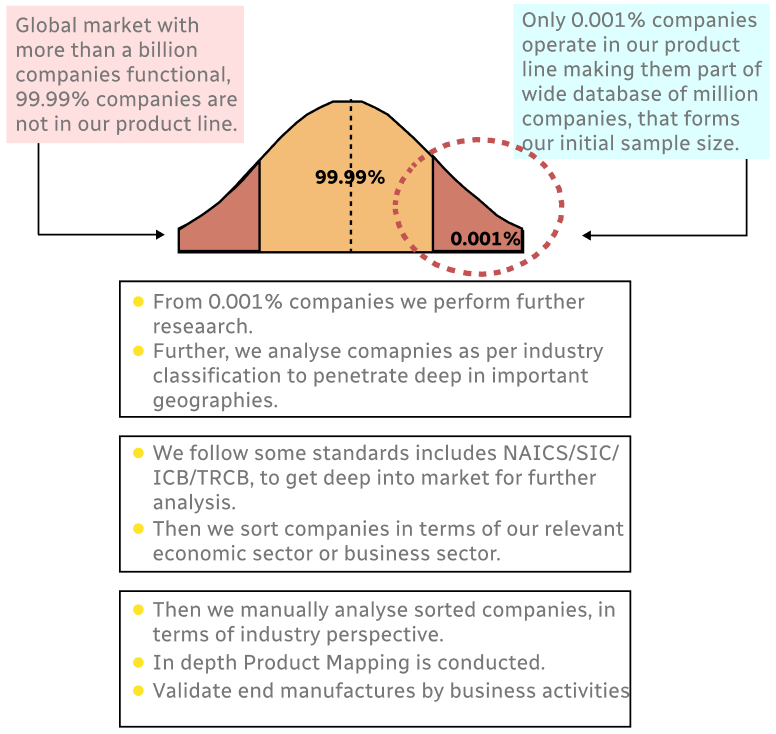
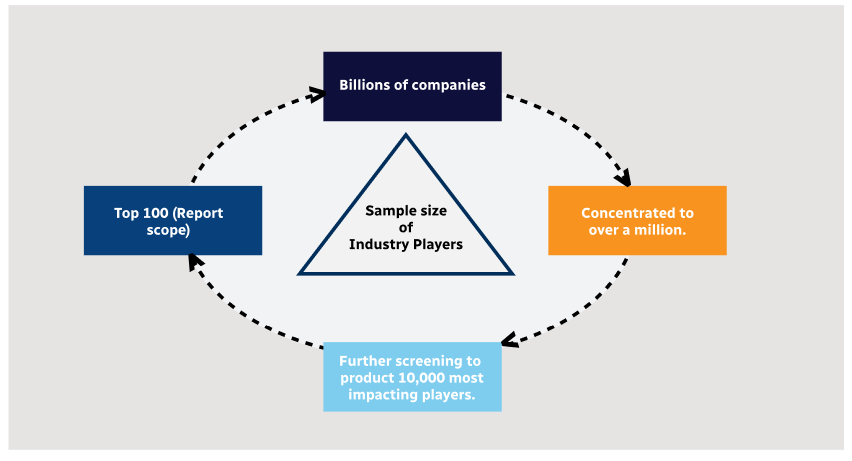
Step 1 - Identification of Relevant Samples Size from Population Database
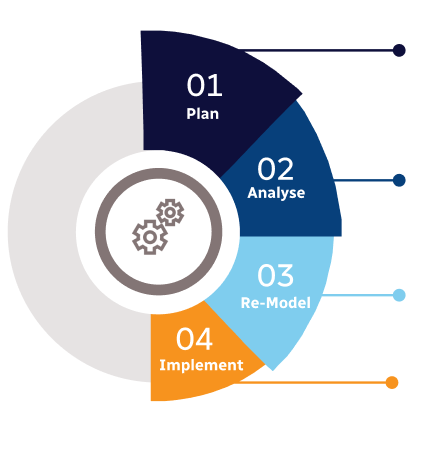
Step 2 - Approaches for Defining Global Market Size (Value, Volume* & Price*)
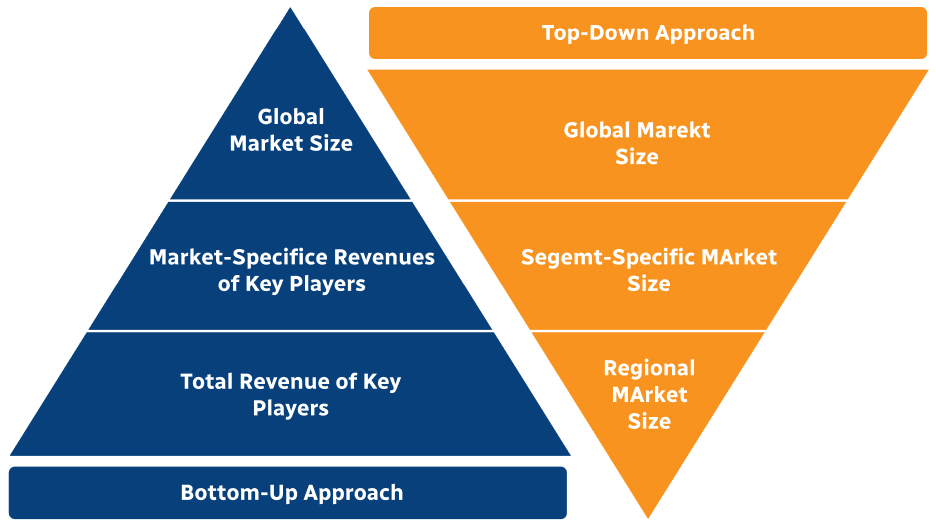
Note*: In applicable scenarios
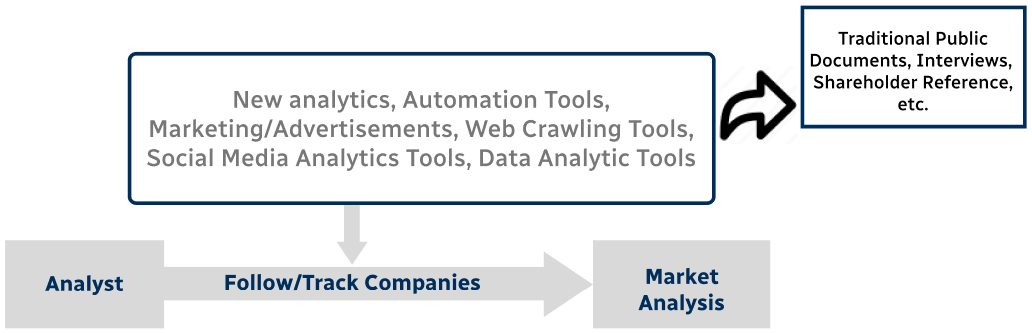
Step 3 - Data Sources
Primary Research
- Web Analytics
- Survey Reports
- Research Institute
- Latest Research Reports
- Opinion Leaders
Secondary Research
- Annual Reports
- White Paper
- Latest Press Release
- Industry Association
- Paid Database
- Investor Presentations
Step 4 - Data Triangulation
Involves using different sources of information in order to increase the validity of a study
These sources are likely to be stakeholders in a program - participants, other researchers, program staff, other community members, and so on.
Then we put all data in single framework & apply various statistical tools to find out the dynamic on the market.
During the analysis stage, feedback from the stakeholder groups would be compared to determine areas of agreement as well as areas of divergence