
Key Insights
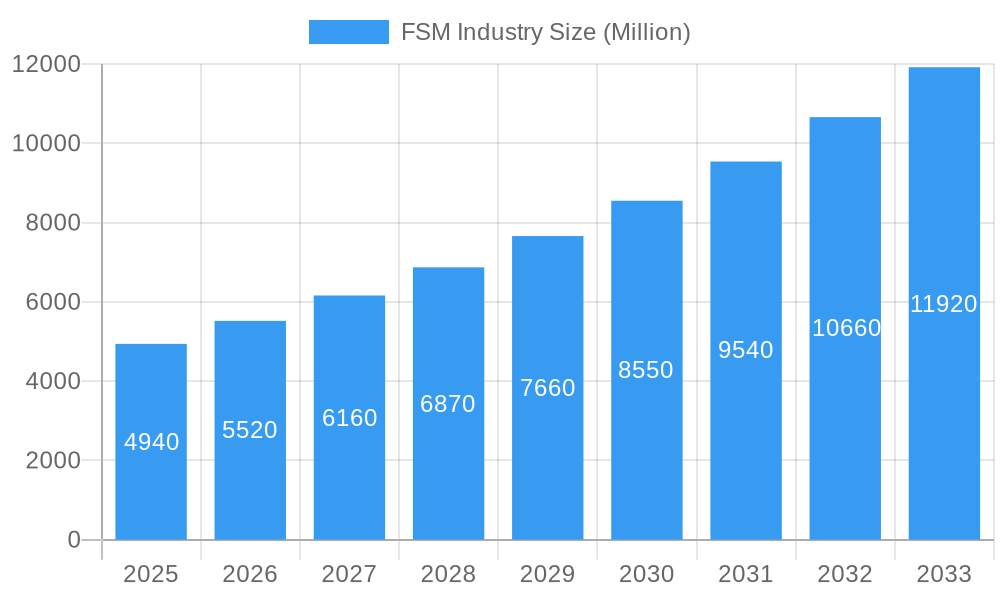
The global Field Service Management (FSM) software and services market is poised for robust expansion, with a current estimated market size of USD 4.94 billion. This impressive growth trajectory is projected to continue at a Compound Annual Growth Rate (CAGR) of 11.70% through 2033, signaling significant opportunities for stakeholders. The market's expansion is primarily driven by the escalating need for enhanced operational efficiency, improved customer satisfaction, and streamlined workforce management across a multitude of industries. Key industries such as IT and Telecom, Healthcare and Lifesciences, and Energy and Utilities are leading this adoption, leveraging FSM solutions to optimize scheduling, dispatch, and route optimization, ultimately reducing operational costs and improving first-time fix rates. Furthermore, the increasing adoption of cloud-based FSM solutions by Small and Medium Enterprises (SMEs) and Large Enterprises alike is a significant catalyst, offering scalability, accessibility, and cost-effectiveness. The ongoing digital transformation initiatives and the growing demand for real-time data and analytics to empower field technicians are further fueling this market surge.
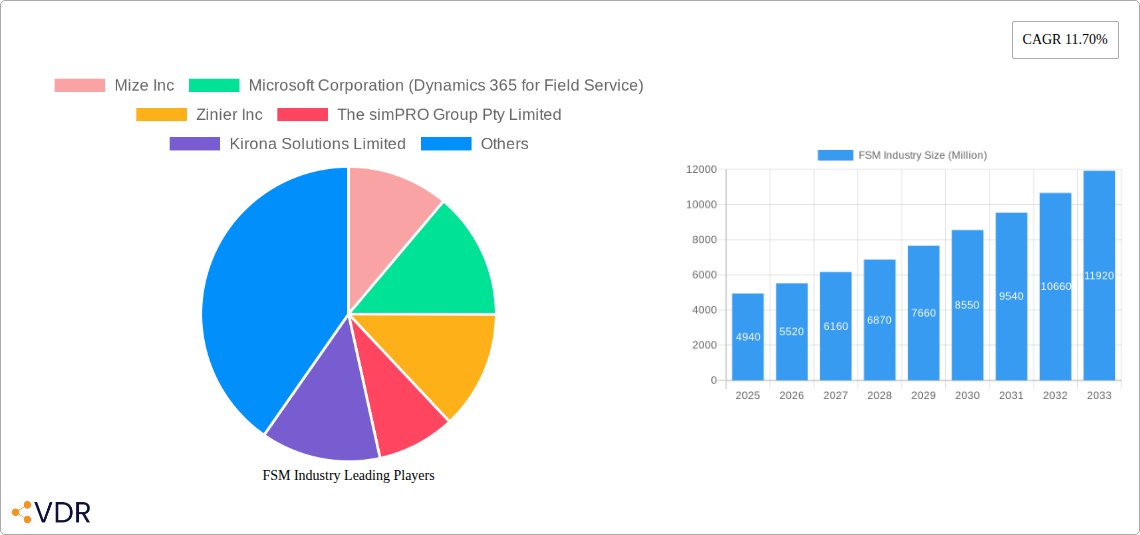
FSM Industry Market Size (In Billion)

The FSM landscape is characterized by a dynamic interplay of technological advancements and evolving business needs. Key trends include the integration of Artificial Intelligence (AI) and Machine Learning (ML) for predictive maintenance and intelligent scheduling, the proliferation of mobile FSM applications enabling technicians to access critical information and update job statuses in real-time, and the increasing focus on enhancing customer experience through self-service portals and improved communication. While the market exhibits strong growth, certain restraints, such as the initial cost of implementation and the challenge of integrating FSM systems with existing legacy infrastructure, need to be addressed. However, the inherent benefits of FSM, including improved productivity, enhanced resource allocation, and better compliance, are outweighing these challenges. The market's segmentation by deployment type, organization size, and service type indicates a diverse demand, with solutions catering to a broad spectrum of business requirements, from basic work order management to complex service contract and inventory management. The competitive landscape is marked by the presence of established players and emerging innovators, all vying to capture a share of this rapidly growing market.
FSM Industry Company Market Share
Comprehensive Field Service Management (FSM) Industry Report: Market Dynamics, Growth Forecasts, and Key Player Analysis (2019-2033)
This in-depth report provides a thorough analysis of the global Field Service Management (FSM) software and services market. Spanning a study period from 2019 to 2033, with a base and estimated year of 2025 and a forecast period of 2025–2033, this report offers critical insights into market dynamics, growth trends, regional dominance, product landscapes, drivers, barriers, opportunities, and key players. It is meticulously designed for industry professionals, IT decision-makers, and strategic planners seeking to understand the evolving FSM ecosystem. All quantitative values are presented in Million units.
FSM Industry Market Dynamics & Structure
The FSM industry is characterized by a dynamic interplay of market concentration, technological innovation, and evolving end-user demands. While the market exhibits moderate concentration, with key players like Microsoft Corporation (Dynamics 365 for Field Service), ServiceMax Inc, and Salesforce com Inc (Field Service Cloud) holding significant influence, there is ample space for niche providers and emerging technologies. Technological innovation acts as a primary growth driver, with advancements in AI, IoT, and mobile technology continuously enhancing FSM capabilities. Regulatory frameworks, particularly those concerning data privacy and service delivery standards, are becoming increasingly influential, shaping software development and deployment strategies. Competitive product substitutes, such as general CRM solutions with added field service modules, pose a challenge but often lack the specialized functionalities of dedicated FSM platforms. End-user demographics are diversifying, with increased adoption across sectors like Energy and Utilities, Manufacturing, and Healthcare and Lifesciences demanding tailored solutions. Mergers and acquisitions (M&A) are a significant trend, as larger companies seek to consolidate their market position and acquire innovative technologies. For instance, the acquisition of OutSmart by Visma in October 2022 highlights consolidation within the SMB segment.
- Market Concentration: Moderate, with a few dominant players and a growing number of specialized vendors.
- Key Technology Drivers: AI for predictive maintenance, IoT integration for real-time data, mobile-first solutions for field technicians, and cloud-based platforms for scalability.
- Regulatory Impact: Increasing focus on data security (e.g., GDPR, CCPA), service level agreements (SLAs), and compliance mandates across various industries.
- Competitive Landscape: Intense competition from integrated ERP/CRM systems and standalone FSM solutions, pushing for differentiation through advanced features and industry-specific functionalities.
- M&A Activity: Driven by the desire for expanded product portfolios, customer bases, and geographical reach. Deal volumes are expected to remain robust.
FSM Industry Growth Trends & Insights
The Field Service Management (FSM) industry is poised for substantial growth, driven by the increasing demand for efficient and streamlined field operations across diverse sectors. The global FSM market size is projected to witness a robust Compound Annual Growth Rate (CAGR) of xx% from 2025 to 2033, expanding from an estimated xx Million units in 2025 to xx Million units by 2033. This expansion is underpinned by a confluence of factors, including the escalating need for improved customer service, optimized resource allocation, and enhanced productivity of field technicians. Adoption rates for FSM solutions are accelerating as businesses recognize the tangible benefits of digital transformation in their service operations. This surge in adoption is particularly evident among Small and Medium Enterprises (SMEs), which are increasingly investing in scalable cloud-based FSM solutions to compete with larger enterprises.
Technological disruptions are at the forefront of this growth trajectory. The integration of Artificial Intelligence (AI) and Machine Learning (ML) into FSM platforms is revolutionizing predictive maintenance, enabling proactive service interventions and minimizing costly downtime. Internet of Things (IoT) devices are providing real-time data streams from equipment, allowing for remote diagnostics and optimized scheduling of maintenance tasks. Furthermore, the proliferation of mobile devices and the development of user-friendly mobile FSM applications are empowering field technicians with instant access to critical information, work orders, and customer data, thereby boosting their efficiency and first-time fix rates.
Consumer behavior shifts are also playing a pivotal role. Customers increasingly expect prompt, personalized, and transparent service delivery. FSM software facilitates this by enabling real-time appointment scheduling, accurate ETAs, and efficient communication channels between customers and service providers. The demand for self-service options, facilitated by FSM customer portals, is also on the rise. This evolving customer expectation necessitates that businesses equip their field service teams with advanced tools to meet and exceed service level agreements (SLAs). The pandemic further accelerated the adoption of remote monitoring and digital service delivery models, cementing the importance of sophisticated FSM solutions for business continuity and resilience. The market penetration of FSM solutions is expected to deepen significantly across all industry verticals, moving beyond traditional sectors to encompass newer applications in areas like smart home services and distributed energy resources.
Dominant Regions, Countries, or Segments in FSM Industry
The global Field Service Management (FSM) market demonstrates varying levels of dominance across different regions and segments, with Cloud deployment types, Large Enterprises, and the Scheduling, Dispatch & Route Optimization software and service type emerging as key growth drivers. North America is projected to maintain its position as a dominant region, driven by a mature technological landscape, significant investments in digital transformation, and the presence of major FSM players. The United States, in particular, spearheads this dominance through robust economic policies that encourage technological adoption and substantial infrastructure development supporting field service operations.
Deployment Type: The Cloud segment is experiencing unparalleled growth, projected to capture a substantial xx% of the FSM market share by 2033. This dominance is attributed to the inherent scalability, cost-effectiveness, and ease of deployment offered by cloud-based solutions. Cloud platforms enable organizations to access FSM capabilities without significant upfront hardware investments, making them attractive to businesses of all sizes. On-premises deployments, while still relevant for highly regulated industries or those with specific security concerns, are witnessing a gradual decline in market share.
- Cloud Dominance: Fueled by accessibility, scalability, and reduced IT overhead.
- On-premises Niche: Retaining relevance in sectors with stringent data sovereignty or security requirements.
Organization Size: Large Enterprises are currently the leading segment in terms of FSM adoption and expenditure, accounting for an estimated xx% of the market. Their complex operational needs, extensive field workforces, and the significant impact of efficient service delivery on their bottom line drive substantial investment in advanced FSM solutions. However, Small and Medium Enterprises (SMEs) represent the fastest-growing segment, with a projected CAGR of xx% over the forecast period. The increasing affordability and accessibility of cloud-based FSM solutions, coupled with the growing recognition of their benefits in optimizing operations and customer satisfaction, are accelerating SME adoption.
- Large Enterprises: Driving current market value with comprehensive FSM solution needs.
- SMEs: Rapid Growth Potential: Driven by cloud adoption and the pursuit of operational efficiency.
FSM Software and Service Type: Scheduling, Dispatch & Route Optimization stands out as a critical component of FSM software and services, commanding the largest market share, estimated at xx%. The ability to efficiently manage field technicians, optimize routes, and ensure timely service delivery is paramount for cost savings and customer satisfaction. Work Order Management and Customer Management are also key segments, integral to the seamless execution of field service operations and building customer loyalty. Inventory Management is gaining prominence as businesses focus on reducing stockouts and improving the efficiency of parts used in field service.
- Scheduling, Dispatch & Route Optimization: Essential for efficiency and cost savings.
- Work Order Management: Central to the execution and tracking of field service tasks.
- Customer Management: Crucial for enhancing customer experience and loyalty.
- Inventory Management: Growing in importance for optimizing parts logistics.
End-User Segments: The Energy and Utilities sector is a significant contributor to the FSM market, driven by the critical nature of infrastructure maintenance and the need for rapid response to outages. The IT and Telecom sector also exhibits strong FSM adoption due to the constant demand for installation, maintenance, and repair of communication networks and devices. Manufacturing is another key sector, leveraging FSM for equipment maintenance, installation, and after-sales service. Emerging sectors like Healthcare and Lifesciences are increasingly adopting FSM for medical equipment servicing and mobile healthcare delivery, indicating a broadening scope of FSM application.
- Energy and Utilities: High demand due to critical infrastructure and emergency response needs.
- IT and Telecom: Driven by network installation, maintenance, and repair services.
- Manufacturing: Essential for equipment servicing and after-sales support.
- Healthcare and Lifesciences: Growing adoption for medical equipment and mobile health services.
FSM Industry Product Landscape
The FSM product landscape is characterized by continuous innovation, with vendors focusing on delivering comprehensive suites that address the end-to-end field service lifecycle. Key product innovations revolve around intelligent automation, AI-powered scheduling and routing, predictive maintenance capabilities, and enhanced mobile applications for field technicians. Applications range from basic work order management and dispatch to complex asset management, service contract management, and integrated customer portals. Performance metrics like first-time fix rates, average service time, and customer satisfaction scores are key indicators of product efficacy. Unique selling propositions often lie in industry-specific functionalities, seamless integration with existing enterprise systems (ERP, CRM), and advanced analytics for service optimization. Trimble Inc, for example, leverages its expertise in location-based technologies to offer robust navigation and asset tracking capabilities within its FSM solutions.
Key Drivers, Barriers & Challenges in FSM Industry
Key Drivers: The FSM industry is propelled by several key drivers. The escalating demand for improved customer experience and operational efficiency is a primary motivator, as businesses strive for faster response times, higher first-time fix rates, and greater transparency in service delivery. Technological advancements, particularly in AI, IoT, and mobile technology, are enabling more intelligent and proactive FSM solutions. The increasing complexity of field service operations, from managing diverse assets to adhering to stringent compliance requirements, necessitates sophisticated FSM tools. Furthermore, the ongoing digital transformation initiatives across industries are creating a fertile ground for FSM adoption.
- Customer Experience Enhancement: Meeting rising customer expectations for service.
- Operational Efficiency Gains: Streamlining workflows and reducing costs.
- Technological Advancements: AI, IoT, and mobile solutions driving innovation.
- Increasing Complexity of Field Operations: Need for robust management tools.
- Digital Transformation Initiatives: Broad industry push for technology adoption.
Barriers & Challenges: Despite the positive growth outlook, the FSM industry faces several challenges. High upfront implementation costs and the complexity of integrating FSM solutions with legacy systems can be significant barriers, especially for smaller organizations. Resistance to change from field technicians accustomed to manual processes or older systems can hinder adoption. Data security and privacy concerns, particularly with cloud-based solutions, require robust security measures and compliance adherence. Intense market competition can lead to pricing pressures and make differentiation challenging for vendors. Furthermore, the ongoing need for skilled field technicians and the challenges in attracting and retaining them can indirectly impact the effective utilization of FSM software. Supply chain disruptions can also affect the availability of parts, impacting service delivery timelines.
- Implementation Costs & Integration Complexity: Significant investment and technical challenges.
- User Adoption & Resistance to Change: Overcoming ingrained habits.
- Data Security & Privacy Concerns: Ensuring compliance and trust.
- Market Competition & Pricing Pressures: Differentiating and maintaining profitability.
- Talent Shortage: Lack of skilled field technicians impacting service delivery.
- Supply Chain Disruptions: Affecting parts availability and service timelines.
Emerging Opportunities in FSM Industry
Emerging opportunities in the FSM industry lie in the untapped potential of specialized industry verticals and the continuous evolution of technological integration. The healthcare sector, with its growing need for remote patient monitoring and efficient medical equipment servicing, presents a significant growth avenue. Similarly, the expansion of smart cities and the Internet of Things (IoT) ecosystem creates opportunities for FSM solutions managing interconnected infrastructure and devices. The increasing demand for sustainable and eco-friendly service practices also opens doors for FSM solutions that can optimize resource utilization and reduce carbon footprints. Furthermore, the development of advanced AI capabilities for predictive analytics and prescriptive maintenance, moving beyond reactive service to proactive problem-solving, represents a significant area for innovation and market expansion. The integration of augmented reality (AR) for remote assistance and guided troubleshooting for field technicians is another promising area for growth, enhancing efficiency and reducing the need for expert site visits.
Growth Accelerators in the FSM Industry Industry
Several factors are acting as significant growth accelerators for the FSM industry. The pervasive digital transformation across all sectors is a primary catalyst, pushing organizations to adopt modern technologies that enhance efficiency and customer satisfaction. Strategic partnerships between FSM providers and complementary technology companies, such as those offering IoT platforms or AI analytics, are expanding the capabilities and reach of FSM solutions. Market expansion into emerging economies, where the adoption of advanced service management practices is still in its nascent stages, offers substantial growth potential. The increasing focus on recurring revenue models through service contracts, facilitated by robust FSM capabilities, is encouraging businesses to invest in solutions that improve service delivery and customer retention. Continuous technological breakthroughs in areas like 5G connectivity, enabling faster data transfer for mobile FSM applications, and edge computing, facilitating real-time data processing at the source, will further accelerate the adoption and capabilities of FSM solutions.
Key Players Shaping the FSM Industry Market
- Mize Inc
- Microsoft Corporation (Dynamics 365 for Field Service)
- Zinier Inc
- The simPRO Group Pty Limited
- Kirona Solutions Limited
- IFS AB
- ServiceMax Inc
- Field Aware US Inc
- Salesforce com Inc (Field Service Cloud)
- Trimble Inc
- Oracle Corporation (OFSC)
- Accruent LLC (Fortive Corp)
- Coresystems (SAP SE)
- ServicePower Inc
Notable Milestones in FSM Industry Sector
- October 2022: Visma, a European cloud software company, acquired OutSmart, a provider of FSM software for SMBs, aiming to accelerate OutSmart's growth with features for digital scheduling, materials management, quotes, CRM, time tracking, invoicing, project planning, contract and object management, and specific refrigeration installation tools.
- June 2022: ServiceMax, an asset-centric FSM provider, launched DataGuide, integrated into ServiceMax Core, offering advanced form and report generation for field technicians to complete work, fill complex documents, and capture critical data more efficiently. ServiceMax also released enhancements to its Core platform, including installed base management, condition-based maintenance, schedule optimization, and field inventory management, to boost service productivity.
In-Depth FSM Industry Market Outlook
The FSM industry is on an upward trajectory, driven by persistent demand for operational excellence and superior customer service. Future market potential is robust, fueled by the ongoing digital transformation and the increasing sophistication of FSM software. Strategic opportunities lie in further developing AI-driven predictive and prescriptive maintenance capabilities, expanding into underserved emerging markets, and tailoring solutions for rapidly evolving sectors like renewable energy and smart manufacturing. The continued integration of IoT devices will provide richer data streams, enabling even more intelligent automation and proactive service delivery. Growth accelerators, such as the adoption of 5G for enhanced mobile FSM operations and strategic partnerships, will solidify the industry's expansion, positioning FSM software as an indispensable tool for businesses aiming for competitive advantage in the modern service economy.
FSM Industry Segmentation
-
1. Deployment Type
- 1.1. On-premises
- 1.2. Cloud
-
2. Organisation Size
- 2.1. Small and Medium Enterprises
- 2.2. Large Enterprises
-
3. FSM Software and Service Type
- 3.1. Scheduling, Dispatch & Route Optimization
- 3.2. Service Contract Management
- 3.3. Work Order Management
- 3.4. Customer Management
- 3.5. Inventory Management
- 3.6. Services
-
4. End-User
- 4.1. Allied F
- 4.2. IT and Telecom
- 4.3. Healthcare and Lifesciences
- 4.4. Energy and Utilities
- 4.5. Oil and Gas
- 4.6. Manufacturing
- 4.7. Other
FSM Industry Segmentation By Geography
- 1. North America
- 2. Europe
- 3. Asia
- 4. Australia and New Zealand
- 5. Middle East and Africa
- 6. Latin America
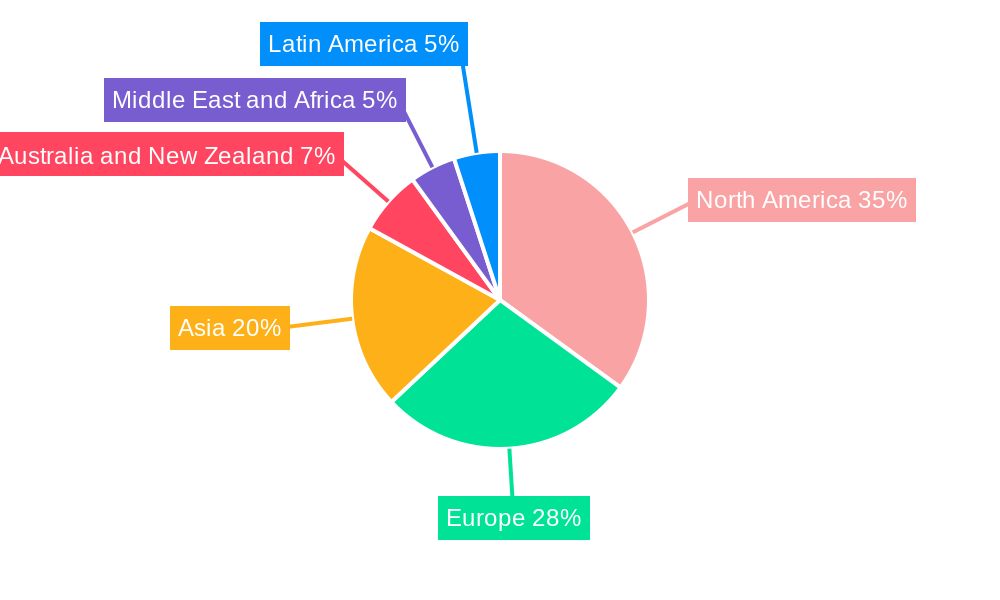
FSM Industry Regional Market Share
Geographic Coverage of FSM Industry
FSM Industry REPORT HIGHLIGHTS
| Aspects | Details |
|---|---|
| Study Period | 2020-2034 |
| Base Year | 2025 |
| Estimated Year | 2026 |
| Forecast Period | 2026-2034 |
| Historical Period | 2020-2025 |
| Growth Rate | CAGR of 11.70% from 2020-2034 |
| Segmentation |
|
Table of Contents
- 1. Introduction
- 1.1. Research Scope
- 1.2. Market Segmentation
- 1.3. Research Methodology
- 1.4. Definitions and Assumptions
- 2. Executive Summary
- 2.1. Introduction
- 3. Market Dynamics
- 3.1. Introduction
- 3.2. Market Drivers
- 3.2.1. Growing emphasis on maximizing work efficiency; Technological trends such as mobility and adoption of cloud-based solutions; Creation of new sales opportunities
- 3.3. Market Restrains
- 3.3.1. Increasing Risk of Counterfeits
- 3.4. Market Trends
- 3.4.1. Service Contract Management to Hold Significant Market Share
- 4. Market Factor Analysis
- 4.1. Porters Five Forces
- 4.2. Supply/Value Chain
- 4.3. PESTEL analysis
- 4.4. Market Entropy
- 4.5. Patent/Trademark Analysis
- 5. Global FSM Industry Analysis, Insights and Forecast, 2020-2032
- 5.1. Market Analysis, Insights and Forecast - by Deployment Type
- 5.1.1. On-premises
- 5.1.2. Cloud
- 5.2. Market Analysis, Insights and Forecast - by Organisation Size
- 5.2.1. Small and Medium Enterprises
- 5.2.2. Large Enterprises
- 5.3. Market Analysis, Insights and Forecast - by FSM Software and Service Type
- 5.3.1. Scheduling, Dispatch & Route Optimization
- 5.3.2. Service Contract Management
- 5.3.3. Work Order Management
- 5.3.4. Customer Management
- 5.3.5. Inventory Management
- 5.3.6. Services
- 5.4. Market Analysis, Insights and Forecast - by End-User
- 5.4.1. Allied F
- 5.4.2. IT and Telecom
- 5.4.3. Healthcare and Lifesciences
- 5.4.4. Energy and Utilities
- 5.4.5. Oil and Gas
- 5.4.6. Manufacturing
- 5.4.7. Other
- 5.5. Market Analysis, Insights and Forecast - by Region
- 5.5.1. North America
- 5.5.2. Europe
- 5.5.3. Asia
- 5.5.4. Australia and New Zealand
- 5.5.5. Middle East and Africa
- 5.5.6. Latin America
- 5.1. Market Analysis, Insights and Forecast - by Deployment Type
- 6. North America FSM Industry Analysis, Insights and Forecast, 2020-2032
- 6.1. Market Analysis, Insights and Forecast - by Deployment Type
- 6.1.1. On-premises
- 6.1.2. Cloud
- 6.2. Market Analysis, Insights and Forecast - by Organisation Size
- 6.2.1. Small and Medium Enterprises
- 6.2.2. Large Enterprises
- 6.3. Market Analysis, Insights and Forecast - by FSM Software and Service Type
- 6.3.1. Scheduling, Dispatch & Route Optimization
- 6.3.2. Service Contract Management
- 6.3.3. Work Order Management
- 6.3.4. Customer Management
- 6.3.5. Inventory Management
- 6.3.6. Services
- 6.4. Market Analysis, Insights and Forecast - by End-User
- 6.4.1. Allied F
- 6.4.2. IT and Telecom
- 6.4.3. Healthcare and Lifesciences
- 6.4.4. Energy and Utilities
- 6.4.5. Oil and Gas
- 6.4.6. Manufacturing
- 6.4.7. Other
- 6.1. Market Analysis, Insights and Forecast - by Deployment Type
- 7. Europe FSM Industry Analysis, Insights and Forecast, 2020-2032
- 7.1. Market Analysis, Insights and Forecast - by Deployment Type
- 7.1.1. On-premises
- 7.1.2. Cloud
- 7.2. Market Analysis, Insights and Forecast - by Organisation Size
- 7.2.1. Small and Medium Enterprises
- 7.2.2. Large Enterprises
- 7.3. Market Analysis, Insights and Forecast - by FSM Software and Service Type
- 7.3.1. Scheduling, Dispatch & Route Optimization
- 7.3.2. Service Contract Management
- 7.3.3. Work Order Management
- 7.3.4. Customer Management
- 7.3.5. Inventory Management
- 7.3.6. Services
- 7.4. Market Analysis, Insights and Forecast - by End-User
- 7.4.1. Allied F
- 7.4.2. IT and Telecom
- 7.4.3. Healthcare and Lifesciences
- 7.4.4. Energy and Utilities
- 7.4.5. Oil and Gas
- 7.4.6. Manufacturing
- 7.4.7. Other
- 7.1. Market Analysis, Insights and Forecast - by Deployment Type
- 8. Asia FSM Industry Analysis, Insights and Forecast, 2020-2032
- 8.1. Market Analysis, Insights and Forecast - by Deployment Type
- 8.1.1. On-premises
- 8.1.2. Cloud
- 8.2. Market Analysis, Insights and Forecast - by Organisation Size
- 8.2.1. Small and Medium Enterprises
- 8.2.2. Large Enterprises
- 8.3. Market Analysis, Insights and Forecast - by FSM Software and Service Type
- 8.3.1. Scheduling, Dispatch & Route Optimization
- 8.3.2. Service Contract Management
- 8.3.3. Work Order Management
- 8.3.4. Customer Management
- 8.3.5. Inventory Management
- 8.3.6. Services
- 8.4. Market Analysis, Insights and Forecast - by End-User
- 8.4.1. Allied F
- 8.4.2. IT and Telecom
- 8.4.3. Healthcare and Lifesciences
- 8.4.4. Energy and Utilities
- 8.4.5. Oil and Gas
- 8.4.6. Manufacturing
- 8.4.7. Other
- 8.1. Market Analysis, Insights and Forecast - by Deployment Type
- 9. Australia and New Zealand FSM Industry Analysis, Insights and Forecast, 2020-2032
- 9.1. Market Analysis, Insights and Forecast - by Deployment Type
- 9.1.1. On-premises
- 9.1.2. Cloud
- 9.2. Market Analysis, Insights and Forecast - by Organisation Size
- 9.2.1. Small and Medium Enterprises
- 9.2.2. Large Enterprises
- 9.3. Market Analysis, Insights and Forecast - by FSM Software and Service Type
- 9.3.1. Scheduling, Dispatch & Route Optimization
- 9.3.2. Service Contract Management
- 9.3.3. Work Order Management
- 9.3.4. Customer Management
- 9.3.5. Inventory Management
- 9.3.6. Services
- 9.4. Market Analysis, Insights and Forecast - by End-User
- 9.4.1. Allied F
- 9.4.2. IT and Telecom
- 9.4.3. Healthcare and Lifesciences
- 9.4.4. Energy and Utilities
- 9.4.5. Oil and Gas
- 9.4.6. Manufacturing
- 9.4.7. Other
- 9.1. Market Analysis, Insights and Forecast - by Deployment Type
- 10. Middle East and Africa FSM Industry Analysis, Insights and Forecast, 2020-2032
- 10.1. Market Analysis, Insights and Forecast - by Deployment Type
- 10.1.1. On-premises
- 10.1.2. Cloud
- 10.2. Market Analysis, Insights and Forecast - by Organisation Size
- 10.2.1. Small and Medium Enterprises
- 10.2.2. Large Enterprises
- 10.3. Market Analysis, Insights and Forecast - by FSM Software and Service Type
- 10.3.1. Scheduling, Dispatch & Route Optimization
- 10.3.2. Service Contract Management
- 10.3.3. Work Order Management
- 10.3.4. Customer Management
- 10.3.5. Inventory Management
- 10.3.6. Services
- 10.4. Market Analysis, Insights and Forecast - by End-User
- 10.4.1. Allied F
- 10.4.2. IT and Telecom
- 10.4.3. Healthcare and Lifesciences
- 10.4.4. Energy and Utilities
- 10.4.5. Oil and Gas
- 10.4.6. Manufacturing
- 10.4.7. Other
- 10.1. Market Analysis, Insights and Forecast - by Deployment Type
- 11. Latin America FSM Industry Analysis, Insights and Forecast, 2020-2032
- 11.1. Market Analysis, Insights and Forecast - by Deployment Type
- 11.1.1. On-premises
- 11.1.2. Cloud
- 11.2. Market Analysis, Insights and Forecast - by Organisation Size
- 11.2.1. Small and Medium Enterprises
- 11.2.2. Large Enterprises
- 11.3. Market Analysis, Insights and Forecast - by FSM Software and Service Type
- 11.3.1. Scheduling, Dispatch & Route Optimization
- 11.3.2. Service Contract Management
- 11.3.3. Work Order Management
- 11.3.4. Customer Management
- 11.3.5. Inventory Management
- 11.3.6. Services
- 11.4. Market Analysis, Insights and Forecast - by End-User
- 11.4.1. Allied F
- 11.4.2. IT and Telecom
- 11.4.3. Healthcare and Lifesciences
- 11.4.4. Energy and Utilities
- 11.4.5. Oil and Gas
- 11.4.6. Manufacturing
- 11.4.7. Other
- 11.1. Market Analysis, Insights and Forecast - by Deployment Type
- 12. Competitive Analysis
- 12.1. Global Market Share Analysis 2025
- 12.2. Company Profiles
- 12.2.1 Mize Inc
- 12.2.1.1. Overview
- 12.2.1.2. Products
- 12.2.1.3. SWOT Analysis
- 12.2.1.4. Recent Developments
- 12.2.1.5. Financials (Based on Availability)
- 12.2.2 Microsoft Corporation (Dynamics 365 for Field Service)
- 12.2.2.1. Overview
- 12.2.2.2. Products
- 12.2.2.3. SWOT Analysis
- 12.2.2.4. Recent Developments
- 12.2.2.5. Financials (Based on Availability)
- 12.2.3 Zinier Inc
- 12.2.3.1. Overview
- 12.2.3.2. Products
- 12.2.3.3. SWOT Analysis
- 12.2.3.4. Recent Developments
- 12.2.3.5. Financials (Based on Availability)
- 12.2.4 The simPRO Group Pty Limited
- 12.2.4.1. Overview
- 12.2.4.2. Products
- 12.2.4.3. SWOT Analysis
- 12.2.4.4. Recent Developments
- 12.2.4.5. Financials (Based on Availability)
- 12.2.5 Kirona Solutions Limited
- 12.2.5.1. Overview
- 12.2.5.2. Products
- 12.2.5.3. SWOT Analysis
- 12.2.5.4. Recent Developments
- 12.2.5.5. Financials (Based on Availability)
- 12.2.6 IFS AB
- 12.2.6.1. Overview
- 12.2.6.2. Products
- 12.2.6.3. SWOT Analysis
- 12.2.6.4. Recent Developments
- 12.2.6.5. Financials (Based on Availability)
- 12.2.7 ServiceMax Inc
- 12.2.7.1. Overview
- 12.2.7.2. Products
- 12.2.7.3. SWOT Analysis
- 12.2.7.4. Recent Developments
- 12.2.7.5. Financials (Based on Availability)
- 12.2.8 Field Aware US Inc
- 12.2.8.1. Overview
- 12.2.8.2. Products
- 12.2.8.3. SWOT Analysis
- 12.2.8.4. Recent Developments
- 12.2.8.5. Financials (Based on Availability)
- 12.2.9 Salesforce com Inc (Field Service Cloud)
- 12.2.9.1. Overview
- 12.2.9.2. Products
- 12.2.9.3. SWOT Analysis
- 12.2.9.4. Recent Developments
- 12.2.9.5. Financials (Based on Availability)
- 12.2.10 Trimble Inc
- 12.2.10.1. Overview
- 12.2.10.2. Products
- 12.2.10.3. SWOT Analysis
- 12.2.10.4. Recent Developments
- 12.2.10.5. Financials (Based on Availability)
- 12.2.11 Oracle Corporation (OFSC)
- 12.2.11.1. Overview
- 12.2.11.2. Products
- 12.2.11.3. SWOT Analysis
- 12.2.11.4. Recent Developments
- 12.2.11.5. Financials (Based on Availability)
- 12.2.12 Accruent LLC (Fortive Corp)
- 12.2.12.1. Overview
- 12.2.12.2. Products
- 12.2.12.3. SWOT Analysis
- 12.2.12.4. Recent Developments
- 12.2.12.5. Financials (Based on Availability)
- 12.2.13 Coresystems (SAP SE)
- 12.2.13.1. Overview
- 12.2.13.2. Products
- 12.2.13.3. SWOT Analysis
- 12.2.13.4. Recent Developments
- 12.2.13.5. Financials (Based on Availability)
- 12.2.14 ServicePower Inc
- 12.2.14.1. Overview
- 12.2.14.2. Products
- 12.2.14.3. SWOT Analysis
- 12.2.14.4. Recent Developments
- 12.2.14.5. Financials (Based on Availability)
- 12.2.1 Mize Inc
List of Figures
- Figure 1: Global FSM Industry Revenue Breakdown (Million, %) by Region 2025 & 2033
- Figure 2: North America FSM Industry Revenue (Million), by Deployment Type 2025 & 2033
- Figure 3: North America FSM Industry Revenue Share (%), by Deployment Type 2025 & 2033
- Figure 4: North America FSM Industry Revenue (Million), by Organisation Size 2025 & 2033
- Figure 5: North America FSM Industry Revenue Share (%), by Organisation Size 2025 & 2033
- Figure 6: North America FSM Industry Revenue (Million), by FSM Software and Service Type 2025 & 2033
- Figure 7: North America FSM Industry Revenue Share (%), by FSM Software and Service Type 2025 & 2033
- Figure 8: North America FSM Industry Revenue (Million), by End-User 2025 & 2033
- Figure 9: North America FSM Industry Revenue Share (%), by End-User 2025 & 2033
- Figure 10: North America FSM Industry Revenue (Million), by Country 2025 & 2033
- Figure 11: North America FSM Industry Revenue Share (%), by Country 2025 & 2033
- Figure 12: Europe FSM Industry Revenue (Million), by Deployment Type 2025 & 2033
- Figure 13: Europe FSM Industry Revenue Share (%), by Deployment Type 2025 & 2033
- Figure 14: Europe FSM Industry Revenue (Million), by Organisation Size 2025 & 2033
- Figure 15: Europe FSM Industry Revenue Share (%), by Organisation Size 2025 & 2033
- Figure 16: Europe FSM Industry Revenue (Million), by FSM Software and Service Type 2025 & 2033
- Figure 17: Europe FSM Industry Revenue Share (%), by FSM Software and Service Type 2025 & 2033
- Figure 18: Europe FSM Industry Revenue (Million), by End-User 2025 & 2033
- Figure 19: Europe FSM Industry Revenue Share (%), by End-User 2025 & 2033
- Figure 20: Europe FSM Industry Revenue (Million), by Country 2025 & 2033
- Figure 21: Europe FSM Industry Revenue Share (%), by Country 2025 & 2033
- Figure 22: Asia FSM Industry Revenue (Million), by Deployment Type 2025 & 2033
- Figure 23: Asia FSM Industry Revenue Share (%), by Deployment Type 2025 & 2033
- Figure 24: Asia FSM Industry Revenue (Million), by Organisation Size 2025 & 2033
- Figure 25: Asia FSM Industry Revenue Share (%), by Organisation Size 2025 & 2033
- Figure 26: Asia FSM Industry Revenue (Million), by FSM Software and Service Type 2025 & 2033
- Figure 27: Asia FSM Industry Revenue Share (%), by FSM Software and Service Type 2025 & 2033
- Figure 28: Asia FSM Industry Revenue (Million), by End-User 2025 & 2033
- Figure 29: Asia FSM Industry Revenue Share (%), by End-User 2025 & 2033
- Figure 30: Asia FSM Industry Revenue (Million), by Country 2025 & 2033
- Figure 31: Asia FSM Industry Revenue Share (%), by Country 2025 & 2033
- Figure 32: Australia and New Zealand FSM Industry Revenue (Million), by Deployment Type 2025 & 2033
- Figure 33: Australia and New Zealand FSM Industry Revenue Share (%), by Deployment Type 2025 & 2033
- Figure 34: Australia and New Zealand FSM Industry Revenue (Million), by Organisation Size 2025 & 2033
- Figure 35: Australia and New Zealand FSM Industry Revenue Share (%), by Organisation Size 2025 & 2033
- Figure 36: Australia and New Zealand FSM Industry Revenue (Million), by FSM Software and Service Type 2025 & 2033
- Figure 37: Australia and New Zealand FSM Industry Revenue Share (%), by FSM Software and Service Type 2025 & 2033
- Figure 38: Australia and New Zealand FSM Industry Revenue (Million), by End-User 2025 & 2033
- Figure 39: Australia and New Zealand FSM Industry Revenue Share (%), by End-User 2025 & 2033
- Figure 40: Australia and New Zealand FSM Industry Revenue (Million), by Country 2025 & 2033
- Figure 41: Australia and New Zealand FSM Industry Revenue Share (%), by Country 2025 & 2033
- Figure 42: Middle East and Africa FSM Industry Revenue (Million), by Deployment Type 2025 & 2033
- Figure 43: Middle East and Africa FSM Industry Revenue Share (%), by Deployment Type 2025 & 2033
- Figure 44: Middle East and Africa FSM Industry Revenue (Million), by Organisation Size 2025 & 2033
- Figure 45: Middle East and Africa FSM Industry Revenue Share (%), by Organisation Size 2025 & 2033
- Figure 46: Middle East and Africa FSM Industry Revenue (Million), by FSM Software and Service Type 2025 & 2033
- Figure 47: Middle East and Africa FSM Industry Revenue Share (%), by FSM Software and Service Type 2025 & 2033
- Figure 48: Middle East and Africa FSM Industry Revenue (Million), by End-User 2025 & 2033
- Figure 49: Middle East and Africa FSM Industry Revenue Share (%), by End-User 2025 & 2033
- Figure 50: Middle East and Africa FSM Industry Revenue (Million), by Country 2025 & 2033
- Figure 51: Middle East and Africa FSM Industry Revenue Share (%), by Country 2025 & 2033
- Figure 52: Latin America FSM Industry Revenue (Million), by Deployment Type 2025 & 2033
- Figure 53: Latin America FSM Industry Revenue Share (%), by Deployment Type 2025 & 2033
- Figure 54: Latin America FSM Industry Revenue (Million), by Organisation Size 2025 & 2033
- Figure 55: Latin America FSM Industry Revenue Share (%), by Organisation Size 2025 & 2033
- Figure 56: Latin America FSM Industry Revenue (Million), by FSM Software and Service Type 2025 & 2033
- Figure 57: Latin America FSM Industry Revenue Share (%), by FSM Software and Service Type 2025 & 2033
- Figure 58: Latin America FSM Industry Revenue (Million), by End-User 2025 & 2033
- Figure 59: Latin America FSM Industry Revenue Share (%), by End-User 2025 & 2033
- Figure 60: Latin America FSM Industry Revenue (Million), by Country 2025 & 2033
- Figure 61: Latin America FSM Industry Revenue Share (%), by Country 2025 & 2033
List of Tables
- Table 1: Global FSM Industry Revenue Million Forecast, by Deployment Type 2020 & 2033
- Table 2: Global FSM Industry Revenue Million Forecast, by Organisation Size 2020 & 2033
- Table 3: Global FSM Industry Revenue Million Forecast, by FSM Software and Service Type 2020 & 2033
- Table 4: Global FSM Industry Revenue Million Forecast, by End-User 2020 & 2033
- Table 5: Global FSM Industry Revenue Million Forecast, by Region 2020 & 2033
- Table 6: Global FSM Industry Revenue Million Forecast, by Deployment Type 2020 & 2033
- Table 7: Global FSM Industry Revenue Million Forecast, by Organisation Size 2020 & 2033
- Table 8: Global FSM Industry Revenue Million Forecast, by FSM Software and Service Type 2020 & 2033
- Table 9: Global FSM Industry Revenue Million Forecast, by End-User 2020 & 2033
- Table 10: Global FSM Industry Revenue Million Forecast, by Country 2020 & 2033
- Table 11: Global FSM Industry Revenue Million Forecast, by Deployment Type 2020 & 2033
- Table 12: Global FSM Industry Revenue Million Forecast, by Organisation Size 2020 & 2033
- Table 13: Global FSM Industry Revenue Million Forecast, by FSM Software and Service Type 2020 & 2033
- Table 14: Global FSM Industry Revenue Million Forecast, by End-User 2020 & 2033
- Table 15: Global FSM Industry Revenue Million Forecast, by Country 2020 & 2033
- Table 16: Global FSM Industry Revenue Million Forecast, by Deployment Type 2020 & 2033
- Table 17: Global FSM Industry Revenue Million Forecast, by Organisation Size 2020 & 2033
- Table 18: Global FSM Industry Revenue Million Forecast, by FSM Software and Service Type 2020 & 2033
- Table 19: Global FSM Industry Revenue Million Forecast, by End-User 2020 & 2033
- Table 20: Global FSM Industry Revenue Million Forecast, by Country 2020 & 2033
- Table 21: Global FSM Industry Revenue Million Forecast, by Deployment Type 2020 & 2033
- Table 22: Global FSM Industry Revenue Million Forecast, by Organisation Size 2020 & 2033
- Table 23: Global FSM Industry Revenue Million Forecast, by FSM Software and Service Type 2020 & 2033
- Table 24: Global FSM Industry Revenue Million Forecast, by End-User 2020 & 2033
- Table 25: Global FSM Industry Revenue Million Forecast, by Country 2020 & 2033
- Table 26: Global FSM Industry Revenue Million Forecast, by Deployment Type 2020 & 2033
- Table 27: Global FSM Industry Revenue Million Forecast, by Organisation Size 2020 & 2033
- Table 28: Global FSM Industry Revenue Million Forecast, by FSM Software and Service Type 2020 & 2033
- Table 29: Global FSM Industry Revenue Million Forecast, by End-User 2020 & 2033
- Table 30: Global FSM Industry Revenue Million Forecast, by Country 2020 & 2033
- Table 31: Global FSM Industry Revenue Million Forecast, by Deployment Type 2020 & 2033
- Table 32: Global FSM Industry Revenue Million Forecast, by Organisation Size 2020 & 2033
- Table 33: Global FSM Industry Revenue Million Forecast, by FSM Software and Service Type 2020 & 2033
- Table 34: Global FSM Industry Revenue Million Forecast, by End-User 2020 & 2033
- Table 35: Global FSM Industry Revenue Million Forecast, by Country 2020 & 2033
Frequently Asked Questions
1. What is the projected Compound Annual Growth Rate (CAGR) of the FSM Industry?
The projected CAGR is approximately 11.70%.
2. Which companies are prominent players in the FSM Industry?
Key companies in the market include Mize Inc, Microsoft Corporation (Dynamics 365 for Field Service), Zinier Inc, The simPRO Group Pty Limited, Kirona Solutions Limited, IFS AB, ServiceMax Inc, Field Aware US Inc, Salesforce com Inc (Field Service Cloud), Trimble Inc, Oracle Corporation (OFSC), Accruent LLC (Fortive Corp), Coresystems (SAP SE), ServicePower Inc.
3. What are the main segments of the FSM Industry?
The market segments include Deployment Type, Organisation Size, FSM Software and Service Type, End-User.
4. Can you provide details about the market size?
The market size is estimated to be USD 4.94 Million as of 2022.
5. What are some drivers contributing to market growth?
Growing emphasis on maximizing work efficiency; Technological trends such as mobility and adoption of cloud-based solutions; Creation of new sales opportunities.
6. What are the notable trends driving market growth?
Service Contract Management to Hold Significant Market Share.
7. Are there any restraints impacting market growth?
Increasing Risk of Counterfeits.
8. Can you provide examples of recent developments in the market?
October 2022 - OutSmart, a provider of field service management software for small and medium-sized organizations, has been acquired by Visma, a company in cloud software in Europe. OutSmart has operations in the Netherlands, Belgium, Germany, and Portugal. OutSmart can expedite its growth goals by joining Visma due to its software having features for digital scheduling, materials management, quotes, customer relationship management, time tracking, invoicing, project planning, contract and object management, as well as particular features for refrigeration installation.
9. What pricing options are available for accessing the report?
Pricing options include single-user, multi-user, and enterprise licenses priced at USD 4750, USD 5250, and USD 8750 respectively.
10. Is the market size provided in terms of value or volume?
The market size is provided in terms of value, measured in Million.
11. Are there any specific market keywords associated with the report?
Yes, the market keyword associated with the report is "FSM Industry," which aids in identifying and referencing the specific market segment covered.
12. How do I determine which pricing option suits my needs best?
The pricing options vary based on user requirements and access needs. Individual users may opt for single-user licenses, while businesses requiring broader access may choose multi-user or enterprise licenses for cost-effective access to the report.
13. Are there any additional resources or data provided in the FSM Industry report?
While the report offers comprehensive insights, it's advisable to review the specific contents or supplementary materials provided to ascertain if additional resources or data are available.
14. How can I stay updated on further developments or reports in the FSM Industry?
To stay informed about further developments, trends, and reports in the FSM Industry, consider subscribing to industry newsletters, following relevant companies and organizations, or regularly checking reputable industry news sources and publications.
Methodology
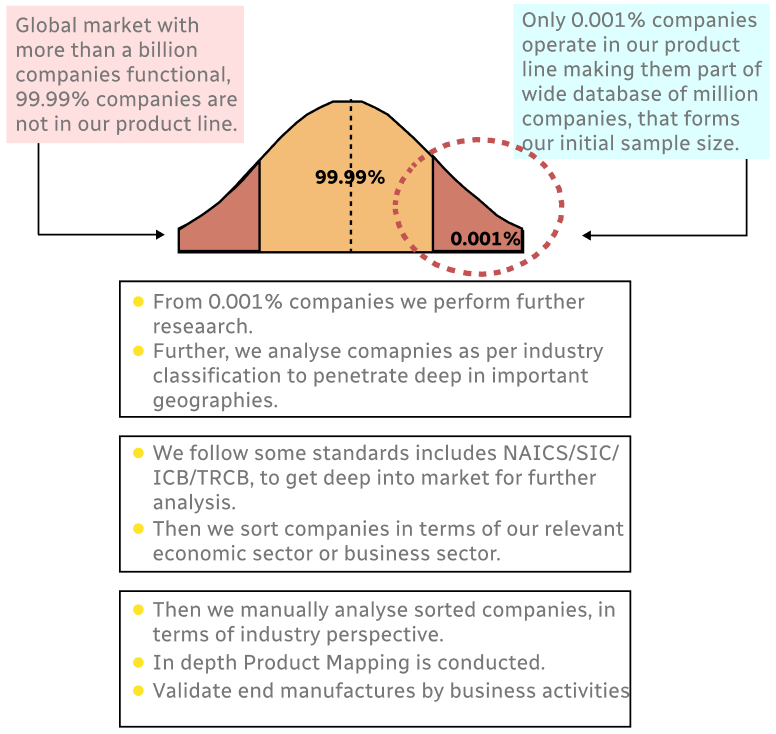
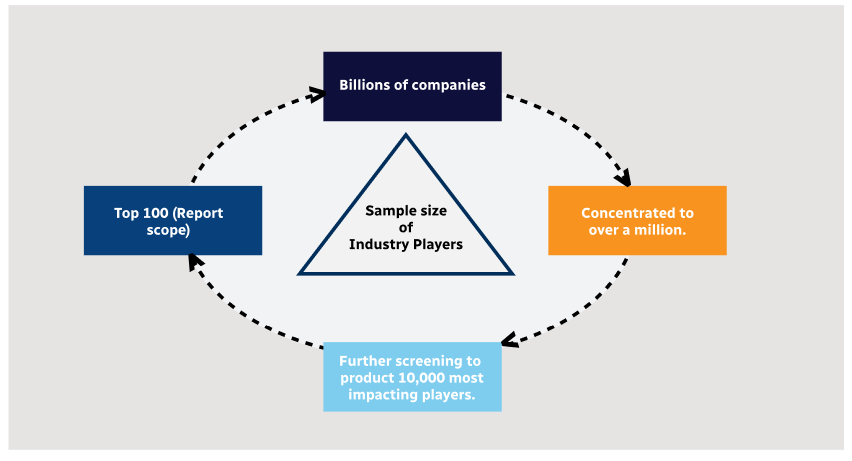
Step 1 - Identification of Relevant Samples Size from Population Database
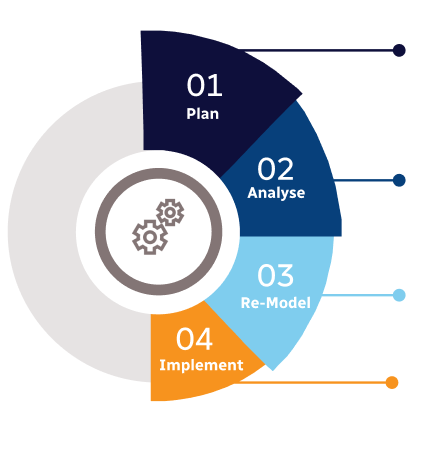
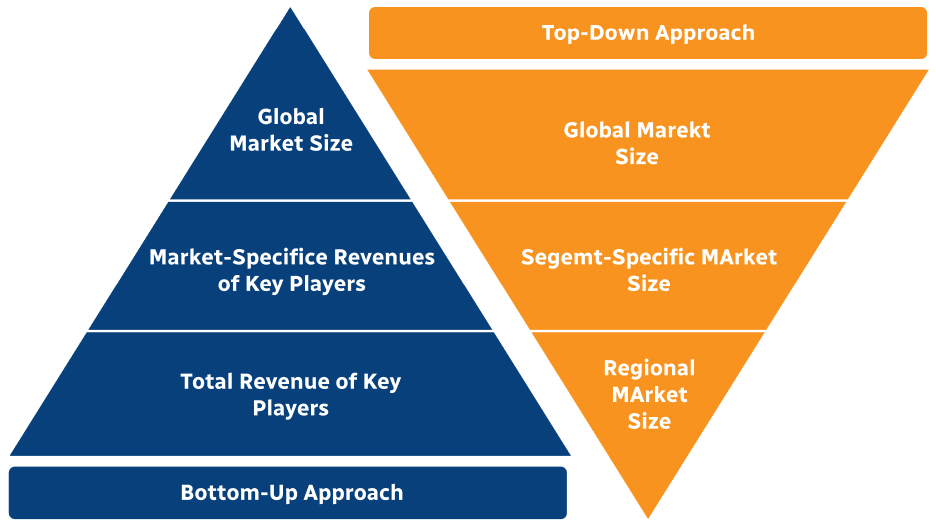
Step 2 - Approaches for Defining Global Market Size (Value, Volume* & Price*)
Note*: In applicable scenarios
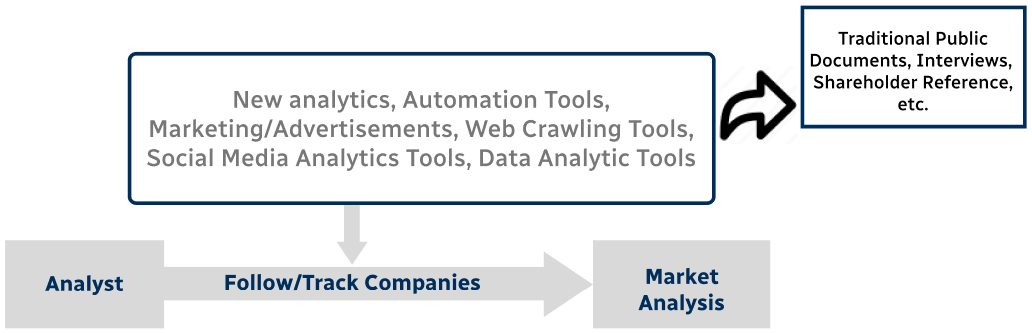
Step 3 - Data Sources
Primary Research
- Web Analytics
- Survey Reports
- Research Institute
- Latest Research Reports
- Opinion Leaders
Secondary Research
- Annual Reports
- White Paper
- Latest Press Release
- Industry Association
- Paid Database
- Investor Presentations
Step 4 - Data Triangulation
Involves using different sources of information in order to increase the validity of a study
These sources are likely to be stakeholders in a program - participants, other researchers, program staff, other community members, and so on.
Then we put all data in single framework & apply various statistical tools to find out the dynamic on the market.
During the analysis stage, feedback from the stakeholder groups would be compared to determine areas of agreement as well as areas of divergence