
Key Insights
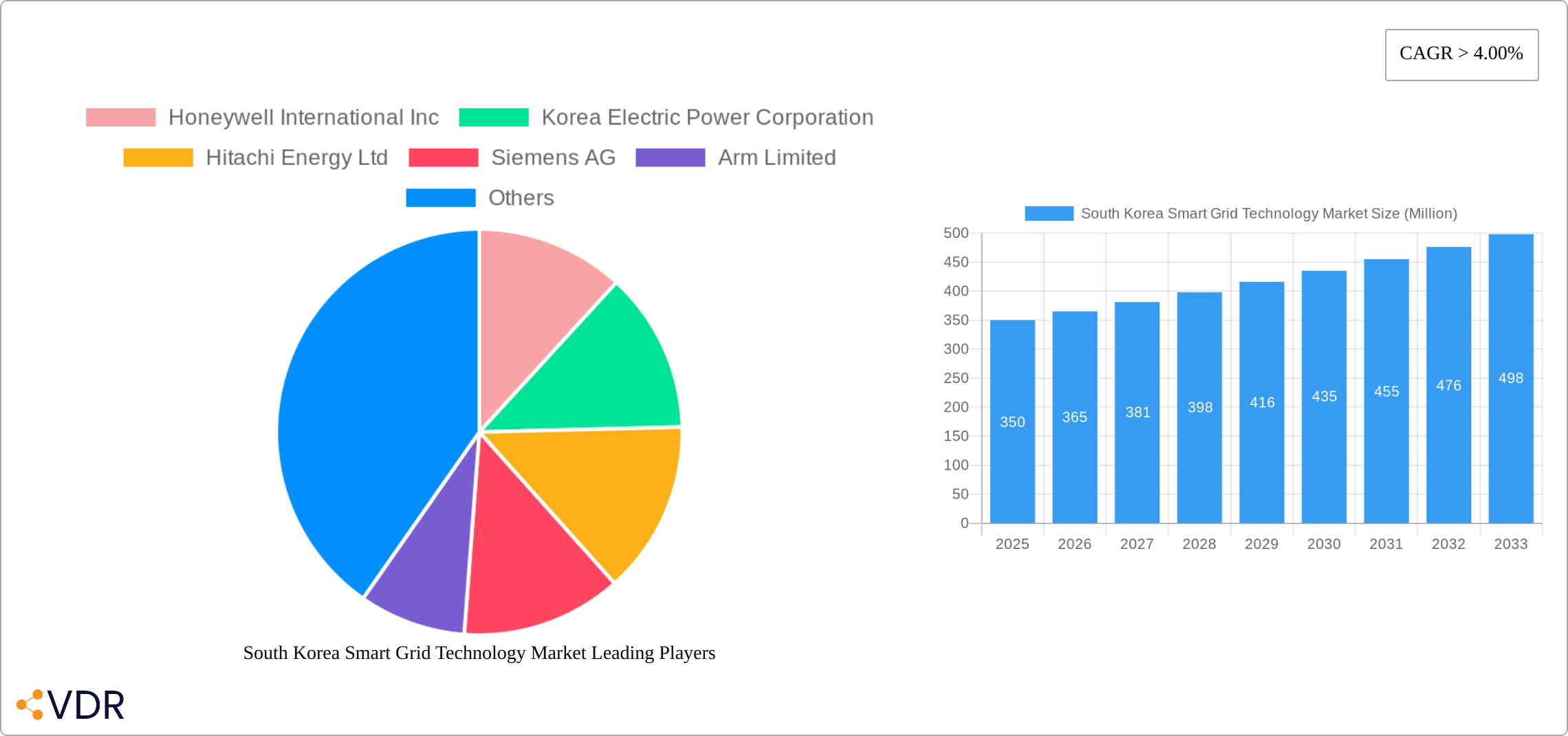
The South Korea Smart Grid Technology Market is experiencing robust growth, driven by the nation's commitment to enhancing energy efficiency and grid reliability. The government's proactive policies promoting renewable energy integration and smart city initiatives are key catalysts. A CAGR exceeding 4% from 2019 to 2024 suggests a significant market expansion, likely fueled by increasing urbanization, industrialization, and the rising adoption of smart meters and advanced grid management software. Considering the global trend towards digitalization and the South Korean government's focus on technological advancement, we can project continued strong growth through 2033. The market is segmented across technologies (smart meters, software & analytics, communication infrastructure), applications (energy generation, distribution, consumption), and end-users (utilities, commercial & industrial businesses, residential consumers). While precise market size for South Korea is unavailable, extrapolating from the overall Asia-Pacific region's performance and considering South Korea's advanced technological infrastructure, a conservative estimate for the 2025 market size could be in the range of $300-400 million USD. This is supported by the significant investments made by major players like Korea Electric Power Corporation (KEPCO) in upgrading grid infrastructure and integrating smart technologies. The market's future success hinges on continued government support, private sector investments, and the seamless integration of smart grid components to ensure interoperability and efficiency gains across the energy sector. Challenges could include high initial investment costs and the need for skilled workforce development to manage and maintain sophisticated smart grid systems.
The dominance of major players like Honeywell, Hitachi Energy, Siemens, and General Electric in the global smart grid market suggests a similar competitive landscape within South Korea. Local players, however, are likely to hold a significant share due to their familiarity with the domestic market and regulatory environment. The residential sector presents a vast untapped potential for growth, with smart meter penetration still relatively low compared to other developed nations. Furthermore, the integration of renewable energy sources, such as solar and wind power, will necessitate advanced smart grid technologies for effective grid management and stability. This aspect will drive further demand for smart grid software and analytics solutions capable of optimizing energy flow and balancing intermittent renewable energy supplies. This trend will create opportunities for both established global players and emerging South Korean companies in the field.
South Korea Smart Grid Technology Market: A Comprehensive Report (2019-2033)
This in-depth report provides a comprehensive analysis of the South Korea smart grid technology market, encompassing market dynamics, growth trends, regional segmentation, product landscape, key players, and future outlook. The study period spans from 2019 to 2033, with 2025 serving as the base and estimated year. The report utilizes both qualitative and quantitative data to offer actionable insights for industry professionals, investors, and strategic decision-makers. This analysis covers the parent market of energy infrastructure and the child market of smart grid technologies within South Korea. The total market size is projected to reach xx Million units by 2033.
South Korea Smart Grid Technology Market Dynamics & Structure
The South Korea smart grid technology market is characterized by a moderately concentrated landscape, with key players such as Honeywell International Inc, Korea Electric Power Corporation, Hitachi Energy Ltd, Siemens AG, Arm Limited, General Electric Company, and Eaton Corporation holding significant market share. Technological innovation, driven by the increasing adoption of smart meters and advanced analytics, is a primary growth driver. The government's supportive regulatory framework, focused on energy efficiency and renewable energy integration, further fuels market expansion. However, high initial investment costs and concerns regarding data security pose challenges. Mergers and acquisitions (M&A) activity remains relatively moderate, with xx deals recorded between 2019 and 2024, resulting in a market concentration of approximately xx%.
- Market Concentration: Moderately concentrated, with top players holding xx% market share (2024).
- Technological Innovation: Strong focus on AI, IoT, and cybersecurity in smart grid solutions.
- Regulatory Framework: Supportive policies promoting renewable energy integration and energy efficiency.
- Competitive Substitutes: Limited direct substitutes, but traditional grid infrastructure remains a key competitor.
- End-User Demographics: Utilities, industrial and commercial businesses, and residential sectors are key end-users.
- M&A Trends: Moderate M&A activity, with xx deals recorded between 2019 and 2024. Consolidation expected to increase.
- Innovation Barriers: High initial investment costs, lack of standardization, and cybersecurity concerns.
South Korea Smart Grid Technology Market Growth Trends & Insights
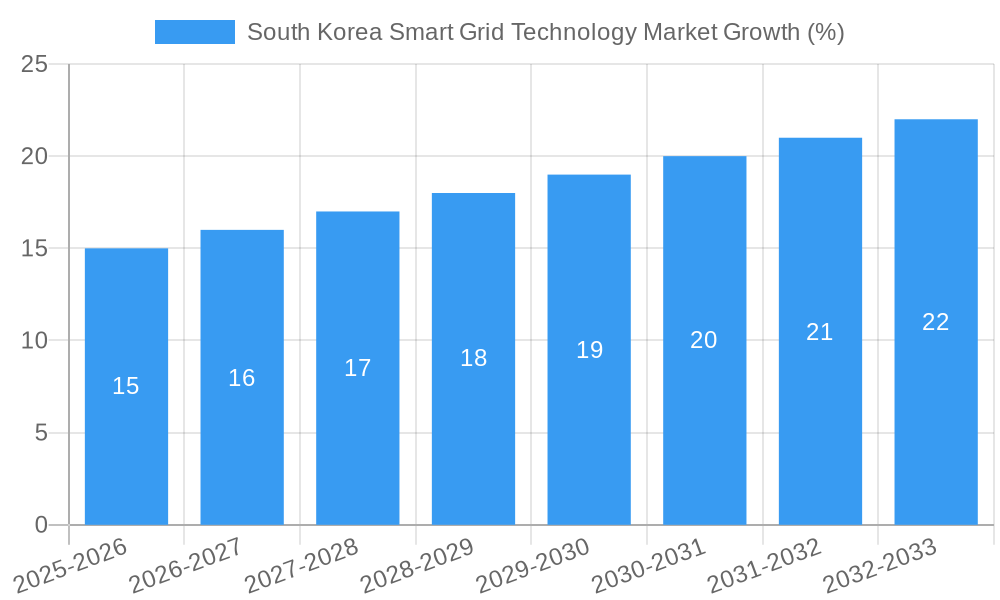
The South Korea smart grid technology market experienced significant growth between 2019 and 2024, driven by factors such as increasing energy demand, government initiatives to improve grid efficiency and reliability, and rising adoption of renewable energy sources. The market size expanded from xx Million units in 2019 to xx Million units in 2024, exhibiting a CAGR of xx%. This growth is anticipated to continue during the forecast period (2025-2033), with the market projected to reach xx Million units by 2033, driven by increasing penetration of smart meters, advancements in smart grid software and analytics, and expansion of smart grid communication networks. Technological disruptions, such as the integration of AI and machine learning, are further accelerating growth. Consumer behavior is shifting towards greater energy consciousness and demand for sustainable solutions, fostering adoption of smart grid technologies.
Dominant Regions, Countries, or Segments in South Korea Smart Grid Technology Market
The South Korea smart grid technology market is largely dominated by the urban areas of Seoul and surrounding regions due to higher energy consumption and advanced infrastructure. The utilities segment represents the largest end-user group, driven by the significant investments in grid modernization by the Korea Electric Power Corporation (KEPCO) and other regional utilities. Smart meters represent the largest technology segment, fueled by government mandates and incentives for smart meter deployments. Energy distribution constitutes the leading application segment due to its importance in ensuring reliable electricity supply.
- Leading Region: Seoul and surrounding metropolitan areas.
- Leading End-user: Utilities (KEPCO and other regional players).
- Leading Technology Segment: Smart meters, driven by government mandates and incentives.
- Leading Application Segment: Energy distribution, due to reliability and efficiency improvements.
- Key Drivers: Government support for renewable energy integration, improving grid infrastructure and enhancing efficiency, growing energy demand.
South Korea Smart Grid Technology Market Product Landscape
The South Korean smart grid technology market is dynamic and diverse, encompassing a wide array of advanced solutions. Key product segments include sophisticated Advanced Metering Infrastructure (AMI) systems, intelligent grid software and analytics platforms leveraging AI and machine learning, diverse communication technologies (Power Line Communication (PLC), various wireless protocols including LTE-Advanced and 5G), and robust energy storage systems (ESS) incorporating battery technologies and pumped hydro storage. These integrated solutions provide enhanced grid monitoring capabilities, significantly improve energy efficiency, reduce operational costs, and facilitate the seamless integration of renewable energy sources. Recent innovations are focused on predictive maintenance utilizing AI and machine learning algorithms for real-time grid optimization and proactive fault detection. The market is characterized by a strong emphasis on superior data analytics, robust cybersecurity features, and seamless interoperability with existing grid infrastructure to ensure a smooth transition and maximum efficiency.
Key Drivers, Barriers & Challenges in South Korea Smart Grid Technology Market
Key Drivers: Several factors are propelling the growth of South Korea's smart grid technology market. These include the nation's consistently increasing energy demand fueled by economic growth and technological advancements, proactive government initiatives aimed at accelerating the integration of renewable energy sources to meet sustainability goals, and a critical need to enhance grid reliability and resilience against unforeseen disruptions. Significant investments in smart grid infrastructure are further fueled by advancements in the Internet of Things (IoT) and artificial intelligence (AI), opening up new avenues for improved grid management, reduced operational expenses, and optimized energy distribution.
Challenges: Despite the significant potential, the market faces notable challenges. High initial capital expenditure for infrastructure upgrades and deployment represents a substantial barrier to entry. Furthermore, concerns surrounding data security and user privacy necessitate robust cybersecurity measures to prevent data breaches and ensure compliance with stringent data protection regulations. Ensuring seamless interoperability between new smart grid technologies and existing legacy infrastructure is another crucial challenge, requiring careful planning and standardization efforts. Finally, the successful implementation and management of advanced smart grid systems require a highly skilled workforce, posing a potential bottleneck in the market's growth trajectory.
Emerging Opportunities in South Korea Smart Grid Technology Market
Emerging opportunities lie in the expansion of smart grid technologies into rural areas, the integration of renewable energy sources into the grid, and the development of innovative applications such as demand-side management (DSM) and microgrids. The increasing adoption of electric vehicles (EVs) presents an opportunity for smart charging infrastructure and grid integration. Furthermore, the development of advanced cybersecurity solutions is crucial for addressing data security concerns.
Growth Accelerators in the South Korea Smart Grid Technology Market Industry
Long-term growth will be driven by continued government support for renewable energy and smart grid development, technological advancements in areas such as AI and machine learning, and strategic partnerships between technology providers and utilities. The expansion of 5G networks will also play a significant role in enhancing smart grid communication capabilities. Market expansion into less developed areas and the integration of smart grid technologies into other sectors, such as smart cities, will further accelerate growth.
Key Players Shaping the South Korea Smart Grid Technology Market Market
- Honeywell International Inc
- Korea Electric Power Corporation (KEPCO)
- Hitachi Energy Ltd
- Siemens AG
- Arm Limited
- General Electric Company
- Eaton Corporation
- LS ELECTRIC
- Hyundai Electric & Energy Systems
Notable Milestones in South Korea Smart Grid Technology Market Sector
- January 2020: Silex Insight and Argo announced a collaboration to deliver a secure smart meter solution, underscoring the increasing emphasis on cybersecurity within the South Korean smart grid sector.
- [Insert More Recent Milestones Here]: Include specific examples of recent projects, partnerships, or policy changes impacting the market. (e.g., Government funding announcements, large-scale smart grid deployments, new technology integrations).
In-Depth South Korea Smart Grid Technology Market Market Outlook
The South Korea smart grid technology market exhibits strong potential for continued and substantial growth throughout the next decade. Ongoing government investments in renewable energy infrastructure, coupled with technological advancements in AI, machine learning, and IoT, are key drivers of market expansion. Strategic partnerships and collaborations between international technology providers and domestic utilities are expected to facilitate broader market penetration and accelerate the adoption of cutting-edge smart grid technologies. The integration of AI and machine learning capabilities will continue to unlock new opportunities for sophisticated grid optimization, enhanced energy management, and the efficient integration of distributed energy resources (DERs). This dynamic market presents significant growth opportunities for both established global players and innovative domestic companies, fostering a competitive landscape driven by continuous innovation and technological advancement.
South Korea Smart Grid Technology Market Segmentation
- 1. Transmission
- 2. Demand Response
- 3. Advanced Metering Infrastructure (AMI)
- 4. Other Technology Application Areas
South Korea Smart Grid Technology Market Segmentation By Geography
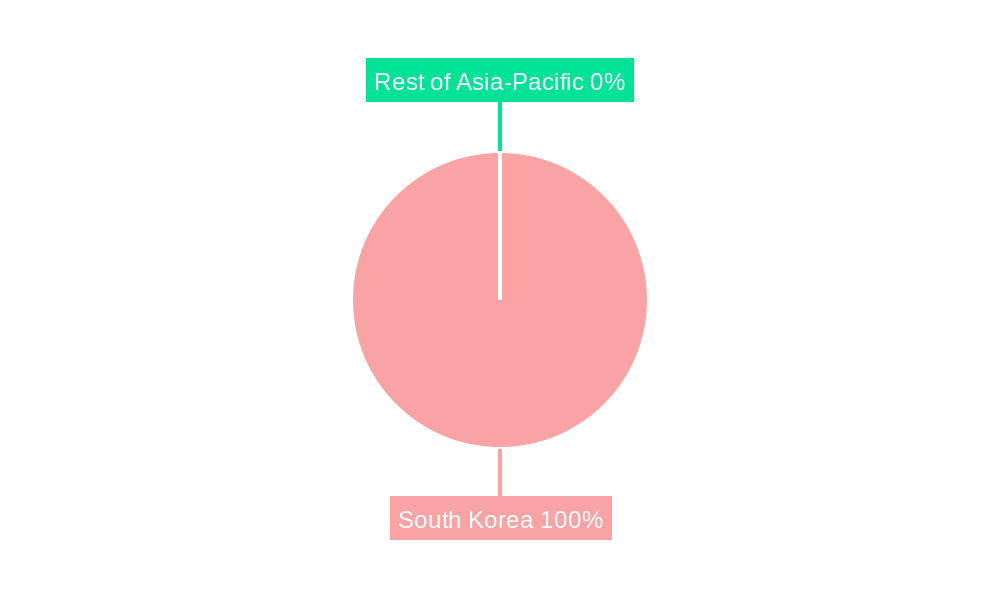
- 1. South Korea
South Korea Smart Grid Technology Market REPORT HIGHLIGHTS
| Aspects | Details |
|---|---|
| Study Period | 2019-2033 |
| Base Year | 2024 |
| Estimated Year | 2025 |
| Forecast Period | 2025-2033 |
| Historical Period | 2019-2024 |
| Growth Rate | CAGR of > 4.00% from 2019-2033 |
| Segmentation |
|
Table of Contents
- 1. Introduction
- 1.1. Research Scope
- 1.2. Market Segmentation
- 1.3. Research Methodology
- 1.4. Definitions and Assumptions
- 2. Executive Summary
- 2.1. Introduction
- 3. Market Dynamics
- 3.1. Introduction
- 3.2. Market Drivers
- 3.2.1. 4.; Increasing Power Demand across Industrial Sector4.; Remote Location of Several Industries and the Unreliability of the Power Supply
- 3.3. Market Restrains
- 3.3.1. 4.; High Capital and Operational Expenditures
- 3.4. Market Trends
- 3.4.1. Advanced Metering Infrastructure to Witness a Significant Growth
- 4. Market Factor Analysis
- 4.1. Porters Five Forces
- 4.2. Supply/Value Chain
- 4.3. PESTEL analysis
- 4.4. Market Entropy
- 4.5. Patent/Trademark Analysis
- 5. South Korea Smart Grid Technology Market Analysis, Insights and Forecast, 2019-2031
- 5.1. Market Analysis, Insights and Forecast - by Transmission
- 5.2. Market Analysis, Insights and Forecast - by Demand Response
- 5.3. Market Analysis, Insights and Forecast - by Advanced Metering Infrastructure (AMI)
- 5.4. Market Analysis, Insights and Forecast - by Other Technology Application Areas
- 5.5. Market Analysis, Insights and Forecast - by Region
- 5.5.1. South Korea
- 5.1. Market Analysis, Insights and Forecast - by Transmission
- 6. China South Korea Smart Grid Technology Market Analysis, Insights and Forecast, 2019-2031
- 7. Japan South Korea Smart Grid Technology Market Analysis, Insights and Forecast, 2019-2031
- 8. India South Korea Smart Grid Technology Market Analysis, Insights and Forecast, 2019-2031
- 9. South Korea South Korea Smart Grid Technology Market Analysis, Insights and Forecast, 2019-2031
- 10. Taiwan South Korea Smart Grid Technology Market Analysis, Insights and Forecast, 2019-2031
- 11. Australia South Korea Smart Grid Technology Market Analysis, Insights and Forecast, 2019-2031
- 12. Rest of Asia-Pacific South Korea Smart Grid Technology Market Analysis, Insights and Forecast, 2019-2031
- 13. Competitive Analysis
- 13.1. Market Share Analysis 2024
- 13.2. Company Profiles
- 13.2.1 Honeywell International Inc
- 13.2.1.1. Overview
- 13.2.1.2. Products
- 13.2.1.3. SWOT Analysis
- 13.2.1.4. Recent Developments
- 13.2.1.5. Financials (Based on Availability)
- 13.2.2 Korea Electric Power Corporation
- 13.2.2.1. Overview
- 13.2.2.2. Products
- 13.2.2.3. SWOT Analysis
- 13.2.2.4. Recent Developments
- 13.2.2.5. Financials (Based on Availability)
- 13.2.3 Hitachi Energy Ltd
- 13.2.3.1. Overview
- 13.2.3.2. Products
- 13.2.3.3. SWOT Analysis
- 13.2.3.4. Recent Developments
- 13.2.3.5. Financials (Based on Availability)
- 13.2.4 Siemens AG
- 13.2.4.1. Overview
- 13.2.4.2. Products
- 13.2.4.3. SWOT Analysis
- 13.2.4.4. Recent Developments
- 13.2.4.5. Financials (Based on Availability)
- 13.2.5 Arm Limited
- 13.2.5.1. Overview
- 13.2.5.2. Products
- 13.2.5.3. SWOT Analysis
- 13.2.5.4. Recent Developments
- 13.2.5.5. Financials (Based on Availability)
- 13.2.6 General Electric Company
- 13.2.6.1. Overview
- 13.2.6.2. Products
- 13.2.6.3. SWOT Analysis
- 13.2.6.4. Recent Developments
- 13.2.6.5. Financials (Based on Availability)
- 13.2.7 Eaton Corporation
- 13.2.7.1. Overview
- 13.2.7.2. Products
- 13.2.7.3. SWOT Analysis
- 13.2.7.4. Recent Developments
- 13.2.7.5. Financials (Based on Availability)
- 13.2.1 Honeywell International Inc
List of Figures
- Figure 1: South Korea Smart Grid Technology Market Revenue Breakdown (Million, %) by Product 2024 & 2032
- Figure 2: South Korea Smart Grid Technology Market Share (%) by Company 2024
List of Tables
- Table 1: South Korea Smart Grid Technology Market Revenue Million Forecast, by Region 2019 & 2032
- Table 2: South Korea Smart Grid Technology Market Revenue Million Forecast, by Transmission 2019 & 2032
- Table 3: South Korea Smart Grid Technology Market Revenue Million Forecast, by Demand Response 2019 & 2032
- Table 4: South Korea Smart Grid Technology Market Revenue Million Forecast, by Advanced Metering Infrastructure (AMI) 2019 & 2032
- Table 5: South Korea Smart Grid Technology Market Revenue Million Forecast, by Other Technology Application Areas 2019 & 2032
- Table 6: South Korea Smart Grid Technology Market Revenue Million Forecast, by Region 2019 & 2032
- Table 7: South Korea Smart Grid Technology Market Revenue Million Forecast, by Country 2019 & 2032
- Table 8: China South Korea Smart Grid Technology Market Revenue (Million) Forecast, by Application 2019 & 2032
- Table 9: Japan South Korea Smart Grid Technology Market Revenue (Million) Forecast, by Application 2019 & 2032
- Table 10: India South Korea Smart Grid Technology Market Revenue (Million) Forecast, by Application 2019 & 2032
- Table 11: South Korea South Korea Smart Grid Technology Market Revenue (Million) Forecast, by Application 2019 & 2032
- Table 12: Taiwan South Korea Smart Grid Technology Market Revenue (Million) Forecast, by Application 2019 & 2032
- Table 13: Australia South Korea Smart Grid Technology Market Revenue (Million) Forecast, by Application 2019 & 2032
- Table 14: Rest of Asia-Pacific South Korea Smart Grid Technology Market Revenue (Million) Forecast, by Application 2019 & 2032
- Table 15: South Korea Smart Grid Technology Market Revenue Million Forecast, by Transmission 2019 & 2032
- Table 16: South Korea Smart Grid Technology Market Revenue Million Forecast, by Demand Response 2019 & 2032
- Table 17: South Korea Smart Grid Technology Market Revenue Million Forecast, by Advanced Metering Infrastructure (AMI) 2019 & 2032
- Table 18: South Korea Smart Grid Technology Market Revenue Million Forecast, by Other Technology Application Areas 2019 & 2032
- Table 19: South Korea Smart Grid Technology Market Revenue Million Forecast, by Country 2019 & 2032
Frequently Asked Questions
1. What is the projected Compound Annual Growth Rate (CAGR) of the South Korea Smart Grid Technology Market?
The projected CAGR is approximately > 4.00%.
2. Which companies are prominent players in the South Korea Smart Grid Technology Market?
Key companies in the market include Honeywell International Inc, Korea Electric Power Corporation, Hitachi Energy Ltd, Siemens AG, Arm Limited, General Electric Company, Eaton Corporation.
3. What are the main segments of the South Korea Smart Grid Technology Market?
The market segments include Transmission, Demand Response, Advanced Metering Infrastructure (AMI), Other Technology Application Areas.
4. Can you provide details about the market size?
The market size is estimated to be USD XX Million as of 2022.
5. What are some drivers contributing to market growth?
4.; Increasing Power Demand across Industrial Sector4.; Remote Location of Several Industries and the Unreliability of the Power Supply.
6. What are the notable trends driving market growth?
Advanced Metering Infrastructure to Witness a Significant Growth.
7. Are there any restraints impacting market growth?
4.; High Capital and Operational Expenditures.
8. Can you provide examples of recent developments in the market?
In January 2020, Silex Insight, a provider for flexible security IP cores, and Argo, an embedded system designer and developer, announced their collaboration for delivering a solution for security-conscious smart meters designers by incorporating security IP from Silex Insight into the ASIC chip from Argo.
9. What pricing options are available for accessing the report?
Pricing options include single-user, multi-user, and enterprise licenses priced at USD 3800, USD 4500, and USD 5800 respectively.
10. Is the market size provided in terms of value or volume?
The market size is provided in terms of value, measured in Million.
11. Are there any specific market keywords associated with the report?
Yes, the market keyword associated with the report is "South Korea Smart Grid Technology Market," which aids in identifying and referencing the specific market segment covered.
12. How do I determine which pricing option suits my needs best?
The pricing options vary based on user requirements and access needs. Individual users may opt for single-user licenses, while businesses requiring broader access may choose multi-user or enterprise licenses for cost-effective access to the report.
13. Are there any additional resources or data provided in the South Korea Smart Grid Technology Market report?
While the report offers comprehensive insights, it's advisable to review the specific contents or supplementary materials provided to ascertain if additional resources or data are available.
14. How can I stay updated on further developments or reports in the South Korea Smart Grid Technology Market?
To stay informed about further developments, trends, and reports in the South Korea Smart Grid Technology Market, consider subscribing to industry newsletters, following relevant companies and organizations, or regularly checking reputable industry news sources and publications.
Methodology
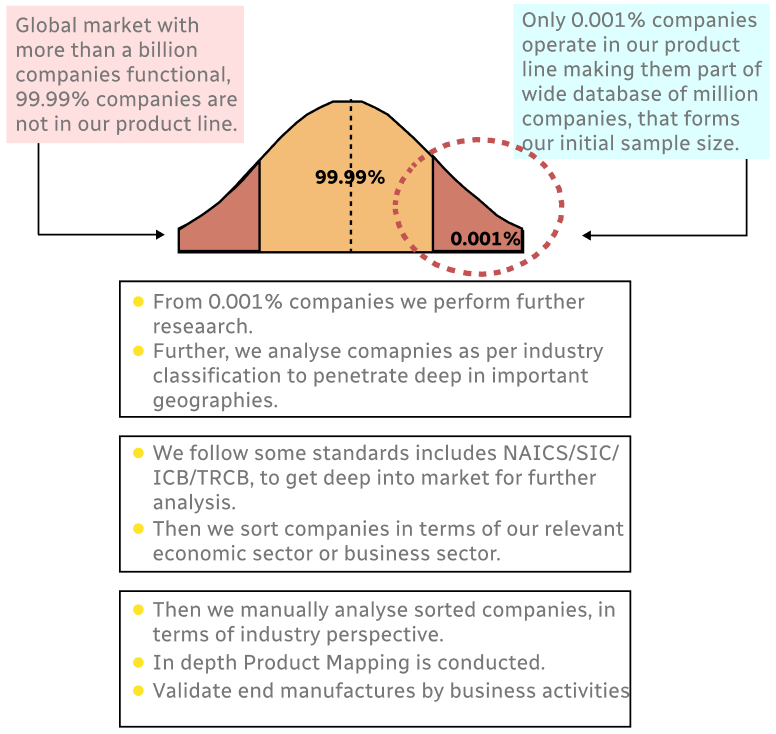
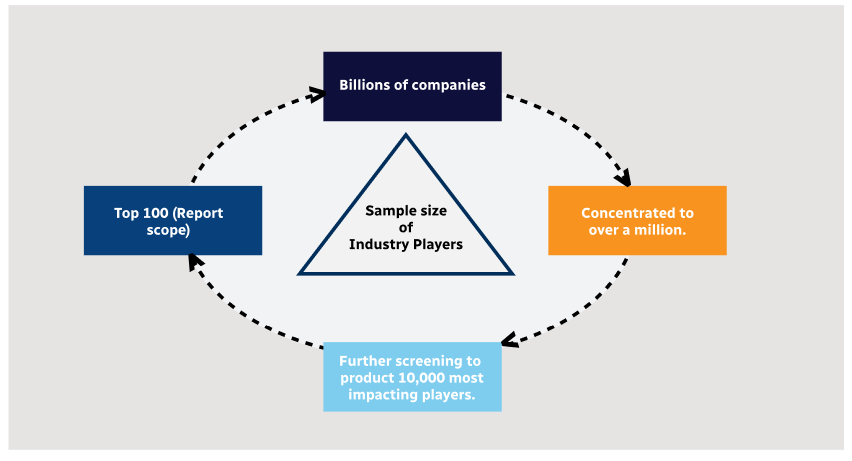
Step 1 - Identification of Relevant Samples Size from Population Database
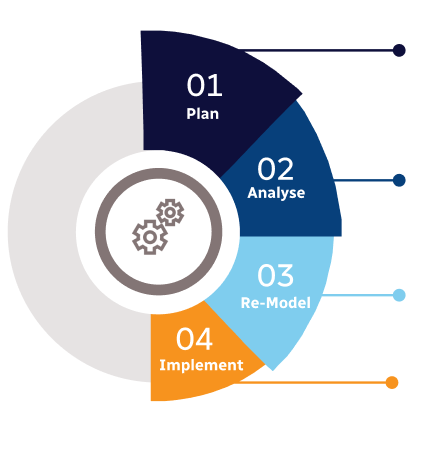
Step 2 - Approaches for Defining Global Market Size (Value, Volume* & Price*)
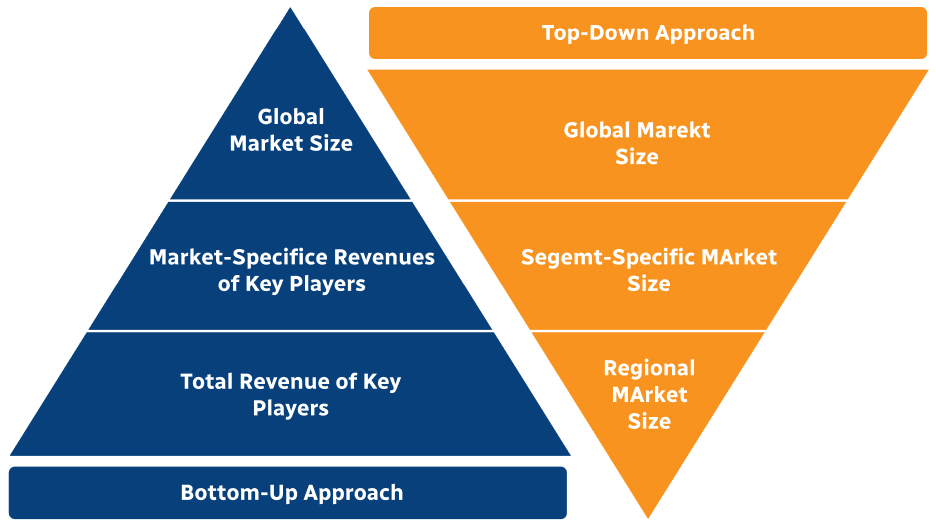
Note*: In applicable scenarios
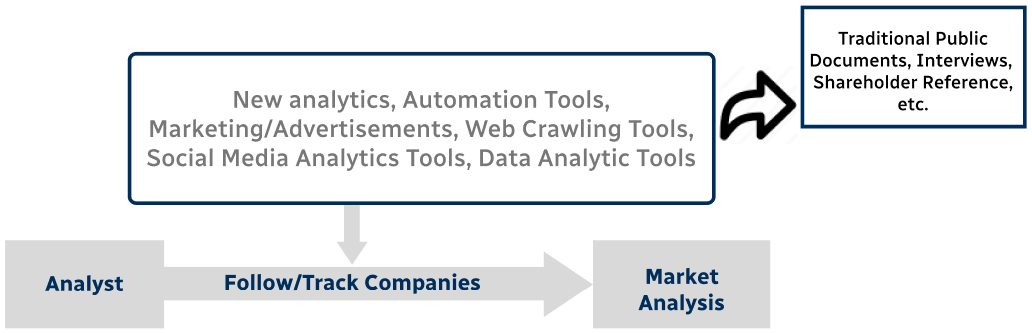
Step 3 - Data Sources
Primary Research
- Web Analytics
- Survey Reports
- Research Institute
- Latest Research Reports
- Opinion Leaders
Secondary Research
- Annual Reports
- White Paper
- Latest Press Release
- Industry Association
- Paid Database
- Investor Presentations
Step 4 - Data Triangulation
Involves using different sources of information in order to increase the validity of a study
These sources are likely to be stakeholders in a program - participants, other researchers, program staff, other community members, and so on.
Then we put all data in single framework & apply various statistical tools to find out the dynamic on the market.
During the analysis stage, feedback from the stakeholder groups would be compared to determine areas of agreement as well as areas of divergence