


Key Insights
The global Hemodialysis Vascular Grafts Market is poised for significant expansion, projected to reach USD 259.84 million by 2025, with a Compound Annual Growth Rate (CAGR) of 4.86% anticipated from 2025 to 2033. This robust growth is primarily driven by the increasing prevalence of end-stage renal disease (ESRD) worldwide, necessitating effective vascular access for hemodialysis. Factors such as an aging global population, a rise in associated comorbidities like diabetes and hypertension, and advancements in graft material technology are contributing to this upward trajectory. The market is witnessing a dynamic shift towards more biocompatible and durable materials, with segments like Polytetrafluoroethylene (PTFE) and Polyurethane currently dominating due to their proven efficacy and widespread adoption. However, emerging biological materials, including human saphenous veins and tissue-engineered alternatives, are garnering considerable attention for their potential to reduce complications and improve long-term patient outcomes, indicating a strong future growth potential for these segments.

Hemodialysis Vascular Grafts Market Market Size (In Million)

The competitive landscape of the Hemodialysis Vascular Grafts Market is characterized by the presence of established players and emerging innovators, all focused on developing advanced solutions. Key companies such as Becton Dickinson and Company, Merit Medical Systems, and W. L. Gore & Associates Inc. are at the forefront, investing heavily in research and development to enhance graft performance and patient safety. The market's geographical segmentation reveals North America as a leading region, driven by high ESRD incidence and advanced healthcare infrastructure. Europe also holds a significant market share, fueled by technological advancements and a well-established healthcare system. The Asia Pacific region is expected to exhibit the fastest growth, owing to increasing awareness, improving healthcare access, and a burgeoning patient population. Restraints in the market include the high cost associated with advanced graft technologies and the potential for post-operative complications. Despite these challenges, the persistent demand for effective hemodialysis access solutions ensures a promising outlook for the Hemodialysis Vascular Grafts Market.

Hemodialysis Vascular Grafts Market Company Market Share
Hemodialysis Vascular Grafts Market: Comprehensive Analysis and Future Outlook (2019-2033)
Unlock the future of hemodialysis vascular access with this in-depth market intelligence report. Covering the period from 2019 to 2033, with a base and estimated year of 2025, this report provides unparalleled insights into the global hemodialysis vascular grafts market. We delve into market dynamics, growth trends, regional dominance, product landscapes, key drivers, barriers, emerging opportunities, growth accelerators, and the competitive strategies of key players. Essential for manufacturers, suppliers, researchers, and investors, this report equips you with the actionable data needed to navigate this vital segment of the healthcare industry. All values are presented in Million units.
Hemodialysis Vascular Grafts Market Dynamics & Structure
The hemodialysis vascular grafts market is characterized by a moderately concentrated competitive landscape, with established players like Becton Dickinson and Company and W L Gore & Associates Inc holding significant market shares. Technological innovation remains a primary driver, with ongoing research focused on improving graft patency rates, reducing infection risks, and developing biocompatible materials. Regulatory frameworks, such as FDA approvals and CE marking, play a crucial role in market entry and product commercialization, influencing the pace of adoption. Competitive product substitutes, including arteriovenous fistulas (AVFs) and central venous catheters, present ongoing challenges, though grafts offer distinct advantages in specific patient populations. End-user demographics are shifting with the rising global prevalence of chronic kidney disease (CKD) and an aging population, increasing the demand for reliable vascular access solutions. Merger and acquisition (M&A) trends are moderate, indicating a focus on organic growth and strategic partnerships.
- Market Concentration: Moderate, with key players dominating market share.
- Technological Innovation: Driven by the pursuit of enhanced graft longevity, biocompatibility, and infection resistance.
- Regulatory Landscape: Stringent approval processes by bodies like the FDA and EMA influence product lifecycles and market access.
- Competitive Substitutes: AVFs and catheters present ongoing competition, requiring grafts to demonstrate superior performance for specific patient profiles.
- End-User Demographics: Growing CKD prevalence and an aging global population are key demand drivers.
- M&A Trends: Focused on strategic partnerships and complementary technology acquisitions.
Hemodialysis Vascular Grafts Market Growth Trends & Insights
The hemodialysis vascular grafts market is poised for robust growth, driven by an escalating global burden of end-stage renal disease (ESRD) and a corresponding surge in demand for effective vascular access. The market size is projected to witness a healthy Compound Annual Growth Rate (CAGR) during the forecast period. Adoption rates are steadily increasing as healthcare providers recognize the benefits of vascular grafts, particularly in patients where AVFs are not feasible due to anatomical limitations or comorbidities. Technological disruptions are continually shaping the market, with advancements in biomaterials, antimicrobial coatings, and minimally invasive implantation techniques enhancing graft performance and patient outcomes. Consumer behavior shifts are also evident, with an increased patient focus on quality of life and reduced complications associated with dialysis access. The market penetration of sophisticated vascular grafts is expected to deepen as awareness and accessibility improve across both developed and emerging economies.
The increasing incidence of diabetes and hypertension, primary contributors to CKD, directly fuels the demand for reliable and long-term hemodialysis solutions. Vascular grafts, offering a readily available and predictable access point, are becoming indispensable in managing these growing patient populations. The market is also witnessing a growing preference for synthetic grafts engineered for enhanced biocompatibility and reduced thrombogenicity, minimizing the risk of clotting and the need for frequent interventions. Furthermore, the expanding healthcare infrastructure in developing nations and increasing disposable incomes are facilitating greater access to advanced medical devices like hemodialysis vascular grafts, thereby accelerating market adoption. The development of bioengineered grafts and those incorporating regenerative medicine principles promises to further revolutionize the market by offering improved healing and integration with host tissues.
Dominant Regions, Countries, or Segments in Hemodialysis Vascular Grafts Market
The Polytetrafluoroethylene (PTFE) segment is a dominant force within the hemodialysis vascular grafts market, driven by its well-established track record of durability, biocompatibility, and ease of use. Its inert nature minimizes inflammatory responses, making it a preferred material for a wide range of patients undergoing hemodialysis. The material's porous structure allows for tissue ingrowth, crucial for long-term graft patency and reduced infection rates. North America, particularly the United States, stands out as a leading region due to its high prevalence of ESRD, advanced healthcare infrastructure, and significant investment in medical technology research and development. Favorable reimbursement policies and a strong emphasis on patient care also contribute to its dominance.
Key drivers for PTFE's leadership include its cost-effectiveness compared to some emerging biological materials and its widespread availability from numerous manufacturers. The extensive clinical experience with PTFE grafts has built substantial trust among nephrologists and vascular surgeons. Furthermore, ongoing innovations in PTFE processing and manufacturing have led to improved graft designs, such as bifurcated and ePTFE grafts, catering to diverse anatomical needs.
- Dominant Segment: Polytetrafluoroethylene (PTFE)
- Key Drivers:
- Proven biocompatibility and durability.
- Cost-effectiveness and wide availability.
- Extensive clinical validation and surgeon familiarity.
- Ongoing product enhancements and design innovations.
- Key Drivers:
- Dominant Region: North America
- Key Drivers:
- High prevalence of Chronic Kidney Disease (CKD) and End-Stage Renal Disease (ESRD).
- Advanced healthcare infrastructure and robust reimbursement systems.
- Significant R&D investments in medical devices.
- Strong physician networks and adoption of advanced technologies.
- Focus on patient outcomes and quality of life.
- Key Drivers:
Hemodialysis Vascular Grafts Market Product Landscape
The product landscape of the hemodialysis vascular grafts market is characterized by continuous innovation aimed at enhancing patient outcomes and minimizing complications. Innovations include the development of antimicrobial-coated grafts that significantly reduce the risk of infection, a major concern in hemodialysis access. Furthermore, advancements in biomaterial science have led to the creation of grafts with improved thrombotic resistance, thereby extending graft patency and reducing the need for revisions. The market also features grafts with enhanced flexibility and compliance, mimicking natural vessels to reduce stress on the anastomosis and improve blood flow dynamics. Unique selling propositions often revolve around superior longevity, reduced incidence of stenosis, and ease of implantation for surgical teams.
Key Drivers, Barriers & Challenges in Hemodialysis Vascular Grafts Market
The hemodialysis vascular grafts market is propelled by several key drivers, including the escalating global prevalence of chronic kidney disease (CKD) and end-stage renal disease (ESRD), an aging population, and advancements in biomaterials leading to improved graft performance. The increasing demand for reliable and long-term vascular access solutions for hemodialysis, coupled with favorable reimbursement policies in many developed nations, further fuels market growth.
However, significant challenges and restraints exist. The primary barrier remains the inherent risk of complications such as infection, thrombosis, and stenosis, which can lead to graft failure and require reoperation. The availability of alternative vascular access methods like arteriovenous fistulas (AVFs), which are generally preferred due to lower complication rates, presents a competitive restraint. Stringent regulatory approval processes and high development costs for novel graft technologies can also impede market penetration and innovation. Supply chain disruptions and the cost sensitivity of healthcare systems, especially in emerging economies, further add to market challenges.
Emerging Opportunities in Hemodialysis Vascular Grafts Market
Emerging opportunities in the hemodialysis vascular grafts market lie in the development and adoption of next-generation biomaterials, including tissue-engineered grafts and grafts incorporating regenerative medicine principles. These advanced materials hold the potential to significantly improve biocompatibility, promote faster healing, and reduce long-term complications. Furthermore, the untapped potential of emerging economies, with their growing healthcare expenditures and increasing CKD diagnosis rates, presents a substantial market expansion opportunity. Innovations in minimally invasive implantation techniques and the development of grafts with integrated antimicrobial properties or drug-eluting capabilities are also poised to create new avenues for growth and differentiation within the market.
Growth Accelerators in the Hemodialysis Vascular Grafts Market Industry
Several catalysts are accelerating the growth of the hemodialysis vascular grafts market. Continuous technological breakthroughs in biomaterial science and graft engineering are leading to products with enhanced patency rates and reduced complication profiles, making them more attractive to both clinicians and patients. Strategic partnerships and collaborations between graft manufacturers, research institutions, and healthcare providers are fostering innovation and facilitating faster product development and market adoption. Furthermore, the increasing global focus on improving patient outcomes and reducing healthcare costs is driving the demand for reliable and efficient vascular access solutions. Market expansion strategies, including penetrating underserved geographical regions and developing cost-effective graft options for emerging markets, are also significant growth accelerators.
Key Players Shaping the Hemodialysis Vascular Grafts Market Market
- Becton Dickinson and Company
- Merit Medical Systems
- ParaGen Technologies
- Laminate Medical Technologies
- CryoLife Inc
- LeMaitre
- Vascudyne Inc
- W L Gore & Associates Inc
- InnAVasc Medical Inc
- Getinge AB
- BIOVIC Sdn Bhd
Notable Milestones in Hemodialysis Vascular Grafts Market Sector
- May 2024: Healionics Corporation received a USD 1.25 million Small Business Innovation Research grant from the National Heart, Lung, and Blood Institute to commercialize its STARgraft vascular graft.
- September 2023: South Africa observed National Kidney Awareness Week with the theme "Kidney Health for All," highlighting the critical role of vascular access in hemodialysis.
In-Depth Hemodialysis Vascular Grafts Market Market Outlook
The future outlook for the hemodialysis vascular grafts market is exceptionally promising, driven by sustained growth in the CKD patient population and continuous advancements in medical technology. Innovations in biomaterials, such as bioresorbable scaffolds and genetically engineered tissues, are expected to lead to grafts with vastly improved biocompatibility and reduced immunogenicity. The increasing focus on patient-centric care and the demand for minimally invasive procedures will further propel the adoption of advanced graft technologies. Strategic collaborations aimed at developing integrated vascular access solutions, encompassing graft technology and infection prevention, will also be crucial. The growing healthcare infrastructure and increasing access to advanced medical devices in emerging economies represent a significant untapped potential, promising substantial market expansion in the coming years.
Hemodialysis Vascular Grafts Market Segmentation
-
1. Raw Material
- 1.1. Polyester
- 1.2. Polytetrafluoroethylene
- 1.3. Polyurethane
-
1.4. Biological Materials
- 1.4.1. Human Saphenous & Umbilical Veins
- 1.4.2. Tissue Engineered Materials
Hemodialysis Vascular Grafts Market Segmentation By Geography
-
1. North America
- 1.1. United States
- 1.2. Canada
- 1.3. Mexico
-
2. Europe
- 2.1. Germany
- 2.2. United Kingdom
- 2.3. France
- 2.4. Italy
- 2.5. Spain
- 2.6. Rest of Europe
-
3. Asia Pacific
- 3.1. China
- 3.2. Japan
- 3.3. India
- 3.4. Australia
- 3.5. South Korea
- 3.6. Rest of Asia Pacific
-
4. Middle East and Africa
- 4.1. GCC
- 4.2. South Africa
- 4.3. Rest of Middle East and Africa
-
5. South America
- 5.1. Brazil
- 5.2. Argentina
- 5.3. Rest of South America

Hemodialysis Vascular Grafts Market Regional Market Share
Geographic Coverage of Hemodialysis Vascular Grafts Market
Hemodialysis Vascular Grafts Market REPORT HIGHLIGHTS
| Aspects | Details |
|---|---|
| Study Period | 2020-2034 |
| Base Year | 2025 |
| Estimated Year | 2026 |
| Forecast Period | 2026-2034 |
| Historical Period | 2020-2025 |
| Growth Rate | CAGR of 4.86% from 2020-2034 |
| Segmentation |
|
Table of Contents
- 1. Introduction
- 1.1. Research Scope
- 1.2. Market Segmentation
- 1.3. Research Methodology
- 1.4. Definitions and Assumptions
- 2. Executive Summary
- 2.1. Introduction
- 3. Market Dynamics
- 3.1. Introduction
- 3.2. Market Drivers
- 3.2.1. Increasing Prevalence of End-Stage Renal Disease (ESRD); Rising Geriatric Population
- 3.3. Market Restrains
- 3.3.1. High Cost and Alternative Treatment Options
- 3.4. Market Trends
- 3.4.1. The Polytetrafluoroethylene Segment is Expected to Witness Significant Growth During the Forecast Period
- 4. Market Factor Analysis
- 4.1. Porters Five Forces
- 4.2. Supply/Value Chain
- 4.3. PESTEL analysis
- 4.4. Market Entropy
- 4.5. Patent/Trademark Analysis
- 5. Global Hemodialysis Vascular Grafts Market Analysis, Insights and Forecast, 2020-2032
- 5.1. Market Analysis, Insights and Forecast - by Raw Material
- 5.1.1. Polyester
- 5.1.2. Polytetrafluoroethylene
- 5.1.3. Polyurethane
- 5.1.4. Biological Materials
- 5.1.4.1. Human Saphenous & Umbilical Veins
- 5.1.4.2. Tissue Engineered Materials
- 5.2. Market Analysis, Insights and Forecast - by Region
- 5.2.1. North America
- 5.2.2. Europe
- 5.2.3. Asia Pacific
- 5.2.4. Middle East and Africa
- 5.2.5. South America
- 5.1. Market Analysis, Insights and Forecast - by Raw Material
- 6. North America Hemodialysis Vascular Grafts Market Analysis, Insights and Forecast, 2020-2032
- 6.1. Market Analysis, Insights and Forecast - by Raw Material
- 6.1.1. Polyester
- 6.1.2. Polytetrafluoroethylene
- 6.1.3. Polyurethane
- 6.1.4. Biological Materials
- 6.1.4.1. Human Saphenous & Umbilical Veins
- 6.1.4.2. Tissue Engineered Materials
- 6.1. Market Analysis, Insights and Forecast - by Raw Material
- 7. Europe Hemodialysis Vascular Grafts Market Analysis, Insights and Forecast, 2020-2032
- 7.1. Market Analysis, Insights and Forecast - by Raw Material
- 7.1.1. Polyester
- 7.1.2. Polytetrafluoroethylene
- 7.1.3. Polyurethane
- 7.1.4. Biological Materials
- 7.1.4.1. Human Saphenous & Umbilical Veins
- 7.1.4.2. Tissue Engineered Materials
- 7.1. Market Analysis, Insights and Forecast - by Raw Material
- 8. Asia Pacific Hemodialysis Vascular Grafts Market Analysis, Insights and Forecast, 2020-2032
- 8.1. Market Analysis, Insights and Forecast - by Raw Material
- 8.1.1. Polyester
- 8.1.2. Polytetrafluoroethylene
- 8.1.3. Polyurethane
- 8.1.4. Biological Materials
- 8.1.4.1. Human Saphenous & Umbilical Veins
- 8.1.4.2. Tissue Engineered Materials
- 8.1. Market Analysis, Insights and Forecast - by Raw Material
- 9. Middle East and Africa Hemodialysis Vascular Grafts Market Analysis, Insights and Forecast, 2020-2032
- 9.1. Market Analysis, Insights and Forecast - by Raw Material
- 9.1.1. Polyester
- 9.1.2. Polytetrafluoroethylene
- 9.1.3. Polyurethane
- 9.1.4. Biological Materials
- 9.1.4.1. Human Saphenous & Umbilical Veins
- 9.1.4.2. Tissue Engineered Materials
- 9.1. Market Analysis, Insights and Forecast - by Raw Material
- 10. South America Hemodialysis Vascular Grafts Market Analysis, Insights and Forecast, 2020-2032
- 10.1. Market Analysis, Insights and Forecast - by Raw Material
- 10.1.1. Polyester
- 10.1.2. Polytetrafluoroethylene
- 10.1.3. Polyurethane
- 10.1.4. Biological Materials
- 10.1.4.1. Human Saphenous & Umbilical Veins
- 10.1.4.2. Tissue Engineered Materials
- 10.1. Market Analysis, Insights and Forecast - by Raw Material
- 11. Competitive Analysis
- 11.1. Global Market Share Analysis 2025
- 11.2. Company Profiles
- 11.2.1 Becton Dickinson and Company
- 11.2.1.1. Overview
- 11.2.1.2. Products
- 11.2.1.3. SWOT Analysis
- 11.2.1.4. Recent Developments
- 11.2.1.5. Financials (Based on Availability)
- 11.2.2 Merit Medical Systems
- 11.2.2.1. Overview
- 11.2.2.2. Products
- 11.2.2.3. SWOT Analysis
- 11.2.2.4. Recent Developments
- 11.2.2.5. Financials (Based on Availability)
- 11.2.3 ParaGen Technologies
- 11.2.3.1. Overview
- 11.2.3.2. Products
- 11.2.3.3. SWOT Analysis
- 11.2.3.4. Recent Developments
- 11.2.3.5. Financials (Based on Availability)
- 11.2.4 Laminate Medical Technologies
- 11.2.4.1. Overview
- 11.2.4.2. Products
- 11.2.4.3. SWOT Analysis
- 11.2.4.4. Recent Developments
- 11.2.4.5. Financials (Based on Availability)
- 11.2.5 CryoLife Inc
- 11.2.5.1. Overview
- 11.2.5.2. Products
- 11.2.5.3. SWOT Analysis
- 11.2.5.4. Recent Developments
- 11.2.5.5. Financials (Based on Availability)
- 11.2.6 LeMaitre
- 11.2.6.1. Overview
- 11.2.6.2. Products
- 11.2.6.3. SWOT Analysis
- 11.2.6.4. Recent Developments
- 11.2.6.5. Financials (Based on Availability)
- 11.2.7 Vascudyne Inc
- 11.2.7.1. Overview
- 11.2.7.2. Products
- 11.2.7.3. SWOT Analysis
- 11.2.7.4. Recent Developments
- 11.2.7.5. Financials (Based on Availability)
- 11.2.8 W L Gore & Associates Inc
- 11.2.8.1. Overview
- 11.2.8.2. Products
- 11.2.8.3. SWOT Analysis
- 11.2.8.4. Recent Developments
- 11.2.8.5. Financials (Based on Availability)
- 11.2.9 InnAVasc Medical Inc
- 11.2.9.1. Overview
- 11.2.9.2. Products
- 11.2.9.3. SWOT Analysis
- 11.2.9.4. Recent Developments
- 11.2.9.5. Financials (Based on Availability)
- 11.2.10 Getinge AB
- 11.2.10.1. Overview
- 11.2.10.2. Products
- 11.2.10.3. SWOT Analysis
- 11.2.10.4. Recent Developments
- 11.2.10.5. Financials (Based on Availability)
- 11.2.11 BIOVIC Sdn Bhd
- 11.2.11.1. Overview
- 11.2.11.2. Products
- 11.2.11.3. SWOT Analysis
- 11.2.11.4. Recent Developments
- 11.2.11.5. Financials (Based on Availability)
- 11.2.1 Becton Dickinson and Company
List of Figures
- Figure 1: Global Hemodialysis Vascular Grafts Market Revenue Breakdown (Million, %) by Region 2025 & 2033
- Figure 2: North America Hemodialysis Vascular Grafts Market Revenue (Million), by Raw Material 2025 & 2033
- Figure 3: North America Hemodialysis Vascular Grafts Market Revenue Share (%), by Raw Material 2025 & 2033
- Figure 4: North America Hemodialysis Vascular Grafts Market Revenue (Million), by Country 2025 & 2033
- Figure 5: North America Hemodialysis Vascular Grafts Market Revenue Share (%), by Country 2025 & 2033
- Figure 6: Europe Hemodialysis Vascular Grafts Market Revenue (Million), by Raw Material 2025 & 2033
- Figure 7: Europe Hemodialysis Vascular Grafts Market Revenue Share (%), by Raw Material 2025 & 2033
- Figure 8: Europe Hemodialysis Vascular Grafts Market Revenue (Million), by Country 2025 & 2033
- Figure 9: Europe Hemodialysis Vascular Grafts Market Revenue Share (%), by Country 2025 & 2033
- Figure 10: Asia Pacific Hemodialysis Vascular Grafts Market Revenue (Million), by Raw Material 2025 & 2033
- Figure 11: Asia Pacific Hemodialysis Vascular Grafts Market Revenue Share (%), by Raw Material 2025 & 2033
- Figure 12: Asia Pacific Hemodialysis Vascular Grafts Market Revenue (Million), by Country 2025 & 2033
- Figure 13: Asia Pacific Hemodialysis Vascular Grafts Market Revenue Share (%), by Country 2025 & 2033
- Figure 14: Middle East and Africa Hemodialysis Vascular Grafts Market Revenue (Million), by Raw Material 2025 & 2033
- Figure 15: Middle East and Africa Hemodialysis Vascular Grafts Market Revenue Share (%), by Raw Material 2025 & 2033
- Figure 16: Middle East and Africa Hemodialysis Vascular Grafts Market Revenue (Million), by Country 2025 & 2033
- Figure 17: Middle East and Africa Hemodialysis Vascular Grafts Market Revenue Share (%), by Country 2025 & 2033
- Figure 18: South America Hemodialysis Vascular Grafts Market Revenue (Million), by Raw Material 2025 & 2033
- Figure 19: South America Hemodialysis Vascular Grafts Market Revenue Share (%), by Raw Material 2025 & 2033
- Figure 20: South America Hemodialysis Vascular Grafts Market Revenue (Million), by Country 2025 & 2033
- Figure 21: South America Hemodialysis Vascular Grafts Market Revenue Share (%), by Country 2025 & 2033
List of Tables
- Table 1: Global Hemodialysis Vascular Grafts Market Revenue Million Forecast, by Raw Material 2020 & 2033
- Table 2: Global Hemodialysis Vascular Grafts Market Revenue Million Forecast, by Region 2020 & 2033
- Table 3: Global Hemodialysis Vascular Grafts Market Revenue Million Forecast, by Raw Material 2020 & 2033
- Table 4: Global Hemodialysis Vascular Grafts Market Revenue Million Forecast, by Country 2020 & 2033
- Table 5: United States Hemodialysis Vascular Grafts Market Revenue (Million) Forecast, by Application 2020 & 2033
- Table 6: Canada Hemodialysis Vascular Grafts Market Revenue (Million) Forecast, by Application 2020 & 2033
- Table 7: Mexico Hemodialysis Vascular Grafts Market Revenue (Million) Forecast, by Application 2020 & 2033
- Table 8: Global Hemodialysis Vascular Grafts Market Revenue Million Forecast, by Raw Material 2020 & 2033
- Table 9: Global Hemodialysis Vascular Grafts Market Revenue Million Forecast, by Country 2020 & 2033
- Table 10: Germany Hemodialysis Vascular Grafts Market Revenue (Million) Forecast, by Application 2020 & 2033
- Table 11: United Kingdom Hemodialysis Vascular Grafts Market Revenue (Million) Forecast, by Application 2020 & 2033
- Table 12: France Hemodialysis Vascular Grafts Market Revenue (Million) Forecast, by Application 2020 & 2033
- Table 13: Italy Hemodialysis Vascular Grafts Market Revenue (Million) Forecast, by Application 2020 & 2033
- Table 14: Spain Hemodialysis Vascular Grafts Market Revenue (Million) Forecast, by Application 2020 & 2033
- Table 15: Rest of Europe Hemodialysis Vascular Grafts Market Revenue (Million) Forecast, by Application 2020 & 2033
- Table 16: Global Hemodialysis Vascular Grafts Market Revenue Million Forecast, by Raw Material 2020 & 2033
- Table 17: Global Hemodialysis Vascular Grafts Market Revenue Million Forecast, by Country 2020 & 2033
- Table 18: China Hemodialysis Vascular Grafts Market Revenue (Million) Forecast, by Application 2020 & 2033
- Table 19: Japan Hemodialysis Vascular Grafts Market Revenue (Million) Forecast, by Application 2020 & 2033
- Table 20: India Hemodialysis Vascular Grafts Market Revenue (Million) Forecast, by Application 2020 & 2033
- Table 21: Australia Hemodialysis Vascular Grafts Market Revenue (Million) Forecast, by Application 2020 & 2033
- Table 22: South Korea Hemodialysis Vascular Grafts Market Revenue (Million) Forecast, by Application 2020 & 2033
- Table 23: Rest of Asia Pacific Hemodialysis Vascular Grafts Market Revenue (Million) Forecast, by Application 2020 & 2033
- Table 24: Global Hemodialysis Vascular Grafts Market Revenue Million Forecast, by Raw Material 2020 & 2033
- Table 25: Global Hemodialysis Vascular Grafts Market Revenue Million Forecast, by Country 2020 & 2033
- Table 26: GCC Hemodialysis Vascular Grafts Market Revenue (Million) Forecast, by Application 2020 & 2033
- Table 27: South Africa Hemodialysis Vascular Grafts Market Revenue (Million) Forecast, by Application 2020 & 2033
- Table 28: Rest of Middle East and Africa Hemodialysis Vascular Grafts Market Revenue (Million) Forecast, by Application 2020 & 2033
- Table 29: Global Hemodialysis Vascular Grafts Market Revenue Million Forecast, by Raw Material 2020 & 2033
- Table 30: Global Hemodialysis Vascular Grafts Market Revenue Million Forecast, by Country 2020 & 2033
- Table 31: Brazil Hemodialysis Vascular Grafts Market Revenue (Million) Forecast, by Application 2020 & 2033
- Table 32: Argentina Hemodialysis Vascular Grafts Market Revenue (Million) Forecast, by Application 2020 & 2033
- Table 33: Rest of South America Hemodialysis Vascular Grafts Market Revenue (Million) Forecast, by Application 2020 & 2033
Frequently Asked Questions
1. What is the projected Compound Annual Growth Rate (CAGR) of the Hemodialysis Vascular Grafts Market?
The projected CAGR is approximately 4.86%.
2. Which companies are prominent players in the Hemodialysis Vascular Grafts Market?
Key companies in the market include Becton Dickinson and Company, Merit Medical Systems, ParaGen Technologies, Laminate Medical Technologies, CryoLife Inc, LeMaitre, Vascudyne Inc, W L Gore & Associates Inc, InnAVasc Medical Inc, Getinge AB, BIOVIC Sdn Bhd.
3. What are the main segments of the Hemodialysis Vascular Grafts Market?
The market segments include Raw Material.
4. Can you provide details about the market size?
The market size is estimated to be USD 259.84 Million as of 2022.
5. What are some drivers contributing to market growth?
Increasing Prevalence of End-Stage Renal Disease (ESRD); Rising Geriatric Population.
6. What are the notable trends driving market growth?
The Polytetrafluoroethylene Segment is Expected to Witness Significant Growth During the Forecast Period.
7. Are there any restraints impacting market growth?
High Cost and Alternative Treatment Options.
8. Can you provide examples of recent developments in the market?
May 2024: Healionics Corporation, a company focused on developing biomaterial-based medical devices, was awarded a USD 1.25 million Small Business Innovation Research grant by the National Heart, Lung, and Blood Institute to commercialize its STARgraft vascular graft.
9. What pricing options are available for accessing the report?
Pricing options include single-user, multi-user, and enterprise licenses priced at USD 4750, USD 5250, and USD 8750 respectively.
10. Is the market size provided in terms of value or volume?
The market size is provided in terms of value, measured in Million.
11. Are there any specific market keywords associated with the report?
Yes, the market keyword associated with the report is "Hemodialysis Vascular Grafts Market," which aids in identifying and referencing the specific market segment covered.
12. How do I determine which pricing option suits my needs best?
The pricing options vary based on user requirements and access needs. Individual users may opt for single-user licenses, while businesses requiring broader access may choose multi-user or enterprise licenses for cost-effective access to the report.
13. Are there any additional resources or data provided in the Hemodialysis Vascular Grafts Market report?
While the report offers comprehensive insights, it's advisable to review the specific contents or supplementary materials provided to ascertain if additional resources or data are available.
14. How can I stay updated on further developments or reports in the Hemodialysis Vascular Grafts Market?
To stay informed about further developments, trends, and reports in the Hemodialysis Vascular Grafts Market, consider subscribing to industry newsletters, following relevant companies and organizations, or regularly checking reputable industry news sources and publications.
Methodology
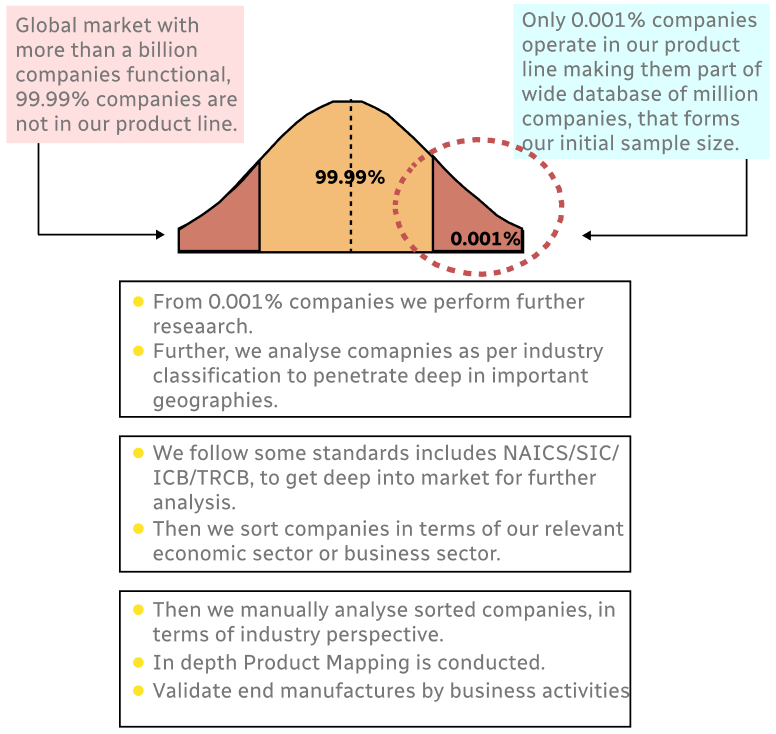
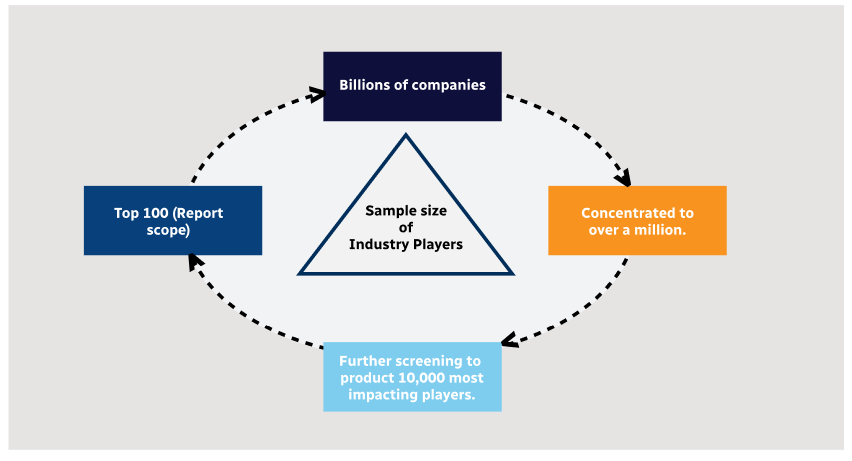
Step 1 - Identification of Relevant Samples Size from Population Database
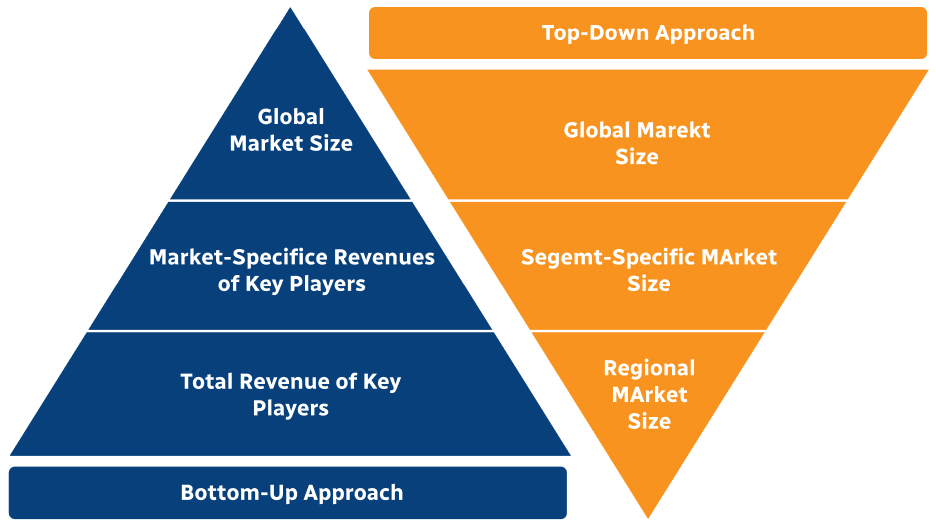
Step 2 - Approaches for Defining Global Market Size (Value, Volume* & Price*)
Note*: In applicable scenarios
Step 3 - Data Sources
Primary Research
- Web Analytics
- Survey Reports
- Research Institute
- Latest Research Reports
- Opinion Leaders
Secondary Research
- Annual Reports
- White Paper
- Latest Press Release
- Industry Association
- Paid Database
- Investor Presentations
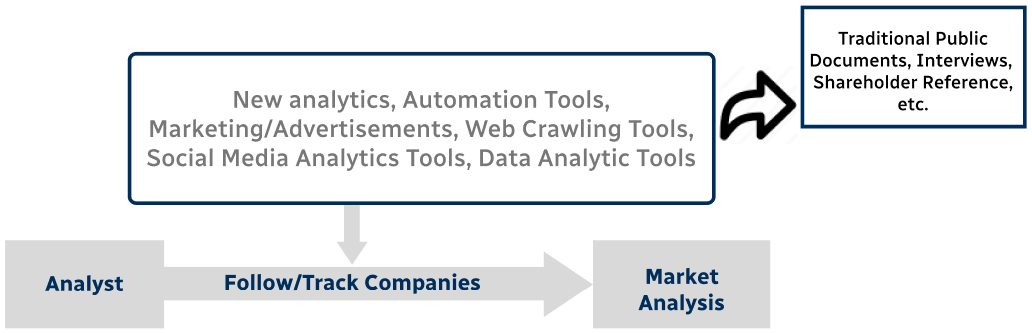
Step 4 - Data Triangulation
Involves using different sources of information in order to increase the validity of a study
These sources are likely to be stakeholders in a program - participants, other researchers, program staff, other community members, and so on.
Then we put all data in single framework & apply various statistical tools to find out the dynamic on the market.
During the analysis stage, feedback from the stakeholder groups would be compared to determine areas of agreement as well as areas of divergence