


Key Insights
The APAC Insulin Infusion Market is projected to reach a substantial USD 328.01 million by 2025, experiencing a healthy Compound Annual Growth Rate (CAGR) of 4.65% during the forecast period of 2025-2033. This robust growth is primarily fueled by an increasing prevalence of diabetes across the Asia-Pacific region, driven by evolving lifestyles, dietary changes, and a growing aging population. Furthermore, heightened awareness among patients and healthcare providers regarding advanced diabetes management solutions, including insulin pumps, is a significant market driver. Government initiatives aimed at improving diabetes care infrastructure and increasing access to advanced medical devices also play a crucial role in stimulating market expansion. The demand for more convenient and user-friendly insulin delivery systems, such as tubeless insulin pumps, is on the rise, reflecting a growing consumer preference for integrated and discreet devices.
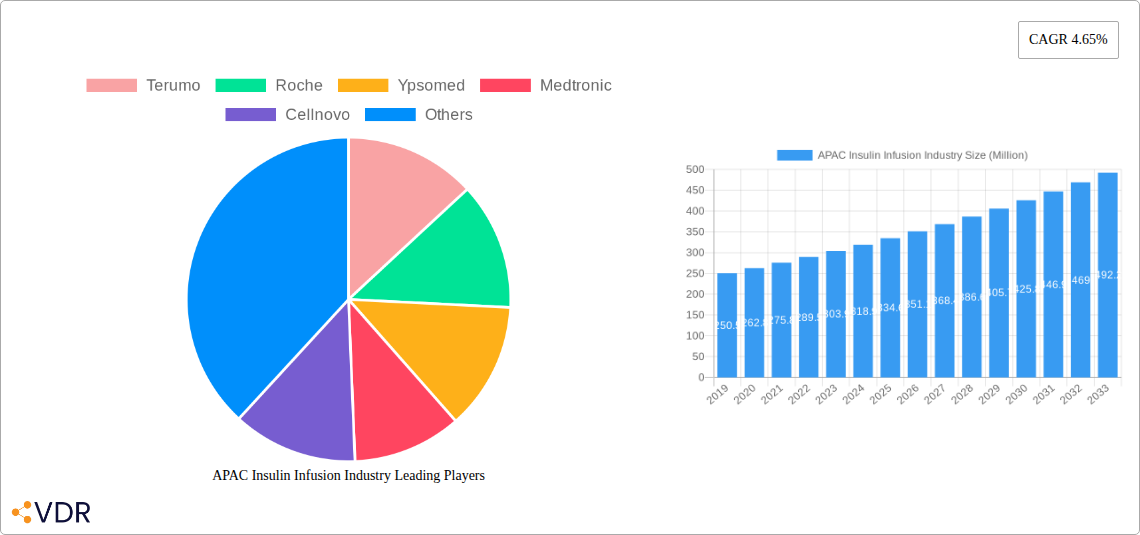
APAC Insulin Infusion Industry Market Size (In Million)

Technological advancements leading to the development of sophisticated and affordable insulin infusion devices are key trends shaping the APAC market. Innovations in miniaturization, wireless connectivity, and smart monitoring capabilities are enhancing the efficacy and user experience of insulin pumps. The expanding healthcare infrastructure in emerging economies within APAC, coupled with increased disposable incomes, is facilitating greater adoption of these advanced medical technologies in both hospital and home-care settings. While market growth is strong, potential restraints could include the high initial cost of some advanced insulin pump systems and a need for more comprehensive training and support for both healthcare professionals and patients to ensure optimal utilization. The market segmentation by technology, component, end-user, and geography indicates a diversified landscape with significant opportunities across various sub-segments.
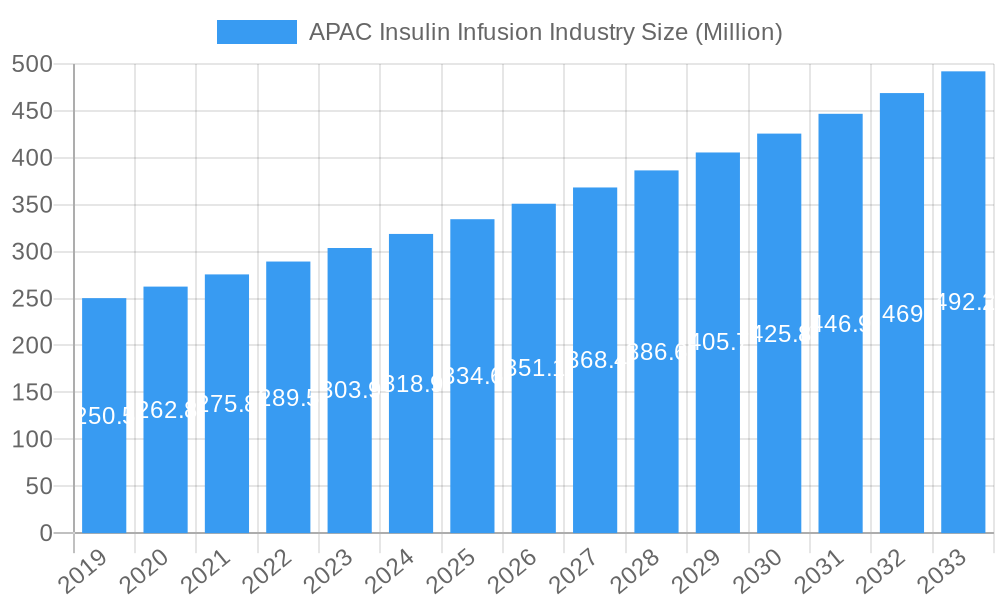
APAC Insulin Infusion Industry Company Market Share
APAC Insulin Infusion Industry Report Description
This comprehensive report provides an in-depth analysis of the APAC Insulin Infusion Industry, offering critical insights into market dynamics, growth trends, and future opportunities for insulin pump devices and infusion sets. Covering the Asia-Pacific region, this research details the adoption of tethered insulin pumps and tubeless insulin pumps across various end-user segments, including hospitals/clinics and home/personal use. With a robust study period from 2019 to 2033, this report is an essential resource for understanding the evolving insulin infusion market in Japan, South Korea, China, India, Australia, Vietnam, Malaysia, Indonesia, Philippines, Thailand, and the Rest of Asia-Pacific.
APAC Insulin Infusion Industry Market Dynamics & Structure
The APAC Insulin Infusion Industry is characterized by a moderately concentrated market, with key players like Terumo, Roche, Ypsomed, Medtronic, Tandem, and Insulet vying for significant market share. Technological innovation is a primary driver, fueled by advancements in continuous glucose monitoring (CGM) integration and automated insulin delivery systems. Regulatory frameworks are gradually becoming more supportive, with governments recognizing the growing burden of diabetes and the benefits of advanced insulin therapy. Competitive product substitutes include traditional injection methods, but the increasing demand for convenience and better glycemic control is pushing the adoption of insulin pumps. End-user demographics show a rising prevalence of Type 1 and Type 2 diabetes, particularly among aging populations and younger demographics experiencing lifestyle-related health issues. Merger and acquisition (M&A) trends are on the rise as larger companies seek to expand their product portfolios and geographical reach. For instance, the market has witnessed strategic partnerships aimed at developing next-generation insulin delivery solutions. The market share for insulin pumps, while growing, still has significant room for expansion compared to traditional insulin delivery methods. Innovation barriers primarily revolve around the high cost of advanced devices and the need for extensive patient and healthcare provider education.
- Market Concentration: Moderately concentrated with key global players and emerging regional manufacturers.
- Technological Innovation: Driven by CGM integration, artificial pancreas systems, and user-friendly interfaces.
- Regulatory Frameworks: Evolving to support diabetes management technologies, with increasing government initiatives.
- Competitive Product Substitutes: Traditional insulin injections, pens, and vials, but with declining growth potential in favor of pumps.
- End-User Demographics: Growing diabetes population, increasing demand for improved quality of life and glycemic control.
- M&A Trends: Active, with companies seeking to consolidate market presence and technological capabilities.
APAC Insulin Infusion Industry Growth Trends & Insights
The APAC Insulin Infusion Industry is poised for robust growth, driven by a confluence of factors including increasing diabetes prevalence, rising healthcare expenditure, and growing awareness of advanced diabetes management solutions. The market size evolution is projected to witness a healthy Compound Annual Growth Rate (CAGR), driven by both the increasing volume of insulin pump devices and infusion sets sold, as well as a gradual shift towards higher-value, technologically advanced systems. Adoption rates are steadily climbing, particularly in countries with a higher per capita income and a more developed healthcare infrastructure, such as Japan and South Korea. Technological disruptions, including the integration of AI-powered algorithms for predictive insulin delivery and miniaturization of devices, are further accelerating market penetration. Consumer behavior shifts are also playing a crucial role, with patients actively seeking more personalized and less intrusive diabetes management tools, leading to a greater preference for tubeless insulin pumps. The home/personal use segment is experiencing significant expansion as individuals gain more control over their diabetes management outside of clinical settings. Specific metrics indicate that market penetration for insulin pumps, while still lower than in Western markets, is on a significant upward trajectory. The increasing affordability of certain pump technologies, coupled with expanded insurance coverage and government subsidies in some nations, is making these life-changing devices accessible to a wider patient population. This growing accessibility, coupled with the inherent benefits of improved glycemic control and reduced daily burden, is a cornerstone of the industry's expansion. The overall market is expanding as a result of both the increasing number of patients initiating insulin pump therapy and the development of new products that cater to a broader range of user needs and preferences.
Dominant Regions, Countries, or Segments in APAC Insulin Infusion Industry
The Japan and South Korea markets currently stand out as dominant regions within the APAC Insulin Infusion Industry, showcasing high adoption rates and a strong demand for advanced diabetes management technologies. This dominance is attributed to several key drivers. Economically, these nations possess high per capita incomes, allowing for greater patient affordability and insurance coverage for expensive medical devices like insulin pumps. Their developed healthcare infrastructure, including advanced hospitals and well-trained medical professionals, facilitates the effective prescription and management of insulin pump therapy. Furthermore, a proactive approach to public health, coupled with a strong emphasis on preventative care and advanced treatment options, has fostered a receptive environment for innovations in diabetes management.
In terms of segments, Tubeless Insulin Pumps are emerging as a significant growth driver, offering unparalleled convenience and discretion for users. This technology addresses a key patient pain point associated with traditional tethered pumps, driving increased adoption among younger and active individuals. The Infusion Set component also plays a crucial role, with continuous innovation focusing on improved comfort, reduced skin irritation, and longer wear times, directly impacting user adherence and satisfaction.
- Dominant Countries: Japan and South Korea lead due to high economic development, advanced healthcare systems, and strong patient acceptance of advanced medical technologies.
- Key Drivers in Dominant Regions:
- High disposable income and comprehensive health insurance coverage.
- Well-established healthcare infrastructure and specialized diabetes care centers.
- Government initiatives promoting advanced diabetes management.
- High patient awareness and demand for improved quality of life.
- Emerging Segmental Dominance: Tubeless Insulin Pumps are gaining significant traction, driven by user convenience and discreetness.
- Component Focus: Infusion sets are experiencing innovation in comfort, wearability, and reduced allergenic properties, enhancing user experience.
- Market Share Growth Potential: While Japan and South Korea lead, China and India represent vast untapped markets with immense future growth potential due to their large diabetes populations and increasing healthcare investments.
APAC Insulin Infusion Industry Product Landscape
The APAC Insulin Infusion Industry is witnessing a wave of product innovations focused on enhancing user experience, improving glycemic control, and increasing accessibility. Key advancements include the development of highly integrated systems that combine insulin pumps with real-time continuous glucose monitoring (CGM) and sophisticated algorithms for automated insulin delivery. Products are increasingly emphasizing miniaturization, discreet design, and user-friendly interfaces, making insulin pump therapy more palatable for a wider patient demographic. For instance, the introduction of tubeless insulin pumps like the Omnipod system from Insulet has revolutionized personal insulin delivery by eliminating the need for external tubing. Manufacturers are also focusing on developing insulin reservoirs with longer shelf lives and improved compatibility with various insulin formulations. Performance metrics are continuously being optimized, with a focus on reducing infusion set occlusion rates, improving cannula comfort, and enhancing the accuracy and responsiveness of insulin delivery algorithms. Unique selling propositions often revolve around the level of automation, the seamless integration with other diabetes management tools, and the overall reduction in the daily burden of diabetes management.
Key Drivers, Barriers & Challenges in APAC Insulin Infusion Industry
Key Drivers:
- Rising Diabetes Prevalence: The escalating incidence of Type 1 and Type 2 diabetes across the APAC region fuels the demand for effective insulin management solutions.
- Technological Advancements: Integration with CGM, development of closed-loop systems (artificial pancreas), and user-friendly designs are making insulin pumps more appealing.
- Increasing Healthcare Expenditure: Growing investments in healthcare infrastructure and a greater willingness to adopt advanced medical technologies are supportive.
- Government Initiatives & Subsidies: Programs aimed at improving diabetes care access, such as those seen in Australia, are crucial growth accelerators.
- Demand for Improved Quality of Life: Patients are actively seeking solutions that offer better glycemic control and reduce the daily burden of managing their condition.
Barriers & Challenges:
- High Cost of Devices: The initial purchase price and ongoing costs of insulin pumps and consumables remain a significant barrier to adoption, particularly in lower-income countries.
- Limited Reimbursement & Insurance Coverage: In many APAC nations, comprehensive reimbursement policies for insulin pumps are still under development, restricting access for many patients.
- Lack of Awareness & Education: Insufficient awareness among both patients and healthcare professionals about the benefits and proper usage of insulin pumps can hinder market growth.
- Technical Training & Support: The need for extensive patient training and ongoing technical support can strain healthcare resources and limit scalability.
- Supply Chain Complexities: Ensuring a consistent and reliable supply of insulin pump devices and consumables across the diverse APAC region presents logistical challenges.
Emerging Opportunities in the APAC Insulin Infusion Industry
Emerging opportunities in the APAC Insulin Infusion Industry lie in tapping into the vast, underserved markets of China and India, which collectively represent a significant portion of the global diabetes population. The increasing disposable income and growing middle class in these regions present a substantial market for advanced insulin delivery systems. Furthermore, the development of more affordable and simplified insulin pump technologies specifically tailored for these markets could unlock immense potential. The growing adoption of telemedicine and digital health platforms also presents an opportunity to provide remote patient monitoring, training, and support, thereby overcoming geographical barriers and enhancing accessibility. There is also a burgeoning demand for personalized diabetes management solutions, creating a niche for smart insulin pumps that can adapt to individual lifestyles and dietary habits.
Growth Accelerators in the APAC Insulin Infusion Industry Industry
Several catalysts are accelerating the long-term growth of the APAC Insulin Infusion Industry. Technological breakthroughs, particularly in the miniaturization and cost-effectiveness of insulin pump devices and infusion sets, are making these therapies more accessible. Strategic partnerships between global device manufacturers and local distributors or healthcare providers in emerging markets like China and India are crucial for navigating regulatory landscapes and establishing robust sales and support networks. Market expansion strategies focusing on educating both healthcare professionals and patients about the benefits of insulin pump therapy are vital. The increasing focus on value-based healthcare and the demonstrated ability of insulin pumps to improve long-term health outcomes and reduce diabetes-related complications are also significant growth accelerators, driving reimbursement decisions and market acceptance.
Key Players Shaping the APAC Insulin Infusion Industry Market
- Terumo
- Roche
- Ypsomed
- Medtronic
- Cellnovo
- Animas
- Tandem
- Insulet
- Other Company Share Analyse
Notable Milestones in APAC Insulin Infusion Industry Sector
- April 2023: Medtronic's MiniMed 780G system, featuring Guardian 4 sensor and SmartGuard technology, received U.S. FDA approval. This system's unique meal detection technology automatically adjusts insulin every 5 minutes for basal and bolus needs, compensating for missed boluses or underestimated carbohydrates.
- July 2022: The Australian Government, through the National Diabetes Services Scheme (NDSS), invested USD 273.1 million over four years to provide subsidized CGM products to 130,000 Australians with type-1 diabetes. This investment also expanded access to the Insulin Pump Program, including 35 fully subsidized insulin pumps annually for low-income young adults aged 18-21, a significant expansion from the previous age limit of 18.
In-Depth APAC Insulin Infusion Industry Market Outlook
The APAC Insulin Infusion Industry is on a trajectory of sustained expansion, driven by an increasingly sophisticated understanding of diabetes management and a growing patient demand for enhanced autonomy and improved health outcomes. Future market potential is immense, particularly as technological innovations continue to drive down costs and improve device usability. Strategic opportunities abound for companies that can effectively navigate the diverse regulatory environments across the Asia-Pacific region and tailor their offerings to meet the specific needs of different market segments. The growing emphasis on preventative care and the long-term economic benefits of well-managed diabetes will further propel investment and adoption of advanced insulin infusion technologies. The integration of digital health solutions and artificial intelligence is set to redefine personalized diabetes care, creating a future where insulin pump therapy is more predictive, adaptive, and seamlessly integrated into users' lives.
APAC Insulin Infusion Industry Segmentation
-
1. Technology
- 1.1. Tethered Insulin Pump
- 1.2. Tubeless Insulin Pump
-
2. Component
- 2.1. Insulin Pump Device
- 2.2. Insulin Pump Reservoir
- 2.3. Infusion Set
-
3. End User
- 3.1. Hospital/Clinics
- 3.2. Home/Personal
-
4. Geography
- 4.1. Japan
- 4.2. South Korea
- 4.3. China
- 4.4. India
- 4.5. Australia
- 4.6. Vietnam
- 4.7. Malaysia
- 4.8. Indonesia
- 4.9. Philippines
- 4.10. Thailand
- 4.11. Rest of Asia-Pacific
APAC Insulin Infusion Industry Segmentation By Geography
- 1. Japan
- 2. South Korea
- 3. China
- 4. India
- 5. Australia
- 6. Vietnam
- 7. Malaysia
- 8. Indonesia
- 9. Philippines
- 10. Thailand
- 11. Rest of Asia Pacific

APAC Insulin Infusion Industry Regional Market Share
Geographic Coverage of APAC Insulin Infusion Industry
APAC Insulin Infusion Industry REPORT HIGHLIGHTS
| Aspects | Details |
|---|---|
| Study Period | 2020-2034 |
| Base Year | 2025 |
| Estimated Year | 2026 |
| Forecast Period | 2026-2034 |
| Historical Period | 2020-2025 |
| Growth Rate | CAGR of 4.65% from 2020-2034 |
| Segmentation |
|
Table of Contents
- 1. Introduction
- 1.1. Research Scope
- 1.2. Market Segmentation
- 1.3. Research Methodology
- 1.4. Definitions and Assumptions
- 2. Executive Summary
- 2.1. Introduction
- 3. Market Dynamics
- 3.1. Introduction
- 3.2. Market Drivers
- 3.2.1. Increasing Applications of Cryosurgery; Technological Advancements in Cryotherapy Equipment; Rising Preference for Minimally Invasive Techniques
- 3.3. Market Restrains
- 3.3.1. Hazardous Effects of Cryogenic Gases; Complexity of the Cryotherapy Mechanisms
- 3.4. Market Trends
- 3.4.1. Insulin Infusion Pump Devices Dominating the Asia-Pacific Insulin Infusion Pump Market
- 4. Market Factor Analysis
- 4.1. Porters Five Forces
- 4.2. Supply/Value Chain
- 4.3. PESTEL analysis
- 4.4. Market Entropy
- 4.5. Patent/Trademark Analysis
- 5. Global APAC Insulin Infusion Industry Analysis, Insights and Forecast, 2020-2032
- 5.1. Market Analysis, Insights and Forecast - by Technology
- 5.1.1. Tethered Insulin Pump
- 5.1.2. Tubeless Insulin Pump
- 5.2. Market Analysis, Insights and Forecast - by Component
- 5.2.1. Insulin Pump Device
- 5.2.2. Insulin Pump Reservoir
- 5.2.3. Infusion Set
- 5.3. Market Analysis, Insights and Forecast - by End User
- 5.3.1. Hospital/Clinics
- 5.3.2. Home/Personal
- 5.4. Market Analysis, Insights and Forecast - by Geography
- 5.4.1. Japan
- 5.4.2. South Korea
- 5.4.3. China
- 5.4.4. India
- 5.4.5. Australia
- 5.4.6. Vietnam
- 5.4.7. Malaysia
- 5.4.8. Indonesia
- 5.4.9. Philippines
- 5.4.10. Thailand
- 5.4.11. Rest of Asia-Pacific
- 5.5. Market Analysis, Insights and Forecast - by Region
- 5.5.1. Japan
- 5.5.2. South Korea
- 5.5.3. China
- 5.5.4. India
- 5.5.5. Australia
- 5.5.6. Vietnam
- 5.5.7. Malaysia
- 5.5.8. Indonesia
- 5.5.9. Philippines
- 5.5.10. Thailand
- 5.5.11. Rest of Asia Pacific
- 5.1. Market Analysis, Insights and Forecast - by Technology
- 6. Japan APAC Insulin Infusion Industry Analysis, Insights and Forecast, 2020-2032
- 6.1. Market Analysis, Insights and Forecast - by Technology
- 6.1.1. Tethered Insulin Pump
- 6.1.2. Tubeless Insulin Pump
- 6.2. Market Analysis, Insights and Forecast - by Component
- 6.2.1. Insulin Pump Device
- 6.2.2. Insulin Pump Reservoir
- 6.2.3. Infusion Set
- 6.3. Market Analysis, Insights and Forecast - by End User
- 6.3.1. Hospital/Clinics
- 6.3.2. Home/Personal
- 6.4. Market Analysis, Insights and Forecast - by Geography
- 6.4.1. Japan
- 6.4.2. South Korea
- 6.4.3. China
- 6.4.4. India
- 6.4.5. Australia
- 6.4.6. Vietnam
- 6.4.7. Malaysia
- 6.4.8. Indonesia
- 6.4.9. Philippines
- 6.4.10. Thailand
- 6.4.11. Rest of Asia-Pacific
- 6.1. Market Analysis, Insights and Forecast - by Technology
- 7. South Korea APAC Insulin Infusion Industry Analysis, Insights and Forecast, 2020-2032
- 7.1. Market Analysis, Insights and Forecast - by Technology
- 7.1.1. Tethered Insulin Pump
- 7.1.2. Tubeless Insulin Pump
- 7.2. Market Analysis, Insights and Forecast - by Component
- 7.2.1. Insulin Pump Device
- 7.2.2. Insulin Pump Reservoir
- 7.2.3. Infusion Set
- 7.3. Market Analysis, Insights and Forecast - by End User
- 7.3.1. Hospital/Clinics
- 7.3.2. Home/Personal
- 7.4. Market Analysis, Insights and Forecast - by Geography
- 7.4.1. Japan
- 7.4.2. South Korea
- 7.4.3. China
- 7.4.4. India
- 7.4.5. Australia
- 7.4.6. Vietnam
- 7.4.7. Malaysia
- 7.4.8. Indonesia
- 7.4.9. Philippines
- 7.4.10. Thailand
- 7.4.11. Rest of Asia-Pacific
- 7.1. Market Analysis, Insights and Forecast - by Technology
- 8. China APAC Insulin Infusion Industry Analysis, Insights and Forecast, 2020-2032
- 8.1. Market Analysis, Insights and Forecast - by Technology
- 8.1.1. Tethered Insulin Pump
- 8.1.2. Tubeless Insulin Pump
- 8.2. Market Analysis, Insights and Forecast - by Component
- 8.2.1. Insulin Pump Device
- 8.2.2. Insulin Pump Reservoir
- 8.2.3. Infusion Set
- 8.3. Market Analysis, Insights and Forecast - by End User
- 8.3.1. Hospital/Clinics
- 8.3.2. Home/Personal
- 8.4. Market Analysis, Insights and Forecast - by Geography
- 8.4.1. Japan
- 8.4.2. South Korea
- 8.4.3. China
- 8.4.4. India
- 8.4.5. Australia
- 8.4.6. Vietnam
- 8.4.7. Malaysia
- 8.4.8. Indonesia
- 8.4.9. Philippines
- 8.4.10. Thailand
- 8.4.11. Rest of Asia-Pacific
- 8.1. Market Analysis, Insights and Forecast - by Technology
- 9. India APAC Insulin Infusion Industry Analysis, Insights and Forecast, 2020-2032
- 9.1. Market Analysis, Insights and Forecast - by Technology
- 9.1.1. Tethered Insulin Pump
- 9.1.2. Tubeless Insulin Pump
- 9.2. Market Analysis, Insights and Forecast - by Component
- 9.2.1. Insulin Pump Device
- 9.2.2. Insulin Pump Reservoir
- 9.2.3. Infusion Set
- 9.3. Market Analysis, Insights and Forecast - by End User
- 9.3.1. Hospital/Clinics
- 9.3.2. Home/Personal
- 9.4. Market Analysis, Insights and Forecast - by Geography
- 9.4.1. Japan
- 9.4.2. South Korea
- 9.4.3. China
- 9.4.4. India
- 9.4.5. Australia
- 9.4.6. Vietnam
- 9.4.7. Malaysia
- 9.4.8. Indonesia
- 9.4.9. Philippines
- 9.4.10. Thailand
- 9.4.11. Rest of Asia-Pacific
- 9.1. Market Analysis, Insights and Forecast - by Technology
- 10. Australia APAC Insulin Infusion Industry Analysis, Insights and Forecast, 2020-2032
- 10.1. Market Analysis, Insights and Forecast - by Technology
- 10.1.1. Tethered Insulin Pump
- 10.1.2. Tubeless Insulin Pump
- 10.2. Market Analysis, Insights and Forecast - by Component
- 10.2.1. Insulin Pump Device
- 10.2.2. Insulin Pump Reservoir
- 10.2.3. Infusion Set
- 10.3. Market Analysis, Insights and Forecast - by End User
- 10.3.1. Hospital/Clinics
- 10.3.2. Home/Personal
- 10.4. Market Analysis, Insights and Forecast - by Geography
- 10.4.1. Japan
- 10.4.2. South Korea
- 10.4.3. China
- 10.4.4. India
- 10.4.5. Australia
- 10.4.6. Vietnam
- 10.4.7. Malaysia
- 10.4.8. Indonesia
- 10.4.9. Philippines
- 10.4.10. Thailand
- 10.4.11. Rest of Asia-Pacific
- 10.1. Market Analysis, Insights and Forecast - by Technology
- 11. Vietnam APAC Insulin Infusion Industry Analysis, Insights and Forecast, 2020-2032
- 11.1. Market Analysis, Insights and Forecast - by Technology
- 11.1.1. Tethered Insulin Pump
- 11.1.2. Tubeless Insulin Pump
- 11.2. Market Analysis, Insights and Forecast - by Component
- 11.2.1. Insulin Pump Device
- 11.2.2. Insulin Pump Reservoir
- 11.2.3. Infusion Set
- 11.3. Market Analysis, Insights and Forecast - by End User
- 11.3.1. Hospital/Clinics
- 11.3.2. Home/Personal
- 11.4. Market Analysis, Insights and Forecast - by Geography
- 11.4.1. Japan
- 11.4.2. South Korea
- 11.4.3. China
- 11.4.4. India
- 11.4.5. Australia
- 11.4.6. Vietnam
- 11.4.7. Malaysia
- 11.4.8. Indonesia
- 11.4.9. Philippines
- 11.4.10. Thailand
- 11.4.11. Rest of Asia-Pacific
- 11.1. Market Analysis, Insights and Forecast - by Technology
- 12. Malaysia APAC Insulin Infusion Industry Analysis, Insights and Forecast, 2020-2032
- 12.1. Market Analysis, Insights and Forecast - by Technology
- 12.1.1. Tethered Insulin Pump
- 12.1.2. Tubeless Insulin Pump
- 12.2. Market Analysis, Insights and Forecast - by Component
- 12.2.1. Insulin Pump Device
- 12.2.2. Insulin Pump Reservoir
- 12.2.3. Infusion Set
- 12.3. Market Analysis, Insights and Forecast - by End User
- 12.3.1. Hospital/Clinics
- 12.3.2. Home/Personal
- 12.4. Market Analysis, Insights and Forecast - by Geography
- 12.4.1. Japan
- 12.4.2. South Korea
- 12.4.3. China
- 12.4.4. India
- 12.4.5. Australia
- 12.4.6. Vietnam
- 12.4.7. Malaysia
- 12.4.8. Indonesia
- 12.4.9. Philippines
- 12.4.10. Thailand
- 12.4.11. Rest of Asia-Pacific
- 12.1. Market Analysis, Insights and Forecast - by Technology
- 13. Indonesia APAC Insulin Infusion Industry Analysis, Insights and Forecast, 2020-2032
- 13.1. Market Analysis, Insights and Forecast - by Technology
- 13.1.1. Tethered Insulin Pump
- 13.1.2. Tubeless Insulin Pump
- 13.2. Market Analysis, Insights and Forecast - by Component
- 13.2.1. Insulin Pump Device
- 13.2.2. Insulin Pump Reservoir
- 13.2.3. Infusion Set
- 13.3. Market Analysis, Insights and Forecast - by End User
- 13.3.1. Hospital/Clinics
- 13.3.2. Home/Personal
- 13.4. Market Analysis, Insights and Forecast - by Geography
- 13.4.1. Japan
- 13.4.2. South Korea
- 13.4.3. China
- 13.4.4. India
- 13.4.5. Australia
- 13.4.6. Vietnam
- 13.4.7. Malaysia
- 13.4.8. Indonesia
- 13.4.9. Philippines
- 13.4.10. Thailand
- 13.4.11. Rest of Asia-Pacific
- 13.1. Market Analysis, Insights and Forecast - by Technology
- 14. Philippines APAC Insulin Infusion Industry Analysis, Insights and Forecast, 2020-2032
- 14.1. Market Analysis, Insights and Forecast - by Technology
- 14.1.1. Tethered Insulin Pump
- 14.1.2. Tubeless Insulin Pump
- 14.2. Market Analysis, Insights and Forecast - by Component
- 14.2.1. Insulin Pump Device
- 14.2.2. Insulin Pump Reservoir
- 14.2.3. Infusion Set
- 14.3. Market Analysis, Insights and Forecast - by End User
- 14.3.1. Hospital/Clinics
- 14.3.2. Home/Personal
- 14.4. Market Analysis, Insights and Forecast - by Geography
- 14.4.1. Japan
- 14.4.2. South Korea
- 14.4.3. China
- 14.4.4. India
- 14.4.5. Australia
- 14.4.6. Vietnam
- 14.4.7. Malaysia
- 14.4.8. Indonesia
- 14.4.9. Philippines
- 14.4.10. Thailand
- 14.4.11. Rest of Asia-Pacific
- 14.1. Market Analysis, Insights and Forecast - by Technology
- 15. Thailand APAC Insulin Infusion Industry Analysis, Insights and Forecast, 2020-2032
- 15.1. Market Analysis, Insights and Forecast - by Technology
- 15.1.1. Tethered Insulin Pump
- 15.1.2. Tubeless Insulin Pump
- 15.2. Market Analysis, Insights and Forecast - by Component
- 15.2.1. Insulin Pump Device
- 15.2.2. Insulin Pump Reservoir
- 15.2.3. Infusion Set
- 15.3. Market Analysis, Insights and Forecast - by End User
- 15.3.1. Hospital/Clinics
- 15.3.2. Home/Personal
- 15.4. Market Analysis, Insights and Forecast - by Geography
- 15.4.1. Japan
- 15.4.2. South Korea
- 15.4.3. China
- 15.4.4. India
- 15.4.5. Australia
- 15.4.6. Vietnam
- 15.4.7. Malaysia
- 15.4.8. Indonesia
- 15.4.9. Philippines
- 15.4.10. Thailand
- 15.4.11. Rest of Asia-Pacific
- 15.1. Market Analysis, Insights and Forecast - by Technology
- 16. Rest of Asia Pacific APAC Insulin Infusion Industry Analysis, Insights and Forecast, 2020-2032
- 16.1. Market Analysis, Insights and Forecast - by Technology
- 16.1.1. Tethered Insulin Pump
- 16.1.2. Tubeless Insulin Pump
- 16.2. Market Analysis, Insights and Forecast - by Component
- 16.2.1. Insulin Pump Device
- 16.2.2. Insulin Pump Reservoir
- 16.2.3. Infusion Set
- 16.3. Market Analysis, Insights and Forecast - by End User
- 16.3.1. Hospital/Clinics
- 16.3.2. Home/Personal
- 16.4. Market Analysis, Insights and Forecast - by Geography
- 16.4.1. Japan
- 16.4.2. South Korea
- 16.4.3. China
- 16.4.4. India
- 16.4.5. Australia
- 16.4.6. Vietnam
- 16.4.7. Malaysia
- 16.4.8. Indonesia
- 16.4.9. Philippines
- 16.4.10. Thailand
- 16.4.11. Rest of Asia-Pacific
- 16.1. Market Analysis, Insights and Forecast - by Technology
- 17. Competitive Analysis
- 17.1. Global Market Share Analysis 2025
- 17.2. Company Profiles
- 17.2.1 Terumo
- 17.2.1.1. Overview
- 17.2.1.2. Products
- 17.2.1.3. SWOT Analysis
- 17.2.1.4. Recent Developments
- 17.2.1.5. Financials (Based on Availability)
- 17.2.2 Roche
- 17.2.2.1. Overview
- 17.2.2.2. Products
- 17.2.2.3. SWOT Analysis
- 17.2.2.4. Recent Developments
- 17.2.2.5. Financials (Based on Availability)
- 17.2.3 Ypsomed
- 17.2.3.1. Overview
- 17.2.3.2. Products
- 17.2.3.3. SWOT Analysis
- 17.2.3.4. Recent Developments
- 17.2.3.5. Financials (Based on Availability)
- 17.2.4 Medtronic
- 17.2.4.1. Overview
- 17.2.4.2. Products
- 17.2.4.3. SWOT Analysis
- 17.2.4.4. Recent Developments
- 17.2.4.5. Financials (Based on Availability)
- 17.2.5 Cellnovo
- 17.2.5.1. Overview
- 17.2.5.2. Products
- 17.2.5.3. SWOT Analysis
- 17.2.5.4. Recent Developments
- 17.2.5.5. Financials (Based on Availability)
- 17.2.6 Animas
- 17.2.6.1. Overview
- 17.2.6.2. Products
- 17.2.6.3. SWOT Analysis
- 17.2.6.4. Recent Developments
- 17.2.6.5. Financials (Based on Availability)
- 17.2.7 Tandem
- 17.2.7.1. Overview
- 17.2.7.2. Products
- 17.2.7.3. SWOT Analysis
- 17.2.7.4. Recent Developments
- 17.2.7.5. Financials (Based on Availability)
- 17.2.8 Insulet
- 17.2.8.1. Overview
- 17.2.8.2. Products
- 17.2.8.3. SWOT Analysis
- 17.2.8.4. Recent Developments
- 17.2.8.5. Financials (Based on Availability)
- 17.2.9 Other Company Share Analyse
- 17.2.9.1. Overview
- 17.2.9.2. Products
- 17.2.9.3. SWOT Analysis
- 17.2.9.4. Recent Developments
- 17.2.9.5. Financials (Based on Availability)
- 17.2.1 Terumo
List of Figures
- Figure 1: Global APAC Insulin Infusion Industry Revenue Breakdown (Million, %) by Region 2025 & 2033
- Figure 2: Global APAC Insulin Infusion Industry Volume Breakdown (K Unit, %) by Region 2025 & 2033
- Figure 3: Japan APAC Insulin Infusion Industry Revenue (Million), by Technology 2025 & 2033
- Figure 4: Japan APAC Insulin Infusion Industry Volume (K Unit), by Technology 2025 & 2033
- Figure 5: Japan APAC Insulin Infusion Industry Revenue Share (%), by Technology 2025 & 2033
- Figure 6: Japan APAC Insulin Infusion Industry Volume Share (%), by Technology 2025 & 2033
- Figure 7: Japan APAC Insulin Infusion Industry Revenue (Million), by Component 2025 & 2033
- Figure 8: Japan APAC Insulin Infusion Industry Volume (K Unit), by Component 2025 & 2033
- Figure 9: Japan APAC Insulin Infusion Industry Revenue Share (%), by Component 2025 & 2033
- Figure 10: Japan APAC Insulin Infusion Industry Volume Share (%), by Component 2025 & 2033
- Figure 11: Japan APAC Insulin Infusion Industry Revenue (Million), by End User 2025 & 2033
- Figure 12: Japan APAC Insulin Infusion Industry Volume (K Unit), by End User 2025 & 2033
- Figure 13: Japan APAC Insulin Infusion Industry Revenue Share (%), by End User 2025 & 2033
- Figure 14: Japan APAC Insulin Infusion Industry Volume Share (%), by End User 2025 & 2033
- Figure 15: Japan APAC Insulin Infusion Industry Revenue (Million), by Geography 2025 & 2033
- Figure 16: Japan APAC Insulin Infusion Industry Volume (K Unit), by Geography 2025 & 2033
- Figure 17: Japan APAC Insulin Infusion Industry Revenue Share (%), by Geography 2025 & 2033
- Figure 18: Japan APAC Insulin Infusion Industry Volume Share (%), by Geography 2025 & 2033
- Figure 19: Japan APAC Insulin Infusion Industry Revenue (Million), by Country 2025 & 2033
- Figure 20: Japan APAC Insulin Infusion Industry Volume (K Unit), by Country 2025 & 2033
- Figure 21: Japan APAC Insulin Infusion Industry Revenue Share (%), by Country 2025 & 2033
- Figure 22: Japan APAC Insulin Infusion Industry Volume Share (%), by Country 2025 & 2033
- Figure 23: South Korea APAC Insulin Infusion Industry Revenue (Million), by Technology 2025 & 2033
- Figure 24: South Korea APAC Insulin Infusion Industry Volume (K Unit), by Technology 2025 & 2033
- Figure 25: South Korea APAC Insulin Infusion Industry Revenue Share (%), by Technology 2025 & 2033
- Figure 26: South Korea APAC Insulin Infusion Industry Volume Share (%), by Technology 2025 & 2033
- Figure 27: South Korea APAC Insulin Infusion Industry Revenue (Million), by Component 2025 & 2033
- Figure 28: South Korea APAC Insulin Infusion Industry Volume (K Unit), by Component 2025 & 2033
- Figure 29: South Korea APAC Insulin Infusion Industry Revenue Share (%), by Component 2025 & 2033
- Figure 30: South Korea APAC Insulin Infusion Industry Volume Share (%), by Component 2025 & 2033
- Figure 31: South Korea APAC Insulin Infusion Industry Revenue (Million), by End User 2025 & 2033
- Figure 32: South Korea APAC Insulin Infusion Industry Volume (K Unit), by End User 2025 & 2033
- Figure 33: South Korea APAC Insulin Infusion Industry Revenue Share (%), by End User 2025 & 2033
- Figure 34: South Korea APAC Insulin Infusion Industry Volume Share (%), by End User 2025 & 2033
- Figure 35: South Korea APAC Insulin Infusion Industry Revenue (Million), by Geography 2025 & 2033
- Figure 36: South Korea APAC Insulin Infusion Industry Volume (K Unit), by Geography 2025 & 2033
- Figure 37: South Korea APAC Insulin Infusion Industry Revenue Share (%), by Geography 2025 & 2033
- Figure 38: South Korea APAC Insulin Infusion Industry Volume Share (%), by Geography 2025 & 2033
- Figure 39: South Korea APAC Insulin Infusion Industry Revenue (Million), by Country 2025 & 2033
- Figure 40: South Korea APAC Insulin Infusion Industry Volume (K Unit), by Country 2025 & 2033
- Figure 41: South Korea APAC Insulin Infusion Industry Revenue Share (%), by Country 2025 & 2033
- Figure 42: South Korea APAC Insulin Infusion Industry Volume Share (%), by Country 2025 & 2033
- Figure 43: China APAC Insulin Infusion Industry Revenue (Million), by Technology 2025 & 2033
- Figure 44: China APAC Insulin Infusion Industry Volume (K Unit), by Technology 2025 & 2033
- Figure 45: China APAC Insulin Infusion Industry Revenue Share (%), by Technology 2025 & 2033
- Figure 46: China APAC Insulin Infusion Industry Volume Share (%), by Technology 2025 & 2033
- Figure 47: China APAC Insulin Infusion Industry Revenue (Million), by Component 2025 & 2033
- Figure 48: China APAC Insulin Infusion Industry Volume (K Unit), by Component 2025 & 2033
- Figure 49: China APAC Insulin Infusion Industry Revenue Share (%), by Component 2025 & 2033
- Figure 50: China APAC Insulin Infusion Industry Volume Share (%), by Component 2025 & 2033
- Figure 51: China APAC Insulin Infusion Industry Revenue (Million), by End User 2025 & 2033
- Figure 52: China APAC Insulin Infusion Industry Volume (K Unit), by End User 2025 & 2033
- Figure 53: China APAC Insulin Infusion Industry Revenue Share (%), by End User 2025 & 2033
- Figure 54: China APAC Insulin Infusion Industry Volume Share (%), by End User 2025 & 2033
- Figure 55: China APAC Insulin Infusion Industry Revenue (Million), by Geography 2025 & 2033
- Figure 56: China APAC Insulin Infusion Industry Volume (K Unit), by Geography 2025 & 2033
- Figure 57: China APAC Insulin Infusion Industry Revenue Share (%), by Geography 2025 & 2033
- Figure 58: China APAC Insulin Infusion Industry Volume Share (%), by Geography 2025 & 2033
- Figure 59: China APAC Insulin Infusion Industry Revenue (Million), by Country 2025 & 2033
- Figure 60: China APAC Insulin Infusion Industry Volume (K Unit), by Country 2025 & 2033
- Figure 61: China APAC Insulin Infusion Industry Revenue Share (%), by Country 2025 & 2033
- Figure 62: China APAC Insulin Infusion Industry Volume Share (%), by Country 2025 & 2033
- Figure 63: India APAC Insulin Infusion Industry Revenue (Million), by Technology 2025 & 2033
- Figure 64: India APAC Insulin Infusion Industry Volume (K Unit), by Technology 2025 & 2033
- Figure 65: India APAC Insulin Infusion Industry Revenue Share (%), by Technology 2025 & 2033
- Figure 66: India APAC Insulin Infusion Industry Volume Share (%), by Technology 2025 & 2033
- Figure 67: India APAC Insulin Infusion Industry Revenue (Million), by Component 2025 & 2033
- Figure 68: India APAC Insulin Infusion Industry Volume (K Unit), by Component 2025 & 2033
- Figure 69: India APAC Insulin Infusion Industry Revenue Share (%), by Component 2025 & 2033
- Figure 70: India APAC Insulin Infusion Industry Volume Share (%), by Component 2025 & 2033
- Figure 71: India APAC Insulin Infusion Industry Revenue (Million), by End User 2025 & 2033
- Figure 72: India APAC Insulin Infusion Industry Volume (K Unit), by End User 2025 & 2033
- Figure 73: India APAC Insulin Infusion Industry Revenue Share (%), by End User 2025 & 2033
- Figure 74: India APAC Insulin Infusion Industry Volume Share (%), by End User 2025 & 2033
- Figure 75: India APAC Insulin Infusion Industry Revenue (Million), by Geography 2025 & 2033
- Figure 76: India APAC Insulin Infusion Industry Volume (K Unit), by Geography 2025 & 2033
- Figure 77: India APAC Insulin Infusion Industry Revenue Share (%), by Geography 2025 & 2033
- Figure 78: India APAC Insulin Infusion Industry Volume Share (%), by Geography 2025 & 2033
- Figure 79: India APAC Insulin Infusion Industry Revenue (Million), by Country 2025 & 2033
- Figure 80: India APAC Insulin Infusion Industry Volume (K Unit), by Country 2025 & 2033
- Figure 81: India APAC Insulin Infusion Industry Revenue Share (%), by Country 2025 & 2033
- Figure 82: India APAC Insulin Infusion Industry Volume Share (%), by Country 2025 & 2033
- Figure 83: Australia APAC Insulin Infusion Industry Revenue (Million), by Technology 2025 & 2033
- Figure 84: Australia APAC Insulin Infusion Industry Volume (K Unit), by Technology 2025 & 2033
- Figure 85: Australia APAC Insulin Infusion Industry Revenue Share (%), by Technology 2025 & 2033
- Figure 86: Australia APAC Insulin Infusion Industry Volume Share (%), by Technology 2025 & 2033
- Figure 87: Australia APAC Insulin Infusion Industry Revenue (Million), by Component 2025 & 2033
- Figure 88: Australia APAC Insulin Infusion Industry Volume (K Unit), by Component 2025 & 2033
- Figure 89: Australia APAC Insulin Infusion Industry Revenue Share (%), by Component 2025 & 2033
- Figure 90: Australia APAC Insulin Infusion Industry Volume Share (%), by Component 2025 & 2033
- Figure 91: Australia APAC Insulin Infusion Industry Revenue (Million), by End User 2025 & 2033
- Figure 92: Australia APAC Insulin Infusion Industry Volume (K Unit), by End User 2025 & 2033
- Figure 93: Australia APAC Insulin Infusion Industry Revenue Share (%), by End User 2025 & 2033
- Figure 94: Australia APAC Insulin Infusion Industry Volume Share (%), by End User 2025 & 2033
- Figure 95: Australia APAC Insulin Infusion Industry Revenue (Million), by Geography 2025 & 2033
- Figure 96: Australia APAC Insulin Infusion Industry Volume (K Unit), by Geography 2025 & 2033
- Figure 97: Australia APAC Insulin Infusion Industry Revenue Share (%), by Geography 2025 & 2033
- Figure 98: Australia APAC Insulin Infusion Industry Volume Share (%), by Geography 2025 & 2033
- Figure 99: Australia APAC Insulin Infusion Industry Revenue (Million), by Country 2025 & 2033
- Figure 100: Australia APAC Insulin Infusion Industry Volume (K Unit), by Country 2025 & 2033
- Figure 101: Australia APAC Insulin Infusion Industry Revenue Share (%), by Country 2025 & 2033
- Figure 102: Australia APAC Insulin Infusion Industry Volume Share (%), by Country 2025 & 2033
- Figure 103: Vietnam APAC Insulin Infusion Industry Revenue (Million), by Technology 2025 & 2033
- Figure 104: Vietnam APAC Insulin Infusion Industry Volume (K Unit), by Technology 2025 & 2033
- Figure 105: Vietnam APAC Insulin Infusion Industry Revenue Share (%), by Technology 2025 & 2033
- Figure 106: Vietnam APAC Insulin Infusion Industry Volume Share (%), by Technology 2025 & 2033
- Figure 107: Vietnam APAC Insulin Infusion Industry Revenue (Million), by Component 2025 & 2033
- Figure 108: Vietnam APAC Insulin Infusion Industry Volume (K Unit), by Component 2025 & 2033
- Figure 109: Vietnam APAC Insulin Infusion Industry Revenue Share (%), by Component 2025 & 2033
- Figure 110: Vietnam APAC Insulin Infusion Industry Volume Share (%), by Component 2025 & 2033
- Figure 111: Vietnam APAC Insulin Infusion Industry Revenue (Million), by End User 2025 & 2033
- Figure 112: Vietnam APAC Insulin Infusion Industry Volume (K Unit), by End User 2025 & 2033
- Figure 113: Vietnam APAC Insulin Infusion Industry Revenue Share (%), by End User 2025 & 2033
- Figure 114: Vietnam APAC Insulin Infusion Industry Volume Share (%), by End User 2025 & 2033
- Figure 115: Vietnam APAC Insulin Infusion Industry Revenue (Million), by Geography 2025 & 2033
- Figure 116: Vietnam APAC Insulin Infusion Industry Volume (K Unit), by Geography 2025 & 2033
- Figure 117: Vietnam APAC Insulin Infusion Industry Revenue Share (%), by Geography 2025 & 2033
- Figure 118: Vietnam APAC Insulin Infusion Industry Volume Share (%), by Geography 2025 & 2033
- Figure 119: Vietnam APAC Insulin Infusion Industry Revenue (Million), by Country 2025 & 2033
- Figure 120: Vietnam APAC Insulin Infusion Industry Volume (K Unit), by Country 2025 & 2033
- Figure 121: Vietnam APAC Insulin Infusion Industry Revenue Share (%), by Country 2025 & 2033
- Figure 122: Vietnam APAC Insulin Infusion Industry Volume Share (%), by Country 2025 & 2033
- Figure 123: Malaysia APAC Insulin Infusion Industry Revenue (Million), by Technology 2025 & 2033
- Figure 124: Malaysia APAC Insulin Infusion Industry Volume (K Unit), by Technology 2025 & 2033
- Figure 125: Malaysia APAC Insulin Infusion Industry Revenue Share (%), by Technology 2025 & 2033
- Figure 126: Malaysia APAC Insulin Infusion Industry Volume Share (%), by Technology 2025 & 2033
- Figure 127: Malaysia APAC Insulin Infusion Industry Revenue (Million), by Component 2025 & 2033
- Figure 128: Malaysia APAC Insulin Infusion Industry Volume (K Unit), by Component 2025 & 2033
- Figure 129: Malaysia APAC Insulin Infusion Industry Revenue Share (%), by Component 2025 & 2033
- Figure 130: Malaysia APAC Insulin Infusion Industry Volume Share (%), by Component 2025 & 2033
- Figure 131: Malaysia APAC Insulin Infusion Industry Revenue (Million), by End User 2025 & 2033
- Figure 132: Malaysia APAC Insulin Infusion Industry Volume (K Unit), by End User 2025 & 2033
- Figure 133: Malaysia APAC Insulin Infusion Industry Revenue Share (%), by End User 2025 & 2033
- Figure 134: Malaysia APAC Insulin Infusion Industry Volume Share (%), by End User 2025 & 2033
- Figure 135: Malaysia APAC Insulin Infusion Industry Revenue (Million), by Geography 2025 & 2033
- Figure 136: Malaysia APAC Insulin Infusion Industry Volume (K Unit), by Geography 2025 & 2033
- Figure 137: Malaysia APAC Insulin Infusion Industry Revenue Share (%), by Geography 2025 & 2033
- Figure 138: Malaysia APAC Insulin Infusion Industry Volume Share (%), by Geography 2025 & 2033
- Figure 139: Malaysia APAC Insulin Infusion Industry Revenue (Million), by Country 2025 & 2033
- Figure 140: Malaysia APAC Insulin Infusion Industry Volume (K Unit), by Country 2025 & 2033
- Figure 141: Malaysia APAC Insulin Infusion Industry Revenue Share (%), by Country 2025 & 2033
- Figure 142: Malaysia APAC Insulin Infusion Industry Volume Share (%), by Country 2025 & 2033
- Figure 143: Indonesia APAC Insulin Infusion Industry Revenue (Million), by Technology 2025 & 2033
- Figure 144: Indonesia APAC Insulin Infusion Industry Volume (K Unit), by Technology 2025 & 2033
- Figure 145: Indonesia APAC Insulin Infusion Industry Revenue Share (%), by Technology 2025 & 2033
- Figure 146: Indonesia APAC Insulin Infusion Industry Volume Share (%), by Technology 2025 & 2033
- Figure 147: Indonesia APAC Insulin Infusion Industry Revenue (Million), by Component 2025 & 2033
- Figure 148: Indonesia APAC Insulin Infusion Industry Volume (K Unit), by Component 2025 & 2033
- Figure 149: Indonesia APAC Insulin Infusion Industry Revenue Share (%), by Component 2025 & 2033
- Figure 150: Indonesia APAC Insulin Infusion Industry Volume Share (%), by Component 2025 & 2033
- Figure 151: Indonesia APAC Insulin Infusion Industry Revenue (Million), by End User 2025 & 2033
- Figure 152: Indonesia APAC Insulin Infusion Industry Volume (K Unit), by End User 2025 & 2033
- Figure 153: Indonesia APAC Insulin Infusion Industry Revenue Share (%), by End User 2025 & 2033
- Figure 154: Indonesia APAC Insulin Infusion Industry Volume Share (%), by End User 2025 & 2033
- Figure 155: Indonesia APAC Insulin Infusion Industry Revenue (Million), by Geography 2025 & 2033
- Figure 156: Indonesia APAC Insulin Infusion Industry Volume (K Unit), by Geography 2025 & 2033
- Figure 157: Indonesia APAC Insulin Infusion Industry Revenue Share (%), by Geography 2025 & 2033
- Figure 158: Indonesia APAC Insulin Infusion Industry Volume Share (%), by Geography 2025 & 2033
- Figure 159: Indonesia APAC Insulin Infusion Industry Revenue (Million), by Country 2025 & 2033
- Figure 160: Indonesia APAC Insulin Infusion Industry Volume (K Unit), by Country 2025 & 2033
- Figure 161: Indonesia APAC Insulin Infusion Industry Revenue Share (%), by Country 2025 & 2033
- Figure 162: Indonesia APAC Insulin Infusion Industry Volume Share (%), by Country 2025 & 2033
- Figure 163: Philippines APAC Insulin Infusion Industry Revenue (Million), by Technology 2025 & 2033
- Figure 164: Philippines APAC Insulin Infusion Industry Volume (K Unit), by Technology 2025 & 2033
- Figure 165: Philippines APAC Insulin Infusion Industry Revenue Share (%), by Technology 2025 & 2033
- Figure 166: Philippines APAC Insulin Infusion Industry Volume Share (%), by Technology 2025 & 2033
- Figure 167: Philippines APAC Insulin Infusion Industry Revenue (Million), by Component 2025 & 2033
- Figure 168: Philippines APAC Insulin Infusion Industry Volume (K Unit), by Component 2025 & 2033
- Figure 169: Philippines APAC Insulin Infusion Industry Revenue Share (%), by Component 2025 & 2033
- Figure 170: Philippines APAC Insulin Infusion Industry Volume Share (%), by Component 2025 & 2033
- Figure 171: Philippines APAC Insulin Infusion Industry Revenue (Million), by End User 2025 & 2033
- Figure 172: Philippines APAC Insulin Infusion Industry Volume (K Unit), by End User 2025 & 2033
- Figure 173: Philippines APAC Insulin Infusion Industry Revenue Share (%), by End User 2025 & 2033
- Figure 174: Philippines APAC Insulin Infusion Industry Volume Share (%), by End User 2025 & 2033
- Figure 175: Philippines APAC Insulin Infusion Industry Revenue (Million), by Geography 2025 & 2033
- Figure 176: Philippines APAC Insulin Infusion Industry Volume (K Unit), by Geography 2025 & 2033
- Figure 177: Philippines APAC Insulin Infusion Industry Revenue Share (%), by Geography 2025 & 2033
- Figure 178: Philippines APAC Insulin Infusion Industry Volume Share (%), by Geography 2025 & 2033
- Figure 179: Philippines APAC Insulin Infusion Industry Revenue (Million), by Country 2025 & 2033
- Figure 180: Philippines APAC Insulin Infusion Industry Volume (K Unit), by Country 2025 & 2033
- Figure 181: Philippines APAC Insulin Infusion Industry Revenue Share (%), by Country 2025 & 2033
- Figure 182: Philippines APAC Insulin Infusion Industry Volume Share (%), by Country 2025 & 2033
- Figure 183: Thailand APAC Insulin Infusion Industry Revenue (Million), by Technology 2025 & 2033
- Figure 184: Thailand APAC Insulin Infusion Industry Volume (K Unit), by Technology 2025 & 2033
- Figure 185: Thailand APAC Insulin Infusion Industry Revenue Share (%), by Technology 2025 & 2033
- Figure 186: Thailand APAC Insulin Infusion Industry Volume Share (%), by Technology 2025 & 2033
- Figure 187: Thailand APAC Insulin Infusion Industry Revenue (Million), by Component 2025 & 2033
- Figure 188: Thailand APAC Insulin Infusion Industry Volume (K Unit), by Component 2025 & 2033
- Figure 189: Thailand APAC Insulin Infusion Industry Revenue Share (%), by Component 2025 & 2033
- Figure 190: Thailand APAC Insulin Infusion Industry Volume Share (%), by Component 2025 & 2033
- Figure 191: Thailand APAC Insulin Infusion Industry Revenue (Million), by End User 2025 & 2033
- Figure 192: Thailand APAC Insulin Infusion Industry Volume (K Unit), by End User 2025 & 2033
- Figure 193: Thailand APAC Insulin Infusion Industry Revenue Share (%), by End User 2025 & 2033
- Figure 194: Thailand APAC Insulin Infusion Industry Volume Share (%), by End User 2025 & 2033
- Figure 195: Thailand APAC Insulin Infusion Industry Revenue (Million), by Geography 2025 & 2033
- Figure 196: Thailand APAC Insulin Infusion Industry Volume (K Unit), by Geography 2025 & 2033
- Figure 197: Thailand APAC Insulin Infusion Industry Revenue Share (%), by Geography 2025 & 2033
- Figure 198: Thailand APAC Insulin Infusion Industry Volume Share (%), by Geography 2025 & 2033
- Figure 199: Thailand APAC Insulin Infusion Industry Revenue (Million), by Country 2025 & 2033
- Figure 200: Thailand APAC Insulin Infusion Industry Volume (K Unit), by Country 2025 & 2033
- Figure 201: Thailand APAC Insulin Infusion Industry Revenue Share (%), by Country 2025 & 2033
- Figure 202: Thailand APAC Insulin Infusion Industry Volume Share (%), by Country 2025 & 2033
- Figure 203: Rest of Asia Pacific APAC Insulin Infusion Industry Revenue (Million), by Technology 2025 & 2033
- Figure 204: Rest of Asia Pacific APAC Insulin Infusion Industry Volume (K Unit), by Technology 2025 & 2033
- Figure 205: Rest of Asia Pacific APAC Insulin Infusion Industry Revenue Share (%), by Technology 2025 & 2033
- Figure 206: Rest of Asia Pacific APAC Insulin Infusion Industry Volume Share (%), by Technology 2025 & 2033
- Figure 207: Rest of Asia Pacific APAC Insulin Infusion Industry Revenue (Million), by Component 2025 & 2033
- Figure 208: Rest of Asia Pacific APAC Insulin Infusion Industry Volume (K Unit), by Component 2025 & 2033
- Figure 209: Rest of Asia Pacific APAC Insulin Infusion Industry Revenue Share (%), by Component 2025 & 2033
- Figure 210: Rest of Asia Pacific APAC Insulin Infusion Industry Volume Share (%), by Component 2025 & 2033
- Figure 211: Rest of Asia Pacific APAC Insulin Infusion Industry Revenue (Million), by End User 2025 & 2033
- Figure 212: Rest of Asia Pacific APAC Insulin Infusion Industry Volume (K Unit), by End User 2025 & 2033
- Figure 213: Rest of Asia Pacific APAC Insulin Infusion Industry Revenue Share (%), by End User 2025 & 2033
- Figure 214: Rest of Asia Pacific APAC Insulin Infusion Industry Volume Share (%), by End User 2025 & 2033
- Figure 215: Rest of Asia Pacific APAC Insulin Infusion Industry Revenue (Million), by Geography 2025 & 2033
- Figure 216: Rest of Asia Pacific APAC Insulin Infusion Industry Volume (K Unit), by Geography 2025 & 2033
- Figure 217: Rest of Asia Pacific APAC Insulin Infusion Industry Revenue Share (%), by Geography 2025 & 2033
- Figure 218: Rest of Asia Pacific APAC Insulin Infusion Industry Volume Share (%), by Geography 2025 & 2033
- Figure 219: Rest of Asia Pacific APAC Insulin Infusion Industry Revenue (Million), by Country 2025 & 2033
- Figure 220: Rest of Asia Pacific APAC Insulin Infusion Industry Volume (K Unit), by Country 2025 & 2033
- Figure 221: Rest of Asia Pacific APAC Insulin Infusion Industry Revenue Share (%), by Country 2025 & 2033
- Figure 222: Rest of Asia Pacific APAC Insulin Infusion Industry Volume Share (%), by Country 2025 & 2033
List of Tables
- Table 1: Global APAC Insulin Infusion Industry Revenue Million Forecast, by Technology 2020 & 2033
- Table 2: Global APAC Insulin Infusion Industry Volume K Unit Forecast, by Technology 2020 & 2033
- Table 3: Global APAC Insulin Infusion Industry Revenue Million Forecast, by Component 2020 & 2033
- Table 4: Global APAC Insulin Infusion Industry Volume K Unit Forecast, by Component 2020 & 2033
- Table 5: Global APAC Insulin Infusion Industry Revenue Million Forecast, by End User 2020 & 2033
- Table 6: Global APAC Insulin Infusion Industry Volume K Unit Forecast, by End User 2020 & 2033
- Table 7: Global APAC Insulin Infusion Industry Revenue Million Forecast, by Geography 2020 & 2033
- Table 8: Global APAC Insulin Infusion Industry Volume K Unit Forecast, by Geography 2020 & 2033
- Table 9: Global APAC Insulin Infusion Industry Revenue Million Forecast, by Region 2020 & 2033
- Table 10: Global APAC Insulin Infusion Industry Volume K Unit Forecast, by Region 2020 & 2033
- Table 11: Global APAC Insulin Infusion Industry Revenue Million Forecast, by Technology 2020 & 2033
- Table 12: Global APAC Insulin Infusion Industry Volume K Unit Forecast, by Technology 2020 & 2033
- Table 13: Global APAC Insulin Infusion Industry Revenue Million Forecast, by Component 2020 & 2033
- Table 14: Global APAC Insulin Infusion Industry Volume K Unit Forecast, by Component 2020 & 2033
- Table 15: Global APAC Insulin Infusion Industry Revenue Million Forecast, by End User 2020 & 2033
- Table 16: Global APAC Insulin Infusion Industry Volume K Unit Forecast, by End User 2020 & 2033
- Table 17: Global APAC Insulin Infusion Industry Revenue Million Forecast, by Geography 2020 & 2033
- Table 18: Global APAC Insulin Infusion Industry Volume K Unit Forecast, by Geography 2020 & 2033
- Table 19: Global APAC Insulin Infusion Industry Revenue Million Forecast, by Country 2020 & 2033
- Table 20: Global APAC Insulin Infusion Industry Volume K Unit Forecast, by Country 2020 & 2033
- Table 21: Global APAC Insulin Infusion Industry Revenue Million Forecast, by Technology 2020 & 2033
- Table 22: Global APAC Insulin Infusion Industry Volume K Unit Forecast, by Technology 2020 & 2033
- Table 23: Global APAC Insulin Infusion Industry Revenue Million Forecast, by Component 2020 & 2033
- Table 24: Global APAC Insulin Infusion Industry Volume K Unit Forecast, by Component 2020 & 2033
- Table 25: Global APAC Insulin Infusion Industry Revenue Million Forecast, by End User 2020 & 2033
- Table 26: Global APAC Insulin Infusion Industry Volume K Unit Forecast, by End User 2020 & 2033
- Table 27: Global APAC Insulin Infusion Industry Revenue Million Forecast, by Geography 2020 & 2033
- Table 28: Global APAC Insulin Infusion Industry Volume K Unit Forecast, by Geography 2020 & 2033
- Table 29: Global APAC Insulin Infusion Industry Revenue Million Forecast, by Country 2020 & 2033
- Table 30: Global APAC Insulin Infusion Industry Volume K Unit Forecast, by Country 2020 & 2033
- Table 31: Global APAC Insulin Infusion Industry Revenue Million Forecast, by Technology 2020 & 2033
- Table 32: Global APAC Insulin Infusion Industry Volume K Unit Forecast, by Technology 2020 & 2033
- Table 33: Global APAC Insulin Infusion Industry Revenue Million Forecast, by Component 2020 & 2033
- Table 34: Global APAC Insulin Infusion Industry Volume K Unit Forecast, by Component 2020 & 2033
- Table 35: Global APAC Insulin Infusion Industry Revenue Million Forecast, by End User 2020 & 2033
- Table 36: Global APAC Insulin Infusion Industry Volume K Unit Forecast, by End User 2020 & 2033
- Table 37: Global APAC Insulin Infusion Industry Revenue Million Forecast, by Geography 2020 & 2033
- Table 38: Global APAC Insulin Infusion Industry Volume K Unit Forecast, by Geography 2020 & 2033
- Table 39: Global APAC Insulin Infusion Industry Revenue Million Forecast, by Country 2020 & 2033
- Table 40: Global APAC Insulin Infusion Industry Volume K Unit Forecast, by Country 2020 & 2033
- Table 41: Global APAC Insulin Infusion Industry Revenue Million Forecast, by Technology 2020 & 2033
- Table 42: Global APAC Insulin Infusion Industry Volume K Unit Forecast, by Technology 2020 & 2033
- Table 43: Global APAC Insulin Infusion Industry Revenue Million Forecast, by Component 2020 & 2033
- Table 44: Global APAC Insulin Infusion Industry Volume K Unit Forecast, by Component 2020 & 2033
- Table 45: Global APAC Insulin Infusion Industry Revenue Million Forecast, by End User 2020 & 2033
- Table 46: Global APAC Insulin Infusion Industry Volume K Unit Forecast, by End User 2020 & 2033
- Table 47: Global APAC Insulin Infusion Industry Revenue Million Forecast, by Geography 2020 & 2033
- Table 48: Global APAC Insulin Infusion Industry Volume K Unit Forecast, by Geography 2020 & 2033
- Table 49: Global APAC Insulin Infusion Industry Revenue Million Forecast, by Country 2020 & 2033
- Table 50: Global APAC Insulin Infusion Industry Volume K Unit Forecast, by Country 2020 & 2033
- Table 51: Global APAC Insulin Infusion Industry Revenue Million Forecast, by Technology 2020 & 2033
- Table 52: Global APAC Insulin Infusion Industry Volume K Unit Forecast, by Technology 2020 & 2033
- Table 53: Global APAC Insulin Infusion Industry Revenue Million Forecast, by Component 2020 & 2033
- Table 54: Global APAC Insulin Infusion Industry Volume K Unit Forecast, by Component 2020 & 2033
- Table 55: Global APAC Insulin Infusion Industry Revenue Million Forecast, by End User 2020 & 2033
- Table 56: Global APAC Insulin Infusion Industry Volume K Unit Forecast, by End User 2020 & 2033
- Table 57: Global APAC Insulin Infusion Industry Revenue Million Forecast, by Geography 2020 & 2033
- Table 58: Global APAC Insulin Infusion Industry Volume K Unit Forecast, by Geography 2020 & 2033
- Table 59: Global APAC Insulin Infusion Industry Revenue Million Forecast, by Country 2020 & 2033
- Table 60: Global APAC Insulin Infusion Industry Volume K Unit Forecast, by Country 2020 & 2033
- Table 61: Global APAC Insulin Infusion Industry Revenue Million Forecast, by Technology 2020 & 2033
- Table 62: Global APAC Insulin Infusion Industry Volume K Unit Forecast, by Technology 2020 & 2033
- Table 63: Global APAC Insulin Infusion Industry Revenue Million Forecast, by Component 2020 & 2033
- Table 64: Global APAC Insulin Infusion Industry Volume K Unit Forecast, by Component 2020 & 2033
- Table 65: Global APAC Insulin Infusion Industry Revenue Million Forecast, by End User 2020 & 2033
- Table 66: Global APAC Insulin Infusion Industry Volume K Unit Forecast, by End User 2020 & 2033
- Table 67: Global APAC Insulin Infusion Industry Revenue Million Forecast, by Geography 2020 & 2033
- Table 68: Global APAC Insulin Infusion Industry Volume K Unit Forecast, by Geography 2020 & 2033
- Table 69: Global APAC Insulin Infusion Industry Revenue Million Forecast, by Country 2020 & 2033
- Table 70: Global APAC Insulin Infusion Industry Volume K Unit Forecast, by Country 2020 & 2033
- Table 71: Global APAC Insulin Infusion Industry Revenue Million Forecast, by Technology 2020 & 2033
- Table 72: Global APAC Insulin Infusion Industry Volume K Unit Forecast, by Technology 2020 & 2033
- Table 73: Global APAC Insulin Infusion Industry Revenue Million Forecast, by Component 2020 & 2033
- Table 74: Global APAC Insulin Infusion Industry Volume K Unit Forecast, by Component 2020 & 2033
- Table 75: Global APAC Insulin Infusion Industry Revenue Million Forecast, by End User 2020 & 2033
- Table 76: Global APAC Insulin Infusion Industry Volume K Unit Forecast, by End User 2020 & 2033
- Table 77: Global APAC Insulin Infusion Industry Revenue Million Forecast, by Geography 2020 & 2033
- Table 78: Global APAC Insulin Infusion Industry Volume K Unit Forecast, by Geography 2020 & 2033
- Table 79: Global APAC Insulin Infusion Industry Revenue Million Forecast, by Country 2020 & 2033
- Table 80: Global APAC Insulin Infusion Industry Volume K Unit Forecast, by Country 2020 & 2033
- Table 81: Global APAC Insulin Infusion Industry Revenue Million Forecast, by Technology 2020 & 2033
- Table 82: Global APAC Insulin Infusion Industry Volume K Unit Forecast, by Technology 2020 & 2033
- Table 83: Global APAC Insulin Infusion Industry Revenue Million Forecast, by Component 2020 & 2033
- Table 84: Global APAC Insulin Infusion Industry Volume K Unit Forecast, by Component 2020 & 2033
- Table 85: Global APAC Insulin Infusion Industry Revenue Million Forecast, by End User 2020 & 2033
- Table 86: Global APAC Insulin Infusion Industry Volume K Unit Forecast, by End User 2020 & 2033
- Table 87: Global APAC Insulin Infusion Industry Revenue Million Forecast, by Geography 2020 & 2033
- Table 88: Global APAC Insulin Infusion Industry Volume K Unit Forecast, by Geography 2020 & 2033
- Table 89: Global APAC Insulin Infusion Industry Revenue Million Forecast, by Country 2020 & 2033
- Table 90: Global APAC Insulin Infusion Industry Volume K Unit Forecast, by Country 2020 & 2033
- Table 91: Global APAC Insulin Infusion Industry Revenue Million Forecast, by Technology 2020 & 2033
- Table 92: Global APAC Insulin Infusion Industry Volume K Unit Forecast, by Technology 2020 & 2033
- Table 93: Global APAC Insulin Infusion Industry Revenue Million Forecast, by Component 2020 & 2033
- Table 94: Global APAC Insulin Infusion Industry Volume K Unit Forecast, by Component 2020 & 2033
- Table 95: Global APAC Insulin Infusion Industry Revenue Million Forecast, by End User 2020 & 2033
- Table 96: Global APAC Insulin Infusion Industry Volume K Unit Forecast, by End User 2020 & 2033
- Table 97: Global APAC Insulin Infusion Industry Revenue Million Forecast, by Geography 2020 & 2033
- Table 98: Global APAC Insulin Infusion Industry Volume K Unit Forecast, by Geography 2020 & 2033
- Table 99: Global APAC Insulin Infusion Industry Revenue Million Forecast, by Country 2020 & 2033
- Table 100: Global APAC Insulin Infusion Industry Volume K Unit Forecast, by Country 2020 & 2033
- Table 101: Global APAC Insulin Infusion Industry Revenue Million Forecast, by Technology 2020 & 2033
- Table 102: Global APAC Insulin Infusion Industry Volume K Unit Forecast, by Technology 2020 & 2033
- Table 103: Global APAC Insulin Infusion Industry Revenue Million Forecast, by Component 2020 & 2033
- Table 104: Global APAC Insulin Infusion Industry Volume K Unit Forecast, by Component 2020 & 2033
- Table 105: Global APAC Insulin Infusion Industry Revenue Million Forecast, by End User 2020 & 2033
- Table 106: Global APAC Insulin Infusion Industry Volume K Unit Forecast, by End User 2020 & 2033
- Table 107: Global APAC Insulin Infusion Industry Revenue Million Forecast, by Geography 2020 & 2033
- Table 108: Global APAC Insulin Infusion Industry Volume K Unit Forecast, by Geography 2020 & 2033
- Table 109: Global APAC Insulin Infusion Industry Revenue Million Forecast, by Country 2020 & 2033
- Table 110: Global APAC Insulin Infusion Industry Volume K Unit Forecast, by Country 2020 & 2033
- Table 111: Global APAC Insulin Infusion Industry Revenue Million Forecast, by Technology 2020 & 2033
- Table 112: Global APAC Insulin Infusion Industry Volume K Unit Forecast, by Technology 2020 & 2033
- Table 113: Global APAC Insulin Infusion Industry Revenue Million Forecast, by Component 2020 & 2033
- Table 114: Global APAC Insulin Infusion Industry Volume K Unit Forecast, by Component 2020 & 2033
- Table 115: Global APAC Insulin Infusion Industry Revenue Million Forecast, by End User 2020 & 2033
- Table 116: Global APAC Insulin Infusion Industry Volume K Unit Forecast, by End User 2020 & 2033
- Table 117: Global APAC Insulin Infusion Industry Revenue Million Forecast, by Geography 2020 & 2033
- Table 118: Global APAC Insulin Infusion Industry Volume K Unit Forecast, by Geography 2020 & 2033
- Table 119: Global APAC Insulin Infusion Industry Revenue Million Forecast, by Country 2020 & 2033
- Table 120: Global APAC Insulin Infusion Industry Volume K Unit Forecast, by Country 2020 & 2033
Frequently Asked Questions
1. What is the projected Compound Annual Growth Rate (CAGR) of the APAC Insulin Infusion Industry?
The projected CAGR is approximately 4.65%.
2. Which companies are prominent players in the APAC Insulin Infusion Industry?
Key companies in the market include Terumo, Roche, Ypsomed, Medtronic, Cellnovo, Animas, Tandem, Insulet, Other Company Share Analyse.
3. What are the main segments of the APAC Insulin Infusion Industry?
The market segments include Technology, Component, End User, Geography.
4. Can you provide details about the market size?
The market size is estimated to be USD 328.01 Million as of 2022.
5. What are some drivers contributing to market growth?
Increasing Applications of Cryosurgery; Technological Advancements in Cryotherapy Equipment; Rising Preference for Minimally Invasive Techniques.
6. What are the notable trends driving market growth?
Insulin Infusion Pump Devices Dominating the Asia-Pacific Insulin Infusion Pump Market.
7. Are there any restraints impacting market growth?
Hazardous Effects of Cryogenic Gases; Complexity of the Cryotherapy Mechanisms.
8. Can you provide examples of recent developments in the market?
April 2023: Medtronics has recently revealed that the MiniMed 780G system, equipped with the Guardian 4 sensor and SmartGuard technology, has received approval from the U.S. Food and Drug Administration (FDA). This significant achievement signifies the endorsement of the sole system incorporating meal detection technology that offers automatic adjustments and corrections to blood sugar levels every 5 minutes, catering to both basal (background) and bolus (mealtime) insulin requirements. Moreover, this system assists users by providing insulin to compensate for instances when they occasionally forget to administer bolus or underestimate the carbohydrate content in their meals.
9. What pricing options are available for accessing the report?
Pricing options include single-user, multi-user, and enterprise licenses priced at USD 4750, USD 5250, and USD 8750 respectively.
10. Is the market size provided in terms of value or volume?
The market size is provided in terms of value, measured in Million and volume, measured in K Unit.
11. Are there any specific market keywords associated with the report?
Yes, the market keyword associated with the report is "APAC Insulin Infusion Industry," which aids in identifying and referencing the specific market segment covered.
12. How do I determine which pricing option suits my needs best?
The pricing options vary based on user requirements and access needs. Individual users may opt for single-user licenses, while businesses requiring broader access may choose multi-user or enterprise licenses for cost-effective access to the report.
13. Are there any additional resources or data provided in the APAC Insulin Infusion Industry report?
While the report offers comprehensive insights, it's advisable to review the specific contents or supplementary materials provided to ascertain if additional resources or data are available.
14. How can I stay updated on further developments or reports in the APAC Insulin Infusion Industry?
To stay informed about further developments, trends, and reports in the APAC Insulin Infusion Industry, consider subscribing to industry newsletters, following relevant companies and organizations, or regularly checking reputable industry news sources and publications.
Methodology
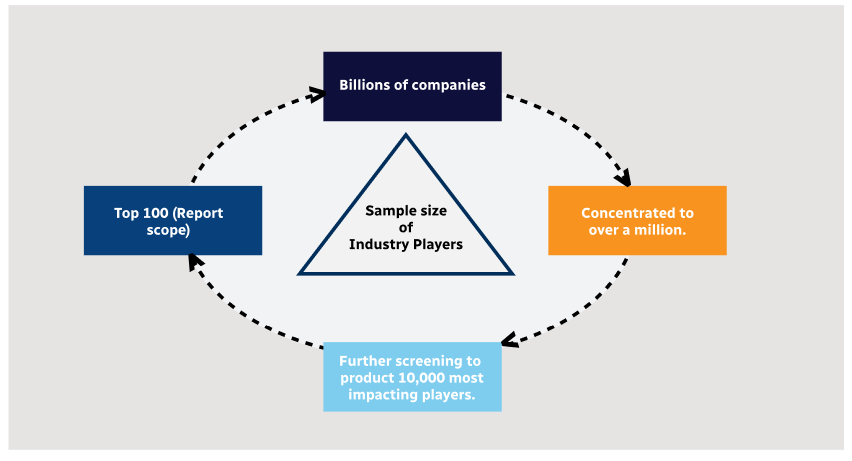
Step 1 - Identification of Relevant Samples Size from Population Database
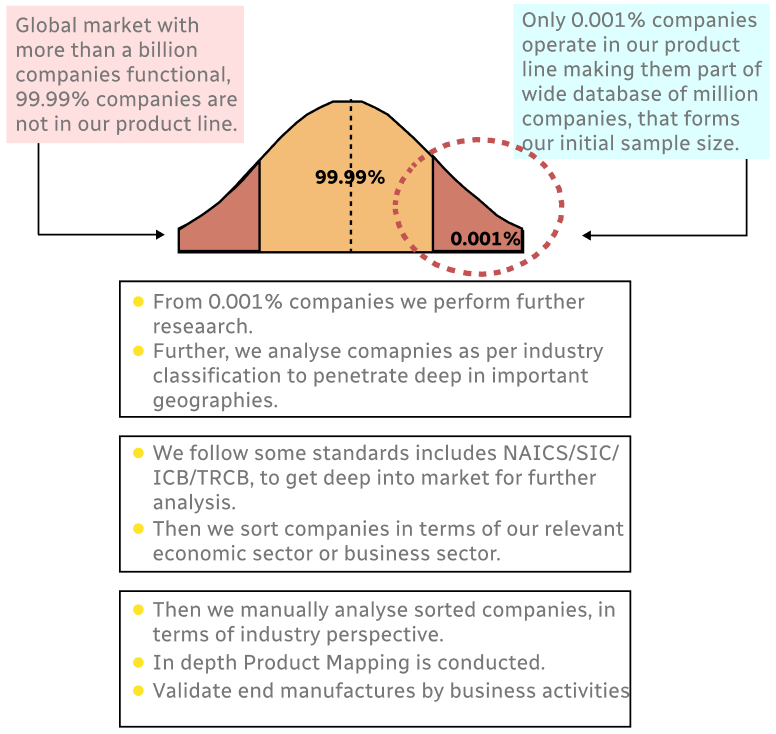
Step 2 - Approaches for Defining Global Market Size (Value, Volume* & Price*)
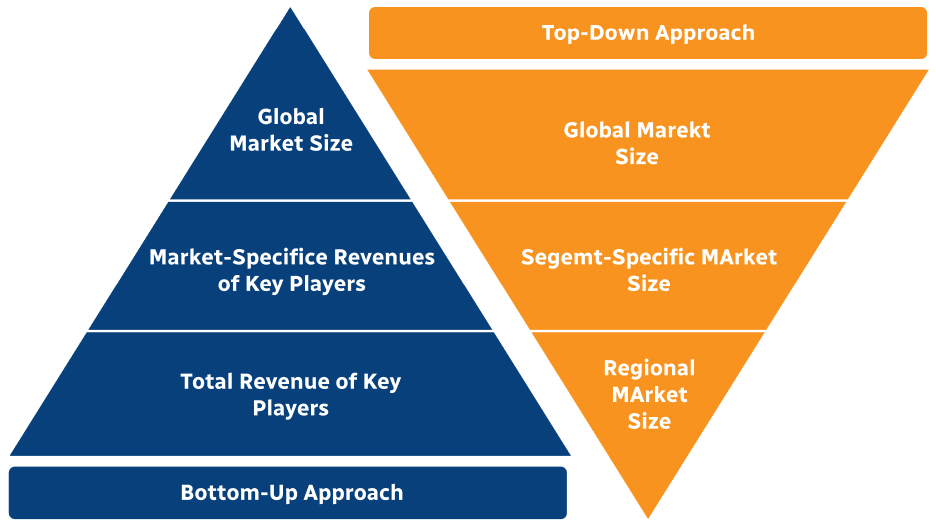
Note*: In applicable scenarios
Step 3 - Data Sources
Primary Research
- Web Analytics
- Survey Reports
- Research Institute
- Latest Research Reports
- Opinion Leaders
Secondary Research
- Annual Reports
- White Paper
- Latest Press Release
- Industry Association
- Paid Database
- Investor Presentations
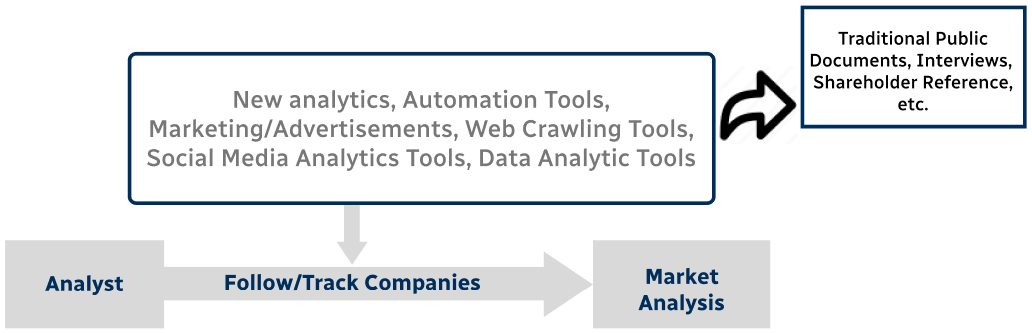
Step 4 - Data Triangulation
Involves using different sources of information in order to increase the validity of a study
These sources are likely to be stakeholders in a program - participants, other researchers, program staff, other community members, and so on.
Then we put all data in single framework & apply various statistical tools to find out the dynamic on the market.
During the analysis stage, feedback from the stakeholder groups would be compared to determine areas of agreement as well as areas of divergence