


Key Insights
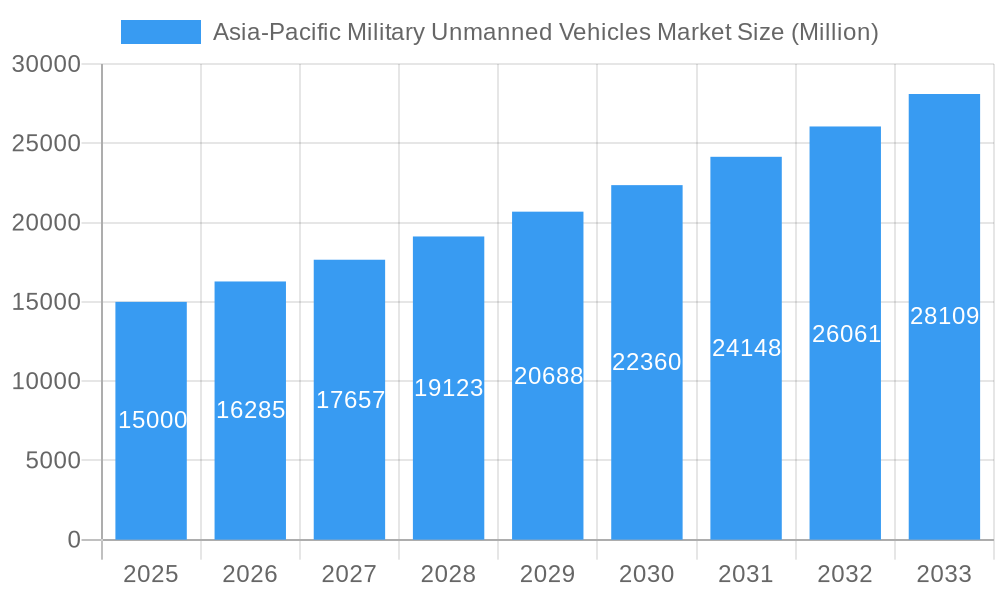
The Asia-Pacific Military Unmanned Vehicles (MUAV) market is poised for significant expansion, driven by increasing geopolitical complexities, augmented defense spending across the region, and continuous technological innovation in unmanned systems. The market, projected to reach $15.8 billion by 2025, is forecast to grow at a Compound Annual Growth Rate (CAGR) of 7.6% from 2025 to 2033. Key growth catalysts include the demand for enhanced surveillance, reconnaissance, and intelligence (ISR) capabilities, reduced risk to personnel in high-threat scenarios, and the widespread integration of autonomous systems in military operations. Substantial R&D investments by industry leaders such as Hyundai Motor Group, Lockheed Martin, and General Atomics are accelerating market development. Unmanned Aerial Vehicles (UAVs) currently dominate the market due to their extensive application in ISR. Concurrently, Unmanned Ground Vehicles (UGVs) and Unmanned Surface and Underwater Vehicles (USUVs) are experiencing robust growth, driven by the escalating need for autonomous solutions in land and maritime combat. China, Japan, India, and South Korea are leading contributors, characterized by substantial domestic MUAV production and deployment.
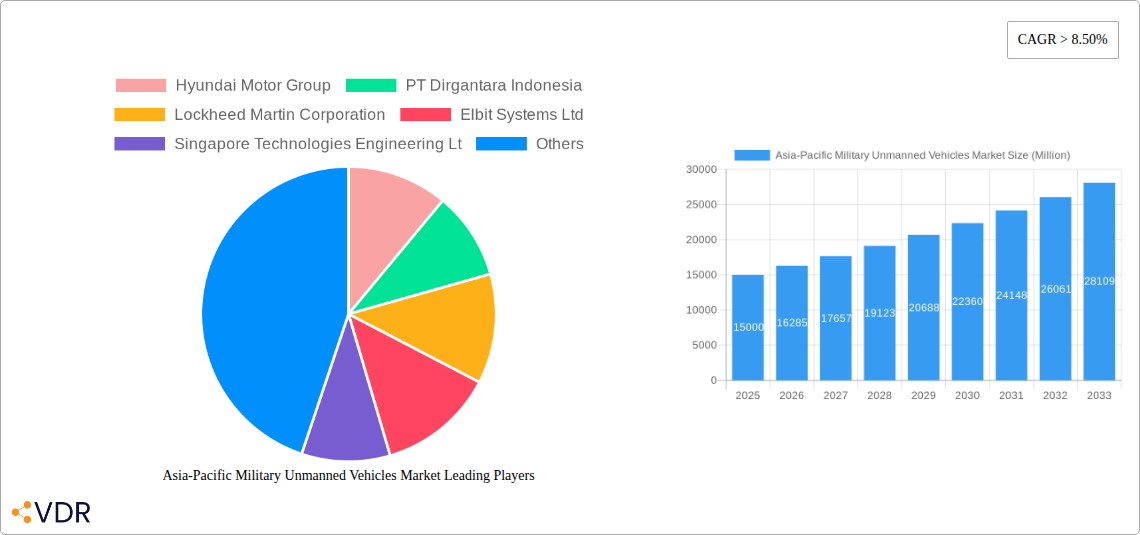
Asia-Pacific Military Unmanned Vehicles Market Market Size (In Billion)

The Asia-Pacific MUAV market's trajectory is shaped by a dynamic interplay of growth drivers and challenges. While technological progress and government support fuel expansion, factors such as substantial upfront investment, cybersecurity vulnerabilities in autonomous systems, and the necessity for comprehensive regulatory frameworks present hurdles. Future growth will be significantly influenced by advancements in Artificial Intelligence (AI), Machine Learning (ML), and sophisticated communication technologies, facilitating enhanced autonomy and system interoperability. The increasing emphasis on developing compact, agile, and cost-effective MUAVs will further stimulate market growth, addressing the varied operational requirements of regional military forces. Persistent geopolitical instability and the ongoing demand for advanced defense solutions across the Asia-Pacific region indicate a strong positive outlook for the MUAV market.
Asia-Pacific Military Unmanned Vehicles Market Company Market Share
Asia-Pacific Military Unmanned Vehicles Market: A Comprehensive Report (2019-2033)
This in-depth report provides a comprehensive analysis of the Asia-Pacific Military Unmanned Vehicles (UAVs, UGV, and UUV) market, offering valuable insights for industry professionals, investors, and strategic decision-makers. The report covers the period 2019-2033, with a focus on the 2025-2033 forecast period, using 2025 as the base year. The study segments the market by vehicle type (Unmanned Aerial Vehicles, Unmanned Ground Vehicles, and Unmanned Surface and Underwater Vehicles) and analyzes key players, market dynamics, and future growth potential.
Asia-Pacific Military Unmanned Vehicles Market Dynamics & Structure
The Asia-Pacific military unmanned vehicle market is experiencing significant growth, driven by technological advancements, increasing defense budgets, and geopolitical instability. Market concentration is moderate, with a few large players dominating certain segments. Technological innovation, particularly in AI and autonomy, is a key driver, while regulatory frameworks and export controls influence market access. Competition from other surveillance and defense technologies presents a challenge. Mergers and acquisitions (M&A) activity is prevalent, as companies seek to expand their portfolios and capabilities.
- Market Concentration: Moderate, with top 5 players holding approximately xx% market share in 2025 (estimated).
- Technological Innovation: Significant investments in AI, autonomous navigation, and swarm technologies are driving market growth.
- Regulatory Framework: Varying regulatory landscapes across different countries in the Asia-Pacific region impact market access and adoption.
- Competitive Substitutes: Traditional manned vehicles and other surveillance technologies offer competition.
- End-User Demographics: Primarily government defense agencies and armed forces across the region.
- M&A Trends: Increasing M&A activity signifies consolidation and expansion within the market, with approximately xx deals recorded between 2019-2024.
Asia-Pacific Military Unmanned Vehicles Market Growth Trends & Insights
The Asia-Pacific military unmanned vehicle market is projected to witness robust growth over the forecast period (2025-2033), with a compound annual growth rate (CAGR) of xx%. This expansion is fueled by several factors, including rising defense expenditure across the region, increasing demand for advanced surveillance and reconnaissance systems, and the adoption of unmanned vehicles for various military operations. Technological disruptions, such as the development of more sophisticated AI and autonomous capabilities, are further accelerating market growth. Furthermore, a shift in consumer behavior towards prioritizing technological advancements and improved operational efficiency is influencing purchasing decisions within the defense sector. Market penetration of unmanned vehicles within the military is expected to reach xx% by 2033.
Dominant Regions, Countries, or Segments in Asia-Pacific Military Unmanned Vehicles Market
The Unmanned Aerial Vehicle (UAV) segment currently dominates the Asia-Pacific military unmanned vehicle market, primarily driven by increased demand for intelligence, surveillance, and reconnaissance (ISR) capabilities. China and India are the leading national markets, fueled by significant investments in military modernization and indigenous UAV development.
- Key Drivers for UAV Dominance:
- High demand for ISR capabilities
- Relatively lower cost compared to other types of unmanned vehicles
- Ongoing technological advancements in UAV technology.
- Factors Driving Growth in China and India:
- Significant investments in military modernization and indigenous UAV development.
- Geopolitical tensions and regional conflicts creating demand for advanced surveillance.
The Unmanned Ground Vehicle (UGV) segment is also experiencing strong growth, driven by increasing demand for mine-clearing robots and other ground-based military applications. Similarly, the Unmanned Surface and Underwater Vehicle (UUV) market is showing significant growth, primarily driven by increased naval modernization efforts in the region.
Asia-Pacific Military Unmanned Vehicles Market Product Landscape
The market showcases continuous innovation in unmanned vehicles, focusing on enhancing autonomy, payload capacity, endurance, and operational range. Manufacturers are integrating advanced AI capabilities, sensor technologies, and communication systems to deliver superior performance and adaptability in diverse operational environments. This includes the development of swarm technologies for coordinated operations and the integration of advanced data analytics for enhanced situational awareness. Key selling points include improved accuracy, reduced risk to human personnel, and cost-effectiveness compared to manned alternatives.
Key Drivers, Barriers & Challenges in Asia-Pacific Military Unmanned Vehicles Market
Key Drivers:
- Increasing defense budgets across the region.
- Technological advancements enhancing functionalities and capabilities.
- Growing demand for ISR and other military applications.
- Geopolitical instability leading to heightened security concerns.
Key Challenges:
- High initial investment costs limiting widespread adoption.
- Cyber vulnerabilities posing security threats.
- Regulatory complexities surrounding the use and deployment of unmanned systems.
- Supply chain disruptions impacting production and availability. (Estimated xx% impact on production in 2024).
Emerging Opportunities in Asia-Pacific Military Unmanned Vehicles Market
Untapped market potential exists in smaller nations in Southeast Asia and the Pacific. Opportunities lie in developing specialized applications for counter-terrorism, border security, disaster relief, and maritime surveillance. Furthermore, the increasing integration of AI and machine learning presents exciting prospects for autonomous operations and enhanced situational awareness.
Growth Accelerators in the Asia-Pacific Military Unmanned Vehicles Market Industry
Technological breakthroughs, particularly in autonomy and AI, are significant growth catalysts. Strategic partnerships between defense contractors and technology firms are driving innovation and accelerating product development. Government initiatives promoting indigenous manufacturing and technological self-reliance are boosting local industry growth. Expansion into new applications such as humanitarian aid and disaster response further expands the market potential.
Key Players Shaping the Asia-Pacific Military Unmanned Vehicles Market Market
- Hyundai Motor Group
- PT Dirgantara Indonesia
- Lockheed Martin Corporation
- Elbit Systems Ltd
- Singapore Technologies Engineering Ltd
- General Atomics
- Hanwha Corporation
- Defence Research and Development Organisation (DRDO)
- The Boeing Company
- Mitsubishi Heavy Industries Ltd
Notable Milestones in Asia-Pacific Military Unmanned Vehicles Market Sector
- 2022-03: Successful deployment of a new UAV model by [Company Name] in a military exercise.
- 2023-06: Launch of a joint venture between [Company Name] and [Company Name] focused on UGV development.
- 2024-11: Successful testing of an autonomous UUV system by [Company Name].
- Further milestones will be detailed in the full report.
In-Depth Asia-Pacific Military Unmanned Vehicles Market Market Outlook
The Asia-Pacific military unmanned vehicle market is poised for sustained growth, driven by continuous technological advancements, increasing defense spending, and evolving geopolitical dynamics. Significant opportunities exist for companies to capitalize on the growing demand for advanced capabilities, particularly in AI-powered autonomy and swarm technology. Strategic partnerships and investments in research and development will be crucial for gaining a competitive edge in this rapidly expanding sector.
Asia-Pacific Military Unmanned Vehicles Market Segmentation
- 1. Production Analysis
- 2. Consumption Analysis
- 3. Import Market Analysis (Value & Volume)
- 4. Export Market Analysis (Value & Volume)
- 5. Price Trend Analysis
Asia-Pacific Military Unmanned Vehicles Market Segmentation By Geography
-
1. Asia Pacific
- 1.1. China
- 1.2. Japan
- 1.3. South Korea
- 1.4. India
- 1.5. Australia
- 1.6. New Zealand
- 1.7. Indonesia
- 1.8. Malaysia
- 1.9. Singapore
- 1.10. Thailand
- 1.11. Vietnam
- 1.12. Philippines
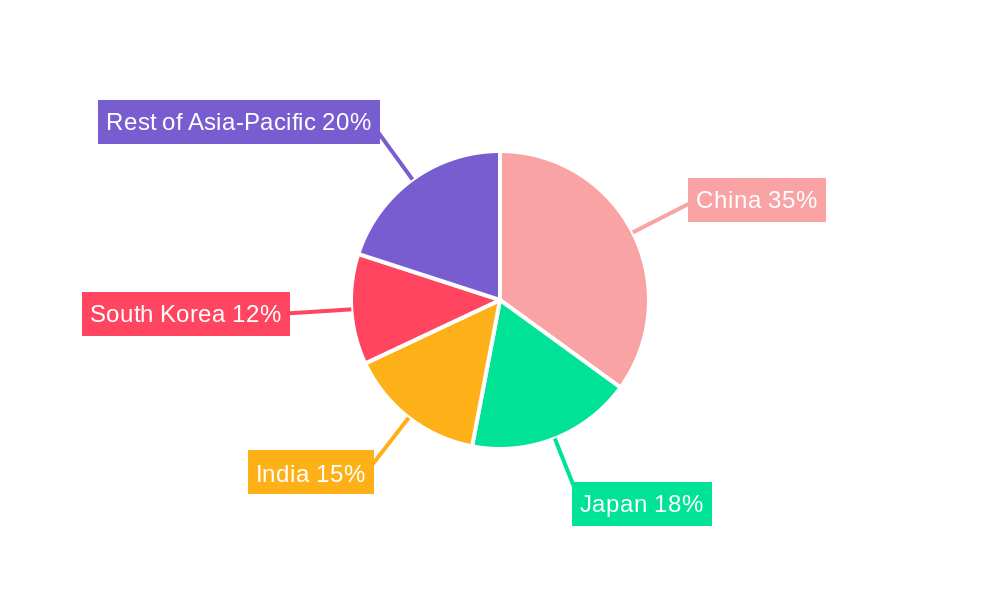
Asia-Pacific Military Unmanned Vehicles Market Regional Market Share
Geographic Coverage of Asia-Pacific Military Unmanned Vehicles Market
Asia-Pacific Military Unmanned Vehicles Market REPORT HIGHLIGHTS
| Aspects | Details |
|---|---|
| Study Period | 2020-2034 |
| Base Year | 2025 |
| Estimated Year | 2026 |
| Forecast Period | 2026-2034 |
| Historical Period | 2020-2025 |
| Growth Rate | CAGR of 7.6% from 2020-2034 |
| Segmentation |
|
Table of Contents
- 1. Introduction
- 1.1. Research Scope
- 1.2. Market Segmentation
- 1.3. Research Methodology
- 1.4. Definitions and Assumptions
- 2. Executive Summary
- 2.1. Introduction
- 3. Market Dynamics
- 3.1. Introduction
- 3.2. Market Drivers
- 3.2.1. Increase in Internet of Things (IoT) and Autonomous Systems; Rise in Demand for Military and Defense Satellite Communication Solutions
- 3.3. Market Restrains
- 3.3.1. Cybersecurity Threats to Satellite Communication; Interference in Transmission of Data
- 3.4. Market Trends
- 3.4.1. Unmanned Surface and Underwater Vehicles Segment Expected to Witness Robust Growth During the Forecast Period
- 4. Market Factor Analysis
- 4.1. Porters Five Forces
- 4.2. Supply/Value Chain
- 4.3. PESTEL analysis
- 4.4. Market Entropy
- 4.5. Patent/Trademark Analysis
- 5. Asia-Pacific Military Unmanned Vehicles Market Analysis, Insights and Forecast, 2020-2032
- 5.1. Market Analysis, Insights and Forecast - by Production Analysis
- 5.2. Market Analysis, Insights and Forecast - by Consumption Analysis
- 5.3. Market Analysis, Insights and Forecast - by Import Market Analysis (Value & Volume)
- 5.4. Market Analysis, Insights and Forecast - by Export Market Analysis (Value & Volume)
- 5.5. Market Analysis, Insights and Forecast - by Price Trend Analysis
- 5.6. Market Analysis, Insights and Forecast - by Region
- 5.6.1. Asia Pacific
- 5.1. Market Analysis, Insights and Forecast - by Production Analysis
- 6. Competitive Analysis
- 6.1. Market Share Analysis 2025
- 6.2. Company Profiles
- 6.2.1 Hyundai Motor Group
- 6.2.1.1. Overview
- 6.2.1.2. Products
- 6.2.1.3. SWOT Analysis
- 6.2.1.4. Recent Developments
- 6.2.1.5. Financials (Based on Availability)
- 6.2.2 PT Dirgantara Indonesia
- 6.2.2.1. Overview
- 6.2.2.2. Products
- 6.2.2.3. SWOT Analysis
- 6.2.2.4. Recent Developments
- 6.2.2.5. Financials (Based on Availability)
- 6.2.3 Lockheed Martin Corporation
- 6.2.3.1. Overview
- 6.2.3.2. Products
- 6.2.3.3. SWOT Analysis
- 6.2.3.4. Recent Developments
- 6.2.3.5. Financials (Based on Availability)
- 6.2.4 Elbit Systems Ltd
- 6.2.4.1. Overview
- 6.2.4.2. Products
- 6.2.4.3. SWOT Analysis
- 6.2.4.4. Recent Developments
- 6.2.4.5. Financials (Based on Availability)
- 6.2.5 Singapore Technologies Engineering Lt
- 6.2.5.1. Overview
- 6.2.5.2. Products
- 6.2.5.3. SWOT Analysis
- 6.2.5.4. Recent Developments
- 6.2.5.5. Financials (Based on Availability)
- 6.2.6 General Atomics
- 6.2.6.1. Overview
- 6.2.6.2. Products
- 6.2.6.3. SWOT Analysis
- 6.2.6.4. Recent Developments
- 6.2.6.5. Financials (Based on Availability)
- 6.2.7 Hanwha Corporation
- 6.2.7.1. Overview
- 6.2.7.2. Products
- 6.2.7.3. SWOT Analysis
- 6.2.7.4. Recent Developments
- 6.2.7.5. Financials (Based on Availability)
- 6.2.8 Defence Research and Development Organisation (DRDO)
- 6.2.8.1. Overview
- 6.2.8.2. Products
- 6.2.8.3. SWOT Analysis
- 6.2.8.4. Recent Developments
- 6.2.8.5. Financials (Based on Availability)
- 6.2.9 The Boeing Company
- 6.2.9.1. Overview
- 6.2.9.2. Products
- 6.2.9.3. SWOT Analysis
- 6.2.9.4. Recent Developments
- 6.2.9.5. Financials (Based on Availability)
- 6.2.10 Mitsubishi Heavy Industries Ltd
- 6.2.10.1. Overview
- 6.2.10.2. Products
- 6.2.10.3. SWOT Analysis
- 6.2.10.4. Recent Developments
- 6.2.10.5. Financials (Based on Availability)
- 6.2.1 Hyundai Motor Group
List of Figures
- Figure 1: Asia-Pacific Military Unmanned Vehicles Market Revenue Breakdown (billion, %) by Product 2025 & 2033
- Figure 2: Asia-Pacific Military Unmanned Vehicles Market Share (%) by Company 2025
List of Tables
- Table 1: Asia-Pacific Military Unmanned Vehicles Market Revenue billion Forecast, by Production Analysis 2020 & 2033
- Table 2: Asia-Pacific Military Unmanned Vehicles Market Revenue billion Forecast, by Consumption Analysis 2020 & 2033
- Table 3: Asia-Pacific Military Unmanned Vehicles Market Revenue billion Forecast, by Import Market Analysis (Value & Volume) 2020 & 2033
- Table 4: Asia-Pacific Military Unmanned Vehicles Market Revenue billion Forecast, by Export Market Analysis (Value & Volume) 2020 & 2033
- Table 5: Asia-Pacific Military Unmanned Vehicles Market Revenue billion Forecast, by Price Trend Analysis 2020 & 2033
- Table 6: Asia-Pacific Military Unmanned Vehicles Market Revenue billion Forecast, by Region 2020 & 2033
- Table 7: Asia-Pacific Military Unmanned Vehicles Market Revenue billion Forecast, by Production Analysis 2020 & 2033
- Table 8: Asia-Pacific Military Unmanned Vehicles Market Revenue billion Forecast, by Consumption Analysis 2020 & 2033
- Table 9: Asia-Pacific Military Unmanned Vehicles Market Revenue billion Forecast, by Import Market Analysis (Value & Volume) 2020 & 2033
- Table 10: Asia-Pacific Military Unmanned Vehicles Market Revenue billion Forecast, by Export Market Analysis (Value & Volume) 2020 & 2033
- Table 11: Asia-Pacific Military Unmanned Vehicles Market Revenue billion Forecast, by Price Trend Analysis 2020 & 2033
- Table 12: Asia-Pacific Military Unmanned Vehicles Market Revenue billion Forecast, by Country 2020 & 2033
- Table 13: China Asia-Pacific Military Unmanned Vehicles Market Revenue (billion) Forecast, by Application 2020 & 2033
- Table 14: Japan Asia-Pacific Military Unmanned Vehicles Market Revenue (billion) Forecast, by Application 2020 & 2033
- Table 15: South Korea Asia-Pacific Military Unmanned Vehicles Market Revenue (billion) Forecast, by Application 2020 & 2033
- Table 16: India Asia-Pacific Military Unmanned Vehicles Market Revenue (billion) Forecast, by Application 2020 & 2033
- Table 17: Australia Asia-Pacific Military Unmanned Vehicles Market Revenue (billion) Forecast, by Application 2020 & 2033
- Table 18: New Zealand Asia-Pacific Military Unmanned Vehicles Market Revenue (billion) Forecast, by Application 2020 & 2033
- Table 19: Indonesia Asia-Pacific Military Unmanned Vehicles Market Revenue (billion) Forecast, by Application 2020 & 2033
- Table 20: Malaysia Asia-Pacific Military Unmanned Vehicles Market Revenue (billion) Forecast, by Application 2020 & 2033
- Table 21: Singapore Asia-Pacific Military Unmanned Vehicles Market Revenue (billion) Forecast, by Application 2020 & 2033
- Table 22: Thailand Asia-Pacific Military Unmanned Vehicles Market Revenue (billion) Forecast, by Application 2020 & 2033
- Table 23: Vietnam Asia-Pacific Military Unmanned Vehicles Market Revenue (billion) Forecast, by Application 2020 & 2033
- Table 24: Philippines Asia-Pacific Military Unmanned Vehicles Market Revenue (billion) Forecast, by Application 2020 & 2033
Frequently Asked Questions
1. What is the projected Compound Annual Growth Rate (CAGR) of the Asia-Pacific Military Unmanned Vehicles Market?
The projected CAGR is approximately 7.6%.
2. Which companies are prominent players in the Asia-Pacific Military Unmanned Vehicles Market?
Key companies in the market include Hyundai Motor Group, PT Dirgantara Indonesia, Lockheed Martin Corporation, Elbit Systems Ltd, Singapore Technologies Engineering Lt, General Atomics, Hanwha Corporation, Defence Research and Development Organisation (DRDO), The Boeing Company, Mitsubishi Heavy Industries Ltd.
3. What are the main segments of the Asia-Pacific Military Unmanned Vehicles Market?
The market segments include Production Analysis, Consumption Analysis, Import Market Analysis (Value & Volume), Export Market Analysis (Value & Volume), Price Trend Analysis.
4. Can you provide details about the market size?
The market size is estimated to be USD 15.8 billion as of 2022.
5. What are some drivers contributing to market growth?
Increase in Internet of Things (IoT) and Autonomous Systems; Rise in Demand for Military and Defense Satellite Communication Solutions.
6. What are the notable trends driving market growth?
Unmanned Surface and Underwater Vehicles Segment Expected to Witness Robust Growth During the Forecast Period.
7. Are there any restraints impacting market growth?
Cybersecurity Threats to Satellite Communication; Interference in Transmission of Data.
8. Can you provide examples of recent developments in the market?
N/A
9. What pricing options are available for accessing the report?
Pricing options include single-user, multi-user, and enterprise licenses priced at USD 4750, USD 5250, and USD 8750 respectively.
10. Is the market size provided in terms of value or volume?
The market size is provided in terms of value, measured in billion.
11. Are there any specific market keywords associated with the report?
Yes, the market keyword associated with the report is "Asia-Pacific Military Unmanned Vehicles Market," which aids in identifying and referencing the specific market segment covered.
12. How do I determine which pricing option suits my needs best?
The pricing options vary based on user requirements and access needs. Individual users may opt for single-user licenses, while businesses requiring broader access may choose multi-user or enterprise licenses for cost-effective access to the report.
13. Are there any additional resources or data provided in the Asia-Pacific Military Unmanned Vehicles Market report?
While the report offers comprehensive insights, it's advisable to review the specific contents or supplementary materials provided to ascertain if additional resources or data are available.
14. How can I stay updated on further developments or reports in the Asia-Pacific Military Unmanned Vehicles Market?
To stay informed about further developments, trends, and reports in the Asia-Pacific Military Unmanned Vehicles Market, consider subscribing to industry newsletters, following relevant companies and organizations, or regularly checking reputable industry news sources and publications.
Methodology
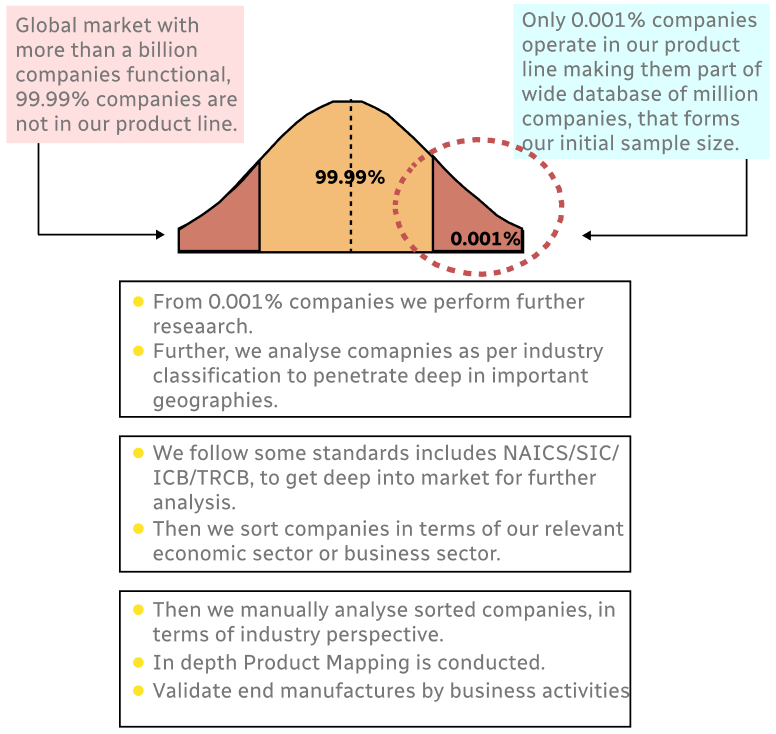
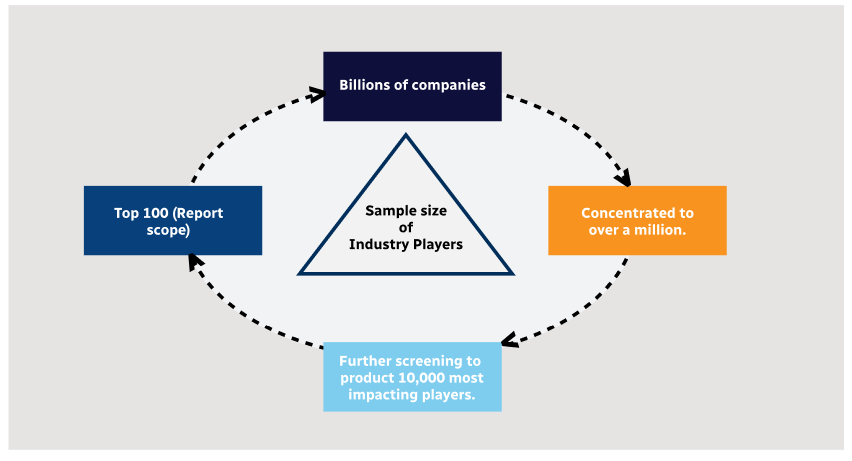
Step 1 - Identification of Relevant Samples Size from Population Database
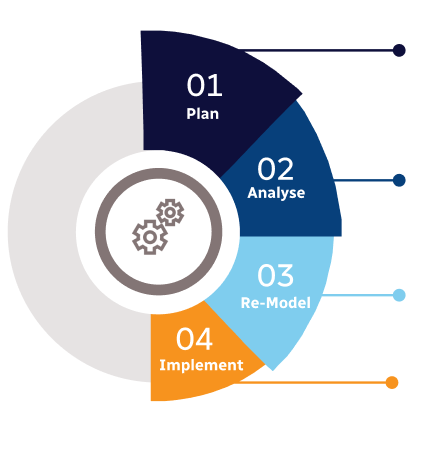
Step 2 - Approaches for Defining Global Market Size (Value, Volume* & Price*)
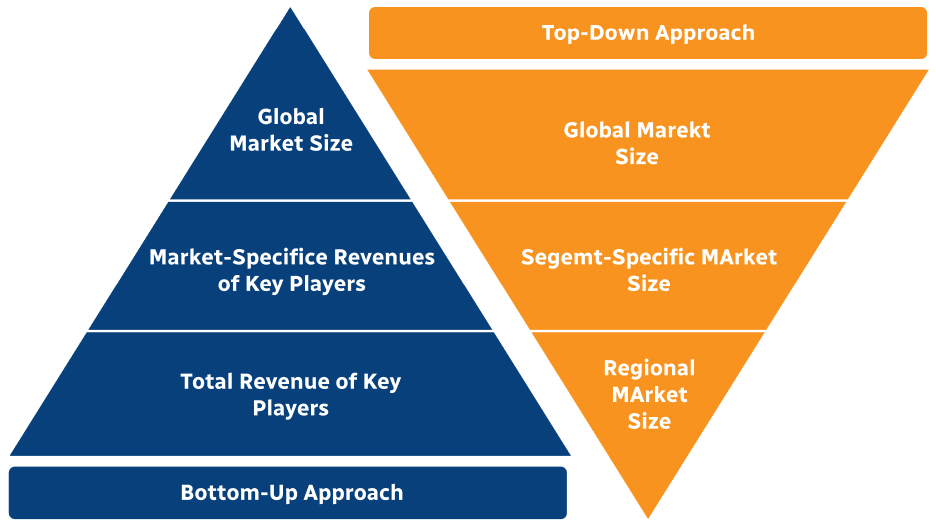
Note*: In applicable scenarios
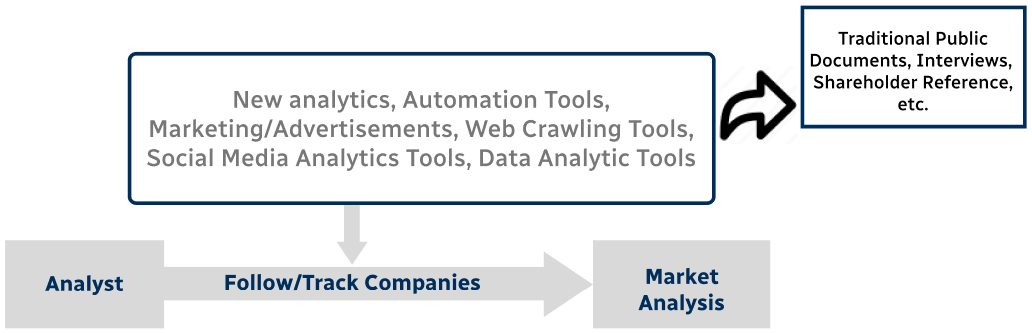
Step 3 - Data Sources
Primary Research
- Web Analytics
- Survey Reports
- Research Institute
- Latest Research Reports
- Opinion Leaders
Secondary Research
- Annual Reports
- White Paper
- Latest Press Release
- Industry Association
- Paid Database
- Investor Presentations
Step 4 - Data Triangulation
Involves using different sources of information in order to increase the validity of a study
These sources are likely to be stakeholders in a program - participants, other researchers, program staff, other community members, and so on.
Then we put all data in single framework & apply various statistical tools to find out the dynamic on the market.
During the analysis stage, feedback from the stakeholder groups would be compared to determine areas of agreement as well as areas of divergence