


Key Insights
The global anti-drone market is experiencing robust growth, projected to reach \$2.03 billion in 2025 and exhibiting a remarkable Compound Annual Growth Rate (CAGR) of 25.46% from 2025 to 2033. This expansion is fueled by several key drivers. The increasing proliferation of drones for both civilian and military purposes has heightened concerns regarding security risks, including unauthorized surveillance, data breaches, and potential attacks on critical infrastructure. Governments and private organizations are investing heavily in counter-drone technologies to mitigate these risks. Furthermore, advancements in sensor technology, artificial intelligence (AI), and machine learning are leading to the development of more sophisticated and effective anti-drone systems. These systems are becoming more compact, user-friendly, and affordable, making them accessible to a wider range of users. The market is segmented by application (detection and other sensors like jamming and disruption systems), and vertical (defense, airports, and other critical infrastructure). North America currently holds a significant market share, driven by substantial investments in defense and security, but the Asia-Pacific region is projected to experience rapid growth due to increasing drone usage and heightened security concerns in various sectors.
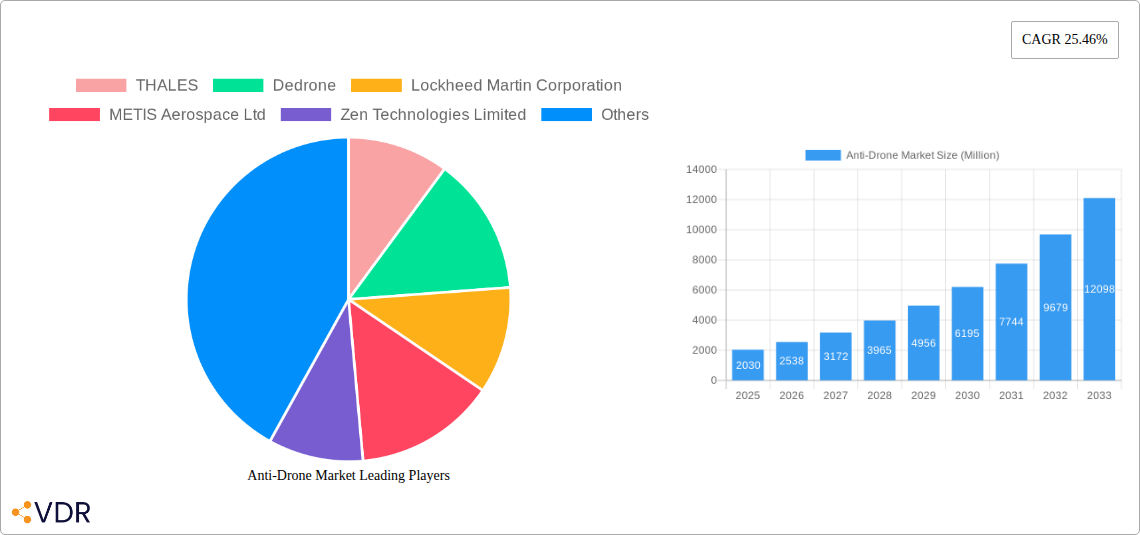
Anti-Drone Market Market Size (In Billion)

Market restraints include the high initial cost of deploying comprehensive anti-drone systems, the challenge of countering increasingly sophisticated drone technologies, and regulatory hurdles surrounding the use of anti-drone technologies. However, ongoing technological innovations, along with rising government regulations aimed at securing airspace and critical infrastructure, are expected to outweigh these challenges. The increasing integration of AI and advanced analytics within anti-drone systems promises to enhance their effectiveness and adaptability, addressing the issue of countermeasures developed by drone operators. The key players in this market, including Thales, Dedrone, Lockheed Martin, and others, are actively engaged in research and development, further contributing to the market's dynamic evolution. This competitive landscape fosters innovation and drives down costs, making anti-drone technology more accessible and effective.
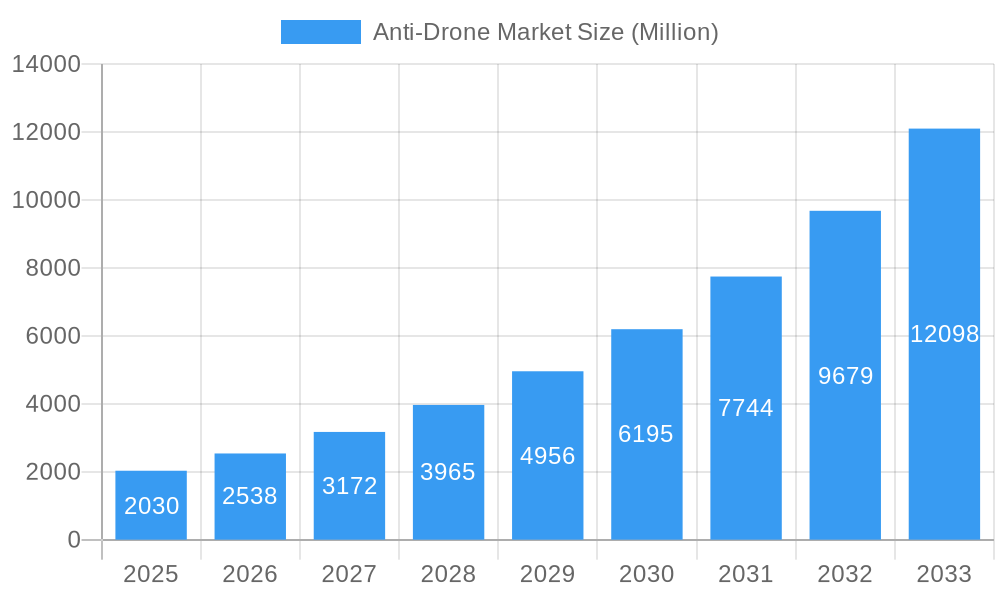
Anti-Drone Market Company Market Share
Anti-Drone Market Report: 2019-2033
This comprehensive report provides a detailed analysis of the Anti-Drone Market, encompassing market dynamics, growth trends, regional dominance, product landscape, key challenges, emerging opportunities, and key players. The study period spans from 2019 to 2033, with 2025 serving as the base and estimated year. The report forecasts market trends from 2025 to 2033, providing valuable insights for industry professionals, investors, and stakeholders. The report analyzes the parent market of security and surveillance technologies and the child market of counter-drone systems.
Anti-Drone Market Dynamics & Structure
The anti-drone market is characterized by moderate concentration, with a few key players holding significant market share, though a large number of smaller, specialized companies also operate in this rapidly evolving sector. Technological innovation is a primary driver, with constant improvements in detection, jamming, and disruption technologies. Stringent regulatory frameworks, particularly concerning airspace security and data privacy, are shaping market growth. Competitive product substitutes, such as physical barriers and trained personnel, still exist, impacting market penetration. End-users include defense organizations, airports, and critical infrastructure facilities, driving demand based on their respective security concerns. M&A activity is moderate, reflecting consolidation efforts and the acquisition of specialized technologies.
- Market Concentration: Moderately concentrated, with top 5 players holding approximately xx% of the market share in 2025.
- Technological Innovation: Constant advancements in AI, radar, and signal processing drive improvements in detection and disruption capabilities.
- Regulatory Framework: Stringent regulations regarding drone usage in restricted airspace are crucial for market growth.
- Competitive Substitutes: Physical barriers and human intervention represent alternative, but often less effective, solutions.
- End-User Demographics: Primarily Defense (xx Million units), Airports (xx Million units), and Other Critical Infrastructures (xx Million units) dominate the market.
- M&A Trends: Moderate M&A activity (xx deals in the past 5 years), indicating a shift towards consolidation and technology acquisition.
Anti-Drone Market Growth Trends & Insights
The anti-drone market exhibits significant growth, driven by increasing drone threats and the need for robust security solutions. Market size is projected to expand from xx Million units in 2019 to xx Million units in 2025, and to reach xx Million units by 2033. The Compound Annual Growth Rate (CAGR) during the forecast period (2025-2033) is estimated at xx%. This growth is fueled by technological advancements (such as AI-powered detection systems and advanced jamming techniques) and increasing adoption rates across various sectors. Consumer behavior shifts toward prioritizing enhanced security measures further propel market expansion. Specific market penetration rates vary across different applications and regions, with higher adoption in defense and airports compared to other critical infrastructures.
Dominant Regions, Countries, or Segments in Anti-Drone Market
North America currently dominates the anti-drone market, driven by robust defense budgets and stringent security protocols at airports and critical infrastructures. Europe follows closely, with strong government support for security technologies and a growing concern for drone-related threats. Within the application segments, detection systems currently hold the largest market share (xx Million units in 2025), followed by jamming and disruption technologies (xx Million units in 2025).
- Key Drivers in North America: High defense spending, stringent airport security regulations, and early adoption of advanced technologies.
- Key Drivers in Europe: Growing concerns about drone terrorism and cross-border threats, supportive government policies, and investments in research & development.
- Dominant Application Segment: Detection systems lead due to their relatively lower cost and ease of integration.
- Dominant Vertical Segment: The defense sector remains the largest consumer due to high security requirements and substantial budgets.
Anti-Drone Market Product Landscape
The anti-drone market offers a diverse range of products, including radar systems, RF detectors, optical sensors, and jamming/disruption systems. These systems are constantly being upgraded with features like AI-powered threat identification, automated response capabilities, and improved accuracy and range. Unique selling propositions emphasize ease of use, portability, and integration with existing security infrastructures. Technological advancements focus on reducing false positives, improving spectral agility, and enhancing the effectiveness of countermeasures against increasingly sophisticated drone technologies.
Key Drivers, Barriers & Challenges in Anti-Drone Market
Key Drivers:
- Increasing drone-related threats (e.g., unauthorized surveillance, smuggling, terrorism).
- Growing adoption of drones in both commercial and military applications.
- Stringent government regulations aimed at securing airspace.
- Technological advancements, such as AI and machine learning.
Key Challenges and Restraints:
- High initial investment costs for advanced anti-drone systems.
- Potential for interference with legitimate drone operations.
- Regulatory hurdles and standardization challenges.
- Supply chain disruptions due to geopolitical uncertainties.
- xx% of reported failures in detection are caused by (Specific Reason - example: inadequate system calibration).
Emerging Opportunities in Anti-Drone Market
- Expansion into emerging markets with growing drone usage.
- Development of integrated security solutions combining various anti-drone technologies.
- Increased focus on cybersecurity for anti-drone systems to prevent hacking.
- Growing demand for AI-powered drone detection and tracking.
- Development of countermeasures for advanced drone evasion techniques.
Growth Accelerators in the Anti-Drone Market Industry
The long-term growth of the anti-drone market will be propelled by continued technological breakthroughs, particularly in AI-driven autonomous systems and advanced signal processing techniques. Strategic partnerships between technology providers and end-users will accelerate market penetration. Expansion into new applications, such as protecting critical infrastructure beyond airports and defense installations, will create significant growth opportunities. Government initiatives promoting counter-drone solutions and supportive regulatory frameworks will also be key factors driving the market's growth trajectory.
Key Players Shaping the Anti-Drone Market Market
- THALES
- Dedrone
- Lockheed Martin Corporation
- METIS Aerospace Ltd
- Zen Technologies Limited
- Robin Radar System
- Drone Defence
- Citadel Defense
- SRC Inc
- DroneShield Ltd
- RTX Corporation
- Israel Aerospace Industries Ltd
- SAAB AB
- QinetiQ Group plc
- DeTect Inc
Notable Milestones in Anti-Drone Market Sector
- August 2023: DroneShield Ltd. introduced satellite denial systems for specific target areas, leveraging GNSS disruption technology. This signifies a significant advancement in counter-drone capabilities, expanding beyond traditional detection and jamming methods.
- July 2023: Thales and the Swedish Defence Materiel Administration (FMV) agreed to deliver and install SMART-L Multi-Mission Fixed (MM/F) long-range radars, showcasing advancements in radar technology for enhanced air and surface surveillance.
In-Depth Anti-Drone Market Market Outlook
The future of the anti-drone market is bright, driven by the ongoing evolution of drone technology and the persistent need for robust security solutions. Strategic opportunities lie in developing innovative technologies that address emerging threats, such as swarms of drones and AI-powered evasion techniques. Expanding into new markets and forging strategic partnerships will be vital for achieving sustained growth. The increasing adoption of integrated security solutions, combining various anti-drone technologies, will further shape the market landscape. The market is expected to experience continued strong growth, driven by ongoing investment in research and development and the escalating demand for secure airspace across diverse sectors.
Anti-Drone Market Segmentation
-
1. Application
-
1.1. Detection
- 1.1.1. RADARs
- 1.1.2. Other Sensors
- 1.2. Jamming and Disruption
-
1.1. Detection
-
2. Vertical
- 2.1. Defense
- 2.2. Airports
- 2.3. Other Critical Infrastructures
Anti-Drone Market Segmentation By Geography
-
1. North America
- 1.1. United States
- 1.2. Canada
-
2. Europe
- 2.1. United Kingdom
- 2.2. France
- 2.3. Germany
- 2.4. Rest of Europe
-
3. Asia Pacific
- 3.1. China
- 3.2. India
- 3.3. Japan
- 3.4. South Korea
- 3.5. Rest of Asia Pacific
-
4. Latin America
- 4.1. Mexico
- 4.2. Brazil
- 4.3. Rest of Latin America
-
5. Middle East and Africa
- 5.1. Saudi Arabia
- 5.2. United Arab Emirates
- 5.3. Rest of Middle East and Africa
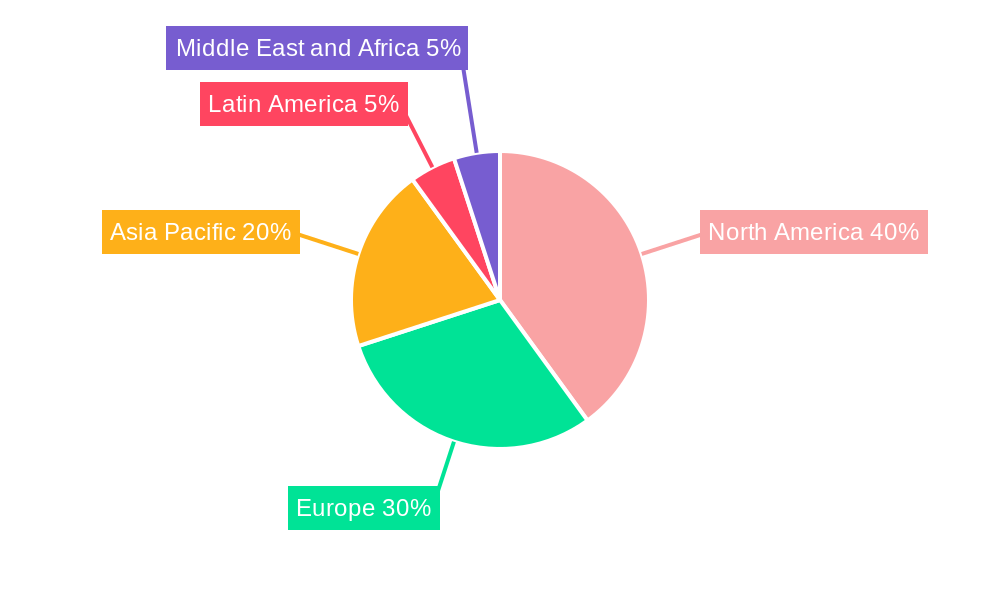
Anti-Drone Market Regional Market Share
Geographic Coverage of Anti-Drone Market
Anti-Drone Market REPORT HIGHLIGHTS
| Aspects | Details |
|---|---|
| Study Period | 2020-2034 |
| Base Year | 2025 |
| Estimated Year | 2026 |
| Forecast Period | 2026-2034 |
| Historical Period | 2020-2025 |
| Growth Rate | CAGR of 25.46% from 2020-2034 |
| Segmentation |
|
Table of Contents
- 1. Introduction
- 1.1. Research Scope
- 1.2. Market Segmentation
- 1.3. Research Methodology
- 1.4. Definitions and Assumptions
- 2. Executive Summary
- 2.1. Introduction
- 3. Market Dynamics
- 3.1. Introduction
- 3.2. Market Drivers
- 3.3. Market Restrains
- 3.4. Market Trends
- 3.4.1. Defense Segment Dominates the Market During the Forecast Period
- 4. Market Factor Analysis
- 4.1. Porters Five Forces
- 4.2. Supply/Value Chain
- 4.3. PESTEL analysis
- 4.4. Market Entropy
- 4.5. Patent/Trademark Analysis
- 5. Global Anti-Drone Market Analysis, Insights and Forecast, 2020-2032
- 5.1. Market Analysis, Insights and Forecast - by Application
- 5.1.1. Detection
- 5.1.1.1. RADARs
- 5.1.1.2. Other Sensors
- 5.1.2. Jamming and Disruption
- 5.1.1. Detection
- 5.2. Market Analysis, Insights and Forecast - by Vertical
- 5.2.1. Defense
- 5.2.2. Airports
- 5.2.3. Other Critical Infrastructures
- 5.3. Market Analysis, Insights and Forecast - by Region
- 5.3.1. North America
- 5.3.2. Europe
- 5.3.3. Asia Pacific
- 5.3.4. Latin America
- 5.3.5. Middle East and Africa
- 5.1. Market Analysis, Insights and Forecast - by Application
- 6. North America Anti-Drone Market Analysis, Insights and Forecast, 2020-2032
- 6.1. Market Analysis, Insights and Forecast - by Application
- 6.1.1. Detection
- 6.1.1.1. RADARs
- 6.1.1.2. Other Sensors
- 6.1.2. Jamming and Disruption
- 6.1.1. Detection
- 6.2. Market Analysis, Insights and Forecast - by Vertical
- 6.2.1. Defense
- 6.2.2. Airports
- 6.2.3. Other Critical Infrastructures
- 6.1. Market Analysis, Insights and Forecast - by Application
- 7. Europe Anti-Drone Market Analysis, Insights and Forecast, 2020-2032
- 7.1. Market Analysis, Insights and Forecast - by Application
- 7.1.1. Detection
- 7.1.1.1. RADARs
- 7.1.1.2. Other Sensors
- 7.1.2. Jamming and Disruption
- 7.1.1. Detection
- 7.2. Market Analysis, Insights and Forecast - by Vertical
- 7.2.1. Defense
- 7.2.2. Airports
- 7.2.3. Other Critical Infrastructures
- 7.1. Market Analysis, Insights and Forecast - by Application
- 8. Asia Pacific Anti-Drone Market Analysis, Insights and Forecast, 2020-2032
- 8.1. Market Analysis, Insights and Forecast - by Application
- 8.1.1. Detection
- 8.1.1.1. RADARs
- 8.1.1.2. Other Sensors
- 8.1.2. Jamming and Disruption
- 8.1.1. Detection
- 8.2. Market Analysis, Insights and Forecast - by Vertical
- 8.2.1. Defense
- 8.2.2. Airports
- 8.2.3. Other Critical Infrastructures
- 8.1. Market Analysis, Insights and Forecast - by Application
- 9. Latin America Anti-Drone Market Analysis, Insights and Forecast, 2020-2032
- 9.1. Market Analysis, Insights and Forecast - by Application
- 9.1.1. Detection
- 9.1.1.1. RADARs
- 9.1.1.2. Other Sensors
- 9.1.2. Jamming and Disruption
- 9.1.1. Detection
- 9.2. Market Analysis, Insights and Forecast - by Vertical
- 9.2.1. Defense
- 9.2.2. Airports
- 9.2.3. Other Critical Infrastructures
- 9.1. Market Analysis, Insights and Forecast - by Application
- 10. Middle East and Africa Anti-Drone Market Analysis, Insights and Forecast, 2020-2032
- 10.1. Market Analysis, Insights and Forecast - by Application
- 10.1.1. Detection
- 10.1.1.1. RADARs
- 10.1.1.2. Other Sensors
- 10.1.2. Jamming and Disruption
- 10.1.1. Detection
- 10.2. Market Analysis, Insights and Forecast - by Vertical
- 10.2.1. Defense
- 10.2.2. Airports
- 10.2.3. Other Critical Infrastructures
- 10.1. Market Analysis, Insights and Forecast - by Application
- 11. Competitive Analysis
- 11.1. Global Market Share Analysis 2025
- 11.2. Company Profiles
- 11.2.1 THALES
- 11.2.1.1. Overview
- 11.2.1.2. Products
- 11.2.1.3. SWOT Analysis
- 11.2.1.4. Recent Developments
- 11.2.1.5. Financials (Based on Availability)
- 11.2.2 Dedrone
- 11.2.2.1. Overview
- 11.2.2.2. Products
- 11.2.2.3. SWOT Analysis
- 11.2.2.4. Recent Developments
- 11.2.2.5. Financials (Based on Availability)
- 11.2.3 Lockheed Martin Corporation
- 11.2.3.1. Overview
- 11.2.3.2. Products
- 11.2.3.3. SWOT Analysis
- 11.2.3.4. Recent Developments
- 11.2.3.5. Financials (Based on Availability)
- 11.2.4 METIS Aerospace Ltd
- 11.2.4.1. Overview
- 11.2.4.2. Products
- 11.2.4.3. SWOT Analysis
- 11.2.4.4. Recent Developments
- 11.2.4.5. Financials (Based on Availability)
- 11.2.5 Zen Technologies Limited
- 11.2.5.1. Overview
- 11.2.5.2. Products
- 11.2.5.3. SWOT Analysis
- 11.2.5.4. Recent Developments
- 11.2.5.5. Financials (Based on Availability)
- 11.2.6 Robin Radar System
- 11.2.6.1. Overview
- 11.2.6.2. Products
- 11.2.6.3. SWOT Analysis
- 11.2.6.4. Recent Developments
- 11.2.6.5. Financials (Based on Availability)
- 11.2.7 Drone Defence
- 11.2.7.1. Overview
- 11.2.7.2. Products
- 11.2.7.3. SWOT Analysis
- 11.2.7.4. Recent Developments
- 11.2.7.5. Financials (Based on Availability)
- 11.2.8 Citadel Defense
- 11.2.8.1. Overview
- 11.2.8.2. Products
- 11.2.8.3. SWOT Analysis
- 11.2.8.4. Recent Developments
- 11.2.8.5. Financials (Based on Availability)
- 11.2.9 SRC Inc
- 11.2.9.1. Overview
- 11.2.9.2. Products
- 11.2.9.3. SWOT Analysis
- 11.2.9.4. Recent Developments
- 11.2.9.5. Financials (Based on Availability)
- 11.2.10 DroneShield Ltd
- 11.2.10.1. Overview
- 11.2.10.2. Products
- 11.2.10.3. SWOT Analysis
- 11.2.10.4. Recent Developments
- 11.2.10.5. Financials (Based on Availability)
- 11.2.11 RTX Corporation
- 11.2.11.1. Overview
- 11.2.11.2. Products
- 11.2.11.3. SWOT Analysis
- 11.2.11.4. Recent Developments
- 11.2.11.5. Financials (Based on Availability)
- 11.2.12 Israel Aerospace Industries Ltd
- 11.2.12.1. Overview
- 11.2.12.2. Products
- 11.2.12.3. SWOT Analysis
- 11.2.12.4. Recent Developments
- 11.2.12.5. Financials (Based on Availability)
- 11.2.13 SAAB AB
- 11.2.13.1. Overview
- 11.2.13.2. Products
- 11.2.13.3. SWOT Analysis
- 11.2.13.4. Recent Developments
- 11.2.13.5. Financials (Based on Availability)
- 11.2.14 QinetiQ Group plc
- 11.2.14.1. Overview
- 11.2.14.2. Products
- 11.2.14.3. SWOT Analysis
- 11.2.14.4. Recent Developments
- 11.2.14.5. Financials (Based on Availability)
- 11.2.15 DeTect Inc
- 11.2.15.1. Overview
- 11.2.15.2. Products
- 11.2.15.3. SWOT Analysis
- 11.2.15.4. Recent Developments
- 11.2.15.5. Financials (Based on Availability)
- 11.2.1 THALES
List of Figures
- Figure 1: Global Anti-Drone Market Revenue Breakdown (Million, %) by Region 2025 & 2033
- Figure 2: North America Anti-Drone Market Revenue (Million), by Application 2025 & 2033
- Figure 3: North America Anti-Drone Market Revenue Share (%), by Application 2025 & 2033
- Figure 4: North America Anti-Drone Market Revenue (Million), by Vertical 2025 & 2033
- Figure 5: North America Anti-Drone Market Revenue Share (%), by Vertical 2025 & 2033
- Figure 6: North America Anti-Drone Market Revenue (Million), by Country 2025 & 2033
- Figure 7: North America Anti-Drone Market Revenue Share (%), by Country 2025 & 2033
- Figure 8: Europe Anti-Drone Market Revenue (Million), by Application 2025 & 2033
- Figure 9: Europe Anti-Drone Market Revenue Share (%), by Application 2025 & 2033
- Figure 10: Europe Anti-Drone Market Revenue (Million), by Vertical 2025 & 2033
- Figure 11: Europe Anti-Drone Market Revenue Share (%), by Vertical 2025 & 2033
- Figure 12: Europe Anti-Drone Market Revenue (Million), by Country 2025 & 2033
- Figure 13: Europe Anti-Drone Market Revenue Share (%), by Country 2025 & 2033
- Figure 14: Asia Pacific Anti-Drone Market Revenue (Million), by Application 2025 & 2033
- Figure 15: Asia Pacific Anti-Drone Market Revenue Share (%), by Application 2025 & 2033
- Figure 16: Asia Pacific Anti-Drone Market Revenue (Million), by Vertical 2025 & 2033
- Figure 17: Asia Pacific Anti-Drone Market Revenue Share (%), by Vertical 2025 & 2033
- Figure 18: Asia Pacific Anti-Drone Market Revenue (Million), by Country 2025 & 2033
- Figure 19: Asia Pacific Anti-Drone Market Revenue Share (%), by Country 2025 & 2033
- Figure 20: Latin America Anti-Drone Market Revenue (Million), by Application 2025 & 2033
- Figure 21: Latin America Anti-Drone Market Revenue Share (%), by Application 2025 & 2033
- Figure 22: Latin America Anti-Drone Market Revenue (Million), by Vertical 2025 & 2033
- Figure 23: Latin America Anti-Drone Market Revenue Share (%), by Vertical 2025 & 2033
- Figure 24: Latin America Anti-Drone Market Revenue (Million), by Country 2025 & 2033
- Figure 25: Latin America Anti-Drone Market Revenue Share (%), by Country 2025 & 2033
- Figure 26: Middle East and Africa Anti-Drone Market Revenue (Million), by Application 2025 & 2033
- Figure 27: Middle East and Africa Anti-Drone Market Revenue Share (%), by Application 2025 & 2033
- Figure 28: Middle East and Africa Anti-Drone Market Revenue (Million), by Vertical 2025 & 2033
- Figure 29: Middle East and Africa Anti-Drone Market Revenue Share (%), by Vertical 2025 & 2033
- Figure 30: Middle East and Africa Anti-Drone Market Revenue (Million), by Country 2025 & 2033
- Figure 31: Middle East and Africa Anti-Drone Market Revenue Share (%), by Country 2025 & 2033
List of Tables
- Table 1: Global Anti-Drone Market Revenue Million Forecast, by Application 2020 & 2033
- Table 2: Global Anti-Drone Market Revenue Million Forecast, by Vertical 2020 & 2033
- Table 3: Global Anti-Drone Market Revenue Million Forecast, by Region 2020 & 2033
- Table 4: Global Anti-Drone Market Revenue Million Forecast, by Application 2020 & 2033
- Table 5: Global Anti-Drone Market Revenue Million Forecast, by Vertical 2020 & 2033
- Table 6: Global Anti-Drone Market Revenue Million Forecast, by Country 2020 & 2033
- Table 7: United States Anti-Drone Market Revenue (Million) Forecast, by Application 2020 & 2033
- Table 8: Canada Anti-Drone Market Revenue (Million) Forecast, by Application 2020 & 2033
- Table 9: Global Anti-Drone Market Revenue Million Forecast, by Application 2020 & 2033
- Table 10: Global Anti-Drone Market Revenue Million Forecast, by Vertical 2020 & 2033
- Table 11: Global Anti-Drone Market Revenue Million Forecast, by Country 2020 & 2033
- Table 12: United Kingdom Anti-Drone Market Revenue (Million) Forecast, by Application 2020 & 2033
- Table 13: France Anti-Drone Market Revenue (Million) Forecast, by Application 2020 & 2033
- Table 14: Germany Anti-Drone Market Revenue (Million) Forecast, by Application 2020 & 2033
- Table 15: Rest of Europe Anti-Drone Market Revenue (Million) Forecast, by Application 2020 & 2033
- Table 16: Global Anti-Drone Market Revenue Million Forecast, by Application 2020 & 2033
- Table 17: Global Anti-Drone Market Revenue Million Forecast, by Vertical 2020 & 2033
- Table 18: Global Anti-Drone Market Revenue Million Forecast, by Country 2020 & 2033
- Table 19: China Anti-Drone Market Revenue (Million) Forecast, by Application 2020 & 2033
- Table 20: India Anti-Drone Market Revenue (Million) Forecast, by Application 2020 & 2033
- Table 21: Japan Anti-Drone Market Revenue (Million) Forecast, by Application 2020 & 2033
- Table 22: South Korea Anti-Drone Market Revenue (Million) Forecast, by Application 2020 & 2033
- Table 23: Rest of Asia Pacific Anti-Drone Market Revenue (Million) Forecast, by Application 2020 & 2033
- Table 24: Global Anti-Drone Market Revenue Million Forecast, by Application 2020 & 2033
- Table 25: Global Anti-Drone Market Revenue Million Forecast, by Vertical 2020 & 2033
- Table 26: Global Anti-Drone Market Revenue Million Forecast, by Country 2020 & 2033
- Table 27: Mexico Anti-Drone Market Revenue (Million) Forecast, by Application 2020 & 2033
- Table 28: Brazil Anti-Drone Market Revenue (Million) Forecast, by Application 2020 & 2033
- Table 29: Rest of Latin America Anti-Drone Market Revenue (Million) Forecast, by Application 2020 & 2033
- Table 30: Global Anti-Drone Market Revenue Million Forecast, by Application 2020 & 2033
- Table 31: Global Anti-Drone Market Revenue Million Forecast, by Vertical 2020 & 2033
- Table 32: Global Anti-Drone Market Revenue Million Forecast, by Country 2020 & 2033
- Table 33: Saudi Arabia Anti-Drone Market Revenue (Million) Forecast, by Application 2020 & 2033
- Table 34: United Arab Emirates Anti-Drone Market Revenue (Million) Forecast, by Application 2020 & 2033
- Table 35: Rest of Middle East and Africa Anti-Drone Market Revenue (Million) Forecast, by Application 2020 & 2033
Frequently Asked Questions
1. What is the projected Compound Annual Growth Rate (CAGR) of the Anti-Drone Market?
The projected CAGR is approximately 25.46%.
2. Which companies are prominent players in the Anti-Drone Market?
Key companies in the market include THALES, Dedrone, Lockheed Martin Corporation, METIS Aerospace Ltd, Zen Technologies Limited, Robin Radar System, Drone Defence, Citadel Defense, SRC Inc, DroneShield Ltd, RTX Corporation, Israel Aerospace Industries Ltd, SAAB AB, QinetiQ Group plc, DeTect Inc.
3. What are the main segments of the Anti-Drone Market?
The market segments include Application, Vertical.
4. Can you provide details about the market size?
The market size is estimated to be USD 2.03 Million as of 2022.
5. What are some drivers contributing to market growth?
N/A
6. What are the notable trends driving market growth?
Defense Segment Dominates the Market During the Forecast Period.
7. Are there any restraints impacting market growth?
N/A
8. Can you provide examples of recent developments in the market?
August 2023: DroneShield Ltd. introduced satellite denial systems for specific target areas. Various Global Navigation Satellite Systems (GNSS) are used worldwide, including the well-known US GPS, the Chinese BeiDou, the Russian GLONASS, and the European Galileo system. DroneShield’s GNSS disruption solutions for drones and UAVs incorporate intelligent defeat capabilities.
9. What pricing options are available for accessing the report?
Pricing options include single-user, multi-user, and enterprise licenses priced at USD 4750, USD 5250, and USD 8750 respectively.
10. Is the market size provided in terms of value or volume?
The market size is provided in terms of value, measured in Million.
11. Are there any specific market keywords associated with the report?
Yes, the market keyword associated with the report is "Anti-Drone Market," which aids in identifying and referencing the specific market segment covered.
12. How do I determine which pricing option suits my needs best?
The pricing options vary based on user requirements and access needs. Individual users may opt for single-user licenses, while businesses requiring broader access may choose multi-user or enterprise licenses for cost-effective access to the report.
13. Are there any additional resources or data provided in the Anti-Drone Market report?
While the report offers comprehensive insights, it's advisable to review the specific contents or supplementary materials provided to ascertain if additional resources or data are available.
14. How can I stay updated on further developments or reports in the Anti-Drone Market?
To stay informed about further developments, trends, and reports in the Anti-Drone Market, consider subscribing to industry newsletters, following relevant companies and organizations, or regularly checking reputable industry news sources and publications.
Methodology
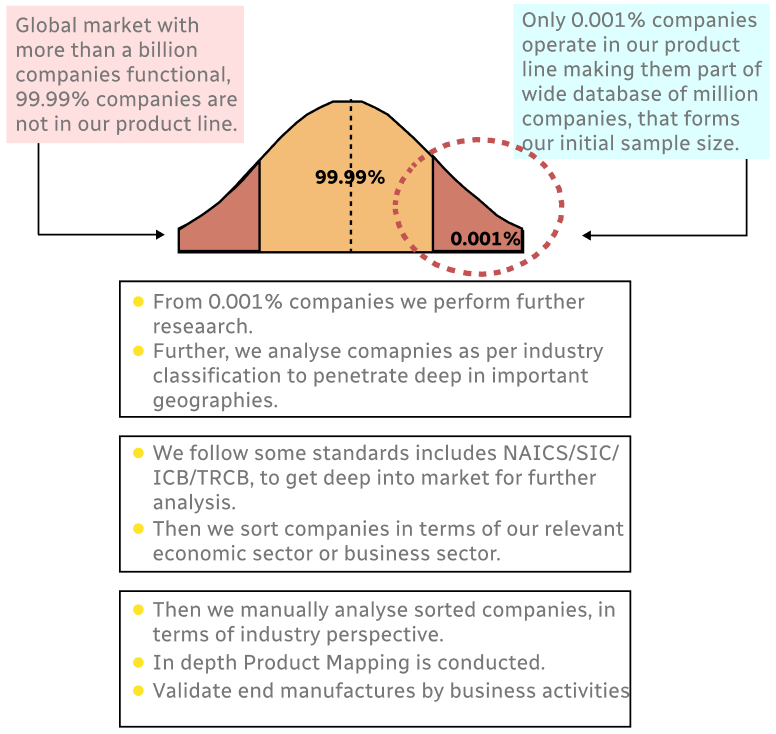
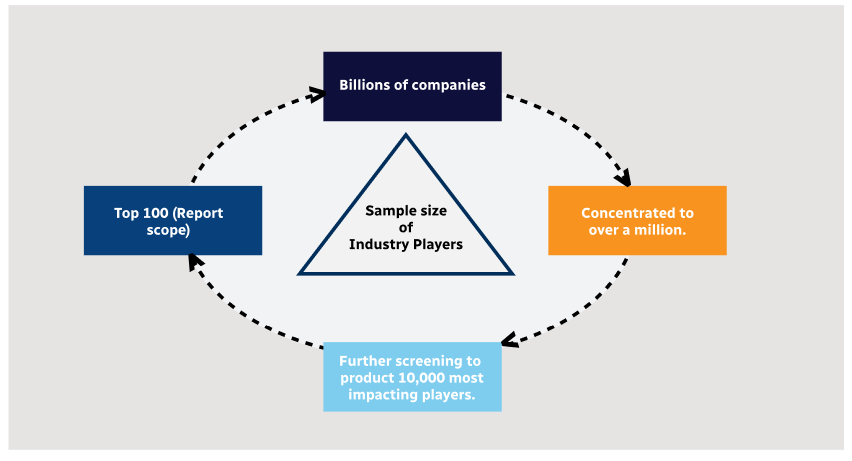
Step 1 - Identification of Relevant Samples Size from Population Database
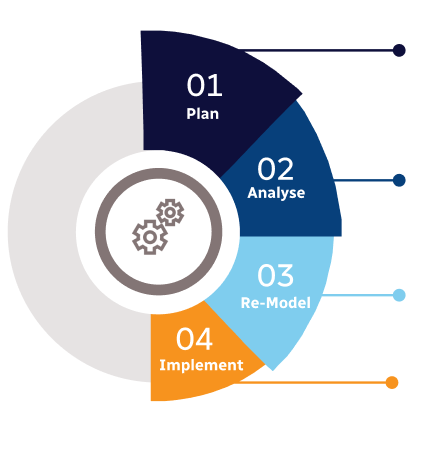
Step 2 - Approaches for Defining Global Market Size (Value, Volume* & Price*)
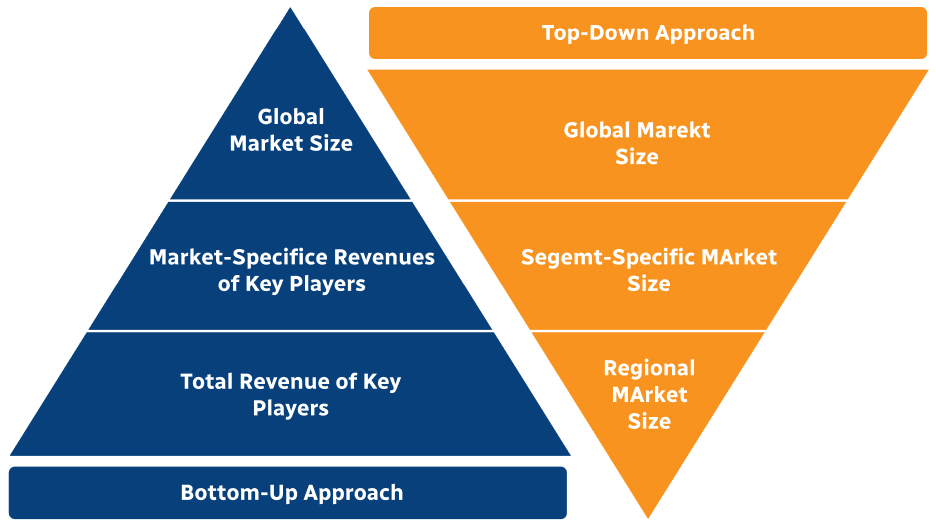
Note*: In applicable scenarios
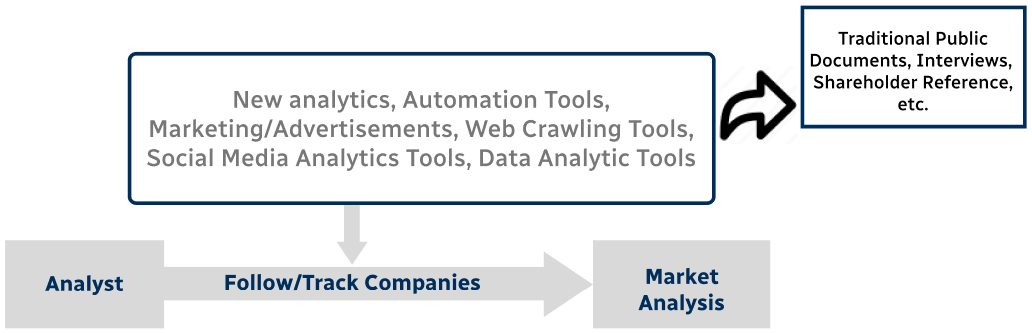
Step 3 - Data Sources
Primary Research
- Web Analytics
- Survey Reports
- Research Institute
- Latest Research Reports
- Opinion Leaders
Secondary Research
- Annual Reports
- White Paper
- Latest Press Release
- Industry Association
- Paid Database
- Investor Presentations
Step 4 - Data Triangulation
Involves using different sources of information in order to increase the validity of a study
These sources are likely to be stakeholders in a program - participants, other researchers, program staff, other community members, and so on.
Then we put all data in single framework & apply various statistical tools to find out the dynamic on the market.
During the analysis stage, feedback from the stakeholder groups would be compared to determine areas of agreement as well as areas of divergence