


Key Insights
The global Vehicle Interior Air Quality (VIAQ) testing market is poised for significant expansion, projected to reach USD 1.3 billion in 2025 with a robust Compound Annual Growth Rate (CAGR) of 7.2% during the forecast period of 2025-2033. This growth is primarily fueled by increasing consumer awareness regarding the health impacts of indoor air pollution within vehicles and the subsequent demand for safer, healthier cabin environments. Stringent government regulations and evolving automotive industry standards are compelling manufacturers to invest more in VIAQ testing solutions to ensure compliance and enhance vehicle appeal. The market is also driven by technological advancements in testing methodologies, offering more precise and efficient analysis of volatile organic compounds (VOCs), particulate matter, and other harmful substances present in vehicle interiors. Key applications within this market segment include testing for both commercial and family vehicles, underscoring the widespread concern for air quality across diverse vehicle types.

Vehicle Interior Air Quality Testing Market Size (In Billion)

The VIAQ testing market encompasses critical segments like PIMS (Particulate Matter and Impurities Monitoring System) Measurements and Laboratory Analysis, both playing vital roles in ensuring compliance and product quality. Despite the strong growth trajectory, the market faces certain restraints, including the high cost of advanced testing equipment and the need for specialized expertise. However, emerging trends such as the integration of smart sensors for real-time air quality monitoring and the development of standardized testing protocols are expected to mitigate these challenges. Key players like UL Solutions, Emissions Analytics, and TOFWERK are at the forefront of innovation, driving the market forward with their advanced testing services and solutions. Geographically, the Asia Pacific region, particularly China and India, is anticipated to witness substantial growth due to the burgeoning automotive industry and increasing disposable incomes, leading to a greater emphasis on vehicle features and passenger well-being.

Vehicle Interior Air Quality Testing Company Market Share
Comprehensive Report: Vehicle Interior Air Quality Testing Market Analysis & Forecast (2019-2033)
Unlock critical insights into the burgeoning Vehicle Interior Air Quality (VIAQ) Testing market. This definitive report provides an in-depth analysis of market dynamics, growth trends, regional dominance, product innovations, key drivers, emerging opportunities, and competitive landscapes. Designed for industry professionals, including automotive manufacturers, Tier 1 suppliers, testing laboratories, regulatory bodies, and investors, this report delivers actionable intelligence for strategic decision-making. Explore the global market size, projected growth, and the factors shaping the future of vehicle cabin air quality.
Vehicle Interior Air Quality Testing Market Dynamics & Structure
The Vehicle Interior Air Quality Testing market is characterized by a moderately concentrated structure, with key players investing heavily in technological advancements to meet stringent regulatory demands and evolving consumer expectations for healthier vehicle environments. Drivers of innovation are primarily fueled by increasing awareness of health impacts associated with indoor air pollutants, such as Volatile Organic Compounds (VOCs), particulate matter, and allergens, emanating from automotive components and external sources. Robust regulatory frameworks, particularly in North America and Europe, mandate specific emission standards for vehicle interiors, creating a consistent demand for testing services.
- Market Concentration: Dominated by a few established testing and analytics firms, with new entrants focusing on niche solutions.
- Technological Innovation Drivers: Development of advanced sensing technologies for real-time monitoring, sophisticated gas chromatography-mass spectrometry (GC-MS) for detailed compound identification, and AI-driven data analysis for predictive insights.
- Regulatory Frameworks: Strict emissions standards (e.g., UNECE R157, China GB standards) and consumer protection laws are pivotal.
- Competitive Product Substitutes: While direct substitutes for official testing are limited, advancements in cabin air filtration systems and the use of low-emission materials indirectly influence the demand for comprehensive testing.
- End-User Demographics: Increasing demand from automotive OEMs, fleet operators (commercial and family), and component manufacturers seeking to ensure product compliance and consumer safety.
- M&A Trends: Consolidation among testing service providers to expand service portfolios and geographic reach, alongside strategic acquisitions of technology startups.
Vehicle Interior Air Quality Testing Growth Trends & Insights
The global Vehicle Interior Air Quality Testing market is poised for significant expansion, driven by a confluence of factors including escalating consumer health consciousness, tightening global automotive emissions regulations, and the increasing complexity of vehicle interiors with the integration of new materials and electronic components. The market size, estimated at XX billion in the base year of 2025, is projected to witness a robust Compound Annual Growth Rate (CAGR) of xx% during the forecast period of 2025–2033. Historical data from 2019–2024 indicates a steady upward trajectory, fueled by initial regulatory introductions and growing awareness.
The adoption rates of VIAQ testing are accelerating across both the Family Vehicle and Commercial Vehicle segments. For Family Vehicles, the increasing prevalence of allergies, respiratory conditions, and a general desire for a safe and healthy environment for children are paramount. Parents are becoming more informed about potential VOC emissions from plastics, adhesives, and interior fabrics, driving demand for certification and transparency. In the Commercial Vehicle sector, particularly for ride-sharing services, public transportation, and long-haul trucking, the health and well-being of drivers and passengers are critical. This segment sees a growing need for regular testing to ensure compliance with occupational health standards and to maintain customer satisfaction.
Technological disruptions are playing a crucial role in shaping VIAQ testing. The shift towards electric vehicles (EVs) presents a unique landscape. While EVs may reduce tailpipe emissions, the interior materials and battery components can still contribute to air quality issues. This necessitates specialized testing methodologies. Furthermore, the development of portable and real-time sensing devices is democratizing air quality monitoring, moving beyond traditional laboratory-based analysis. These innovations allow for more frequent and localized testing, providing richer datasets and enabling proactive management of air quality issues.
Consumer behavior is evolving significantly. Buyers are increasingly scrutinizing vehicle specifications beyond performance and aesthetics, with air quality becoming a key differentiator. This consumer-driven demand is compelling automotive manufacturers to prioritize VIAQ testing throughout the vehicle development lifecycle, from material selection to final product validation. The emphasis is shifting from mere compliance to demonstrating a commitment to occupant health and well-being, fostering brand loyalty and market preference.
Dominant Regions, Countries, or Segments in Vehicle Interior Air Quality Testing
The Vehicle Interior Air Quality Testing market is witnessing significant growth and influence across various regions and segments, with North America emerging as a dominant force. This dominance is underpinned by a combination of stringent regulatory mandates, high consumer awareness regarding health and environmental issues, and a well-established automotive industry with a strong emphasis on technological innovation and consumer safety. The economic policies in the region actively support research and development in automotive technologies, including those related to cabin air quality, further propelling market growth.
In North America, the United States leads in driving demand for VIAQ testing. The country's regulatory bodies, such as the Environmental Protection Agency (EPA) and the National Highway Traffic Safety Administration (NHTSA), have historically set high standards for vehicle emissions and safety, which indirectly extend to interior air quality. Consumer advocacy groups and increasing media attention on the health effects of indoor pollutants have significantly heightened public awareness, compelling manufacturers to invest more in VIAQ testing and to obtain certifications. The robust automotive aftermarket sector also contributes to demand, with specialized service providers offering testing solutions for older vehicles and enhanced filtration systems.
The Family Vehicle segment within the Application category is a primary growth driver across all dominant regions, including North America. Parents are increasingly concerned about the impact of VOCs and particulate matter on their children's health, leading to a greater demand for vehicles that offer certified clean cabin air. This concern translates into a market preference for vehicles that undergo rigorous VIAQ testing and can demonstrably meet high air quality standards. Automotive manufacturers are responding by incorporating low-emission materials and investing in advanced cabin air filtration technologies, further stimulating the need for comprehensive testing services.
From a Type perspective, Laboratory Analysis currently holds a significant market share due to its accuracy and ability to provide detailed chemical compound identification. However, PIMS (Portable Indoor Monitoring System) Measurements are rapidly gaining traction. The ability of PIMS to conduct real-time, in-situ monitoring offers advantages in capturing dynamic changes in air quality, especially during driving conditions. This technological advancement is crucial for identifying the sources of pollution within the vehicle and for validating the effectiveness of mitigation strategies. The synergy between these two types of testing – laboratory analysis for in-depth research and PIMS for continuous monitoring and validation – is shaping the future of VIAQ testing strategies globally.
Vehicle Interior Air Quality Testing Product Landscape
The Vehicle Interior Air Quality Testing product landscape is evolving with innovative solutions designed for enhanced accuracy, efficiency, and portability. Key advancements include the development of sophisticated sensor arrays capable of detecting a wide spectrum of VOCs, aldehydes, and particulate matter in real-time within the vehicle cabin. High-resolution gas chromatography-mass spectrometry (GC-MS) systems are also being refined for more precise identification and quantification of specific harmful compounds emitted from interior materials and components. The integration of advanced software platforms allows for seamless data collection, analysis, and reporting, providing manufacturers with actionable insights for product development and compliance. Unique selling propositions often revolve around faster turnaround times, lower detection limits for pollutants, and the ability to simulate various environmental and driving conditions to accurately assess real-world cabin air quality.
Key Drivers, Barriers & Challenges in Vehicle Interior Air Quality Testing
Key Drivers:
- Growing Health Consciousness: Increased public awareness of the health implications of poor indoor air quality, including allergies, respiratory issues, and long-term health effects, is a primary catalyst for VIAQ testing.
- Stringent Regulatory Mandates: Evolving and tightening government regulations in major automotive markets (e.g., Europe, North America, China) concerning vehicle emissions and cabin air quality necessitate rigorous testing and certification.
- Consumer Demand for Safe Environments: Consumers, especially families with children, are actively seeking vehicles that offer a healthy and safe interior environment, pushing manufacturers to prioritize VIAQ.
- Advancements in Testing Technology: Innovations in sensing, analytical instrumentation, and data processing are making VIAQ testing more accurate, efficient, and cost-effective.
Barriers & Challenges:
- High Cost of Advanced Instrumentation: The initial investment in sophisticated analytical equipment and PIMS can be substantial, posing a barrier for smaller testing entities and automotive manufacturers.
- Complexity of Emission Sources: Identifying and quantifying all potential sources of indoor air pollutants within a vehicle, which can include materials, adhesives, paints, and electronic components, is a complex task.
- Standardization of Testing Methods: While regulations exist, achieving complete global standardization of VIAQ testing methodologies and acceptable pollutant levels can be challenging, leading to differing requirements across regions.
- Supply Chain Dependencies: Reliance on specific raw materials for interior components, some of which may have inherent emission properties, creates an ongoing challenge for manufacturers to meet strict VIAQ standards.
Emerging Opportunities in Vehicle Interior Air Quality Testing
Emerging opportunities in the Vehicle Interior Air Quality Testing sector are significantly influenced by the shift towards electric vehicles (EVs), autonomous driving technologies, and a growing emphasis on sustainable materials. For EVs, the unique thermal management systems and battery off-gassing present new areas for VIAQ investigation and specialized testing protocols. The integration of advanced driver-assistance systems (ADAS) and in-car infotainment systems can also introduce novel electronic components that may emit VOCs, creating a demand for testing these new sources. Furthermore, the increasing adoption of recycled and bio-based materials in vehicle interiors, while environmentally beneficial, requires thorough VIAQ assessment to ensure they do not compromise cabin air quality. Untapped markets in developing economies with nascent automotive industries are also presenting significant growth potential as these regions begin to implement and enforce their own air quality standards.
Growth Accelerators in the Vehicle Interior Air Quality Testing Industry
Several key catalysts are accelerating the growth of the Vehicle Interior Air Quality Testing industry. Technological breakthroughs in real-time sensor technology and portable monitoring devices are enabling more accessible and frequent testing, moving beyond traditional laboratory settings. Strategic partnerships between automotive manufacturers and specialized testing laboratories are fostering innovation and ensuring that VIAQ considerations are integrated early in the vehicle design process. Market expansion strategies are also playing a vital role, with testing service providers extending their reach into emerging automotive markets and catering to the specific needs of electric and connected vehicle segments. The continuous development of more sensitive analytical techniques allows for the detection of even lower concentrations of harmful pollutants, driving a higher standard of testing and compliance.
Key Players Shaping the Vehicle Interior Air Quality Testing Market
- UL Solutions
- Emissions Analytics
- TOFWERK
- National Air Quality Testing Services
- eTesters
- SGS
Notable Milestones in Vehicle Interior Air Quality Testing Sector
- 2019: Increased focus on VOC emissions from automotive interiors by regulatory bodies and consumer advocacy groups.
- 2020: Development and wider adoption of portable sensors for real-time air quality monitoring in vehicles.
- 2021: Introduction of new or updated emission standards for vehicle interiors in key automotive markets like China.
- 2022: Growing demand for VIAQ testing in the burgeoning electric vehicle (EV) market.
- 2023: Advancements in AI and machine learning for predictive air quality analysis in vehicles.
- 2024: Increased integration of VIAQ testing into the OEM product development lifecycle.
In-Depth Vehicle Interior Air Quality Testing Market Outlook
The Vehicle Interior Air Quality Testing market is set for sustained and accelerated growth throughout the forecast period. This optimistic outlook is driven by the continuous evolution of regulatory landscapes, the unyielding consumer demand for healthy living spaces, and the rapid pace of technological innovation in vehicle design and manufacturing. The burgeoning electric vehicle sector, with its unique material considerations and cabin environments, presents a significant avenue for expanded testing services. Furthermore, the increasing adoption of sophisticated data analytics and artificial intelligence in VIAQ testing will enable more proactive identification and mitigation of air quality concerns. Strategic collaborations between automotive OEMs, Tier 1 suppliers, and testing service providers will continue to be pivotal in driving forward a commitment to occupant well-being and ensuring compliance with increasingly stringent global standards, positioning VIAQ testing as an indispensable element of automotive development and consumer assurance.
Vehicle Interior Air Quality Testing Segmentation
-
1. Application
- 1.1. Commercial Vehicle
- 1.2. Family Vehicle
-
2. Type
- 2.1. PIMS Measurements
- 2.2. Laboratory Analysis
Vehicle Interior Air Quality Testing Segmentation By Geography
-
1. North America
- 1.1. United States
- 1.2. Canada
- 1.3. Mexico
-
2. South America
- 2.1. Brazil
- 2.2. Argentina
- 2.3. Rest of South America
-
3. Europe
- 3.1. United Kingdom
- 3.2. Germany
- 3.3. France
- 3.4. Italy
- 3.5. Spain
- 3.6. Russia
- 3.7. Benelux
- 3.8. Nordics
- 3.9. Rest of Europe
-
4. Middle East & Africa
- 4.1. Turkey
- 4.2. Israel
- 4.3. GCC
- 4.4. North Africa
- 4.5. South Africa
- 4.6. Rest of Middle East & Africa
-
5. Asia Pacific
- 5.1. China
- 5.2. India
- 5.3. Japan
- 5.4. South Korea
- 5.5. ASEAN
- 5.6. Oceania
- 5.7. Rest of Asia Pacific

Vehicle Interior Air Quality Testing Regional Market Share
Geographic Coverage of Vehicle Interior Air Quality Testing
Vehicle Interior Air Quality Testing REPORT HIGHLIGHTS
| Aspects | Details |
|---|---|
| Study Period | 2020-2034 |
| Base Year | 2025 |
| Estimated Year | 2026 |
| Forecast Period | 2026-2034 |
| Historical Period | 2020-2025 |
| Growth Rate | CAGR of 7.2% from 2020-2034 |
| Segmentation |
|
Table of Contents
- 1. Introduction
- 1.1. Research Scope
- 1.2. Market Segmentation
- 1.3. Research Methodology
- 1.4. Definitions and Assumptions
- 2. Executive Summary
- 2.1. Introduction
- 3. Market Dynamics
- 3.1. Introduction
- 3.2. Market Drivers
- 3.3. Market Restrains
- 3.4. Market Trends
- 4. Market Factor Analysis
- 4.1. Porters Five Forces
- 4.2. Supply/Value Chain
- 4.3. PESTEL analysis
- 4.4. Market Entropy
- 4.5. Patent/Trademark Analysis
- 5. Global Vehicle Interior Air Quality Testing Analysis, Insights and Forecast, 2020-2032
- 5.1. Market Analysis, Insights and Forecast - by Application
- 5.1.1. Commercial Vehicle
- 5.1.2. Family Vehicle
- 5.2. Market Analysis, Insights and Forecast - by Type
- 5.2.1. PIMS Measurements
- 5.2.2. Laboratory Analysis
- 5.3. Market Analysis, Insights and Forecast - by Region
- 5.3.1. North America
- 5.3.2. South America
- 5.3.3. Europe
- 5.3.4. Middle East & Africa
- 5.3.5. Asia Pacific
- 5.1. Market Analysis, Insights and Forecast - by Application
- 6. North America Vehicle Interior Air Quality Testing Analysis, Insights and Forecast, 2020-2032
- 6.1. Market Analysis, Insights and Forecast - by Application
- 6.1.1. Commercial Vehicle
- 6.1.2. Family Vehicle
- 6.2. Market Analysis, Insights and Forecast - by Type
- 6.2.1. PIMS Measurements
- 6.2.2. Laboratory Analysis
- 6.1. Market Analysis, Insights and Forecast - by Application
- 7. South America Vehicle Interior Air Quality Testing Analysis, Insights and Forecast, 2020-2032
- 7.1. Market Analysis, Insights and Forecast - by Application
- 7.1.1. Commercial Vehicle
- 7.1.2. Family Vehicle
- 7.2. Market Analysis, Insights and Forecast - by Type
- 7.2.1. PIMS Measurements
- 7.2.2. Laboratory Analysis
- 7.1. Market Analysis, Insights and Forecast - by Application
- 8. Europe Vehicle Interior Air Quality Testing Analysis, Insights and Forecast, 2020-2032
- 8.1. Market Analysis, Insights and Forecast - by Application
- 8.1.1. Commercial Vehicle
- 8.1.2. Family Vehicle
- 8.2. Market Analysis, Insights and Forecast - by Type
- 8.2.1. PIMS Measurements
- 8.2.2. Laboratory Analysis
- 8.1. Market Analysis, Insights and Forecast - by Application
- 9. Middle East & Africa Vehicle Interior Air Quality Testing Analysis, Insights and Forecast, 2020-2032
- 9.1. Market Analysis, Insights and Forecast - by Application
- 9.1.1. Commercial Vehicle
- 9.1.2. Family Vehicle
- 9.2. Market Analysis, Insights and Forecast - by Type
- 9.2.1. PIMS Measurements
- 9.2.2. Laboratory Analysis
- 9.1. Market Analysis, Insights and Forecast - by Application
- 10. Asia Pacific Vehicle Interior Air Quality Testing Analysis, Insights and Forecast, 2020-2032
- 10.1. Market Analysis, Insights and Forecast - by Application
- 10.1.1. Commercial Vehicle
- 10.1.2. Family Vehicle
- 10.2. Market Analysis, Insights and Forecast - by Type
- 10.2.1. PIMS Measurements
- 10.2.2. Laboratory Analysis
- 10.1. Market Analysis, Insights and Forecast - by Application
- 11. Competitive Analysis
- 11.1. Global Market Share Analysis 2025
- 11.2. Company Profiles
- 11.2.1 UL Solutions
- 11.2.1.1. Overview
- 11.2.1.2. Products
- 11.2.1.3. SWOT Analysis
- 11.2.1.4. Recent Developments
- 11.2.1.5. Financials (Based on Availability)
- 11.2.2 Emissions Analytics
- 11.2.2.1. Overview
- 11.2.2.2. Products
- 11.2.2.3. SWOT Analysis
- 11.2.2.4. Recent Developments
- 11.2.2.5. Financials (Based on Availability)
- 11.2.3 TOFWERK
- 11.2.3.1. Overview
- 11.2.3.2. Products
- 11.2.3.3. SWOT Analysis
- 11.2.3.4. Recent Developments
- 11.2.3.5. Financials (Based on Availability)
- 11.2.4 National Air Quality Testing Services
- 11.2.4.1. Overview
- 11.2.4.2. Products
- 11.2.4.3. SWOT Analysis
- 11.2.4.4. Recent Developments
- 11.2.4.5. Financials (Based on Availability)
- 11.2.5 eTesters
- 11.2.5.1. Overview
- 11.2.5.2. Products
- 11.2.5.3. SWOT Analysis
- 11.2.5.4. Recent Developments
- 11.2.5.5. Financials (Based on Availability)
- 11.2.6 SGS
- 11.2.6.1. Overview
- 11.2.6.2. Products
- 11.2.6.3. SWOT Analysis
- 11.2.6.4. Recent Developments
- 11.2.6.5. Financials (Based on Availability)
- 11.2.1 UL Solutions
List of Figures
- Figure 1: Global Vehicle Interior Air Quality Testing Revenue Breakdown (undefined, %) by Region 2025 & 2033
- Figure 2: North America Vehicle Interior Air Quality Testing Revenue (undefined), by Application 2025 & 2033
- Figure 3: North America Vehicle Interior Air Quality Testing Revenue Share (%), by Application 2025 & 2033
- Figure 4: North America Vehicle Interior Air Quality Testing Revenue (undefined), by Type 2025 & 2033
- Figure 5: North America Vehicle Interior Air Quality Testing Revenue Share (%), by Type 2025 & 2033
- Figure 6: North America Vehicle Interior Air Quality Testing Revenue (undefined), by Country 2025 & 2033
- Figure 7: North America Vehicle Interior Air Quality Testing Revenue Share (%), by Country 2025 & 2033
- Figure 8: South America Vehicle Interior Air Quality Testing Revenue (undefined), by Application 2025 & 2033
- Figure 9: South America Vehicle Interior Air Quality Testing Revenue Share (%), by Application 2025 & 2033
- Figure 10: South America Vehicle Interior Air Quality Testing Revenue (undefined), by Type 2025 & 2033
- Figure 11: South America Vehicle Interior Air Quality Testing Revenue Share (%), by Type 2025 & 2033
- Figure 12: South America Vehicle Interior Air Quality Testing Revenue (undefined), by Country 2025 & 2033
- Figure 13: South America Vehicle Interior Air Quality Testing Revenue Share (%), by Country 2025 & 2033
- Figure 14: Europe Vehicle Interior Air Quality Testing Revenue (undefined), by Application 2025 & 2033
- Figure 15: Europe Vehicle Interior Air Quality Testing Revenue Share (%), by Application 2025 & 2033
- Figure 16: Europe Vehicle Interior Air Quality Testing Revenue (undefined), by Type 2025 & 2033
- Figure 17: Europe Vehicle Interior Air Quality Testing Revenue Share (%), by Type 2025 & 2033
- Figure 18: Europe Vehicle Interior Air Quality Testing Revenue (undefined), by Country 2025 & 2033
- Figure 19: Europe Vehicle Interior Air Quality Testing Revenue Share (%), by Country 2025 & 2033
- Figure 20: Middle East & Africa Vehicle Interior Air Quality Testing Revenue (undefined), by Application 2025 & 2033
- Figure 21: Middle East & Africa Vehicle Interior Air Quality Testing Revenue Share (%), by Application 2025 & 2033
- Figure 22: Middle East & Africa Vehicle Interior Air Quality Testing Revenue (undefined), by Type 2025 & 2033
- Figure 23: Middle East & Africa Vehicle Interior Air Quality Testing Revenue Share (%), by Type 2025 & 2033
- Figure 24: Middle East & Africa Vehicle Interior Air Quality Testing Revenue (undefined), by Country 2025 & 2033
- Figure 25: Middle East & Africa Vehicle Interior Air Quality Testing Revenue Share (%), by Country 2025 & 2033
- Figure 26: Asia Pacific Vehicle Interior Air Quality Testing Revenue (undefined), by Application 2025 & 2033
- Figure 27: Asia Pacific Vehicle Interior Air Quality Testing Revenue Share (%), by Application 2025 & 2033
- Figure 28: Asia Pacific Vehicle Interior Air Quality Testing Revenue (undefined), by Type 2025 & 2033
- Figure 29: Asia Pacific Vehicle Interior Air Quality Testing Revenue Share (%), by Type 2025 & 2033
- Figure 30: Asia Pacific Vehicle Interior Air Quality Testing Revenue (undefined), by Country 2025 & 2033
- Figure 31: Asia Pacific Vehicle Interior Air Quality Testing Revenue Share (%), by Country 2025 & 2033
List of Tables
- Table 1: Global Vehicle Interior Air Quality Testing Revenue undefined Forecast, by Application 2020 & 2033
- Table 2: Global Vehicle Interior Air Quality Testing Revenue undefined Forecast, by Type 2020 & 2033
- Table 3: Global Vehicle Interior Air Quality Testing Revenue undefined Forecast, by Region 2020 & 2033
- Table 4: Global Vehicle Interior Air Quality Testing Revenue undefined Forecast, by Application 2020 & 2033
- Table 5: Global Vehicle Interior Air Quality Testing Revenue undefined Forecast, by Type 2020 & 2033
- Table 6: Global Vehicle Interior Air Quality Testing Revenue undefined Forecast, by Country 2020 & 2033
- Table 7: United States Vehicle Interior Air Quality Testing Revenue (undefined) Forecast, by Application 2020 & 2033
- Table 8: Canada Vehicle Interior Air Quality Testing Revenue (undefined) Forecast, by Application 2020 & 2033
- Table 9: Mexico Vehicle Interior Air Quality Testing Revenue (undefined) Forecast, by Application 2020 & 2033
- Table 10: Global Vehicle Interior Air Quality Testing Revenue undefined Forecast, by Application 2020 & 2033
- Table 11: Global Vehicle Interior Air Quality Testing Revenue undefined Forecast, by Type 2020 & 2033
- Table 12: Global Vehicle Interior Air Quality Testing Revenue undefined Forecast, by Country 2020 & 2033
- Table 13: Brazil Vehicle Interior Air Quality Testing Revenue (undefined) Forecast, by Application 2020 & 2033
- Table 14: Argentina Vehicle Interior Air Quality Testing Revenue (undefined) Forecast, by Application 2020 & 2033
- Table 15: Rest of South America Vehicle Interior Air Quality Testing Revenue (undefined) Forecast, by Application 2020 & 2033
- Table 16: Global Vehicle Interior Air Quality Testing Revenue undefined Forecast, by Application 2020 & 2033
- Table 17: Global Vehicle Interior Air Quality Testing Revenue undefined Forecast, by Type 2020 & 2033
- Table 18: Global Vehicle Interior Air Quality Testing Revenue undefined Forecast, by Country 2020 & 2033
- Table 19: United Kingdom Vehicle Interior Air Quality Testing Revenue (undefined) Forecast, by Application 2020 & 2033
- Table 20: Germany Vehicle Interior Air Quality Testing Revenue (undefined) Forecast, by Application 2020 & 2033
- Table 21: France Vehicle Interior Air Quality Testing Revenue (undefined) Forecast, by Application 2020 & 2033
- Table 22: Italy Vehicle Interior Air Quality Testing Revenue (undefined) Forecast, by Application 2020 & 2033
- Table 23: Spain Vehicle Interior Air Quality Testing Revenue (undefined) Forecast, by Application 2020 & 2033
- Table 24: Russia Vehicle Interior Air Quality Testing Revenue (undefined) Forecast, by Application 2020 & 2033
- Table 25: Benelux Vehicle Interior Air Quality Testing Revenue (undefined) Forecast, by Application 2020 & 2033
- Table 26: Nordics Vehicle Interior Air Quality Testing Revenue (undefined) Forecast, by Application 2020 & 2033
- Table 27: Rest of Europe Vehicle Interior Air Quality Testing Revenue (undefined) Forecast, by Application 2020 & 2033
- Table 28: Global Vehicle Interior Air Quality Testing Revenue undefined Forecast, by Application 2020 & 2033
- Table 29: Global Vehicle Interior Air Quality Testing Revenue undefined Forecast, by Type 2020 & 2033
- Table 30: Global Vehicle Interior Air Quality Testing Revenue undefined Forecast, by Country 2020 & 2033
- Table 31: Turkey Vehicle Interior Air Quality Testing Revenue (undefined) Forecast, by Application 2020 & 2033
- Table 32: Israel Vehicle Interior Air Quality Testing Revenue (undefined) Forecast, by Application 2020 & 2033
- Table 33: GCC Vehicle Interior Air Quality Testing Revenue (undefined) Forecast, by Application 2020 & 2033
- Table 34: North Africa Vehicle Interior Air Quality Testing Revenue (undefined) Forecast, by Application 2020 & 2033
- Table 35: South Africa Vehicle Interior Air Quality Testing Revenue (undefined) Forecast, by Application 2020 & 2033
- Table 36: Rest of Middle East & Africa Vehicle Interior Air Quality Testing Revenue (undefined) Forecast, by Application 2020 & 2033
- Table 37: Global Vehicle Interior Air Quality Testing Revenue undefined Forecast, by Application 2020 & 2033
- Table 38: Global Vehicle Interior Air Quality Testing Revenue undefined Forecast, by Type 2020 & 2033
- Table 39: Global Vehicle Interior Air Quality Testing Revenue undefined Forecast, by Country 2020 & 2033
- Table 40: China Vehicle Interior Air Quality Testing Revenue (undefined) Forecast, by Application 2020 & 2033
- Table 41: India Vehicle Interior Air Quality Testing Revenue (undefined) Forecast, by Application 2020 & 2033
- Table 42: Japan Vehicle Interior Air Quality Testing Revenue (undefined) Forecast, by Application 2020 & 2033
- Table 43: South Korea Vehicle Interior Air Quality Testing Revenue (undefined) Forecast, by Application 2020 & 2033
- Table 44: ASEAN Vehicle Interior Air Quality Testing Revenue (undefined) Forecast, by Application 2020 & 2033
- Table 45: Oceania Vehicle Interior Air Quality Testing Revenue (undefined) Forecast, by Application 2020 & 2033
- Table 46: Rest of Asia Pacific Vehicle Interior Air Quality Testing Revenue (undefined) Forecast, by Application 2020 & 2033
Frequently Asked Questions
1. What is the projected Compound Annual Growth Rate (CAGR) of the Vehicle Interior Air Quality Testing?
The projected CAGR is approximately 7.2%.
2. Which companies are prominent players in the Vehicle Interior Air Quality Testing?
Key companies in the market include UL Solutions, Emissions Analytics, TOFWERK, National Air Quality Testing Services, eTesters, SGS.
3. What are the main segments of the Vehicle Interior Air Quality Testing?
The market segments include Application, Type.
4. Can you provide details about the market size?
The market size is estimated to be USD XXX N/A as of 2022.
5. What are some drivers contributing to market growth?
N/A
6. What are the notable trends driving market growth?
N/A
7. Are there any restraints impacting market growth?
N/A
8. Can you provide examples of recent developments in the market?
N/A
9. What pricing options are available for accessing the report?
Pricing options include single-user, multi-user, and enterprise licenses priced at USD 3950.00, USD 5925.00, and USD 7900.00 respectively.
10. Is the market size provided in terms of value or volume?
The market size is provided in terms of value, measured in N/A.
11. Are there any specific market keywords associated with the report?
Yes, the market keyword associated with the report is "Vehicle Interior Air Quality Testing," which aids in identifying and referencing the specific market segment covered.
12. How do I determine which pricing option suits my needs best?
The pricing options vary based on user requirements and access needs. Individual users may opt for single-user licenses, while businesses requiring broader access may choose multi-user or enterprise licenses for cost-effective access to the report.
13. Are there any additional resources or data provided in the Vehicle Interior Air Quality Testing report?
While the report offers comprehensive insights, it's advisable to review the specific contents or supplementary materials provided to ascertain if additional resources or data are available.
14. How can I stay updated on further developments or reports in the Vehicle Interior Air Quality Testing?
To stay informed about further developments, trends, and reports in the Vehicle Interior Air Quality Testing, consider subscribing to industry newsletters, following relevant companies and organizations, or regularly checking reputable industry news sources and publications.
Methodology
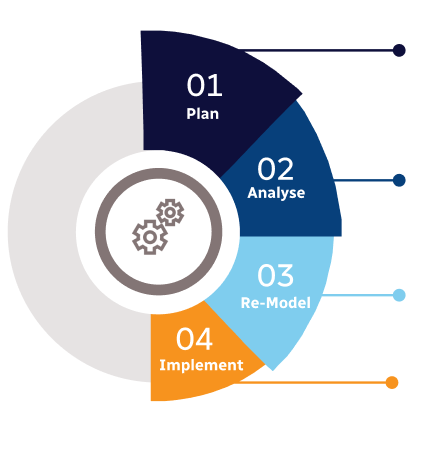
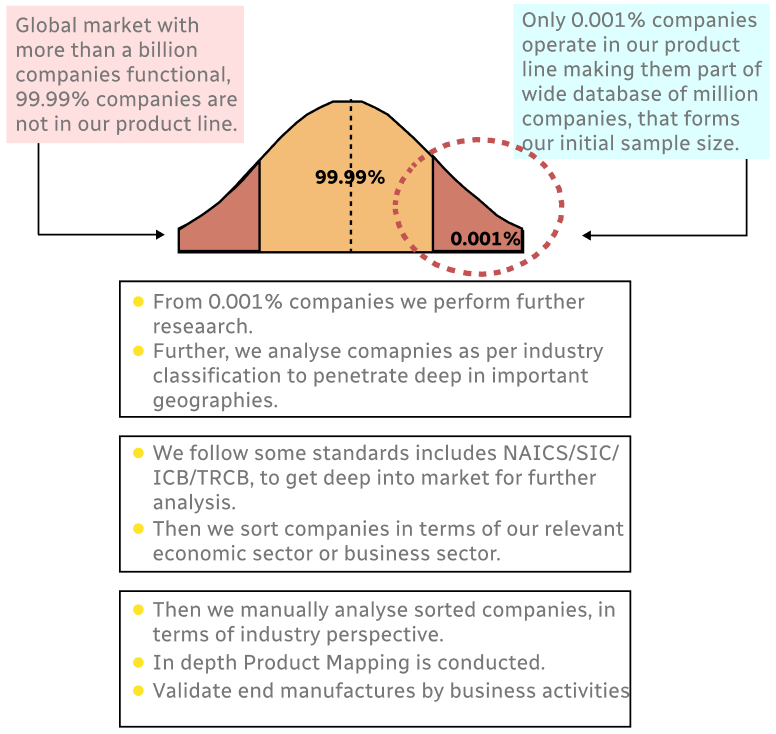
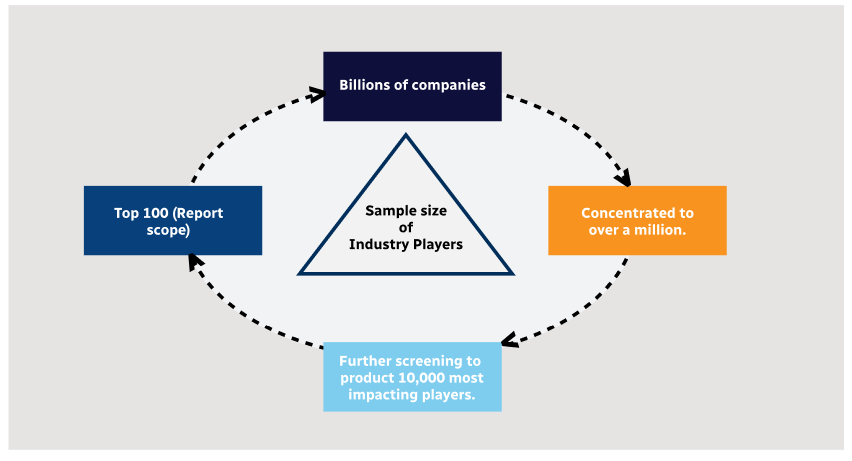
Step 1 - Identification of Relevant Samples Size from Population Database
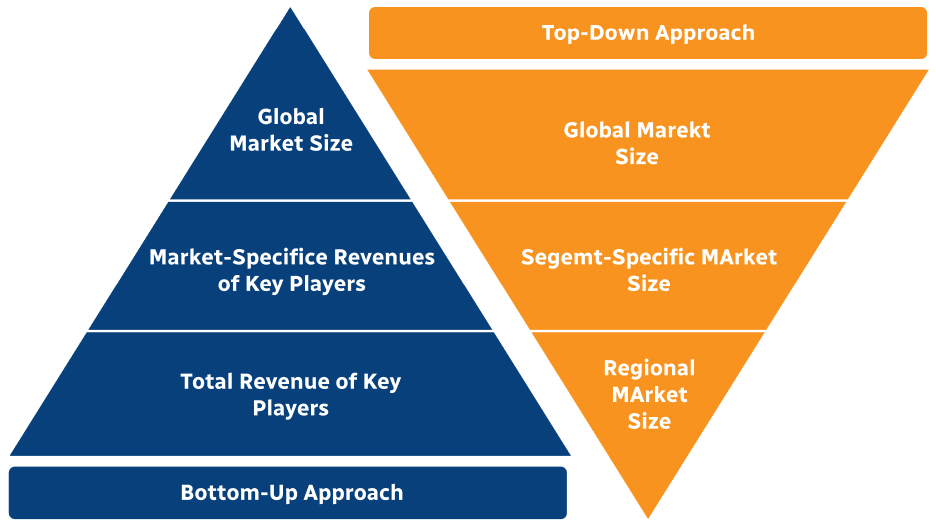
Step 2 - Approaches for Defining Global Market Size (Value, Volume* & Price*)
Note*: In applicable scenarios
Step 3 - Data Sources
Primary Research
- Web Analytics
- Survey Reports
- Research Institute
- Latest Research Reports
- Opinion Leaders
Secondary Research
- Annual Reports
- White Paper
- Latest Press Release
- Industry Association
- Paid Database
- Investor Presentations
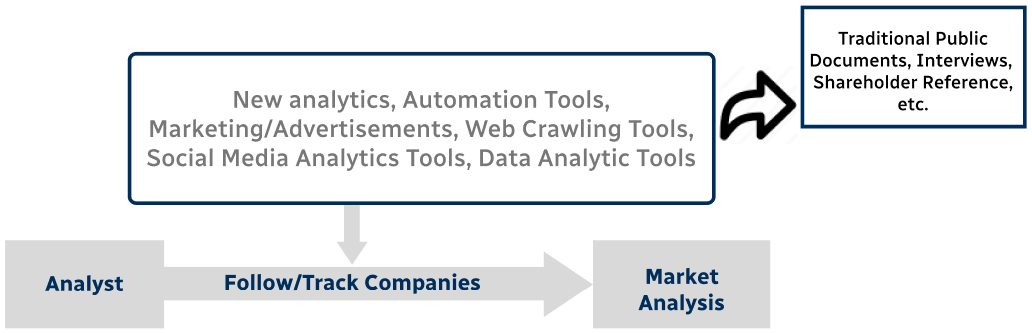
Step 4 - Data Triangulation
Involves using different sources of information in order to increase the validity of a study
These sources are likely to be stakeholders in a program - participants, other researchers, program staff, other community members, and so on.
Then we put all data in single framework & apply various statistical tools to find out the dynamic on the market.
During the analysis stage, feedback from the stakeholder groups would be compared to determine areas of agreement as well as areas of divergence