


Key Insights
The global Vehicle Human-Computer Interaction (HCI) System market is poised for substantial growth, projected to reach an estimated market size of USD 53,990 million by 2025. This dynamic sector is expected to witness a Compound Annual Growth Rate (CAGR) of 11% from 2019 to 2033, indicating robust expansion driven by increasing consumer demand for intuitive and advanced in-car experiences. The proliferation of advanced driver-assistance systems (ADAS), autonomous driving capabilities, and the growing integration of artificial intelligence (AI) and natural language processing (NLP) are significant market drivers. Consumers are increasingly expecting seamless interaction with vehicle infotainment, navigation, and control systems, pushing manufacturers to invest heavily in sophisticated HCI solutions. Voice interaction, with its hands-free convenience and enhanced safety, is a dominant segment, while multimodal recognition, combining voice, gesture, and touch, is rapidly gaining traction for its ability to offer richer and more personalized user experiences. The market is segmented by application into passenger cars and commercial vehicles, with passenger cars currently leading due to higher adoption rates of advanced infotainment and connectivity features.

Vehicle Human Computer Interaction System Market Size (In Billion)

The competitive landscape is characterized by the presence of major automotive suppliers and technology giants such as Bosch, Valeo S.A., Denso, Continental, and Harman International. These players are actively engaged in research and development to innovate and capture market share by offering cutting-edge HCI technologies. Emerging trends include the development of driver monitoring systems, augmented reality (AR) displays, and haptic feedback, all aimed at enhancing driver awareness and engagement. While the market presents immense opportunities, certain restraints, such as the high cost of integration for some advanced HCI systems and the need for robust cybersecurity measures to protect sensitive user data, need to be addressed. Geographically, North America and Europe are anticipated to lead the market due to the early adoption of advanced automotive technologies and stringent safety regulations. However, the Asia Pacific region, particularly China and India, is expected to exhibit the fastest growth, fueled by a burgeoning automotive industry and a rapidly expanding middle class with a growing appetite for technologically advanced vehicles.

Vehicle Human Computer Interaction System Company Market Share
Vehicle Human Computer Interaction System Market Dynamics & Structure
The Vehicle Human Computer Interaction (HCI) System market is characterized by a dynamic interplay of technological innovation and evolving consumer expectations, driving significant growth and shaping the future of automotive user experience. Market concentration is moderate, with key players like Bosch, Valeo S.A., Denso, Continental, and Visteon holding substantial shares, yet the landscape is increasingly dotted with innovative startups and specialized technology providers. Technological innovation is primarily driven by the relentless pursuit of safer, more intuitive, and personalized in-car experiences. Advancements in AI, natural language processing, gesture recognition, and augmented reality are pushing the boundaries of what's possible in vehicle HCI. Regulatory frameworks, particularly those focused on driver distraction and road safety, play a crucial role, dictating the pace and direction of certain HCI developments, favoring systems that minimize cognitive load. Competitive product substitutes are emerging, including advanced infotainment systems, sophisticated driver-assistance features, and even fully autonomous driving interfaces, all vying for dominance in shaping the driver's interaction with the vehicle. End-user demographics are increasingly tech-savvy, demanding seamless integration of their digital lives within the vehicle. This segment, predominantly Passenger Cars, is a major driver, though Commercial Vehicles are also seeing a rise in demand for enhanced driver productivity and safety. Mergers and acquisitions (M&A) trends are on the rise as established automotive giants seek to acquire cutting-edge HCI technologies and expertise, leading to consolidation and the formation of strategic alliances.
- Market Concentration: Moderate, with a mix of large Tier-1 suppliers and specialized technology firms.
- Technological Innovation Drivers: AI integration, advanced NLP, gesture control, AR/VR, and personalized user interfaces.
- Regulatory Frameworks: Focus on driver safety, distraction reduction, and data privacy.
- Competitive Product Substitutes: Advanced infotainment, ADAS, autonomous driving interfaces, and integration of personal devices.
- End-User Demographics: Tech-savvy consumers, digitally connected lifestyles, and demand for personalized experiences.
- M&A Trends: Increasing consolidation, strategic acquisitions of technology startups, and joint ventures.
Vehicle Human Computer Interaction System Growth Trends & Insights
The Vehicle Human Computer Interaction (HCI) System market is poised for substantial growth, fueled by an accelerating adoption rate of advanced in-car technologies and a fundamental shift in consumer behavior towards more integrated and intuitive digital experiences. The market size is projected to expand significantly from its historical base, with an estimated xx million units in the Base Year 2025, driven by the increasing demand for sophisticated and user-friendly interfaces within vehicles. This upward trajectory is underpinned by a compound annual growth rate (CAGR) of xx% anticipated during the forecast period of 2025–2033. Technological disruptions are at the forefront of this expansion, with innovations in artificial intelligence (AI) and machine learning enabling more natural and predictive interactions. Voice interaction systems, a key segment, are becoming increasingly sophisticated, moving beyond basic commands to conversational capabilities and personalized responses. Simultaneously, multimodal recognition, encompassing gestures, eye-tracking, and facial recognition, is gaining traction, offering a richer and more nuanced interaction experience, particularly in advanced driver-assistance systems (ADAS) and infotainment. Consumer behavior is evolving rapidly, with individuals expecting the same level of seamless connectivity and personalization in their vehicles as they experience with their smartphones and smart home devices. This expectation is a powerful catalyst, driving automotive manufacturers to invest heavily in developing HCI systems that mirror these familiar digital paradigms. The integration of these systems is no longer a luxury but a core component of vehicle desirability and competitive differentiation. The increasing complexity of vehicle features and the growing autonomy capabilities necessitate more advanced and intuitive HCI solutions to ensure driver safety and enhance the overall driving experience. The market penetration of advanced HCI features is expected to surge as vehicle electrification and autonomous driving technologies become more mainstream, requiring sophisticated interfaces for managing energy, navigation, and complex driving scenarios. Furthermore, the aftermarket segment, although smaller, is also contributing to market growth as consumers seek to upgrade their existing vehicle's infotainment and interaction capabilities. The focus on user experience (UX) design is paramount, with manufacturers investing in research and development to create interfaces that are not only functional but also aesthetically pleasing and emotionally engaging. The shift towards over-the-air (OTA) updates also allows for continuous improvement and personalization of HCI systems throughout the vehicle's lifecycle, further enhancing customer satisfaction and loyalty.
Dominant Regions, Countries, or Segments in Vehicle Human Computer Interaction System
The Passenger Car segment stands as the undisputed leader within the Vehicle Human Computer Interaction (HCI) System market, driving significant growth and innovation. This dominance is attributed to several interconnected factors, including higher production volumes, greater consumer demand for advanced features, and a stronger focus on premium user experiences by automotive manufacturers. The sheer number of passenger vehicles produced globally dwarfs that of commercial vehicles, naturally translating into a larger addressable market for HCI systems. Consumers in this segment are increasingly tech-savvy and expect their vehicles to offer functionalities and interfaces that are as sophisticated and seamless as their smartphones and other personal electronic devices. This expectation fuels the demand for advanced features like intuitive touchscreens, sophisticated voice assistants, augmented reality displays, and personalized infotainment systems.
Within the application segment, Passenger Cars are projected to account for over xx million units in 2025, representing a substantial portion of the total market. This segment's growth is further bolstered by the premiumization trend in the automotive industry, where advanced HCI features are often used as key selling points and differentiators. Manufacturers are investing heavily in creating unique and engaging user experiences to attract and retain customers.
Geographically, North America and Europe currently lead in the adoption and development of advanced Vehicle HCI systems. This leadership is driven by:
- Economic Policies and Disposable Income: Higher disposable incomes in these regions allow consumers to opt for vehicles equipped with advanced technologies. Supportive government policies promoting automotive innovation and technological integration also play a crucial role.
- Infrastructure and Technological Readiness: Well-developed automotive manufacturing infrastructure and high levels of digital connectivity enable smoother integration and adoption of sophisticated HCI solutions.
- Consumer Demand and Awareness: A strong consumer appetite for cutting-edge automotive technology, coupled with a high level of awareness regarding the benefits of advanced HCI for safety, convenience, and entertainment, further propels market growth.
- Regulatory Push: Stricter regulations related to driver distraction and safety are indirectly promoting the development and adoption of more intuitive and voice-controlled HCI systems.
While Voice Interaction systems are a significant component of Vehicle HCI, Multimodal Recognition is rapidly gaining prominence. This approach, combining voice with gestures, touch, and even gaze, offers a more robust and context-aware interaction, particularly in complex driving scenarios. The development of AI-powered virtual assistants that can understand natural language and adapt to user preferences is a key driver in this sub-segment. The market share of multimodal recognition is expected to grow exponentially as the technology matures and becomes more affordable.
Emerging markets in Asia-Pacific, particularly China, are also witnessing a surge in demand for advanced Vehicle HCI systems, driven by a rapidly expanding middle class and a strong focus on technological advancement by local automotive manufacturers. The competitive landscape in this region is intense, fostering rapid innovation and aggressive pricing strategies.
Vehicle Human Computer Interaction System Product Landscape
The Vehicle Human Computer Interaction (HCI) System product landscape is characterized by rapid innovation focused on creating seamless, intuitive, and safe driver-vehicle interactions. Key product developments include advanced touchscreen interfaces with haptic feedback, sophisticated natural language processing (NLP) powered voice assistants capable of complex commands and contextual understanding, and augmented reality (AR) heads-up displays (HUDs) that overlay navigation and critical information onto the driver's view of the road. Gesture control systems, allowing drivers to manipulate infotainment and climate controls with hand movements, are also gaining traction. Performance metrics are increasingly judged by response time, accuracy of recognition (voice, gesture), and the reduction in driver distraction. Unique selling propositions often revolve around personalization, predictive capabilities powered by AI, and deep integration with a user's digital ecosystem.
Key Drivers, Barriers & Challenges in Vehicle Human Computer Interaction System
Key Drivers:
- Demand for Enhanced Safety and Convenience: Consumers and regulators are increasingly prioritizing features that reduce driver distraction and improve overall road safety. Intuitive HCI systems achieve this by simplifying complex controls and providing timely information.
- Technological Advancements in AI and Connectivity: Breakthroughs in artificial intelligence, natural language processing, and 5G connectivity enable more sophisticated and human-like interactions within the vehicle, powering advanced voice assistants and predictive functionalities.
- Integration of Digital Lifestyles: Consumers expect their vehicles to be an extension of their connected lives, demanding seamless integration with smartphones, smart home devices, and cloud-based services for entertainment, communication, and productivity.
- Increasing Vehicle Complexity: The proliferation of advanced driver-assistance systems (ADAS) and electrification necessitates more complex interfaces, making intuitive HCI crucial for managing vehicle functions and information effectively.
Barriers & Challenges:
- High Development and Integration Costs: Developing cutting-edge HCI systems requires significant investment in research, software development, and hardware integration, which can translate to higher vehicle prices.
- Ensuring Driver Focus and Minimizing Distraction: While designed to improve safety, poorly implemented HCI systems can inadvertently increase cognitive load and distraction. The challenge lies in striking a balance between functionality and maintaining driver attention.
- Cybersecurity Threats: As vehicles become more connected and software-dependent, ensuring the security of HCI systems against cyberattacks and data breaches is paramount and presents an ongoing challenge.
- Regulatory Harmonization and Standards: Establishing clear, globally harmonized regulations and standards for automotive HCI can be a slow process, potentially delaying market adoption and innovation across different regions.
- Supply Chain Disruptions and Component Availability: Reliance on specialized electronic components for advanced HCI systems can lead to vulnerabilities in the supply chain, impacting production timelines and costs, as seen with xx million units of potential lost production in 2024 due to such issues.
Emerging Opportunities in Vehicle Human Computer Interaction System
Emerging opportunities in the Vehicle Human Computer Interaction (HCI) System market lie in the development of truly personalized and proactive in-car experiences. The integration of generative AI is set to revolutionize how drivers interact with their vehicles, moving beyond pre-programmed responses to dynamic, context-aware conversations and personalized recommendations for navigation, entertainment, and vehicle maintenance. Another significant avenue is the expansion of Multimodal Recognition beyond basic gestures and voice, incorporating subtle biometric cues for driver state monitoring and adaptive interface adjustments. Furthermore, the increasing adoption of electric vehicles (EVs) presents a unique opportunity for specialized HCI systems focused on optimizing charging, battery management, and range prediction, offering drivers a seamless and confidence-inspiring EV ownership experience. The growth of shared mobility and autonomous driving also opens doors for innovative HCI solutions that prioritize passenger experience, information sharing, and trust-building with the vehicle's automated systems.
Growth Accelerators in the Vehicle Human Computer Interaction Industry
Several key catalysts are propelling long-term growth in the Vehicle Human Computer Interaction (HCI) industry. The relentless advancement of Artificial Intelligence (AI) and Machine Learning (ML) is a primary accelerator, enabling increasingly sophisticated and naturalistic voice assistants, predictive text and navigation, and personalized user interfaces that adapt to individual preferences. Strategic partnerships between automotive OEMs and technology giants (e.g., smartphone OS providers, AI specialists) are fostering rapid development and integration of cutting-edge HCI features, bringing familiar digital experiences into the vehicle. Market expansion strategies, particularly into emerging economies with a burgeoning automotive sector and a growing demand for advanced technologies, are also significant growth drivers. Furthermore, the ongoing development of autonomous driving capabilities necessitates more advanced and trustworthy HCI systems to manage the transition between human and automated control, thereby accelerating innovation in this area.
Key Players Shaping the Vehicle Human Computer Interaction System Market
- Bosch
- Valeo S.A.
- Denso
- Continental
- Visteon
- Harman International
- Alpine Electronics Inc
- Clarion
- Magneti Marelli
- Desay SV
- Yazaki Corporation
- Luxoft Holding, Inc
- Synaptics Incorporated
- Delphi Automotive PLC
- Aptiv
Notable Milestones in Vehicle Human Computer Interaction System Sector
- 2019 Q3: Introduction of advanced gesture control systems in luxury passenger vehicles, enhancing intuitive interface operation.
- 2020 Q1: Major automotive Tier-1 supplier releases a next-generation voice assistant leveraging deep learning for more natural conversational interactions.
- 2021 Q4: Significant increase in M&A activity, with key tech companies acquiring specialized HCI startups to bolster their in-car technology portfolios.
- 2022 Q2: Launch of the first mass-produced vehicles featuring integrated augmented reality HUDs for navigation and safety alerts.
- 2023 Q3: Automotive manufacturers begin to offer over-the-air (OTA) updates for core HCI functionalities, enabling continuous improvement and personalization.
- 2024 Q1: Increased focus on multimodal recognition, with systems now combining voice and touch for more robust control in complex scenarios.
In-Depth Vehicle Human Computer Interaction System Market Outlook
The future of the Vehicle Human Computer Interaction (HCI) market is exceptionally promising, driven by an unwavering commitment to enhancing driver and passenger experience through intelligent technology. Growth accelerators such as pervasive AI integration, strategic cross-industry collaborations, and aggressive expansion into high-potential emerging markets will continue to shape the industry landscape. The increasing sophistication of multimodal recognition systems, capable of understanding a wider range of human input, and the development of proactive, personalized digital assistants promise to transform vehicles into intuitive, responsive extensions of our digital lives. The ongoing evolution of autonomous driving and electrification will further necessitate and drive innovation in HCI, creating a fertile ground for new applications and functionalities. The market is poised for sustained and robust growth, offering significant strategic opportunities for stakeholders to lead in defining the next generation of in-car interaction.
Vehicle Human Computer Interaction System Segmentation
-
1. Application
- 1.1. Passenger Car
- 1.2. Commercial Vehicle
-
2. Type
- 2.1. Voice Interaction
- 2.2. Multimodal Recognition
- 2.3. Other
Vehicle Human Computer Interaction System Segmentation By Geography
-
1. North America
- 1.1. United States
- 1.2. Canada
- 1.3. Mexico
-
2. South America
- 2.1. Brazil
- 2.2. Argentina
- 2.3. Rest of South America
-
3. Europe
- 3.1. United Kingdom
- 3.2. Germany
- 3.3. France
- 3.4. Italy
- 3.5. Spain
- 3.6. Russia
- 3.7. Benelux
- 3.8. Nordics
- 3.9. Rest of Europe
-
4. Middle East & Africa
- 4.1. Turkey
- 4.2. Israel
- 4.3. GCC
- 4.4. North Africa
- 4.5. South Africa
- 4.6. Rest of Middle East & Africa
-
5. Asia Pacific
- 5.1. China
- 5.2. India
- 5.3. Japan
- 5.4. South Korea
- 5.5. ASEAN
- 5.6. Oceania
- 5.7. Rest of Asia Pacific

Vehicle Human Computer Interaction System Regional Market Share
Geographic Coverage of Vehicle Human Computer Interaction System
Vehicle Human Computer Interaction System REPORT HIGHLIGHTS
| Aspects | Details |
|---|---|
| Study Period | 2020-2034 |
| Base Year | 2025 |
| Estimated Year | 2026 |
| Forecast Period | 2026-2034 |
| Historical Period | 2020-2025 |
| Growth Rate | CAGR of 11% from 2020-2034 |
| Segmentation |
|
Table of Contents
- 1. Introduction
- 1.1. Research Scope
- 1.2. Market Segmentation
- 1.3. Research Methodology
- 1.4. Definitions and Assumptions
- 2. Executive Summary
- 2.1. Introduction
- 3. Market Dynamics
- 3.1. Introduction
- 3.2. Market Drivers
- 3.3. Market Restrains
- 3.4. Market Trends
- 4. Market Factor Analysis
- 4.1. Porters Five Forces
- 4.2. Supply/Value Chain
- 4.3. PESTEL analysis
- 4.4. Market Entropy
- 4.5. Patent/Trademark Analysis
- 5. Global Vehicle Human Computer Interaction System Analysis, Insights and Forecast, 2020-2032
- 5.1. Market Analysis, Insights and Forecast - by Application
- 5.1.1. Passenger Car
- 5.1.2. Commercial Vehicle
- 5.2. Market Analysis, Insights and Forecast - by Type
- 5.2.1. Voice Interaction
- 5.2.2. Multimodal Recognition
- 5.2.3. Other
- 5.3. Market Analysis, Insights and Forecast - by Region
- 5.3.1. North America
- 5.3.2. South America
- 5.3.3. Europe
- 5.3.4. Middle East & Africa
- 5.3.5. Asia Pacific
- 5.1. Market Analysis, Insights and Forecast - by Application
- 6. North America Vehicle Human Computer Interaction System Analysis, Insights and Forecast, 2020-2032
- 6.1. Market Analysis, Insights and Forecast - by Application
- 6.1.1. Passenger Car
- 6.1.2. Commercial Vehicle
- 6.2. Market Analysis, Insights and Forecast - by Type
- 6.2.1. Voice Interaction
- 6.2.2. Multimodal Recognition
- 6.2.3. Other
- 6.1. Market Analysis, Insights and Forecast - by Application
- 7. South America Vehicle Human Computer Interaction System Analysis, Insights and Forecast, 2020-2032
- 7.1. Market Analysis, Insights and Forecast - by Application
- 7.1.1. Passenger Car
- 7.1.2. Commercial Vehicle
- 7.2. Market Analysis, Insights and Forecast - by Type
- 7.2.1. Voice Interaction
- 7.2.2. Multimodal Recognition
- 7.2.3. Other
- 7.1. Market Analysis, Insights and Forecast - by Application
- 8. Europe Vehicle Human Computer Interaction System Analysis, Insights and Forecast, 2020-2032
- 8.1. Market Analysis, Insights and Forecast - by Application
- 8.1.1. Passenger Car
- 8.1.2. Commercial Vehicle
- 8.2. Market Analysis, Insights and Forecast - by Type
- 8.2.1. Voice Interaction
- 8.2.2. Multimodal Recognition
- 8.2.3. Other
- 8.1. Market Analysis, Insights and Forecast - by Application
- 9. Middle East & Africa Vehicle Human Computer Interaction System Analysis, Insights and Forecast, 2020-2032
- 9.1. Market Analysis, Insights and Forecast - by Application
- 9.1.1. Passenger Car
- 9.1.2. Commercial Vehicle
- 9.2. Market Analysis, Insights and Forecast - by Type
- 9.2.1. Voice Interaction
- 9.2.2. Multimodal Recognition
- 9.2.3. Other
- 9.1. Market Analysis, Insights and Forecast - by Application
- 10. Asia Pacific Vehicle Human Computer Interaction System Analysis, Insights and Forecast, 2020-2032
- 10.1. Market Analysis, Insights and Forecast - by Application
- 10.1.1. Passenger Car
- 10.1.2. Commercial Vehicle
- 10.2. Market Analysis, Insights and Forecast - by Type
- 10.2.1. Voice Interaction
- 10.2.2. Multimodal Recognition
- 10.2.3. Other
- 10.1. Market Analysis, Insights and Forecast - by Application
- 11. Competitive Analysis
- 11.1. Global Market Share Analysis 2025
- 11.2. Company Profiles
- 11.2.1 Bosch
- 11.2.1.1. Overview
- 11.2.1.2. Products
- 11.2.1.3. SWOT Analysis
- 11.2.1.4. Recent Developments
- 11.2.1.5. Financials (Based on Availability)
- 11.2.2 Valeo S.A.
- 11.2.2.1. Overview
- 11.2.2.2. Products
- 11.2.2.3. SWOT Analysis
- 11.2.2.4. Recent Developments
- 11.2.2.5. Financials (Based on Availability)
- 11.2.3 Denso
- 11.2.3.1. Overview
- 11.2.3.2. Products
- 11.2.3.3. SWOT Analysis
- 11.2.3.4. Recent Developments
- 11.2.3.5. Financials (Based on Availability)
- 11.2.4 Continental
- 11.2.4.1. Overview
- 11.2.4.2. Products
- 11.2.4.3. SWOT Analysis
- 11.2.4.4. Recent Developments
- 11.2.4.5. Financials (Based on Availability)
- 11.2.5 Visteon
- 11.2.5.1. Overview
- 11.2.5.2. Products
- 11.2.5.3. SWOT Analysis
- 11.2.5.4. Recent Developments
- 11.2.5.5. Financials (Based on Availability)
- 11.2.6 Harman International
- 11.2.6.1. Overview
- 11.2.6.2. Products
- 11.2.6.3. SWOT Analysis
- 11.2.6.4. Recent Developments
- 11.2.6.5. Financials (Based on Availability)
- 11.2.7 Alpine Electronics Inc
- 11.2.7.1. Overview
- 11.2.7.2. Products
- 11.2.7.3. SWOT Analysis
- 11.2.7.4. Recent Developments
- 11.2.7.5. Financials (Based on Availability)
- 11.2.8 Clarion
- 11.2.8.1. Overview
- 11.2.8.2. Products
- 11.2.8.3. SWOT Analysis
- 11.2.8.4. Recent Developments
- 11.2.8.5. Financials (Based on Availability)
- 11.2.9 Magneti Marelli
- 11.2.9.1. Overview
- 11.2.9.2. Products
- 11.2.9.3. SWOT Analysis
- 11.2.9.4. Recent Developments
- 11.2.9.5. Financials (Based on Availability)
- 11.2.10 Desay SV
- 11.2.10.1. Overview
- 11.2.10.2. Products
- 11.2.10.3. SWOT Analysis
- 11.2.10.4. Recent Developments
- 11.2.10.5. Financials (Based on Availability)
- 11.2.11 Yazaki Corporation
- 11.2.11.1. Overview
- 11.2.11.2. Products
- 11.2.11.3. SWOT Analysis
- 11.2.11.4. Recent Developments
- 11.2.11.5. Financials (Based on Availability)
- 11.2.12 Luxoft Holding Inc
- 11.2.12.1. Overview
- 11.2.12.2. Products
- 11.2.12.3. SWOT Analysis
- 11.2.12.4. Recent Developments
- 11.2.12.5. Financials (Based on Availability)
- 11.2.13 Synaptics Incorporated
- 11.2.13.1. Overview
- 11.2.13.2. Products
- 11.2.13.3. SWOT Analysis
- 11.2.13.4. Recent Developments
- 11.2.13.5. Financials (Based on Availability)
- 11.2.14 Delphi Automotive PLC
- 11.2.14.1. Overview
- 11.2.14.2. Products
- 11.2.14.3. SWOT Analysis
- 11.2.14.4. Recent Developments
- 11.2.14.5. Financials (Based on Availability)
- 11.2.15 Aptiv
- 11.2.15.1. Overview
- 11.2.15.2. Products
- 11.2.15.3. SWOT Analysis
- 11.2.15.4. Recent Developments
- 11.2.15.5. Financials (Based on Availability)
- 11.2.1 Bosch
List of Figures
- Figure 1: Global Vehicle Human Computer Interaction System Revenue Breakdown (million, %) by Region 2025 & 2033
- Figure 2: North America Vehicle Human Computer Interaction System Revenue (million), by Application 2025 & 2033
- Figure 3: North America Vehicle Human Computer Interaction System Revenue Share (%), by Application 2025 & 2033
- Figure 4: North America Vehicle Human Computer Interaction System Revenue (million), by Type 2025 & 2033
- Figure 5: North America Vehicle Human Computer Interaction System Revenue Share (%), by Type 2025 & 2033
- Figure 6: North America Vehicle Human Computer Interaction System Revenue (million), by Country 2025 & 2033
- Figure 7: North America Vehicle Human Computer Interaction System Revenue Share (%), by Country 2025 & 2033
- Figure 8: South America Vehicle Human Computer Interaction System Revenue (million), by Application 2025 & 2033
- Figure 9: South America Vehicle Human Computer Interaction System Revenue Share (%), by Application 2025 & 2033
- Figure 10: South America Vehicle Human Computer Interaction System Revenue (million), by Type 2025 & 2033
- Figure 11: South America Vehicle Human Computer Interaction System Revenue Share (%), by Type 2025 & 2033
- Figure 12: South America Vehicle Human Computer Interaction System Revenue (million), by Country 2025 & 2033
- Figure 13: South America Vehicle Human Computer Interaction System Revenue Share (%), by Country 2025 & 2033
- Figure 14: Europe Vehicle Human Computer Interaction System Revenue (million), by Application 2025 & 2033
- Figure 15: Europe Vehicle Human Computer Interaction System Revenue Share (%), by Application 2025 & 2033
- Figure 16: Europe Vehicle Human Computer Interaction System Revenue (million), by Type 2025 & 2033
- Figure 17: Europe Vehicle Human Computer Interaction System Revenue Share (%), by Type 2025 & 2033
- Figure 18: Europe Vehicle Human Computer Interaction System Revenue (million), by Country 2025 & 2033
- Figure 19: Europe Vehicle Human Computer Interaction System Revenue Share (%), by Country 2025 & 2033
- Figure 20: Middle East & Africa Vehicle Human Computer Interaction System Revenue (million), by Application 2025 & 2033
- Figure 21: Middle East & Africa Vehicle Human Computer Interaction System Revenue Share (%), by Application 2025 & 2033
- Figure 22: Middle East & Africa Vehicle Human Computer Interaction System Revenue (million), by Type 2025 & 2033
- Figure 23: Middle East & Africa Vehicle Human Computer Interaction System Revenue Share (%), by Type 2025 & 2033
- Figure 24: Middle East & Africa Vehicle Human Computer Interaction System Revenue (million), by Country 2025 & 2033
- Figure 25: Middle East & Africa Vehicle Human Computer Interaction System Revenue Share (%), by Country 2025 & 2033
- Figure 26: Asia Pacific Vehicle Human Computer Interaction System Revenue (million), by Application 2025 & 2033
- Figure 27: Asia Pacific Vehicle Human Computer Interaction System Revenue Share (%), by Application 2025 & 2033
- Figure 28: Asia Pacific Vehicle Human Computer Interaction System Revenue (million), by Type 2025 & 2033
- Figure 29: Asia Pacific Vehicle Human Computer Interaction System Revenue Share (%), by Type 2025 & 2033
- Figure 30: Asia Pacific Vehicle Human Computer Interaction System Revenue (million), by Country 2025 & 2033
- Figure 31: Asia Pacific Vehicle Human Computer Interaction System Revenue Share (%), by Country 2025 & 2033
List of Tables
- Table 1: Global Vehicle Human Computer Interaction System Revenue million Forecast, by Application 2020 & 2033
- Table 2: Global Vehicle Human Computer Interaction System Revenue million Forecast, by Type 2020 & 2033
- Table 3: Global Vehicle Human Computer Interaction System Revenue million Forecast, by Region 2020 & 2033
- Table 4: Global Vehicle Human Computer Interaction System Revenue million Forecast, by Application 2020 & 2033
- Table 5: Global Vehicle Human Computer Interaction System Revenue million Forecast, by Type 2020 & 2033
- Table 6: Global Vehicle Human Computer Interaction System Revenue million Forecast, by Country 2020 & 2033
- Table 7: United States Vehicle Human Computer Interaction System Revenue (million) Forecast, by Application 2020 & 2033
- Table 8: Canada Vehicle Human Computer Interaction System Revenue (million) Forecast, by Application 2020 & 2033
- Table 9: Mexico Vehicle Human Computer Interaction System Revenue (million) Forecast, by Application 2020 & 2033
- Table 10: Global Vehicle Human Computer Interaction System Revenue million Forecast, by Application 2020 & 2033
- Table 11: Global Vehicle Human Computer Interaction System Revenue million Forecast, by Type 2020 & 2033
- Table 12: Global Vehicle Human Computer Interaction System Revenue million Forecast, by Country 2020 & 2033
- Table 13: Brazil Vehicle Human Computer Interaction System Revenue (million) Forecast, by Application 2020 & 2033
- Table 14: Argentina Vehicle Human Computer Interaction System Revenue (million) Forecast, by Application 2020 & 2033
- Table 15: Rest of South America Vehicle Human Computer Interaction System Revenue (million) Forecast, by Application 2020 & 2033
- Table 16: Global Vehicle Human Computer Interaction System Revenue million Forecast, by Application 2020 & 2033
- Table 17: Global Vehicle Human Computer Interaction System Revenue million Forecast, by Type 2020 & 2033
- Table 18: Global Vehicle Human Computer Interaction System Revenue million Forecast, by Country 2020 & 2033
- Table 19: United Kingdom Vehicle Human Computer Interaction System Revenue (million) Forecast, by Application 2020 & 2033
- Table 20: Germany Vehicle Human Computer Interaction System Revenue (million) Forecast, by Application 2020 & 2033
- Table 21: France Vehicle Human Computer Interaction System Revenue (million) Forecast, by Application 2020 & 2033
- Table 22: Italy Vehicle Human Computer Interaction System Revenue (million) Forecast, by Application 2020 & 2033
- Table 23: Spain Vehicle Human Computer Interaction System Revenue (million) Forecast, by Application 2020 & 2033
- Table 24: Russia Vehicle Human Computer Interaction System Revenue (million) Forecast, by Application 2020 & 2033
- Table 25: Benelux Vehicle Human Computer Interaction System Revenue (million) Forecast, by Application 2020 & 2033
- Table 26: Nordics Vehicle Human Computer Interaction System Revenue (million) Forecast, by Application 2020 & 2033
- Table 27: Rest of Europe Vehicle Human Computer Interaction System Revenue (million) Forecast, by Application 2020 & 2033
- Table 28: Global Vehicle Human Computer Interaction System Revenue million Forecast, by Application 2020 & 2033
- Table 29: Global Vehicle Human Computer Interaction System Revenue million Forecast, by Type 2020 & 2033
- Table 30: Global Vehicle Human Computer Interaction System Revenue million Forecast, by Country 2020 & 2033
- Table 31: Turkey Vehicle Human Computer Interaction System Revenue (million) Forecast, by Application 2020 & 2033
- Table 32: Israel Vehicle Human Computer Interaction System Revenue (million) Forecast, by Application 2020 & 2033
- Table 33: GCC Vehicle Human Computer Interaction System Revenue (million) Forecast, by Application 2020 & 2033
- Table 34: North Africa Vehicle Human Computer Interaction System Revenue (million) Forecast, by Application 2020 & 2033
- Table 35: South Africa Vehicle Human Computer Interaction System Revenue (million) Forecast, by Application 2020 & 2033
- Table 36: Rest of Middle East & Africa Vehicle Human Computer Interaction System Revenue (million) Forecast, by Application 2020 & 2033
- Table 37: Global Vehicle Human Computer Interaction System Revenue million Forecast, by Application 2020 & 2033
- Table 38: Global Vehicle Human Computer Interaction System Revenue million Forecast, by Type 2020 & 2033
- Table 39: Global Vehicle Human Computer Interaction System Revenue million Forecast, by Country 2020 & 2033
- Table 40: China Vehicle Human Computer Interaction System Revenue (million) Forecast, by Application 2020 & 2033
- Table 41: India Vehicle Human Computer Interaction System Revenue (million) Forecast, by Application 2020 & 2033
- Table 42: Japan Vehicle Human Computer Interaction System Revenue (million) Forecast, by Application 2020 & 2033
- Table 43: South Korea Vehicle Human Computer Interaction System Revenue (million) Forecast, by Application 2020 & 2033
- Table 44: ASEAN Vehicle Human Computer Interaction System Revenue (million) Forecast, by Application 2020 & 2033
- Table 45: Oceania Vehicle Human Computer Interaction System Revenue (million) Forecast, by Application 2020 & 2033
- Table 46: Rest of Asia Pacific Vehicle Human Computer Interaction System Revenue (million) Forecast, by Application 2020 & 2033
Frequently Asked Questions
1. What is the projected Compound Annual Growth Rate (CAGR) of the Vehicle Human Computer Interaction System?
The projected CAGR is approximately 11%.
2. Which companies are prominent players in the Vehicle Human Computer Interaction System?
Key companies in the market include Bosch, Valeo S.A., Denso, Continental, Visteon, Harman International, Alpine Electronics Inc, Clarion, Magneti Marelli, Desay SV, Yazaki Corporation, Luxoft Holding, Inc, Synaptics Incorporated, Delphi Automotive PLC, Aptiv.
3. What are the main segments of the Vehicle Human Computer Interaction System?
The market segments include Application, Type.
4. Can you provide details about the market size?
The market size is estimated to be USD 53990 million as of 2022.
5. What are some drivers contributing to market growth?
N/A
6. What are the notable trends driving market growth?
N/A
7. Are there any restraints impacting market growth?
N/A
8. Can you provide examples of recent developments in the market?
N/A
9. What pricing options are available for accessing the report?
Pricing options include single-user, multi-user, and enterprise licenses priced at USD 3950.00, USD 5925.00, and USD 7900.00 respectively.
10. Is the market size provided in terms of value or volume?
The market size is provided in terms of value, measured in million.
11. Are there any specific market keywords associated with the report?
Yes, the market keyword associated with the report is "Vehicle Human Computer Interaction System," which aids in identifying and referencing the specific market segment covered.
12. How do I determine which pricing option suits my needs best?
The pricing options vary based on user requirements and access needs. Individual users may opt for single-user licenses, while businesses requiring broader access may choose multi-user or enterprise licenses for cost-effective access to the report.
13. Are there any additional resources or data provided in the Vehicle Human Computer Interaction System report?
While the report offers comprehensive insights, it's advisable to review the specific contents or supplementary materials provided to ascertain if additional resources or data are available.
14. How can I stay updated on further developments or reports in the Vehicle Human Computer Interaction System?
To stay informed about further developments, trends, and reports in the Vehicle Human Computer Interaction System, consider subscribing to industry newsletters, following relevant companies and organizations, or regularly checking reputable industry news sources and publications.
Methodology
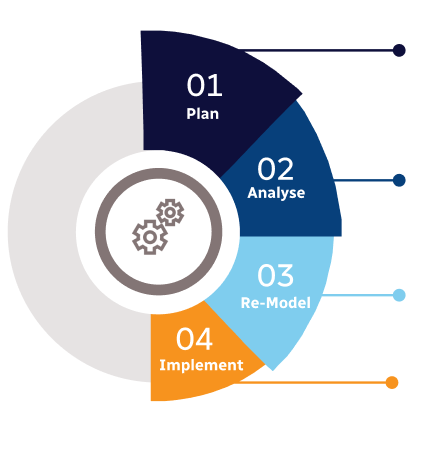
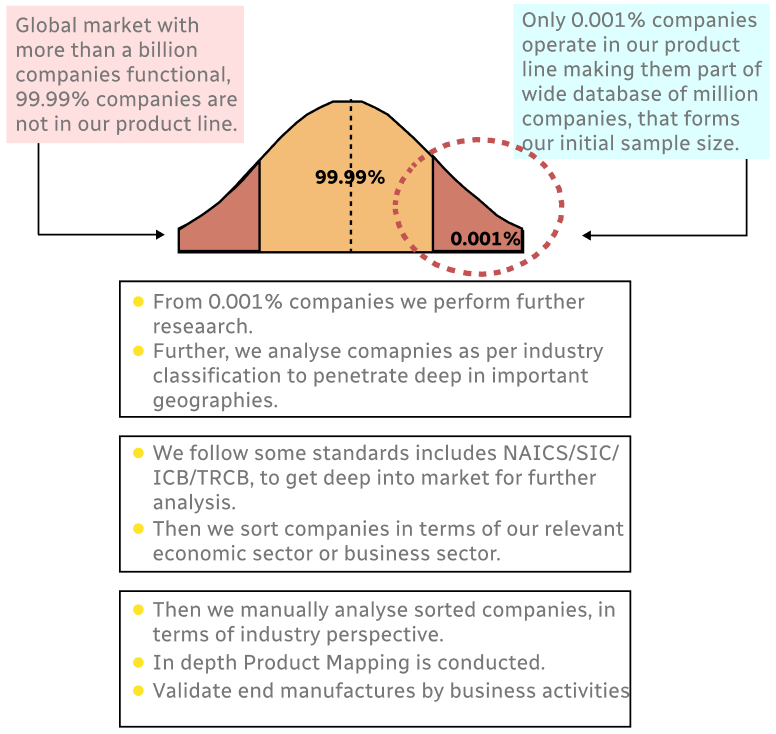
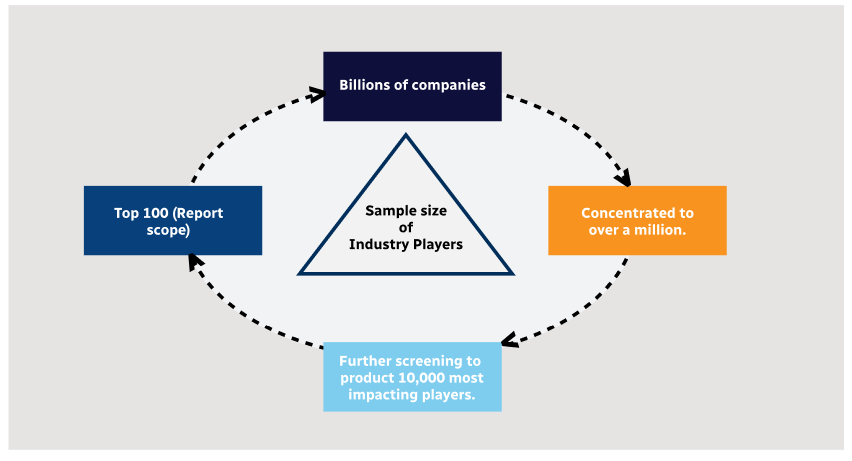
Step 1 - Identification of Relevant Samples Size from Population Database
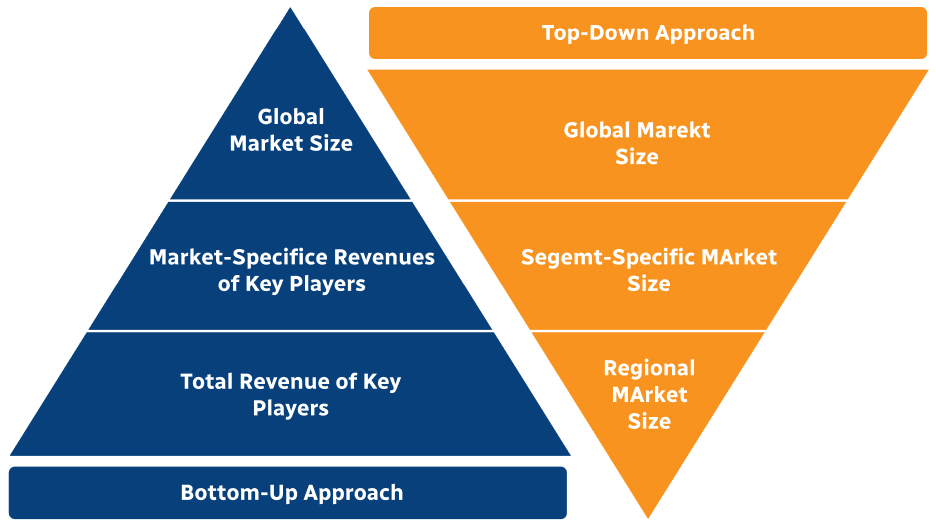
Step 2 - Approaches for Defining Global Market Size (Value, Volume* & Price*)
Note*: In applicable scenarios
Step 3 - Data Sources
Primary Research
- Web Analytics
- Survey Reports
- Research Institute
- Latest Research Reports
- Opinion Leaders
Secondary Research
- Annual Reports
- White Paper
- Latest Press Release
- Industry Association
- Paid Database
- Investor Presentations
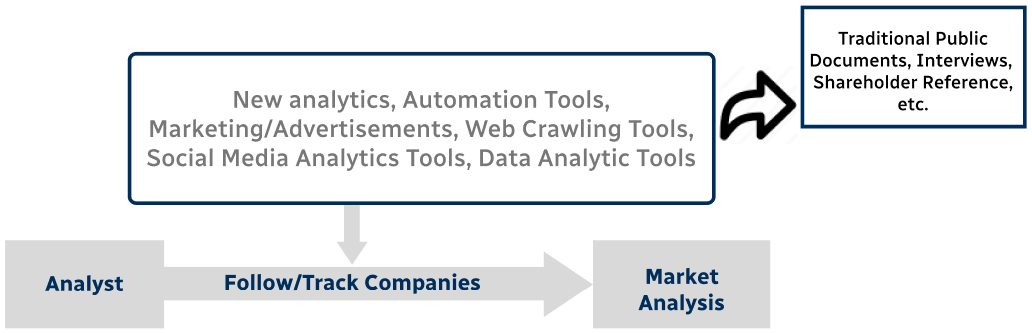
Step 4 - Data Triangulation
Involves using different sources of information in order to increase the validity of a study
These sources are likely to be stakeholders in a program - participants, other researchers, program staff, other community members, and so on.
Then we put all data in single framework & apply various statistical tools to find out the dynamic on the market.
During the analysis stage, feedback from the stakeholder groups would be compared to determine areas of agreement as well as areas of divergence