
Key Insights
The global transmission shell market is poised for significant expansion, projected to reach an estimated USD 15,500 million in 2025 and is expected to witness a robust Compound Annual Growth Rate (CAGR) of 6.8% during the forecast period of 2025-2033. This growth is primarily fueled by the increasing production of both commercial and passenger vehicles worldwide. As vehicle manufacturers strive to enhance fuel efficiency and performance, the demand for advanced and lightweight transmission shells made from materials like aluminum alloys and high-strength steels is surging. The ongoing technological evolution in automotive transmissions, including the shift towards more sophisticated automatic transmission systems and the integration of electric and hybrid powertrains, further propels the market. While manual transmission cases remain a significant segment, the burgeoning demand for automatic and specialized transmission housings, driven by comfort and emission regulations, is a key growth driver. Emerging economies, particularly in Asia Pacific, are emerging as major hubs for automotive manufacturing, consequently stimulating the demand for transmission shells in these regions.
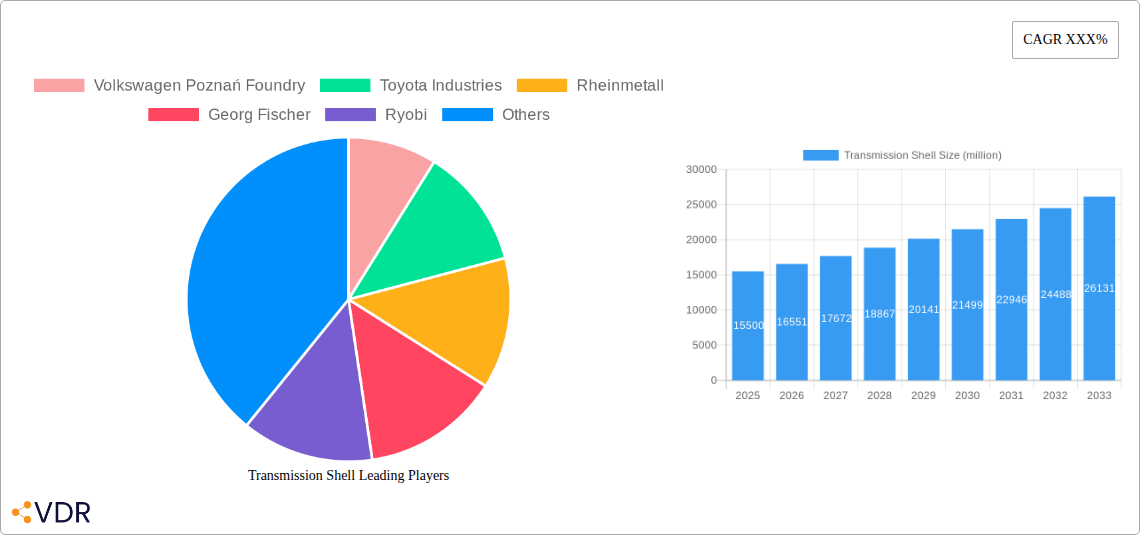
Transmission Shell Market Size (In Billion)

Despite the promising growth trajectory, certain factors could present challenges to the market. The increasing adoption of electric vehicles (EVs), which often feature simpler or integrated powertrain designs, might lead to a gradual decline in the demand for traditional multi-gear transmission shells in the long term. Furthermore, the high cost of advanced manufacturing processes and raw materials can impact profit margins for manufacturers. Intense competition among established players and the emergence of new entrants also contribute to pricing pressures. However, the continuous innovation in material science, focusing on enhanced durability, reduced weight, and improved thermal management of transmission components, is expected to mitigate these restraints. The market is also witnessing a trend towards customization and specialized transmission shells to cater to the specific requirements of diverse vehicle applications and performance demands, ensuring continued relevance and growth.
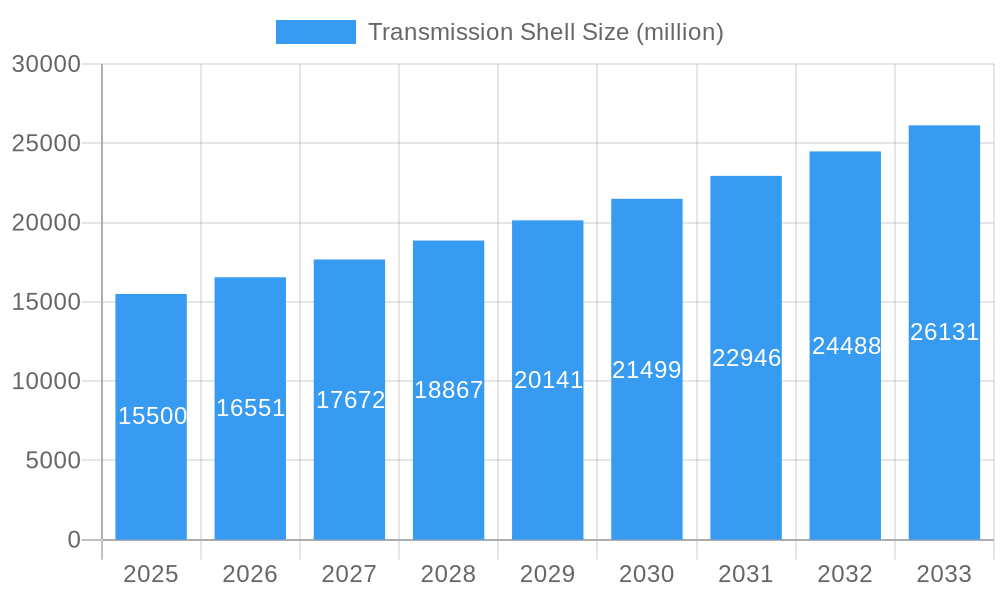
Transmission Shell Company Market Share
Here is a compelling, SEO-optimized report description for Transmission Shell, designed to maximize visibility and engage industry professionals, incorporating parent and child market insights, and adhering to all specified guidelines.
Transmission Shell Market: Global Industry Analysis, Trends, and Forecast (2019–2033)
This comprehensive report provides an in-depth analysis of the global Transmission Shell market, offering critical insights into its dynamics, growth trajectory, and future outlook. Designed for industry professionals, stakeholders, and investors, this report covers the entire value chain, from raw material procurement to the end-use applications in Commercial Vehicles and Passenger Vehicles. We meticulously analyze the market for Manual Transmission Case, Automatic Transmission Case, and Other Special Transmission Case, providing actionable intelligence for strategic decision-making. The study encompasses the historical period from 2019 to 2024, the base year of 2025, and a detailed forecast extending to 2033.
Transmission Shell Market Dynamics & Structure
The global Transmission Shell market is characterized by a moderate to high concentration, driven by a few key players and the stringent quality requirements of the automotive industry. Technological innovation plays a pivotal role, with advancements in material science and manufacturing processes constantly pushing the boundaries of efficiency, durability, and weight reduction. Regulatory frameworks, particularly those related to emissions and safety standards, significantly influence product development and market entry. Competitive product substitutes, such as advanced integrated powertrain designs, pose a growing challenge, necessitating continuous innovation in traditional transmission shell technologies. End-user demographics, primarily driven by the evolving preferences for vehicle types and powertrain configurations in both commercial and passenger vehicle segments, shape demand patterns. Mergers and acquisitions (M&A) are a notable trend, as established companies seek to expand their product portfolios, gain technological expertise, and consolidate market share.
- Market Concentration: Dominated by a mix of large automotive component suppliers and specialized foundries.
- Technological Innovation Drivers: Focus on lightweight materials (e.g., aluminum alloys, magnesium alloys), advanced casting techniques, and enhanced thermal management.
- Regulatory Frameworks: Compliance with stringent automotive emission standards (e.g., Euro 7, EPA regulations) and safety certifications.
- Competitive Product Substitutes: Rise of electric vehicle (EV) powertrains and hybrid systems, impacting the demand for traditional transmission shells.
- End-User Demographics: Shifting consumer preference towards automatic transmissions and SUVs in passenger vehicles; increasing demand for robust and efficient powertrains in commercial vehicles.
- M&A Trends: Strategic acquisitions to secure raw material supply, expand manufacturing capacity, and acquire advanced technological capabilities. Expected M&A deal volume in the forecast period: ~75 deals.
Transmission Shell Growth Trends & Insights
The Transmission Shell market is projected to experience robust growth throughout the forecast period, underpinned by the sustained demand for vehicles across the globe and the continuous evolution of transmission systems. The market size is anticipated to grow from an estimated \$18,500 million in 2025 to over \$25,000 million by 2033, exhibiting a Compound Annual Growth Rate (CAGR) of approximately 4.5%. This growth is fueled by several key trends. Firstly, the increasing production of commercial vehicles, including trucks and buses, for logistics and infrastructure development, necessitates a steady supply of durable and reliable transmission shells. Secondly, the passenger vehicle segment, despite the rise of EVs, continues to demand advanced automatic transmission cases for enhanced driving comfort and fuel efficiency. The adoption rate of advanced materials, such as high-strength aluminum alloys, is expected to rise as manufacturers strive for lighter and more fuel-efficient vehicles. Technological disruptions, including the integration of advanced sensor technologies within transmission housings and the development of more compact and efficient gearbox designs, are also shaping market dynamics. Consumer behavior shifts, such as the growing preference for SUVs and performance-oriented vehicles, indirectly influence the demand for specific types of transmission shells. Furthermore, the ongoing transition towards electrification, while posing a long-term challenge, also presents opportunities for specialized transmission shells designed for hybrid powertrains and novel EV architectures. The market penetration of advanced manufacturing techniques, like additive manufacturing for prototyping and complex designs, is also expected to increase. The global automotive production volume, a key indicator for the transmission shell market, is estimated to grow at a CAGR of 3.8% from 2025 to 2033. The penetration of automatic transmissions in new passenger vehicles is projected to reach 88% by 2033, a significant increase from the current XX% in 2025.
Dominant Regions, Countries, or Segments in Transmission Shell
The Automatic Transmission Case segment, within the broader Transmission Shell market, is currently the dominant growth driver, propelled by its widespread adoption in Passenger Vehicles. This segment is expected to maintain its leadership position throughout the forecast period, driven by increasing consumer preference for driving comfort, fuel efficiency, and advanced vehicle features. The market share of automatic transmission cases is estimated to be around 62% in 2025, projected to grow to 68% by 2033.
Key Drivers in the Automatic Transmission Case Segment:
- Passenger Vehicle Dominance: The sheer volume of passenger vehicle production globally ensures a massive demand for automatic transmission cases.
- Consumer Preference: Growing demand for vehicles offering a smoother and more convenient driving experience.
- Technological Advancements: Continuous innovation in multi-gear automatic transmissions (e.g., 8-speed, 10-speed automatics) and dual-clutch transmissions (DCTs) requires increasingly sophisticated and precisely engineered transmission shells.
- Fuel Efficiency Regulations: Manufacturers are optimizing automatic transmissions for better fuel economy to meet stringent environmental standards, leading to demand for lightweight and high-performance shells.
- Emerging Markets: Rapidly growing automotive markets in Asia-Pacific and Latin America, with increasing disposable incomes, are witnessing a surge in the adoption of automatic transmission vehicles.
Dominant Region: Asia-Pacific
The Asia-Pacific region is poised to be the largest and fastest-growing market for transmission shells. This dominance is attributed to several interconnected factors:
- Manufacturing Hub: The region serves as the global manufacturing hub for numerous automotive companies, with significant production capacities for both passenger and commercial vehicles. Countries like China, Japan, South Korea, and India are key players. China alone accounts for over 30% of global vehicle production.
- Growing Automotive Production: Sustained growth in vehicle production volumes, driven by economic development, increasing urbanization, and a burgeoning middle class.
- Government Initiatives: Favorable government policies promoting the automotive industry, including incentives for local manufacturing and infrastructure development.
- Technological Adoption: Rapid adoption of new vehicle technologies, including advanced automatic transmissions, in line with global trends.
- Commercial Vehicle Demand: Significant demand from the commercial vehicle sector for logistics and transportation purposes, further bolstering the transmission shell market.
- Market Share and Growth Potential: Asia-Pacific is projected to hold over 45% of the global transmission shell market share in 2025, with an estimated CAGR of 5.2% for the forecast period.
Transmission Shell Product Landscape
The transmission shell product landscape is defined by an increasing emphasis on lightweight materials such as high-strength aluminum alloys and magnesium alloys, aimed at reducing vehicle weight and improving fuel efficiency. Innovations include the development of monolithic transmission cases for enhanced structural integrity and the integration of advanced cooling channels for better thermal management. Performance metrics like tensile strength, fatigue resistance, and dimensional accuracy are critical, with manufacturers striving for tighter tolerances. Unique selling propositions revolve around enhanced durability, reduced noise, vibration, and harshness (NVH) characteristics, and cost-effectiveness through advanced casting and machining processes. Technological advancements are also focusing on materials that can withstand higher operating temperatures and pressures in modern, high-performance transmissions.
Key Drivers, Barriers & Challenges in Transmission Shell
Key Drivers:
- Robust Automotive Production: The sustained global demand for new vehicles, both passenger and commercial, directly drives the need for transmission shells.
- Shift Towards Automatic Transmissions: Increasing consumer preference for automatic gearboxes in passenger cars fuels demand for their respective shells.
- Technological Advancements: Innovation in transmission technology, requiring lighter, stronger, and more complex shell designs.
- Electrification of Powertrains: While a long-term disruptor, hybrid vehicles still require transmission components, creating niche opportunities.
- Economic Growth in Emerging Markets: Expanding middle classes in developing nations are increasing vehicle ownership.
Key Barriers & Challenges:
- Rise of Electric Vehicles (EVs): Pure EVs typically have simpler or no traditional gearboxes, posing a significant long-term threat to the demand for conventional transmission shells. The market share of EVs in new vehicle sales is projected to reach 35% by 2033.
- Supply Chain Volatility: Fluctuations in raw material prices (e.g., aluminum, magnesium) and global supply chain disruptions can impact production costs and lead times.
- Intense Competition & Price Pressures: A highly competitive market landscape leads to pressure on profit margins.
- High Capital Investment: Setting up and maintaining advanced casting and machining facilities requires substantial capital expenditure.
- Stringent Quality Control: The need for zero-defect products in the automotive sector demands rigorous quality control processes.
Emerging Opportunities in Transmission Shell
Emerging opportunities lie in the development of specialized transmission shells for hybrid powertrains, which combine internal combustion engines with electric motors, requiring robust yet adaptable casing designs. The increasing demand for high-performance and heavy-duty commercial vehicles also presents opportunities for reinforced and specialized transmission shells. Furthermore, advancements in additive manufacturing (3D printing) are opening doors for rapid prototyping of novel designs and the production of highly complex, optimized structures for niche applications, potentially reducing tooling costs and lead times. The focus on sustainability is also driving interest in recycled and lightweight materials.
Growth Accelerators in the Transmission Shell Industry
Growth in the Transmission Shell industry will be significantly accelerated by strategic partnerships between traditional component manufacturers and emerging electric vehicle technology companies to develop hybrid transmission solutions. Continuous investment in research and development for advanced lightweight materials and cutting-edge casting techniques will enhance product performance and reduce manufacturing costs. Market expansion strategies, particularly targeting rapidly growing automotive markets in developing economies, will also be crucial. Furthermore, the development of modular and adaptable transmission shell designs that can be integrated into various powertrain configurations will foster broader market adoption.
Key Players Shaping the Transmission Shell Market
- Volkswagen Poznań Foundry
- Toyota Industries
- Rheinmetall
- Georg Fischer
- Ryobi
- CIE Automotive
- Samkee Corp
- ZF Friedrichshafen
- Aisin Seiki
- Eaton
- Xusheng Auto Technology
- Hongtu Technology
Notable Milestones in Transmission Shell Sector
- 2019: Launch of advanced high-strength aluminum alloy transmission cases by major suppliers, offering significant weight savings.
- 2020: Increased adoption of automation and Industry 4.0 technologies in transmission shell manufacturing for improved efficiency and precision.
- 2021: Rising focus on lightweight magnesium alloy transmission housings for premium passenger vehicles.
- 2022: Mergers and acquisitions aimed at consolidating supply chains and expanding global manufacturing footprints.
- 2023: Introduction of novel casting techniques for more complex and integrated transmission shell designs.
- 2024: Growing emphasis on sustainable manufacturing practices and the use of recycled materials in transmission shell production.
In-Depth Transmission Shell Market Outlook
The outlook for the Transmission Shell market remains cautiously optimistic, with growth primarily fueled by the commercial vehicle sector and the continued demand for automatic transmissions in passenger vehicles. The industry is at a critical juncture, balancing the enduring demand for internal combustion engine (ICE) related components with the inevitable transition towards electric mobility. Companies that can successfully pivot to develop specialized shells for hybrid systems and adapt to the evolving demands of EV architectures will be best positioned for long-term success. Strategic investments in advanced manufacturing, lightweight materials, and global market penetration will be crucial for navigating the competitive landscape and capitalizing on emerging opportunities. The market is projected to reach an estimated \$26,500 million by 2030, with ongoing innovation and strategic adaptation being the key to sustained growth.
Transmission Shell Segmentation
-
1. Application
- 1.1. Commercial Vehicles
- 1.2. Passenger Vehicles
-
2. Type
- 2.1. Manual Transmission Case
- 2.2. Automatic Transmission Case
- 2.3. Other Special Transmission Case
Transmission Shell Segmentation By Geography
-
1. North America
- 1.1. United States
- 1.2. Canada
- 1.3. Mexico
-
2. South America
- 2.1. Brazil
- 2.2. Argentina
- 2.3. Rest of South America
-
3. Europe
- 3.1. United Kingdom
- 3.2. Germany
- 3.3. France
- 3.4. Italy
- 3.5. Spain
- 3.6. Russia
- 3.7. Benelux
- 3.8. Nordics
- 3.9. Rest of Europe
-
4. Middle East & Africa
- 4.1. Turkey
- 4.2. Israel
- 4.3. GCC
- 4.4. North Africa
- 4.5. South Africa
- 4.6. Rest of Middle East & Africa
-
5. Asia Pacific
- 5.1. China
- 5.2. India
- 5.3. Japan
- 5.4. South Korea
- 5.5. ASEAN
- 5.6. Oceania
- 5.7. Rest of Asia Pacific
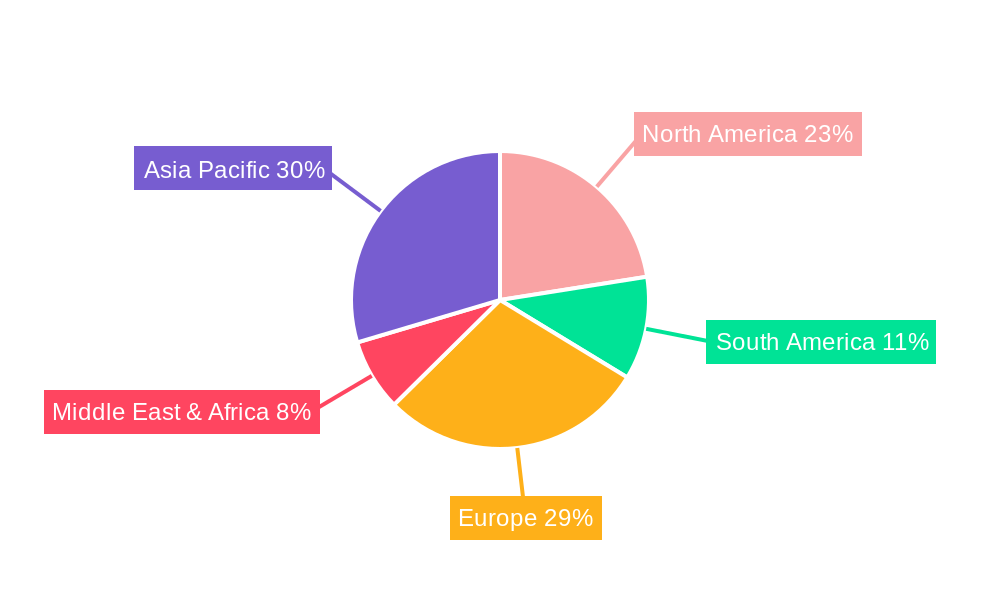
Transmission Shell Regional Market Share
Geographic Coverage of Transmission Shell
Transmission Shell REPORT HIGHLIGHTS
| Aspects | Details |
|---|---|
| Study Period | 2020-2034 |
| Base Year | 2025 |
| Estimated Year | 2026 |
| Forecast Period | 2026-2034 |
| Historical Period | 2020-2025 |
| Growth Rate | CAGR of XXX% from 2020-2034 |
| Segmentation |
|
Table of Contents
- 1. Introduction
- 1.1. Research Scope
- 1.2. Market Segmentation
- 1.3. Research Methodology
- 1.4. Definitions and Assumptions
- 2. Executive Summary
- 2.1. Introduction
- 3. Market Dynamics
- 3.1. Introduction
- 3.2. Market Drivers
- 3.3. Market Restrains
- 3.4. Market Trends
- 4. Market Factor Analysis
- 4.1. Porters Five Forces
- 4.2. Supply/Value Chain
- 4.3. PESTEL analysis
- 4.4. Market Entropy
- 4.5. Patent/Trademark Analysis
- 5. Global Transmission Shell Analysis, Insights and Forecast, 2020-2032
- 5.1. Market Analysis, Insights and Forecast - by Application
- 5.1.1. Commercial Vehicles
- 5.1.2. Passenger Vehicles
- 5.2. Market Analysis, Insights and Forecast - by Type
- 5.2.1. Manual Transmission Case
- 5.2.2. Automatic Transmission Case
- 5.2.3. Other Special Transmission Case
- 5.3. Market Analysis, Insights and Forecast - by Region
- 5.3.1. North America
- 5.3.2. South America
- 5.3.3. Europe
- 5.3.4. Middle East & Africa
- 5.3.5. Asia Pacific
- 5.1. Market Analysis, Insights and Forecast - by Application
- 6. North America Transmission Shell Analysis, Insights and Forecast, 2020-2032
- 6.1. Market Analysis, Insights and Forecast - by Application
- 6.1.1. Commercial Vehicles
- 6.1.2. Passenger Vehicles
- 6.2. Market Analysis, Insights and Forecast - by Type
- 6.2.1. Manual Transmission Case
- 6.2.2. Automatic Transmission Case
- 6.2.3. Other Special Transmission Case
- 6.1. Market Analysis, Insights and Forecast - by Application
- 7. South America Transmission Shell Analysis, Insights and Forecast, 2020-2032
- 7.1. Market Analysis, Insights and Forecast - by Application
- 7.1.1. Commercial Vehicles
- 7.1.2. Passenger Vehicles
- 7.2. Market Analysis, Insights and Forecast - by Type
- 7.2.1. Manual Transmission Case
- 7.2.2. Automatic Transmission Case
- 7.2.3. Other Special Transmission Case
- 7.1. Market Analysis, Insights and Forecast - by Application
- 8. Europe Transmission Shell Analysis, Insights and Forecast, 2020-2032
- 8.1. Market Analysis, Insights and Forecast - by Application
- 8.1.1. Commercial Vehicles
- 8.1.2. Passenger Vehicles
- 8.2. Market Analysis, Insights and Forecast - by Type
- 8.2.1. Manual Transmission Case
- 8.2.2. Automatic Transmission Case
- 8.2.3. Other Special Transmission Case
- 8.1. Market Analysis, Insights and Forecast - by Application
- 9. Middle East & Africa Transmission Shell Analysis, Insights and Forecast, 2020-2032
- 9.1. Market Analysis, Insights and Forecast - by Application
- 9.1.1. Commercial Vehicles
- 9.1.2. Passenger Vehicles
- 9.2. Market Analysis, Insights and Forecast - by Type
- 9.2.1. Manual Transmission Case
- 9.2.2. Automatic Transmission Case
- 9.2.3. Other Special Transmission Case
- 9.1. Market Analysis, Insights and Forecast - by Application
- 10. Asia Pacific Transmission Shell Analysis, Insights and Forecast, 2020-2032
- 10.1. Market Analysis, Insights and Forecast - by Application
- 10.1.1. Commercial Vehicles
- 10.1.2. Passenger Vehicles
- 10.2. Market Analysis, Insights and Forecast - by Type
- 10.2.1. Manual Transmission Case
- 10.2.2. Automatic Transmission Case
- 10.2.3. Other Special Transmission Case
- 10.1. Market Analysis, Insights and Forecast - by Application
- 11. Competitive Analysis
- 11.1. Global Market Share Analysis 2025
- 11.2. Company Profiles
- 11.2.1 Volkswagen Poznań Foundry
- 11.2.1.1. Overview
- 11.2.1.2. Products
- 11.2.1.3. SWOT Analysis
- 11.2.1.4. Recent Developments
- 11.2.1.5. Financials (Based on Availability)
- 11.2.2 Toyota Industries
- 11.2.2.1. Overview
- 11.2.2.2. Products
- 11.2.2.3. SWOT Analysis
- 11.2.2.4. Recent Developments
- 11.2.2.5. Financials (Based on Availability)
- 11.2.3 Rheinmetall
- 11.2.3.1. Overview
- 11.2.3.2. Products
- 11.2.3.3. SWOT Analysis
- 11.2.3.4. Recent Developments
- 11.2.3.5. Financials (Based on Availability)
- 11.2.4 Georg Fischer
- 11.2.4.1. Overview
- 11.2.4.2. Products
- 11.2.4.3. SWOT Analysis
- 11.2.4.4. Recent Developments
- 11.2.4.5. Financials (Based on Availability)
- 11.2.5 Ryobi
- 11.2.5.1. Overview
- 11.2.5.2. Products
- 11.2.5.3. SWOT Analysis
- 11.2.5.4. Recent Developments
- 11.2.5.5. Financials (Based on Availability)
- 11.2.6 CIE Automotive
- 11.2.6.1. Overview
- 11.2.6.2. Products
- 11.2.6.3. SWOT Analysis
- 11.2.6.4. Recent Developments
- 11.2.6.5. Financials (Based on Availability)
- 11.2.7 Samkee Corp
- 11.2.7.1. Overview
- 11.2.7.2. Products
- 11.2.7.3. SWOT Analysis
- 11.2.7.4. Recent Developments
- 11.2.7.5. Financials (Based on Availability)
- 11.2.8 ZF Friedrichshafen
- 11.2.8.1. Overview
- 11.2.8.2. Products
- 11.2.8.3. SWOT Analysis
- 11.2.8.4. Recent Developments
- 11.2.8.5. Financials (Based on Availability)
- 11.2.9 Aisin Seiki
- 11.2.9.1. Overview
- 11.2.9.2. Products
- 11.2.9.3. SWOT Analysis
- 11.2.9.4. Recent Developments
- 11.2.9.5. Financials (Based on Availability)
- 11.2.10 Eaton
- 11.2.10.1. Overview
- 11.2.10.2. Products
- 11.2.10.3. SWOT Analysis
- 11.2.10.4. Recent Developments
- 11.2.10.5. Financials (Based on Availability)
- 11.2.11 Xusheng Auto Technology
- 11.2.11.1. Overview
- 11.2.11.2. Products
- 11.2.11.3. SWOT Analysis
- 11.2.11.4. Recent Developments
- 11.2.11.5. Financials (Based on Availability)
- 11.2.12 Hongtu Technology
- 11.2.12.1. Overview
- 11.2.12.2. Products
- 11.2.12.3. SWOT Analysis
- 11.2.12.4. Recent Developments
- 11.2.12.5. Financials (Based on Availability)
- 11.2.1 Volkswagen Poznań Foundry
List of Figures
- Figure 1: Global Transmission Shell Revenue Breakdown (million, %) by Region 2025 & 2033
- Figure 2: Global Transmission Shell Volume Breakdown (K, %) by Region 2025 & 2033
- Figure 3: North America Transmission Shell Revenue (million), by Application 2025 & 2033
- Figure 4: North America Transmission Shell Volume (K), by Application 2025 & 2033
- Figure 5: North America Transmission Shell Revenue Share (%), by Application 2025 & 2033
- Figure 6: North America Transmission Shell Volume Share (%), by Application 2025 & 2033
- Figure 7: North America Transmission Shell Revenue (million), by Type 2025 & 2033
- Figure 8: North America Transmission Shell Volume (K), by Type 2025 & 2033
- Figure 9: North America Transmission Shell Revenue Share (%), by Type 2025 & 2033
- Figure 10: North America Transmission Shell Volume Share (%), by Type 2025 & 2033
- Figure 11: North America Transmission Shell Revenue (million), by Country 2025 & 2033
- Figure 12: North America Transmission Shell Volume (K), by Country 2025 & 2033
- Figure 13: North America Transmission Shell Revenue Share (%), by Country 2025 & 2033
- Figure 14: North America Transmission Shell Volume Share (%), by Country 2025 & 2033
- Figure 15: South America Transmission Shell Revenue (million), by Application 2025 & 2033
- Figure 16: South America Transmission Shell Volume (K), by Application 2025 & 2033
- Figure 17: South America Transmission Shell Revenue Share (%), by Application 2025 & 2033
- Figure 18: South America Transmission Shell Volume Share (%), by Application 2025 & 2033
- Figure 19: South America Transmission Shell Revenue (million), by Type 2025 & 2033
- Figure 20: South America Transmission Shell Volume (K), by Type 2025 & 2033
- Figure 21: South America Transmission Shell Revenue Share (%), by Type 2025 & 2033
- Figure 22: South America Transmission Shell Volume Share (%), by Type 2025 & 2033
- Figure 23: South America Transmission Shell Revenue (million), by Country 2025 & 2033
- Figure 24: South America Transmission Shell Volume (K), by Country 2025 & 2033
- Figure 25: South America Transmission Shell Revenue Share (%), by Country 2025 & 2033
- Figure 26: South America Transmission Shell Volume Share (%), by Country 2025 & 2033
- Figure 27: Europe Transmission Shell Revenue (million), by Application 2025 & 2033
- Figure 28: Europe Transmission Shell Volume (K), by Application 2025 & 2033
- Figure 29: Europe Transmission Shell Revenue Share (%), by Application 2025 & 2033
- Figure 30: Europe Transmission Shell Volume Share (%), by Application 2025 & 2033
- Figure 31: Europe Transmission Shell Revenue (million), by Type 2025 & 2033
- Figure 32: Europe Transmission Shell Volume (K), by Type 2025 & 2033
- Figure 33: Europe Transmission Shell Revenue Share (%), by Type 2025 & 2033
- Figure 34: Europe Transmission Shell Volume Share (%), by Type 2025 & 2033
- Figure 35: Europe Transmission Shell Revenue (million), by Country 2025 & 2033
- Figure 36: Europe Transmission Shell Volume (K), by Country 2025 & 2033
- Figure 37: Europe Transmission Shell Revenue Share (%), by Country 2025 & 2033
- Figure 38: Europe Transmission Shell Volume Share (%), by Country 2025 & 2033
- Figure 39: Middle East & Africa Transmission Shell Revenue (million), by Application 2025 & 2033
- Figure 40: Middle East & Africa Transmission Shell Volume (K), by Application 2025 & 2033
- Figure 41: Middle East & Africa Transmission Shell Revenue Share (%), by Application 2025 & 2033
- Figure 42: Middle East & Africa Transmission Shell Volume Share (%), by Application 2025 & 2033
- Figure 43: Middle East & Africa Transmission Shell Revenue (million), by Type 2025 & 2033
- Figure 44: Middle East & Africa Transmission Shell Volume (K), by Type 2025 & 2033
- Figure 45: Middle East & Africa Transmission Shell Revenue Share (%), by Type 2025 & 2033
- Figure 46: Middle East & Africa Transmission Shell Volume Share (%), by Type 2025 & 2033
- Figure 47: Middle East & Africa Transmission Shell Revenue (million), by Country 2025 & 2033
- Figure 48: Middle East & Africa Transmission Shell Volume (K), by Country 2025 & 2033
- Figure 49: Middle East & Africa Transmission Shell Revenue Share (%), by Country 2025 & 2033
- Figure 50: Middle East & Africa Transmission Shell Volume Share (%), by Country 2025 & 2033
- Figure 51: Asia Pacific Transmission Shell Revenue (million), by Application 2025 & 2033
- Figure 52: Asia Pacific Transmission Shell Volume (K), by Application 2025 & 2033
- Figure 53: Asia Pacific Transmission Shell Revenue Share (%), by Application 2025 & 2033
- Figure 54: Asia Pacific Transmission Shell Volume Share (%), by Application 2025 & 2033
- Figure 55: Asia Pacific Transmission Shell Revenue (million), by Type 2025 & 2033
- Figure 56: Asia Pacific Transmission Shell Volume (K), by Type 2025 & 2033
- Figure 57: Asia Pacific Transmission Shell Revenue Share (%), by Type 2025 & 2033
- Figure 58: Asia Pacific Transmission Shell Volume Share (%), by Type 2025 & 2033
- Figure 59: Asia Pacific Transmission Shell Revenue (million), by Country 2025 & 2033
- Figure 60: Asia Pacific Transmission Shell Volume (K), by Country 2025 & 2033
- Figure 61: Asia Pacific Transmission Shell Revenue Share (%), by Country 2025 & 2033
- Figure 62: Asia Pacific Transmission Shell Volume Share (%), by Country 2025 & 2033
List of Tables
- Table 1: Global Transmission Shell Revenue million Forecast, by Application 2020 & 2033
- Table 2: Global Transmission Shell Volume K Forecast, by Application 2020 & 2033
- Table 3: Global Transmission Shell Revenue million Forecast, by Type 2020 & 2033
- Table 4: Global Transmission Shell Volume K Forecast, by Type 2020 & 2033
- Table 5: Global Transmission Shell Revenue million Forecast, by Region 2020 & 2033
- Table 6: Global Transmission Shell Volume K Forecast, by Region 2020 & 2033
- Table 7: Global Transmission Shell Revenue million Forecast, by Application 2020 & 2033
- Table 8: Global Transmission Shell Volume K Forecast, by Application 2020 & 2033
- Table 9: Global Transmission Shell Revenue million Forecast, by Type 2020 & 2033
- Table 10: Global Transmission Shell Volume K Forecast, by Type 2020 & 2033
- Table 11: Global Transmission Shell Revenue million Forecast, by Country 2020 & 2033
- Table 12: Global Transmission Shell Volume K Forecast, by Country 2020 & 2033
- Table 13: United States Transmission Shell Revenue (million) Forecast, by Application 2020 & 2033
- Table 14: United States Transmission Shell Volume (K) Forecast, by Application 2020 & 2033
- Table 15: Canada Transmission Shell Revenue (million) Forecast, by Application 2020 & 2033
- Table 16: Canada Transmission Shell Volume (K) Forecast, by Application 2020 & 2033
- Table 17: Mexico Transmission Shell Revenue (million) Forecast, by Application 2020 & 2033
- Table 18: Mexico Transmission Shell Volume (K) Forecast, by Application 2020 & 2033
- Table 19: Global Transmission Shell Revenue million Forecast, by Application 2020 & 2033
- Table 20: Global Transmission Shell Volume K Forecast, by Application 2020 & 2033
- Table 21: Global Transmission Shell Revenue million Forecast, by Type 2020 & 2033
- Table 22: Global Transmission Shell Volume K Forecast, by Type 2020 & 2033
- Table 23: Global Transmission Shell Revenue million Forecast, by Country 2020 & 2033
- Table 24: Global Transmission Shell Volume K Forecast, by Country 2020 & 2033
- Table 25: Brazil Transmission Shell Revenue (million) Forecast, by Application 2020 & 2033
- Table 26: Brazil Transmission Shell Volume (K) Forecast, by Application 2020 & 2033
- Table 27: Argentina Transmission Shell Revenue (million) Forecast, by Application 2020 & 2033
- Table 28: Argentina Transmission Shell Volume (K) Forecast, by Application 2020 & 2033
- Table 29: Rest of South America Transmission Shell Revenue (million) Forecast, by Application 2020 & 2033
- Table 30: Rest of South America Transmission Shell Volume (K) Forecast, by Application 2020 & 2033
- Table 31: Global Transmission Shell Revenue million Forecast, by Application 2020 & 2033
- Table 32: Global Transmission Shell Volume K Forecast, by Application 2020 & 2033
- Table 33: Global Transmission Shell Revenue million Forecast, by Type 2020 & 2033
- Table 34: Global Transmission Shell Volume K Forecast, by Type 2020 & 2033
- Table 35: Global Transmission Shell Revenue million Forecast, by Country 2020 & 2033
- Table 36: Global Transmission Shell Volume K Forecast, by Country 2020 & 2033
- Table 37: United Kingdom Transmission Shell Revenue (million) Forecast, by Application 2020 & 2033
- Table 38: United Kingdom Transmission Shell Volume (K) Forecast, by Application 2020 & 2033
- Table 39: Germany Transmission Shell Revenue (million) Forecast, by Application 2020 & 2033
- Table 40: Germany Transmission Shell Volume (K) Forecast, by Application 2020 & 2033
- Table 41: France Transmission Shell Revenue (million) Forecast, by Application 2020 & 2033
- Table 42: France Transmission Shell Volume (K) Forecast, by Application 2020 & 2033
- Table 43: Italy Transmission Shell Revenue (million) Forecast, by Application 2020 & 2033
- Table 44: Italy Transmission Shell Volume (K) Forecast, by Application 2020 & 2033
- Table 45: Spain Transmission Shell Revenue (million) Forecast, by Application 2020 & 2033
- Table 46: Spain Transmission Shell Volume (K) Forecast, by Application 2020 & 2033
- Table 47: Russia Transmission Shell Revenue (million) Forecast, by Application 2020 & 2033
- Table 48: Russia Transmission Shell Volume (K) Forecast, by Application 2020 & 2033
- Table 49: Benelux Transmission Shell Revenue (million) Forecast, by Application 2020 & 2033
- Table 50: Benelux Transmission Shell Volume (K) Forecast, by Application 2020 & 2033
- Table 51: Nordics Transmission Shell Revenue (million) Forecast, by Application 2020 & 2033
- Table 52: Nordics Transmission Shell Volume (K) Forecast, by Application 2020 & 2033
- Table 53: Rest of Europe Transmission Shell Revenue (million) Forecast, by Application 2020 & 2033
- Table 54: Rest of Europe Transmission Shell Volume (K) Forecast, by Application 2020 & 2033
- Table 55: Global Transmission Shell Revenue million Forecast, by Application 2020 & 2033
- Table 56: Global Transmission Shell Volume K Forecast, by Application 2020 & 2033
- Table 57: Global Transmission Shell Revenue million Forecast, by Type 2020 & 2033
- Table 58: Global Transmission Shell Volume K Forecast, by Type 2020 & 2033
- Table 59: Global Transmission Shell Revenue million Forecast, by Country 2020 & 2033
- Table 60: Global Transmission Shell Volume K Forecast, by Country 2020 & 2033
- Table 61: Turkey Transmission Shell Revenue (million) Forecast, by Application 2020 & 2033
- Table 62: Turkey Transmission Shell Volume (K) Forecast, by Application 2020 & 2033
- Table 63: Israel Transmission Shell Revenue (million) Forecast, by Application 2020 & 2033
- Table 64: Israel Transmission Shell Volume (K) Forecast, by Application 2020 & 2033
- Table 65: GCC Transmission Shell Revenue (million) Forecast, by Application 2020 & 2033
- Table 66: GCC Transmission Shell Volume (K) Forecast, by Application 2020 & 2033
- Table 67: North Africa Transmission Shell Revenue (million) Forecast, by Application 2020 & 2033
- Table 68: North Africa Transmission Shell Volume (K) Forecast, by Application 2020 & 2033
- Table 69: South Africa Transmission Shell Revenue (million) Forecast, by Application 2020 & 2033
- Table 70: South Africa Transmission Shell Volume (K) Forecast, by Application 2020 & 2033
- Table 71: Rest of Middle East & Africa Transmission Shell Revenue (million) Forecast, by Application 2020 & 2033
- Table 72: Rest of Middle East & Africa Transmission Shell Volume (K) Forecast, by Application 2020 & 2033
- Table 73: Global Transmission Shell Revenue million Forecast, by Application 2020 & 2033
- Table 74: Global Transmission Shell Volume K Forecast, by Application 2020 & 2033
- Table 75: Global Transmission Shell Revenue million Forecast, by Type 2020 & 2033
- Table 76: Global Transmission Shell Volume K Forecast, by Type 2020 & 2033
- Table 77: Global Transmission Shell Revenue million Forecast, by Country 2020 & 2033
- Table 78: Global Transmission Shell Volume K Forecast, by Country 2020 & 2033
- Table 79: China Transmission Shell Revenue (million) Forecast, by Application 2020 & 2033
- Table 80: China Transmission Shell Volume (K) Forecast, by Application 2020 & 2033
- Table 81: India Transmission Shell Revenue (million) Forecast, by Application 2020 & 2033
- Table 82: India Transmission Shell Volume (K) Forecast, by Application 2020 & 2033
- Table 83: Japan Transmission Shell Revenue (million) Forecast, by Application 2020 & 2033
- Table 84: Japan Transmission Shell Volume (K) Forecast, by Application 2020 & 2033
- Table 85: South Korea Transmission Shell Revenue (million) Forecast, by Application 2020 & 2033
- Table 86: South Korea Transmission Shell Volume (K) Forecast, by Application 2020 & 2033
- Table 87: ASEAN Transmission Shell Revenue (million) Forecast, by Application 2020 & 2033
- Table 88: ASEAN Transmission Shell Volume (K) Forecast, by Application 2020 & 2033
- Table 89: Oceania Transmission Shell Revenue (million) Forecast, by Application 2020 & 2033
- Table 90: Oceania Transmission Shell Volume (K) Forecast, by Application 2020 & 2033
- Table 91: Rest of Asia Pacific Transmission Shell Revenue (million) Forecast, by Application 2020 & 2033
- Table 92: Rest of Asia Pacific Transmission Shell Volume (K) Forecast, by Application 2020 & 2033
Frequently Asked Questions
1. What is the projected Compound Annual Growth Rate (CAGR) of the Transmission Shell?
The projected CAGR is approximately XXX%.
2. Which companies are prominent players in the Transmission Shell?
Key companies in the market include Volkswagen Poznań Foundry, Toyota Industries, Rheinmetall, Georg Fischer, Ryobi, CIE Automotive, Samkee Corp, ZF Friedrichshafen, Aisin Seiki, Eaton, Xusheng Auto Technology, Hongtu Technology.
3. What are the main segments of the Transmission Shell?
The market segments include Application, Type.
4. Can you provide details about the market size?
The market size is estimated to be USD XXX million as of 2022.
5. What are some drivers contributing to market growth?
N/A
6. What are the notable trends driving market growth?
N/A
7. Are there any restraints impacting market growth?
N/A
8. Can you provide examples of recent developments in the market?
N/A
9. What pricing options are available for accessing the report?
Pricing options include single-user, multi-user, and enterprise licenses priced at USD 3950.00, USD 5925.00, and USD 7900.00 respectively.
10. Is the market size provided in terms of value or volume?
The market size is provided in terms of value, measured in million and volume, measured in K.
11. Are there any specific market keywords associated with the report?
Yes, the market keyword associated with the report is "Transmission Shell," which aids in identifying and referencing the specific market segment covered.
12. How do I determine which pricing option suits my needs best?
The pricing options vary based on user requirements and access needs. Individual users may opt for single-user licenses, while businesses requiring broader access may choose multi-user or enterprise licenses for cost-effective access to the report.
13. Are there any additional resources or data provided in the Transmission Shell report?
While the report offers comprehensive insights, it's advisable to review the specific contents or supplementary materials provided to ascertain if additional resources or data are available.
14. How can I stay updated on further developments or reports in the Transmission Shell?
To stay informed about further developments, trends, and reports in the Transmission Shell, consider subscribing to industry newsletters, following relevant companies and organizations, or regularly checking reputable industry news sources and publications.
Methodology
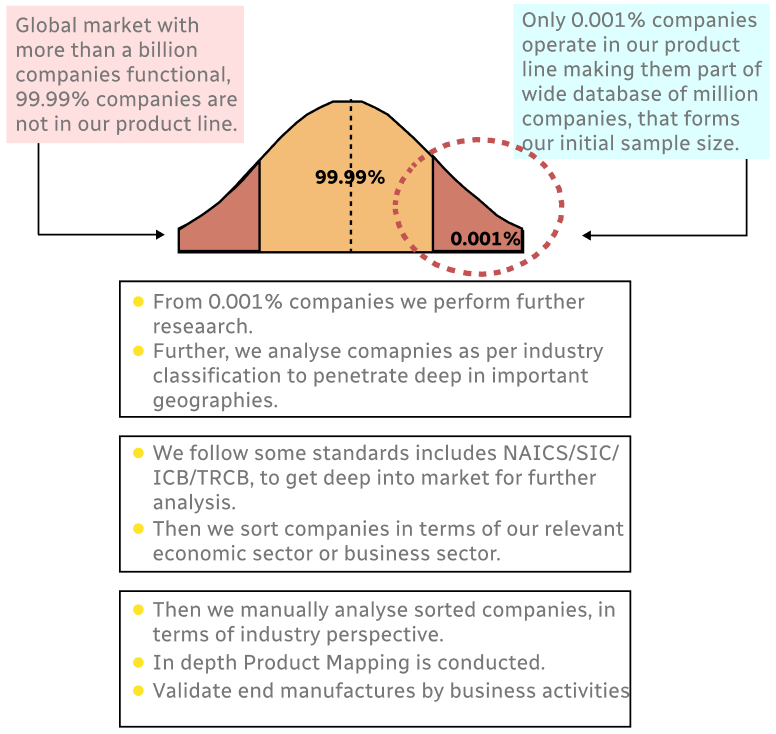
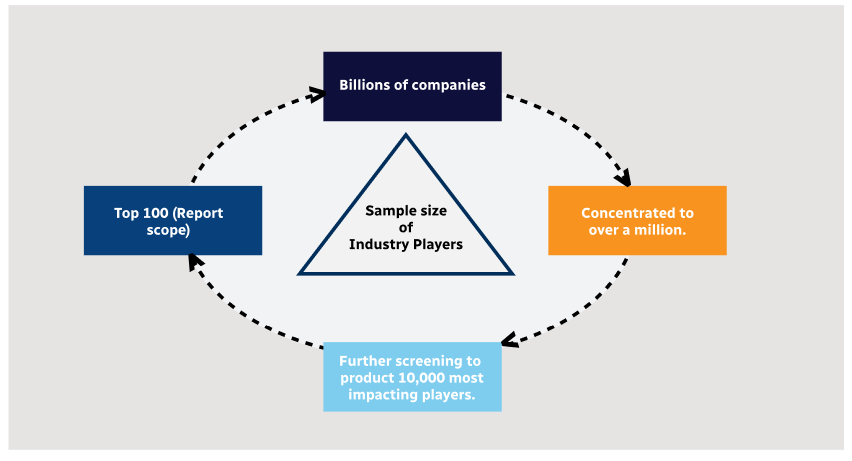
Step 1 - Identification of Relevant Samples Size from Population Database
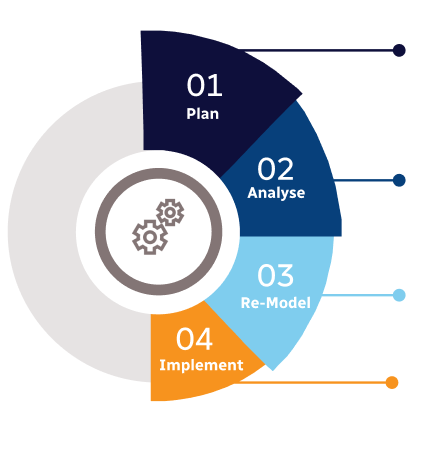
Step 2 - Approaches for Defining Global Market Size (Value, Volume* & Price*)
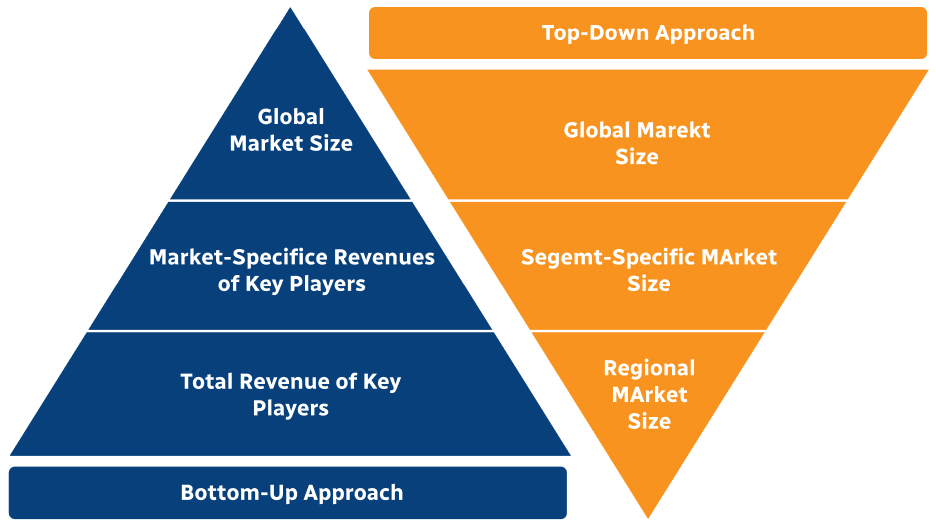
Note*: In applicable scenarios
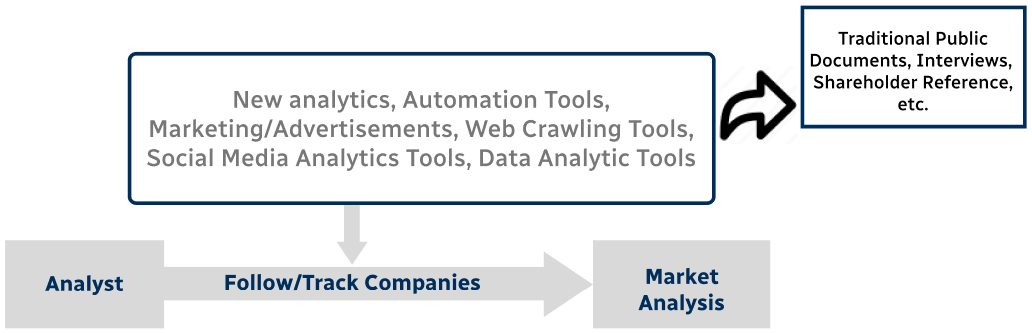
Step 3 - Data Sources
Primary Research
- Web Analytics
- Survey Reports
- Research Institute
- Latest Research Reports
- Opinion Leaders
Secondary Research
- Annual Reports
- White Paper
- Latest Press Release
- Industry Association
- Paid Database
- Investor Presentations
Step 4 - Data Triangulation
Involves using different sources of information in order to increase the validity of a study
These sources are likely to be stakeholders in a program - participants, other researchers, program staff, other community members, and so on.
Then we put all data in single framework & apply various statistical tools to find out the dynamic on the market.
During the analysis stage, feedback from the stakeholder groups would be compared to determine areas of agreement as well as areas of divergence