


Key Insights
The global Tattoo Removal Industry is poised for significant expansion, projected to reach USD 12.35 billion by 2025. This robust growth is fueled by an anticipated Compound Annual Growth Rate (CAGR) of 10.26% during the forecast period of 2025-2033. A primary driver for this surge is the increasing prevalence of tattoo regret, coupled with a growing societal acceptance of tattoo removal procedures as a viable and accessible aesthetic treatment. Advancements in laser technology, offering greater precision, reduced downtime, and improved efficacy across a wider range of tattoo colors and skin types, are also playing a crucial role. Furthermore, a rising disposable income globally and a greater emphasis on personal appearance and aesthetic refinement are contributing to a higher demand for tattoo removal services. The market is also benefiting from the increasing number of specialized dermatology and laser centers, expanding the accessibility of these treatments.
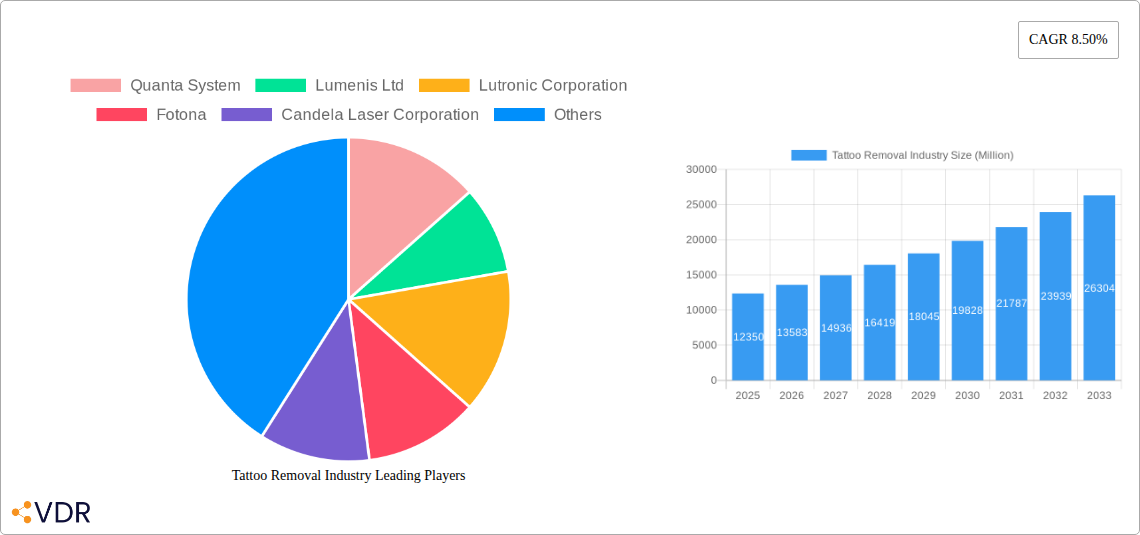
Tattoo Removal Industry Market Size (In Billion)

The industry is characterized by a dynamic interplay of innovative technological advancements and evolving consumer preferences. Key trends include the development of multi-wavelength laser systems that can effectively target diverse ink pigments and the integration of artificial intelligence for personalized treatment planning. The growing popularity of less invasive and faster removal techniques is also a significant trend. However, the market faces certain restraints, such as the relatively high cost of advanced laser treatments and the potential for adverse side effects if not performed by qualified professionals. Nonetheless, the overarching trend of increasing demand, driven by aesthetic concerns and technological progress, is expected to propel the Tattoo Removal Industry forward. Key market segments include the utilization of laser devices, with radiofrequency and other emerging technologies also gaining traction. End-users are primarily hospitals, specialized laser centers, and dermatology clinics, all experiencing increased patient volumes.

Tattoo Removal Industry Company Market Share
Tattoo Removal Industry Report: Comprehensive Market Analysis & Future Outlook (2019-2033)
This in-depth report provides a strategic analysis of the global Tattoo Removal Industry, a rapidly expanding sector driven by evolving consumer preferences and advancements in aesthetic technologies. Spanning the historical period of 2019–2024 and projecting growth through 2033, this report offers critical insights into market dynamics, emerging trends, and key players. The study period encompasses 2019–2033, with a base year of 2025 and an estimated year of 2025. The forecast period is 2025–2033, building upon the historical data from 2019–2024. The parent market encompassing the broader aesthetic and medical device industries is projected to reach over $150 billion by 2025, with the child market of tattoo removal representing a significant and fast-growing segment within this.
Tattoo Removal Industry Market Dynamics & Structure
The tattoo removal industry exhibits a moderately concentrated market structure, with several established players dominating the landscape. Technological innovation is a primary driver, particularly advancements in laser technology that offer enhanced efficacy and reduced side effects. Regulatory frameworks, primarily governed by health and safety standards in different regions, influence product development and market entry. Competitive product substitutes include alternative removal methods, though laser-based solutions are increasingly preferred for their effectiveness. End-user demographics are diverse, ranging from individuals seeking complete tattoo removal to those opting for fading for cover-ups. Merger and acquisition (M&A) trends are present as larger companies seek to expand their portfolios and technological capabilities.
- Market Concentration: Key companies such as Quanta System, Lumenis Ltd, Lutronic Corporation, Fotona, Candela Laser Corporation, Syneron Medical Ltd, Cutera Inc, and Hologic Inc (CynoSure Inc) hold significant market shares.
- Technological Innovation Drivers: The pursuit of faster, less painful, and more effective tattoo removal with minimal downtime fuels R&D investments.
- Regulatory Frameworks: Strict FDA approvals in the US and CE marking in Europe ensure safety and efficacy standards for devices.
- Competitive Product Substitutes: While chemical peels and surgical excision exist, their invasiveness and risk of scarring limit their widespread adoption compared to laser treatments.
- End-User Demographics: Growing tattoo prevalence in younger generations, coupled with changing life circumstances, fuels demand.
- M&A Trends: Strategic acquisitions by leading firms to gain access to innovative technologies and expand geographical reach are anticipated.
Tattoo Removal Industry Growth Trends & Insights
The global Tattoo Removal Industry is poised for substantial growth, with market size expected to reach approximately $2.5 billion by 2025, and projected to expand at a Compound Annual Growth Rate (CAGR) of 12.8% from 2025 to 2033. This impressive trajectory is underpinned by several key trends. The increasing acceptance and prevalence of tattoos globally, particularly among younger demographics, naturally leads to a growing demand for removal services as life priorities and aesthetic preferences evolve. Technological disruptions, specifically the advent of advanced laser systems capable of targeting a wider spectrum of ink colors with greater precision and reduced side effects, are significantly enhancing treatment outcomes and patient satisfaction, thereby boosting adoption rates. The market penetration of professional tattoo removal services is steadily increasing as awareness of these advanced technologies grows. Consumer behavior shifts are also pivotal; with greater disposable income and a focus on personal image, individuals are more willing to invest in non-invasive aesthetic procedures like tattoo removal. This shift is further amplified by social media trends and celebrity endorsements, normalizing and destigmatizing the pursuit of aesthetic perfection. The evolution from single-session, expensive treatments to more accessible, multi-session packages also contributes to wider market reach.
Dominant Regions, Countries, or Segments in Tattoo Removal Industry
North America, particularly the United States, currently dominates the Tattoo Removal Industry, driven by a confluence of factors including a high tattoo prevalence rate, significant disposable income, and a well-established aesthetic medical market. The parent market for medical devices in North America is valued at over $150 billion, with the child market of tattoo removal services contributing a substantial portion. Within this region, Laser devices represent the dominant segment, accounting for over 75% of the total market share due to their proven efficacy in breaking down ink particles across a wide range of colors.
- North America's Dominance: High consumer spending on aesthetic procedures and a large population with tattoos are key drivers. The U.S. alone contributes over 60% of the regional market revenue.
- Dominant Device Segment - Lasers:
- Technological Advancement: Continuous innovation in picosecond and nanosecond lasers offers faster treatment times and better results for diverse ink colors.
- Market Share: Estimated to hold a market share of over 75% within the device segment.
- Key Companies: Lutronic Corporation, Candela Laser Corporation, and Hologic Inc (CynoSure Inc) are prominent players offering advanced laser platforms.
- Dominant End-User Segment - Hospitals and Laser Centers:
- Infrastructure: Well-equipped facilities with trained professionals provide a safe and effective treatment environment.
- Service Breadth: These centers often offer a comprehensive range of aesthetic services, attracting a broader clientele.
- Market Share: Hospitals and dedicated laser centers collectively capture over 50% of the end-user market.
- Growth Potential in Asia-Pacific: While currently smaller, the Asia-Pacific region shows promising growth due to rising disposable incomes, increasing tattoo acceptance, and a growing number of aesthetic clinics. China and India are key emerging markets.
- Impact of Economic Policies: Favorable healthcare spending policies and investment in medical technology in regions like North America further bolster market growth.
Tattoo Removal Industry Product Landscape
The product landscape of the Tattoo Removal Industry is characterized by sophisticated laser technologies designed for targeted ink removal. Innovations focus on devices that utilize specific wavelengths and pulse durations to effectively shatter tattoo pigments while minimizing collateral damage to surrounding skin tissue. These advancements translate into treatments with reduced scarring, pigmentation changes, and discomfort. Key technologies include Q-switched lasers and, more recently, picosecond lasers, which deliver ultra-short pulses for superior ink fragmentation. The application spectrum ranges from complete tattoo erasure to fading for cover-up tattoos, catering to diverse consumer needs. Performance metrics are increasingly scrutinized, with an emphasis on treatment efficiency, patient comfort, and the number of sessions required for desired outcomes.
Key Drivers, Barriers & Challenges in Tattoo Removal Industry
The Tattoo Removal Industry is propelled by several key drivers. The increasing prevalence of tattoos among the global population, coupled with evolving life stages and aesthetic preferences, creates a consistent demand for removal services. Advancements in laser technology, offering safer, faster, and more effective treatments with fewer side effects, are crucial growth catalysts. Furthermore, a growing societal acceptance of cosmetic procedures and increased disposable income contribute to market expansion.
However, the industry faces significant barriers and challenges. The high cost of advanced laser devices and treatments can be a deterrent for some consumers. The necessity for multiple treatment sessions, varying depending on tattoo size, color, and ink depth, can also be a constraint. Regulatory hurdles in different countries, requiring extensive testing and approval processes for new devices, pose a challenge to market entry for smaller innovators. Furthermore, the availability of skilled practitioners and the potential for adverse side effects, such as scarring or skin discoloration, if not performed correctly, remain critical concerns that can impact consumer confidence.
Emerging Opportunities in Tattoo Removal Industry
Emerging opportunities in the Tattoo Removal Industry lie in several key areas. The development of more affordable and portable laser devices could expand access to removal services in underserved regions and smaller clinics. There is also a growing demand for specialized treatments targeting specific ink colors and types, presenting opportunities for innovation in wavelength customization. Furthermore, the integration of AI and machine learning in treatment planning and outcome prediction can enhance efficacy and patient experience. As consumer awareness around non-invasive aesthetic procedures grows, untapped markets in developing economies and specialized demographic groups (e.g., those with professional or medical tattoos) present significant growth potential.
Growth Accelerators in the Tattoo Removal Industry Industry
Several catalysts are accelerating the long-term growth of the Tattoo Removal Industry. Technological breakthroughs, particularly in developing laser systems with higher peak powers and shorter pulse durations, are enabling faster and more complete ink removal with reduced side effects, thereby enhancing patient satisfaction and driving demand. Strategic partnerships between device manufacturers and aesthetic clinics are crucial for expanding market reach and ensuring access to the latest technologies. Furthermore, market expansion strategies, including entry into emerging economies and the development of more accessible treatment packages, are vital for capitalizing on the global demand for tattoo removal. Increased investment in R&D by key players is expected to yield even more advanced and efficient removal solutions in the coming years.
Key Players Shaping the Tattoo Removal Industry Market
- Quanta System
- Lumenis Ltd
- Lutronic Corporation
- Fotona
- Candela Laser Corporation
- Syneron Medical Ltd
- Cutera Inc
- Eclipse Lasers Ltd
- Astanza
- EL En SpA
- Hologic Inc (CynoSure Inc )
- Alma Lasers Ltd
- Asclepion Laser Technologies GMBH
Notable Milestones in Tattoo Removal Industry Sector
- March 2022: Delete Tattoo Removal & Medical Salon launched the Delete Method, a novel laser technique designed to minimize common side effects of laser tattoo removal, including scarring, skin lightening, burns, and skin darkening.
- March 2022: Navarre Beach Tattoo Company expanded its service offerings to include laser tattoo removal and fading for cover-up tattoos, utilizing the Astanza Duality laser. The Astanza Duality is recognized for its ultra-quick pulse durations, versatile wavelengths, and impressive peak power, enabling it to effectively shatter unwanted tattoo ink without damaging surrounding skin tissue.
In-Depth Tattoo Removal Industry Market Outlook
The Tattoo Removal Industry is set for robust future growth, driven by ongoing technological advancements and shifting consumer preferences. The market outlook is exceptionally positive, with significant potential for innovation in laser technology, leading to even more effective, safer, and patient-friendly removal solutions. Strategic initiatives by key players to broaden their product portfolios, expand into new geographical markets, and offer more accessible treatment options will further accelerate market expansion. The increasing awareness and demand for aesthetic procedures globally will continue to fuel the need for professional tattoo removal services, making this a highly promising sector for investment and development in the coming years.
Tattoo Removal Industry Segmentation
-
1. Device
- 1.1. Laser
- 1.2. Radiofrequency
- 1.3. Other Devices
-
2. End User
- 2.1. Hospitals and Laser Centers
- 2.2. Dermatology Clinics
Tattoo Removal Industry Segmentation By Geography
-
1. North America
- 1.1. United States
- 1.2. Canada
- 1.3. Mexico
-
2. Europe
- 2.1. Germany
- 2.2. United Kingdom
- 2.3. France
- 2.4. Italy
- 2.5. Spain
- 2.6. Rest of Europe
-
3. Asia Pacific
- 3.1. China
- 3.2. Japan
- 3.3. India
- 3.4. Australia
- 3.5. South Korea
- 3.6. Rest of Asia Pacific
- 4. Rest of the World
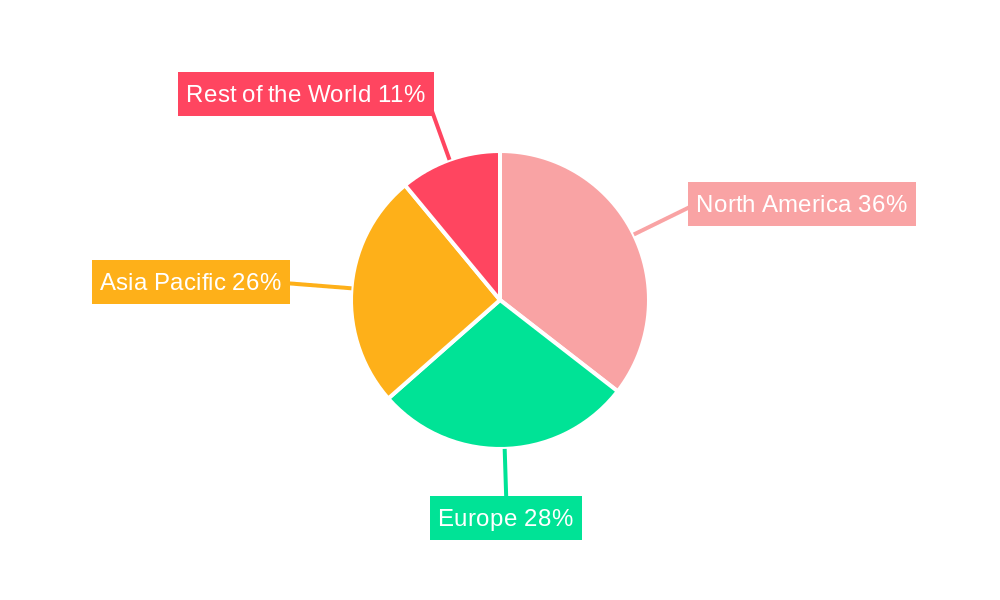
Tattoo Removal Industry Regional Market Share
Geographic Coverage of Tattoo Removal Industry
Tattoo Removal Industry REPORT HIGHLIGHTS
| Aspects | Details |
|---|---|
| Study Period | 2020-2034 |
| Base Year | 2025 |
| Estimated Year | 2026 |
| Forecast Period | 2026-2034 |
| Historical Period | 2020-2025 |
| Growth Rate | CAGR of 10.26% from 2020-2034 |
| Segmentation |
|
Table of Contents
- 1. Introduction
- 1.1. Research Scope
- 1.2. Market Segmentation
- 1.3. Research Methodology
- 1.4. Definitions and Assumptions
- 2. Executive Summary
- 2.1. Introduction
- 3. Market Dynamics
- 3.1. Introduction
- 3.2. Market Drivers
- 3.2.1. Employment Policies Refraining Tattoos; Changes in Lifestyles and Trends; Increasing Errors in Digital Body Sensing Devices Leading to Incorrect Results
- 3.3. Market Restrains
- 3.3.1. Excessive Cost Of The Procedures; Side Effects of Tattoo Removal
- 3.4. Market Trends
- 3.4.1. Laser Devices Segment is Expected to Hold a Significant Market Growth Over the Forecast Period
- 4. Market Factor Analysis
- 4.1. Porters Five Forces
- 4.2. Supply/Value Chain
- 4.3. PESTEL analysis
- 4.4. Market Entropy
- 4.5. Patent/Trademark Analysis
- 5. Global Tattoo Removal Industry Analysis, Insights and Forecast, 2020-2032
- 5.1. Market Analysis, Insights and Forecast - by Device
- 5.1.1. Laser
- 5.1.2. Radiofrequency
- 5.1.3. Other Devices
- 5.2. Market Analysis, Insights and Forecast - by End User
- 5.2.1. Hospitals and Laser Centers
- 5.2.2. Dermatology Clinics
- 5.3. Market Analysis, Insights and Forecast - by Region
- 5.3.1. North America
- 5.3.2. Europe
- 5.3.3. Asia Pacific
- 5.3.4. Rest of the World
- 5.1. Market Analysis, Insights and Forecast - by Device
- 6. North America Tattoo Removal Industry Analysis, Insights and Forecast, 2020-2032
- 6.1. Market Analysis, Insights and Forecast - by Device
- 6.1.1. Laser
- 6.1.2. Radiofrequency
- 6.1.3. Other Devices
- 6.2. Market Analysis, Insights and Forecast - by End User
- 6.2.1. Hospitals and Laser Centers
- 6.2.2. Dermatology Clinics
- 6.1. Market Analysis, Insights and Forecast - by Device
- 7. Europe Tattoo Removal Industry Analysis, Insights and Forecast, 2020-2032
- 7.1. Market Analysis, Insights and Forecast - by Device
- 7.1.1. Laser
- 7.1.2. Radiofrequency
- 7.1.3. Other Devices
- 7.2. Market Analysis, Insights and Forecast - by End User
- 7.2.1. Hospitals and Laser Centers
- 7.2.2. Dermatology Clinics
- 7.1. Market Analysis, Insights and Forecast - by Device
- 8. Asia Pacific Tattoo Removal Industry Analysis, Insights and Forecast, 2020-2032
- 8.1. Market Analysis, Insights and Forecast - by Device
- 8.1.1. Laser
- 8.1.2. Radiofrequency
- 8.1.3. Other Devices
- 8.2. Market Analysis, Insights and Forecast - by End User
- 8.2.1. Hospitals and Laser Centers
- 8.2.2. Dermatology Clinics
- 8.1. Market Analysis, Insights and Forecast - by Device
- 9. Rest of the World Tattoo Removal Industry Analysis, Insights and Forecast, 2020-2032
- 9.1. Market Analysis, Insights and Forecast - by Device
- 9.1.1. Laser
- 9.1.2. Radiofrequency
- 9.1.3. Other Devices
- 9.2. Market Analysis, Insights and Forecast - by End User
- 9.2.1. Hospitals and Laser Centers
- 9.2.2. Dermatology Clinics
- 9.1. Market Analysis, Insights and Forecast - by Device
- 10. Competitive Analysis
- 10.1. Global Market Share Analysis 2025
- 10.2. Company Profiles
- 10.2.1 Quanta System
- 10.2.1.1. Overview
- 10.2.1.2. Products
- 10.2.1.3. SWOT Analysis
- 10.2.1.4. Recent Developments
- 10.2.1.5. Financials (Based on Availability)
- 10.2.2 Lumenis Ltd
- 10.2.2.1. Overview
- 10.2.2.2. Products
- 10.2.2.3. SWOT Analysis
- 10.2.2.4. Recent Developments
- 10.2.2.5. Financials (Based on Availability)
- 10.2.3 Lutronic Corporation
- 10.2.3.1. Overview
- 10.2.3.2. Products
- 10.2.3.3. SWOT Analysis
- 10.2.3.4. Recent Developments
- 10.2.3.5. Financials (Based on Availability)
- 10.2.4 Fotona
- 10.2.4.1. Overview
- 10.2.4.2. Products
- 10.2.4.3. SWOT Analysis
- 10.2.4.4. Recent Developments
- 10.2.4.5. Financials (Based on Availability)
- 10.2.5 Candela Laser Corporation
- 10.2.5.1. Overview
- 10.2.5.2. Products
- 10.2.5.3. SWOT Analysis
- 10.2.5.4. Recent Developments
- 10.2.5.5. Financials (Based on Availability)
- 10.2.6 Syneron Medical Ltd
- 10.2.6.1. Overview
- 10.2.6.2. Products
- 10.2.6.3. SWOT Analysis
- 10.2.6.4. Recent Developments
- 10.2.6.5. Financials (Based on Availability)
- 10.2.7 Cutera Inc
- 10.2.7.1. Overview
- 10.2.7.2. Products
- 10.2.7.3. SWOT Analysis
- 10.2.7.4. Recent Developments
- 10.2.7.5. Financials (Based on Availability)
- 10.2.8 Eclipse Lasers Ltd
- 10.2.8.1. Overview
- 10.2.8.2. Products
- 10.2.8.3. SWOT Analysis
- 10.2.8.4. Recent Developments
- 10.2.8.5. Financials (Based on Availability)
- 10.2.9 Astanza
- 10.2.9.1. Overview
- 10.2.9.2. Products
- 10.2.9.3. SWOT Analysis
- 10.2.9.4. Recent Developments
- 10.2.9.5. Financials (Based on Availability)
- 10.2.10 EL En SpA
- 10.2.10.1. Overview
- 10.2.10.2. Products
- 10.2.10.3. SWOT Analysis
- 10.2.10.4. Recent Developments
- 10.2.10.5. Financials (Based on Availability)
- 10.2.11 Hologic Inc (CynoSure Inc )
- 10.2.11.1. Overview
- 10.2.11.2. Products
- 10.2.11.3. SWOT Analysis
- 10.2.11.4. Recent Developments
- 10.2.11.5. Financials (Based on Availability)
- 10.2.12 Alma Lasers Ltd
- 10.2.12.1. Overview
- 10.2.12.2. Products
- 10.2.12.3. SWOT Analysis
- 10.2.12.4. Recent Developments
- 10.2.12.5. Financials (Based on Availability)
- 10.2.13 Asclepion Laser Technologies GMBH
- 10.2.13.1. Overview
- 10.2.13.2. Products
- 10.2.13.3. SWOT Analysis
- 10.2.13.4. Recent Developments
- 10.2.13.5. Financials (Based on Availability)
- 10.2.1 Quanta System
List of Figures
- Figure 1: Global Tattoo Removal Industry Revenue Breakdown (undefined, %) by Region 2025 & 2033
- Figure 2: Global Tattoo Removal Industry Volume Breakdown (K Unit, %) by Region 2025 & 2033
- Figure 3: North America Tattoo Removal Industry Revenue (undefined), by Device 2025 & 2033
- Figure 4: North America Tattoo Removal Industry Volume (K Unit), by Device 2025 & 2033
- Figure 5: North America Tattoo Removal Industry Revenue Share (%), by Device 2025 & 2033
- Figure 6: North America Tattoo Removal Industry Volume Share (%), by Device 2025 & 2033
- Figure 7: North America Tattoo Removal Industry Revenue (undefined), by End User 2025 & 2033
- Figure 8: North America Tattoo Removal Industry Volume (K Unit), by End User 2025 & 2033
- Figure 9: North America Tattoo Removal Industry Revenue Share (%), by End User 2025 & 2033
- Figure 10: North America Tattoo Removal Industry Volume Share (%), by End User 2025 & 2033
- Figure 11: North America Tattoo Removal Industry Revenue (undefined), by Country 2025 & 2033
- Figure 12: North America Tattoo Removal Industry Volume (K Unit), by Country 2025 & 2033
- Figure 13: North America Tattoo Removal Industry Revenue Share (%), by Country 2025 & 2033
- Figure 14: North America Tattoo Removal Industry Volume Share (%), by Country 2025 & 2033
- Figure 15: Europe Tattoo Removal Industry Revenue (undefined), by Device 2025 & 2033
- Figure 16: Europe Tattoo Removal Industry Volume (K Unit), by Device 2025 & 2033
- Figure 17: Europe Tattoo Removal Industry Revenue Share (%), by Device 2025 & 2033
- Figure 18: Europe Tattoo Removal Industry Volume Share (%), by Device 2025 & 2033
- Figure 19: Europe Tattoo Removal Industry Revenue (undefined), by End User 2025 & 2033
- Figure 20: Europe Tattoo Removal Industry Volume (K Unit), by End User 2025 & 2033
- Figure 21: Europe Tattoo Removal Industry Revenue Share (%), by End User 2025 & 2033
- Figure 22: Europe Tattoo Removal Industry Volume Share (%), by End User 2025 & 2033
- Figure 23: Europe Tattoo Removal Industry Revenue (undefined), by Country 2025 & 2033
- Figure 24: Europe Tattoo Removal Industry Volume (K Unit), by Country 2025 & 2033
- Figure 25: Europe Tattoo Removal Industry Revenue Share (%), by Country 2025 & 2033
- Figure 26: Europe Tattoo Removal Industry Volume Share (%), by Country 2025 & 2033
- Figure 27: Asia Pacific Tattoo Removal Industry Revenue (undefined), by Device 2025 & 2033
- Figure 28: Asia Pacific Tattoo Removal Industry Volume (K Unit), by Device 2025 & 2033
- Figure 29: Asia Pacific Tattoo Removal Industry Revenue Share (%), by Device 2025 & 2033
- Figure 30: Asia Pacific Tattoo Removal Industry Volume Share (%), by Device 2025 & 2033
- Figure 31: Asia Pacific Tattoo Removal Industry Revenue (undefined), by End User 2025 & 2033
- Figure 32: Asia Pacific Tattoo Removal Industry Volume (K Unit), by End User 2025 & 2033
- Figure 33: Asia Pacific Tattoo Removal Industry Revenue Share (%), by End User 2025 & 2033
- Figure 34: Asia Pacific Tattoo Removal Industry Volume Share (%), by End User 2025 & 2033
- Figure 35: Asia Pacific Tattoo Removal Industry Revenue (undefined), by Country 2025 & 2033
- Figure 36: Asia Pacific Tattoo Removal Industry Volume (K Unit), by Country 2025 & 2033
- Figure 37: Asia Pacific Tattoo Removal Industry Revenue Share (%), by Country 2025 & 2033
- Figure 38: Asia Pacific Tattoo Removal Industry Volume Share (%), by Country 2025 & 2033
- Figure 39: Rest of the World Tattoo Removal Industry Revenue (undefined), by Device 2025 & 2033
- Figure 40: Rest of the World Tattoo Removal Industry Volume (K Unit), by Device 2025 & 2033
- Figure 41: Rest of the World Tattoo Removal Industry Revenue Share (%), by Device 2025 & 2033
- Figure 42: Rest of the World Tattoo Removal Industry Volume Share (%), by Device 2025 & 2033
- Figure 43: Rest of the World Tattoo Removal Industry Revenue (undefined), by End User 2025 & 2033
- Figure 44: Rest of the World Tattoo Removal Industry Volume (K Unit), by End User 2025 & 2033
- Figure 45: Rest of the World Tattoo Removal Industry Revenue Share (%), by End User 2025 & 2033
- Figure 46: Rest of the World Tattoo Removal Industry Volume Share (%), by End User 2025 & 2033
- Figure 47: Rest of the World Tattoo Removal Industry Revenue (undefined), by Country 2025 & 2033
- Figure 48: Rest of the World Tattoo Removal Industry Volume (K Unit), by Country 2025 & 2033
- Figure 49: Rest of the World Tattoo Removal Industry Revenue Share (%), by Country 2025 & 2033
- Figure 50: Rest of the World Tattoo Removal Industry Volume Share (%), by Country 2025 & 2033
List of Tables
- Table 1: Global Tattoo Removal Industry Revenue undefined Forecast, by Device 2020 & 2033
- Table 2: Global Tattoo Removal Industry Volume K Unit Forecast, by Device 2020 & 2033
- Table 3: Global Tattoo Removal Industry Revenue undefined Forecast, by End User 2020 & 2033
- Table 4: Global Tattoo Removal Industry Volume K Unit Forecast, by End User 2020 & 2033
- Table 5: Global Tattoo Removal Industry Revenue undefined Forecast, by Region 2020 & 2033
- Table 6: Global Tattoo Removal Industry Volume K Unit Forecast, by Region 2020 & 2033
- Table 7: Global Tattoo Removal Industry Revenue undefined Forecast, by Device 2020 & 2033
- Table 8: Global Tattoo Removal Industry Volume K Unit Forecast, by Device 2020 & 2033
- Table 9: Global Tattoo Removal Industry Revenue undefined Forecast, by End User 2020 & 2033
- Table 10: Global Tattoo Removal Industry Volume K Unit Forecast, by End User 2020 & 2033
- Table 11: Global Tattoo Removal Industry Revenue undefined Forecast, by Country 2020 & 2033
- Table 12: Global Tattoo Removal Industry Volume K Unit Forecast, by Country 2020 & 2033
- Table 13: United States Tattoo Removal Industry Revenue (undefined) Forecast, by Application 2020 & 2033
- Table 14: United States Tattoo Removal Industry Volume (K Unit) Forecast, by Application 2020 & 2033
- Table 15: Canada Tattoo Removal Industry Revenue (undefined) Forecast, by Application 2020 & 2033
- Table 16: Canada Tattoo Removal Industry Volume (K Unit) Forecast, by Application 2020 & 2033
- Table 17: Mexico Tattoo Removal Industry Revenue (undefined) Forecast, by Application 2020 & 2033
- Table 18: Mexico Tattoo Removal Industry Volume (K Unit) Forecast, by Application 2020 & 2033
- Table 19: Global Tattoo Removal Industry Revenue undefined Forecast, by Device 2020 & 2033
- Table 20: Global Tattoo Removal Industry Volume K Unit Forecast, by Device 2020 & 2033
- Table 21: Global Tattoo Removal Industry Revenue undefined Forecast, by End User 2020 & 2033
- Table 22: Global Tattoo Removal Industry Volume K Unit Forecast, by End User 2020 & 2033
- Table 23: Global Tattoo Removal Industry Revenue undefined Forecast, by Country 2020 & 2033
- Table 24: Global Tattoo Removal Industry Volume K Unit Forecast, by Country 2020 & 2033
- Table 25: Germany Tattoo Removal Industry Revenue (undefined) Forecast, by Application 2020 & 2033
- Table 26: Germany Tattoo Removal Industry Volume (K Unit) Forecast, by Application 2020 & 2033
- Table 27: United Kingdom Tattoo Removal Industry Revenue (undefined) Forecast, by Application 2020 & 2033
- Table 28: United Kingdom Tattoo Removal Industry Volume (K Unit) Forecast, by Application 2020 & 2033
- Table 29: France Tattoo Removal Industry Revenue (undefined) Forecast, by Application 2020 & 2033
- Table 30: France Tattoo Removal Industry Volume (K Unit) Forecast, by Application 2020 & 2033
- Table 31: Italy Tattoo Removal Industry Revenue (undefined) Forecast, by Application 2020 & 2033
- Table 32: Italy Tattoo Removal Industry Volume (K Unit) Forecast, by Application 2020 & 2033
- Table 33: Spain Tattoo Removal Industry Revenue (undefined) Forecast, by Application 2020 & 2033
- Table 34: Spain Tattoo Removal Industry Volume (K Unit) Forecast, by Application 2020 & 2033
- Table 35: Rest of Europe Tattoo Removal Industry Revenue (undefined) Forecast, by Application 2020 & 2033
- Table 36: Rest of Europe Tattoo Removal Industry Volume (K Unit) Forecast, by Application 2020 & 2033
- Table 37: Global Tattoo Removal Industry Revenue undefined Forecast, by Device 2020 & 2033
- Table 38: Global Tattoo Removal Industry Volume K Unit Forecast, by Device 2020 & 2033
- Table 39: Global Tattoo Removal Industry Revenue undefined Forecast, by End User 2020 & 2033
- Table 40: Global Tattoo Removal Industry Volume K Unit Forecast, by End User 2020 & 2033
- Table 41: Global Tattoo Removal Industry Revenue undefined Forecast, by Country 2020 & 2033
- Table 42: Global Tattoo Removal Industry Volume K Unit Forecast, by Country 2020 & 2033
- Table 43: China Tattoo Removal Industry Revenue (undefined) Forecast, by Application 2020 & 2033
- Table 44: China Tattoo Removal Industry Volume (K Unit) Forecast, by Application 2020 & 2033
- Table 45: Japan Tattoo Removal Industry Revenue (undefined) Forecast, by Application 2020 & 2033
- Table 46: Japan Tattoo Removal Industry Volume (K Unit) Forecast, by Application 2020 & 2033
- Table 47: India Tattoo Removal Industry Revenue (undefined) Forecast, by Application 2020 & 2033
- Table 48: India Tattoo Removal Industry Volume (K Unit) Forecast, by Application 2020 & 2033
- Table 49: Australia Tattoo Removal Industry Revenue (undefined) Forecast, by Application 2020 & 2033
- Table 50: Australia Tattoo Removal Industry Volume (K Unit) Forecast, by Application 2020 & 2033
- Table 51: South Korea Tattoo Removal Industry Revenue (undefined) Forecast, by Application 2020 & 2033
- Table 52: South Korea Tattoo Removal Industry Volume (K Unit) Forecast, by Application 2020 & 2033
- Table 53: Rest of Asia Pacific Tattoo Removal Industry Revenue (undefined) Forecast, by Application 2020 & 2033
- Table 54: Rest of Asia Pacific Tattoo Removal Industry Volume (K Unit) Forecast, by Application 2020 & 2033
- Table 55: Global Tattoo Removal Industry Revenue undefined Forecast, by Device 2020 & 2033
- Table 56: Global Tattoo Removal Industry Volume K Unit Forecast, by Device 2020 & 2033
- Table 57: Global Tattoo Removal Industry Revenue undefined Forecast, by End User 2020 & 2033
- Table 58: Global Tattoo Removal Industry Volume K Unit Forecast, by End User 2020 & 2033
- Table 59: Global Tattoo Removal Industry Revenue undefined Forecast, by Country 2020 & 2033
- Table 60: Global Tattoo Removal Industry Volume K Unit Forecast, by Country 2020 & 2033
Frequently Asked Questions
1. What is the projected Compound Annual Growth Rate (CAGR) of the Tattoo Removal Industry?
The projected CAGR is approximately 10.26%.
2. Which companies are prominent players in the Tattoo Removal Industry?
Key companies in the market include Quanta System, Lumenis Ltd, Lutronic Corporation, Fotona, Candela Laser Corporation, Syneron Medical Ltd, Cutera Inc, Eclipse Lasers Ltd, Astanza, EL En SpA, Hologic Inc (CynoSure Inc ), Alma Lasers Ltd, Asclepion Laser Technologies GMBH.
3. What are the main segments of the Tattoo Removal Industry?
The market segments include Device, End User.
4. Can you provide details about the market size?
The market size is estimated to be USD XXX N/A as of 2022.
5. What are some drivers contributing to market growth?
Employment Policies Refraining Tattoos; Changes in Lifestyles and Trends; Increasing Errors in Digital Body Sensing Devices Leading to Incorrect Results.
6. What are the notable trends driving market growth?
Laser Devices Segment is Expected to Hold a Significant Market Growth Over the Forecast Period.
7. Are there any restraints impacting market growth?
Excessive Cost Of The Procedures; Side Effects of Tattoo Removal.
8. Can you provide examples of recent developments in the market?
In March 2022, Delete Tattoo Removal & Medical Salon launched a new method called the Delete Method. This special laser minimizes common side effects of other laser tattoo removal technology, like scarring, skin lightening, burns, and skin darkening.
9. What pricing options are available for accessing the report?
Pricing options include single-user, multi-user, and enterprise licenses priced at USD 4750, USD 5250, and USD 8750 respectively.
10. Is the market size provided in terms of value or volume?
The market size is provided in terms of value, measured in N/A and volume, measured in K Unit.
11. Are there any specific market keywords associated with the report?
Yes, the market keyword associated with the report is "Tattoo Removal Industry," which aids in identifying and referencing the specific market segment covered.
12. How do I determine which pricing option suits my needs best?
The pricing options vary based on user requirements and access needs. Individual users may opt for single-user licenses, while businesses requiring broader access may choose multi-user or enterprise licenses for cost-effective access to the report.
13. Are there any additional resources or data provided in the Tattoo Removal Industry report?
While the report offers comprehensive insights, it's advisable to review the specific contents or supplementary materials provided to ascertain if additional resources or data are available.
14. How can I stay updated on further developments or reports in the Tattoo Removal Industry?
To stay informed about further developments, trends, and reports in the Tattoo Removal Industry, consider subscribing to industry newsletters, following relevant companies and organizations, or regularly checking reputable industry news sources and publications.
Methodology
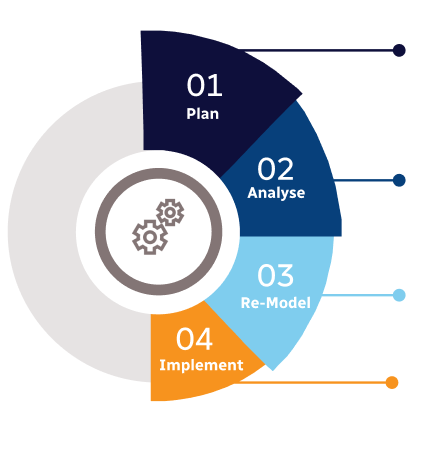
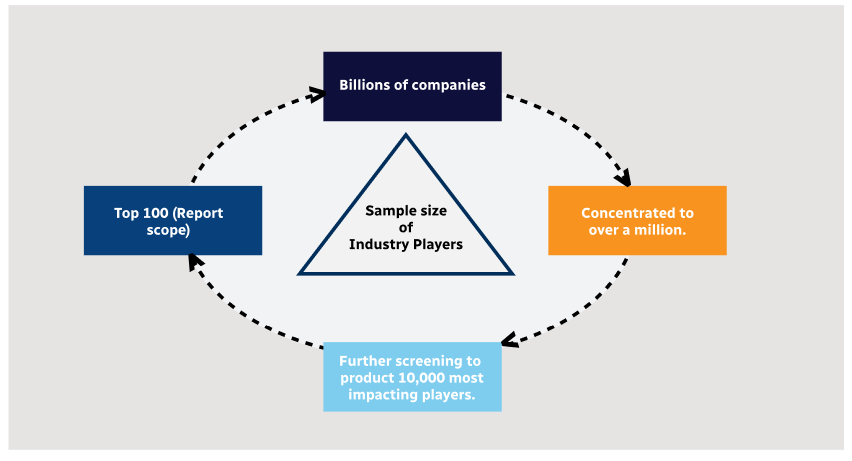
Step 1 - Identification of Relevant Samples Size from Population Database
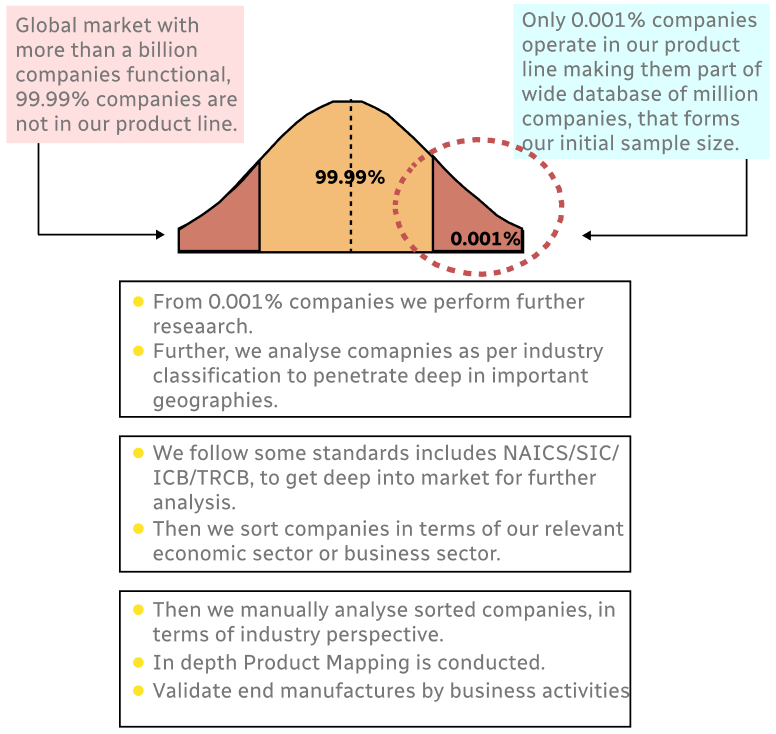
Step 2 - Approaches for Defining Global Market Size (Value, Volume* & Price*)
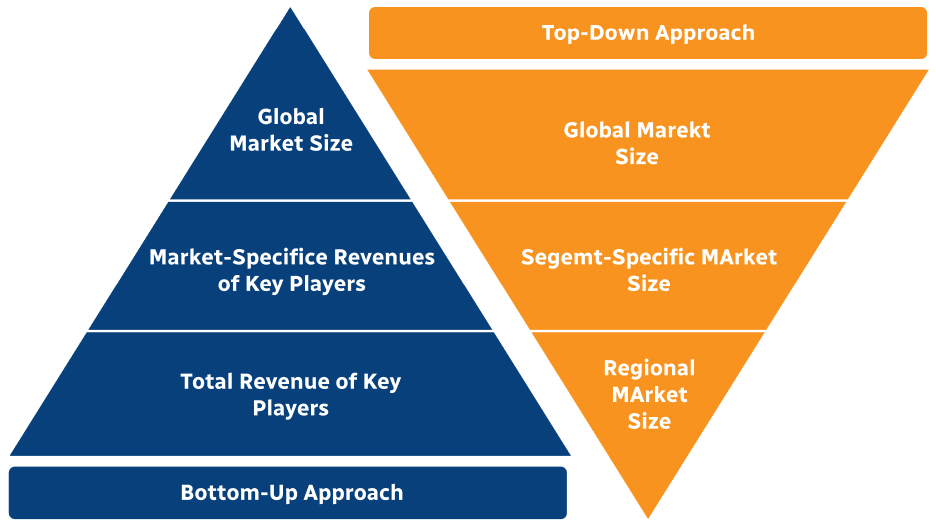
Note*: In applicable scenarios
Step 3 - Data Sources
Primary Research
- Web Analytics
- Survey Reports
- Research Institute
- Latest Research Reports
- Opinion Leaders
Secondary Research
- Annual Reports
- White Paper
- Latest Press Release
- Industry Association
- Paid Database
- Investor Presentations
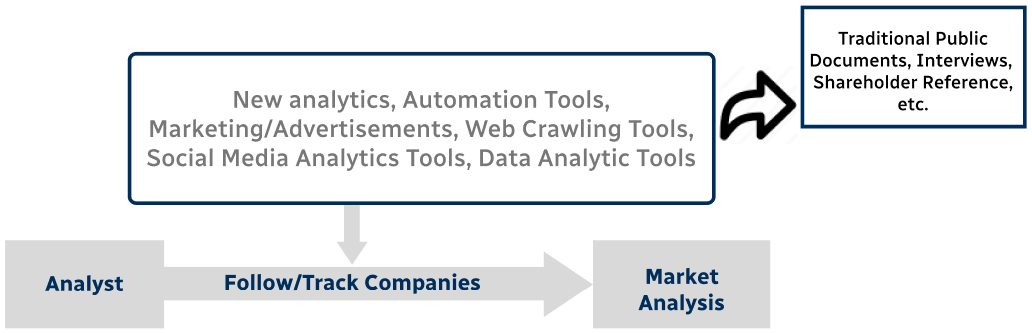
Step 4 - Data Triangulation
Involves using different sources of information in order to increase the validity of a study
These sources are likely to be stakeholders in a program - participants, other researchers, program staff, other community members, and so on.
Then we put all data in single framework & apply various statistical tools to find out the dynamic on the market.
During the analysis stage, feedback from the stakeholder groups would be compared to determine areas of agreement as well as areas of divergence