
Key Insights
The market for BRAF inhibitor drugs targeting non-small cell lung cancer (NSCLC) is experiencing robust growth, driven by increasing prevalence of BRAF-mutated NSCLC, advancements in targeted therapies, and rising healthcare expenditure globally. While precise market sizing data is unavailable, considering the significant advancements in oncology and the high cost of targeted therapies, we can project a market valued at approximately $1.5 billion in 2025. A compound annual growth rate (CAGR) of 15% over the forecast period (2025-2033) seems realistic, fueled by ongoing research into novel BRAF inhibitors with improved efficacy and safety profiles, along with the potential for combination therapies. This growth trajectory is also influenced by an expanding understanding of the disease's genetic landscape and improved diagnostic capabilities enabling earlier and more accurate identification of BRAF mutations. Key players like BeiGene and Novartis, alongside emerging biotech companies, are actively involved in developing and commercializing these therapies, contributing to market competitiveness and innovation.

targeted drug braf inhibitors for nsclc Market Size (In Billion)

However, several factors could restrain market growth. High treatment costs remain a significant barrier, particularly in regions with limited healthcare infrastructure. Furthermore, the emergence of drug resistance remains a major challenge, necessitating the development of next-generation BRAF inhibitors and combination strategies. The efficacy of existing BRAF inhibitors varies among patients, influencing the overall market penetration and necessitating ongoing clinical research for improved patient selection and treatment strategies. Regulatory hurdles and reimbursement complexities also pose challenges to the widespread adoption of these therapies. Despite these challenges, the market is expected to expand steadily, driven by the unmet need for effective treatments and continuous advancements in targeted cancer therapies.
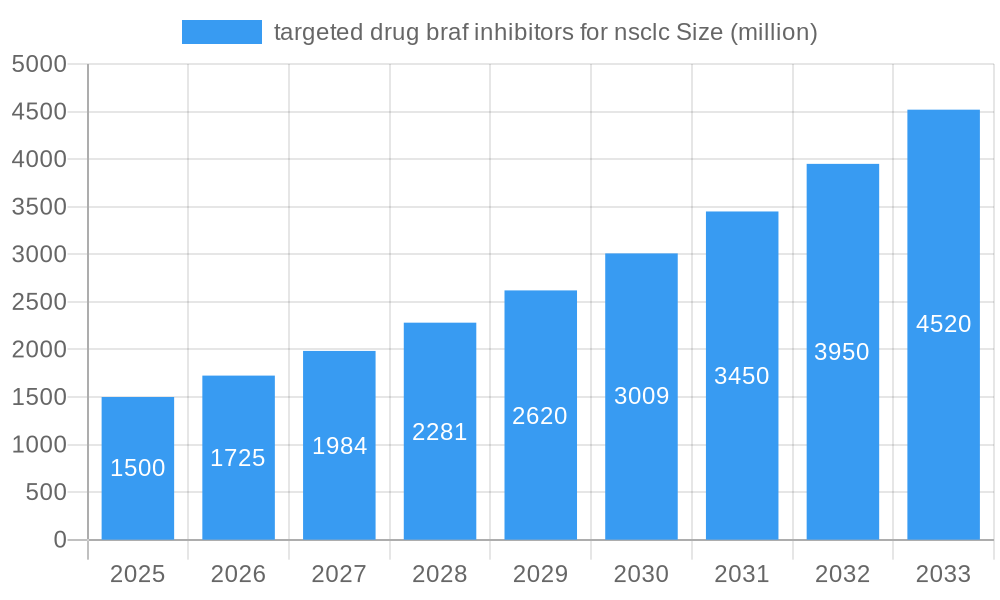
targeted drug braf inhibitors for nsclc Company Market Share
Targeted Drug BRAF Inhibitors for NSCLC Market Report: 2019-2033
This comprehensive report provides a detailed analysis of the targeted drug BRAF inhibitors market for Non-Small Cell Lung Cancer (NSCLC), offering invaluable insights for industry professionals, investors, and researchers. The report covers the period 2019-2033, with a base year of 2025 and a forecast period of 2025-2033. The study analyzes market dynamics, growth trends, regional dominance, product landscape, key players (including BeiGene and Novartis), and future opportunities within this rapidly evolving segment of the oncology market. The parent market is the broader NSCLC therapeutics market, while the child market is specifically targeted BRAF inhibitor therapies. The total market size in 2025 is estimated at $XX million.
Targeted Drug BRAF Inhibitors for NSCLC Market Dynamics & Structure
The NSCLC targeted BRAF inhibitor market is characterized by moderate concentration, with a few key players holding significant market share. Technological innovation, particularly in precision medicine and targeted therapies, is a key driver. Stringent regulatory frameworks, including FDA approvals and clinical trial requirements, heavily influence market entry and growth. Competitive pressures arise from alternative treatment options and the emergence of novel therapies. M&A activity in the pharmaceutical sector has played a role in shaping the market landscape, with larger players acquiring smaller biotech companies possessing promising BRAF inhibitor candidates. The end-user demographic primarily comprises patients diagnosed with BRAF-mutated NSCLC.
- Market Concentration: Moderately concentrated, with top 3 players holding approximately XX% market share in 2025.
- Technological Innovation: Focus on developing next-generation BRAF inhibitors with improved efficacy and reduced side effects.
- Regulatory Landscape: Stringent regulatory pathways and approvals significantly impact market entry timelines.
- Competitive Substitutes: Other targeted therapies, immunotherapy, and chemotherapy pose competitive challenges.
- M&A Activity: XX M&A deals in the BRAF inhibitor space between 2019-2024, with an estimated value of $XX million.
- Innovation Barriers: High R&D costs and lengthy clinical trial processes represent significant hurdles.
Targeted Drug BRAF Inhibitors for NSCLC Growth Trends & Insights
The global market for targeted BRAF inhibitors in NSCLC is experiencing robust growth, driven by increasing prevalence of BRAF mutations in NSCLC patients, rising awareness of targeted therapies, and advancements in drug development. The market size is projected to expand at a CAGR of XX% during the forecast period (2025-2033), reaching an estimated $XX million by 2033. Market penetration is increasing steadily, as more oncologists adopt BRAF inhibitors as a first-line or subsequent-line treatment option for suitable patients. Technological disruptions, such as the development of novel drug conjugates and combination therapies, further fuel market growth. Shifting consumer behavior towards personalized medicine also contributes to the increasing adoption of targeted therapies.
Dominant Regions, Countries, or Segments in Targeted Drug BRAF Inhibitors for NSCLC
North America currently holds the largest market share in targeted BRAF inhibitors for NSCLC, driven by high healthcare expenditure, advanced healthcare infrastructure, and early adoption of novel therapies. However, Asia-Pacific is poised for significant growth, fueled by rising healthcare spending, increasing incidence of NSCLC, and growing awareness of targeted therapies. The segment of patients with specific BRAF mutations (e.g., V600E) also demonstrates higher growth potential due to better response rates to targeted BRAF inhibitors.
- North America: High market share due to advanced healthcare infrastructure and early adoption.
- Europe: Steady growth driven by increasing healthcare spending and technological advancements.
- Asia-Pacific: Rapid growth potential fueled by rising incidence of NSCLC and increasing healthcare expenditure.
- Key Drivers: Rising prevalence of BRAF-mutated NSCLC, increased healthcare spending, and supportive government policies.
Targeted Drug BRAF Inhibitors for NSCLC Product Landscape
The product landscape comprises various BRAF inhibitors with varying mechanisms of action, efficacy profiles, and side effect profiles. Innovations focus on improving drug delivery systems, enhancing efficacy, and reducing toxicity. Key features include improved bioavailability, targeted delivery to tumor cells, and combination therapies with other anticancer agents. The unique selling propositions often revolve around improved safety profiles and efficacy compared to existing therapies.
Key Drivers, Barriers & Challenges in Targeted Drug BRAF Inhibitors for NSCLC
Key Drivers: Increased prevalence of BRAF-mutated NSCLC, growing awareness and acceptance of targeted therapies, and technological advancements in drug development and delivery systems.
Challenges & Restraints: High drug costs, potential for drug resistance, side effects, and competition from alternative therapies, and complex regulatory pathways hindering faster approval of new BRAF inhibitors. Supply chain disruptions can also impact drug availability, negatively impacting market growth by XX%.
Emerging Opportunities in Targeted Drug BRAF Inhibitors for NSCLC
Emerging opportunities lie in the development of novel BRAF inhibitors targeting resistant mutations, combination therapies with immunotherapy, and personalized medicine approaches based on genetic profiling. Untapped markets in developing countries also present substantial growth potential.
Growth Accelerators in the Targeted Drug BRAF Inhibitors for NSCLC Industry
Technological advancements, such as the development of next-generation BRAF inhibitors with improved selectivity and efficacy, are key growth drivers. Strategic partnerships and collaborations between pharmaceutical companies and research institutions facilitate faster drug development and market entry. Expansion into untapped markets and the development of combination therapies further accelerate market growth.
Notable Milestones in Targeted Drug BRAF Inhibitors for NSCLC Sector
- 2020-Q4: FDA approval of [Drug Name] for BRAF-mutated NSCLC.
- 2022-Q1: Launch of [Drug Name] in major European markets.
- 2023-Q3: Initiation of Phase III clinical trial for [Drug Name] in combination with [other drug].
In-Depth Targeted Drug BRAF Inhibitors for NSCLC Market Outlook
The future of the targeted BRAF inhibitors market for NSCLC looks promising, driven by continuous innovation, increasing market penetration, and expansion into new geographic regions. Strategic partnerships, development of novel drug combinations, and personalized medicine approaches will shape market dynamics. The market is expected to witness substantial growth, driven by the unmet medical needs of patients with BRAF-mutated NSCLC.
targeted drug braf inhibitors for nsclc Segmentation
-
1. Application
- 1.1. Squamous Cell Carcinoma of NSCLC
- 1.2. Adenocarcinoma of NSCLC
- 1.3. Large Cell Carcinoma of NSCLC
-
2. Types
- 2.1. Dabrafenib
- 2.2. Trametinib
- 2.3. Lifirafenib
- 2.4. Others
targeted drug braf inhibitors for nsclc Segmentation By Geography
-
1. North America
- 1.1. United States
- 1.2. Canada
- 1.3. Mexico
-
2. South America
- 2.1. Brazil
- 2.2. Argentina
- 2.3. Rest of South America
-
3. Europe
- 3.1. United Kingdom
- 3.2. Germany
- 3.3. France
- 3.4. Italy
- 3.5. Spain
- 3.6. Russia
- 3.7. Benelux
- 3.8. Nordics
- 3.9. Rest of Europe
-
4. Middle East & Africa
- 4.1. Turkey
- 4.2. Israel
- 4.3. GCC
- 4.4. North Africa
- 4.5. South Africa
- 4.6. Rest of Middle East & Africa
-
5. Asia Pacific
- 5.1. China
- 5.2. India
- 5.3. Japan
- 5.4. South Korea
- 5.5. ASEAN
- 5.6. Oceania
- 5.7. Rest of Asia Pacific
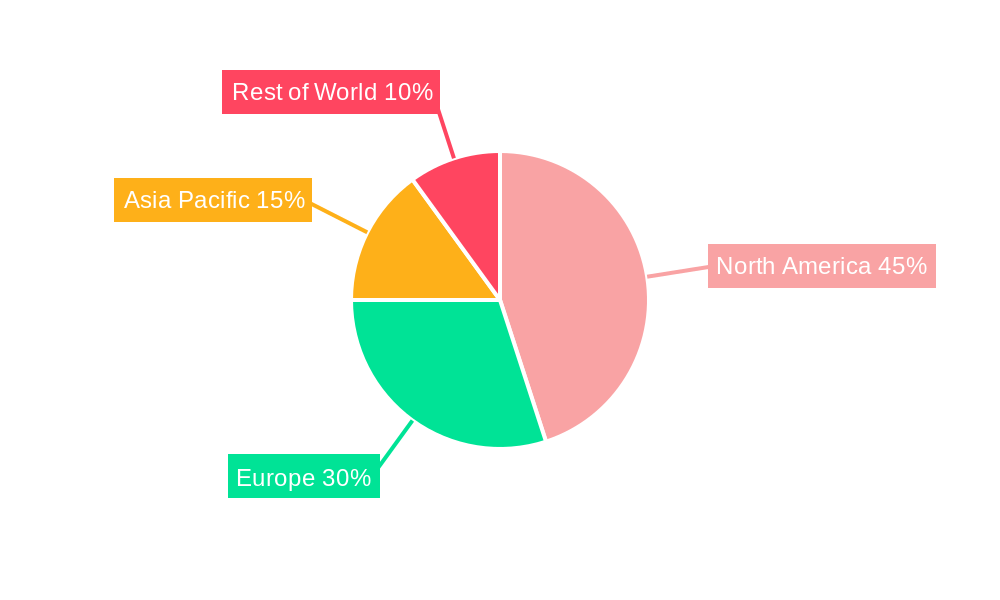
targeted drug braf inhibitors for nsclc Regional Market Share
Geographic Coverage of targeted drug braf inhibitors for nsclc
targeted drug braf inhibitors for nsclc REPORT HIGHLIGHTS
| Aspects | Details |
|---|---|
| Study Period | 2020-2034 |
| Base Year | 2025 |
| Estimated Year | 2026 |
| Forecast Period | 2026-2034 |
| Historical Period | 2020-2025 |
| Growth Rate | CAGR of 12.31% from 2020-2034 |
| Segmentation |
|
Table of Contents
- 1. Introduction
- 1.1. Research Scope
- 1.2. Market Segmentation
- 1.3. Research Methodology
- 1.4. Definitions and Assumptions
- 2. Executive Summary
- 2.1. Introduction
- 3. Market Dynamics
- 3.1. Introduction
- 3.2. Market Drivers
- 3.3. Market Restrains
- 3.4. Market Trends
- 4. Market Factor Analysis
- 4.1. Porters Five Forces
- 4.2. Supply/Value Chain
- 4.3. PESTEL analysis
- 4.4. Market Entropy
- 4.5. Patent/Trademark Analysis
- 5. Global targeted drug braf inhibitors for nsclc Analysis, Insights and Forecast, 2020-2032
- 5.1. Market Analysis, Insights and Forecast - by Application
- 5.1.1. Squamous Cell Carcinoma of NSCLC
- 5.1.2. Adenocarcinoma of NSCLC
- 5.1.3. Large Cell Carcinoma of NSCLC
- 5.2. Market Analysis, Insights and Forecast - by Types
- 5.2.1. Dabrafenib
- 5.2.2. Trametinib
- 5.2.3. Lifirafenib
- 5.2.4. Others
- 5.3. Market Analysis, Insights and Forecast - by Region
- 5.3.1. North America
- 5.3.2. South America
- 5.3.3. Europe
- 5.3.4. Middle East & Africa
- 5.3.5. Asia Pacific
- 5.1. Market Analysis, Insights and Forecast - by Application
- 6. North America targeted drug braf inhibitors for nsclc Analysis, Insights and Forecast, 2020-2032
- 6.1. Market Analysis, Insights and Forecast - by Application
- 6.1.1. Squamous Cell Carcinoma of NSCLC
- 6.1.2. Adenocarcinoma of NSCLC
- 6.1.3. Large Cell Carcinoma of NSCLC
- 6.2. Market Analysis, Insights and Forecast - by Types
- 6.2.1. Dabrafenib
- 6.2.2. Trametinib
- 6.2.3. Lifirafenib
- 6.2.4. Others
- 6.1. Market Analysis, Insights and Forecast - by Application
- 7. South America targeted drug braf inhibitors for nsclc Analysis, Insights and Forecast, 2020-2032
- 7.1. Market Analysis, Insights and Forecast - by Application
- 7.1.1. Squamous Cell Carcinoma of NSCLC
- 7.1.2. Adenocarcinoma of NSCLC
- 7.1.3. Large Cell Carcinoma of NSCLC
- 7.2. Market Analysis, Insights and Forecast - by Types
- 7.2.1. Dabrafenib
- 7.2.2. Trametinib
- 7.2.3. Lifirafenib
- 7.2.4. Others
- 7.1. Market Analysis, Insights and Forecast - by Application
- 8. Europe targeted drug braf inhibitors for nsclc Analysis, Insights and Forecast, 2020-2032
- 8.1. Market Analysis, Insights and Forecast - by Application
- 8.1.1. Squamous Cell Carcinoma of NSCLC
- 8.1.2. Adenocarcinoma of NSCLC
- 8.1.3. Large Cell Carcinoma of NSCLC
- 8.2. Market Analysis, Insights and Forecast - by Types
- 8.2.1. Dabrafenib
- 8.2.2. Trametinib
- 8.2.3. Lifirafenib
- 8.2.4. Others
- 8.1. Market Analysis, Insights and Forecast - by Application
- 9. Middle East & Africa targeted drug braf inhibitors for nsclc Analysis, Insights and Forecast, 2020-2032
- 9.1. Market Analysis, Insights and Forecast - by Application
- 9.1.1. Squamous Cell Carcinoma of NSCLC
- 9.1.2. Adenocarcinoma of NSCLC
- 9.1.3. Large Cell Carcinoma of NSCLC
- 9.2. Market Analysis, Insights and Forecast - by Types
- 9.2.1. Dabrafenib
- 9.2.2. Trametinib
- 9.2.3. Lifirafenib
- 9.2.4. Others
- 9.1. Market Analysis, Insights and Forecast - by Application
- 10. Asia Pacific targeted drug braf inhibitors for nsclc Analysis, Insights and Forecast, 2020-2032
- 10.1. Market Analysis, Insights and Forecast - by Application
- 10.1.1. Squamous Cell Carcinoma of NSCLC
- 10.1.2. Adenocarcinoma of NSCLC
- 10.1.3. Large Cell Carcinoma of NSCLC
- 10.2. Market Analysis, Insights and Forecast - by Types
- 10.2.1. Dabrafenib
- 10.2.2. Trametinib
- 10.2.3. Lifirafenib
- 10.2.4. Others
- 10.1. Market Analysis, Insights and Forecast - by Application
- 11. Competitive Analysis
- 11.1. Global Market Share Analysis 2025
- 11.2. Company Profiles
- 11.2.1 BeiGene
- 11.2.1.1. Overview
- 11.2.1.2. Products
- 11.2.1.3. SWOT Analysis
- 11.2.1.4. Recent Developments
- 11.2.1.5. Financials (Based on Availability)
- 11.2.2 Novartis
- 11.2.2.1. Overview
- 11.2.2.2. Products
- 11.2.2.3. SWOT Analysis
- 11.2.2.4. Recent Developments
- 11.2.2.5. Financials (Based on Availability)
- 11.2.1 BeiGene
List of Figures
- Figure 1: Global targeted drug braf inhibitors for nsclc Revenue Breakdown (undefined, %) by Region 2025 & 2033
- Figure 2: North America targeted drug braf inhibitors for nsclc Revenue (undefined), by Application 2025 & 2033
- Figure 3: North America targeted drug braf inhibitors for nsclc Revenue Share (%), by Application 2025 & 2033
- Figure 4: North America targeted drug braf inhibitors for nsclc Revenue (undefined), by Types 2025 & 2033
- Figure 5: North America targeted drug braf inhibitors for nsclc Revenue Share (%), by Types 2025 & 2033
- Figure 6: North America targeted drug braf inhibitors for nsclc Revenue (undefined), by Country 2025 & 2033
- Figure 7: North America targeted drug braf inhibitors for nsclc Revenue Share (%), by Country 2025 & 2033
- Figure 8: South America targeted drug braf inhibitors for nsclc Revenue (undefined), by Application 2025 & 2033
- Figure 9: South America targeted drug braf inhibitors for nsclc Revenue Share (%), by Application 2025 & 2033
- Figure 10: South America targeted drug braf inhibitors for nsclc Revenue (undefined), by Types 2025 & 2033
- Figure 11: South America targeted drug braf inhibitors for nsclc Revenue Share (%), by Types 2025 & 2033
- Figure 12: South America targeted drug braf inhibitors for nsclc Revenue (undefined), by Country 2025 & 2033
- Figure 13: South America targeted drug braf inhibitors for nsclc Revenue Share (%), by Country 2025 & 2033
- Figure 14: Europe targeted drug braf inhibitors for nsclc Revenue (undefined), by Application 2025 & 2033
- Figure 15: Europe targeted drug braf inhibitors for nsclc Revenue Share (%), by Application 2025 & 2033
- Figure 16: Europe targeted drug braf inhibitors for nsclc Revenue (undefined), by Types 2025 & 2033
- Figure 17: Europe targeted drug braf inhibitors for nsclc Revenue Share (%), by Types 2025 & 2033
- Figure 18: Europe targeted drug braf inhibitors for nsclc Revenue (undefined), by Country 2025 & 2033
- Figure 19: Europe targeted drug braf inhibitors for nsclc Revenue Share (%), by Country 2025 & 2033
- Figure 20: Middle East & Africa targeted drug braf inhibitors for nsclc Revenue (undefined), by Application 2025 & 2033
- Figure 21: Middle East & Africa targeted drug braf inhibitors for nsclc Revenue Share (%), by Application 2025 & 2033
- Figure 22: Middle East & Africa targeted drug braf inhibitors for nsclc Revenue (undefined), by Types 2025 & 2033
- Figure 23: Middle East & Africa targeted drug braf inhibitors for nsclc Revenue Share (%), by Types 2025 & 2033
- Figure 24: Middle East & Africa targeted drug braf inhibitors for nsclc Revenue (undefined), by Country 2025 & 2033
- Figure 25: Middle East & Africa targeted drug braf inhibitors for nsclc Revenue Share (%), by Country 2025 & 2033
- Figure 26: Asia Pacific targeted drug braf inhibitors for nsclc Revenue (undefined), by Application 2025 & 2033
- Figure 27: Asia Pacific targeted drug braf inhibitors for nsclc Revenue Share (%), by Application 2025 & 2033
- Figure 28: Asia Pacific targeted drug braf inhibitors for nsclc Revenue (undefined), by Types 2025 & 2033
- Figure 29: Asia Pacific targeted drug braf inhibitors for nsclc Revenue Share (%), by Types 2025 & 2033
- Figure 30: Asia Pacific targeted drug braf inhibitors for nsclc Revenue (undefined), by Country 2025 & 2033
- Figure 31: Asia Pacific targeted drug braf inhibitors for nsclc Revenue Share (%), by Country 2025 & 2033
List of Tables
- Table 1: Global targeted drug braf inhibitors for nsclc Revenue undefined Forecast, by Application 2020 & 2033
- Table 2: Global targeted drug braf inhibitors for nsclc Revenue undefined Forecast, by Types 2020 & 2033
- Table 3: Global targeted drug braf inhibitors for nsclc Revenue undefined Forecast, by Region 2020 & 2033
- Table 4: Global targeted drug braf inhibitors for nsclc Revenue undefined Forecast, by Application 2020 & 2033
- Table 5: Global targeted drug braf inhibitors for nsclc Revenue undefined Forecast, by Types 2020 & 2033
- Table 6: Global targeted drug braf inhibitors for nsclc Revenue undefined Forecast, by Country 2020 & 2033
- Table 7: United States targeted drug braf inhibitors for nsclc Revenue (undefined) Forecast, by Application 2020 & 2033
- Table 8: Canada targeted drug braf inhibitors for nsclc Revenue (undefined) Forecast, by Application 2020 & 2033
- Table 9: Mexico targeted drug braf inhibitors for nsclc Revenue (undefined) Forecast, by Application 2020 & 2033
- Table 10: Global targeted drug braf inhibitors for nsclc Revenue undefined Forecast, by Application 2020 & 2033
- Table 11: Global targeted drug braf inhibitors for nsclc Revenue undefined Forecast, by Types 2020 & 2033
- Table 12: Global targeted drug braf inhibitors for nsclc Revenue undefined Forecast, by Country 2020 & 2033
- Table 13: Brazil targeted drug braf inhibitors for nsclc Revenue (undefined) Forecast, by Application 2020 & 2033
- Table 14: Argentina targeted drug braf inhibitors for nsclc Revenue (undefined) Forecast, by Application 2020 & 2033
- Table 15: Rest of South America targeted drug braf inhibitors for nsclc Revenue (undefined) Forecast, by Application 2020 & 2033
- Table 16: Global targeted drug braf inhibitors for nsclc Revenue undefined Forecast, by Application 2020 & 2033
- Table 17: Global targeted drug braf inhibitors for nsclc Revenue undefined Forecast, by Types 2020 & 2033
- Table 18: Global targeted drug braf inhibitors for nsclc Revenue undefined Forecast, by Country 2020 & 2033
- Table 19: United Kingdom targeted drug braf inhibitors for nsclc Revenue (undefined) Forecast, by Application 2020 & 2033
- Table 20: Germany targeted drug braf inhibitors for nsclc Revenue (undefined) Forecast, by Application 2020 & 2033
- Table 21: France targeted drug braf inhibitors for nsclc Revenue (undefined) Forecast, by Application 2020 & 2033
- Table 22: Italy targeted drug braf inhibitors for nsclc Revenue (undefined) Forecast, by Application 2020 & 2033
- Table 23: Spain targeted drug braf inhibitors for nsclc Revenue (undefined) Forecast, by Application 2020 & 2033
- Table 24: Russia targeted drug braf inhibitors for nsclc Revenue (undefined) Forecast, by Application 2020 & 2033
- Table 25: Benelux targeted drug braf inhibitors for nsclc Revenue (undefined) Forecast, by Application 2020 & 2033
- Table 26: Nordics targeted drug braf inhibitors for nsclc Revenue (undefined) Forecast, by Application 2020 & 2033
- Table 27: Rest of Europe targeted drug braf inhibitors for nsclc Revenue (undefined) Forecast, by Application 2020 & 2033
- Table 28: Global targeted drug braf inhibitors for nsclc Revenue undefined Forecast, by Application 2020 & 2033
- Table 29: Global targeted drug braf inhibitors for nsclc Revenue undefined Forecast, by Types 2020 & 2033
- Table 30: Global targeted drug braf inhibitors for nsclc Revenue undefined Forecast, by Country 2020 & 2033
- Table 31: Turkey targeted drug braf inhibitors for nsclc Revenue (undefined) Forecast, by Application 2020 & 2033
- Table 32: Israel targeted drug braf inhibitors for nsclc Revenue (undefined) Forecast, by Application 2020 & 2033
- Table 33: GCC targeted drug braf inhibitors for nsclc Revenue (undefined) Forecast, by Application 2020 & 2033
- Table 34: North Africa targeted drug braf inhibitors for nsclc Revenue (undefined) Forecast, by Application 2020 & 2033
- Table 35: South Africa targeted drug braf inhibitors for nsclc Revenue (undefined) Forecast, by Application 2020 & 2033
- Table 36: Rest of Middle East & Africa targeted drug braf inhibitors for nsclc Revenue (undefined) Forecast, by Application 2020 & 2033
- Table 37: Global targeted drug braf inhibitors for nsclc Revenue undefined Forecast, by Application 2020 & 2033
- Table 38: Global targeted drug braf inhibitors for nsclc Revenue undefined Forecast, by Types 2020 & 2033
- Table 39: Global targeted drug braf inhibitors for nsclc Revenue undefined Forecast, by Country 2020 & 2033
- Table 40: China targeted drug braf inhibitors for nsclc Revenue (undefined) Forecast, by Application 2020 & 2033
- Table 41: India targeted drug braf inhibitors for nsclc Revenue (undefined) Forecast, by Application 2020 & 2033
- Table 42: Japan targeted drug braf inhibitors for nsclc Revenue (undefined) Forecast, by Application 2020 & 2033
- Table 43: South Korea targeted drug braf inhibitors for nsclc Revenue (undefined) Forecast, by Application 2020 & 2033
- Table 44: ASEAN targeted drug braf inhibitors for nsclc Revenue (undefined) Forecast, by Application 2020 & 2033
- Table 45: Oceania targeted drug braf inhibitors for nsclc Revenue (undefined) Forecast, by Application 2020 & 2033
- Table 46: Rest of Asia Pacific targeted drug braf inhibitors for nsclc Revenue (undefined) Forecast, by Application 2020 & 2033
Frequently Asked Questions
1. What is the projected Compound Annual Growth Rate (CAGR) of the targeted drug braf inhibitors for nsclc?
The projected CAGR is approximately 12.31%.
2. Which companies are prominent players in the targeted drug braf inhibitors for nsclc?
Key companies in the market include BeiGene, Novartis.
3. What are the main segments of the targeted drug braf inhibitors for nsclc?
The market segments include Application, Types.
4. Can you provide details about the market size?
The market size is estimated to be USD XXX N/A as of 2022.
5. What are some drivers contributing to market growth?
N/A
6. What are the notable trends driving market growth?
N/A
7. Are there any restraints impacting market growth?
N/A
8. Can you provide examples of recent developments in the market?
N/A
9. What pricing options are available for accessing the report?
Pricing options include single-user, multi-user, and enterprise licenses priced at USD 4350.00, USD 6525.00, and USD 8700.00 respectively.
10. Is the market size provided in terms of value or volume?
The market size is provided in terms of value, measured in N/A.
11. Are there any specific market keywords associated with the report?
Yes, the market keyword associated with the report is "targeted drug braf inhibitors for nsclc," which aids in identifying and referencing the specific market segment covered.
12. How do I determine which pricing option suits my needs best?
The pricing options vary based on user requirements and access needs. Individual users may opt for single-user licenses, while businesses requiring broader access may choose multi-user or enterprise licenses for cost-effective access to the report.
13. Are there any additional resources or data provided in the targeted drug braf inhibitors for nsclc report?
While the report offers comprehensive insights, it's advisable to review the specific contents or supplementary materials provided to ascertain if additional resources or data are available.
14. How can I stay updated on further developments or reports in the targeted drug braf inhibitors for nsclc?
To stay informed about further developments, trends, and reports in the targeted drug braf inhibitors for nsclc, consider subscribing to industry newsletters, following relevant companies and organizations, or regularly checking reputable industry news sources and publications.
Methodology
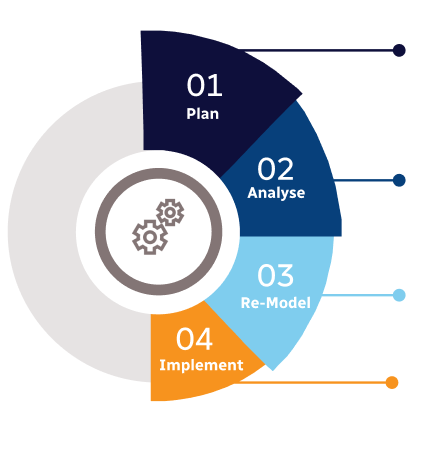
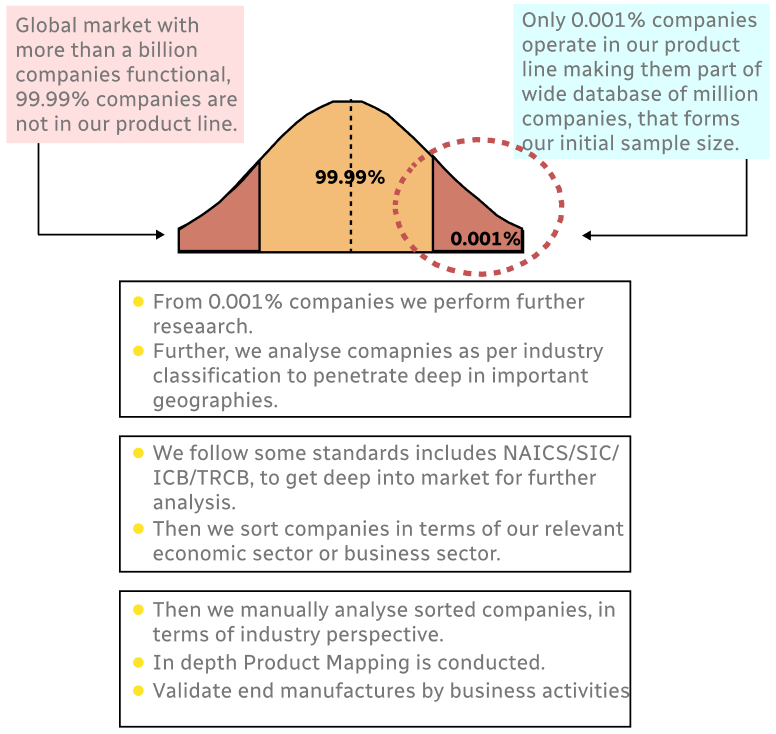
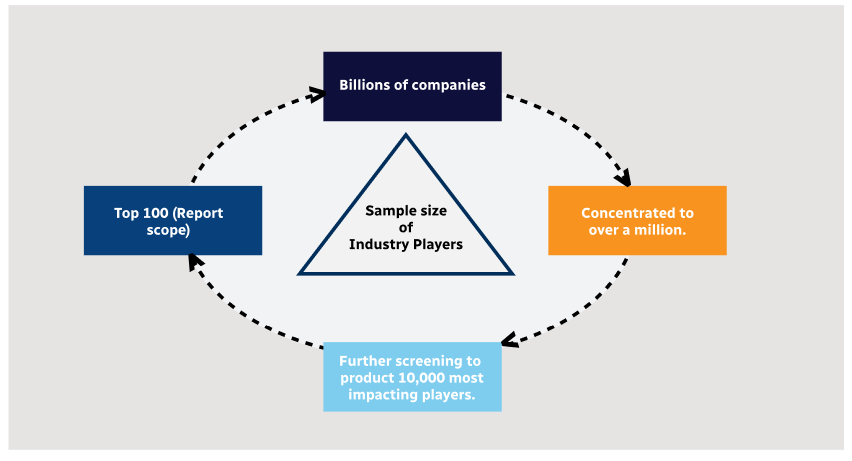
Step 1 - Identification of Relevant Samples Size from Population Database
Step 2 - Approaches for Defining Global Market Size (Value, Volume* & Price*)
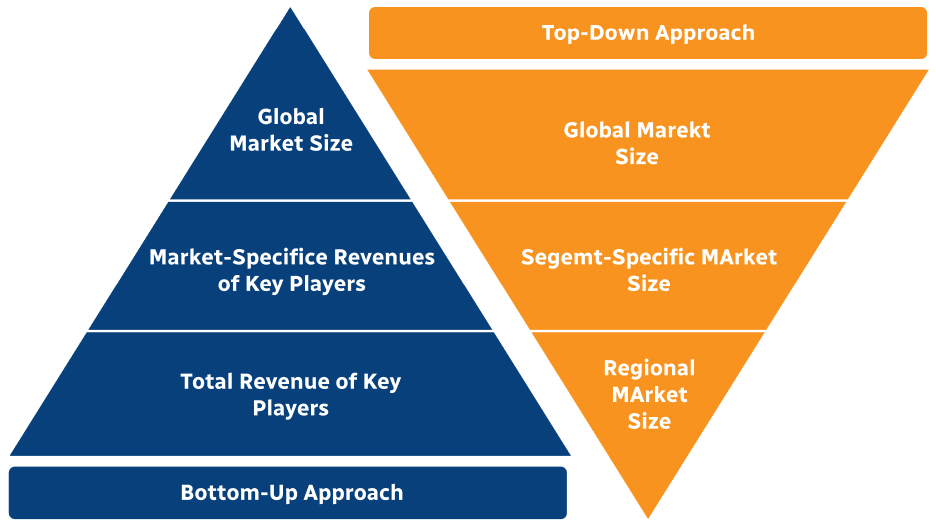
Note*: In applicable scenarios
Step 3 - Data Sources
Primary Research
- Web Analytics
- Survey Reports
- Research Institute
- Latest Research Reports
- Opinion Leaders
Secondary Research
- Annual Reports
- White Paper
- Latest Press Release
- Industry Association
- Paid Database
- Investor Presentations
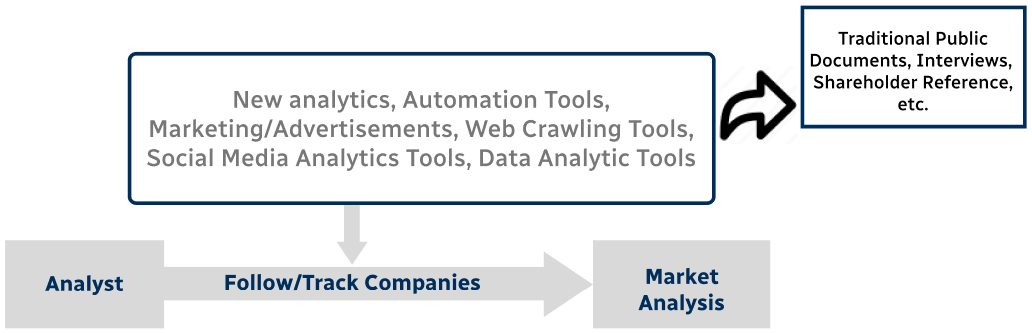
Step 4 - Data Triangulation
Involves using different sources of information in order to increase the validity of a study
These sources are likely to be stakeholders in a program - participants, other researchers, program staff, other community members, and so on.
Then we put all data in single framework & apply various statistical tools to find out the dynamic on the market.
During the analysis stage, feedback from the stakeholder groups would be compared to determine areas of agreement as well as areas of divergence