


Key Insights
The global Sleep Industry is experiencing robust growth, projected to reach a substantial market size and expand at a Compound Annual Growth Rate (CAGR) of 7.10% from 2019 to 2033. This expansion is fueled by a confluence of factors, including increasing awareness of sleep's critical role in overall health and well-being, a growing prevalence of sleep disorders such as insomnia and sleep apnea, and advancements in sleep technology and therapeutic solutions. The market encompasses a diverse range of segments, from essential products like mattresses and pillows to sophisticated sleep laboratory services and pharmaceutical interventions. Technological innovations, particularly in wearable sleep trackers and advanced CPAP machines, are driving consumer adoption and improving treatment outcomes. Furthermore, a significant surge in demand for non-pharmacological solutions and personalized sleep management strategies underscores a fundamental shift in how individuals approach their sleep health. The industry's trajectory is also being shaped by a growing understanding of the economic and societal costs associated with poor sleep, prompting greater investment in research, development, and public health initiatives aimed at promoting better sleep hygiene and addressing sleep-related health concerns.
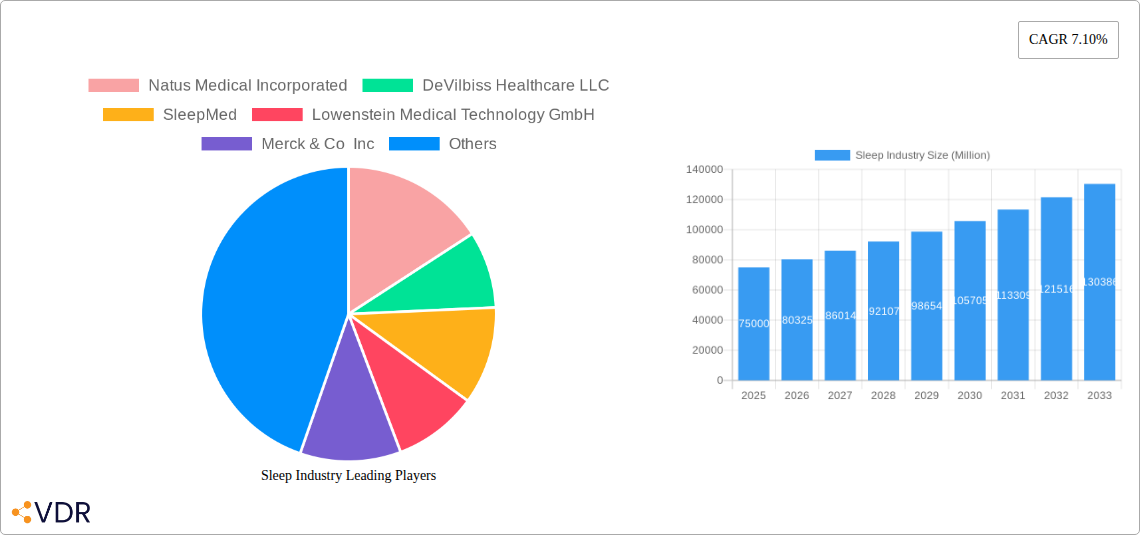
Sleep Industry Market Size (In Billion)

The projected market size, valued in the millions, reflects the substantial economic impact of the sleep sector. Key drivers for this growth include rising disposable incomes in emerging economies, leading to increased consumer spending on premium sleep products and services. The aging global population also contributes significantly, as older adults are more susceptible to sleep disturbances. Conversely, challenges such as the high cost of advanced sleep diagnostic equipment and treatment for certain sleep disorders, coupled with a lack of widespread insurance coverage in some regions, may present some restraints. However, the overarching trend points towards a market increasingly characterized by personalized sleep solutions, smart home integration for optimized sleep environments, and a greater emphasis on preventative sleep health. Major players in this dynamic landscape are actively engaged in research and development, strategic partnerships, and mergers and acquisitions to capture a larger market share and innovate within this expanding domain, highlighting a competitive yet collaborative environment focused on improving global sleep quality.

Sleep Industry Company Market Share
Sleep Industry Market Dynamics & Structure
The global sleep industry is a rapidly evolving sector characterized by increasing awareness of sleep's impact on overall health and well-being. Market concentration varies across segments, with mature markets like mattresses and pillows exhibiting moderate consolidation, while emerging segments such as advanced sleep technology and personalized sleep solutions are witnessing more dynamic shifts. Technological innovation is a primary driver, fueled by advancements in wearable devices, AI-driven sleep analysis, and therapeutic interventions. Regulatory frameworks, particularly concerning medical-grade sleep devices and pharmaceutical treatments for sleep disorders, play a crucial role in shaping market entry and product development. Competitive product substitutes are abundant, ranging from traditional sleep aids to novel digital therapeutics. End-user demographics are expanding, with a growing emphasis on preventative health and wellness among millennials and Gen Z, alongside an aging population experiencing age-related sleep disturbances. Mergers and acquisitions (M&A) trends indicate strategic consolidation aimed at expanding product portfolios and market reach.
- Market Concentration: High in traditional segments (mattresses, pillows), moderate in sleep disorder treatments, and fragmented in advanced sleep technology.
- Technological Innovation Drivers: AI in sleep tracking, non-invasive brain stimulation, digital therapeutics for insomnia and sleep apnea, personalized sleep coaching platforms.
- Regulatory Frameworks: FDA approvals for CPAP devices, drug approvals for insomnia, data privacy regulations for digital health platforms.
- Competitive Product Substitutes: Over-the-counter sleep aids, mindfulness apps, aromatherapy, weighted blankets, advanced CPAP machines, oral appliances.
- End-User Demographics: Increasing focus from younger demographics on sleep optimization, alongside the traditional senior market facing age-related sleep issues.
- M&A Trends: Acquisition of digital health startups by larger medical device companies, partnerships for integrated sleep solutions.
Sleep Industry Growth Trends & Insights
The global sleep industry is poised for significant growth, projected to expand at a robust Compound Annual Growth Rate (CAGR) of XX% over the forecast period of 2025–2033. This expansion is driven by a confluence of factors including increasing public awareness of sleep's critical role in physical and mental health, a rising prevalence of sleep disorders such as insomnia and sleep apnea, and significant technological advancements enabling more effective diagnosis and treatment. The market size is expected to grow from an estimated $XXX billion in the base year of 2025 to $XXX billion by 2033. Adoption rates for advanced sleep solutions, including smart sleep trackers, diagnostic devices, and digital therapeutics, are accelerating as consumers become more proactive in managing their sleep health.
Technological disruptions are fundamentally reshaping the industry. Wearable devices are no longer just for fitness tracking; they are evolving into sophisticated sleep monitoring tools capable of providing personalized insights and actionable recommendations. Artificial intelligence (AI) and machine learning are being integrated into sleep analysis platforms to offer more accurate diagnoses and tailored treatment plans. The proliferation of connected devices and the Internet of Things (IoT) is creating a more interconnected sleep ecosystem, allowing for seamless data sharing between devices, healthcare providers, and consumers.
Consumer behavior shifts are also playing a pivotal role. There is a growing demand for convenient, accessible, and personalized sleep solutions. This is evident in the surge of interest in digital sleep clinics, sleep coaching apps, and at-home sleep testing kits. Consumers are increasingly willing to invest in products and services that promise to improve sleep quality and, by extension, overall well-being. The COVID-19 pandemic further amplified this trend, highlighting the importance of sleep for immune function and mental resilience, leading to a sustained focus on sleep health post-pandemic. The parent market, encompassing all products and services related to sleep, is robust, while the child markets, such as sleep apnea devices and insomnia medications, are experiencing specialized and accelerated growth due to increased diagnosis and treatment seeking.
Dominant Regions, Countries, or Segments in Sleep Industry
The global sleep industry's growth is not monolithic, with certain regions, countries, and market segments exhibiting particularly strong performance. North America, particularly the United States, is a dominant region, driven by high disposable incomes, advanced healthcare infrastructure, and a strong consumer emphasis on health and wellness. The country boasts a substantial market share in sleep disorder diagnosis and treatment, with a high adoption rate of CPAP machines and a growing demand for sleep laboratory services. Economic policies favoring healthcare innovation and robust funding for medical research further bolster this dominance.
In terms of product segments, Mattresses and Pillows represent the largest and most mature segment, accounting for a significant portion of the overall market value, estimated to be over $XX billion in 2025. However, the fastest growth is anticipated in the Other Products segment, which encompasses advanced sleep tracking devices, smart beds, sleep aids, and digital therapeutics, driven by rapid technological innovation and increasing consumer adoption. The parent market for sleep products and services is substantial, with these specialized child markets showing exceptional growth potential.
Within sleep disorders, Sleep Apnea remains a primary driver of market revenue due to its widespread prevalence and the established market for CPAP machines and related accessories. However, Insomnia is experiencing remarkable growth, fueled by the increasing demand for non-pharmacological treatments, digital therapeutics, and personalized sleep coaching. The rising stress levels and altered lifestyles contribute to the growing insomnia segment, making it a key area for future expansion and innovation. Market penetration of advanced diagnostics and personalized treatment solutions is expected to further accelerate growth in this segment.
- Dominant Region: North America (especially the USA)
- Key Drivers: High disposable income, advanced healthcare infrastructure, strong consumer health awareness, significant investment in sleep research.
- Market Share: Estimated XX% of the global sleep industry in 2025.
- Growth Potential: Continued dominance due to ongoing innovation and strong demand for both traditional and advanced sleep solutions.
- Dominant Product Segment (Value): Mattresses and Pillows
- Key Drivers: Essential for sleep, large established market, continuous product innovation (e.g., cooling technologies, adaptive support).
- Market Share: Estimated XX% of the global sleep industry in 2025.
- Growth Potential: Steady growth driven by replacement cycles and premiumization.
- Fastest Growing Product Segment (Innovation): Other Products (Wearables, Smart Beds, Digital Therapeutics)
- Key Drivers: Technological advancements, personalization, preventative health focus, convenience.
- Growth Potential: High double-digit CAGR anticipated due to disruptive technologies.
- Dominant Sleep Disorder Segment (Revenue): Sleep Apnea
- Key Drivers: High prevalence, established treatment market (CPAP), ongoing technological improvements in devices.
- Market Share: Estimated XX% of the sleep disorder treatment market.
- Growth Potential: Sustained growth with an increasing diagnosed patient base.
- Fastest Growing Sleep Disorder Segment (Demand): Insomnia
- Key Drivers: Rising stress levels, lifestyle changes, growing acceptance of digital therapeutics and non-pharmacological treatments.
- Growth Potential: Significant expansion driven by unmet needs and innovative solutions.
Sleep Industry Product Landscape
The sleep industry product landscape is characterized by a dynamic fusion of traditional comfort items and cutting-edge technology. Mattresses and pillows continue to evolve with advanced materials and designs focused on personalized comfort, temperature regulation, and therapeutic support. Sleep laboratory services offer crucial diagnostic capabilities, while the medication segment provides pharmacological solutions for various sleep disorders. The "Other Products" segment is where most of the innovation is occurring, encompassing a wide array of smart sleep devices, wearable trackers, sleep trackers, and digital therapeutics. These products leverage AI, biosensors, and personalized algorithms to monitor sleep patterns, provide insights, and deliver interventions. For instance, electronic sleep aid headbands like Somnee utilize non-invasive brain stimulation to enhance sleep quality, while digital sleep clinics such as Sleep Reset offer personalized, clinically proven methods to address root sleep issues. This segment showcases unique selling propositions centered on data-driven personalization and non-invasive, effective sleep improvement.
Key Drivers, Barriers & Challenges in Sleep Industry
The sleep industry is propelled by several key drivers including an increasing global awareness of sleep's impact on overall health and productivity, leading to higher demand for sleep-related products and services. Technological advancements in wearables, AI, and digital therapeutics are creating innovative solutions for diagnosis and treatment. Rising prevalence of sleep disorders, such as insomnia and sleep apnea, further fuels market growth. Government initiatives promoting health and wellness also contribute significantly.
However, the industry faces notable barriers and challenges. High cost of advanced sleep devices and treatments can limit accessibility for some consumer segments. Stringent regulatory approvals for medical devices and pharmaceuticals can slow down market entry. Lack of standardized diagnostic protocols across different regions can create inconsistencies. Supply chain disruptions, particularly for electronic components, can impact manufacturing and availability. Finally, consumer education and awareness gaps persist regarding the importance of sleep and available solutions, hindering adoption of certain novel products.
Emerging Opportunities in Sleep Industry
Emerging opportunities in the sleep industry are abundant and diverse. The growth of the digital therapeutics market for sleep disorders presents a significant avenue for innovation, offering accessible and personalized treatment options. There is a burgeoning demand for personalized sleep coaching and wellness programs that integrate technology with behavioral interventions. The pediatric sleep market remains relatively untapped, with growing awareness of sleep's importance in child development. Furthermore, the integration of sleep technology into corporate wellness programs offers a substantial opportunity to address workforce sleep deprivation and improve productivity. The increasing focus on preventative healthcare positions sleep as a critical pillar, opening doors for proactive sleep solutions.
Growth Accelerators in the Sleep Industry Industry
Several catalysts are accelerating growth within the sleep industry. Technological breakthroughs, particularly in AI-powered sleep analysis and non-invasive stimulation techniques, are creating more effective and user-friendly solutions. Strategic partnerships between technology companies, healthcare providers, and sleep product manufacturers are fostering integrated ecosystems and expanding market reach. Increased venture capital funding in the sleep tech sector is fueling innovation and the development of novel products and services. Furthermore, the global aging population is a significant growth accelerator, as age-related sleep disturbances become more prevalent, driving demand for diagnostic and therapeutic solutions.
Key Players Shaping the Sleep Industry Market
- Natus Medical Incorporated
- DeVilbiss Healthcare LLC
- SleepMed
- Lowenstein Medical Technology GmbH
- Merck & Co Inc
- Compumedics Limited
- Koninklijke Philips N V
- Eisai Inc
- Fisher & Paykel Healthcare Limited
- BMC Medical Co Ltd
- Cadwell
- Takeda Pharmaceutical Company Limited
Notable Milestones in Sleep Industry Sector
- June 2022: Sleep Habit launched Sleep Reset, a digital, personalized sleep clinic. Sleep Reset utilizes clinically proven methods to uncover and address the root cause of one's sleep issues through its iPhone and Android apps.
- May 2022: StimScience launched Somnee, a consumer support product. Somnee is the first-ever electronic sleep aid headband to use personalized non-invasive brain stimulation to improve the wearer's sleep quality.
In-Depth Sleep Industry Market Outlook
The sleep industry is poised for sustained and robust growth, driven by a synergistic interplay of increasing health consciousness, technological innovation, and the persistent prevalence of sleep disorders. Future market potential is immense, particularly within the digital therapeutics and personalized wellness segments, where accessible, data-driven solutions are gaining traction. Strategic opportunities lie in the development of integrated sleep ecosystems that seamlessly connect diagnostic devices, therapeutic interventions, and consumer-facing applications. The focus on preventative health will further elevate sleep's importance, creating demand for proactive solutions. Continued investment in R&D, strategic collaborations, and a deeper understanding of consumer needs will be crucial for capitalizing on these expanding opportunities and shaping the future of sleep health.
Sleep Industry Segmentation
-
1. Product
- 1.1. Mattresses and Pillows
- 1.2. Sleep Laboratory Services
- 1.3. Medication
- 1.4. Other Products
-
2. Sleep Disorder
- 2.1. Insomnia
- 2.2. Sleep Apnea
- 2.3. Other Sleep Disorders
Sleep Industry Segmentation By Geography
-
1. North America
- 1.1. United States
- 1.2. Canada
- 1.3. Mexico
-
2. Europe
- 2.1. Germany
- 2.2. United Kingdom
- 2.3. France
- 2.4. Italy
- 2.5. Spain
- 2.6. Rest of Europe
-
3. Asia Pacific
- 3.1. China
- 3.2. Japan
- 3.3. India
- 3.4. Australia
- 3.5. South Korea
- 3.6. Rest of Asia Pacific
-
4. Middle East and Africa
- 4.1. GCC
- 4.2. South Africa
- 4.3. Rest of Middle East and Africa
-
5. South America
- 5.1. Brazil
- 5.2. Argentina
- 5.3. Rest of South America
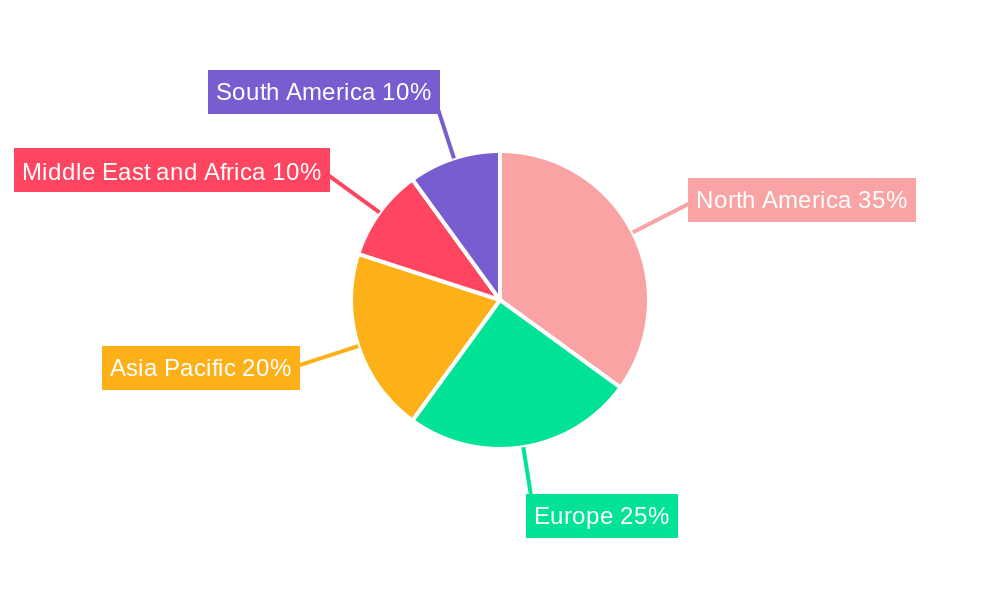
Sleep Industry Regional Market Share
Geographic Coverage of Sleep Industry
Sleep Industry REPORT HIGHLIGHTS
| Aspects | Details |
|---|---|
| Study Period | 2020-2034 |
| Base Year | 2025 |
| Estimated Year | 2026 |
| Forecast Period | 2026-2034 |
| Historical Period | 2020-2025 |
| Growth Rate | CAGR of 7.10% from 2020-2034 |
| Segmentation |
|
Table of Contents
- 1. Introduction
- 1.1. Research Scope
- 1.2. Market Segmentation
- 1.3. Research Methodology
- 1.4. Definitions and Assumptions
- 2. Executive Summary
- 2.1. Introduction
- 3. Market Dynamics
- 3.1. Introduction
- 3.2. Market Drivers
- 3.2.1. Growing Prevalence of Insomnia and Other Disorders; Increasing Adoption of Wearable Monitors and Sensors
- 3.3. Market Restrains
- 3.3.1. Side Effects Associated With Sleep Medications
- 3.4. Market Trends
- 3.4.1. Insomnia Segment is Expected to Hold a Significant Market Share Over the Forecast Period
- 4. Market Factor Analysis
- 4.1. Porters Five Forces
- 4.2. Supply/Value Chain
- 4.3. PESTEL analysis
- 4.4. Market Entropy
- 4.5. Patent/Trademark Analysis
- 5. Global Sleep Industry Analysis, Insights and Forecast, 2020-2032
- 5.1. Market Analysis, Insights and Forecast - by Product
- 5.1.1. Mattresses and Pillows
- 5.1.2. Sleep Laboratory Services
- 5.1.3. Medication
- 5.1.4. Other Products
- 5.2. Market Analysis, Insights and Forecast - by Sleep Disorder
- 5.2.1. Insomnia
- 5.2.2. Sleep Apnea
- 5.2.3. Other Sleep Disorders
- 5.3. Market Analysis, Insights and Forecast - by Region
- 5.3.1. North America
- 5.3.2. Europe
- 5.3.3. Asia Pacific
- 5.3.4. Middle East and Africa
- 5.3.5. South America
- 5.1. Market Analysis, Insights and Forecast - by Product
- 6. North America Sleep Industry Analysis, Insights and Forecast, 2020-2032
- 6.1. Market Analysis, Insights and Forecast - by Product
- 6.1.1. Mattresses and Pillows
- 6.1.2. Sleep Laboratory Services
- 6.1.3. Medication
- 6.1.4. Other Products
- 6.2. Market Analysis, Insights and Forecast - by Sleep Disorder
- 6.2.1. Insomnia
- 6.2.2. Sleep Apnea
- 6.2.3. Other Sleep Disorders
- 6.1. Market Analysis, Insights and Forecast - by Product
- 7. Europe Sleep Industry Analysis, Insights and Forecast, 2020-2032
- 7.1. Market Analysis, Insights and Forecast - by Product
- 7.1.1. Mattresses and Pillows
- 7.1.2. Sleep Laboratory Services
- 7.1.3. Medication
- 7.1.4. Other Products
- 7.2. Market Analysis, Insights and Forecast - by Sleep Disorder
- 7.2.1. Insomnia
- 7.2.2. Sleep Apnea
- 7.2.3. Other Sleep Disorders
- 7.1. Market Analysis, Insights and Forecast - by Product
- 8. Asia Pacific Sleep Industry Analysis, Insights and Forecast, 2020-2032
- 8.1. Market Analysis, Insights and Forecast - by Product
- 8.1.1. Mattresses and Pillows
- 8.1.2. Sleep Laboratory Services
- 8.1.3. Medication
- 8.1.4. Other Products
- 8.2. Market Analysis, Insights and Forecast - by Sleep Disorder
- 8.2.1. Insomnia
- 8.2.2. Sleep Apnea
- 8.2.3. Other Sleep Disorders
- 8.1. Market Analysis, Insights and Forecast - by Product
- 9. Middle East and Africa Sleep Industry Analysis, Insights and Forecast, 2020-2032
- 9.1. Market Analysis, Insights and Forecast - by Product
- 9.1.1. Mattresses and Pillows
- 9.1.2. Sleep Laboratory Services
- 9.1.3. Medication
- 9.1.4. Other Products
- 9.2. Market Analysis, Insights and Forecast - by Sleep Disorder
- 9.2.1. Insomnia
- 9.2.2. Sleep Apnea
- 9.2.3. Other Sleep Disorders
- 9.1. Market Analysis, Insights and Forecast - by Product
- 10. South America Sleep Industry Analysis, Insights and Forecast, 2020-2032
- 10.1. Market Analysis, Insights and Forecast - by Product
- 10.1.1. Mattresses and Pillows
- 10.1.2. Sleep Laboratory Services
- 10.1.3. Medication
- 10.1.4. Other Products
- 10.2. Market Analysis, Insights and Forecast - by Sleep Disorder
- 10.2.1. Insomnia
- 10.2.2. Sleep Apnea
- 10.2.3. Other Sleep Disorders
- 10.1. Market Analysis, Insights and Forecast - by Product
- 11. Competitive Analysis
- 11.1. Global Market Share Analysis 2025
- 11.2. Company Profiles
- 11.2.1 Natus Medical Incorporated
- 11.2.1.1. Overview
- 11.2.1.2. Products
- 11.2.1.3. SWOT Analysis
- 11.2.1.4. Recent Developments
- 11.2.1.5. Financials (Based on Availability)
- 11.2.2 DeVilbiss Healthcare LLC
- 11.2.2.1. Overview
- 11.2.2.2. Products
- 11.2.2.3. SWOT Analysis
- 11.2.2.4. Recent Developments
- 11.2.2.5. Financials (Based on Availability)
- 11.2.3 SleepMed
- 11.2.3.1. Overview
- 11.2.3.2. Products
- 11.2.3.3. SWOT Analysis
- 11.2.3.4. Recent Developments
- 11.2.3.5. Financials (Based on Availability)
- 11.2.4 Lowenstein Medical Technology GmbH
- 11.2.4.1. Overview
- 11.2.4.2. Products
- 11.2.4.3. SWOT Analysis
- 11.2.4.4. Recent Developments
- 11.2.4.5. Financials (Based on Availability)
- 11.2.5 Merck & Co Inc
- 11.2.5.1. Overview
- 11.2.5.2. Products
- 11.2.5.3. SWOT Analysis
- 11.2.5.4. Recent Developments
- 11.2.5.5. Financials (Based on Availability)
- 11.2.6 Compumedics Limited
- 11.2.6.1. Overview
- 11.2.6.2. Products
- 11.2.6.3. SWOT Analysis
- 11.2.6.4. Recent Developments
- 11.2.6.5. Financials (Based on Availability)
- 11.2.7 Koninklijke Philips N V
- 11.2.7.1. Overview
- 11.2.7.2. Products
- 11.2.7.3. SWOT Analysis
- 11.2.7.4. Recent Developments
- 11.2.7.5. Financials (Based on Availability)
- 11.2.8 Eisai Inc
- 11.2.8.1. Overview
- 11.2.8.2. Products
- 11.2.8.3. SWOT Analysis
- 11.2.8.4. Recent Developments
- 11.2.8.5. Financials (Based on Availability)
- 11.2.9 Fisher & Paykel Healthcare Limited
- 11.2.9.1. Overview
- 11.2.9.2. Products
- 11.2.9.3. SWOT Analysis
- 11.2.9.4. Recent Developments
- 11.2.9.5. Financials (Based on Availability)
- 11.2.10 BMC Medical Co Ltd
- 11.2.10.1. Overview
- 11.2.10.2. Products
- 11.2.10.3. SWOT Analysis
- 11.2.10.4. Recent Developments
- 11.2.10.5. Financials (Based on Availability)
- 11.2.11 Cadwell
- 11.2.11.1. Overview
- 11.2.11.2. Products
- 11.2.11.3. SWOT Analysis
- 11.2.11.4. Recent Developments
- 11.2.11.5. Financials (Based on Availability)
- 11.2.12 Takeda Pharmaceutical Company Limited*List Not Exhaustive
- 11.2.12.1. Overview
- 11.2.12.2. Products
- 11.2.12.3. SWOT Analysis
- 11.2.12.4. Recent Developments
- 11.2.12.5. Financials (Based on Availability)
- 11.2.1 Natus Medical Incorporated
List of Figures
- Figure 1: Global Sleep Industry Revenue Breakdown (Million, %) by Region 2025 & 2033
- Figure 2: North America Sleep Industry Revenue (Million), by Product 2025 & 2033
- Figure 3: North America Sleep Industry Revenue Share (%), by Product 2025 & 2033
- Figure 4: North America Sleep Industry Revenue (Million), by Sleep Disorder 2025 & 2033
- Figure 5: North America Sleep Industry Revenue Share (%), by Sleep Disorder 2025 & 2033
- Figure 6: North America Sleep Industry Revenue (Million), by Country 2025 & 2033
- Figure 7: North America Sleep Industry Revenue Share (%), by Country 2025 & 2033
- Figure 8: Europe Sleep Industry Revenue (Million), by Product 2025 & 2033
- Figure 9: Europe Sleep Industry Revenue Share (%), by Product 2025 & 2033
- Figure 10: Europe Sleep Industry Revenue (Million), by Sleep Disorder 2025 & 2033
- Figure 11: Europe Sleep Industry Revenue Share (%), by Sleep Disorder 2025 & 2033
- Figure 12: Europe Sleep Industry Revenue (Million), by Country 2025 & 2033
- Figure 13: Europe Sleep Industry Revenue Share (%), by Country 2025 & 2033
- Figure 14: Asia Pacific Sleep Industry Revenue (Million), by Product 2025 & 2033
- Figure 15: Asia Pacific Sleep Industry Revenue Share (%), by Product 2025 & 2033
- Figure 16: Asia Pacific Sleep Industry Revenue (Million), by Sleep Disorder 2025 & 2033
- Figure 17: Asia Pacific Sleep Industry Revenue Share (%), by Sleep Disorder 2025 & 2033
- Figure 18: Asia Pacific Sleep Industry Revenue (Million), by Country 2025 & 2033
- Figure 19: Asia Pacific Sleep Industry Revenue Share (%), by Country 2025 & 2033
- Figure 20: Middle East and Africa Sleep Industry Revenue (Million), by Product 2025 & 2033
- Figure 21: Middle East and Africa Sleep Industry Revenue Share (%), by Product 2025 & 2033
- Figure 22: Middle East and Africa Sleep Industry Revenue (Million), by Sleep Disorder 2025 & 2033
- Figure 23: Middle East and Africa Sleep Industry Revenue Share (%), by Sleep Disorder 2025 & 2033
- Figure 24: Middle East and Africa Sleep Industry Revenue (Million), by Country 2025 & 2033
- Figure 25: Middle East and Africa Sleep Industry Revenue Share (%), by Country 2025 & 2033
- Figure 26: South America Sleep Industry Revenue (Million), by Product 2025 & 2033
- Figure 27: South America Sleep Industry Revenue Share (%), by Product 2025 & 2033
- Figure 28: South America Sleep Industry Revenue (Million), by Sleep Disorder 2025 & 2033
- Figure 29: South America Sleep Industry Revenue Share (%), by Sleep Disorder 2025 & 2033
- Figure 30: South America Sleep Industry Revenue (Million), by Country 2025 & 2033
- Figure 31: South America Sleep Industry Revenue Share (%), by Country 2025 & 2033
List of Tables
- Table 1: Global Sleep Industry Revenue Million Forecast, by Product 2020 & 2033
- Table 2: Global Sleep Industry Revenue Million Forecast, by Sleep Disorder 2020 & 2033
- Table 3: Global Sleep Industry Revenue Million Forecast, by Region 2020 & 2033
- Table 4: Global Sleep Industry Revenue Million Forecast, by Product 2020 & 2033
- Table 5: Global Sleep Industry Revenue Million Forecast, by Sleep Disorder 2020 & 2033
- Table 6: Global Sleep Industry Revenue Million Forecast, by Country 2020 & 2033
- Table 7: United States Sleep Industry Revenue (Million) Forecast, by Application 2020 & 2033
- Table 8: Canada Sleep Industry Revenue (Million) Forecast, by Application 2020 & 2033
- Table 9: Mexico Sleep Industry Revenue (Million) Forecast, by Application 2020 & 2033
- Table 10: Global Sleep Industry Revenue Million Forecast, by Product 2020 & 2033
- Table 11: Global Sleep Industry Revenue Million Forecast, by Sleep Disorder 2020 & 2033
- Table 12: Global Sleep Industry Revenue Million Forecast, by Country 2020 & 2033
- Table 13: Germany Sleep Industry Revenue (Million) Forecast, by Application 2020 & 2033
- Table 14: United Kingdom Sleep Industry Revenue (Million) Forecast, by Application 2020 & 2033
- Table 15: France Sleep Industry Revenue (Million) Forecast, by Application 2020 & 2033
- Table 16: Italy Sleep Industry Revenue (Million) Forecast, by Application 2020 & 2033
- Table 17: Spain Sleep Industry Revenue (Million) Forecast, by Application 2020 & 2033
- Table 18: Rest of Europe Sleep Industry Revenue (Million) Forecast, by Application 2020 & 2033
- Table 19: Global Sleep Industry Revenue Million Forecast, by Product 2020 & 2033
- Table 20: Global Sleep Industry Revenue Million Forecast, by Sleep Disorder 2020 & 2033
- Table 21: Global Sleep Industry Revenue Million Forecast, by Country 2020 & 2033
- Table 22: China Sleep Industry Revenue (Million) Forecast, by Application 2020 & 2033
- Table 23: Japan Sleep Industry Revenue (Million) Forecast, by Application 2020 & 2033
- Table 24: India Sleep Industry Revenue (Million) Forecast, by Application 2020 & 2033
- Table 25: Australia Sleep Industry Revenue (Million) Forecast, by Application 2020 & 2033
- Table 26: South Korea Sleep Industry Revenue (Million) Forecast, by Application 2020 & 2033
- Table 27: Rest of Asia Pacific Sleep Industry Revenue (Million) Forecast, by Application 2020 & 2033
- Table 28: Global Sleep Industry Revenue Million Forecast, by Product 2020 & 2033
- Table 29: Global Sleep Industry Revenue Million Forecast, by Sleep Disorder 2020 & 2033
- Table 30: Global Sleep Industry Revenue Million Forecast, by Country 2020 & 2033
- Table 31: GCC Sleep Industry Revenue (Million) Forecast, by Application 2020 & 2033
- Table 32: South Africa Sleep Industry Revenue (Million) Forecast, by Application 2020 & 2033
- Table 33: Rest of Middle East and Africa Sleep Industry Revenue (Million) Forecast, by Application 2020 & 2033
- Table 34: Global Sleep Industry Revenue Million Forecast, by Product 2020 & 2033
- Table 35: Global Sleep Industry Revenue Million Forecast, by Sleep Disorder 2020 & 2033
- Table 36: Global Sleep Industry Revenue Million Forecast, by Country 2020 & 2033
- Table 37: Brazil Sleep Industry Revenue (Million) Forecast, by Application 2020 & 2033
- Table 38: Argentina Sleep Industry Revenue (Million) Forecast, by Application 2020 & 2033
- Table 39: Rest of South America Sleep Industry Revenue (Million) Forecast, by Application 2020 & 2033
Frequently Asked Questions
1. What is the projected Compound Annual Growth Rate (CAGR) of the Sleep Industry?
The projected CAGR is approximately 7.10%.
2. Which companies are prominent players in the Sleep Industry?
Key companies in the market include Natus Medical Incorporated, DeVilbiss Healthcare LLC, SleepMed, Lowenstein Medical Technology GmbH, Merck & Co Inc, Compumedics Limited, Koninklijke Philips N V, Eisai Inc, Fisher & Paykel Healthcare Limited, BMC Medical Co Ltd, Cadwell, Takeda Pharmaceutical Company Limited*List Not Exhaustive.
3. What are the main segments of the Sleep Industry?
The market segments include Product, Sleep Disorder.
4. Can you provide details about the market size?
The market size is estimated to be USD XX Million as of 2022.
5. What are some drivers contributing to market growth?
Growing Prevalence of Insomnia and Other Disorders; Increasing Adoption of Wearable Monitors and Sensors.
6. What are the notable trends driving market growth?
Insomnia Segment is Expected to Hold a Significant Market Share Over the Forecast Period.
7. Are there any restraints impacting market growth?
Side Effects Associated With Sleep Medications.
8. Can you provide examples of recent developments in the market?
In June 2022, Sleep Habit launched a product, Sleep Reset, a digital, personalized sleep clinic. Sleep Reset utilizes clinically proven methods to uncover and address the root cause of one's sleep issues through its iPhone and Android apps.
9. What pricing options are available for accessing the report?
Pricing options include single-user, multi-user, and enterprise licenses priced at USD 4750, USD 5250, and USD 8750 respectively.
10. Is the market size provided in terms of value or volume?
The market size is provided in terms of value, measured in Million.
11. Are there any specific market keywords associated with the report?
Yes, the market keyword associated with the report is "Sleep Industry," which aids in identifying and referencing the specific market segment covered.
12. How do I determine which pricing option suits my needs best?
The pricing options vary based on user requirements and access needs. Individual users may opt for single-user licenses, while businesses requiring broader access may choose multi-user or enterprise licenses for cost-effective access to the report.
13. Are there any additional resources or data provided in the Sleep Industry report?
While the report offers comprehensive insights, it's advisable to review the specific contents or supplementary materials provided to ascertain if additional resources or data are available.
14. How can I stay updated on further developments or reports in the Sleep Industry?
To stay informed about further developments, trends, and reports in the Sleep Industry, consider subscribing to industry newsletters, following relevant companies and organizations, or regularly checking reputable industry news sources and publications.
Methodology
Step 1 - Identification of Relevant Samples Size from Population Database



Step 2 - Approaches for Defining Global Market Size (Value, Volume* & Price*)

Note*: In applicable scenarios
Step 3 - Data Sources
Primary Research
- Web Analytics
- Survey Reports
- Research Institute
- Latest Research Reports
- Opinion Leaders
Secondary Research
- Annual Reports
- White Paper
- Latest Press Release
- Industry Association
- Paid Database
- Investor Presentations

Step 4 - Data Triangulation
Involves using different sources of information in order to increase the validity of a study
These sources are likely to be stakeholders in a program - participants, other researchers, program staff, other community members, and so on.
Then we put all data in single framework & apply various statistical tools to find out the dynamic on the market.
During the analysis stage, feedback from the stakeholder groups would be compared to determine areas of agreement as well as areas of divergence