


Key Insights
The global Quantum Computing Cloud Platform market is experiencing explosive growth, projected to reach an impressive USD 3.52 billion in 2025. This rapid expansion is driven by an unprecedented CAGR of 41.8%, signaling a transformative period for industries leveraging the power of quantum computation. The primary catalysts for this surge include the escalating demand for enhanced cybersecurity solutions, the burgeoning needs of the telecommunications sector for faster and more efficient network operations, and the groundbreaking potential for optimization and simulation in advanced manufacturing. Furthermore, the financial industry is actively exploring quantum computing for complex modeling, risk analysis, and fraud detection, further fueling market adoption. The proliferation of quantum infrastructure and platform-as-a-service offerings, alongside the development of sophisticated quantum software, is making this cutting-edge technology more accessible and practical for businesses across diverse verticals.

Quantum Computing Cloud Platform Market Size (In Billion)

This dynamic market is characterized by a strong focus on innovation and strategic partnerships among key players. Companies are investing heavily in developing robust quantum cloud infrastructure and user-friendly platforms to democratize access to quantum computing resources. While the immense computational power of quantum computing offers unparalleled opportunities, the market also faces challenges. These include the high cost of quantum hardware, the need for specialized talent, and the ongoing development of quantum algorithms that can effectively address real-world problems. Despite these hurdles, the trajectory of the Quantum Computing Cloud Platform market is overwhelmingly positive, with significant advancements expected in the forecast period of 2025-2033, as more enterprises recognize its potential to unlock unprecedented capabilities and competitive advantages. The market's segmentation by application and type, coupled with extensive regional penetration, underscores its broad and impactful reach.

Quantum Computing Cloud Platform Company Market Share
Quantum Computing Cloud Platform Market Dynamics & Structure
The quantum computing cloud platform market is characterized by intense technological innovation and a rapidly evolving competitive landscape. While still nascent, it exhibits increasing market concentration driven by significant R&D investments from tech giants and specialized quantum startups. Key drivers include the insatiable demand for solving complex computational problems beyond the reach of classical computers, particularly in fields like drug discovery, materials science, and financial modeling. Regulatory frameworks are still in their infancy, with governments worldwide exploring ethical guidelines and potential national security implications of quantum technologies. Competitive product substitutes are limited, with the primary "competitors" being advanced classical computing solutions and ongoing research into alternative quantum architectures. End-user demographics are shifting from predominantly academic and research institutions to a growing number of enterprises seeking early access to quantum advantage. Mergers and acquisitions (M&A) are becoming more frequent as larger players seek to acquire specialized talent and proprietary quantum hardware or software.
- Market Concentration: High, with a few dominant players investing heavily in R&D and infrastructure.
- Technological Innovation Drivers: Demand for quantum advantage in complex problem-solving, advancements in qubit stability and error correction, and development of quantum algorithms.
- Regulatory Frameworks: Nascent and evolving, with a focus on ethical AI, national security, and standards development.
- Competitive Product Substitutes: Primarily advanced classical computing, but with limited direct substitutes for true quantum computational power.
- End-User Demographics: Expanding from research to enterprise clients across various industries.
- M&A Trends: Increasing, driven by strategic acquisitions of quantum IP and talent.
Quantum Computing Cloud Platform Growth Trends & Insights
The quantum computing cloud platform market is poised for exponential growth, driven by a confluence of accelerating technological advancements and increasing enterprise adoption. The global quantum computing cloud platform market size is projected to reach an estimated $55.3 billion by 2033, expanding at a CAGR of 29.7% from 2025 to 2033. This remarkable trajectory is fueled by the transition from theoretical research to practical applications, enabling businesses to tackle previously intractable problems. Early adoption is being led by sectors demanding high computational power for complex simulations and optimizations.
The historical period of 2019–2024 witnessed foundational developments, with the market size estimated at $12.8 billion in 2025, serving as a crucial base year for projections. This period saw initial investments in quantum hardware development, the emergence of cloud-based quantum access platforms, and the first proofs-of-concept for quantum algorithms. As we move through the forecast period of 2025–2033, several key trends are expected to shape market evolution.
Adoption rates are projected to surge as the accessibility and usability of quantum cloud platforms improve. Technological disruptions, including advancements in qubit coherence times, error correction techniques, and the development of more robust quantum algorithms, will directly translate into enhanced performance and wider applicability. Consumer behavior shifts are also evident, with organizations moving from tentative exploration to strategic investment in quantum capabilities. This includes upskilling internal teams, forming partnerships with quantum solution providers, and integrating quantum computing into their long-term R&D strategies. The market penetration of quantum computing cloud services is expected to move beyond niche research applications into mainstream enterprise solutions, unlocking unprecedented levels of innovation and efficiency.
XXX plays a pivotal role in delivering these insights, providing comprehensive data analytics and forecasting models that enable stakeholders to navigate the complexities of this rapidly advancing market. The interplay between hardware improvements, software development, and the growing understanding of quantum algorithms will be critical in realizing the full potential of quantum computing cloud platforms.
Dominant Regions, Countries, or Segments in Quantum Computing Cloud Platform
The Financial Industry is emerging as a dominant segment in the quantum computing cloud platform market, driven by its inherent need for complex data analysis, risk management, and optimization. The potential for quantum algorithms to revolutionize portfolio optimization, fraud detection, and algorithmic trading positions this sector at the forefront of quantum adoption. The market size for quantum computing cloud platform applications within the financial industry is expected to witness substantial growth, contributing significantly to the overall market expansion. This dominance is underpinned by substantial investments from financial institutions seeking a competitive edge.
- Leading Segment (Application): Financial Industry, projected to exhibit the highest growth and adoption rates due to its complex computational needs.
- Market Share Potential: Significant portion of the total quantum computing cloud platform market, driven by the high value of improved financial modeling and risk assessment.
- Growth Drivers: Need for advanced portfolio optimization, sophisticated fraud detection, accelerated risk analysis, and novel algorithmic trading strategies.
- Key Drivers for Financial Industry Dominance:
- Economic Policies: Favorable investment climates for financial technology innovation.
- Infrastructure: Robust existing digital infrastructure within financial institutions.
- Talent Availability: Growing pool of quantitative analysts and data scientists interested in quantum applications.
- Competitive Pressure: Intense competition within the financial sector incentivizes early adoption of disruptive technologies.
- Leading Segment (Type): Quantum Platform as a Service (QPaaS) is expected to be a primary driver, offering an integrated environment for quantum algorithm development and execution.
- Market Share Potential: High, as QPaaS simplifies access and experimentation for a broader range of users.
- Growth Drivers: Ease of use, abstraction of complex hardware, and comprehensive toolkits for quantum software development.
Other crucial application segments like Telecommunications and Network Security are also expected to show robust growth, driven by the need for enhanced network optimization and unbreakable encryption, respectively. However, the immediate and quantifiable benefits offered by quantum computing in financial modeling are placing the financial industry at the vanguard of current adoption trends. The sheer volume of financial transactions and the critical nature of risk management provide a fertile ground for quantum solutions to demonstrate their value proposition.
Quantum Computing Cloud Platform Product Landscape
The quantum computing cloud platform product landscape is characterized by a burgeoning array of offerings focused on abstracting the complexity of quantum hardware and providing accessible environments for quantum computation. Key innovations include advanced qubit stabilization techniques, development of fault-tolerant quantum computing architectures, and sophisticated quantum compilers and simulators. These platforms offer unique selling propositions such as hybrid quantum-classical computing capabilities, specialized quantum algorithms for industry-specific challenges, and user-friendly interfaces for researchers and developers. Technological advancements are continuously pushing the boundaries of qubit quality and connectivity, enabling more complex quantum circuits and problem-solving.
Key Drivers, Barriers & Challenges in Quantum Computing Cloud Platform
Key Drivers: The quantum computing cloud platform market is propelled by the immense potential for groundbreaking scientific discoveries and business transformations. Technological advancements in quantum hardware, particularly in qubit stability and scalability, are primary drivers. The increasing demand for solutions to complex problems in drug discovery, materials science, and financial modeling, which are intractable for classical computers, is a significant catalyst. Furthermore, substantial government and private sector investments in quantum research and development are fueling innovation and market growth. The development of sophisticated quantum algorithms further enhances the utility and applicability of these platforms.
Barriers & Challenges: Despite its immense promise, the quantum computing cloud platform market faces significant hurdles. The current immaturity of quantum hardware, characterized by high error rates and limited qubit coherence times, remains a major barrier to widespread adoption. The prohibitive cost of developing and maintaining quantum hardware also presents a challenge. Furthermore, a shortage of skilled quantum computing professionals and the complexity of programming quantum computers create a learning curve for potential users. Regulatory uncertainties surrounding data security and ethical implications of quantum technologies also pose challenges. Supply chain issues for specialized quantum components can also impact production timelines and costs.
Emerging Opportunities in Quantum Computing Cloud Platform
Emerging opportunities in the quantum computing cloud platform sector lie in the development of hybrid quantum-classical algorithms that leverage the strengths of both computing paradigms. The untapped market for quantum-enhanced machine learning and artificial intelligence applications represents a significant growth area. Furthermore, the increasing focus on quantum-safe cryptography presents a substantial opportunity for quantum-resistant security solutions. As quantum hardware matures, niche applications in logistics optimization, climate modeling, and personalized medicine are expected to gain traction. Evolving consumer preferences for faster, more efficient, and secure computational solutions will continue to drive demand for advanced quantum capabilities.
Growth Accelerators in the Quantum Computing Cloud Platform Industry
Several catalysts are accelerating the growth of the quantum computing cloud platform industry. Technological breakthroughs in achieving fault tolerance and increasing qubit counts are fundamental growth accelerators. Strategic partnerships between hardware providers, software developers, and end-users are crucial for developing practical applications and fostering market adoption. The expansion of cloud-based quantum access platforms democratizes quantum computing, making it more accessible to a wider range of researchers and businesses. Government initiatives and funding for quantum research and infrastructure development also play a vital role. Furthermore, the continuous refinement of quantum programming languages and development tools is lowering the barrier to entry and encouraging more innovation.
Key Players Shaping the Quantum Computing Cloud Platform Market
- IBM
- D-Wave Systems
- Microsoft
- HUAWEI
- Alibaba Cloud
- Origin Quantum
- Amazon Web Services
- Baidu
- Rigetti Computing
Notable Milestones in Quantum Computing Cloud Platform Sector
- 2021: IBM unveils its 433-qubit Osprey processor, marking a significant step towards larger quantum systems.
- 2022: Microsoft announces its plans for a topological qubit-based quantum computer, aiming for fault tolerance.
- 2022: Amazon Web Services (AWS) launches Amazon Braket, a fully managed quantum computing service.
- 2022: D-Wave Systems releases its Advantage2 processor, boasting improved performance and qubit connectivity.
- 2023: Rigetti Computing announces its new 238-qubit Ankaa processor, focusing on scalability and coherence.
- 2023: Origin Quantum launches its domestically developed superconducting quantum computer.
- 2024: Huawei demonstrates advancements in its photonic quantum computing technology.
- 2024: Alibaba Cloud expands its quantum computing services, offering enhanced accessibility and tools.
In-Depth Quantum Computing Cloud Platform Market Outlook
The future outlook for the quantum computing cloud platform market is exceptionally bright, driven by an accelerating pace of innovation and expanding industry adoption. Growth accelerators such as breakthroughs in fault-tolerant quantum computing, widespread availability of hybrid quantum-classical solutions, and the increasing demand for quantum-inspired AI will propel market expansion. Strategic partnerships and substantial government investment will further fuel R&D and the development of practical applications. The market is set to transition from its current niche status to a mainstream technology, offering transformative capabilities across numerous sectors, thereby unlocking unprecedented opportunities for scientific discovery and economic growth.
Quantum Computing Cloud Platform Segmentation
-
1. Application
- 1.1. Telecommunications
- 1.2. Network Security
- 1.3. Advanced Manufacturing
- 1.4. Financial Industry
- 1.5. Other
-
2. Types
- 2.1. Quantum Infrastructure as a Service
- 2.2. Quantum Platform as a Service
- 2.3. Quantum Software as a Service
Quantum Computing Cloud Platform Segmentation By Geography
-
1. North America
- 1.1. United States
- 1.2. Canada
- 1.3. Mexico
-
2. South America
- 2.1. Brazil
- 2.2. Argentina
- 2.3. Rest of South America
-
3. Europe
- 3.1. United Kingdom
- 3.2. Germany
- 3.3. France
- 3.4. Italy
- 3.5. Spain
- 3.6. Russia
- 3.7. Benelux
- 3.8. Nordics
- 3.9. Rest of Europe
-
4. Middle East & Africa
- 4.1. Turkey
- 4.2. Israel
- 4.3. GCC
- 4.4. North Africa
- 4.5. South Africa
- 4.6. Rest of Middle East & Africa
-
5. Asia Pacific
- 5.1. China
- 5.2. India
- 5.3. Japan
- 5.4. South Korea
- 5.5. ASEAN
- 5.6. Oceania
- 5.7. Rest of Asia Pacific

Quantum Computing Cloud Platform Regional Market Share
Geographic Coverage of Quantum Computing Cloud Platform
Quantum Computing Cloud Platform REPORT HIGHLIGHTS
| Aspects | Details |
|---|---|
| Study Period | 2020-2034 |
| Base Year | 2025 |
| Estimated Year | 2026 |
| Forecast Period | 2026-2034 |
| Historical Period | 2020-2025 |
| Growth Rate | CAGR of 41.8% from 2020-2034 |
| Segmentation |
|
Table of Contents
- 1. Introduction
- 1.1. Research Scope
- 1.2. Market Segmentation
- 1.3. Research Methodology
- 1.4. Definitions and Assumptions
- 2. Executive Summary
- 2.1. Introduction
- 3. Market Dynamics
- 3.1. Introduction
- 3.2. Market Drivers
- 3.3. Market Restrains
- 3.4. Market Trends
- 4. Market Factor Analysis
- 4.1. Porters Five Forces
- 4.2. Supply/Value Chain
- 4.3. PESTEL analysis
- 4.4. Market Entropy
- 4.5. Patent/Trademark Analysis
- 5. Global Quantum Computing Cloud Platform Analysis, Insights and Forecast, 2020-2032
- 5.1. Market Analysis, Insights and Forecast - by Application
- 5.1.1. Telecommunications
- 5.1.2. Network Security
- 5.1.3. Advanced Manufacturing
- 5.1.4. Financial Industry
- 5.1.5. Other
- 5.2. Market Analysis, Insights and Forecast - by Types
- 5.2.1. Quantum Infrastructure as a Service
- 5.2.2. Quantum Platform as a Service
- 5.2.3. Quantum Software as a Service
- 5.3. Market Analysis, Insights and Forecast - by Region
- 5.3.1. North America
- 5.3.2. South America
- 5.3.3. Europe
- 5.3.4. Middle East & Africa
- 5.3.5. Asia Pacific
- 5.1. Market Analysis, Insights and Forecast - by Application
- 6. North America Quantum Computing Cloud Platform Analysis, Insights and Forecast, 2020-2032
- 6.1. Market Analysis, Insights and Forecast - by Application
- 6.1.1. Telecommunications
- 6.1.2. Network Security
- 6.1.3. Advanced Manufacturing
- 6.1.4. Financial Industry
- 6.1.5. Other
- 6.2. Market Analysis, Insights and Forecast - by Types
- 6.2.1. Quantum Infrastructure as a Service
- 6.2.2. Quantum Platform as a Service
- 6.2.3. Quantum Software as a Service
- 6.1. Market Analysis, Insights and Forecast - by Application
- 7. South America Quantum Computing Cloud Platform Analysis, Insights and Forecast, 2020-2032
- 7.1. Market Analysis, Insights and Forecast - by Application
- 7.1.1. Telecommunications
- 7.1.2. Network Security
- 7.1.3. Advanced Manufacturing
- 7.1.4. Financial Industry
- 7.1.5. Other
- 7.2. Market Analysis, Insights and Forecast - by Types
- 7.2.1. Quantum Infrastructure as a Service
- 7.2.2. Quantum Platform as a Service
- 7.2.3. Quantum Software as a Service
- 7.1. Market Analysis, Insights and Forecast - by Application
- 8. Europe Quantum Computing Cloud Platform Analysis, Insights and Forecast, 2020-2032
- 8.1. Market Analysis, Insights and Forecast - by Application
- 8.1.1. Telecommunications
- 8.1.2. Network Security
- 8.1.3. Advanced Manufacturing
- 8.1.4. Financial Industry
- 8.1.5. Other
- 8.2. Market Analysis, Insights and Forecast - by Types
- 8.2.1. Quantum Infrastructure as a Service
- 8.2.2. Quantum Platform as a Service
- 8.2.3. Quantum Software as a Service
- 8.1. Market Analysis, Insights and Forecast - by Application
- 9. Middle East & Africa Quantum Computing Cloud Platform Analysis, Insights and Forecast, 2020-2032
- 9.1. Market Analysis, Insights and Forecast - by Application
- 9.1.1. Telecommunications
- 9.1.2. Network Security
- 9.1.3. Advanced Manufacturing
- 9.1.4. Financial Industry
- 9.1.5. Other
- 9.2. Market Analysis, Insights and Forecast - by Types
- 9.2.1. Quantum Infrastructure as a Service
- 9.2.2. Quantum Platform as a Service
- 9.2.3. Quantum Software as a Service
- 9.1. Market Analysis, Insights and Forecast - by Application
- 10. Asia Pacific Quantum Computing Cloud Platform Analysis, Insights and Forecast, 2020-2032
- 10.1. Market Analysis, Insights and Forecast - by Application
- 10.1.1. Telecommunications
- 10.1.2. Network Security
- 10.1.3. Advanced Manufacturing
- 10.1.4. Financial Industry
- 10.1.5. Other
- 10.2. Market Analysis, Insights and Forecast - by Types
- 10.2.1. Quantum Infrastructure as a Service
- 10.2.2. Quantum Platform as a Service
- 10.2.3. Quantum Software as a Service
- 10.1. Market Analysis, Insights and Forecast - by Application
- 11. Competitive Analysis
- 11.1. Global Market Share Analysis 2025
- 11.2. Company Profiles
- 11.2.1 IBM
- 11.2.1.1. Overview
- 11.2.1.2. Products
- 11.2.1.3. SWOT Analysis
- 11.2.1.4. Recent Developments
- 11.2.1.5. Financials (Based on Availability)
- 11.2.2 D-Wava
- 11.2.2.1. Overview
- 11.2.2.2. Products
- 11.2.2.3. SWOT Analysis
- 11.2.2.4. Recent Developments
- 11.2.2.5. Financials (Based on Availability)
- 11.2.3 Microsoft
- 11.2.3.1. Overview
- 11.2.3.2. Products
- 11.2.3.3. SWOT Analysis
- 11.2.3.4. Recent Developments
- 11.2.3.5. Financials (Based on Availability)
- 11.2.4 HUAWEI
- 11.2.4.1. Overview
- 11.2.4.2. Products
- 11.2.4.3. SWOT Analysis
- 11.2.4.4. Recent Developments
- 11.2.4.5. Financials (Based on Availability)
- 11.2.5 Alibaba Cloud
- 11.2.5.1. Overview
- 11.2.5.2. Products
- 11.2.5.3. SWOT Analysis
- 11.2.5.4. Recent Developments
- 11.2.5.5. Financials (Based on Availability)
- 11.2.6 Origin Quantum
- 11.2.6.1. Overview
- 11.2.6.2. Products
- 11.2.6.3. SWOT Analysis
- 11.2.6.4. Recent Developments
- 11.2.6.5. Financials (Based on Availability)
- 11.2.7 Amazon Web Services
- 11.2.7.1. Overview
- 11.2.7.2. Products
- 11.2.7.3. SWOT Analysis
- 11.2.7.4. Recent Developments
- 11.2.7.5. Financials (Based on Availability)
- 11.2.8 Baidu
- 11.2.8.1. Overview
- 11.2.8.2. Products
- 11.2.8.3. SWOT Analysis
- 11.2.8.4. Recent Developments
- 11.2.8.5. Financials (Based on Availability)
- 11.2.9 Rigetti Computing
- 11.2.9.1. Overview
- 11.2.9.2. Products
- 11.2.9.3. SWOT Analysis
- 11.2.9.4. Recent Developments
- 11.2.9.5. Financials (Based on Availability)
- 11.2.1 IBM
List of Figures
- Figure 1: Global Quantum Computing Cloud Platform Revenue Breakdown (undefined, %) by Region 2025 & 2033
- Figure 2: North America Quantum Computing Cloud Platform Revenue (undefined), by Application 2025 & 2033
- Figure 3: North America Quantum Computing Cloud Platform Revenue Share (%), by Application 2025 & 2033
- Figure 4: North America Quantum Computing Cloud Platform Revenue (undefined), by Types 2025 & 2033
- Figure 5: North America Quantum Computing Cloud Platform Revenue Share (%), by Types 2025 & 2033
- Figure 6: North America Quantum Computing Cloud Platform Revenue (undefined), by Country 2025 & 2033
- Figure 7: North America Quantum Computing Cloud Platform Revenue Share (%), by Country 2025 & 2033
- Figure 8: South America Quantum Computing Cloud Platform Revenue (undefined), by Application 2025 & 2033
- Figure 9: South America Quantum Computing Cloud Platform Revenue Share (%), by Application 2025 & 2033
- Figure 10: South America Quantum Computing Cloud Platform Revenue (undefined), by Types 2025 & 2033
- Figure 11: South America Quantum Computing Cloud Platform Revenue Share (%), by Types 2025 & 2033
- Figure 12: South America Quantum Computing Cloud Platform Revenue (undefined), by Country 2025 & 2033
- Figure 13: South America Quantum Computing Cloud Platform Revenue Share (%), by Country 2025 & 2033
- Figure 14: Europe Quantum Computing Cloud Platform Revenue (undefined), by Application 2025 & 2033
- Figure 15: Europe Quantum Computing Cloud Platform Revenue Share (%), by Application 2025 & 2033
- Figure 16: Europe Quantum Computing Cloud Platform Revenue (undefined), by Types 2025 & 2033
- Figure 17: Europe Quantum Computing Cloud Platform Revenue Share (%), by Types 2025 & 2033
- Figure 18: Europe Quantum Computing Cloud Platform Revenue (undefined), by Country 2025 & 2033
- Figure 19: Europe Quantum Computing Cloud Platform Revenue Share (%), by Country 2025 & 2033
- Figure 20: Middle East & Africa Quantum Computing Cloud Platform Revenue (undefined), by Application 2025 & 2033
- Figure 21: Middle East & Africa Quantum Computing Cloud Platform Revenue Share (%), by Application 2025 & 2033
- Figure 22: Middle East & Africa Quantum Computing Cloud Platform Revenue (undefined), by Types 2025 & 2033
- Figure 23: Middle East & Africa Quantum Computing Cloud Platform Revenue Share (%), by Types 2025 & 2033
- Figure 24: Middle East & Africa Quantum Computing Cloud Platform Revenue (undefined), by Country 2025 & 2033
- Figure 25: Middle East & Africa Quantum Computing Cloud Platform Revenue Share (%), by Country 2025 & 2033
- Figure 26: Asia Pacific Quantum Computing Cloud Platform Revenue (undefined), by Application 2025 & 2033
- Figure 27: Asia Pacific Quantum Computing Cloud Platform Revenue Share (%), by Application 2025 & 2033
- Figure 28: Asia Pacific Quantum Computing Cloud Platform Revenue (undefined), by Types 2025 & 2033
- Figure 29: Asia Pacific Quantum Computing Cloud Platform Revenue Share (%), by Types 2025 & 2033
- Figure 30: Asia Pacific Quantum Computing Cloud Platform Revenue (undefined), by Country 2025 & 2033
- Figure 31: Asia Pacific Quantum Computing Cloud Platform Revenue Share (%), by Country 2025 & 2033
List of Tables
- Table 1: Global Quantum Computing Cloud Platform Revenue undefined Forecast, by Application 2020 & 2033
- Table 2: Global Quantum Computing Cloud Platform Revenue undefined Forecast, by Types 2020 & 2033
- Table 3: Global Quantum Computing Cloud Platform Revenue undefined Forecast, by Region 2020 & 2033
- Table 4: Global Quantum Computing Cloud Platform Revenue undefined Forecast, by Application 2020 & 2033
- Table 5: Global Quantum Computing Cloud Platform Revenue undefined Forecast, by Types 2020 & 2033
- Table 6: Global Quantum Computing Cloud Platform Revenue undefined Forecast, by Country 2020 & 2033
- Table 7: United States Quantum Computing Cloud Platform Revenue (undefined) Forecast, by Application 2020 & 2033
- Table 8: Canada Quantum Computing Cloud Platform Revenue (undefined) Forecast, by Application 2020 & 2033
- Table 9: Mexico Quantum Computing Cloud Platform Revenue (undefined) Forecast, by Application 2020 & 2033
- Table 10: Global Quantum Computing Cloud Platform Revenue undefined Forecast, by Application 2020 & 2033
- Table 11: Global Quantum Computing Cloud Platform Revenue undefined Forecast, by Types 2020 & 2033
- Table 12: Global Quantum Computing Cloud Platform Revenue undefined Forecast, by Country 2020 & 2033
- Table 13: Brazil Quantum Computing Cloud Platform Revenue (undefined) Forecast, by Application 2020 & 2033
- Table 14: Argentina Quantum Computing Cloud Platform Revenue (undefined) Forecast, by Application 2020 & 2033
- Table 15: Rest of South America Quantum Computing Cloud Platform Revenue (undefined) Forecast, by Application 2020 & 2033
- Table 16: Global Quantum Computing Cloud Platform Revenue undefined Forecast, by Application 2020 & 2033
- Table 17: Global Quantum Computing Cloud Platform Revenue undefined Forecast, by Types 2020 & 2033
- Table 18: Global Quantum Computing Cloud Platform Revenue undefined Forecast, by Country 2020 & 2033
- Table 19: United Kingdom Quantum Computing Cloud Platform Revenue (undefined) Forecast, by Application 2020 & 2033
- Table 20: Germany Quantum Computing Cloud Platform Revenue (undefined) Forecast, by Application 2020 & 2033
- Table 21: France Quantum Computing Cloud Platform Revenue (undefined) Forecast, by Application 2020 & 2033
- Table 22: Italy Quantum Computing Cloud Platform Revenue (undefined) Forecast, by Application 2020 & 2033
- Table 23: Spain Quantum Computing Cloud Platform Revenue (undefined) Forecast, by Application 2020 & 2033
- Table 24: Russia Quantum Computing Cloud Platform Revenue (undefined) Forecast, by Application 2020 & 2033
- Table 25: Benelux Quantum Computing Cloud Platform Revenue (undefined) Forecast, by Application 2020 & 2033
- Table 26: Nordics Quantum Computing Cloud Platform Revenue (undefined) Forecast, by Application 2020 & 2033
- Table 27: Rest of Europe Quantum Computing Cloud Platform Revenue (undefined) Forecast, by Application 2020 & 2033
- Table 28: Global Quantum Computing Cloud Platform Revenue undefined Forecast, by Application 2020 & 2033
- Table 29: Global Quantum Computing Cloud Platform Revenue undefined Forecast, by Types 2020 & 2033
- Table 30: Global Quantum Computing Cloud Platform Revenue undefined Forecast, by Country 2020 & 2033
- Table 31: Turkey Quantum Computing Cloud Platform Revenue (undefined) Forecast, by Application 2020 & 2033
- Table 32: Israel Quantum Computing Cloud Platform Revenue (undefined) Forecast, by Application 2020 & 2033
- Table 33: GCC Quantum Computing Cloud Platform Revenue (undefined) Forecast, by Application 2020 & 2033
- Table 34: North Africa Quantum Computing Cloud Platform Revenue (undefined) Forecast, by Application 2020 & 2033
- Table 35: South Africa Quantum Computing Cloud Platform Revenue (undefined) Forecast, by Application 2020 & 2033
- Table 36: Rest of Middle East & Africa Quantum Computing Cloud Platform Revenue (undefined) Forecast, by Application 2020 & 2033
- Table 37: Global Quantum Computing Cloud Platform Revenue undefined Forecast, by Application 2020 & 2033
- Table 38: Global Quantum Computing Cloud Platform Revenue undefined Forecast, by Types 2020 & 2033
- Table 39: Global Quantum Computing Cloud Platform Revenue undefined Forecast, by Country 2020 & 2033
- Table 40: China Quantum Computing Cloud Platform Revenue (undefined) Forecast, by Application 2020 & 2033
- Table 41: India Quantum Computing Cloud Platform Revenue (undefined) Forecast, by Application 2020 & 2033
- Table 42: Japan Quantum Computing Cloud Platform Revenue (undefined) Forecast, by Application 2020 & 2033
- Table 43: South Korea Quantum Computing Cloud Platform Revenue (undefined) Forecast, by Application 2020 & 2033
- Table 44: ASEAN Quantum Computing Cloud Platform Revenue (undefined) Forecast, by Application 2020 & 2033
- Table 45: Oceania Quantum Computing Cloud Platform Revenue (undefined) Forecast, by Application 2020 & 2033
- Table 46: Rest of Asia Pacific Quantum Computing Cloud Platform Revenue (undefined) Forecast, by Application 2020 & 2033
Frequently Asked Questions
1. What is the projected Compound Annual Growth Rate (CAGR) of the Quantum Computing Cloud Platform?
The projected CAGR is approximately 41.8%.
2. Which companies are prominent players in the Quantum Computing Cloud Platform?
Key companies in the market include IBM, D-Wava, Microsoft, HUAWEI, Alibaba Cloud, Origin Quantum, Amazon Web Services, Baidu, Rigetti Computing.
3. What are the main segments of the Quantum Computing Cloud Platform?
The market segments include Application, Types.
4. Can you provide details about the market size?
The market size is estimated to be USD XXX N/A as of 2022.
5. What are some drivers contributing to market growth?
N/A
6. What are the notable trends driving market growth?
N/A
7. Are there any restraints impacting market growth?
N/A
8. Can you provide examples of recent developments in the market?
N/A
9. What pricing options are available for accessing the report?
Pricing options include single-user, multi-user, and enterprise licenses priced at USD 4900.00, USD 7350.00, and USD 9800.00 respectively.
10. Is the market size provided in terms of value or volume?
The market size is provided in terms of value, measured in N/A.
11. Are there any specific market keywords associated with the report?
Yes, the market keyword associated with the report is "Quantum Computing Cloud Platform," which aids in identifying and referencing the specific market segment covered.
12. How do I determine which pricing option suits my needs best?
The pricing options vary based on user requirements and access needs. Individual users may opt for single-user licenses, while businesses requiring broader access may choose multi-user or enterprise licenses for cost-effective access to the report.
13. Are there any additional resources or data provided in the Quantum Computing Cloud Platform report?
While the report offers comprehensive insights, it's advisable to review the specific contents or supplementary materials provided to ascertain if additional resources or data are available.
14. How can I stay updated on further developments or reports in the Quantum Computing Cloud Platform?
To stay informed about further developments, trends, and reports in the Quantum Computing Cloud Platform, consider subscribing to industry newsletters, following relevant companies and organizations, or regularly checking reputable industry news sources and publications.
Methodology
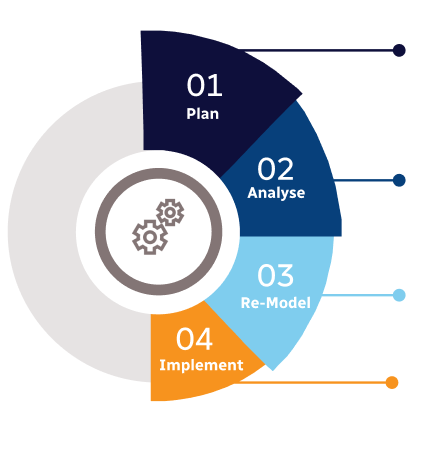
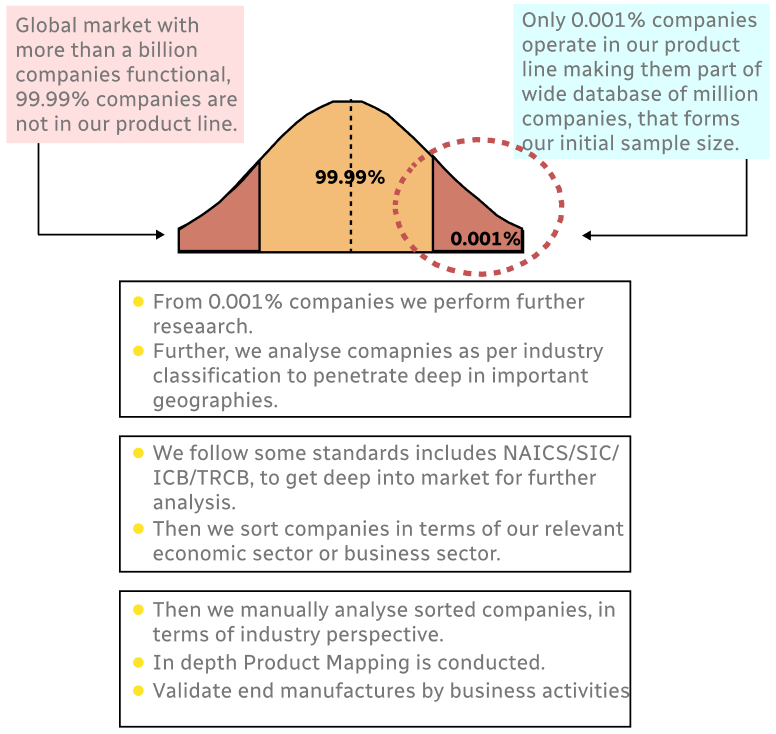
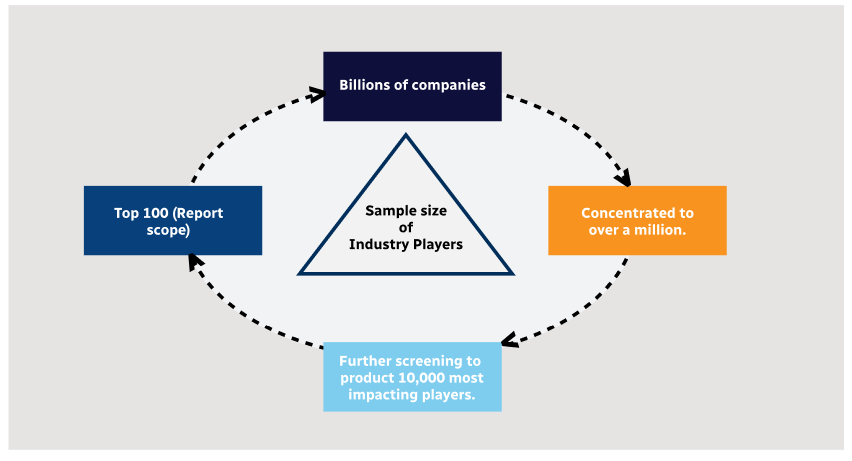
Step 1 - Identification of Relevant Samples Size from Population Database
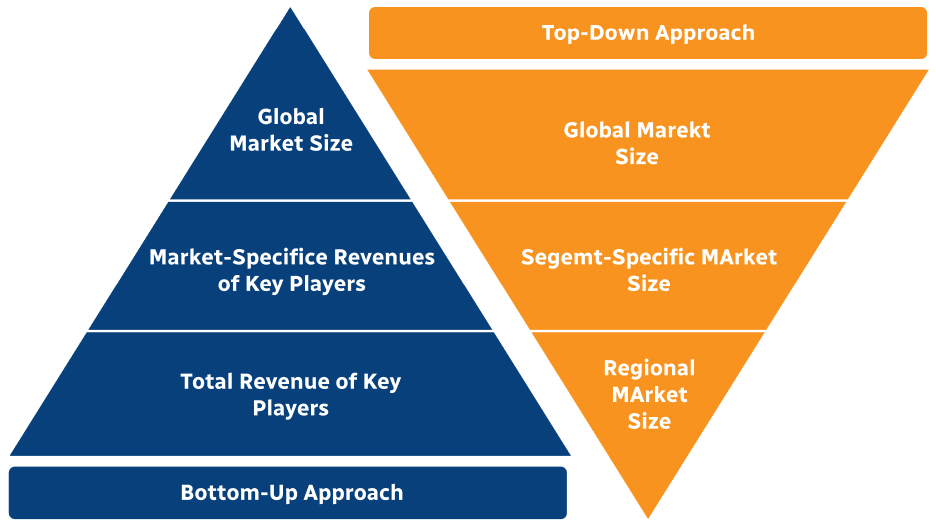
Step 2 - Approaches for Defining Global Market Size (Value, Volume* & Price*)
Note*: In applicable scenarios
Step 3 - Data Sources
Primary Research
- Web Analytics
- Survey Reports
- Research Institute
- Latest Research Reports
- Opinion Leaders
Secondary Research
- Annual Reports
- White Paper
- Latest Press Release
- Industry Association
- Paid Database
- Investor Presentations
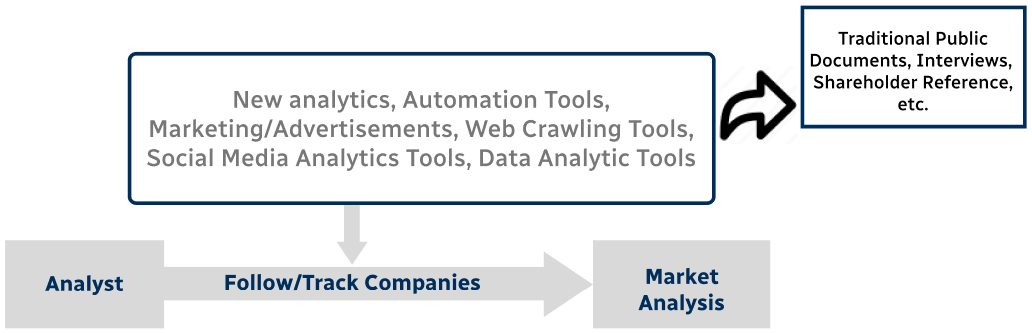
Step 4 - Data Triangulation
Involves using different sources of information in order to increase the validity of a study
These sources are likely to be stakeholders in a program - participants, other researchers, program staff, other community members, and so on.
Then we put all data in single framework & apply various statistical tools to find out the dynamic on the market.
During the analysis stage, feedback from the stakeholder groups would be compared to determine areas of agreement as well as areas of divergence