


Key Insights
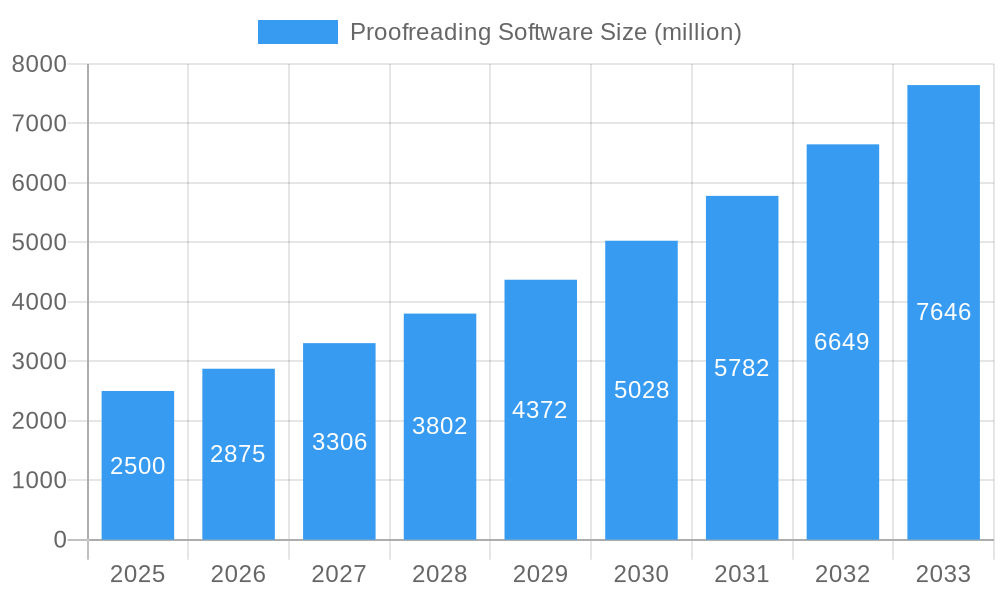
The global Proofreading Software market is projected for robust expansion, estimated to reach a significant market size of approximately USD 9.98 billion by 2025. Fueled by a compound annual growth rate (CAGR) of 7.55% over the forecast period of 2025-2033, the market is poised for substantial value creation. Key growth drivers include the increasing reliance on digital content creation and the critical need for error-free text across academic, professional, and personal contexts. Businesses are recognizing the impact of polished content on brand reputation and customer trust, accelerating adoption rates for sophisticated proofreading solutions. The burgeoning freelance economy and the proliferation of online learning platforms further amplify the demand for effective language correction tools. Emerging economies are also contributing to this growth as digital literacy and content production rise.
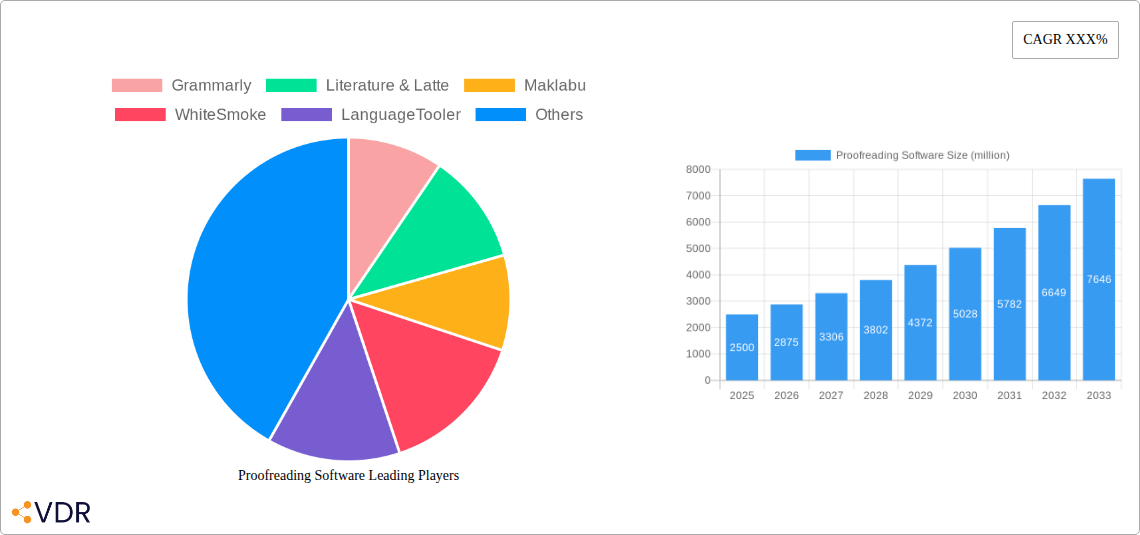
Proofreading Software Market Size (In Billion)

Market trajectory is shaped by technological advancements and evolving user needs. Cloud-based solutions are gaining prominence due to their accessibility, scalability, and continuous updates. The integration of Artificial Intelligence (AI) and Machine Learning (ML) is revolutionizing proofreading capabilities, enabling more nuanced error detection, style suggestions, and plagiarism checks. Key applications span Education, where students and educators rely on these tools for assignments and research, and Enterprise, where marketing materials, reports, and internal communications demand professional polish. While the market enjoys strong growth, potential restraints include the initial cost of premium software for individual users and the perception of AI-driven tools as a complete replacement for human editors. However, the overarching trend points towards a dynamic and expanding market driven by the persistent demand for clear, accurate, and impactful written communication.
Proofreading Software Company Market Share
This report offers critical analysis of the global Proofreading Software market, providing insights into its current dynamics, future trajectory, and key growth drivers. Leveraging a study period from 2019 to 2033, with 2025 as the base and estimated year, and a forecast period of 2025–2033, this report is an essential resource for industry professionals and investors. We meticulously examine the market across various segments, including applications in Education, Government, and Enterprise, alongside deployment types such as Cloud-based and On-premises solutions. With a focus on high-traffic keywords like "proofreading tool," "grammar checker," "AI writing assistant," and "content quality software," this report is optimized for search engine visibility, ensuring you can easily find crucial data.
Proofreading Software Market Dynamics & Structure
The global Proofreading Software market exhibits a moderately concentrated structure, with a few dominant players like Grammarly and ProWritingAid leading technological innovation and market penetration. The market’s growth is significantly propelled by advancements in Natural Language Processing (NLP) and Artificial Intelligence (AI), enabling more sophisticated error detection and stylistic suggestions. Regulatory frameworks, particularly concerning data privacy and content integrity, are increasingly influencing product development and market entry. Competitive product substitutes range from basic spell checkers to advanced AI-powered writing assistants, creating a dynamic competitive environment. End-user demographics are expanding beyond academic and professional writers to include general consumers and businesses seeking to enhance their written communication. Mergers and acquisitions (M&A) are a key trend, with strategic consolidations aimed at expanding feature sets and market reach.
- Market Concentration: Moderate, with key players holding substantial market share.
- Technological Innovation Drivers: NLP, AI, Machine Learning for advanced error detection and style enhancement.
- Regulatory Frameworks: Data privacy (GDPR, CCPA), content authenticity standards.
- Competitive Product Substitutes: Basic spell checkers, thesauruses, manual editing services.
- End-User Demographics: Students, educators, content creators, businesses of all sizes, non-native English speakers.
- M&A Trends: Strategic acquisitions to enhance product offerings and market share.
Proofreading Software Growth Trends & Insights
The Proofreading Software market is poised for substantial growth, driven by an escalating demand for error-free and professional written content across all sectors. The market size is projected to expand from an estimated value of $1,850 million in 2025 to $4,200 million by 2033, exhibiting a Compound Annual Growth Rate (CAGR) of approximately 10.7%. Adoption rates are steadily increasing, particularly within the Enterprise segment, where businesses recognize the critical role of clear communication in brand reputation and customer engagement. Technological disruptions, including the integration of AI-powered style guides and plagiarism detection, are revolutionizing the software’s capabilities. Consumer behavior shifts towards digital-first communication necessitate highly polished written output, further fueling market expansion. The rise of remote work and the proliferation of online content creation platforms have also significantly boosted the need for efficient and effective proofreading solutions.
- Market Size Evolution: From an estimated $1,850 million in 2025 to $4,200 million by 2033.
- Adoption Rates: Steadily increasing across all end-user segments, with notable acceleration in Enterprise.
- Technological Disruptions: Integration of advanced AI for nuanced grammar, style, and tone analysis; real-time collaborative editing features.
- Consumer Behavior Shifts: Increased reliance on digital communication, demand for polished written content, growth of freelance and content creation economies.
- Market Penetration: Expected to reach approximately 35% of potential users by 2033.
- CAGR: Approximately 10.7% during the forecast period.
Dominant Regions, Countries, or Segments in Proofreading Software
North America currently dominates the Proofreading Software market, driven by a robust technological infrastructure, a high adoption rate of digital tools, and a strong emphasis on academic and professional writing standards. The United States, in particular, represents a significant market share due to the presence of major technology hubs and a large user base of Grammarly and ProWritingAid. The Cloud-based deployment type is the most dominant, accounting for an estimated 70% of the market in 2025, owing to its scalability, accessibility, and cost-effectiveness. Within the Application segments, Enterprise is the largest driver of growth, expected to contribute over 35% of the market revenue by 2025. This is attributed to businesses’ increasing awareness of the impact of clear communication on brand perception and operational efficiency.
The Education segment also represents a substantial and growing market, with institutions integrating proofreading tools to improve student writing and streamline academic assessments. Governments are gradually increasing their adoption, particularly for policy documents and public communications, driving demand for accurate and consistent language. Emerging economies in Asia-Pacific are projected to exhibit the highest growth rates due to increasing internet penetration and a rising demand for digital content creation.
- Dominant Region: North America, with the United States leading.
- Dominant Segment (Type): Cloud-based, estimated at 70% market share in 2025.
- Dominant Segment (Application): Enterprise, contributing over 35% of market revenue in 2025.
- Key Drivers in Dominant Segments:
- North America: Technological innovation, strong academic focus, business adoption.
- Cloud-based: Scalability, accessibility, cost-efficiency, subscription models.
- Enterprise: Brand reputation, customer communication, internal documentation, legal compliance.
- Growth Potential in Emerging Markets: Asia-Pacific region showing significant upward trends.
- Government Adoption: Increasing focus on official communications and policy standardization.
Proofreading Software Product Landscape
The Proofreading Software product landscape is characterized by continuous innovation, with companies like Grammarly, ProWritingAid, and LanguageTooler leading the charge. Modern proofreading tools go beyond basic spell and grammar checking, offering advanced features such as AI-driven tone detection, style consistency analysis, and plagiarism detection. Applications now extend from academic papers and creative writing to professional emails, marketing copy, and website content. Performance metrics are increasingly focused on accuracy, speed, and user-friendliness, with many solutions offering real-time suggestions and seamless integration with various writing platforms. Unique selling propositions include personalized writing feedback, genre-specific style guides, and robust multilingual support. Technological advancements are pushing towards predictive text, context-aware suggestions, and even AI-generated content refinement.
Key Drivers, Barriers & Challenges in Proofreading Software
Key Drivers:
- Technological Advancements: The continuous evolution of AI and NLP powers more sophisticated and accurate proofreading capabilities, driving adoption.
- Growing Demand for Quality Content: Businesses and individuals increasingly recognize the importance of polished written communication for credibility and impact.
- Globalization and Remote Work: The need for clear, effective communication across diverse linguistic backgrounds and distributed teams fuels demand for automated assistance.
- Rise of Content Creation: The proliferation of online content platforms and the gig economy necessitates efficient tools for producing high-quality written material.
Barriers & Challenges:
- Accuracy Limitations: While advanced, AI still struggles with nuanced context, idiomatic expressions, and subjective stylistic preferences, leading to occasional false positives or negatives.
- Data Privacy Concerns: Users are increasingly cautious about sharing sensitive documents with third-party software, requiring robust security measures.
- Subscription Costs: For some individuals and small businesses, ongoing subscription fees can be a significant barrier to entry.
- User Adoption and Training: Overcoming user resistance to relying on automated tools and ensuring proper utilization of advanced features can be challenging.
- Intense Competition: The market is crowded with established players and new entrants, requiring constant innovation to maintain market share.
Emerging Opportunities in Proofreading Software
Emerging opportunities in the Proofreading Software market lie in the development of highly specialized AI assistants for niche industries, such as legal, medical, and technical writing, which have unique terminology and stylistic requirements. Further integration with content management systems (CMS) and customer relationship management (CRM) platforms presents a significant opportunity to streamline content workflows. The increasing demand for personalized learning experiences in education opens avenues for adaptive proofreading tools that cater to individual learning styles and developmental needs. Expanding multilingual capabilities and offering localized support for a wider range of languages will also unlock new markets. Furthermore, the development of browser extensions and mobile applications offering seamless proofreading across all digital interactions is a key growth area.
Growth Accelerators in the Proofreading Software Industry
Several catalysts are accelerating growth in the Proofreading Software industry. The ongoing refinement of AI algorithms, particularly in understanding intent and context, is a primary accelerator, enabling more human-like suggestions. Strategic partnerships between software providers and educational institutions, as well as large enterprises, are expanding user bases and driving adoption. Market expansion strategies, including localization and tailored product offerings for specific regional needs, are opening up new revenue streams. The increasing recognition of proofreading software as an essential productivity tool, rather than a luxury, is also a significant growth accelerator, encouraging wider integration into daily workflows.
Key Players Shaping the Proofreading Software Market
- Grammarly
- Literature & Latte
- Maklabu
- WhiteSmoke
- LanguageTooler
- Wordrake
- Paper Rater
- Ginger Software
- Scribe
- Proofreading Tool
- Hemingway
- ProWritingAid
Notable Milestones in Proofreading Software Sector
- 2019: Release of advanced AI features by major players, enhancing contextual understanding and style suggestions.
- 2020: Increased adoption of cloud-based solutions driven by remote work trends.
- 2021: Integration of plagiarism detection as a standard feature in many premium proofreading tools.
- 2022: Focus on developing AI for tone and sentiment analysis to improve communication effectiveness.
- 2023: Expansion of multilingual support and localization efforts for global markets.
- 2024: Introduction of AI-powered collaborative editing features for team-based projects.
In-Depth Proofreading Software Market Outlook
The future outlook for the Proofreading Software market is exceptionally bright, driven by the relentless advancement of AI and a universal demand for clear, effective written communication. Growth accelerators, including AI breakthroughs and strategic industry partnerships, will continue to fuel market expansion. The trend towards cloud-based solutions and mobile accessibility is expected to dominate, making sophisticated writing assistance available to an ever-wider audience. Opportunities for specialization in niche markets and deeper integration with existing business workflows present significant avenues for future revenue generation. The market is projected to witness continued robust growth, solidifying its position as an indispensable tool for professionals and individuals alike.
Proofreading Software Segmentation
-
1. Application
- 1.1. Education
- 1.2. Government
- 1.3. Enterprise
- 1.4. Others
-
2. Type
- 2.1. Cloud-based
- 2.2. On-premises
Proofreading Software Segmentation By Geography
-
1. North America
- 1.1. United States
- 1.2. Canada
- 1.3. Mexico
-
2. South America
- 2.1. Brazil
- 2.2. Argentina
- 2.3. Rest of South America
-
3. Europe
- 3.1. United Kingdom
- 3.2. Germany
- 3.3. France
- 3.4. Italy
- 3.5. Spain
- 3.6. Russia
- 3.7. Benelux
- 3.8. Nordics
- 3.9. Rest of Europe
-
4. Middle East & Africa
- 4.1. Turkey
- 4.2. Israel
- 4.3. GCC
- 4.4. North Africa
- 4.5. South Africa
- 4.6. Rest of Middle East & Africa
-
5. Asia Pacific
- 5.1. China
- 5.2. India
- 5.3. Japan
- 5.4. South Korea
- 5.5. ASEAN
- 5.6. Oceania
- 5.7. Rest of Asia Pacific
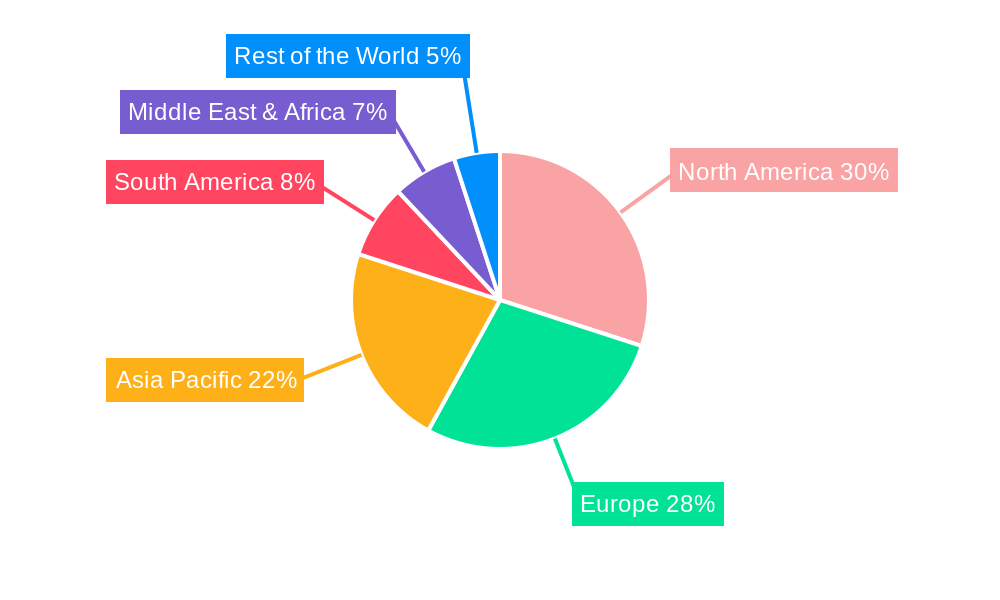
Proofreading Software Regional Market Share
Geographic Coverage of Proofreading Software
Proofreading Software REPORT HIGHLIGHTS
| Aspects | Details |
|---|---|
| Study Period | 2020-2034 |
| Base Year | 2025 |
| Estimated Year | 2026 |
| Forecast Period | 2026-2034 |
| Historical Period | 2020-2025 |
| Growth Rate | CAGR of 7.55% from 2020-2034 |
| Segmentation |
|
Table of Contents
- 1. Introduction
- 1.1. Research Scope
- 1.2. Market Segmentation
- 1.3. Research Methodology
- 1.4. Definitions and Assumptions
- 2. Executive Summary
- 2.1. Introduction
- 3. Market Dynamics
- 3.1. Introduction
- 3.2. Market Drivers
- 3.3. Market Restrains
- 3.4. Market Trends
- 4. Market Factor Analysis
- 4.1. Porters Five Forces
- 4.2. Supply/Value Chain
- 4.3. PESTEL analysis
- 4.4. Market Entropy
- 4.5. Patent/Trademark Analysis
- 5. Global Proofreading Software Analysis, Insights and Forecast, 2020-2032
- 5.1. Market Analysis, Insights and Forecast - by Application
- 5.1.1. Education
- 5.1.2. Government
- 5.1.3. Enterprise
- 5.1.4. Others
- 5.2. Market Analysis, Insights and Forecast - by Type
- 5.2.1. Cloud-based
- 5.2.2. On-premises
- 5.3. Market Analysis, Insights and Forecast - by Region
- 5.3.1. North America
- 5.3.2. South America
- 5.3.3. Europe
- 5.3.4. Middle East & Africa
- 5.3.5. Asia Pacific
- 5.1. Market Analysis, Insights and Forecast - by Application
- 6. North America Proofreading Software Analysis, Insights and Forecast, 2020-2032
- 6.1. Market Analysis, Insights and Forecast - by Application
- 6.1.1. Education
- 6.1.2. Government
- 6.1.3. Enterprise
- 6.1.4. Others
- 6.2. Market Analysis, Insights and Forecast - by Type
- 6.2.1. Cloud-based
- 6.2.2. On-premises
- 6.1. Market Analysis, Insights and Forecast - by Application
- 7. South America Proofreading Software Analysis, Insights and Forecast, 2020-2032
- 7.1. Market Analysis, Insights and Forecast - by Application
- 7.1.1. Education
- 7.1.2. Government
- 7.1.3. Enterprise
- 7.1.4. Others
- 7.2. Market Analysis, Insights and Forecast - by Type
- 7.2.1. Cloud-based
- 7.2.2. On-premises
- 7.1. Market Analysis, Insights and Forecast - by Application
- 8. Europe Proofreading Software Analysis, Insights and Forecast, 2020-2032
- 8.1. Market Analysis, Insights and Forecast - by Application
- 8.1.1. Education
- 8.1.2. Government
- 8.1.3. Enterprise
- 8.1.4. Others
- 8.2. Market Analysis, Insights and Forecast - by Type
- 8.2.1. Cloud-based
- 8.2.2. On-premises
- 8.1. Market Analysis, Insights and Forecast - by Application
- 9. Middle East & Africa Proofreading Software Analysis, Insights and Forecast, 2020-2032
- 9.1. Market Analysis, Insights and Forecast - by Application
- 9.1.1. Education
- 9.1.2. Government
- 9.1.3. Enterprise
- 9.1.4. Others
- 9.2. Market Analysis, Insights and Forecast - by Type
- 9.2.1. Cloud-based
- 9.2.2. On-premises
- 9.1. Market Analysis, Insights and Forecast - by Application
- 10. Asia Pacific Proofreading Software Analysis, Insights and Forecast, 2020-2032
- 10.1. Market Analysis, Insights and Forecast - by Application
- 10.1.1. Education
- 10.1.2. Government
- 10.1.3. Enterprise
- 10.1.4. Others
- 10.2. Market Analysis, Insights and Forecast - by Type
- 10.2.1. Cloud-based
- 10.2.2. On-premises
- 10.1. Market Analysis, Insights and Forecast - by Application
- 11. Competitive Analysis
- 11.1. Global Market Share Analysis 2025
- 11.2. Company Profiles
- 11.2.1 Grammarly
- 11.2.1.1. Overview
- 11.2.1.2. Products
- 11.2.1.3. SWOT Analysis
- 11.2.1.4. Recent Developments
- 11.2.1.5. Financials (Based on Availability)
- 11.2.2 Literature & Latte
- 11.2.2.1. Overview
- 11.2.2.2. Products
- 11.2.2.3. SWOT Analysis
- 11.2.2.4. Recent Developments
- 11.2.2.5. Financials (Based on Availability)
- 11.2.3 Maklabu
- 11.2.3.1. Overview
- 11.2.3.2. Products
- 11.2.3.3. SWOT Analysis
- 11.2.3.4. Recent Developments
- 11.2.3.5. Financials (Based on Availability)
- 11.2.4 WhiteSmoke
- 11.2.4.1. Overview
- 11.2.4.2. Products
- 11.2.4.3. SWOT Analysis
- 11.2.4.4. Recent Developments
- 11.2.4.5. Financials (Based on Availability)
- 11.2.5 LanguageTooler
- 11.2.5.1. Overview
- 11.2.5.2. Products
- 11.2.5.3. SWOT Analysis
- 11.2.5.4. Recent Developments
- 11.2.5.5. Financials (Based on Availability)
- 11.2.6 Wordrake
- 11.2.6.1. Overview
- 11.2.6.2. Products
- 11.2.6.3. SWOT Analysis
- 11.2.6.4. Recent Developments
- 11.2.6.5. Financials (Based on Availability)
- 11.2.7 Paper Rater
- 11.2.7.1. Overview
- 11.2.7.2. Products
- 11.2.7.3. SWOT Analysis
- 11.2.7.4. Recent Developments
- 11.2.7.5. Financials (Based on Availability)
- 11.2.8 Ginger Software
- 11.2.8.1. Overview
- 11.2.8.2. Products
- 11.2.8.3. SWOT Analysis
- 11.2.8.4. Recent Developments
- 11.2.8.5. Financials (Based on Availability)
- 11.2.9 Scribe
- 11.2.9.1. Overview
- 11.2.9.2. Products
- 11.2.9.3. SWOT Analysis
- 11.2.9.4. Recent Developments
- 11.2.9.5. Financials (Based on Availability)
- 11.2.10 Proofreading Tool
- 11.2.10.1. Overview
- 11.2.10.2. Products
- 11.2.10.3. SWOT Analysis
- 11.2.10.4. Recent Developments
- 11.2.10.5. Financials (Based on Availability)
- 11.2.11 Hemingway
- 11.2.11.1. Overview
- 11.2.11.2. Products
- 11.2.11.3. SWOT Analysis
- 11.2.11.4. Recent Developments
- 11.2.11.5. Financials (Based on Availability)
- 11.2.12 ProWritingAid
- 11.2.12.1. Overview
- 11.2.12.2. Products
- 11.2.12.3. SWOT Analysis
- 11.2.12.4. Recent Developments
- 11.2.12.5. Financials (Based on Availability)
- 11.2.1 Grammarly
List of Figures
- Figure 1: Global Proofreading Software Revenue Breakdown (billion, %) by Region 2025 & 2033
- Figure 2: North America Proofreading Software Revenue (billion), by Application 2025 & 2033
- Figure 3: North America Proofreading Software Revenue Share (%), by Application 2025 & 2033
- Figure 4: North America Proofreading Software Revenue (billion), by Type 2025 & 2033
- Figure 5: North America Proofreading Software Revenue Share (%), by Type 2025 & 2033
- Figure 6: North America Proofreading Software Revenue (billion), by Country 2025 & 2033
- Figure 7: North America Proofreading Software Revenue Share (%), by Country 2025 & 2033
- Figure 8: South America Proofreading Software Revenue (billion), by Application 2025 & 2033
- Figure 9: South America Proofreading Software Revenue Share (%), by Application 2025 & 2033
- Figure 10: South America Proofreading Software Revenue (billion), by Type 2025 & 2033
- Figure 11: South America Proofreading Software Revenue Share (%), by Type 2025 & 2033
- Figure 12: South America Proofreading Software Revenue (billion), by Country 2025 & 2033
- Figure 13: South America Proofreading Software Revenue Share (%), by Country 2025 & 2033
- Figure 14: Europe Proofreading Software Revenue (billion), by Application 2025 & 2033
- Figure 15: Europe Proofreading Software Revenue Share (%), by Application 2025 & 2033
- Figure 16: Europe Proofreading Software Revenue (billion), by Type 2025 & 2033
- Figure 17: Europe Proofreading Software Revenue Share (%), by Type 2025 & 2033
- Figure 18: Europe Proofreading Software Revenue (billion), by Country 2025 & 2033
- Figure 19: Europe Proofreading Software Revenue Share (%), by Country 2025 & 2033
- Figure 20: Middle East & Africa Proofreading Software Revenue (billion), by Application 2025 & 2033
- Figure 21: Middle East & Africa Proofreading Software Revenue Share (%), by Application 2025 & 2033
- Figure 22: Middle East & Africa Proofreading Software Revenue (billion), by Type 2025 & 2033
- Figure 23: Middle East & Africa Proofreading Software Revenue Share (%), by Type 2025 & 2033
- Figure 24: Middle East & Africa Proofreading Software Revenue (billion), by Country 2025 & 2033
- Figure 25: Middle East & Africa Proofreading Software Revenue Share (%), by Country 2025 & 2033
- Figure 26: Asia Pacific Proofreading Software Revenue (billion), by Application 2025 & 2033
- Figure 27: Asia Pacific Proofreading Software Revenue Share (%), by Application 2025 & 2033
- Figure 28: Asia Pacific Proofreading Software Revenue (billion), by Type 2025 & 2033
- Figure 29: Asia Pacific Proofreading Software Revenue Share (%), by Type 2025 & 2033
- Figure 30: Asia Pacific Proofreading Software Revenue (billion), by Country 2025 & 2033
- Figure 31: Asia Pacific Proofreading Software Revenue Share (%), by Country 2025 & 2033
List of Tables
- Table 1: Global Proofreading Software Revenue billion Forecast, by Application 2020 & 2033
- Table 2: Global Proofreading Software Revenue billion Forecast, by Type 2020 & 2033
- Table 3: Global Proofreading Software Revenue billion Forecast, by Region 2020 & 2033
- Table 4: Global Proofreading Software Revenue billion Forecast, by Application 2020 & 2033
- Table 5: Global Proofreading Software Revenue billion Forecast, by Type 2020 & 2033
- Table 6: Global Proofreading Software Revenue billion Forecast, by Country 2020 & 2033
- Table 7: United States Proofreading Software Revenue (billion) Forecast, by Application 2020 & 2033
- Table 8: Canada Proofreading Software Revenue (billion) Forecast, by Application 2020 & 2033
- Table 9: Mexico Proofreading Software Revenue (billion) Forecast, by Application 2020 & 2033
- Table 10: Global Proofreading Software Revenue billion Forecast, by Application 2020 & 2033
- Table 11: Global Proofreading Software Revenue billion Forecast, by Type 2020 & 2033
- Table 12: Global Proofreading Software Revenue billion Forecast, by Country 2020 & 2033
- Table 13: Brazil Proofreading Software Revenue (billion) Forecast, by Application 2020 & 2033
- Table 14: Argentina Proofreading Software Revenue (billion) Forecast, by Application 2020 & 2033
- Table 15: Rest of South America Proofreading Software Revenue (billion) Forecast, by Application 2020 & 2033
- Table 16: Global Proofreading Software Revenue billion Forecast, by Application 2020 & 2033
- Table 17: Global Proofreading Software Revenue billion Forecast, by Type 2020 & 2033
- Table 18: Global Proofreading Software Revenue billion Forecast, by Country 2020 & 2033
- Table 19: United Kingdom Proofreading Software Revenue (billion) Forecast, by Application 2020 & 2033
- Table 20: Germany Proofreading Software Revenue (billion) Forecast, by Application 2020 & 2033
- Table 21: France Proofreading Software Revenue (billion) Forecast, by Application 2020 & 2033
- Table 22: Italy Proofreading Software Revenue (billion) Forecast, by Application 2020 & 2033
- Table 23: Spain Proofreading Software Revenue (billion) Forecast, by Application 2020 & 2033
- Table 24: Russia Proofreading Software Revenue (billion) Forecast, by Application 2020 & 2033
- Table 25: Benelux Proofreading Software Revenue (billion) Forecast, by Application 2020 & 2033
- Table 26: Nordics Proofreading Software Revenue (billion) Forecast, by Application 2020 & 2033
- Table 27: Rest of Europe Proofreading Software Revenue (billion) Forecast, by Application 2020 & 2033
- Table 28: Global Proofreading Software Revenue billion Forecast, by Application 2020 & 2033
- Table 29: Global Proofreading Software Revenue billion Forecast, by Type 2020 & 2033
- Table 30: Global Proofreading Software Revenue billion Forecast, by Country 2020 & 2033
- Table 31: Turkey Proofreading Software Revenue (billion) Forecast, by Application 2020 & 2033
- Table 32: Israel Proofreading Software Revenue (billion) Forecast, by Application 2020 & 2033
- Table 33: GCC Proofreading Software Revenue (billion) Forecast, by Application 2020 & 2033
- Table 34: North Africa Proofreading Software Revenue (billion) Forecast, by Application 2020 & 2033
- Table 35: South Africa Proofreading Software Revenue (billion) Forecast, by Application 2020 & 2033
- Table 36: Rest of Middle East & Africa Proofreading Software Revenue (billion) Forecast, by Application 2020 & 2033
- Table 37: Global Proofreading Software Revenue billion Forecast, by Application 2020 & 2033
- Table 38: Global Proofreading Software Revenue billion Forecast, by Type 2020 & 2033
- Table 39: Global Proofreading Software Revenue billion Forecast, by Country 2020 & 2033
- Table 40: China Proofreading Software Revenue (billion) Forecast, by Application 2020 & 2033
- Table 41: India Proofreading Software Revenue (billion) Forecast, by Application 2020 & 2033
- Table 42: Japan Proofreading Software Revenue (billion) Forecast, by Application 2020 & 2033
- Table 43: South Korea Proofreading Software Revenue (billion) Forecast, by Application 2020 & 2033
- Table 44: ASEAN Proofreading Software Revenue (billion) Forecast, by Application 2020 & 2033
- Table 45: Oceania Proofreading Software Revenue (billion) Forecast, by Application 2020 & 2033
- Table 46: Rest of Asia Pacific Proofreading Software Revenue (billion) Forecast, by Application 2020 & 2033
Frequently Asked Questions
1. What is the projected Compound Annual Growth Rate (CAGR) of the Proofreading Software?
The projected CAGR is approximately 7.55%.
2. Which companies are prominent players in the Proofreading Software?
Key companies in the market include Grammarly, Literature & Latte, Maklabu, WhiteSmoke, LanguageTooler, Wordrake, Paper Rater, Ginger Software, Scribe, Proofreading Tool, Hemingway, ProWritingAid.
3. What are the main segments of the Proofreading Software?
The market segments include Application, Type.
4. Can you provide details about the market size?
The market size is estimated to be USD 9.98 billion as of 2022.
5. What are some drivers contributing to market growth?
N/A
6. What are the notable trends driving market growth?
N/A
7. Are there any restraints impacting market growth?
N/A
8. Can you provide examples of recent developments in the market?
N/A
9. What pricing options are available for accessing the report?
Pricing options include single-user, multi-user, and enterprise licenses priced at USD 2900.00, USD 4350.00, and USD 5800.00 respectively.
10. Is the market size provided in terms of value or volume?
The market size is provided in terms of value, measured in billion.
11. Are there any specific market keywords associated with the report?
Yes, the market keyword associated with the report is "Proofreading Software," which aids in identifying and referencing the specific market segment covered.
12. How do I determine which pricing option suits my needs best?
The pricing options vary based on user requirements and access needs. Individual users may opt for single-user licenses, while businesses requiring broader access may choose multi-user or enterprise licenses for cost-effective access to the report.
13. Are there any additional resources or data provided in the Proofreading Software report?
While the report offers comprehensive insights, it's advisable to review the specific contents or supplementary materials provided to ascertain if additional resources or data are available.
14. How can I stay updated on further developments or reports in the Proofreading Software?
To stay informed about further developments, trends, and reports in the Proofreading Software, consider subscribing to industry newsletters, following relevant companies and organizations, or regularly checking reputable industry news sources and publications.
Methodology
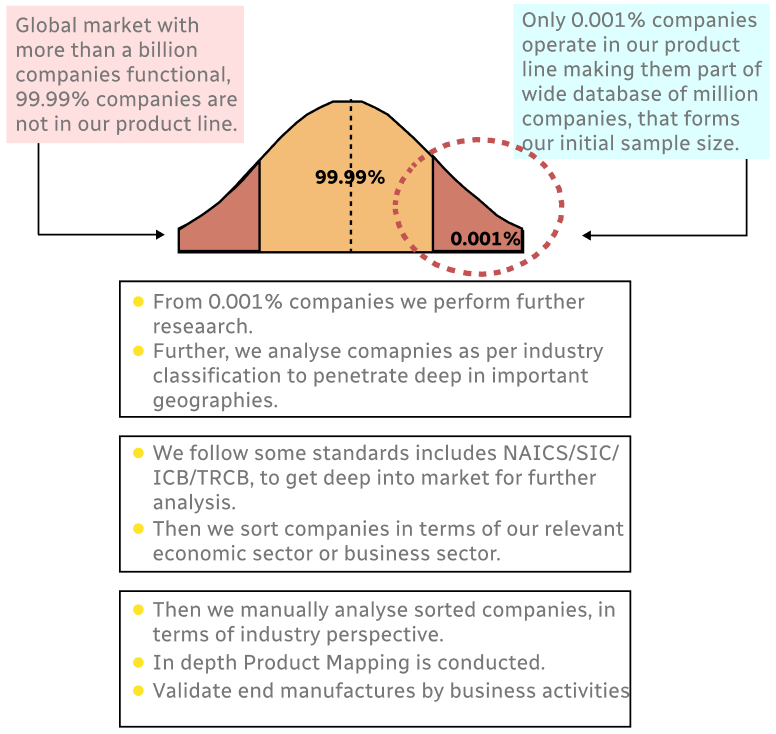
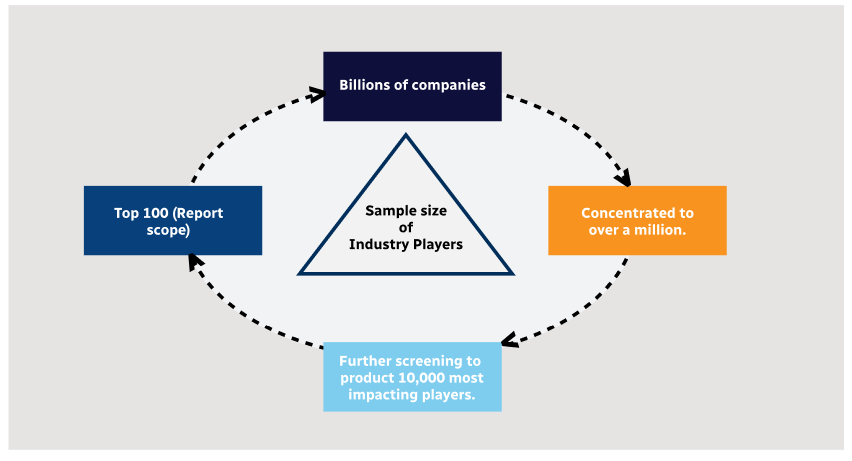
Step 1 - Identification of Relevant Samples Size from Population Database
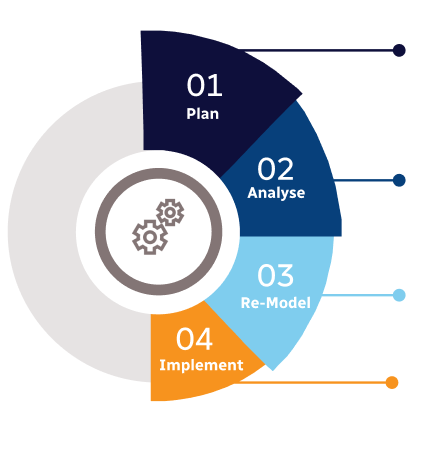
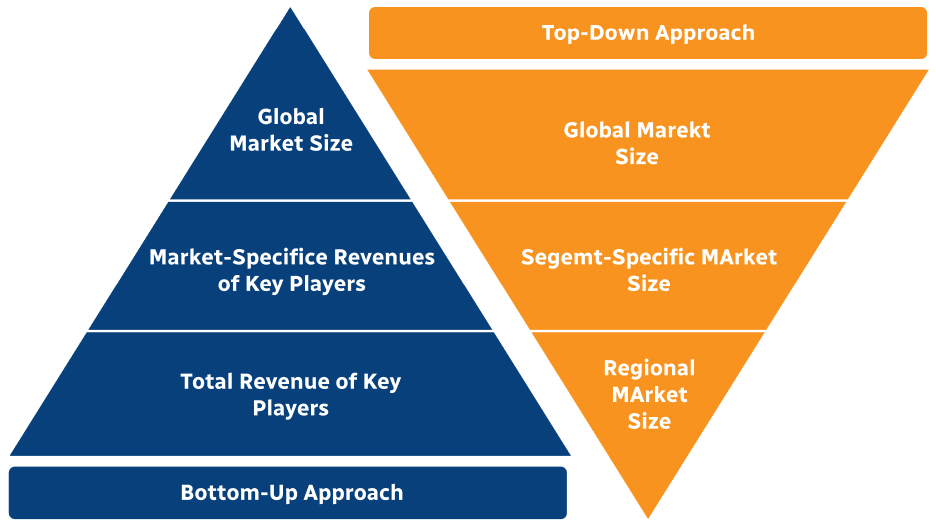
Step 2 - Approaches for Defining Global Market Size (Value, Volume* & Price*)
Note*: In applicable scenarios
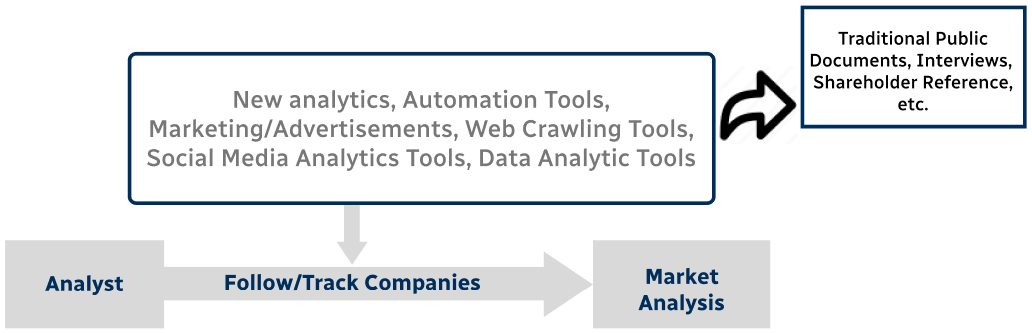
Step 3 - Data Sources
Primary Research
- Web Analytics
- Survey Reports
- Research Institute
- Latest Research Reports
- Opinion Leaders
Secondary Research
- Annual Reports
- White Paper
- Latest Press Release
- Industry Association
- Paid Database
- Investor Presentations
Step 4 - Data Triangulation
Involves using different sources of information in order to increase the validity of a study
These sources are likely to be stakeholders in a program - participants, other researchers, program staff, other community members, and so on.
Then we put all data in single framework & apply various statistical tools to find out the dynamic on the market.
During the analysis stage, feedback from the stakeholder groups would be compared to determine areas of agreement as well as areas of divergence