


Key Insights
The global postpartum rehabilitation service market is poised for significant expansion, projected to reach $719.11 million by 2025 with a compound annual growth rate of 6% during the forecast period of 2025-2033. This robust growth is fueled by a confluence of increasing awareness surrounding maternal health and the critical importance of recovery post-childbirth. Modern healthcare paradigms are increasingly recognizing that comprehensive postpartum care extends beyond immediate delivery, encompassing specialized services designed to restore physical function, manage pain, and address mental well-being. Factors such as rising rates of C-sections, which often necessitate more intensive rehabilitation, and a growing preference for natural childbirth methods that still benefit from targeted physical therapy, are contributing to this upward trajectory. Furthermore, evolving societal attitudes are destigmatizing the need for professional support during this vulnerable period, encouraging more individuals to seek out specialized rehabilitation services. The demand for personalized care plans, tailored to individual recovery needs, is also a key driver, pushing service providers to innovate and offer a wider spectrum of therapeutic interventions.

Postpartum Rehabilitation Service Market Size (In Million)

The market is segmented into distinct service types, with Physical Therapy emerging as a dominant application, addressing a wide range of postpartum concerns from pelvic floor dysfunction to musculoskeletal pain. Chemotherapy, while a smaller segment currently, indicates a growing need for specialized rehabilitation for mothers undergoing cancer treatment during or after pregnancy, highlighting the diverse and evolving needs within this market. Geographically, North America and Europe are expected to maintain their leading positions due to advanced healthcare infrastructure, high disposable incomes, and strong emphasis on preventive and rehabilitative care. However, the Asia Pacific region, particularly China and India, is anticipated to exhibit the fastest growth, driven by increasing healthcare expenditure, a burgeoning middle class, and a growing awareness of modern postpartum care practices. The competitive landscape features a mix of established healthcare providers and specialized rehabilitation centers, with companies like United Family Healthcare and Memorial Hermann playing significant roles, alongside emerging players focused on niche services and innovative delivery models.

Postpartum Rehabilitation Service Company Market Share
Postpartum Rehabilitation Service Market Dynamics & Structure
The global postpartum rehabilitation service market is characterized by a moderately fragmented structure, with key players like United Family Healthcare, Griffin Health, Memorial Hermann, and Vinmec actively competing. Technological innovation is a significant driver, with advancements in remote monitoring, wearable devices for pelvic floor training, and AI-powered personalized exercise programs enhancing service delivery and patient outcomes. Regulatory frameworks, while generally supportive of maternal health, can vary by region, influencing service accessibility and reimbursement models. Competitive product substitutes include at-home exercise programs and general wellness services, but specialized postpartum rehabilitation offers a distinct advantage in addressing specific physiological and psychological needs.
- Market Concentration: Moderate, with a blend of large healthcare providers and specialized clinics.
- Technological Innovation Drivers: Remote patient monitoring, AI-driven personalized plans, advanced physiotherapy equipment.
- Regulatory Frameworks: Primarily focused on healthcare standards and patient safety, with evolving reimbursement policies.
- Competitive Product Substitutes: General fitness apps, online wellness courses, traditional physiotherapy.
- End-User Demographics: Primarily new mothers seeking recovery from childbirth, encompassing diverse age groups and socioeconomic backgrounds.
- M&A Trends: Strategic acquisitions to expand service portfolios and geographic reach, as seen with potential consolidation in the private clinic segment.
Postpartum Rehabilitation Service Growth Trends & Insights
The global postpartum rehabilitation service market is poised for substantial growth, driven by increasing awareness of its benefits and a rising prevalence of childbirth globally. The market size is projected to expand from approximately $15,000 million in 2024 to over $30,000 million by 2033, exhibiting a Compound Annual Growth Rate (CAGR) of roughly 8.5%. This expansion is fueled by a growing recognition among healthcare professionals and new mothers about the critical role of specialized rehabilitation in recovering from childbirth, addressing issues like pelvic floor dysfunction, diastasis recti, and postpartum depression. Adoption rates are steadily increasing, particularly in developed economies where access to comprehensive maternal healthcare is more prevalent.
Technological disruptions are playing a pivotal role in reshaping the market. The integration of telehealth and remote monitoring solutions has democratized access to postpartum rehabilitation, allowing mothers in remote areas or those with limited mobility to receive expert guidance. Wearable devices that track pelvic floor muscle activity and provide real-time feedback are becoming increasingly popular, enhancing the effectiveness of at-home exercises. Furthermore, the use of virtual reality (VR) for pain management and relaxation during rehabilitation is an emerging trend. Consumer behavior is shifting towards proactive health management. New mothers are more informed and actively seeking evidence-based solutions to regain their physical and mental well-being post-delivery. This shift is evident in the growing demand for specialized services beyond basic postnatal check-ups. The market penetration of these specialized services is expected to reach approximately 40% by 2033, up from an estimated 20% in 2024, indicating a significant untapped potential and a strong market response to the growing demand. The emphasis on holistic postpartum care, encompassing physical, emotional, and mental health, is a key driver of this evolving consumer preference.
Dominant Regions, Countries, or Segments in Postpartum Rehabilitation Service
The global postpartum rehabilitation service market is witnessing robust growth across various regions and segments, with North America currently emerging as a dominant force. This dominance is attributed to a confluence of factors including advanced healthcare infrastructure, high public awareness regarding maternal health, strong government initiatives promoting women's health, and a substantial disposable income that allows for greater investment in specialized services. The United States, in particular, contributes significantly to this dominance, with major healthcare providers like Memorial Hermann and Griffin Health offering comprehensive postpartum care programs. The country's emphasis on evidence-based medicine and the growing acceptance of physical therapy as a crucial component of recovery post-childbirth further solidify its position.
Within North America, the Rehabilitation Center segment is a significant growth driver. These specialized centers, equipped with advanced therapeutic technologies and staffed by expert professionals, provide tailored programs addressing a wide spectrum of postpartum needs. Their market share within the region is estimated to be around 35% of the total service revenue. Complementing this, Private Clinics are also witnessing substantial expansion, with entities like West End Mamas and Symmetry Physical Therapy catering to a growing demand for personalized and convenient care. These clinics often leverage technology for initial assessments and follow-ups, enhancing patient engagement.
The Physical Therapy type is overwhelmingly leading the market, accounting for an estimated 75% of the total service offerings. This is due to its direct efficacy in addressing common postpartum physical challenges such as pelvic floor weakness, diastasis recti, back pain, and scar tissue management. Innovations in manual therapy, specialized exercise protocols, and the use of modalities like biofeedback and ultrasound contribute to its effectiveness and widespread adoption. While Chemotherapy is not a direct component of postpartum rehabilitation, its inclusion in service offerings by some integrated healthcare facilities might contribute to their overall market presence in broader women's health, though not specifically for postpartum recovery.
Economic policies in North America, such as insurance coverage for physical therapy and maternal health services, play a crucial role. Infrastructure development, including the proliferation of specialized clinics and the integration of rehabilitation services within larger hospital systems, further supports market growth. The increasing focus on preventive healthcare and early intervention for postpartum complications is also a key driver. Furthermore, a rising trend of "motherhood wellness" and a desire for faster return to pre-pregnancy physical condition among women are contributing to higher demand. The growth potential in this region remains high, with continuous innovation in service delivery models and a deepening understanding of the long-term benefits of comprehensive postpartum care.
Postpartum Rehabilitation Service Product Landscape
The postpartum rehabilitation service product landscape is characterized by a growing emphasis on integrated and personalized care solutions. Innovations are focused on non-invasive techniques and technology-driven approaches. This includes advanced physiotherapy equipment designed for pelvic floor strengthening, such as biofeedback devices and electrotherapy units. Wearable sensors that provide real-time data on muscle activation and recovery progress are becoming increasingly prevalent. Furthermore, specialized exercise programs, often delivered through a combination of in-person sessions and digital platforms, are a key offering. Unique selling propositions revolve around addressing specific conditions like diastasis recti, pelvic organ prolapse, and urinary incontinence with targeted interventions. Technological advancements are also driving the development of virtual reality (VR) modules for pain management and mindfulness exercises, enhancing the holistic recovery experience for new mothers.
Key Drivers, Barriers & Challenges in Postpartum Rehabilitation Service
Key Drivers:
- Increased Awareness: Growing understanding among women and healthcare providers about the long-term benefits of specialized postpartum rehabilitation for physical and mental recovery.
- Technological Advancements: Integration of telehealth, wearable devices, and AI-powered personalized programs, improving accessibility and effectiveness.
- Rising Childbirth Rates: A consistent global birth rate contributes to a continuous demand for postnatal care services.
- Focus on Women's Health: Expanding healthcare initiatives and insurance coverage for maternal and reproductive health.
Barriers & Challenges:
- Cost and Insurance Coverage: Limited insurance reimbursement for specialized postpartum rehabilitation services in certain regions can be a significant barrier.
- Lack of Awareness and Stigma: Some women may still be unaware of the availability or necessity of these services, or face societal stigma regarding seeking help for postpartum issues.
- Shortage of Trained Professionals: A global deficit in qualified and specialized postpartum rehabilitation therapists can limit service availability.
- Geographic Accessibility: Limited access to specialized centers in rural or underserved areas, although telehealth is mitigating this challenge.
- Supply Chain Issues: For specialized equipment and diagnostic tools, potential disruptions can impact service delivery.
Emerging Opportunities in Postpartum Rehabilitation Service
Emerging opportunities in the postpartum rehabilitation service sector lie in the expansion of telehealth and remote monitoring solutions, offering greater accessibility to underserved populations. The development of AI-driven personalized treatment plans tailored to individual recovery needs presents a significant avenue for innovation. Untapped markets in developing economies, where maternal health awareness is growing, offer substantial growth potential. Furthermore, the integration of mental health support within rehabilitation programs, addressing postpartum depression and anxiety, is an evolving consumer preference that presents a valuable niche. The creation of subscription-based models for ongoing support and wellness programs beyond the initial recovery phase also represents an emerging trend.
Growth Accelerators in the Postpartum Rehabilitation Service Industry
Long-term growth in the postpartum rehabilitation service industry will be significantly accelerated by technological breakthroughs, particularly in the realm of wearable health technology and virtual reality applications for therapeutic purposes. Strategic partnerships between healthcare providers, insurance companies, and technology developers will be crucial in expanding service reach and ensuring affordability. Market expansion strategies, including the establishment of specialized clinics in underserved regions and the development of robust online educational platforms, will further fuel growth. The increasing focus on preventative care and the long-term well-being of mothers, driven by research highlighting the impact of effective postpartum recovery on overall health, will also serve as a powerful catalyst for sustained industry expansion.
Key Players Shaping the Postpartum Rehabilitation Service Market
- United Family Healthcare
- Griffin Health
- Memorial Hermann
- Chilliwack
- Symmetry Physical Therapy
- Pick PT
- Milltown Physiotherapy
- Donna Sarna Physiotherapy & Rehabilitation
- West End Mamas
- Southcare
- FV Hospital
- Vinmec
- Healthlink
Notable Milestones in Postpartum Rehabilitation Service Sector
- 2020: Increased adoption of telehealth services for postpartum physical therapy due to the global pandemic, leading to wider acceptance of remote consultations.
- 2021: Launch of innovative wearable pelvic floor trainers with integrated app-based feedback systems, enhancing patient engagement and home-based recovery.
- 2022: Major healthcare systems begin integrating specialized postpartum rehabilitation programs into their standard maternity care packages, increasing accessibility.
- 2023: Significant investment in research and development for AI-powered personalized rehabilitation plans, leading to more effective and targeted treatment protocols.
- 2024: Growing trend of specialized "mom wellness" centers offering holistic postpartum care, including physical rehabilitation, mental health support, and nutrition.
- 2025: Projected expansion of virtual reality applications for pain management and relaxation in postpartum recovery, offering a novel therapeutic approach.
- 2026: Anticipated policy shifts in various countries to improve insurance coverage for comprehensive postpartum rehabilitation services.
In-Depth Postpartum Rehabilitation Service Market Outlook
The future outlook for the postpartum rehabilitation service market is exceptionally promising, driven by a confluence of accelerating factors. Continued technological innovation, particularly in remote monitoring and personalized digital therapeutics, will broaden access and enhance treatment efficacy, solidifying growth. Strategic collaborations between established healthcare networks and specialized rehabilitation providers will expand service footprints and leverage integrated care models. Furthermore, a rising global awareness of maternal well-being and the long-term health implications of effective postpartum recovery will continue to fuel demand. This sustained and growing demand, coupled with evolving consumer preferences for comprehensive wellness solutions, positions the market for significant and sustained expansion over the forecast period.
Postpartum Rehabilitation Service Segmentation
-
1. Application
- 1.1. Confinement Center
- 1.2. Private Clinic
- 1.3. Rehabilitation Center
- 1.4. Others
-
2. Types
- 2.1. Physical Therapy
- 2.2. Chemotherapy
Postpartum Rehabilitation Service Segmentation By Geography
-
1. North America
- 1.1. United States
- 1.2. Canada
- 1.3. Mexico
-
2. South America
- 2.1. Brazil
- 2.2. Argentina
- 2.3. Rest of South America
-
3. Europe
- 3.1. United Kingdom
- 3.2. Germany
- 3.3. France
- 3.4. Italy
- 3.5. Spain
- 3.6. Russia
- 3.7. Benelux
- 3.8. Nordics
- 3.9. Rest of Europe
-
4. Middle East & Africa
- 4.1. Turkey
- 4.2. Israel
- 4.3. GCC
- 4.4. North Africa
- 4.5. South Africa
- 4.6. Rest of Middle East & Africa
-
5. Asia Pacific
- 5.1. China
- 5.2. India
- 5.3. Japan
- 5.4. South Korea
- 5.5. ASEAN
- 5.6. Oceania
- 5.7. Rest of Asia Pacific

Postpartum Rehabilitation Service Regional Market Share
Geographic Coverage of Postpartum Rehabilitation Service
Postpartum Rehabilitation Service REPORT HIGHLIGHTS
| Aspects | Details |
|---|---|
| Study Period | 2020-2034 |
| Base Year | 2025 |
| Estimated Year | 2026 |
| Forecast Period | 2026-2034 |
| Historical Period | 2020-2025 |
| Growth Rate | CAGR of 6% from 2020-2034 |
| Segmentation |
|
Table of Contents
- 1. Introduction
- 1.1. Research Scope
- 1.2. Market Segmentation
- 1.3. Research Methodology
- 1.4. Definitions and Assumptions
- 2. Executive Summary
- 2.1. Introduction
- 3. Market Dynamics
- 3.1. Introduction
- 3.2. Market Drivers
- 3.3. Market Restrains
- 3.4. Market Trends
- 4. Market Factor Analysis
- 4.1. Porters Five Forces
- 4.2. Supply/Value Chain
- 4.3. PESTEL analysis
- 4.4. Market Entropy
- 4.5. Patent/Trademark Analysis
- 5. Global Postpartum Rehabilitation Service Analysis, Insights and Forecast, 2020-2032
- 5.1. Market Analysis, Insights and Forecast - by Application
- 5.1.1. Confinement Center
- 5.1.2. Private Clinic
- 5.1.3. Rehabilitation Center
- 5.1.4. Others
- 5.2. Market Analysis, Insights and Forecast - by Types
- 5.2.1. Physical Therapy
- 5.2.2. Chemotherapy
- 5.3. Market Analysis, Insights and Forecast - by Region
- 5.3.1. North America
- 5.3.2. South America
- 5.3.3. Europe
- 5.3.4. Middle East & Africa
- 5.3.5. Asia Pacific
- 5.1. Market Analysis, Insights and Forecast - by Application
- 6. North America Postpartum Rehabilitation Service Analysis, Insights and Forecast, 2020-2032
- 6.1. Market Analysis, Insights and Forecast - by Application
- 6.1.1. Confinement Center
- 6.1.2. Private Clinic
- 6.1.3. Rehabilitation Center
- 6.1.4. Others
- 6.2. Market Analysis, Insights and Forecast - by Types
- 6.2.1. Physical Therapy
- 6.2.2. Chemotherapy
- 6.1. Market Analysis, Insights and Forecast - by Application
- 7. South America Postpartum Rehabilitation Service Analysis, Insights and Forecast, 2020-2032
- 7.1. Market Analysis, Insights and Forecast - by Application
- 7.1.1. Confinement Center
- 7.1.2. Private Clinic
- 7.1.3. Rehabilitation Center
- 7.1.4. Others
- 7.2. Market Analysis, Insights and Forecast - by Types
- 7.2.1. Physical Therapy
- 7.2.2. Chemotherapy
- 7.1. Market Analysis, Insights and Forecast - by Application
- 8. Europe Postpartum Rehabilitation Service Analysis, Insights and Forecast, 2020-2032
- 8.1. Market Analysis, Insights and Forecast - by Application
- 8.1.1. Confinement Center
- 8.1.2. Private Clinic
- 8.1.3. Rehabilitation Center
- 8.1.4. Others
- 8.2. Market Analysis, Insights and Forecast - by Types
- 8.2.1. Physical Therapy
- 8.2.2. Chemotherapy
- 8.1. Market Analysis, Insights and Forecast - by Application
- 9. Middle East & Africa Postpartum Rehabilitation Service Analysis, Insights and Forecast, 2020-2032
- 9.1. Market Analysis, Insights and Forecast - by Application
- 9.1.1. Confinement Center
- 9.1.2. Private Clinic
- 9.1.3. Rehabilitation Center
- 9.1.4. Others
- 9.2. Market Analysis, Insights and Forecast - by Types
- 9.2.1. Physical Therapy
- 9.2.2. Chemotherapy
- 9.1. Market Analysis, Insights and Forecast - by Application
- 10. Asia Pacific Postpartum Rehabilitation Service Analysis, Insights and Forecast, 2020-2032
- 10.1. Market Analysis, Insights and Forecast - by Application
- 10.1.1. Confinement Center
- 10.1.2. Private Clinic
- 10.1.3. Rehabilitation Center
- 10.1.4. Others
- 10.2. Market Analysis, Insights and Forecast - by Types
- 10.2.1. Physical Therapy
- 10.2.2. Chemotherapy
- 10.1. Market Analysis, Insights and Forecast - by Application
- 11. Competitive Analysis
- 11.1. Global Market Share Analysis 2025
- 11.2. Company Profiles
- 11.2.1 United Family Healthcare
- 11.2.1.1. Overview
- 11.2.1.2. Products
- 11.2.1.3. SWOT Analysis
- 11.2.1.4. Recent Developments
- 11.2.1.5. Financials (Based on Availability)
- 11.2.2 Griffin Health
- 11.2.2.1. Overview
- 11.2.2.2. Products
- 11.2.2.3. SWOT Analysis
- 11.2.2.4. Recent Developments
- 11.2.2.5. Financials (Based on Availability)
- 11.2.3 Memorial Hermann
- 11.2.3.1. Overview
- 11.2.3.2. Products
- 11.2.3.3. SWOT Analysis
- 11.2.3.4. Recent Developments
- 11.2.3.5. Financials (Based on Availability)
- 11.2.4 Chilliwack
- 11.2.4.1. Overview
- 11.2.4.2. Products
- 11.2.4.3. SWOT Analysis
- 11.2.4.4. Recent Developments
- 11.2.4.5. Financials (Based on Availability)
- 11.2.5 Symmetry Physical Therapy
- 11.2.5.1. Overview
- 11.2.5.2. Products
- 11.2.5.3. SWOT Analysis
- 11.2.5.4. Recent Developments
- 11.2.5.5. Financials (Based on Availability)
- 11.2.6 Pick PT
- 11.2.6.1. Overview
- 11.2.6.2. Products
- 11.2.6.3. SWOT Analysis
- 11.2.6.4. Recent Developments
- 11.2.6.5. Financials (Based on Availability)
- 11.2.7 Milltown Physiotherapy
- 11.2.7.1. Overview
- 11.2.7.2. Products
- 11.2.7.3. SWOT Analysis
- 11.2.7.4. Recent Developments
- 11.2.7.5. Financials (Based on Availability)
- 11.2.8 Donna Sarna Physiotherapy & Rehabilitation
- 11.2.8.1. Overview
- 11.2.8.2. Products
- 11.2.8.3. SWOT Analysis
- 11.2.8.4. Recent Developments
- 11.2.8.5. Financials (Based on Availability)
- 11.2.9 West End Mamas
- 11.2.9.1. Overview
- 11.2.9.2. Products
- 11.2.9.3. SWOT Analysis
- 11.2.9.4. Recent Developments
- 11.2.9.5. Financials (Based on Availability)
- 11.2.10 Southcare
- 11.2.10.1. Overview
- 11.2.10.2. Products
- 11.2.10.3. SWOT Analysis
- 11.2.10.4. Recent Developments
- 11.2.10.5. Financials (Based on Availability)
- 11.2.11 FV Hospital
- 11.2.11.1. Overview
- 11.2.11.2. Products
- 11.2.11.3. SWOT Analysis
- 11.2.11.4. Recent Developments
- 11.2.11.5. Financials (Based on Availability)
- 11.2.12 Vinmec
- 11.2.12.1. Overview
- 11.2.12.2. Products
- 11.2.12.3. SWOT Analysis
- 11.2.12.4. Recent Developments
- 11.2.12.5. Financials (Based on Availability)
- 11.2.13 Healthlink
- 11.2.13.1. Overview
- 11.2.13.2. Products
- 11.2.13.3. SWOT Analysis
- 11.2.13.4. Recent Developments
- 11.2.13.5. Financials (Based on Availability)
- 11.2.1 United Family Healthcare
List of Figures
- Figure 1: Global Postpartum Rehabilitation Service Revenue Breakdown (undefined, %) by Region 2025 & 2033
- Figure 2: North America Postpartum Rehabilitation Service Revenue (undefined), by Application 2025 & 2033
- Figure 3: North America Postpartum Rehabilitation Service Revenue Share (%), by Application 2025 & 2033
- Figure 4: North America Postpartum Rehabilitation Service Revenue (undefined), by Types 2025 & 2033
- Figure 5: North America Postpartum Rehabilitation Service Revenue Share (%), by Types 2025 & 2033
- Figure 6: North America Postpartum Rehabilitation Service Revenue (undefined), by Country 2025 & 2033
- Figure 7: North America Postpartum Rehabilitation Service Revenue Share (%), by Country 2025 & 2033
- Figure 8: South America Postpartum Rehabilitation Service Revenue (undefined), by Application 2025 & 2033
- Figure 9: South America Postpartum Rehabilitation Service Revenue Share (%), by Application 2025 & 2033
- Figure 10: South America Postpartum Rehabilitation Service Revenue (undefined), by Types 2025 & 2033
- Figure 11: South America Postpartum Rehabilitation Service Revenue Share (%), by Types 2025 & 2033
- Figure 12: South America Postpartum Rehabilitation Service Revenue (undefined), by Country 2025 & 2033
- Figure 13: South America Postpartum Rehabilitation Service Revenue Share (%), by Country 2025 & 2033
- Figure 14: Europe Postpartum Rehabilitation Service Revenue (undefined), by Application 2025 & 2033
- Figure 15: Europe Postpartum Rehabilitation Service Revenue Share (%), by Application 2025 & 2033
- Figure 16: Europe Postpartum Rehabilitation Service Revenue (undefined), by Types 2025 & 2033
- Figure 17: Europe Postpartum Rehabilitation Service Revenue Share (%), by Types 2025 & 2033
- Figure 18: Europe Postpartum Rehabilitation Service Revenue (undefined), by Country 2025 & 2033
- Figure 19: Europe Postpartum Rehabilitation Service Revenue Share (%), by Country 2025 & 2033
- Figure 20: Middle East & Africa Postpartum Rehabilitation Service Revenue (undefined), by Application 2025 & 2033
- Figure 21: Middle East & Africa Postpartum Rehabilitation Service Revenue Share (%), by Application 2025 & 2033
- Figure 22: Middle East & Africa Postpartum Rehabilitation Service Revenue (undefined), by Types 2025 & 2033
- Figure 23: Middle East & Africa Postpartum Rehabilitation Service Revenue Share (%), by Types 2025 & 2033
- Figure 24: Middle East & Africa Postpartum Rehabilitation Service Revenue (undefined), by Country 2025 & 2033
- Figure 25: Middle East & Africa Postpartum Rehabilitation Service Revenue Share (%), by Country 2025 & 2033
- Figure 26: Asia Pacific Postpartum Rehabilitation Service Revenue (undefined), by Application 2025 & 2033
- Figure 27: Asia Pacific Postpartum Rehabilitation Service Revenue Share (%), by Application 2025 & 2033
- Figure 28: Asia Pacific Postpartum Rehabilitation Service Revenue (undefined), by Types 2025 & 2033
- Figure 29: Asia Pacific Postpartum Rehabilitation Service Revenue Share (%), by Types 2025 & 2033
- Figure 30: Asia Pacific Postpartum Rehabilitation Service Revenue (undefined), by Country 2025 & 2033
- Figure 31: Asia Pacific Postpartum Rehabilitation Service Revenue Share (%), by Country 2025 & 2033
List of Tables
- Table 1: Global Postpartum Rehabilitation Service Revenue undefined Forecast, by Application 2020 & 2033
- Table 2: Global Postpartum Rehabilitation Service Revenue undefined Forecast, by Types 2020 & 2033
- Table 3: Global Postpartum Rehabilitation Service Revenue undefined Forecast, by Region 2020 & 2033
- Table 4: Global Postpartum Rehabilitation Service Revenue undefined Forecast, by Application 2020 & 2033
- Table 5: Global Postpartum Rehabilitation Service Revenue undefined Forecast, by Types 2020 & 2033
- Table 6: Global Postpartum Rehabilitation Service Revenue undefined Forecast, by Country 2020 & 2033
- Table 7: United States Postpartum Rehabilitation Service Revenue (undefined) Forecast, by Application 2020 & 2033
- Table 8: Canada Postpartum Rehabilitation Service Revenue (undefined) Forecast, by Application 2020 & 2033
- Table 9: Mexico Postpartum Rehabilitation Service Revenue (undefined) Forecast, by Application 2020 & 2033
- Table 10: Global Postpartum Rehabilitation Service Revenue undefined Forecast, by Application 2020 & 2033
- Table 11: Global Postpartum Rehabilitation Service Revenue undefined Forecast, by Types 2020 & 2033
- Table 12: Global Postpartum Rehabilitation Service Revenue undefined Forecast, by Country 2020 & 2033
- Table 13: Brazil Postpartum Rehabilitation Service Revenue (undefined) Forecast, by Application 2020 & 2033
- Table 14: Argentina Postpartum Rehabilitation Service Revenue (undefined) Forecast, by Application 2020 & 2033
- Table 15: Rest of South America Postpartum Rehabilitation Service Revenue (undefined) Forecast, by Application 2020 & 2033
- Table 16: Global Postpartum Rehabilitation Service Revenue undefined Forecast, by Application 2020 & 2033
- Table 17: Global Postpartum Rehabilitation Service Revenue undefined Forecast, by Types 2020 & 2033
- Table 18: Global Postpartum Rehabilitation Service Revenue undefined Forecast, by Country 2020 & 2033
- Table 19: United Kingdom Postpartum Rehabilitation Service Revenue (undefined) Forecast, by Application 2020 & 2033
- Table 20: Germany Postpartum Rehabilitation Service Revenue (undefined) Forecast, by Application 2020 & 2033
- Table 21: France Postpartum Rehabilitation Service Revenue (undefined) Forecast, by Application 2020 & 2033
- Table 22: Italy Postpartum Rehabilitation Service Revenue (undefined) Forecast, by Application 2020 & 2033
- Table 23: Spain Postpartum Rehabilitation Service Revenue (undefined) Forecast, by Application 2020 & 2033
- Table 24: Russia Postpartum Rehabilitation Service Revenue (undefined) Forecast, by Application 2020 & 2033
- Table 25: Benelux Postpartum Rehabilitation Service Revenue (undefined) Forecast, by Application 2020 & 2033
- Table 26: Nordics Postpartum Rehabilitation Service Revenue (undefined) Forecast, by Application 2020 & 2033
- Table 27: Rest of Europe Postpartum Rehabilitation Service Revenue (undefined) Forecast, by Application 2020 & 2033
- Table 28: Global Postpartum Rehabilitation Service Revenue undefined Forecast, by Application 2020 & 2033
- Table 29: Global Postpartum Rehabilitation Service Revenue undefined Forecast, by Types 2020 & 2033
- Table 30: Global Postpartum Rehabilitation Service Revenue undefined Forecast, by Country 2020 & 2033
- Table 31: Turkey Postpartum Rehabilitation Service Revenue (undefined) Forecast, by Application 2020 & 2033
- Table 32: Israel Postpartum Rehabilitation Service Revenue (undefined) Forecast, by Application 2020 & 2033
- Table 33: GCC Postpartum Rehabilitation Service Revenue (undefined) Forecast, by Application 2020 & 2033
- Table 34: North Africa Postpartum Rehabilitation Service Revenue (undefined) Forecast, by Application 2020 & 2033
- Table 35: South Africa Postpartum Rehabilitation Service Revenue (undefined) Forecast, by Application 2020 & 2033
- Table 36: Rest of Middle East & Africa Postpartum Rehabilitation Service Revenue (undefined) Forecast, by Application 2020 & 2033
- Table 37: Global Postpartum Rehabilitation Service Revenue undefined Forecast, by Application 2020 & 2033
- Table 38: Global Postpartum Rehabilitation Service Revenue undefined Forecast, by Types 2020 & 2033
- Table 39: Global Postpartum Rehabilitation Service Revenue undefined Forecast, by Country 2020 & 2033
- Table 40: China Postpartum Rehabilitation Service Revenue (undefined) Forecast, by Application 2020 & 2033
- Table 41: India Postpartum Rehabilitation Service Revenue (undefined) Forecast, by Application 2020 & 2033
- Table 42: Japan Postpartum Rehabilitation Service Revenue (undefined) Forecast, by Application 2020 & 2033
- Table 43: South Korea Postpartum Rehabilitation Service Revenue (undefined) Forecast, by Application 2020 & 2033
- Table 44: ASEAN Postpartum Rehabilitation Service Revenue (undefined) Forecast, by Application 2020 & 2033
- Table 45: Oceania Postpartum Rehabilitation Service Revenue (undefined) Forecast, by Application 2020 & 2033
- Table 46: Rest of Asia Pacific Postpartum Rehabilitation Service Revenue (undefined) Forecast, by Application 2020 & 2033
Frequently Asked Questions
1. What is the projected Compound Annual Growth Rate (CAGR) of the Postpartum Rehabilitation Service?
The projected CAGR is approximately 6%.
2. Which companies are prominent players in the Postpartum Rehabilitation Service?
Key companies in the market include United Family Healthcare, Griffin Health, Memorial Hermann, Chilliwack, Symmetry Physical Therapy, Pick PT, Milltown Physiotherapy, Donna Sarna Physiotherapy & Rehabilitation, West End Mamas, Southcare, FV Hospital, Vinmec, Healthlink.
3. What are the main segments of the Postpartum Rehabilitation Service?
The market segments include Application, Types.
4. Can you provide details about the market size?
The market size is estimated to be USD XXX N/A as of 2022.
5. What are some drivers contributing to market growth?
N/A
6. What are the notable trends driving market growth?
N/A
7. Are there any restraints impacting market growth?
N/A
8. Can you provide examples of recent developments in the market?
N/A
9. What pricing options are available for accessing the report?
Pricing options include single-user, multi-user, and enterprise licenses priced at USD 2900.00, USD 4350.00, and USD 5800.00 respectively.
10. Is the market size provided in terms of value or volume?
The market size is provided in terms of value, measured in N/A.
11. Are there any specific market keywords associated with the report?
Yes, the market keyword associated with the report is "Postpartum Rehabilitation Service," which aids in identifying and referencing the specific market segment covered.
12. How do I determine which pricing option suits my needs best?
The pricing options vary based on user requirements and access needs. Individual users may opt for single-user licenses, while businesses requiring broader access may choose multi-user or enterprise licenses for cost-effective access to the report.
13. Are there any additional resources or data provided in the Postpartum Rehabilitation Service report?
While the report offers comprehensive insights, it's advisable to review the specific contents or supplementary materials provided to ascertain if additional resources or data are available.
14. How can I stay updated on further developments or reports in the Postpartum Rehabilitation Service?
To stay informed about further developments, trends, and reports in the Postpartum Rehabilitation Service, consider subscribing to industry newsletters, following relevant companies and organizations, or regularly checking reputable industry news sources and publications.
Methodology
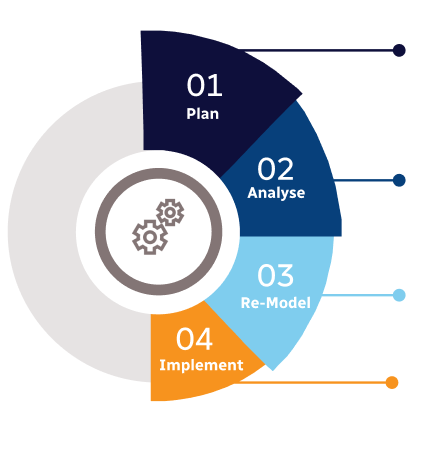
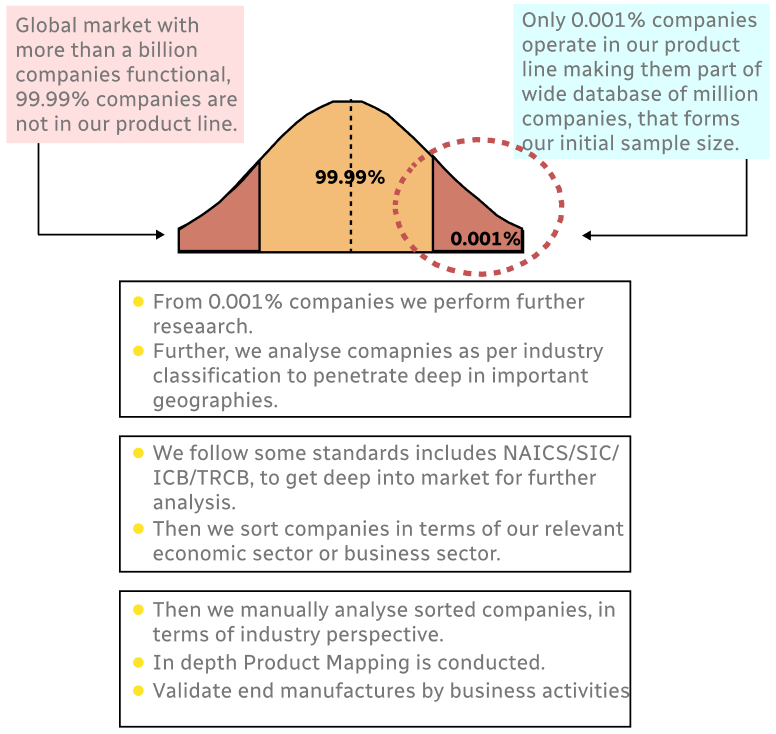
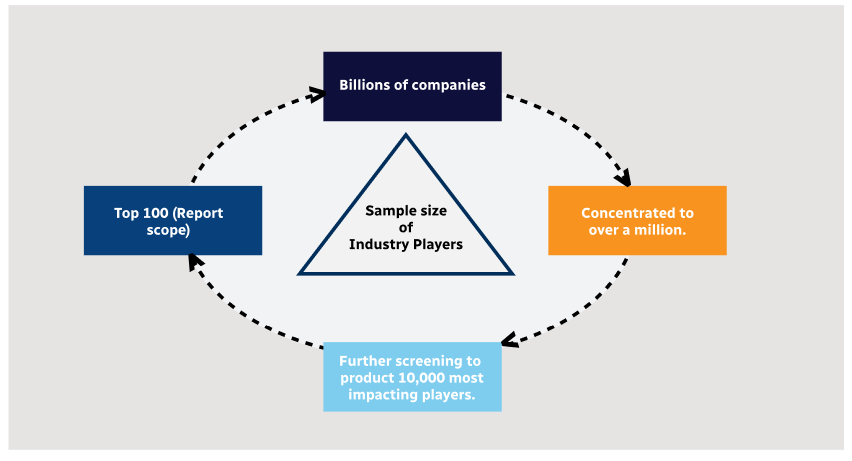
Step 1 - Identification of Relevant Samples Size from Population Database
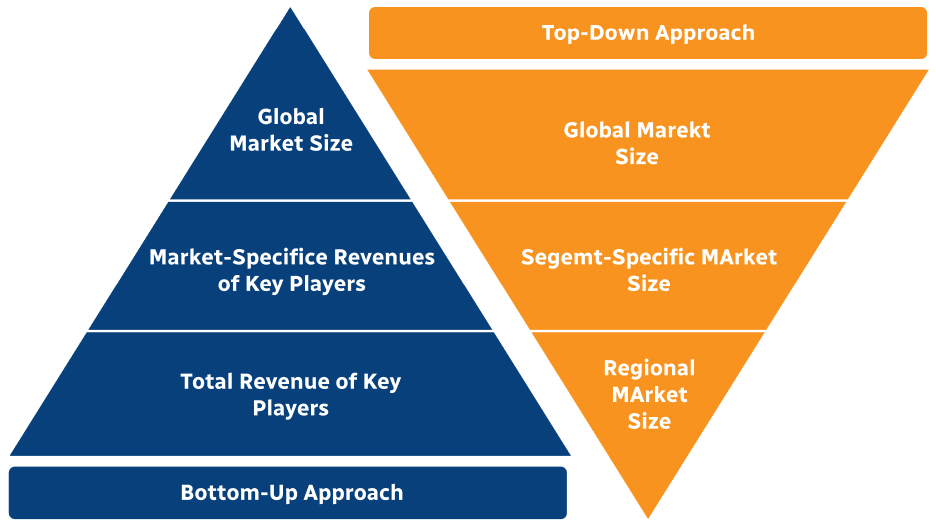
Step 2 - Approaches for Defining Global Market Size (Value, Volume* & Price*)
Note*: In applicable scenarios
Step 3 - Data Sources
Primary Research
- Web Analytics
- Survey Reports
- Research Institute
- Latest Research Reports
- Opinion Leaders
Secondary Research
- Annual Reports
- White Paper
- Latest Press Release
- Industry Association
- Paid Database
- Investor Presentations
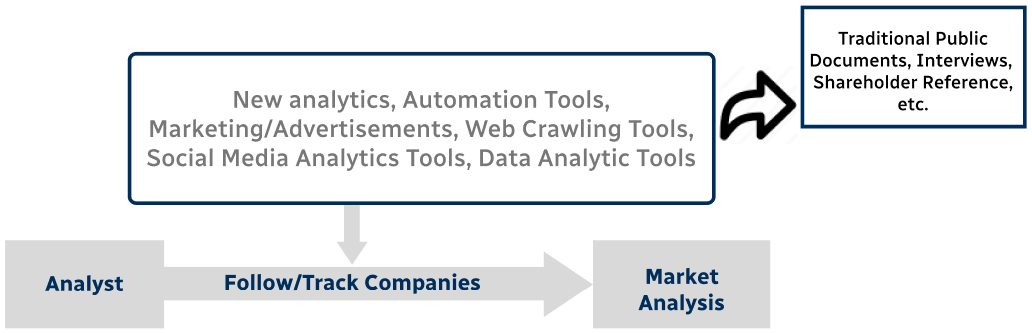
Step 4 - Data Triangulation
Involves using different sources of information in order to increase the validity of a study
These sources are likely to be stakeholders in a program - participants, other researchers, program staff, other community members, and so on.
Then we put all data in single framework & apply various statistical tools to find out the dynamic on the market.
During the analysis stage, feedback from the stakeholder groups would be compared to determine areas of agreement as well as areas of divergence