


Key Insights
The global market for Patient Monitoring and Assistance Robots is poised for significant expansion, projected to reach a market size of approximately $8,500 million by 2025, with an impressive Compound Annual Growth Rate (CAGR) of 22% expected between 2025 and 2033. This robust growth is primarily fueled by the increasing demand for advanced healthcare solutions that enhance patient care, improve operational efficiency in healthcare facilities, and address the growing need for elder care and chronic disease management. The integration of artificial intelligence, machine learning, and sophisticated sensor technologies is driving innovation in this sector, leading to the development of more autonomous and sophisticated robots. These robots are increasingly being deployed in hospitals, clinics, and medical centers to assist with tasks such as patient monitoring, medication delivery, transportation, and rehabilitation, thereby reducing the burden on healthcare professionals and improving patient outcomes.
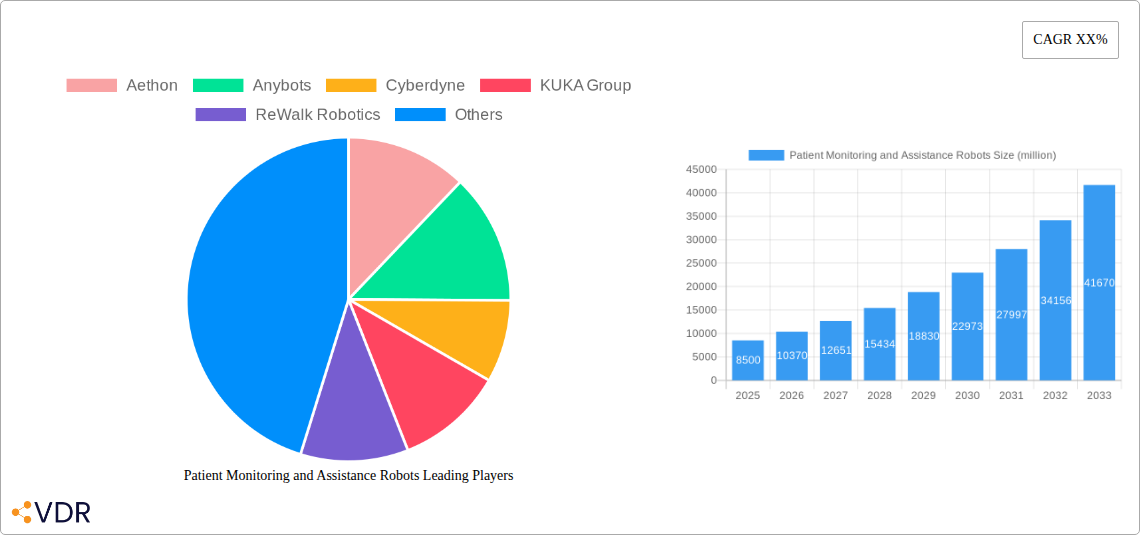
Patient Monitoring and Assistance Robots Market Size (In Billion)

Key market drivers include the aging global population, the rising prevalence of chronic diseases, and the increasing adoption of robotic technology in healthcare settings. Furthermore, advancements in robotics and AI are making these solutions more accessible and cost-effective, accelerating their integration into mainstream healthcare. However, the market also faces certain restraints, including the high initial investment costs for robotic systems, regulatory hurdles, and concerns regarding data privacy and security. Despite these challenges, the market is expected to witness substantial growth driven by segments such as Handicap Assistance Robots and Autonomous Mobile Transport Robots, with Asia Pacific and North America expected to lead regional adoption due to technological advancements and supportive government initiatives.
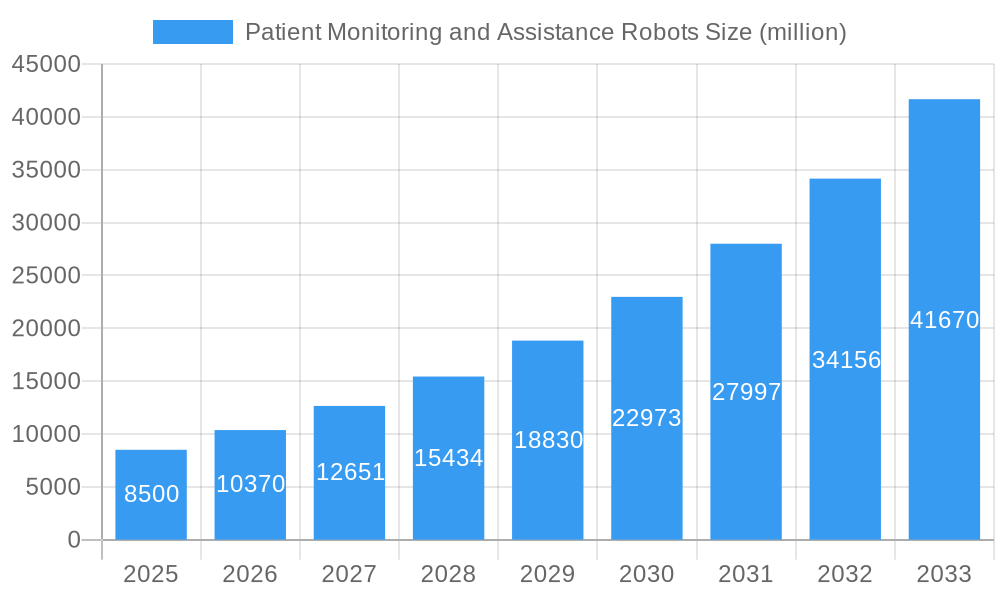
Patient Monitoring and Assistance Robots Company Market Share
This comprehensive report provides an in-depth analysis of the global Patient Monitoring and Assistance Robots market, offering critical insights into market dynamics, growth trends, regional dominance, product landscape, key drivers, barriers, challenges, emerging opportunities, growth accelerators, key players, notable milestones, and a future market outlook. Designed for industry professionals, researchers, and investors, this report leverages high-traffic keywords such as "healthcare robots," "medical robots," "elderly care robots," "assistive technology," "robotics in hospitals," and "telemedicine robots" to maximize search engine visibility. We delve into the parent and child markets to offer a holistic view of market potential.
The study period spans from 2019 to 2033, with the base year and estimated year being 2025. The forecast period is from 2025 to 2033, with historical data from 2019 to 2024. All values are presented in million units.
Patient Monitoring and Assistance Robots Market Dynamics & Structure
The global Patient Monitoring and Assistance Robots market is characterized by a moderately consolidated structure, with key players investing heavily in research and development to gain a competitive edge. Technological innovation remains a primary driver, fueled by advancements in artificial intelligence (AI), machine learning (ML), and sensor technology, enabling robots to perform more complex tasks and interact more naturally with patients. Regulatory frameworks, particularly those pertaining to medical device safety and data privacy, play a crucial role in shaping market entry and product adoption. Competitive product substitutes, ranging from traditional healthcare equipment to other forms of assistive technology, present a constant challenge, necessitating continuous innovation and value proposition enhancement. End-user demographics, including the aging global population and the increasing prevalence of chronic diseases, create a robust demand for these robotic solutions. Mergers and acquisitions (M&A) trends are observed as larger companies seek to expand their portfolios and gain access to innovative technologies and market share.
- Market Concentration: Moderately consolidated, with significant R&D investments from leading players.
- Technological Innovation Drivers: AI, ML, advanced sensors, natural language processing.
- Regulatory Frameworks: Strict adherence to medical device safety, HIPAA, and data privacy regulations.
- Competitive Product Substitutes: Traditional medical equipment, non-robotic assistive devices, other automation solutions.
- End-User Demographics: Aging population, chronic disease management, post-operative care needs.
- M&A Trends: Strategic acquisitions to enhance technological capabilities and market reach.
Patient Monitoring and Assistance Robots Growth Trends & Insights
The Patient Monitoring and Assistance Robots market is poised for significant expansion, driven by an escalating demand for efficient, accessible, and personalized healthcare solutions. The market size is projected to witness a robust Compound Annual Growth Rate (CAGR) of approximately 15.7% from 2025 to 2033. Adoption rates are steadily increasing as healthcare facilities recognize the benefits of automation in improving patient outcomes, reducing healthcare costs, and alleviating the burden on human caregivers. Technological disruptions, such as the integration of sophisticated AI for predictive diagnostics and personalized care plans, are revolutionizing the industry. Consumer behavior shifts are also playing a pivotal role, with patients and their families becoming more receptive to the idea of robotic assistance in home and clinical settings, driven by a desire for greater independence and improved quality of life. The market penetration is expected to grow from an estimated 5.2% in 2025 to over 12.5% by 2033.
The market’s evolution is characterized by a transition from basic functional robots to highly intelligent and empathetic systems. Early adoption focused on Autonomous Mobile Transport Robots for efficient delivery of medications and supplies within hospitals, and Telepresence Robots to bridge geographical gaps for specialist consultations. As technology matures, the demand for Handicap Assistance Robots and Daily Care Robots is surging, driven by an aging global population and the need for continuous support for individuals with mobility challenges and chronic conditions. The integration of advanced sensing capabilities allows these robots to monitor vital signs, detect falls, and provide medication reminders, thereby enhancing patient safety and well-being. Furthermore, the increasing adoption of these robots in remote patient monitoring systems is a testament to their potential in extending healthcare access beyond traditional clinical settings.
The development of cloud-based platforms and IoT connectivity is enabling seamless data integration and real-time patient monitoring, allowing for proactive intervention and personalized treatment adjustments. This data-driven approach is crucial for optimizing patient care pathways and improving resource allocation within healthcare institutions. The ongoing advancements in robotic dexterity and human-robot interaction (HRI) are paving the way for robots to assist with personal care tasks, such as feeding, bathing, and physical therapy, further enhancing patient comfort and autonomy. The growing emphasis on preventive healthcare and the desire to reduce hospital readmissions are also strong catalysts for the adoption of patient monitoring and assistance robots, particularly in home-based care settings. The market's trajectory is clearly indicative of a future where robots are an integral part of the healthcare ecosystem, complementing human efforts and delivering superior patient experiences.
Dominant Regions, Countries, or Segments in Patient Monitoring and Assistance Robots
North America, particularly the United States, is currently the dominant region in the Patient Monitoring and Assistance Robots market. This leadership is attributed to several key factors, including strong government initiatives promoting healthcare innovation, substantial investments in R&D by leading technology companies, and a well-established healthcare infrastructure capable of adopting advanced robotic solutions. The high prevalence of chronic diseases, coupled with a rapidly aging population, creates a significant demand for assistive technologies. The U.S. healthcare system's readiness to embrace new technologies, along with favorable reimbursement policies for robotic-assisted care, further solidifies its position. The market share for North America is estimated to be around 38.5% in 2025.
Within the broader market, the Hospital application segment is the largest contributor, accounting for an estimated 45% of the market share in 2025. Hospitals are increasingly deploying robots for tasks such as patient transportation, disinfection, and remote monitoring, driven by the need to improve operational efficiency, reduce infection rates, and optimize staff allocation. Clinic and Medical Center segments are also experiencing robust growth, as these facilities recognize the value of robots in enhancing patient care and streamlining workflows.
In terms of robot types, Autonomous Mobile Transport Robots hold the largest market share, estimated at 30% in 2025, due to their proven utility in logistics and supply chain management within healthcare facilities. However, the Handicap Assistance Robots segment is projected to exhibit the highest growth rate due to the increasing global demand for elder care and support for individuals with disabilities. The projected market share for Handicap Assistance Robots is expected to grow from 22% in 2025 to over 28% by 2033.
- Dominant Region: North America (led by the United States).
- Key Drivers in North America: Government initiatives, R&D investments, aging population, chronic diseases, favorable reimbursement policies.
- Dominant Application Segment: Hospital.
- Growth in Application Segments: Clinic, Medical Center are showing significant upward trends.
- Dominant Robot Type: Autonomous Mobile Transport Robots.
- Fastest Growing Robot Type: Handicap Assistance Robots.
Patient Monitoring and Assistance Robots Product Landscape
The Patient Monitoring and Assistance Robots product landscape is characterized by continuous innovation focused on enhancing functionality, safety, and user-friendliness. Key product developments include robots equipped with advanced AI for personalized patient interaction, non-invasive vital sign monitoring sensors, and dexterous manipulators for assisting with daily living activities. For instance, Aethon's TUG robots are widely used for autonomous material transport in hospitals, while Cyberdyne's HAL exoskeleton aids in physical rehabilitation. ReWalk Robotics is at the forefront of exoskeletons for mobility assistance. Telepresence Robots from companies like Anybots enable remote consultations, bridging geographical barriers. The focus is on creating robots that can seamlessly integrate into existing healthcare workflows, offering reliable support and improving patient engagement.
Key Drivers, Barriers & Challenges in Patient Monitoring and Assistance Robots
The Patient Monitoring and Assistance Robots market is propelled by several key drivers, including the escalating global demand for elder care, the rising incidence of chronic diseases, advancements in AI and robotics, and the need to improve healthcare efficiency and reduce costs. Government support for technological adoption in healthcare further accelerates growth.
- Key Drivers: Aging global population, chronic disease management, AI and robotics advancements, healthcare cost reduction, improved operational efficiency, government initiatives.
However, significant barriers and challenges impede market expansion. High initial investment costs, complex regulatory approvals, ethical concerns surrounding data privacy and human-robot interaction, and the need for extensive training and integration into existing healthcare systems remain critical hurdles.
- Key Barriers & Challenges: High upfront costs, regulatory complexities, data privacy and security concerns, ethical considerations, integration challenges with existing infrastructure, workforce training requirements, public perception and trust.
Emerging Opportunities in Patient Monitoring and Assistance Robots
Emerging opportunities in the Patient Monitoring and Assistance Robots market lie in the expansion of home healthcare services, where robots can provide continuous monitoring and assistance to elderly and chronically ill individuals, reducing hospitalizations and improving quality of life. The integration of robots with telemedicine platforms presents a significant avenue for expanding remote patient care and specialist access, especially in underserved areas. Furthermore, the development of specialized robots for rehabilitation and post-operative recovery, offering personalized therapy and monitoring, represents a growing niche. The increasing focus on preventative healthcare also opens doors for robots to play a role in early detection and lifestyle management.
Growth Accelerators in the Patient Monitoring and Assistance Robots Industry
Several factors are accelerating the growth of the Patient Monitoring and Assistance Robots industry. Technological breakthroughs in miniaturization, AI-driven predictive analytics, and enhanced human-robot interaction are making robots more capable and user-friendly. Strategic partnerships between robotics companies and healthcare providers are crucial for seamless integration and market penetration. Furthermore, the growing awareness and acceptance of robotic assistance among patients and healthcare professionals are fostering a more conducive environment for adoption. Market expansion strategies, including the development of more affordable solutions and targeted marketing campaigns for specific patient demographics, are also driving growth.
Key Players Shaping the Patient Monitoring and Assistance Robots Market
- Aethon
- Anybots
- Cyberdyne
- KUKA Group
- ReWalk Robotics
- Awabot
- Hstar Technologies
- Kinova Robotics
- Lamson Group
- Panasonic
- Revolve Robotics
- Toyota Motor
- Vecna Technologies
Notable Milestones in Patient Monitoring and Assistance Robots Sector
- 2019: Increased investment in AI-powered diagnostic assistance robots.
- 2020: Rise in telepresence robots for remote patient consultations due to global health events.
- 2021: Launch of advanced robotic exoskeletons for enhanced mobility support.
- 2022: Significant advancements in autonomous mobile robot navigation and safety features in hospitals.
- 2023: Growing adoption of daily care robots for elder assistance in home settings.
- 2024: Introduction of robots with enhanced emotional intelligence and personalized care capabilities.
In-Depth Patient Monitoring and Assistance Robots Market Outlook
The future outlook for the Patient Monitoring and Assistance Robots market is exceptionally promising, driven by the confluence of technological advancements and an ever-growing need for efficient and compassionate healthcare solutions. Growth accelerators, including the pervasive integration of AI for predictive health insights, the expansion of telemedicine, and the development of increasingly sophisticated assistive robots for home and clinical use, will continue to propel the market forward. Strategic collaborations between technology providers and healthcare institutions will be pivotal in overcoming implementation challenges and ensuring widespread adoption. The increasing demand for personalized care and improved patient autonomy will solidify the role of these robots as indispensable tools in the healthcare ecosystem of tomorrow.
Patient Monitoring and Assistance Robots Segmentation
-
1. Application
- 1.1. Hospital
- 1.2. Clinic
- 1.3. Medical Center
- 1.4. Other
-
2. Types
- 2.1. Handicap Assistance Robots
- 2.2. Autonomous Mobile Transport Robots
- 2.3. Daily Care Robots
- 2.4. Telepresence Robots
Patient Monitoring and Assistance Robots Segmentation By Geography
-
1. North America
- 1.1. United States
- 1.2. Canada
- 1.3. Mexico
-
2. South America
- 2.1. Brazil
- 2.2. Argentina
- 2.3. Rest of South America
-
3. Europe
- 3.1. United Kingdom
- 3.2. Germany
- 3.3. France
- 3.4. Italy
- 3.5. Spain
- 3.6. Russia
- 3.7. Benelux
- 3.8. Nordics
- 3.9. Rest of Europe
-
4. Middle East & Africa
- 4.1. Turkey
- 4.2. Israel
- 4.3. GCC
- 4.4. North Africa
- 4.5. South Africa
- 4.6. Rest of Middle East & Africa
-
5. Asia Pacific
- 5.1. China
- 5.2. India
- 5.3. Japan
- 5.4. South Korea
- 5.5. ASEAN
- 5.6. Oceania
- 5.7. Rest of Asia Pacific
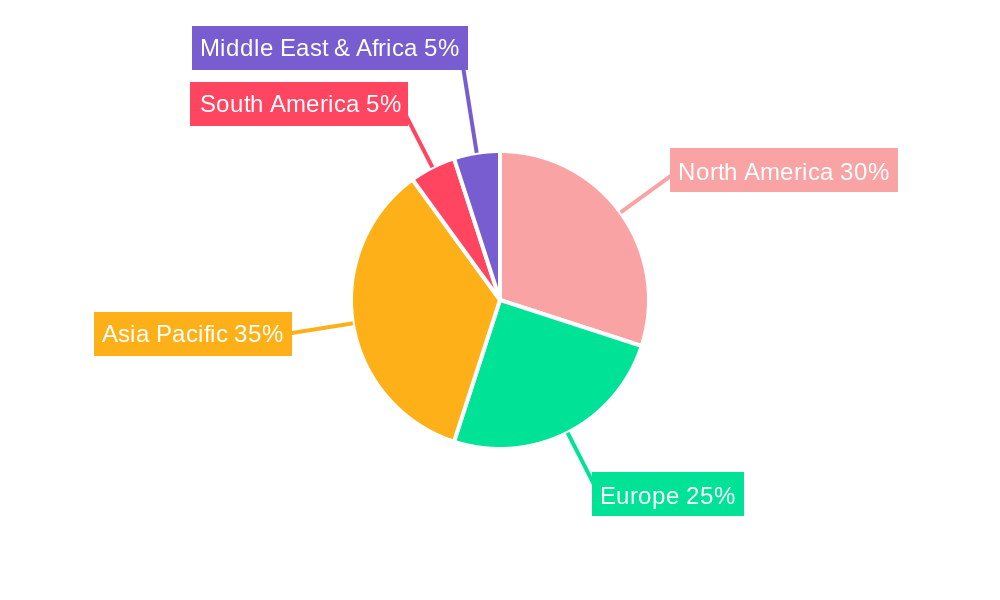
Patient Monitoring and Assistance Robots Regional Market Share
Geographic Coverage of Patient Monitoring and Assistance Robots
Patient Monitoring and Assistance Robots REPORT HIGHLIGHTS
| Aspects | Details |
|---|---|
| Study Period | 2020-2034 |
| Base Year | 2025 |
| Estimated Year | 2026 |
| Forecast Period | 2026-2034 |
| Historical Period | 2020-2025 |
| Growth Rate | CAGR of 9.79% from 2020-2034 |
| Segmentation |
|
Table of Contents
- 1. Introduction
- 1.1. Research Scope
- 1.2. Market Segmentation
- 1.3. Research Methodology
- 1.4. Definitions and Assumptions
- 2. Executive Summary
- 2.1. Introduction
- 3. Market Dynamics
- 3.1. Introduction
- 3.2. Market Drivers
- 3.3. Market Restrains
- 3.4. Market Trends
- 4. Market Factor Analysis
- 4.1. Porters Five Forces
- 4.2. Supply/Value Chain
- 4.3. PESTEL analysis
- 4.4. Market Entropy
- 4.5. Patent/Trademark Analysis
- 5. Global Patient Monitoring and Assistance Robots Analysis, Insights and Forecast, 2020-2032
- 5.1. Market Analysis, Insights and Forecast - by Application
- 5.1.1. Hospital
- 5.1.2. Clinic
- 5.1.3. Medical Center
- 5.1.4. Other
- 5.2. Market Analysis, Insights and Forecast - by Types
- 5.2.1. Handicap Assistance Robots
- 5.2.2. Autonomous Mobile Transport Robots
- 5.2.3. Daily Care Robots
- 5.2.4. Telepresence Robots
- 5.3. Market Analysis, Insights and Forecast - by Region
- 5.3.1. North America
- 5.3.2. South America
- 5.3.3. Europe
- 5.3.4. Middle East & Africa
- 5.3.5. Asia Pacific
- 5.1. Market Analysis, Insights and Forecast - by Application
- 6. North America Patient Monitoring and Assistance Robots Analysis, Insights and Forecast, 2020-2032
- 6.1. Market Analysis, Insights and Forecast - by Application
- 6.1.1. Hospital
- 6.1.2. Clinic
- 6.1.3. Medical Center
- 6.1.4. Other
- 6.2. Market Analysis, Insights and Forecast - by Types
- 6.2.1. Handicap Assistance Robots
- 6.2.2. Autonomous Mobile Transport Robots
- 6.2.3. Daily Care Robots
- 6.2.4. Telepresence Robots
- 6.1. Market Analysis, Insights and Forecast - by Application
- 7. South America Patient Monitoring and Assistance Robots Analysis, Insights and Forecast, 2020-2032
- 7.1. Market Analysis, Insights and Forecast - by Application
- 7.1.1. Hospital
- 7.1.2. Clinic
- 7.1.3. Medical Center
- 7.1.4. Other
- 7.2. Market Analysis, Insights and Forecast - by Types
- 7.2.1. Handicap Assistance Robots
- 7.2.2. Autonomous Mobile Transport Robots
- 7.2.3. Daily Care Robots
- 7.2.4. Telepresence Robots
- 7.1. Market Analysis, Insights and Forecast - by Application
- 8. Europe Patient Monitoring and Assistance Robots Analysis, Insights and Forecast, 2020-2032
- 8.1. Market Analysis, Insights and Forecast - by Application
- 8.1.1. Hospital
- 8.1.2. Clinic
- 8.1.3. Medical Center
- 8.1.4. Other
- 8.2. Market Analysis, Insights and Forecast - by Types
- 8.2.1. Handicap Assistance Robots
- 8.2.2. Autonomous Mobile Transport Robots
- 8.2.3. Daily Care Robots
- 8.2.4. Telepresence Robots
- 8.1. Market Analysis, Insights and Forecast - by Application
- 9. Middle East & Africa Patient Monitoring and Assistance Robots Analysis, Insights and Forecast, 2020-2032
- 9.1. Market Analysis, Insights and Forecast - by Application
- 9.1.1. Hospital
- 9.1.2. Clinic
- 9.1.3. Medical Center
- 9.1.4. Other
- 9.2. Market Analysis, Insights and Forecast - by Types
- 9.2.1. Handicap Assistance Robots
- 9.2.2. Autonomous Mobile Transport Robots
- 9.2.3. Daily Care Robots
- 9.2.4. Telepresence Robots
- 9.1. Market Analysis, Insights and Forecast - by Application
- 10. Asia Pacific Patient Monitoring and Assistance Robots Analysis, Insights and Forecast, 2020-2032
- 10.1. Market Analysis, Insights and Forecast - by Application
- 10.1.1. Hospital
- 10.1.2. Clinic
- 10.1.3. Medical Center
- 10.1.4. Other
- 10.2. Market Analysis, Insights and Forecast - by Types
- 10.2.1. Handicap Assistance Robots
- 10.2.2. Autonomous Mobile Transport Robots
- 10.2.3. Daily Care Robots
- 10.2.4. Telepresence Robots
- 10.1. Market Analysis, Insights and Forecast - by Application
- 11. Competitive Analysis
- 11.1. Global Market Share Analysis 2025
- 11.2. Company Profiles
- 11.2.1 Aethon
- 11.2.1.1. Overview
- 11.2.1.2. Products
- 11.2.1.3. SWOT Analysis
- 11.2.1.4. Recent Developments
- 11.2.1.5. Financials (Based on Availability)
- 11.2.2 Anybots
- 11.2.2.1. Overview
- 11.2.2.2. Products
- 11.2.2.3. SWOT Analysis
- 11.2.2.4. Recent Developments
- 11.2.2.5. Financials (Based on Availability)
- 11.2.3 Cyberdyne
- 11.2.3.1. Overview
- 11.2.3.2. Products
- 11.2.3.3. SWOT Analysis
- 11.2.3.4. Recent Developments
- 11.2.3.5. Financials (Based on Availability)
- 11.2.4 KUKA Group
- 11.2.4.1. Overview
- 11.2.4.2. Products
- 11.2.4.3. SWOT Analysis
- 11.2.4.4. Recent Developments
- 11.2.4.5. Financials (Based on Availability)
- 11.2.5 ReWalk Robotics
- 11.2.5.1. Overview
- 11.2.5.2. Products
- 11.2.5.3. SWOT Analysis
- 11.2.5.4. Recent Developments
- 11.2.5.5. Financials (Based on Availability)
- 11.2.6 Awabot
- 11.2.6.1. Overview
- 11.2.6.2. Products
- 11.2.6.3. SWOT Analysis
- 11.2.6.4. Recent Developments
- 11.2.6.5. Financials (Based on Availability)
- 11.2.7 Hstar Technologies
- 11.2.7.1. Overview
- 11.2.7.2. Products
- 11.2.7.3. SWOT Analysis
- 11.2.7.4. Recent Developments
- 11.2.7.5. Financials (Based on Availability)
- 11.2.8 Kinova Robotics
- 11.2.8.1. Overview
- 11.2.8.2. Products
- 11.2.8.3. SWOT Analysis
- 11.2.8.4. Recent Developments
- 11.2.8.5. Financials (Based on Availability)
- 11.2.9 Lamson Group
- 11.2.9.1. Overview
- 11.2.9.2. Products
- 11.2.9.3. SWOT Analysis
- 11.2.9.4. Recent Developments
- 11.2.9.5. Financials (Based on Availability)
- 11.2.10 Panasonic
- 11.2.10.1. Overview
- 11.2.10.2. Products
- 11.2.10.3. SWOT Analysis
- 11.2.10.4. Recent Developments
- 11.2.10.5. Financials (Based on Availability)
- 11.2.11 Revolve Robotics
- 11.2.11.1. Overview
- 11.2.11.2. Products
- 11.2.11.3. SWOT Analysis
- 11.2.11.4. Recent Developments
- 11.2.11.5. Financials (Based on Availability)
- 11.2.12 Toyota Motor
- 11.2.12.1. Overview
- 11.2.12.2. Products
- 11.2.12.3. SWOT Analysis
- 11.2.12.4. Recent Developments
- 11.2.12.5. Financials (Based on Availability)
- 11.2.13 Vecna Technologies
- 11.2.13.1. Overview
- 11.2.13.2. Products
- 11.2.13.3. SWOT Analysis
- 11.2.13.4. Recent Developments
- 11.2.13.5. Financials (Based on Availability)
- 11.2.1 Aethon
List of Figures
- Figure 1: Global Patient Monitoring and Assistance Robots Revenue Breakdown (undefined, %) by Region 2025 & 2033
- Figure 2: Global Patient Monitoring and Assistance Robots Volume Breakdown (K, %) by Region 2025 & 2033
- Figure 3: North America Patient Monitoring and Assistance Robots Revenue (undefined), by Application 2025 & 2033
- Figure 4: North America Patient Monitoring and Assistance Robots Volume (K), by Application 2025 & 2033
- Figure 5: North America Patient Monitoring and Assistance Robots Revenue Share (%), by Application 2025 & 2033
- Figure 6: North America Patient Monitoring and Assistance Robots Volume Share (%), by Application 2025 & 2033
- Figure 7: North America Patient Monitoring and Assistance Robots Revenue (undefined), by Types 2025 & 2033
- Figure 8: North America Patient Monitoring and Assistance Robots Volume (K), by Types 2025 & 2033
- Figure 9: North America Patient Monitoring and Assistance Robots Revenue Share (%), by Types 2025 & 2033
- Figure 10: North America Patient Monitoring and Assistance Robots Volume Share (%), by Types 2025 & 2033
- Figure 11: North America Patient Monitoring and Assistance Robots Revenue (undefined), by Country 2025 & 2033
- Figure 12: North America Patient Monitoring and Assistance Robots Volume (K), by Country 2025 & 2033
- Figure 13: North America Patient Monitoring and Assistance Robots Revenue Share (%), by Country 2025 & 2033
- Figure 14: North America Patient Monitoring and Assistance Robots Volume Share (%), by Country 2025 & 2033
- Figure 15: South America Patient Monitoring and Assistance Robots Revenue (undefined), by Application 2025 & 2033
- Figure 16: South America Patient Monitoring and Assistance Robots Volume (K), by Application 2025 & 2033
- Figure 17: South America Patient Monitoring and Assistance Robots Revenue Share (%), by Application 2025 & 2033
- Figure 18: South America Patient Monitoring and Assistance Robots Volume Share (%), by Application 2025 & 2033
- Figure 19: South America Patient Monitoring and Assistance Robots Revenue (undefined), by Types 2025 & 2033
- Figure 20: South America Patient Monitoring and Assistance Robots Volume (K), by Types 2025 & 2033
- Figure 21: South America Patient Monitoring and Assistance Robots Revenue Share (%), by Types 2025 & 2033
- Figure 22: South America Patient Monitoring and Assistance Robots Volume Share (%), by Types 2025 & 2033
- Figure 23: South America Patient Monitoring and Assistance Robots Revenue (undefined), by Country 2025 & 2033
- Figure 24: South America Patient Monitoring and Assistance Robots Volume (K), by Country 2025 & 2033
- Figure 25: South America Patient Monitoring and Assistance Robots Revenue Share (%), by Country 2025 & 2033
- Figure 26: South America Patient Monitoring and Assistance Robots Volume Share (%), by Country 2025 & 2033
- Figure 27: Europe Patient Monitoring and Assistance Robots Revenue (undefined), by Application 2025 & 2033
- Figure 28: Europe Patient Monitoring and Assistance Robots Volume (K), by Application 2025 & 2033
- Figure 29: Europe Patient Monitoring and Assistance Robots Revenue Share (%), by Application 2025 & 2033
- Figure 30: Europe Patient Monitoring and Assistance Robots Volume Share (%), by Application 2025 & 2033
- Figure 31: Europe Patient Monitoring and Assistance Robots Revenue (undefined), by Types 2025 & 2033
- Figure 32: Europe Patient Monitoring and Assistance Robots Volume (K), by Types 2025 & 2033
- Figure 33: Europe Patient Monitoring and Assistance Robots Revenue Share (%), by Types 2025 & 2033
- Figure 34: Europe Patient Monitoring and Assistance Robots Volume Share (%), by Types 2025 & 2033
- Figure 35: Europe Patient Monitoring and Assistance Robots Revenue (undefined), by Country 2025 & 2033
- Figure 36: Europe Patient Monitoring and Assistance Robots Volume (K), by Country 2025 & 2033
- Figure 37: Europe Patient Monitoring and Assistance Robots Revenue Share (%), by Country 2025 & 2033
- Figure 38: Europe Patient Monitoring and Assistance Robots Volume Share (%), by Country 2025 & 2033
- Figure 39: Middle East & Africa Patient Monitoring and Assistance Robots Revenue (undefined), by Application 2025 & 2033
- Figure 40: Middle East & Africa Patient Monitoring and Assistance Robots Volume (K), by Application 2025 & 2033
- Figure 41: Middle East & Africa Patient Monitoring and Assistance Robots Revenue Share (%), by Application 2025 & 2033
- Figure 42: Middle East & Africa Patient Monitoring and Assistance Robots Volume Share (%), by Application 2025 & 2033
- Figure 43: Middle East & Africa Patient Monitoring and Assistance Robots Revenue (undefined), by Types 2025 & 2033
- Figure 44: Middle East & Africa Patient Monitoring and Assistance Robots Volume (K), by Types 2025 & 2033
- Figure 45: Middle East & Africa Patient Monitoring and Assistance Robots Revenue Share (%), by Types 2025 & 2033
- Figure 46: Middle East & Africa Patient Monitoring and Assistance Robots Volume Share (%), by Types 2025 & 2033
- Figure 47: Middle East & Africa Patient Monitoring and Assistance Robots Revenue (undefined), by Country 2025 & 2033
- Figure 48: Middle East & Africa Patient Monitoring and Assistance Robots Volume (K), by Country 2025 & 2033
- Figure 49: Middle East & Africa Patient Monitoring and Assistance Robots Revenue Share (%), by Country 2025 & 2033
- Figure 50: Middle East & Africa Patient Monitoring and Assistance Robots Volume Share (%), by Country 2025 & 2033
- Figure 51: Asia Pacific Patient Monitoring and Assistance Robots Revenue (undefined), by Application 2025 & 2033
- Figure 52: Asia Pacific Patient Monitoring and Assistance Robots Volume (K), by Application 2025 & 2033
- Figure 53: Asia Pacific Patient Monitoring and Assistance Robots Revenue Share (%), by Application 2025 & 2033
- Figure 54: Asia Pacific Patient Monitoring and Assistance Robots Volume Share (%), by Application 2025 & 2033
- Figure 55: Asia Pacific Patient Monitoring and Assistance Robots Revenue (undefined), by Types 2025 & 2033
- Figure 56: Asia Pacific Patient Monitoring and Assistance Robots Volume (K), by Types 2025 & 2033
- Figure 57: Asia Pacific Patient Monitoring and Assistance Robots Revenue Share (%), by Types 2025 & 2033
- Figure 58: Asia Pacific Patient Monitoring and Assistance Robots Volume Share (%), by Types 2025 & 2033
- Figure 59: Asia Pacific Patient Monitoring and Assistance Robots Revenue (undefined), by Country 2025 & 2033
- Figure 60: Asia Pacific Patient Monitoring and Assistance Robots Volume (K), by Country 2025 & 2033
- Figure 61: Asia Pacific Patient Monitoring and Assistance Robots Revenue Share (%), by Country 2025 & 2033
- Figure 62: Asia Pacific Patient Monitoring and Assistance Robots Volume Share (%), by Country 2025 & 2033
List of Tables
- Table 1: Global Patient Monitoring and Assistance Robots Revenue undefined Forecast, by Application 2020 & 2033
- Table 2: Global Patient Monitoring and Assistance Robots Volume K Forecast, by Application 2020 & 2033
- Table 3: Global Patient Monitoring and Assistance Robots Revenue undefined Forecast, by Types 2020 & 2033
- Table 4: Global Patient Monitoring and Assistance Robots Volume K Forecast, by Types 2020 & 2033
- Table 5: Global Patient Monitoring and Assistance Robots Revenue undefined Forecast, by Region 2020 & 2033
- Table 6: Global Patient Monitoring and Assistance Robots Volume K Forecast, by Region 2020 & 2033
- Table 7: Global Patient Monitoring and Assistance Robots Revenue undefined Forecast, by Application 2020 & 2033
- Table 8: Global Patient Monitoring and Assistance Robots Volume K Forecast, by Application 2020 & 2033
- Table 9: Global Patient Monitoring and Assistance Robots Revenue undefined Forecast, by Types 2020 & 2033
- Table 10: Global Patient Monitoring and Assistance Robots Volume K Forecast, by Types 2020 & 2033
- Table 11: Global Patient Monitoring and Assistance Robots Revenue undefined Forecast, by Country 2020 & 2033
- Table 12: Global Patient Monitoring and Assistance Robots Volume K Forecast, by Country 2020 & 2033
- Table 13: United States Patient Monitoring and Assistance Robots Revenue (undefined) Forecast, by Application 2020 & 2033
- Table 14: United States Patient Monitoring and Assistance Robots Volume (K) Forecast, by Application 2020 & 2033
- Table 15: Canada Patient Monitoring and Assistance Robots Revenue (undefined) Forecast, by Application 2020 & 2033
- Table 16: Canada Patient Monitoring and Assistance Robots Volume (K) Forecast, by Application 2020 & 2033
- Table 17: Mexico Patient Monitoring and Assistance Robots Revenue (undefined) Forecast, by Application 2020 & 2033
- Table 18: Mexico Patient Monitoring and Assistance Robots Volume (K) Forecast, by Application 2020 & 2033
- Table 19: Global Patient Monitoring and Assistance Robots Revenue undefined Forecast, by Application 2020 & 2033
- Table 20: Global Patient Monitoring and Assistance Robots Volume K Forecast, by Application 2020 & 2033
- Table 21: Global Patient Monitoring and Assistance Robots Revenue undefined Forecast, by Types 2020 & 2033
- Table 22: Global Patient Monitoring and Assistance Robots Volume K Forecast, by Types 2020 & 2033
- Table 23: Global Patient Monitoring and Assistance Robots Revenue undefined Forecast, by Country 2020 & 2033
- Table 24: Global Patient Monitoring and Assistance Robots Volume K Forecast, by Country 2020 & 2033
- Table 25: Brazil Patient Monitoring and Assistance Robots Revenue (undefined) Forecast, by Application 2020 & 2033
- Table 26: Brazil Patient Monitoring and Assistance Robots Volume (K) Forecast, by Application 2020 & 2033
- Table 27: Argentina Patient Monitoring and Assistance Robots Revenue (undefined) Forecast, by Application 2020 & 2033
- Table 28: Argentina Patient Monitoring and Assistance Robots Volume (K) Forecast, by Application 2020 & 2033
- Table 29: Rest of South America Patient Monitoring and Assistance Robots Revenue (undefined) Forecast, by Application 2020 & 2033
- Table 30: Rest of South America Patient Monitoring and Assistance Robots Volume (K) Forecast, by Application 2020 & 2033
- Table 31: Global Patient Monitoring and Assistance Robots Revenue undefined Forecast, by Application 2020 & 2033
- Table 32: Global Patient Monitoring and Assistance Robots Volume K Forecast, by Application 2020 & 2033
- Table 33: Global Patient Monitoring and Assistance Robots Revenue undefined Forecast, by Types 2020 & 2033
- Table 34: Global Patient Monitoring and Assistance Robots Volume K Forecast, by Types 2020 & 2033
- Table 35: Global Patient Monitoring and Assistance Robots Revenue undefined Forecast, by Country 2020 & 2033
- Table 36: Global Patient Monitoring and Assistance Robots Volume K Forecast, by Country 2020 & 2033
- Table 37: United Kingdom Patient Monitoring and Assistance Robots Revenue (undefined) Forecast, by Application 2020 & 2033
- Table 38: United Kingdom Patient Monitoring and Assistance Robots Volume (K) Forecast, by Application 2020 & 2033
- Table 39: Germany Patient Monitoring and Assistance Robots Revenue (undefined) Forecast, by Application 2020 & 2033
- Table 40: Germany Patient Monitoring and Assistance Robots Volume (K) Forecast, by Application 2020 & 2033
- Table 41: France Patient Monitoring and Assistance Robots Revenue (undefined) Forecast, by Application 2020 & 2033
- Table 42: France Patient Monitoring and Assistance Robots Volume (K) Forecast, by Application 2020 & 2033
- Table 43: Italy Patient Monitoring and Assistance Robots Revenue (undefined) Forecast, by Application 2020 & 2033
- Table 44: Italy Patient Monitoring and Assistance Robots Volume (K) Forecast, by Application 2020 & 2033
- Table 45: Spain Patient Monitoring and Assistance Robots Revenue (undefined) Forecast, by Application 2020 & 2033
- Table 46: Spain Patient Monitoring and Assistance Robots Volume (K) Forecast, by Application 2020 & 2033
- Table 47: Russia Patient Monitoring and Assistance Robots Revenue (undefined) Forecast, by Application 2020 & 2033
- Table 48: Russia Patient Monitoring and Assistance Robots Volume (K) Forecast, by Application 2020 & 2033
- Table 49: Benelux Patient Monitoring and Assistance Robots Revenue (undefined) Forecast, by Application 2020 & 2033
- Table 50: Benelux Patient Monitoring and Assistance Robots Volume (K) Forecast, by Application 2020 & 2033
- Table 51: Nordics Patient Monitoring and Assistance Robots Revenue (undefined) Forecast, by Application 2020 & 2033
- Table 52: Nordics Patient Monitoring and Assistance Robots Volume (K) Forecast, by Application 2020 & 2033
- Table 53: Rest of Europe Patient Monitoring and Assistance Robots Revenue (undefined) Forecast, by Application 2020 & 2033
- Table 54: Rest of Europe Patient Monitoring and Assistance Robots Volume (K) Forecast, by Application 2020 & 2033
- Table 55: Global Patient Monitoring and Assistance Robots Revenue undefined Forecast, by Application 2020 & 2033
- Table 56: Global Patient Monitoring and Assistance Robots Volume K Forecast, by Application 2020 & 2033
- Table 57: Global Patient Monitoring and Assistance Robots Revenue undefined Forecast, by Types 2020 & 2033
- Table 58: Global Patient Monitoring and Assistance Robots Volume K Forecast, by Types 2020 & 2033
- Table 59: Global Patient Monitoring and Assistance Robots Revenue undefined Forecast, by Country 2020 & 2033
- Table 60: Global Patient Monitoring and Assistance Robots Volume K Forecast, by Country 2020 & 2033
- Table 61: Turkey Patient Monitoring and Assistance Robots Revenue (undefined) Forecast, by Application 2020 & 2033
- Table 62: Turkey Patient Monitoring and Assistance Robots Volume (K) Forecast, by Application 2020 & 2033
- Table 63: Israel Patient Monitoring and Assistance Robots Revenue (undefined) Forecast, by Application 2020 & 2033
- Table 64: Israel Patient Monitoring and Assistance Robots Volume (K) Forecast, by Application 2020 & 2033
- Table 65: GCC Patient Monitoring and Assistance Robots Revenue (undefined) Forecast, by Application 2020 & 2033
- Table 66: GCC Patient Monitoring and Assistance Robots Volume (K) Forecast, by Application 2020 & 2033
- Table 67: North Africa Patient Monitoring and Assistance Robots Revenue (undefined) Forecast, by Application 2020 & 2033
- Table 68: North Africa Patient Monitoring and Assistance Robots Volume (K) Forecast, by Application 2020 & 2033
- Table 69: South Africa Patient Monitoring and Assistance Robots Revenue (undefined) Forecast, by Application 2020 & 2033
- Table 70: South Africa Patient Monitoring and Assistance Robots Volume (K) Forecast, by Application 2020 & 2033
- Table 71: Rest of Middle East & Africa Patient Monitoring and Assistance Robots Revenue (undefined) Forecast, by Application 2020 & 2033
- Table 72: Rest of Middle East & Africa Patient Monitoring and Assistance Robots Volume (K) Forecast, by Application 2020 & 2033
- Table 73: Global Patient Monitoring and Assistance Robots Revenue undefined Forecast, by Application 2020 & 2033
- Table 74: Global Patient Monitoring and Assistance Robots Volume K Forecast, by Application 2020 & 2033
- Table 75: Global Patient Monitoring and Assistance Robots Revenue undefined Forecast, by Types 2020 & 2033
- Table 76: Global Patient Monitoring and Assistance Robots Volume K Forecast, by Types 2020 & 2033
- Table 77: Global Patient Monitoring and Assistance Robots Revenue undefined Forecast, by Country 2020 & 2033
- Table 78: Global Patient Monitoring and Assistance Robots Volume K Forecast, by Country 2020 & 2033
- Table 79: China Patient Monitoring and Assistance Robots Revenue (undefined) Forecast, by Application 2020 & 2033
- Table 80: China Patient Monitoring and Assistance Robots Volume (K) Forecast, by Application 2020 & 2033
- Table 81: India Patient Monitoring and Assistance Robots Revenue (undefined) Forecast, by Application 2020 & 2033
- Table 82: India Patient Monitoring and Assistance Robots Volume (K) Forecast, by Application 2020 & 2033
- Table 83: Japan Patient Monitoring and Assistance Robots Revenue (undefined) Forecast, by Application 2020 & 2033
- Table 84: Japan Patient Monitoring and Assistance Robots Volume (K) Forecast, by Application 2020 & 2033
- Table 85: South Korea Patient Monitoring and Assistance Robots Revenue (undefined) Forecast, by Application 2020 & 2033
- Table 86: South Korea Patient Monitoring and Assistance Robots Volume (K) Forecast, by Application 2020 & 2033
- Table 87: ASEAN Patient Monitoring and Assistance Robots Revenue (undefined) Forecast, by Application 2020 & 2033
- Table 88: ASEAN Patient Monitoring and Assistance Robots Volume (K) Forecast, by Application 2020 & 2033
- Table 89: Oceania Patient Monitoring and Assistance Robots Revenue (undefined) Forecast, by Application 2020 & 2033
- Table 90: Oceania Patient Monitoring and Assistance Robots Volume (K) Forecast, by Application 2020 & 2033
- Table 91: Rest of Asia Pacific Patient Monitoring and Assistance Robots Revenue (undefined) Forecast, by Application 2020 & 2033
- Table 92: Rest of Asia Pacific Patient Monitoring and Assistance Robots Volume (K) Forecast, by Application 2020 & 2033
Frequently Asked Questions
1. What is the projected Compound Annual Growth Rate (CAGR) of the Patient Monitoring and Assistance Robots?
The projected CAGR is approximately 9.79%.
2. Which companies are prominent players in the Patient Monitoring and Assistance Robots?
Key companies in the market include Aethon, Anybots, Cyberdyne, KUKA Group, ReWalk Robotics, Awabot, Hstar Technologies, Kinova Robotics, Lamson Group, Panasonic, Revolve Robotics, Toyota Motor, Vecna Technologies.
3. What are the main segments of the Patient Monitoring and Assistance Robots?
The market segments include Application, Types.
4. Can you provide details about the market size?
The market size is estimated to be USD XXX N/A as of 2022.
5. What are some drivers contributing to market growth?
N/A
6. What are the notable trends driving market growth?
N/A
7. Are there any restraints impacting market growth?
N/A
8. Can you provide examples of recent developments in the market?
N/A
9. What pricing options are available for accessing the report?
Pricing options include single-user, multi-user, and enterprise licenses priced at USD 3350.00, USD 5025.00, and USD 6700.00 respectively.
10. Is the market size provided in terms of value or volume?
The market size is provided in terms of value, measured in N/A and volume, measured in K.
11. Are there any specific market keywords associated with the report?
Yes, the market keyword associated with the report is "Patient Monitoring and Assistance Robots," which aids in identifying and referencing the specific market segment covered.
12. How do I determine which pricing option suits my needs best?
The pricing options vary based on user requirements and access needs. Individual users may opt for single-user licenses, while businesses requiring broader access may choose multi-user or enterprise licenses for cost-effective access to the report.
13. Are there any additional resources or data provided in the Patient Monitoring and Assistance Robots report?
While the report offers comprehensive insights, it's advisable to review the specific contents or supplementary materials provided to ascertain if additional resources or data are available.
14. How can I stay updated on further developments or reports in the Patient Monitoring and Assistance Robots?
To stay informed about further developments, trends, and reports in the Patient Monitoring and Assistance Robots, consider subscribing to industry newsletters, following relevant companies and organizations, or regularly checking reputable industry news sources and publications.
Methodology
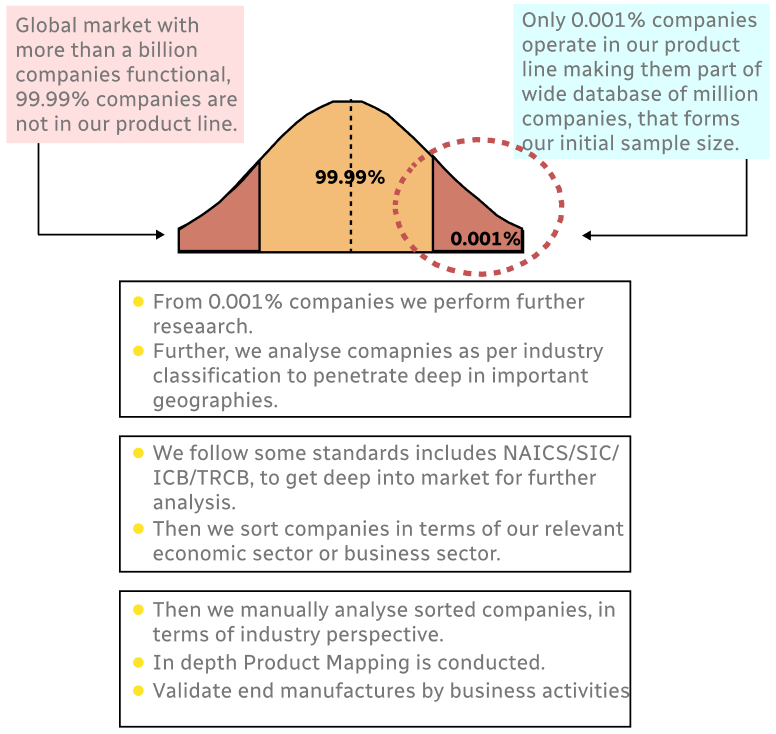
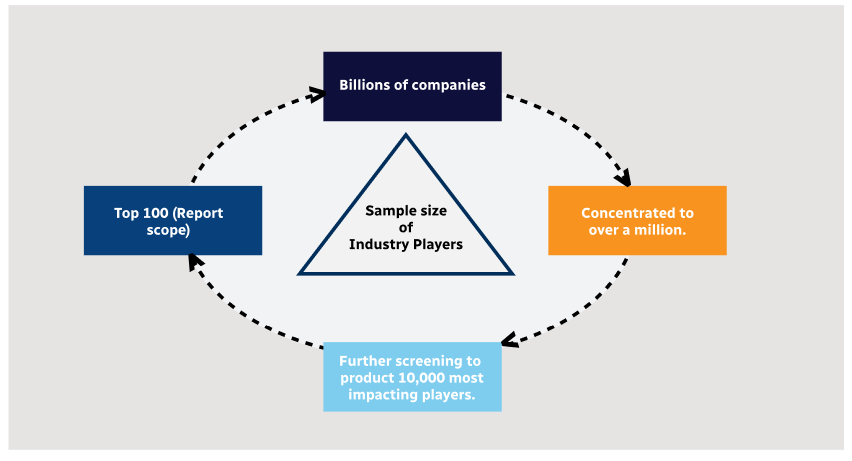
Step 1 - Identification of Relevant Samples Size from Population Database
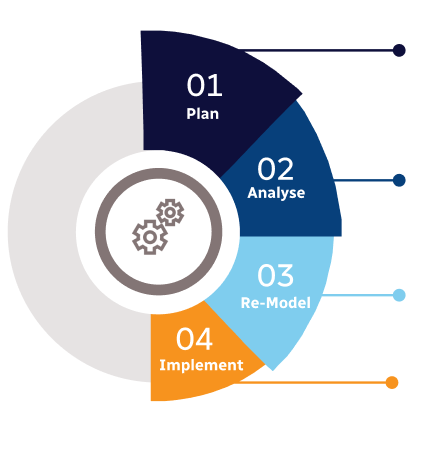
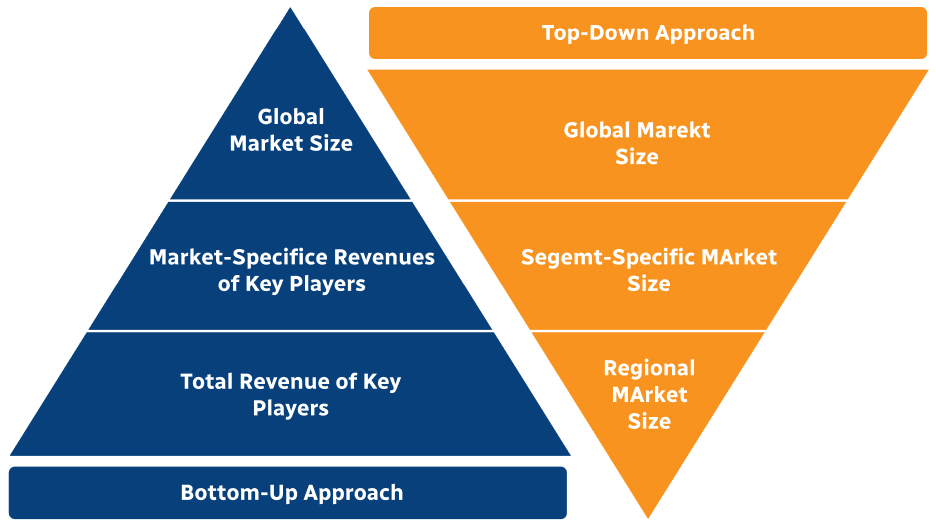
Step 2 - Approaches for Defining Global Market Size (Value, Volume* & Price*)
Note*: In applicable scenarios
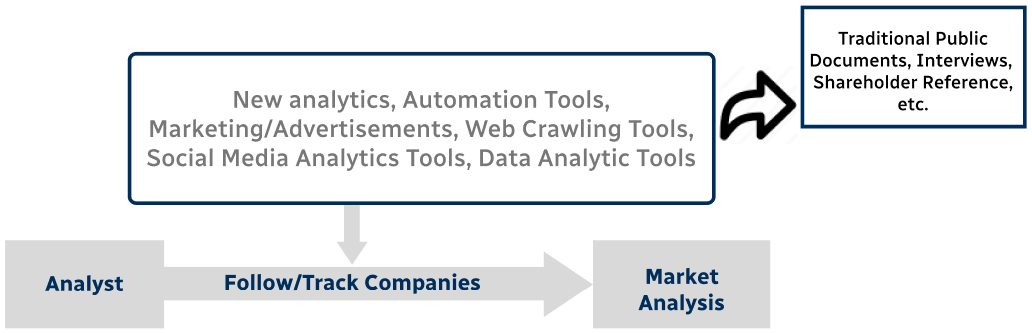
Step 3 - Data Sources
Primary Research
- Web Analytics
- Survey Reports
- Research Institute
- Latest Research Reports
- Opinion Leaders
Secondary Research
- Annual Reports
- White Paper
- Latest Press Release
- Industry Association
- Paid Database
- Investor Presentations
Step 4 - Data Triangulation
Involves using different sources of information in order to increase the validity of a study
These sources are likely to be stakeholders in a program - participants, other researchers, program staff, other community members, and so on.
Then we put all data in single framework & apply various statistical tools to find out the dynamic on the market.
During the analysis stage, feedback from the stakeholder groups would be compared to determine areas of agreement as well as areas of divergence