


Key Insights
The global motorized vehicle market is projected for significant expansion, anticipated to reach a market size of $112.3 billion by 2025, exhibiting a Compound Annual Growth Rate (CAGR) of 12.6%. This growth is underpinned by rising disposable incomes, increasing urbanization, and continuous technological innovation in vehicle performance, safety, and efficiency. Demand for passenger and commercial vehicles is rising, influenced by consumer preference for advanced features and global trade necessitating efficient logistics. Emerging economies offer substantial opportunities due to their growing middle class and supportive government automotive initiatives.
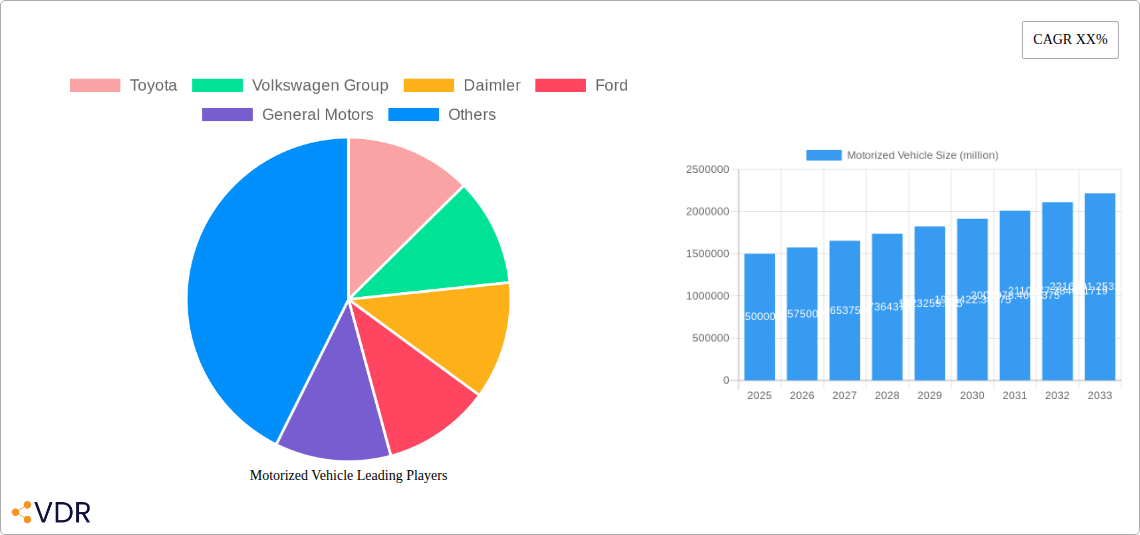
Motorized Vehicle Market Size (In Billion)

The market faces restraints including stringent emission regulations and the drive for sustainable transportation, necessitating significant investment in electric and hybrid technologies. Fluctuating raw material prices, particularly for semiconductors and battery materials, challenge pricing stability. Supply chain disruptions also impact production and delivery. However, accelerating electric vehicle (EV) adoption and advancements in autonomous driving are poised to redefine the market. Connected vehicle technologies and shared mobility services will further shape the industry's future.
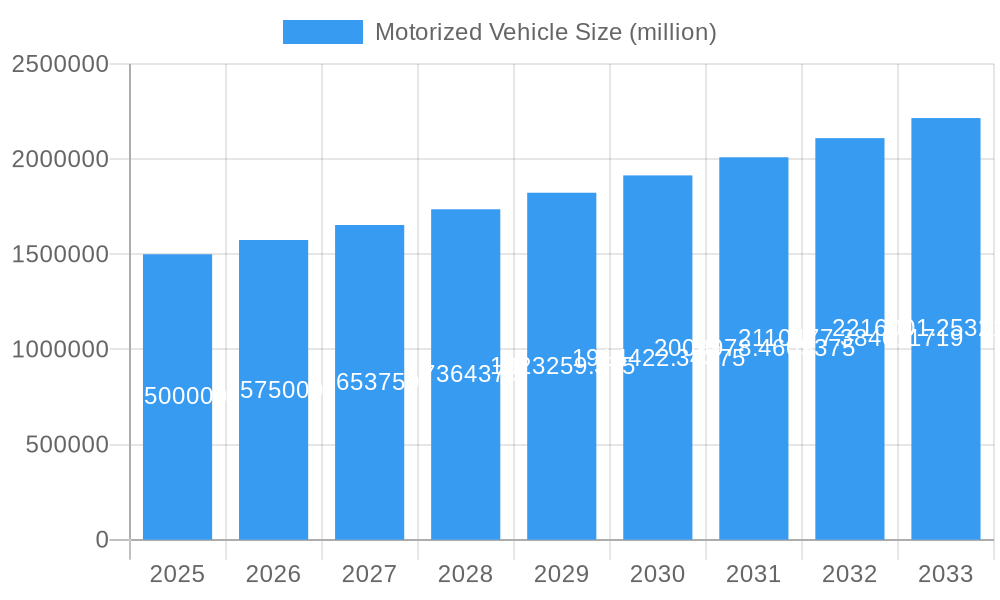
Motorized Vehicle Company Market Share
Comprehensive Motorized Vehicle Market Analysis: Trends, Opportunities, and Key Players (2019-2033)
This in-depth report provides a critical analysis of the global motorized vehicle market, offering unparalleled insights into its structure, growth trajectories, and future potential. Spanning the historical period of 2019-2024, with a base year of 2025 and a forecast period extending to 2033, this study is designed to equip industry professionals, investors, and policymakers with actionable intelligence. We delve into automotive industry trends, vehicle manufacturing, and the evolving global vehicle market, dissecting new car market analysis and used car market trends. Our research encompasses passenger car market analysis, commercial vehicle market outlook, and the burgeoning electric vehicle market trends, alongside the persistent demand for motorcycles and scooters. The report meticulously examines vehicle segmentation, including household vehicle sales and commercial fleet management, and analyzes the impact of automotive technology advancements, emission regulations, and autonomous driving development.
Motorized Vehicle Market Dynamics & Structure
The global motorized vehicle market is characterized by a dynamic interplay of robust demand, continuous technological innovation, and evolving regulatory landscapes. Market concentration remains significant, with a few dominant players holding substantial market share, primarily driven by economies of scale and established brand loyalty. Key companies such as Toyota, Volkswagen Group, Daimler, Ford, and General Motors continue to lead innovation in traditional internal combustion engine (ICE) vehicles while increasingly investing in electrified powertrains and advanced driver-assistance systems (ADAS).
- Technological Innovation Drivers: Significant investment is poured into R&D for electric vehicle (EV) technology, including battery advancements for longer range and faster charging, and the development of efficient hybrid powertrains. The pursuit of autonomous driving capabilities is another major technological frontier, promising enhanced safety and convenience. Furthermore, lightweight materials, aerodynamic designs, and sophisticated infotainment systems are constantly being refined.
- Regulatory Frameworks: Stringent emission standards, such as Euro 7 in Europe and CAFÉ standards in the US, are a primary driver for technological shifts towards cleaner powertrains. Government incentives for EV adoption and investments in charging infrastructure play a crucial role in shaping market dynamics.
- Competitive Product Substitutes: While traditional ICE vehicles remain a significant segment, the increasing adoption of EVs, coupled with advancements in public transportation and ride-sharing services, presents growing substitution threats, particularly in urban environments. The emergence of alternative mobility solutions also impacts traditional ownership models.
- End-User Demographics: Shifting consumer preferences towards sustainability, digital integration, and personalized driving experiences are influencing product development. Emerging markets with growing middle classes represent a significant demographic driver for increased vehicle ownership.
- M&A Trends: Mergers, acquisitions, and strategic partnerships are prevalent as companies seek to consolidate, acquire new technologies, gain access to new markets, and reduce R&D costs. For instance, recent collaborations in battery technology and autonomous driving are reshaping competitive landscapes. We estimate 45-60 M&A deals annually across the automotive ecosystem, with an average deal value of $500 million - $2 billion during the historical period.
Motorized Vehicle Growth Trends & Insights
The global motorized vehicle market is poised for significant evolution, driven by a confluence of technological advancements, shifting consumer preferences, and supportive governmental policies. The market size is projected to witness a substantial expansion, with an estimated Compound Annual Growth Rate (CAGR) of 3.8% to 5.2% between 2025 and 2033. This growth will be underpinned by increasing global disposable incomes, urbanization, and the demand for personal mobility solutions across both developed and emerging economies. The adoption rate of new technologies, particularly within the electric vehicle (EV) segment, is accelerating rapidly, fueled by falling battery costs, improved charging infrastructure, and growing environmental consciousness.
Technological disruptions are at the forefront of this transformative period. The transition from internal combustion engines (ICE) to electric powertrains is a defining trend, with projections indicating that EVs will capture a significant portion of the passenger car market by 2033. This shift is not merely about powertrain technology; it encompasses innovations in battery chemistry, charging speeds, and vehicle-to-grid (V2G) capabilities. Furthermore, the development and eventual widespread adoption of autonomous driving systems are set to revolutionize road safety, traffic efficiency, and the very concept of vehicle ownership and usage.
Consumer behavior is also undergoing a paradigm shift. A growing segment of consumers, particularly millennials and Gen Z, are prioritizing sustainability, digital connectivity, and flexible mobility solutions. This is leading to increased interest in shared mobility services, subscription models, and the demand for vehicles equipped with advanced infotainment and connectivity features. The household vehicle market is seeing a trend towards smaller, more efficient, and technologically advanced vehicles, while the commercial vehicle segment is focusing on optimizing logistics with connected fleets and specialized electric trucks and vans. The motorcycle and scooter segment continues to thrive in urban environments, driven by affordability and maneuverability. The automotive aftermarket is also experiencing growth as vehicle lifespans extend and demand for advanced diagnostics and maintenance services rises. The global automotive sales figures are expected to reflect these dynamic shifts, with a projected market penetration for EVs reaching 30-45% of new vehicle sales by 2033. This report meticulously analyzes these trends, providing quantitative metrics and qualitative insights to guide strategic decision-making in this rapidly evolving industry.
Dominant Regions, Countries, or Segments in Motorized Vehicle
The global motorized vehicle market's growth and dominance are shaped by a complex interplay of economic, demographic, and technological factors across various regions and segments. Asia Pacific, particularly China, stands out as the dominant region driving market expansion, owing to its massive population, rapid economic development, and strong government support for the automotive industry. China's leadership is amplified by its significant production capacity and the swift adoption of electric vehicles (EVs), propelled by ambitious policy targets and extensive charging infrastructure development.
Within this dynamic landscape, the Cars segment continues to hold the largest market share, driven by its widespread application in both Household and Commercial sectors. The increasing disposable income in emerging economies fuels demand for personal transportation, making cars the primary choice for daily commuting, family travel, and business purposes. The Commercial application of cars, including ride-sharing fleets, delivery services, and corporate fleets, further bolsters its dominance.
Key Drivers in Asia Pacific (especially China):
- Government Initiatives: Aggressive subsidies, tax incentives, and stringent emission standards for internal combustion engine vehicles have accelerated EV adoption.
- Urbanization and Infrastructure Development: Rapid urbanization creates a high demand for personal mobility, supported by extensive road networks and growing charging infrastructure.
- Large Consumer Base: China's vast population and growing middle class represent a substantial market for new vehicle purchases.
- Manufacturing Prowess: The region, led by China, is a global hub for vehicle manufacturing, benefiting from supply chain efficiencies and technological advancements.
Dominance Factors in the Cars Segment:
- Versatility: Cars cater to a broad spectrum of needs, from individual commutes to family transportation and business use.
- Technological Adoption: The segment is at the forefront of integrating new technologies, including EVs, advanced safety features, and connected car services.
- Market Penetration: Cars have achieved high market penetration in developed economies and are expected to see significant growth in developing nations.
While Cars dominate, the Trucks segment is experiencing robust growth, particularly in the commercial sector, driven by e-commerce expansion and the need for efficient logistics. The Buses segment remains vital for public transportation in urban and intercity travel, while Motorcycles continue to be a popular and affordable mobility solution in many parts of the world, especially in Asia. The interplay between these segments, influenced by evolving urban planning, transportation policies, and consumer preferences, will continue to shape the future trajectory of the global motorized vehicle market. The Household application for cars is projected to account for approximately 75-80% of the total car market by 2025, with the Commercial application holding the remaining 20-25%.
Motorized Vehicle Product Landscape
The motorized vehicle product landscape is rapidly evolving, driven by a relentless pursuit of innovation across electrification, connectivity, and automation. Electric vehicles (EVs) are at the vanguard, with advancements in battery density leading to extended ranges of 400-600 miles on a single charge for premium models. Charging technologies are also maturing, with DC fast charging enabling 80% battery replenishment in under 30 minutes. Connected car features are becoming standard, offering seamless integration with smartphones, over-the-air software updates, and advanced infotainment systems. The integration of AI-powered driver-assistance systems (ADAS) is enhancing safety and convenience, paving the way for semi-autonomous and eventually fully autonomous driving capabilities. Performance metrics are continuously improving, with EVs offering exhilarating acceleration and a smooth, quiet driving experience. New materials, such as lightweight composites and advanced alloys, are being utilized to enhance fuel efficiency and vehicle dynamics across all vehicle types, including cars, trucks, buses, and motorcycles.
Key Drivers, Barriers & Challenges in Motorized Vehicle
Key Drivers:
The motorized vehicle market is propelled by a confluence of potent drivers, most notably the accelerating global shift towards electrification. Government incentives, stricter emission regulations (e.g., Euro 7 standards), and declining battery costs are making EVs more accessible and appealing to a wider consumer base. Technological advancements in battery technology, offering increased range and faster charging, are directly addressing consumer range anxiety. Furthermore, a growing awareness of environmental sustainability and a desire for reduced operating costs are significant consumer-driven factors. The increasing disposable incomes in emerging economies are also expanding the addressable market.
Key Barriers & Challenges:
Despite robust growth, the industry faces considerable challenges. The high upfront cost of electric vehicles remains a significant barrier for many consumers, even with incentives. The availability and speed of charging infrastructure continue to be a concern, particularly in rural areas and developing regions. Supply chain disruptions, particularly for critical components like semiconductors and battery raw materials (e.g., lithium, cobalt), pose a persistent threat to production volumes and cost stability, impacting an estimated 15-25% of planned production annually. Intense competition from established automakers and new entrants, including technology companies, pressures profit margins. Regulatory hurdles and the complexity of navigating diverse international standards also present challenges.
Emerging Opportunities in Motorized Vehicle
Emerging opportunities in the motorized vehicle sector are largely concentrated around sustainability, digital integration, and new mobility paradigms. The rapid expansion of the electric vehicle (EV) market presents significant opportunities in battery manufacturing, charging infrastructure development, and the recycling of EV components. The growing demand for connected car services, including advanced infotainment, predictive maintenance, and in-car commerce, opens up new revenue streams for automakers and technology providers. Furthermore, the burgeoning field of autonomous driving technology promises to reshape urban mobility, creating opportunities in sensor technology, artificial intelligence, and ride-sharing platforms. The rise of micro-mobility solutions, such as electric scooters and bikes, catering to short urban commutes, also represents a niche but growing segment. The development of sustainable materials and circular economy models within vehicle production and end-of-life management offers a substantial long-term opportunity.
Growth Accelerators in the Motorized Vehicle Industry
The long-term growth of the motorized vehicle industry will be significantly accelerated by continued technological breakthroughs, strategic market expansion, and evolving consumer behavior. The ongoing innovation in battery technology, focusing on solid-state batteries and improved energy density, promises to further reduce EV costs and increase their range, making them a more viable option for a broader market. The expansion of charging infrastructure, both public and private, coupled with advancements in charging speeds, will be critical in overcoming adoption barriers. Strategic partnerships and collaborations between automakers, technology companies, and energy providers are crucial for developing integrated mobility ecosystems and accelerating the deployment of new technologies. Furthermore, the increasing urbanization worldwide, coupled with supportive government policies promoting sustainable transportation, will continue to fuel demand for efficient and eco-friendly motorized vehicles. The development of smart city initiatives will also create demand for connected and automated mobility solutions, further accelerating industry growth.
Key Players Shaping the Motorized Vehicle Market
- Toyota
- Volkswagen Group
- Daimler
- Ford
- General Motors
- Honda
- Fiat Chrysler Automobiles
- BMW
- Nissan
- Hyundai
- PSA
- Renault
- Suzuki
- Geely
Notable Milestones in Motorized Vehicle Sector
- 2019: Introduction of advanced Level 3 autonomous driving systems in select production vehicles, marking a significant step towards self-driving technology.
- 2020: Global sales of battery electric vehicles (BEVs) surpass 1 million units for the first time, indicating a major shift in consumer preference.
- 2021: Major automotive manufacturers announce ambitious targets for phasing out internal combustion engine (ICE) vehicle production, signaling a firm commitment to electrification.
- 2022: Breakthroughs in solid-state battery technology promise longer ranges and faster charging for electric vehicles, potentially resolving key consumer concerns.
- 2023: Significant investments in hydrogen fuel cell technology for heavy-duty trucks and commercial vehicles gain momentum, presenting an alternative zero-emission solution.
- 2024: The widespread adoption of over-the-air (OTA) software updates becomes a standard feature across most new vehicle models, enabling continuous improvement and feature enhancement.
In-Depth Motorized Vehicle Market Outlook
The outlook for the motorized vehicle market remains exceptionally strong, fueled by persistent demand for personal mobility and a transformative shift towards sustainable technologies. The accelerated adoption of electric vehicles, driven by technological advancements and supportive policies, will continue to be a primary growth engine. Further innovations in battery energy density, charging infrastructure, and vehicle-to-grid integration will solidify the position of EVs. The integration of advanced driver-assistance systems (ADAS) and the gradual development of autonomous driving capabilities will not only enhance safety but also unlock new mobility services and business models. The market is expected to witness continued consolidation and strategic alliances as companies seek to leverage synergies and gain a competitive edge. Emerging markets will play an increasingly vital role in driving global sales, presenting significant opportunities for both established and new players. The focus on digitalization, connectivity, and personalized user experiences will also define the future of vehicle design and consumer engagement.
Motorized Vehicle Segmentation
-
1. Application
- 1.1. Household
- 1.2. Commercial
-
2. Types
- 2.1. Cars
- 2.2. Buses
- 2.3. Trucks
- 2.4. Motorcycles
Motorized Vehicle Segmentation By Geography
-
1. North America
- 1.1. United States
- 1.2. Canada
- 1.3. Mexico
-
2. South America
- 2.1. Brazil
- 2.2. Argentina
- 2.3. Rest of South America
-
3. Europe
- 3.1. United Kingdom
- 3.2. Germany
- 3.3. France
- 3.4. Italy
- 3.5. Spain
- 3.6. Russia
- 3.7. Benelux
- 3.8. Nordics
- 3.9. Rest of Europe
-
4. Middle East & Africa
- 4.1. Turkey
- 4.2. Israel
- 4.3. GCC
- 4.4. North Africa
- 4.5. South Africa
- 4.6. Rest of Middle East & Africa
-
5. Asia Pacific
- 5.1. China
- 5.2. India
- 5.3. Japan
- 5.4. South Korea
- 5.5. ASEAN
- 5.6. Oceania
- 5.7. Rest of Asia Pacific
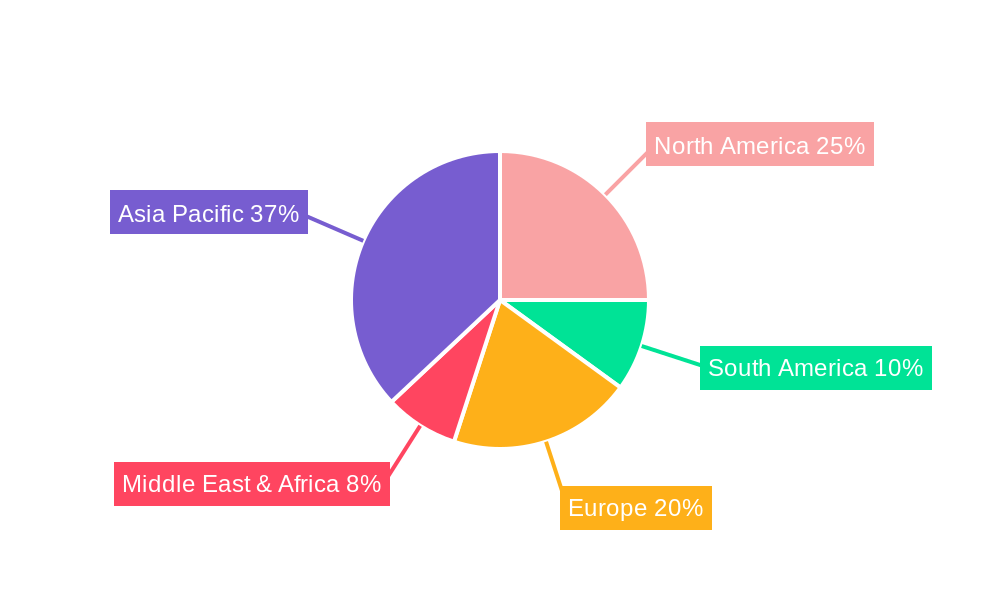
Motorized Vehicle Regional Market Share
Geographic Coverage of Motorized Vehicle
Motorized Vehicle REPORT HIGHLIGHTS
| Aspects | Details |
|---|---|
| Study Period | 2020-2034 |
| Base Year | 2025 |
| Estimated Year | 2026 |
| Forecast Period | 2026-2034 |
| Historical Period | 2020-2025 |
| Growth Rate | CAGR of 12.6% from 2020-2034 |
| Segmentation |
|
Table of Contents
- 1. Introduction
- 1.1. Research Scope
- 1.2. Market Segmentation
- 1.3. Research Methodology
- 1.4. Definitions and Assumptions
- 2. Executive Summary
- 2.1. Introduction
- 3. Market Dynamics
- 3.1. Introduction
- 3.2. Market Drivers
- 3.3. Market Restrains
- 3.4. Market Trends
- 4. Market Factor Analysis
- 4.1. Porters Five Forces
- 4.2. Supply/Value Chain
- 4.3. PESTEL analysis
- 4.4. Market Entropy
- 4.5. Patent/Trademark Analysis
- 5. Global Motorized Vehicle Analysis, Insights and Forecast, 2020-2032
- 5.1. Market Analysis, Insights and Forecast - by Application
- 5.1.1. Household
- 5.1.2. Commercial
- 5.2. Market Analysis, Insights and Forecast - by Types
- 5.2.1. Cars
- 5.2.2. Buses
- 5.2.3. Trucks
- 5.2.4. Motorcycles
- 5.3. Market Analysis, Insights and Forecast - by Region
- 5.3.1. North America
- 5.3.2. South America
- 5.3.3. Europe
- 5.3.4. Middle East & Africa
- 5.3.5. Asia Pacific
- 5.1. Market Analysis, Insights and Forecast - by Application
- 6. North America Motorized Vehicle Analysis, Insights and Forecast, 2020-2032
- 6.1. Market Analysis, Insights and Forecast - by Application
- 6.1.1. Household
- 6.1.2. Commercial
- 6.2. Market Analysis, Insights and Forecast - by Types
- 6.2.1. Cars
- 6.2.2. Buses
- 6.2.3. Trucks
- 6.2.4. Motorcycles
- 6.1. Market Analysis, Insights and Forecast - by Application
- 7. South America Motorized Vehicle Analysis, Insights and Forecast, 2020-2032
- 7.1. Market Analysis, Insights and Forecast - by Application
- 7.1.1. Household
- 7.1.2. Commercial
- 7.2. Market Analysis, Insights and Forecast - by Types
- 7.2.1. Cars
- 7.2.2. Buses
- 7.2.3. Trucks
- 7.2.4. Motorcycles
- 7.1. Market Analysis, Insights and Forecast - by Application
- 8. Europe Motorized Vehicle Analysis, Insights and Forecast, 2020-2032
- 8.1. Market Analysis, Insights and Forecast - by Application
- 8.1.1. Household
- 8.1.2. Commercial
- 8.2. Market Analysis, Insights and Forecast - by Types
- 8.2.1. Cars
- 8.2.2. Buses
- 8.2.3. Trucks
- 8.2.4. Motorcycles
- 8.1. Market Analysis, Insights and Forecast - by Application
- 9. Middle East & Africa Motorized Vehicle Analysis, Insights and Forecast, 2020-2032
- 9.1. Market Analysis, Insights and Forecast - by Application
- 9.1.1. Household
- 9.1.2. Commercial
- 9.2. Market Analysis, Insights and Forecast - by Types
- 9.2.1. Cars
- 9.2.2. Buses
- 9.2.3. Trucks
- 9.2.4. Motorcycles
- 9.1. Market Analysis, Insights and Forecast - by Application
- 10. Asia Pacific Motorized Vehicle Analysis, Insights and Forecast, 2020-2032
- 10.1. Market Analysis, Insights and Forecast - by Application
- 10.1.1. Household
- 10.1.2. Commercial
- 10.2. Market Analysis, Insights and Forecast - by Types
- 10.2.1. Cars
- 10.2.2. Buses
- 10.2.3. Trucks
- 10.2.4. Motorcycles
- 10.1. Market Analysis, Insights and Forecast - by Application
- 11. Competitive Analysis
- 11.1. Global Market Share Analysis 2025
- 11.2. Company Profiles
- 11.2.1 Toyota
- 11.2.1.1. Overview
- 11.2.1.2. Products
- 11.2.1.3. SWOT Analysis
- 11.2.1.4. Recent Developments
- 11.2.1.5. Financials (Based on Availability)
- 11.2.2 Volkswagen Group
- 11.2.2.1. Overview
- 11.2.2.2. Products
- 11.2.2.3. SWOT Analysis
- 11.2.2.4. Recent Developments
- 11.2.2.5. Financials (Based on Availability)
- 11.2.3 Daimler
- 11.2.3.1. Overview
- 11.2.3.2. Products
- 11.2.3.3. SWOT Analysis
- 11.2.3.4. Recent Developments
- 11.2.3.5. Financials (Based on Availability)
- 11.2.4 Ford
- 11.2.4.1. Overview
- 11.2.4.2. Products
- 11.2.4.3. SWOT Analysis
- 11.2.4.4. Recent Developments
- 11.2.4.5. Financials (Based on Availability)
- 11.2.5 General Motors
- 11.2.5.1. Overview
- 11.2.5.2. Products
- 11.2.5.3. SWOT Analysis
- 11.2.5.4. Recent Developments
- 11.2.5.5. Financials (Based on Availability)
- 11.2.6 Honda
- 11.2.6.1. Overview
- 11.2.6.2. Products
- 11.2.6.3. SWOT Analysis
- 11.2.6.4. Recent Developments
- 11.2.6.5. Financials (Based on Availability)
- 11.2.7 Fiat Chrysler Automobiles
- 11.2.7.1. Overview
- 11.2.7.2. Products
- 11.2.7.3. SWOT Analysis
- 11.2.7.4. Recent Developments
- 11.2.7.5. Financials (Based on Availability)
- 11.2.8 BMW
- 11.2.8.1. Overview
- 11.2.8.2. Products
- 11.2.8.3. SWOT Analysis
- 11.2.8.4. Recent Developments
- 11.2.8.5. Financials (Based on Availability)
- 11.2.9 Nissan
- 11.2.9.1. Overview
- 11.2.9.2. Products
- 11.2.9.3. SWOT Analysis
- 11.2.9.4. Recent Developments
- 11.2.9.5. Financials (Based on Availability)
- 11.2.10 Hyundai
- 11.2.10.1. Overview
- 11.2.10.2. Products
- 11.2.10.3. SWOT Analysis
- 11.2.10.4. Recent Developments
- 11.2.10.5. Financials (Based on Availability)
- 11.2.11 PSA
- 11.2.11.1. Overview
- 11.2.11.2. Products
- 11.2.11.3. SWOT Analysis
- 11.2.11.4. Recent Developments
- 11.2.11.5. Financials (Based on Availability)
- 11.2.12 Renault
- 11.2.12.1. Overview
- 11.2.12.2. Products
- 11.2.12.3. SWOT Analysis
- 11.2.12.4. Recent Developments
- 11.2.12.5. Financials (Based on Availability)
- 11.2.13 Suzuki
- 11.2.13.1. Overview
- 11.2.13.2. Products
- 11.2.13.3. SWOT Analysis
- 11.2.13.4. Recent Developments
- 11.2.13.5. Financials (Based on Availability)
- 11.2.14 Geely
- 11.2.14.1. Overview
- 11.2.14.2. Products
- 11.2.14.3. SWOT Analysis
- 11.2.14.4. Recent Developments
- 11.2.14.5. Financials (Based on Availability)
- 11.2.1 Toyota
List of Figures
- Figure 1: Global Motorized Vehicle Revenue Breakdown (billion, %) by Region 2025 & 2033
- Figure 2: Global Motorized Vehicle Volume Breakdown (K, %) by Region 2025 & 2033
- Figure 3: North America Motorized Vehicle Revenue (billion), by Application 2025 & 2033
- Figure 4: North America Motorized Vehicle Volume (K), by Application 2025 & 2033
- Figure 5: North America Motorized Vehicle Revenue Share (%), by Application 2025 & 2033
- Figure 6: North America Motorized Vehicle Volume Share (%), by Application 2025 & 2033
- Figure 7: North America Motorized Vehicle Revenue (billion), by Types 2025 & 2033
- Figure 8: North America Motorized Vehicle Volume (K), by Types 2025 & 2033
- Figure 9: North America Motorized Vehicle Revenue Share (%), by Types 2025 & 2033
- Figure 10: North America Motorized Vehicle Volume Share (%), by Types 2025 & 2033
- Figure 11: North America Motorized Vehicle Revenue (billion), by Country 2025 & 2033
- Figure 12: North America Motorized Vehicle Volume (K), by Country 2025 & 2033
- Figure 13: North America Motorized Vehicle Revenue Share (%), by Country 2025 & 2033
- Figure 14: North America Motorized Vehicle Volume Share (%), by Country 2025 & 2033
- Figure 15: South America Motorized Vehicle Revenue (billion), by Application 2025 & 2033
- Figure 16: South America Motorized Vehicle Volume (K), by Application 2025 & 2033
- Figure 17: South America Motorized Vehicle Revenue Share (%), by Application 2025 & 2033
- Figure 18: South America Motorized Vehicle Volume Share (%), by Application 2025 & 2033
- Figure 19: South America Motorized Vehicle Revenue (billion), by Types 2025 & 2033
- Figure 20: South America Motorized Vehicle Volume (K), by Types 2025 & 2033
- Figure 21: South America Motorized Vehicle Revenue Share (%), by Types 2025 & 2033
- Figure 22: South America Motorized Vehicle Volume Share (%), by Types 2025 & 2033
- Figure 23: South America Motorized Vehicle Revenue (billion), by Country 2025 & 2033
- Figure 24: South America Motorized Vehicle Volume (K), by Country 2025 & 2033
- Figure 25: South America Motorized Vehicle Revenue Share (%), by Country 2025 & 2033
- Figure 26: South America Motorized Vehicle Volume Share (%), by Country 2025 & 2033
- Figure 27: Europe Motorized Vehicle Revenue (billion), by Application 2025 & 2033
- Figure 28: Europe Motorized Vehicle Volume (K), by Application 2025 & 2033
- Figure 29: Europe Motorized Vehicle Revenue Share (%), by Application 2025 & 2033
- Figure 30: Europe Motorized Vehicle Volume Share (%), by Application 2025 & 2033
- Figure 31: Europe Motorized Vehicle Revenue (billion), by Types 2025 & 2033
- Figure 32: Europe Motorized Vehicle Volume (K), by Types 2025 & 2033
- Figure 33: Europe Motorized Vehicle Revenue Share (%), by Types 2025 & 2033
- Figure 34: Europe Motorized Vehicle Volume Share (%), by Types 2025 & 2033
- Figure 35: Europe Motorized Vehicle Revenue (billion), by Country 2025 & 2033
- Figure 36: Europe Motorized Vehicle Volume (K), by Country 2025 & 2033
- Figure 37: Europe Motorized Vehicle Revenue Share (%), by Country 2025 & 2033
- Figure 38: Europe Motorized Vehicle Volume Share (%), by Country 2025 & 2033
- Figure 39: Middle East & Africa Motorized Vehicle Revenue (billion), by Application 2025 & 2033
- Figure 40: Middle East & Africa Motorized Vehicle Volume (K), by Application 2025 & 2033
- Figure 41: Middle East & Africa Motorized Vehicle Revenue Share (%), by Application 2025 & 2033
- Figure 42: Middle East & Africa Motorized Vehicle Volume Share (%), by Application 2025 & 2033
- Figure 43: Middle East & Africa Motorized Vehicle Revenue (billion), by Types 2025 & 2033
- Figure 44: Middle East & Africa Motorized Vehicle Volume (K), by Types 2025 & 2033
- Figure 45: Middle East & Africa Motorized Vehicle Revenue Share (%), by Types 2025 & 2033
- Figure 46: Middle East & Africa Motorized Vehicle Volume Share (%), by Types 2025 & 2033
- Figure 47: Middle East & Africa Motorized Vehicle Revenue (billion), by Country 2025 & 2033
- Figure 48: Middle East & Africa Motorized Vehicle Volume (K), by Country 2025 & 2033
- Figure 49: Middle East & Africa Motorized Vehicle Revenue Share (%), by Country 2025 & 2033
- Figure 50: Middle East & Africa Motorized Vehicle Volume Share (%), by Country 2025 & 2033
- Figure 51: Asia Pacific Motorized Vehicle Revenue (billion), by Application 2025 & 2033
- Figure 52: Asia Pacific Motorized Vehicle Volume (K), by Application 2025 & 2033
- Figure 53: Asia Pacific Motorized Vehicle Revenue Share (%), by Application 2025 & 2033
- Figure 54: Asia Pacific Motorized Vehicle Volume Share (%), by Application 2025 & 2033
- Figure 55: Asia Pacific Motorized Vehicle Revenue (billion), by Types 2025 & 2033
- Figure 56: Asia Pacific Motorized Vehicle Volume (K), by Types 2025 & 2033
- Figure 57: Asia Pacific Motorized Vehicle Revenue Share (%), by Types 2025 & 2033
- Figure 58: Asia Pacific Motorized Vehicle Volume Share (%), by Types 2025 & 2033
- Figure 59: Asia Pacific Motorized Vehicle Revenue (billion), by Country 2025 & 2033
- Figure 60: Asia Pacific Motorized Vehicle Volume (K), by Country 2025 & 2033
- Figure 61: Asia Pacific Motorized Vehicle Revenue Share (%), by Country 2025 & 2033
- Figure 62: Asia Pacific Motorized Vehicle Volume Share (%), by Country 2025 & 2033
List of Tables
- Table 1: Global Motorized Vehicle Revenue billion Forecast, by Application 2020 & 2033
- Table 2: Global Motorized Vehicle Volume K Forecast, by Application 2020 & 2033
- Table 3: Global Motorized Vehicle Revenue billion Forecast, by Types 2020 & 2033
- Table 4: Global Motorized Vehicle Volume K Forecast, by Types 2020 & 2033
- Table 5: Global Motorized Vehicle Revenue billion Forecast, by Region 2020 & 2033
- Table 6: Global Motorized Vehicle Volume K Forecast, by Region 2020 & 2033
- Table 7: Global Motorized Vehicle Revenue billion Forecast, by Application 2020 & 2033
- Table 8: Global Motorized Vehicle Volume K Forecast, by Application 2020 & 2033
- Table 9: Global Motorized Vehicle Revenue billion Forecast, by Types 2020 & 2033
- Table 10: Global Motorized Vehicle Volume K Forecast, by Types 2020 & 2033
- Table 11: Global Motorized Vehicle Revenue billion Forecast, by Country 2020 & 2033
- Table 12: Global Motorized Vehicle Volume K Forecast, by Country 2020 & 2033
- Table 13: United States Motorized Vehicle Revenue (billion) Forecast, by Application 2020 & 2033
- Table 14: United States Motorized Vehicle Volume (K) Forecast, by Application 2020 & 2033
- Table 15: Canada Motorized Vehicle Revenue (billion) Forecast, by Application 2020 & 2033
- Table 16: Canada Motorized Vehicle Volume (K) Forecast, by Application 2020 & 2033
- Table 17: Mexico Motorized Vehicle Revenue (billion) Forecast, by Application 2020 & 2033
- Table 18: Mexico Motorized Vehicle Volume (K) Forecast, by Application 2020 & 2033
- Table 19: Global Motorized Vehicle Revenue billion Forecast, by Application 2020 & 2033
- Table 20: Global Motorized Vehicle Volume K Forecast, by Application 2020 & 2033
- Table 21: Global Motorized Vehicle Revenue billion Forecast, by Types 2020 & 2033
- Table 22: Global Motorized Vehicle Volume K Forecast, by Types 2020 & 2033
- Table 23: Global Motorized Vehicle Revenue billion Forecast, by Country 2020 & 2033
- Table 24: Global Motorized Vehicle Volume K Forecast, by Country 2020 & 2033
- Table 25: Brazil Motorized Vehicle Revenue (billion) Forecast, by Application 2020 & 2033
- Table 26: Brazil Motorized Vehicle Volume (K) Forecast, by Application 2020 & 2033
- Table 27: Argentina Motorized Vehicle Revenue (billion) Forecast, by Application 2020 & 2033
- Table 28: Argentina Motorized Vehicle Volume (K) Forecast, by Application 2020 & 2033
- Table 29: Rest of South America Motorized Vehicle Revenue (billion) Forecast, by Application 2020 & 2033
- Table 30: Rest of South America Motorized Vehicle Volume (K) Forecast, by Application 2020 & 2033
- Table 31: Global Motorized Vehicle Revenue billion Forecast, by Application 2020 & 2033
- Table 32: Global Motorized Vehicle Volume K Forecast, by Application 2020 & 2033
- Table 33: Global Motorized Vehicle Revenue billion Forecast, by Types 2020 & 2033
- Table 34: Global Motorized Vehicle Volume K Forecast, by Types 2020 & 2033
- Table 35: Global Motorized Vehicle Revenue billion Forecast, by Country 2020 & 2033
- Table 36: Global Motorized Vehicle Volume K Forecast, by Country 2020 & 2033
- Table 37: United Kingdom Motorized Vehicle Revenue (billion) Forecast, by Application 2020 & 2033
- Table 38: United Kingdom Motorized Vehicle Volume (K) Forecast, by Application 2020 & 2033
- Table 39: Germany Motorized Vehicle Revenue (billion) Forecast, by Application 2020 & 2033
- Table 40: Germany Motorized Vehicle Volume (K) Forecast, by Application 2020 & 2033
- Table 41: France Motorized Vehicle Revenue (billion) Forecast, by Application 2020 & 2033
- Table 42: France Motorized Vehicle Volume (K) Forecast, by Application 2020 & 2033
- Table 43: Italy Motorized Vehicle Revenue (billion) Forecast, by Application 2020 & 2033
- Table 44: Italy Motorized Vehicle Volume (K) Forecast, by Application 2020 & 2033
- Table 45: Spain Motorized Vehicle Revenue (billion) Forecast, by Application 2020 & 2033
- Table 46: Spain Motorized Vehicle Volume (K) Forecast, by Application 2020 & 2033
- Table 47: Russia Motorized Vehicle Revenue (billion) Forecast, by Application 2020 & 2033
- Table 48: Russia Motorized Vehicle Volume (K) Forecast, by Application 2020 & 2033
- Table 49: Benelux Motorized Vehicle Revenue (billion) Forecast, by Application 2020 & 2033
- Table 50: Benelux Motorized Vehicle Volume (K) Forecast, by Application 2020 & 2033
- Table 51: Nordics Motorized Vehicle Revenue (billion) Forecast, by Application 2020 & 2033
- Table 52: Nordics Motorized Vehicle Volume (K) Forecast, by Application 2020 & 2033
- Table 53: Rest of Europe Motorized Vehicle Revenue (billion) Forecast, by Application 2020 & 2033
- Table 54: Rest of Europe Motorized Vehicle Volume (K) Forecast, by Application 2020 & 2033
- Table 55: Global Motorized Vehicle Revenue billion Forecast, by Application 2020 & 2033
- Table 56: Global Motorized Vehicle Volume K Forecast, by Application 2020 & 2033
- Table 57: Global Motorized Vehicle Revenue billion Forecast, by Types 2020 & 2033
- Table 58: Global Motorized Vehicle Volume K Forecast, by Types 2020 & 2033
- Table 59: Global Motorized Vehicle Revenue billion Forecast, by Country 2020 & 2033
- Table 60: Global Motorized Vehicle Volume K Forecast, by Country 2020 & 2033
- Table 61: Turkey Motorized Vehicle Revenue (billion) Forecast, by Application 2020 & 2033
- Table 62: Turkey Motorized Vehicle Volume (K) Forecast, by Application 2020 & 2033
- Table 63: Israel Motorized Vehicle Revenue (billion) Forecast, by Application 2020 & 2033
- Table 64: Israel Motorized Vehicle Volume (K) Forecast, by Application 2020 & 2033
- Table 65: GCC Motorized Vehicle Revenue (billion) Forecast, by Application 2020 & 2033
- Table 66: GCC Motorized Vehicle Volume (K) Forecast, by Application 2020 & 2033
- Table 67: North Africa Motorized Vehicle Revenue (billion) Forecast, by Application 2020 & 2033
- Table 68: North Africa Motorized Vehicle Volume (K) Forecast, by Application 2020 & 2033
- Table 69: South Africa Motorized Vehicle Revenue (billion) Forecast, by Application 2020 & 2033
- Table 70: South Africa Motorized Vehicle Volume (K) Forecast, by Application 2020 & 2033
- Table 71: Rest of Middle East & Africa Motorized Vehicle Revenue (billion) Forecast, by Application 2020 & 2033
- Table 72: Rest of Middle East & Africa Motorized Vehicle Volume (K) Forecast, by Application 2020 & 2033
- Table 73: Global Motorized Vehicle Revenue billion Forecast, by Application 2020 & 2033
- Table 74: Global Motorized Vehicle Volume K Forecast, by Application 2020 & 2033
- Table 75: Global Motorized Vehicle Revenue billion Forecast, by Types 2020 & 2033
- Table 76: Global Motorized Vehicle Volume K Forecast, by Types 2020 & 2033
- Table 77: Global Motorized Vehicle Revenue billion Forecast, by Country 2020 & 2033
- Table 78: Global Motorized Vehicle Volume K Forecast, by Country 2020 & 2033
- Table 79: China Motorized Vehicle Revenue (billion) Forecast, by Application 2020 & 2033
- Table 80: China Motorized Vehicle Volume (K) Forecast, by Application 2020 & 2033
- Table 81: India Motorized Vehicle Revenue (billion) Forecast, by Application 2020 & 2033
- Table 82: India Motorized Vehicle Volume (K) Forecast, by Application 2020 & 2033
- Table 83: Japan Motorized Vehicle Revenue (billion) Forecast, by Application 2020 & 2033
- Table 84: Japan Motorized Vehicle Volume (K) Forecast, by Application 2020 & 2033
- Table 85: South Korea Motorized Vehicle Revenue (billion) Forecast, by Application 2020 & 2033
- Table 86: South Korea Motorized Vehicle Volume (K) Forecast, by Application 2020 & 2033
- Table 87: ASEAN Motorized Vehicle Revenue (billion) Forecast, by Application 2020 & 2033
- Table 88: ASEAN Motorized Vehicle Volume (K) Forecast, by Application 2020 & 2033
- Table 89: Oceania Motorized Vehicle Revenue (billion) Forecast, by Application 2020 & 2033
- Table 90: Oceania Motorized Vehicle Volume (K) Forecast, by Application 2020 & 2033
- Table 91: Rest of Asia Pacific Motorized Vehicle Revenue (billion) Forecast, by Application 2020 & 2033
- Table 92: Rest of Asia Pacific Motorized Vehicle Volume (K) Forecast, by Application 2020 & 2033
Frequently Asked Questions
1. What is the projected Compound Annual Growth Rate (CAGR) of the Motorized Vehicle?
The projected CAGR is approximately 12.6%.
2. Which companies are prominent players in the Motorized Vehicle?
Key companies in the market include Toyota, Volkswagen Group, Daimler, Ford, General Motors, Honda, Fiat Chrysler Automobiles, BMW, Nissan, Hyundai, PSA, Renault, Suzuki, Geely.
3. What are the main segments of the Motorized Vehicle?
The market segments include Application, Types.
4. Can you provide details about the market size?
The market size is estimated to be USD 112.3 billion as of 2022.
5. What are some drivers contributing to market growth?
N/A
6. What are the notable trends driving market growth?
N/A
7. Are there any restraints impacting market growth?
N/A
8. Can you provide examples of recent developments in the market?
N/A
9. What pricing options are available for accessing the report?
Pricing options include single-user, multi-user, and enterprise licenses priced at USD 3350.00, USD 5025.00, and USD 6700.00 respectively.
10. Is the market size provided in terms of value or volume?
The market size is provided in terms of value, measured in billion and volume, measured in K.
11. Are there any specific market keywords associated with the report?
Yes, the market keyword associated with the report is "Motorized Vehicle," which aids in identifying and referencing the specific market segment covered.
12. How do I determine which pricing option suits my needs best?
The pricing options vary based on user requirements and access needs. Individual users may opt for single-user licenses, while businesses requiring broader access may choose multi-user or enterprise licenses for cost-effective access to the report.
13. Are there any additional resources or data provided in the Motorized Vehicle report?
While the report offers comprehensive insights, it's advisable to review the specific contents or supplementary materials provided to ascertain if additional resources or data are available.
14. How can I stay updated on further developments or reports in the Motorized Vehicle?
To stay informed about further developments, trends, and reports in the Motorized Vehicle, consider subscribing to industry newsletters, following relevant companies and organizations, or regularly checking reputable industry news sources and publications.
Methodology
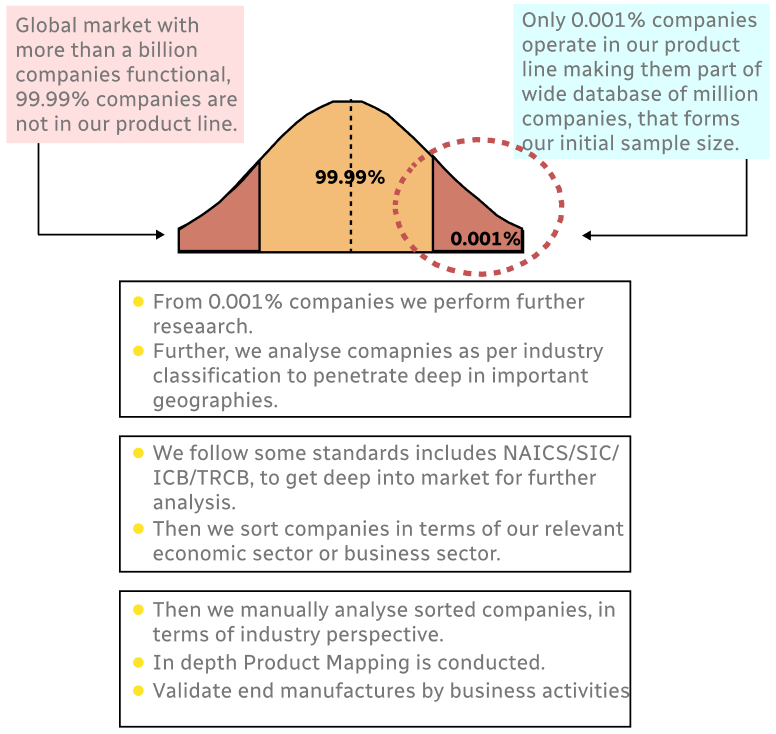
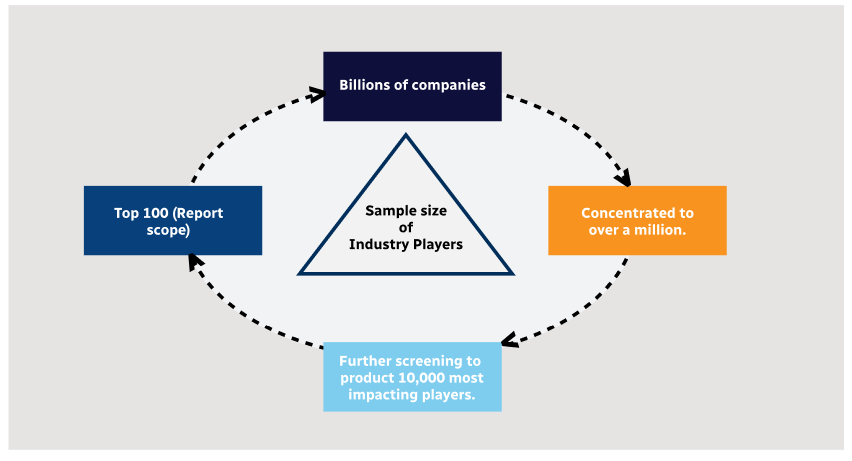
Step 1 - Identification of Relevant Samples Size from Population Database
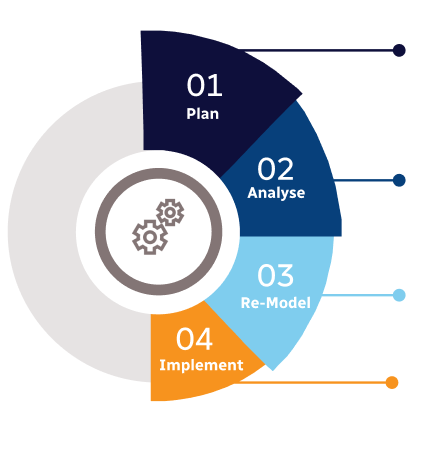
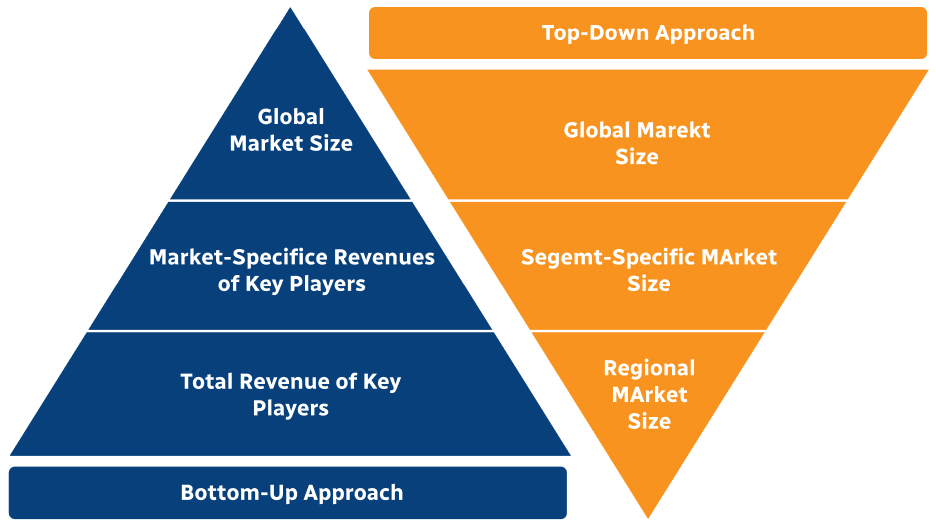
Step 2 - Approaches for Defining Global Market Size (Value, Volume* & Price*)
Note*: In applicable scenarios
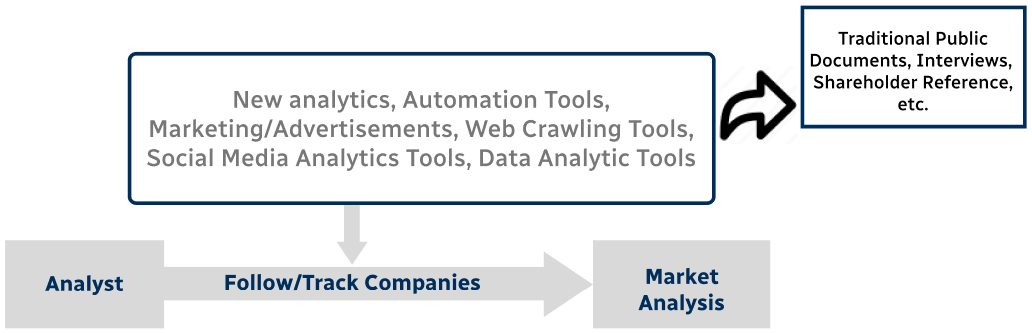
Step 3 - Data Sources
Primary Research
- Web Analytics
- Survey Reports
- Research Institute
- Latest Research Reports
- Opinion Leaders
Secondary Research
- Annual Reports
- White Paper
- Latest Press Release
- Industry Association
- Paid Database
- Investor Presentations
Step 4 - Data Triangulation
Involves using different sources of information in order to increase the validity of a study
These sources are likely to be stakeholders in a program - participants, other researchers, program staff, other community members, and so on.
Then we put all data in single framework & apply various statistical tools to find out the dynamic on the market.
During the analysis stage, feedback from the stakeholder groups would be compared to determine areas of agreement as well as areas of divergence