


Key Insights
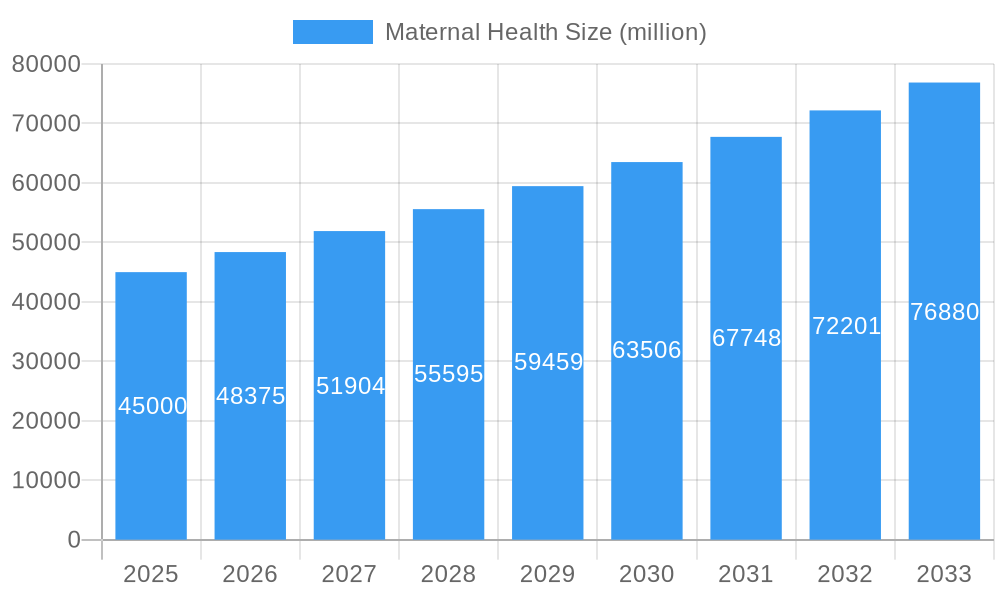
The global Maternal Health market is poised for significant expansion, projected to reach approximately USD 75,000 million by 2033, growing at a Compound Annual Growth Rate (CAGR) of around 7.5% from its estimated 2025 value. This robust growth is underpinned by a confluence of factors, including increasing global awareness of maternal and infant well-being, advancements in medical technologies for prenatal and postnatal care, and a rising prevalence of pregnancy-related complications. The market's expansion is further fueled by greater access to healthcare services, particularly in emerging economies, and proactive government initiatives aimed at reducing maternal mortality rates. Specialized maternal health products, encompassing a wide range of applications from hospital-based treatments to at-home care solutions, are witnessing heightened demand. The "Hormones" and "Nutritives" segments are expected to lead this growth, driven by the increasing focus on personalized nutrition and hormone therapies for managing various pregnancy-related conditions.
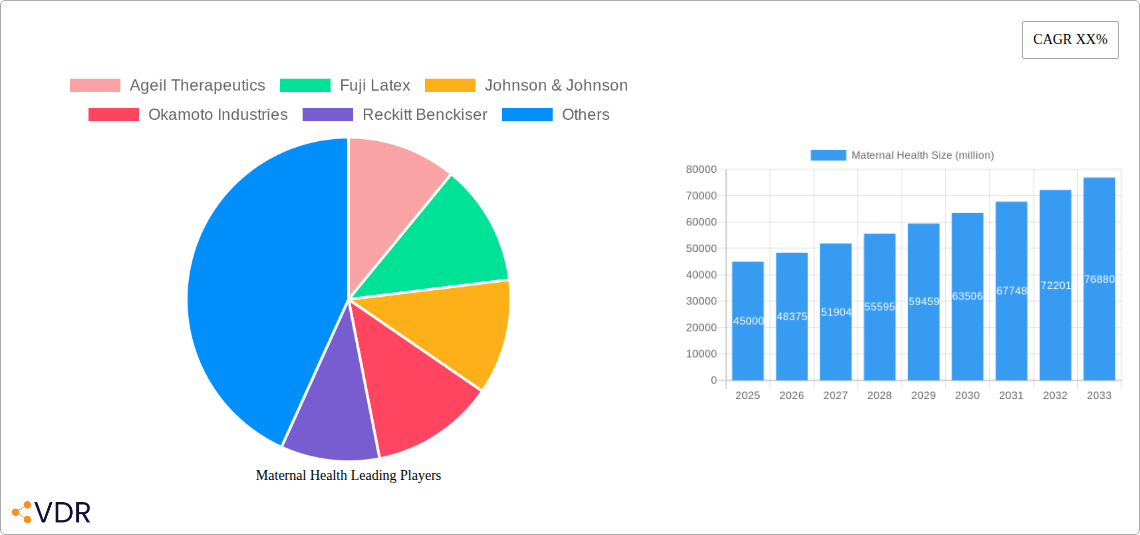
Maternal Health Market Size (In Billion)

The market is navigating several key trends, including the growing adoption of digital health solutions for remote patient monitoring and telehealth services, offering enhanced convenience and accessibility for expectant mothers. Furthermore, there's a discernible shift towards integrated care models, emphasizing a holistic approach to maternal well-being that addresses both physical and mental health aspects. However, the market also faces restraints such as the high cost of advanced maternal healthcare technologies and treatments, which can limit accessibility in certain regions, and regulatory hurdles associated with the approval and distribution of new maternal health products. Despite these challenges, the continuous innovation in drug development, particularly in areas like anti-infectives and analgesics tailored for pregnant women, alongside the expansion of home care services, are expected to propel the maternal health market toward sustained and impactful growth throughout the forecast period.
Maternal Health Company Market Share
Maternal Health Market Report: Growth, Trends, and Opportunities (2019-2033)
This comprehensive report offers an in-depth analysis of the global Maternal Health market, exploring its dynamics, growth trajectories, and future outlook. With a study period spanning from 2019 to 2033, a base year of 2025, and a forecast period of 2025–2033, this report provides actionable insights for industry stakeholders. We delve into market segmentation by Application (Hospitals, Clinics, Home Care, Others) and Type (Hormones, Nutritives, Analgesics, Anti-Infectives, Others), considering both parent and child market segments for a holistic view. High-traffic keywords such as "maternal health," "prenatal care," "postnatal care," "maternity products," "women's health," "obstetrics," "gynecology," and "reproductive health" are integrated to maximize SEO visibility and attract industry professionals. All values are presented in million units.
Maternal Health Market Dynamics & Structure
The global Maternal Health market is characterized by a moderate concentration, with key players like Johnson & Johnson, Reckitt Benckiser, and Sanofi holding significant shares. Technological innovation is a primary driver, particularly in the development of advanced diagnostic tools, minimally invasive treatment options, and digital health solutions for remote monitoring and personalized care. Regulatory frameworks, spearheaded by bodies like the FDA and EMA, play a crucial role in ensuring product safety and efficacy, albeit sometimes posing barriers to rapid market entry. Competitive product substitutes, ranging from generic medications to alternative therapies, continuously influence pricing and market penetration strategies. End-user demographics are shifting, with an increasing awareness of maternal well-being, rising incidences of pregnancy-related complications, and a growing demand for specialized maternal healthcare services in both developed and developing economies. Mergers and Acquisitions (M&A) trends indicate a strategic consolidation within the industry, as companies seek to expand their product portfolios and geographical reach.
- Market Concentration: Moderately concentrated, with top players holding substantial market share.
- Technological Innovation: Driven by advancements in diagnostics, digital health, and personalized treatment.
- Regulatory Frameworks: Essential for safety and efficacy, but can impact market agility.
- Competitive Landscape: Influenced by a range of product substitutes and therapeutic alternatives.
- End-User Demographics: Growing awareness, rising complications, and demand for specialized care.
- M&A Trends: Strategic consolidation for portfolio expansion and market reach.
Maternal Health Growth Trends & Insights
The Maternal Health market is poised for robust growth over the forecast period, driven by increasing global awareness of maternal well-being, rising incidences of pregnancy-related health issues, and advancements in medical technologies. The market size is projected to expand significantly, fueled by an escalating adoption rate of innovative prenatal and postnatal care solutions. Technological disruptions, including the integration of AI in diagnostics, wearable devices for continuous monitoring, and telemedicine platforms for remote consultations, are reshaping the delivery of maternal healthcare. Consumer behavior shifts are also playing a vital role, with expectant mothers and families increasingly prioritizing personalized, evidence-based care and seeking proactive health management solutions. The CAGR for the Maternal Health market is estimated at 6.8% from 2025 to 2033, indicating sustained and dynamic expansion. Market penetration is expected to deepen, particularly in emerging economies, as healthcare infrastructure improves and access to essential maternal health services expands. The estimated market size in 2025 is $75,000 million, projected to reach $120,000 million by 2033. This growth trajectory is underpinned by a growing emphasis on preventive healthcare and the development of novel therapies for conditions such as preeclampsia, gestational diabetes, and postpartum depression. The parent market, encompassing overall women's health, is also experiencing parallel growth, creating a synergistic environment for specialized maternal health products and services. Furthermore, the child market, focusing on infant and neonatal care, benefits directly from improvements in maternal health outcomes. The increasing demand for specialized nutritional supplements, advanced diagnostics for fetal monitoring, and effective pain management during labor and delivery are key contributors to this market evolution. The integration of digital health solutions further enhances accessibility and empowers individuals to take a more active role in their maternal health journey.
Dominant Regions, Countries, or Segments in Maternal Health
North America currently stands as the dominant region in the Maternal Health market, driven by its well-established healthcare infrastructure, high disposable incomes, and a strong emphasis on advanced medical technologies and research. The United States, in particular, plays a pivotal role, with a significant number of leading pharmaceutical companies and a robust demand for high-quality maternal healthcare services. Economic policies that support healthcare access and innovation, coupled with advanced infrastructure, further solidify its position. The Hospitals segment, within the Application category, is a primary growth driver, accounting for an estimated 45% of the market share in 2025. This dominance is attributed to the critical role hospitals play in managing high-risk pregnancies, performing complex deliveries, and providing comprehensive prenatal and postnatal care.
In terms of product types, Nutritives and Hormones are leading segments, driven by the increasing awareness of the importance of proper nutrition during pregnancy and the therapeutic use of hormones for fertility treatments, labor induction, and managing hormonal imbalances. The Nutritives segment is estimated to hold 28% of the market share in 2025, while Hormones are expected to account for 25%. The growing prevalence of lifestyle diseases and the desire for optimal fetal development contribute significantly to the demand for specialized prenatal vitamins and supplements. The market share for Analgesics is estimated at 18%, reflecting the need for effective pain management during labor and postpartum recovery. Anti-Infectives comprise 15% of the market, addressing the critical need to prevent and treat infections during pregnancy and childbirth. The Others segment, encompassing diagnostics, medical devices, and specialized services, is also experiencing steady growth, driven by technological advancements and a holistic approach to maternal care. Emerging economies in Asia-Pacific are showing significant growth potential, fueled by improving healthcare access, rising birth rates, and increasing government initiatives focused on maternal and child health.
Maternal Health Product Landscape
The product landscape within Maternal Health is characterized by continuous innovation focused on enhancing safety, efficacy, and patient convenience. Advanced hormonal therapies are increasingly being developed for managing infertility and pregnancy complications, offering improved efficacy and reduced side effects. Nutritive products, including specialized prenatal vitamins and supplements, are formulated with enhanced bioavailability and targeted nutrient delivery to support optimal maternal and fetal health. Analgesics are seeing advancements in non-opioid alternatives and localized pain management techniques for labor and delivery. Anti-infective solutions are being refined for greater specificity and reduced resistance. The performance metrics of these products are continually being optimized through rigorous clinical trials and real-world evidence, with a strong emphasis on measurable improvements in maternal and infant outcomes.
Key Drivers, Barriers & Challenges in Maternal Health
Key Drivers:
- Increasing Global Birth Rates: A fundamental driver, leading to a larger patient pool.
- Growing Awareness of Maternal Well-being: Educated consumers are actively seeking better healthcare solutions.
- Technological Advancements: Innovations in diagnostics, therapeutics, and digital health are improving outcomes.
- Government Initiatives and Healthcare Policies: Increased focus on maternal health programs and funding.
- Rising Prevalence of Chronic Diseases: Conditions like diabetes and hypertension necessitate specialized maternal care.
Barriers & Challenges:
- High Cost of Advanced Treatments: Can limit accessibility, especially in developing regions.
- Stringent Regulatory Approvals: The time and cost associated with getting new products to market.
- Limited Healthcare Infrastructure: In certain regions, access to quality maternal care is a significant challenge.
- Supply Chain Disruptions: Global events can impact the availability of essential maternal health products.
- Socioeconomic Disparities: Unequal access to healthcare and resources creates challenges in achieving equitable outcomes.
Emerging Opportunities in Maternal Health
Emerging opportunities in Maternal Health lie in the expansion of digital health platforms for remote patient monitoring and telehealth consultations, particularly in underserved areas. The development of personalized nutrition plans based on genetic profiling and individual needs presents a significant untapped market. Innovations in non-invasive prenatal testing (NIPT) and advanced fetal imaging techniques offer further avenues for growth. Moreover, there's a growing demand for specialized mental health support services for pregnant and postpartum women, addressing the increasing recognition of perinatal mental health. The focus on sustainable and eco-friendly maternal care products also represents an evolving consumer preference.
Growth Accelerators in the Maternal Health Industry
The long-term growth of the Maternal Health industry is being accelerated by breakthroughs in genomics and personalized medicine, enabling tailored interventions for pregnant individuals. Strategic partnerships between pharmaceutical companies, technology providers, and healthcare institutions are fostering innovation and market expansion. The increasing adoption of AI and machine learning in predicting pregnancy risks and optimizing treatment plans is also a significant growth accelerator. Furthermore, global market expansion strategies, particularly into emerging economies with growing middle classes and improving healthcare access, are driving sustained growth. The continuous influx of venture capital into maternal health startups focused on addressing unmet needs is also a vital catalyst.
Key Players Shaping the Maternal Health Market
- Ageil Therapeutics
- Fuji Latex
- Johnson & Johnson
- Okamoto Industries
- Reckitt Benckiser
- Sanofi
Notable Milestones in Maternal Health Sector
- 2019: Launch of advanced prenatal diagnostic tools, enabling earlier detection of fetal anomalies.
- 2020: Increased adoption of telehealth services for routine prenatal check-ups due to global health events.
- 2021: Significant investment in research for novel treatments for preterm birth complications.
- 2022: Development of AI-powered platforms for predicting gestational diabetes risk.
- 2023: Expansion of home care services for postpartum recovery and infant monitoring.
- January 2024: Introduction of new guidelines for managing postpartum hemorrhage, improving clinical outcomes.
- April 2024: A major pharmaceutical company announces promising results from a clinical trial for a new drug targeting preeclampsia.
In-Depth Maternal Health Market Outlook
The future of the Maternal Health market is exceptionally promising, fueled by ongoing technological advancements and a steadfast commitment to improving maternal and infant outcomes. Growth accelerators such as personalized medicine, AI integration in diagnostics and treatment, and strategic collaborations will continue to shape the industry. The market is expected to witness sustained expansion driven by increasing global investments in women's health and a proactive approach to preventive healthcare. Strategic opportunities for market players include addressing unmet needs in emerging markets, developing innovative digital health solutions, and focusing on integrated care models that encompass physical and mental well-being. The estimated market size is projected to reach $120,000 million by 2033, indicating substantial growth potential and a positive outlook for stakeholders dedicated to enhancing maternal health globally.
Maternal Health Segmentation
-
1. Application
- 1.1. Hospitals
- 1.2. Clinics
- 1.3. Home Care
- 1.4. Others
-
2. Types
- 2.1. Hormones
- 2.2. Nutritives
- 2.3. Analgesics
- 2.4. Anti-Infectives
- 2.5. Others
Maternal Health Segmentation By Geography
-
1. North America
- 1.1. United States
- 1.2. Canada
- 1.3. Mexico
-
2. South America
- 2.1. Brazil
- 2.2. Argentina
- 2.3. Rest of South America
-
3. Europe
- 3.1. United Kingdom
- 3.2. Germany
- 3.3. France
- 3.4. Italy
- 3.5. Spain
- 3.6. Russia
- 3.7. Benelux
- 3.8. Nordics
- 3.9. Rest of Europe
-
4. Middle East & Africa
- 4.1. Turkey
- 4.2. Israel
- 4.3. GCC
- 4.4. North Africa
- 4.5. South Africa
- 4.6. Rest of Middle East & Africa
-
5. Asia Pacific
- 5.1. China
- 5.2. India
- 5.3. Japan
- 5.4. South Korea
- 5.5. ASEAN
- 5.6. Oceania
- 5.7. Rest of Asia Pacific
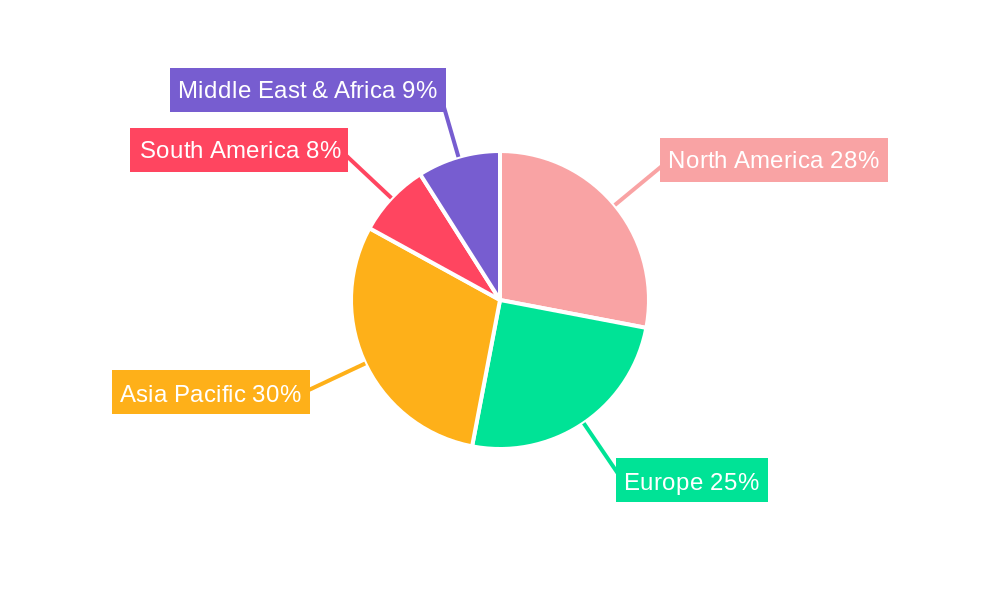
Maternal Health Regional Market Share
Geographic Coverage of Maternal Health
Maternal Health REPORT HIGHLIGHTS
| Aspects | Details |
|---|---|
| Study Period | 2020-2034 |
| Base Year | 2025 |
| Estimated Year | 2026 |
| Forecast Period | 2026-2034 |
| Historical Period | 2020-2025 |
| Growth Rate | CAGR of XX% from 2020-2034 |
| Segmentation |
|
Table of Contents
- 1. Introduction
- 1.1. Research Scope
- 1.2. Market Segmentation
- 1.3. Research Methodology
- 1.4. Definitions and Assumptions
- 2. Executive Summary
- 2.1. Introduction
- 3. Market Dynamics
- 3.1. Introduction
- 3.2. Market Drivers
- 3.3. Market Restrains
- 3.4. Market Trends
- 4. Market Factor Analysis
- 4.1. Porters Five Forces
- 4.2. Supply/Value Chain
- 4.3. PESTEL analysis
- 4.4. Market Entropy
- 4.5. Patent/Trademark Analysis
- 5. Global Maternal Health Analysis, Insights and Forecast, 2020-2032
- 5.1. Market Analysis, Insights and Forecast - by Application
- 5.1.1. Hospitals
- 5.1.2. Clinics
- 5.1.3. Home Care
- 5.1.4. Others
- 5.2. Market Analysis, Insights and Forecast - by Types
- 5.2.1. Hormones
- 5.2.2. Nutritives
- 5.2.3. Analgesics
- 5.2.4. Anti-Infectives
- 5.2.5. Others
- 5.3. Market Analysis, Insights and Forecast - by Region
- 5.3.1. North America
- 5.3.2. South America
- 5.3.3. Europe
- 5.3.4. Middle East & Africa
- 5.3.5. Asia Pacific
- 5.1. Market Analysis, Insights and Forecast - by Application
- 6. North America Maternal Health Analysis, Insights and Forecast, 2020-2032
- 6.1. Market Analysis, Insights and Forecast - by Application
- 6.1.1. Hospitals
- 6.1.2. Clinics
- 6.1.3. Home Care
- 6.1.4. Others
- 6.2. Market Analysis, Insights and Forecast - by Types
- 6.2.1. Hormones
- 6.2.2. Nutritives
- 6.2.3. Analgesics
- 6.2.4. Anti-Infectives
- 6.2.5. Others
- 6.1. Market Analysis, Insights and Forecast - by Application
- 7. South America Maternal Health Analysis, Insights and Forecast, 2020-2032
- 7.1. Market Analysis, Insights and Forecast - by Application
- 7.1.1. Hospitals
- 7.1.2. Clinics
- 7.1.3. Home Care
- 7.1.4. Others
- 7.2. Market Analysis, Insights and Forecast - by Types
- 7.2.1. Hormones
- 7.2.2. Nutritives
- 7.2.3. Analgesics
- 7.2.4. Anti-Infectives
- 7.2.5. Others
- 7.1. Market Analysis, Insights and Forecast - by Application
- 8. Europe Maternal Health Analysis, Insights and Forecast, 2020-2032
- 8.1. Market Analysis, Insights and Forecast - by Application
- 8.1.1. Hospitals
- 8.1.2. Clinics
- 8.1.3. Home Care
- 8.1.4. Others
- 8.2. Market Analysis, Insights and Forecast - by Types
- 8.2.1. Hormones
- 8.2.2. Nutritives
- 8.2.3. Analgesics
- 8.2.4. Anti-Infectives
- 8.2.5. Others
- 8.1. Market Analysis, Insights and Forecast - by Application
- 9. Middle East & Africa Maternal Health Analysis, Insights and Forecast, 2020-2032
- 9.1. Market Analysis, Insights and Forecast - by Application
- 9.1.1. Hospitals
- 9.1.2. Clinics
- 9.1.3. Home Care
- 9.1.4. Others
- 9.2. Market Analysis, Insights and Forecast - by Types
- 9.2.1. Hormones
- 9.2.2. Nutritives
- 9.2.3. Analgesics
- 9.2.4. Anti-Infectives
- 9.2.5. Others
- 9.1. Market Analysis, Insights and Forecast - by Application
- 10. Asia Pacific Maternal Health Analysis, Insights and Forecast, 2020-2032
- 10.1. Market Analysis, Insights and Forecast - by Application
- 10.1.1. Hospitals
- 10.1.2. Clinics
- 10.1.3. Home Care
- 10.1.4. Others
- 10.2. Market Analysis, Insights and Forecast - by Types
- 10.2.1. Hormones
- 10.2.2. Nutritives
- 10.2.3. Analgesics
- 10.2.4. Anti-Infectives
- 10.2.5. Others
- 10.1. Market Analysis, Insights and Forecast - by Application
- 11. Competitive Analysis
- 11.1. Global Market Share Analysis 2025
- 11.2. Company Profiles
- 11.2.1 Ageil Therapeutics
- 11.2.1.1. Overview
- 11.2.1.2. Products
- 11.2.1.3. SWOT Analysis
- 11.2.1.4. Recent Developments
- 11.2.1.5. Financials (Based on Availability)
- 11.2.2 Fuji Latex
- 11.2.2.1. Overview
- 11.2.2.2. Products
- 11.2.2.3. SWOT Analysis
- 11.2.2.4. Recent Developments
- 11.2.2.5. Financials (Based on Availability)
- 11.2.3 Johnson & Johnson
- 11.2.3.1. Overview
- 11.2.3.2. Products
- 11.2.3.3. SWOT Analysis
- 11.2.3.4. Recent Developments
- 11.2.3.5. Financials (Based on Availability)
- 11.2.4 Okamoto Industries
- 11.2.4.1. Overview
- 11.2.4.2. Products
- 11.2.4.3. SWOT Analysis
- 11.2.4.4. Recent Developments
- 11.2.4.5. Financials (Based on Availability)
- 11.2.5 Reckitt Benckiser
- 11.2.5.1. Overview
- 11.2.5.2. Products
- 11.2.5.3. SWOT Analysis
- 11.2.5.4. Recent Developments
- 11.2.5.5. Financials (Based on Availability)
- 11.2.6 Sanofi
- 11.2.6.1. Overview
- 11.2.6.2. Products
- 11.2.6.3. SWOT Analysis
- 11.2.6.4. Recent Developments
- 11.2.6.5. Financials (Based on Availability)
- 11.2.1 Ageil Therapeutics
List of Figures
- Figure 1: Global Maternal Health Revenue Breakdown (million, %) by Region 2025 & 2033
- Figure 2: North America Maternal Health Revenue (million), by Application 2025 & 2033
- Figure 3: North America Maternal Health Revenue Share (%), by Application 2025 & 2033
- Figure 4: North America Maternal Health Revenue (million), by Types 2025 & 2033
- Figure 5: North America Maternal Health Revenue Share (%), by Types 2025 & 2033
- Figure 6: North America Maternal Health Revenue (million), by Country 2025 & 2033
- Figure 7: North America Maternal Health Revenue Share (%), by Country 2025 & 2033
- Figure 8: South America Maternal Health Revenue (million), by Application 2025 & 2033
- Figure 9: South America Maternal Health Revenue Share (%), by Application 2025 & 2033
- Figure 10: South America Maternal Health Revenue (million), by Types 2025 & 2033
- Figure 11: South America Maternal Health Revenue Share (%), by Types 2025 & 2033
- Figure 12: South America Maternal Health Revenue (million), by Country 2025 & 2033
- Figure 13: South America Maternal Health Revenue Share (%), by Country 2025 & 2033
- Figure 14: Europe Maternal Health Revenue (million), by Application 2025 & 2033
- Figure 15: Europe Maternal Health Revenue Share (%), by Application 2025 & 2033
- Figure 16: Europe Maternal Health Revenue (million), by Types 2025 & 2033
- Figure 17: Europe Maternal Health Revenue Share (%), by Types 2025 & 2033
- Figure 18: Europe Maternal Health Revenue (million), by Country 2025 & 2033
- Figure 19: Europe Maternal Health Revenue Share (%), by Country 2025 & 2033
- Figure 20: Middle East & Africa Maternal Health Revenue (million), by Application 2025 & 2033
- Figure 21: Middle East & Africa Maternal Health Revenue Share (%), by Application 2025 & 2033
- Figure 22: Middle East & Africa Maternal Health Revenue (million), by Types 2025 & 2033
- Figure 23: Middle East & Africa Maternal Health Revenue Share (%), by Types 2025 & 2033
- Figure 24: Middle East & Africa Maternal Health Revenue (million), by Country 2025 & 2033
- Figure 25: Middle East & Africa Maternal Health Revenue Share (%), by Country 2025 & 2033
- Figure 26: Asia Pacific Maternal Health Revenue (million), by Application 2025 & 2033
- Figure 27: Asia Pacific Maternal Health Revenue Share (%), by Application 2025 & 2033
- Figure 28: Asia Pacific Maternal Health Revenue (million), by Types 2025 & 2033
- Figure 29: Asia Pacific Maternal Health Revenue Share (%), by Types 2025 & 2033
- Figure 30: Asia Pacific Maternal Health Revenue (million), by Country 2025 & 2033
- Figure 31: Asia Pacific Maternal Health Revenue Share (%), by Country 2025 & 2033
List of Tables
- Table 1: Global Maternal Health Revenue million Forecast, by Application 2020 & 2033
- Table 2: Global Maternal Health Revenue million Forecast, by Types 2020 & 2033
- Table 3: Global Maternal Health Revenue million Forecast, by Region 2020 & 2033
- Table 4: Global Maternal Health Revenue million Forecast, by Application 2020 & 2033
- Table 5: Global Maternal Health Revenue million Forecast, by Types 2020 & 2033
- Table 6: Global Maternal Health Revenue million Forecast, by Country 2020 & 2033
- Table 7: United States Maternal Health Revenue (million) Forecast, by Application 2020 & 2033
- Table 8: Canada Maternal Health Revenue (million) Forecast, by Application 2020 & 2033
- Table 9: Mexico Maternal Health Revenue (million) Forecast, by Application 2020 & 2033
- Table 10: Global Maternal Health Revenue million Forecast, by Application 2020 & 2033
- Table 11: Global Maternal Health Revenue million Forecast, by Types 2020 & 2033
- Table 12: Global Maternal Health Revenue million Forecast, by Country 2020 & 2033
- Table 13: Brazil Maternal Health Revenue (million) Forecast, by Application 2020 & 2033
- Table 14: Argentina Maternal Health Revenue (million) Forecast, by Application 2020 & 2033
- Table 15: Rest of South America Maternal Health Revenue (million) Forecast, by Application 2020 & 2033
- Table 16: Global Maternal Health Revenue million Forecast, by Application 2020 & 2033
- Table 17: Global Maternal Health Revenue million Forecast, by Types 2020 & 2033
- Table 18: Global Maternal Health Revenue million Forecast, by Country 2020 & 2033
- Table 19: United Kingdom Maternal Health Revenue (million) Forecast, by Application 2020 & 2033
- Table 20: Germany Maternal Health Revenue (million) Forecast, by Application 2020 & 2033
- Table 21: France Maternal Health Revenue (million) Forecast, by Application 2020 & 2033
- Table 22: Italy Maternal Health Revenue (million) Forecast, by Application 2020 & 2033
- Table 23: Spain Maternal Health Revenue (million) Forecast, by Application 2020 & 2033
- Table 24: Russia Maternal Health Revenue (million) Forecast, by Application 2020 & 2033
- Table 25: Benelux Maternal Health Revenue (million) Forecast, by Application 2020 & 2033
- Table 26: Nordics Maternal Health Revenue (million) Forecast, by Application 2020 & 2033
- Table 27: Rest of Europe Maternal Health Revenue (million) Forecast, by Application 2020 & 2033
- Table 28: Global Maternal Health Revenue million Forecast, by Application 2020 & 2033
- Table 29: Global Maternal Health Revenue million Forecast, by Types 2020 & 2033
- Table 30: Global Maternal Health Revenue million Forecast, by Country 2020 & 2033
- Table 31: Turkey Maternal Health Revenue (million) Forecast, by Application 2020 & 2033
- Table 32: Israel Maternal Health Revenue (million) Forecast, by Application 2020 & 2033
- Table 33: GCC Maternal Health Revenue (million) Forecast, by Application 2020 & 2033
- Table 34: North Africa Maternal Health Revenue (million) Forecast, by Application 2020 & 2033
- Table 35: South Africa Maternal Health Revenue (million) Forecast, by Application 2020 & 2033
- Table 36: Rest of Middle East & Africa Maternal Health Revenue (million) Forecast, by Application 2020 & 2033
- Table 37: Global Maternal Health Revenue million Forecast, by Application 2020 & 2033
- Table 38: Global Maternal Health Revenue million Forecast, by Types 2020 & 2033
- Table 39: Global Maternal Health Revenue million Forecast, by Country 2020 & 2033
- Table 40: China Maternal Health Revenue (million) Forecast, by Application 2020 & 2033
- Table 41: India Maternal Health Revenue (million) Forecast, by Application 2020 & 2033
- Table 42: Japan Maternal Health Revenue (million) Forecast, by Application 2020 & 2033
- Table 43: South Korea Maternal Health Revenue (million) Forecast, by Application 2020 & 2033
- Table 44: ASEAN Maternal Health Revenue (million) Forecast, by Application 2020 & 2033
- Table 45: Oceania Maternal Health Revenue (million) Forecast, by Application 2020 & 2033
- Table 46: Rest of Asia Pacific Maternal Health Revenue (million) Forecast, by Application 2020 & 2033
Frequently Asked Questions
1. What is the projected Compound Annual Growth Rate (CAGR) of the Maternal Health?
The projected CAGR is approximately XX%.
2. Which companies are prominent players in the Maternal Health?
Key companies in the market include Ageil Therapeutics, Fuji Latex, Johnson & Johnson, Okamoto Industries, Reckitt Benckiser, Sanofi.
3. What are the main segments of the Maternal Health?
The market segments include Application, Types.
4. Can you provide details about the market size?
The market size is estimated to be USD XXX million as of 2022.
5. What are some drivers contributing to market growth?
N/A
6. What are the notable trends driving market growth?
N/A
7. Are there any restraints impacting market growth?
N/A
8. Can you provide examples of recent developments in the market?
N/A
9. What pricing options are available for accessing the report?
Pricing options include single-user, multi-user, and enterprise licenses priced at USD 3350.00, USD 5025.00, and USD 6700.00 respectively.
10. Is the market size provided in terms of value or volume?
The market size is provided in terms of value, measured in million.
11. Are there any specific market keywords associated with the report?
Yes, the market keyword associated with the report is "Maternal Health," which aids in identifying and referencing the specific market segment covered.
12. How do I determine which pricing option suits my needs best?
The pricing options vary based on user requirements and access needs. Individual users may opt for single-user licenses, while businesses requiring broader access may choose multi-user or enterprise licenses for cost-effective access to the report.
13. Are there any additional resources or data provided in the Maternal Health report?
While the report offers comprehensive insights, it's advisable to review the specific contents or supplementary materials provided to ascertain if additional resources or data are available.
14. How can I stay updated on further developments or reports in the Maternal Health?
To stay informed about further developments, trends, and reports in the Maternal Health, consider subscribing to industry newsletters, following relevant companies and organizations, or regularly checking reputable industry news sources and publications.
Methodology
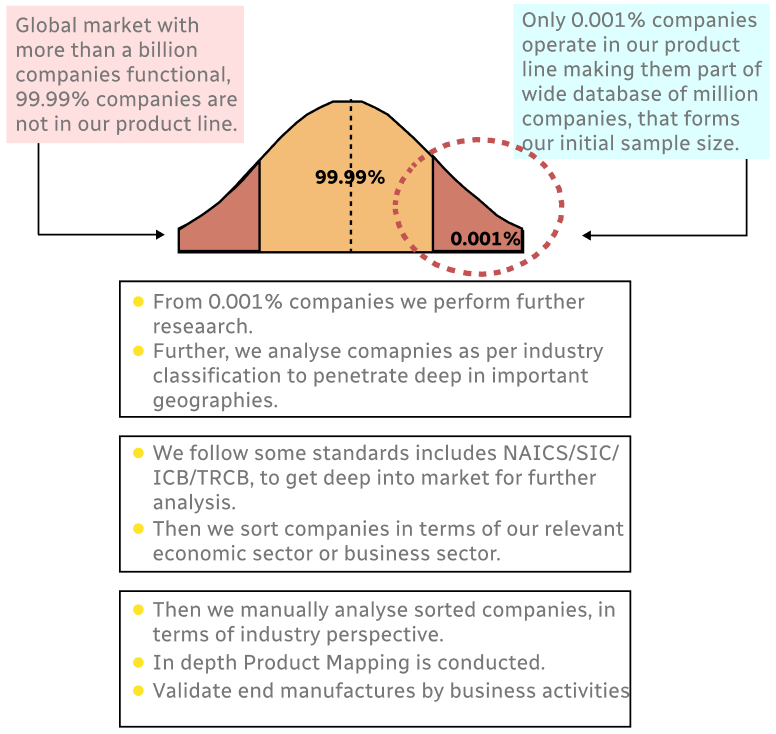
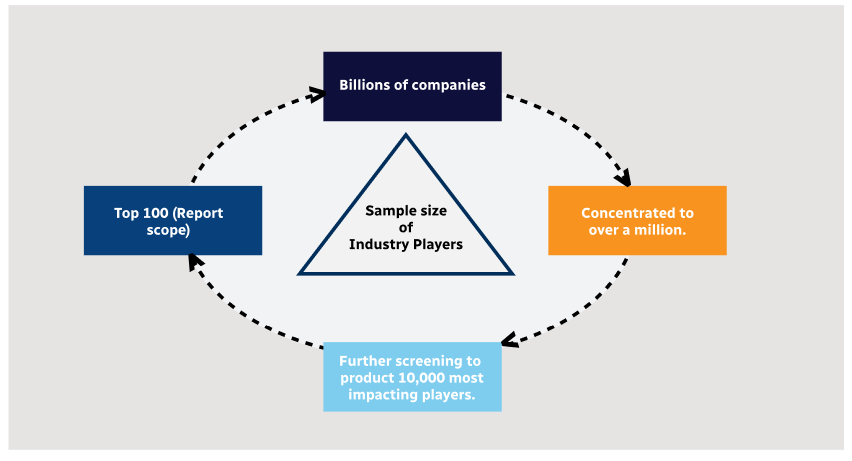
Step 1 - Identification of Relevant Samples Size from Population Database
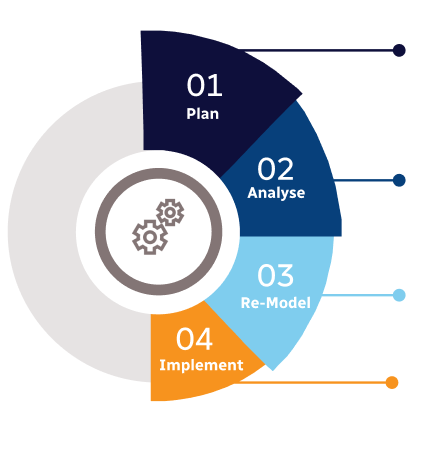
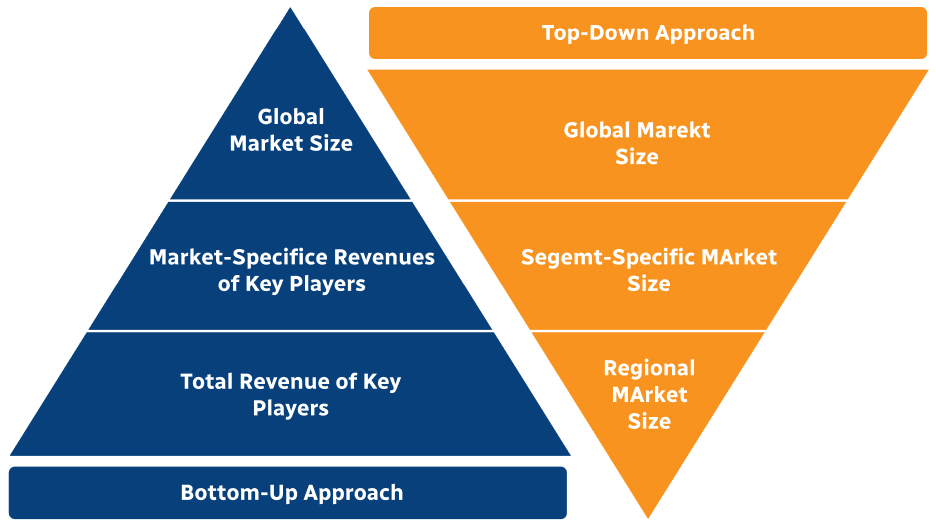
Step 2 - Approaches for Defining Global Market Size (Value, Volume* & Price*)
Note*: In applicable scenarios
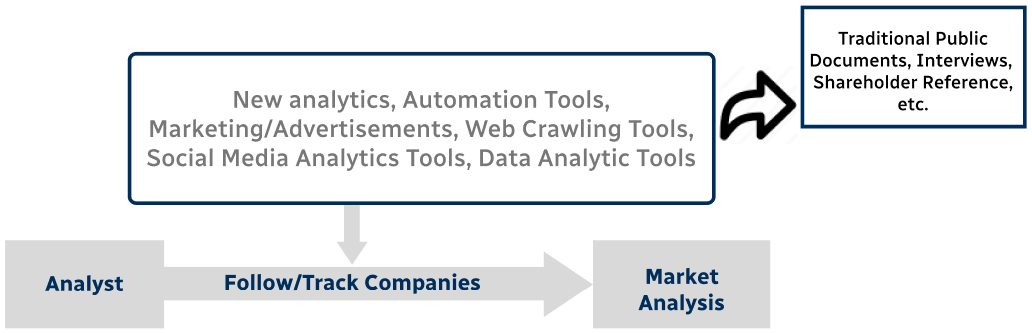
Step 3 - Data Sources
Primary Research
- Web Analytics
- Survey Reports
- Research Institute
- Latest Research Reports
- Opinion Leaders
Secondary Research
- Annual Reports
- White Paper
- Latest Press Release
- Industry Association
- Paid Database
- Investor Presentations
Step 4 - Data Triangulation
Involves using different sources of information in order to increase the validity of a study
These sources are likely to be stakeholders in a program - participants, other researchers, program staff, other community members, and so on.
Then we put all data in single framework & apply various statistical tools to find out the dynamic on the market.
During the analysis stage, feedback from the stakeholder groups would be compared to determine areas of agreement as well as areas of divergence