


Key Insights
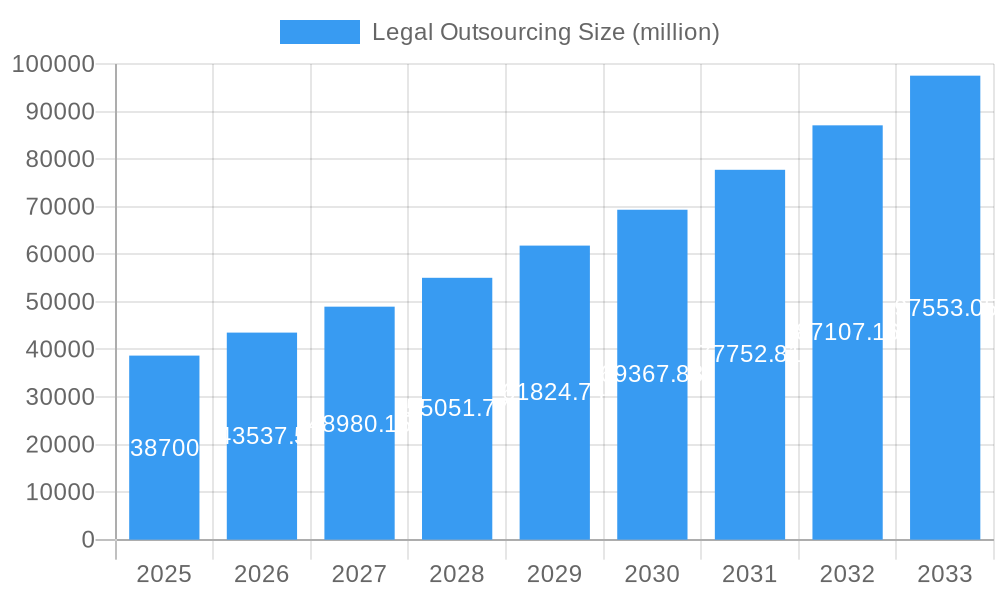
The global legal outsourcing market is poised for significant expansion, projected to reach a valuation of approximately USD 38,700 million by 2025. This robust growth trajectory is underpinned by an estimated Compound Annual Growth Rate (CAGR) of around 12.5% from 2025 to 2033, indicating a dynamic and evolving industry. The increasing adoption of offshore legal services, driven by cost-efficiency, access to specialized talent, and the desire for greater operational agility, is a primary catalyst. Businesses are increasingly recognizing the strategic advantages of outsourcing non-core legal functions, allowing in-house legal teams to focus on high-value strategic initiatives. Furthermore, the burgeoning demand for e-discovery, contract management, intellectual property services, and legal research and analytics is fueling market penetration across various applications, including business and government sectors. Technological advancements, such as AI-powered legal tools and blockchain for secure document management, are also shaping the market, enhancing efficiency and accuracy.
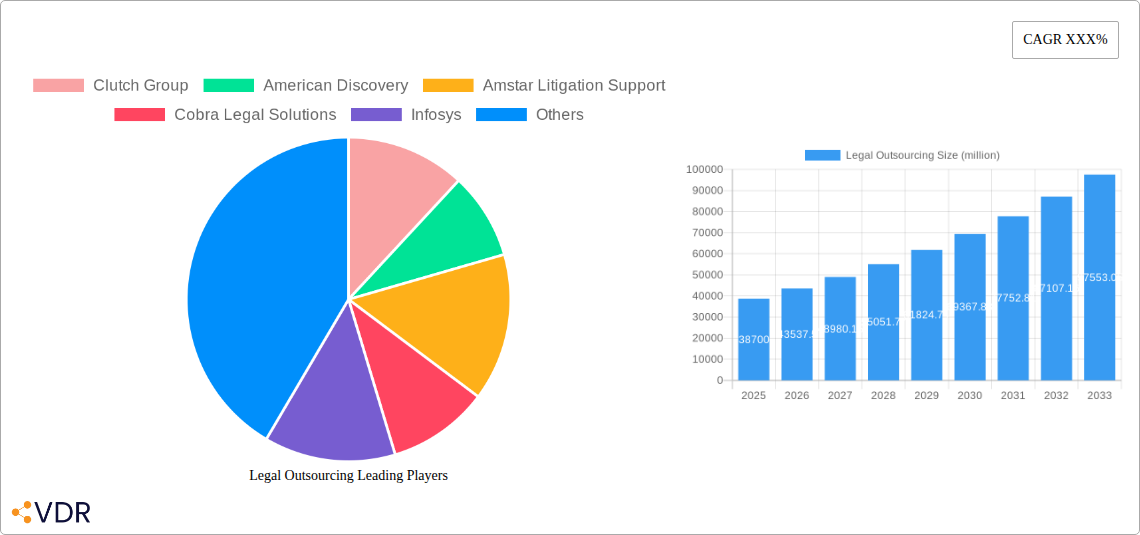
Legal Outsourcing Market Size (In Billion)

Despite the promising outlook, certain restraints, such as concerns regarding data security and client confidentiality, alongside regulatory complexities in cross-border legal services, may pose challenges to widespread adoption. However, the market is actively addressing these concerns through enhanced security protocols and compliance frameworks. The competitive landscape is characterized by a mix of established players and emerging specialists, including Clutch Group, Infosys, Integreon, and Thomson Reuters, all vying for market share through service innovation and strategic partnerships. Geographically, North America and Europe are expected to remain dominant regions, owing to well-established legal frameworks and a high concentration of large enterprises. However, the Asia Pacific region, particularly China and India, is anticipated to witness substantial growth due to a large pool of skilled legal professionals and favorable outsourcing policies.
Legal Outsourcing Company Market Share
Legal Outsourcing Market Dynamics & Structure
The global Legal Outsourcing market is characterized by a dynamic interplay of technological advancements, evolving regulatory landscapes, and shifting end-user demographics. Market concentration varies across segments, with established players like Thomson Reuters and Infosys holding significant shares, while emerging niche providers such as QuisLex and Elevate Services carve out distinct market positions. Technological innovation, particularly in AI-powered legal analytics and blockchain for contract management, is a primary driver, promising enhanced efficiency and reduced costs. However, adoption barriers, including data privacy concerns and the need for specialized skills, temper the pace of innovation. Regulatory frameworks, especially in cross-border data transfer and attorney-client privilege, continue to shape market entry and operational strategies. Competitive product substitutes, ranging from in-house legal departments leveraging new software to alternative legal service providers (ALSPs) offering specialized expertise, present a constant challenge. End-user demographics are broadening beyond traditional law firms to include corporate legal departments, government agencies, and even individual businesses seeking cost-effective legal solutions. Mergers and Acquisitions (M&A) are on the rise as larger entities seek to consolidate capabilities and expand their service offerings. For instance, a predicted XX M&A deal volume in the forecast period is expected to reshape market leadership.
- Market Concentration: Moderate to high in established segments, with increasing fragmentation in specialized niche areas.
- Technological Innovation Drivers: AI for legal research and discovery, blockchain for smart contracts, process automation for routine tasks.
- Regulatory Frameworks: Data protection laws (GDPR, CCPA), attorney-client privilege nuances, cross-border legal practice regulations.
- Competitive Product Substitutes: In-house technology adoption, specialized ALSPs, gig economy legal platforms.
- End-User Demographics: Corporate legal departments (largest segment), law firms, government bodies, startups.
- M&A Trends: Consolidation to achieve scale, acquisition of specialized technology providers, expansion into new geographies.
Legal Outsourcing Growth Trends & Insights
The Legal Outsourcing market is poised for significant growth, driven by a confluence of factors that are fundamentally altering how legal services are delivered and consumed. The market size is projected to expand from an estimated $XX billion in the base year of 2025 to $YY billion by 2033, reflecting a robust Compound Annual Growth Rate (CAGR) of approximately Z%. This upward trajectory is fueled by increasing demand for cost-efficient legal solutions, particularly from corporate legal departments facing budget constraints and growing workloads. Adoption rates of outsourcing services are accelerating as businesses recognize the benefits of leveraging specialized expertise and technology that may not be feasible or cost-effective to develop in-house. Technological disruptions are playing a pivotal role, with advancements in Artificial Intelligence (AI) transforming areas like e-discovery, contract review, and legal research. AI-powered tools can analyze vast volumes of legal documents with unprecedented speed and accuracy, freeing up human legal professionals for higher-value strategic tasks. Furthermore, the rise of cloud-based legal platforms is enhancing accessibility and collaboration, enabling seamless integration of outsourced services with internal legal operations.
Consumer behavior shifts are also contributing to market expansion. There is a growing preference for flexible, on-demand legal support, moving away from traditional retainer models. Businesses are increasingly willing to outsource non-core legal functions, such as intellectual property management, regulatory compliance, and litigation support, to external providers. This allows them to focus on their core competencies while ensuring access to expert legal counsel. The development of specialized ALSPs, offering services that bridge the gap between traditional law firms and technology companies, has further democratized access to sophisticated legal solutions. These providers are adept at leveraging technology and efficient workflows to deliver services at a competitive price point. Moreover, the increasing complexity of global legal and regulatory environments necessitates specialized knowledge that many organizations lack internally, driving the demand for outsourced expertise. The integration of data analytics into legal processes, enabled by outsourcing partners, provides deeper insights into legal risks and outcomes, empowering more informed decision-making. Market penetration is deepening across various industries, as the perceived value proposition of legal outsourcing becomes more widely understood and accepted.
Dominant Regions, Countries, or Segments in Legal Outsourcing
The Legal Outsourcing market’s dominance is currently dictated by a confluence of factors, with the Application: Business segment emerging as the primary growth engine. This segment, encompassing corporate legal departments across diverse industries, accounts for an estimated market share of XX% in the base year 2025 and is projected to maintain its lead throughout the forecast period. The sheer volume of legal work generated by businesses, ranging from contract management and intellectual property protection to mergers and acquisitions and regulatory compliance, fuels this dominance. The increasing pressure on corporate legal departments to reduce costs without compromising quality, coupled with the growing complexity of global business operations, has made outsourcing an indispensable strategy.
The Type: Offshore service delivery model also plays a crucial role in the market's dominance, especially within the business application segment. Offshore outsourcing, leveraging talent pools in countries with lower operational costs, offers significant cost savings, a key driver for businesses. Countries such as India and the Philippines have established themselves as leading offshore destinations, boasting a skilled workforce, robust IT infrastructure, and a favorable business environment for legal process outsourcing (LPO). The market share of offshore services within the business application segment is estimated at YY%, with projections indicating continued strong growth driven by the persistent demand for cost optimization.
Dominant Application Segment: Business - Driven by the extensive legal needs of corporations across all industries, including contract lifecycle management, IP management, compliance, and litigation support.
- Key Drivers: Cost reduction mandates, increasing complexity of global regulations, need for specialized expertise, focus on core competencies.
- Market Share (Estimated Base Year 2025): XX%
- Growth Potential: High, with continued adoption by SMEs and large enterprises alike.
Dominant Type Segment: Offshore - Offers significant cost advantages, making it attractive for businesses seeking to optimize their legal spend.
- Key Drivers: Labor cost arbitrage, availability of skilled talent in emerging economies, scalable workforce solutions.
- Market Share (within Business Application, Estimated Base Year 2025): YY%
- Growth Potential: Strong, though facing increasing competition from nearshore and onshore models for specific services.
Geographic Dominance (Regions): North America and Europe remain dominant in terms of end-user spending and demand for high-value legal services. However, Asia Pacific, particularly India, is the leading provider of offshore legal outsourcing services.
- Key Drivers (Asia Pacific): Lower labor costs, extensive pool of English-speaking legal professionals, government support for BPO industry.
The Government application segment, while smaller in comparison, is also witnessing steady growth, particularly in areas like e-discovery for public sector litigation and administrative support. The Type: Onshore model, while generally more expensive, is gaining traction for sensitive legal work or when specific regulatory requirements necessitate local presence and oversight. However, the cost-effectiveness of offshore and nearshore solutions is likely to keep them at the forefront of market growth in the foreseeable future.
Legal Outsourcing Product Landscape
The Legal Outsourcing product landscape is characterized by a rapid evolution driven by technological integration and a focus on delivering specialized, efficient legal solutions. Key product innovations include AI-powered legal research platforms that can sift through vast databases of case law and statutes with remarkable speed and accuracy, significantly reducing research time. Contract management software, often integrated with AI for automated review and risk assessment, is another prominent offering, streamlining the entire contract lifecycle. Workflow automation tools are transforming routine legal tasks, from document generation to client onboarding, enhancing operational efficiency. Performance metrics increasingly emphasize turnaround times, accuracy rates, cost savings achieved for clients, and client satisfaction scores, showcasing the tangible value proposition of these advanced legal outsourcing products. Unique selling propositions often revolve around deep domain expertise in specific legal areas, seamless integration with existing client systems, and robust data security protocols to ensure client confidentiality.
Key Drivers, Barriers & Challenges in Legal Outsourcing
Key Drivers:
- Cost Optimization: The primary driver, enabling organizations to reduce expenditure on legal services through efficient global talent pools and process automation.
- Access to Specialized Expertise: Outsourcing provides access to niche skills and subject matter experts that may be unavailable or prohibitively expensive to retain in-house.
- Scalability and Flexibility: The ability to scale legal support up or down based on fluctuating demand provides agility and cost-effectiveness.
- Technological Advancements: AI, machine learning, and automation are enhancing the efficiency, accuracy, and scope of outsourced legal services.
- Focus on Core Competencies: By offloading routine legal tasks, in-house legal teams can concentrate on strategic, high-value work.
Key Barriers & Challenges:
- Data Security and Confidentiality Concerns: Protecting sensitive client data when entrusting it to third-party providers remains a paramount concern, leading to stringent due diligence requirements.
- Regulatory Compliance and Cross-Border Issues: Navigating diverse international laws, attorney-client privilege complexities, and data localization requirements can be challenging.
- Quality Control and Assurance: Ensuring consistent quality of service and legal advice across different locations and teams requires robust oversight and performance management.
- Cultural and Communication Gaps: Misunderstandings arising from language differences or cultural nuances can impact collaboration and project execution, especially in offshore models.
- Resistance to Change: Internal resistance from legal departments accustomed to traditional methods can hinder the adoption of outsourced solutions.
- Supply Chain Issues: Geopolitical instability or disruptions in key outsourcing hubs can impact service delivery continuity. The impact of such disruptions could lead to an estimated delay of X% in project completion.
- Competitive Pressures: The market is increasingly competitive, with numerous providers vying for market share, leading to pricing pressures and the need for continuous innovation.
Emerging Opportunities in Legal Outsourcing
Emerging opportunities in the Legal Outsourcing market are largely shaped by the increasing digitization of legal processes and the growing demand for specialized, data-driven legal support. One significant opportunity lies in the expansion of AI-powered legal analytics for predictive litigation outcomes and risk assessment, offering proactive rather than reactive legal strategies. Furthermore, the burgeoning field of environmental, social, and governance (ESG) compliance presents a substantial growth area, as businesses increasingly require expert assistance in navigating complex ESG regulations. The integration of blockchain technology for enhanced smart contract management and secure record-keeping is another promising avenue. For untapped markets, focusing on supporting burgeoning industries like fintech and e-commerce with tailored legal solutions offers considerable potential. Evolving consumer preferences are also driving opportunities in providing accessible and affordable legal services for small and medium-sized enterprises (SMEs), often through platform-based models.
Growth Accelerators in the Legal Outsourcing Industry
Several key catalysts are accelerating the long-term growth of the Legal Outsourcing industry. Continuous technological breakthroughs, particularly in AI and machine learning, are enabling more sophisticated and efficient legal service delivery, pushing the boundaries of what can be outsourced. Strategic partnerships between ALSPs, technology providers, and traditional law firms are fostering innovation and expanding service portfolios, creating a more integrated ecosystem. Market expansion strategies, including entering new geographic markets and targeting underserved industry verticals, are crucial for sustained growth. The increasing globalization of businesses also necessitates a corresponding global approach to legal support, making outsourced solutions indispensable. Furthermore, a growing understanding and acceptance of the value proposition of legal process outsourcing (LPO) and ALSPs by general counsel and business leaders are paving the way for wider adoption. The development of robust data analytics capabilities by outsourcing providers further enhances their strategic value.
Key Players Shaping the Legal Outsourcing Market
- Clutch Group
- American Discovery
- Amstar Litigation Support
- Cobra Legal Solutions
- Infosys
- Integreon
- QuisLex
- Cogneesol
- CPA Global
- Unitedlex
- Evalueserve
- Elevate Services
- Thomson Reuters
Notable Milestones in Legal Outsourcing Sector
- 2019: Increased adoption of AI for e-discovery by major ALSPs, significantly improving efficiency and accuracy.
- 2020 (March): Rapid shift to remote work models due to the pandemic accelerated the adoption of cloud-based legal technology and virtual legal support.
- 2021 (Q3): Significant M&A activity as larger legal service providers acquired specialized technology firms to enhance their AI and automation capabilities.
- 2022 (May): Emergence of specialized ESG (Environmental, Social, and Governance) legal outsourcing services to meet growing corporate compliance needs.
- 2023 (November): Expansion of blockchain technology applications in legal outsourcing for enhanced contract lifecycle management and secure document storage.
- 2024 (Q2): Increased focus on data analytics and predictive modeling within legal outsourcing to offer more strategic insights to clients.
In-Depth Legal Outsourcing Market Outlook
The future of the Legal Outsourcing market is exceptionally promising, driven by an ongoing convergence of technological innovation, evolving business needs, and a global shift towards more efficient and cost-effective legal solutions. Growth accelerators, including advanced AI-driven analytics for predictive insights and comprehensive ESG compliance services, are poised to redefine the value proposition of outsourced legal support. Strategic partnerships will continue to foster synergistic growth, enabling providers to offer integrated solutions that address the multifaceted challenges faced by modern organizations. The continued globalization of commerce necessitates a parallel globalization of legal support, making outsourcing an indispensable component of corporate legal strategy. As regulatory landscapes become more complex, the demand for specialized expertise and agile service delivery models will only intensify, solidifying Legal Outsourcing's position as a critical enabler of business success. The market is expected to witness sustained growth, offering significant opportunities for both established players and innovative newcomers.
Legal Outsourcing Segmentation
-
1. Application
- 1.1. Business
- 1.2. Government
-
2. Type
- 2.1. Offshore
- 2.2. Onshore
Legal Outsourcing Segmentation By Geography
-
1. North America
- 1.1. United States
- 1.2. Canada
- 1.3. Mexico
-
2. South America
- 2.1. Brazil
- 2.2. Argentina
- 2.3. Rest of South America
-
3. Europe
- 3.1. United Kingdom
- 3.2. Germany
- 3.3. France
- 3.4. Italy
- 3.5. Spain
- 3.6. Russia
- 3.7. Benelux
- 3.8. Nordics
- 3.9. Rest of Europe
-
4. Middle East & Africa
- 4.1. Turkey
- 4.2. Israel
- 4.3. GCC
- 4.4. North Africa
- 4.5. South Africa
- 4.6. Rest of Middle East & Africa
-
5. Asia Pacific
- 5.1. China
- 5.2. India
- 5.3. Japan
- 5.4. South Korea
- 5.5. ASEAN
- 5.6. Oceania
- 5.7. Rest of Asia Pacific
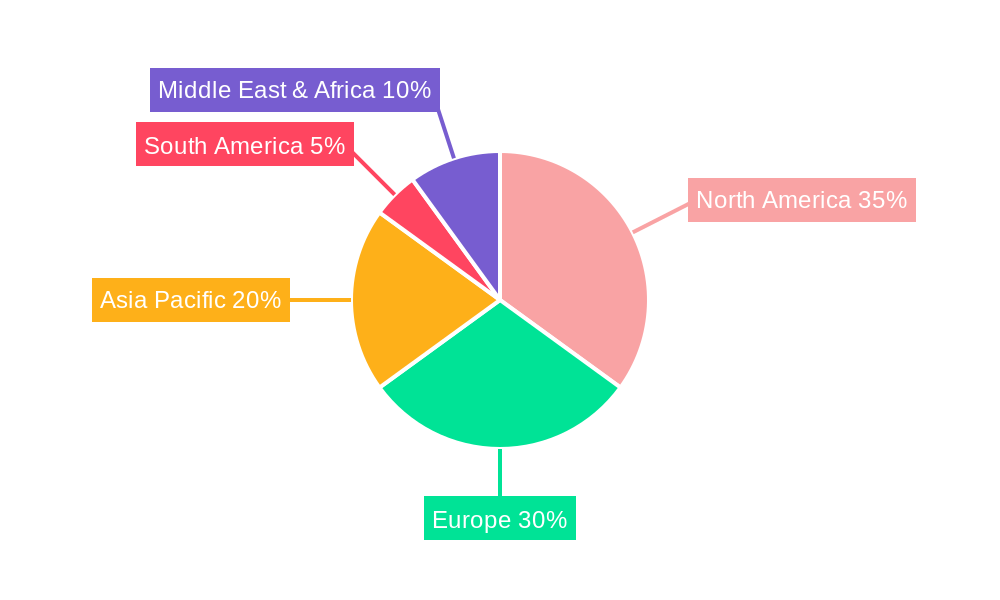
Legal Outsourcing Regional Market Share
Geographic Coverage of Legal Outsourcing
Legal Outsourcing REPORT HIGHLIGHTS
| Aspects | Details |
|---|---|
| Study Period | 2020-2034 |
| Base Year | 2025 |
| Estimated Year | 2026 |
| Forecast Period | 2026-2034 |
| Historical Period | 2020-2025 |
| Growth Rate | CAGR of 24.7% from 2020-2034 |
| Segmentation |
|
Table of Contents
- 1. Introduction
- 1.1. Research Scope
- 1.2. Market Segmentation
- 1.3. Research Methodology
- 1.4. Definitions and Assumptions
- 2. Executive Summary
- 2.1. Introduction
- 3. Market Dynamics
- 3.1. Introduction
- 3.2. Market Drivers
- 3.3. Market Restrains
- 3.4. Market Trends
- 4. Market Factor Analysis
- 4.1. Porters Five Forces
- 4.2. Supply/Value Chain
- 4.3. PESTEL analysis
- 4.4. Market Entropy
- 4.5. Patent/Trademark Analysis
- 5. Global Legal Outsourcing Analysis, Insights and Forecast, 2020-2032
- 5.1. Market Analysis, Insights and Forecast - by Application
- 5.1.1. Business
- 5.1.2. Government
- 5.2. Market Analysis, Insights and Forecast - by Type
- 5.2.1. Offshore
- 5.2.2. Onshore
- 5.3. Market Analysis, Insights and Forecast - by Region
- 5.3.1. North America
- 5.3.2. South America
- 5.3.3. Europe
- 5.3.4. Middle East & Africa
- 5.3.5. Asia Pacific
- 5.1. Market Analysis, Insights and Forecast - by Application
- 6. North America Legal Outsourcing Analysis, Insights and Forecast, 2020-2032
- 6.1. Market Analysis, Insights and Forecast - by Application
- 6.1.1. Business
- 6.1.2. Government
- 6.2. Market Analysis, Insights and Forecast - by Type
- 6.2.1. Offshore
- 6.2.2. Onshore
- 6.1. Market Analysis, Insights and Forecast - by Application
- 7. South America Legal Outsourcing Analysis, Insights and Forecast, 2020-2032
- 7.1. Market Analysis, Insights and Forecast - by Application
- 7.1.1. Business
- 7.1.2. Government
- 7.2. Market Analysis, Insights and Forecast - by Type
- 7.2.1. Offshore
- 7.2.2. Onshore
- 7.1. Market Analysis, Insights and Forecast - by Application
- 8. Europe Legal Outsourcing Analysis, Insights and Forecast, 2020-2032
- 8.1. Market Analysis, Insights and Forecast - by Application
- 8.1.1. Business
- 8.1.2. Government
- 8.2. Market Analysis, Insights and Forecast - by Type
- 8.2.1. Offshore
- 8.2.2. Onshore
- 8.1. Market Analysis, Insights and Forecast - by Application
- 9. Middle East & Africa Legal Outsourcing Analysis, Insights and Forecast, 2020-2032
- 9.1. Market Analysis, Insights and Forecast - by Application
- 9.1.1. Business
- 9.1.2. Government
- 9.2. Market Analysis, Insights and Forecast - by Type
- 9.2.1. Offshore
- 9.2.2. Onshore
- 9.1. Market Analysis, Insights and Forecast - by Application
- 10. Asia Pacific Legal Outsourcing Analysis, Insights and Forecast, 2020-2032
- 10.1. Market Analysis, Insights and Forecast - by Application
- 10.1.1. Business
- 10.1.2. Government
- 10.2. Market Analysis, Insights and Forecast - by Type
- 10.2.1. Offshore
- 10.2.2. Onshore
- 10.1. Market Analysis, Insights and Forecast - by Application
- 11. Competitive Analysis
- 11.1. Global Market Share Analysis 2025
- 11.2. Company Profiles
- 11.2.1 Clutch Group
- 11.2.1.1. Overview
- 11.2.1.2. Products
- 11.2.1.3. SWOT Analysis
- 11.2.1.4. Recent Developments
- 11.2.1.5. Financials (Based on Availability)
- 11.2.2 American Discovery
- 11.2.2.1. Overview
- 11.2.2.2. Products
- 11.2.2.3. SWOT Analysis
- 11.2.2.4. Recent Developments
- 11.2.2.5. Financials (Based on Availability)
- 11.2.3 Amstar Litigation Support
- 11.2.3.1. Overview
- 11.2.3.2. Products
- 11.2.3.3. SWOT Analysis
- 11.2.3.4. Recent Developments
- 11.2.3.5. Financials (Based on Availability)
- 11.2.4 Cobra Legal Solutions
- 11.2.4.1. Overview
- 11.2.4.2. Products
- 11.2.4.3. SWOT Analysis
- 11.2.4.4. Recent Developments
- 11.2.4.5. Financials (Based on Availability)
- 11.2.5 Infosys
- 11.2.5.1. Overview
- 11.2.5.2. Products
- 11.2.5.3. SWOT Analysis
- 11.2.5.4. Recent Developments
- 11.2.5.5. Financials (Based on Availability)
- 11.2.6 Integreon
- 11.2.6.1. Overview
- 11.2.6.2. Products
- 11.2.6.3. SWOT Analysis
- 11.2.6.4. Recent Developments
- 11.2.6.5. Financials (Based on Availability)
- 11.2.7 QuisLex
- 11.2.7.1. Overview
- 11.2.7.2. Products
- 11.2.7.3. SWOT Analysis
- 11.2.7.4. Recent Developments
- 11.2.7.5. Financials (Based on Availability)
- 11.2.8 Cogneesol
- 11.2.8.1. Overview
- 11.2.8.2. Products
- 11.2.8.3. SWOT Analysis
- 11.2.8.4. Recent Developments
- 11.2.8.5. Financials (Based on Availability)
- 11.2.9 CPA Global
- 11.2.9.1. Overview
- 11.2.9.2. Products
- 11.2.9.3. SWOT Analysis
- 11.2.9.4. Recent Developments
- 11.2.9.5. Financials (Based on Availability)
- 11.2.10 Unitedlex
- 11.2.10.1. Overview
- 11.2.10.2. Products
- 11.2.10.3. SWOT Analysis
- 11.2.10.4. Recent Developments
- 11.2.10.5. Financials (Based on Availability)
- 11.2.11 Evalueserve
- 11.2.11.1. Overview
- 11.2.11.2. Products
- 11.2.11.3. SWOT Analysis
- 11.2.11.4. Recent Developments
- 11.2.11.5. Financials (Based on Availability)
- 11.2.12 Elevate Services
- 11.2.12.1. Overview
- 11.2.12.2. Products
- 11.2.12.3. SWOT Analysis
- 11.2.12.4. Recent Developments
- 11.2.12.5. Financials (Based on Availability)
- 11.2.13 Thomson Reuters
- 11.2.13.1. Overview
- 11.2.13.2. Products
- 11.2.13.3. SWOT Analysis
- 11.2.13.4. Recent Developments
- 11.2.13.5. Financials (Based on Availability)
- 11.2.1 Clutch Group
List of Figures
- Figure 1: Global Legal Outsourcing Revenue Breakdown (undefined, %) by Region 2025 & 2033
- Figure 2: North America Legal Outsourcing Revenue (undefined), by Application 2025 & 2033
- Figure 3: North America Legal Outsourcing Revenue Share (%), by Application 2025 & 2033
- Figure 4: North America Legal Outsourcing Revenue (undefined), by Type 2025 & 2033
- Figure 5: North America Legal Outsourcing Revenue Share (%), by Type 2025 & 2033
- Figure 6: North America Legal Outsourcing Revenue (undefined), by Country 2025 & 2033
- Figure 7: North America Legal Outsourcing Revenue Share (%), by Country 2025 & 2033
- Figure 8: South America Legal Outsourcing Revenue (undefined), by Application 2025 & 2033
- Figure 9: South America Legal Outsourcing Revenue Share (%), by Application 2025 & 2033
- Figure 10: South America Legal Outsourcing Revenue (undefined), by Type 2025 & 2033
- Figure 11: South America Legal Outsourcing Revenue Share (%), by Type 2025 & 2033
- Figure 12: South America Legal Outsourcing Revenue (undefined), by Country 2025 & 2033
- Figure 13: South America Legal Outsourcing Revenue Share (%), by Country 2025 & 2033
- Figure 14: Europe Legal Outsourcing Revenue (undefined), by Application 2025 & 2033
- Figure 15: Europe Legal Outsourcing Revenue Share (%), by Application 2025 & 2033
- Figure 16: Europe Legal Outsourcing Revenue (undefined), by Type 2025 & 2033
- Figure 17: Europe Legal Outsourcing Revenue Share (%), by Type 2025 & 2033
- Figure 18: Europe Legal Outsourcing Revenue (undefined), by Country 2025 & 2033
- Figure 19: Europe Legal Outsourcing Revenue Share (%), by Country 2025 & 2033
- Figure 20: Middle East & Africa Legal Outsourcing Revenue (undefined), by Application 2025 & 2033
- Figure 21: Middle East & Africa Legal Outsourcing Revenue Share (%), by Application 2025 & 2033
- Figure 22: Middle East & Africa Legal Outsourcing Revenue (undefined), by Type 2025 & 2033
- Figure 23: Middle East & Africa Legal Outsourcing Revenue Share (%), by Type 2025 & 2033
- Figure 24: Middle East & Africa Legal Outsourcing Revenue (undefined), by Country 2025 & 2033
- Figure 25: Middle East & Africa Legal Outsourcing Revenue Share (%), by Country 2025 & 2033
- Figure 26: Asia Pacific Legal Outsourcing Revenue (undefined), by Application 2025 & 2033
- Figure 27: Asia Pacific Legal Outsourcing Revenue Share (%), by Application 2025 & 2033
- Figure 28: Asia Pacific Legal Outsourcing Revenue (undefined), by Type 2025 & 2033
- Figure 29: Asia Pacific Legal Outsourcing Revenue Share (%), by Type 2025 & 2033
- Figure 30: Asia Pacific Legal Outsourcing Revenue (undefined), by Country 2025 & 2033
- Figure 31: Asia Pacific Legal Outsourcing Revenue Share (%), by Country 2025 & 2033
List of Tables
- Table 1: Global Legal Outsourcing Revenue undefined Forecast, by Application 2020 & 2033
- Table 2: Global Legal Outsourcing Revenue undefined Forecast, by Type 2020 & 2033
- Table 3: Global Legal Outsourcing Revenue undefined Forecast, by Region 2020 & 2033
- Table 4: Global Legal Outsourcing Revenue undefined Forecast, by Application 2020 & 2033
- Table 5: Global Legal Outsourcing Revenue undefined Forecast, by Type 2020 & 2033
- Table 6: Global Legal Outsourcing Revenue undefined Forecast, by Country 2020 & 2033
- Table 7: United States Legal Outsourcing Revenue (undefined) Forecast, by Application 2020 & 2033
- Table 8: Canada Legal Outsourcing Revenue (undefined) Forecast, by Application 2020 & 2033
- Table 9: Mexico Legal Outsourcing Revenue (undefined) Forecast, by Application 2020 & 2033
- Table 10: Global Legal Outsourcing Revenue undefined Forecast, by Application 2020 & 2033
- Table 11: Global Legal Outsourcing Revenue undefined Forecast, by Type 2020 & 2033
- Table 12: Global Legal Outsourcing Revenue undefined Forecast, by Country 2020 & 2033
- Table 13: Brazil Legal Outsourcing Revenue (undefined) Forecast, by Application 2020 & 2033
- Table 14: Argentina Legal Outsourcing Revenue (undefined) Forecast, by Application 2020 & 2033
- Table 15: Rest of South America Legal Outsourcing Revenue (undefined) Forecast, by Application 2020 & 2033
- Table 16: Global Legal Outsourcing Revenue undefined Forecast, by Application 2020 & 2033
- Table 17: Global Legal Outsourcing Revenue undefined Forecast, by Type 2020 & 2033
- Table 18: Global Legal Outsourcing Revenue undefined Forecast, by Country 2020 & 2033
- Table 19: United Kingdom Legal Outsourcing Revenue (undefined) Forecast, by Application 2020 & 2033
- Table 20: Germany Legal Outsourcing Revenue (undefined) Forecast, by Application 2020 & 2033
- Table 21: France Legal Outsourcing Revenue (undefined) Forecast, by Application 2020 & 2033
- Table 22: Italy Legal Outsourcing Revenue (undefined) Forecast, by Application 2020 & 2033
- Table 23: Spain Legal Outsourcing Revenue (undefined) Forecast, by Application 2020 & 2033
- Table 24: Russia Legal Outsourcing Revenue (undefined) Forecast, by Application 2020 & 2033
- Table 25: Benelux Legal Outsourcing Revenue (undefined) Forecast, by Application 2020 & 2033
- Table 26: Nordics Legal Outsourcing Revenue (undefined) Forecast, by Application 2020 & 2033
- Table 27: Rest of Europe Legal Outsourcing Revenue (undefined) Forecast, by Application 2020 & 2033
- Table 28: Global Legal Outsourcing Revenue undefined Forecast, by Application 2020 & 2033
- Table 29: Global Legal Outsourcing Revenue undefined Forecast, by Type 2020 & 2033
- Table 30: Global Legal Outsourcing Revenue undefined Forecast, by Country 2020 & 2033
- Table 31: Turkey Legal Outsourcing Revenue (undefined) Forecast, by Application 2020 & 2033
- Table 32: Israel Legal Outsourcing Revenue (undefined) Forecast, by Application 2020 & 2033
- Table 33: GCC Legal Outsourcing Revenue (undefined) Forecast, by Application 2020 & 2033
- Table 34: North Africa Legal Outsourcing Revenue (undefined) Forecast, by Application 2020 & 2033
- Table 35: South Africa Legal Outsourcing Revenue (undefined) Forecast, by Application 2020 & 2033
- Table 36: Rest of Middle East & Africa Legal Outsourcing Revenue (undefined) Forecast, by Application 2020 & 2033
- Table 37: Global Legal Outsourcing Revenue undefined Forecast, by Application 2020 & 2033
- Table 38: Global Legal Outsourcing Revenue undefined Forecast, by Type 2020 & 2033
- Table 39: Global Legal Outsourcing Revenue undefined Forecast, by Country 2020 & 2033
- Table 40: China Legal Outsourcing Revenue (undefined) Forecast, by Application 2020 & 2033
- Table 41: India Legal Outsourcing Revenue (undefined) Forecast, by Application 2020 & 2033
- Table 42: Japan Legal Outsourcing Revenue (undefined) Forecast, by Application 2020 & 2033
- Table 43: South Korea Legal Outsourcing Revenue (undefined) Forecast, by Application 2020 & 2033
- Table 44: ASEAN Legal Outsourcing Revenue (undefined) Forecast, by Application 2020 & 2033
- Table 45: Oceania Legal Outsourcing Revenue (undefined) Forecast, by Application 2020 & 2033
- Table 46: Rest of Asia Pacific Legal Outsourcing Revenue (undefined) Forecast, by Application 2020 & 2033
Frequently Asked Questions
1. What is the projected Compound Annual Growth Rate (CAGR) of the Legal Outsourcing?
The projected CAGR is approximately 24.7%.
2. Which companies are prominent players in the Legal Outsourcing?
Key companies in the market include Clutch Group, American Discovery, Amstar Litigation Support, Cobra Legal Solutions, Infosys, Integreon, QuisLex, Cogneesol, CPA Global, Unitedlex, Evalueserve, Elevate Services, Thomson Reuters.
3. What are the main segments of the Legal Outsourcing?
The market segments include Application, Type.
4. Can you provide details about the market size?
The market size is estimated to be USD XXX N/A as of 2022.
5. What are some drivers contributing to market growth?
N/A
6. What are the notable trends driving market growth?
N/A
7. Are there any restraints impacting market growth?
N/A
8. Can you provide examples of recent developments in the market?
N/A
9. What pricing options are available for accessing the report?
Pricing options include single-user, multi-user, and enterprise licenses priced at USD 3950.00, USD 5925.00, and USD 7900.00 respectively.
10. Is the market size provided in terms of value or volume?
The market size is provided in terms of value, measured in N/A.
11. Are there any specific market keywords associated with the report?
Yes, the market keyword associated with the report is "Legal Outsourcing," which aids in identifying and referencing the specific market segment covered.
12. How do I determine which pricing option suits my needs best?
The pricing options vary based on user requirements and access needs. Individual users may opt for single-user licenses, while businesses requiring broader access may choose multi-user or enterprise licenses for cost-effective access to the report.
13. Are there any additional resources or data provided in the Legal Outsourcing report?
While the report offers comprehensive insights, it's advisable to review the specific contents or supplementary materials provided to ascertain if additional resources or data are available.
14. How can I stay updated on further developments or reports in the Legal Outsourcing?
To stay informed about further developments, trends, and reports in the Legal Outsourcing, consider subscribing to industry newsletters, following relevant companies and organizations, or regularly checking reputable industry news sources and publications.
Methodology
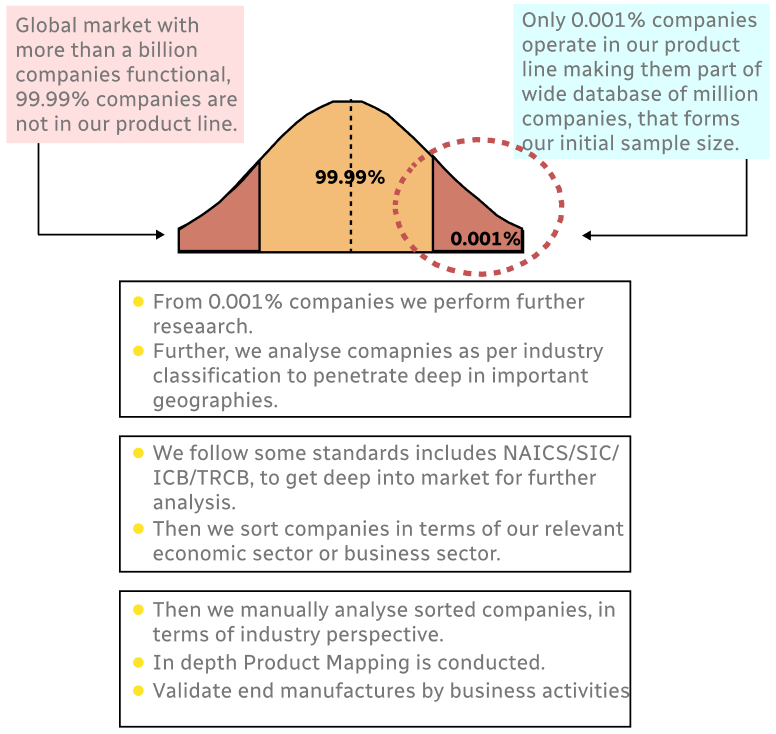
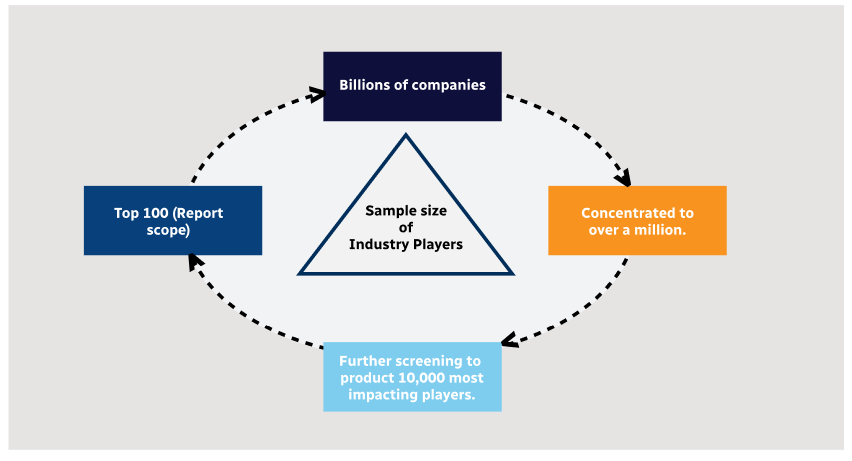
Step 1 - Identification of Relevant Samples Size from Population Database
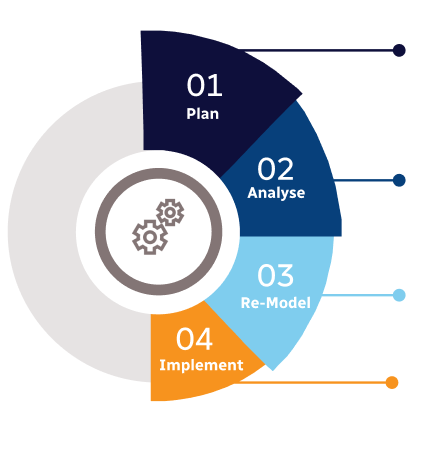
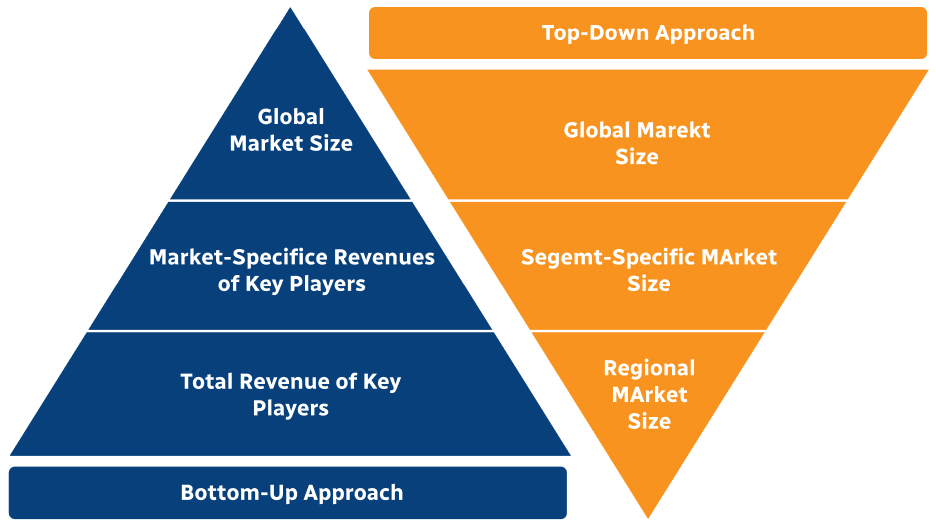
Step 2 - Approaches for Defining Global Market Size (Value, Volume* & Price*)
Note*: In applicable scenarios
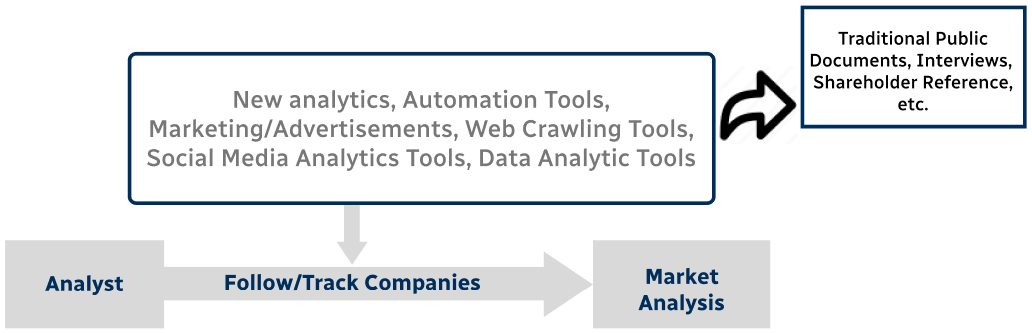
Step 3 - Data Sources
Primary Research
- Web Analytics
- Survey Reports
- Research Institute
- Latest Research Reports
- Opinion Leaders
Secondary Research
- Annual Reports
- White Paper
- Latest Press Release
- Industry Association
- Paid Database
- Investor Presentations
Step 4 - Data Triangulation
Involves using different sources of information in order to increase the validity of a study
These sources are likely to be stakeholders in a program - participants, other researchers, program staff, other community members, and so on.
Then we put all data in single framework & apply various statistical tools to find out the dynamic on the market.
During the analysis stage, feedback from the stakeholder groups would be compared to determine areas of agreement as well as areas of divergence