
Key Insights
The global iOS emulators market is poised for substantial growth, driven by increasing demand from app developers, a burgeoning gaming community, and a rise in cross-platform development needs. With a current estimated market size of approximately $350 million, the market is projected to expand at a robust Compound Annual Growth Rate (CAGR) of around 12% over the forecast period of 2025-2033. This upward trajectory is primarily fueled by the need for efficient testing environments for iOS applications without requiring physical Apple devices, thereby reducing development costs and accelerating time-to-market. Furthermore, the growing popularity of mobile gaming, particularly those with iOS exclusivity or superior performance on Apple's ecosystem, is creating a significant demand for emulators that can replicate this experience on other platforms. The increasing adoption of cloud-based solutions for application development and testing is also a key driver, offering scalability and accessibility for developers worldwide.
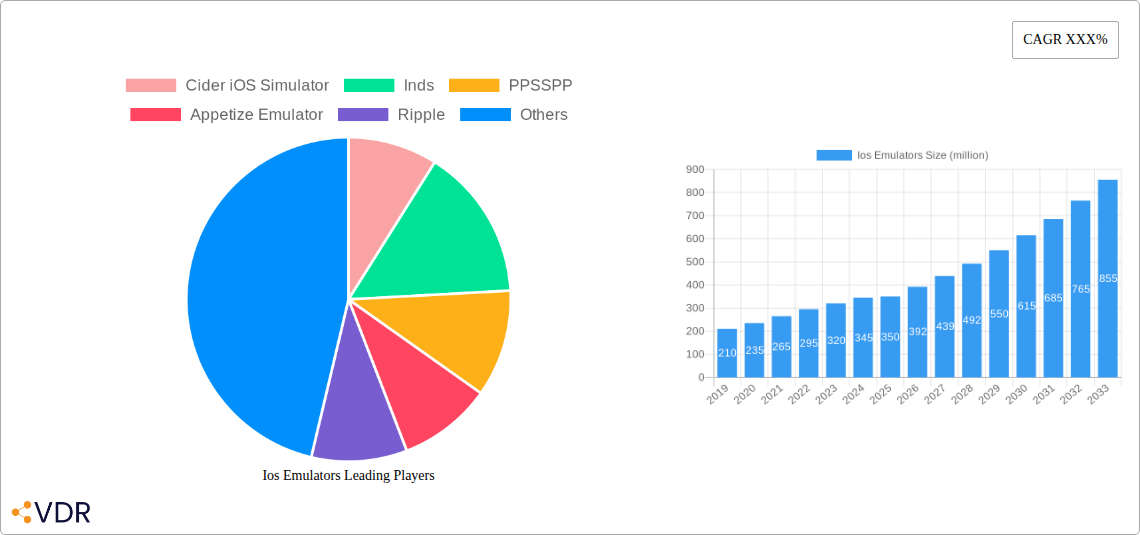
Ios Emulators Market Size (In Million)

While the market presents significant opportunities, certain restraints could impact its full potential. The inherent limitations of emulators in perfectly replicating the performance and features of actual hardware, especially for graphically intensive applications and advanced hardware functionalities, remain a challenge. The cost and complexity associated with maintaining and updating emulator software to keep pace with Apple's evolving operating system and device specifications can also pose a hurdle for some providers. However, advancements in virtualization technology and increasing developer investment in creating more accurate and feature-rich emulators are expected to mitigate these restraints. Geographically, North America and Asia Pacific are expected to dominate the market due to the high concentration of technology companies, app developers, and a large gaming populace. Europe also represents a significant market, driven by a strong developer base and increasing adoption of cross-platform development strategies.
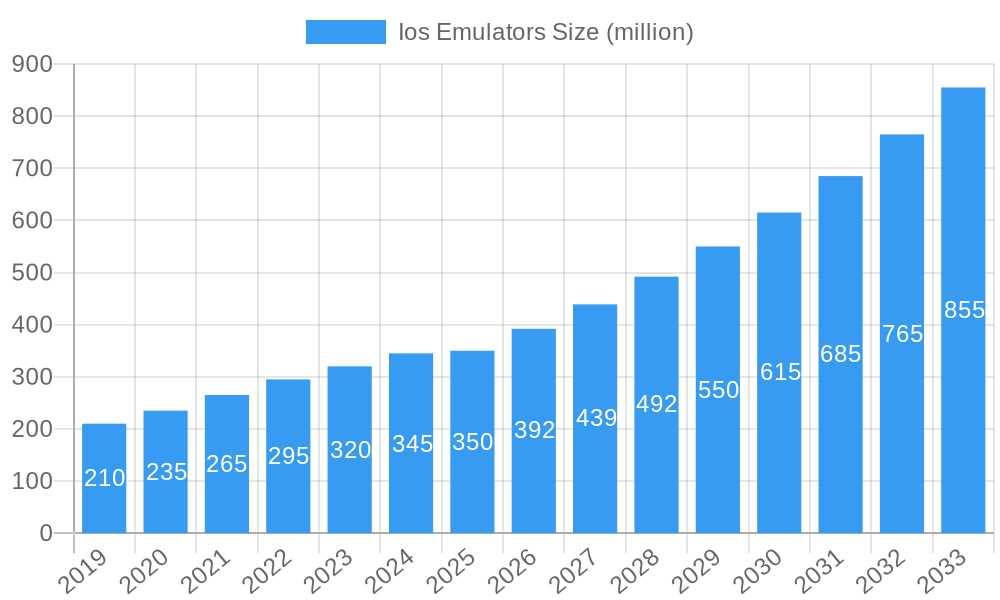
Ios Emulators Company Market Share
Here's a comprehensive, SEO-optimized report description for iOS Emulators, integrating high-traffic keywords, market segments, and specific details as requested.
This in-depth report delivers a meticulously researched analysis of the global iOS emulators market, a rapidly evolving sector driven by the burgeoning demand for seamless cross-platform development and immersive gaming experiences. Spanning from 2019 to 2033, with a base year of 2025, this study provides critical insights into market dynamics, growth trends, competitive landscapes, and future opportunities for iOS app developers, gamers, and cross-platform users. Our comprehensive coverage includes cloud-based iOS emulators and on-premises iOS emulators, essential tools for modern software engineering and entertainment.
iOS Emulators Market Dynamics & Structure
The iOS emulators market exhibits a dynamic structure shaped by relentless technological innovation and a diverse ecosystem of stakeholders. Market concentration varies across different segments, with several key players driving advancements. Technological innovation is predominantly fueled by the need for more accurate and performant emulation, crucial for both app development and mobile gaming. Regulatory frameworks, particularly concerning intellectual property and software distribution, subtly influence market access and product development. Competitive product substitutes include native development environments and cloud-based testing platforms, although emulators offer unique advantages in accessibility and cost-effectiveness for certain use cases. End-user demographics are expanding, encompassing professional developers, hobbyist coders, and a significant gaming community seeking to play iOS-exclusive titles on non-Apple hardware. Mergers and acquisitions (M&A) activity is moderate, with strategic partnerships being more prevalent as companies seek to integrate emulation capabilities into broader development and testing suites.
- Market Concentration: Moderate, with a few dominant players and a growing number of niche providers.
- Technological Innovation Drivers: Enhanced performance, broader device compatibility, improved accuracy for iOS game emulation, and integration with CI/CD pipelines.
- Regulatory Frameworks: Compliance with Apple's EULA, intellectual property laws, and data privacy regulations.
- Competitive Product Substitutes: Native iOS development (Xcode), cloud testing platforms (BrowserStack, Sauce Labs), and jailbreaking solutions.
- End-User Demographics: App Developers (35%), Gamers (40%), Cross-platform Users (20%), Others (5%).
- M&A Trends: Focus on strategic acquisitions for technology integration and market expansion.
iOS Emulators Growth Trends & Insights
The global iOS emulators market is projected for substantial growth, driven by several interconnected factors. The increasing complexity of mobile applications and games necessitates robust testing and development tools, positioning iOS emulators as indispensable resources. Adoption rates are soaring as more gamers seek to experience iOS titles on their PCs and Macs, further expanding the child market for retro gaming and emulation. Technological disruptions, such as advancements in virtualization and cloud computing, are enhancing emulator performance and accessibility, making them more viable alternatives to physical devices. Consumer behavior shifts, including a growing preference for cross-platform gaming and the rise of subscription-based gaming services, are also contributing to market expansion. The parent market for iOS emulation is characterized by its innovation in supporting a wider range of legacy and modern iOS applications. The market size is estimated to reach $1,200 million by 2033, exhibiting a Compound Annual Growth Rate (CAGR) of 12.5% from 2025. This growth is underpinned by the increasing prevalence of mobile-first strategies and the demand for efficient software development lifecycles. Furthermore, the development of more sophisticated iOS game emulators capable of running demanding titles with high fidelity is a key growth catalyst. The cross-platform user segment is also a significant driver, as individuals and organizations seek to develop and test applications that function seamlessly across various operating systems.
Dominant Regions, Countries, or Segments in iOS Emulators
North America, particularly the United States, currently dominates the iOS emulators market, driven by its robust technology sector, significant app developer community, and a massive gaming enthusiast base. The region's early adoption of advanced technologies and strong economic policies that foster innovation create a conducive environment for the growth of iOS emulators.
- Dominant Region: North America
- Key Drivers:
- High concentration of app developers and tech companies.
- Large addressable market of gamers seeking cross-platform play.
- Strong demand for cross-platform users developing and testing applications.
- Advanced IT infrastructure supporting cloud-based iOS emulators.
- Favorable regulatory environment for software development and innovation.
- Market Share: Approximately 35% of the global market.
- Growth Potential: Continued expansion driven by new game releases and evolving development practices.
- Key Drivers:
In terms of application segments, App Developers constitute the largest consumer base, leveraging emulators for debugging, testing, and quality assurance across various iOS devices and versions. The child market within this segment comprises independent developers and smaller studios who benefit from the cost-effectiveness of emulators compared to purchasing multiple physical devices. The Gamers segment is also a significant growth engine, with a rising interest in playing iOS games on PCs and Macs, particularly for competitive gaming and accessibility. The cross-platform users segment is crucial for enterprises aiming to develop applications that operate across both iOS and Android ecosystems, necessitating accurate iOS emulation for development and testing.
- Dominant Application Segment: App Developers
- Key Drivers:
- Essential for efficient debugging, testing, and QA processes.
- Reduced hardware costs and increased development speed.
- Enables testing on a wider range of virtual iOS configurations.
- Market Share: Estimated 45% of the total market.
- Growth Potential: Driven by the increasing complexity and diversity of iOS applications.
- Key Drivers:
The Type segment sees a healthy competition between Cloud-based iOS emulators and On-premises iOS emulators. Cloud-based solutions are gaining traction due to their scalability, accessibility, and reduced upfront investment, particularly appealing to cross-platform users and smaller development teams. On-premises emulators, however, remain critical for organizations requiring maximum control, data security, and offline functionality. The parent market for on-premises solutions is driven by enterprises with stringent security protocols and established infrastructure.
- Dominant Type Segment: Cloud-based
- Key Drivers:
- Flexibility and scalability for development teams.
- Lower initial investment and operational costs.
- Ease of access and integration with cloud development workflows.
- Market Share: Growing at an estimated 70% year-over-year.
- Growth Potential: Fueled by the increasing adoption of cloud-native development practices.
- Key Drivers:
iOS Emulators Product Landscape
The iOS emulators market boasts a diverse product landscape characterized by continuous innovation and a focus on performance, compatibility, and user experience. Key product innovations include enhanced graphical rendering, improved input controls for gaming, and more accurate emulation of iOS functionalities and APIs. Companies are developing emulators that support a wider range of iOS versions and hardware, ensuring broader application compatibility. Performance metrics such as frame rates, latency, and resource utilization are critical differentiators. Unique selling propositions often revolve around ease of setup, intuitive interfaces, and specialized features like controller support or advanced debugging tools. Technological advancements are consistently pushing the boundaries of what's possible with iOS emulation, making it an increasingly attractive option for developers and gamers alike.
Key Drivers, Barriers & Challenges in iOS Emulators
The iOS emulators market is propelled by several key drivers. The relentless demand for cross-platform development and testing solutions is paramount, enabling developers to reach a wider audience without the need for expensive physical iOS hardware. The burgeoning mobile gaming industry, with its increasing complexity and graphical fidelity, creates a strong demand for emulators that can provide a desktop-like gaming experience. Furthermore, the desire of gamers to play iOS-exclusive titles on their PCs or Macs significantly expands the child market for emulation software.
- Key Drivers:
- Cross-platform Development Needs: Essential for reaching diverse user bases.
- Mobile Gaming Expansion: Growing demand for playing iOS games on PCs.
- Cost-Effectiveness: Reduces the need for expensive iOS hardware.
- Development Efficiency: Streamlines testing and debugging processes.
However, the market also faces significant barriers and challenges. Apple's strict control over its ecosystem and proprietary technologies presents a fundamental hurdle. The accuracy and performance of emulators can be inconsistent, particularly for graphically intensive applications and games, impacting the user experience. Legal and ethical considerations surrounding software emulation, including potential copyright infringement and license violations, can also create uncertainty and deter some users. Supply chain issues are generally not a direct concern for emulator software, but dependencies on underlying operating system updates and hardware compatibility can act as indirect restraints. Regulatory hurdles are minimal for emulation software itself, but the use of emulated software for specific commercial purposes might be subject to licensing agreements.
- Key Barriers & Challenges:
- Apple's Ecosystem Control: Proprietary hardware and software limitations.
- Emulation Accuracy & Performance: Inconsistencies with demanding applications.
- Legal & Ethical Concerns: Potential copyright and licensing issues.
- Resource Intensiveness: Requires powerful hardware for optimal performance.
- Security Risks: Potential for malware in unofficial download sources.
Emerging Opportunities in iOS Emulators
Emerging opportunities in the iOS emulators market are diverse and promising. The increasing adoption of Augmented Reality (AR) and Virtual Reality (VR) in mobile applications presents a new frontier for emulator development, requiring advanced rendering and tracking capabilities. Untapped markets in emerging economies, where access to physical iOS devices might be limited, offer significant growth potential. The evolution of cloud gaming services further amplifies the demand for efficient and reliable iOS emulators that can deliver seamless streaming experiences. Furthermore, the growing popularity of retro gaming and the desire to play classic iOS titles on modern hardware create a niche but expanding child market for emulators focused on older iOS versions and games. Innovative applications, such as using emulators for educational purposes in software development training or for accessibility testing of applications, also represent significant growth avenues.
Growth Accelerators in the iOS Emulators Industry
Several growth accelerators are poised to drive the iOS emulators industry forward. Technological breakthroughs in virtualization, AI-powered optimization, and cloud infrastructure will significantly enhance emulator performance and compatibility, making them more attractive to a wider audience. Strategic partnerships between emulator developers and game publishers, or software development tool providers, can lead to integrated solutions and wider market reach. Market expansion strategies, such as targeting specific niche gaming communities or focusing on enterprise solutions for cross-platform development, will also be crucial. The increasing demand for flexible work environments and remote development further bolsters the need for accessible and powerful emulation tools. The integration of emulators into broader development platforms and IDEs will also act as a significant growth catalyst.
Key Players Shaping the iOS Emulators Market
- Cider iOS Simulator
- Inds
- PPSSPP
- Appetize Emulator
- Ripple
- Eclipse
- iOSEmus
- Citra
- RetroArch
- iPadian
- Delta
- GBA4IOS
- All-in-One Emulator
- DolphiniOS
- Retro Arch
- iMAME Arcade Game Emulator
- iEMU Apple Emulator
- Provenance
- Smartface
- DolphineiOS
- Xcode
- Corellium
- Test Flight
- Adobe AIR
- Electric Mobile Studio
Notable Milestones in iOS Emulators Sector
- 2019: Increased adoption of cloud-based iOS emulators for remote development teams.
- 2020: Significant improvements in performance and compatibility for popular iOS game emulators like PPSSPP.
- 2021: Emergence of new emulator projects focused on specific game genres and older iOS versions, catering to the child market.
- 2022: Expansion of cross-platform user tools and frameworks supporting iOS emulation.
- 2023: Enhanced integration of iOS emulators within broader software development pipelines and CI/CD processes.
- 2024: Growing focus on AR/VR emulation capabilities for mobile applications.
- 2025 (Estimated): Anticipated release of next-generation emulators with near-native performance for demanding applications.
In-Depth iOS Emulators Market Outlook
The future outlook for the iOS emulators market is exceptionally bright, fueled by ongoing technological advancements and a widening array of applications. Growth accelerators such as the continued expansion of the mobile gaming sector, the increasing demand for cross-platform development, and the innovation in cloud-based solutions will continue to propel market expansion. Strategic opportunities lie in further optimizing emulator performance, enhancing compatibility with the latest iOS versions, and exploring new use cases in areas like AR/VR development and specialized enterprise solutions. The market is poised for sustained growth, offering significant potential for both established players and emerging innovators in the iOS emulators space, with projected market value of $1,200 million by 2033.
Ios Emulators Segmentation
-
1. Application
- 1.1. App Developers
- 1.2. Gamers
- 1.3. Cross-platform Users
- 1.4. Others
-
2. Type
- 2.1. Cloud-based
- 2.2. On-premises
Ios Emulators Segmentation By Geography
-
1. North America
- 1.1. United States
- 1.2. Canada
- 1.3. Mexico
-
2. South America
- 2.1. Brazil
- 2.2. Argentina
- 2.3. Rest of South America
-
3. Europe
- 3.1. United Kingdom
- 3.2. Germany
- 3.3. France
- 3.4. Italy
- 3.5. Spain
- 3.6. Russia
- 3.7. Benelux
- 3.8. Nordics
- 3.9. Rest of Europe
-
4. Middle East & Africa
- 4.1. Turkey
- 4.2. Israel
- 4.3. GCC
- 4.4. North Africa
- 4.5. South Africa
- 4.6. Rest of Middle East & Africa
-
5. Asia Pacific
- 5.1. China
- 5.2. India
- 5.3. Japan
- 5.4. South Korea
- 5.5. ASEAN
- 5.6. Oceania
- 5.7. Rest of Asia Pacific
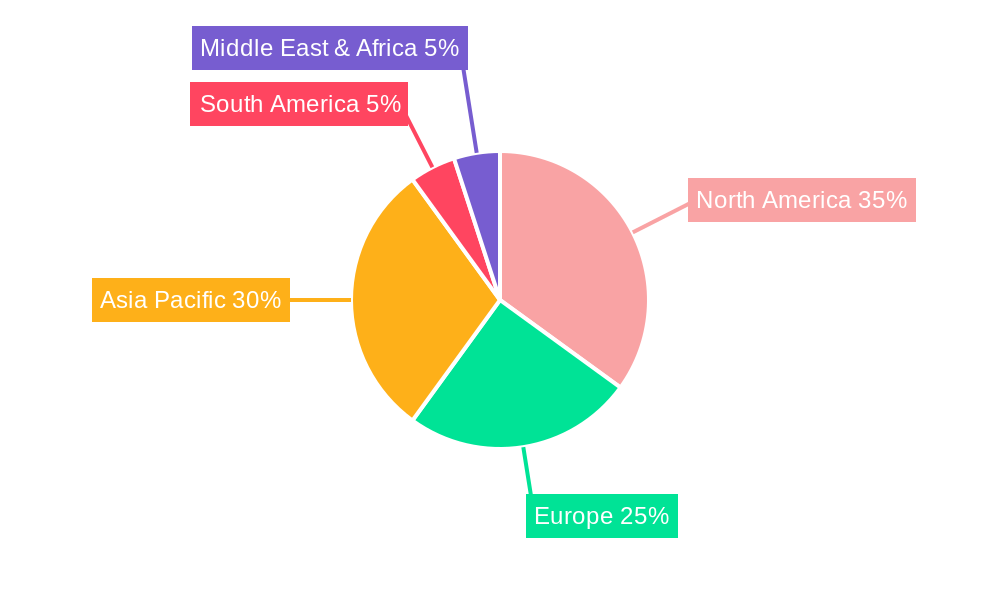
Ios Emulators Regional Market Share
Geographic Coverage of Ios Emulators
Ios Emulators REPORT HIGHLIGHTS
| Aspects | Details |
|---|---|
| Study Period | 2020-2034 |
| Base Year | 2025 |
| Estimated Year | 2026 |
| Forecast Period | 2026-2034 |
| Historical Period | 2020-2025 |
| Growth Rate | CAGR of XXX% from 2020-2034 |
| Segmentation |
|
Table of Contents
- 1. Introduction
- 1.1. Research Scope
- 1.2. Market Segmentation
- 1.3. Research Methodology
- 1.4. Definitions and Assumptions
- 2. Executive Summary
- 2.1. Introduction
- 3. Market Dynamics
- 3.1. Introduction
- 3.2. Market Drivers
- 3.3. Market Restrains
- 3.4. Market Trends
- 4. Market Factor Analysis
- 4.1. Porters Five Forces
- 4.2. Supply/Value Chain
- 4.3. PESTEL analysis
- 4.4. Market Entropy
- 4.5. Patent/Trademark Analysis
- 5. Global Ios Emulators Analysis, Insights and Forecast, 2020-2032
- 5.1. Market Analysis, Insights and Forecast - by Application
- 5.1.1. App Developers
- 5.1.2. Gamers
- 5.1.3. Cross-platform Users
- 5.1.4. Others
- 5.2. Market Analysis, Insights and Forecast - by Type
- 5.2.1. Cloud-based
- 5.2.2. On-premises
- 5.3. Market Analysis, Insights and Forecast - by Region
- 5.3.1. North America
- 5.3.2. South America
- 5.3.3. Europe
- 5.3.4. Middle East & Africa
- 5.3.5. Asia Pacific
- 5.1. Market Analysis, Insights and Forecast - by Application
- 6. North America Ios Emulators Analysis, Insights and Forecast, 2020-2032
- 6.1. Market Analysis, Insights and Forecast - by Application
- 6.1.1. App Developers
- 6.1.2. Gamers
- 6.1.3. Cross-platform Users
- 6.1.4. Others
- 6.2. Market Analysis, Insights and Forecast - by Type
- 6.2.1. Cloud-based
- 6.2.2. On-premises
- 6.1. Market Analysis, Insights and Forecast - by Application
- 7. South America Ios Emulators Analysis, Insights and Forecast, 2020-2032
- 7.1. Market Analysis, Insights and Forecast - by Application
- 7.1.1. App Developers
- 7.1.2. Gamers
- 7.1.3. Cross-platform Users
- 7.1.4. Others
- 7.2. Market Analysis, Insights and Forecast - by Type
- 7.2.1. Cloud-based
- 7.2.2. On-premises
- 7.1. Market Analysis, Insights and Forecast - by Application
- 8. Europe Ios Emulators Analysis, Insights and Forecast, 2020-2032
- 8.1. Market Analysis, Insights and Forecast - by Application
- 8.1.1. App Developers
- 8.1.2. Gamers
- 8.1.3. Cross-platform Users
- 8.1.4. Others
- 8.2. Market Analysis, Insights and Forecast - by Type
- 8.2.1. Cloud-based
- 8.2.2. On-premises
- 8.1. Market Analysis, Insights and Forecast - by Application
- 9. Middle East & Africa Ios Emulators Analysis, Insights and Forecast, 2020-2032
- 9.1. Market Analysis, Insights and Forecast - by Application
- 9.1.1. App Developers
- 9.1.2. Gamers
- 9.1.3. Cross-platform Users
- 9.1.4. Others
- 9.2. Market Analysis, Insights and Forecast - by Type
- 9.2.1. Cloud-based
- 9.2.2. On-premises
- 9.1. Market Analysis, Insights and Forecast - by Application
- 10. Asia Pacific Ios Emulators Analysis, Insights and Forecast, 2020-2032
- 10.1. Market Analysis, Insights and Forecast - by Application
- 10.1.1. App Developers
- 10.1.2. Gamers
- 10.1.3. Cross-platform Users
- 10.1.4. Others
- 10.2. Market Analysis, Insights and Forecast - by Type
- 10.2.1. Cloud-based
- 10.2.2. On-premises
- 10.1. Market Analysis, Insights and Forecast - by Application
- 11. Competitive Analysis
- 11.1. Global Market Share Analysis 2025
- 11.2. Company Profiles
- 11.2.1 Cider iOS Simulator
- 11.2.1.1. Overview
- 11.2.1.2. Products
- 11.2.1.3. SWOT Analysis
- 11.2.1.4. Recent Developments
- 11.2.1.5. Financials (Based on Availability)
- 11.2.2 Inds
- 11.2.2.1. Overview
- 11.2.2.2. Products
- 11.2.2.3. SWOT Analysis
- 11.2.2.4. Recent Developments
- 11.2.2.5. Financials (Based on Availability)
- 11.2.3 PPSSPP
- 11.2.3.1. Overview
- 11.2.3.2. Products
- 11.2.3.3. SWOT Analysis
- 11.2.3.4. Recent Developments
- 11.2.3.5. Financials (Based on Availability)
- 11.2.4 Appetize Emulator
- 11.2.4.1. Overview
- 11.2.4.2. Products
- 11.2.4.3. SWOT Analysis
- 11.2.4.4. Recent Developments
- 11.2.4.5. Financials (Based on Availability)
- 11.2.5 Ripple
- 11.2.5.1. Overview
- 11.2.5.2. Products
- 11.2.5.3. SWOT Analysis
- 11.2.5.4. Recent Developments
- 11.2.5.5. Financials (Based on Availability)
- 11.2.6 Eclipse
- 11.2.6.1. Overview
- 11.2.6.2. Products
- 11.2.6.3. SWOT Analysis
- 11.2.6.4. Recent Developments
- 11.2.6.5. Financials (Based on Availability)
- 11.2.7 iOSEmus
- 11.2.7.1. Overview
- 11.2.7.2. Products
- 11.2.7.3. SWOT Analysis
- 11.2.7.4. Recent Developments
- 11.2.7.5. Financials (Based on Availability)
- 11.2.8 Citra
- 11.2.8.1. Overview
- 11.2.8.2. Products
- 11.2.8.3. SWOT Analysis
- 11.2.8.4. Recent Developments
- 11.2.8.5. Financials (Based on Availability)
- 11.2.9 RetroArch
- 11.2.9.1. Overview
- 11.2.9.2. Products
- 11.2.9.3. SWOT Analysis
- 11.2.9.4. Recent Developments
- 11.2.9.5. Financials (Based on Availability)
- 11.2.10 iPadian
- 11.2.10.1. Overview
- 11.2.10.2. Products
- 11.2.10.3. SWOT Analysis
- 11.2.10.4. Recent Developments
- 11.2.10.5. Financials (Based on Availability)
- 11.2.11 Delta
- 11.2.11.1. Overview
- 11.2.11.2. Products
- 11.2.11.3. SWOT Analysis
- 11.2.11.4. Recent Developments
- 11.2.11.5. Financials (Based on Availability)
- 11.2.12 GBA4IOS
- 11.2.12.1. Overview
- 11.2.12.2. Products
- 11.2.12.3. SWOT Analysis
- 11.2.12.4. Recent Developments
- 11.2.12.5. Financials (Based on Availability)
- 11.2.13 All-in-One Emulator
- 11.2.13.1. Overview
- 11.2.13.2. Products
- 11.2.13.3. SWOT Analysis
- 11.2.13.4. Recent Developments
- 11.2.13.5. Financials (Based on Availability)
- 11.2.14 DolphiniOS
- 11.2.14.1. Overview
- 11.2.14.2. Products
- 11.2.14.3. SWOT Analysis
- 11.2.14.4. Recent Developments
- 11.2.14.5. Financials (Based on Availability)
- 11.2.15 Retro Arch
- 11.2.15.1. Overview
- 11.2.15.2. Products
- 11.2.15.3. SWOT Analysis
- 11.2.15.4. Recent Developments
- 11.2.15.5. Financials (Based on Availability)
- 11.2.16 iMAME Arcade Game Emulator
- 11.2.16.1. Overview
- 11.2.16.2. Products
- 11.2.16.3. SWOT Analysis
- 11.2.16.4. Recent Developments
- 11.2.16.5. Financials (Based on Availability)
- 11.2.17 iEMU Apple Emulator
- 11.2.17.1. Overview
- 11.2.17.2. Products
- 11.2.17.3. SWOT Analysis
- 11.2.17.4. Recent Developments
- 11.2.17.5. Financials (Based on Availability)
- 11.2.18 Provenance
- 11.2.18.1. Overview
- 11.2.18.2. Products
- 11.2.18.3. SWOT Analysis
- 11.2.18.4. Recent Developments
- 11.2.18.5. Financials (Based on Availability)
- 11.2.19 Smartface
- 11.2.19.1. Overview
- 11.2.19.2. Products
- 11.2.19.3. SWOT Analysis
- 11.2.19.4. Recent Developments
- 11.2.19.5. Financials (Based on Availability)
- 11.2.20 DolphineiOS
- 11.2.20.1. Overview
- 11.2.20.2. Products
- 11.2.20.3. SWOT Analysis
- 11.2.20.4. Recent Developments
- 11.2.20.5. Financials (Based on Availability)
- 11.2.21 Xcode
- 11.2.21.1. Overview
- 11.2.21.2. Products
- 11.2.21.3. SWOT Analysis
- 11.2.21.4. Recent Developments
- 11.2.21.5. Financials (Based on Availability)
- 11.2.22 Corellium
- 11.2.22.1. Overview
- 11.2.22.2. Products
- 11.2.22.3. SWOT Analysis
- 11.2.22.4. Recent Developments
- 11.2.22.5. Financials (Based on Availability)
- 11.2.23 Test Flight
- 11.2.23.1. Overview
- 11.2.23.2. Products
- 11.2.23.3. SWOT Analysis
- 11.2.23.4. Recent Developments
- 11.2.23.5. Financials (Based on Availability)
- 11.2.24 Adobe AIR
- 11.2.24.1. Overview
- 11.2.24.2. Products
- 11.2.24.3. SWOT Analysis
- 11.2.24.4. Recent Developments
- 11.2.24.5. Financials (Based on Availability)
- 11.2.25 Electric Mobile Studio
- 11.2.25.1. Overview
- 11.2.25.2. Products
- 11.2.25.3. SWOT Analysis
- 11.2.25.4. Recent Developments
- 11.2.25.5. Financials (Based on Availability)
- 11.2.1 Cider iOS Simulator
List of Figures
- Figure 1: Global Ios Emulators Revenue Breakdown (million, %) by Region 2025 & 2033
- Figure 2: North America Ios Emulators Revenue (million), by Application 2025 & 2033
- Figure 3: North America Ios Emulators Revenue Share (%), by Application 2025 & 2033
- Figure 4: North America Ios Emulators Revenue (million), by Type 2025 & 2033
- Figure 5: North America Ios Emulators Revenue Share (%), by Type 2025 & 2033
- Figure 6: North America Ios Emulators Revenue (million), by Country 2025 & 2033
- Figure 7: North America Ios Emulators Revenue Share (%), by Country 2025 & 2033
- Figure 8: South America Ios Emulators Revenue (million), by Application 2025 & 2033
- Figure 9: South America Ios Emulators Revenue Share (%), by Application 2025 & 2033
- Figure 10: South America Ios Emulators Revenue (million), by Type 2025 & 2033
- Figure 11: South America Ios Emulators Revenue Share (%), by Type 2025 & 2033
- Figure 12: South America Ios Emulators Revenue (million), by Country 2025 & 2033
- Figure 13: South America Ios Emulators Revenue Share (%), by Country 2025 & 2033
- Figure 14: Europe Ios Emulators Revenue (million), by Application 2025 & 2033
- Figure 15: Europe Ios Emulators Revenue Share (%), by Application 2025 & 2033
- Figure 16: Europe Ios Emulators Revenue (million), by Type 2025 & 2033
- Figure 17: Europe Ios Emulators Revenue Share (%), by Type 2025 & 2033
- Figure 18: Europe Ios Emulators Revenue (million), by Country 2025 & 2033
- Figure 19: Europe Ios Emulators Revenue Share (%), by Country 2025 & 2033
- Figure 20: Middle East & Africa Ios Emulators Revenue (million), by Application 2025 & 2033
- Figure 21: Middle East & Africa Ios Emulators Revenue Share (%), by Application 2025 & 2033
- Figure 22: Middle East & Africa Ios Emulators Revenue (million), by Type 2025 & 2033
- Figure 23: Middle East & Africa Ios Emulators Revenue Share (%), by Type 2025 & 2033
- Figure 24: Middle East & Africa Ios Emulators Revenue (million), by Country 2025 & 2033
- Figure 25: Middle East & Africa Ios Emulators Revenue Share (%), by Country 2025 & 2033
- Figure 26: Asia Pacific Ios Emulators Revenue (million), by Application 2025 & 2033
- Figure 27: Asia Pacific Ios Emulators Revenue Share (%), by Application 2025 & 2033
- Figure 28: Asia Pacific Ios Emulators Revenue (million), by Type 2025 & 2033
- Figure 29: Asia Pacific Ios Emulators Revenue Share (%), by Type 2025 & 2033
- Figure 30: Asia Pacific Ios Emulators Revenue (million), by Country 2025 & 2033
- Figure 31: Asia Pacific Ios Emulators Revenue Share (%), by Country 2025 & 2033
List of Tables
- Table 1: Global Ios Emulators Revenue million Forecast, by Application 2020 & 2033
- Table 2: Global Ios Emulators Revenue million Forecast, by Type 2020 & 2033
- Table 3: Global Ios Emulators Revenue million Forecast, by Region 2020 & 2033
- Table 4: Global Ios Emulators Revenue million Forecast, by Application 2020 & 2033
- Table 5: Global Ios Emulators Revenue million Forecast, by Type 2020 & 2033
- Table 6: Global Ios Emulators Revenue million Forecast, by Country 2020 & 2033
- Table 7: United States Ios Emulators Revenue (million) Forecast, by Application 2020 & 2033
- Table 8: Canada Ios Emulators Revenue (million) Forecast, by Application 2020 & 2033
- Table 9: Mexico Ios Emulators Revenue (million) Forecast, by Application 2020 & 2033
- Table 10: Global Ios Emulators Revenue million Forecast, by Application 2020 & 2033
- Table 11: Global Ios Emulators Revenue million Forecast, by Type 2020 & 2033
- Table 12: Global Ios Emulators Revenue million Forecast, by Country 2020 & 2033
- Table 13: Brazil Ios Emulators Revenue (million) Forecast, by Application 2020 & 2033
- Table 14: Argentina Ios Emulators Revenue (million) Forecast, by Application 2020 & 2033
- Table 15: Rest of South America Ios Emulators Revenue (million) Forecast, by Application 2020 & 2033
- Table 16: Global Ios Emulators Revenue million Forecast, by Application 2020 & 2033
- Table 17: Global Ios Emulators Revenue million Forecast, by Type 2020 & 2033
- Table 18: Global Ios Emulators Revenue million Forecast, by Country 2020 & 2033
- Table 19: United Kingdom Ios Emulators Revenue (million) Forecast, by Application 2020 & 2033
- Table 20: Germany Ios Emulators Revenue (million) Forecast, by Application 2020 & 2033
- Table 21: France Ios Emulators Revenue (million) Forecast, by Application 2020 & 2033
- Table 22: Italy Ios Emulators Revenue (million) Forecast, by Application 2020 & 2033
- Table 23: Spain Ios Emulators Revenue (million) Forecast, by Application 2020 & 2033
- Table 24: Russia Ios Emulators Revenue (million) Forecast, by Application 2020 & 2033
- Table 25: Benelux Ios Emulators Revenue (million) Forecast, by Application 2020 & 2033
- Table 26: Nordics Ios Emulators Revenue (million) Forecast, by Application 2020 & 2033
- Table 27: Rest of Europe Ios Emulators Revenue (million) Forecast, by Application 2020 & 2033
- Table 28: Global Ios Emulators Revenue million Forecast, by Application 2020 & 2033
- Table 29: Global Ios Emulators Revenue million Forecast, by Type 2020 & 2033
- Table 30: Global Ios Emulators Revenue million Forecast, by Country 2020 & 2033
- Table 31: Turkey Ios Emulators Revenue (million) Forecast, by Application 2020 & 2033
- Table 32: Israel Ios Emulators Revenue (million) Forecast, by Application 2020 & 2033
- Table 33: GCC Ios Emulators Revenue (million) Forecast, by Application 2020 & 2033
- Table 34: North Africa Ios Emulators Revenue (million) Forecast, by Application 2020 & 2033
- Table 35: South Africa Ios Emulators Revenue (million) Forecast, by Application 2020 & 2033
- Table 36: Rest of Middle East & Africa Ios Emulators Revenue (million) Forecast, by Application 2020 & 2033
- Table 37: Global Ios Emulators Revenue million Forecast, by Application 2020 & 2033
- Table 38: Global Ios Emulators Revenue million Forecast, by Type 2020 & 2033
- Table 39: Global Ios Emulators Revenue million Forecast, by Country 2020 & 2033
- Table 40: China Ios Emulators Revenue (million) Forecast, by Application 2020 & 2033
- Table 41: India Ios Emulators Revenue (million) Forecast, by Application 2020 & 2033
- Table 42: Japan Ios Emulators Revenue (million) Forecast, by Application 2020 & 2033
- Table 43: South Korea Ios Emulators Revenue (million) Forecast, by Application 2020 & 2033
- Table 44: ASEAN Ios Emulators Revenue (million) Forecast, by Application 2020 & 2033
- Table 45: Oceania Ios Emulators Revenue (million) Forecast, by Application 2020 & 2033
- Table 46: Rest of Asia Pacific Ios Emulators Revenue (million) Forecast, by Application 2020 & 2033
Frequently Asked Questions
1. What is the projected Compound Annual Growth Rate (CAGR) of the Ios Emulators?
The projected CAGR is approximately XXX%.
2. Which companies are prominent players in the Ios Emulators?
Key companies in the market include Cider iOS Simulator, Inds, PPSSPP, Appetize Emulator, Ripple, Eclipse, iOSEmus, Citra, RetroArch, iPadian, Delta, GBA4IOS, All-in-One Emulator, DolphiniOS, Retro Arch, iMAME Arcade Game Emulator, iEMU Apple Emulator, Provenance, Smartface, DolphineiOS, Xcode, Corellium, Test Flight, Adobe AIR, Electric Mobile Studio.
3. What are the main segments of the Ios Emulators?
The market segments include Application, Type.
4. Can you provide details about the market size?
The market size is estimated to be USD XXX million as of 2022.
5. What are some drivers contributing to market growth?
N/A
6. What are the notable trends driving market growth?
N/A
7. Are there any restraints impacting market growth?
N/A
8. Can you provide examples of recent developments in the market?
N/A
9. What pricing options are available for accessing the report?
Pricing options include single-user, multi-user, and enterprise licenses priced at USD 2900.00, USD 4350.00, and USD 5800.00 respectively.
10. Is the market size provided in terms of value or volume?
The market size is provided in terms of value, measured in million.
11. Are there any specific market keywords associated with the report?
Yes, the market keyword associated with the report is "Ios Emulators," which aids in identifying and referencing the specific market segment covered.
12. How do I determine which pricing option suits my needs best?
The pricing options vary based on user requirements and access needs. Individual users may opt for single-user licenses, while businesses requiring broader access may choose multi-user or enterprise licenses for cost-effective access to the report.
13. Are there any additional resources or data provided in the Ios Emulators report?
While the report offers comprehensive insights, it's advisable to review the specific contents or supplementary materials provided to ascertain if additional resources or data are available.
14. How can I stay updated on further developments or reports in the Ios Emulators?
To stay informed about further developments, trends, and reports in the Ios Emulators, consider subscribing to industry newsletters, following relevant companies and organizations, or regularly checking reputable industry news sources and publications.
Methodology
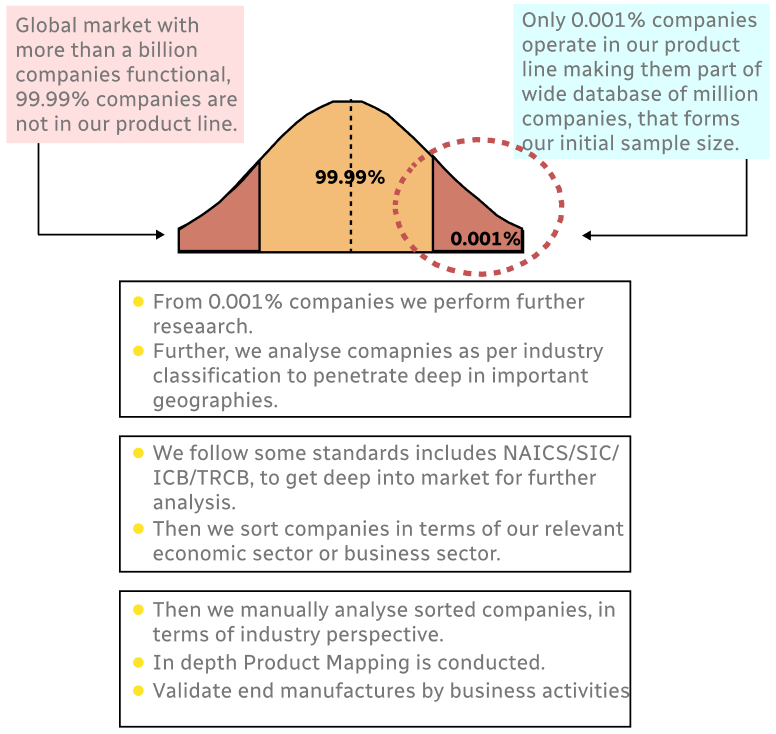
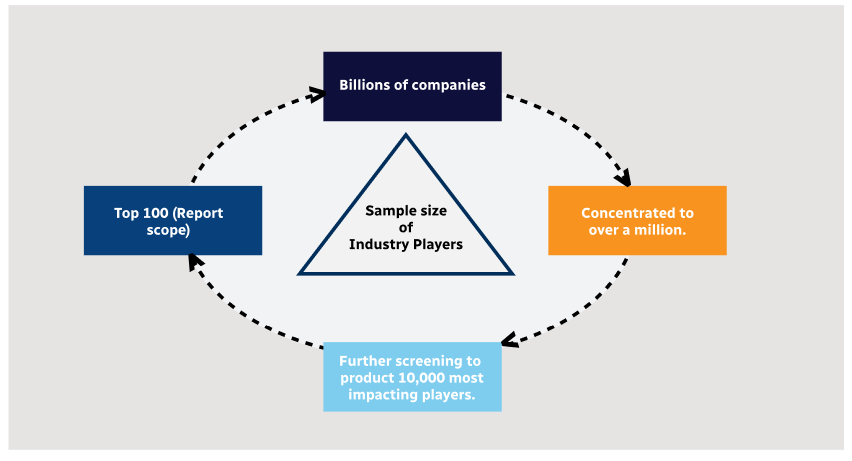
Step 1 - Identification of Relevant Samples Size from Population Database
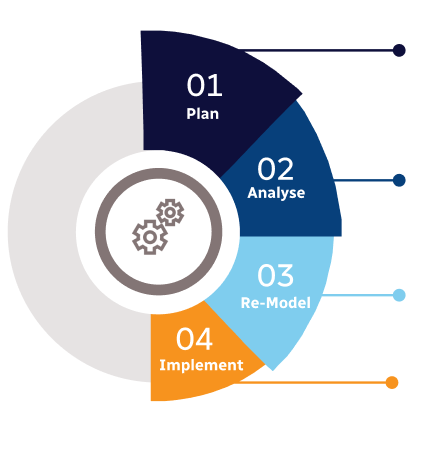
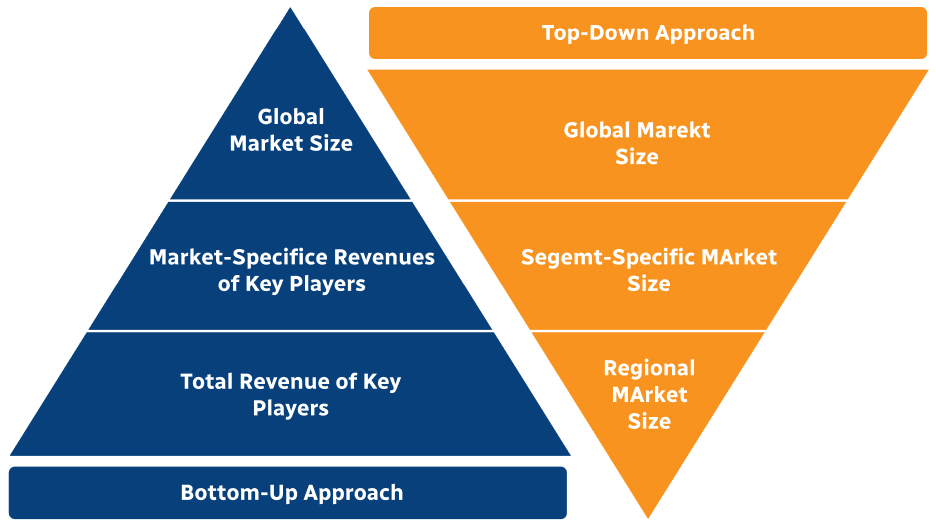
Step 2 - Approaches for Defining Global Market Size (Value, Volume* & Price*)
Note*: In applicable scenarios
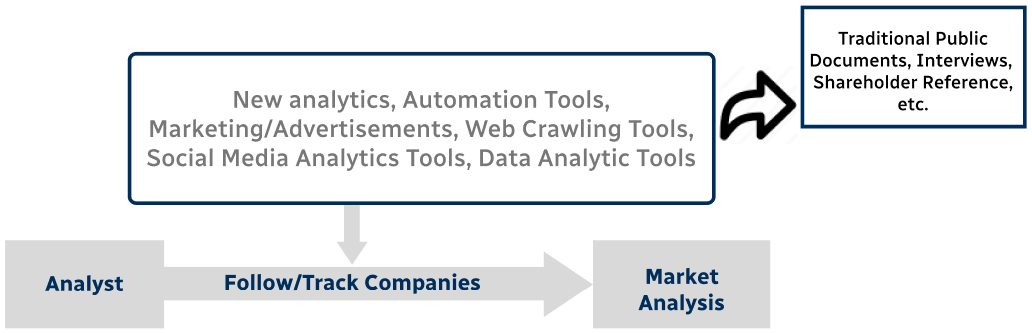
Step 3 - Data Sources
Primary Research
- Web Analytics
- Survey Reports
- Research Institute
- Latest Research Reports
- Opinion Leaders
Secondary Research
- Annual Reports
- White Paper
- Latest Press Release
- Industry Association
- Paid Database
- Investor Presentations
Step 4 - Data Triangulation
Involves using different sources of information in order to increase the validity of a study
These sources are likely to be stakeholders in a program - participants, other researchers, program staff, other community members, and so on.
Then we put all data in single framework & apply various statistical tools to find out the dynamic on the market.
During the analysis stage, feedback from the stakeholder groups would be compared to determine areas of agreement as well as areas of divergence