


Key Insights
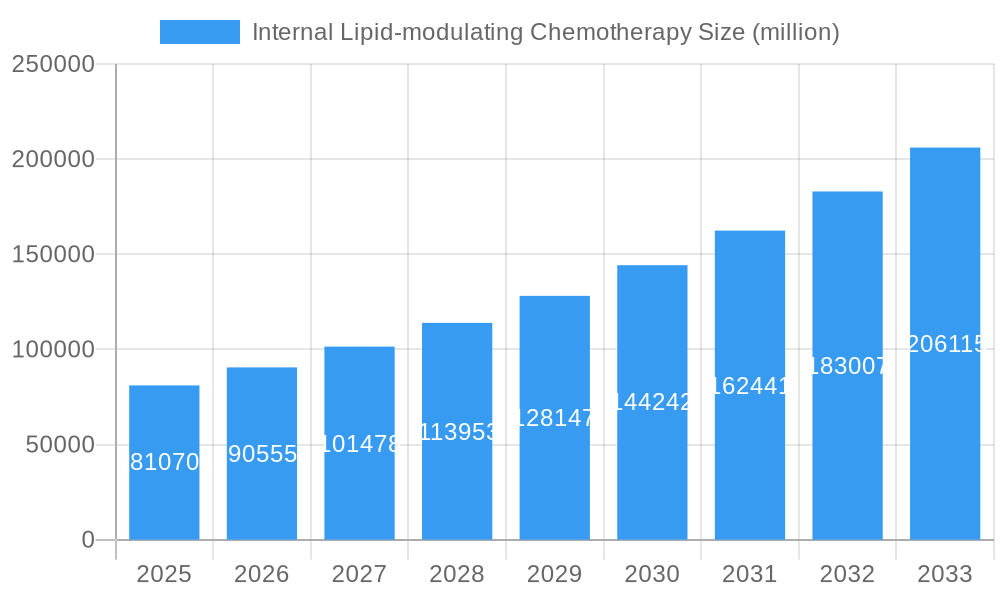
The Internal Lipid-modulating Chemotherapy market is poised for significant expansion, projected to reach USD 81.07 billion in 2025, driven by a robust compound annual growth rate (CAGR) of 11.6% through 2033. This impressive growth trajectory is fueled by a confluence of factors, including increasing global cancer incidence, advancements in targeted therapy research, and a rising demand for more effective and less toxic chemotherapy options. The market's expansion is further bolstered by growing awareness and accessibility of advanced treatment modalities in both hospital and clinic settings, along with the increasing preference for oral formulations like tablets and capsules due to their convenience and improved patient compliance. Key pharmaceutical giants are heavily investing in research and development, bringing innovative lipid-modulating chemotherapy agents to market, thereby enhancing treatment efficacy and patient outcomes.

Internal Lipid-modulating Chemotherapy Market Size (In Billion)

The competitive landscape is characterized by the presence of leading global pharmaceutical companies, including Pfizer, AstraZeneca, Novartis, and Merck Sharp & Dohme, alongside prominent regional players in China and other parts of Asia. These companies are actively engaged in strategic collaborations, mergers, and acquisitions to expand their product portfolios and geographical reach. The market's dynamism is also shaped by emerging trends such as the development of personalized medicine approaches and the integration of novel drug delivery systems aimed at improving drug targeting and minimizing off-target effects. While the market presents substantial growth opportunities, potential restraints could include the high cost of novel therapies, stringent regulatory hurdles for drug approval, and the emergence of alternative treatment modalities. Nevertheless, the overarching trend points towards sustained and strong market expansion.
Internal Lipid-modulating Chemotherapy Company Market Share
Report Description: Internal Lipid-Modulating Chemotherapy Market Insights 2019-2033
Unlock the Future of Oncology: A Deep Dive into the Internal Lipid-Modulating Chemotherapy Market
This comprehensive report delivers an in-depth analysis of the Internal Lipid-Modulating Chemotherapy market, a critical and rapidly evolving segment within the broader oncology landscape. Explore the intricate dynamics, growth trajectories, and future potential of therapies designed to target and modulate lipid metabolism in cancer cells. With a meticulous study period spanning 2019 to 2033, including a base year of 2025 and a robust forecast period, this report provides actionable intelligence for pharmaceutical manufacturers, R&D professionals, investors, and healthcare strategists. Delve into market segmentation by application (Hospital, Clinic, Others) and type (Tablets, Capsules), and understand the profound impact of key industry developments. Discover the strategic imperatives that will define success in this burgeoning market, from technological innovation to regulatory navigation.
Internal Lipid-Modulating Chemotherapy Market Dynamics & Structure
The internal lipid-modulating chemotherapy market is characterized by a dynamic interplay of scientific innovation and commercial strategy, currently exhibiting a moderately concentrated structure. Leading pharmaceutical giants and agile biotechs are actively engaged in research and development, driven by the burgeoning understanding of cancer cell reliance on lipid biosynthesis and metabolism for proliferation and survival. Technological innovation, particularly in areas like gene editing and targeted delivery systems, is a primary driver, enabling the development of more precise and less toxic therapeutic agents. Regulatory frameworks, while generally supportive of oncology advancements, present rigorous approval pathways that necessitate extensive clinical trials and safety data. Competitive product substitutes include traditional chemotherapies and immunotherapies, but the unique mechanism of action of lipid-modulating agents offers a distinct therapeutic advantage in specific cancer types and patient populations. End-user demographics are predominantly cancer patients, with a growing emphasis on personalized medicine and treatment stratification based on genetic and metabolic profiles. Mergers and acquisitions (M&A) are anticipated to play a significant role in shaping market concentration, as larger companies seek to acquire innovative pipelines and smaller firms aim to secure funding and market access.
- Market Concentration: Moderate, with key players investing heavily in R&D and pipeline expansion.
- Technological Innovation Drivers: Advancements in molecular biology, targeted drug delivery, and understanding of cancer metabolism.
- Regulatory Frameworks: Stringent but conducive to novel oncology therapies; focus on efficacy and safety.
- Competitive Product Substitutes: Traditional chemotherapy, immunotherapy, and targeted therapies; lipid modulation offers a novel pathway.
- End-User Demographics: Cancer patients, oncologists, researchers, and payers with an interest in novel treatment modalities.
- M&A Trends: Expected to increase as companies seek to consolidate market share and access innovative technologies.
Internal Lipid-Modulating Chemotherapy Growth Trends & Insights
The internal lipid-modulating chemotherapy market is poised for significant expansion, driven by a confluence of escalating cancer incidence, a deeper understanding of tumor biology, and relentless innovation in drug development. The projected market size evolution indicates a robust upward trajectory, with the global market value anticipated to reach $15.8 billion by 2033, exhibiting a Compound Annual Growth Rate (CAGR) of 12.7% from its estimated 2025 value of $6.2 billion. Adoption rates are expected to accelerate as clinical trial data demonstrates superior efficacy and reduced side effects compared to conventional treatments, particularly in hard-to-treat cancers. Technological disruptions, such as the development of orally administered lipid-modulating agents and combination therapies, are set to revolutionize patient care and expand treatment accessibility. Consumer behavior shifts are also influencing market dynamics, with patients and physicians increasingly seeking personalized and targeted treatment options. The penetration of lipid-modulating chemotherapy is projected to grow from approximately 5% in 2025 to an estimated 18% by 2033 in relevant cancer indications. This growth is underpinned by a strategic shift in pharmaceutical R&D focus from broad-spectrum cytotoxic agents to more precise, metabolism-targeting therapies. The increasing prevalence of metabolic disorders, which often co-exist with cancer, further amplifies the therapeutic potential of these agents. Early clinical successes in modulating pathways like fatty acid synthesis and cholesterol homeostasis are paving the way for broader clinical applications across various oncological settings. The market's growth is also being fueled by significant investment in research and development by major pharmaceutical companies, indicating a strong belief in the therapeutic promise of this class of drugs. Furthermore, the aging global population, a demographic known for higher cancer rates, will continue to be a substantial demand driver for advanced cancer treatments. The development of companion diagnostics that can identify patients most likely to benefit from lipid-modulating therapies will also play a crucial role in optimizing treatment outcomes and market penetration. As research uncovers new dependencies of cancer cells on lipid pathways, the scope of applications for these therapies is expected to widen considerably.
Dominant Regions, Countries, or Segments in Internal Lipid-Modulating Chemotherapy
The internal lipid-modulating chemotherapy market exhibits significant regional and segment-specific growth, with North America currently emerging as the dominant force. This dominance is attributed to a combination of factors including robust healthcare infrastructure, high R&D expenditure by pharmaceutical companies, a large patient pool, and a proactive regulatory environment that facilitates the approval of innovative therapies. The United States, in particular, plays a pivotal role, driven by its extensive network of leading cancer research institutions and a strong emphasis on personalized medicine.
- Dominant Region: North America, driven by the United States.
- Key Drivers in North America:
- High R&D Investment: Significant financial commitment from pharmaceutical and biotech companies.
- Advanced Healthcare Infrastructure: Well-equipped hospitals and clinics with access to cutting-edge treatments.
- Large Cancer Patient Population: A substantial base for clinical trials and market adoption.
- Proactive Regulatory Environment: FDA’s receptiveness to novel oncology drug approvals.
- Emphasis on Personalized Medicine: Growing patient and physician demand for tailored treatment approaches.
Within the application segment, Hospitals represent the largest and most significant market share. This is due to the complexity of cancer treatment, often requiring multidisciplinary care, sophisticated diagnostic tools, and specialized medical expertise typically found in hospital settings. Hospitals are also the primary sites for administering intravenous lipid-modulating chemotherapy and managing potential side effects.
- Dominant Application Segment: Hospitals.
- Drivers for Hospital Dominance:
- Complex Treatment Regimens: Requiring specialized medical teams and infrastructure.
- Administration of IV Therapies: Many lipid-modulating agents are administered intravenously.
- Inpatient Care Needs: Management of side effects and monitoring of treatment response.
- Access to Advanced Diagnostics: Crucial for patient stratification and treatment efficacy.
Regarding the types of formulations, Tablets are projected to witness the most substantial growth and market penetration over the forecast period. This is driven by the increasing demand for oral chemotherapy options, which offer greater patient convenience, improved quality of life, and reduced healthcare burden compared to intravenous administration.
- Dominant and High-Growth Type: Tablets.
- Drivers for Tablet Dominance:
- Patient Convenience: Facilitates at-home treatment and reduced clinic visits.
- Improved Quality of Life: Less disruptive to daily routines.
- Cost-Effectiveness: Potential for lower administration costs compared to IV therapies.
- Formulation Advancements: Ongoing research into stable and bioavailable oral lipid-modulating agents.
While Clinics and "Others" (e.g., specialized cancer centers, home healthcare) will also contribute to market growth, their share is expected to remain smaller compared to hospitals in the near to medium term. However, the growth of oral therapies will likely lead to an increased role for clinics and home healthcare in the long run.
Internal Lipid-Modulating Chemotherapy Product Landscape
The product landscape of internal lipid-modulating chemotherapy is rapidly evolving, marked by innovative drug discovery targeting critical cancer cell metabolic pathways. Companies are developing novel agents that inhibit enzymes involved in fatty acid synthesis, cholesterol homeostasis, and lipid droplet formation, thereby starving cancer cells of essential building blocks for growth and survival. Key product innovations include small molecule inhibitors, prodrugs designed for improved bioavailability, and combination therapies designed to synergize with existing chemotherapeutic or immunotherapeutic agents. Performance metrics are increasingly focused on improved tumor response rates, extended progression-free survival, and a favorable safety profile with reduced off-target toxicities. For instance, a new generation of orally administered inhibitors of stearoyl-CoA desaturase (SCD) are demonstrating promising results in preclinical and early-stage clinical trials for various solid tumors, offering a unique selling proposition of improved patient convenience.
Key Drivers, Barriers & Challenges in Internal Lipid-Modulating Chemotherapy
Key Drivers:
The internal lipid-modulating chemotherapy market is propelled by several key drivers. Technological advancements in understanding cancer metabolism and lipid pathways are fundamental, enabling the identification of novel drug targets. The increasing global burden of cancer, coupled with the growing demand for more effective and less toxic treatments, further fuels market growth. Furthermore, significant investment in R&D by major pharmaceutical companies, alongside strategic partnerships and collaborations, are accelerating pipeline development. The growing emphasis on personalized medicine, where treatments are tailored to individual patient profiles, also favors the development of targeted lipid-modulating therapies.
Barriers & Challenges:
Despite its promising outlook, the market faces several barriers and challenges. Rigorous clinical trial requirements and lengthy regulatory approval processes pose a significant hurdle, increasing development costs and time-to-market. The development of resistance to lipid-modulating therapies is another concern that requires ongoing research into resistance mechanisms and combination strategies. The high cost of novel drug development and manufacturing can lead to high drug prices, potentially limiting patient access, especially in resource-constrained settings. Supply chain complexities for specialized APIs and manufacturing processes also present challenges. Competitive pressures from established cancer therapies and emerging novel treatment modalities necessitate continuous innovation and demonstration of superior clinical benefit.
Emerging Opportunities in Internal Lipid-Modulating Chemotherapy
Emerging opportunities in the internal lipid-modulating chemotherapy market lie in several key areas. The exploration of novel lipid targets and metabolic pathways beyond established ones presents a significant frontier for drug discovery. The development of combination therapies, integrating lipid modulators with immunotherapies or targeted agents, holds immense potential to overcome resistance and enhance treatment efficacy. Furthermore, the expansion of these therapies into earlier stages of cancer treatment and for adjuvant or neoadjuvant settings represents a substantial untapped market. The increasing focus on the tumor microenvironment and its metabolic dependencies also opens avenues for lipid-modulating agents. Finally, the development of companion diagnostics to identify patient subgroups most likely to respond to these therapies will drive precision oncology and optimize market penetration.
Growth Accelerators in the Internal Lipid-Modulating Chemotherapy Industry
Several growth accelerators are poised to significantly boost the internal lipid-modulating chemotherapy industry. Technological breakthroughs in drug delivery systems, such as nanoparticles and liposomal formulations, will enhance the targeted delivery and efficacy of these agents while minimizing systemic toxicity. Strategic partnerships between pharmaceutical giants and academic research institutions are crucial for accelerating the pace of discovery and clinical translation. Market expansion strategies, including the exploration of new geographical regions and indications, will broaden the reach of these therapies. Furthermore, a growing body of real-world evidence demonstrating the clinical and economic benefits of lipid-modulating chemotherapy will likely lead to increased reimbursement and adoption by healthcare payers. The ongoing refinement of preclinical models and clinical trial designs will also improve the efficiency of drug development.
Key Players Shaping the Internal Lipid-Modulating Chemotherapy Market
- Pfizer
- AstraZeneca
- Organon
- Sanofi-Aventis
- Lepu Pharmaceuticals
- Abbott
- Simcere
- Dinuo Pharmaceutical
- Jialin Pharmaceutical
- Qilu Pharmaceutical
- CTTQ
- Daiichi Sankyo
- Hisun Pharmaceutical
- Merck Sharp & Dohme
- Novartis
- Lek Pharmaceuticals
Notable Milestones in Internal Lipid-Modulating Chemotherapy Sector
- 2020: First clinical trials initiated for novel inhibitors of acetyl-CoA carboxylase (ACC) in advanced solid tumors.
- 2021: Publication of groundbreaking research detailing the role of fatty acid synthase (FASN) in glioblastoma progression, identifying a key target for lipid-modulating chemotherapy.
- 2022: FDA grants Orphan Drug Designation to a promising lipid-modulating agent for a rare form of pediatric cancer.
- 2023: Acquisition of a preclinical-stage biotech company with a portfolio of orally available cholesterol synthesis inhibitors by a major pharmaceutical player.
- 2024 (Q2): Positive interim results from a Phase II clinical trial demonstrating significant tumor shrinkage in patients with KRAS-mutated colorectal cancer treated with a novel fatty acid transporter inhibitor.
- 2025 (Q1): Anticipated submission of a New Drug Application (NDA) for a first-in-class lipid droplet inhibitor to the FDA.
- 2026: Expected launch of the first orally administered lipid-modulating chemotherapy drug for metastatic pancreatic cancer, significantly improving patient convenience.
In-Depth Internal Lipid-Modulating Chemotherapy Market Outlook
The outlook for the internal lipid-modulating chemotherapy market is exceptionally bright, driven by a paradigm shift in cancer treatment towards metabolic interventions. Growth accelerators such as advancements in precision medicine, coupled with the potential for combination therapies, will propel market expansion. Strategic investments in R&D by leading pharmaceutical companies are expected to yield a robust pipeline of innovative drugs, addressing unmet needs in various oncology indications. The increasing understanding of the intricate relationship between cancer cell metabolism and tumor growth will unlock further therapeutic avenues. This segment represents a significant frontier in oncology, promising not only enhanced efficacy but also improved patient quality of life, solidifying its position as a critical component of future cancer care.
Internal Lipid-modulating Chemotherapy Segmentation
-
1. Application
- 1.1. Hospital
- 1.2. Clinic
- 1.3. Others
-
2. Types
- 2.1. Tablets
- 2.2. Capsules
Internal Lipid-modulating Chemotherapy Segmentation By Geography
-
1. North America
- 1.1. United States
- 1.2. Canada
- 1.3. Mexico
-
2. South America
- 2.1. Brazil
- 2.2. Argentina
- 2.3. Rest of South America
-
3. Europe
- 3.1. United Kingdom
- 3.2. Germany
- 3.3. France
- 3.4. Italy
- 3.5. Spain
- 3.6. Russia
- 3.7. Benelux
- 3.8. Nordics
- 3.9. Rest of Europe
-
4. Middle East & Africa
- 4.1. Turkey
- 4.2. Israel
- 4.3. GCC
- 4.4. North Africa
- 4.5. South Africa
- 4.6. Rest of Middle East & Africa
-
5. Asia Pacific
- 5.1. China
- 5.2. India
- 5.3. Japan
- 5.4. South Korea
- 5.5. ASEAN
- 5.6. Oceania
- 5.7. Rest of Asia Pacific

Internal Lipid-modulating Chemotherapy Regional Market Share
Geographic Coverage of Internal Lipid-modulating Chemotherapy
Internal Lipid-modulating Chemotherapy REPORT HIGHLIGHTS
| Aspects | Details |
|---|---|
| Study Period | 2020-2034 |
| Base Year | 2025 |
| Estimated Year | 2026 |
| Forecast Period | 2026-2034 |
| Historical Period | 2020-2025 |
| Growth Rate | CAGR of 11.6% from 2020-2034 |
| Segmentation |
|
Table of Contents
- 1. Introduction
- 1.1. Research Scope
- 1.2. Market Segmentation
- 1.3. Research Methodology
- 1.4. Definitions and Assumptions
- 2. Executive Summary
- 2.1. Introduction
- 3. Market Dynamics
- 3.1. Introduction
- 3.2. Market Drivers
- 3.3. Market Restrains
- 3.4. Market Trends
- 4. Market Factor Analysis
- 4.1. Porters Five Forces
- 4.2. Supply/Value Chain
- 4.3. PESTEL analysis
- 4.4. Market Entropy
- 4.5. Patent/Trademark Analysis
- 5. Global Internal Lipid-modulating Chemotherapy Analysis, Insights and Forecast, 2020-2032
- 5.1. Market Analysis, Insights and Forecast - by Application
- 5.1.1. Hospital
- 5.1.2. Clinic
- 5.1.3. Others
- 5.2. Market Analysis, Insights and Forecast - by Types
- 5.2.1. Tablets
- 5.2.2. Capsules
- 5.3. Market Analysis, Insights and Forecast - by Region
- 5.3.1. North America
- 5.3.2. South America
- 5.3.3. Europe
- 5.3.4. Middle East & Africa
- 5.3.5. Asia Pacific
- 5.1. Market Analysis, Insights and Forecast - by Application
- 6. North America Internal Lipid-modulating Chemotherapy Analysis, Insights and Forecast, 2020-2032
- 6.1. Market Analysis, Insights and Forecast - by Application
- 6.1.1. Hospital
- 6.1.2. Clinic
- 6.1.3. Others
- 6.2. Market Analysis, Insights and Forecast - by Types
- 6.2.1. Tablets
- 6.2.2. Capsules
- 6.1. Market Analysis, Insights and Forecast - by Application
- 7. South America Internal Lipid-modulating Chemotherapy Analysis, Insights and Forecast, 2020-2032
- 7.1. Market Analysis, Insights and Forecast - by Application
- 7.1.1. Hospital
- 7.1.2. Clinic
- 7.1.3. Others
- 7.2. Market Analysis, Insights and Forecast - by Types
- 7.2.1. Tablets
- 7.2.2. Capsules
- 7.1. Market Analysis, Insights and Forecast - by Application
- 8. Europe Internal Lipid-modulating Chemotherapy Analysis, Insights and Forecast, 2020-2032
- 8.1. Market Analysis, Insights and Forecast - by Application
- 8.1.1. Hospital
- 8.1.2. Clinic
- 8.1.3. Others
- 8.2. Market Analysis, Insights and Forecast - by Types
- 8.2.1. Tablets
- 8.2.2. Capsules
- 8.1. Market Analysis, Insights and Forecast - by Application
- 9. Middle East & Africa Internal Lipid-modulating Chemotherapy Analysis, Insights and Forecast, 2020-2032
- 9.1. Market Analysis, Insights and Forecast - by Application
- 9.1.1. Hospital
- 9.1.2. Clinic
- 9.1.3. Others
- 9.2. Market Analysis, Insights and Forecast - by Types
- 9.2.1. Tablets
- 9.2.2. Capsules
- 9.1. Market Analysis, Insights and Forecast - by Application
- 10. Asia Pacific Internal Lipid-modulating Chemotherapy Analysis, Insights and Forecast, 2020-2032
- 10.1. Market Analysis, Insights and Forecast - by Application
- 10.1.1. Hospital
- 10.1.2. Clinic
- 10.1.3. Others
- 10.2. Market Analysis, Insights and Forecast - by Types
- 10.2.1. Tablets
- 10.2.2. Capsules
- 10.1. Market Analysis, Insights and Forecast - by Application
- 11. Competitive Analysis
- 11.1. Global Market Share Analysis 2025
- 11.2. Company Profiles
- 11.2.1 Pfizer
- 11.2.1.1. Overview
- 11.2.1.2. Products
- 11.2.1.3. SWOT Analysis
- 11.2.1.4. Recent Developments
- 11.2.1.5. Financials (Based on Availability)
- 11.2.2 AstraZeneca
- 11.2.2.1. Overview
- 11.2.2.2. Products
- 11.2.2.3. SWOT Analysis
- 11.2.2.4. Recent Developments
- 11.2.2.5. Financials (Based on Availability)
- 11.2.3 Organon
- 11.2.3.1. Overview
- 11.2.3.2. Products
- 11.2.3.3. SWOT Analysis
- 11.2.3.4. Recent Developments
- 11.2.3.5. Financials (Based on Availability)
- 11.2.4 Sanofi-Aventis
- 11.2.4.1. Overview
- 11.2.4.2. Products
- 11.2.4.3. SWOT Analysis
- 11.2.4.4. Recent Developments
- 11.2.4.5. Financials (Based on Availability)
- 11.2.5 Lepu Pharmaceuticals
- 11.2.5.1. Overview
- 11.2.5.2. Products
- 11.2.5.3. SWOT Analysis
- 11.2.5.4. Recent Developments
- 11.2.5.5. Financials (Based on Availability)
- 11.2.6 Abbott
- 11.2.6.1. Overview
- 11.2.6.2. Products
- 11.2.6.3. SWOT Analysis
- 11.2.6.4. Recent Developments
- 11.2.6.5. Financials (Based on Availability)
- 11.2.7 Simcere
- 11.2.7.1. Overview
- 11.2.7.2. Products
- 11.2.7.3. SWOT Analysis
- 11.2.7.4. Recent Developments
- 11.2.7.5. Financials (Based on Availability)
- 11.2.8 Dinuo Pharmaceutical
- 11.2.8.1. Overview
- 11.2.8.2. Products
- 11.2.8.3. SWOT Analysis
- 11.2.8.4. Recent Developments
- 11.2.8.5. Financials (Based on Availability)
- 11.2.9 Jialin Pharmaceutical
- 11.2.9.1. Overview
- 11.2.9.2. Products
- 11.2.9.3. SWOT Analysis
- 11.2.9.4. Recent Developments
- 11.2.9.5. Financials (Based on Availability)
- 11.2.10 Qilu Pharmaceutical
- 11.2.10.1. Overview
- 11.2.10.2. Products
- 11.2.10.3. SWOT Analysis
- 11.2.10.4. Recent Developments
- 11.2.10.5. Financials (Based on Availability)
- 11.2.11 CTTQ
- 11.2.11.1. Overview
- 11.2.11.2. Products
- 11.2.11.3. SWOT Analysis
- 11.2.11.4. Recent Developments
- 11.2.11.5. Financials (Based on Availability)
- 11.2.12 Daiichi Sankyo
- 11.2.12.1. Overview
- 11.2.12.2. Products
- 11.2.12.3. SWOT Analysis
- 11.2.12.4. Recent Developments
- 11.2.12.5. Financials (Based on Availability)
- 11.2.13 Hisun Pharmaceutical
- 11.2.13.1. Overview
- 11.2.13.2. Products
- 11.2.13.3. SWOT Analysis
- 11.2.13.4. Recent Developments
- 11.2.13.5. Financials (Based on Availability)
- 11.2.14 Merck Sharp & Dohme
- 11.2.14.1. Overview
- 11.2.14.2. Products
- 11.2.14.3. SWOT Analysis
- 11.2.14.4. Recent Developments
- 11.2.14.5. Financials (Based on Availability)
- 11.2.15 Novartis
- 11.2.15.1. Overview
- 11.2.15.2. Products
- 11.2.15.3. SWOT Analysis
- 11.2.15.4. Recent Developments
- 11.2.15.5. Financials (Based on Availability)
- 11.2.16 Lek Pharmaceuticals
- 11.2.16.1. Overview
- 11.2.16.2. Products
- 11.2.16.3. SWOT Analysis
- 11.2.16.4. Recent Developments
- 11.2.16.5. Financials (Based on Availability)
- 11.2.1 Pfizer
List of Figures
- Figure 1: Global Internal Lipid-modulating Chemotherapy Revenue Breakdown (undefined, %) by Region 2025 & 2033
- Figure 2: North America Internal Lipid-modulating Chemotherapy Revenue (undefined), by Application 2025 & 2033
- Figure 3: North America Internal Lipid-modulating Chemotherapy Revenue Share (%), by Application 2025 & 2033
- Figure 4: North America Internal Lipid-modulating Chemotherapy Revenue (undefined), by Types 2025 & 2033
- Figure 5: North America Internal Lipid-modulating Chemotherapy Revenue Share (%), by Types 2025 & 2033
- Figure 6: North America Internal Lipid-modulating Chemotherapy Revenue (undefined), by Country 2025 & 2033
- Figure 7: North America Internal Lipid-modulating Chemotherapy Revenue Share (%), by Country 2025 & 2033
- Figure 8: South America Internal Lipid-modulating Chemotherapy Revenue (undefined), by Application 2025 & 2033
- Figure 9: South America Internal Lipid-modulating Chemotherapy Revenue Share (%), by Application 2025 & 2033
- Figure 10: South America Internal Lipid-modulating Chemotherapy Revenue (undefined), by Types 2025 & 2033
- Figure 11: South America Internal Lipid-modulating Chemotherapy Revenue Share (%), by Types 2025 & 2033
- Figure 12: South America Internal Lipid-modulating Chemotherapy Revenue (undefined), by Country 2025 & 2033
- Figure 13: South America Internal Lipid-modulating Chemotherapy Revenue Share (%), by Country 2025 & 2033
- Figure 14: Europe Internal Lipid-modulating Chemotherapy Revenue (undefined), by Application 2025 & 2033
- Figure 15: Europe Internal Lipid-modulating Chemotherapy Revenue Share (%), by Application 2025 & 2033
- Figure 16: Europe Internal Lipid-modulating Chemotherapy Revenue (undefined), by Types 2025 & 2033
- Figure 17: Europe Internal Lipid-modulating Chemotherapy Revenue Share (%), by Types 2025 & 2033
- Figure 18: Europe Internal Lipid-modulating Chemotherapy Revenue (undefined), by Country 2025 & 2033
- Figure 19: Europe Internal Lipid-modulating Chemotherapy Revenue Share (%), by Country 2025 & 2033
- Figure 20: Middle East & Africa Internal Lipid-modulating Chemotherapy Revenue (undefined), by Application 2025 & 2033
- Figure 21: Middle East & Africa Internal Lipid-modulating Chemotherapy Revenue Share (%), by Application 2025 & 2033
- Figure 22: Middle East & Africa Internal Lipid-modulating Chemotherapy Revenue (undefined), by Types 2025 & 2033
- Figure 23: Middle East & Africa Internal Lipid-modulating Chemotherapy Revenue Share (%), by Types 2025 & 2033
- Figure 24: Middle East & Africa Internal Lipid-modulating Chemotherapy Revenue (undefined), by Country 2025 & 2033
- Figure 25: Middle East & Africa Internal Lipid-modulating Chemotherapy Revenue Share (%), by Country 2025 & 2033
- Figure 26: Asia Pacific Internal Lipid-modulating Chemotherapy Revenue (undefined), by Application 2025 & 2033
- Figure 27: Asia Pacific Internal Lipid-modulating Chemotherapy Revenue Share (%), by Application 2025 & 2033
- Figure 28: Asia Pacific Internal Lipid-modulating Chemotherapy Revenue (undefined), by Types 2025 & 2033
- Figure 29: Asia Pacific Internal Lipid-modulating Chemotherapy Revenue Share (%), by Types 2025 & 2033
- Figure 30: Asia Pacific Internal Lipid-modulating Chemotherapy Revenue (undefined), by Country 2025 & 2033
- Figure 31: Asia Pacific Internal Lipid-modulating Chemotherapy Revenue Share (%), by Country 2025 & 2033
List of Tables
- Table 1: Global Internal Lipid-modulating Chemotherapy Revenue undefined Forecast, by Application 2020 & 2033
- Table 2: Global Internal Lipid-modulating Chemotherapy Revenue undefined Forecast, by Types 2020 & 2033
- Table 3: Global Internal Lipid-modulating Chemotherapy Revenue undefined Forecast, by Region 2020 & 2033
- Table 4: Global Internal Lipid-modulating Chemotherapy Revenue undefined Forecast, by Application 2020 & 2033
- Table 5: Global Internal Lipid-modulating Chemotherapy Revenue undefined Forecast, by Types 2020 & 2033
- Table 6: Global Internal Lipid-modulating Chemotherapy Revenue undefined Forecast, by Country 2020 & 2033
- Table 7: United States Internal Lipid-modulating Chemotherapy Revenue (undefined) Forecast, by Application 2020 & 2033
- Table 8: Canada Internal Lipid-modulating Chemotherapy Revenue (undefined) Forecast, by Application 2020 & 2033
- Table 9: Mexico Internal Lipid-modulating Chemotherapy Revenue (undefined) Forecast, by Application 2020 & 2033
- Table 10: Global Internal Lipid-modulating Chemotherapy Revenue undefined Forecast, by Application 2020 & 2033
- Table 11: Global Internal Lipid-modulating Chemotherapy Revenue undefined Forecast, by Types 2020 & 2033
- Table 12: Global Internal Lipid-modulating Chemotherapy Revenue undefined Forecast, by Country 2020 & 2033
- Table 13: Brazil Internal Lipid-modulating Chemotherapy Revenue (undefined) Forecast, by Application 2020 & 2033
- Table 14: Argentina Internal Lipid-modulating Chemotherapy Revenue (undefined) Forecast, by Application 2020 & 2033
- Table 15: Rest of South America Internal Lipid-modulating Chemotherapy Revenue (undefined) Forecast, by Application 2020 & 2033
- Table 16: Global Internal Lipid-modulating Chemotherapy Revenue undefined Forecast, by Application 2020 & 2033
- Table 17: Global Internal Lipid-modulating Chemotherapy Revenue undefined Forecast, by Types 2020 & 2033
- Table 18: Global Internal Lipid-modulating Chemotherapy Revenue undefined Forecast, by Country 2020 & 2033
- Table 19: United Kingdom Internal Lipid-modulating Chemotherapy Revenue (undefined) Forecast, by Application 2020 & 2033
- Table 20: Germany Internal Lipid-modulating Chemotherapy Revenue (undefined) Forecast, by Application 2020 & 2033
- Table 21: France Internal Lipid-modulating Chemotherapy Revenue (undefined) Forecast, by Application 2020 & 2033
- Table 22: Italy Internal Lipid-modulating Chemotherapy Revenue (undefined) Forecast, by Application 2020 & 2033
- Table 23: Spain Internal Lipid-modulating Chemotherapy Revenue (undefined) Forecast, by Application 2020 & 2033
- Table 24: Russia Internal Lipid-modulating Chemotherapy Revenue (undefined) Forecast, by Application 2020 & 2033
- Table 25: Benelux Internal Lipid-modulating Chemotherapy Revenue (undefined) Forecast, by Application 2020 & 2033
- Table 26: Nordics Internal Lipid-modulating Chemotherapy Revenue (undefined) Forecast, by Application 2020 & 2033
- Table 27: Rest of Europe Internal Lipid-modulating Chemotherapy Revenue (undefined) Forecast, by Application 2020 & 2033
- Table 28: Global Internal Lipid-modulating Chemotherapy Revenue undefined Forecast, by Application 2020 & 2033
- Table 29: Global Internal Lipid-modulating Chemotherapy Revenue undefined Forecast, by Types 2020 & 2033
- Table 30: Global Internal Lipid-modulating Chemotherapy Revenue undefined Forecast, by Country 2020 & 2033
- Table 31: Turkey Internal Lipid-modulating Chemotherapy Revenue (undefined) Forecast, by Application 2020 & 2033
- Table 32: Israel Internal Lipid-modulating Chemotherapy Revenue (undefined) Forecast, by Application 2020 & 2033
- Table 33: GCC Internal Lipid-modulating Chemotherapy Revenue (undefined) Forecast, by Application 2020 & 2033
- Table 34: North Africa Internal Lipid-modulating Chemotherapy Revenue (undefined) Forecast, by Application 2020 & 2033
- Table 35: South Africa Internal Lipid-modulating Chemotherapy Revenue (undefined) Forecast, by Application 2020 & 2033
- Table 36: Rest of Middle East & Africa Internal Lipid-modulating Chemotherapy Revenue (undefined) Forecast, by Application 2020 & 2033
- Table 37: Global Internal Lipid-modulating Chemotherapy Revenue undefined Forecast, by Application 2020 & 2033
- Table 38: Global Internal Lipid-modulating Chemotherapy Revenue undefined Forecast, by Types 2020 & 2033
- Table 39: Global Internal Lipid-modulating Chemotherapy Revenue undefined Forecast, by Country 2020 & 2033
- Table 40: China Internal Lipid-modulating Chemotherapy Revenue (undefined) Forecast, by Application 2020 & 2033
- Table 41: India Internal Lipid-modulating Chemotherapy Revenue (undefined) Forecast, by Application 2020 & 2033
- Table 42: Japan Internal Lipid-modulating Chemotherapy Revenue (undefined) Forecast, by Application 2020 & 2033
- Table 43: South Korea Internal Lipid-modulating Chemotherapy Revenue (undefined) Forecast, by Application 2020 & 2033
- Table 44: ASEAN Internal Lipid-modulating Chemotherapy Revenue (undefined) Forecast, by Application 2020 & 2033
- Table 45: Oceania Internal Lipid-modulating Chemotherapy Revenue (undefined) Forecast, by Application 2020 & 2033
- Table 46: Rest of Asia Pacific Internal Lipid-modulating Chemotherapy Revenue (undefined) Forecast, by Application 2020 & 2033
Frequently Asked Questions
1. What is the projected Compound Annual Growth Rate (CAGR) of the Internal Lipid-modulating Chemotherapy?
The projected CAGR is approximately 11.6%.
2. Which companies are prominent players in the Internal Lipid-modulating Chemotherapy?
Key companies in the market include Pfizer, AstraZeneca, Organon, Sanofi-Aventis, Lepu Pharmaceuticals, Abbott, Simcere, Dinuo Pharmaceutical, Jialin Pharmaceutical, Qilu Pharmaceutical, CTTQ, Daiichi Sankyo, Hisun Pharmaceutical, Merck Sharp & Dohme, Novartis, Lek Pharmaceuticals.
3. What are the main segments of the Internal Lipid-modulating Chemotherapy?
The market segments include Application, Types.
4. Can you provide details about the market size?
The market size is estimated to be USD XXX N/A as of 2022.
5. What are some drivers contributing to market growth?
N/A
6. What are the notable trends driving market growth?
N/A
7. Are there any restraints impacting market growth?
N/A
8. Can you provide examples of recent developments in the market?
N/A
9. What pricing options are available for accessing the report?
Pricing options include single-user, multi-user, and enterprise licenses priced at USD 2900.00, USD 4350.00, and USD 5800.00 respectively.
10. Is the market size provided in terms of value or volume?
The market size is provided in terms of value, measured in N/A.
11. Are there any specific market keywords associated with the report?
Yes, the market keyword associated with the report is "Internal Lipid-modulating Chemotherapy," which aids in identifying and referencing the specific market segment covered.
12. How do I determine which pricing option suits my needs best?
The pricing options vary based on user requirements and access needs. Individual users may opt for single-user licenses, while businesses requiring broader access may choose multi-user or enterprise licenses for cost-effective access to the report.
13. Are there any additional resources or data provided in the Internal Lipid-modulating Chemotherapy report?
While the report offers comprehensive insights, it's advisable to review the specific contents or supplementary materials provided to ascertain if additional resources or data are available.
14. How can I stay updated on further developments or reports in the Internal Lipid-modulating Chemotherapy?
To stay informed about further developments, trends, and reports in the Internal Lipid-modulating Chemotherapy, consider subscribing to industry newsletters, following relevant companies and organizations, or regularly checking reputable industry news sources and publications.
Methodology
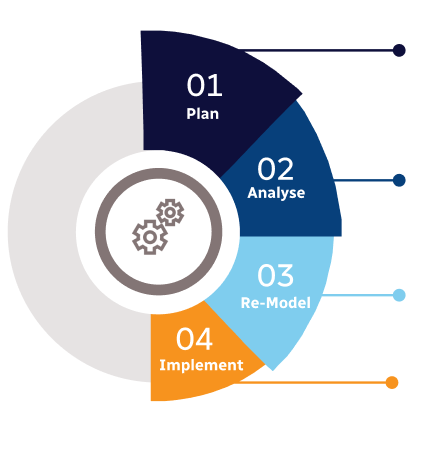
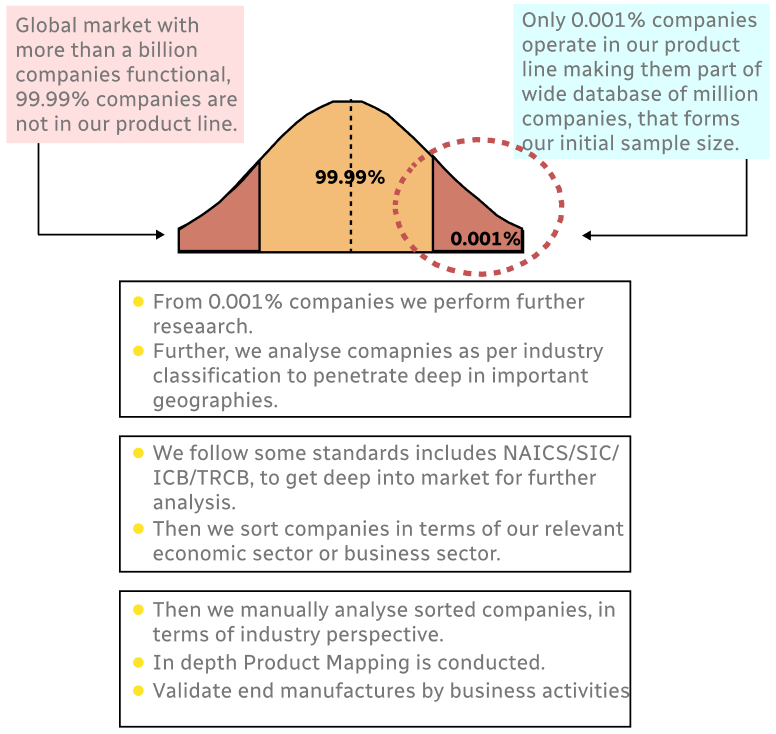
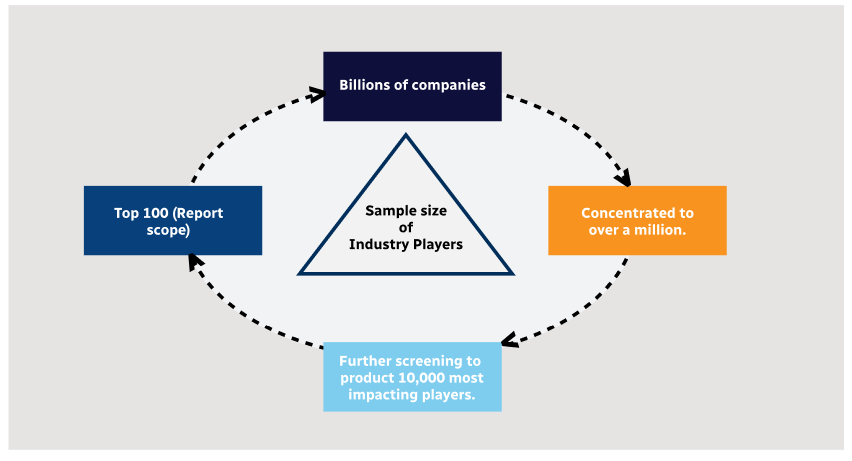
Step 1 - Identification of Relevant Samples Size from Population Database
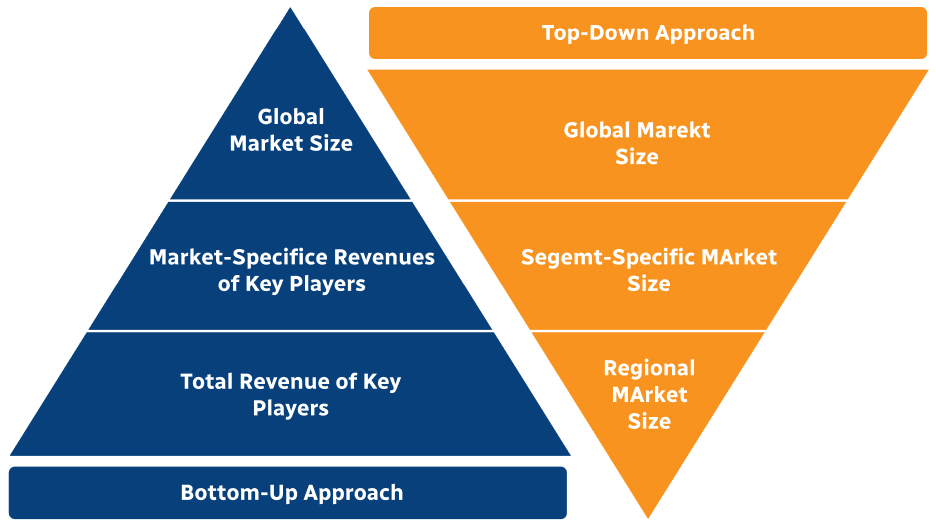
Step 2 - Approaches for Defining Global Market Size (Value, Volume* & Price*)
Note*: In applicable scenarios
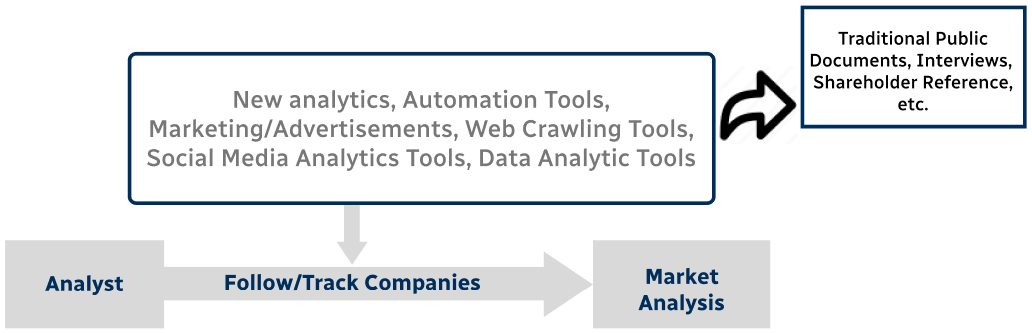
Step 3 - Data Sources
Primary Research
- Web Analytics
- Survey Reports
- Research Institute
- Latest Research Reports
- Opinion Leaders
Secondary Research
- Annual Reports
- White Paper
- Latest Press Release
- Industry Association
- Paid Database
- Investor Presentations
Step 4 - Data Triangulation
Involves using different sources of information in order to increase the validity of a study
These sources are likely to be stakeholders in a program - participants, other researchers, program staff, other community members, and so on.
Then we put all data in single framework & apply various statistical tools to find out the dynamic on the market.
During the analysis stage, feedback from the stakeholder groups would be compared to determine areas of agreement as well as areas of divergence