


Key Insights
The global DNA Repair Drugs market is projected for robust growth, driven by an increasing prevalence of cancer and a growing understanding of DNA repair mechanisms in disease pathology. With a current market size estimated at approximately USD 15,000 million, the market is anticipated to expand at a Compound Annual Growth Rate (CAGR) of around 12% from 2025 to 2033. This expansion is primarily fueled by the rising incidence of oncological diseases, where DNA repair pathways play a critical role in tumor development and treatment resistance. PARP inhibitors, a key segment within this market, have demonstrated significant efficacy in treating certain cancers, thereby stimulating further research and development. The market value is expected to reach approximately USD 35,000 million by the end of the forecast period.
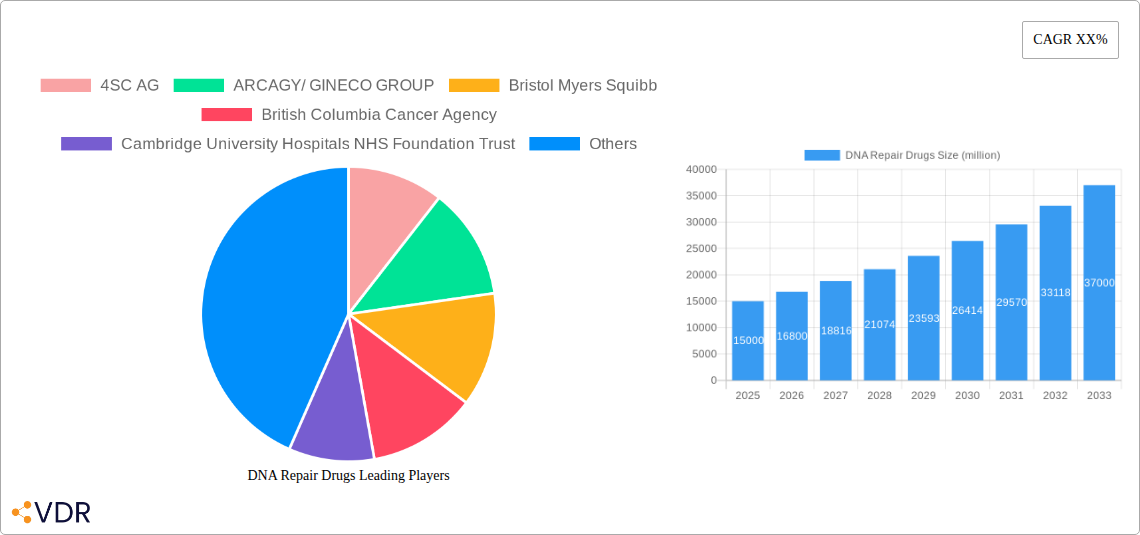
DNA Repair Drugs Market Size (In Billion)

Several factors are propelling this market forward. Advancements in genetic sequencing and personalized medicine are enabling the identification of specific DNA repair defects, leading to the development of targeted therapies. Increased investment in R&D by major pharmaceutical companies like Bristol Myers Squibb, GlaxoSmithKline, and Johnson & Johnson, coupled with collaborative efforts between academic institutions and industry, are accelerating drug discovery and clinical trials. The growing awareness among healthcare professionals and patients regarding the potential of DNA repair drugs in improving treatment outcomes for challenging diseases like ovarian, breast, and prostate cancers is also contributing to market expansion. While the market shows immense promise, potential restraints include the high cost of drug development and treatment, stringent regulatory approvals, and the emergence of treatment resistance in some patient populations. Nonetheless, the strategic focus on novel therapeutic targets and combination therapies is expected to mitigate these challenges and sustain the upward trajectory of the DNA Repair Drugs market.
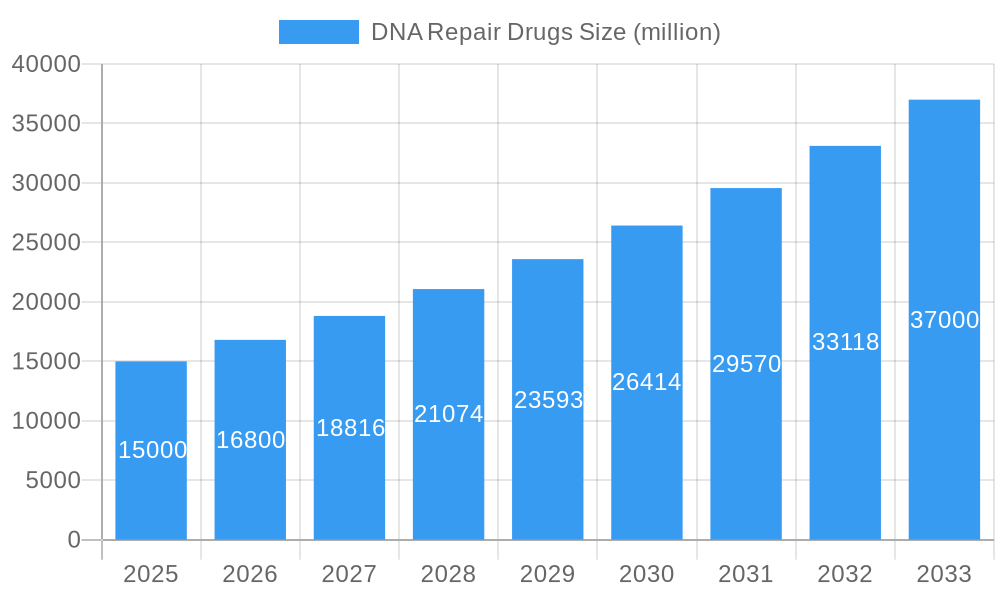
DNA Repair Drugs Company Market Share
Here is a comprehensive, SEO-optimized report description for DNA Repair Drugs, designed to attract industry professionals and maximize search engine visibility.
DNA Repair Drugs Market Dynamics & Structure
The global DNA repair drugs market is characterized by a dynamic interplay of intense research and development, evolving regulatory landscapes, and a growing understanding of cellular repair mechanisms. Market concentration is moderate, with a few key players holding significant shares, while a robust pipeline of emerging biotech firms contributes to innovation. Technological innovation is driven by advancements in genomics, CRISPR-Cas9 gene editing, and targeted therapy development, pushing the boundaries of precision medicine. Regulatory frameworks, primarily established by agencies like the FDA and EMA, are crucial in dictating drug approval pathways and market access, influencing the speed of commercialization for novel DNA repair agents. Competitive product substitutes include traditional chemotherapy and radiotherapy, but the specificity and reduced side-effect profiles of DNA repair drugs are increasingly differentiating them. End-user demographics are predominantly cancer patients and individuals at high risk for certain genetic predispositions, with a growing patient pool actively seeking advanced therapeutic options. Mergers and acquisitions (M&A) trends are evident, as larger pharmaceutical companies seek to bolster their oncology portfolios and access cutting-edge DNA repair technologies. For instance, recent acquisitions of smaller biotech firms specializing in DDR inhibitors signal a strategic consolidation within the sector.
- Market Concentration: Moderate to High, with a consolidation trend observed.
- Technological Innovation Drivers: Genomics, gene editing (e.g., CRISPR), targeted therapies, precision oncology.
- Regulatory Frameworks: FDA, EMA, and other national health authorities; stringent approval processes.
- Competitive Product Substitutes: Traditional chemotherapy, radiotherapy, immunotherapy.
- End-User Demographics: Oncology patients, individuals with genetic predispositions, aging populations.
- M&A Trends: Strategic acquisitions of specialized biotech firms, R&D collaborations.
DNA Repair Drugs Growth Trends & Insights
The DNA repair drugs market is poised for significant expansion driven by an escalating global cancer burden and a deeper understanding of DNA damage response pathways. The market size evolution is projected to witness a substantial increase from approximately $15,000 million in 2024 to an estimated $35,000 million by 2033, exhibiting a robust compound annual growth rate (CAGR) of around 10%. Adoption rates for DNA repair drugs, particularly PARP inhibitors, have seen a marked acceleration in recent years, fueled by positive clinical trial outcomes and their proven efficacy in specific cancer types. Technological disruptions, such as the integration of artificial intelligence (AI) in drug discovery and the development of novel drug delivery systems, are further streamlining the development and application of these therapies. Consumer behavior shifts are also playing a pivotal role, with patients and oncologists increasingly prioritizing targeted therapies that offer improved efficacy and reduced toxicity compared to conventional treatments. The market penetration of DNA repair drugs is expected to deepen as more indications are approved and treatment guidelines evolve to incorporate these innovative agents. The increasing prevalence of BRCA mutations and other DNA repair deficiencies in various cancers, such as ovarian, breast, prostate, and pancreatic cancers, directly translates to a larger addressable patient population. Furthermore, the exploration of DNA repair drugs in combination therapies, particularly with immunotherapies, presents a significant growth avenue, aiming to overcome treatment resistance and enhance anti-tumor responses. The continuous refinement of diagnostic tools that accurately identify patients most likely to benefit from DNA repair targeted therapies is also a critical factor contributing to their growing adoption. The research into targeting DNA repair mechanisms in non-oncological applications, such as stroke recovery, while nascent, holds long-term potential to diversify market demand. The investment in preclinical and clinical studies by leading pharmaceutical companies and research institutions underscores the confidence in the therapeutic promise of this drug class. The market's trajectory is also influenced by patent expirations and the subsequent entry of generic versions, which can broaden accessibility and potentially reduce prices, thereby increasing overall market volume. However, the high cost of development and manufacturing for these complex biological entities remains a factor influencing pricing strategies. The ongoing exploration of novel targets within the DNA repair pathway, beyond PARP enzymes, is creating opportunities for next-generation therapeutics with potentially superior efficacy and broader applicability. The growing awareness among healthcare providers and patients about the benefits of personalized medicine, where DNA repair drugs play a crucial role, is a significant driver for their sustained growth.
Dominant Regions, Countries, or Segments in DNA Repair Drugs
The Oncological segment, specifically within the PARP Inhibitors type, currently dominates the global DNA repair drugs market, driven by extensive research, established clinical utility, and a substantial unmet medical need. North America, led by the United States, stands as the most dominant region, accounting for approximately 55% of the global market share. This dominance is attributed to several key factors, including a robust healthcare infrastructure, high per capita healthcare spending, a proactive regulatory environment that facilitates faster drug approvals, and a strong emphasis on research and development. The presence of leading pharmaceutical companies and academic research institutions in the US fosters innovation and early adoption of novel therapies. Government initiatives and funding from organizations like the National Institutes of Health (NIH) further propel research in this domain.
In terms of countries, the United States leads, followed by Europe, with countries like Germany, the United Kingdom, and France showing significant market penetration. The European market benefits from a well-established network of research centers and a growing demand for targeted cancer therapies. The National Health Service (NHS) in the UK and similar healthcare systems in other European nations are increasingly incorporating DNA repair drugs into treatment protocols, especially for gynecological and breast cancers. Asia-Pacific, particularly China and Japan, represents a rapidly growing market due to increasing healthcare expenditure, a rising cancer incidence, and government efforts to boost domestic pharmaceutical production.
The PARP Inhibitors sub-segment is the primary growth engine within the DNA Repair Drugs market. Their success in treating ovarian, breast, prostate, and pancreatic cancers, particularly in patients with BRCA mutations, has cemented their position. Drugs like olaparib, niraparib, and talazoparib have become standard of care in many of these indications. The market share for PARP inhibitors is estimated to be around 70% of the total DNA repair drug market, with projections suggesting continued growth. The "Other" types segment, encompassing inhibitors targeting other DNA repair pathways like ATM, ATR, and HDAC, is experiencing a rapid expansion, driven by ongoing research and the development of novel therapeutic strategies. These segments, though currently smaller in market share, hold significant growth potential as they address diverse cancer types and resistance mechanisms.
DNA Repair Drugs Product Landscape
The DNA repair drugs landscape is characterized by a wave of innovative therapies primarily focusing on PARP inhibitors and emerging agents targeting other critical DNA repair pathways. Companies are actively developing and launching novel compounds with improved potency, selectivity, and bioavailability, aiming to enhance patient outcomes and address treatment resistance. Innovations include oral formulations for convenient administration and combination therapies designed to synergize with chemotherapy, immunotherapy, or radiation. Unique selling propositions lie in their targeted mechanism of action, leading to potentially fewer systemic side effects compared to traditional cytotoxic agents. Technological advancements in drug delivery systems are also enhancing the efficacy and safety profile of these therapeutics.
Key Drivers, Barriers & Challenges in DNA Repair Drugs
Key Drivers:
- Rising Cancer Incidence: The global increase in cancer cases directly fuels the demand for advanced therapeutic options.
- Advancements in Genomics and Diagnostics: Improved ability to identify genetic mutations (e.g., BRCA) allows for precise patient selection, enhancing drug efficacy.
- Growing Understanding of DNA Repair Pathways: Deeper scientific insights are enabling the development of more targeted and effective drugs.
- Favorable Reimbursement Policies: Increasing recognition of the value of targeted therapies by payers contributes to market access.
- Pipeline of Novel Agents: A robust R&D pipeline of drugs targeting various DNA repair mechanisms promises future growth.
Key Barriers & Challenges:
- High Research & Development Costs: The extensive investment required for drug discovery, clinical trials, and regulatory approval poses a significant financial hurdle.
- Stringent Regulatory Hurdles: Navigating complex and lengthy approval processes can delay market entry.
- Development of Resistance: Cancer cells can develop resistance to DNA repair drugs, limiting long-term efficacy.
- High Treatment Costs: The premium pricing of novel targeted therapies can create access issues for some patient populations.
- Competition from Other Therapies: The presence of established treatments like chemotherapy and immunotherapy creates a competitive environment.
Emerging Opportunities in DNA Repair Drugs
Emerging opportunities in the DNA repair drugs sector lie in the expansion of therapeutic applications beyond established oncological indications, exploring their potential in treating neurodegenerative diseases and infectious agents. The development of novel drug combinations, particularly with immunotherapies, presents a significant avenue for enhancing treatment efficacy and overcoming resistance mechanisms in various cancers. Untapped markets in developing economies, driven by improving healthcare infrastructure and rising disposable incomes, offer substantial growth potential. Furthermore, advancements in personalized medicine are creating opportunities for bespoke DNA repair drug therapies tailored to individual patient genetic profiles, including the exploration of their role in stroke recovery.
Growth Accelerators in the DNA Repair Drugs Industry
The growth of the DNA repair drugs industry is being accelerated by groundbreaking technological breakthroughs, particularly in areas like precision oncology and advanced drug discovery platforms. Strategic partnerships between pharmaceutical giants and innovative biotech firms are fostering synergistic collaborations to accelerate the development and commercialization of novel therapeutics. Market expansion strategies, including the exploration of new indications and geographical regions, are also playing a crucial role. Furthermore, the increasing emphasis on targeted therapies and personalized medicine within global healthcare systems is creating a favorable environment for the sustained growth of DNA repair drugs.
Key Players Shaping the DNA Repair Drugs Market
- 4SC AG
- ARCAGY/ GINECO GROUP
- Bristol Myers Squibb
- British Columbia Cancer Agency
- Cambridge University Hospitals NHS Foundation Trust
- Genentech
- Georgetown University
- German Breast Group
- GlaxoSmithKline
- Jiangsu Hengrui Medicine
- Johnson & Johnson
- Jonsson Comprehensive Cancer Center
- Karyopharm Therapeutics
- KuDOS Pharmaceuticals
- National Health Service
- National Institutes of Health
- Tesaro
Notable Milestones in DNA Repair Drugs Sector
- 2019: FDA approval of niraparib for maintenance treatment of recurrent ovarian cancer, expanding its indication.
- 2020: Launch of talazoparib in combination with enzalutamide for metastatic castration-resistant prostate cancer in clinical trials.
- 2021: Significant progress in clinical trials for novel ATR inhibitors for various solid tumors.
- 2022: GlaxoSmithKline acquires Tesaro, strengthening its portfolio in oncology and DNA repair inhibitors.
- 2023: Key findings published on the synergy of PARP inhibitors with immunotherapy in pancreatic cancer.
- 2024: Advancements in gene editing technologies show promise for DNA repair-based gene therapies.
- 2025: Expected initiation of Phase 3 trials for next-generation DNA repair inhibitors targeting novel pathways.
- 2026: Potential for expanded approvals of existing DNA repair drugs into new cancer indications.
- 2027-2030: Continued exploration of DNA repair drugs for non-oncological applications, such as stroke.
- 2031-2033: Anticipated emergence of more personalized DNA repair therapy combinations based on advanced biomarker identification.
In-Depth DNA Repair Drugs Market Outlook
The future of the DNA repair drugs market is exceptionally promising, driven by continuous scientific innovation and a deepening understanding of cancer biology. Growth accelerators, including the relentless pursuit of precision medicine and the development of synergistic combination therapies, will be pivotal. Strategic opportunities abound in expanding the therapeutic utility of existing drugs to new indications and patient populations, alongside the aggressive development of next-generation agents targeting a broader spectrum of DNA repair pathways. The market is expected to witness sustained growth, fueled by unmet medical needs and a global push towards more effective and less toxic cancer treatments, solidifying DNA repair drugs as a cornerstone of modern oncology.
DNA Repair Drugs Segmentation
-
1. Application
- 1.1. Oncological
- 1.2. Stroke
-
2. Types
- 2.1. PARP Inhibitors
- 2.2. Other
DNA Repair Drugs Segmentation By Geography
-
1. North America
- 1.1. United States
- 1.2. Canada
- 1.3. Mexico
-
2. South America
- 2.1. Brazil
- 2.2. Argentina
- 2.3. Rest of South America
-
3. Europe
- 3.1. United Kingdom
- 3.2. Germany
- 3.3. France
- 3.4. Italy
- 3.5. Spain
- 3.6. Russia
- 3.7. Benelux
- 3.8. Nordics
- 3.9. Rest of Europe
-
4. Middle East & Africa
- 4.1. Turkey
- 4.2. Israel
- 4.3. GCC
- 4.4. North Africa
- 4.5. South Africa
- 4.6. Rest of Middle East & Africa
-
5. Asia Pacific
- 5.1. China
- 5.2. India
- 5.3. Japan
- 5.4. South Korea
- 5.5. ASEAN
- 5.6. Oceania
- 5.7. Rest of Asia Pacific
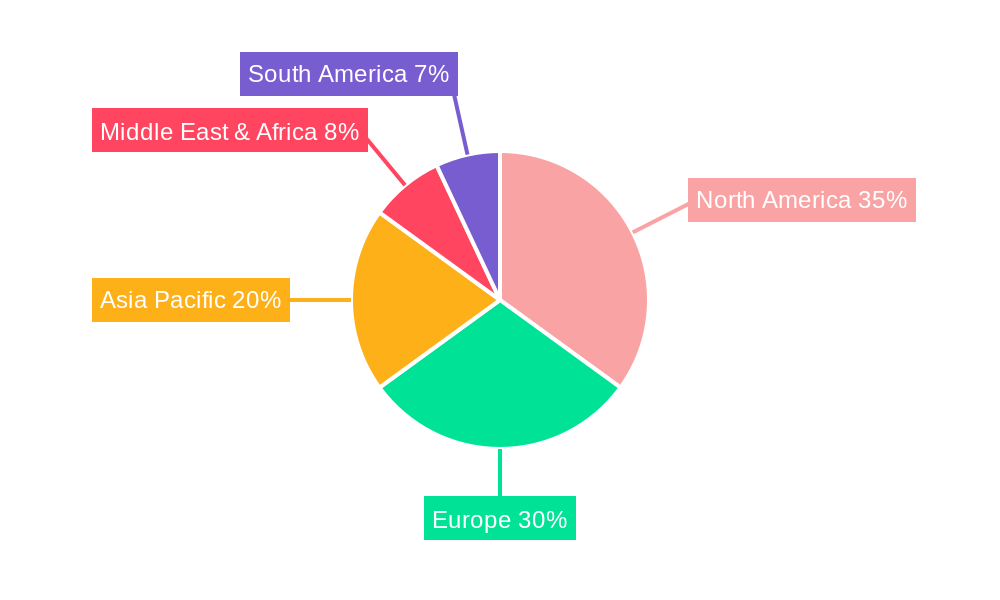
DNA Repair Drugs Regional Market Share
Geographic Coverage of DNA Repair Drugs
DNA Repair Drugs REPORT HIGHLIGHTS
| Aspects | Details |
|---|---|
| Study Period | 2020-2034 |
| Base Year | 2025 |
| Estimated Year | 2026 |
| Forecast Period | 2026-2034 |
| Historical Period | 2020-2025 |
| Growth Rate | CAGR of XX% from 2020-2034 |
| Segmentation |
|
Table of Contents
- 1. Introduction
- 1.1. Research Scope
- 1.2. Market Segmentation
- 1.3. Research Methodology
- 1.4. Definitions and Assumptions
- 2. Executive Summary
- 2.1. Introduction
- 3. Market Dynamics
- 3.1. Introduction
- 3.2. Market Drivers
- 3.3. Market Restrains
- 3.4. Market Trends
- 4. Market Factor Analysis
- 4.1. Porters Five Forces
- 4.2. Supply/Value Chain
- 4.3. PESTEL analysis
- 4.4. Market Entropy
- 4.5. Patent/Trademark Analysis
- 5. Global DNA Repair Drugs Analysis, Insights and Forecast, 2020-2032
- 5.1. Market Analysis, Insights and Forecast - by Application
- 5.1.1. Oncological
- 5.1.2. Stroke
- 5.2. Market Analysis, Insights and Forecast - by Types
- 5.2.1. PARP Inhibitors
- 5.2.2. Other
- 5.3. Market Analysis, Insights and Forecast - by Region
- 5.3.1. North America
- 5.3.2. South America
- 5.3.3. Europe
- 5.3.4. Middle East & Africa
- 5.3.5. Asia Pacific
- 5.1. Market Analysis, Insights and Forecast - by Application
- 6. North America DNA Repair Drugs Analysis, Insights and Forecast, 2020-2032
- 6.1. Market Analysis, Insights and Forecast - by Application
- 6.1.1. Oncological
- 6.1.2. Stroke
- 6.2. Market Analysis, Insights and Forecast - by Types
- 6.2.1. PARP Inhibitors
- 6.2.2. Other
- 6.1. Market Analysis, Insights and Forecast - by Application
- 7. South America DNA Repair Drugs Analysis, Insights and Forecast, 2020-2032
- 7.1. Market Analysis, Insights and Forecast - by Application
- 7.1.1. Oncological
- 7.1.2. Stroke
- 7.2. Market Analysis, Insights and Forecast - by Types
- 7.2.1. PARP Inhibitors
- 7.2.2. Other
- 7.1. Market Analysis, Insights and Forecast - by Application
- 8. Europe DNA Repair Drugs Analysis, Insights and Forecast, 2020-2032
- 8.1. Market Analysis, Insights and Forecast - by Application
- 8.1.1. Oncological
- 8.1.2. Stroke
- 8.2. Market Analysis, Insights and Forecast - by Types
- 8.2.1. PARP Inhibitors
- 8.2.2. Other
- 8.1. Market Analysis, Insights and Forecast - by Application
- 9. Middle East & Africa DNA Repair Drugs Analysis, Insights and Forecast, 2020-2032
- 9.1. Market Analysis, Insights and Forecast - by Application
- 9.1.1. Oncological
- 9.1.2. Stroke
- 9.2. Market Analysis, Insights and Forecast - by Types
- 9.2.1. PARP Inhibitors
- 9.2.2. Other
- 9.1. Market Analysis, Insights and Forecast - by Application
- 10. Asia Pacific DNA Repair Drugs Analysis, Insights and Forecast, 2020-2032
- 10.1. Market Analysis, Insights and Forecast - by Application
- 10.1.1. Oncological
- 10.1.2. Stroke
- 10.2. Market Analysis, Insights and Forecast - by Types
- 10.2.1. PARP Inhibitors
- 10.2.2. Other
- 10.1. Market Analysis, Insights and Forecast - by Application
- 11. Competitive Analysis
- 11.1. Global Market Share Analysis 2025
- 11.2. Company Profiles
- 11.2.1 4SC AG
- 11.2.1.1. Overview
- 11.2.1.2. Products
- 11.2.1.3. SWOT Analysis
- 11.2.1.4. Recent Developments
- 11.2.1.5. Financials (Based on Availability)
- 11.2.2 ARCAGY/ GINECO GROUP
- 11.2.2.1. Overview
- 11.2.2.2. Products
- 11.2.2.3. SWOT Analysis
- 11.2.2.4. Recent Developments
- 11.2.2.5. Financials (Based on Availability)
- 11.2.3 Bristol Myers Squibb
- 11.2.3.1. Overview
- 11.2.3.2. Products
- 11.2.3.3. SWOT Analysis
- 11.2.3.4. Recent Developments
- 11.2.3.5. Financials (Based on Availability)
- 11.2.4 British Columbia Cancer Agency
- 11.2.4.1. Overview
- 11.2.4.2. Products
- 11.2.4.3. SWOT Analysis
- 11.2.4.4. Recent Developments
- 11.2.4.5. Financials (Based on Availability)
- 11.2.5 Cambridge University Hospitals NHS Foundation Trust
- 11.2.5.1. Overview
- 11.2.5.2. Products
- 11.2.5.3. SWOT Analysis
- 11.2.5.4. Recent Developments
- 11.2.5.5. Financials (Based on Availability)
- 11.2.6 Genentech
- 11.2.6.1. Overview
- 11.2.6.2. Products
- 11.2.6.3. SWOT Analysis
- 11.2.6.4. Recent Developments
- 11.2.6.5. Financials (Based on Availability)
- 11.2.7 Georgetown University
- 11.2.7.1. Overview
- 11.2.7.2. Products
- 11.2.7.3. SWOT Analysis
- 11.2.7.4. Recent Developments
- 11.2.7.5. Financials (Based on Availability)
- 11.2.8 German Breast Group
- 11.2.8.1. Overview
- 11.2.8.2. Products
- 11.2.8.3. SWOT Analysis
- 11.2.8.4. Recent Developments
- 11.2.8.5. Financials (Based on Availability)
- 11.2.9 GlaxoSmithKline
- 11.2.9.1. Overview
- 11.2.9.2. Products
- 11.2.9.3. SWOT Analysis
- 11.2.9.4. Recent Developments
- 11.2.9.5. Financials (Based on Availability)
- 11.2.10 Jiangsu Hengrui Medicine
- 11.2.10.1. Overview
- 11.2.10.2. Products
- 11.2.10.3. SWOT Analysis
- 11.2.10.4. Recent Developments
- 11.2.10.5. Financials (Based on Availability)
- 11.2.11 Johnson & Johnson
- 11.2.11.1. Overview
- 11.2.11.2. Products
- 11.2.11.3. SWOT Analysis
- 11.2.11.4. Recent Developments
- 11.2.11.5. Financials (Based on Availability)
- 11.2.12 Jonsson Comprehensive Cancer Center
- 11.2.12.1. Overview
- 11.2.12.2. Products
- 11.2.12.3. SWOT Analysis
- 11.2.12.4. Recent Developments
- 11.2.12.5. Financials (Based on Availability)
- 11.2.13 Karyopharm Therapeutics
- 11.2.13.1. Overview
- 11.2.13.2. Products
- 11.2.13.3. SWOT Analysis
- 11.2.13.4. Recent Developments
- 11.2.13.5. Financials (Based on Availability)
- 11.2.14 KuDOS Pharmaceuticals
- 11.2.14.1. Overview
- 11.2.14.2. Products
- 11.2.14.3. SWOT Analysis
- 11.2.14.4. Recent Developments
- 11.2.14.5. Financials (Based on Availability)
- 11.2.15 National Health Service
- 11.2.15.1. Overview
- 11.2.15.2. Products
- 11.2.15.3. SWOT Analysis
- 11.2.15.4. Recent Developments
- 11.2.15.5. Financials (Based on Availability)
- 11.2.16 National Institutes of Health
- 11.2.16.1. Overview
- 11.2.16.2. Products
- 11.2.16.3. SWOT Analysis
- 11.2.16.4. Recent Developments
- 11.2.16.5. Financials (Based on Availability)
- 11.2.17 Tesaro
- 11.2.17.1. Overview
- 11.2.17.2. Products
- 11.2.17.3. SWOT Analysis
- 11.2.17.4. Recent Developments
- 11.2.17.5. Financials (Based on Availability)
- 11.2.1 4SC AG
List of Figures
- Figure 1: Global DNA Repair Drugs Revenue Breakdown (million, %) by Region 2025 & 2033
- Figure 2: Global DNA Repair Drugs Volume Breakdown (K, %) by Region 2025 & 2033
- Figure 3: North America DNA Repair Drugs Revenue (million), by Application 2025 & 2033
- Figure 4: North America DNA Repair Drugs Volume (K), by Application 2025 & 2033
- Figure 5: North America DNA Repair Drugs Revenue Share (%), by Application 2025 & 2033
- Figure 6: North America DNA Repair Drugs Volume Share (%), by Application 2025 & 2033
- Figure 7: North America DNA Repair Drugs Revenue (million), by Types 2025 & 2033
- Figure 8: North America DNA Repair Drugs Volume (K), by Types 2025 & 2033
- Figure 9: North America DNA Repair Drugs Revenue Share (%), by Types 2025 & 2033
- Figure 10: North America DNA Repair Drugs Volume Share (%), by Types 2025 & 2033
- Figure 11: North America DNA Repair Drugs Revenue (million), by Country 2025 & 2033
- Figure 12: North America DNA Repair Drugs Volume (K), by Country 2025 & 2033
- Figure 13: North America DNA Repair Drugs Revenue Share (%), by Country 2025 & 2033
- Figure 14: North America DNA Repair Drugs Volume Share (%), by Country 2025 & 2033
- Figure 15: South America DNA Repair Drugs Revenue (million), by Application 2025 & 2033
- Figure 16: South America DNA Repair Drugs Volume (K), by Application 2025 & 2033
- Figure 17: South America DNA Repair Drugs Revenue Share (%), by Application 2025 & 2033
- Figure 18: South America DNA Repair Drugs Volume Share (%), by Application 2025 & 2033
- Figure 19: South America DNA Repair Drugs Revenue (million), by Types 2025 & 2033
- Figure 20: South America DNA Repair Drugs Volume (K), by Types 2025 & 2033
- Figure 21: South America DNA Repair Drugs Revenue Share (%), by Types 2025 & 2033
- Figure 22: South America DNA Repair Drugs Volume Share (%), by Types 2025 & 2033
- Figure 23: South America DNA Repair Drugs Revenue (million), by Country 2025 & 2033
- Figure 24: South America DNA Repair Drugs Volume (K), by Country 2025 & 2033
- Figure 25: South America DNA Repair Drugs Revenue Share (%), by Country 2025 & 2033
- Figure 26: South America DNA Repair Drugs Volume Share (%), by Country 2025 & 2033
- Figure 27: Europe DNA Repair Drugs Revenue (million), by Application 2025 & 2033
- Figure 28: Europe DNA Repair Drugs Volume (K), by Application 2025 & 2033
- Figure 29: Europe DNA Repair Drugs Revenue Share (%), by Application 2025 & 2033
- Figure 30: Europe DNA Repair Drugs Volume Share (%), by Application 2025 & 2033
- Figure 31: Europe DNA Repair Drugs Revenue (million), by Types 2025 & 2033
- Figure 32: Europe DNA Repair Drugs Volume (K), by Types 2025 & 2033
- Figure 33: Europe DNA Repair Drugs Revenue Share (%), by Types 2025 & 2033
- Figure 34: Europe DNA Repair Drugs Volume Share (%), by Types 2025 & 2033
- Figure 35: Europe DNA Repair Drugs Revenue (million), by Country 2025 & 2033
- Figure 36: Europe DNA Repair Drugs Volume (K), by Country 2025 & 2033
- Figure 37: Europe DNA Repair Drugs Revenue Share (%), by Country 2025 & 2033
- Figure 38: Europe DNA Repair Drugs Volume Share (%), by Country 2025 & 2033
- Figure 39: Middle East & Africa DNA Repair Drugs Revenue (million), by Application 2025 & 2033
- Figure 40: Middle East & Africa DNA Repair Drugs Volume (K), by Application 2025 & 2033
- Figure 41: Middle East & Africa DNA Repair Drugs Revenue Share (%), by Application 2025 & 2033
- Figure 42: Middle East & Africa DNA Repair Drugs Volume Share (%), by Application 2025 & 2033
- Figure 43: Middle East & Africa DNA Repair Drugs Revenue (million), by Types 2025 & 2033
- Figure 44: Middle East & Africa DNA Repair Drugs Volume (K), by Types 2025 & 2033
- Figure 45: Middle East & Africa DNA Repair Drugs Revenue Share (%), by Types 2025 & 2033
- Figure 46: Middle East & Africa DNA Repair Drugs Volume Share (%), by Types 2025 & 2033
- Figure 47: Middle East & Africa DNA Repair Drugs Revenue (million), by Country 2025 & 2033
- Figure 48: Middle East & Africa DNA Repair Drugs Volume (K), by Country 2025 & 2033
- Figure 49: Middle East & Africa DNA Repair Drugs Revenue Share (%), by Country 2025 & 2033
- Figure 50: Middle East & Africa DNA Repair Drugs Volume Share (%), by Country 2025 & 2033
- Figure 51: Asia Pacific DNA Repair Drugs Revenue (million), by Application 2025 & 2033
- Figure 52: Asia Pacific DNA Repair Drugs Volume (K), by Application 2025 & 2033
- Figure 53: Asia Pacific DNA Repair Drugs Revenue Share (%), by Application 2025 & 2033
- Figure 54: Asia Pacific DNA Repair Drugs Volume Share (%), by Application 2025 & 2033
- Figure 55: Asia Pacific DNA Repair Drugs Revenue (million), by Types 2025 & 2033
- Figure 56: Asia Pacific DNA Repair Drugs Volume (K), by Types 2025 & 2033
- Figure 57: Asia Pacific DNA Repair Drugs Revenue Share (%), by Types 2025 & 2033
- Figure 58: Asia Pacific DNA Repair Drugs Volume Share (%), by Types 2025 & 2033
- Figure 59: Asia Pacific DNA Repair Drugs Revenue (million), by Country 2025 & 2033
- Figure 60: Asia Pacific DNA Repair Drugs Volume (K), by Country 2025 & 2033
- Figure 61: Asia Pacific DNA Repair Drugs Revenue Share (%), by Country 2025 & 2033
- Figure 62: Asia Pacific DNA Repair Drugs Volume Share (%), by Country 2025 & 2033
List of Tables
- Table 1: Global DNA Repair Drugs Revenue million Forecast, by Application 2020 & 2033
- Table 2: Global DNA Repair Drugs Volume K Forecast, by Application 2020 & 2033
- Table 3: Global DNA Repair Drugs Revenue million Forecast, by Types 2020 & 2033
- Table 4: Global DNA Repair Drugs Volume K Forecast, by Types 2020 & 2033
- Table 5: Global DNA Repair Drugs Revenue million Forecast, by Region 2020 & 2033
- Table 6: Global DNA Repair Drugs Volume K Forecast, by Region 2020 & 2033
- Table 7: Global DNA Repair Drugs Revenue million Forecast, by Application 2020 & 2033
- Table 8: Global DNA Repair Drugs Volume K Forecast, by Application 2020 & 2033
- Table 9: Global DNA Repair Drugs Revenue million Forecast, by Types 2020 & 2033
- Table 10: Global DNA Repair Drugs Volume K Forecast, by Types 2020 & 2033
- Table 11: Global DNA Repair Drugs Revenue million Forecast, by Country 2020 & 2033
- Table 12: Global DNA Repair Drugs Volume K Forecast, by Country 2020 & 2033
- Table 13: United States DNA Repair Drugs Revenue (million) Forecast, by Application 2020 & 2033
- Table 14: United States DNA Repair Drugs Volume (K) Forecast, by Application 2020 & 2033
- Table 15: Canada DNA Repair Drugs Revenue (million) Forecast, by Application 2020 & 2033
- Table 16: Canada DNA Repair Drugs Volume (K) Forecast, by Application 2020 & 2033
- Table 17: Mexico DNA Repair Drugs Revenue (million) Forecast, by Application 2020 & 2033
- Table 18: Mexico DNA Repair Drugs Volume (K) Forecast, by Application 2020 & 2033
- Table 19: Global DNA Repair Drugs Revenue million Forecast, by Application 2020 & 2033
- Table 20: Global DNA Repair Drugs Volume K Forecast, by Application 2020 & 2033
- Table 21: Global DNA Repair Drugs Revenue million Forecast, by Types 2020 & 2033
- Table 22: Global DNA Repair Drugs Volume K Forecast, by Types 2020 & 2033
- Table 23: Global DNA Repair Drugs Revenue million Forecast, by Country 2020 & 2033
- Table 24: Global DNA Repair Drugs Volume K Forecast, by Country 2020 & 2033
- Table 25: Brazil DNA Repair Drugs Revenue (million) Forecast, by Application 2020 & 2033
- Table 26: Brazil DNA Repair Drugs Volume (K) Forecast, by Application 2020 & 2033
- Table 27: Argentina DNA Repair Drugs Revenue (million) Forecast, by Application 2020 & 2033
- Table 28: Argentina DNA Repair Drugs Volume (K) Forecast, by Application 2020 & 2033
- Table 29: Rest of South America DNA Repair Drugs Revenue (million) Forecast, by Application 2020 & 2033
- Table 30: Rest of South America DNA Repair Drugs Volume (K) Forecast, by Application 2020 & 2033
- Table 31: Global DNA Repair Drugs Revenue million Forecast, by Application 2020 & 2033
- Table 32: Global DNA Repair Drugs Volume K Forecast, by Application 2020 & 2033
- Table 33: Global DNA Repair Drugs Revenue million Forecast, by Types 2020 & 2033
- Table 34: Global DNA Repair Drugs Volume K Forecast, by Types 2020 & 2033
- Table 35: Global DNA Repair Drugs Revenue million Forecast, by Country 2020 & 2033
- Table 36: Global DNA Repair Drugs Volume K Forecast, by Country 2020 & 2033
- Table 37: United Kingdom DNA Repair Drugs Revenue (million) Forecast, by Application 2020 & 2033
- Table 38: United Kingdom DNA Repair Drugs Volume (K) Forecast, by Application 2020 & 2033
- Table 39: Germany DNA Repair Drugs Revenue (million) Forecast, by Application 2020 & 2033
- Table 40: Germany DNA Repair Drugs Volume (K) Forecast, by Application 2020 & 2033
- Table 41: France DNA Repair Drugs Revenue (million) Forecast, by Application 2020 & 2033
- Table 42: France DNA Repair Drugs Volume (K) Forecast, by Application 2020 & 2033
- Table 43: Italy DNA Repair Drugs Revenue (million) Forecast, by Application 2020 & 2033
- Table 44: Italy DNA Repair Drugs Volume (K) Forecast, by Application 2020 & 2033
- Table 45: Spain DNA Repair Drugs Revenue (million) Forecast, by Application 2020 & 2033
- Table 46: Spain DNA Repair Drugs Volume (K) Forecast, by Application 2020 & 2033
- Table 47: Russia DNA Repair Drugs Revenue (million) Forecast, by Application 2020 & 2033
- Table 48: Russia DNA Repair Drugs Volume (K) Forecast, by Application 2020 & 2033
- Table 49: Benelux DNA Repair Drugs Revenue (million) Forecast, by Application 2020 & 2033
- Table 50: Benelux DNA Repair Drugs Volume (K) Forecast, by Application 2020 & 2033
- Table 51: Nordics DNA Repair Drugs Revenue (million) Forecast, by Application 2020 & 2033
- Table 52: Nordics DNA Repair Drugs Volume (K) Forecast, by Application 2020 & 2033
- Table 53: Rest of Europe DNA Repair Drugs Revenue (million) Forecast, by Application 2020 & 2033
- Table 54: Rest of Europe DNA Repair Drugs Volume (K) Forecast, by Application 2020 & 2033
- Table 55: Global DNA Repair Drugs Revenue million Forecast, by Application 2020 & 2033
- Table 56: Global DNA Repair Drugs Volume K Forecast, by Application 2020 & 2033
- Table 57: Global DNA Repair Drugs Revenue million Forecast, by Types 2020 & 2033
- Table 58: Global DNA Repair Drugs Volume K Forecast, by Types 2020 & 2033
- Table 59: Global DNA Repair Drugs Revenue million Forecast, by Country 2020 & 2033
- Table 60: Global DNA Repair Drugs Volume K Forecast, by Country 2020 & 2033
- Table 61: Turkey DNA Repair Drugs Revenue (million) Forecast, by Application 2020 & 2033
- Table 62: Turkey DNA Repair Drugs Volume (K) Forecast, by Application 2020 & 2033
- Table 63: Israel DNA Repair Drugs Revenue (million) Forecast, by Application 2020 & 2033
- Table 64: Israel DNA Repair Drugs Volume (K) Forecast, by Application 2020 & 2033
- Table 65: GCC DNA Repair Drugs Revenue (million) Forecast, by Application 2020 & 2033
- Table 66: GCC DNA Repair Drugs Volume (K) Forecast, by Application 2020 & 2033
- Table 67: North Africa DNA Repair Drugs Revenue (million) Forecast, by Application 2020 & 2033
- Table 68: North Africa DNA Repair Drugs Volume (K) Forecast, by Application 2020 & 2033
- Table 69: South Africa DNA Repair Drugs Revenue (million) Forecast, by Application 2020 & 2033
- Table 70: South Africa DNA Repair Drugs Volume (K) Forecast, by Application 2020 & 2033
- Table 71: Rest of Middle East & Africa DNA Repair Drugs Revenue (million) Forecast, by Application 2020 & 2033
- Table 72: Rest of Middle East & Africa DNA Repair Drugs Volume (K) Forecast, by Application 2020 & 2033
- Table 73: Global DNA Repair Drugs Revenue million Forecast, by Application 2020 & 2033
- Table 74: Global DNA Repair Drugs Volume K Forecast, by Application 2020 & 2033
- Table 75: Global DNA Repair Drugs Revenue million Forecast, by Types 2020 & 2033
- Table 76: Global DNA Repair Drugs Volume K Forecast, by Types 2020 & 2033
- Table 77: Global DNA Repair Drugs Revenue million Forecast, by Country 2020 & 2033
- Table 78: Global DNA Repair Drugs Volume K Forecast, by Country 2020 & 2033
- Table 79: China DNA Repair Drugs Revenue (million) Forecast, by Application 2020 & 2033
- Table 80: China DNA Repair Drugs Volume (K) Forecast, by Application 2020 & 2033
- Table 81: India DNA Repair Drugs Revenue (million) Forecast, by Application 2020 & 2033
- Table 82: India DNA Repair Drugs Volume (K) Forecast, by Application 2020 & 2033
- Table 83: Japan DNA Repair Drugs Revenue (million) Forecast, by Application 2020 & 2033
- Table 84: Japan DNA Repair Drugs Volume (K) Forecast, by Application 2020 & 2033
- Table 85: South Korea DNA Repair Drugs Revenue (million) Forecast, by Application 2020 & 2033
- Table 86: South Korea DNA Repair Drugs Volume (K) Forecast, by Application 2020 & 2033
- Table 87: ASEAN DNA Repair Drugs Revenue (million) Forecast, by Application 2020 & 2033
- Table 88: ASEAN DNA Repair Drugs Volume (K) Forecast, by Application 2020 & 2033
- Table 89: Oceania DNA Repair Drugs Revenue (million) Forecast, by Application 2020 & 2033
- Table 90: Oceania DNA Repair Drugs Volume (K) Forecast, by Application 2020 & 2033
- Table 91: Rest of Asia Pacific DNA Repair Drugs Revenue (million) Forecast, by Application 2020 & 2033
- Table 92: Rest of Asia Pacific DNA Repair Drugs Volume (K) Forecast, by Application 2020 & 2033
Frequently Asked Questions
1. What is the projected Compound Annual Growth Rate (CAGR) of the DNA Repair Drugs?
The projected CAGR is approximately XX%.
2. Which companies are prominent players in the DNA Repair Drugs?
Key companies in the market include 4SC AG, ARCAGY/ GINECO GROUP, Bristol Myers Squibb, British Columbia Cancer Agency, Cambridge University Hospitals NHS Foundation Trust, Genentech, Georgetown University, German Breast Group, GlaxoSmithKline, Jiangsu Hengrui Medicine, Johnson & Johnson, Jonsson Comprehensive Cancer Center, Karyopharm Therapeutics, KuDOS Pharmaceuticals, National Health Service, National Institutes of Health, Tesaro.
3. What are the main segments of the DNA Repair Drugs?
The market segments include Application, Types.
4. Can you provide details about the market size?
The market size is estimated to be USD XXX million as of 2022.
5. What are some drivers contributing to market growth?
N/A
6. What are the notable trends driving market growth?
N/A
7. Are there any restraints impacting market growth?
N/A
8. Can you provide examples of recent developments in the market?
N/A
9. What pricing options are available for accessing the report?
Pricing options include single-user, multi-user, and enterprise licenses priced at USD 3350.00, USD 5025.00, and USD 6700.00 respectively.
10. Is the market size provided in terms of value or volume?
The market size is provided in terms of value, measured in million and volume, measured in K.
11. Are there any specific market keywords associated with the report?
Yes, the market keyword associated with the report is "DNA Repair Drugs," which aids in identifying and referencing the specific market segment covered.
12. How do I determine which pricing option suits my needs best?
The pricing options vary based on user requirements and access needs. Individual users may opt for single-user licenses, while businesses requiring broader access may choose multi-user or enterprise licenses for cost-effective access to the report.
13. Are there any additional resources or data provided in the DNA Repair Drugs report?
While the report offers comprehensive insights, it's advisable to review the specific contents or supplementary materials provided to ascertain if additional resources or data are available.
14. How can I stay updated on further developments or reports in the DNA Repair Drugs?
To stay informed about further developments, trends, and reports in the DNA Repair Drugs, consider subscribing to industry newsletters, following relevant companies and organizations, or regularly checking reputable industry news sources and publications.
Methodology
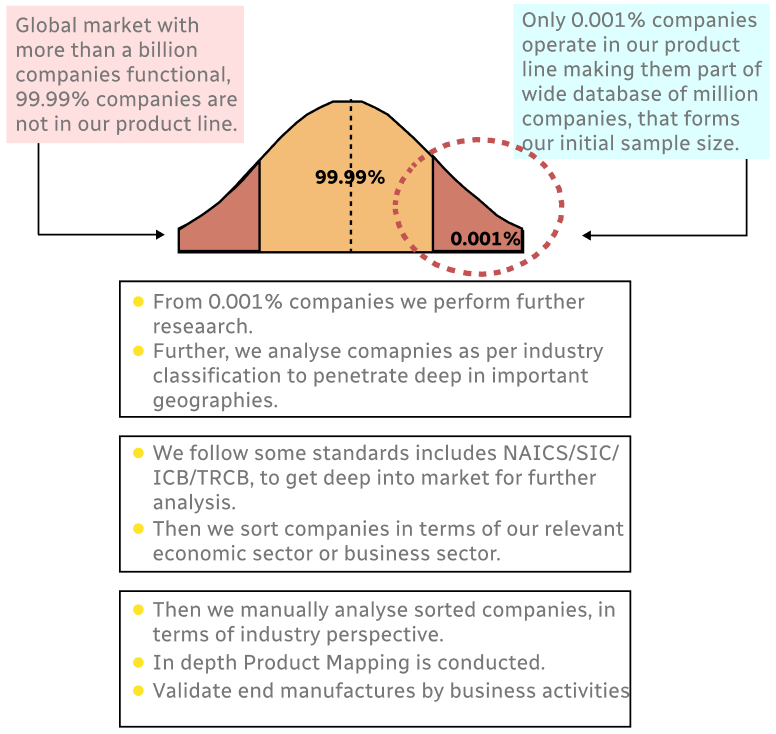
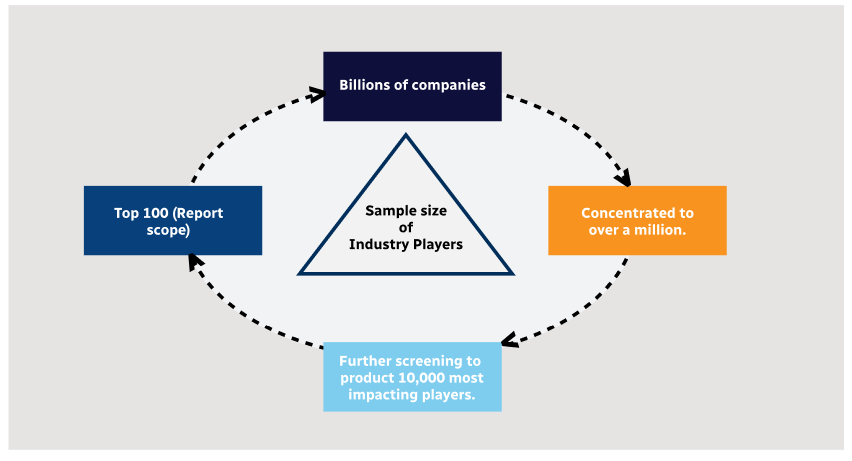
Step 1 - Identification of Relevant Samples Size from Population Database
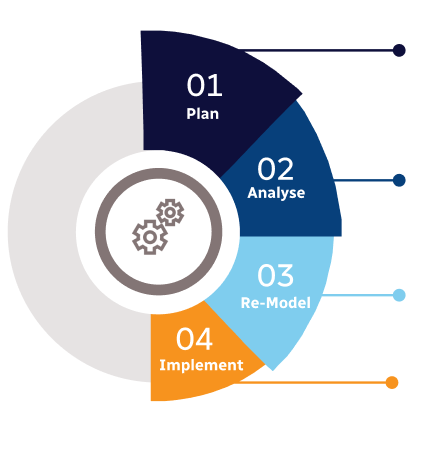
Step 2 - Approaches for Defining Global Market Size (Value, Volume* & Price*)
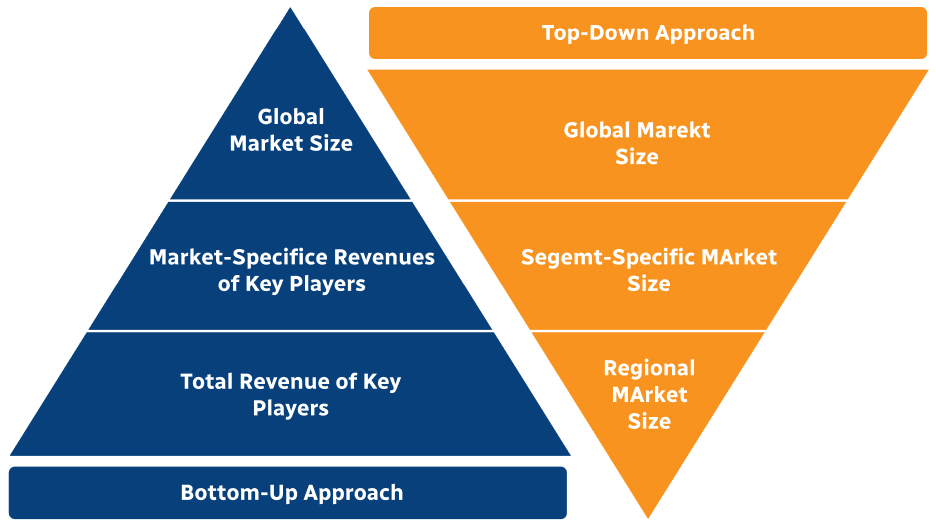
Note*: In applicable scenarios
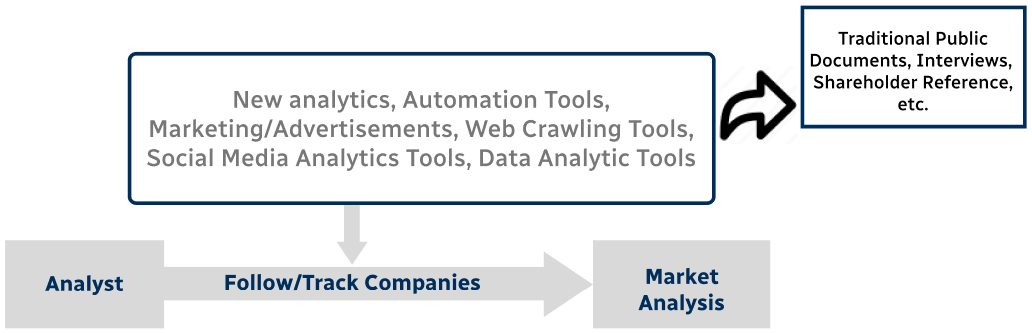
Step 3 - Data Sources
Primary Research
- Web Analytics
- Survey Reports
- Research Institute
- Latest Research Reports
- Opinion Leaders
Secondary Research
- Annual Reports
- White Paper
- Latest Press Release
- Industry Association
- Paid Database
- Investor Presentations
Step 4 - Data Triangulation
Involves using different sources of information in order to increase the validity of a study
These sources are likely to be stakeholders in a program - participants, other researchers, program staff, other community members, and so on.
Then we put all data in single framework & apply various statistical tools to find out the dynamic on the market.
During the analysis stage, feedback from the stakeholder groups would be compared to determine areas of agreement as well as areas of divergence