


Key Insights
The global Digital Library market is poised for significant expansion, projected to reach an estimated USD 45,800 million by 2025, with a robust Compound Annual Growth Rate (CAGR) of 12.5% expected to propel it to an impressive USD 115,000 million by 2033. This remarkable growth is primarily fueled by the increasing digitization of traditional libraries, the burgeoning demand for accessible and portable knowledge, and the widespread adoption of digital content across academic, research, and public sectors. The shift towards online learning and remote work further amplifies the need for comprehensive digital archives, making digital libraries an indispensable resource. Technological advancements, including AI-powered search functionalities, cloud storage solutions, and enhanced user interfaces, are also playing a crucial role in driving user engagement and market penetration.
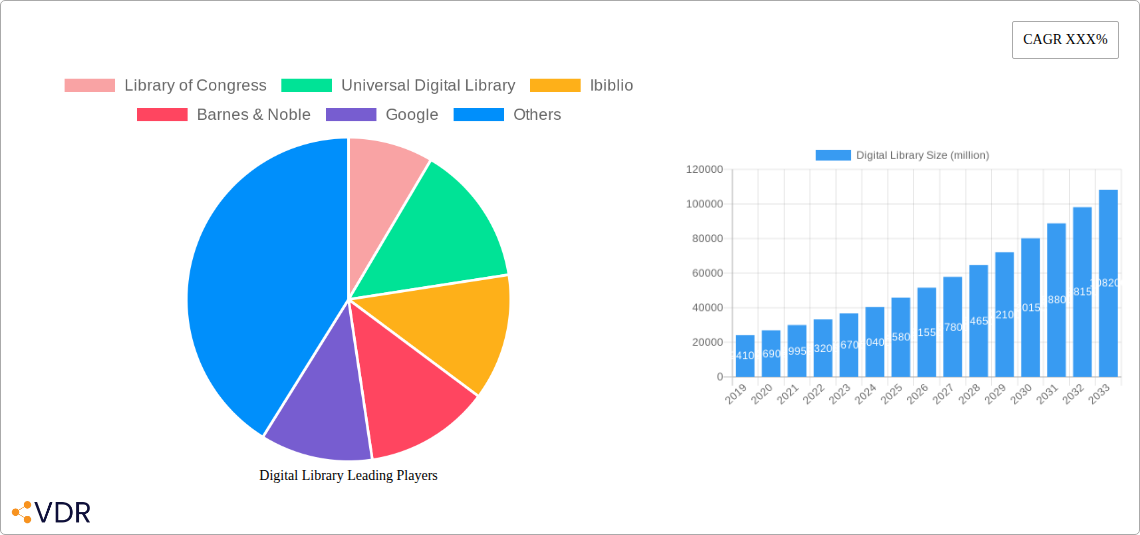
Digital Library Market Size (In Billion)

The market is strategically segmented by application into Public Libraries and Non-development Libraries, with Network Databases and Local Databases forming the key technological types. Public libraries are embracing digital transformation to cater to a wider audience, offering a wealth of digital resources. Network databases are dominating due to their scalability and accessibility, allowing for seamless content sharing and retrieval. Major players like Amazon, Google, and Microsoft are heavily investing in digital content and platforms, shaping the competitive landscape. While the market is brimming with opportunities, challenges such as digital divide, copyright concerns, and the cost of digitization infrastructure may present some restraints. Nevertheless, the overarching trend towards a knowledge-driven economy and the continuous innovation in digital library technologies signal a bright future for this dynamic market.
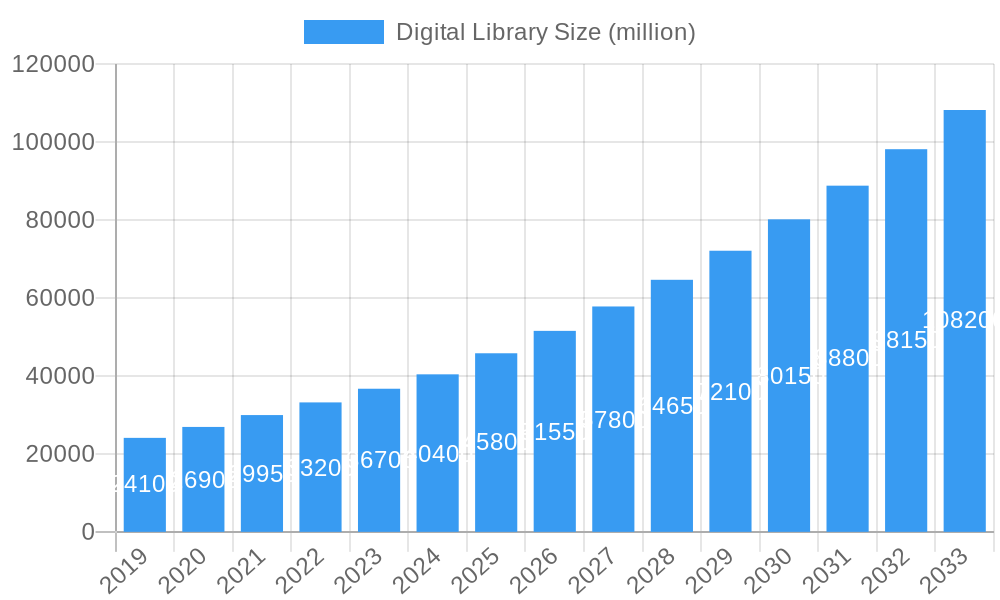
Digital Library Company Market Share
Digital Library Market Dynamics & Structure
The digital library market exhibits a dynamic yet moderately concentrated structure, characterized by significant technological innovation and evolving regulatory frameworks. Major players like Google, Amazon, and Microsoft dominate the landscape, leveraging their extensive infrastructure and vast digital content repositories. The competitive product substitute landscape includes traditional print media, educational technology platforms, and specialized archival services, though digital libraries offer unparalleled accessibility and searchability. End-user demographics are increasingly diverse, encompassing students, researchers, lifelong learners, and the general public, with a growing demand for mobile-friendly and personalized content delivery. Merger and acquisition (M&A) trends are notable, with consolidation aimed at expanding content portfolios and enhancing technological capabilities. For instance, acquisitions of smaller e-book publishers and digital archiving firms by larger tech giants have been observed, signaling a strategic push for market share.
- Market Concentration: Moderate, with a few key players holding substantial market share.
- Technological Innovation Drivers: AI-powered search, natural language processing for content analysis, cloud storage solutions, and enhanced user experience features.
- Regulatory Frameworks: Copyright laws, data privacy regulations (e.g., GDPR), and accessibility standards play a crucial role in shaping market operations.
- Competitive Product Substitutes: Traditional libraries, academic journals, online learning platforms, and physical book retailers.
- End-User Demographics: Students, researchers, educators, general readers, and institutions.
- M&A Trends: Strategic acquisitions to expand content libraries and technological capabilities.
Digital Library Growth Trends & Insights
The digital library market has witnessed substantial expansion over the historical period (2019–2024), driven by a confluence of technological advancements and shifting consumer preferences. The global digital library market size is projected to grow from an estimated $11,500 million in 2025 to $21,000 million by 2033, exhibiting a compound annual growth rate (CAGR) of approximately 7.8% during the forecast period (2025–2033). This robust growth is underpinned by the increasing digitalization of educational resources, the proliferation of e-readers and smart devices, and the growing adoption of cloud-based services for content storage and accessibility.
Adoption rates for digital library services are soaring across both public and academic institutions, with libraries increasingly investing in digital infrastructure and access to digital collections. This trend is further fueled by the convenience and cost-effectiveness that digital libraries offer compared to traditional, physical collections, especially for widespread dissemination and remote access. Technological disruptions, such as advancements in optical character recognition (OCR) for digitizing legacy content and the development of sophisticated metadata management systems, are enhancing the usability and discoverability of digital resources.
Consumer behavior has also undergone a significant transformation, with a marked preference for on-demand access to information and entertainment. This shift is particularly evident in the parent market for digital libraries, which encompasses the broader digital content consumption sector, and the child market, focusing specifically on institutional and individual library users. The demand for digital books, audiobooks, academic journals, and digitized historical archives has never been higher. Furthermore, the integration of digital libraries with other digital services, such as learning management systems (LMS) and research platforms, is creating synergistic growth opportunities. The estimated market penetration for digital library services in developed economies is expected to reach over 70% by 2030, highlighting the widespread integration into daily academic and personal lives.
Dominant Regions, Countries, or Segments in Digital Library
The digital library market's dominance is primarily shaped by regions and countries that have heavily invested in digital infrastructure, education, and technological innovation. North America has consistently emerged as a leading region, driven by the presence of major technology companies, well-established academic institutions, and a tech-savvy population with high digital literacy. Within North America, the United States stands out as a powerhouse, boasting significant market share due to extensive public library systems and leading research universities that are early adopters and heavy users of digital library services.
The Application segment of Public Library is a significant growth driver. Public libraries in North America, supported by government funding and private initiatives, are actively expanding their digital collections, offering e-books, audiobooks, and online databases to a broad user base. This accessibility fosters widespread adoption and sustained engagement. Similarly, the Type segment of Network Database is crucial for the market's expansion, facilitating seamless access to vast digital repositories from anywhere with an internet connection.
Key drivers behind North America's dominance include robust government initiatives promoting digital literacy and access to information, substantial investments in cloud computing infrastructure, and a strong intellectual property legal framework that encourages digital content creation and distribution. Furthermore, the presence of key industry players like Library of Congress, Google, and Amazon within the region fosters innovation and market development.
The parent market for digital libraries in North America benefits from a culture of continuous learning and a high demand for digital content across all age groups. The child market, particularly within academic and research sectors, thrives on the availability of comprehensive digital journals, archival materials, and specialized databases. Market share in this region is estimated to be around 35% of the global digital library market, with a projected growth potential that outpaces many other regions due to ongoing technological integration and increasing demand for remote learning and research solutions.
Digital Library Product Landscape
The digital library product landscape is characterized by continuous innovation aimed at enhancing user experience and content accessibility. Products range from comprehensive digital archives and e-book platforms to specialized research databases and multimedia repositories. Key technological advancements include AI-powered search algorithms that provide more relevant results, sophisticated recommendation engines personalizing content discovery, and robust digital rights management (DRM) solutions ensuring secure access to copyrighted materials. Performance metrics often focus on user engagement, download rates, and the breadth and depth of digitized collections. Unique selling propositions include cross-platform compatibility, offline access capabilities, and seamless integration with existing institutional systems.
Key Drivers, Barriers & Challenges in Digital Library
Key Drivers:
- Technological Advancements: The ongoing evolution of AI, cloud computing, and mobile technology facilitates enhanced accessibility and user experience.
- Growing Demand for Digital Content: Increasing preference for on-demand access to information and entertainment fuels market expansion.
- Digitalization Initiatives: Governments and educational institutions are actively digitizing their collections, expanding the available digital library resources.
- Cost-Effectiveness: Digital libraries offer a more scalable and cost-effective solution for content storage and distribution compared to physical libraries.
Barriers & Challenges:
- Copyright and Licensing Complexities: Navigating intricate copyright laws and licensing agreements for digital content poses significant hurdles.
- Digital Divide: Unequal access to high-speed internet and digital devices in certain regions limits market penetration.
- Preservation of Digital Assets: Ensuring the long-term integrity and accessibility of digital content presents ongoing technical challenges.
- Cybersecurity Threats: Protecting sensitive user data and digital collections from cyberattacks is a critical concern, with potential impacts on user trust.
Emerging Opportunities in Digital Library
Emerging opportunities in the digital library sector are primarily centered around personalized learning experiences, the expansion of multimedia content, and the integration with emerging technologies. The development of AI-driven personalized learning paths and adaptive content delivery systems presents a significant opportunity to cater to individual user needs. Furthermore, the growing demand for audiobooks, podcasts, and video-based educational materials opens avenues for richer, more engaging digital library offerings. The application of blockchain technology for digital rights management and content provenance also represents a nascent but promising area. Untapped markets in developing economies, with increasing internet penetration, also offer substantial growth potential.
Growth Accelerators in the Digital Library Industry
Several catalysts are accelerating the growth of the digital library industry. Technological breakthroughs in natural language processing and machine learning are enabling more intuitive and effective information retrieval. Strategic partnerships between content creators, technology providers, and educational institutions are expanding digital content libraries and user reach. Market expansion strategies focused on developing countries, where digital infrastructure is rapidly improving, are also key growth drivers. Furthermore, the increasing recognition of digital libraries as essential components of lifelong learning and research infrastructure by governments and funding bodies provides sustained momentum.
Key Players Shaping the Digital Library Market
- Library of Congress
- Universal Digital Library
- Ibiblio
- Barnes & Noble
- Bookboon
- Feedbooks
- Smashwords
- Amazon
- Microsoft
- Yahoo
Notable Milestones in Digital Library Sector
- 2019: Launch of enhanced AI-powered search functionalities by major platforms, improving content discovery.
- 2020: Significant surge in demand for digital library services due to the COVID-19 pandemic, accelerating adoption rates globally.
- 2021: Increased investment in cloud infrastructure for scalable digital content storage and distribution.
- 2022: Advancements in OCR technology leading to more accurate digitization of historical documents and books.
- 2023: Growing trend of partnerships between academic institutions and digital content providers to expand access to research materials.
- 2024: Emergence of personalized recommendation engines becoming standard features across leading digital library platforms.
In-Depth Digital Library Market Outlook
The future outlook for the digital library market is exceptionally promising, driven by sustained technological innovation and evolving user expectations. Growth accelerators, including sophisticated AI integration for personalized content discovery and delivery, are set to transform how users interact with digital resources. Strategic partnerships between technology giants and content creators will continue to broaden the scope and depth of available materials. Moreover, the increasing focus on digital inclusion and expanding internet access in developing regions presents significant untapped market potential. The ongoing digitalization of educational and cultural heritage content, coupled with the growing acceptance of digital formats for learning and research, positions the digital library market for robust and sustained expansion in the coming years.
Digital Library Segmentation
-
1. Application
- 1.1. Public Library
- 1.2. Non-development Library
-
2. Type
- 2.1. Network Database
- 2.2. Local Database
Digital Library Segmentation By Geography
-
1. North America
- 1.1. United States
- 1.2. Canada
- 1.3. Mexico
-
2. South America
- 2.1. Brazil
- 2.2. Argentina
- 2.3. Rest of South America
-
3. Europe
- 3.1. United Kingdom
- 3.2. Germany
- 3.3. France
- 3.4. Italy
- 3.5. Spain
- 3.6. Russia
- 3.7. Benelux
- 3.8. Nordics
- 3.9. Rest of Europe
-
4. Middle East & Africa
- 4.1. Turkey
- 4.2. Israel
- 4.3. GCC
- 4.4. North Africa
- 4.5. South Africa
- 4.6. Rest of Middle East & Africa
-
5. Asia Pacific
- 5.1. China
- 5.2. India
- 5.3. Japan
- 5.4. South Korea
- 5.5. ASEAN
- 5.6. Oceania
- 5.7. Rest of Asia Pacific
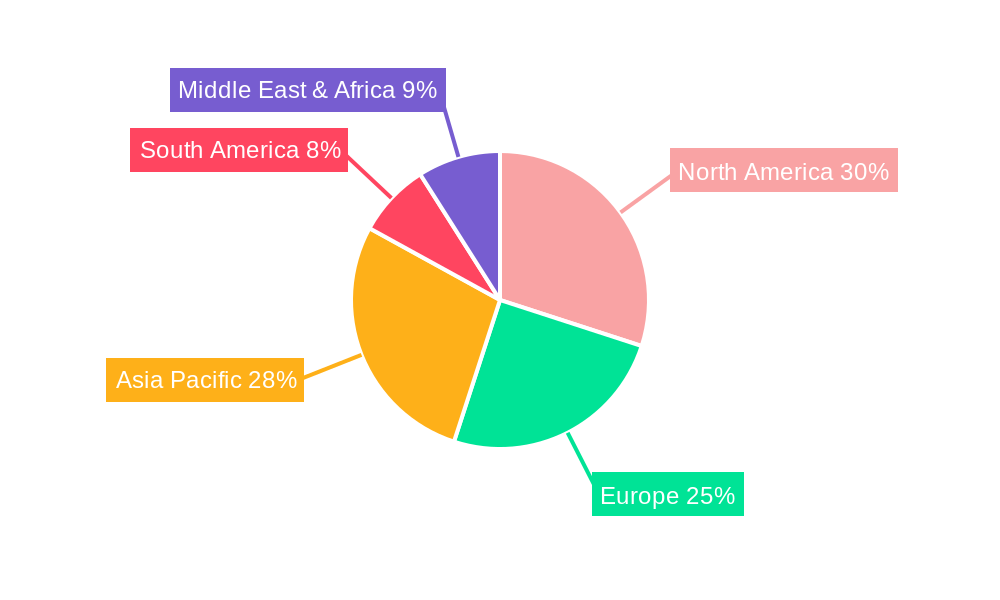
Digital Library Regional Market Share
Geographic Coverage of Digital Library
Digital Library REPORT HIGHLIGHTS
| Aspects | Details |
|---|---|
| Study Period | 2020-2034 |
| Base Year | 2025 |
| Estimated Year | 2026 |
| Forecast Period | 2026-2034 |
| Historical Period | 2020-2025 |
| Growth Rate | CAGR of XXX% from 2020-2034 |
| Segmentation |
|
Table of Contents
- 1. Introduction
- 1.1. Research Scope
- 1.2. Market Segmentation
- 1.3. Research Methodology
- 1.4. Definitions and Assumptions
- 2. Executive Summary
- 2.1. Introduction
- 3. Market Dynamics
- 3.1. Introduction
- 3.2. Market Drivers
- 3.3. Market Restrains
- 3.4. Market Trends
- 4. Market Factor Analysis
- 4.1. Porters Five Forces
- 4.2. Supply/Value Chain
- 4.3. PESTEL analysis
- 4.4. Market Entropy
- 4.5. Patent/Trademark Analysis
- 5. Global Digital Library Analysis, Insights and Forecast, 2020-2032
- 5.1. Market Analysis, Insights and Forecast - by Application
- 5.1.1. Public Library
- 5.1.2. Non-development Library
- 5.2. Market Analysis, Insights and Forecast - by Type
- 5.2.1. Network Database
- 5.2.2. Local Database
- 5.3. Market Analysis, Insights and Forecast - by Region
- 5.3.1. North America
- 5.3.2. South America
- 5.3.3. Europe
- 5.3.4. Middle East & Africa
- 5.3.5. Asia Pacific
- 5.1. Market Analysis, Insights and Forecast - by Application
- 6. North America Digital Library Analysis, Insights and Forecast, 2020-2032
- 6.1. Market Analysis, Insights and Forecast - by Application
- 6.1.1. Public Library
- 6.1.2. Non-development Library
- 6.2. Market Analysis, Insights and Forecast - by Type
- 6.2.1. Network Database
- 6.2.2. Local Database
- 6.1. Market Analysis, Insights and Forecast - by Application
- 7. South America Digital Library Analysis, Insights and Forecast, 2020-2032
- 7.1. Market Analysis, Insights and Forecast - by Application
- 7.1.1. Public Library
- 7.1.2. Non-development Library
- 7.2. Market Analysis, Insights and Forecast - by Type
- 7.2.1. Network Database
- 7.2.2. Local Database
- 7.1. Market Analysis, Insights and Forecast - by Application
- 8. Europe Digital Library Analysis, Insights and Forecast, 2020-2032
- 8.1. Market Analysis, Insights and Forecast - by Application
- 8.1.1. Public Library
- 8.1.2. Non-development Library
- 8.2. Market Analysis, Insights and Forecast - by Type
- 8.2.1. Network Database
- 8.2.2. Local Database
- 8.1. Market Analysis, Insights and Forecast - by Application
- 9. Middle East & Africa Digital Library Analysis, Insights and Forecast, 2020-2032
- 9.1. Market Analysis, Insights and Forecast - by Application
- 9.1.1. Public Library
- 9.1.2. Non-development Library
- 9.2. Market Analysis, Insights and Forecast - by Type
- 9.2.1. Network Database
- 9.2.2. Local Database
- 9.1. Market Analysis, Insights and Forecast - by Application
- 10. Asia Pacific Digital Library Analysis, Insights and Forecast, 2020-2032
- 10.1. Market Analysis, Insights and Forecast - by Application
- 10.1.1. Public Library
- 10.1.2. Non-development Library
- 10.2. Market Analysis, Insights and Forecast - by Type
- 10.2.1. Network Database
- 10.2.2. Local Database
- 10.1. Market Analysis, Insights and Forecast - by Application
- 11. Competitive Analysis
- 11.1. Global Market Share Analysis 2025
- 11.2. Company Profiles
- 11.2.1 Library of Congress
- 11.2.1.1. Overview
- 11.2.1.2. Products
- 11.2.1.3. SWOT Analysis
- 11.2.1.4. Recent Developments
- 11.2.1.5. Financials (Based on Availability)
- 11.2.2 Universal Digital Library
- 11.2.2.1. Overview
- 11.2.2.2. Products
- 11.2.2.3. SWOT Analysis
- 11.2.2.4. Recent Developments
- 11.2.2.5. Financials (Based on Availability)
- 11.2.3 Ibiblio
- 11.2.3.1. Overview
- 11.2.3.2. Products
- 11.2.3.3. SWOT Analysis
- 11.2.3.4. Recent Developments
- 11.2.3.5. Financials (Based on Availability)
- 11.2.4 Barnes & Noble
- 11.2.4.1. Overview
- 11.2.4.2. Products
- 11.2.4.3. SWOT Analysis
- 11.2.4.4. Recent Developments
- 11.2.4.5. Financials (Based on Availability)
- 11.2.5 Google
- 11.2.5.1. Overview
- 11.2.5.2. Products
- 11.2.5.3. SWOT Analysis
- 11.2.5.4. Recent Developments
- 11.2.5.5. Financials (Based on Availability)
- 11.2.6 Bookboon
- 11.2.6.1. Overview
- 11.2.6.2. Products
- 11.2.6.3. SWOT Analysis
- 11.2.6.4. Recent Developments
- 11.2.6.5. Financials (Based on Availability)
- 11.2.7 Feedbooks
- 11.2.7.1. Overview
- 11.2.7.2. Products
- 11.2.7.3. SWOT Analysis
- 11.2.7.4. Recent Developments
- 11.2.7.5. Financials (Based on Availability)
- 11.2.8 Smashwords
- 11.2.8.1. Overview
- 11.2.8.2. Products
- 11.2.8.3. SWOT Analysis
- 11.2.8.4. Recent Developments
- 11.2.8.5. Financials (Based on Availability)
- 11.2.9 Amazon
- 11.2.9.1. Overview
- 11.2.9.2. Products
- 11.2.9.3. SWOT Analysis
- 11.2.9.4. Recent Developments
- 11.2.9.5. Financials (Based on Availability)
- 11.2.10 Microsoft
- 11.2.10.1. Overview
- 11.2.10.2. Products
- 11.2.10.3. SWOT Analysis
- 11.2.10.4. Recent Developments
- 11.2.10.5. Financials (Based on Availability)
- 11.2.11 Yahoo
- 11.2.11.1. Overview
- 11.2.11.2. Products
- 11.2.11.3. SWOT Analysis
- 11.2.11.4. Recent Developments
- 11.2.11.5. Financials (Based on Availability)
- 11.2.1 Library of Congress
List of Figures
- Figure 1: Global Digital Library Revenue Breakdown (million, %) by Region 2025 & 2033
- Figure 2: North America Digital Library Revenue (million), by Application 2025 & 2033
- Figure 3: North America Digital Library Revenue Share (%), by Application 2025 & 2033
- Figure 4: North America Digital Library Revenue (million), by Type 2025 & 2033
- Figure 5: North America Digital Library Revenue Share (%), by Type 2025 & 2033
- Figure 6: North America Digital Library Revenue (million), by Country 2025 & 2033
- Figure 7: North America Digital Library Revenue Share (%), by Country 2025 & 2033
- Figure 8: South America Digital Library Revenue (million), by Application 2025 & 2033
- Figure 9: South America Digital Library Revenue Share (%), by Application 2025 & 2033
- Figure 10: South America Digital Library Revenue (million), by Type 2025 & 2033
- Figure 11: South America Digital Library Revenue Share (%), by Type 2025 & 2033
- Figure 12: South America Digital Library Revenue (million), by Country 2025 & 2033
- Figure 13: South America Digital Library Revenue Share (%), by Country 2025 & 2033
- Figure 14: Europe Digital Library Revenue (million), by Application 2025 & 2033
- Figure 15: Europe Digital Library Revenue Share (%), by Application 2025 & 2033
- Figure 16: Europe Digital Library Revenue (million), by Type 2025 & 2033
- Figure 17: Europe Digital Library Revenue Share (%), by Type 2025 & 2033
- Figure 18: Europe Digital Library Revenue (million), by Country 2025 & 2033
- Figure 19: Europe Digital Library Revenue Share (%), by Country 2025 & 2033
- Figure 20: Middle East & Africa Digital Library Revenue (million), by Application 2025 & 2033
- Figure 21: Middle East & Africa Digital Library Revenue Share (%), by Application 2025 & 2033
- Figure 22: Middle East & Africa Digital Library Revenue (million), by Type 2025 & 2033
- Figure 23: Middle East & Africa Digital Library Revenue Share (%), by Type 2025 & 2033
- Figure 24: Middle East & Africa Digital Library Revenue (million), by Country 2025 & 2033
- Figure 25: Middle East & Africa Digital Library Revenue Share (%), by Country 2025 & 2033
- Figure 26: Asia Pacific Digital Library Revenue (million), by Application 2025 & 2033
- Figure 27: Asia Pacific Digital Library Revenue Share (%), by Application 2025 & 2033
- Figure 28: Asia Pacific Digital Library Revenue (million), by Type 2025 & 2033
- Figure 29: Asia Pacific Digital Library Revenue Share (%), by Type 2025 & 2033
- Figure 30: Asia Pacific Digital Library Revenue (million), by Country 2025 & 2033
- Figure 31: Asia Pacific Digital Library Revenue Share (%), by Country 2025 & 2033
List of Tables
- Table 1: Global Digital Library Revenue million Forecast, by Application 2020 & 2033
- Table 2: Global Digital Library Revenue million Forecast, by Type 2020 & 2033
- Table 3: Global Digital Library Revenue million Forecast, by Region 2020 & 2033
- Table 4: Global Digital Library Revenue million Forecast, by Application 2020 & 2033
- Table 5: Global Digital Library Revenue million Forecast, by Type 2020 & 2033
- Table 6: Global Digital Library Revenue million Forecast, by Country 2020 & 2033
- Table 7: United States Digital Library Revenue (million) Forecast, by Application 2020 & 2033
- Table 8: Canada Digital Library Revenue (million) Forecast, by Application 2020 & 2033
- Table 9: Mexico Digital Library Revenue (million) Forecast, by Application 2020 & 2033
- Table 10: Global Digital Library Revenue million Forecast, by Application 2020 & 2033
- Table 11: Global Digital Library Revenue million Forecast, by Type 2020 & 2033
- Table 12: Global Digital Library Revenue million Forecast, by Country 2020 & 2033
- Table 13: Brazil Digital Library Revenue (million) Forecast, by Application 2020 & 2033
- Table 14: Argentina Digital Library Revenue (million) Forecast, by Application 2020 & 2033
- Table 15: Rest of South America Digital Library Revenue (million) Forecast, by Application 2020 & 2033
- Table 16: Global Digital Library Revenue million Forecast, by Application 2020 & 2033
- Table 17: Global Digital Library Revenue million Forecast, by Type 2020 & 2033
- Table 18: Global Digital Library Revenue million Forecast, by Country 2020 & 2033
- Table 19: United Kingdom Digital Library Revenue (million) Forecast, by Application 2020 & 2033
- Table 20: Germany Digital Library Revenue (million) Forecast, by Application 2020 & 2033
- Table 21: France Digital Library Revenue (million) Forecast, by Application 2020 & 2033
- Table 22: Italy Digital Library Revenue (million) Forecast, by Application 2020 & 2033
- Table 23: Spain Digital Library Revenue (million) Forecast, by Application 2020 & 2033
- Table 24: Russia Digital Library Revenue (million) Forecast, by Application 2020 & 2033
- Table 25: Benelux Digital Library Revenue (million) Forecast, by Application 2020 & 2033
- Table 26: Nordics Digital Library Revenue (million) Forecast, by Application 2020 & 2033
- Table 27: Rest of Europe Digital Library Revenue (million) Forecast, by Application 2020 & 2033
- Table 28: Global Digital Library Revenue million Forecast, by Application 2020 & 2033
- Table 29: Global Digital Library Revenue million Forecast, by Type 2020 & 2033
- Table 30: Global Digital Library Revenue million Forecast, by Country 2020 & 2033
- Table 31: Turkey Digital Library Revenue (million) Forecast, by Application 2020 & 2033
- Table 32: Israel Digital Library Revenue (million) Forecast, by Application 2020 & 2033
- Table 33: GCC Digital Library Revenue (million) Forecast, by Application 2020 & 2033
- Table 34: North Africa Digital Library Revenue (million) Forecast, by Application 2020 & 2033
- Table 35: South Africa Digital Library Revenue (million) Forecast, by Application 2020 & 2033
- Table 36: Rest of Middle East & Africa Digital Library Revenue (million) Forecast, by Application 2020 & 2033
- Table 37: Global Digital Library Revenue million Forecast, by Application 2020 & 2033
- Table 38: Global Digital Library Revenue million Forecast, by Type 2020 & 2033
- Table 39: Global Digital Library Revenue million Forecast, by Country 2020 & 2033
- Table 40: China Digital Library Revenue (million) Forecast, by Application 2020 & 2033
- Table 41: India Digital Library Revenue (million) Forecast, by Application 2020 & 2033
- Table 42: Japan Digital Library Revenue (million) Forecast, by Application 2020 & 2033
- Table 43: South Korea Digital Library Revenue (million) Forecast, by Application 2020 & 2033
- Table 44: ASEAN Digital Library Revenue (million) Forecast, by Application 2020 & 2033
- Table 45: Oceania Digital Library Revenue (million) Forecast, by Application 2020 & 2033
- Table 46: Rest of Asia Pacific Digital Library Revenue (million) Forecast, by Application 2020 & 2033
Frequently Asked Questions
1. What is the projected Compound Annual Growth Rate (CAGR) of the Digital Library?
The projected CAGR is approximately XXX%.
2. Which companies are prominent players in the Digital Library?
Key companies in the market include Library of Congress, Universal Digital Library, Ibiblio, Barnes & Noble, Google, Bookboon, Feedbooks, Smashwords, Amazon, Microsoft, Yahoo.
3. What are the main segments of the Digital Library?
The market segments include Application, Type.
4. Can you provide details about the market size?
The market size is estimated to be USD XXX million as of 2022.
5. What are some drivers contributing to market growth?
N/A
6. What are the notable trends driving market growth?
N/A
7. Are there any restraints impacting market growth?
N/A
8. Can you provide examples of recent developments in the market?
N/A
9. What pricing options are available for accessing the report?
Pricing options include single-user, multi-user, and enterprise licenses priced at USD 4250.00, USD 6375.00, and USD 8500.00 respectively.
10. Is the market size provided in terms of value or volume?
The market size is provided in terms of value, measured in million.
11. Are there any specific market keywords associated with the report?
Yes, the market keyword associated with the report is "Digital Library," which aids in identifying and referencing the specific market segment covered.
12. How do I determine which pricing option suits my needs best?
The pricing options vary based on user requirements and access needs. Individual users may opt for single-user licenses, while businesses requiring broader access may choose multi-user or enterprise licenses for cost-effective access to the report.
13. Are there any additional resources or data provided in the Digital Library report?
While the report offers comprehensive insights, it's advisable to review the specific contents or supplementary materials provided to ascertain if additional resources or data are available.
14. How can I stay updated on further developments or reports in the Digital Library?
To stay informed about further developments, trends, and reports in the Digital Library, consider subscribing to industry newsletters, following relevant companies and organizations, or regularly checking reputable industry news sources and publications.
Methodology
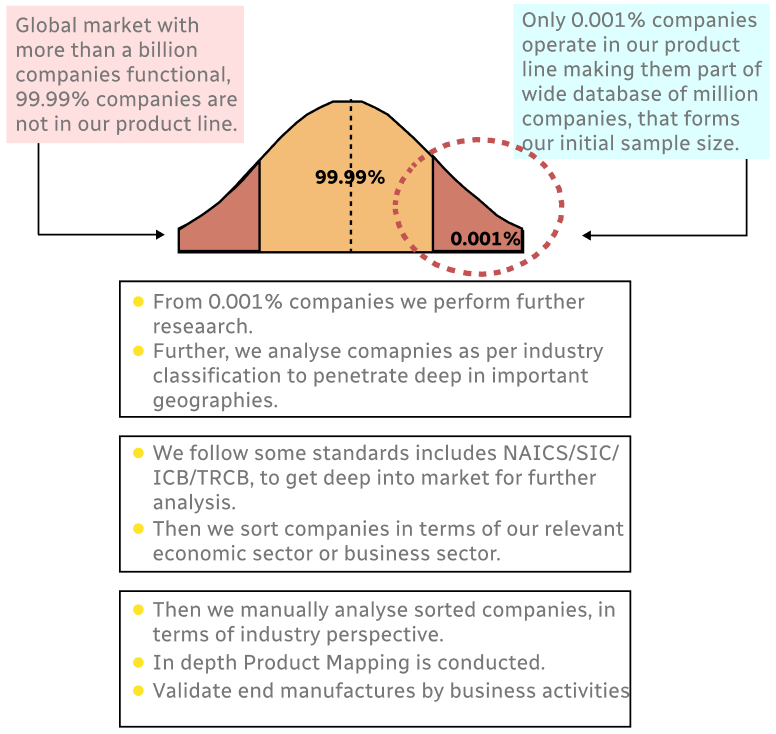
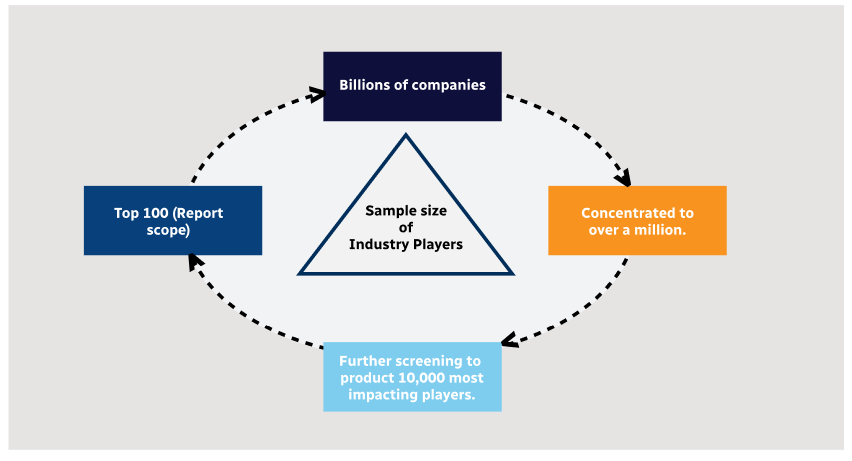
Step 1 - Identification of Relevant Samples Size from Population Database
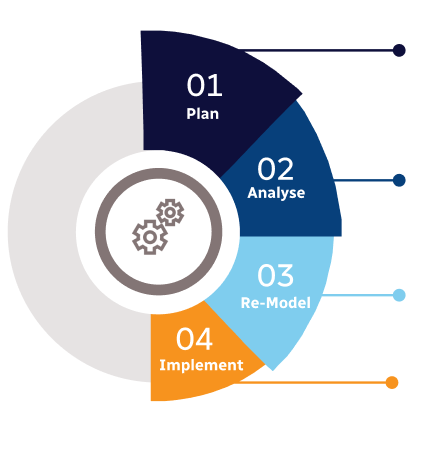
Step 2 - Approaches for Defining Global Market Size (Value, Volume* & Price*)
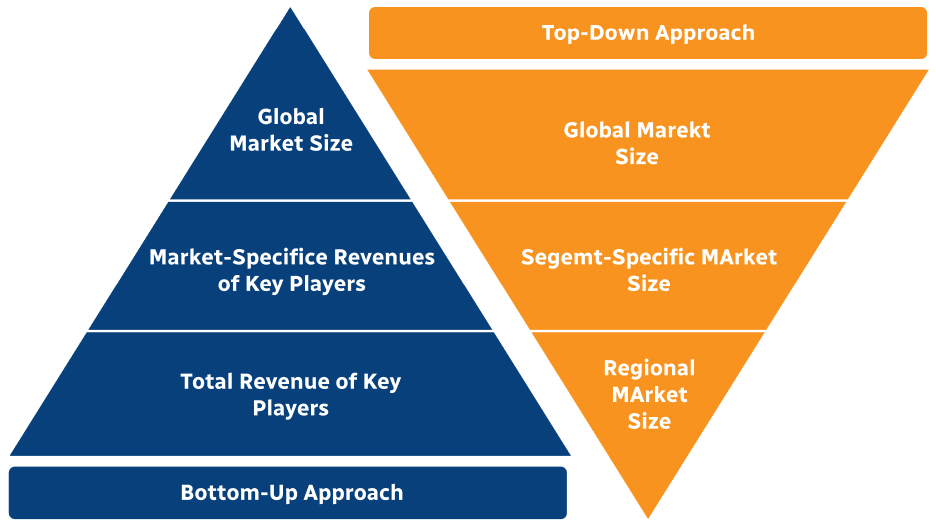
Note*: In applicable scenarios
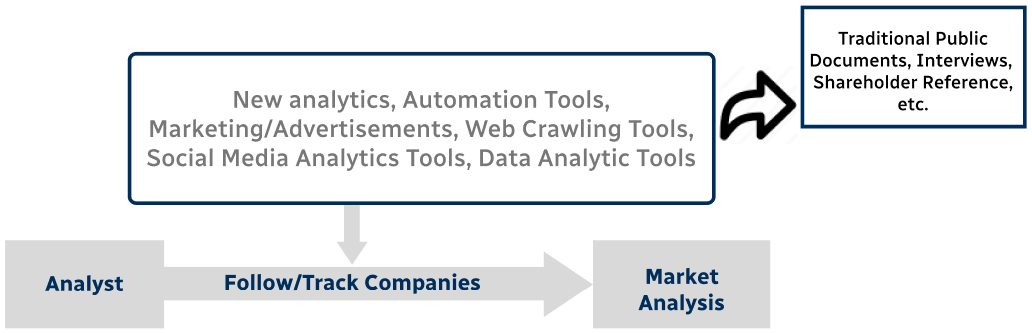
Step 3 - Data Sources
Primary Research
- Web Analytics
- Survey Reports
- Research Institute
- Latest Research Reports
- Opinion Leaders
Secondary Research
- Annual Reports
- White Paper
- Latest Press Release
- Industry Association
- Paid Database
- Investor Presentations
Step 4 - Data Triangulation
Involves using different sources of information in order to increase the validity of a study
These sources are likely to be stakeholders in a program - participants, other researchers, program staff, other community members, and so on.
Then we put all data in single framework & apply various statistical tools to find out the dynamic on the market.
During the analysis stage, feedback from the stakeholder groups would be compared to determine areas of agreement as well as areas of divergence