


Key Insights
The global custom clothing market is experiencing robust growth, driven by increasing consumer demand for personalized fashion and a shift away from fast fashion. With a projected market size of $60 billion and a Compound Annual Growth Rate (CAGR) of 9.56% from 2025 to 2033, the industry is poised for significant expansion. This upward trend is fueled by evolving consumer preferences for unique apparel, the growing influence of social media in showcasing personalized styles, and advancements in tailoring technologies. The demand for bespoke garments spans various applications, from everyday wear to specialized personal use, with overcoats, skirts, pants, and shirts being prominent segments. Leading companies like Ermenegildo Zegna, Ralph Lauren, and Brioni offer high-end bespoke experiences, while emerging players such as INDOCHINO and Tailorman democratize custom apparel with accessible online platforms and efficient production processes. The proliferation of online customization tools and increasing accessibility of tailored services are key enablers of this market's expansion.
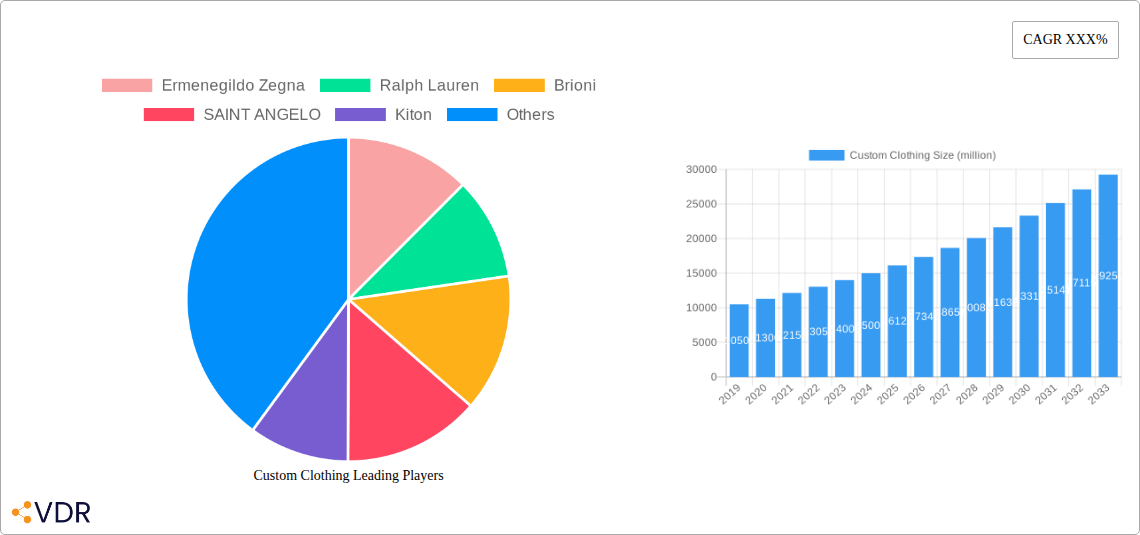
Custom Clothing Market Size (In Billion)

Geographically, the Asia Pacific region, particularly China and India, is emerging as a dominant force due to its large population, burgeoning middle class, and growing appreciation for personalized fashion. North America and Europe also represent significant markets, characterized by established luxury brands and a strong consumer base for premium custom-made clothing. However, the market faces restraints, including the higher cost of custom apparel compared to mass-produced items and potential longer lead times. Nonetheless, the overarching trend towards sustainability and conscious consumption, favoring durable, well-fitted, and personalized garments over disposable fashion, is a powerful tailwind for the custom clothing sector. The integration of innovative fabric technologies and digital fitting solutions further enhances the customer experience, solidifying the market's positive outlook.
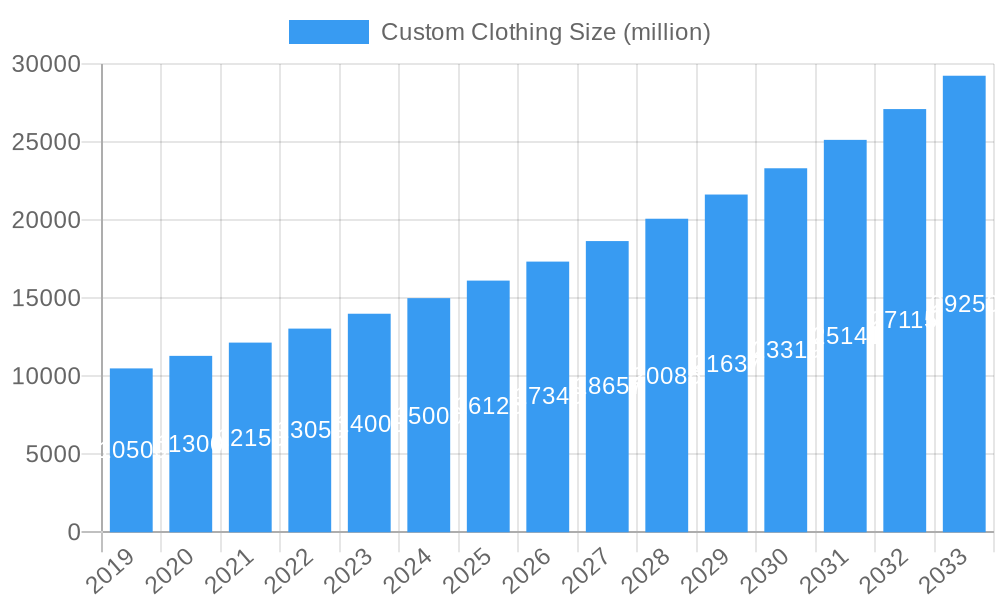
Custom Clothing Company Market Share
Here is a compelling, SEO-optimized report description for the Custom Clothing market, designed for industry professionals:
Custom Clothing Market Dynamics & Structure
The global custom clothing market is characterized by a dynamic interplay of established luxury brands and emerging tech-enabled players, exhibiting a moderate concentration level. Technological innovations in areas such as 3D body scanning, AI-powered design tools, and advanced fabric technologies are key drivers, lowering production barriers and enhancing personalization. Regulatory frameworks, primarily concerning material sourcing and ethical manufacturing, are evolving to support sustainability initiatives, indirectly influencing market growth. While direct product substitutes are limited for bespoke garments, fast fashion and mass-produced alternatives pose indirect competitive pressures. End-user demographics are increasingly shifting towards digitally-savvy millennials and Gen Z consumers who prioritize unique self-expression and sustainable consumption. Merger and acquisition (M&A) activities are steadily rising, with larger players acquiring innovative startups to gain technological prowess and market reach.
Custom Clothing Growth Trends & Insights
The custom clothing market is poised for significant expansion, driven by a confluence of evolving consumer preferences and technological advancements. The market size is projected to witness substantial growth, fueled by increasing demand for personalized apparel that reflects individual style and values. Adoption rates for bespoke services, particularly among online channels, are accelerating as consumers become more comfortable with virtual fittings and made-to-measure processes. Technological disruptions, including the integration of AI for design recommendations and the use of blockchain for supply chain transparency, are revolutionizing the industry, making custom clothing more accessible and efficient. Consumer behavior shifts are central to this growth, with a pronounced move away from disposable fashion towards investment pieces that offer longevity and a unique narrative. The emphasis on sustainability and ethical production is further amplifying the appeal of custom garments, which often involve more conscious material sourcing and reduced waste compared to mass production. This market is not just about apparel; it's about an experience of co-creation and self-expression. The projected Compound Annual Growth Rate (CAGR) is estimated at 9.56% for the forecast period of 2025–2033, with market penetration expected to reach 25% in developed economies by 2033. Historical data from 2019–2024 indicates a steady upward trajectory, with online custom tailoring services showing a 15% year-on-year growth.
Dominant Regions, Countries, or Segments in Custom Clothing
North America, particularly the United States, is currently the dominant region driving growth in the global custom clothing market. This dominance is underpinned by a strong consumer base with high disposable income, a culture that values individuality and self-expression, and significant adoption of e-commerce for apparel purchases. Within the Application segment, the "Personal" category is the primary growth engine, reflecting individual consumers seeking bespoke garments for special occasions, professional wear, and everyday fashion. The "Clothing Store" segment also contributes, with many retailers integrating custom tailoring services to enhance customer experience and offer unique product lines.
Key drivers for North American dominance include:
In terms of Type, "Shirt" and "Pants" are experiencing significant traction due to their everyday wearability and the clear benefits of a perfect fit. However, "Overcoats" are gaining momentum as consumers seek high-quality, durable, and personalized outerwear. The market share for custom shirts in North America is estimated at 30%, with pants at 25%. The growth potential in this region remains substantial, with an anticipated CAGR of 13% for the forecast period. Emerging markets in Asia, particularly China, are rapidly gaining ground, driven by a burgeoning middle class and increasing brand consciousness, with companies like SAINT ANGELO and JOEONE leading domestic market share.
Custom Clothing Product Landscape
The custom clothing product landscape is defined by an unwavering commitment to superior craftsmanship, material quality, and personalized design. Innovations in fabric technology, such as performance-enhancing materials and sustainable textiles like organic cotton and recycled polyester, are increasingly integrated into bespoke garments. Applications range from formal wear, including custom suits and shirts tailored for professional settings, to casual wear like personalized denim and outerwear. Performance metrics are evaluated not only on fit and comfort but also on durability, breathability, and aesthetic appeal, with unique selling propositions often revolving around the distinctiveness of the final garment and the immersive client experience. Technological advancements in digital pattern making and virtual try-on solutions further enhance the precision and convenience of creating custom apparel.
Key Drivers, Barriers & Challenges in Custom Clothing
The custom clothing industry is propelled by several key drivers, including escalating demand for personalized products, growing awareness of sustainable fashion practices, and widespread adoption of digital technologies that facilitate remote ordering and production. Technologically, advancements in 3D body scanning and AI-driven design platforms make bespoke services more accessible and efficient. Economically, rising disposable incomes in key markets enable consumers to invest in higher-quality, personalized apparel.
Conversely, the market faces significant barriers and challenges. Supply chain disruptions, particularly for specialized fabrics and trims, can impact production timelines and costs. The initial investment in specialized technology and skilled artisans can be a barrier to entry for new businesses. Intense competition from both established luxury brands and agile online retailers, coupled with price sensitivity in certain market segments, adds to competitive pressure. Regulatory hurdles related to material sourcing and international trade also pose challenges.
Emerging Opportunities in Custom Clothing
Emerging opportunities in the custom clothing market are centered around expanding the accessibility and inclusivity of bespoke services. Untapped markets in developing economies, where a rising middle class increasingly seeks differentiated fashion experiences, present significant growth potential. Innovative applications, such as personalized adaptive clothing for individuals with disabilities and technologically enhanced garments with integrated smart features, are poised to capture niche segments. Evolving consumer preferences are also creating opportunities for hyper-personalization, where garments are not only tailored to fit but also to reflect specific lifestyle needs and ethical considerations. The integration of virtual reality (VR) for immersive design consultations and augmented reality (AR) for virtual try-ons offers new avenues for customer engagement and reduced return rates.
Growth Accelerators in the Custom Clothing Industry
Several growth accelerators are poised to propel the custom clothing industry forward. Technological breakthroughs, particularly in AI for predictive styling, automated pattern generation, and advanced material science, will continue to enhance efficiency and customization possibilities. Strategic partnerships between traditional tailors and technology providers, or between fashion houses and sustainable material innovators, will foster innovation and market expansion. Furthermore, aggressive market expansion strategies targeting emerging economies and focusing on building strong online presences and seamless omnichannel experiences will unlock new customer bases. The growing consumer demand for transparency in sourcing and production, coupled with a desire for unique, story-driven garments, will further accelerate the adoption of custom clothing solutions.
Key Players Shaping the Custom Clothing Market
Notable Milestones in Custom Clothing Sector
In-Depth Custom Clothing Market Outlook
The future outlook for the custom clothing market is exceptionally bright, fueled by a sustained surge in consumer demand for personalized, high-quality, and ethically produced apparel. Growth accelerators such as advancements in AI for design and fitting, coupled with the ongoing expansion of e-commerce platforms offering seamless virtual experiences, will continue to democratize bespoke fashion. Strategic partnerships and market expansion into underserved regions will further broaden the industry's reach. The increasing consumer consciousness regarding sustainability and the desire for garments with unique narratives will solidify custom clothing's position as a preferred choice for discerning individuals, ensuring robust long-term growth and innovation.
- Market Concentration: Moderate, with a blend of large, established luxury houses and agile online bespoke retailers.
- Technological Innovation: Driven by 3D scanning, AI design, and sustainable material research.
- Regulatory Frameworks: Focus on ethical sourcing, sustainability certifications, and consumer data privacy.
- Competitive Substitutes: Indirect competition from mass-produced apparel and fast fashion brands.
- End-User Demographics: Growing demand from younger, tech-literate consumers valuing personalization and sustainability.
- M&A Trends: Increasing consolidation, particularly with established brands acquiring innovative tech firms.
- Economic Policies: Favorable economic conditions and a robust retail sector that encourages premium product offerings.
- Infrastructure: Advanced e-commerce infrastructure and widespread internet penetration facilitate online custom orders.
- Consumer Preferences: A strong cultural emphasis on personal branding and unique fashion statements.
- Technological Adoption: High receptiveness to innovative technologies like 3D body scanning and AI-driven personalization.
- Key Drivers:
- Personalization Demand: Consumers seeking unique self-expression.
- Sustainability Focus: Growing preference for ethical and eco-friendly fashion.
- Digital Transformation: E-commerce and advanced fitting technologies.
- Premiumization Trend: Consumers willing to invest in quality and longevity.
- Key Barriers & Challenges:
- Supply Chain Volatility: Disruptions impacting material availability and lead times.
- High Initial Investment: Costs associated with technology and skilled labor.
- Intense Competition: From both luxury and online bespoke players.
- Price Sensitivity: Balancing quality with affordability for broader appeal.
- Regulatory Compliance: Navigating international trade and material standards.
- Ermenegildo Zegna
- Ralph Lauren
- Brioni
- SAINT ANGELO
- Kiton
- Stefano Ricci
- Tom Ford
- INDOCHINO
- JOEONE
- Cesare Attolini
- Qingdao Kute Intelligent
- YOUNGOR
- Oxxford
- Tailorman
- Silk Threads
- Bombay Shirt Company
- Gieves&Hawkes (G&H)
- Herringbone & Sui
- 2019: Increased investment in 3D body scanning technology by major bespoke brands.
- 2020: Surge in online custom tailoring services due to pandemic-driven shift to remote shopping.
- 2021: Launch of AI-powered design recommendation tools by several online custom clothiers.
- 2022: Growing emphasis on sustainable material sourcing and transparent supply chains in bespoke fashion.
- 2023: Expansion of custom fit services into broader apparel categories beyond traditional suiting.
- 2024: Increased M&A activity as larger fashion groups acquire innovative custom clothing startups.
Custom Clothing Segmentation
-
1. Application
- 1.1. Clothing Store
- 1.2. Personal
-
2. Type
- 2.1. Overcoat
- 2.2. Skirt
- 2.3. Pants
- 2.4. Shirt
- 2.5. Cowboy
- 2.6. Others
Custom Clothing Segmentation By Geography
-
1. North America
- 1.1. United States
- 1.2. Canada
- 1.3. Mexico
-
2. South America
- 2.1. Brazil
- 2.2. Argentina
- 2.3. Rest of South America
-
3. Europe
- 3.1. United Kingdom
- 3.2. Germany
- 3.3. France
- 3.4. Italy
- 3.5. Spain
- 3.6. Russia
- 3.7. Benelux
- 3.8. Nordics
- 3.9. Rest of Europe
-
4. Middle East & Africa
- 4.1. Turkey
- 4.2. Israel
- 4.3. GCC
- 4.4. North Africa
- 4.5. South Africa
- 4.6. Rest of Middle East & Africa
-
5. Asia Pacific
- 5.1. China
- 5.2. India
- 5.3. Japan
- 5.4. South Korea
- 5.5. ASEAN
- 5.6. Oceania
- 5.7. Rest of Asia Pacific
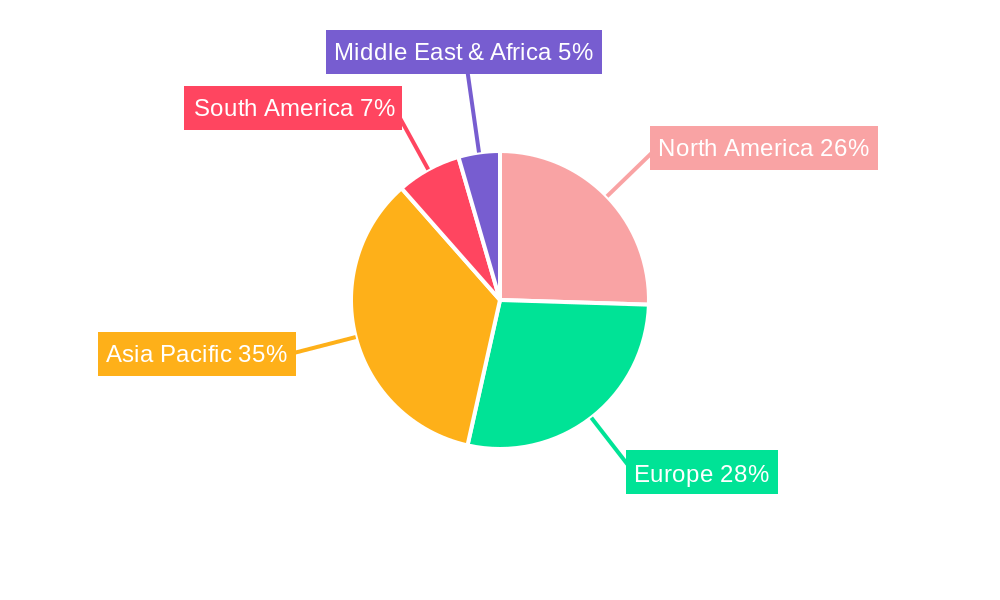
Custom Clothing Regional Market Share
Geographic Coverage of Custom Clothing
Custom Clothing REPORT HIGHLIGHTS
| Aspects | Details |
|---|---|
| Study Period | 2020-2034 |
| Base Year | 2025 |
| Estimated Year | 2026 |
| Forecast Period | 2026-2034 |
| Historical Period | 2020-2025 |
| Growth Rate | CAGR of 9.56% from 2020-2034 |
| Segmentation |
|
Table of Contents
- 1. Introduction
- 1.1. Research Scope
- 1.2. Market Segmentation
- 1.3. Research Methodology
- 1.4. Definitions and Assumptions
- 2. Executive Summary
- 2.1. Introduction
- 3. Market Dynamics
- 3.1. Introduction
- 3.2. Market Drivers
- 3.3. Market Restrains
- 3.4. Market Trends
- 4. Market Factor Analysis
- 4.1. Porters Five Forces
- 4.2. Supply/Value Chain
- 4.3. PESTEL analysis
- 4.4. Market Entropy
- 4.5. Patent/Trademark Analysis
- 5. Global Custom Clothing Analysis, Insights and Forecast, 2020-2032
- 5.1. Market Analysis, Insights and Forecast - by Application
- 5.1.1. Clothing Store
- 5.1.2. Personal
- 5.2. Market Analysis, Insights and Forecast - by Type
- 5.2.1. Overcoat
- 5.2.2. Skirt
- 5.2.3. Pants
- 5.2.4. Shirt
- 5.2.5. Cowboy
- 5.2.6. Others
- 5.3. Market Analysis, Insights and Forecast - by Region
- 5.3.1. North America
- 5.3.2. South America
- 5.3.3. Europe
- 5.3.4. Middle East & Africa
- 5.3.5. Asia Pacific
- 5.1. Market Analysis, Insights and Forecast - by Application
- 6. North America Custom Clothing Analysis, Insights and Forecast, 2020-2032
- 6.1. Market Analysis, Insights and Forecast - by Application
- 6.1.1. Clothing Store
- 6.1.2. Personal
- 6.2. Market Analysis, Insights and Forecast - by Type
- 6.2.1. Overcoat
- 6.2.2. Skirt
- 6.2.3. Pants
- 6.2.4. Shirt
- 6.2.5. Cowboy
- 6.2.6. Others
- 6.1. Market Analysis, Insights and Forecast - by Application
- 7. South America Custom Clothing Analysis, Insights and Forecast, 2020-2032
- 7.1. Market Analysis, Insights and Forecast - by Application
- 7.1.1. Clothing Store
- 7.1.2. Personal
- 7.2. Market Analysis, Insights and Forecast - by Type
- 7.2.1. Overcoat
- 7.2.2. Skirt
- 7.2.3. Pants
- 7.2.4. Shirt
- 7.2.5. Cowboy
- 7.2.6. Others
- 7.1. Market Analysis, Insights and Forecast - by Application
- 8. Europe Custom Clothing Analysis, Insights and Forecast, 2020-2032
- 8.1. Market Analysis, Insights and Forecast - by Application
- 8.1.1. Clothing Store
- 8.1.2. Personal
- 8.2. Market Analysis, Insights and Forecast - by Type
- 8.2.1. Overcoat
- 8.2.2. Skirt
- 8.2.3. Pants
- 8.2.4. Shirt
- 8.2.5. Cowboy
- 8.2.6. Others
- 8.1. Market Analysis, Insights and Forecast - by Application
- 9. Middle East & Africa Custom Clothing Analysis, Insights and Forecast, 2020-2032
- 9.1. Market Analysis, Insights and Forecast - by Application
- 9.1.1. Clothing Store
- 9.1.2. Personal
- 9.2. Market Analysis, Insights and Forecast - by Type
- 9.2.1. Overcoat
- 9.2.2. Skirt
- 9.2.3. Pants
- 9.2.4. Shirt
- 9.2.5. Cowboy
- 9.2.6. Others
- 9.1. Market Analysis, Insights and Forecast - by Application
- 10. Asia Pacific Custom Clothing Analysis, Insights and Forecast, 2020-2032
- 10.1. Market Analysis, Insights and Forecast - by Application
- 10.1.1. Clothing Store
- 10.1.2. Personal
- 10.2. Market Analysis, Insights and Forecast - by Type
- 10.2.1. Overcoat
- 10.2.2. Skirt
- 10.2.3. Pants
- 10.2.4. Shirt
- 10.2.5. Cowboy
- 10.2.6. Others
- 10.1. Market Analysis, Insights and Forecast - by Application
- 11. Competitive Analysis
- 11.1. Global Market Share Analysis 2025
- 11.2. Company Profiles
- 11.2.1 Ermenegildo Zegna
- 11.2.1.1. Overview
- 11.2.1.2. Products
- 11.2.1.3. SWOT Analysis
- 11.2.1.4. Recent Developments
- 11.2.1.5. Financials (Based on Availability)
- 11.2.2 Ralph Lauren
- 11.2.2.1. Overview
- 11.2.2.2. Products
- 11.2.2.3. SWOT Analysis
- 11.2.2.4. Recent Developments
- 11.2.2.5. Financials (Based on Availability)
- 11.2.3 Brioni
- 11.2.3.1. Overview
- 11.2.3.2. Products
- 11.2.3.3. SWOT Analysis
- 11.2.3.4. Recent Developments
- 11.2.3.5. Financials (Based on Availability)
- 11.2.4 SAINT ANGELO
- 11.2.4.1. Overview
- 11.2.4.2. Products
- 11.2.4.3. SWOT Analysis
- 11.2.4.4. Recent Developments
- 11.2.4.5. Financials (Based on Availability)
- 11.2.5 Kiton
- 11.2.5.1. Overview
- 11.2.5.2. Products
- 11.2.5.3. SWOT Analysis
- 11.2.5.4. Recent Developments
- 11.2.5.5. Financials (Based on Availability)
- 11.2.6 Stefano Ricci
- 11.2.6.1. Overview
- 11.2.6.2. Products
- 11.2.6.3. SWOT Analysis
- 11.2.6.4. Recent Developments
- 11.2.6.5. Financials (Based on Availability)
- 11.2.7 Tom Ford
- 11.2.7.1. Overview
- 11.2.7.2. Products
- 11.2.7.3. SWOT Analysis
- 11.2.7.4. Recent Developments
- 11.2.7.5. Financials (Based on Availability)
- 11.2.8 INDOCHINO
- 11.2.8.1. Overview
- 11.2.8.2. Products
- 11.2.8.3. SWOT Analysis
- 11.2.8.4. Recent Developments
- 11.2.8.5. Financials (Based on Availability)
- 11.2.9 JOEONE
- 11.2.9.1. Overview
- 11.2.9.2. Products
- 11.2.9.3. SWOT Analysis
- 11.2.9.4. Recent Developments
- 11.2.9.5. Financials (Based on Availability)
- 11.2.10 Cesare Attolini
- 11.2.10.1. Overview
- 11.2.10.2. Products
- 11.2.10.3. SWOT Analysis
- 11.2.10.4. Recent Developments
- 11.2.10.5. Financials (Based on Availability)
- 11.2.11 Qingdao Kute Intelligent
- 11.2.11.1. Overview
- 11.2.11.2. Products
- 11.2.11.3. SWOT Analysis
- 11.2.11.4. Recent Developments
- 11.2.11.5. Financials (Based on Availability)
- 11.2.12 YOUNGOR
- 11.2.12.1. Overview
- 11.2.12.2. Products
- 11.2.12.3. SWOT Analysis
- 11.2.12.4. Recent Developments
- 11.2.12.5. Financials (Based on Availability)
- 11.2.13 Oxxford
- 11.2.13.1. Overview
- 11.2.13.2. Products
- 11.2.13.3. SWOT Analysis
- 11.2.13.4. Recent Developments
- 11.2.13.5. Financials (Based on Availability)
- 11.2.14 Tailorman
- 11.2.14.1. Overview
- 11.2.14.2. Products
- 11.2.14.3. SWOT Analysis
- 11.2.14.4. Recent Developments
- 11.2.14.5. Financials (Based on Availability)
- 11.2.15 Silk Threads
- 11.2.15.1. Overview
- 11.2.15.2. Products
- 11.2.15.3. SWOT Analysis
- 11.2.15.4. Recent Developments
- 11.2.15.5. Financials (Based on Availability)
- 11.2.16 Bombay Shirt Company
- 11.2.16.1. Overview
- 11.2.16.2. Products
- 11.2.16.3. SWOT Analysis
- 11.2.16.4. Recent Developments
- 11.2.16.5. Financials (Based on Availability)
- 11.2.17 Gieves&Hawkes (G&H)
- 11.2.17.1. Overview
- 11.2.17.2. Products
- 11.2.17.3. SWOT Analysis
- 11.2.17.4. Recent Developments
- 11.2.17.5. Financials (Based on Availability)
- 11.2.18 Herringbone & Sui
- 11.2.18.1. Overview
- 11.2.18.2. Products
- 11.2.18.3. SWOT Analysis
- 11.2.18.4. Recent Developments
- 11.2.18.5. Financials (Based on Availability)
- 11.2.1 Ermenegildo Zegna
List of Figures
- Figure 1: Global Custom Clothing Revenue Breakdown (billion, %) by Region 2025 & 2033
- Figure 2: North America Custom Clothing Revenue (billion), by Application 2025 & 2033
- Figure 3: North America Custom Clothing Revenue Share (%), by Application 2025 & 2033
- Figure 4: North America Custom Clothing Revenue (billion), by Type 2025 & 2033
- Figure 5: North America Custom Clothing Revenue Share (%), by Type 2025 & 2033
- Figure 6: North America Custom Clothing Revenue (billion), by Country 2025 & 2033
- Figure 7: North America Custom Clothing Revenue Share (%), by Country 2025 & 2033
- Figure 8: South America Custom Clothing Revenue (billion), by Application 2025 & 2033
- Figure 9: South America Custom Clothing Revenue Share (%), by Application 2025 & 2033
- Figure 10: South America Custom Clothing Revenue (billion), by Type 2025 & 2033
- Figure 11: South America Custom Clothing Revenue Share (%), by Type 2025 & 2033
- Figure 12: South America Custom Clothing Revenue (billion), by Country 2025 & 2033
- Figure 13: South America Custom Clothing Revenue Share (%), by Country 2025 & 2033
- Figure 14: Europe Custom Clothing Revenue (billion), by Application 2025 & 2033
- Figure 15: Europe Custom Clothing Revenue Share (%), by Application 2025 & 2033
- Figure 16: Europe Custom Clothing Revenue (billion), by Type 2025 & 2033
- Figure 17: Europe Custom Clothing Revenue Share (%), by Type 2025 & 2033
- Figure 18: Europe Custom Clothing Revenue (billion), by Country 2025 & 2033
- Figure 19: Europe Custom Clothing Revenue Share (%), by Country 2025 & 2033
- Figure 20: Middle East & Africa Custom Clothing Revenue (billion), by Application 2025 & 2033
- Figure 21: Middle East & Africa Custom Clothing Revenue Share (%), by Application 2025 & 2033
- Figure 22: Middle East & Africa Custom Clothing Revenue (billion), by Type 2025 & 2033
- Figure 23: Middle East & Africa Custom Clothing Revenue Share (%), by Type 2025 & 2033
- Figure 24: Middle East & Africa Custom Clothing Revenue (billion), by Country 2025 & 2033
- Figure 25: Middle East & Africa Custom Clothing Revenue Share (%), by Country 2025 & 2033
- Figure 26: Asia Pacific Custom Clothing Revenue (billion), by Application 2025 & 2033
- Figure 27: Asia Pacific Custom Clothing Revenue Share (%), by Application 2025 & 2033
- Figure 28: Asia Pacific Custom Clothing Revenue (billion), by Type 2025 & 2033
- Figure 29: Asia Pacific Custom Clothing Revenue Share (%), by Type 2025 & 2033
- Figure 30: Asia Pacific Custom Clothing Revenue (billion), by Country 2025 & 2033
- Figure 31: Asia Pacific Custom Clothing Revenue Share (%), by Country 2025 & 2033
List of Tables
- Table 1: Global Custom Clothing Revenue billion Forecast, by Application 2020 & 2033
- Table 2: Global Custom Clothing Revenue billion Forecast, by Type 2020 & 2033
- Table 3: Global Custom Clothing Revenue billion Forecast, by Region 2020 & 2033
- Table 4: Global Custom Clothing Revenue billion Forecast, by Application 2020 & 2033
- Table 5: Global Custom Clothing Revenue billion Forecast, by Type 2020 & 2033
- Table 6: Global Custom Clothing Revenue billion Forecast, by Country 2020 & 2033
- Table 7: United States Custom Clothing Revenue (billion) Forecast, by Application 2020 & 2033
- Table 8: Canada Custom Clothing Revenue (billion) Forecast, by Application 2020 & 2033
- Table 9: Mexico Custom Clothing Revenue (billion) Forecast, by Application 2020 & 2033
- Table 10: Global Custom Clothing Revenue billion Forecast, by Application 2020 & 2033
- Table 11: Global Custom Clothing Revenue billion Forecast, by Type 2020 & 2033
- Table 12: Global Custom Clothing Revenue billion Forecast, by Country 2020 & 2033
- Table 13: Brazil Custom Clothing Revenue (billion) Forecast, by Application 2020 & 2033
- Table 14: Argentina Custom Clothing Revenue (billion) Forecast, by Application 2020 & 2033
- Table 15: Rest of South America Custom Clothing Revenue (billion) Forecast, by Application 2020 & 2033
- Table 16: Global Custom Clothing Revenue billion Forecast, by Application 2020 & 2033
- Table 17: Global Custom Clothing Revenue billion Forecast, by Type 2020 & 2033
- Table 18: Global Custom Clothing Revenue billion Forecast, by Country 2020 & 2033
- Table 19: United Kingdom Custom Clothing Revenue (billion) Forecast, by Application 2020 & 2033
- Table 20: Germany Custom Clothing Revenue (billion) Forecast, by Application 2020 & 2033
- Table 21: France Custom Clothing Revenue (billion) Forecast, by Application 2020 & 2033
- Table 22: Italy Custom Clothing Revenue (billion) Forecast, by Application 2020 & 2033
- Table 23: Spain Custom Clothing Revenue (billion) Forecast, by Application 2020 & 2033
- Table 24: Russia Custom Clothing Revenue (billion) Forecast, by Application 2020 & 2033
- Table 25: Benelux Custom Clothing Revenue (billion) Forecast, by Application 2020 & 2033
- Table 26: Nordics Custom Clothing Revenue (billion) Forecast, by Application 2020 & 2033
- Table 27: Rest of Europe Custom Clothing Revenue (billion) Forecast, by Application 2020 & 2033
- Table 28: Global Custom Clothing Revenue billion Forecast, by Application 2020 & 2033
- Table 29: Global Custom Clothing Revenue billion Forecast, by Type 2020 & 2033
- Table 30: Global Custom Clothing Revenue billion Forecast, by Country 2020 & 2033
- Table 31: Turkey Custom Clothing Revenue (billion) Forecast, by Application 2020 & 2033
- Table 32: Israel Custom Clothing Revenue (billion) Forecast, by Application 2020 & 2033
- Table 33: GCC Custom Clothing Revenue (billion) Forecast, by Application 2020 & 2033
- Table 34: North Africa Custom Clothing Revenue (billion) Forecast, by Application 2020 & 2033
- Table 35: South Africa Custom Clothing Revenue (billion) Forecast, by Application 2020 & 2033
- Table 36: Rest of Middle East & Africa Custom Clothing Revenue (billion) Forecast, by Application 2020 & 2033
- Table 37: Global Custom Clothing Revenue billion Forecast, by Application 2020 & 2033
- Table 38: Global Custom Clothing Revenue billion Forecast, by Type 2020 & 2033
- Table 39: Global Custom Clothing Revenue billion Forecast, by Country 2020 & 2033
- Table 40: China Custom Clothing Revenue (billion) Forecast, by Application 2020 & 2033
- Table 41: India Custom Clothing Revenue (billion) Forecast, by Application 2020 & 2033
- Table 42: Japan Custom Clothing Revenue (billion) Forecast, by Application 2020 & 2033
- Table 43: South Korea Custom Clothing Revenue (billion) Forecast, by Application 2020 & 2033
- Table 44: ASEAN Custom Clothing Revenue (billion) Forecast, by Application 2020 & 2033
- Table 45: Oceania Custom Clothing Revenue (billion) Forecast, by Application 2020 & 2033
- Table 46: Rest of Asia Pacific Custom Clothing Revenue (billion) Forecast, by Application 2020 & 2033
Frequently Asked Questions
1. What is the projected Compound Annual Growth Rate (CAGR) of the Custom Clothing?
The projected CAGR is approximately 9.56%.
2. Which companies are prominent players in the Custom Clothing?
Key companies in the market include Ermenegildo Zegna, Ralph Lauren, Brioni, SAINT ANGELO, Kiton, Stefano Ricci, Tom Ford, INDOCHINO, JOEONE, Cesare Attolini, Qingdao Kute Intelligent, YOUNGOR, Oxxford, Tailorman, Silk Threads, Bombay Shirt Company, Gieves&Hawkes (G&H), Herringbone & Sui.
3. What are the main segments of the Custom Clothing?
The market segments include Application, Type.
4. Can you provide details about the market size?
The market size is estimated to be USD 60 billion as of 2022.
5. What are some drivers contributing to market growth?
N/A
6. What are the notable trends driving market growth?
N/A
7. Are there any restraints impacting market growth?
N/A
8. Can you provide examples of recent developments in the market?
N/A
9. What pricing options are available for accessing the report?
Pricing options include single-user, multi-user, and enterprise licenses priced at USD 4250.00, USD 6375.00, and USD 8500.00 respectively.
10. Is the market size provided in terms of value or volume?
The market size is provided in terms of value, measured in billion.
11. Are there any specific market keywords associated with the report?
Yes, the market keyword associated with the report is "Custom Clothing," which aids in identifying and referencing the specific market segment covered.
12. How do I determine which pricing option suits my needs best?
The pricing options vary based on user requirements and access needs. Individual users may opt for single-user licenses, while businesses requiring broader access may choose multi-user or enterprise licenses for cost-effective access to the report.
13. Are there any additional resources or data provided in the Custom Clothing report?
While the report offers comprehensive insights, it's advisable to review the specific contents or supplementary materials provided to ascertain if additional resources or data are available.
14. How can I stay updated on further developments or reports in the Custom Clothing?
To stay informed about further developments, trends, and reports in the Custom Clothing, consider subscribing to industry newsletters, following relevant companies and organizations, or regularly checking reputable industry news sources and publications.
Methodology
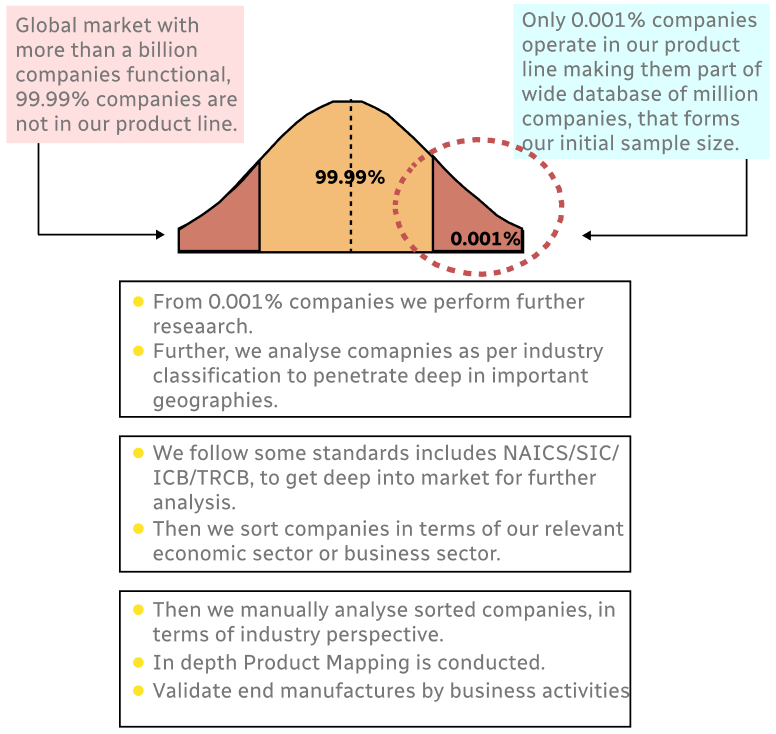
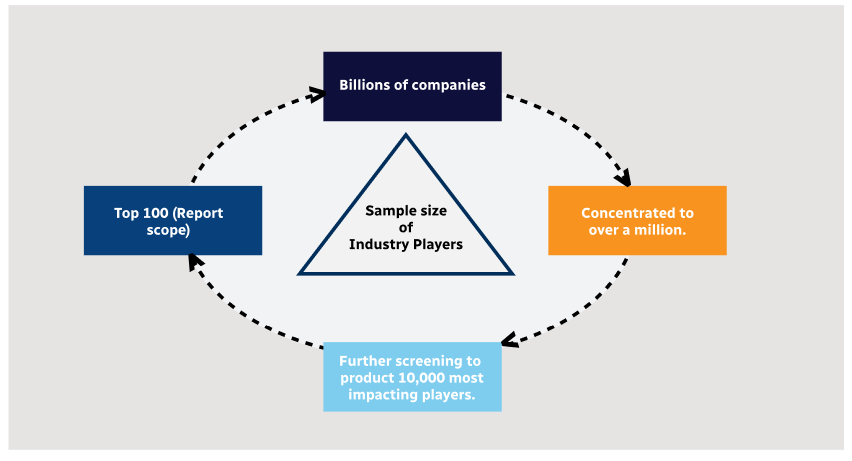
Step 1 - Identification of Relevant Samples Size from Population Database
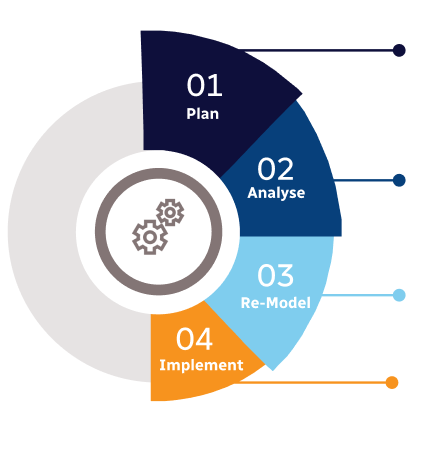
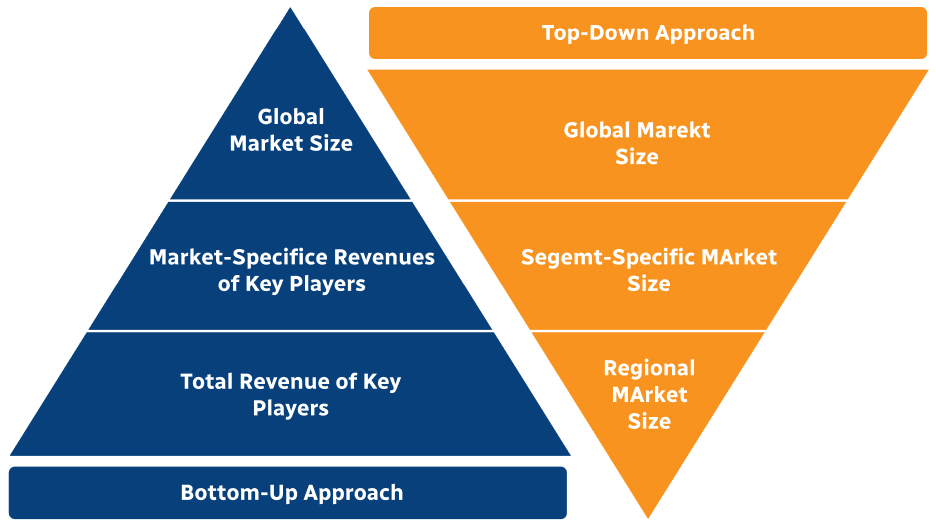
Step 2 - Approaches for Defining Global Market Size (Value, Volume* & Price*)
Note*: In applicable scenarios
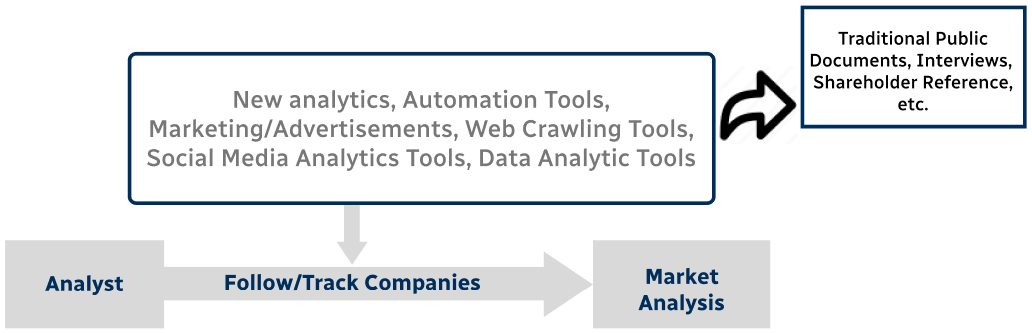
Step 3 - Data Sources
Primary Research
- Web Analytics
- Survey Reports
- Research Institute
- Latest Research Reports
- Opinion Leaders
Secondary Research
- Annual Reports
- White Paper
- Latest Press Release
- Industry Association
- Paid Database
- Investor Presentations
Step 4 - Data Triangulation
Involves using different sources of information in order to increase the validity of a study
These sources are likely to be stakeholders in a program - participants, other researchers, program staff, other community members, and so on.
Then we put all data in single framework & apply various statistical tools to find out the dynamic on the market.
During the analysis stage, feedback from the stakeholder groups would be compared to determine areas of agreement as well as areas of divergence