


Key Insights
The global Clothing Design Software market is poised for robust expansion, projecting a market size of USD 3.7 billion in 2025, driven by a CAGR of 11.9% throughout the forecast period. This significant growth is underpinned by the increasing demand for efficient and innovative design tools across the apparel industry. Key drivers include the escalating need for rapid prototyping, reduced sample production costs, and enhanced collaboration among design teams. The rise of e-commerce and fast fashion further accelerates the adoption of these software solutions as companies strive to bring new collections to market faster and more cost-effectively. Technological advancements, such as the integration of AI and 3D visualization capabilities, are also playing a crucial role in transforming the design process, making it more intuitive and precise.
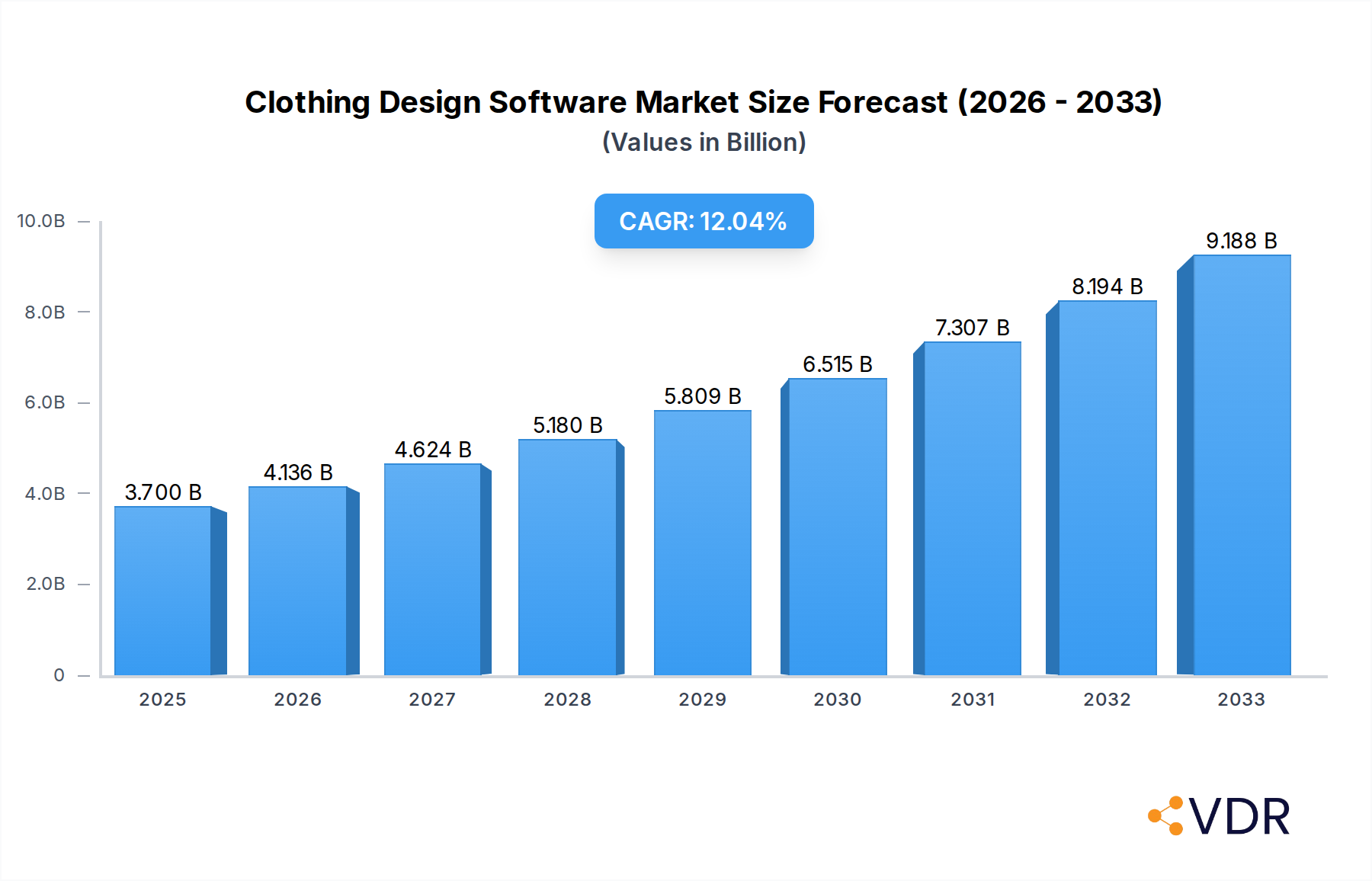
Clothing Design Software Market Size (In Billion)

The market segmentation reveals a strong preference for cloud-based software solutions, offering scalability, accessibility, and cost-effectiveness, particularly for Small and Medium-sized Businesses (SMBs). However, large enterprises continue to invest in both cloud and on-premises solutions, prioritizing data security and customization. Geographically, the Asia Pacific region is expected to witness the highest growth, fueled by the burgeoning textile and fashion industries in countries like China and India, coupled with increasing digital adoption. North America and Europe remain dominant markets, benefiting from established fashion hubs and the early adoption of advanced design technologies. While the market is largely characterized by positive trends, potential restraints include the initial investment costs for some advanced software and the need for skilled personnel to effectively utilize complex features.

Clothing Design Software Company Market Share
Clothing Design Software Market Dynamics & Structure
The global Clothing Design Software market is characterized by moderate concentration, with a few dominant players like Adobe, Autodesk, and Lectra, alongside a vibrant ecosystem of specialized software providers such as CLO3D, Browzwear, Tukatech, and Optitex. Technological innovation serves as a primary driver, with continuous advancements in 3D design, virtual prototyping, AI-powered design assistance, and augmented reality (AR) integration pushing the boundaries of what's possible. Regulatory frameworks, though less prominent than in other industries, are gradually emerging around data security and intellectual property protection for digital designs. Competitive product substitutes are emerging from advancements in general-purpose 3D modeling software and the increasing use of traditional design methods, though these often lack the specialized functionalities tailored for the fashion industry. End-user demographics span across large enterprises and Small and Medium-sized Businesses (SMBs) within the apparel, footwear, and accessories sectors, each with distinct adoption patterns and feature requirements. Mergers and acquisitions (M&A) are on an upward trend, driven by the desire of larger entities to integrate innovative technologies and expand their market reach. For instance, the historical period of 2019-2024 witnessed several strategic acquisitions as companies sought to bolster their portfolios in the rapidly evolving digital fashion landscape. The market value for clothing design software was approximately $2.1 billion in 2023, with an estimated compound annual growth rate (CAGR) of 9.8% projected for the forecast period.
- Market Concentration: Moderate to high, with key players holding significant market share.
- Technological Innovation Drivers: 3D design, virtual prototyping, AI, AR/VR, cloud computing.
- Regulatory Frameworks: Emerging focus on data security and IP protection for digital assets.
- Competitive Product Substitutes: General 3D modeling, traditional CAD, manual sketching.
- End-User Demographics: Large enterprises (major fashion houses, apparel brands) and SMBs (independent designers, smaller manufacturers).
- M&A Trends: Increasing activity to consolidate market share and acquire cutting-edge technology.
Clothing Design Software Growth Trends & Insights
The Clothing Design Software market is poised for substantial expansion, driven by a confluence of factors that are fundamentally reshaping the fashion industry's design and production processes. The market size, estimated at approximately $2.3 billion in the base year of 2025, is projected to reach an impressive $4.5 billion by the end of the forecast period in 2033, exhibiting a robust CAGR of 9.8%. This growth is underpinned by accelerating adoption rates across both large enterprises and SMBs, who are increasingly recognizing the transformative benefits of digital design tools. Technological disruptions, particularly the maturation of 3D design and virtual prototyping, are playing a pivotal role. These technologies enable faster iteration cycles, reduce the need for physical samples, thereby cutting costs and environmental impact, and facilitate more collaborative design workflows. Consumer behavior shifts are also influencing demand. The growing emphasis on sustainability and ethical production practices is pushing brands to adopt more efficient and transparent design processes, where digital tools offer significant advantages. Furthermore, the rise of e-commerce and the demand for personalized and on-demand fashion necessitate agile and responsive design capabilities, which modern clothing design software effectively provides. The integration of AI and machine learning is further enhancing these tools, offering features like automated pattern generation, trend prediction, and intelligent design recommendations. The shift towards cloud-based software solutions is also a significant growth driver, offering greater accessibility, scalability, and cost-effectiveness for businesses of all sizes. The historical period from 2019 to 2024 saw a significant uplift in cloud adoption, as businesses sought remote collaboration capabilities and reduced IT infrastructure burdens. This trend is expected to continue its upward trajectory. Moreover, the increasing demand for hyper-realistic 3D visualization and virtual fashion is opening up new avenues for revenue and market penetration, particularly in the metaverse and digital fashion spaces. The digital transformation initiatives within the broader apparel and textile industry are directly translating into increased investment and uptake of advanced clothing design software. The global market penetration of sophisticated digital design tools has moved from approximately 35% in 2019 to an estimated 55% by 2025, with projections indicating it will surpass 75% by 2033.
Dominant Regions, Countries, or Segments in Clothing Design Software
The global Clothing Design Software market exhibits dynamic growth across various regions and segments, with a pronounced leadership emerging in certain areas. Among the segments, Cloud-Based Software is emerging as the dominant force, outpacing its on-premises counterpart due to its inherent advantages in accessibility, scalability, and cost-effectiveness. The market share for cloud-based solutions is projected to reach approximately 65% of the total market by 2025, driven by the increasing digital transformation initiatives and the need for flexible work arrangements within the fashion industry.
North America, particularly the United States, stands as a leading country in the adoption and development of clothing design software. This dominance is fueled by several key drivers, including a strong presence of major fashion brands and retailers, a highly innovative technology ecosystem, and a significant investment in research and development. The economic policies in the region are conducive to technological advancement, and the robust infrastructure supports the widespread adoption of digital solutions. The market share within North America is estimated to be around 30% of the global market in 2025.
Another significant growth driver is the Large Enterprise segment. These organizations possess the financial resources and strategic imperative to invest in comprehensive, high-end clothing design software solutions that offer advanced features for complex design workflows, supply chain integration, and virtual prototyping. The value of this segment alone is projected to exceed $2.8 billion by 2025. The growth potential within large enterprises is substantial, as they are often at the forefront of adopting new technologies to gain a competitive edge in the global fashion market.
Key drivers contributing to this dominance include:
- Technological Hubs: Presence of leading software developers and research institutions fostering innovation.
- Strong Fashion Industry Presence: Concentration of major apparel manufacturers, designers, and retailers.
- Early Adoption Culture: A propensity to embrace new technologies for efficiency and competitive advantage.
- Significant R&D Investment: Higher allocation of resources towards developing and implementing advanced design tools.
- Digital Transformation Initiatives: Government and industry-led efforts to digitize manufacturing and design processes.
In contrast, while SMBs are a growing segment, their adoption is often more gradual due to budget constraints, although cloud-based solutions are making these tools more accessible. On-premises software, while still relevant for some legacy systems and specific security concerns, is gradually ceding market share to cloud alternatives. The combined market for clothing design software in Europe and Asia-Pacific also represents significant growth potential, with regions like Germany, the UK, China, and India showing increasing adoption rates driven by their own burgeoning fashion industries and manufacturing capabilities.
Clothing Design Software Product Landscape
The clothing design software product landscape is rapidly evolving with a focus on enhanced realism, collaborative workflows, and AI-driven functionalities. Leading solutions now offer hyper-realistic 3D rendering capabilities, allowing designers to visualize garments with intricate detail, fabric draping, and lighting effects. Innovations in virtual prototyping enable the creation of digital twins of garments, significantly reducing the need for physical samples and accelerating the design-to-production cycle. AI-powered features are emerging, assisting with tasks such as pattern generation, size grading, and even suggesting design variations based on trend analysis. Collaboration platforms are becoming integral, facilitating seamless interaction between designers, pattern makers, and manufacturers across geographical boundaries. Performance metrics are increasingly being evaluated based on ease of use, integration capabilities with other PLM (Product Lifecycle Management) systems, and the accuracy of digital simulations. Unique selling propositions often lie in specialized features like advanced fabric simulation engines, real-time rendering, and comprehensive material libraries.
Key Drivers, Barriers & Challenges in Clothing Design Software
Key Drivers:
- Technological Advancements: Continuous innovation in 3D modeling, AI, and AR/VR technologies is enhancing design capabilities and user experience.
- Demand for Sustainability: The fashion industry's focus on reducing waste and carbon footprint drives adoption of digital tools for virtual prototyping and sample reduction.
- Faster Time-to-Market: Digital design accelerates design iterations, sample creation, and product development cycles, crucial for fast-fashion and on-demand production.
- Global Collaboration: Cloud-based solutions facilitate seamless collaboration among design teams, manufacturers, and stakeholders worldwide.
- Growth of E-commerce and Digital Fashion: The increasing importance of online retail and the emerging metaverse/virtual fashion markets necessitates advanced digital design tools.
Key Barriers & Challenges:
- High Initial Investment: For some advanced on-premises solutions, the upfront cost can be a significant barrier for smaller businesses.
- Learning Curve and Skill Gap: The adoption of sophisticated software requires specialized training and skilled personnel, leading to potential implementation hurdles.
- Integration with Existing Systems: Seamless integration with legacy PLM and ERP systems can be complex and time-consuming.
- Data Security and IP Concerns: Protecting proprietary design data in cloud-based environments remains a concern for some organizations.
- Market Saturation and Intense Competition: The presence of numerous players creates intense competition, necessitating continuous innovation and differentiation.
- Supply Chain Issues: Disruptions in the broader supply chain can indirectly impact the adoption and utilization of design software as production planning is affected. Regulatory hurdles, though less direct, can arise from evolving intellectual property laws concerning digital assets.
Emerging Opportunities in Clothing Design Software
Emerging opportunities in the clothing design software sector are primarily centered around the continued integration of artificial intelligence and machine learning, the expansion into the metaverse and digital fashion, and the increasing demand for hyper-personalization. AI-powered features are evolving to offer more sophisticated design automation, trend forecasting, and even generative design capabilities, creating unique styles and patterns with minimal human input. The burgeoning digital fashion market presents a vast untapped opportunity, where clothing design software is essential for creating virtual garments for avatars, gaming, and digital experiences, potentially generating substantial new revenue streams. Furthermore, the growing consumer desire for bespoke and personalized clothing can be addressed through advanced software that allows for rapid customization and on-demand production. The development of more intuitive and accessible tools for emerging markets and smaller design studios also represents a significant opportunity for market penetration and growth.
Growth Accelerators in the Clothing Design Software Industry
Several key catalysts are accelerating the growth of the clothing design software industry. The ongoing digital transformation within the global fashion and apparel sectors is a primary growth accelerator, pushing businesses to adopt advanced digital tools to remain competitive. Technological breakthroughs in areas such as real-time rendering, advanced material simulation, and seamless integration with 3D printing technologies are further enhancing the value proposition of these software solutions. Strategic partnerships between software providers and leading fashion brands or educational institutions are crucial for driving wider adoption and fostering innovation. Market expansion strategies, including targeting emerging economies with growing fashion industries and developing localized versions of software, are also significant growth accelerators. The increasing focus on sustainable fashion practices is indirectly fueling growth, as digital design tools are instrumental in achieving waste reduction and optimizing production processes.
Key Players Shaping the Clothing Design Software Market
- Adobe
- Autometrix
- Corel
- Autodesk
- CGS
- Tukatech
- Vetigraph
- Modern HighTech
- C-Design Fashion
- F2iT
- Wilcom
- K3 Software Solutions
- PatternMaker Software
- Polygon Software
- SnapFashun Group
- Gerber Technology
- Optitex
- Lectra
- CLO3D
- Browzwear
Notable Milestones in Clothing Design Software Sector
- 2019: Significant advancements in real-time rendering and AI-assisted design features introduced by leading providers.
- 2020: Accelerated adoption of cloud-based solutions due to the global shift towards remote work and collaboration.
- 2021: Increased investment and development in virtual prototyping and digital sample creation, driven by sustainability concerns.
- 2022: Emergence and rapid growth of digital fashion platforms and the metaverse, driving demand for specialized 3D design software like CLO3D and Browzwear.
- 2023: Strategic acquisitions and mergers aimed at consolidating market share and integrating innovative technologies, e.g., Lectra acquiring remaining stake in STBL.
- 2024: Growing focus on interoperability and integration with PLM systems and broader supply chain management tools.
In-Depth Clothing Design Software Market Outlook
The future outlook for the clothing design software market is exceptionally positive, driven by a synergistic interplay of technological innovation and evolving industry demands. Growth accelerators such as the continuous refinement of AI for generative design, the expanding landscape of virtual fashion and the metaverse, and the persistent drive for hyper-personalization will continue to propel market expansion. The increasing integration of these tools with advanced manufacturing technologies like 3D printing further solidifies their strategic importance. The market is expected to witness sustained growth as more businesses, from global enterprises to independent designers, recognize the indispensable role of digital design in achieving efficiency, sustainability, and competitive advantage. Strategic partnerships and continued investment in R&D will be pivotal in unlocking new opportunities and maintaining market momentum, ensuring the clothing design software sector remains a dynamic and essential component of the modern fashion industry.
Clothing Design Software Segmentation
-
1. Application
- 1.1. Large Enterprise
- 1.2. SMBs
-
2. Type
- 2.1. Cloud-Based Software
- 2.2. On-Premises Software
Clothing Design Software Segmentation By Geography
-
1. North America
- 1.1. United States
- 1.2. Canada
- 1.3. Mexico
-
2. South America
- 2.1. Brazil
- 2.2. Argentina
- 2.3. Rest of South America
-
3. Europe
- 3.1. United Kingdom
- 3.2. Germany
- 3.3. France
- 3.4. Italy
- 3.5. Spain
- 3.6. Russia
- 3.7. Benelux
- 3.8. Nordics
- 3.9. Rest of Europe
-
4. Middle East & Africa
- 4.1. Turkey
- 4.2. Israel
- 4.3. GCC
- 4.4. North Africa
- 4.5. South Africa
- 4.6. Rest of Middle East & Africa
-
5. Asia Pacific
- 5.1. China
- 5.2. India
- 5.3. Japan
- 5.4. South Korea
- 5.5. ASEAN
- 5.6. Oceania
- 5.7. Rest of Asia Pacific
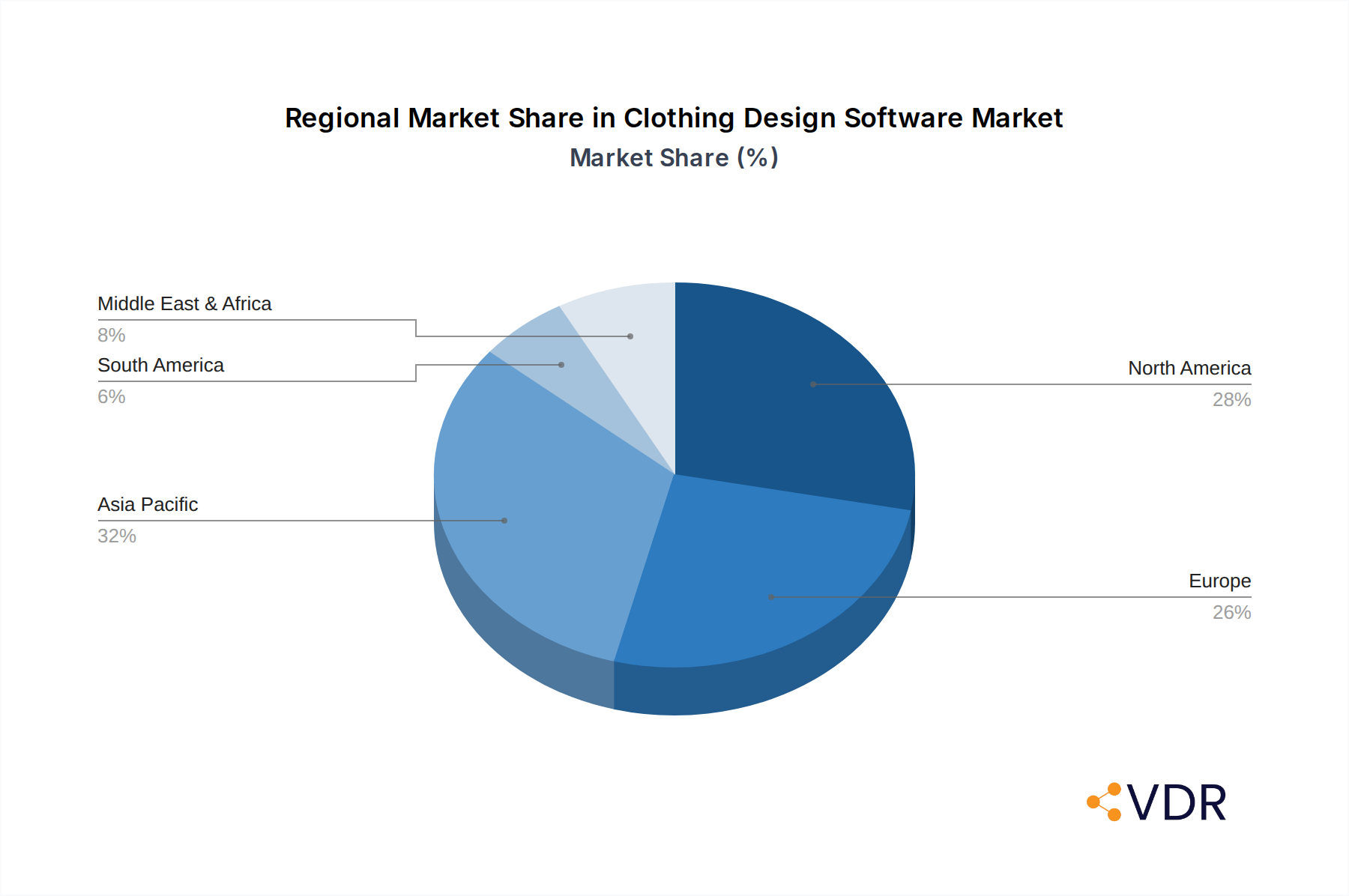
Clothing Design Software Regional Market Share
Geographic Coverage of Clothing Design Software
Clothing Design Software REPORT HIGHLIGHTS
| Aspects | Details |
|---|---|
| Study Period | 2020-2034 |
| Base Year | 2025 |
| Estimated Year | 2026 |
| Forecast Period | 2026-2034 |
| Historical Period | 2020-2025 |
| Growth Rate | CAGR of 11.9% from 2020-2034 |
| Segmentation |
|
Table of Contents
- 1. Introduction
- 1.1. Research Scope
- 1.2. Market Segmentation
- 1.3. Research Methodology
- 1.4. Definitions and Assumptions
- 2. Executive Summary
- 2.1. Introduction
- 3. Market Dynamics
- 3.1. Introduction
- 3.2. Market Drivers
- 3.3. Market Restrains
- 3.4. Market Trends
- 4. Market Factor Analysis
- 4.1. Porters Five Forces
- 4.2. Supply/Value Chain
- 4.3. PESTEL analysis
- 4.4. Market Entropy
- 4.5. Patent/Trademark Analysis
- 5. Global Clothing Design Software Analysis, Insights and Forecast, 2020-2032
- 5.1. Market Analysis, Insights and Forecast - by Application
- 5.1.1. Large Enterprise
- 5.1.2. SMBs
- 5.2. Market Analysis, Insights and Forecast - by Type
- 5.2.1. Cloud-Based Software
- 5.2.2. On-Premises Software
- 5.3. Market Analysis, Insights and Forecast - by Region
- 5.3.1. North America
- 5.3.2. South America
- 5.3.3. Europe
- 5.3.4. Middle East & Africa
- 5.3.5. Asia Pacific
- 5.1. Market Analysis, Insights and Forecast - by Application
- 6. North America Clothing Design Software Analysis, Insights and Forecast, 2020-2032
- 6.1. Market Analysis, Insights and Forecast - by Application
- 6.1.1. Large Enterprise
- 6.1.2. SMBs
- 6.2. Market Analysis, Insights and Forecast - by Type
- 6.2.1. Cloud-Based Software
- 6.2.2. On-Premises Software
- 6.1. Market Analysis, Insights and Forecast - by Application
- 7. South America Clothing Design Software Analysis, Insights and Forecast, 2020-2032
- 7.1. Market Analysis, Insights and Forecast - by Application
- 7.1.1. Large Enterprise
- 7.1.2. SMBs
- 7.2. Market Analysis, Insights and Forecast - by Type
- 7.2.1. Cloud-Based Software
- 7.2.2. On-Premises Software
- 7.1. Market Analysis, Insights and Forecast - by Application
- 8. Europe Clothing Design Software Analysis, Insights and Forecast, 2020-2032
- 8.1. Market Analysis, Insights and Forecast - by Application
- 8.1.1. Large Enterprise
- 8.1.2. SMBs
- 8.2. Market Analysis, Insights and Forecast - by Type
- 8.2.1. Cloud-Based Software
- 8.2.2. On-Premises Software
- 8.1. Market Analysis, Insights and Forecast - by Application
- 9. Middle East & Africa Clothing Design Software Analysis, Insights and Forecast, 2020-2032
- 9.1. Market Analysis, Insights and Forecast - by Application
- 9.1.1. Large Enterprise
- 9.1.2. SMBs
- 9.2. Market Analysis, Insights and Forecast - by Type
- 9.2.1. Cloud-Based Software
- 9.2.2. On-Premises Software
- 9.1. Market Analysis, Insights and Forecast - by Application
- 10. Asia Pacific Clothing Design Software Analysis, Insights and Forecast, 2020-2032
- 10.1. Market Analysis, Insights and Forecast - by Application
- 10.1.1. Large Enterprise
- 10.1.2. SMBs
- 10.2. Market Analysis, Insights and Forecast - by Type
- 10.2.1. Cloud-Based Software
- 10.2.2. On-Premises Software
- 10.1. Market Analysis, Insights and Forecast - by Application
- 11. Competitive Analysis
- 11.1. Global Market Share Analysis 2025
- 11.2. Company Profiles
- 11.2.1 Adobe
- 11.2.1.1. Overview
- 11.2.1.2. Products
- 11.2.1.3. SWOT Analysis
- 11.2.1.4. Recent Developments
- 11.2.1.5. Financials (Based on Availability)
- 11.2.2 Autometrix
- 11.2.2.1. Overview
- 11.2.2.2. Products
- 11.2.2.3. SWOT Analysis
- 11.2.2.4. Recent Developments
- 11.2.2.5. Financials (Based on Availability)
- 11.2.3 Corel
- 11.2.3.1. Overview
- 11.2.3.2. Products
- 11.2.3.3. SWOT Analysis
- 11.2.3.4. Recent Developments
- 11.2.3.5. Financials (Based on Availability)
- 11.2.4 Autodesk
- 11.2.4.1. Overview
- 11.2.4.2. Products
- 11.2.4.3. SWOT Analysis
- 11.2.4.4. Recent Developments
- 11.2.4.5. Financials (Based on Availability)
- 11.2.5 CGS
- 11.2.5.1. Overview
- 11.2.5.2. Products
- 11.2.5.3. SWOT Analysis
- 11.2.5.4. Recent Developments
- 11.2.5.5. Financials (Based on Availability)
- 11.2.6 Tukatech
- 11.2.6.1. Overview
- 11.2.6.2. Products
- 11.2.6.3. SWOT Analysis
- 11.2.6.4. Recent Developments
- 11.2.6.5. Financials (Based on Availability)
- 11.2.7 Vetigraph
- 11.2.7.1. Overview
- 11.2.7.2. Products
- 11.2.7.3. SWOT Analysis
- 11.2.7.4. Recent Developments
- 11.2.7.5. Financials (Based on Availability)
- 11.2.8 Modern HighTech
- 11.2.8.1. Overview
- 11.2.8.2. Products
- 11.2.8.3. SWOT Analysis
- 11.2.8.4. Recent Developments
- 11.2.8.5. Financials (Based on Availability)
- 11.2.9 C-Design Fashion
- 11.2.9.1. Overview
- 11.2.9.2. Products
- 11.2.9.3. SWOT Analysis
- 11.2.9.4. Recent Developments
- 11.2.9.5. Financials (Based on Availability)
- 11.2.10 F2iT
- 11.2.10.1. Overview
- 11.2.10.2. Products
- 11.2.10.3. SWOT Analysis
- 11.2.10.4. Recent Developments
- 11.2.10.5. Financials (Based on Availability)
- 11.2.11 Wilcom
- 11.2.11.1. Overview
- 11.2.11.2. Products
- 11.2.11.3. SWOT Analysis
- 11.2.11.4. Recent Developments
- 11.2.11.5. Financials (Based on Availability)
- 11.2.12 K3 Software Solutions
- 11.2.12.1. Overview
- 11.2.12.2. Products
- 11.2.12.3. SWOT Analysis
- 11.2.12.4. Recent Developments
- 11.2.12.5. Financials (Based on Availability)
- 11.2.13 PatternMaker Software
- 11.2.13.1. Overview
- 11.2.13.2. Products
- 11.2.13.3. SWOT Analysis
- 11.2.13.4. Recent Developments
- 11.2.13.5. Financials (Based on Availability)
- 11.2.14 Polygon Software
- 11.2.14.1. Overview
- 11.2.14.2. Products
- 11.2.14.3. SWOT Analysis
- 11.2.14.4. Recent Developments
- 11.2.14.5. Financials (Based on Availability)
- 11.2.15 SnapFashun Group
- 11.2.15.1. Overview
- 11.2.15.2. Products
- 11.2.15.3. SWOT Analysis
- 11.2.15.4. Recent Developments
- 11.2.15.5. Financials (Based on Availability)
- 11.2.16 Gerber Technology
- 11.2.16.1. Overview
- 11.2.16.2. Products
- 11.2.16.3. SWOT Analysis
- 11.2.16.4. Recent Developments
- 11.2.16.5. Financials (Based on Availability)
- 11.2.17 Optitex
- 11.2.17.1. Overview
- 11.2.17.2. Products
- 11.2.17.3. SWOT Analysis
- 11.2.17.4. Recent Developments
- 11.2.17.5. Financials (Based on Availability)
- 11.2.18 Lectra
- 11.2.18.1. Overview
- 11.2.18.2. Products
- 11.2.18.3. SWOT Analysis
- 11.2.18.4. Recent Developments
- 11.2.18.5. Financials (Based on Availability)
- 11.2.19 CLO3D
- 11.2.19.1. Overview
- 11.2.19.2. Products
- 11.2.19.3. SWOT Analysis
- 11.2.19.4. Recent Developments
- 11.2.19.5. Financials (Based on Availability)
- 11.2.20 Browzwear
- 11.2.20.1. Overview
- 11.2.20.2. Products
- 11.2.20.3. SWOT Analysis
- 11.2.20.4. Recent Developments
- 11.2.20.5. Financials (Based on Availability)
- 11.2.1 Adobe
List of Figures
- Figure 1: Global Clothing Design Software Revenue Breakdown (undefined, %) by Region 2025 & 2033
- Figure 2: North America Clothing Design Software Revenue (undefined), by Application 2025 & 2033
- Figure 3: North America Clothing Design Software Revenue Share (%), by Application 2025 & 2033
- Figure 4: North America Clothing Design Software Revenue (undefined), by Type 2025 & 2033
- Figure 5: North America Clothing Design Software Revenue Share (%), by Type 2025 & 2033
- Figure 6: North America Clothing Design Software Revenue (undefined), by Country 2025 & 2033
- Figure 7: North America Clothing Design Software Revenue Share (%), by Country 2025 & 2033
- Figure 8: South America Clothing Design Software Revenue (undefined), by Application 2025 & 2033
- Figure 9: South America Clothing Design Software Revenue Share (%), by Application 2025 & 2033
- Figure 10: South America Clothing Design Software Revenue (undefined), by Type 2025 & 2033
- Figure 11: South America Clothing Design Software Revenue Share (%), by Type 2025 & 2033
- Figure 12: South America Clothing Design Software Revenue (undefined), by Country 2025 & 2033
- Figure 13: South America Clothing Design Software Revenue Share (%), by Country 2025 & 2033
- Figure 14: Europe Clothing Design Software Revenue (undefined), by Application 2025 & 2033
- Figure 15: Europe Clothing Design Software Revenue Share (%), by Application 2025 & 2033
- Figure 16: Europe Clothing Design Software Revenue (undefined), by Type 2025 & 2033
- Figure 17: Europe Clothing Design Software Revenue Share (%), by Type 2025 & 2033
- Figure 18: Europe Clothing Design Software Revenue (undefined), by Country 2025 & 2033
- Figure 19: Europe Clothing Design Software Revenue Share (%), by Country 2025 & 2033
- Figure 20: Middle East & Africa Clothing Design Software Revenue (undefined), by Application 2025 & 2033
- Figure 21: Middle East & Africa Clothing Design Software Revenue Share (%), by Application 2025 & 2033
- Figure 22: Middle East & Africa Clothing Design Software Revenue (undefined), by Type 2025 & 2033
- Figure 23: Middle East & Africa Clothing Design Software Revenue Share (%), by Type 2025 & 2033
- Figure 24: Middle East & Africa Clothing Design Software Revenue (undefined), by Country 2025 & 2033
- Figure 25: Middle East & Africa Clothing Design Software Revenue Share (%), by Country 2025 & 2033
- Figure 26: Asia Pacific Clothing Design Software Revenue (undefined), by Application 2025 & 2033
- Figure 27: Asia Pacific Clothing Design Software Revenue Share (%), by Application 2025 & 2033
- Figure 28: Asia Pacific Clothing Design Software Revenue (undefined), by Type 2025 & 2033
- Figure 29: Asia Pacific Clothing Design Software Revenue Share (%), by Type 2025 & 2033
- Figure 30: Asia Pacific Clothing Design Software Revenue (undefined), by Country 2025 & 2033
- Figure 31: Asia Pacific Clothing Design Software Revenue Share (%), by Country 2025 & 2033
List of Tables
- Table 1: Global Clothing Design Software Revenue undefined Forecast, by Application 2020 & 2033
- Table 2: Global Clothing Design Software Revenue undefined Forecast, by Type 2020 & 2033
- Table 3: Global Clothing Design Software Revenue undefined Forecast, by Region 2020 & 2033
- Table 4: Global Clothing Design Software Revenue undefined Forecast, by Application 2020 & 2033
- Table 5: Global Clothing Design Software Revenue undefined Forecast, by Type 2020 & 2033
- Table 6: Global Clothing Design Software Revenue undefined Forecast, by Country 2020 & 2033
- Table 7: United States Clothing Design Software Revenue (undefined) Forecast, by Application 2020 & 2033
- Table 8: Canada Clothing Design Software Revenue (undefined) Forecast, by Application 2020 & 2033
- Table 9: Mexico Clothing Design Software Revenue (undefined) Forecast, by Application 2020 & 2033
- Table 10: Global Clothing Design Software Revenue undefined Forecast, by Application 2020 & 2033
- Table 11: Global Clothing Design Software Revenue undefined Forecast, by Type 2020 & 2033
- Table 12: Global Clothing Design Software Revenue undefined Forecast, by Country 2020 & 2033
- Table 13: Brazil Clothing Design Software Revenue (undefined) Forecast, by Application 2020 & 2033
- Table 14: Argentina Clothing Design Software Revenue (undefined) Forecast, by Application 2020 & 2033
- Table 15: Rest of South America Clothing Design Software Revenue (undefined) Forecast, by Application 2020 & 2033
- Table 16: Global Clothing Design Software Revenue undefined Forecast, by Application 2020 & 2033
- Table 17: Global Clothing Design Software Revenue undefined Forecast, by Type 2020 & 2033
- Table 18: Global Clothing Design Software Revenue undefined Forecast, by Country 2020 & 2033
- Table 19: United Kingdom Clothing Design Software Revenue (undefined) Forecast, by Application 2020 & 2033
- Table 20: Germany Clothing Design Software Revenue (undefined) Forecast, by Application 2020 & 2033
- Table 21: France Clothing Design Software Revenue (undefined) Forecast, by Application 2020 & 2033
- Table 22: Italy Clothing Design Software Revenue (undefined) Forecast, by Application 2020 & 2033
- Table 23: Spain Clothing Design Software Revenue (undefined) Forecast, by Application 2020 & 2033
- Table 24: Russia Clothing Design Software Revenue (undefined) Forecast, by Application 2020 & 2033
- Table 25: Benelux Clothing Design Software Revenue (undefined) Forecast, by Application 2020 & 2033
- Table 26: Nordics Clothing Design Software Revenue (undefined) Forecast, by Application 2020 & 2033
- Table 27: Rest of Europe Clothing Design Software Revenue (undefined) Forecast, by Application 2020 & 2033
- Table 28: Global Clothing Design Software Revenue undefined Forecast, by Application 2020 & 2033
- Table 29: Global Clothing Design Software Revenue undefined Forecast, by Type 2020 & 2033
- Table 30: Global Clothing Design Software Revenue undefined Forecast, by Country 2020 & 2033
- Table 31: Turkey Clothing Design Software Revenue (undefined) Forecast, by Application 2020 & 2033
- Table 32: Israel Clothing Design Software Revenue (undefined) Forecast, by Application 2020 & 2033
- Table 33: GCC Clothing Design Software Revenue (undefined) Forecast, by Application 2020 & 2033
- Table 34: North Africa Clothing Design Software Revenue (undefined) Forecast, by Application 2020 & 2033
- Table 35: South Africa Clothing Design Software Revenue (undefined) Forecast, by Application 2020 & 2033
- Table 36: Rest of Middle East & Africa Clothing Design Software Revenue (undefined) Forecast, by Application 2020 & 2033
- Table 37: Global Clothing Design Software Revenue undefined Forecast, by Application 2020 & 2033
- Table 38: Global Clothing Design Software Revenue undefined Forecast, by Type 2020 & 2033
- Table 39: Global Clothing Design Software Revenue undefined Forecast, by Country 2020 & 2033
- Table 40: China Clothing Design Software Revenue (undefined) Forecast, by Application 2020 & 2033
- Table 41: India Clothing Design Software Revenue (undefined) Forecast, by Application 2020 & 2033
- Table 42: Japan Clothing Design Software Revenue (undefined) Forecast, by Application 2020 & 2033
- Table 43: South Korea Clothing Design Software Revenue (undefined) Forecast, by Application 2020 & 2033
- Table 44: ASEAN Clothing Design Software Revenue (undefined) Forecast, by Application 2020 & 2033
- Table 45: Oceania Clothing Design Software Revenue (undefined) Forecast, by Application 2020 & 2033
- Table 46: Rest of Asia Pacific Clothing Design Software Revenue (undefined) Forecast, by Application 2020 & 2033
Frequently Asked Questions
1. What is the projected Compound Annual Growth Rate (CAGR) of the Clothing Design Software?
The projected CAGR is approximately 11.9%.
2. Which companies are prominent players in the Clothing Design Software?
Key companies in the market include Adobe, Autometrix, Corel, Autodesk, CGS, Tukatech, Vetigraph, Modern HighTech, C-Design Fashion, F2iT, Wilcom, K3 Software Solutions, PatternMaker Software, Polygon Software, SnapFashun Group, Gerber Technology, Optitex, Lectra, CLO3D, Browzwear.
3. What are the main segments of the Clothing Design Software?
The market segments include Application, Type.
4. Can you provide details about the market size?
The market size is estimated to be USD XXX N/A as of 2022.
5. What are some drivers contributing to market growth?
N/A
6. What are the notable trends driving market growth?
N/A
7. Are there any restraints impacting market growth?
N/A
8. Can you provide examples of recent developments in the market?
N/A
9. What pricing options are available for accessing the report?
Pricing options include single-user, multi-user, and enterprise licenses priced at USD 3950.00, USD 5925.00, and USD 7900.00 respectively.
10. Is the market size provided in terms of value or volume?
The market size is provided in terms of value, measured in N/A.
11. Are there any specific market keywords associated with the report?
Yes, the market keyword associated with the report is "Clothing Design Software," which aids in identifying and referencing the specific market segment covered.
12. How do I determine which pricing option suits my needs best?
The pricing options vary based on user requirements and access needs. Individual users may opt for single-user licenses, while businesses requiring broader access may choose multi-user or enterprise licenses for cost-effective access to the report.
13. Are there any additional resources or data provided in the Clothing Design Software report?
While the report offers comprehensive insights, it's advisable to review the specific contents or supplementary materials provided to ascertain if additional resources or data are available.
14. How can I stay updated on further developments or reports in the Clothing Design Software?
To stay informed about further developments, trends, and reports in the Clothing Design Software, consider subscribing to industry newsletters, following relevant companies and organizations, or regularly checking reputable industry news sources and publications.
Methodology
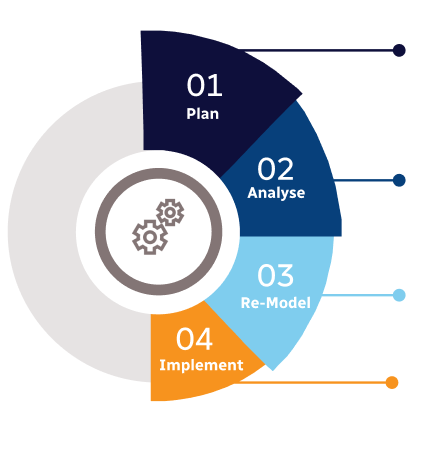
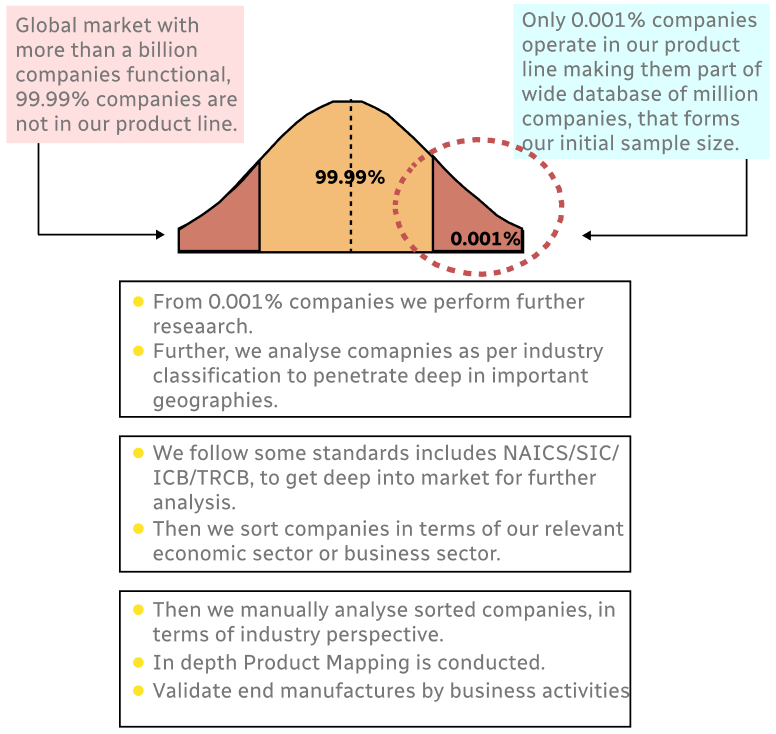
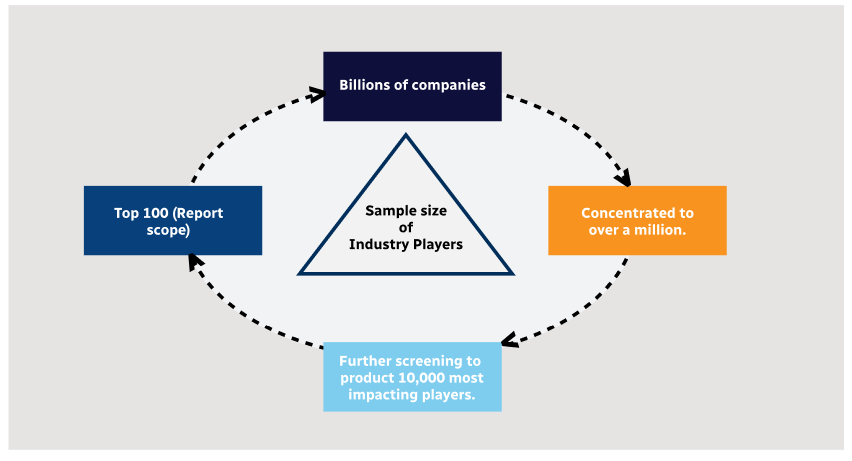
Step 1 - Identification of Relevant Samples Size from Population Database
Step 2 - Approaches for Defining Global Market Size (Value, Volume* & Price*)
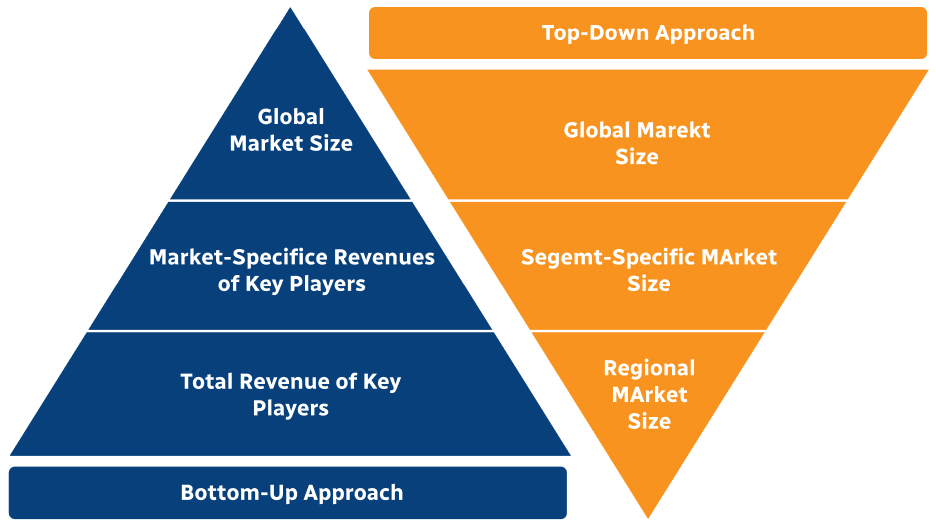
Note*: In applicable scenarios
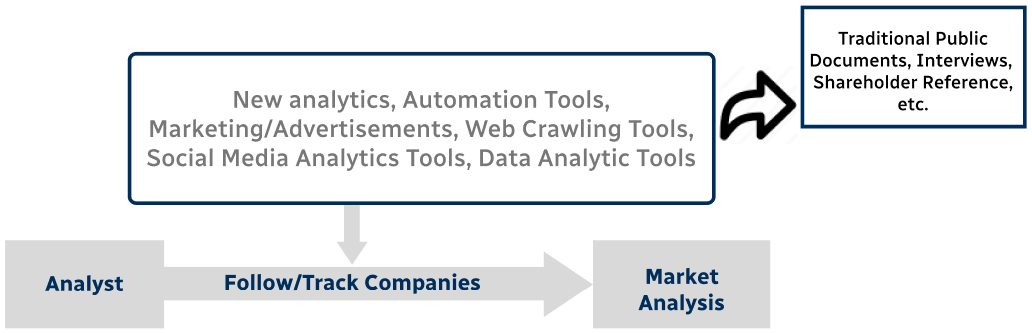
Step 3 - Data Sources
Primary Research
- Web Analytics
- Survey Reports
- Research Institute
- Latest Research Reports
- Opinion Leaders
Secondary Research
- Annual Reports
- White Paper
- Latest Press Release
- Industry Association
- Paid Database
- Investor Presentations
Step 4 - Data Triangulation
Involves using different sources of information in order to increase the validity of a study
These sources are likely to be stakeholders in a program - participants, other researchers, program staff, other community members, and so on.
Then we put all data in single framework & apply various statistical tools to find out the dynamic on the market.
During the analysis stage, feedback from the stakeholder groups would be compared to determine areas of agreement as well as areas of divergence