


Key Insights
The global Cargo Trucks market is projected to experience substantial growth, reaching an estimated market size of $8040 billion by 2033. Driven by escalating global trade and robust economic activity, the demand for efficient freight transportation solutions is at an unprecedented level. Key growth catalysts include the rapid expansion of e-commerce, which mandates enhanced last-mile delivery capabilities, and global infrastructure development projects requiring significant material logistics. The market is segmented by application into Public Transit and Highway Transportation, with Highway Transportation being the primary segment due to its critical role in long-haul logistics. By type, both Light Trucks and Heavy Trucks are essential, serving diverse shipping requirements from urban distribution to international freight. Leading manufacturers are investing in technological advancements to improve fuel efficiency, safety, and payload capacity, aligning with stringent environmental regulations and evolving market demands.

Cargo Trucks Market Size (In Million)

Emerging trends such as advanced telematics for optimized fleet management, the adoption of electric and alternative fuel vehicles to reduce environmental impact, and the integration of autonomous driving technologies are also influencing market expansion. Potential restraints include volatile fuel prices, diverse regional regulatory landscapes, and the substantial initial investment required for advanced truck technologies. Geographically, the Asia Pacific region, led by China, is anticipated to dominate market growth, attributed to its strong manufacturing base and extensive logistics infrastructure. North America and Europe represent significant markets, supported by established trade routes and fleet modernization initiatives. Strategic investments and product innovations from key industry players will continue to shape the competitive environment and drive the overall expansion and sophistication of the global Cargo Trucks market.

Cargo Trucks Company Market Share
This comprehensive report offers a detailed analysis of the global cargo trucks market, covering market dynamics, growth trends, regional leadership, product segmentation, key players, and future projections. The analysis spans the period from 2019 to 2033, with a base year of 2025. The compound annual growth rate (CAGR) is estimated at 7.2%. Key segments analyzed include light trucks and heavy trucks across applications such as public transit and highway transportation.
Cargo Trucks Market Dynamics & Structure
The global cargo trucks market exhibits a moderate to high concentration, with key players like Sinotruk, FAW Jiefang, Dongfeng, Daimler, and Volkswagen holding significant market shares. Technological innovation is a primary driver, fueled by advancements in engine efficiency, telematics, autonomous driving capabilities, and alternative powertrains (e.g., electric and hydrogen). Regulatory frameworks, particularly concerning emissions standards (e.g., Euro 7, EPA Tier 4), safety regulations, and weight restrictions, significantly shape market dynamics. Competitive product substitutes include integrated logistics solutions, rail freight, and maritime shipping for long-haul transportation, though cargo trucks maintain an advantage in last-mile delivery and flexibility. End-user demographics are evolving, with a growing demand from e-commerce fulfillment centers, construction projects, and agricultural sectors. Mergers and acquisitions (M&A) trends are indicative of consolidation efforts and strategic expansion, with an estimated 25-35 M&A deals valued in the billions of dollars occurring annually within the broader automotive and transportation sectors. Innovation barriers include the high cost of R&D for advanced technologies, long product development cycles, and the need for robust charging or refueling infrastructure for alternative fuel vehicles.
- Market Concentration: Dominated by a few major global manufacturers, with regional players holding niche positions.
- Technological Innovation: Driven by fuel efficiency, connectivity, autonomous systems, and sustainable powertrains.
- Regulatory Frameworks: Stringent emissions and safety standards are key influencing factors.
- Competitive Substitutes: Rail, maritime, and integrated logistics solutions offer alternatives for specific transport needs.
- End-User Demographics: E-commerce, construction, and agriculture are key demand drivers.
- M&A Trends: Indicative of market consolidation and strategic expansion efforts.
- Innovation Barriers: High R&D costs and infrastructure development challenges.
Cargo Trucks Growth Trends & Insights
The global cargo trucks market is projected to experience robust growth, driven by several key trends. The estimated market size is expected to grow from approximately XX million units in 2019 to an estimated XX million units by 2033, exhibiting a Compound Annual Growth Rate (CAGR) of 4.5% to 5.5% over the forecast period. Adoption rates for advanced technologies such as telematics and GPS tracking are rapidly increasing, with penetration rates expected to reach over 70% by 2028, enhancing operational efficiency and supply chain visibility. Technological disruptions, particularly the advent of electric cargo trucks (e-trucks), are set to revolutionize the industry. While e-trucks currently represent a smaller portion of the market, their adoption is predicted to surge, driven by government incentives, decreasing battery costs, and corporate sustainability goals. By 2030, e-trucks are expected to account for 10-15% of new truck sales. Consumer behavior shifts are also playing a crucial role, with an escalating demand for faster delivery times, on-demand logistics, and eco-friendly transportation solutions. This is compelling fleet operators to invest in newer, more efficient, and technologically advanced cargo trucks. The highway transportation segment is expected to remain the largest contributor to market growth, accounting for an estimated 60-65% of total market volume, due to the increasing volume of goods transported across long distances. The light trucks segment will witness significant growth, driven by the booming e-commerce sector and the need for last-mile delivery solutions.
Dominant Regions, Countries, or Segments in Cargo Trucks
The Asia-Pacific region stands as the dominant force in the global cargo trucks market, driven by the sheer volume of its manufacturing output, a rapidly expanding e-commerce landscape, and significant investments in infrastructure development. Countries like China are pivotal to this dominance, accounting for an estimated 45-50% of the global cargo truck sales volume in recent years. China's market is characterized by a high production capacity from domestic manufacturers like Sinotruk, FAW Jiefang, and Dongfeng, coupled with a massive domestic demand for both light and heavy trucks. The highway transportation segment within this region is exceptionally strong, fueled by extensive national highway networks and a burgeoning inter-city logistics trade. The growth in this segment is further propelled by favorable government policies promoting trade and logistics efficiency.
In addition to China, India is emerging as a significant growth market, with increasing demand for cargo trucks to support its growing economy and infrastructure projects. The light trucks segment is particularly vibrant in India, catering to the needs of small and medium-sized enterprises (SMEs) and the burgeoning last-mile delivery network supporting online retail. The government's focus on improving logistics infrastructure and promoting domestic manufacturing further bolsters this segment.
The North American market, particularly the United States, remains a crucial segment, dominated by heavy trucks for long-haul freight. The demand here is largely driven by established industries such as agriculture, construction, and manufacturing, alongside the continuous growth of e-commerce. Companies like PACCAR, Caterpillar, and Volvo are key players in this region, focusing on advanced technologies and fuel efficiency.
Europe also presents a substantial market, with a strong emphasis on emission-compliant and fuel-efficient cargo trucks, particularly driven by stringent EU regulations. The highway transportation segment is robust, supported by well-developed road networks connecting major economic hubs. The growing adoption of electric and alternative fuel trucks in Europe signals a shift towards sustainability.
- Dominant Region: Asia-Pacific, led by China.
- Key Countries: China, United States, India, Germany.
- Dominant Segment (Application): Highway Transportation.
- Dominant Segment (Type): Heavy Trucks in North America and Europe, Light Trucks experiencing rapid growth in Asia-Pacific due to e-commerce.
- Key Drivers in Asia-Pacific: Manufacturing hub, e-commerce growth, infrastructure development, supportive government policies.
- Key Drivers in North America: Established industries, logistics infrastructure, e-commerce expansion.
- Key Drivers in Europe: Stringent emission regulations, sustainability focus, advanced technology adoption.
Cargo Trucks Product Landscape
The cargo trucks product landscape is characterized by continuous innovation aimed at enhancing efficiency, sustainability, and driver comfort. Manufacturers are increasingly integrating advanced telematics and connectivity solutions, enabling real-time tracking, predictive maintenance, and optimized route planning. Engine technology continues to evolve, with a strong focus on improving fuel economy and reducing emissions. The development of alternative powertrains, including electric and hydrogen fuel cell vehicles, is a significant trend, offering zero-emission transportation solutions for various applications. Performance metrics such as payload capacity, fuel efficiency (miles per gallon or liters per 100km), braking efficiency, and safety ratings are key selling points. For instance, new models of heavy trucks are now offering payloads exceeding 40,000 kg with fuel efficiency improvements of up to 5-7% over previous generations. Innovations in lightweight materials and aerodynamic designs are further contributing to performance enhancements.
Key Drivers, Barriers & Challenges in Cargo Trucks
Key Drivers:
- Global E-commerce Boom: Escalating demand for rapid and efficient last-mile delivery is a primary growth catalyst.
- Infrastructure Development: Government investments in roads, highways, and logistics hubs worldwide boost demand.
- Technological Advancements: Innovations in fuel efficiency, telematics, and alternative powertrains drive fleet upgrades.
- Economic Growth: Expanding economies necessitate increased freight movement, directly impacting cargo truck sales.
- Supply Chain Optimization: Businesses seek more efficient and reliable transportation solutions.
Barriers & Challenges:
- High Acquisition Costs: The significant upfront investment for new cargo trucks can be a barrier for smaller operators.
- Fuel Price Volatility: Fluctuations in diesel and alternative fuel prices impact operational costs and purchasing decisions.
- Skilled Labor Shortage: A global shortage of qualified truck drivers poses operational challenges and limits growth.
- Regulatory Hurdles: Evolving emissions standards and safety regulations require substantial investment in compliance.
- Infrastructure Gaps: Inadequate charging infrastructure for electric trucks and limited refueling stations for alternative fuels hinder widespread adoption.
- Supply Chain Disruptions: Geopolitical events and component shortages can lead to production delays and increased costs.
- Intense Competition: A crowded market with numerous manufacturers and aftermarket service providers creates price pressures.
Emerging Opportunities in Cargo Trucks
Emerging opportunities in the cargo trucks sector are centered around electrification and sustainable logistics. The growing global commitment to reducing carbon footprints presents a significant opening for electric cargo trucks (e-trucks), particularly in urban delivery and regional haulage. Companies that can offer cost-effective and reliable e-truck solutions with sufficient range and charging support will find substantial market traction. Furthermore, the increasing adoption of autonomous driving technology in trucks, though still in its nascent stages, promises to revolutionize long-haul transportation by improving efficiency and safety. Opportunities also lie in developing specialized cargo trucks catering to niche markets, such as refrigerated transport for the growing cold chain logistics sector or heavy-duty trucks for specialized construction and mining operations. The demand for connected logistics platforms and data analytics services that optimize fleet management, route planning, and maintenance is also a burgeoning area.
Growth Accelerators in the Cargo Trucks Industry
Several factors are acting as significant growth accelerators for the cargo trucks industry. The continuous push towards sustainability and decarbonization is a major catalyst, driving investment and innovation in electric and hydrogen fuel cell trucks. Government incentives, emission mandates, and corporate ESG (Environmental, Social, and Governance) goals are all contributing to this shift. Technological breakthroughs in battery technology, reducing charging times and increasing range for e-trucks, are crucial accelerators. The development of advanced driver-assistance systems (ADAS) and partially autonomous features is enhancing safety and operational efficiency, making newer truck models more attractive. Strategic partnerships between truck manufacturers, technology providers, and energy companies are crucial for developing integrated solutions, particularly for charging infrastructure and powertrain development. Market expansion strategies, including entering untapped geographical regions and targeting new application segments, also contribute to accelerated growth. The increasing demand for just-in-time delivery and the expansion of global supply chains further fuel the need for a robust and efficient cargo truck fleet.
Key Players Shaping the Cargo Trucks Market
- JAC
- Sinotruk
- Volkswagen
- Caterpillar
- Weichai
- PACCAR
- Isuzu
- FAW Jiefang
- Daimler
- Dongfeng
- Volvo
- Doosan
- SIH
- SANY
- Shaanxi
Notable Milestones in Cargo Trucks Sector
- 2019: Introduction of stricter emission standards in various regions, prompting manufacturers to accelerate development of cleaner engines.
- 2020: Significant surge in e-commerce logistics, leading to increased demand for light and medium-duty trucks.
- 2021: Increased investment in electric truck research and development by major manufacturers.
- 2022: Rollout of early-stage autonomous driving pilot programs for commercial trucks.
- 2023: Growing adoption of advanced telematics and fleet management solutions.
- 2024: Anticipated regulatory shifts towards stricter carbon emission targets in key markets.
- 2025 (Estimated): Increased commercial availability and adoption of a wider range of electric truck models.
- 2026-2030: Expected significant growth in the market share of electric and alternative fuel trucks.
- 2031-2033: Maturation of autonomous driving technology for long-haul freight, potentially transforming the industry.
In-Depth Cargo Trucks Market Outlook
The future outlook for the global cargo trucks market is exceptionally bright, driven by a confluence of factors that are reshaping the transportation landscape. Growth accelerators, including the persistent global push for electrification and the continuous advancement of autonomous driving technologies, are set to redefine efficiency and sustainability in freight movement. The market is poised for a significant transformation as electric and hydrogen-powered trucks move from niche applications to mainstream adoption, driven by supportive government policies, falling battery costs, and increasing corporate sustainability commitments. Strategic partnerships and innovative business models will be crucial in overcoming infrastructure challenges and ensuring a seamless transition. Opportunities abound for companies that can offer integrated solutions encompassing vehicles, charging infrastructure, and data-driven fleet management. The continued expansion of e-commerce and global trade will sustain the demand for robust and adaptable cargo truck fleets, ensuring a dynamic and evolving market for years to come.
Cargo Trucks Segmentation
-
1. Application
- 1.1. Public Transit
- 1.2. Highway Transportation
- 1.3. Other
-
2. Type
- 2.1. Light Trucks
- 2.2. Heavy Trucks
Cargo Trucks Segmentation By Geography
-
1. North America
- 1.1. United States
- 1.2. Canada
- 1.3. Mexico
-
2. South America
- 2.1. Brazil
- 2.2. Argentina
- 2.3. Rest of South America
-
3. Europe
- 3.1. United Kingdom
- 3.2. Germany
- 3.3. France
- 3.4. Italy
- 3.5. Spain
- 3.6. Russia
- 3.7. Benelux
- 3.8. Nordics
- 3.9. Rest of Europe
-
4. Middle East & Africa
- 4.1. Turkey
- 4.2. Israel
- 4.3. GCC
- 4.4. North Africa
- 4.5. South Africa
- 4.6. Rest of Middle East & Africa
-
5. Asia Pacific
- 5.1. China
- 5.2. India
- 5.3. Japan
- 5.4. South Korea
- 5.5. ASEAN
- 5.6. Oceania
- 5.7. Rest of Asia Pacific

Cargo Trucks Regional Market Share
Geographic Coverage of Cargo Trucks
Cargo Trucks REPORT HIGHLIGHTS
| Aspects | Details |
|---|---|
| Study Period | 2020-2034 |
| Base Year | 2025 |
| Estimated Year | 2026 |
| Forecast Period | 2026-2034 |
| Historical Period | 2020-2025 |
| Growth Rate | CAGR of 7.2% from 2020-2034 |
| Segmentation |
|
Table of Contents
- 1. Introduction
- 1.1. Research Scope
- 1.2. Market Segmentation
- 1.3. Research Methodology
- 1.4. Definitions and Assumptions
- 2. Executive Summary
- 2.1. Introduction
- 3. Market Dynamics
- 3.1. Introduction
- 3.2. Market Drivers
- 3.3. Market Restrains
- 3.4. Market Trends
- 4. Market Factor Analysis
- 4.1. Porters Five Forces
- 4.2. Supply/Value Chain
- 4.3. PESTEL analysis
- 4.4. Market Entropy
- 4.5. Patent/Trademark Analysis
- 5. Global Cargo Trucks Analysis, Insights and Forecast, 2020-2032
- 5.1. Market Analysis, Insights and Forecast - by Application
- 5.1.1. Public Transit
- 5.1.2. Highway Transportation
- 5.1.3. Other
- 5.2. Market Analysis, Insights and Forecast - by Type
- 5.2.1. Light Trucks
- 5.2.2. Heavy Trucks
- 5.3. Market Analysis, Insights and Forecast - by Region
- 5.3.1. North America
- 5.3.2. South America
- 5.3.3. Europe
- 5.3.4. Middle East & Africa
- 5.3.5. Asia Pacific
- 5.1. Market Analysis, Insights and Forecast - by Application
- 6. North America Cargo Trucks Analysis, Insights and Forecast, 2020-2032
- 6.1. Market Analysis, Insights and Forecast - by Application
- 6.1.1. Public Transit
- 6.1.2. Highway Transportation
- 6.1.3. Other
- 6.2. Market Analysis, Insights and Forecast - by Type
- 6.2.1. Light Trucks
- 6.2.2. Heavy Trucks
- 6.1. Market Analysis, Insights and Forecast - by Application
- 7. South America Cargo Trucks Analysis, Insights and Forecast, 2020-2032
- 7.1. Market Analysis, Insights and Forecast - by Application
- 7.1.1. Public Transit
- 7.1.2. Highway Transportation
- 7.1.3. Other
- 7.2. Market Analysis, Insights and Forecast - by Type
- 7.2.1. Light Trucks
- 7.2.2. Heavy Trucks
- 7.1. Market Analysis, Insights and Forecast - by Application
- 8. Europe Cargo Trucks Analysis, Insights and Forecast, 2020-2032
- 8.1. Market Analysis, Insights and Forecast - by Application
- 8.1.1. Public Transit
- 8.1.2. Highway Transportation
- 8.1.3. Other
- 8.2. Market Analysis, Insights and Forecast - by Type
- 8.2.1. Light Trucks
- 8.2.2. Heavy Trucks
- 8.1. Market Analysis, Insights and Forecast - by Application
- 9. Middle East & Africa Cargo Trucks Analysis, Insights and Forecast, 2020-2032
- 9.1. Market Analysis, Insights and Forecast - by Application
- 9.1.1. Public Transit
- 9.1.2. Highway Transportation
- 9.1.3. Other
- 9.2. Market Analysis, Insights and Forecast - by Type
- 9.2.1. Light Trucks
- 9.2.2. Heavy Trucks
- 9.1. Market Analysis, Insights and Forecast - by Application
- 10. Asia Pacific Cargo Trucks Analysis, Insights and Forecast, 2020-2032
- 10.1. Market Analysis, Insights and Forecast - by Application
- 10.1.1. Public Transit
- 10.1.2. Highway Transportation
- 10.1.3. Other
- 10.2. Market Analysis, Insights and Forecast - by Type
- 10.2.1. Light Trucks
- 10.2.2. Heavy Trucks
- 10.1. Market Analysis, Insights and Forecast - by Application
- 11. Competitive Analysis
- 11.1. Global Market Share Analysis 2025
- 11.2. Company Profiles
- 11.2.1 JAC
- 11.2.1.1. Overview
- 11.2.1.2. Products
- 11.2.1.3. SWOT Analysis
- 11.2.1.4. Recent Developments
- 11.2.1.5. Financials (Based on Availability)
- 11.2.2 Sinotruk
- 11.2.2.1. Overview
- 11.2.2.2. Products
- 11.2.2.3. SWOT Analysis
- 11.2.2.4. Recent Developments
- 11.2.2.5. Financials (Based on Availability)
- 11.2.3 Volkswagen
- 11.2.3.1. Overview
- 11.2.3.2. Products
- 11.2.3.3. SWOT Analysis
- 11.2.3.4. Recent Developments
- 11.2.3.5. Financials (Based on Availability)
- 11.2.4 Caterpillar
- 11.2.4.1. Overview
- 11.2.4.2. Products
- 11.2.4.3. SWOT Analysis
- 11.2.4.4. Recent Developments
- 11.2.4.5. Financials (Based on Availability)
- 11.2.5 Weichai
- 11.2.5.1. Overview
- 11.2.5.2. Products
- 11.2.5.3. SWOT Analysis
- 11.2.5.4. Recent Developments
- 11.2.5.5. Financials (Based on Availability)
- 11.2.6 PACCAR
- 11.2.6.1. Overview
- 11.2.6.2. Products
- 11.2.6.3. SWOT Analysis
- 11.2.6.4. Recent Developments
- 11.2.6.5. Financials (Based on Availability)
- 11.2.7 Isuzu
- 11.2.7.1. Overview
- 11.2.7.2. Products
- 11.2.7.3. SWOT Analysis
- 11.2.7.4. Recent Developments
- 11.2.7.5. Financials (Based on Availability)
- 11.2.8 FAW Jiefang
- 11.2.8.1. Overview
- 11.2.8.2. Products
- 11.2.8.3. SWOT Analysis
- 11.2.8.4. Recent Developments
- 11.2.8.5. Financials (Based on Availability)
- 11.2.9 Daimler
- 11.2.9.1. Overview
- 11.2.9.2. Products
- 11.2.9.3. SWOT Analysis
- 11.2.9.4. Recent Developments
- 11.2.9.5. Financials (Based on Availability)
- 11.2.10 Dongfeng
- 11.2.10.1. Overview
- 11.2.10.2. Products
- 11.2.10.3. SWOT Analysis
- 11.2.10.4. Recent Developments
- 11.2.10.5. Financials (Based on Availability)
- 11.2.11 Volvo
- 11.2.11.1. Overview
- 11.2.11.2. Products
- 11.2.11.3. SWOT Analysis
- 11.2.11.4. Recent Developments
- 11.2.11.5. Financials (Based on Availability)
- 11.2.12 Doosan
- 11.2.12.1. Overview
- 11.2.12.2. Products
- 11.2.12.3. SWOT Analysis
- 11.2.12.4. Recent Developments
- 11.2.12.5. Financials (Based on Availability)
- 11.2.13 SIH
- 11.2.13.1. Overview
- 11.2.13.2. Products
- 11.2.13.3. SWOT Analysis
- 11.2.13.4. Recent Developments
- 11.2.13.5. Financials (Based on Availability)
- 11.2.14 SANY
- 11.2.14.1. Overview
- 11.2.14.2. Products
- 11.2.14.3. SWOT Analysis
- 11.2.14.4. Recent Developments
- 11.2.14.5. Financials (Based on Availability)
- 11.2.15 Shaanxi
- 11.2.15.1. Overview
- 11.2.15.2. Products
- 11.2.15.3. SWOT Analysis
- 11.2.15.4. Recent Developments
- 11.2.15.5. Financials (Based on Availability)
- 11.2.1 JAC
List of Figures
- Figure 1: Global Cargo Trucks Revenue Breakdown (billion, %) by Region 2025 & 2033
- Figure 2: North America Cargo Trucks Revenue (billion), by Application 2025 & 2033
- Figure 3: North America Cargo Trucks Revenue Share (%), by Application 2025 & 2033
- Figure 4: North America Cargo Trucks Revenue (billion), by Type 2025 & 2033
- Figure 5: North America Cargo Trucks Revenue Share (%), by Type 2025 & 2033
- Figure 6: North America Cargo Trucks Revenue (billion), by Country 2025 & 2033
- Figure 7: North America Cargo Trucks Revenue Share (%), by Country 2025 & 2033
- Figure 8: South America Cargo Trucks Revenue (billion), by Application 2025 & 2033
- Figure 9: South America Cargo Trucks Revenue Share (%), by Application 2025 & 2033
- Figure 10: South America Cargo Trucks Revenue (billion), by Type 2025 & 2033
- Figure 11: South America Cargo Trucks Revenue Share (%), by Type 2025 & 2033
- Figure 12: South America Cargo Trucks Revenue (billion), by Country 2025 & 2033
- Figure 13: South America Cargo Trucks Revenue Share (%), by Country 2025 & 2033
- Figure 14: Europe Cargo Trucks Revenue (billion), by Application 2025 & 2033
- Figure 15: Europe Cargo Trucks Revenue Share (%), by Application 2025 & 2033
- Figure 16: Europe Cargo Trucks Revenue (billion), by Type 2025 & 2033
- Figure 17: Europe Cargo Trucks Revenue Share (%), by Type 2025 & 2033
- Figure 18: Europe Cargo Trucks Revenue (billion), by Country 2025 & 2033
- Figure 19: Europe Cargo Trucks Revenue Share (%), by Country 2025 & 2033
- Figure 20: Middle East & Africa Cargo Trucks Revenue (billion), by Application 2025 & 2033
- Figure 21: Middle East & Africa Cargo Trucks Revenue Share (%), by Application 2025 & 2033
- Figure 22: Middle East & Africa Cargo Trucks Revenue (billion), by Type 2025 & 2033
- Figure 23: Middle East & Africa Cargo Trucks Revenue Share (%), by Type 2025 & 2033
- Figure 24: Middle East & Africa Cargo Trucks Revenue (billion), by Country 2025 & 2033
- Figure 25: Middle East & Africa Cargo Trucks Revenue Share (%), by Country 2025 & 2033
- Figure 26: Asia Pacific Cargo Trucks Revenue (billion), by Application 2025 & 2033
- Figure 27: Asia Pacific Cargo Trucks Revenue Share (%), by Application 2025 & 2033
- Figure 28: Asia Pacific Cargo Trucks Revenue (billion), by Type 2025 & 2033
- Figure 29: Asia Pacific Cargo Trucks Revenue Share (%), by Type 2025 & 2033
- Figure 30: Asia Pacific Cargo Trucks Revenue (billion), by Country 2025 & 2033
- Figure 31: Asia Pacific Cargo Trucks Revenue Share (%), by Country 2025 & 2033
List of Tables
- Table 1: Global Cargo Trucks Revenue billion Forecast, by Application 2020 & 2033
- Table 2: Global Cargo Trucks Revenue billion Forecast, by Type 2020 & 2033
- Table 3: Global Cargo Trucks Revenue billion Forecast, by Region 2020 & 2033
- Table 4: Global Cargo Trucks Revenue billion Forecast, by Application 2020 & 2033
- Table 5: Global Cargo Trucks Revenue billion Forecast, by Type 2020 & 2033
- Table 6: Global Cargo Trucks Revenue billion Forecast, by Country 2020 & 2033
- Table 7: United States Cargo Trucks Revenue (billion) Forecast, by Application 2020 & 2033
- Table 8: Canada Cargo Trucks Revenue (billion) Forecast, by Application 2020 & 2033
- Table 9: Mexico Cargo Trucks Revenue (billion) Forecast, by Application 2020 & 2033
- Table 10: Global Cargo Trucks Revenue billion Forecast, by Application 2020 & 2033
- Table 11: Global Cargo Trucks Revenue billion Forecast, by Type 2020 & 2033
- Table 12: Global Cargo Trucks Revenue billion Forecast, by Country 2020 & 2033
- Table 13: Brazil Cargo Trucks Revenue (billion) Forecast, by Application 2020 & 2033
- Table 14: Argentina Cargo Trucks Revenue (billion) Forecast, by Application 2020 & 2033
- Table 15: Rest of South America Cargo Trucks Revenue (billion) Forecast, by Application 2020 & 2033
- Table 16: Global Cargo Trucks Revenue billion Forecast, by Application 2020 & 2033
- Table 17: Global Cargo Trucks Revenue billion Forecast, by Type 2020 & 2033
- Table 18: Global Cargo Trucks Revenue billion Forecast, by Country 2020 & 2033
- Table 19: United Kingdom Cargo Trucks Revenue (billion) Forecast, by Application 2020 & 2033
- Table 20: Germany Cargo Trucks Revenue (billion) Forecast, by Application 2020 & 2033
- Table 21: France Cargo Trucks Revenue (billion) Forecast, by Application 2020 & 2033
- Table 22: Italy Cargo Trucks Revenue (billion) Forecast, by Application 2020 & 2033
- Table 23: Spain Cargo Trucks Revenue (billion) Forecast, by Application 2020 & 2033
- Table 24: Russia Cargo Trucks Revenue (billion) Forecast, by Application 2020 & 2033
- Table 25: Benelux Cargo Trucks Revenue (billion) Forecast, by Application 2020 & 2033
- Table 26: Nordics Cargo Trucks Revenue (billion) Forecast, by Application 2020 & 2033
- Table 27: Rest of Europe Cargo Trucks Revenue (billion) Forecast, by Application 2020 & 2033
- Table 28: Global Cargo Trucks Revenue billion Forecast, by Application 2020 & 2033
- Table 29: Global Cargo Trucks Revenue billion Forecast, by Type 2020 & 2033
- Table 30: Global Cargo Trucks Revenue billion Forecast, by Country 2020 & 2033
- Table 31: Turkey Cargo Trucks Revenue (billion) Forecast, by Application 2020 & 2033
- Table 32: Israel Cargo Trucks Revenue (billion) Forecast, by Application 2020 & 2033
- Table 33: GCC Cargo Trucks Revenue (billion) Forecast, by Application 2020 & 2033
- Table 34: North Africa Cargo Trucks Revenue (billion) Forecast, by Application 2020 & 2033
- Table 35: South Africa Cargo Trucks Revenue (billion) Forecast, by Application 2020 & 2033
- Table 36: Rest of Middle East & Africa Cargo Trucks Revenue (billion) Forecast, by Application 2020 & 2033
- Table 37: Global Cargo Trucks Revenue billion Forecast, by Application 2020 & 2033
- Table 38: Global Cargo Trucks Revenue billion Forecast, by Type 2020 & 2033
- Table 39: Global Cargo Trucks Revenue billion Forecast, by Country 2020 & 2033
- Table 40: China Cargo Trucks Revenue (billion) Forecast, by Application 2020 & 2033
- Table 41: India Cargo Trucks Revenue (billion) Forecast, by Application 2020 & 2033
- Table 42: Japan Cargo Trucks Revenue (billion) Forecast, by Application 2020 & 2033
- Table 43: South Korea Cargo Trucks Revenue (billion) Forecast, by Application 2020 & 2033
- Table 44: ASEAN Cargo Trucks Revenue (billion) Forecast, by Application 2020 & 2033
- Table 45: Oceania Cargo Trucks Revenue (billion) Forecast, by Application 2020 & 2033
- Table 46: Rest of Asia Pacific Cargo Trucks Revenue (billion) Forecast, by Application 2020 & 2033
Frequently Asked Questions
1. What is the projected Compound Annual Growth Rate (CAGR) of the Cargo Trucks?
The projected CAGR is approximately 7.2%.
2. Which companies are prominent players in the Cargo Trucks?
Key companies in the market include JAC, Sinotruk, Volkswagen, Caterpillar, Weichai, PACCAR, Isuzu, FAW Jiefang, Daimler, Dongfeng, Volvo, Doosan, SIH, SANY, Shaanxi.
3. What are the main segments of the Cargo Trucks?
The market segments include Application, Type.
4. Can you provide details about the market size?
The market size is estimated to be USD 8040 billion as of 2022.
5. What are some drivers contributing to market growth?
N/A
6. What are the notable trends driving market growth?
N/A
7. Are there any restraints impacting market growth?
N/A
8. Can you provide examples of recent developments in the market?
N/A
9. What pricing options are available for accessing the report?
Pricing options include single-user, multi-user, and enterprise licenses priced at USD 2900.00, USD 4350.00, and USD 5800.00 respectively.
10. Is the market size provided in terms of value or volume?
The market size is provided in terms of value, measured in billion.
11. Are there any specific market keywords associated with the report?
Yes, the market keyword associated with the report is "Cargo Trucks," which aids in identifying and referencing the specific market segment covered.
12. How do I determine which pricing option suits my needs best?
The pricing options vary based on user requirements and access needs. Individual users may opt for single-user licenses, while businesses requiring broader access may choose multi-user or enterprise licenses for cost-effective access to the report.
13. Are there any additional resources or data provided in the Cargo Trucks report?
While the report offers comprehensive insights, it's advisable to review the specific contents or supplementary materials provided to ascertain if additional resources or data are available.
14. How can I stay updated on further developments or reports in the Cargo Trucks?
To stay informed about further developments, trends, and reports in the Cargo Trucks, consider subscribing to industry newsletters, following relevant companies and organizations, or regularly checking reputable industry news sources and publications.
Methodology
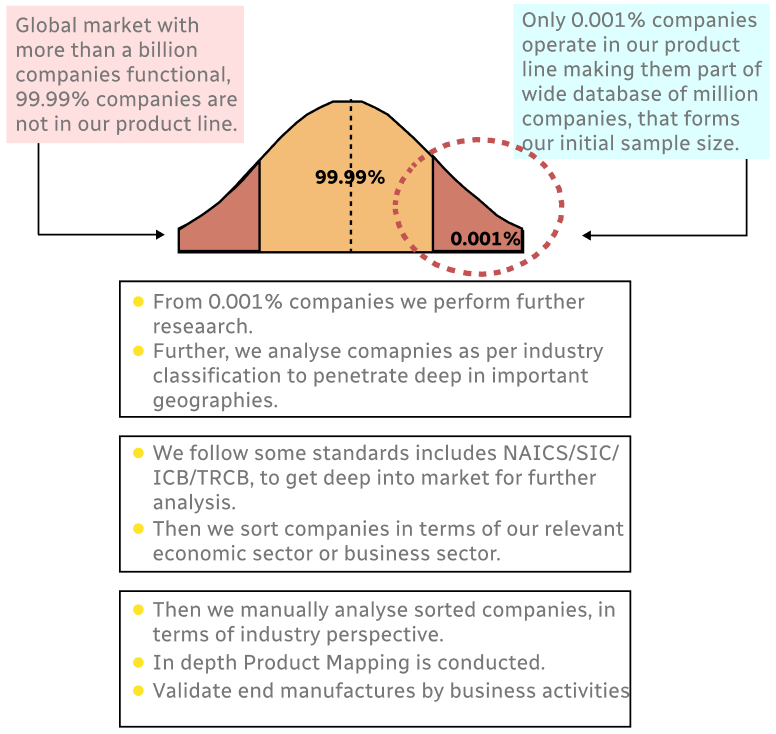
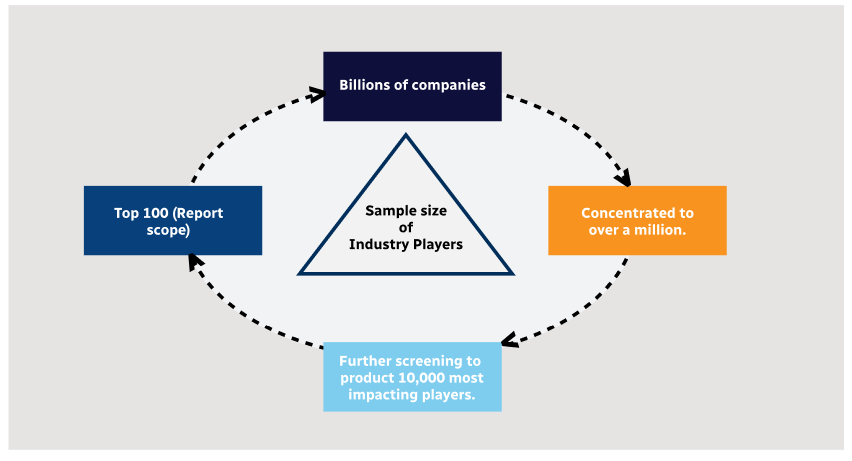
Step 1 - Identification of Relevant Samples Size from Population Database

Step 2 - Approaches for Defining Global Market Size (Value, Volume* & Price*)
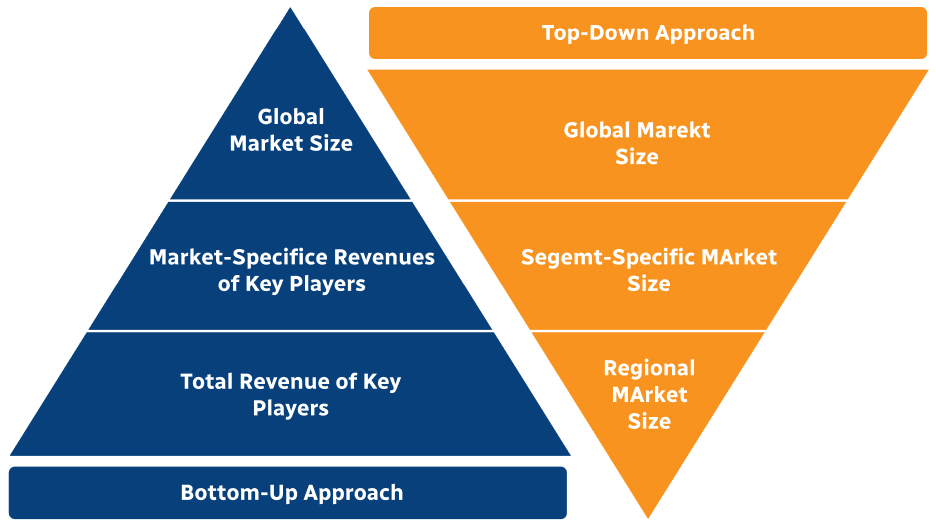
Note*: In applicable scenarios
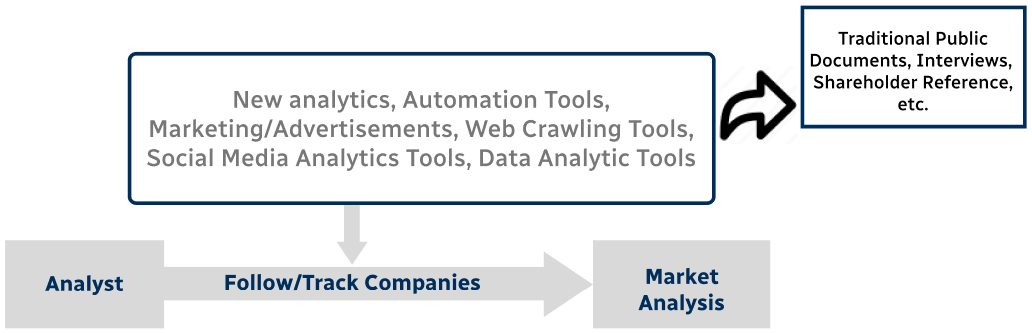
Step 3 - Data Sources
Primary Research
- Web Analytics
- Survey Reports
- Research Institute
- Latest Research Reports
- Opinion Leaders
Secondary Research
- Annual Reports
- White Paper
- Latest Press Release
- Industry Association
- Paid Database
- Investor Presentations
Step 4 - Data Triangulation
Involves using different sources of information in order to increase the validity of a study
These sources are likely to be stakeholders in a program - participants, other researchers, program staff, other community members, and so on.
Then we put all data in single framework & apply various statistical tools to find out the dynamic on the market.
During the analysis stage, feedback from the stakeholder groups would be compared to determine areas of agreement as well as areas of divergence