


Key Insights
The Cardioembolic Stroke Occluder market is poised for significant expansion, projected to reach $3510 million by 2025, fueled by a robust compound annual growth rate (CAGR) of 12.8% over the forecast period of 2025-2033. This growth is primarily driven by the increasing incidence of cardioembolic strokes, a condition where blood clots originating from the heart travel to the brain, leading to blockage and stroke. Advancements in medical technology, particularly in the development of more sophisticated and minimally invasive PFO (Patent Foramen Ovale) closure devices and LAA (Left Atrial Appendage) closure devices, are key catalysts. These devices offer improved patient outcomes, reduced recovery times, and lower risks compared to traditional treatments, thereby driving adoption in hospitals and clinics worldwide. The growing awareness among healthcare professionals and patients about the efficacy of these occluders in preventing recurrent strokes is also a significant contributing factor to market expansion.

Cardioembolic Stroke Occluder Market Size (In Billion)

Further bolstering market dynamics are emerging trends such as the miniaturization of devices, enhanced imaging guidance during procedures, and a growing focus on personalized treatment approaches for stroke prevention. The rising prevalence of atrial fibrillation, a major risk factor for cardioembolic strokes, coupled with an aging global population, creates a sustained demand for these life-saving devices. While the market is experiencing strong growth, potential restraints include the high cost of advanced occluder devices and the need for specialized training for interventional cardiologists and neurologists to perform these procedures. However, the persistent unmet need for effective stroke prevention strategies and the continuous innovation within the industry are expected to outweigh these challenges, ensuring a dynamic and promising trajectory for the Cardioembolic Stroke Occluder market.

Cardioembolic Stroke Occluder Company Market Share
This in-depth report provides a critical examination of the global Cardioembolic Stroke Occluder market, a vital segment within cardiovascular interventional devices. The study covers the historical period from 2019 to 2024, with a detailed analysis of the base year 2025 and an extensive forecast period extending to 2033. We analyze market dynamics, growth trends, regional dominance, product innovations, key drivers, barriers, opportunities, and the competitive landscape, offering actionable insights for industry stakeholders.
Cardioembolic Stroke Occluder Market Dynamics & Structure
The cardioembolic stroke occluder market is characterized by moderate concentration, with key players actively investing in research and development to drive technological innovation. The primary drivers for market expansion include the increasing prevalence of atrial fibrillation (AFib), patent foramen ovale (PFO) related strokes, and the growing demand for minimally invasive treatment options. Regulatory frameworks, particularly stringent approval processes by bodies like the FDA and EMA, play a significant role in shaping market entry and product diffusion. Competitive product substitutes, such as long-term anticoagulation therapy, present a continuous challenge, necessitating superior efficacy and safety profiles for occluder devices. End-user demographics are shifting towards an aging global population, which exhibits a higher incidence of stroke-related conditions. Mergers and acquisitions (M&A) have been instrumental in consolidating market share and expanding product portfolios.
- Market Concentration: Moderate, with a few key players holding significant market share.
- Technological Innovation Drivers: Advancements in device design for enhanced deliverability, sealing efficacy, and patient safety.
- Regulatory Frameworks: FDA, EMA, and other regional regulatory body approvals are critical gating factors.
- Competitive Product Substitutes: Anticoagulant therapies (e.g., DOACs, Warfarin) and antiplatelet agents.
- End-User Demographics: Aging population, individuals with AFib and cryptogenic stroke.
- M&A Trends: Strategic acquisitions to gain market access and technological capabilities, with an estimated XX M&A deals in the historical period.
Cardioembolic Stroke Occluder Growth Trends & Insights
The Cardioembolic Stroke Occluder market is poised for significant expansion, driven by a confluence of factors including a growing patient population at risk for stroke, advancements in medical technology, and increasing physician and patient acceptance of interventional procedures. The market size is projected to grow from an estimated $1,500 million in the base year 2025 to over $4,000 million by 2033, exhibiting a Compound Annual Growth Rate (CAGR) of approximately 12.5% during the forecast period. This robust growth is underpinned by escalating adoption rates of Left Atrial Appendage (LAA) closure devices for stroke prevention in patients with non-valvular AFib, a condition affecting millions globally. Technological disruptions are continuously refining device performance, offering improved clot retrieval capabilities and enhanced sealing mechanisms to reduce residual leaks. Consumer behavior is shifting towards seeking less invasive and more effective stroke prevention strategies, further boosting the demand for cardioembolic stroke occluders. Market penetration is expected to rise from 25% in 2025 to over 50% by 2033 in developed regions. The increasing number of clinical trials demonstrating the efficacy and safety of these devices compared to traditional therapies is a key factor in this upward trend. Furthermore, healthcare providers are increasingly recognizing the economic benefits of stroke prevention, including reduced hospitalizations and long-term care costs. The evolving landscape of stroke management is prioritizing preventative measures, placing cardioembolic stroke occluders at the forefront of therapeutic innovation. This surge in demand is also fueled by an increased understanding of stroke etiologies and the identification of specific patient populations that benefit most from these interventional solutions. The development of next-generation occluders with enhanced imaging compatibility and easier deployment systems is expected to further accelerate market growth and patient access.
Dominant Regions, Countries, or Segments in Cardioembolic Stroke Occluder
The Cardioembolic Stroke Occluder market's growth is predominantly driven by Hospitals as the primary application segment, accounting for an estimated 70% of the market share in 2025. Within the Type segmentation, LAA Closure Devices are the leading segment, projected to capture 65% of the market in 2025, driven by their extensive use in stroke prevention for atrial fibrillation patients. North America currently dominates the global market, expected to represent 35% of the market in 2025, attributed to a high prevalence of cardiovascular diseases, robust healthcare infrastructure, early adoption of novel medical technologies, and favorable reimbursement policies.
- Dominant Application Segment:
- Hospitals: Expected to account for approximately 70% of the market in 2025.
- Key Drivers: High patient volume, availability of advanced surgical infrastructure, specialized interventional cardiology teams, and comprehensive stroke centers.
- Dominant Device Type:
- LAA Closure Devices: Forecasted to hold around 65% market share in 2025.
- Key Drivers: Rising incidence of atrial fibrillation, increasing physician confidence, and demonstrated efficacy in reducing stroke risk in AFib patients.
- Dominant Region:
- North America: Estimated to hold 35% of the global market in 2025.
- Key Drivers: High disposable income, advanced healthcare spending, well-established regulatory pathways, and strong presence of leading market players.
- Leading Countries within North America: United States, Canada.
- Growth Potential: Significant potential for expansion in emerging economies within Europe and Asia-Pacific due to increasing awareness and improving healthcare access.
Cardioembolic Stroke Occluder Product Landscape
The cardioembolic stroke occluder product landscape is characterized by continuous innovation focused on enhancing deliverability, sealing efficiency, and patient safety. Key advancements include the development of self-expanding nitinol devices with integrated sealing membranes, designed for optimal apposition and minimal residual leak. Emerging technologies emphasize advanced imaging compatibility for precise placement and improved biomaterials to reduce thrombogenicity. Unique selling propositions revolve around minimally invasive approaches, faster procedure times, and superior long-term outcomes in stroke prevention.
Key Drivers, Barriers & Challenges in Cardioembolic Stroke Occluder
Key Drivers:
- Increasing incidence of Atrial Fibrillation (AFib) and Patent Foramen Ovale (PFO): These conditions significantly elevate the risk of cardioembolic stroke, driving demand for preventative devices.
- Technological Advancements: Development of smaller, more deliverable, and effective occluder devices with enhanced sealing capabilities.
- Growing Preference for Minimally Invasive Procedures: Patients and physicians favor less invasive alternatives to open surgery and long-term anticoagulation.
- Favorable Reimbursement Policies: Increasing recognition by payers of the long-term cost-effectiveness of stroke prevention.
Key Barriers & Challenges:
- High Device Costs: The initial cost of cardioembolic stroke occluders can be a barrier to widespread adoption, especially in resource-limited settings.
- Regulatory Hurdles: Stringent approval processes can delay market entry and increase development costs.
- Competition from Anticoagulants: Existing pharmaceutical interventions for stroke prevention present a significant competitive challenge.
- Procedural Complications and Learning Curve: While generally safe, potential complications and the need for specialized training can limit accessibility.
- Supply Chain Disruptions: Global supply chain vulnerabilities can impact the availability of critical components and finished devices. The impact of supply chain issues is estimated to have caused a 5% reduction in market growth during the historical period.
Emerging Opportunities in Cardioembolic Stroke Occluder
Emerging opportunities lie in the development of next-generation occluders with enhanced biocompatibility and active thromboprophylactic properties. Untapped markets in developing regions with rising cardiovascular disease burdens present significant growth potential. Innovative applications focusing on specific patient subgroups, such as cryptogenic stroke patients with multiple risk factors, are also a key area. Evolving consumer preferences for personalized medicine and proactive health management will further drive demand for advanced stroke prevention solutions. The potential for smaller, more versatile devices suitable for a wider range of anatomical variations is also a significant opportunity.
Growth Accelerators in the Cardioembolic Stroke Occluder Industry
Growth in the cardioembolic stroke occluder industry is significantly accelerated by continuous technological breakthroughs in biomaterials and device engineering, leading to improved efficacy and safety profiles. Strategic partnerships between device manufacturers and research institutions foster innovation and accelerate clinical translation. Market expansion strategies targeting emerging economies, coupled with increasing awareness campaigns about stroke prevention, are crucial growth catalysts. The increasing body of clinical evidence demonstrating superior outcomes compared to anticoagulation therapy for select patient populations also acts as a powerful accelerator.
Key Players Shaping the Cardioembolic Stroke Occluder Market
- Abbott
- Boston Scientific
- LifeTech
- Lepu Medical
- Occlutech
- W. L. Gore & Associates
- Starway
- Coherex Medical
- Cardia
- MicroPort
Notable Milestones in Cardioembolic Stroke Occluder Sector
- 2019: FDA approval of a new LAA closure device with improved sealing capabilities.
- 2020: Significant M&A activity as larger players acquire innovative start-ups.
- 2021: Publication of landmark trials demonstrating non-inferiority of LAA closure to anticoagulation for AFib patients.
- 2022: Introduction of PFO closure devices with enhanced imaging guidance for complex cases.
- 2023: Increased focus on developing smaller diameter delivery systems for wider patient access.
- 2024: Growing clinical adoption of a novel bifurcated LAA occluder design.
In-Depth Cardioembolic Stroke Occluder Market Outlook
The future outlook for the cardioembolic stroke occluder market is exceptionally promising, fueled by ongoing technological advancements and a growing global emphasis on preventative healthcare. Growth accelerators like personalized medicine, the development of bio-absorbable occluders, and wider market penetration in underserved regions will shape its trajectory. Strategic collaborations and continued clinical validation will solidify the role of these devices in comprehensive stroke management strategies, promising substantial growth and improved patient outcomes globally. The market is projected to continue its robust expansion, offering significant opportunities for innovation and investment.
Cardioembolic Stroke Occluder Segmentation
-
1. Application
- 1.1. Hospitals
- 1.2. Clinics
-
2. Type
- 2.1. PFO Closure Devices
- 2.2. LAA Closure Devices
Cardioembolic Stroke Occluder Segmentation By Geography
-
1. North America
- 1.1. United States
- 1.2. Canada
- 1.3. Mexico
-
2. South America
- 2.1. Brazil
- 2.2. Argentina
- 2.3. Rest of South America
-
3. Europe
- 3.1. United Kingdom
- 3.2. Germany
- 3.3. France
- 3.4. Italy
- 3.5. Spain
- 3.6. Russia
- 3.7. Benelux
- 3.8. Nordics
- 3.9. Rest of Europe
-
4. Middle East & Africa
- 4.1. Turkey
- 4.2. Israel
- 4.3. GCC
- 4.4. North Africa
- 4.5. South Africa
- 4.6. Rest of Middle East & Africa
-
5. Asia Pacific
- 5.1. China
- 5.2. India
- 5.3. Japan
- 5.4. South Korea
- 5.5. ASEAN
- 5.6. Oceania
- 5.7. Rest of Asia Pacific

Cardioembolic Stroke Occluder Regional Market Share
Geographic Coverage of Cardioembolic Stroke Occluder
Cardioembolic Stroke Occluder REPORT HIGHLIGHTS
| Aspects | Details |
|---|---|
| Study Period | 2020-2034 |
| Base Year | 2025 |
| Estimated Year | 2026 |
| Forecast Period | 2026-2034 |
| Historical Period | 2020-2025 |
| Growth Rate | CAGR of 12.8% from 2020-2034 |
| Segmentation |
|
Table of Contents
- 1. Introduction
- 1.1. Research Scope
- 1.2. Market Segmentation
- 1.3. Research Methodology
- 1.4. Definitions and Assumptions
- 2. Executive Summary
- 2.1. Introduction
- 3. Market Dynamics
- 3.1. Introduction
- 3.2. Market Drivers
- 3.3. Market Restrains
- 3.4. Market Trends
- 4. Market Factor Analysis
- 4.1. Porters Five Forces
- 4.2. Supply/Value Chain
- 4.3. PESTEL analysis
- 4.4. Market Entropy
- 4.5. Patent/Trademark Analysis
- 5. Global Cardioembolic Stroke Occluder Analysis, Insights and Forecast, 2020-2032
- 5.1. Market Analysis, Insights and Forecast - by Application
- 5.1.1. Hospitals
- 5.1.2. Clinics
- 5.2. Market Analysis, Insights and Forecast - by Type
- 5.2.1. PFO Closure Devices
- 5.2.2. LAA Closure Devices
- 5.3. Market Analysis, Insights and Forecast - by Region
- 5.3.1. North America
- 5.3.2. South America
- 5.3.3. Europe
- 5.3.4. Middle East & Africa
- 5.3.5. Asia Pacific
- 5.1. Market Analysis, Insights and Forecast - by Application
- 6. North America Cardioembolic Stroke Occluder Analysis, Insights and Forecast, 2020-2032
- 6.1. Market Analysis, Insights and Forecast - by Application
- 6.1.1. Hospitals
- 6.1.2. Clinics
- 6.2. Market Analysis, Insights and Forecast - by Type
- 6.2.1. PFO Closure Devices
- 6.2.2. LAA Closure Devices
- 6.1. Market Analysis, Insights and Forecast - by Application
- 7. South America Cardioembolic Stroke Occluder Analysis, Insights and Forecast, 2020-2032
- 7.1. Market Analysis, Insights and Forecast - by Application
- 7.1.1. Hospitals
- 7.1.2. Clinics
- 7.2. Market Analysis, Insights and Forecast - by Type
- 7.2.1. PFO Closure Devices
- 7.2.2. LAA Closure Devices
- 7.1. Market Analysis, Insights and Forecast - by Application
- 8. Europe Cardioembolic Stroke Occluder Analysis, Insights and Forecast, 2020-2032
- 8.1. Market Analysis, Insights and Forecast - by Application
- 8.1.1. Hospitals
- 8.1.2. Clinics
- 8.2. Market Analysis, Insights and Forecast - by Type
- 8.2.1. PFO Closure Devices
- 8.2.2. LAA Closure Devices
- 8.1. Market Analysis, Insights and Forecast - by Application
- 9. Middle East & Africa Cardioembolic Stroke Occluder Analysis, Insights and Forecast, 2020-2032
- 9.1. Market Analysis, Insights and Forecast - by Application
- 9.1.1. Hospitals
- 9.1.2. Clinics
- 9.2. Market Analysis, Insights and Forecast - by Type
- 9.2.1. PFO Closure Devices
- 9.2.2. LAA Closure Devices
- 9.1. Market Analysis, Insights and Forecast - by Application
- 10. Asia Pacific Cardioembolic Stroke Occluder Analysis, Insights and Forecast, 2020-2032
- 10.1. Market Analysis, Insights and Forecast - by Application
- 10.1.1. Hospitals
- 10.1.2. Clinics
- 10.2. Market Analysis, Insights and Forecast - by Type
- 10.2.1. PFO Closure Devices
- 10.2.2. LAA Closure Devices
- 10.1. Market Analysis, Insights and Forecast - by Application
- 11. Competitive Analysis
- 11.1. Global Market Share Analysis 2025
- 11.2. Company Profiles
- 11.2.1 Abbott
- 11.2.1.1. Overview
- 11.2.1.2. Products
- 11.2.1.3. SWOT Analysis
- 11.2.1.4. Recent Developments
- 11.2.1.5. Financials (Based on Availability)
- 11.2.2 Boston Scientific
- 11.2.2.1. Overview
- 11.2.2.2. Products
- 11.2.2.3. SWOT Analysis
- 11.2.2.4. Recent Developments
- 11.2.2.5. Financials (Based on Availability)
- 11.2.3 LifeTech
- 11.2.3.1. Overview
- 11.2.3.2. Products
- 11.2.3.3. SWOT Analysis
- 11.2.3.4. Recent Developments
- 11.2.3.5. Financials (Based on Availability)
- 11.2.4 Lepu Medical
- 11.2.4.1. Overview
- 11.2.4.2. Products
- 11.2.4.3. SWOT Analysis
- 11.2.4.4. Recent Developments
- 11.2.4.5. Financials (Based on Availability)
- 11.2.5 Occlutech
- 11.2.5.1. Overview
- 11.2.5.2. Products
- 11.2.5.3. SWOT Analysis
- 11.2.5.4. Recent Developments
- 11.2.5.5. Financials (Based on Availability)
- 11.2.6 W. L. Gore & Associates
- 11.2.6.1. Overview
- 11.2.6.2. Products
- 11.2.6.3. SWOT Analysis
- 11.2.6.4. Recent Developments
- 11.2.6.5. Financials (Based on Availability)
- 11.2.7 Starway
- 11.2.7.1. Overview
- 11.2.7.2. Products
- 11.2.7.3. SWOT Analysis
- 11.2.7.4. Recent Developments
- 11.2.7.5. Financials (Based on Availability)
- 11.2.8 Coherex Medical
- 11.2.8.1. Overview
- 11.2.8.2. Products
- 11.2.8.3. SWOT Analysis
- 11.2.8.4. Recent Developments
- 11.2.8.5. Financials (Based on Availability)
- 11.2.9 Cardia
- 11.2.9.1. Overview
- 11.2.9.2. Products
- 11.2.9.3. SWOT Analysis
- 11.2.9.4. Recent Developments
- 11.2.9.5. Financials (Based on Availability)
- 11.2.10 MicroPort
- 11.2.10.1. Overview
- 11.2.10.2. Products
- 11.2.10.3. SWOT Analysis
- 11.2.10.4. Recent Developments
- 11.2.10.5. Financials (Based on Availability)
- 11.2.1 Abbott
List of Figures
- Figure 1: Global Cardioembolic Stroke Occluder Revenue Breakdown (million, %) by Region 2025 & 2033
- Figure 2: North America Cardioembolic Stroke Occluder Revenue (million), by Application 2025 & 2033
- Figure 3: North America Cardioembolic Stroke Occluder Revenue Share (%), by Application 2025 & 2033
- Figure 4: North America Cardioembolic Stroke Occluder Revenue (million), by Type 2025 & 2033
- Figure 5: North America Cardioembolic Stroke Occluder Revenue Share (%), by Type 2025 & 2033
- Figure 6: North America Cardioembolic Stroke Occluder Revenue (million), by Country 2025 & 2033
- Figure 7: North America Cardioembolic Stroke Occluder Revenue Share (%), by Country 2025 & 2033
- Figure 8: South America Cardioembolic Stroke Occluder Revenue (million), by Application 2025 & 2033
- Figure 9: South America Cardioembolic Stroke Occluder Revenue Share (%), by Application 2025 & 2033
- Figure 10: South America Cardioembolic Stroke Occluder Revenue (million), by Type 2025 & 2033
- Figure 11: South America Cardioembolic Stroke Occluder Revenue Share (%), by Type 2025 & 2033
- Figure 12: South America Cardioembolic Stroke Occluder Revenue (million), by Country 2025 & 2033
- Figure 13: South America Cardioembolic Stroke Occluder Revenue Share (%), by Country 2025 & 2033
- Figure 14: Europe Cardioembolic Stroke Occluder Revenue (million), by Application 2025 & 2033
- Figure 15: Europe Cardioembolic Stroke Occluder Revenue Share (%), by Application 2025 & 2033
- Figure 16: Europe Cardioembolic Stroke Occluder Revenue (million), by Type 2025 & 2033
- Figure 17: Europe Cardioembolic Stroke Occluder Revenue Share (%), by Type 2025 & 2033
- Figure 18: Europe Cardioembolic Stroke Occluder Revenue (million), by Country 2025 & 2033
- Figure 19: Europe Cardioembolic Stroke Occluder Revenue Share (%), by Country 2025 & 2033
- Figure 20: Middle East & Africa Cardioembolic Stroke Occluder Revenue (million), by Application 2025 & 2033
- Figure 21: Middle East & Africa Cardioembolic Stroke Occluder Revenue Share (%), by Application 2025 & 2033
- Figure 22: Middle East & Africa Cardioembolic Stroke Occluder Revenue (million), by Type 2025 & 2033
- Figure 23: Middle East & Africa Cardioembolic Stroke Occluder Revenue Share (%), by Type 2025 & 2033
- Figure 24: Middle East & Africa Cardioembolic Stroke Occluder Revenue (million), by Country 2025 & 2033
- Figure 25: Middle East & Africa Cardioembolic Stroke Occluder Revenue Share (%), by Country 2025 & 2033
- Figure 26: Asia Pacific Cardioembolic Stroke Occluder Revenue (million), by Application 2025 & 2033
- Figure 27: Asia Pacific Cardioembolic Stroke Occluder Revenue Share (%), by Application 2025 & 2033
- Figure 28: Asia Pacific Cardioembolic Stroke Occluder Revenue (million), by Type 2025 & 2033
- Figure 29: Asia Pacific Cardioembolic Stroke Occluder Revenue Share (%), by Type 2025 & 2033
- Figure 30: Asia Pacific Cardioembolic Stroke Occluder Revenue (million), by Country 2025 & 2033
- Figure 31: Asia Pacific Cardioembolic Stroke Occluder Revenue Share (%), by Country 2025 & 2033
List of Tables
- Table 1: Global Cardioembolic Stroke Occluder Revenue million Forecast, by Application 2020 & 2033
- Table 2: Global Cardioembolic Stroke Occluder Revenue million Forecast, by Type 2020 & 2033
- Table 3: Global Cardioembolic Stroke Occluder Revenue million Forecast, by Region 2020 & 2033
- Table 4: Global Cardioembolic Stroke Occluder Revenue million Forecast, by Application 2020 & 2033
- Table 5: Global Cardioembolic Stroke Occluder Revenue million Forecast, by Type 2020 & 2033
- Table 6: Global Cardioembolic Stroke Occluder Revenue million Forecast, by Country 2020 & 2033
- Table 7: United States Cardioembolic Stroke Occluder Revenue (million) Forecast, by Application 2020 & 2033
- Table 8: Canada Cardioembolic Stroke Occluder Revenue (million) Forecast, by Application 2020 & 2033
- Table 9: Mexico Cardioembolic Stroke Occluder Revenue (million) Forecast, by Application 2020 & 2033
- Table 10: Global Cardioembolic Stroke Occluder Revenue million Forecast, by Application 2020 & 2033
- Table 11: Global Cardioembolic Stroke Occluder Revenue million Forecast, by Type 2020 & 2033
- Table 12: Global Cardioembolic Stroke Occluder Revenue million Forecast, by Country 2020 & 2033
- Table 13: Brazil Cardioembolic Stroke Occluder Revenue (million) Forecast, by Application 2020 & 2033
- Table 14: Argentina Cardioembolic Stroke Occluder Revenue (million) Forecast, by Application 2020 & 2033
- Table 15: Rest of South America Cardioembolic Stroke Occluder Revenue (million) Forecast, by Application 2020 & 2033
- Table 16: Global Cardioembolic Stroke Occluder Revenue million Forecast, by Application 2020 & 2033
- Table 17: Global Cardioembolic Stroke Occluder Revenue million Forecast, by Type 2020 & 2033
- Table 18: Global Cardioembolic Stroke Occluder Revenue million Forecast, by Country 2020 & 2033
- Table 19: United Kingdom Cardioembolic Stroke Occluder Revenue (million) Forecast, by Application 2020 & 2033
- Table 20: Germany Cardioembolic Stroke Occluder Revenue (million) Forecast, by Application 2020 & 2033
- Table 21: France Cardioembolic Stroke Occluder Revenue (million) Forecast, by Application 2020 & 2033
- Table 22: Italy Cardioembolic Stroke Occluder Revenue (million) Forecast, by Application 2020 & 2033
- Table 23: Spain Cardioembolic Stroke Occluder Revenue (million) Forecast, by Application 2020 & 2033
- Table 24: Russia Cardioembolic Stroke Occluder Revenue (million) Forecast, by Application 2020 & 2033
- Table 25: Benelux Cardioembolic Stroke Occluder Revenue (million) Forecast, by Application 2020 & 2033
- Table 26: Nordics Cardioembolic Stroke Occluder Revenue (million) Forecast, by Application 2020 & 2033
- Table 27: Rest of Europe Cardioembolic Stroke Occluder Revenue (million) Forecast, by Application 2020 & 2033
- Table 28: Global Cardioembolic Stroke Occluder Revenue million Forecast, by Application 2020 & 2033
- Table 29: Global Cardioembolic Stroke Occluder Revenue million Forecast, by Type 2020 & 2033
- Table 30: Global Cardioembolic Stroke Occluder Revenue million Forecast, by Country 2020 & 2033
- Table 31: Turkey Cardioembolic Stroke Occluder Revenue (million) Forecast, by Application 2020 & 2033
- Table 32: Israel Cardioembolic Stroke Occluder Revenue (million) Forecast, by Application 2020 & 2033
- Table 33: GCC Cardioembolic Stroke Occluder Revenue (million) Forecast, by Application 2020 & 2033
- Table 34: North Africa Cardioembolic Stroke Occluder Revenue (million) Forecast, by Application 2020 & 2033
- Table 35: South Africa Cardioembolic Stroke Occluder Revenue (million) Forecast, by Application 2020 & 2033
- Table 36: Rest of Middle East & Africa Cardioembolic Stroke Occluder Revenue (million) Forecast, by Application 2020 & 2033
- Table 37: Global Cardioembolic Stroke Occluder Revenue million Forecast, by Application 2020 & 2033
- Table 38: Global Cardioembolic Stroke Occluder Revenue million Forecast, by Type 2020 & 2033
- Table 39: Global Cardioembolic Stroke Occluder Revenue million Forecast, by Country 2020 & 2033
- Table 40: China Cardioembolic Stroke Occluder Revenue (million) Forecast, by Application 2020 & 2033
- Table 41: India Cardioembolic Stroke Occluder Revenue (million) Forecast, by Application 2020 & 2033
- Table 42: Japan Cardioembolic Stroke Occluder Revenue (million) Forecast, by Application 2020 & 2033
- Table 43: South Korea Cardioembolic Stroke Occluder Revenue (million) Forecast, by Application 2020 & 2033
- Table 44: ASEAN Cardioembolic Stroke Occluder Revenue (million) Forecast, by Application 2020 & 2033
- Table 45: Oceania Cardioembolic Stroke Occluder Revenue (million) Forecast, by Application 2020 & 2033
- Table 46: Rest of Asia Pacific Cardioembolic Stroke Occluder Revenue (million) Forecast, by Application 2020 & 2033
Frequently Asked Questions
1. What is the projected Compound Annual Growth Rate (CAGR) of the Cardioembolic Stroke Occluder?
The projected CAGR is approximately 12.8%.
2. Which companies are prominent players in the Cardioembolic Stroke Occluder?
Key companies in the market include Abbott, Boston Scientific, LifeTech, Lepu Medical, Occlutech, W. L. Gore & Associates, Starway, Coherex Medical, Cardia, MicroPort.
3. What are the main segments of the Cardioembolic Stroke Occluder?
The market segments include Application, Type.
4. Can you provide details about the market size?
The market size is estimated to be USD 3510 million as of 2022.
5. What are some drivers contributing to market growth?
N/A
6. What are the notable trends driving market growth?
N/A
7. Are there any restraints impacting market growth?
N/A
8. Can you provide examples of recent developments in the market?
N/A
9. What pricing options are available for accessing the report?
Pricing options include single-user, multi-user, and enterprise licenses priced at USD 2900.00, USD 4350.00, and USD 5800.00 respectively.
10. Is the market size provided in terms of value or volume?
The market size is provided in terms of value, measured in million.
11. Are there any specific market keywords associated with the report?
Yes, the market keyword associated with the report is "Cardioembolic Stroke Occluder," which aids in identifying and referencing the specific market segment covered.
12. How do I determine which pricing option suits my needs best?
The pricing options vary based on user requirements and access needs. Individual users may opt for single-user licenses, while businesses requiring broader access may choose multi-user or enterprise licenses for cost-effective access to the report.
13. Are there any additional resources or data provided in the Cardioembolic Stroke Occluder report?
While the report offers comprehensive insights, it's advisable to review the specific contents or supplementary materials provided to ascertain if additional resources or data are available.
14. How can I stay updated on further developments or reports in the Cardioembolic Stroke Occluder?
To stay informed about further developments, trends, and reports in the Cardioembolic Stroke Occluder, consider subscribing to industry newsletters, following relevant companies and organizations, or regularly checking reputable industry news sources and publications.
Methodology
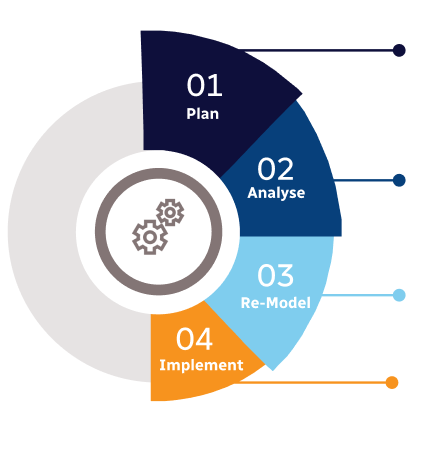
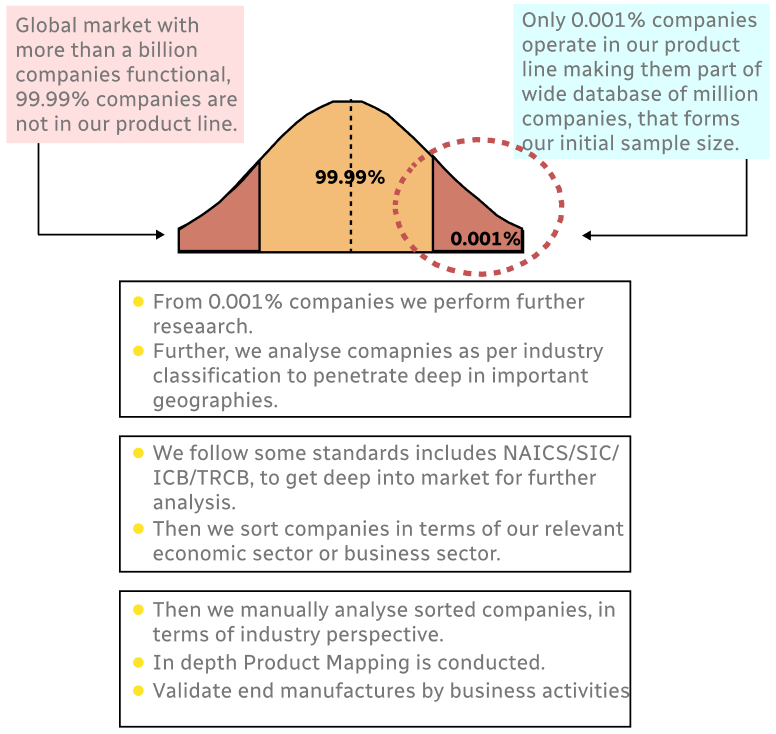
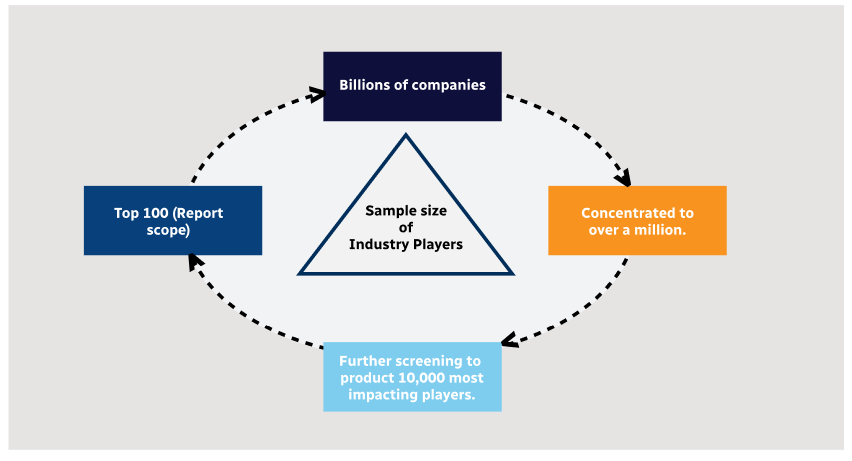
Step 1 - Identification of Relevant Samples Size from Population Database
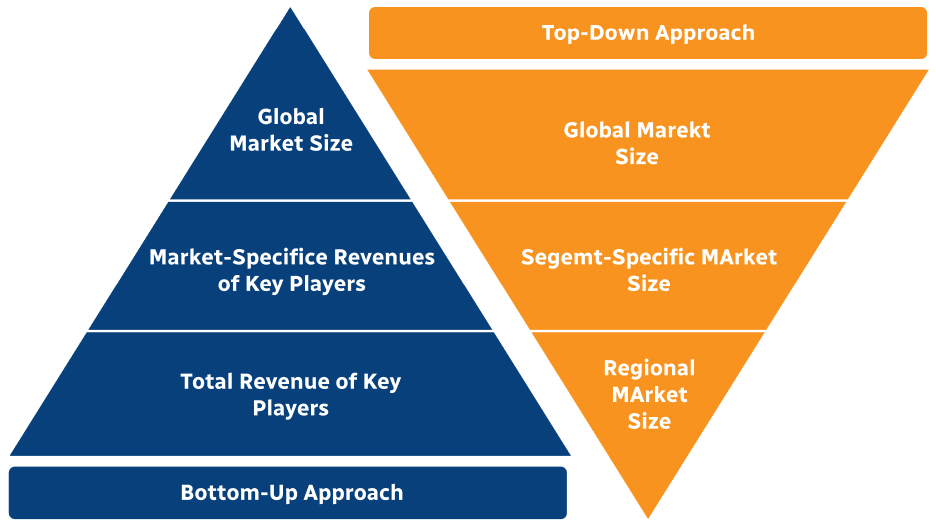
Step 2 - Approaches for Defining Global Market Size (Value, Volume* & Price*)
Note*: In applicable scenarios
Step 3 - Data Sources
Primary Research
- Web Analytics
- Survey Reports
- Research Institute
- Latest Research Reports
- Opinion Leaders
Secondary Research
- Annual Reports
- White Paper
- Latest Press Release
- Industry Association
- Paid Database
- Investor Presentations
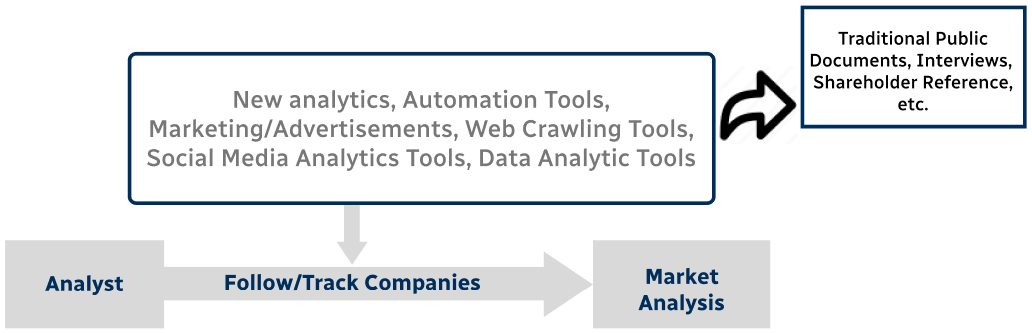
Step 4 - Data Triangulation
Involves using different sources of information in order to increase the validity of a study
These sources are likely to be stakeholders in a program - participants, other researchers, program staff, other community members, and so on.
Then we put all data in single framework & apply various statistical tools to find out the dynamic on the market.
During the analysis stage, feedback from the stakeholder groups would be compared to determine areas of agreement as well as areas of divergence