


Key Insights
The global biomimetic materials market is poised for substantial growth, driven by an increasing demand for sustainable and high-performance solutions across diverse industries. With a projected market size of $36.76 billion in 2025, this sector is expected to witness a robust CAGR of 8.8% during the forecast period of 2025-2033. This expansion is primarily fueled by advancements in material science and a growing understanding of nature's efficient designs. Key applications are emerging in medical implants and prosthetics, where biomimetic materials offer superior biocompatibility and integration with biological tissues, reducing rejection rates and enhancing patient outcomes. The textile industry is also a significant driver, with biomimetic fibers providing enhanced functionality such as water repellency and breathability, mimicking natural structures. Furthermore, the aerospace and defense sectors are leveraging these materials for their lightweight yet strong properties, contributing to fuel efficiency and enhanced structural integrity. The automotive industry is exploring biomimetic designs for improved durability and reduced environmental impact. The electrical and electronics sector benefits from biomimetic materials' unique conductive and insulating properties, while environmental protection applications are seeing increased use in filtration and waste management.
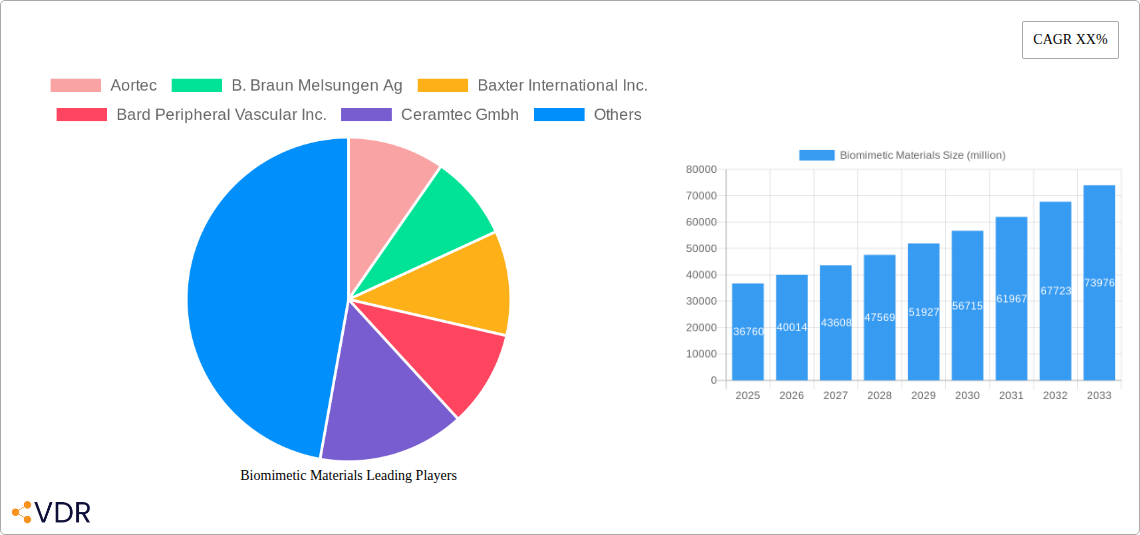
Biomimetic Materials Market Size (In Billion)

The market's trajectory is further shaped by trends like the development of intelligent and adaptive biomimetic materials that can respond to environmental stimuli, mirroring biological processes. The increasing focus on circular economy principles is also driving innovation in biodegradable and recyclable biomimetic materials. While growth is strong, certain restraints exist, including the high cost of research and development and the complexity of replicating intricate biological structures. However, ongoing technological advancements and increasing investment in R&D are expected to mitigate these challenges. Prominent companies are actively investing in developing novel biomimetic materials and expanding their product portfolios. Geographically, North America and Europe are leading the market due to strong R&D infrastructure and early adoption of advanced materials. Asia Pacific, particularly China and India, is emerging as a significant growth region, driven by rapid industrialization and increasing government initiatives to promote sustainable technologies.

Biomimetic Materials Company Market Share
Biomimetic Materials Market: Innovation, Growth, and Future Outlook (2019-2033)
This comprehensive report delves into the dynamic and rapidly evolving Biomimetic Materials market, offering a granular analysis of its structure, growth trends, regional dominance, product landscape, and future trajectory. Covering the period from 2019 to 2033, with a base year of 2025, this study provides critical insights for industry professionals, investors, and researchers. Explore the burgeoning potential of materials inspired by nature, driving innovation across diverse sectors.
Biomimetic Materials Market Dynamics & Structure
The global Biomimetic Materials market exhibits a moderate to high concentration, driven by significant investment in research and development, particularly in advanced medical applications. Technological innovation is the primary engine, with breakthroughs in understanding natural structures and processes fueling the creation of novel materials. Regulatory frameworks, especially stringent in the medical device sector, play a crucial role in shaping product development and market entry. Competitive product substitutes, while present in traditional materials, are increasingly challenged by the unique performance attributes offered by biomimetic solutions. End-user demographics are expanding, with a growing demand from healthcare, automotive, and aerospace industries seeking enhanced performance, sustainability, and biocompatibility. Mergers and Acquisitions (M&A) trends indicate strategic consolidation, as larger corporations seek to acquire innovative startups and expand their portfolios in this high-growth area. For instance, the past few years have seen an estimated 5-8 M&A deals annually, with deal values ranging from tens to hundreds of millions of dollars. Barriers to innovation primarily include the complexity of replicating biological structures, the high cost of R&D, and the need for extensive testing and validation.
- Market Concentration: Moderate to High, driven by R&D investment.
- Key Innovation Drivers: Understanding natural structures, demand for advanced performance.
- Regulatory Impact: Significant, especially in medical and aerospace sectors.
- Competitive Landscape: Growing displacement of traditional materials by biomimetic solutions.
- End-User Demographics: Expanding across healthcare, automotive, aerospace, and consumer goods.
- M&A Trends: Strategic consolidation to acquire innovation and market share.
Biomimetic Materials Growth Trends & Insights
The global Biomimetic Materials market is poised for substantial expansion, projected to grow at a Compound Annual Growth Rate (CAGR) of approximately 12-15% from 2025 to 2033. This growth is fueled by a confluence of factors including increasing demand for sustainable and eco-friendly materials, advancements in additive manufacturing (3D printing) enabling intricate biomimetic designs, and a surge in applications within the healthcare sector for implants, prosthetics, and regenerative medicine. The market size in the base year of 2025 is estimated to be around $XX billion, with projections indicating it could reach over $XX billion by 2033. Consumer behavior is shifting towards products with a lower environmental footprint and enhanced functionality, directly benefiting the adoption of biomimetic materials. Technological disruptions, such as novel methods for bio-inspired surface engineering and the development of smart biomimetic composites, are further accelerating market penetration. Adoption rates are particularly high in niche applications where traditional materials fall short, such as biocompatible coatings for medical devices and lightweight, high-strength components for aerospace. The parent market, encompassing advanced materials, is valued at over $1 trillion, with biomimetic materials representing a rapidly growing segment. The child market, focusing on specific applications like regenerative scaffolds, is exhibiting even higher growth rates, estimated at 18-20% CAGR. Market penetration of biomimetic materials, while still nascent in some sectors, is steadily increasing as awareness and cost-effectiveness improve. The increasing sophistication of computational modeling and simulation also plays a crucial role in accelerating the design and development cycle of new biomimetic materials.
Dominant Regions, Countries, or Segments in Biomimetic Materials
The Medical Applications segment is unequivocally the dominant driver of growth within the Biomimetic Materials market. This dominance is underpinned by critical factors such as the ever-present need for advanced biocompatible implants, sophisticated prosthetics, and revolutionary regenerative medicine solutions. The sheer volume of procedures requiring innovative materials, coupled with the high-value nature of medical devices, propels this segment forward. Furthermore, stringent regulatory approvals, while a barrier, also ensure a high standard of quality and efficacy for biomimetic materials entering the healthcare space, fostering trust and driving adoption among medical professionals and institutions. The growth potential in this segment is immense, projected to capture over 50% of the total market share by 2033.
North America, particularly the United States, emerges as the leading region, driven by its robust healthcare infrastructure, significant R&D expenditure, and a high concentration of leading medical device manufacturers. Government initiatives supporting medical innovation and a strong venture capital ecosystem further bolster this dominance. Europe follows closely, with countries like Germany and Switzerland leading in medical technology advancements and a growing emphasis on sustainable manufacturing.
Within the Types of biomimetic materials, Biomimetic Polymers currently hold the largest market share, due to their versatility, ease of processing, and inherent biocompatibility, making them ideal for a wide array of medical and consumer applications. However, Biomimetic Inorganic Materials, inspired by natural structures like bone and shell, are witnessing rapid advancements and are expected to gain significant traction, particularly in load-bearing implants and advanced ceramics. The Aerospace and Defense segment, while smaller in terms of overall market share, represents a high-growth niche, driven by the demand for lightweight, high-strength materials that mimic natural structures for enhanced aerodynamic efficiency and structural integrity.
- Dominant Application Segment: Medical Applications (projected >50% market share by 2033).
- Key Drivers: Biocompatibility, regenerative medicine, advanced implants, prosthetics.
- Growth Potential: High, driven by an aging global population and advancements in healthcare.
- Leading Region: North America (especially USA).
- Key Drivers: Strong healthcare infrastructure, high R&D spending, supportive government policies.
- Leading Type: Biomimetic Polymers (current dominance).
- Future Potential: Significant growth in Biomimetic Inorganic Materials and Other Biomimetic Composites.
- High-Growth Niche Segment: Aerospace and Defense.
- Key Drivers: Demand for lightweight, high-strength, and performance-enhancing materials.
Biomimetic Materials Product Landscape
The biomimetic materials product landscape is characterized by a wave of innovative solutions designed to replicate natural functionalities. Key product advancements include self-healing polymers inspired by skin regeneration, hierarchical composite structures mimicking bone for superior strength-to-weight ratios, and bio-inspired surfaces that enhance biocompatibility and reduce friction. These innovations are translating into applications such as advanced wound dressings that accelerate healing, lightweight yet robust components for aircraft, and highly efficient filtration membranes for environmental protection. The unique selling propositions of these materials lie in their inherent sustainability, exceptional performance metrics (e.g., superior tensile strength, enhanced biocompatibility), and the ability to be engineered for highly specific functionalities, often surpassing the capabilities of conventional materials.
Key Drivers, Barriers & Challenges in Biomimetic Materials
The Biomimetic Materials market is propelled by several key drivers, including a global imperative for sustainable and environmentally friendly solutions, leading to the adoption of materials with lower embodied energy and biodegradability. Technological advancements in nanotechnology, advanced manufacturing (3D printing), and computational modeling are enabling the creation of increasingly sophisticated biomimetic structures. Furthermore, the growing demand for high-performance materials in sectors like aerospace, automotive, and healthcare, where traditional materials are reaching their limits, is a significant catalyst. The increasing awareness of the benefits of mimicking natural designs for improved functionality and efficiency is also a crucial factor.
Conversely, significant barriers and challenges exist. The high cost of research and development, coupled with the complex and time-consuming validation processes, particularly for medical applications, can hinder widespread adoption. Scaling up production of intricate biomimetic structures to meet commercial demand presents a considerable technical and logistical hurdle. Regulatory hurdles, especially in highly regulated industries, can lead to lengthy approval cycles and increased development costs. Supply chain issues for specialized bio-inspired precursors and the need for highly skilled personnel to design, develop, and manufacture these advanced materials also pose challenges. Competitive pressures from established traditional materials, which often have lower upfront costs and proven track records, remain a constant restraint.
- Key Drivers:
- Sustainability and environmental concerns.
- Advancements in nanotechnology and 3D printing.
- Demand for high-performance materials.
- Growing understanding of natural design principles.
- Key Barriers & Challenges:
- High R&D costs and long validation cycles.
- Scalability of production for complex structures.
- Stringent regulatory approvals.
- Supply chain complexities.
- Shortage of skilled workforce.
- Competition from traditional materials.
Emerging Opportunities in Biomimetic Materials
Emerging opportunities in the Biomimetic Materials sector lie in the untapped potential of bio-inspired coatings for advanced electronics, offering enhanced durability and novel functionalities. The development of self-healing and self-cleaning surfaces for consumer goods and infrastructure represents another significant avenue. Furthermore, the integration of biomimetic principles into the design of smart materials capable of responding to environmental stimuli, such as temperature or light, opens up new frontiers. Evolving consumer preferences for personalized and sustainable products also present a fertile ground for biomimetic solutions, particularly in the textile and consumer electronics industries. The circular economy principles are also driving opportunities for biomimetic materials designed for end-of-life biodegradability or recyclability.
Growth Accelerators in the Biomimetic Materials Industry
Long-term growth in the Biomimetic Materials industry is being significantly accelerated by groundbreaking technological breakthroughs in additive manufacturing, enabling the creation of complex, nature-inspired geometries with unprecedented precision. Strategic partnerships between research institutions and commercial enterprises are crucial for translating laboratory innovations into market-ready products. Furthermore, aggressive market expansion strategies by leading companies, focusing on penetrating emerging economies and developing tailored solutions for diverse industrial needs, are acting as powerful growth catalysts. The increasing collaboration with bioengineers and material scientists is also fostering a more interdisciplinary approach, speeding up the discovery and application of novel biomimetic materials.
Key Players Shaping the Biomimetic Materials Market
- Aortec
- B. Braun Melsungen Ag
- Baxter International Inc.
- Bard Peripheral Vascular Inc.
- Ceramtec Gmbh
- Coorstek Inc.
- Depuy Synthes
- Exactech Inc.
- Getinge Ab
- Hengli
- Ivoclar Vivadent Ag
- Kyocera Corp.
- Seaspine
- Shanghai Chest Medical Technology Co.,Ltd.
- Suokang
- Terumo Corp.
- Zimmer Biomet
Notable Milestones in Biomimetic Materials Sector
- 2019: Launch of advanced self-healing polymers for aerospace applications, reducing maintenance needs.
- 2020: FDA approval for a new class of biomimetic bone scaffolds for enhanced fracture healing.
- 2021: Significant advancements in bio-inspired adhesives for minimally invasive surgical procedures.
- 2022: Development of highly efficient biomimetic membranes for water purification, inspired by mangrove roots.
- 2023: Introduction of next-generation lightweight composite materials for electric vehicles, mimicking insect exoskeletons.
- 2024: Increased investment in research for biomimetic surfaces that mimic shark skin to reduce drag in marine applications.
In-Depth Biomimetic Materials Market Outlook
The future market outlook for Biomimetic Materials is exceptionally promising, driven by continuous technological innovation and an expanding array of applications. Growth accelerators, including breakthroughs in additive manufacturing and a heightened focus on sustainable solutions, are set to propel the market to new heights. Strategic partnerships and aggressive market expansion strategies will further solidify the position of key players and unlock new opportunities. The increasing recognition of nature's efficiency and ingenuity as a source for material design suggests a sustained period of growth and transformative impact across various industries.
Biomimetic Materials Segmentation
-
1. Application
- 1.1. Medical Applications
- 1.2. Textile Applications
- 1.3. Aerospace and Defense
- 1.4. Automotive
- 1.5. Electrical and Electronics
- 1.6. Machinery
- 1.7. Environmental Protection
-
2. Types
- 2.1. Biomimetic Polymers
- 2.2. Biomimetic Inorganic Materials
- 2.3. Biomimetic Metals and Alloys
- 2.4. Other Biomimetic Composites
Biomimetic Materials Segmentation By Geography
-
1. North America
- 1.1. United States
- 1.2. Canada
- 1.3. Mexico
-
2. South America
- 2.1. Brazil
- 2.2. Argentina
- 2.3. Rest of South America
-
3. Europe
- 3.1. United Kingdom
- 3.2. Germany
- 3.3. France
- 3.4. Italy
- 3.5. Spain
- 3.6. Russia
- 3.7. Benelux
- 3.8. Nordics
- 3.9. Rest of Europe
-
4. Middle East & Africa
- 4.1. Turkey
- 4.2. Israel
- 4.3. GCC
- 4.4. North Africa
- 4.5. South Africa
- 4.6. Rest of Middle East & Africa
-
5. Asia Pacific
- 5.1. China
- 5.2. India
- 5.3. Japan
- 5.4. South Korea
- 5.5. ASEAN
- 5.6. Oceania
- 5.7. Rest of Asia Pacific
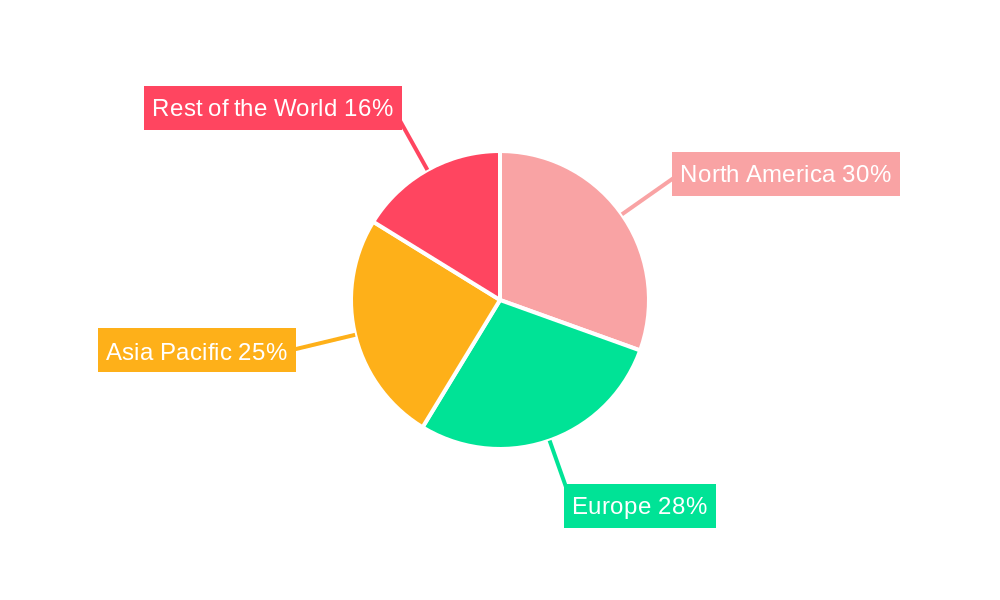
Biomimetic Materials Regional Market Share
Geographic Coverage of Biomimetic Materials
Biomimetic Materials REPORT HIGHLIGHTS
| Aspects | Details |
|---|---|
| Study Period | 2020-2034 |
| Base Year | 2025 |
| Estimated Year | 2026 |
| Forecast Period | 2026-2034 |
| Historical Period | 2020-2025 |
| Growth Rate | CAGR of 8.8% from 2020-2034 |
| Segmentation |
|
Table of Contents
- 1. Introduction
- 1.1. Research Scope
- 1.2. Market Segmentation
- 1.3. Research Methodology
- 1.4. Definitions and Assumptions
- 2. Executive Summary
- 2.1. Introduction
- 3. Market Dynamics
- 3.1. Introduction
- 3.2. Market Drivers
- 3.3. Market Restrains
- 3.4. Market Trends
- 4. Market Factor Analysis
- 4.1. Porters Five Forces
- 4.2. Supply/Value Chain
- 4.3. PESTEL analysis
- 4.4. Market Entropy
- 4.5. Patent/Trademark Analysis
- 5. Global Biomimetic Materials Analysis, Insights and Forecast, 2020-2032
- 5.1. Market Analysis, Insights and Forecast - by Application
- 5.1.1. Medical Applications
- 5.1.2. Textile Applications
- 5.1.3. Aerospace and Defense
- 5.1.4. Automotive
- 5.1.5. Electrical and Electronics
- 5.1.6. Machinery
- 5.1.7. Environmental Protection
- 5.2. Market Analysis, Insights and Forecast - by Types
- 5.2.1. Biomimetic Polymers
- 5.2.2. Biomimetic Inorganic Materials
- 5.2.3. Biomimetic Metals and Alloys
- 5.2.4. Other Biomimetic Composites
- 5.3. Market Analysis, Insights and Forecast - by Region
- 5.3.1. North America
- 5.3.2. South America
- 5.3.3. Europe
- 5.3.4. Middle East & Africa
- 5.3.5. Asia Pacific
- 5.1. Market Analysis, Insights and Forecast - by Application
- 6. North America Biomimetic Materials Analysis, Insights and Forecast, 2020-2032
- 6.1. Market Analysis, Insights and Forecast - by Application
- 6.1.1. Medical Applications
- 6.1.2. Textile Applications
- 6.1.3. Aerospace and Defense
- 6.1.4. Automotive
- 6.1.5. Electrical and Electronics
- 6.1.6. Machinery
- 6.1.7. Environmental Protection
- 6.2. Market Analysis, Insights and Forecast - by Types
- 6.2.1. Biomimetic Polymers
- 6.2.2. Biomimetic Inorganic Materials
- 6.2.3. Biomimetic Metals and Alloys
- 6.2.4. Other Biomimetic Composites
- 6.1. Market Analysis, Insights and Forecast - by Application
- 7. South America Biomimetic Materials Analysis, Insights and Forecast, 2020-2032
- 7.1. Market Analysis, Insights and Forecast - by Application
- 7.1.1. Medical Applications
- 7.1.2. Textile Applications
- 7.1.3. Aerospace and Defense
- 7.1.4. Automotive
- 7.1.5. Electrical and Electronics
- 7.1.6. Machinery
- 7.1.7. Environmental Protection
- 7.2. Market Analysis, Insights and Forecast - by Types
- 7.2.1. Biomimetic Polymers
- 7.2.2. Biomimetic Inorganic Materials
- 7.2.3. Biomimetic Metals and Alloys
- 7.2.4. Other Biomimetic Composites
- 7.1. Market Analysis, Insights and Forecast - by Application
- 8. Europe Biomimetic Materials Analysis, Insights and Forecast, 2020-2032
- 8.1. Market Analysis, Insights and Forecast - by Application
- 8.1.1. Medical Applications
- 8.1.2. Textile Applications
- 8.1.3. Aerospace and Defense
- 8.1.4. Automotive
- 8.1.5. Electrical and Electronics
- 8.1.6. Machinery
- 8.1.7. Environmental Protection
- 8.2. Market Analysis, Insights and Forecast - by Types
- 8.2.1. Biomimetic Polymers
- 8.2.2. Biomimetic Inorganic Materials
- 8.2.3. Biomimetic Metals and Alloys
- 8.2.4. Other Biomimetic Composites
- 8.1. Market Analysis, Insights and Forecast - by Application
- 9. Middle East & Africa Biomimetic Materials Analysis, Insights and Forecast, 2020-2032
- 9.1. Market Analysis, Insights and Forecast - by Application
- 9.1.1. Medical Applications
- 9.1.2. Textile Applications
- 9.1.3. Aerospace and Defense
- 9.1.4. Automotive
- 9.1.5. Electrical and Electronics
- 9.1.6. Machinery
- 9.1.7. Environmental Protection
- 9.2. Market Analysis, Insights and Forecast - by Types
- 9.2.1. Biomimetic Polymers
- 9.2.2. Biomimetic Inorganic Materials
- 9.2.3. Biomimetic Metals and Alloys
- 9.2.4. Other Biomimetic Composites
- 9.1. Market Analysis, Insights and Forecast - by Application
- 10. Asia Pacific Biomimetic Materials Analysis, Insights and Forecast, 2020-2032
- 10.1. Market Analysis, Insights and Forecast - by Application
- 10.1.1. Medical Applications
- 10.1.2. Textile Applications
- 10.1.3. Aerospace and Defense
- 10.1.4. Automotive
- 10.1.5. Electrical and Electronics
- 10.1.6. Machinery
- 10.1.7. Environmental Protection
- 10.2. Market Analysis, Insights and Forecast - by Types
- 10.2.1. Biomimetic Polymers
- 10.2.2. Biomimetic Inorganic Materials
- 10.2.3. Biomimetic Metals and Alloys
- 10.2.4. Other Biomimetic Composites
- 10.1. Market Analysis, Insights and Forecast - by Application
- 11. Competitive Analysis
- 11.1. Global Market Share Analysis 2025
- 11.2. Company Profiles
- 11.2.1 Aortec
- 11.2.1.1. Overview
- 11.2.1.2. Products
- 11.2.1.3. SWOT Analysis
- 11.2.1.4. Recent Developments
- 11.2.1.5. Financials (Based on Availability)
- 11.2.2 B. Braun Melsungen Ag
- 11.2.2.1. Overview
- 11.2.2.2. Products
- 11.2.2.3. SWOT Analysis
- 11.2.2.4. Recent Developments
- 11.2.2.5. Financials (Based on Availability)
- 11.2.3 Baxter International Inc.
- 11.2.3.1. Overview
- 11.2.3.2. Products
- 11.2.3.3. SWOT Analysis
- 11.2.3.4. Recent Developments
- 11.2.3.5. Financials (Based on Availability)
- 11.2.4 Bard Peripheral Vascular Inc.
- 11.2.4.1. Overview
- 11.2.4.2. Products
- 11.2.4.3. SWOT Analysis
- 11.2.4.4. Recent Developments
- 11.2.4.5. Financials (Based on Availability)
- 11.2.5 Ceramtec Gmbh
- 11.2.5.1. Overview
- 11.2.5.2. Products
- 11.2.5.3. SWOT Analysis
- 11.2.5.4. Recent Developments
- 11.2.5.5. Financials (Based on Availability)
- 11.2.6 Coorstek Inc.
- 11.2.6.1. Overview
- 11.2.6.2. Products
- 11.2.6.3. SWOT Analysis
- 11.2.6.4. Recent Developments
- 11.2.6.5. Financials (Based on Availability)
- 11.2.7 Depuy Synthes
- 11.2.7.1. Overview
- 11.2.7.2. Products
- 11.2.7.3. SWOT Analysis
- 11.2.7.4. Recent Developments
- 11.2.7.5. Financials (Based on Availability)
- 11.2.8 Exactech Inc.
- 11.2.8.1. Overview
- 11.2.8.2. Products
- 11.2.8.3. SWOT Analysis
- 11.2.8.4. Recent Developments
- 11.2.8.5. Financials (Based on Availability)
- 11.2.9 Getinge Ab
- 11.2.9.1. Overview
- 11.2.9.2. Products
- 11.2.9.3. SWOT Analysis
- 11.2.9.4. Recent Developments
- 11.2.9.5. Financials (Based on Availability)
- 11.2.10 Hengli
- 11.2.10.1. Overview
- 11.2.10.2. Products
- 11.2.10.3. SWOT Analysis
- 11.2.10.4. Recent Developments
- 11.2.10.5. Financials (Based on Availability)
- 11.2.11 Ivoclar Vivadent Ag
- 11.2.11.1. Overview
- 11.2.11.2. Products
- 11.2.11.3. SWOT Analysis
- 11.2.11.4. Recent Developments
- 11.2.11.5. Financials (Based on Availability)
- 11.2.12 Kyocera Corp.
- 11.2.12.1. Overview
- 11.2.12.2. Products
- 11.2.12.3. SWOT Analysis
- 11.2.12.4. Recent Developments
- 11.2.12.5. Financials (Based on Availability)
- 11.2.13 Seaspine
- 11.2.13.1. Overview
- 11.2.13.2. Products
- 11.2.13.3. SWOT Analysis
- 11.2.13.4. Recent Developments
- 11.2.13.5. Financials (Based on Availability)
- 11.2.14 Shanghai Chest Medical Technology Co.
- 11.2.14.1. Overview
- 11.2.14.2. Products
- 11.2.14.3. SWOT Analysis
- 11.2.14.4. Recent Developments
- 11.2.14.5. Financials (Based on Availability)
- 11.2.15 Ltd.
- 11.2.15.1. Overview
- 11.2.15.2. Products
- 11.2.15.3. SWOT Analysis
- 11.2.15.4. Recent Developments
- 11.2.15.5. Financials (Based on Availability)
- 11.2.16 Suokang
- 11.2.16.1. Overview
- 11.2.16.2. Products
- 11.2.16.3. SWOT Analysis
- 11.2.16.4. Recent Developments
- 11.2.16.5. Financials (Based on Availability)
- 11.2.17 Terumo Corp.
- 11.2.17.1. Overview
- 11.2.17.2. Products
- 11.2.17.3. SWOT Analysis
- 11.2.17.4. Recent Developments
- 11.2.17.5. Financials (Based on Availability)
- 11.2.18 Zimmer Biomet
- 11.2.18.1. Overview
- 11.2.18.2. Products
- 11.2.18.3. SWOT Analysis
- 11.2.18.4. Recent Developments
- 11.2.18.5. Financials (Based on Availability)
- 11.2.1 Aortec
List of Figures
- Figure 1: Global Biomimetic Materials Revenue Breakdown (undefined, %) by Region 2025 & 2033
- Figure 2: Global Biomimetic Materials Volume Breakdown (K, %) by Region 2025 & 2033
- Figure 3: North America Biomimetic Materials Revenue (undefined), by Application 2025 & 2033
- Figure 4: North America Biomimetic Materials Volume (K), by Application 2025 & 2033
- Figure 5: North America Biomimetic Materials Revenue Share (%), by Application 2025 & 2033
- Figure 6: North America Biomimetic Materials Volume Share (%), by Application 2025 & 2033
- Figure 7: North America Biomimetic Materials Revenue (undefined), by Types 2025 & 2033
- Figure 8: North America Biomimetic Materials Volume (K), by Types 2025 & 2033
- Figure 9: North America Biomimetic Materials Revenue Share (%), by Types 2025 & 2033
- Figure 10: North America Biomimetic Materials Volume Share (%), by Types 2025 & 2033
- Figure 11: North America Biomimetic Materials Revenue (undefined), by Country 2025 & 2033
- Figure 12: North America Biomimetic Materials Volume (K), by Country 2025 & 2033
- Figure 13: North America Biomimetic Materials Revenue Share (%), by Country 2025 & 2033
- Figure 14: North America Biomimetic Materials Volume Share (%), by Country 2025 & 2033
- Figure 15: South America Biomimetic Materials Revenue (undefined), by Application 2025 & 2033
- Figure 16: South America Biomimetic Materials Volume (K), by Application 2025 & 2033
- Figure 17: South America Biomimetic Materials Revenue Share (%), by Application 2025 & 2033
- Figure 18: South America Biomimetic Materials Volume Share (%), by Application 2025 & 2033
- Figure 19: South America Biomimetic Materials Revenue (undefined), by Types 2025 & 2033
- Figure 20: South America Biomimetic Materials Volume (K), by Types 2025 & 2033
- Figure 21: South America Biomimetic Materials Revenue Share (%), by Types 2025 & 2033
- Figure 22: South America Biomimetic Materials Volume Share (%), by Types 2025 & 2033
- Figure 23: South America Biomimetic Materials Revenue (undefined), by Country 2025 & 2033
- Figure 24: South America Biomimetic Materials Volume (K), by Country 2025 & 2033
- Figure 25: South America Biomimetic Materials Revenue Share (%), by Country 2025 & 2033
- Figure 26: South America Biomimetic Materials Volume Share (%), by Country 2025 & 2033
- Figure 27: Europe Biomimetic Materials Revenue (undefined), by Application 2025 & 2033
- Figure 28: Europe Biomimetic Materials Volume (K), by Application 2025 & 2033
- Figure 29: Europe Biomimetic Materials Revenue Share (%), by Application 2025 & 2033
- Figure 30: Europe Biomimetic Materials Volume Share (%), by Application 2025 & 2033
- Figure 31: Europe Biomimetic Materials Revenue (undefined), by Types 2025 & 2033
- Figure 32: Europe Biomimetic Materials Volume (K), by Types 2025 & 2033
- Figure 33: Europe Biomimetic Materials Revenue Share (%), by Types 2025 & 2033
- Figure 34: Europe Biomimetic Materials Volume Share (%), by Types 2025 & 2033
- Figure 35: Europe Biomimetic Materials Revenue (undefined), by Country 2025 & 2033
- Figure 36: Europe Biomimetic Materials Volume (K), by Country 2025 & 2033
- Figure 37: Europe Biomimetic Materials Revenue Share (%), by Country 2025 & 2033
- Figure 38: Europe Biomimetic Materials Volume Share (%), by Country 2025 & 2033
- Figure 39: Middle East & Africa Biomimetic Materials Revenue (undefined), by Application 2025 & 2033
- Figure 40: Middle East & Africa Biomimetic Materials Volume (K), by Application 2025 & 2033
- Figure 41: Middle East & Africa Biomimetic Materials Revenue Share (%), by Application 2025 & 2033
- Figure 42: Middle East & Africa Biomimetic Materials Volume Share (%), by Application 2025 & 2033
- Figure 43: Middle East & Africa Biomimetic Materials Revenue (undefined), by Types 2025 & 2033
- Figure 44: Middle East & Africa Biomimetic Materials Volume (K), by Types 2025 & 2033
- Figure 45: Middle East & Africa Biomimetic Materials Revenue Share (%), by Types 2025 & 2033
- Figure 46: Middle East & Africa Biomimetic Materials Volume Share (%), by Types 2025 & 2033
- Figure 47: Middle East & Africa Biomimetic Materials Revenue (undefined), by Country 2025 & 2033
- Figure 48: Middle East & Africa Biomimetic Materials Volume (K), by Country 2025 & 2033
- Figure 49: Middle East & Africa Biomimetic Materials Revenue Share (%), by Country 2025 & 2033
- Figure 50: Middle East & Africa Biomimetic Materials Volume Share (%), by Country 2025 & 2033
- Figure 51: Asia Pacific Biomimetic Materials Revenue (undefined), by Application 2025 & 2033
- Figure 52: Asia Pacific Biomimetic Materials Volume (K), by Application 2025 & 2033
- Figure 53: Asia Pacific Biomimetic Materials Revenue Share (%), by Application 2025 & 2033
- Figure 54: Asia Pacific Biomimetic Materials Volume Share (%), by Application 2025 & 2033
- Figure 55: Asia Pacific Biomimetic Materials Revenue (undefined), by Types 2025 & 2033
- Figure 56: Asia Pacific Biomimetic Materials Volume (K), by Types 2025 & 2033
- Figure 57: Asia Pacific Biomimetic Materials Revenue Share (%), by Types 2025 & 2033
- Figure 58: Asia Pacific Biomimetic Materials Volume Share (%), by Types 2025 & 2033
- Figure 59: Asia Pacific Biomimetic Materials Revenue (undefined), by Country 2025 & 2033
- Figure 60: Asia Pacific Biomimetic Materials Volume (K), by Country 2025 & 2033
- Figure 61: Asia Pacific Biomimetic Materials Revenue Share (%), by Country 2025 & 2033
- Figure 62: Asia Pacific Biomimetic Materials Volume Share (%), by Country 2025 & 2033
List of Tables
- Table 1: Global Biomimetic Materials Revenue undefined Forecast, by Application 2020 & 2033
- Table 2: Global Biomimetic Materials Volume K Forecast, by Application 2020 & 2033
- Table 3: Global Biomimetic Materials Revenue undefined Forecast, by Types 2020 & 2033
- Table 4: Global Biomimetic Materials Volume K Forecast, by Types 2020 & 2033
- Table 5: Global Biomimetic Materials Revenue undefined Forecast, by Region 2020 & 2033
- Table 6: Global Biomimetic Materials Volume K Forecast, by Region 2020 & 2033
- Table 7: Global Biomimetic Materials Revenue undefined Forecast, by Application 2020 & 2033
- Table 8: Global Biomimetic Materials Volume K Forecast, by Application 2020 & 2033
- Table 9: Global Biomimetic Materials Revenue undefined Forecast, by Types 2020 & 2033
- Table 10: Global Biomimetic Materials Volume K Forecast, by Types 2020 & 2033
- Table 11: Global Biomimetic Materials Revenue undefined Forecast, by Country 2020 & 2033
- Table 12: Global Biomimetic Materials Volume K Forecast, by Country 2020 & 2033
- Table 13: United States Biomimetic Materials Revenue (undefined) Forecast, by Application 2020 & 2033
- Table 14: United States Biomimetic Materials Volume (K) Forecast, by Application 2020 & 2033
- Table 15: Canada Biomimetic Materials Revenue (undefined) Forecast, by Application 2020 & 2033
- Table 16: Canada Biomimetic Materials Volume (K) Forecast, by Application 2020 & 2033
- Table 17: Mexico Biomimetic Materials Revenue (undefined) Forecast, by Application 2020 & 2033
- Table 18: Mexico Biomimetic Materials Volume (K) Forecast, by Application 2020 & 2033
- Table 19: Global Biomimetic Materials Revenue undefined Forecast, by Application 2020 & 2033
- Table 20: Global Biomimetic Materials Volume K Forecast, by Application 2020 & 2033
- Table 21: Global Biomimetic Materials Revenue undefined Forecast, by Types 2020 & 2033
- Table 22: Global Biomimetic Materials Volume K Forecast, by Types 2020 & 2033
- Table 23: Global Biomimetic Materials Revenue undefined Forecast, by Country 2020 & 2033
- Table 24: Global Biomimetic Materials Volume K Forecast, by Country 2020 & 2033
- Table 25: Brazil Biomimetic Materials Revenue (undefined) Forecast, by Application 2020 & 2033
- Table 26: Brazil Biomimetic Materials Volume (K) Forecast, by Application 2020 & 2033
- Table 27: Argentina Biomimetic Materials Revenue (undefined) Forecast, by Application 2020 & 2033
- Table 28: Argentina Biomimetic Materials Volume (K) Forecast, by Application 2020 & 2033
- Table 29: Rest of South America Biomimetic Materials Revenue (undefined) Forecast, by Application 2020 & 2033
- Table 30: Rest of South America Biomimetic Materials Volume (K) Forecast, by Application 2020 & 2033
- Table 31: Global Biomimetic Materials Revenue undefined Forecast, by Application 2020 & 2033
- Table 32: Global Biomimetic Materials Volume K Forecast, by Application 2020 & 2033
- Table 33: Global Biomimetic Materials Revenue undefined Forecast, by Types 2020 & 2033
- Table 34: Global Biomimetic Materials Volume K Forecast, by Types 2020 & 2033
- Table 35: Global Biomimetic Materials Revenue undefined Forecast, by Country 2020 & 2033
- Table 36: Global Biomimetic Materials Volume K Forecast, by Country 2020 & 2033
- Table 37: United Kingdom Biomimetic Materials Revenue (undefined) Forecast, by Application 2020 & 2033
- Table 38: United Kingdom Biomimetic Materials Volume (K) Forecast, by Application 2020 & 2033
- Table 39: Germany Biomimetic Materials Revenue (undefined) Forecast, by Application 2020 & 2033
- Table 40: Germany Biomimetic Materials Volume (K) Forecast, by Application 2020 & 2033
- Table 41: France Biomimetic Materials Revenue (undefined) Forecast, by Application 2020 & 2033
- Table 42: France Biomimetic Materials Volume (K) Forecast, by Application 2020 & 2033
- Table 43: Italy Biomimetic Materials Revenue (undefined) Forecast, by Application 2020 & 2033
- Table 44: Italy Biomimetic Materials Volume (K) Forecast, by Application 2020 & 2033
- Table 45: Spain Biomimetic Materials Revenue (undefined) Forecast, by Application 2020 & 2033
- Table 46: Spain Biomimetic Materials Volume (K) Forecast, by Application 2020 & 2033
- Table 47: Russia Biomimetic Materials Revenue (undefined) Forecast, by Application 2020 & 2033
- Table 48: Russia Biomimetic Materials Volume (K) Forecast, by Application 2020 & 2033
- Table 49: Benelux Biomimetic Materials Revenue (undefined) Forecast, by Application 2020 & 2033
- Table 50: Benelux Biomimetic Materials Volume (K) Forecast, by Application 2020 & 2033
- Table 51: Nordics Biomimetic Materials Revenue (undefined) Forecast, by Application 2020 & 2033
- Table 52: Nordics Biomimetic Materials Volume (K) Forecast, by Application 2020 & 2033
- Table 53: Rest of Europe Biomimetic Materials Revenue (undefined) Forecast, by Application 2020 & 2033
- Table 54: Rest of Europe Biomimetic Materials Volume (K) Forecast, by Application 2020 & 2033
- Table 55: Global Biomimetic Materials Revenue undefined Forecast, by Application 2020 & 2033
- Table 56: Global Biomimetic Materials Volume K Forecast, by Application 2020 & 2033
- Table 57: Global Biomimetic Materials Revenue undefined Forecast, by Types 2020 & 2033
- Table 58: Global Biomimetic Materials Volume K Forecast, by Types 2020 & 2033
- Table 59: Global Biomimetic Materials Revenue undefined Forecast, by Country 2020 & 2033
- Table 60: Global Biomimetic Materials Volume K Forecast, by Country 2020 & 2033
- Table 61: Turkey Biomimetic Materials Revenue (undefined) Forecast, by Application 2020 & 2033
- Table 62: Turkey Biomimetic Materials Volume (K) Forecast, by Application 2020 & 2033
- Table 63: Israel Biomimetic Materials Revenue (undefined) Forecast, by Application 2020 & 2033
- Table 64: Israel Biomimetic Materials Volume (K) Forecast, by Application 2020 & 2033
- Table 65: GCC Biomimetic Materials Revenue (undefined) Forecast, by Application 2020 & 2033
- Table 66: GCC Biomimetic Materials Volume (K) Forecast, by Application 2020 & 2033
- Table 67: North Africa Biomimetic Materials Revenue (undefined) Forecast, by Application 2020 & 2033
- Table 68: North Africa Biomimetic Materials Volume (K) Forecast, by Application 2020 & 2033
- Table 69: South Africa Biomimetic Materials Revenue (undefined) Forecast, by Application 2020 & 2033
- Table 70: South Africa Biomimetic Materials Volume (K) Forecast, by Application 2020 & 2033
- Table 71: Rest of Middle East & Africa Biomimetic Materials Revenue (undefined) Forecast, by Application 2020 & 2033
- Table 72: Rest of Middle East & Africa Biomimetic Materials Volume (K) Forecast, by Application 2020 & 2033
- Table 73: Global Biomimetic Materials Revenue undefined Forecast, by Application 2020 & 2033
- Table 74: Global Biomimetic Materials Volume K Forecast, by Application 2020 & 2033
- Table 75: Global Biomimetic Materials Revenue undefined Forecast, by Types 2020 & 2033
- Table 76: Global Biomimetic Materials Volume K Forecast, by Types 2020 & 2033
- Table 77: Global Biomimetic Materials Revenue undefined Forecast, by Country 2020 & 2033
- Table 78: Global Biomimetic Materials Volume K Forecast, by Country 2020 & 2033
- Table 79: China Biomimetic Materials Revenue (undefined) Forecast, by Application 2020 & 2033
- Table 80: China Biomimetic Materials Volume (K) Forecast, by Application 2020 & 2033
- Table 81: India Biomimetic Materials Revenue (undefined) Forecast, by Application 2020 & 2033
- Table 82: India Biomimetic Materials Volume (K) Forecast, by Application 2020 & 2033
- Table 83: Japan Biomimetic Materials Revenue (undefined) Forecast, by Application 2020 & 2033
- Table 84: Japan Biomimetic Materials Volume (K) Forecast, by Application 2020 & 2033
- Table 85: South Korea Biomimetic Materials Revenue (undefined) Forecast, by Application 2020 & 2033
- Table 86: South Korea Biomimetic Materials Volume (K) Forecast, by Application 2020 & 2033
- Table 87: ASEAN Biomimetic Materials Revenue (undefined) Forecast, by Application 2020 & 2033
- Table 88: ASEAN Biomimetic Materials Volume (K) Forecast, by Application 2020 & 2033
- Table 89: Oceania Biomimetic Materials Revenue (undefined) Forecast, by Application 2020 & 2033
- Table 90: Oceania Biomimetic Materials Volume (K) Forecast, by Application 2020 & 2033
- Table 91: Rest of Asia Pacific Biomimetic Materials Revenue (undefined) Forecast, by Application 2020 & 2033
- Table 92: Rest of Asia Pacific Biomimetic Materials Volume (K) Forecast, by Application 2020 & 2033
Frequently Asked Questions
1. What is the projected Compound Annual Growth Rate (CAGR) of the Biomimetic Materials?
The projected CAGR is approximately 8.8%.
2. Which companies are prominent players in the Biomimetic Materials?
Key companies in the market include Aortec, B. Braun Melsungen Ag, Baxter International Inc., Bard Peripheral Vascular Inc., Ceramtec Gmbh, Coorstek Inc., Depuy Synthes, Exactech Inc., Getinge Ab, Hengli, Ivoclar Vivadent Ag, Kyocera Corp., Seaspine, Shanghai Chest Medical Technology Co., Ltd., Suokang, Terumo Corp., Zimmer Biomet.
3. What are the main segments of the Biomimetic Materials?
The market segments include Application, Types.
4. Can you provide details about the market size?
The market size is estimated to be USD XXX N/A as of 2022.
5. What are some drivers contributing to market growth?
N/A
6. What are the notable trends driving market growth?
N/A
7. Are there any restraints impacting market growth?
N/A
8. Can you provide examples of recent developments in the market?
N/A
9. What pricing options are available for accessing the report?
Pricing options include single-user, multi-user, and enterprise licenses priced at USD 3950.00, USD 5925.00, and USD 7900.00 respectively.
10. Is the market size provided in terms of value or volume?
The market size is provided in terms of value, measured in N/A and volume, measured in K.
11. Are there any specific market keywords associated with the report?
Yes, the market keyword associated with the report is "Biomimetic Materials," which aids in identifying and referencing the specific market segment covered.
12. How do I determine which pricing option suits my needs best?
The pricing options vary based on user requirements and access needs. Individual users may opt for single-user licenses, while businesses requiring broader access may choose multi-user or enterprise licenses for cost-effective access to the report.
13. Are there any additional resources or data provided in the Biomimetic Materials report?
While the report offers comprehensive insights, it's advisable to review the specific contents or supplementary materials provided to ascertain if additional resources or data are available.
14. How can I stay updated on further developments or reports in the Biomimetic Materials?
To stay informed about further developments, trends, and reports in the Biomimetic Materials, consider subscribing to industry newsletters, following relevant companies and organizations, or regularly checking reputable industry news sources and publications.
Methodology
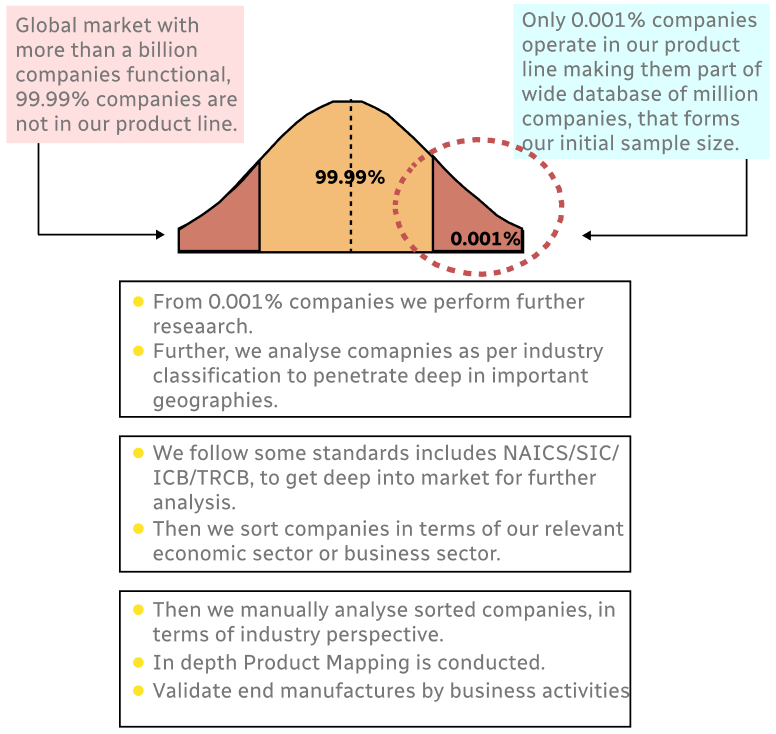
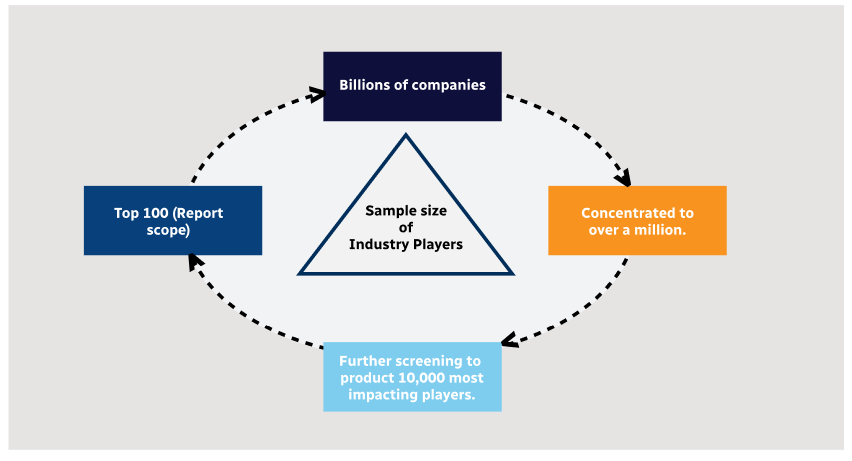
Step 1 - Identification of Relevant Samples Size from Population Database
Step 2 - Approaches for Defining Global Market Size (Value, Volume* & Price*)
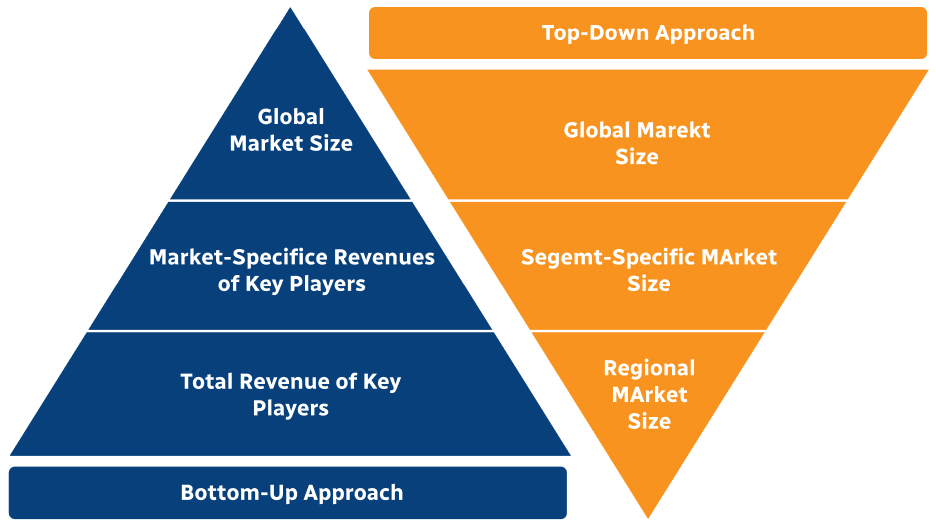
Note*: In applicable scenarios
Step 3 - Data Sources
Primary Research
- Web Analytics
- Survey Reports
- Research Institute
- Latest Research Reports
- Opinion Leaders
Secondary Research
- Annual Reports
- White Paper
- Latest Press Release
- Industry Association
- Paid Database
- Investor Presentations
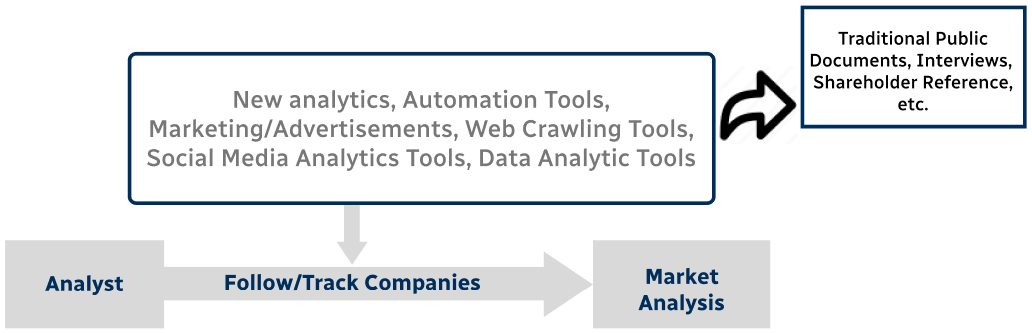
Step 4 - Data Triangulation
Involves using different sources of information in order to increase the validity of a study
These sources are likely to be stakeholders in a program - participants, other researchers, program staff, other community members, and so on.
Then we put all data in single framework & apply various statistical tools to find out the dynamic on the market.
During the analysis stage, feedback from the stakeholder groups would be compared to determine areas of agreement as well as areas of divergence