


Key Insights
The global anti-itch ointment market is poised for significant expansion, projected to reach $43.9 billion by 2025, driven by increasing incidences of skin conditions and a growing awareness of effective dermatological treatments. The market is expected to witness a CAGR of 8% over the forecast period of 2025-2033. This robust growth is primarily fueled by an aging global population, which is more susceptible to chronic skin ailments, and a rising prevalence of allergic reactions and inflammatory skin diseases. Advancements in pharmaceutical research and development are leading to the introduction of novel formulations with enhanced efficacy and reduced side effects, further stimulating market demand. Additionally, a growing emphasis on personal grooming and a desire for immediate relief from discomfort are contributing to the widespread adoption of anti-itch ointments across both hospital and pharmacy settings. The convenience of over-the-counter availability for many formulations also plays a crucial role in their accessibility and market penetration.

Anti-itch Ointment Market Size (In Billion)

The market's expansion is further supported by the growing healthcare infrastructure in emerging economies and increased disposable incomes, allowing consumers to invest more in dermatological healthcare. Trends such as the development of steroid-free and natural ingredient-based anti-itch formulations are catering to a segment of consumers seeking gentler alternatives. The market is broadly segmented into single preparations and compound ointments, with both segments showing steady growth. Geographically, Asia Pacific is emerging as a key growth region due to its large population base and increasing healthcare spending. However, the market also faces certain restraints, including stringent regulatory approvals for new drug formulations and the potential for counterfeit products. Despite these challenges, the overarching demand for effective relief from pruritus, coupled with ongoing innovation, ensures a dynamic and growing market landscape for anti-itch ointments.
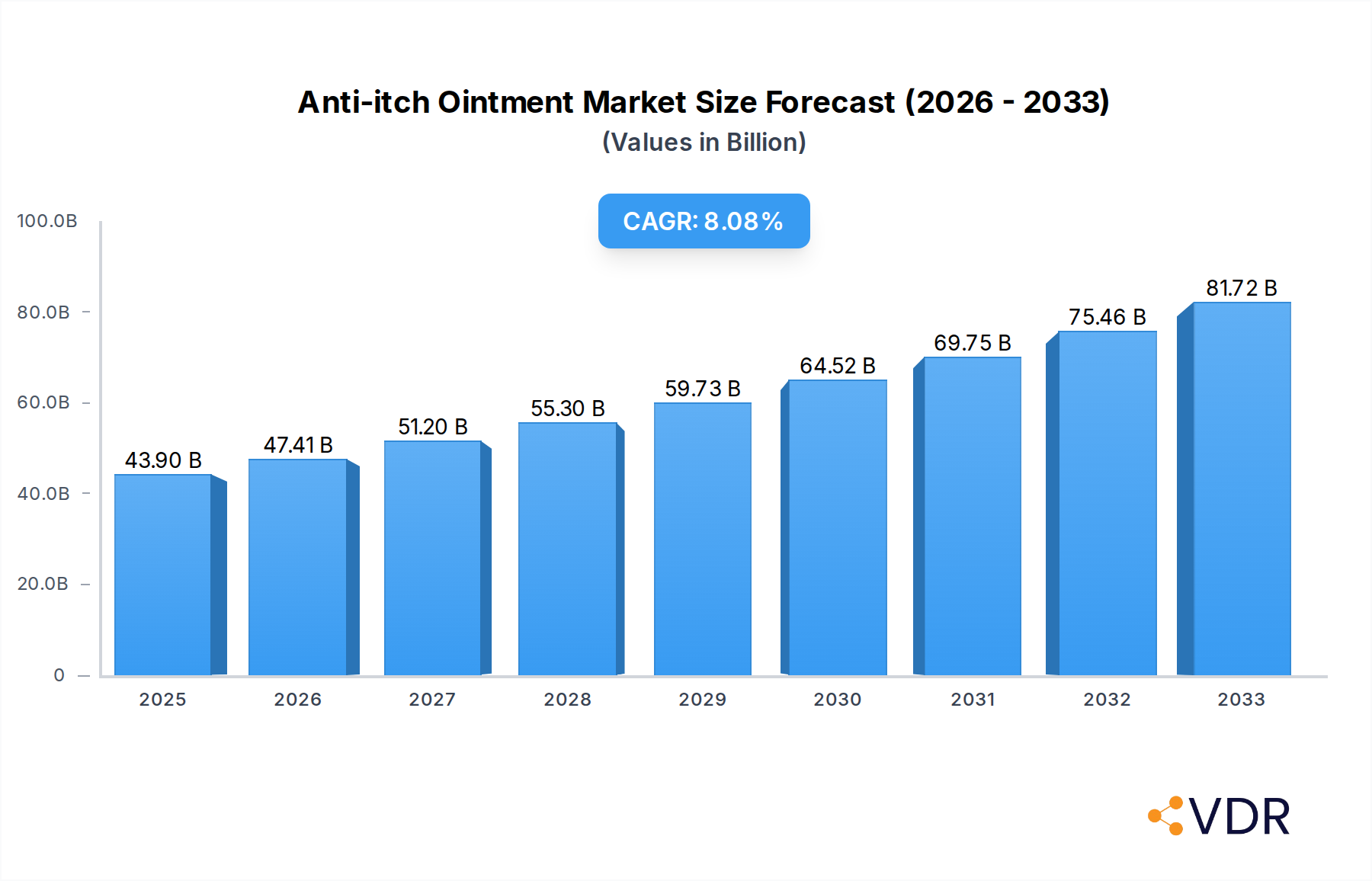
Anti-itch Ointment Company Market Share
This in-depth report provides an exhaustive analysis of the global Anti-itch Ointment market, offering critical insights into its dynamics, growth trajectory, and competitive landscape. Leveraging extensive historical data from 2019-2024 and a comprehensive forecast period from 2025-2033, with a base year of 2025, this study is designed for pharmaceutical companies, R&D professionals, market strategists, and investors seeking to understand and capitalize on opportunities within this vital healthcare segment. The report encompasses a detailed examination of market structure, growth trends, regional dominance, product innovations, key drivers, emerging opportunities, and the strategic initiatives of leading players.
Anti-itch Ointment Market Dynamics & Structure
The global Anti-itch Ointment market is characterized by a moderate to high concentration, with key players like Johnson & Johnson, Bayer, and Sanofi holding significant market shares. Technological innovation is a primary driver, with ongoing research focused on developing novel formulations with enhanced efficacy, reduced side effects, and improved patient compliance. Regulatory frameworks, established by bodies such as the FDA and EMA, play a crucial role in dictating product approvals, manufacturing standards, and market access, thereby influencing the pace of innovation and market entry. Competitive product substitutes, including topical steroids, antihistamines, and natural remedies, exert constant pressure, compelling manufacturers to differentiate their offerings through unique active ingredients, delivery systems, or therapeutic claims. End-user demographics are diverse, encompassing patients with acute conditions like insect bites and allergic reactions, as well as those suffering from chronic dermatological issues such as eczema and psoriasis. Mergers and acquisitions (M&A) are a recurring trend, as larger pharmaceutical companies seek to consolidate their market position, expand their product portfolios, and acquire promising technologies. For instance, the historical period saw an estimated xx M&A deals aimed at strengthening portfolios in dermatology and topical therapeutics. Barriers to innovation include stringent clinical trial requirements, the high cost of R&D, and the need for substantial capital investment.
- Market Concentration: Moderate to High, with leading global players.
- Technological Innovation Drivers: Novel formulations, enhanced efficacy, reduced side effects, improved delivery systems.
- Regulatory Frameworks: FDA, EMA, and other national regulatory bodies define approval pathways and market access.
- Competitive Product Substitutes: Topical steroids, oral antihistamines, natural remedies, prescription topical treatments.
- End-User Demographics: Patients with acute irritations (insect bites, allergies), chronic skin conditions (eczema, psoriasis, dermatitis).
- M&A Trends: Consolidation for portfolio expansion and technology acquisition.
- Innovation Barriers: High R&D costs, lengthy clinical trials, regulatory hurdles.
Anti-itch Ointment Growth Trends & Insights
The global Anti-itch Ointment market has demonstrated a steady growth trajectory over the historical period (2019-2024), driven by an increasing prevalence of skin conditions, rising consumer awareness regarding dermatological health, and advancements in product formulations. The market size was estimated at $5.2 billion in 2024 and is projected to reach $8.5 billion by 2033, exhibiting a Compound Annual Growth Rate (CAGR) of approximately 5.5% during the forecast period (2025-2033). Adoption rates are steadily increasing, particularly for over-the-counter (OTC) formulations, owing to their accessibility and convenience. Technological disruptions, such as the development of advanced topical delivery systems (e.g., microemulsions, nanoemulsions) and the integration of novel active ingredients with potent anti-inflammatory and anti-pruritic properties, are significantly influencing market dynamics. Consumer behavior shifts are also playing a vital role; there is a growing demand for natural and organic anti-itch solutions, alongside a preference for products that offer multi-functional benefits, such as moisturization and skin repair. The base year of 2025 is projected to witness a market size of $5.6 billion, with significant contributions from both single preparations and compound ointments. The pharmacy segment is expected to continue its dominance in terms of market penetration, accounting for an estimated 65% of the total market share in 2025. The market is poised for sustained expansion, fueled by an aging global population, increasing disposable incomes, and a heightened focus on personal care and well-being. The estimated market penetration of anti-itch ointments in developed economies stands at over 70%, with emerging economies showing substantial growth potential.
Dominant Regions, Countries, or Segments in Anti-itch Ointment
The North American region, spearheaded by the United States, is currently the dominant market for Anti-itch Ointments. This dominance is attributed to a confluence of factors including high disposable incomes, a well-established healthcare infrastructure, a high prevalence of dermatological conditions, and strong consumer spending on healthcare and personal care products. In 2025, North America is projected to command an estimated 35% of the global market share. Within this region, the United States alone is expected to contribute over 70% of the regional revenue, driven by robust demand in both hospital and pharmacy settings.
The Pharmacy segment, as an application, is anticipated to be the largest and fastest-growing channel, accounting for an estimated 65% of the total market in 2025. This growth is propelled by the widespread availability of OTC anti-itch ointments, a growing trend towards self-medication for minor skin irritations, and the increasing number of pharmacy chains offering a diverse range of dermatological products. The Hospital segment also contributes significantly, particularly for prescription-strength formulations used in treating severe skin conditions and post-operative care.
In terms of product type, Single Preparations are expected to maintain a slight edge over Compound Ointments, holding an estimated 55% market share in 2025. This preference is driven by their targeted efficacy for specific types of itching and their perceived simplicity by consumers. However, Compound Ointments are witnessing a steady rise due to their ability to address multiple symptoms simultaneously, offering a more comprehensive therapeutic solution for complex skin issues.
Key drivers of this regional and segment dominance include:
- Economic Policies: Favorable healthcare reimbursement policies and strong economic growth in North America.
- Infrastructure: Advanced distribution networks and retail presence of pharmacies and healthcare facilities.
- Consumer Awareness: High levels of consumer education and awareness regarding skin health and available treatment options.
- Technological Adoption: Early adoption of innovative product formulations and delivery systems.
- Regulatory Environment: A relatively stable and supportive regulatory framework for pharmaceutical products.
Anti-itch Ointment Product Landscape
The Anti-itch Ointment product landscape is characterized by continuous innovation aimed at enhancing efficacy and patient experience. Key developments include the introduction of formulations with novel active ingredients like pramoxine hydrochloride, colloidal oatmeal, and advanced corticosteroids, offering faster relief and longer-lasting effects. Unique selling propositions often revolve around rapid absorption, non-greasy textures, and hypoallergenic properties suitable for sensitive skin. Technological advancements are evident in the development of microencapsulation techniques for controlled release of active ingredients and the incorporation of natural emollients for superior skin hydration and barrier repair.
Key Drivers, Barriers & Challenges in Anti-itch Ointment
Key Drivers:
- Rising prevalence of dermatological conditions: Growing incidence of eczema, psoriasis, allergies, and insect bites.
- Increasing consumer awareness: Greater understanding of skin health and the availability of effective topical treatments.
- Advancements in formulation technology: Development of novel delivery systems and active ingredients.
- Growth of OTC market: Increased accessibility and self-medication trends for minor irritations.
- Aging global population: Higher propensity for skin sensitivities and chronic conditions.
Barriers & Challenges:
- Stringent regulatory approvals: Lengthy and costly clinical trial processes for new formulations.
- Competition from substitutes: Availability of generic drugs, steroid-free alternatives, and home remedies.
- Price sensitivity: Consumer demand for affordable treatment options, particularly in developing markets.
- Supply chain disruptions: Potential for raw material shortages and logistics challenges impacting production.
- Adverse event reporting: Scrutiny and potential recalls due to side effects or allergic reactions.
Emerging Opportunities in Anti-itch Ointment
Emerging opportunities lie in the development of specialized anti-itch ointments targeting specific patient populations, such as pediatric formulations with enhanced safety profiles and geriatric formulations addressing age-related skin fragility. The growing demand for natural and organic ingredients presents a significant avenue for innovation, with a focus on plant-derived actives and sustainable sourcing. Furthermore, the integration of smart packaging with diagnostic capabilities or personalized dosage reminders could enhance patient compliance and treatment outcomes. Untapped markets in emerging economies, with their rapidly expanding middle class and increasing healthcare expenditure, offer substantial growth potential.
Growth Accelerators in the Anti-itch Ointment Industry
Growth accelerators in the Anti-itch Ointment industry are primarily fueled by continuous technological breakthroughs in drug delivery systems, leading to more targeted and efficient topical treatments. Strategic partnerships between pharmaceutical companies and research institutions are vital for translating novel scientific discoveries into viable commercial products. Market expansion strategies, including penetration into underserved geographical regions and the development of innovative product line extensions, will also significantly contribute to long-term growth.
Key Players Shaping the Anti-itch Ointment Market
- Johnson & Johnson
- Bayer
- Sanofi
- Combe Incorporated
- CR SANJIU
- Lingrui
- Jinyao Pharma
- Dinuo Pharma
- Huapont
- Medimetriks Pharmaceuticals
- Taro Pharmaceutical
- Teva
- Sun Pharmaceutical
- Perrigo
Notable Milestones in Anti-itch Ointment Sector
- 2020: Launch of advanced steroid-free formulations with sustained-release technology by major players.
- 2021: Increased investment in R&D for natural and organic anti-itch solutions.
- 2022: Regulatory approval of novel topical agents for chronic pruritus by major health authorities.
- 2023: Emergence of personalized anti-itch treatment solutions based on genetic profiling.
- 2024: Significant advancements in nano-emulsion delivery systems for enhanced penetration and efficacy.
In-Depth Anti-itch Ointment Market Outlook
The future outlook for the Anti-itch Ointment market is exceptionally promising, driven by a convergence of sustained demand and ongoing innovation. Growth accelerators, including the development of advanced, targeted therapeutic agents and the expansion into emerging markets, are poised to redefine the market landscape. Strategic partnerships and a continued focus on addressing unmet clinical needs will foster a dynamic environment ripe with opportunities for both established players and agile new entrants. The market is expected to witness a surge in demand for premium, high-efficacy products alongside an increasing appreciation for naturally derived ingredients.
Anti-itch Ointment Segmentation
-
1. Application
- 1.1. Hospital
- 1.2. Pharmacy
- 1.3. Other
-
2. Types
- 2.1. Single Preparation
- 2.2. Compound Ointment
Anti-itch Ointment Segmentation By Geography
-
1. North America
- 1.1. United States
- 1.2. Canada
- 1.3. Mexico
-
2. South America
- 2.1. Brazil
- 2.2. Argentina
- 2.3. Rest of South America
-
3. Europe
- 3.1. United Kingdom
- 3.2. Germany
- 3.3. France
- 3.4. Italy
- 3.5. Spain
- 3.6. Russia
- 3.7. Benelux
- 3.8. Nordics
- 3.9. Rest of Europe
-
4. Middle East & Africa
- 4.1. Turkey
- 4.2. Israel
- 4.3. GCC
- 4.4. North Africa
- 4.5. South Africa
- 4.6. Rest of Middle East & Africa
-
5. Asia Pacific
- 5.1. China
- 5.2. India
- 5.3. Japan
- 5.4. South Korea
- 5.5. ASEAN
- 5.6. Oceania
- 5.7. Rest of Asia Pacific
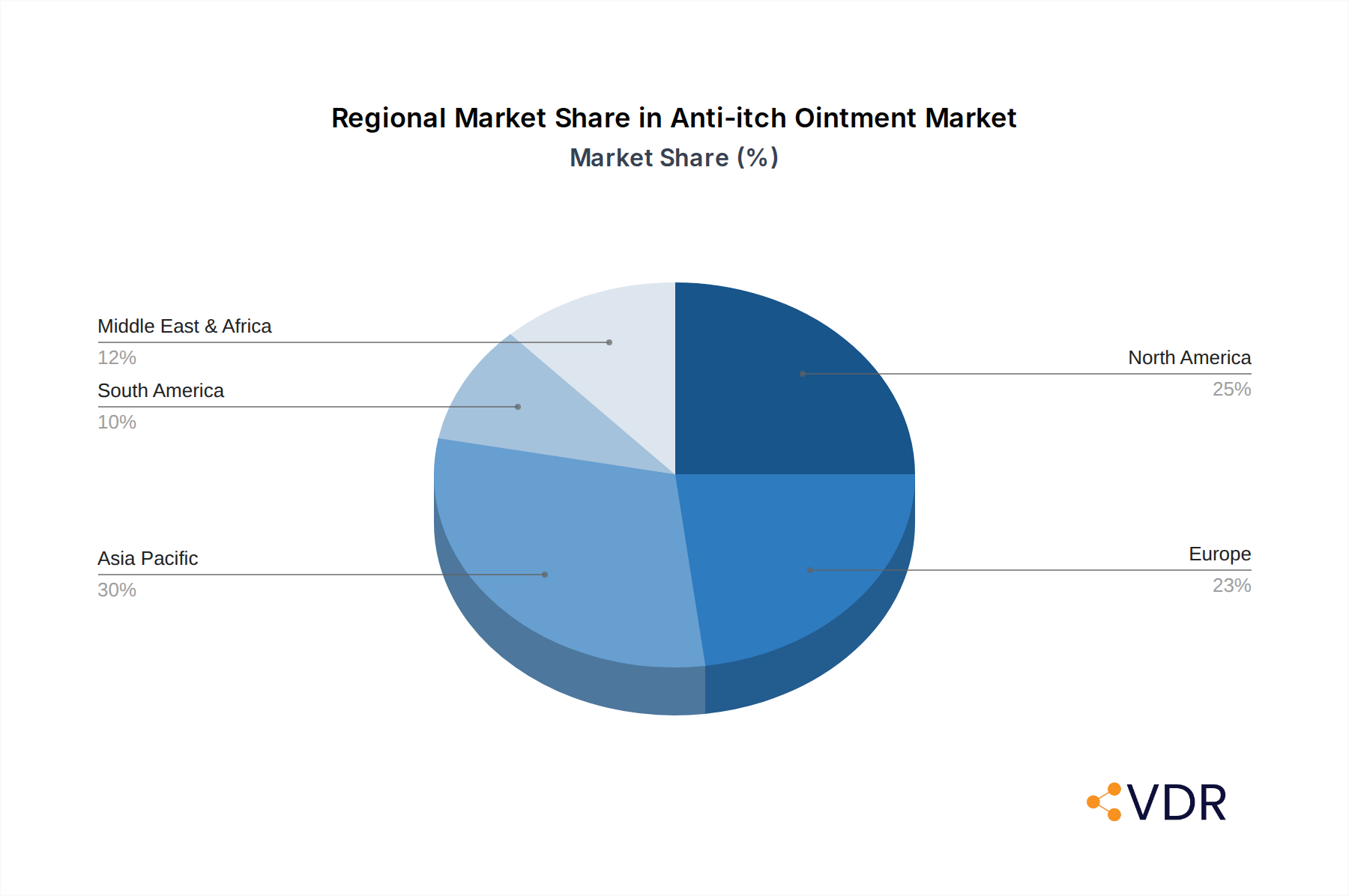
Anti-itch Ointment Regional Market Share
Geographic Coverage of Anti-itch Ointment
Anti-itch Ointment REPORT HIGHLIGHTS
| Aspects | Details |
|---|---|
| Study Period | 2020-2034 |
| Base Year | 2025 |
| Estimated Year | 2026 |
| Forecast Period | 2026-2034 |
| Historical Period | 2020-2025 |
| Growth Rate | CAGR of 8% from 2020-2034 |
| Segmentation |
|
Table of Contents
- 1. Introduction
- 1.1. Research Scope
- 1.2. Market Segmentation
- 1.3. Research Methodology
- 1.4. Definitions and Assumptions
- 2. Executive Summary
- 2.1. Introduction
- 3. Market Dynamics
- 3.1. Introduction
- 3.2. Market Drivers
- 3.3. Market Restrains
- 3.4. Market Trends
- 4. Market Factor Analysis
- 4.1. Porters Five Forces
- 4.2. Supply/Value Chain
- 4.3. PESTEL analysis
- 4.4. Market Entropy
- 4.5. Patent/Trademark Analysis
- 5. Global Anti-itch Ointment Analysis, Insights and Forecast, 2020-2032
- 5.1. Market Analysis, Insights and Forecast - by Application
- 5.1.1. Hospital
- 5.1.2. Pharmacy
- 5.1.3. Other
- 5.2. Market Analysis, Insights and Forecast - by Types
- 5.2.1. Single Preparation
- 5.2.2. Compound Ointment
- 5.3. Market Analysis, Insights and Forecast - by Region
- 5.3.1. North America
- 5.3.2. South America
- 5.3.3. Europe
- 5.3.4. Middle East & Africa
- 5.3.5. Asia Pacific
- 5.1. Market Analysis, Insights and Forecast - by Application
- 6. North America Anti-itch Ointment Analysis, Insights and Forecast, 2020-2032
- 6.1. Market Analysis, Insights and Forecast - by Application
- 6.1.1. Hospital
- 6.1.2. Pharmacy
- 6.1.3. Other
- 6.2. Market Analysis, Insights and Forecast - by Types
- 6.2.1. Single Preparation
- 6.2.2. Compound Ointment
- 6.1. Market Analysis, Insights and Forecast - by Application
- 7. South America Anti-itch Ointment Analysis, Insights and Forecast, 2020-2032
- 7.1. Market Analysis, Insights and Forecast - by Application
- 7.1.1. Hospital
- 7.1.2. Pharmacy
- 7.1.3. Other
- 7.2. Market Analysis, Insights and Forecast - by Types
- 7.2.1. Single Preparation
- 7.2.2. Compound Ointment
- 7.1. Market Analysis, Insights and Forecast - by Application
- 8. Europe Anti-itch Ointment Analysis, Insights and Forecast, 2020-2032
- 8.1. Market Analysis, Insights and Forecast - by Application
- 8.1.1. Hospital
- 8.1.2. Pharmacy
- 8.1.3. Other
- 8.2. Market Analysis, Insights and Forecast - by Types
- 8.2.1. Single Preparation
- 8.2.2. Compound Ointment
- 8.1. Market Analysis, Insights and Forecast - by Application
- 9. Middle East & Africa Anti-itch Ointment Analysis, Insights and Forecast, 2020-2032
- 9.1. Market Analysis, Insights and Forecast - by Application
- 9.1.1. Hospital
- 9.1.2. Pharmacy
- 9.1.3. Other
- 9.2. Market Analysis, Insights and Forecast - by Types
- 9.2.1. Single Preparation
- 9.2.2. Compound Ointment
- 9.1. Market Analysis, Insights and Forecast - by Application
- 10. Asia Pacific Anti-itch Ointment Analysis, Insights and Forecast, 2020-2032
- 10.1. Market Analysis, Insights and Forecast - by Application
- 10.1.1. Hospital
- 10.1.2. Pharmacy
- 10.1.3. Other
- 10.2. Market Analysis, Insights and Forecast - by Types
- 10.2.1. Single Preparation
- 10.2.2. Compound Ointment
- 10.1. Market Analysis, Insights and Forecast - by Application
- 11. Competitive Analysis
- 11.1. Global Market Share Analysis 2025
- 11.2. Company Profiles
- 11.2.1 Johnson & Johnson
- 11.2.1.1. Overview
- 11.2.1.2. Products
- 11.2.1.3. SWOT Analysis
- 11.2.1.4. Recent Developments
- 11.2.1.5. Financials (Based on Availability)
- 11.2.2 Bayer
- 11.2.2.1. Overview
- 11.2.2.2. Products
- 11.2.2.3. SWOT Analysis
- 11.2.2.4. Recent Developments
- 11.2.2.5. Financials (Based on Availability)
- 11.2.3 Sanofi
- 11.2.3.1. Overview
- 11.2.3.2. Products
- 11.2.3.3. SWOT Analysis
- 11.2.3.4. Recent Developments
- 11.2.3.5. Financials (Based on Availability)
- 11.2.4 Combe Incorporated
- 11.2.4.1. Overview
- 11.2.4.2. Products
- 11.2.4.3. SWOT Analysis
- 11.2.4.4. Recent Developments
- 11.2.4.5. Financials (Based on Availability)
- 11.2.5 CR SANJIU
- 11.2.5.1. Overview
- 11.2.5.2. Products
- 11.2.5.3. SWOT Analysis
- 11.2.5.4. Recent Developments
- 11.2.5.5. Financials (Based on Availability)
- 11.2.6 Lingrui
- 11.2.6.1. Overview
- 11.2.6.2. Products
- 11.2.6.3. SWOT Analysis
- 11.2.6.4. Recent Developments
- 11.2.6.5. Financials (Based on Availability)
- 11.2.7 Jinyao Pharma
- 11.2.7.1. Overview
- 11.2.7.2. Products
- 11.2.7.3. SWOT Analysis
- 11.2.7.4. Recent Developments
- 11.2.7.5. Financials (Based on Availability)
- 11.2.8 Dinuo Pharma
- 11.2.8.1. Overview
- 11.2.8.2. Products
- 11.2.8.3. SWOT Analysis
- 11.2.8.4. Recent Developments
- 11.2.8.5. Financials (Based on Availability)
- 11.2.9 Huapont
- 11.2.9.1. Overview
- 11.2.9.2. Products
- 11.2.9.3. SWOT Analysis
- 11.2.9.4. Recent Developments
- 11.2.9.5. Financials (Based on Availability)
- 11.2.10 Medimetriks Pharmaceuticals
- 11.2.10.1. Overview
- 11.2.10.2. Products
- 11.2.10.3. SWOT Analysis
- 11.2.10.4. Recent Developments
- 11.2.10.5. Financials (Based on Availability)
- 11.2.11 Taro Pharmaceutical
- 11.2.11.1. Overview
- 11.2.11.2. Products
- 11.2.11.3. SWOT Analysis
- 11.2.11.4. Recent Developments
- 11.2.11.5. Financials (Based on Availability)
- 11.2.12 Teva
- 11.2.12.1. Overview
- 11.2.12.2. Products
- 11.2.12.3. SWOT Analysis
- 11.2.12.4. Recent Developments
- 11.2.12.5. Financials (Based on Availability)
- 11.2.13 Sun Pharmaceutical
- 11.2.13.1. Overview
- 11.2.13.2. Products
- 11.2.13.3. SWOT Analysis
- 11.2.13.4. Recent Developments
- 11.2.13.5. Financials (Based on Availability)
- 11.2.14 Perrigo
- 11.2.14.1. Overview
- 11.2.14.2. Products
- 11.2.14.3. SWOT Analysis
- 11.2.14.4. Recent Developments
- 11.2.14.5. Financials (Based on Availability)
- 11.2.1 Johnson & Johnson
List of Figures
- Figure 1: Global Anti-itch Ointment Revenue Breakdown (billion, %) by Region 2025 & 2033
- Figure 2: Global Anti-itch Ointment Volume Breakdown (K, %) by Region 2025 & 2033
- Figure 3: North America Anti-itch Ointment Revenue (billion), by Application 2025 & 2033
- Figure 4: North America Anti-itch Ointment Volume (K), by Application 2025 & 2033
- Figure 5: North America Anti-itch Ointment Revenue Share (%), by Application 2025 & 2033
- Figure 6: North America Anti-itch Ointment Volume Share (%), by Application 2025 & 2033
- Figure 7: North America Anti-itch Ointment Revenue (billion), by Types 2025 & 2033
- Figure 8: North America Anti-itch Ointment Volume (K), by Types 2025 & 2033
- Figure 9: North America Anti-itch Ointment Revenue Share (%), by Types 2025 & 2033
- Figure 10: North America Anti-itch Ointment Volume Share (%), by Types 2025 & 2033
- Figure 11: North America Anti-itch Ointment Revenue (billion), by Country 2025 & 2033
- Figure 12: North America Anti-itch Ointment Volume (K), by Country 2025 & 2033
- Figure 13: North America Anti-itch Ointment Revenue Share (%), by Country 2025 & 2033
- Figure 14: North America Anti-itch Ointment Volume Share (%), by Country 2025 & 2033
- Figure 15: South America Anti-itch Ointment Revenue (billion), by Application 2025 & 2033
- Figure 16: South America Anti-itch Ointment Volume (K), by Application 2025 & 2033
- Figure 17: South America Anti-itch Ointment Revenue Share (%), by Application 2025 & 2033
- Figure 18: South America Anti-itch Ointment Volume Share (%), by Application 2025 & 2033
- Figure 19: South America Anti-itch Ointment Revenue (billion), by Types 2025 & 2033
- Figure 20: South America Anti-itch Ointment Volume (K), by Types 2025 & 2033
- Figure 21: South America Anti-itch Ointment Revenue Share (%), by Types 2025 & 2033
- Figure 22: South America Anti-itch Ointment Volume Share (%), by Types 2025 & 2033
- Figure 23: South America Anti-itch Ointment Revenue (billion), by Country 2025 & 2033
- Figure 24: South America Anti-itch Ointment Volume (K), by Country 2025 & 2033
- Figure 25: South America Anti-itch Ointment Revenue Share (%), by Country 2025 & 2033
- Figure 26: South America Anti-itch Ointment Volume Share (%), by Country 2025 & 2033
- Figure 27: Europe Anti-itch Ointment Revenue (billion), by Application 2025 & 2033
- Figure 28: Europe Anti-itch Ointment Volume (K), by Application 2025 & 2033
- Figure 29: Europe Anti-itch Ointment Revenue Share (%), by Application 2025 & 2033
- Figure 30: Europe Anti-itch Ointment Volume Share (%), by Application 2025 & 2033
- Figure 31: Europe Anti-itch Ointment Revenue (billion), by Types 2025 & 2033
- Figure 32: Europe Anti-itch Ointment Volume (K), by Types 2025 & 2033
- Figure 33: Europe Anti-itch Ointment Revenue Share (%), by Types 2025 & 2033
- Figure 34: Europe Anti-itch Ointment Volume Share (%), by Types 2025 & 2033
- Figure 35: Europe Anti-itch Ointment Revenue (billion), by Country 2025 & 2033
- Figure 36: Europe Anti-itch Ointment Volume (K), by Country 2025 & 2033
- Figure 37: Europe Anti-itch Ointment Revenue Share (%), by Country 2025 & 2033
- Figure 38: Europe Anti-itch Ointment Volume Share (%), by Country 2025 & 2033
- Figure 39: Middle East & Africa Anti-itch Ointment Revenue (billion), by Application 2025 & 2033
- Figure 40: Middle East & Africa Anti-itch Ointment Volume (K), by Application 2025 & 2033
- Figure 41: Middle East & Africa Anti-itch Ointment Revenue Share (%), by Application 2025 & 2033
- Figure 42: Middle East & Africa Anti-itch Ointment Volume Share (%), by Application 2025 & 2033
- Figure 43: Middle East & Africa Anti-itch Ointment Revenue (billion), by Types 2025 & 2033
- Figure 44: Middle East & Africa Anti-itch Ointment Volume (K), by Types 2025 & 2033
- Figure 45: Middle East & Africa Anti-itch Ointment Revenue Share (%), by Types 2025 & 2033
- Figure 46: Middle East & Africa Anti-itch Ointment Volume Share (%), by Types 2025 & 2033
- Figure 47: Middle East & Africa Anti-itch Ointment Revenue (billion), by Country 2025 & 2033
- Figure 48: Middle East & Africa Anti-itch Ointment Volume (K), by Country 2025 & 2033
- Figure 49: Middle East & Africa Anti-itch Ointment Revenue Share (%), by Country 2025 & 2033
- Figure 50: Middle East & Africa Anti-itch Ointment Volume Share (%), by Country 2025 & 2033
- Figure 51: Asia Pacific Anti-itch Ointment Revenue (billion), by Application 2025 & 2033
- Figure 52: Asia Pacific Anti-itch Ointment Volume (K), by Application 2025 & 2033
- Figure 53: Asia Pacific Anti-itch Ointment Revenue Share (%), by Application 2025 & 2033
- Figure 54: Asia Pacific Anti-itch Ointment Volume Share (%), by Application 2025 & 2033
- Figure 55: Asia Pacific Anti-itch Ointment Revenue (billion), by Types 2025 & 2033
- Figure 56: Asia Pacific Anti-itch Ointment Volume (K), by Types 2025 & 2033
- Figure 57: Asia Pacific Anti-itch Ointment Revenue Share (%), by Types 2025 & 2033
- Figure 58: Asia Pacific Anti-itch Ointment Volume Share (%), by Types 2025 & 2033
- Figure 59: Asia Pacific Anti-itch Ointment Revenue (billion), by Country 2025 & 2033
- Figure 60: Asia Pacific Anti-itch Ointment Volume (K), by Country 2025 & 2033
- Figure 61: Asia Pacific Anti-itch Ointment Revenue Share (%), by Country 2025 & 2033
- Figure 62: Asia Pacific Anti-itch Ointment Volume Share (%), by Country 2025 & 2033
List of Tables
- Table 1: Global Anti-itch Ointment Revenue billion Forecast, by Application 2020 & 2033
- Table 2: Global Anti-itch Ointment Volume K Forecast, by Application 2020 & 2033
- Table 3: Global Anti-itch Ointment Revenue billion Forecast, by Types 2020 & 2033
- Table 4: Global Anti-itch Ointment Volume K Forecast, by Types 2020 & 2033
- Table 5: Global Anti-itch Ointment Revenue billion Forecast, by Region 2020 & 2033
- Table 6: Global Anti-itch Ointment Volume K Forecast, by Region 2020 & 2033
- Table 7: Global Anti-itch Ointment Revenue billion Forecast, by Application 2020 & 2033
- Table 8: Global Anti-itch Ointment Volume K Forecast, by Application 2020 & 2033
- Table 9: Global Anti-itch Ointment Revenue billion Forecast, by Types 2020 & 2033
- Table 10: Global Anti-itch Ointment Volume K Forecast, by Types 2020 & 2033
- Table 11: Global Anti-itch Ointment Revenue billion Forecast, by Country 2020 & 2033
- Table 12: Global Anti-itch Ointment Volume K Forecast, by Country 2020 & 2033
- Table 13: United States Anti-itch Ointment Revenue (billion) Forecast, by Application 2020 & 2033
- Table 14: United States Anti-itch Ointment Volume (K) Forecast, by Application 2020 & 2033
- Table 15: Canada Anti-itch Ointment Revenue (billion) Forecast, by Application 2020 & 2033
- Table 16: Canada Anti-itch Ointment Volume (K) Forecast, by Application 2020 & 2033
- Table 17: Mexico Anti-itch Ointment Revenue (billion) Forecast, by Application 2020 & 2033
- Table 18: Mexico Anti-itch Ointment Volume (K) Forecast, by Application 2020 & 2033
- Table 19: Global Anti-itch Ointment Revenue billion Forecast, by Application 2020 & 2033
- Table 20: Global Anti-itch Ointment Volume K Forecast, by Application 2020 & 2033
- Table 21: Global Anti-itch Ointment Revenue billion Forecast, by Types 2020 & 2033
- Table 22: Global Anti-itch Ointment Volume K Forecast, by Types 2020 & 2033
- Table 23: Global Anti-itch Ointment Revenue billion Forecast, by Country 2020 & 2033
- Table 24: Global Anti-itch Ointment Volume K Forecast, by Country 2020 & 2033
- Table 25: Brazil Anti-itch Ointment Revenue (billion) Forecast, by Application 2020 & 2033
- Table 26: Brazil Anti-itch Ointment Volume (K) Forecast, by Application 2020 & 2033
- Table 27: Argentina Anti-itch Ointment Revenue (billion) Forecast, by Application 2020 & 2033
- Table 28: Argentina Anti-itch Ointment Volume (K) Forecast, by Application 2020 & 2033
- Table 29: Rest of South America Anti-itch Ointment Revenue (billion) Forecast, by Application 2020 & 2033
- Table 30: Rest of South America Anti-itch Ointment Volume (K) Forecast, by Application 2020 & 2033
- Table 31: Global Anti-itch Ointment Revenue billion Forecast, by Application 2020 & 2033
- Table 32: Global Anti-itch Ointment Volume K Forecast, by Application 2020 & 2033
- Table 33: Global Anti-itch Ointment Revenue billion Forecast, by Types 2020 & 2033
- Table 34: Global Anti-itch Ointment Volume K Forecast, by Types 2020 & 2033
- Table 35: Global Anti-itch Ointment Revenue billion Forecast, by Country 2020 & 2033
- Table 36: Global Anti-itch Ointment Volume K Forecast, by Country 2020 & 2033
- Table 37: United Kingdom Anti-itch Ointment Revenue (billion) Forecast, by Application 2020 & 2033
- Table 38: United Kingdom Anti-itch Ointment Volume (K) Forecast, by Application 2020 & 2033
- Table 39: Germany Anti-itch Ointment Revenue (billion) Forecast, by Application 2020 & 2033
- Table 40: Germany Anti-itch Ointment Volume (K) Forecast, by Application 2020 & 2033
- Table 41: France Anti-itch Ointment Revenue (billion) Forecast, by Application 2020 & 2033
- Table 42: France Anti-itch Ointment Volume (K) Forecast, by Application 2020 & 2033
- Table 43: Italy Anti-itch Ointment Revenue (billion) Forecast, by Application 2020 & 2033
- Table 44: Italy Anti-itch Ointment Volume (K) Forecast, by Application 2020 & 2033
- Table 45: Spain Anti-itch Ointment Revenue (billion) Forecast, by Application 2020 & 2033
- Table 46: Spain Anti-itch Ointment Volume (K) Forecast, by Application 2020 & 2033
- Table 47: Russia Anti-itch Ointment Revenue (billion) Forecast, by Application 2020 & 2033
- Table 48: Russia Anti-itch Ointment Volume (K) Forecast, by Application 2020 & 2033
- Table 49: Benelux Anti-itch Ointment Revenue (billion) Forecast, by Application 2020 & 2033
- Table 50: Benelux Anti-itch Ointment Volume (K) Forecast, by Application 2020 & 2033
- Table 51: Nordics Anti-itch Ointment Revenue (billion) Forecast, by Application 2020 & 2033
- Table 52: Nordics Anti-itch Ointment Volume (K) Forecast, by Application 2020 & 2033
- Table 53: Rest of Europe Anti-itch Ointment Revenue (billion) Forecast, by Application 2020 & 2033
- Table 54: Rest of Europe Anti-itch Ointment Volume (K) Forecast, by Application 2020 & 2033
- Table 55: Global Anti-itch Ointment Revenue billion Forecast, by Application 2020 & 2033
- Table 56: Global Anti-itch Ointment Volume K Forecast, by Application 2020 & 2033
- Table 57: Global Anti-itch Ointment Revenue billion Forecast, by Types 2020 & 2033
- Table 58: Global Anti-itch Ointment Volume K Forecast, by Types 2020 & 2033
- Table 59: Global Anti-itch Ointment Revenue billion Forecast, by Country 2020 & 2033
- Table 60: Global Anti-itch Ointment Volume K Forecast, by Country 2020 & 2033
- Table 61: Turkey Anti-itch Ointment Revenue (billion) Forecast, by Application 2020 & 2033
- Table 62: Turkey Anti-itch Ointment Volume (K) Forecast, by Application 2020 & 2033
- Table 63: Israel Anti-itch Ointment Revenue (billion) Forecast, by Application 2020 & 2033
- Table 64: Israel Anti-itch Ointment Volume (K) Forecast, by Application 2020 & 2033
- Table 65: GCC Anti-itch Ointment Revenue (billion) Forecast, by Application 2020 & 2033
- Table 66: GCC Anti-itch Ointment Volume (K) Forecast, by Application 2020 & 2033
- Table 67: North Africa Anti-itch Ointment Revenue (billion) Forecast, by Application 2020 & 2033
- Table 68: North Africa Anti-itch Ointment Volume (K) Forecast, by Application 2020 & 2033
- Table 69: South Africa Anti-itch Ointment Revenue (billion) Forecast, by Application 2020 & 2033
- Table 70: South Africa Anti-itch Ointment Volume (K) Forecast, by Application 2020 & 2033
- Table 71: Rest of Middle East & Africa Anti-itch Ointment Revenue (billion) Forecast, by Application 2020 & 2033
- Table 72: Rest of Middle East & Africa Anti-itch Ointment Volume (K) Forecast, by Application 2020 & 2033
- Table 73: Global Anti-itch Ointment Revenue billion Forecast, by Application 2020 & 2033
- Table 74: Global Anti-itch Ointment Volume K Forecast, by Application 2020 & 2033
- Table 75: Global Anti-itch Ointment Revenue billion Forecast, by Types 2020 & 2033
- Table 76: Global Anti-itch Ointment Volume K Forecast, by Types 2020 & 2033
- Table 77: Global Anti-itch Ointment Revenue billion Forecast, by Country 2020 & 2033
- Table 78: Global Anti-itch Ointment Volume K Forecast, by Country 2020 & 2033
- Table 79: China Anti-itch Ointment Revenue (billion) Forecast, by Application 2020 & 2033
- Table 80: China Anti-itch Ointment Volume (K) Forecast, by Application 2020 & 2033
- Table 81: India Anti-itch Ointment Revenue (billion) Forecast, by Application 2020 & 2033
- Table 82: India Anti-itch Ointment Volume (K) Forecast, by Application 2020 & 2033
- Table 83: Japan Anti-itch Ointment Revenue (billion) Forecast, by Application 2020 & 2033
- Table 84: Japan Anti-itch Ointment Volume (K) Forecast, by Application 2020 & 2033
- Table 85: South Korea Anti-itch Ointment Revenue (billion) Forecast, by Application 2020 & 2033
- Table 86: South Korea Anti-itch Ointment Volume (K) Forecast, by Application 2020 & 2033
- Table 87: ASEAN Anti-itch Ointment Revenue (billion) Forecast, by Application 2020 & 2033
- Table 88: ASEAN Anti-itch Ointment Volume (K) Forecast, by Application 2020 & 2033
- Table 89: Oceania Anti-itch Ointment Revenue (billion) Forecast, by Application 2020 & 2033
- Table 90: Oceania Anti-itch Ointment Volume (K) Forecast, by Application 2020 & 2033
- Table 91: Rest of Asia Pacific Anti-itch Ointment Revenue (billion) Forecast, by Application 2020 & 2033
- Table 92: Rest of Asia Pacific Anti-itch Ointment Volume (K) Forecast, by Application 2020 & 2033
Frequently Asked Questions
1. What is the projected Compound Annual Growth Rate (CAGR) of the Anti-itch Ointment?
The projected CAGR is approximately 8%.
2. Which companies are prominent players in the Anti-itch Ointment?
Key companies in the market include Johnson & Johnson, Bayer, Sanofi, Combe Incorporated, CR SANJIU, Lingrui, Jinyao Pharma, Dinuo Pharma, Huapont, Medimetriks Pharmaceuticals, Taro Pharmaceutical, Teva, Sun Pharmaceutical, Perrigo.
3. What are the main segments of the Anti-itch Ointment?
The market segments include Application, Types.
4. Can you provide details about the market size?
The market size is estimated to be USD 43.9 billion as of 2022.
5. What are some drivers contributing to market growth?
N/A
6. What are the notable trends driving market growth?
N/A
7. Are there any restraints impacting market growth?
N/A
8. Can you provide examples of recent developments in the market?
N/A
9. What pricing options are available for accessing the report?
Pricing options include single-user, multi-user, and enterprise licenses priced at USD 3350.00, USD 5025.00, and USD 6700.00 respectively.
10. Is the market size provided in terms of value or volume?
The market size is provided in terms of value, measured in billion and volume, measured in K.
11. Are there any specific market keywords associated with the report?
Yes, the market keyword associated with the report is "Anti-itch Ointment," which aids in identifying and referencing the specific market segment covered.
12. How do I determine which pricing option suits my needs best?
The pricing options vary based on user requirements and access needs. Individual users may opt for single-user licenses, while businesses requiring broader access may choose multi-user or enterprise licenses for cost-effective access to the report.
13. Are there any additional resources or data provided in the Anti-itch Ointment report?
While the report offers comprehensive insights, it's advisable to review the specific contents or supplementary materials provided to ascertain if additional resources or data are available.
14. How can I stay updated on further developments or reports in the Anti-itch Ointment?
To stay informed about further developments, trends, and reports in the Anti-itch Ointment, consider subscribing to industry newsletters, following relevant companies and organizations, or regularly checking reputable industry news sources and publications.
Methodology
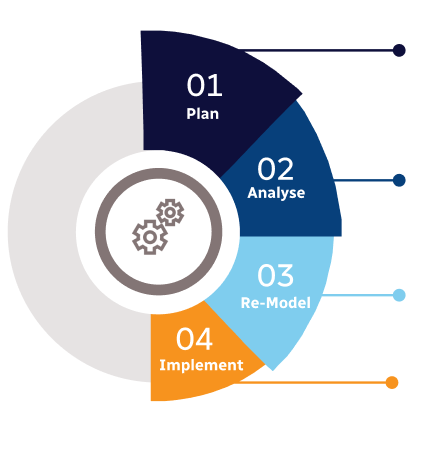
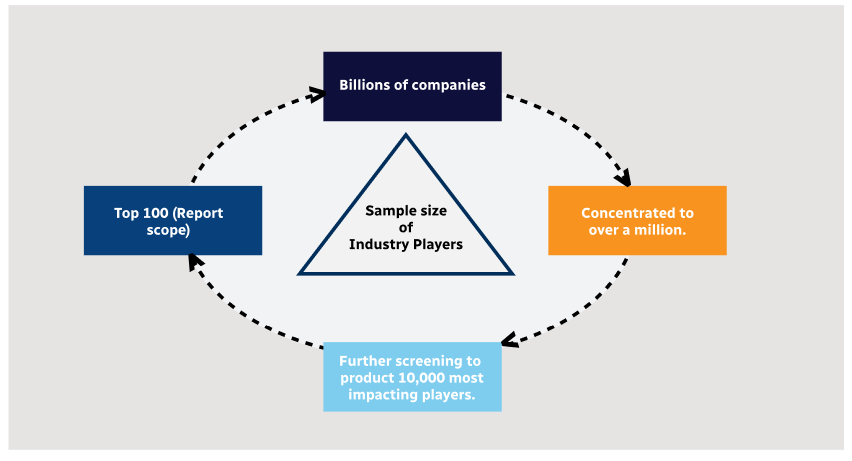
Step 1 - Identification of Relevant Samples Size from Population Database
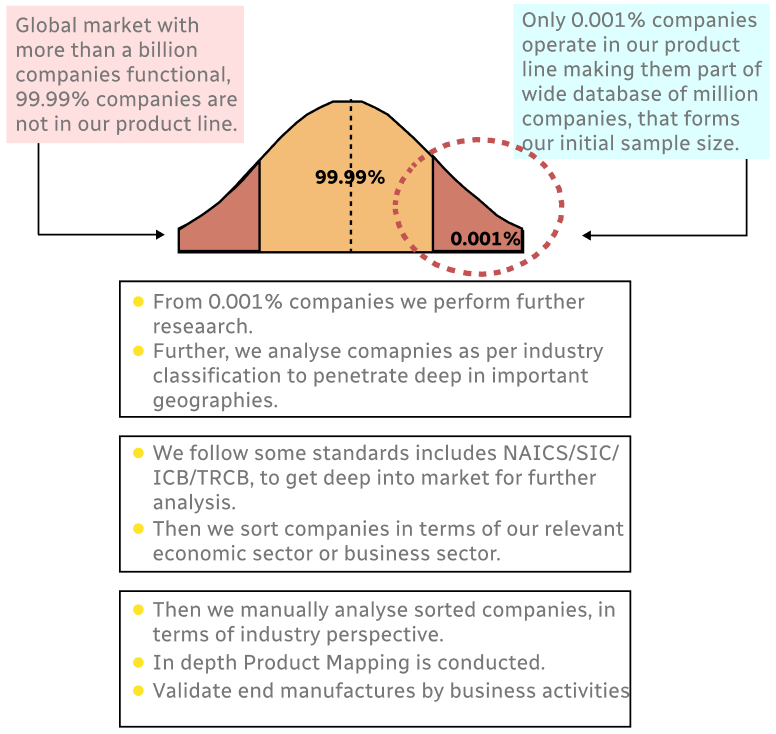
Step 2 - Approaches for Defining Global Market Size (Value, Volume* & Price*)
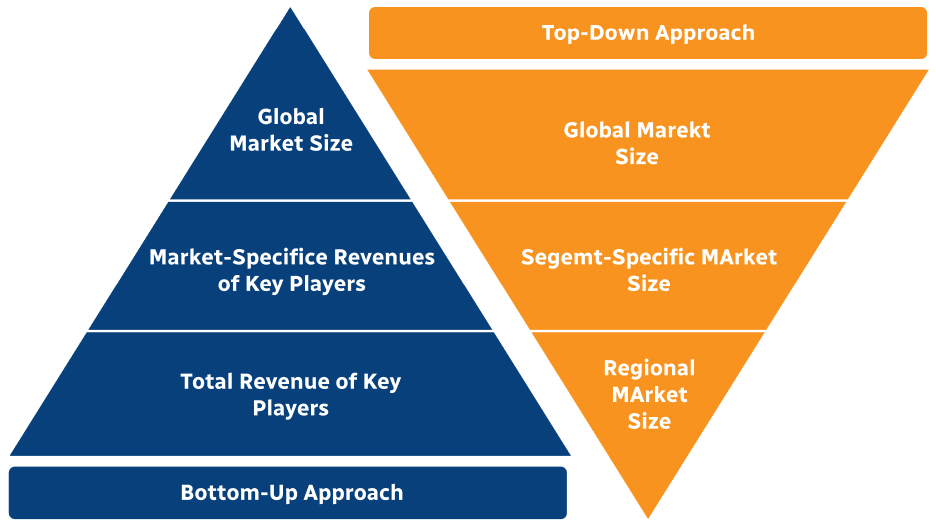
Note*: In applicable scenarios
Step 3 - Data Sources
Primary Research
- Web Analytics
- Survey Reports
- Research Institute
- Latest Research Reports
- Opinion Leaders
Secondary Research
- Annual Reports
- White Paper
- Latest Press Release
- Industry Association
- Paid Database
- Investor Presentations
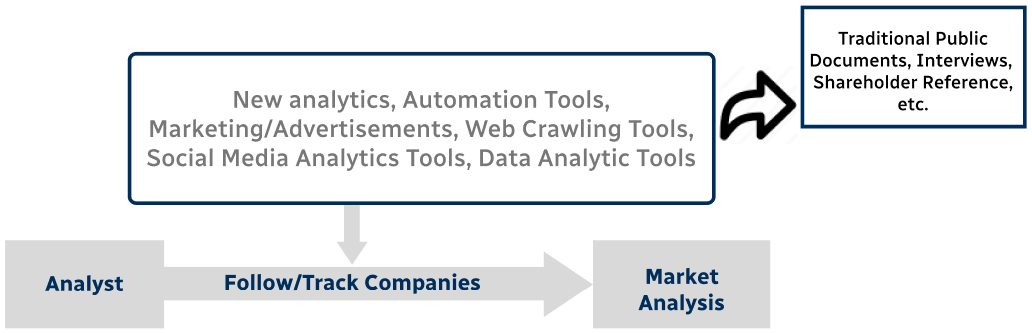
Step 4 - Data Triangulation
Involves using different sources of information in order to increase the validity of a study
These sources are likely to be stakeholders in a program - participants, other researchers, program staff, other community members, and so on.
Then we put all data in single framework & apply various statistical tools to find out the dynamic on the market.
During the analysis stage, feedback from the stakeholder groups would be compared to determine areas of agreement as well as areas of divergence