
Key Insights
The global Water Treatment Polymers market is poised for robust expansion, projected to reach an estimated market size of approximately $12,500 million by 2025, with a significant Compound Annual Growth Rate (CAGR) of 6.2% over the forecast period extending to 2033. This impressive growth is propelled by increasing global awareness of water scarcity, stringent environmental regulations mandating improved water quality, and the escalating demand for effective wastewater management solutions across industrial and municipal sectors. The market is characterized by a dynamic interplay between organic and inorganic polymer types, each catering to specific treatment needs. Organic water treatment polymers, including polyacrylamides and polyamines, are witnessing substantial adoption due to their superior flocculation and coagulation properties in removing suspended solids and organic matter. Simultaneously, inorganic polymers like aluminum sulfate and ferric chloride continue to play a crucial role in various water purification processes. The demand is particularly strong in the Waste-Water Treatment segment, driven by industrial discharge regulations and the growing need for water recycling and reuse.
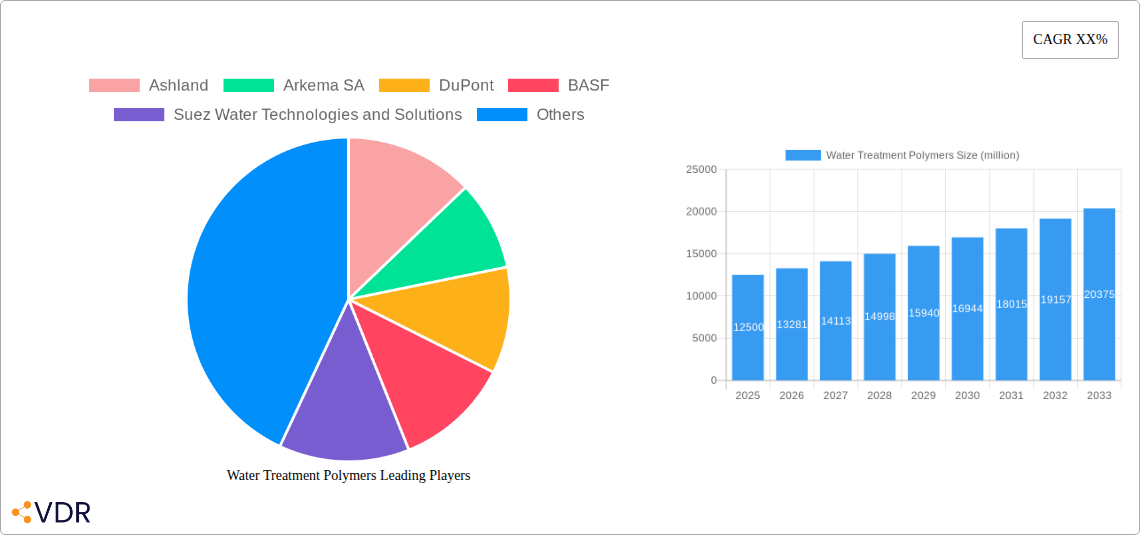
Water Treatment Polymers Market Size (In Billion)

Geographically, Asia Pacific is emerging as a pivotal growth engine, fueled by rapid industrialization, large-scale infrastructure development, and government initiatives aimed at enhancing water and wastewater treatment capabilities in countries like China and India. North America and Europe, mature markets with established stringent environmental frameworks, continue to represent substantial demand, driven by advanced technological adoption and ongoing upgrades to existing water treatment facilities. Key market players are focusing on research and development to innovate advanced polymer formulations with enhanced efficiency and environmental sustainability. Strategic collaborations, mergers, and acquisitions are also shaping the competitive landscape, as companies aim to expand their product portfolios and geographical reach. Despite the positive outlook, factors such as the volatile prices of raw materials and the high capital investment required for advanced treatment infrastructure may pose some challenges to sustained, rapid growth. However, the overarching need for clean water and effective wastewater management ensures a bright future for the water treatment polymers market.
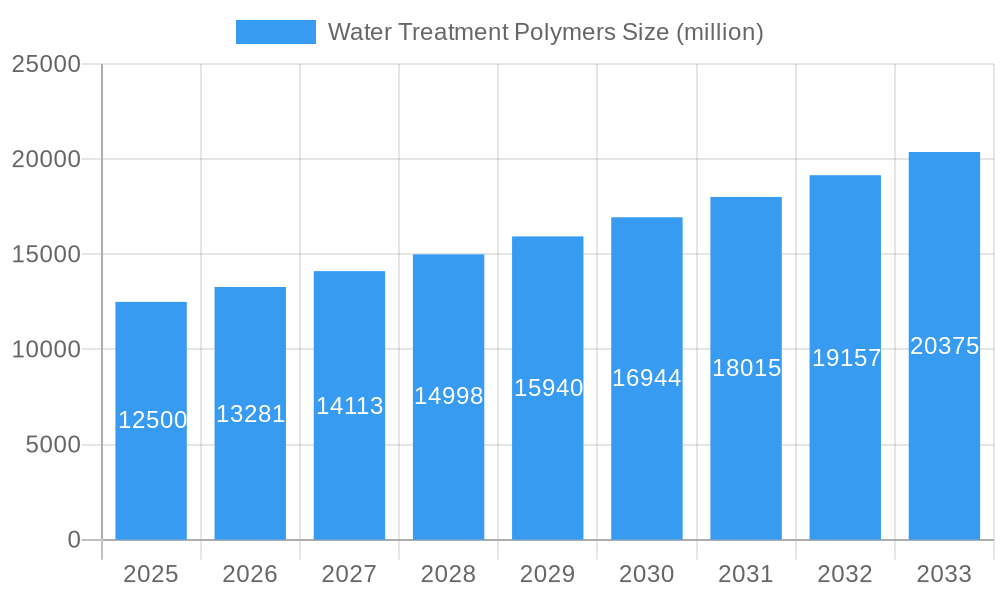
Water Treatment Polymers Company Market Share
Water Treatment Polymers Market Dynamics & Structure
The global water treatment polymers market exhibits a moderately consolidated structure, with a few key players holding significant market share, yet with increasing fragmentation due to emerging regional manufacturers. This dynamic is driven by substantial technological innovation, particularly in developing novel polymer formulations with enhanced efficacy, biodegradability, and reduced environmental impact. Regulatory frameworks, increasingly stringent concerning water quality and discharge standards worldwide, act as a significant catalyst for market growth and necessitate continuous innovation. Competitive product substitutes, while present, often fall short of the performance and versatility offered by advanced polymeric solutions. End-user demographics are shifting, with a growing demand from both municipal and industrial sectors, spurred by population growth and heightened environmental awareness. Mergers and acquisitions (M&A) are an active trend, with larger corporations acquiring smaller, specialized firms to expand their product portfolios and geographical reach. For instance, Solenis's acquisition of Diversey's industrial water treatment business in the recent past exemplifies this trend, strengthening its presence in key applications.
- Market Concentration: Moderately consolidated, with top 5 players estimated to hold ~60% of the global market share by value in 2025.
- Technological Innovation Drivers: Development of flocculants, coagulants, and scale inhibitors with improved efficiency and eco-friendliness. Nanotechnology integration is a nascent but growing area.
- Regulatory Frameworks: Stringent wastewater discharge regulations in North America and Europe are pushing demand for advanced treatment solutions.
- Competitive Product Substitutes: Traditional inorganic coagulants and physical treatment methods exist but often require higher dosages and produce more sludge.
- End-User Demographics: Growing demand from municipal water treatment facilities in developing economies and expanding industrial applications (e.g., pulp & paper, oil & gas).
- M&A Trends: Active, with significant deals aimed at portfolio expansion and market consolidation. Over 10 significant M&A deals were recorded in the historical period (2019-2024).
Water Treatment Polymers Growth Trends & Insights
The global water treatment polymers market is poised for robust growth, projected to expand from an estimated USD 25,000 million in 2025 to reach USD 40,000 million by 2033, exhibiting a compound annual growth rate (CAGR) of 6.1% during the forecast period. This expansion is underpinned by a confluence of factors including escalating global water scarcity, increasing industrialization leading to higher wastewater generation, and the unwavering drive towards stricter environmental regulations. Adoption rates of advanced water treatment polymers are accelerating, particularly in emerging economies across Asia Pacific and Latin America, where significant investments in water infrastructure are underway. Technological disruptions are continuously reshaping the market landscape, with a notable shift towards high-performance organic polymers that offer superior efficiency, lower dosage requirements, and enhanced biodegradability. For instance, the development of advanced polyacrylamides and polyamines has revolutionized flocculation and coagulation processes. Consumer behavior is also playing a pivotal role, with a heightened awareness among industries and municipalities regarding sustainable water management practices and the long-term economic benefits of efficient water treatment. The market penetration of specialty polymers in niche applications is on the rise, driven by the need for tailored solutions for complex water contamination challenges. The base year value for 2025 is estimated at USD 25,000 million. The forecast period CAGR is projected at 6.1%.
Dominant Regions, Countries, or Segments in Water Treatment Polymers
The Asia Pacific region is emerging as the dominant force in the global water treatment polymers market, driven by rapid industrialization, burgeoning population, and substantial investments in water and wastewater infrastructure. China and India, in particular, are leading this surge due to their aggressive pursuit of economic development, which invariably leads to increased water consumption and wastewater generation, coupled with government initiatives prioritizing water resource management and pollution control. The Waste-Water Treatment application segment holds a commanding position within the market, accounting for an estimated 65% of the total market value in 2025. This dominance is directly attributable to the escalating global demand for effective wastewater remediation solutions from both municipal and industrial sectors. The stringent regulatory landscape in developed nations, coupled with the growing need to recycle and reuse wastewater in water-stressed regions, further bolsters this segment's growth.
- Key Drivers in Asia Pacific:
- Massive infrastructure development projects for water treatment.
- Increasing urbanization and industrial output.
- Stringent environmental regulations and focus on water conservation.
- Growing awareness of waterborne diseases and public health.
- Dominance Factors in Waste-Water Treatment:
- High volume of industrial effluents requiring treatment.
- Need for effective removal of pollutants to meet discharge standards.
- Growth of municipal wastewater treatment plants to serve expanding populations.
- Technological advancements in polymer-based wastewater treatment solutions.
- Market Share & Growth Potential: Asia Pacific is projected to capture over 35% of the global market share by 2025, with a projected CAGR of 7.5% during the forecast period. The Waste-Water Treatment segment is expected to grow at a CAGR of 6.5%.
Water Treatment Polymers Product Landscape
The water treatment polymers market is characterized by a diverse and evolving product landscape, primarily segmented into Organic Water Treatment Polymers and Inorganic Water Treatment Polymers. Organic polymers, such as polyacrylamides, polyamines, and polyDADMACs, are increasingly favored due to their superior performance, higher efficiency at lower dosages, and improved environmental profiles, including biodegradability. Innovations focus on developing cationic, anionic, and non-ionic polymers tailored for specific applications like flocculation, coagulation, scale inhibition, and sludge dewatering in both fresh and wastewater treatment. The performance metrics of these advanced polymers are continuously being enhanced, offering higher charge densities, better molecular weight control, and resistance to varying pH and temperature conditions. Unique selling propositions often lie in customized formulations that address niche contamination challenges, such as heavy metal removal or microplastic capture.
Key Drivers, Barriers & Challenges in Water Treatment Polymers
Key Drivers:
- Increasing Global Water Scarcity: Growing demand for efficient water management and recycling solutions.
- Stringent Environmental Regulations: Mandates for improved water quality and reduced pollution drive the adoption of advanced treatment chemicals.
- Industrial Growth: Expansion of industries like power generation, manufacturing, and oil & gas, which are significant water consumers.
- Technological Advancements: Development of high-performance, eco-friendly polymers with enhanced efficacy.
Key Barriers & Challenges:
- High Initial Investment Costs: For implementing advanced water treatment systems can deter smaller entities.
- Availability of Cheaper Alternatives: Traditional, less efficient inorganic chemicals can be a competitive threat in price-sensitive markets.
- Supply Chain Volatility: Fluctuations in raw material prices and availability can impact production costs and lead times.
- Regulatory Hurdles: Navigating diverse and evolving regulatory landscapes across different regions can be complex for manufacturers.
Emerging Opportunities in Water Treatment Polymers
Emerging opportunities in the water treatment polymers market are largely driven by the growing demand for sustainable and circular economy solutions. The increasing focus on water reuse and recycling presents a significant avenue, particularly for polymers that enhance the efficiency of desalination and advanced oxidation processes. The development of biodegradable and bio-based polymers offers a compelling alternative to conventional synthetic polymers, catering to the rising consumer preference for eco-friendly products. Furthermore, the integration of smart technologies and sensor-based systems for real-time water quality monitoring creates opportunities for intelligent polymer delivery systems and tailored treatment strategies. Untapped markets in developing nations with critical water infrastructure needs also represent substantial growth potential.
Growth Accelerators in the Water Treatment Polymers Industry
Several catalysts are propelling the long-term growth of the water treatment polymers industry. Breakthroughs in polymer science, leading to the creation of highly specialized and efficient flocculants, coagulants, and scale inhibitors, are fundamental growth accelerators. Strategic partnerships between polymer manufacturers and water technology solution providers are fostering innovation and facilitating market penetration. Furthermore, the increasing adoption of modular and decentralized water treatment systems, particularly in industrial settings and remote areas, is creating new demand for portable and highly effective polymer-based treatment solutions. Market expansion strategies targeting regions with high water stress and underdeveloped water infrastructure are also playing a crucial role in accelerating industry growth.
Key Players Shaping the Water Treatment Polymers Market
Ashland, Arkema SA, DuPont, BASF, Suez Water Technologies and Solutions, Kuraray, Solenis, Ecolab, Alken-Murray Corporation, Chemigate, Aries Chemical, Tramfloc, Chemco Products, SNF Group, Gantrade, Nitta Gelatin, Kemira Oyj, AkzoNobel, Shandong Polymer Bio-Chemicals, Sumitomo Seika Chemicals, CP Kelco
Notable Milestones in Water Treatment Polymers Sector
- 2023: SNF Group launched a new range of high-performance, bio-based flocculants for wastewater treatment, enhancing sustainability.
- 2022: Solenis completed the acquisition of Diversey's industrial water treatment business, significantly expanding its global footprint.
- 2021: DuPont introduced an innovative membrane treatment polymer for desalination plants, improving efficiency and reducing energy consumption.
- 2020: BASF unveiled a novel coagulant polymer designed for microplastic removal in wastewater, addressing a growing environmental concern.
- 2019: Kemira Oyj announced significant investment in expanding its production capacity for organic water treatment polymers in North America.
In-Depth Water Treatment Polymers Market Outlook
The future of the water treatment polymers market is exceptionally promising, characterized by sustained growth fueled by escalating global demand for clean water and effective wastewater management. Growth accelerators will continue to be driven by groundbreaking technological innovations in polymer chemistry, leading to more efficient, sustainable, and application-specific solutions. Strategic collaborations between chemical suppliers, equipment manufacturers, and end-users will foster a more integrated approach to water treatment challenges. The expanding focus on water reuse and the circular economy presents substantial opportunities for advanced polymer chemistries that enable high-purity water recovery. Market expansion into developing regions, coupled with stricter environmental regulations worldwide, will solidify the industry's trajectory towards a more robust and indispensable role in global water security.
Water Treatment Polymers Segmentation
-
1. Application
- 1.1. Fresh-Water Treatment
- 1.2. Waste-Water Treatment
-
2. Types
- 2.1. Organic Water Treatment Polymers
- 2.2. Inorganic Water Treatment Polymers
Water Treatment Polymers Segmentation By Geography
-
1. North America
- 1.1. United States
- 1.2. Canada
- 1.3. Mexico
-
2. South America
- 2.1. Brazil
- 2.2. Argentina
- 2.3. Rest of South America
-
3. Europe
- 3.1. United Kingdom
- 3.2. Germany
- 3.3. France
- 3.4. Italy
- 3.5. Spain
- 3.6. Russia
- 3.7. Benelux
- 3.8. Nordics
- 3.9. Rest of Europe
-
4. Middle East & Africa
- 4.1. Turkey
- 4.2. Israel
- 4.3. GCC
- 4.4. North Africa
- 4.5. South Africa
- 4.6. Rest of Middle East & Africa
-
5. Asia Pacific
- 5.1. China
- 5.2. India
- 5.3. Japan
- 5.4. South Korea
- 5.5. ASEAN
- 5.6. Oceania
- 5.7. Rest of Asia Pacific
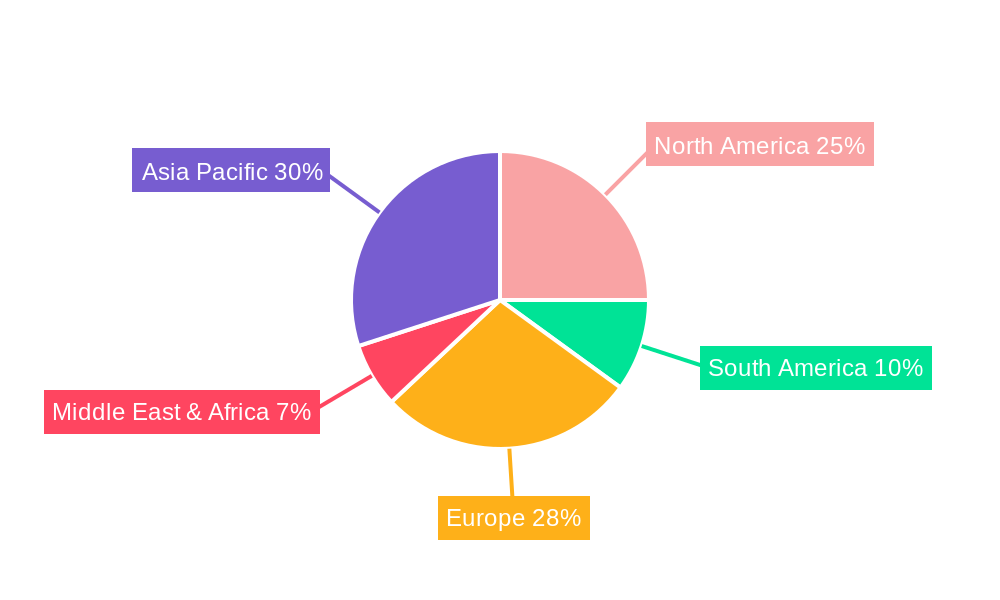
Water Treatment Polymers Regional Market Share
Geographic Coverage of Water Treatment Polymers
Water Treatment Polymers REPORT HIGHLIGHTS
| Aspects | Details |
|---|---|
| Study Period | 2020-2034 |
| Base Year | 2025 |
| Estimated Year | 2026 |
| Forecast Period | 2026-2034 |
| Historical Period | 2020-2025 |
| Growth Rate | CAGR of XX% from 2020-2034 |
| Segmentation |
|
Table of Contents
- 1. Introduction
- 1.1. Research Scope
- 1.2. Market Segmentation
- 1.3. Research Methodology
- 1.4. Definitions and Assumptions
- 2. Executive Summary
- 2.1. Introduction
- 3. Market Dynamics
- 3.1. Introduction
- 3.2. Market Drivers
- 3.3. Market Restrains
- 3.4. Market Trends
- 4. Market Factor Analysis
- 4.1. Porters Five Forces
- 4.2. Supply/Value Chain
- 4.3. PESTEL analysis
- 4.4. Market Entropy
- 4.5. Patent/Trademark Analysis
- 5. Global Water Treatment Polymers Analysis, Insights and Forecast, 2020-2032
- 5.1. Market Analysis, Insights and Forecast - by Application
- 5.1.1. Fresh-Water Treatment
- 5.1.2. Waste-Water Treatment
- 5.2. Market Analysis, Insights and Forecast - by Types
- 5.2.1. Organic Water Treatment Polymers
- 5.2.2. Inorganic Water Treatment Polymers
- 5.3. Market Analysis, Insights and Forecast - by Region
- 5.3.1. North America
- 5.3.2. South America
- 5.3.3. Europe
- 5.3.4. Middle East & Africa
- 5.3.5. Asia Pacific
- 5.1. Market Analysis, Insights and Forecast - by Application
- 6. North America Water Treatment Polymers Analysis, Insights and Forecast, 2020-2032
- 6.1. Market Analysis, Insights and Forecast - by Application
- 6.1.1. Fresh-Water Treatment
- 6.1.2. Waste-Water Treatment
- 6.2. Market Analysis, Insights and Forecast - by Types
- 6.2.1. Organic Water Treatment Polymers
- 6.2.2. Inorganic Water Treatment Polymers
- 6.1. Market Analysis, Insights and Forecast - by Application
- 7. South America Water Treatment Polymers Analysis, Insights and Forecast, 2020-2032
- 7.1. Market Analysis, Insights and Forecast - by Application
- 7.1.1. Fresh-Water Treatment
- 7.1.2. Waste-Water Treatment
- 7.2. Market Analysis, Insights and Forecast - by Types
- 7.2.1. Organic Water Treatment Polymers
- 7.2.2. Inorganic Water Treatment Polymers
- 7.1. Market Analysis, Insights and Forecast - by Application
- 8. Europe Water Treatment Polymers Analysis, Insights and Forecast, 2020-2032
- 8.1. Market Analysis, Insights and Forecast - by Application
- 8.1.1. Fresh-Water Treatment
- 8.1.2. Waste-Water Treatment
- 8.2. Market Analysis, Insights and Forecast - by Types
- 8.2.1. Organic Water Treatment Polymers
- 8.2.2. Inorganic Water Treatment Polymers
- 8.1. Market Analysis, Insights and Forecast - by Application
- 9. Middle East & Africa Water Treatment Polymers Analysis, Insights and Forecast, 2020-2032
- 9.1. Market Analysis, Insights and Forecast - by Application
- 9.1.1. Fresh-Water Treatment
- 9.1.2. Waste-Water Treatment
- 9.2. Market Analysis, Insights and Forecast - by Types
- 9.2.1. Organic Water Treatment Polymers
- 9.2.2. Inorganic Water Treatment Polymers
- 9.1. Market Analysis, Insights and Forecast - by Application
- 10. Asia Pacific Water Treatment Polymers Analysis, Insights and Forecast, 2020-2032
- 10.1. Market Analysis, Insights and Forecast - by Application
- 10.1.1. Fresh-Water Treatment
- 10.1.2. Waste-Water Treatment
- 10.2. Market Analysis, Insights and Forecast - by Types
- 10.2.1. Organic Water Treatment Polymers
- 10.2.2. Inorganic Water Treatment Polymers
- 10.1. Market Analysis, Insights and Forecast - by Application
- 11. Competitive Analysis
- 11.1. Global Market Share Analysis 2025
- 11.2. Company Profiles
- 11.2.1 Ashland
- 11.2.1.1. Overview
- 11.2.1.2. Products
- 11.2.1.3. SWOT Analysis
- 11.2.1.4. Recent Developments
- 11.2.1.5. Financials (Based on Availability)
- 11.2.2 Arkema SA
- 11.2.2.1. Overview
- 11.2.2.2. Products
- 11.2.2.3. SWOT Analysis
- 11.2.2.4. Recent Developments
- 11.2.2.5. Financials (Based on Availability)
- 11.2.3 DuPont
- 11.2.3.1. Overview
- 11.2.3.2. Products
- 11.2.3.3. SWOT Analysis
- 11.2.3.4. Recent Developments
- 11.2.3.5. Financials (Based on Availability)
- 11.2.4 BASF
- 11.2.4.1. Overview
- 11.2.4.2. Products
- 11.2.4.3. SWOT Analysis
- 11.2.4.4. Recent Developments
- 11.2.4.5. Financials (Based on Availability)
- 11.2.5 Suez Water Technologies and Solutions
- 11.2.5.1. Overview
- 11.2.5.2. Products
- 11.2.5.3. SWOT Analysis
- 11.2.5.4. Recent Developments
- 11.2.5.5. Financials (Based on Availability)
- 11.2.6 Kuraray
- 11.2.6.1. Overview
- 11.2.6.2. Products
- 11.2.6.3. SWOT Analysis
- 11.2.6.4. Recent Developments
- 11.2.6.5. Financials (Based on Availability)
- 11.2.7 Solenis
- 11.2.7.1. Overview
- 11.2.7.2. Products
- 11.2.7.3. SWOT Analysis
- 11.2.7.4. Recent Developments
- 11.2.7.5. Financials (Based on Availability)
- 11.2.8 Ecolab
- 11.2.8.1. Overview
- 11.2.8.2. Products
- 11.2.8.3. SWOT Analysis
- 11.2.8.4. Recent Developments
- 11.2.8.5. Financials (Based on Availability)
- 11.2.9 Alken-Murray Corporation
- 11.2.9.1. Overview
- 11.2.9.2. Products
- 11.2.9.3. SWOT Analysis
- 11.2.9.4. Recent Developments
- 11.2.9.5. Financials (Based on Availability)
- 11.2.10 Chemigate
- 11.2.10.1. Overview
- 11.2.10.2. Products
- 11.2.10.3. SWOT Analysis
- 11.2.10.4. Recent Developments
- 11.2.10.5. Financials (Based on Availability)
- 11.2.11 Aries Chemical
- 11.2.11.1. Overview
- 11.2.11.2. Products
- 11.2.11.3. SWOT Analysis
- 11.2.11.4. Recent Developments
- 11.2.11.5. Financials (Based on Availability)
- 11.2.12 Tramfloc
- 11.2.12.1. Overview
- 11.2.12.2. Products
- 11.2.12.3. SWOT Analysis
- 11.2.12.4. Recent Developments
- 11.2.12.5. Financials (Based on Availability)
- 11.2.13 Chemco Products
- 11.2.13.1. Overview
- 11.2.13.2. Products
- 11.2.13.3. SWOT Analysis
- 11.2.13.4. Recent Developments
- 11.2.13.5. Financials (Based on Availability)
- 11.2.14 SNF Group
- 11.2.14.1. Overview
- 11.2.14.2. Products
- 11.2.14.3. SWOT Analysis
- 11.2.14.4. Recent Developments
- 11.2.14.5. Financials (Based on Availability)
- 11.2.15 Gantrade
- 11.2.15.1. Overview
- 11.2.15.2. Products
- 11.2.15.3. SWOT Analysis
- 11.2.15.4. Recent Developments
- 11.2.15.5. Financials (Based on Availability)
- 11.2.16 Nitta Gelatin
- 11.2.16.1. Overview
- 11.2.16.2. Products
- 11.2.16.3. SWOT Analysis
- 11.2.16.4. Recent Developments
- 11.2.16.5. Financials (Based on Availability)
- 11.2.17 Kemira Oyj
- 11.2.17.1. Overview
- 11.2.17.2. Products
- 11.2.17.3. SWOT Analysis
- 11.2.17.4. Recent Developments
- 11.2.17.5. Financials (Based on Availability)
- 11.2.18 AkzoNobel
- 11.2.18.1. Overview
- 11.2.18.2. Products
- 11.2.18.3. SWOT Analysis
- 11.2.18.4. Recent Developments
- 11.2.18.5. Financials (Based on Availability)
- 11.2.19 Shandong Polymer Bio-Chemicals
- 11.2.19.1. Overview
- 11.2.19.2. Products
- 11.2.19.3. SWOT Analysis
- 11.2.19.4. Recent Developments
- 11.2.19.5. Financials (Based on Availability)
- 11.2.20 Sumitomo Seika Chemicals
- 11.2.20.1. Overview
- 11.2.20.2. Products
- 11.2.20.3. SWOT Analysis
- 11.2.20.4. Recent Developments
- 11.2.20.5. Financials (Based on Availability)
- 11.2.21 CP Kelco
- 11.2.21.1. Overview
- 11.2.21.2. Products
- 11.2.21.3. SWOT Analysis
- 11.2.21.4. Recent Developments
- 11.2.21.5. Financials (Based on Availability)
- 11.2.1 Ashland
List of Figures
- Figure 1: Global Water Treatment Polymers Revenue Breakdown (million, %) by Region 2025 & 2033
- Figure 2: North America Water Treatment Polymers Revenue (million), by Application 2025 & 2033
- Figure 3: North America Water Treatment Polymers Revenue Share (%), by Application 2025 & 2033
- Figure 4: North America Water Treatment Polymers Revenue (million), by Types 2025 & 2033
- Figure 5: North America Water Treatment Polymers Revenue Share (%), by Types 2025 & 2033
- Figure 6: North America Water Treatment Polymers Revenue (million), by Country 2025 & 2033
- Figure 7: North America Water Treatment Polymers Revenue Share (%), by Country 2025 & 2033
- Figure 8: South America Water Treatment Polymers Revenue (million), by Application 2025 & 2033
- Figure 9: South America Water Treatment Polymers Revenue Share (%), by Application 2025 & 2033
- Figure 10: South America Water Treatment Polymers Revenue (million), by Types 2025 & 2033
- Figure 11: South America Water Treatment Polymers Revenue Share (%), by Types 2025 & 2033
- Figure 12: South America Water Treatment Polymers Revenue (million), by Country 2025 & 2033
- Figure 13: South America Water Treatment Polymers Revenue Share (%), by Country 2025 & 2033
- Figure 14: Europe Water Treatment Polymers Revenue (million), by Application 2025 & 2033
- Figure 15: Europe Water Treatment Polymers Revenue Share (%), by Application 2025 & 2033
- Figure 16: Europe Water Treatment Polymers Revenue (million), by Types 2025 & 2033
- Figure 17: Europe Water Treatment Polymers Revenue Share (%), by Types 2025 & 2033
- Figure 18: Europe Water Treatment Polymers Revenue (million), by Country 2025 & 2033
- Figure 19: Europe Water Treatment Polymers Revenue Share (%), by Country 2025 & 2033
- Figure 20: Middle East & Africa Water Treatment Polymers Revenue (million), by Application 2025 & 2033
- Figure 21: Middle East & Africa Water Treatment Polymers Revenue Share (%), by Application 2025 & 2033
- Figure 22: Middle East & Africa Water Treatment Polymers Revenue (million), by Types 2025 & 2033
- Figure 23: Middle East & Africa Water Treatment Polymers Revenue Share (%), by Types 2025 & 2033
- Figure 24: Middle East & Africa Water Treatment Polymers Revenue (million), by Country 2025 & 2033
- Figure 25: Middle East & Africa Water Treatment Polymers Revenue Share (%), by Country 2025 & 2033
- Figure 26: Asia Pacific Water Treatment Polymers Revenue (million), by Application 2025 & 2033
- Figure 27: Asia Pacific Water Treatment Polymers Revenue Share (%), by Application 2025 & 2033
- Figure 28: Asia Pacific Water Treatment Polymers Revenue (million), by Types 2025 & 2033
- Figure 29: Asia Pacific Water Treatment Polymers Revenue Share (%), by Types 2025 & 2033
- Figure 30: Asia Pacific Water Treatment Polymers Revenue (million), by Country 2025 & 2033
- Figure 31: Asia Pacific Water Treatment Polymers Revenue Share (%), by Country 2025 & 2033
List of Tables
- Table 1: Global Water Treatment Polymers Revenue million Forecast, by Application 2020 & 2033
- Table 2: Global Water Treatment Polymers Revenue million Forecast, by Types 2020 & 2033
- Table 3: Global Water Treatment Polymers Revenue million Forecast, by Region 2020 & 2033
- Table 4: Global Water Treatment Polymers Revenue million Forecast, by Application 2020 & 2033
- Table 5: Global Water Treatment Polymers Revenue million Forecast, by Types 2020 & 2033
- Table 6: Global Water Treatment Polymers Revenue million Forecast, by Country 2020 & 2033
- Table 7: United States Water Treatment Polymers Revenue (million) Forecast, by Application 2020 & 2033
- Table 8: Canada Water Treatment Polymers Revenue (million) Forecast, by Application 2020 & 2033
- Table 9: Mexico Water Treatment Polymers Revenue (million) Forecast, by Application 2020 & 2033
- Table 10: Global Water Treatment Polymers Revenue million Forecast, by Application 2020 & 2033
- Table 11: Global Water Treatment Polymers Revenue million Forecast, by Types 2020 & 2033
- Table 12: Global Water Treatment Polymers Revenue million Forecast, by Country 2020 & 2033
- Table 13: Brazil Water Treatment Polymers Revenue (million) Forecast, by Application 2020 & 2033
- Table 14: Argentina Water Treatment Polymers Revenue (million) Forecast, by Application 2020 & 2033
- Table 15: Rest of South America Water Treatment Polymers Revenue (million) Forecast, by Application 2020 & 2033
- Table 16: Global Water Treatment Polymers Revenue million Forecast, by Application 2020 & 2033
- Table 17: Global Water Treatment Polymers Revenue million Forecast, by Types 2020 & 2033
- Table 18: Global Water Treatment Polymers Revenue million Forecast, by Country 2020 & 2033
- Table 19: United Kingdom Water Treatment Polymers Revenue (million) Forecast, by Application 2020 & 2033
- Table 20: Germany Water Treatment Polymers Revenue (million) Forecast, by Application 2020 & 2033
- Table 21: France Water Treatment Polymers Revenue (million) Forecast, by Application 2020 & 2033
- Table 22: Italy Water Treatment Polymers Revenue (million) Forecast, by Application 2020 & 2033
- Table 23: Spain Water Treatment Polymers Revenue (million) Forecast, by Application 2020 & 2033
- Table 24: Russia Water Treatment Polymers Revenue (million) Forecast, by Application 2020 & 2033
- Table 25: Benelux Water Treatment Polymers Revenue (million) Forecast, by Application 2020 & 2033
- Table 26: Nordics Water Treatment Polymers Revenue (million) Forecast, by Application 2020 & 2033
- Table 27: Rest of Europe Water Treatment Polymers Revenue (million) Forecast, by Application 2020 & 2033
- Table 28: Global Water Treatment Polymers Revenue million Forecast, by Application 2020 & 2033
- Table 29: Global Water Treatment Polymers Revenue million Forecast, by Types 2020 & 2033
- Table 30: Global Water Treatment Polymers Revenue million Forecast, by Country 2020 & 2033
- Table 31: Turkey Water Treatment Polymers Revenue (million) Forecast, by Application 2020 & 2033
- Table 32: Israel Water Treatment Polymers Revenue (million) Forecast, by Application 2020 & 2033
- Table 33: GCC Water Treatment Polymers Revenue (million) Forecast, by Application 2020 & 2033
- Table 34: North Africa Water Treatment Polymers Revenue (million) Forecast, by Application 2020 & 2033
- Table 35: South Africa Water Treatment Polymers Revenue (million) Forecast, by Application 2020 & 2033
- Table 36: Rest of Middle East & Africa Water Treatment Polymers Revenue (million) Forecast, by Application 2020 & 2033
- Table 37: Global Water Treatment Polymers Revenue million Forecast, by Application 2020 & 2033
- Table 38: Global Water Treatment Polymers Revenue million Forecast, by Types 2020 & 2033
- Table 39: Global Water Treatment Polymers Revenue million Forecast, by Country 2020 & 2033
- Table 40: China Water Treatment Polymers Revenue (million) Forecast, by Application 2020 & 2033
- Table 41: India Water Treatment Polymers Revenue (million) Forecast, by Application 2020 & 2033
- Table 42: Japan Water Treatment Polymers Revenue (million) Forecast, by Application 2020 & 2033
- Table 43: South Korea Water Treatment Polymers Revenue (million) Forecast, by Application 2020 & 2033
- Table 44: ASEAN Water Treatment Polymers Revenue (million) Forecast, by Application 2020 & 2033
- Table 45: Oceania Water Treatment Polymers Revenue (million) Forecast, by Application 2020 & 2033
- Table 46: Rest of Asia Pacific Water Treatment Polymers Revenue (million) Forecast, by Application 2020 & 2033
Frequently Asked Questions
1. What is the projected Compound Annual Growth Rate (CAGR) of the Water Treatment Polymers?
The projected CAGR is approximately XX%.
2. Which companies are prominent players in the Water Treatment Polymers?
Key companies in the market include Ashland, Arkema SA, DuPont, BASF, Suez Water Technologies and Solutions, Kuraray, Solenis, Ecolab, Alken-Murray Corporation, Chemigate, Aries Chemical, Tramfloc, Chemco Products, SNF Group, Gantrade, Nitta Gelatin, Kemira Oyj, AkzoNobel, Shandong Polymer Bio-Chemicals, Sumitomo Seika Chemicals, CP Kelco.
3. What are the main segments of the Water Treatment Polymers?
The market segments include Application, Types.
4. Can you provide details about the market size?
The market size is estimated to be USD XXX million as of 2022.
5. What are some drivers contributing to market growth?
N/A
6. What are the notable trends driving market growth?
N/A
7. Are there any restraints impacting market growth?
N/A
8. Can you provide examples of recent developments in the market?
N/A
9. What pricing options are available for accessing the report?
Pricing options include single-user, multi-user, and enterprise licenses priced at USD 4900.00, USD 7350.00, and USD 9800.00 respectively.
10. Is the market size provided in terms of value or volume?
The market size is provided in terms of value, measured in million.
11. Are there any specific market keywords associated with the report?
Yes, the market keyword associated with the report is "Water Treatment Polymers," which aids in identifying and referencing the specific market segment covered.
12. How do I determine which pricing option suits my needs best?
The pricing options vary based on user requirements and access needs. Individual users may opt for single-user licenses, while businesses requiring broader access may choose multi-user or enterprise licenses for cost-effective access to the report.
13. Are there any additional resources or data provided in the Water Treatment Polymers report?
While the report offers comprehensive insights, it's advisable to review the specific contents or supplementary materials provided to ascertain if additional resources or data are available.
14. How can I stay updated on further developments or reports in the Water Treatment Polymers?
To stay informed about further developments, trends, and reports in the Water Treatment Polymers, consider subscribing to industry newsletters, following relevant companies and organizations, or regularly checking reputable industry news sources and publications.
Methodology
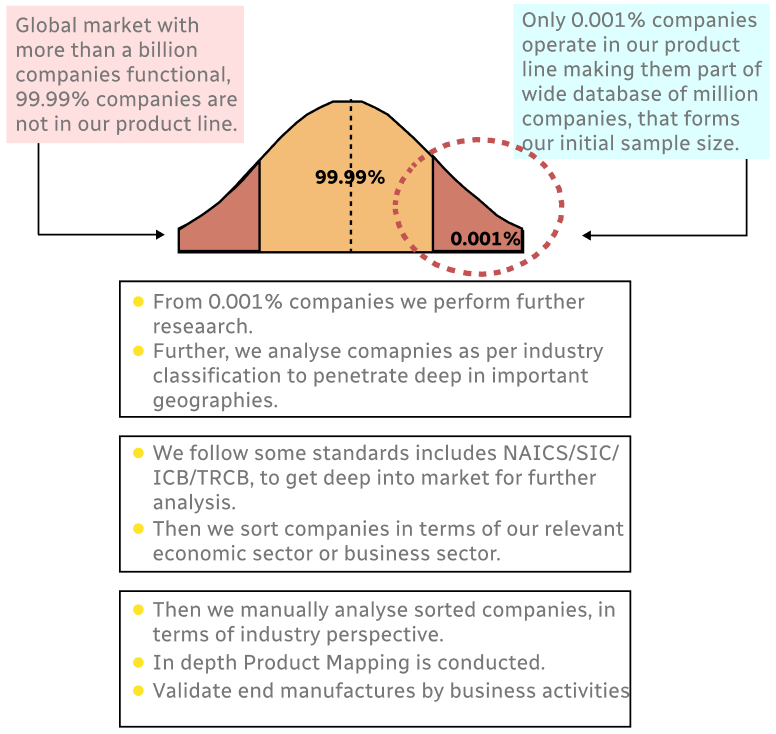
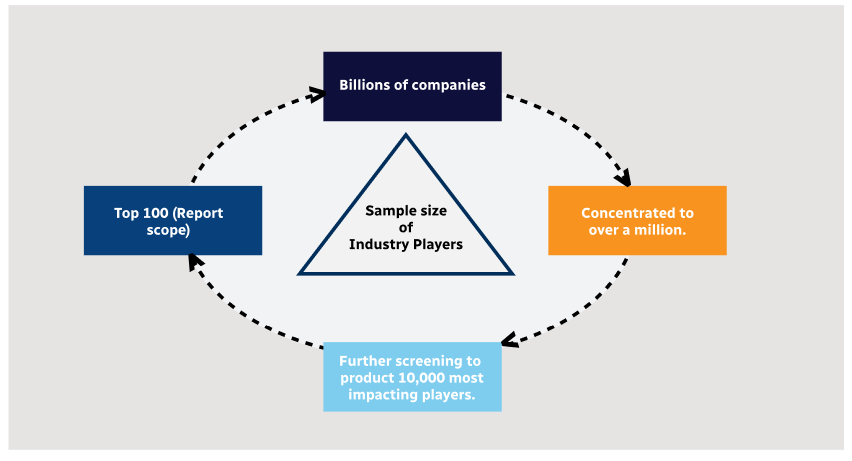
Step 1 - Identification of Relevant Samples Size from Population Database
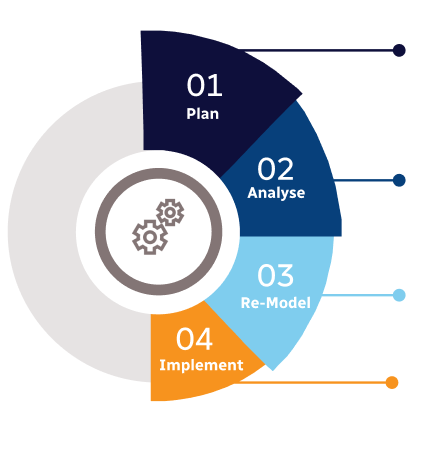
Step 2 - Approaches for Defining Global Market Size (Value, Volume* & Price*)
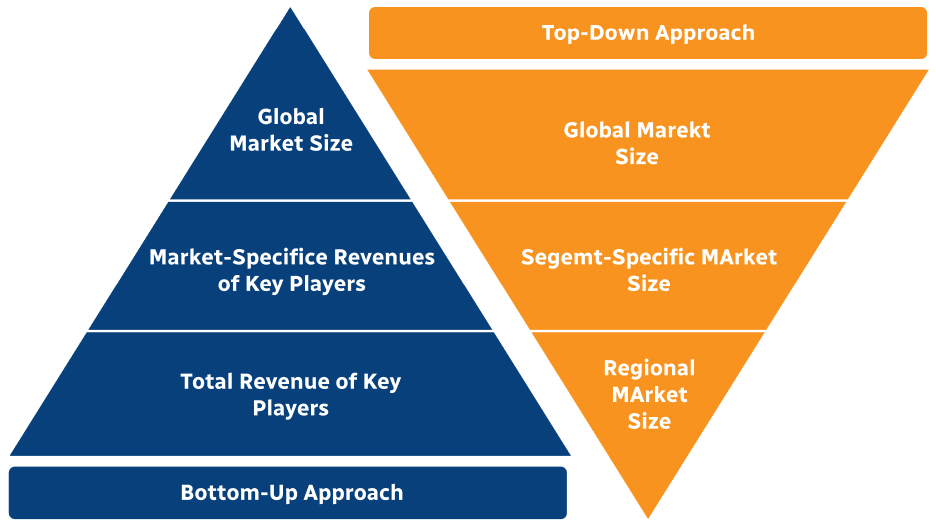
Note*: In applicable scenarios
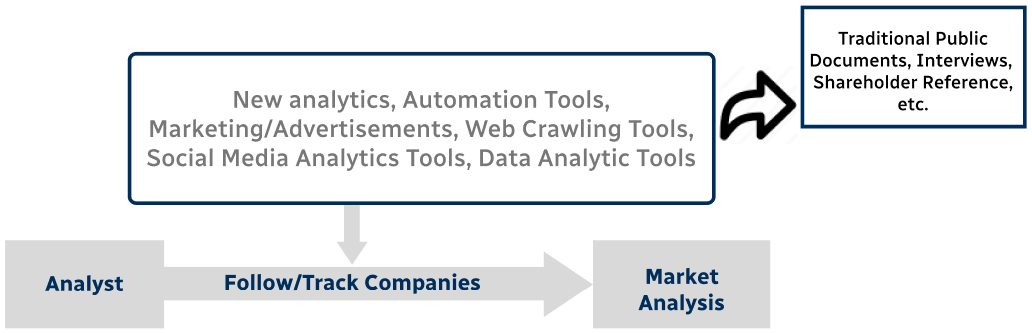
Step 3 - Data Sources
Primary Research
- Web Analytics
- Survey Reports
- Research Institute
- Latest Research Reports
- Opinion Leaders
Secondary Research
- Annual Reports
- White Paper
- Latest Press Release
- Industry Association
- Paid Database
- Investor Presentations
Step 4 - Data Triangulation
Involves using different sources of information in order to increase the validity of a study
These sources are likely to be stakeholders in a program - participants, other researchers, program staff, other community members, and so on.
Then we put all data in single framework & apply various statistical tools to find out the dynamic on the market.
During the analysis stage, feedback from the stakeholder groups would be compared to determine areas of agreement as well as areas of divergence