


Key Insights
The global Waste Heat Recovery (WHR) system market is poised for steady growth, projecting a market size of $725 million in 2025 with a compound annual growth rate (CAGR) of 2.2% extending through 2033. This expansion is fueled by a growing emphasis on energy efficiency and sustainability across various industrial sectors. Industries are increasingly recognizing the significant economic and environmental benefits of capturing and reusing waste heat, which would otherwise be lost. Key drivers include stringent environmental regulations aimed at reducing greenhouse gas emissions, rising energy costs incentivizing operational optimization, and the continuous advancement of WHR technologies offering higher efficiency and cost-effectiveness. Applications are diverse, spanning power generation, manufacturing, chemical processing, and more, each seeking to improve their energy footprint and operational margins.

Waste Heat Recovery System Market Size (In Million)

The market's trajectory is further shaped by evolving technological trends, such as the integration of advanced materials for higher temperature resistance, development of more compact and modular WHR units for easier deployment, and the increasing adoption of organic Rankine cycle (ORC) technology for low-grade heat recovery. While the market is robust, certain restraints such as the high initial capital investment for some WHR systems and the complexity of integration into existing industrial infrastructure can pose challenges. However, these are being mitigated by government incentives, a growing number of specialized WHR solution providers like Sinoma Energy Conservation, Kawasaki, and Thermax, and a wider range of product offerings catering to different industrial needs. The market is segmented by application and type, with continued innovation expected to drive adoption across all segments.

Waste Heat Recovery System Company Market Share
This in-depth Waste Heat Recovery System market report provides a crucial analysis of a rapidly evolving industry, focusing on its dynamics, growth trends, and future outlook. Covering the study period of 2019–2033, with a base year and estimated year of 2025, and a forecast period of 2025–2033, this report delves into the historical performance from 2019–2024 to offer a complete market narrative. We explore the vital role of waste heat recovery systems (WHRS) in enhancing industrial efficiency, reducing operational costs, and achieving environmental sustainability goals. Our analysis integrates high-traffic keywords such as "industrial waste heat," "energy efficiency solutions," "thermal energy recovery," "process heat recovery," and "cogeneration systems," targeting industry professionals, procurement managers, sustainability officers, and investment analysts. This report also examines the parent market of Industrial Energy Management and the child market of Organic Rankine Cycle (ORC) systems. All quantitative values are presented in million units.
Waste Heat Recovery System Market Dynamics & Structure
The global Waste Heat Recovery System market exhibits a moderately concentrated structure, with key players like Sinoma Energy Conservation, Kawasaki, CITIC Heavy Industries, Thermax, and Turboden holding significant market shares. Technological innovation remains a primary driver, fueled by increasing government mandates for energy efficiency and carbon emission reduction. Regulatory frameworks, such as carbon pricing mechanisms and energy performance standards, are compelling industries to invest in WHRS. Competitive product substitutes, including advanced insulation and process optimization techniques, also influence market dynamics, though their direct replacement capacity for comprehensive heat recovery is limited. End-user demographics are shifting towards a greater demand from heavy industries like cement, steel, petrochemicals, and chemicals, driven by their substantial waste heat potential. Merger and acquisition (M&A) trends, though not as high in volume as in other sectors, are strategic, aimed at acquiring specialized technologies or expanding market reach.
- Market Concentration: Dominated by a mix of large industrial conglomerates and specialized WHRS manufacturers.
- Technological Innovation: Driven by advancements in ORC technology, heat exchanger designs, and advanced control systems for maximizing energy capture.
- Regulatory Frameworks: Stringent environmental regulations and incentives for energy efficiency are key market enablers.
- Competitive Substitutes: Focus on process optimization and improved insulation, but not direct replacements for heat recovery.
- End-User Demographics: Significant growth anticipated from industries with high-temperature waste heat streams.
- M&A Trends: Strategic acquisitions to enhance technological portfolios and market penetration.
Waste Heat Recovery System Growth Trends & Insights
The Waste Heat Recovery System market is poised for robust growth, projected to expand at a Compound Annual Growth Rate (CAGR) of approximately 7.5% from 2025 to 2033. This expansion is significantly influenced by the increasing global focus on energy conservation and the drive to decarbonize industrial operations. The market size is estimated to reach xx million USD in 2025 and is projected to grow to xx million USD by 2033. Adoption rates of WHRS are escalating across various industrial sectors, spurred by rising energy costs and the need to improve operational profitability. Technological disruptions, particularly in the development of more efficient and cost-effective ORC systems and heat pipe technology, are key to this growth. Consumer behavior is shifting towards sustainability, with a growing preference for industries that demonstrate a commitment to environmental responsibility. The penetration of WHRS in emerging economies is expected to witness a substantial uptick, driven by industrialization and supportive government policies.
- Market Size Evolution: From an estimated xx million USD in 2025 to xx million USD by 2033.
- Adoption Rates: Steadily increasing across cement, steel, chemicals, petrochemicals, and power generation.
- Technological Disruptions: Advancements in ORC technology, heat pipe solutions, and advanced heat exchangers driving efficiency gains.
- Consumer Behavior Shifts: Growing demand for sustainable industrial practices influencing investment in WHRS.
- Market Penetration: Expected to rise significantly, especially in developing industrial economies.
Dominant Regions, Countries, or Segments in Waste Heat Recovery System
The Application segment of Industrial Waste Heat Recovery is the dominant force driving growth in the Waste Heat Recovery System market. Within this, the Type of Organic Rankine Cycle (ORC) systems is experiencing particularly accelerated adoption due to their efficiency in recovering heat from lower-temperature sources, making them suitable for a wider range of industrial applications and smaller-scale operations.
Dominant Region: Asia Pacific is the leading region in the WHRS market. This dominance is attributed to several key factors:
- Rapid Industrialization: The region hosts a significant concentration of heavy industries such as manufacturing, steel, cement, and petrochemicals, which are major producers of waste heat. Countries like China and India are at the forefront of industrial expansion, creating a substantial demand for energy efficiency solutions.
- Government Initiatives: Governments in countries like China are implementing stringent environmental policies and offering substantial incentives for energy-saving technologies, including WHRS, to combat pollution and achieve climate change targets. The "Made in China 2025" initiative, for instance, emphasizes industrial upgrading and energy efficiency.
- Economic Growth: Strong economic growth across the region translates into increased industrial output and, consequently, higher waste heat generation.
- Technological Adoption: Increasing awareness and adoption of advanced energy recovery technologies to improve competitiveness and reduce operational costs.
Dominant Segment (Application): Industrial Waste Heat Recovery
This segment accounts for the largest market share due to the sheer volume of waste heat generated by industrial processes.
- Key Drivers:
- High Energy Consumption: Industries typically have high energy demands, making waste heat recovery a financially attractive proposition for cost savings.
- Environmental Regulations: Strict emission standards and carbon taxes compel industries to adopt cleaner and more efficient operational practices.
- Operational Efficiency: WHRS directly contributes to reducing overall energy expenditure, improving the bottom line.
- Resource Scarcity: Concerns over dwindling fossil fuel resources incentivize the maximization of energy utilization.
Dominant Segment (Type): Organic Rankine Cycle (ORC) Systems
ORC systems are gaining significant traction due to their versatility and efficiency, especially in recovering heat from moderate to low-temperature sources (typically 80°C to 400°C), which are prevalent in many industrial applications.
- Key Drivers:
- Lower Temperature Applications: Unlike traditional steam Rankine cycles, ORC can efficiently utilize lower-grade heat from sources like engine exhaust, industrial furnaces, and geothermal sources.
- Compact Design: ORC systems are often more compact and modular, facilitating easier integration into existing industrial infrastructure.
- Reduced Water Consumption: Compared to steam-based systems, ORC typically requires less water, a critical advantage in water-scarce regions.
- Technological Advancements: Improvements in working fluids, expanders, and heat exchangers have enhanced ORC efficiency and reliability.
- Market Share Potential: Significant growth is expected as more industries recognize the benefits of low-temperature heat recovery.
Waste Heat Recovery System Product Landscape
The Waste Heat Recovery System product landscape is characterized by continuous innovation aimed at enhancing efficiency, reliability, and cost-effectiveness. Key product developments include advanced Organic Rankine Cycle (ORC) units optimized for specific industrial waste heat sources, improved heat exchanger designs for higher thermal performance, and integrated control systems for real-time optimization of energy recovery. Companies are focusing on modular and scalable solutions to cater to a diverse range of industrial needs, from small process plants to large-scale manufacturing facilities. Performance metrics such as thermal efficiency, payback period, and operational lifespan are key selling points, with ongoing R&D efforts to achieve higher energy conversion rates and lower maintenance requirements.
Key Drivers, Barriers & Challenges in Waste Heat Recovery System
Key Drivers:
- Environmental Regulations & Sustainability Goals: Global initiatives to reduce greenhouse gas emissions and improve energy efficiency are primary market drivers.
- Rising Energy Costs: Increasing fossil fuel prices make energy conservation and WHRS economically attractive for industries.
- Technological Advancements: Innovations in ORC technology, heat exchangers, and control systems are enhancing WHRS efficiency and affordability.
- Government Incentives & Subsidies: Financial support and tax benefits for adopting energy-saving technologies boost market growth.
- Operational Cost Reduction: WHRS contributes to significant savings in electricity and fuel expenses for industrial facilities.
Barriers & Challenges:
- High Initial Investment Cost: The upfront capital expenditure for WHRS can be a significant barrier for some small and medium-sized enterprises (SMEs).
- Integration Complexity: Integrating WHRS into existing industrial processes can be technically challenging and require plant modifications.
- Availability of Suitable Waste Heat Sources: Not all industrial facilities have readily accessible and consistent waste heat streams of sufficient temperature and volume.
- Long Payback Periods: In some less energy-intensive applications or with lower waste heat potential, the payback period for WHRS investment can be extended.
- Lack of Awareness and Technical Expertise: Limited understanding of WHRS benefits and a shortage of skilled personnel for design, installation, and maintenance can hinder adoption.
- Supply Chain Disruptions: Global supply chain issues can affect the availability and cost of critical components for WHRS.
Emerging Opportunities in Waste Heat Recovery System
Emerging opportunities in the Waste Heat Recovery System market are centered around expanding into new industrial sectors and developing innovative applications. The growing focus on circular economy principles is driving interest in waste heat valorization for district heating and cooling networks, particularly in urban areas. Furthermore, the development of highly efficient and compact WHRS units for smaller industrial enterprises and commercial buildings presents a significant untapped market. The integration of AI and IoT for predictive maintenance and dynamic optimization of WHRS performance also offers substantial growth potential. The increasing adoption of electric vehicles and the associated charging infrastructure could also open avenues for recovering waste heat from data centers and manufacturing processes related to battery production.
Growth Accelerators in the Waste Heat Recovery System Industry
Several catalysts are accelerating the growth of the Waste Heat Recovery System industry. Technological breakthroughs in advanced materials for heat exchangers, such as nanomaterials and enhanced surface treatments, are improving heat transfer efficiency. Strategic partnerships between WHRS manufacturers, industrial equipment suppliers, and energy service companies (ESCOs) are creating integrated solutions and expanding market reach. Market expansion strategies targeting developing economies with burgeoning industrial sectors, supported by favorable government policies and financing mechanisms, are also key growth accelerators. The increasing emphasis on industrial digitalization and smart manufacturing creates opportunities for intelligent WHRS solutions that can be seamlessly integrated into broader operational management systems.
Key Players Shaping the Waste Heat Recovery System Market
- Sinoma Energy Conservation
- Kawasaki
- CITIC Heavy Industries
- Thermax
- Turboden
- Kesen Kenen
- Boustead International Heaters
- Exergy International
- Orcan
- Enertime
- ElectraTherm
- Climeon
Notable Milestones in Waste Heat Recovery System Sector
- 2019: Increased regulatory focus on industrial emissions and energy efficiency globally, leading to greater market demand for WHRS.
- 2020: Advancements in ORC turbine technology enabling higher efficiency at lower temperatures.
- 2021: Growing number of industrial companies investing in sustainability initiatives, including WHRS, as part of their ESG strategies.
- 2022: Strategic partnerships formed between WHRS providers and major industrial conglomerates to deploy large-scale heat recovery projects.
- 2023: Introduction of more modular and scalable WHRS solutions catering to SMEs.
- 2024: Significant investments in R&D for advanced heat exchanger materials to boost WHRS performance.
In-Depth Waste Heat Recovery System Market Outlook
The outlook for the Waste Heat Recovery System market remains exceptionally positive, driven by a confluence of global megatrends. The unyielding imperative for climate change mitigation and the pursuit of energy independence will continue to fuel demand for efficient energy recovery solutions. Growth accelerators such as ongoing technological innovation in ORC and other heat recovery methods, coupled with strategic market expansion into emerging industrial economies, will underpin sustained expansion. The increasing integration of digital technologies for intelligent system management and the growing adoption of circular economy principles in industrial processes will unlock novel applications and revenue streams. The market is set for continued robust growth, presenting significant opportunities for stakeholders committed to driving industrial efficiency and environmental sustainability.
Waste Heat Recovery System Segmentation
-
1. Application
- 1.1. undefined
-
2. Type
- 2.1. undefined
Waste Heat Recovery System Segmentation By Geography
- 1. undefined
- 2. undefined
- 3. undefined
- 4. undefined
- 5. undefined

Waste Heat Recovery System Regional Market Share
Geographic Coverage of Waste Heat Recovery System
Waste Heat Recovery System REPORT HIGHLIGHTS
| Aspects | Details |
|---|---|
| Study Period | 2020-2034 |
| Base Year | 2025 |
| Estimated Year | 2026 |
| Forecast Period | 2026-2034 |
| Historical Period | 2020-2025 |
| Growth Rate | CAGR of 2.2% from 2020-2034 |
| Segmentation |
|
Table of Contents
- 1. Introduction
- 1.1. Research Scope
- 1.2. Market Segmentation
- 1.3. Research Methodology
- 1.4. Definitions and Assumptions
- 2. Executive Summary
- 2.1. Introduction
- 3. Market Dynamics
- 3.1. Introduction
- 3.2. Market Drivers
- 3.3. Market Restrains
- 3.4. Market Trends
- 4. Market Factor Analysis
- 4.1. Porters Five Forces
- 4.2. Supply/Value Chain
- 4.3. PESTEL analysis
- 4.4. Market Entropy
- 4.5. Patent/Trademark Analysis
- 5. Global Waste Heat Recovery System Analysis, Insights and Forecast, 2020-2032
- 5.1. Market Analysis, Insights and Forecast - by Application
- 5.1.1.
- 5.2. Market Analysis, Insights and Forecast - by Type
- 5.2.1.
- 5.3. Market Analysis, Insights and Forecast - by Region
- 5.3.1.
- 5.3.2.
- 5.3.3.
- 5.3.4.
- 5.3.5.
- 5.1. Market Analysis, Insights and Forecast - by Application
- 6. undefined Waste Heat Recovery System Analysis, Insights and Forecast, 2020-2032
- 6.1. Market Analysis, Insights and Forecast - by Application
- 6.1.1.
- 6.2. Market Analysis, Insights and Forecast - by Type
- 6.2.1.
- 6.1. Market Analysis, Insights and Forecast - by Application
- 7. undefined Waste Heat Recovery System Analysis, Insights and Forecast, 2020-2032
- 7.1. Market Analysis, Insights and Forecast - by Application
- 7.1.1.
- 7.2. Market Analysis, Insights and Forecast - by Type
- 7.2.1.
- 7.1. Market Analysis, Insights and Forecast - by Application
- 8. undefined Waste Heat Recovery System Analysis, Insights and Forecast, 2020-2032
- 8.1. Market Analysis, Insights and Forecast - by Application
- 8.1.1.
- 8.2. Market Analysis, Insights and Forecast - by Type
- 8.2.1.
- 8.1. Market Analysis, Insights and Forecast - by Application
- 9. undefined Waste Heat Recovery System Analysis, Insights and Forecast, 2020-2032
- 9.1. Market Analysis, Insights and Forecast - by Application
- 9.1.1.
- 9.2. Market Analysis, Insights and Forecast - by Type
- 9.2.1.
- 9.1. Market Analysis, Insights and Forecast - by Application
- 10. undefined Waste Heat Recovery System Analysis, Insights and Forecast, 2020-2032
- 10.1. Market Analysis, Insights and Forecast - by Application
- 10.1.1.
- 10.2. Market Analysis, Insights and Forecast - by Type
- 10.2.1.
- 10.1. Market Analysis, Insights and Forecast - by Application
- 11. Competitive Analysis
- 11.1. Global Market Share Analysis 2025
- 11.2. Company Profiles
- 11.2.1 Sinoma Energy Conservation
- 11.2.1.1. Overview
- 11.2.1.2. Products
- 11.2.1.3. SWOT Analysis
- 11.2.1.4. Recent Developments
- 11.2.1.5. Financials (Based on Availability)
- 11.2.2 Kawasaki
- 11.2.2.1. Overview
- 11.2.2.2. Products
- 11.2.2.3. SWOT Analysis
- 11.2.2.4. Recent Developments
- 11.2.2.5. Financials (Based on Availability)
- 11.2.3 CITIC Heavy Industries
- 11.2.3.1. Overview
- 11.2.3.2. Products
- 11.2.3.3. SWOT Analysis
- 11.2.3.4. Recent Developments
- 11.2.3.5. Financials (Based on Availability)
- 11.2.4 Thermax
- 11.2.4.1. Overview
- 11.2.4.2. Products
- 11.2.4.3. SWOT Analysis
- 11.2.4.4. Recent Developments
- 11.2.4.5. Financials (Based on Availability)
- 11.2.5 Turboden
- 11.2.5.1. Overview
- 11.2.5.2. Products
- 11.2.5.3. SWOT Analysis
- 11.2.5.4. Recent Developments
- 11.2.5.5. Financials (Based on Availability)
- 11.2.6 Kesen Kenen
- 11.2.6.1. Overview
- 11.2.6.2. Products
- 11.2.6.3. SWOT Analysis
- 11.2.6.4. Recent Developments
- 11.2.6.5. Financials (Based on Availability)
- 11.2.7 Boustead International Heaters
- 11.2.7.1. Overview
- 11.2.7.2. Products
- 11.2.7.3. SWOT Analysis
- 11.2.7.4. Recent Developments
- 11.2.7.5. Financials (Based on Availability)
- 11.2.8 Exergy International
- 11.2.8.1. Overview
- 11.2.8.2. Products
- 11.2.8.3. SWOT Analysis
- 11.2.8.4. Recent Developments
- 11.2.8.5. Financials (Based on Availability)
- 11.2.9 Orcan
- 11.2.9.1. Overview
- 11.2.9.2. Products
- 11.2.9.3. SWOT Analysis
- 11.2.9.4. Recent Developments
- 11.2.9.5. Financials (Based on Availability)
- 11.2.10 Enertime
- 11.2.10.1. Overview
- 11.2.10.2. Products
- 11.2.10.3. SWOT Analysis
- 11.2.10.4. Recent Developments
- 11.2.10.5. Financials (Based on Availability)
- 11.2.11 ElectraTherm
- 11.2.11.1. Overview
- 11.2.11.2. Products
- 11.2.11.3. SWOT Analysis
- 11.2.11.4. Recent Developments
- 11.2.11.5. Financials (Based on Availability)
- 11.2.12 Climeon
- 11.2.12.1. Overview
- 11.2.12.2. Products
- 11.2.12.3. SWOT Analysis
- 11.2.12.4. Recent Developments
- 11.2.12.5. Financials (Based on Availability)
- 11.2.1 Sinoma Energy Conservation
List of Figures
- Figure 1: Global Waste Heat Recovery System Revenue Breakdown (million, %) by Region 2025 & 2033
- Figure 2: undefined Waste Heat Recovery System Revenue (million), by Application 2025 & 2033
- Figure 3: undefined Waste Heat Recovery System Revenue Share (%), by Application 2025 & 2033
- Figure 4: undefined Waste Heat Recovery System Revenue (million), by Type 2025 & 2033
- Figure 5: undefined Waste Heat Recovery System Revenue Share (%), by Type 2025 & 2033
- Figure 6: undefined Waste Heat Recovery System Revenue (million), by Country 2025 & 2033
- Figure 7: undefined Waste Heat Recovery System Revenue Share (%), by Country 2025 & 2033
- Figure 8: undefined Waste Heat Recovery System Revenue (million), by Application 2025 & 2033
- Figure 9: undefined Waste Heat Recovery System Revenue Share (%), by Application 2025 & 2033
- Figure 10: undefined Waste Heat Recovery System Revenue (million), by Type 2025 & 2033
- Figure 11: undefined Waste Heat Recovery System Revenue Share (%), by Type 2025 & 2033
- Figure 12: undefined Waste Heat Recovery System Revenue (million), by Country 2025 & 2033
- Figure 13: undefined Waste Heat Recovery System Revenue Share (%), by Country 2025 & 2033
- Figure 14: undefined Waste Heat Recovery System Revenue (million), by Application 2025 & 2033
- Figure 15: undefined Waste Heat Recovery System Revenue Share (%), by Application 2025 & 2033
- Figure 16: undefined Waste Heat Recovery System Revenue (million), by Type 2025 & 2033
- Figure 17: undefined Waste Heat Recovery System Revenue Share (%), by Type 2025 & 2033
- Figure 18: undefined Waste Heat Recovery System Revenue (million), by Country 2025 & 2033
- Figure 19: undefined Waste Heat Recovery System Revenue Share (%), by Country 2025 & 2033
- Figure 20: undefined Waste Heat Recovery System Revenue (million), by Application 2025 & 2033
- Figure 21: undefined Waste Heat Recovery System Revenue Share (%), by Application 2025 & 2033
- Figure 22: undefined Waste Heat Recovery System Revenue (million), by Type 2025 & 2033
- Figure 23: undefined Waste Heat Recovery System Revenue Share (%), by Type 2025 & 2033
- Figure 24: undefined Waste Heat Recovery System Revenue (million), by Country 2025 & 2033
- Figure 25: undefined Waste Heat Recovery System Revenue Share (%), by Country 2025 & 2033
- Figure 26: undefined Waste Heat Recovery System Revenue (million), by Application 2025 & 2033
- Figure 27: undefined Waste Heat Recovery System Revenue Share (%), by Application 2025 & 2033
- Figure 28: undefined Waste Heat Recovery System Revenue (million), by Type 2025 & 2033
- Figure 29: undefined Waste Heat Recovery System Revenue Share (%), by Type 2025 & 2033
- Figure 30: undefined Waste Heat Recovery System Revenue (million), by Country 2025 & 2033
- Figure 31: undefined Waste Heat Recovery System Revenue Share (%), by Country 2025 & 2033
List of Tables
- Table 1: Global Waste Heat Recovery System Revenue million Forecast, by Application 2020 & 2033
- Table 2: Global Waste Heat Recovery System Revenue million Forecast, by Type 2020 & 2033
- Table 3: Global Waste Heat Recovery System Revenue million Forecast, by Region 2020 & 2033
- Table 4: Global Waste Heat Recovery System Revenue million Forecast, by Application 2020 & 2033
- Table 5: Global Waste Heat Recovery System Revenue million Forecast, by Type 2020 & 2033
- Table 6: Global Waste Heat Recovery System Revenue million Forecast, by Country 2020 & 2033
- Table 7: Global Waste Heat Recovery System Revenue million Forecast, by Application 2020 & 2033
- Table 8: Global Waste Heat Recovery System Revenue million Forecast, by Type 2020 & 2033
- Table 9: Global Waste Heat Recovery System Revenue million Forecast, by Country 2020 & 2033
- Table 10: Global Waste Heat Recovery System Revenue million Forecast, by Application 2020 & 2033
- Table 11: Global Waste Heat Recovery System Revenue million Forecast, by Type 2020 & 2033
- Table 12: Global Waste Heat Recovery System Revenue million Forecast, by Country 2020 & 2033
- Table 13: Global Waste Heat Recovery System Revenue million Forecast, by Application 2020 & 2033
- Table 14: Global Waste Heat Recovery System Revenue million Forecast, by Type 2020 & 2033
- Table 15: Global Waste Heat Recovery System Revenue million Forecast, by Country 2020 & 2033
- Table 16: Global Waste Heat Recovery System Revenue million Forecast, by Application 2020 & 2033
- Table 17: Global Waste Heat Recovery System Revenue million Forecast, by Type 2020 & 2033
- Table 18: Global Waste Heat Recovery System Revenue million Forecast, by Country 2020 & 2033
Frequently Asked Questions
1. What is the projected Compound Annual Growth Rate (CAGR) of the Waste Heat Recovery System?
The projected CAGR is approximately 2.2%.
2. Which companies are prominent players in the Waste Heat Recovery System?
Key companies in the market include Sinoma Energy Conservation, Kawasaki, CITIC Heavy Industries, Thermax, Turboden, Kesen Kenen, Boustead International Heaters, Exergy International, Orcan, Enertime, ElectraTherm, Climeon.
3. What are the main segments of the Waste Heat Recovery System?
The market segments include Application, Type.
4. Can you provide details about the market size?
The market size is estimated to be USD 725 million as of 2022.
5. What are some drivers contributing to market growth?
N/A
6. What are the notable trends driving market growth?
N/A
7. Are there any restraints impacting market growth?
N/A
8. Can you provide examples of recent developments in the market?
N/A
9. What pricing options are available for accessing the report?
Pricing options include single-user, multi-user, and enterprise licenses priced at USD 2900.00, USD 4350.00, and USD 5800.00 respectively.
10. Is the market size provided in terms of value or volume?
The market size is provided in terms of value, measured in million.
11. Are there any specific market keywords associated with the report?
Yes, the market keyword associated with the report is "Waste Heat Recovery System," which aids in identifying and referencing the specific market segment covered.
12. How do I determine which pricing option suits my needs best?
The pricing options vary based on user requirements and access needs. Individual users may opt for single-user licenses, while businesses requiring broader access may choose multi-user or enterprise licenses for cost-effective access to the report.
13. Are there any additional resources or data provided in the Waste Heat Recovery System report?
While the report offers comprehensive insights, it's advisable to review the specific contents or supplementary materials provided to ascertain if additional resources or data are available.
14. How can I stay updated on further developments or reports in the Waste Heat Recovery System?
To stay informed about further developments, trends, and reports in the Waste Heat Recovery System, consider subscribing to industry newsletters, following relevant companies and organizations, or regularly checking reputable industry news sources and publications.
Methodology
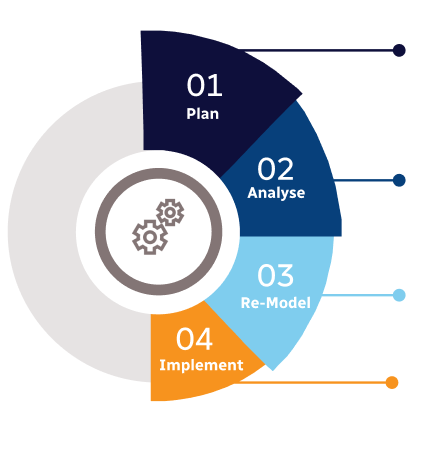
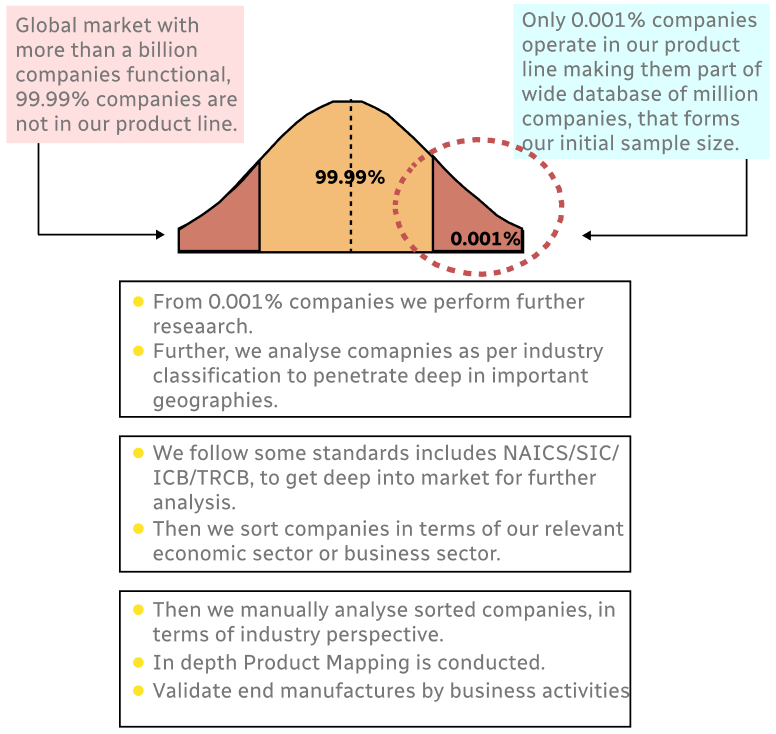
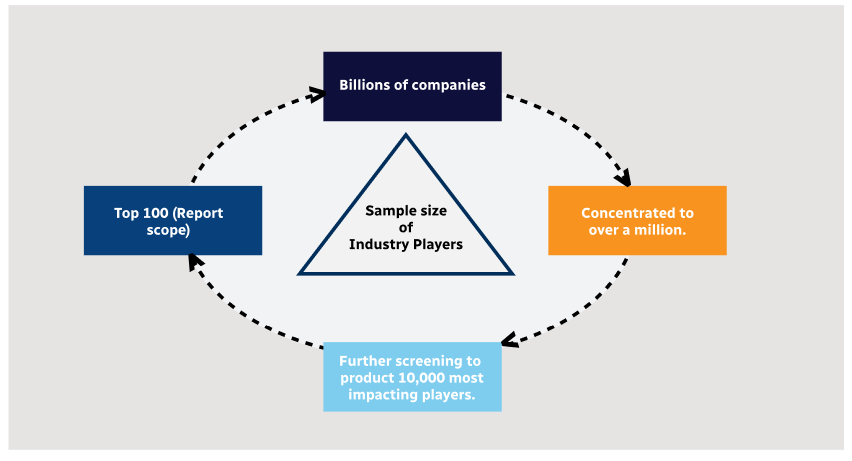
Step 1 - Identification of Relevant Samples Size from Population Database
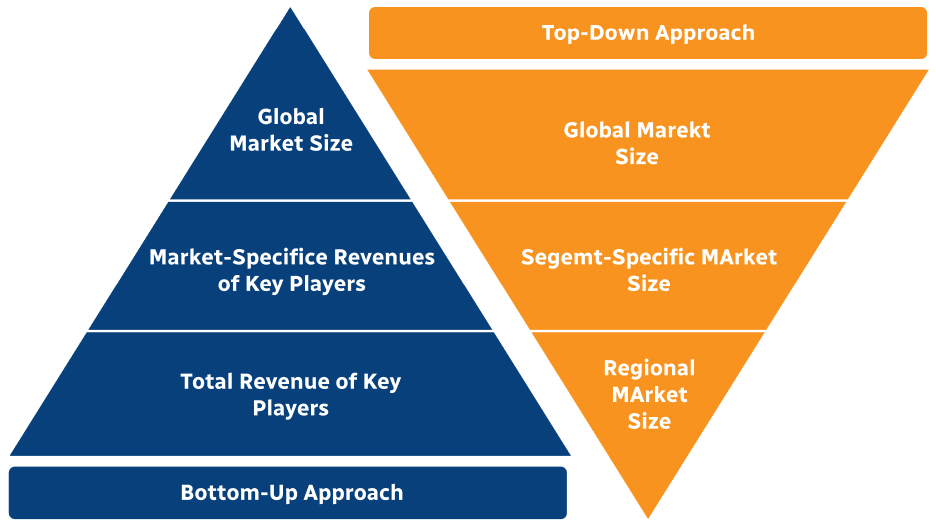
Step 2 - Approaches for Defining Global Market Size (Value, Volume* & Price*)
Note*: In applicable scenarios
Step 3 - Data Sources
Primary Research
- Web Analytics
- Survey Reports
- Research Institute
- Latest Research Reports
- Opinion Leaders
Secondary Research
- Annual Reports
- White Paper
- Latest Press Release
- Industry Association
- Paid Database
- Investor Presentations
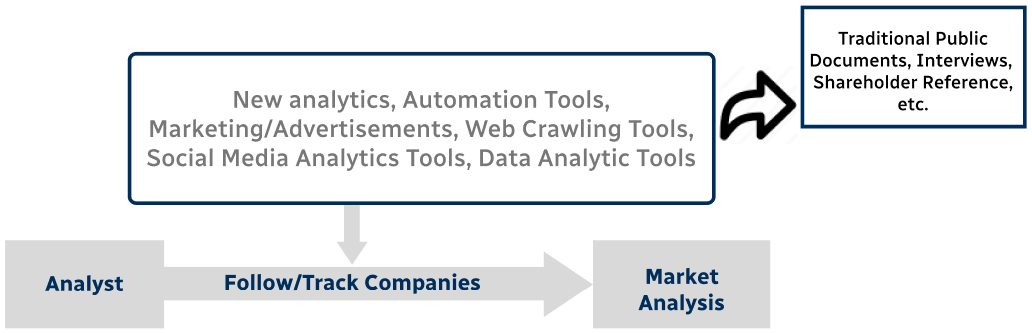
Step 4 - Data Triangulation
Involves using different sources of information in order to increase the validity of a study
These sources are likely to be stakeholders in a program - participants, other researchers, program staff, other community members, and so on.
Then we put all data in single framework & apply various statistical tools to find out the dynamic on the market.
During the analysis stage, feedback from the stakeholder groups would be compared to determine areas of agreement as well as areas of divergence