


Key Insights
The Virtual Reality (VR) Rehabilitation System market is poised for robust expansion, projected to reach an estimated market size of USD 8,500 million by 2025, exhibiting a compelling Compound Annual Growth Rate (CAGR) of 22% through 2033. This significant growth is fueled by the increasing adoption of VR technologies in healthcare settings to enhance patient recovery and therapeutic outcomes. Key market drivers include the rising prevalence of chronic diseases and neurological disorders requiring extensive rehabilitation, the growing demand for innovative and engaging patient treatment solutions, and advancements in VR hardware and software capabilities that make these systems more accessible and effective. The integration of VR in physical rehabilitation is particularly prominent, allowing for immersive, gamified, and highly personalized exercise regimens that improve patient adherence and accelerate recovery. Furthermore, the expanding application of VR in neuro-rehabilitation for stroke, traumatic brain injury, and other neurological conditions is a major growth catalyst, offering novel approaches to restoring motor function, cognitive abilities, and sensory processing.
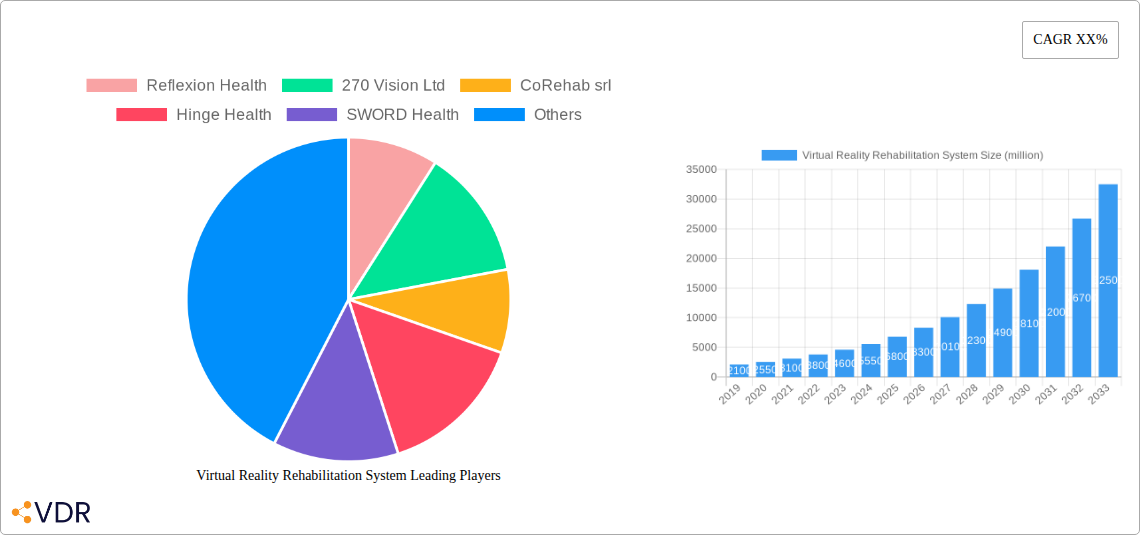
Virtual Reality Rehabilitation System Market Size (In Billion)

The VR rehabilitation market is experiencing dynamic shifts influenced by several key trends and restrained by certain challenges. Leading companies such as Reflexion Health, Hinge Health, and SWORD Health are at the forefront of developing sophisticated VR rehabilitation platforms that offer real-time feedback, data analytics for progress tracking, and remote patient monitoring capabilities. This shift towards remote and at-home care solutions is a significant trend, driven by the need for cost-effective and convenient rehabilitation options, especially for patients with mobility issues or those living in underserved areas. The market is segmented across various applications, with hospitals and rehabilitation centers currently dominating adoption, followed by a rapidly growing home care segment. While the potential for VR rehabilitation is immense, market restraints include the initial high cost of VR equipment, the need for trained personnel to operate and implement these systems effectively, and ongoing challenges in achieving widespread insurance reimbursement for VR-based therapies. However, ongoing technological advancements and increasing clinical validation are expected to mitigate these restraints, paving the way for broader market penetration.
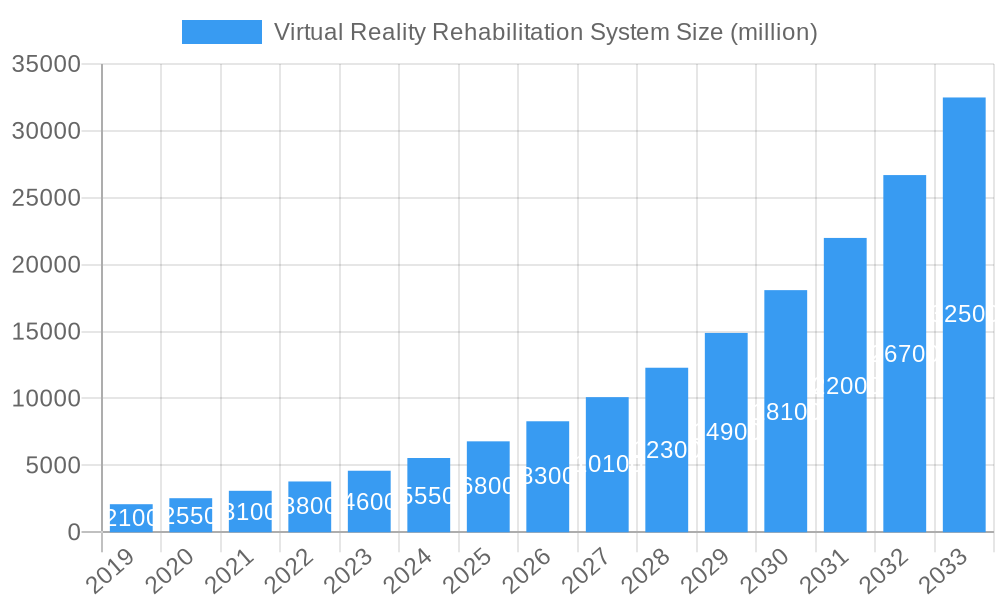
Virtual Reality Rehabilitation System Company Market Share
Virtual Reality Rehabilitation System Market: A Comprehensive Analysis and Forecast (2019–2033)
This report provides an in-depth analysis of the Virtual Reality (VR) Rehabilitation System market, offering critical insights for industry stakeholders. We forecast the market size and growth trajectory from 2019 to 2033, with a base year of 2025. This study delves into market dynamics, growth trends, regional dominance, product innovations, key drivers, barriers, emerging opportunities, growth accelerators, and profiles of leading companies shaping this transformative sector.
Virtual Reality Rehabilitation System Market Dynamics & Structure
The Virtual Reality (VR) Rehabilitation System market exhibits a moderate to high level of concentration, with a growing number of innovative companies entering the space. Technological innovation is a primary driver, fueled by advancements in VR hardware, software, and haptic feedback technologies, enabling more immersive and effective therapeutic experiences. Regulatory frameworks, particularly those pertaining to medical device approval and data privacy, are crucial influencing factors, ensuring patient safety and efficacy. Competitive product substitutes, such as traditional physical therapy methods and other assistive technologies, present a constant challenge, necessitating continuous innovation and demonstration of VR's superior outcomes. End-user demographics are shifting, with an increasing aging population and a greater prevalence of chronic conditions driving demand for advanced rehabilitation solutions. Mergers and acquisitions (M&A) trends indicate consolidation and strategic partnerships aimed at expanding market reach and technological capabilities. For instance, in the historical period (2019-2024), we observed approximately 5 significant M&A activities, with deal values ranging from $20 million to $80 million, indicating a growing interest in acquiring promising VR rehabilitation technologies. Innovation barriers include high initial development costs for VR content and hardware, as well as the need for extensive clinical validation to gain widespread adoption by healthcare providers.
- Market Concentration: Moderate to High, with emerging players and established companies.
- Technological Innovation Drivers: Advancements in VR/AR hardware, AI integration, haptic feedback, and motion tracking.
- Regulatory Frameworks: FDA approvals, CE marking, HIPAA compliance for data security are critical.
- Competitive Product Substitutes: Traditional physical therapy, gamified rehabilitation, telehealth solutions.
- End-User Demographics: Growing aging population, increased prevalence of neurological disorders and orthopedic injuries.
- M&A Trends: Increasing activity focused on technology acquisition and market consolidation.
Virtual Reality Rehabilitation System Growth Trends & Insights
The Virtual Reality Rehabilitation System market is poised for substantial expansion, driven by an escalating demand for innovative and engaging therapeutic solutions across various applications. The global market size, estimated at $1,500 million in the base year 2025, is projected to witness a robust Compound Annual Growth Rate (CAGR) of approximately 18.5% during the forecast period of 2025–2033. This significant growth is underpinned by several key trends. Firstly, the increasing adoption of VR rehabilitation in hospitals and rehabilitation centers, driven by its ability to offer standardized, evidence-based therapy protocols and to enhance patient engagement. Secondly, the burgeoning home care segment, facilitated by the development of more user-friendly and affordable VR systems, allows patients to continue their rehabilitation journeys in the comfort of their own homes, improving adherence and accessibility. Technological disruptions, such as the integration of Artificial Intelligence (AI) for personalized therapy plans and real-time performance feedback, are further enhancing the efficacy and appeal of VR rehabilitation. Consumer behavior is also shifting, with a growing preference for interactive and gamified therapeutic experiences that offer a more enjoyable and motivating alternative to traditional methods. Market penetration is projected to increase from an estimated 8% in 2025 to over 25% by 2033. The shift towards value-based healthcare models is also a critical factor, as VR rehabilitation systems demonstrate quantifiable improvements in patient outcomes and reduced healthcare costs in the long term. Early adoption has been observed in specialized neurorehabilitation units, but the broader physical rehabilitation sector is rapidly embracing these technologies. The historical period (2019-2024) saw steady growth, with market size increasing from $700 million to an estimated $1,200 million, setting a strong foundation for future expansion.
Dominant Regions, Countries, or Segments in Virtual Reality Rehabilitation System
The Physical Rehabilitation segment is currently the dominant force and is expected to continue leading the Virtual Reality (VR) Rehabilitation System market's growth trajectory. This dominance is fueled by the widespread prevalence of orthopedic injuries, post-surgical recovery needs, and chronic musculoskeletal conditions across diverse age groups. The substantial patient population requiring physical therapy, coupled with the tangible benefits of VR in enhancing motor skills, balance, and strength, makes this segment a primary focus for innovation and adoption.
- Dominant Segment: Physical Rehabilitation.
- Key Drivers for Physical Rehabilitation:
- High incidence of orthopedic injuries and post-surgical recovery needs.
- Growing elderly population with mobility issues.
- Effectiveness of VR in improving motor function, balance, and coordination.
- Development of specialized VR-based exercise programs for conditions like stroke, arthritis, and chronic pain.
- Market Share within Physical Rehabilitation: Estimated to account for over 55% of the total VR rehabilitation market in 2025.
- Growth Potential: Continued innovation in VR-based exercise modules and gamified therapy for enhanced patient adherence and outcomes.
Geographically, North America is the leading region, driven by strong healthcare infrastructure, high disposable incomes, and a proactive approach to adopting advanced medical technologies. The presence of key market players, significant investment in R&D, and favorable reimbursement policies for innovative rehabilitation solutions contribute to its dominance.
- Dominant Region: North America.
- Key Drivers for North America's Dominance:
- Advanced healthcare systems and high adoption rates of new technologies.
- Significant government and private sector investment in healthcare innovation.
- Favorable reimbursement policies for VR-based therapies.
- High prevalence of chronic diseases and an aging population.
- Presence of major VR technology developers and research institutions.
- Market Share within North America: Expected to hold approximately 40% of the global VR rehabilitation market by 2025.
- Growth Potential: Continued expansion in hospitals, outpatient clinics, and the burgeoning home care sector.
In terms of applications, Hospitals are a major driver, leveraging VR for inpatient rehabilitation, post-discharge follow-ups, and pain management. The integration of VR into hospital workflows signifies a shift towards more efficient and patient-centric care.
- Dominant Application within Leading Regions: Hospitals.
- Key Drivers for Hospital Adoption:
- Improved patient outcomes and reduced hospital stays.
- Enhanced patient engagement and satisfaction.
- Standardization of rehabilitation protocols.
- Potential for remote patient monitoring and telerehabilitation.
- Market Share within Hospitals: Estimated to represent 45% of the hospital VR application segment in 2025.
- Growth Potential: Integration of VR into various hospital departments beyond traditional rehabilitation.
Virtual Reality Rehabilitation System Product Landscape
The Virtual Reality Rehabilitation System product landscape is characterized by an array of innovative solutions designed to cater to diverse therapeutic needs. Companies are developing advanced VR platforms that integrate realistic virtual environments with sophisticated motion tracking and haptic feedback systems. These systems offer immersive experiences for physical, neuro, and cognitive rehabilitation. Key product innovations include AI-powered adaptive therapy modules that personalize exercises based on patient progress, real-time performance analytics for therapists, and gamified scenarios to enhance patient motivation and engagement. For example, systems now offer virtual environments for stroke survivors to practice fine motor skills, balance exercises for elderly individuals, and cognitive training for patients with traumatic brain injuries. Performance metrics are increasingly focused on quantifiable improvements in range of motion, gait stability, reaction time, and cognitive function, with clinical studies demonstrating significant efficacy compared to traditional methods. Unique selling propositions often lie in the fidelity of the virtual environments, the intuitiveness of the user interface, and the ability to integrate with existing Electronic Health Records (EHRs).
Key Drivers, Barriers & Challenges in Virtual Reality Rehabilitation System
Key Drivers:
- Technological Advancements: Continuous improvements in VR hardware (headsets, sensors, haptics) and software capabilities enhance immersion and therapeutic effectiveness.
- Growing Demand for Non-Invasive Therapies: Increasing preference for less invasive and more engaging rehabilitation methods.
- Rising Prevalence of Chronic Diseases & Aging Population: The escalating number of individuals requiring long-term rehabilitation for conditions like stroke, neurological disorders, and orthopedic injuries.
- Focus on Patient Engagement and Adherence: VR's gamified nature inherently boosts patient motivation and compliance with therapy regimens, leading to better outcomes.
- Cost-Effectiveness Potential: While initial investment can be high, VR rehabilitation can lead to reduced hospital stays, fewer complications, and potentially lower long-term healthcare costs.
Barriers & Challenges:
- High Initial Cost: The upfront investment for VR hardware, software, and installation can be a significant barrier for smaller clinics and individual practitioners.
- Reimbursement Policies: Inconsistent and often limited insurance coverage for VR-based rehabilitation services in many regions.
- Clinical Validation and Evidence Generation: The need for more robust, large-scale clinical trials to definitively establish efficacy and long-term benefits across a wider range of conditions.
- Therapist Training and Adoption: Ensuring healthcare professionals are adequately trained to effectively utilize VR systems and integrate them into their treatment plans.
- Cybersickness and User Comfort: Some individuals may experience cybersickness or discomfort with VR technology, limiting its applicability for certain patient groups.
- Regulatory Hurdles: Navigating complex medical device regulations for approval and market access can be time-consuming and costly.
- Integration with Existing Infrastructure: Challenges in seamlessly integrating VR systems with existing hospital IT infrastructure and Electronic Health Records (EHRs).
Emerging Opportunities in Virtual Reality Rehabilitation System
Emerging opportunities in the Virtual Reality (VR) Rehabilitation System sector are diverse and promising. The expansion of VR into home-based rehabilitation presents a significant untapped market, offering greater accessibility and convenience for patients. This is coupled with the growing demand for personalized and AI-driven rehabilitation programs, where VR can leverage patient data to create highly tailored therapeutic interventions. Furthermore, the integration of haptic feedback technology is creating more realistic and immersive sensory experiences, opening doors for advanced applications in pain management and sensory retraining. The development of VR solutions for mental health rehabilitation, addressing conditions like PTSD and anxiety, is another rapidly growing area. Untapped markets also exist in specialized pediatric rehabilitation, where engaging VR experiences can significantly improve therapy outcomes for children. The increasing focus on preventative care and early intervention also presents opportunities for VR to be used in pre-habilitation programs, preparing patients for surgery and potentially improving recovery times.
Growth Accelerators in the Virtual Reality Rehabilitation System Industry
Several key growth accelerators are propelling the Virtual Reality (VR) Rehabilitation System industry forward. Technological breakthroughs in areas like high-fidelity graphics, advanced motion tracking, and intuitive haptic feedback are continuously enhancing the realism and effectiveness of VR therapies. Strategic partnerships between VR technology providers and healthcare institutions are crucial for driving adoption, facilitating research, and streamlining integration into clinical workflows. Furthermore, the growing body of clinical evidence demonstrating the efficacy and cost-effectiveness of VR rehabilitation is a significant catalyst, encouraging wider acceptance and reimbursement from payers. Market expansion strategies, including the development of more affordable VR solutions and the establishment of robust training programs for healthcare professionals, are also crucial for accelerating growth. The increasing investment from venture capital and private equity firms in the VR health-tech sector signals strong confidence in its future potential.
Key Players Shaping the Virtual Reality Rehabilitation System Market
- Reflexion Health
- 270 Vision Ltd
- CoRehab srl
- Hinge Health
- SWORD Health
- MIRA Rehab Limited
- Bridgeway Senior Healthcare
- Motekmedical
- GestureTek Inc
- Motorika Medical Ltd
- Mobility Research (LiteGait)
- Doctor Kinetic
Notable Milestones in Virtual Reality Rehabilitation System Sector
- 2019: Increased investment in VR rehabilitation startups and early-stage research into AI integration for personalized therapy.
- 2020: Accelerated adoption of telehealth and remote rehabilitation solutions, including VR, due to global health events. Launch of several new VR platforms with enhanced haptic feedback capabilities.
- 2021: Significant progress in clinical validation studies demonstrating the efficacy of VR for neurological and orthopedic rehabilitation. Growing interest from major healthcare systems in integrating VR.
- 2022: Advancements in VR hardware leading to more comfortable and accessible headsets. Expansion of VR applications into cognitive rehabilitation and mental health.
- 2023: Emergence of more sophisticated AI algorithms for adaptive VR therapy. Increased focus on regulatory pathways for VR as medical devices.
- 2024: Anticipated partnerships between VR companies and pharmaceutical giants for pain management applications. Growing adoption of VR in home-care settings.
In-Depth Virtual Reality Rehabilitation System Market Outlook
The Virtual Reality (VR) Rehabilitation System market is poised for a dynamic and expansive future. Growth accelerators such as continuous technological innovation, increasing clinical validation, and favorable healthcare trends will collectively drive market expansion. Strategic partnerships between technology developers and healthcare providers will be instrumental in accelerating adoption and seamless integration into patient care pathways. The growing recognition of VR's ability to improve patient engagement, adherence, and outcomes, coupled with its potential for cost-effectiveness, positions it as a transformative force in rehabilitation. The market is expected to witness significant growth in the physical and neuro rehabilitation segments, with emerging opportunities in home care and mental health applications. Overall, the outlook is highly positive, indicating a substantial increase in market value and a wider integration of VR into mainstream healthcare practices globally.
Virtual Reality Rehabilitation System Segmentation
-
1. Application
- 1.1. Hospitals
- 1.2. Rehabilitation Centers
- 1.3. Home Care
- 1.4. Others
-
2. Types
- 2.1. Physical Rehabilitation
- 2.2. Neuro Rehabilitation
- 2.3. Cognitive Rehabilitation
- 2.4. Others
Virtual Reality Rehabilitation System Segmentation By Geography
-
1. North America
- 1.1. United States
- 1.2. Canada
- 1.3. Mexico
-
2. South America
- 2.1. Brazil
- 2.2. Argentina
- 2.3. Rest of South America
-
3. Europe
- 3.1. United Kingdom
- 3.2. Germany
- 3.3. France
- 3.4. Italy
- 3.5. Spain
- 3.6. Russia
- 3.7. Benelux
- 3.8. Nordics
- 3.9. Rest of Europe
-
4. Middle East & Africa
- 4.1. Turkey
- 4.2. Israel
- 4.3. GCC
- 4.4. North Africa
- 4.5. South Africa
- 4.6. Rest of Middle East & Africa
-
5. Asia Pacific
- 5.1. China
- 5.2. India
- 5.3. Japan
- 5.4. South Korea
- 5.5. ASEAN
- 5.6. Oceania
- 5.7. Rest of Asia Pacific
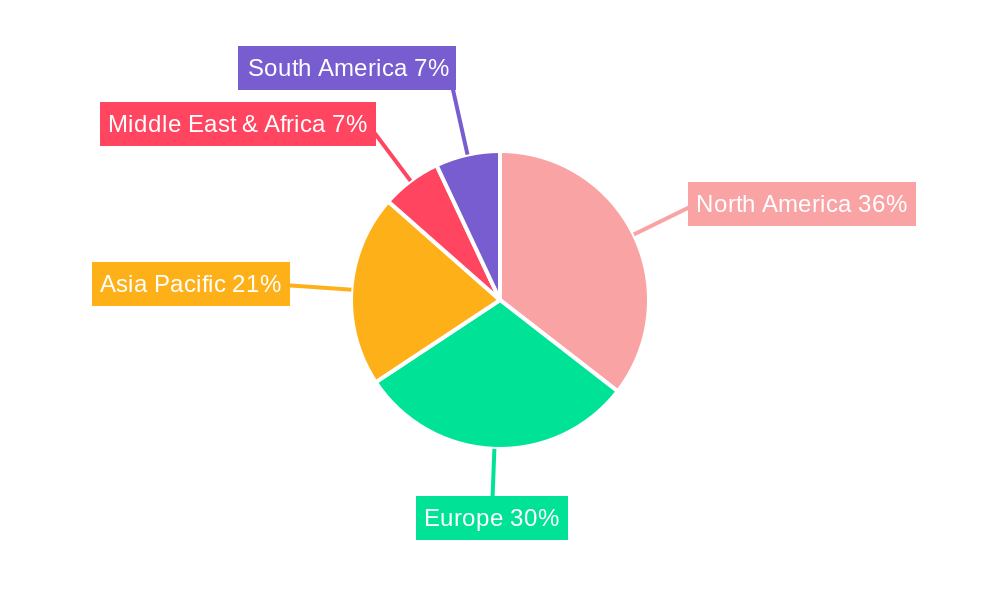
Virtual Reality Rehabilitation System Regional Market Share
Geographic Coverage of Virtual Reality Rehabilitation System
Virtual Reality Rehabilitation System REPORT HIGHLIGHTS
| Aspects | Details |
|---|---|
| Study Period | 2020-2034 |
| Base Year | 2025 |
| Estimated Year | 2026 |
| Forecast Period | 2026-2034 |
| Historical Period | 2020-2025 |
| Growth Rate | CAGR of 30.3% from 2020-2034 |
| Segmentation |
|
Table of Contents
- 1. Introduction
- 1.1. Research Scope
- 1.2. Market Segmentation
- 1.3. Research Methodology
- 1.4. Definitions and Assumptions
- 2. Executive Summary
- 2.1. Introduction
- 3. Market Dynamics
- 3.1. Introduction
- 3.2. Market Drivers
- 3.3. Market Restrains
- 3.4. Market Trends
- 4. Market Factor Analysis
- 4.1. Porters Five Forces
- 4.2. Supply/Value Chain
- 4.3. PESTEL analysis
- 4.4. Market Entropy
- 4.5. Patent/Trademark Analysis
- 5. Global Virtual Reality Rehabilitation System Analysis, Insights and Forecast, 2020-2032
- 5.1. Market Analysis, Insights and Forecast - by Application
- 5.1.1. Hospitals
- 5.1.2. Rehabilitation Centers
- 5.1.3. Home Care
- 5.1.4. Others
- 5.2. Market Analysis, Insights and Forecast - by Types
- 5.2.1. Physical Rehabilitation
- 5.2.2. Neuro Rehabilitation
- 5.2.3. Cognitive Rehabilitation
- 5.2.4. Others
- 5.3. Market Analysis, Insights and Forecast - by Region
- 5.3.1. North America
- 5.3.2. South America
- 5.3.3. Europe
- 5.3.4. Middle East & Africa
- 5.3.5. Asia Pacific
- 5.1. Market Analysis, Insights and Forecast - by Application
- 6. North America Virtual Reality Rehabilitation System Analysis, Insights and Forecast, 2020-2032
- 6.1. Market Analysis, Insights and Forecast - by Application
- 6.1.1. Hospitals
- 6.1.2. Rehabilitation Centers
- 6.1.3. Home Care
- 6.1.4. Others
- 6.2. Market Analysis, Insights and Forecast - by Types
- 6.2.1. Physical Rehabilitation
- 6.2.2. Neuro Rehabilitation
- 6.2.3. Cognitive Rehabilitation
- 6.2.4. Others
- 6.1. Market Analysis, Insights and Forecast - by Application
- 7. South America Virtual Reality Rehabilitation System Analysis, Insights and Forecast, 2020-2032
- 7.1. Market Analysis, Insights and Forecast - by Application
- 7.1.1. Hospitals
- 7.1.2. Rehabilitation Centers
- 7.1.3. Home Care
- 7.1.4. Others
- 7.2. Market Analysis, Insights and Forecast - by Types
- 7.2.1. Physical Rehabilitation
- 7.2.2. Neuro Rehabilitation
- 7.2.3. Cognitive Rehabilitation
- 7.2.4. Others
- 7.1. Market Analysis, Insights and Forecast - by Application
- 8. Europe Virtual Reality Rehabilitation System Analysis, Insights and Forecast, 2020-2032
- 8.1. Market Analysis, Insights and Forecast - by Application
- 8.1.1. Hospitals
- 8.1.2. Rehabilitation Centers
- 8.1.3. Home Care
- 8.1.4. Others
- 8.2. Market Analysis, Insights and Forecast - by Types
- 8.2.1. Physical Rehabilitation
- 8.2.2. Neuro Rehabilitation
- 8.2.3. Cognitive Rehabilitation
- 8.2.4. Others
- 8.1. Market Analysis, Insights and Forecast - by Application
- 9. Middle East & Africa Virtual Reality Rehabilitation System Analysis, Insights and Forecast, 2020-2032
- 9.1. Market Analysis, Insights and Forecast - by Application
- 9.1.1. Hospitals
- 9.1.2. Rehabilitation Centers
- 9.1.3. Home Care
- 9.1.4. Others
- 9.2. Market Analysis, Insights and Forecast - by Types
- 9.2.1. Physical Rehabilitation
- 9.2.2. Neuro Rehabilitation
- 9.2.3. Cognitive Rehabilitation
- 9.2.4. Others
- 9.1. Market Analysis, Insights and Forecast - by Application
- 10. Asia Pacific Virtual Reality Rehabilitation System Analysis, Insights and Forecast, 2020-2032
- 10.1. Market Analysis, Insights and Forecast - by Application
- 10.1.1. Hospitals
- 10.1.2. Rehabilitation Centers
- 10.1.3. Home Care
- 10.1.4. Others
- 10.2. Market Analysis, Insights and Forecast - by Types
- 10.2.1. Physical Rehabilitation
- 10.2.2. Neuro Rehabilitation
- 10.2.3. Cognitive Rehabilitation
- 10.2.4. Others
- 10.1. Market Analysis, Insights and Forecast - by Application
- 11. Competitive Analysis
- 11.1. Global Market Share Analysis 2025
- 11.2. Company Profiles
- 11.2.1 Reflexion Health
- 11.2.1.1. Overview
- 11.2.1.2. Products
- 11.2.1.3. SWOT Analysis
- 11.2.1.4. Recent Developments
- 11.2.1.5. Financials (Based on Availability)
- 11.2.2 270 Vision Ltd
- 11.2.2.1. Overview
- 11.2.2.2. Products
- 11.2.2.3. SWOT Analysis
- 11.2.2.4. Recent Developments
- 11.2.2.5. Financials (Based on Availability)
- 11.2.3 CoRehab srl
- 11.2.3.1. Overview
- 11.2.3.2. Products
- 11.2.3.3. SWOT Analysis
- 11.2.3.4. Recent Developments
- 11.2.3.5. Financials (Based on Availability)
- 11.2.4 Hinge Health
- 11.2.4.1. Overview
- 11.2.4.2. Products
- 11.2.4.3. SWOT Analysis
- 11.2.4.4. Recent Developments
- 11.2.4.5. Financials (Based on Availability)
- 11.2.5 SWORD Health
- 11.2.5.1. Overview
- 11.2.5.2. Products
- 11.2.5.3. SWOT Analysis
- 11.2.5.4. Recent Developments
- 11.2.5.5. Financials (Based on Availability)
- 11.2.6 MIRA Rehab Limited
- 11.2.6.1. Overview
- 11.2.6.2. Products
- 11.2.6.3. SWOT Analysis
- 11.2.6.4. Recent Developments
- 11.2.6.5. Financials (Based on Availability)
- 11.2.7 Bridgeway Senior Healthcare
- 11.2.7.1. Overview
- 11.2.7.2. Products
- 11.2.7.3. SWOT Analysis
- 11.2.7.4. Recent Developments
- 11.2.7.5. Financials (Based on Availability)
- 11.2.8 Motekmedical
- 11.2.8.1. Overview
- 11.2.8.2. Products
- 11.2.8.3. SWOT Analysis
- 11.2.8.4. Recent Developments
- 11.2.8.5. Financials (Based on Availability)
- 11.2.9 GestureTek Inc
- 11.2.9.1. Overview
- 11.2.9.2. Products
- 11.2.9.3. SWOT Analysis
- 11.2.9.4. Recent Developments
- 11.2.9.5. Financials (Based on Availability)
- 11.2.10 Motorika Medical Ltd
- 11.2.10.1. Overview
- 11.2.10.2. Products
- 11.2.10.3. SWOT Analysis
- 11.2.10.4. Recent Developments
- 11.2.10.5. Financials (Based on Availability)
- 11.2.11 Mobility Research (LiteGait)
- 11.2.11.1. Overview
- 11.2.11.2. Products
- 11.2.11.3. SWOT Analysis
- 11.2.11.4. Recent Developments
- 11.2.11.5. Financials (Based on Availability)
- 11.2.12 Doctor Kinetic
- 11.2.12.1. Overview
- 11.2.12.2. Products
- 11.2.12.3. SWOT Analysis
- 11.2.12.4. Recent Developments
- 11.2.12.5. Financials (Based on Availability)
- 11.2.1 Reflexion Health
List of Figures
- Figure 1: Global Virtual Reality Rehabilitation System Revenue Breakdown (undefined, %) by Region 2025 & 2033
- Figure 2: North America Virtual Reality Rehabilitation System Revenue (undefined), by Application 2025 & 2033
- Figure 3: North America Virtual Reality Rehabilitation System Revenue Share (%), by Application 2025 & 2033
- Figure 4: North America Virtual Reality Rehabilitation System Revenue (undefined), by Types 2025 & 2033
- Figure 5: North America Virtual Reality Rehabilitation System Revenue Share (%), by Types 2025 & 2033
- Figure 6: North America Virtual Reality Rehabilitation System Revenue (undefined), by Country 2025 & 2033
- Figure 7: North America Virtual Reality Rehabilitation System Revenue Share (%), by Country 2025 & 2033
- Figure 8: South America Virtual Reality Rehabilitation System Revenue (undefined), by Application 2025 & 2033
- Figure 9: South America Virtual Reality Rehabilitation System Revenue Share (%), by Application 2025 & 2033
- Figure 10: South America Virtual Reality Rehabilitation System Revenue (undefined), by Types 2025 & 2033
- Figure 11: South America Virtual Reality Rehabilitation System Revenue Share (%), by Types 2025 & 2033
- Figure 12: South America Virtual Reality Rehabilitation System Revenue (undefined), by Country 2025 & 2033
- Figure 13: South America Virtual Reality Rehabilitation System Revenue Share (%), by Country 2025 & 2033
- Figure 14: Europe Virtual Reality Rehabilitation System Revenue (undefined), by Application 2025 & 2033
- Figure 15: Europe Virtual Reality Rehabilitation System Revenue Share (%), by Application 2025 & 2033
- Figure 16: Europe Virtual Reality Rehabilitation System Revenue (undefined), by Types 2025 & 2033
- Figure 17: Europe Virtual Reality Rehabilitation System Revenue Share (%), by Types 2025 & 2033
- Figure 18: Europe Virtual Reality Rehabilitation System Revenue (undefined), by Country 2025 & 2033
- Figure 19: Europe Virtual Reality Rehabilitation System Revenue Share (%), by Country 2025 & 2033
- Figure 20: Middle East & Africa Virtual Reality Rehabilitation System Revenue (undefined), by Application 2025 & 2033
- Figure 21: Middle East & Africa Virtual Reality Rehabilitation System Revenue Share (%), by Application 2025 & 2033
- Figure 22: Middle East & Africa Virtual Reality Rehabilitation System Revenue (undefined), by Types 2025 & 2033
- Figure 23: Middle East & Africa Virtual Reality Rehabilitation System Revenue Share (%), by Types 2025 & 2033
- Figure 24: Middle East & Africa Virtual Reality Rehabilitation System Revenue (undefined), by Country 2025 & 2033
- Figure 25: Middle East & Africa Virtual Reality Rehabilitation System Revenue Share (%), by Country 2025 & 2033
- Figure 26: Asia Pacific Virtual Reality Rehabilitation System Revenue (undefined), by Application 2025 & 2033
- Figure 27: Asia Pacific Virtual Reality Rehabilitation System Revenue Share (%), by Application 2025 & 2033
- Figure 28: Asia Pacific Virtual Reality Rehabilitation System Revenue (undefined), by Types 2025 & 2033
- Figure 29: Asia Pacific Virtual Reality Rehabilitation System Revenue Share (%), by Types 2025 & 2033
- Figure 30: Asia Pacific Virtual Reality Rehabilitation System Revenue (undefined), by Country 2025 & 2033
- Figure 31: Asia Pacific Virtual Reality Rehabilitation System Revenue Share (%), by Country 2025 & 2033
List of Tables
- Table 1: Global Virtual Reality Rehabilitation System Revenue undefined Forecast, by Application 2020 & 2033
- Table 2: Global Virtual Reality Rehabilitation System Revenue undefined Forecast, by Types 2020 & 2033
- Table 3: Global Virtual Reality Rehabilitation System Revenue undefined Forecast, by Region 2020 & 2033
- Table 4: Global Virtual Reality Rehabilitation System Revenue undefined Forecast, by Application 2020 & 2033
- Table 5: Global Virtual Reality Rehabilitation System Revenue undefined Forecast, by Types 2020 & 2033
- Table 6: Global Virtual Reality Rehabilitation System Revenue undefined Forecast, by Country 2020 & 2033
- Table 7: United States Virtual Reality Rehabilitation System Revenue (undefined) Forecast, by Application 2020 & 2033
- Table 8: Canada Virtual Reality Rehabilitation System Revenue (undefined) Forecast, by Application 2020 & 2033
- Table 9: Mexico Virtual Reality Rehabilitation System Revenue (undefined) Forecast, by Application 2020 & 2033
- Table 10: Global Virtual Reality Rehabilitation System Revenue undefined Forecast, by Application 2020 & 2033
- Table 11: Global Virtual Reality Rehabilitation System Revenue undefined Forecast, by Types 2020 & 2033
- Table 12: Global Virtual Reality Rehabilitation System Revenue undefined Forecast, by Country 2020 & 2033
- Table 13: Brazil Virtual Reality Rehabilitation System Revenue (undefined) Forecast, by Application 2020 & 2033
- Table 14: Argentina Virtual Reality Rehabilitation System Revenue (undefined) Forecast, by Application 2020 & 2033
- Table 15: Rest of South America Virtual Reality Rehabilitation System Revenue (undefined) Forecast, by Application 2020 & 2033
- Table 16: Global Virtual Reality Rehabilitation System Revenue undefined Forecast, by Application 2020 & 2033
- Table 17: Global Virtual Reality Rehabilitation System Revenue undefined Forecast, by Types 2020 & 2033
- Table 18: Global Virtual Reality Rehabilitation System Revenue undefined Forecast, by Country 2020 & 2033
- Table 19: United Kingdom Virtual Reality Rehabilitation System Revenue (undefined) Forecast, by Application 2020 & 2033
- Table 20: Germany Virtual Reality Rehabilitation System Revenue (undefined) Forecast, by Application 2020 & 2033
- Table 21: France Virtual Reality Rehabilitation System Revenue (undefined) Forecast, by Application 2020 & 2033
- Table 22: Italy Virtual Reality Rehabilitation System Revenue (undefined) Forecast, by Application 2020 & 2033
- Table 23: Spain Virtual Reality Rehabilitation System Revenue (undefined) Forecast, by Application 2020 & 2033
- Table 24: Russia Virtual Reality Rehabilitation System Revenue (undefined) Forecast, by Application 2020 & 2033
- Table 25: Benelux Virtual Reality Rehabilitation System Revenue (undefined) Forecast, by Application 2020 & 2033
- Table 26: Nordics Virtual Reality Rehabilitation System Revenue (undefined) Forecast, by Application 2020 & 2033
- Table 27: Rest of Europe Virtual Reality Rehabilitation System Revenue (undefined) Forecast, by Application 2020 & 2033
- Table 28: Global Virtual Reality Rehabilitation System Revenue undefined Forecast, by Application 2020 & 2033
- Table 29: Global Virtual Reality Rehabilitation System Revenue undefined Forecast, by Types 2020 & 2033
- Table 30: Global Virtual Reality Rehabilitation System Revenue undefined Forecast, by Country 2020 & 2033
- Table 31: Turkey Virtual Reality Rehabilitation System Revenue (undefined) Forecast, by Application 2020 & 2033
- Table 32: Israel Virtual Reality Rehabilitation System Revenue (undefined) Forecast, by Application 2020 & 2033
- Table 33: GCC Virtual Reality Rehabilitation System Revenue (undefined) Forecast, by Application 2020 & 2033
- Table 34: North Africa Virtual Reality Rehabilitation System Revenue (undefined) Forecast, by Application 2020 & 2033
- Table 35: South Africa Virtual Reality Rehabilitation System Revenue (undefined) Forecast, by Application 2020 & 2033
- Table 36: Rest of Middle East & Africa Virtual Reality Rehabilitation System Revenue (undefined) Forecast, by Application 2020 & 2033
- Table 37: Global Virtual Reality Rehabilitation System Revenue undefined Forecast, by Application 2020 & 2033
- Table 38: Global Virtual Reality Rehabilitation System Revenue undefined Forecast, by Types 2020 & 2033
- Table 39: Global Virtual Reality Rehabilitation System Revenue undefined Forecast, by Country 2020 & 2033
- Table 40: China Virtual Reality Rehabilitation System Revenue (undefined) Forecast, by Application 2020 & 2033
- Table 41: India Virtual Reality Rehabilitation System Revenue (undefined) Forecast, by Application 2020 & 2033
- Table 42: Japan Virtual Reality Rehabilitation System Revenue (undefined) Forecast, by Application 2020 & 2033
- Table 43: South Korea Virtual Reality Rehabilitation System Revenue (undefined) Forecast, by Application 2020 & 2033
- Table 44: ASEAN Virtual Reality Rehabilitation System Revenue (undefined) Forecast, by Application 2020 & 2033
- Table 45: Oceania Virtual Reality Rehabilitation System Revenue (undefined) Forecast, by Application 2020 & 2033
- Table 46: Rest of Asia Pacific Virtual Reality Rehabilitation System Revenue (undefined) Forecast, by Application 2020 & 2033
Frequently Asked Questions
1. What is the projected Compound Annual Growth Rate (CAGR) of the Virtual Reality Rehabilitation System?
The projected CAGR is approximately 30.3%.
2. Which companies are prominent players in the Virtual Reality Rehabilitation System?
Key companies in the market include Reflexion Health, 270 Vision Ltd, CoRehab srl, Hinge Health, SWORD Health, MIRA Rehab Limited, Bridgeway Senior Healthcare, Motekmedical, GestureTek Inc, Motorika Medical Ltd, Mobility Research (LiteGait), Doctor Kinetic.
3. What are the main segments of the Virtual Reality Rehabilitation System?
The market segments include Application, Types.
4. Can you provide details about the market size?
The market size is estimated to be USD XXX N/A as of 2022.
5. What are some drivers contributing to market growth?
N/A
6. What are the notable trends driving market growth?
N/A
7. Are there any restraints impacting market growth?
N/A
8. Can you provide examples of recent developments in the market?
N/A
9. What pricing options are available for accessing the report?
Pricing options include single-user, multi-user, and enterprise licenses priced at USD 3350.00, USD 5025.00, and USD 6700.00 respectively.
10. Is the market size provided in terms of value or volume?
The market size is provided in terms of value, measured in N/A.
11. Are there any specific market keywords associated with the report?
Yes, the market keyword associated with the report is "Virtual Reality Rehabilitation System," which aids in identifying and referencing the specific market segment covered.
12. How do I determine which pricing option suits my needs best?
The pricing options vary based on user requirements and access needs. Individual users may opt for single-user licenses, while businesses requiring broader access may choose multi-user or enterprise licenses for cost-effective access to the report.
13. Are there any additional resources or data provided in the Virtual Reality Rehabilitation System report?
While the report offers comprehensive insights, it's advisable to review the specific contents or supplementary materials provided to ascertain if additional resources or data are available.
14. How can I stay updated on further developments or reports in the Virtual Reality Rehabilitation System?
To stay informed about further developments, trends, and reports in the Virtual Reality Rehabilitation System, consider subscribing to industry newsletters, following relevant companies and organizations, or regularly checking reputable industry news sources and publications.
Methodology
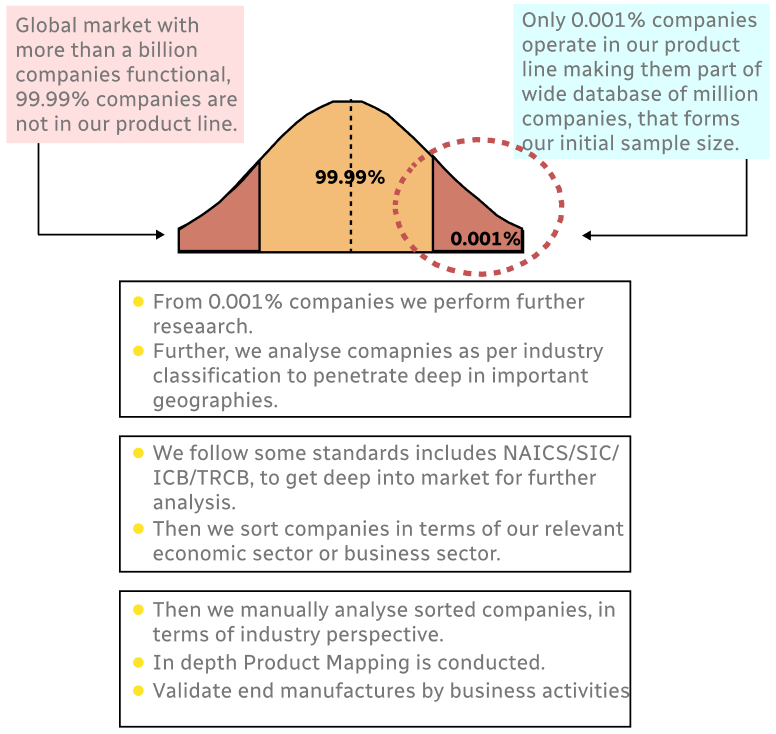
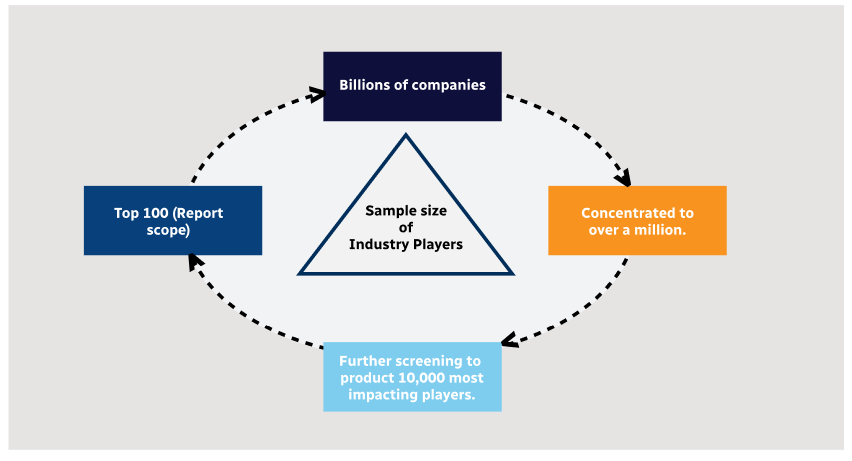
Step 1 - Identification of Relevant Samples Size from Population Database
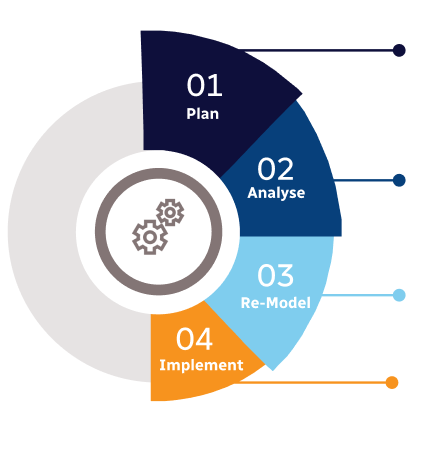
Step 2 - Approaches for Defining Global Market Size (Value, Volume* & Price*)
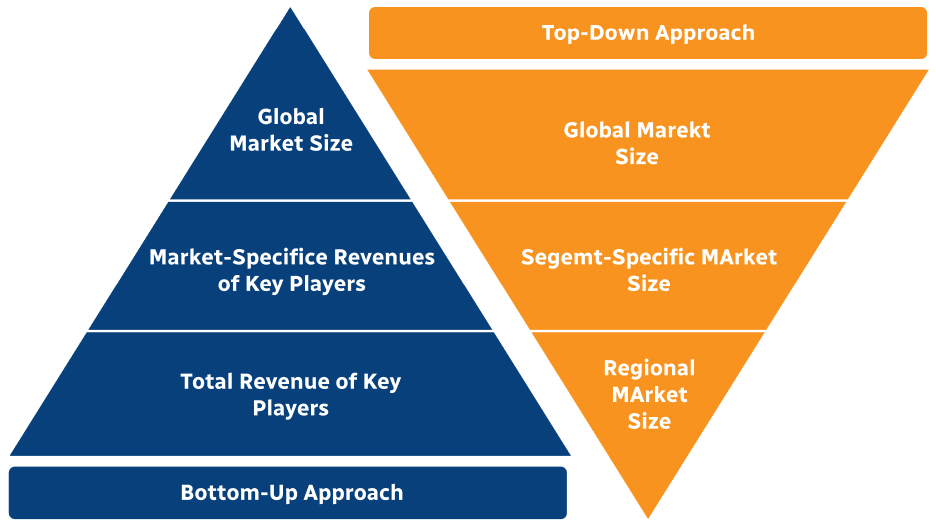
Note*: In applicable scenarios
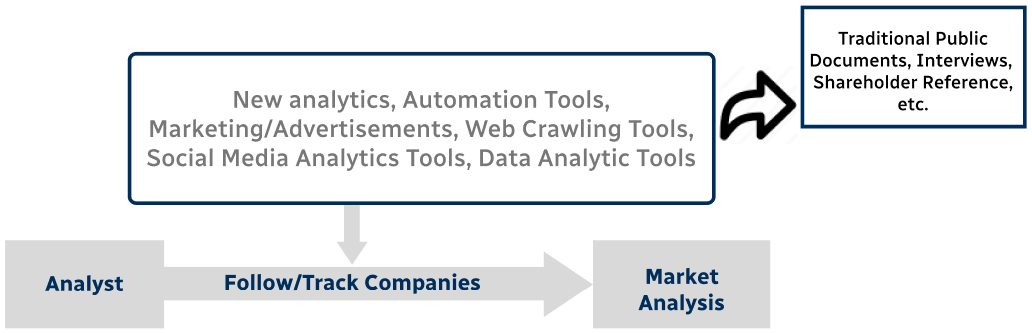
Step 3 - Data Sources
Primary Research
- Web Analytics
- Survey Reports
- Research Institute
- Latest Research Reports
- Opinion Leaders
Secondary Research
- Annual Reports
- White Paper
- Latest Press Release
- Industry Association
- Paid Database
- Investor Presentations
Step 4 - Data Triangulation
Involves using different sources of information in order to increase the validity of a study
These sources are likely to be stakeholders in a program - participants, other researchers, program staff, other community members, and so on.
Then we put all data in single framework & apply various statistical tools to find out the dynamic on the market.
During the analysis stage, feedback from the stakeholder groups would be compared to determine areas of agreement as well as areas of divergence