


Key Insights
The global Vehicle Mixed Liquid Crystal market is poised for significant expansion, projected to reach an estimated market size of USD 8,500 million by 2025, with a robust Compound Annual Growth Rate (CAGR) of 7.5% through 2033. This growth is primarily fueled by the escalating demand for advanced in-vehicle display technologies, driven by the automotive industry's relentless pursuit of enhanced user experiences and sophisticated infotainment systems. The increasing integration of larger, higher-resolution screens for central control, instrument clusters, and entertainment, alongside the growing adoption of Head-Up Displays (HUDs), are key drivers. Furthermore, the burgeoning trend towards connected vehicles and autonomous driving features necessitates more immersive and informative visual interfaces, directly benefiting the mixed liquid crystal market. Advancements in liquid crystal materials, offering improved contrast ratios, faster response times, and wider viewing angles, are also contributing to this positive market trajectory.
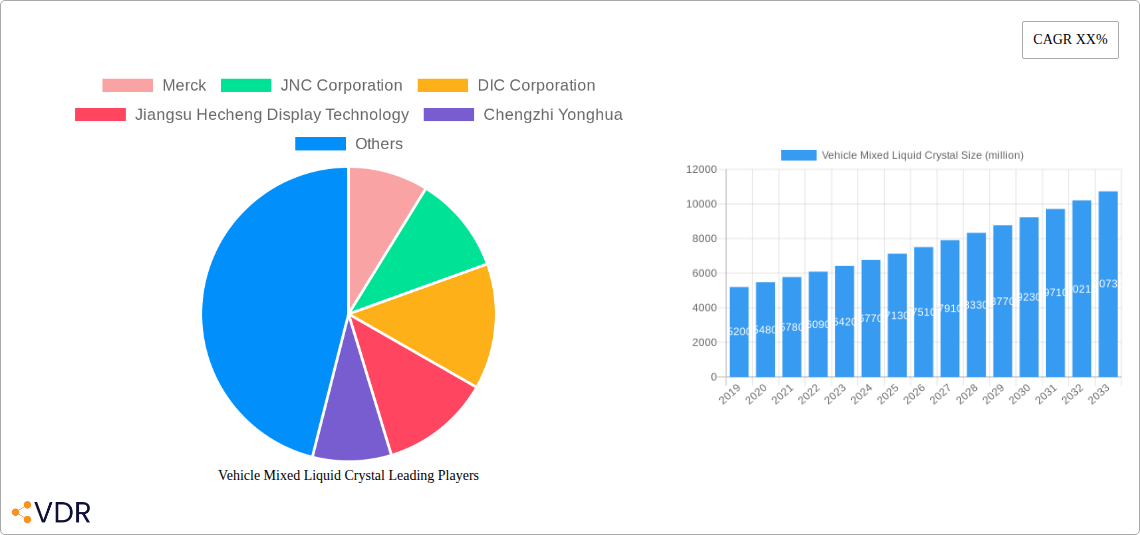
Vehicle Mixed Liquid Crystal Market Size (In Billion)

The market segmentation reveals a dynamic landscape. The Central Control Screen application segment is expected to dominate, reflecting the growing reliance on these interfaces for navigation, climate control, and multimedia. The Instrument Screen segment also shows strong growth potential as digital cockpits become standard. While VA (Vertical Alignment) type liquid crystals are anticipated to hold a significant share due to their superior contrast, HTN (High-Twisted Nematic) type and other emerging technologies will also find their niche, catering to specific performance and cost requirements. Geographically, Asia Pacific is anticipated to lead the market, driven by the sheer volume of automotive production in countries like China and Japan, coupled with rapid technological adoption. North America and Europe follow, with strong demand for premium features and the presence of major automotive manufacturers. Restraints such as the high cost of advanced display technologies and potential competition from emerging display alternatives like OLED are being actively addressed through ongoing research and development, focusing on cost optimization and performance enhancements.
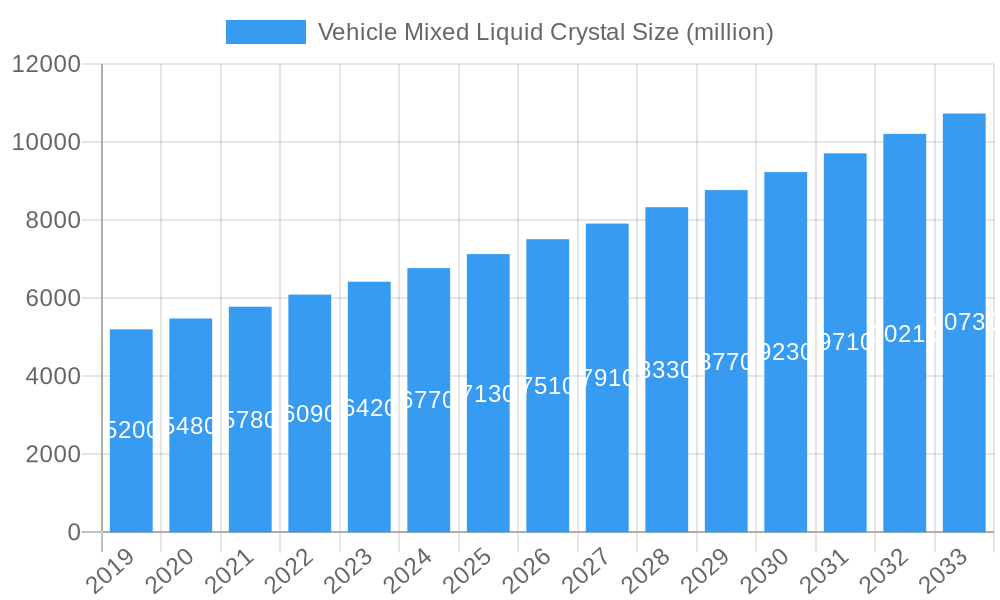
Vehicle Mixed Liquid Crystal Company Market Share
This comprehensive market research report delves into the dynamic vehicle mixed liquid crystal (MLC) sector, offering an in-depth analysis of market structure, growth trends, and future outlook. The report provides crucial insights for stakeholders, including manufacturers, suppliers, and automotive OEMs, to navigate this rapidly evolving landscape. With a focus on quantitative data and qualitative analysis, this study offers a 360-degree view of the market, covering historical performance, current dynamics, and future projections.
The report analyzes the market across various applications, including Central Control Screens, Instrument Screens, Entertainment Screens, Head-Up Displays (HUDs), and Other vehicle display applications. It also segments the market by VA Type, HTN Type, and Other liquid crystal technologies. Key industry players such as Merck, JNC Corporation, DIC Corporation, Jiangsu Hecheng Display Technology, Chengzhi Yonghua, Beijing Bayi Space LCD Technology, Yantai Xianhua Chem-Tech, and PhiChem are profiled, alongside an exploration of industry developments. All market size and volume figures are presented in million units.
Vehicle Mixed Liquid Crystal Market Dynamics & Structure
The global vehicle mixed liquid crystal market exhibits a moderately consolidated structure, with leading players like Merck and JNC Corporation holding significant market shares. Technological innovation remains a primary driver, fueled by the automotive industry's relentless pursuit of advanced display solutions, including higher resolution, faster response times, and enhanced color accuracy for immersive in-car experiences. Regulatory frameworks, particularly concerning automotive safety and energy efficiency, indirectly influence the adoption of specific MLC technologies. Competitive product substitutes, such as OLED displays, pose a growing challenge, necessitating continuous R&D investment in MLC advancements to maintain cost-effectiveness and performance parity. End-user demographics are shifting towards a preference for sophisticated and integrated digital cockpits, driving demand for larger and more feature-rich displays. Mergers and acquisitions (M&A) activity has been moderate, primarily focused on consolidating supply chains and acquiring specialized technological expertise.
- Market Concentration: Moderately consolidated, with a few key players dominating the market.
- Technological Innovation: Driven by automotive demands for high-resolution, fast-response, and vibrant displays.
- Regulatory Frameworks: Indirect influence from automotive safety and energy efficiency standards.
- Competitive Substitutes: OLED technology presents a significant competitive threat.
- End-User Demographics: Increasing demand for advanced, integrated digital cockpits.
- M&A Trends: Moderate activity, focused on supply chain consolidation and technology acquisition.
Vehicle Mixed Liquid Crystal Growth Trends & Insights
The vehicle mixed liquid crystal market is projected for robust growth over the forecast period, driven by the increasing penetration of advanced display technologies in vehicles. The market size is expected to expand from approximately USD 5,500 million in 2019 to an estimated USD 9,800 million by 2033, exhibiting a Compound Annual Growth Rate (CAGR) of 4.5%. This expansion is underpinned by a significant increase in vehicle production globally and the growing trend of equipping mid-range and even entry-level vehicles with sophisticated infotainment and driver assistance systems. The adoption rate of MLCs is accelerating as automakers prioritize cost-effective yet high-performance display solutions for a wide array of applications. Technological disruptions, such as advancements in pixel density, power efficiency, and flexibility of MLC panels, are further enhancing their appeal. Consumer behavior is also shifting, with a growing expectation for seamless integration of digital interfaces within the vehicle cabin, mirroring their smartphone and home entertainment experiences. This demand for intuitive and visually appealing interfaces directly translates to increased adoption of advanced MLCs for central control, instrument clusters, and entertainment systems.
The evolution of display technology within the automotive sector is a key narrative. While OLED technology offers superior contrast and true blacks, MLCs continue to hold their ground due to their established manufacturing infrastructure, cost advantages, and improving performance metrics. Innovations in MLC formulations and manufacturing processes have led to brighter displays, wider viewing angles, and reduced power consumption, making them a compelling choice for various automotive applications. The "digital cockpit" concept, encompassing multiple interconnected displays, is a primary growth catalyst. As vehicles become more autonomous and connected, the need for clear, concise, and real-time information delivery is paramount, positioning MLCs as a crucial component in this evolving ecosystem. Furthermore, the increasing demand for personalized in-car experiences, from advanced navigation systems to in-car entertainment, necessitates sophisticated display solutions, further bolstering MLC market growth. The development of flexible and curved MLC displays is also opening up new design possibilities for automotive interiors, allowing for more ergonomic and aesthetically pleasing dashboard layouts. This continuous innovation, coupled with the inherent cost-effectiveness of MLC technology, ensures its sustained relevance and growth in the competitive automotive display market.
Dominant Regions, Countries, or Segments in Vehicle Mixed Liquid Crystal
The Asia Pacific region stands as the dominant force in the global vehicle mixed liquid crystal market, driven by the sheer volume of automotive production and a rapidly growing consumer base in countries like China, Japan, and South Korea. China, in particular, represents a colossal market for automotive components, including advanced display technologies. The region's dominance is further bolstered by a robust manufacturing ecosystem for display panels and chemicals, supported by government initiatives and substantial investments in research and development. The Central Control Screen application segment is also a primary growth engine within the broader market, experiencing significant expansion due to the increasing integration of infotainment systems, navigation, and connectivity features in vehicles. The demand for larger, higher-resolution central displays that serve as the primary interface for most vehicle functions is a key driver.
- Dominant Region: Asia Pacific, with China as a key contributor.
- Key Drivers in Asia Pacific:
- High automotive production volumes.
- Expanding middle class and increasing vehicle ownership.
- Well-established display manufacturing infrastructure.
- Government support for technology and manufacturing sectors.
- Dominant Application Segment: Central Control Screen.
- Drivers for Central Control Screen Dominance:
- Integration of infotainment, navigation, and connectivity.
- Consumer demand for advanced and immersive digital experiences.
- Trend towards larger, higher-resolution displays.
- Vehicle becoming a connected hub for information and entertainment.
The dominance of Asia Pacific is multifaceted. Economically, the region's strong manufacturing base and cost-competitiveness in producing display components provide a significant advantage. Countries like South Korea and Japan are home to leading display manufacturers, contributing substantial R&D and production capabilities. China's massive domestic market and its role as the "world's factory" further solidify the region's leadership. Furthermore, favorable economic policies and ongoing infrastructure development within the automotive sector across various Asian countries create a fertile ground for the adoption of advanced display technologies. The increasing focus on smart and connected vehicles, where advanced displays are central to user experience, directly fuels the demand for MLCs in this region. The sheer volume of vehicles manufactured and sold in Asia Pacific, coupled with the accelerating adoption of in-car technology, ensures its continued reign in the MLC market. The competitive pricing of locally manufactured MLCs also makes them an attractive option for a wide spectrum of vehicle models.
Vehicle Mixed Liquid Crystal Product Landscape
The vehicle mixed liquid crystal product landscape is characterized by ongoing advancements aimed at enhancing visual performance and integration within modern vehicle interiors. Innovations focus on increasing brightness for superior readability under varying lighting conditions, improving contrast ratios for sharper images, and achieving wider viewing angles to ensure clarity for all occupants. Furthermore, the development of advanced MLC formulations contributes to faster response times, reducing motion blur in dynamic content. The trend towards larger, more immersive displays for central control systems, as well as critical information delivery via instrument screens and HUDs, is driving the demand for higher pixel densities and more vibrant color reproduction. Unique selling propositions for MLCs in this segment include their proven reliability, cost-effectiveness compared to some emerging display technologies, and established manufacturing processes that ensure consistent quality and scalability. Technological advancements also include efforts to reduce power consumption, aligning with the automotive industry's focus on energy efficiency and extended electric vehicle range.
Key Drivers, Barriers & Challenges in Vehicle Mixed Liquid Crystal
Key Drivers:
- Increasing Vehicle Electrification and Automation: Driving demand for advanced displays to manage complex systems and provide enhanced driver information.
- Growing Consumer Demand for In-Car Connectivity and Infotainment: Fueling the adoption of larger, more sophisticated display screens.
- Cost-Effectiveness of MLC Technology: Making advanced displays accessible across a broader range of vehicle segments.
- Continuous Technological Advancements: Leading to improved brightness, contrast, and response times.
Barriers & Challenges:
- Competition from Emerging Display Technologies: Such as OLED, which offers superior contrast and deeper blacks, potentially impacting MLC market share in premium segments.
- Supply Chain Volatility: Geopolitical factors and raw material availability can disrupt production and impact pricing.
- Increasingly Stringent Automotive Standards: Requiring displays to meet rigorous performance, durability, and safety requirements.
- Development Costs for Next-Generation MLCs: Significant R&D investment is needed to keep pace with evolving automotive demands.
- Market Penetration of Alternative Display Technologies: The established manufacturing base of MLCs faces competition from newer technologies in specific high-end applications.
Emerging Opportunities in Vehicle Mixed Liquid Crystal
Emerging opportunities in the vehicle mixed liquid crystal market lie in the development of highly customized display solutions for specific automotive niches. This includes specialized MLCs for commercial vehicles, heavy-duty trucks, and public transport, where durability and clear information display are paramount. The growing interest in augmented reality (AR) integrations within HUDs presents a significant avenue for innovation, requiring MLCs with specific optical properties to overlay digital information seamlessly onto the real world. Furthermore, the increasing adoption of electric vehicles (EVs) and the demand for energy-efficient displays present an opportunity for ultra-low power consumption MLCs. The untapped potential in developing markets, where the adoption of advanced automotive features is rapidly increasing, also offers substantial growth prospects.
Growth Accelerators in the Vehicle Mixed Liquid Crystal Industry
Several key catalysts are accelerating growth in the vehicle mixed liquid crystal industry. The rapid advancement of autonomous driving technologies necessitates more sophisticated and integrated displays to communicate critical information to drivers and passengers. Strategic partnerships between MLC manufacturers and automotive OEMs are crucial for co-developing tailored display solutions that meet specific vehicle design and functional requirements. Furthermore, the ongoing trend of vehicle electrification is indirectly boosting MLC demand as EVs often feature more advanced digital cockpits. Market expansion strategies, including the development of cost-effective MLC solutions for entry-level and mid-range vehicles, are broadening the addressable market. The continuous improvement in manufacturing processes, leading to higher yields and lower production costs, also acts as a significant growth accelerator, making advanced display technology more accessible.
Key Players Shaping the Vehicle Mixed Liquid Crystal Market
- Merck
- JNC Corporation
- DIC Corporation
- Jiangsu Hecheng Display Technology
- Chengzhi Yonghua
- Beijing Bayi Space LCD Technology
- Yantai Xianhua Chem-Tech
- PhiChem
Notable Milestones in Vehicle Mixed Liquid Crystal Sector
- 2019: Introduction of higher resolution and wider color gamut MLCs for automotive instrument clusters.
- 2020: Increased focus on energy-efficient MLC formulations for electric vehicles.
- 2021: Advancements in AMLCD technology enabling faster response times for infotainment systems.
- 2022: Development of flexible MLC prototypes for curved display integration.
- 2023: Enhanced durability and temperature resistance for MLCs used in harsh automotive environments.
- 2024: Growing integration of touch functionality and gesture recognition within MLC displays.
In-Depth Vehicle Mixed Liquid Crystal Market Outlook
The vehicle mixed liquid crystal market is poised for continued expansion, fueled by the automotive industry's insatiable demand for advanced, integrated digital displays. Growth accelerators such as the proliferation of autonomous driving features, the electrification of the global vehicle fleet, and an increasing consumer appetite for sophisticated in-car technology will continue to drive demand. Strategic collaborations between MLC suppliers and automotive manufacturers will be critical in developing innovative solutions that align with future vehicle architectures and user experience expectations. The market's future trajectory suggests a persistent role for MLCs, particularly in mid-range and cost-sensitive segments, due to their proven reliability and cost-effectiveness, while also seeing innovation in specialized applications like AR-enhanced HUDs. The ongoing pursuit of enhanced visual performance, reduced power consumption, and greater design flexibility will shape the next generation of vehicle MLC products.
Vehicle Mixed Liquid Crystal Segmentation
-
1. Application
- 1.1. Central Control Screen
- 1.2. Instrument Screen
- 1.3. Entertainment Screen
- 1.4. Head-Up Display
- 1.5. Other
-
2. Types
- 2.1. VA Type
- 2.2. HTN Type
- 2.3. Other
Vehicle Mixed Liquid Crystal Segmentation By Geography
-
1. North America
- 1.1. United States
- 1.2. Canada
- 1.3. Mexico
-
2. South America
- 2.1. Brazil
- 2.2. Argentina
- 2.3. Rest of South America
-
3. Europe
- 3.1. United Kingdom
- 3.2. Germany
- 3.3. France
- 3.4. Italy
- 3.5. Spain
- 3.6. Russia
- 3.7. Benelux
- 3.8. Nordics
- 3.9. Rest of Europe
-
4. Middle East & Africa
- 4.1. Turkey
- 4.2. Israel
- 4.3. GCC
- 4.4. North Africa
- 4.5. South Africa
- 4.6. Rest of Middle East & Africa
-
5. Asia Pacific
- 5.1. China
- 5.2. India
- 5.3. Japan
- 5.4. South Korea
- 5.5. ASEAN
- 5.6. Oceania
- 5.7. Rest of Asia Pacific
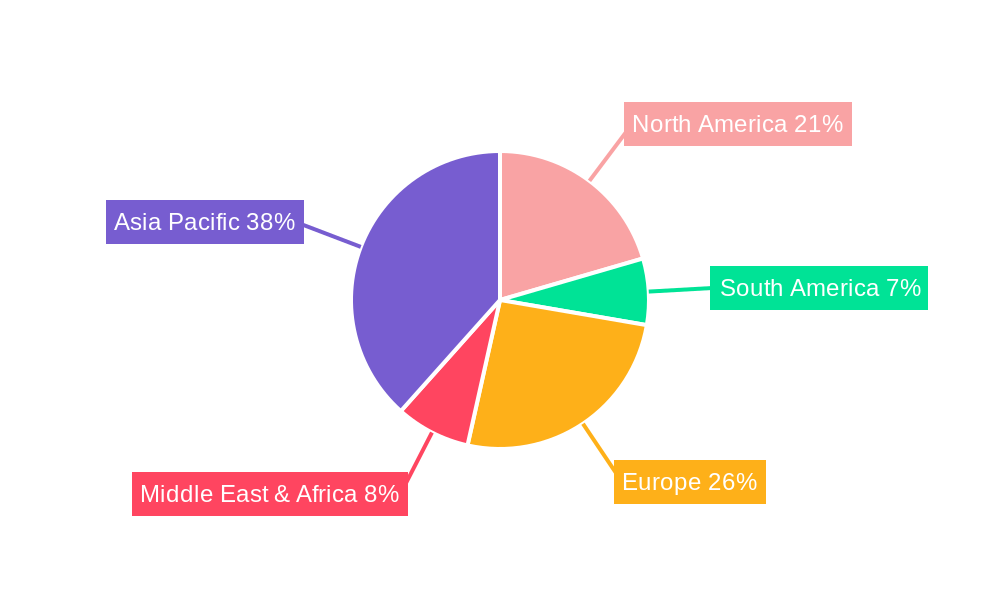
Vehicle Mixed Liquid Crystal Regional Market Share
Geographic Coverage of Vehicle Mixed Liquid Crystal
Vehicle Mixed Liquid Crystal REPORT HIGHLIGHTS
| Aspects | Details |
|---|---|
| Study Period | 2020-2034 |
| Base Year | 2025 |
| Estimated Year | 2026 |
| Forecast Period | 2026-2034 |
| Historical Period | 2020-2025 |
| Growth Rate | CAGR of XX% from 2020-2034 |
| Segmentation |
|
Table of Contents
- 1. Introduction
- 1.1. Research Scope
- 1.2. Market Segmentation
- 1.3. Research Methodology
- 1.4. Definitions and Assumptions
- 2. Executive Summary
- 2.1. Introduction
- 3. Market Dynamics
- 3.1. Introduction
- 3.2. Market Drivers
- 3.3. Market Restrains
- 3.4. Market Trends
- 4. Market Factor Analysis
- 4.1. Porters Five Forces
- 4.2. Supply/Value Chain
- 4.3. PESTEL analysis
- 4.4. Market Entropy
- 4.5. Patent/Trademark Analysis
- 5. Global Vehicle Mixed Liquid Crystal Analysis, Insights and Forecast, 2020-2032
- 5.1. Market Analysis, Insights and Forecast - by Application
- 5.1.1. Central Control Screen
- 5.1.2. Instrument Screen
- 5.1.3. Entertainment Screen
- 5.1.4. Head-Up Display
- 5.1.5. Other
- 5.2. Market Analysis, Insights and Forecast - by Types
- 5.2.1. VA Type
- 5.2.2. HTN Type
- 5.2.3. Other
- 5.3. Market Analysis, Insights and Forecast - by Region
- 5.3.1. North America
- 5.3.2. South America
- 5.3.3. Europe
- 5.3.4. Middle East & Africa
- 5.3.5. Asia Pacific
- 5.1. Market Analysis, Insights and Forecast - by Application
- 6. North America Vehicle Mixed Liquid Crystal Analysis, Insights and Forecast, 2020-2032
- 6.1. Market Analysis, Insights and Forecast - by Application
- 6.1.1. Central Control Screen
- 6.1.2. Instrument Screen
- 6.1.3. Entertainment Screen
- 6.1.4. Head-Up Display
- 6.1.5. Other
- 6.2. Market Analysis, Insights and Forecast - by Types
- 6.2.1. VA Type
- 6.2.2. HTN Type
- 6.2.3. Other
- 6.1. Market Analysis, Insights and Forecast - by Application
- 7. South America Vehicle Mixed Liquid Crystal Analysis, Insights and Forecast, 2020-2032
- 7.1. Market Analysis, Insights and Forecast - by Application
- 7.1.1. Central Control Screen
- 7.1.2. Instrument Screen
- 7.1.3. Entertainment Screen
- 7.1.4. Head-Up Display
- 7.1.5. Other
- 7.2. Market Analysis, Insights and Forecast - by Types
- 7.2.1. VA Type
- 7.2.2. HTN Type
- 7.2.3. Other
- 7.1. Market Analysis, Insights and Forecast - by Application
- 8. Europe Vehicle Mixed Liquid Crystal Analysis, Insights and Forecast, 2020-2032
- 8.1. Market Analysis, Insights and Forecast - by Application
- 8.1.1. Central Control Screen
- 8.1.2. Instrument Screen
- 8.1.3. Entertainment Screen
- 8.1.4. Head-Up Display
- 8.1.5. Other
- 8.2. Market Analysis, Insights and Forecast - by Types
- 8.2.1. VA Type
- 8.2.2. HTN Type
- 8.2.3. Other
- 8.1. Market Analysis, Insights and Forecast - by Application
- 9. Middle East & Africa Vehicle Mixed Liquid Crystal Analysis, Insights and Forecast, 2020-2032
- 9.1. Market Analysis, Insights and Forecast - by Application
- 9.1.1. Central Control Screen
- 9.1.2. Instrument Screen
- 9.1.3. Entertainment Screen
- 9.1.4. Head-Up Display
- 9.1.5. Other
- 9.2. Market Analysis, Insights and Forecast - by Types
- 9.2.1. VA Type
- 9.2.2. HTN Type
- 9.2.3. Other
- 9.1. Market Analysis, Insights and Forecast - by Application
- 10. Asia Pacific Vehicle Mixed Liquid Crystal Analysis, Insights and Forecast, 2020-2032
- 10.1. Market Analysis, Insights and Forecast - by Application
- 10.1.1. Central Control Screen
- 10.1.2. Instrument Screen
- 10.1.3. Entertainment Screen
- 10.1.4. Head-Up Display
- 10.1.5. Other
- 10.2. Market Analysis, Insights and Forecast - by Types
- 10.2.1. VA Type
- 10.2.2. HTN Type
- 10.2.3. Other
- 10.1. Market Analysis, Insights and Forecast - by Application
- 11. Competitive Analysis
- 11.1. Global Market Share Analysis 2025
- 11.2. Company Profiles
- 11.2.1 Merck
- 11.2.1.1. Overview
- 11.2.1.2. Products
- 11.2.1.3. SWOT Analysis
- 11.2.1.4. Recent Developments
- 11.2.1.5. Financials (Based on Availability)
- 11.2.2 JNC Corporation
- 11.2.2.1. Overview
- 11.2.2.2. Products
- 11.2.2.3. SWOT Analysis
- 11.2.2.4. Recent Developments
- 11.2.2.5. Financials (Based on Availability)
- 11.2.3 DIC Corporation
- 11.2.3.1. Overview
- 11.2.3.2. Products
- 11.2.3.3. SWOT Analysis
- 11.2.3.4. Recent Developments
- 11.2.3.5. Financials (Based on Availability)
- 11.2.4 Jiangsu Hecheng Display Technology
- 11.2.4.1. Overview
- 11.2.4.2. Products
- 11.2.4.3. SWOT Analysis
- 11.2.4.4. Recent Developments
- 11.2.4.5. Financials (Based on Availability)
- 11.2.5 Chengzhi Yonghua
- 11.2.5.1. Overview
- 11.2.5.2. Products
- 11.2.5.3. SWOT Analysis
- 11.2.5.4. Recent Developments
- 11.2.5.5. Financials (Based on Availability)
- 11.2.6 Beijing Bayi Space LCD Technology
- 11.2.6.1. Overview
- 11.2.6.2. Products
- 11.2.6.3. SWOT Analysis
- 11.2.6.4. Recent Developments
- 11.2.6.5. Financials (Based on Availability)
- 11.2.7 Yantai Xianhua Chem-Tech
- 11.2.7.1. Overview
- 11.2.7.2. Products
- 11.2.7.3. SWOT Analysis
- 11.2.7.4. Recent Developments
- 11.2.7.5. Financials (Based on Availability)
- 11.2.8 PhiChem
- 11.2.8.1. Overview
- 11.2.8.2. Products
- 11.2.8.3. SWOT Analysis
- 11.2.8.4. Recent Developments
- 11.2.8.5. Financials (Based on Availability)
- 11.2.1 Merck
List of Figures
- Figure 1: Global Vehicle Mixed Liquid Crystal Revenue Breakdown (million, %) by Region 2025 & 2033
- Figure 2: Global Vehicle Mixed Liquid Crystal Volume Breakdown (K, %) by Region 2025 & 2033
- Figure 3: North America Vehicle Mixed Liquid Crystal Revenue (million), by Application 2025 & 2033
- Figure 4: North America Vehicle Mixed Liquid Crystal Volume (K), by Application 2025 & 2033
- Figure 5: North America Vehicle Mixed Liquid Crystal Revenue Share (%), by Application 2025 & 2033
- Figure 6: North America Vehicle Mixed Liquid Crystal Volume Share (%), by Application 2025 & 2033
- Figure 7: North America Vehicle Mixed Liquid Crystal Revenue (million), by Types 2025 & 2033
- Figure 8: North America Vehicle Mixed Liquid Crystal Volume (K), by Types 2025 & 2033
- Figure 9: North America Vehicle Mixed Liquid Crystal Revenue Share (%), by Types 2025 & 2033
- Figure 10: North America Vehicle Mixed Liquid Crystal Volume Share (%), by Types 2025 & 2033
- Figure 11: North America Vehicle Mixed Liquid Crystal Revenue (million), by Country 2025 & 2033
- Figure 12: North America Vehicle Mixed Liquid Crystal Volume (K), by Country 2025 & 2033
- Figure 13: North America Vehicle Mixed Liquid Crystal Revenue Share (%), by Country 2025 & 2033
- Figure 14: North America Vehicle Mixed Liquid Crystal Volume Share (%), by Country 2025 & 2033
- Figure 15: South America Vehicle Mixed Liquid Crystal Revenue (million), by Application 2025 & 2033
- Figure 16: South America Vehicle Mixed Liquid Crystal Volume (K), by Application 2025 & 2033
- Figure 17: South America Vehicle Mixed Liquid Crystal Revenue Share (%), by Application 2025 & 2033
- Figure 18: South America Vehicle Mixed Liquid Crystal Volume Share (%), by Application 2025 & 2033
- Figure 19: South America Vehicle Mixed Liquid Crystal Revenue (million), by Types 2025 & 2033
- Figure 20: South America Vehicle Mixed Liquid Crystal Volume (K), by Types 2025 & 2033
- Figure 21: South America Vehicle Mixed Liquid Crystal Revenue Share (%), by Types 2025 & 2033
- Figure 22: South America Vehicle Mixed Liquid Crystal Volume Share (%), by Types 2025 & 2033
- Figure 23: South America Vehicle Mixed Liquid Crystal Revenue (million), by Country 2025 & 2033
- Figure 24: South America Vehicle Mixed Liquid Crystal Volume (K), by Country 2025 & 2033
- Figure 25: South America Vehicle Mixed Liquid Crystal Revenue Share (%), by Country 2025 & 2033
- Figure 26: South America Vehicle Mixed Liquid Crystal Volume Share (%), by Country 2025 & 2033
- Figure 27: Europe Vehicle Mixed Liquid Crystal Revenue (million), by Application 2025 & 2033
- Figure 28: Europe Vehicle Mixed Liquid Crystal Volume (K), by Application 2025 & 2033
- Figure 29: Europe Vehicle Mixed Liquid Crystal Revenue Share (%), by Application 2025 & 2033
- Figure 30: Europe Vehicle Mixed Liquid Crystal Volume Share (%), by Application 2025 & 2033
- Figure 31: Europe Vehicle Mixed Liquid Crystal Revenue (million), by Types 2025 & 2033
- Figure 32: Europe Vehicle Mixed Liquid Crystal Volume (K), by Types 2025 & 2033
- Figure 33: Europe Vehicle Mixed Liquid Crystal Revenue Share (%), by Types 2025 & 2033
- Figure 34: Europe Vehicle Mixed Liquid Crystal Volume Share (%), by Types 2025 & 2033
- Figure 35: Europe Vehicle Mixed Liquid Crystal Revenue (million), by Country 2025 & 2033
- Figure 36: Europe Vehicle Mixed Liquid Crystal Volume (K), by Country 2025 & 2033
- Figure 37: Europe Vehicle Mixed Liquid Crystal Revenue Share (%), by Country 2025 & 2033
- Figure 38: Europe Vehicle Mixed Liquid Crystal Volume Share (%), by Country 2025 & 2033
- Figure 39: Middle East & Africa Vehicle Mixed Liquid Crystal Revenue (million), by Application 2025 & 2033
- Figure 40: Middle East & Africa Vehicle Mixed Liquid Crystal Volume (K), by Application 2025 & 2033
- Figure 41: Middle East & Africa Vehicle Mixed Liquid Crystal Revenue Share (%), by Application 2025 & 2033
- Figure 42: Middle East & Africa Vehicle Mixed Liquid Crystal Volume Share (%), by Application 2025 & 2033
- Figure 43: Middle East & Africa Vehicle Mixed Liquid Crystal Revenue (million), by Types 2025 & 2033
- Figure 44: Middle East & Africa Vehicle Mixed Liquid Crystal Volume (K), by Types 2025 & 2033
- Figure 45: Middle East & Africa Vehicle Mixed Liquid Crystal Revenue Share (%), by Types 2025 & 2033
- Figure 46: Middle East & Africa Vehicle Mixed Liquid Crystal Volume Share (%), by Types 2025 & 2033
- Figure 47: Middle East & Africa Vehicle Mixed Liquid Crystal Revenue (million), by Country 2025 & 2033
- Figure 48: Middle East & Africa Vehicle Mixed Liquid Crystal Volume (K), by Country 2025 & 2033
- Figure 49: Middle East & Africa Vehicle Mixed Liquid Crystal Revenue Share (%), by Country 2025 & 2033
- Figure 50: Middle East & Africa Vehicle Mixed Liquid Crystal Volume Share (%), by Country 2025 & 2033
- Figure 51: Asia Pacific Vehicle Mixed Liquid Crystal Revenue (million), by Application 2025 & 2033
- Figure 52: Asia Pacific Vehicle Mixed Liquid Crystal Volume (K), by Application 2025 & 2033
- Figure 53: Asia Pacific Vehicle Mixed Liquid Crystal Revenue Share (%), by Application 2025 & 2033
- Figure 54: Asia Pacific Vehicle Mixed Liquid Crystal Volume Share (%), by Application 2025 & 2033
- Figure 55: Asia Pacific Vehicle Mixed Liquid Crystal Revenue (million), by Types 2025 & 2033
- Figure 56: Asia Pacific Vehicle Mixed Liquid Crystal Volume (K), by Types 2025 & 2033
- Figure 57: Asia Pacific Vehicle Mixed Liquid Crystal Revenue Share (%), by Types 2025 & 2033
- Figure 58: Asia Pacific Vehicle Mixed Liquid Crystal Volume Share (%), by Types 2025 & 2033
- Figure 59: Asia Pacific Vehicle Mixed Liquid Crystal Revenue (million), by Country 2025 & 2033
- Figure 60: Asia Pacific Vehicle Mixed Liquid Crystal Volume (K), by Country 2025 & 2033
- Figure 61: Asia Pacific Vehicle Mixed Liquid Crystal Revenue Share (%), by Country 2025 & 2033
- Figure 62: Asia Pacific Vehicle Mixed Liquid Crystal Volume Share (%), by Country 2025 & 2033
List of Tables
- Table 1: Global Vehicle Mixed Liquid Crystal Revenue million Forecast, by Application 2020 & 2033
- Table 2: Global Vehicle Mixed Liquid Crystal Volume K Forecast, by Application 2020 & 2033
- Table 3: Global Vehicle Mixed Liquid Crystal Revenue million Forecast, by Types 2020 & 2033
- Table 4: Global Vehicle Mixed Liquid Crystal Volume K Forecast, by Types 2020 & 2033
- Table 5: Global Vehicle Mixed Liquid Crystal Revenue million Forecast, by Region 2020 & 2033
- Table 6: Global Vehicle Mixed Liquid Crystal Volume K Forecast, by Region 2020 & 2033
- Table 7: Global Vehicle Mixed Liquid Crystal Revenue million Forecast, by Application 2020 & 2033
- Table 8: Global Vehicle Mixed Liquid Crystal Volume K Forecast, by Application 2020 & 2033
- Table 9: Global Vehicle Mixed Liquid Crystal Revenue million Forecast, by Types 2020 & 2033
- Table 10: Global Vehicle Mixed Liquid Crystal Volume K Forecast, by Types 2020 & 2033
- Table 11: Global Vehicle Mixed Liquid Crystal Revenue million Forecast, by Country 2020 & 2033
- Table 12: Global Vehicle Mixed Liquid Crystal Volume K Forecast, by Country 2020 & 2033
- Table 13: United States Vehicle Mixed Liquid Crystal Revenue (million) Forecast, by Application 2020 & 2033
- Table 14: United States Vehicle Mixed Liquid Crystal Volume (K) Forecast, by Application 2020 & 2033
- Table 15: Canada Vehicle Mixed Liquid Crystal Revenue (million) Forecast, by Application 2020 & 2033
- Table 16: Canada Vehicle Mixed Liquid Crystal Volume (K) Forecast, by Application 2020 & 2033
- Table 17: Mexico Vehicle Mixed Liquid Crystal Revenue (million) Forecast, by Application 2020 & 2033
- Table 18: Mexico Vehicle Mixed Liquid Crystal Volume (K) Forecast, by Application 2020 & 2033
- Table 19: Global Vehicle Mixed Liquid Crystal Revenue million Forecast, by Application 2020 & 2033
- Table 20: Global Vehicle Mixed Liquid Crystal Volume K Forecast, by Application 2020 & 2033
- Table 21: Global Vehicle Mixed Liquid Crystal Revenue million Forecast, by Types 2020 & 2033
- Table 22: Global Vehicle Mixed Liquid Crystal Volume K Forecast, by Types 2020 & 2033
- Table 23: Global Vehicle Mixed Liquid Crystal Revenue million Forecast, by Country 2020 & 2033
- Table 24: Global Vehicle Mixed Liquid Crystal Volume K Forecast, by Country 2020 & 2033
- Table 25: Brazil Vehicle Mixed Liquid Crystal Revenue (million) Forecast, by Application 2020 & 2033
- Table 26: Brazil Vehicle Mixed Liquid Crystal Volume (K) Forecast, by Application 2020 & 2033
- Table 27: Argentina Vehicle Mixed Liquid Crystal Revenue (million) Forecast, by Application 2020 & 2033
- Table 28: Argentina Vehicle Mixed Liquid Crystal Volume (K) Forecast, by Application 2020 & 2033
- Table 29: Rest of South America Vehicle Mixed Liquid Crystal Revenue (million) Forecast, by Application 2020 & 2033
- Table 30: Rest of South America Vehicle Mixed Liquid Crystal Volume (K) Forecast, by Application 2020 & 2033
- Table 31: Global Vehicle Mixed Liquid Crystal Revenue million Forecast, by Application 2020 & 2033
- Table 32: Global Vehicle Mixed Liquid Crystal Volume K Forecast, by Application 2020 & 2033
- Table 33: Global Vehicle Mixed Liquid Crystal Revenue million Forecast, by Types 2020 & 2033
- Table 34: Global Vehicle Mixed Liquid Crystal Volume K Forecast, by Types 2020 & 2033
- Table 35: Global Vehicle Mixed Liquid Crystal Revenue million Forecast, by Country 2020 & 2033
- Table 36: Global Vehicle Mixed Liquid Crystal Volume K Forecast, by Country 2020 & 2033
- Table 37: United Kingdom Vehicle Mixed Liquid Crystal Revenue (million) Forecast, by Application 2020 & 2033
- Table 38: United Kingdom Vehicle Mixed Liquid Crystal Volume (K) Forecast, by Application 2020 & 2033
- Table 39: Germany Vehicle Mixed Liquid Crystal Revenue (million) Forecast, by Application 2020 & 2033
- Table 40: Germany Vehicle Mixed Liquid Crystal Volume (K) Forecast, by Application 2020 & 2033
- Table 41: France Vehicle Mixed Liquid Crystal Revenue (million) Forecast, by Application 2020 & 2033
- Table 42: France Vehicle Mixed Liquid Crystal Volume (K) Forecast, by Application 2020 & 2033
- Table 43: Italy Vehicle Mixed Liquid Crystal Revenue (million) Forecast, by Application 2020 & 2033
- Table 44: Italy Vehicle Mixed Liquid Crystal Volume (K) Forecast, by Application 2020 & 2033
- Table 45: Spain Vehicle Mixed Liquid Crystal Revenue (million) Forecast, by Application 2020 & 2033
- Table 46: Spain Vehicle Mixed Liquid Crystal Volume (K) Forecast, by Application 2020 & 2033
- Table 47: Russia Vehicle Mixed Liquid Crystal Revenue (million) Forecast, by Application 2020 & 2033
- Table 48: Russia Vehicle Mixed Liquid Crystal Volume (K) Forecast, by Application 2020 & 2033
- Table 49: Benelux Vehicle Mixed Liquid Crystal Revenue (million) Forecast, by Application 2020 & 2033
- Table 50: Benelux Vehicle Mixed Liquid Crystal Volume (K) Forecast, by Application 2020 & 2033
- Table 51: Nordics Vehicle Mixed Liquid Crystal Revenue (million) Forecast, by Application 2020 & 2033
- Table 52: Nordics Vehicle Mixed Liquid Crystal Volume (K) Forecast, by Application 2020 & 2033
- Table 53: Rest of Europe Vehicle Mixed Liquid Crystal Revenue (million) Forecast, by Application 2020 & 2033
- Table 54: Rest of Europe Vehicle Mixed Liquid Crystal Volume (K) Forecast, by Application 2020 & 2033
- Table 55: Global Vehicle Mixed Liquid Crystal Revenue million Forecast, by Application 2020 & 2033
- Table 56: Global Vehicle Mixed Liquid Crystal Volume K Forecast, by Application 2020 & 2033
- Table 57: Global Vehicle Mixed Liquid Crystal Revenue million Forecast, by Types 2020 & 2033
- Table 58: Global Vehicle Mixed Liquid Crystal Volume K Forecast, by Types 2020 & 2033
- Table 59: Global Vehicle Mixed Liquid Crystal Revenue million Forecast, by Country 2020 & 2033
- Table 60: Global Vehicle Mixed Liquid Crystal Volume K Forecast, by Country 2020 & 2033
- Table 61: Turkey Vehicle Mixed Liquid Crystal Revenue (million) Forecast, by Application 2020 & 2033
- Table 62: Turkey Vehicle Mixed Liquid Crystal Volume (K) Forecast, by Application 2020 & 2033
- Table 63: Israel Vehicle Mixed Liquid Crystal Revenue (million) Forecast, by Application 2020 & 2033
- Table 64: Israel Vehicle Mixed Liquid Crystal Volume (K) Forecast, by Application 2020 & 2033
- Table 65: GCC Vehicle Mixed Liquid Crystal Revenue (million) Forecast, by Application 2020 & 2033
- Table 66: GCC Vehicle Mixed Liquid Crystal Volume (K) Forecast, by Application 2020 & 2033
- Table 67: North Africa Vehicle Mixed Liquid Crystal Revenue (million) Forecast, by Application 2020 & 2033
- Table 68: North Africa Vehicle Mixed Liquid Crystal Volume (K) Forecast, by Application 2020 & 2033
- Table 69: South Africa Vehicle Mixed Liquid Crystal Revenue (million) Forecast, by Application 2020 & 2033
- Table 70: South Africa Vehicle Mixed Liquid Crystal Volume (K) Forecast, by Application 2020 & 2033
- Table 71: Rest of Middle East & Africa Vehicle Mixed Liquid Crystal Revenue (million) Forecast, by Application 2020 & 2033
- Table 72: Rest of Middle East & Africa Vehicle Mixed Liquid Crystal Volume (K) Forecast, by Application 2020 & 2033
- Table 73: Global Vehicle Mixed Liquid Crystal Revenue million Forecast, by Application 2020 & 2033
- Table 74: Global Vehicle Mixed Liquid Crystal Volume K Forecast, by Application 2020 & 2033
- Table 75: Global Vehicle Mixed Liquid Crystal Revenue million Forecast, by Types 2020 & 2033
- Table 76: Global Vehicle Mixed Liquid Crystal Volume K Forecast, by Types 2020 & 2033
- Table 77: Global Vehicle Mixed Liquid Crystal Revenue million Forecast, by Country 2020 & 2033
- Table 78: Global Vehicle Mixed Liquid Crystal Volume K Forecast, by Country 2020 & 2033
- Table 79: China Vehicle Mixed Liquid Crystal Revenue (million) Forecast, by Application 2020 & 2033
- Table 80: China Vehicle Mixed Liquid Crystal Volume (K) Forecast, by Application 2020 & 2033
- Table 81: India Vehicle Mixed Liquid Crystal Revenue (million) Forecast, by Application 2020 & 2033
- Table 82: India Vehicle Mixed Liquid Crystal Volume (K) Forecast, by Application 2020 & 2033
- Table 83: Japan Vehicle Mixed Liquid Crystal Revenue (million) Forecast, by Application 2020 & 2033
- Table 84: Japan Vehicle Mixed Liquid Crystal Volume (K) Forecast, by Application 2020 & 2033
- Table 85: South Korea Vehicle Mixed Liquid Crystal Revenue (million) Forecast, by Application 2020 & 2033
- Table 86: South Korea Vehicle Mixed Liquid Crystal Volume (K) Forecast, by Application 2020 & 2033
- Table 87: ASEAN Vehicle Mixed Liquid Crystal Revenue (million) Forecast, by Application 2020 & 2033
- Table 88: ASEAN Vehicle Mixed Liquid Crystal Volume (K) Forecast, by Application 2020 & 2033
- Table 89: Oceania Vehicle Mixed Liquid Crystal Revenue (million) Forecast, by Application 2020 & 2033
- Table 90: Oceania Vehicle Mixed Liquid Crystal Volume (K) Forecast, by Application 2020 & 2033
- Table 91: Rest of Asia Pacific Vehicle Mixed Liquid Crystal Revenue (million) Forecast, by Application 2020 & 2033
- Table 92: Rest of Asia Pacific Vehicle Mixed Liquid Crystal Volume (K) Forecast, by Application 2020 & 2033
Frequently Asked Questions
1. What is the projected Compound Annual Growth Rate (CAGR) of the Vehicle Mixed Liquid Crystal?
The projected CAGR is approximately XX%.
2. Which companies are prominent players in the Vehicle Mixed Liquid Crystal?
Key companies in the market include Merck, JNC Corporation, DIC Corporation, Jiangsu Hecheng Display Technology, Chengzhi Yonghua, Beijing Bayi Space LCD Technology, Yantai Xianhua Chem-Tech, PhiChem.
3. What are the main segments of the Vehicle Mixed Liquid Crystal?
The market segments include Application, Types.
4. Can you provide details about the market size?
The market size is estimated to be USD XXX million as of 2022.
5. What are some drivers contributing to market growth?
N/A
6. What are the notable trends driving market growth?
N/A
7. Are there any restraints impacting market growth?
N/A
8. Can you provide examples of recent developments in the market?
N/A
9. What pricing options are available for accessing the report?
Pricing options include single-user, multi-user, and enterprise licenses priced at USD 4350.00, USD 6525.00, and USD 8700.00 respectively.
10. Is the market size provided in terms of value or volume?
The market size is provided in terms of value, measured in million and volume, measured in K.
11. Are there any specific market keywords associated with the report?
Yes, the market keyword associated with the report is "Vehicle Mixed Liquid Crystal," which aids in identifying and referencing the specific market segment covered.
12. How do I determine which pricing option suits my needs best?
The pricing options vary based on user requirements and access needs. Individual users may opt for single-user licenses, while businesses requiring broader access may choose multi-user or enterprise licenses for cost-effective access to the report.
13. Are there any additional resources or data provided in the Vehicle Mixed Liquid Crystal report?
While the report offers comprehensive insights, it's advisable to review the specific contents or supplementary materials provided to ascertain if additional resources or data are available.
14. How can I stay updated on further developments or reports in the Vehicle Mixed Liquid Crystal?
To stay informed about further developments, trends, and reports in the Vehicle Mixed Liquid Crystal, consider subscribing to industry newsletters, following relevant companies and organizations, or regularly checking reputable industry news sources and publications.
Methodology
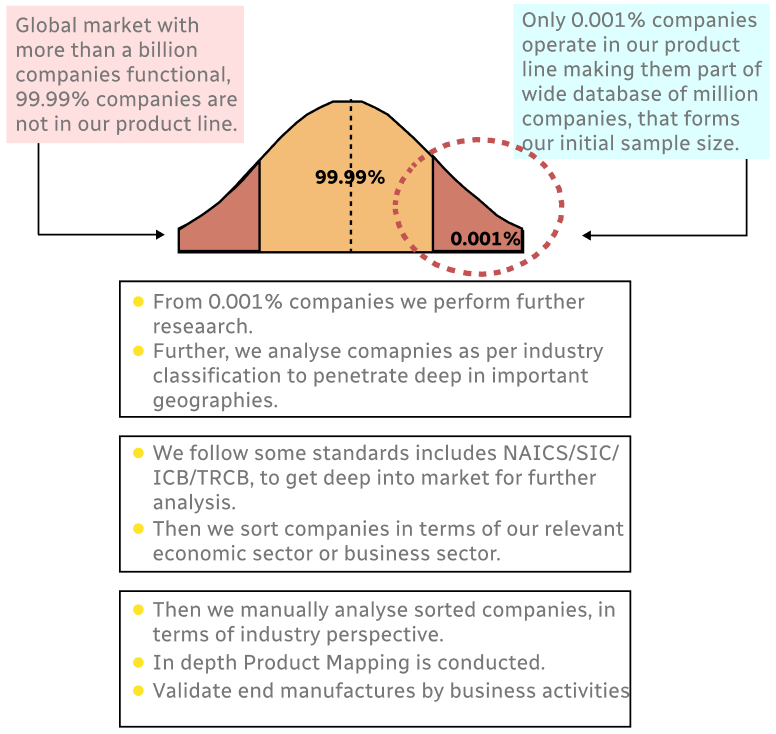
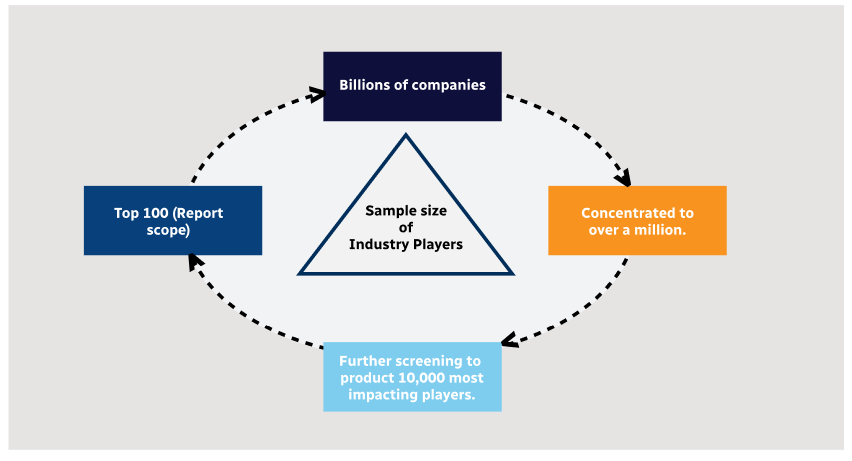
Step 1 - Identification of Relevant Samples Size from Population Database
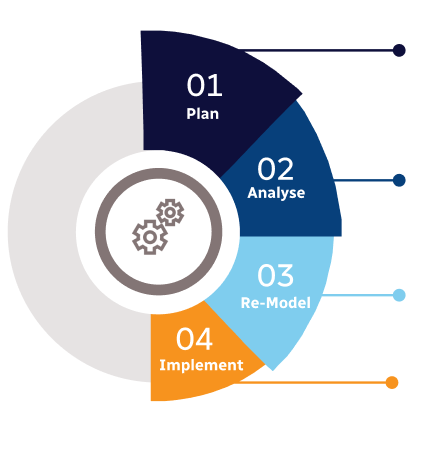
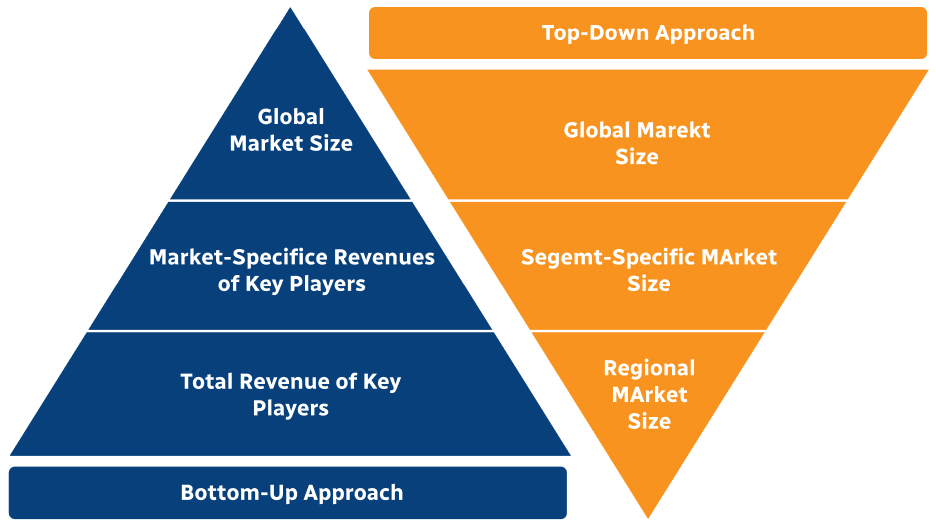
Step 2 - Approaches for Defining Global Market Size (Value, Volume* & Price*)
Note*: In applicable scenarios
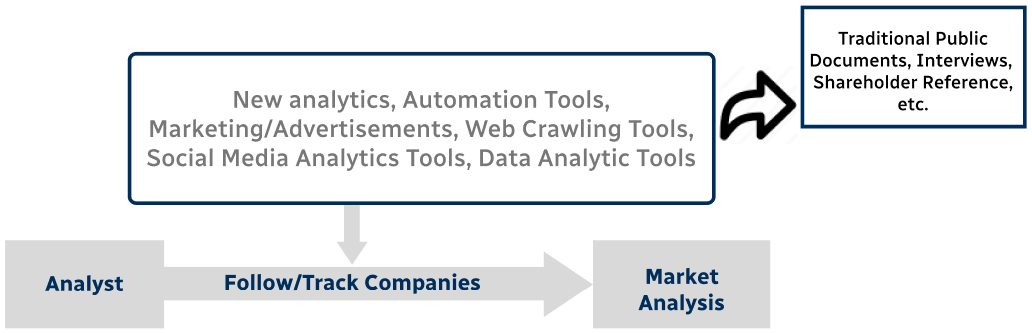
Step 3 - Data Sources
Primary Research
- Web Analytics
- Survey Reports
- Research Institute
- Latest Research Reports
- Opinion Leaders
Secondary Research
- Annual Reports
- White Paper
- Latest Press Release
- Industry Association
- Paid Database
- Investor Presentations
Step 4 - Data Triangulation
Involves using different sources of information in order to increase the validity of a study
These sources are likely to be stakeholders in a program - participants, other researchers, program staff, other community members, and so on.
Then we put all data in single framework & apply various statistical tools to find out the dynamic on the market.
During the analysis stage, feedback from the stakeholder groups would be compared to determine areas of agreement as well as areas of divergence