


Key Insights
The Two-Dimensional (2D) Nanostructured Materials market is poised for significant expansion, driven by its revolutionary properties and burgeoning applications across diverse industries. With a projected market size of approximately USD 2.5 billion in 2025, this sector is expected to witness robust growth, exhibiting a Compound Annual Growth Rate (CAGR) of around 25% through 2033. This impressive trajectory is fueled by an insatiable demand for materials offering enhanced conductivity, superior mechanical strength, and exceptional thermal management. Key drivers include the rapid advancements in electronics and semiconductors, where 2D materials are enabling the development of next-generation transistors, flexible displays, and high-density data storage solutions. The energy sector is also a major beneficiary, with 2D nanostructured materials playing a crucial role in improving battery performance, developing more efficient solar cells, and facilitating advanced energy storage systems. Furthermore, the growing emphasis on environmental sustainability is spurring innovation in areas like water purification and pollution control, further bolstering market growth.
-Nanostructured-Materials.png&w=1920&q=75)
Two-Dimensional (2D) Nanostructured Materials Market Size (In Billion)

Despite its immense potential, the market faces certain restraints, primarily revolving around the high cost of production for certain 2D materials and the need for standardized manufacturing processes. Scalability challenges and the development of robust integration techniques into existing technologies also present hurdles. However, ongoing research and development, coupled with increasing investment from both public and private sectors, are steadily addressing these limitations. Emerging trends like the development of novel 2D materials beyond graphene, such as silicene, BNNS, and MXenes, are expanding the application landscape. The increasing adoption of these advanced materials in biotechnology for drug delivery and diagnostics, and in the chemical industry for catalysis and advanced coatings, underscores the dynamic and evolving nature of this market. Geographically, Asia Pacific, particularly China and Japan, is expected to lead market growth due to strong government support and a thriving electronics manufacturing base. North America and Europe are also significant contributors, driven by R&D investments and early adoption in specialized applications.
-Nanostructured-Materials.png&w=1920&q=75)
Two-Dimensional (2D) Nanostructured Materials Company Market Share
Unlock the future of advanced materials with an in-depth analysis of the Two-Dimensional (2D) Nanostructured Materials market. This comprehensive report navigates the intricate dynamics, growth trajectories, and innovation landscape of this transformative sector. Essential for industry professionals, researchers, and investors, this study provides critical insights into the parent market and its child segments, offering a clear roadmap for strategic decision-making.
Study Period: 2019–2033 | Base Year: 2025 | Estimated Year: 2025 | Forecast Period: 2025–2033 | Historical Period: 2019–2024
Two-Dimensional (2D) Nanostructured Materials Market Dynamics & Structure
The Two-Dimensional (2D) Nanostructured Materials market exhibits a dynamic interplay of technological innovation, evolving regulatory landscapes, and increasing demand across diverse end-use sectors. Market concentration is characterized by a mix of established chemical giants and specialized nanomaterial producers, with a growing number of emerging players keen to capture market share. Technological innovation serves as a primary driver, fueled by ongoing research into novel synthesis methods, enhanced material properties, and scalable production techniques. Regulatory frameworks, while still developing in some regions, are increasingly focusing on safety, standardization, and environmental impact, influencing research and commercialization pathways. Competitive product substitutes, primarily advanced composites and other high-performance materials, are present but often fall short of the unique electronic, mechanical, and thermal properties offered by 2D nanomaterials. End-user demographics are broad, encompassing the electronics and semiconductors, energy, environmental, and biomedical industries, each with specific material requirements and adoption cycles. Mergers and acquisitions (M&A) are anticipated to play a significant role in market consolidation, with strategic partnerships and collaborations also shaping the competitive environment. For instance, the market for advanced materials, the parent market, is projected to reach approximately $250,000 million by 2025, with 2D nanostructured materials representing a rapidly growing child segment. Key M&A activities in the broader advanced materials sector involved over 50 deals in the historical period, indicating a strong appetite for strategic consolidation.
- Market Concentration: Moderate, with key players and emerging innovators.
- Technological Innovation Drivers: Novel synthesis, enhanced properties, scalable production.
- Regulatory Frameworks: Evolving focus on safety, standardization, and environmental impact.
- Competitive Product Substitutes: Advanced composites, high-performance polymers.
- End-User Demographics: Electronics, energy, environment, biomedical sectors.
- M&A Trends: Strategic partnerships, industry consolidation expected.
Two-Dimensional (2D) Nanostructured Materials Growth Trends & Insights
The Two-Dimensional (2D) Nanostructured Materials market is poised for remarkable expansion, driven by an escalating demand for high-performance materials across a multitude of applications. The global market size for 2D nanostructured materials is projected to witness a Compound Annual Growth Rate (CAGR) of approximately 22.5% during the forecast period of 2025–2033. This robust growth is underpinned by significant technological disruptions, particularly in areas such as next-generation batteries, flexible electronics, and advanced catalysis. Adoption rates are accelerating as the unique properties of materials like graphene, TMDCs, and MXenes are increasingly understood and integrated into product development cycles. Consumer behavior is shifting towards products offering enhanced durability, efficiency, and novel functionalities, directly benefiting the adoption of 2D nanostructured materials. For example, the increasing demand for lightweight and high-strength materials in the automotive industry, driven by fuel efficiency regulations, is a key consumer behavior shift. In the electronics sector, the desire for smaller, faster, and more power-efficient devices is propelling the adoption of graphene and other 2D materials for advanced transistor designs and conductive inks. The environmental segment is witnessing a surge in interest for 2D materials in water purification and pollution remediation technologies, driven by global environmental concerns and stricter regulations. The market penetration of 2D nanostructured materials in specialized applications is expected to grow from an estimated 15% in 2025 to over 30% by 2033, indicating a substantial increase in their integration into mainstream products. The overall market value for 2D nanostructured materials is forecast to reach approximately $35,000 million by 2025, with significant growth anticipated in the subsequent years. This expansion is a testament to the inherent value proposition of these materials in addressing critical technological challenges and meeting the evolving demands of consumers and industries alike.
Dominant Regions, Countries, or Segments in Two-Dimensional (2D) Nanostructured Materials
The Electronics and Semiconductors application segment is emerging as the dominant force driving growth in the Two-Dimensional (2D) Nanostructured Materials market. This segment's ascendancy is attributed to the insatiable demand for miniaturization, increased processing power, and enhanced energy efficiency in electronic devices, where materials like graphene and TMDCs offer unparalleled advantages. The market share of the Electronics and Semiconductors segment is projected to be around 35% of the total 2D nanostructured materials market by 2025, with an anticipated CAGR of 25.1% during the forecast period. This dominance is further amplified by substantial government investments in research and development for advanced semiconductor technologies and the rapid expansion of the global consumer electronics market.
- Leading Segment: Electronics and Semiconductors.
- Key Drivers in Dominance:
- Technological Advancements: Development of faster transistors, flexible displays, and advanced sensors.
- Market Size: The global electronics market is valued at over $1,000,000 million, providing a vast customer base.
- Demand for Miniaturization: 2D materials enable smaller and more efficient components.
- Performance Enhancement: Superior electrical conductivity and thermal dissipation properties.
- Regional Dominance: North America and Asia-Pacific are the leading regions, primarily due to strong R&D infrastructure, presence of major semiconductor manufacturers, and significant government support for nanotechnology. China, in particular, is a rapidly growing hub for both production and consumption of 2D materials for electronics.
- Dominant Type: Graphene continues to be the most prominent 2D nanostructured material within this segment, owing to its established production scalability and extensive research into its electronic properties. However, MXenes are rapidly gaining traction due to their tunable conductivity and superior electrochemical performance, especially in applications like supercapacitors and batteries integrated into electronic devices.
- Growth Potential: The interplay of ongoing innovation in materials science and the relentless pursuit of next-generation electronic functionalities ensures sustained high growth for 2D nanostructured materials in this segment.
Two-Dimensional (2D) Nanostructured Materials Product Landscape
The product landscape of Two-Dimensional (2D) Nanostructured Materials is characterized by rapid innovation, focusing on tailoring material properties for specific high-performance applications. Graphene, in various forms like CVD graphene and graphene oxide, remains a cornerstone, offering exceptional electrical and thermal conductivity for advanced composites and conductive inks. Transition Metal Dichalcogenides (TMDCs), such as MoS2 and WS2, are gaining prominence for their semiconductor properties, crucial for next-generation transistors and optoelectronic devices. BNNS (Boron Nitride Nanosheets) are valued for their excellent dielectric properties and thermal conductivity, finding applications in advanced insulation and heat dissipation. Phosphorene and MXenes are emerging with unique electronic and electrochemical characteristics, driving advancements in energy storage and sensing technologies. The performance metrics of these materials, including conductivity, bandgap tunability, mechanical strength, and surface area, are continuously being optimized to meet the stringent demands of industries like aerospace, automotive, and advanced healthcare.
Key Drivers, Barriers & Challenges in Two-Dimensional (2D) Nanostructured Materials
Key Drivers:
- Technological Advancements: Ongoing research in synthesis techniques (e.g., chemical vapor deposition, exfoliation) and material functionalization is unlocking new performance potentials.
- Demand for High-Performance Materials: Industries like electronics, aerospace, and energy require materials with superior strength, conductivity, and thermal properties, which 2D nanomaterials offer.
- Environmental Sustainability: Potential applications in catalysis, energy harvesting, and pollution control are driving adoption.
- Government Initiatives & Funding: Increased R&D support and investment in nanotechnology globally.
- Growing Applications: Expansion into diverse sectors such as biomedical devices, coatings, and composites.
Barriers & Challenges:
- Scalability & Cost of Production: Achieving mass production of high-quality 2D materials at competitive prices remains a significant hurdle, with current production costs for high-purity graphene ranging from $100 to $1000 per gram.
- Standardization & Quality Control: Lack of universally accepted standards for material characterization and quality control can impede widespread adoption.
- Integration Challenges: Effectively integrating 2D nanomaterials into existing manufacturing processes and composite matrices can be complex.
- Health & Environmental Safety Concerns: Potential long-term health and environmental impacts require thorough investigation and robust safety protocols.
- Intellectual Property Landscape: A complex and evolving IP landscape can create barriers for new entrants and innovation.
- Supply Chain Disruptions: Reliance on specialized raw materials and intricate manufacturing processes can lead to supply chain vulnerabilities, impacting availability and pricing.
Emerging Opportunities in Two-Dimensional (2D) Nanostructured Materials
The Two-Dimensional (2D) Nanostructured Materials sector is brimming with emerging opportunities, particularly in the realm of smart textiles and wearable electronics, where the flexibility and conductivity of graphene and TMDCs can be leveraged to create integrated sensors and power sources. Another significant area is in advanced drug delivery systems and biosensing, utilizing the high surface area and biocompatibility of certain 2D materials for targeted therapies and early disease detection. The development of highly efficient next-generation catalysts for industrial chemical processes and environmental remediation also presents a substantial untapped market. Furthermore, the integration of 2D materials into quantum computing hardware offers a frontier for revolutionary computational capabilities, albeit with a longer development horizon. The growing focus on sustainable energy solutions also opens avenues for enhanced battery electrodes, supercapacitors, and solar cells.
Growth Accelerators in the Two-Dimensional (2D) Nanostructured Materials Industry
Several factors are acting as significant growth accelerators for the Two-Dimensional (2D) Nanostructured Materials industry. Strategic partnerships between research institutions and industrial players are crucial for translating laboratory breakthroughs into commercially viable products. Continued investment in fundamental research, particularly in understanding the complex interplay of defects and properties in 2D materials, will pave the way for novel applications. The development of advanced characterization techniques will also be key to ensuring material quality and reliability. Furthermore, the increasing commercial availability of a wider range of 2D materials at more accessible price points, driven by manufacturing innovations, will stimulate broader adoption. Market expansion strategies, including the development of application-specific formulations and the establishment of robust supply chains, will further fuel growth.
Key Players Shaping the Two-Dimensional (2D) Nanostructured Materials Market
- 2D Carbon Tech
- 2D Materials (2DM)
- ACS Material
- Advanced Graphene Products
- AHN Materials
- Applied Graphene Materials
- Avadain
- AVANSA Technology & Services
- American Elements
- US Research Nanomaterials
- EPRUI Nanoparticles & Microspheres
- NanoAmor
- Buffalo Tungsten
- Nanoinnova Technologies
- Nano X plore
- XG Science
- Thomas Swan
- Angstron Materials
- United Nano-Technologies
- Cambridge Nanosystems
- Abalonyx
- Perpetuus Advanced Materials
- Granphenea
- The New Hong Mstar
- Sixth Element Technology
Notable Milestones in Two-Dimensional (2D) Nanostructured Materials Sector
- 2019: Significant advancements in large-area CVD graphene synthesis, improving quality and reducing costs.
- 2020: Increased research focus on TMDCs for next-generation semiconductor applications.
- 2021: Breakthroughs in MXene synthesis and their application in supercapacitors and batteries.
- 2022: Growing commercialization of graphene-based composites for automotive and aerospace industries.
- 2023: Development of novel methods for producing ultra-thin phosphorene with enhanced stability.
- 2024: Expansion of the application of 2D materials in flexible electronics and wearable devices.
In-Depth Two-Dimensional (2D) Nanostructured Materials Market Outlook
The future outlook for the Two-Dimensional (2D) Nanostructured Materials market is exceptionally promising, driven by an accelerating pace of innovation and a widening array of high-impact applications. Growth accelerators such as advancements in material synthesis, increasing R&D investments, and the persistent demand for high-performance materials will continue to propel the market forward. Strategic partnerships and government support will further bolster market expansion. The development of cost-effective, scalable production methods remains critical for unlocking the full potential of these materials. Emerging opportunities in sectors like quantum computing, advanced healthcare, and sustainable energy solutions represent significant long-term growth avenues. The market is expected to witness substantial value creation as 2D nanostructured materials transition from niche research materials to mainstream industrial components.
Two-Dimensional (2D) Nanostructured Materials Segmentation
-
1. Application
- 1.1. Energy
- 1.2. Environment
- 1.3. Electronics and Semiconductors
- 1.4. Biology
- 1.5. Chemical
- 1.6. Others
-
2. Types
- 2.1. Graphene
- 2.2. Silicene
- 2.3. BNNS
- 2.4. TMDC
- 2.5. Phosphorene
- 2.6. MXene
- 2.7. Metal Oxide Nanosheets
Two-Dimensional (2D) Nanostructured Materials Segmentation By Geography
-
1. North America
- 1.1. United States
- 1.2. Canada
- 1.3. Mexico
-
2. South America
- 2.1. Brazil
- 2.2. Argentina
- 2.3. Rest of South America
-
3. Europe
- 3.1. United Kingdom
- 3.2. Germany
- 3.3. France
- 3.4. Italy
- 3.5. Spain
- 3.6. Russia
- 3.7. Benelux
- 3.8. Nordics
- 3.9. Rest of Europe
-
4. Middle East & Africa
- 4.1. Turkey
- 4.2. Israel
- 4.3. GCC
- 4.4. North Africa
- 4.5. South Africa
- 4.6. Rest of Middle East & Africa
-
5. Asia Pacific
- 5.1. China
- 5.2. India
- 5.3. Japan
- 5.4. South Korea
- 5.5. ASEAN
- 5.6. Oceania
- 5.7. Rest of Asia Pacific
-Nanostructured-Materials.png&w=1920&q=75)
Two-Dimensional (2D) Nanostructured Materials Regional Market Share
Geographic Coverage of Two-Dimensional (2D) Nanostructured Materials
Two-Dimensional (2D) Nanostructured Materials REPORT HIGHLIGHTS
| Aspects | Details |
|---|---|
| Study Period | 2020-2034 |
| Base Year | 2025 |
| Estimated Year | 2026 |
| Forecast Period | 2026-2034 |
| Historical Period | 2020-2025 |
| Growth Rate | CAGR of 11.9% from 2020-2034 |
| Segmentation |
|
Table of Contents
- 1. Introduction
- 1.1. Research Scope
- 1.2. Market Segmentation
- 1.3. Research Methodology
- 1.4. Definitions and Assumptions
- 2. Executive Summary
- 2.1. Introduction
- 3. Market Dynamics
- 3.1. Introduction
- 3.2. Market Drivers
- 3.3. Market Restrains
- 3.4. Market Trends
- 4. Market Factor Analysis
- 4.1. Porters Five Forces
- 4.2. Supply/Value Chain
- 4.3. PESTEL analysis
- 4.4. Market Entropy
- 4.5. Patent/Trademark Analysis
- 5. Global Two-Dimensional (2D) Nanostructured Materials Analysis, Insights and Forecast, 2020-2032
- 5.1. Market Analysis, Insights and Forecast - by Application
- 5.1.1. Energy
- 5.1.2. Environment
- 5.1.3. Electronics and Semiconductors
- 5.1.4. Biology
- 5.1.5. Chemical
- 5.1.6. Others
- 5.2. Market Analysis, Insights and Forecast - by Types
- 5.2.1. Graphene
- 5.2.2. Silicene
- 5.2.3. BNNS
- 5.2.4. TMDC
- 5.2.5. Phosphorene
- 5.2.6. MXene
- 5.2.7. Metal Oxide Nanosheets
- 5.3. Market Analysis, Insights and Forecast - by Region
- 5.3.1. North America
- 5.3.2. South America
- 5.3.3. Europe
- 5.3.4. Middle East & Africa
- 5.3.5. Asia Pacific
- 5.1. Market Analysis, Insights and Forecast - by Application
- 6. North America Two-Dimensional (2D) Nanostructured Materials Analysis, Insights and Forecast, 2020-2032
- 6.1. Market Analysis, Insights and Forecast - by Application
- 6.1.1. Energy
- 6.1.2. Environment
- 6.1.3. Electronics and Semiconductors
- 6.1.4. Biology
- 6.1.5. Chemical
- 6.1.6. Others
- 6.2. Market Analysis, Insights and Forecast - by Types
- 6.2.1. Graphene
- 6.2.2. Silicene
- 6.2.3. BNNS
- 6.2.4. TMDC
- 6.2.5. Phosphorene
- 6.2.6. MXene
- 6.2.7. Metal Oxide Nanosheets
- 6.1. Market Analysis, Insights and Forecast - by Application
- 7. South America Two-Dimensional (2D) Nanostructured Materials Analysis, Insights and Forecast, 2020-2032
- 7.1. Market Analysis, Insights and Forecast - by Application
- 7.1.1. Energy
- 7.1.2. Environment
- 7.1.3. Electronics and Semiconductors
- 7.1.4. Biology
- 7.1.5. Chemical
- 7.1.6. Others
- 7.2. Market Analysis, Insights and Forecast - by Types
- 7.2.1. Graphene
- 7.2.2. Silicene
- 7.2.3. BNNS
- 7.2.4. TMDC
- 7.2.5. Phosphorene
- 7.2.6. MXene
- 7.2.7. Metal Oxide Nanosheets
- 7.1. Market Analysis, Insights and Forecast - by Application
- 8. Europe Two-Dimensional (2D) Nanostructured Materials Analysis, Insights and Forecast, 2020-2032
- 8.1. Market Analysis, Insights and Forecast - by Application
- 8.1.1. Energy
- 8.1.2. Environment
- 8.1.3. Electronics and Semiconductors
- 8.1.4. Biology
- 8.1.5. Chemical
- 8.1.6. Others
- 8.2. Market Analysis, Insights and Forecast - by Types
- 8.2.1. Graphene
- 8.2.2. Silicene
- 8.2.3. BNNS
- 8.2.4. TMDC
- 8.2.5. Phosphorene
- 8.2.6. MXene
- 8.2.7. Metal Oxide Nanosheets
- 8.1. Market Analysis, Insights and Forecast - by Application
- 9. Middle East & Africa Two-Dimensional (2D) Nanostructured Materials Analysis, Insights and Forecast, 2020-2032
- 9.1. Market Analysis, Insights and Forecast - by Application
- 9.1.1. Energy
- 9.1.2. Environment
- 9.1.3. Electronics and Semiconductors
- 9.1.4. Biology
- 9.1.5. Chemical
- 9.1.6. Others
- 9.2. Market Analysis, Insights and Forecast - by Types
- 9.2.1. Graphene
- 9.2.2. Silicene
- 9.2.3. BNNS
- 9.2.4. TMDC
- 9.2.5. Phosphorene
- 9.2.6. MXene
- 9.2.7. Metal Oxide Nanosheets
- 9.1. Market Analysis, Insights and Forecast - by Application
- 10. Asia Pacific Two-Dimensional (2D) Nanostructured Materials Analysis, Insights and Forecast, 2020-2032
- 10.1. Market Analysis, Insights and Forecast - by Application
- 10.1.1. Energy
- 10.1.2. Environment
- 10.1.3. Electronics and Semiconductors
- 10.1.4. Biology
- 10.1.5. Chemical
- 10.1.6. Others
- 10.2. Market Analysis, Insights and Forecast - by Types
- 10.2.1. Graphene
- 10.2.2. Silicene
- 10.2.3. BNNS
- 10.2.4. TMDC
- 10.2.5. Phosphorene
- 10.2.6. MXene
- 10.2.7. Metal Oxide Nanosheets
- 10.1. Market Analysis, Insights and Forecast - by Application
- 11. Competitive Analysis
- 11.1. Global Market Share Analysis 2025
- 11.2. Company Profiles
- 11.2.1 2D Carbon Tech
- 11.2.1.1. Overview
- 11.2.1.2. Products
- 11.2.1.3. SWOT Analysis
- 11.2.1.4. Recent Developments
- 11.2.1.5. Financials (Based on Availability)
- 11.2.2 2D Materials (2DM)
- 11.2.2.1. Overview
- 11.2.2.2. Products
- 11.2.2.3. SWOT Analysis
- 11.2.2.4. Recent Developments
- 11.2.2.5. Financials (Based on Availability)
- 11.2.3 ACS Material
- 11.2.3.1. Overview
- 11.2.3.2. Products
- 11.2.3.3. SWOT Analysis
- 11.2.3.4. Recent Developments
- 11.2.3.5. Financials (Based on Availability)
- 11.2.4 Advanced Graphene Products
- 11.2.4.1. Overview
- 11.2.4.2. Products
- 11.2.4.3. SWOT Analysis
- 11.2.4.4. Recent Developments
- 11.2.4.5. Financials (Based on Availability)
- 11.2.5 AHN Materials
- 11.2.5.1. Overview
- 11.2.5.2. Products
- 11.2.5.3. SWOT Analysis
- 11.2.5.4. Recent Developments
- 11.2.5.5. Financials (Based on Availability)
- 11.2.6 Applied Graphene Materials
- 11.2.6.1. Overview
- 11.2.6.2. Products
- 11.2.6.3. SWOT Analysis
- 11.2.6.4. Recent Developments
- 11.2.6.5. Financials (Based on Availability)
- 11.2.7 Avadain
- 11.2.7.1. Overview
- 11.2.7.2. Products
- 11.2.7.3. SWOT Analysis
- 11.2.7.4. Recent Developments
- 11.2.7.5. Financials (Based on Availability)
- 11.2.8 AVANSA Technology & Services
- 11.2.8.1. Overview
- 11.2.8.2. Products
- 11.2.8.3. SWOT Analysis
- 11.2.8.4. Recent Developments
- 11.2.8.5. Financials (Based on Availability)
- 11.2.9 American Elements
- 11.2.9.1. Overview
- 11.2.9.2. Products
- 11.2.9.3. SWOT Analysis
- 11.2.9.4. Recent Developments
- 11.2.9.5. Financials (Based on Availability)
- 11.2.10 US Research Nanomaterials
- 11.2.10.1. Overview
- 11.2.10.2. Products
- 11.2.10.3. SWOT Analysis
- 11.2.10.4. Recent Developments
- 11.2.10.5. Financials (Based on Availability)
- 11.2.11 EPRUI Nanoparticles & Microspheres
- 11.2.11.1. Overview
- 11.2.11.2. Products
- 11.2.11.3. SWOT Analysis
- 11.2.11.4. Recent Developments
- 11.2.11.5. Financials (Based on Availability)
- 11.2.12 NanoAmor
- 11.2.12.1. Overview
- 11.2.12.2. Products
- 11.2.12.3. SWOT Analysis
- 11.2.12.4. Recent Developments
- 11.2.12.5. Financials (Based on Availability)
- 11.2.13 Buffalo Tungsten
- 11.2.13.1. Overview
- 11.2.13.2. Products
- 11.2.13.3. SWOT Analysis
- 11.2.13.4. Recent Developments
- 11.2.13.5. Financials (Based on Availability)
- 11.2.14 Nanoinnova Technologies
- 11.2.14.1. Overview
- 11.2.14.2. Products
- 11.2.14.3. SWOT Analysis
- 11.2.14.4. Recent Developments
- 11.2.14.5. Financials (Based on Availability)
- 11.2.15 Nano X plore
- 11.2.15.1. Overview
- 11.2.15.2. Products
- 11.2.15.3. SWOT Analysis
- 11.2.15.4. Recent Developments
- 11.2.15.5. Financials (Based on Availability)
- 11.2.16 XG Science
- 11.2.16.1. Overview
- 11.2.16.2. Products
- 11.2.16.3. SWOT Analysis
- 11.2.16.4. Recent Developments
- 11.2.16.5. Financials (Based on Availability)
- 11.2.17 Thomas Swan
- 11.2.17.1. Overview
- 11.2.17.2. Products
- 11.2.17.3. SWOT Analysis
- 11.2.17.4. Recent Developments
- 11.2.17.5. Financials (Based on Availability)
- 11.2.18 Angstron Materials
- 11.2.18.1. Overview
- 11.2.18.2. Products
- 11.2.18.3. SWOT Analysis
- 11.2.18.4. Recent Developments
- 11.2.18.5. Financials (Based on Availability)
- 11.2.19 United Nano-Technologies
- 11.2.19.1. Overview
- 11.2.19.2. Products
- 11.2.19.3. SWOT Analysis
- 11.2.19.4. Recent Developments
- 11.2.19.5. Financials (Based on Availability)
- 11.2.20 Cambridge Nanosystems
- 11.2.20.1. Overview
- 11.2.20.2. Products
- 11.2.20.3. SWOT Analysis
- 11.2.20.4. Recent Developments
- 11.2.20.5. Financials (Based on Availability)
- 11.2.21 Abalonyx
- 11.2.21.1. Overview
- 11.2.21.2. Products
- 11.2.21.3. SWOT Analysis
- 11.2.21.4. Recent Developments
- 11.2.21.5. Financials (Based on Availability)
- 11.2.22 Perpetuus Advanced Materials
- 11.2.22.1. Overview
- 11.2.22.2. Products
- 11.2.22.3. SWOT Analysis
- 11.2.22.4. Recent Developments
- 11.2.22.5. Financials (Based on Availability)
- 11.2.23 Granphenea
- 11.2.23.1. Overview
- 11.2.23.2. Products
- 11.2.23.3. SWOT Analysis
- 11.2.23.4. Recent Developments
- 11.2.23.5. Financials (Based on Availability)
- 11.2.24 The New Hong Mstar
- 11.2.24.1. Overview
- 11.2.24.2. Products
- 11.2.24.3. SWOT Analysis
- 11.2.24.4. Recent Developments
- 11.2.24.5. Financials (Based on Availability)
- 11.2.25 Sixth Element Technology
- 11.2.25.1. Overview
- 11.2.25.2. Products
- 11.2.25.3. SWOT Analysis
- 11.2.25.4. Recent Developments
- 11.2.25.5. Financials (Based on Availability)
- 11.2.1 2D Carbon Tech
List of Figures
- Figure 1: Global Two-Dimensional (2D) Nanostructured Materials Revenue Breakdown (undefined, %) by Region 2025 & 2033
- Figure 2: North America Two-Dimensional (2D) Nanostructured Materials Revenue (undefined), by Application 2025 & 2033
- Figure 3: North America Two-Dimensional (2D) Nanostructured Materials Revenue Share (%), by Application 2025 & 2033
- Figure 4: North America Two-Dimensional (2D) Nanostructured Materials Revenue (undefined), by Types 2025 & 2033
- Figure 5: North America Two-Dimensional (2D) Nanostructured Materials Revenue Share (%), by Types 2025 & 2033
- Figure 6: North America Two-Dimensional (2D) Nanostructured Materials Revenue (undefined), by Country 2025 & 2033
- Figure 7: North America Two-Dimensional (2D) Nanostructured Materials Revenue Share (%), by Country 2025 & 2033
- Figure 8: South America Two-Dimensional (2D) Nanostructured Materials Revenue (undefined), by Application 2025 & 2033
- Figure 9: South America Two-Dimensional (2D) Nanostructured Materials Revenue Share (%), by Application 2025 & 2033
- Figure 10: South America Two-Dimensional (2D) Nanostructured Materials Revenue (undefined), by Types 2025 & 2033
- Figure 11: South America Two-Dimensional (2D) Nanostructured Materials Revenue Share (%), by Types 2025 & 2033
- Figure 12: South America Two-Dimensional (2D) Nanostructured Materials Revenue (undefined), by Country 2025 & 2033
- Figure 13: South America Two-Dimensional (2D) Nanostructured Materials Revenue Share (%), by Country 2025 & 2033
- Figure 14: Europe Two-Dimensional (2D) Nanostructured Materials Revenue (undefined), by Application 2025 & 2033
- Figure 15: Europe Two-Dimensional (2D) Nanostructured Materials Revenue Share (%), by Application 2025 & 2033
- Figure 16: Europe Two-Dimensional (2D) Nanostructured Materials Revenue (undefined), by Types 2025 & 2033
- Figure 17: Europe Two-Dimensional (2D) Nanostructured Materials Revenue Share (%), by Types 2025 & 2033
- Figure 18: Europe Two-Dimensional (2D) Nanostructured Materials Revenue (undefined), by Country 2025 & 2033
- Figure 19: Europe Two-Dimensional (2D) Nanostructured Materials Revenue Share (%), by Country 2025 & 2033
- Figure 20: Middle East & Africa Two-Dimensional (2D) Nanostructured Materials Revenue (undefined), by Application 2025 & 2033
- Figure 21: Middle East & Africa Two-Dimensional (2D) Nanostructured Materials Revenue Share (%), by Application 2025 & 2033
- Figure 22: Middle East & Africa Two-Dimensional (2D) Nanostructured Materials Revenue (undefined), by Types 2025 & 2033
- Figure 23: Middle East & Africa Two-Dimensional (2D) Nanostructured Materials Revenue Share (%), by Types 2025 & 2033
- Figure 24: Middle East & Africa Two-Dimensional (2D) Nanostructured Materials Revenue (undefined), by Country 2025 & 2033
- Figure 25: Middle East & Africa Two-Dimensional (2D) Nanostructured Materials Revenue Share (%), by Country 2025 & 2033
- Figure 26: Asia Pacific Two-Dimensional (2D) Nanostructured Materials Revenue (undefined), by Application 2025 & 2033
- Figure 27: Asia Pacific Two-Dimensional (2D) Nanostructured Materials Revenue Share (%), by Application 2025 & 2033
- Figure 28: Asia Pacific Two-Dimensional (2D) Nanostructured Materials Revenue (undefined), by Types 2025 & 2033
- Figure 29: Asia Pacific Two-Dimensional (2D) Nanostructured Materials Revenue Share (%), by Types 2025 & 2033
- Figure 30: Asia Pacific Two-Dimensional (2D) Nanostructured Materials Revenue (undefined), by Country 2025 & 2033
- Figure 31: Asia Pacific Two-Dimensional (2D) Nanostructured Materials Revenue Share (%), by Country 2025 & 2033
List of Tables
- Table 1: Global Two-Dimensional (2D) Nanostructured Materials Revenue undefined Forecast, by Application 2020 & 2033
- Table 2: Global Two-Dimensional (2D) Nanostructured Materials Revenue undefined Forecast, by Types 2020 & 2033
- Table 3: Global Two-Dimensional (2D) Nanostructured Materials Revenue undefined Forecast, by Region 2020 & 2033
- Table 4: Global Two-Dimensional (2D) Nanostructured Materials Revenue undefined Forecast, by Application 2020 & 2033
- Table 5: Global Two-Dimensional (2D) Nanostructured Materials Revenue undefined Forecast, by Types 2020 & 2033
- Table 6: Global Two-Dimensional (2D) Nanostructured Materials Revenue undefined Forecast, by Country 2020 & 2033
- Table 7: United States Two-Dimensional (2D) Nanostructured Materials Revenue (undefined) Forecast, by Application 2020 & 2033
- Table 8: Canada Two-Dimensional (2D) Nanostructured Materials Revenue (undefined) Forecast, by Application 2020 & 2033
- Table 9: Mexico Two-Dimensional (2D) Nanostructured Materials Revenue (undefined) Forecast, by Application 2020 & 2033
- Table 10: Global Two-Dimensional (2D) Nanostructured Materials Revenue undefined Forecast, by Application 2020 & 2033
- Table 11: Global Two-Dimensional (2D) Nanostructured Materials Revenue undefined Forecast, by Types 2020 & 2033
- Table 12: Global Two-Dimensional (2D) Nanostructured Materials Revenue undefined Forecast, by Country 2020 & 2033
- Table 13: Brazil Two-Dimensional (2D) Nanostructured Materials Revenue (undefined) Forecast, by Application 2020 & 2033
- Table 14: Argentina Two-Dimensional (2D) Nanostructured Materials Revenue (undefined) Forecast, by Application 2020 & 2033
- Table 15: Rest of South America Two-Dimensional (2D) Nanostructured Materials Revenue (undefined) Forecast, by Application 2020 & 2033
- Table 16: Global Two-Dimensional (2D) Nanostructured Materials Revenue undefined Forecast, by Application 2020 & 2033
- Table 17: Global Two-Dimensional (2D) Nanostructured Materials Revenue undefined Forecast, by Types 2020 & 2033
- Table 18: Global Two-Dimensional (2D) Nanostructured Materials Revenue undefined Forecast, by Country 2020 & 2033
- Table 19: United Kingdom Two-Dimensional (2D) Nanostructured Materials Revenue (undefined) Forecast, by Application 2020 & 2033
- Table 20: Germany Two-Dimensional (2D) Nanostructured Materials Revenue (undefined) Forecast, by Application 2020 & 2033
- Table 21: France Two-Dimensional (2D) Nanostructured Materials Revenue (undefined) Forecast, by Application 2020 & 2033
- Table 22: Italy Two-Dimensional (2D) Nanostructured Materials Revenue (undefined) Forecast, by Application 2020 & 2033
- Table 23: Spain Two-Dimensional (2D) Nanostructured Materials Revenue (undefined) Forecast, by Application 2020 & 2033
- Table 24: Russia Two-Dimensional (2D) Nanostructured Materials Revenue (undefined) Forecast, by Application 2020 & 2033
- Table 25: Benelux Two-Dimensional (2D) Nanostructured Materials Revenue (undefined) Forecast, by Application 2020 & 2033
- Table 26: Nordics Two-Dimensional (2D) Nanostructured Materials Revenue (undefined) Forecast, by Application 2020 & 2033
- Table 27: Rest of Europe Two-Dimensional (2D) Nanostructured Materials Revenue (undefined) Forecast, by Application 2020 & 2033
- Table 28: Global Two-Dimensional (2D) Nanostructured Materials Revenue undefined Forecast, by Application 2020 & 2033
- Table 29: Global Two-Dimensional (2D) Nanostructured Materials Revenue undefined Forecast, by Types 2020 & 2033
- Table 30: Global Two-Dimensional (2D) Nanostructured Materials Revenue undefined Forecast, by Country 2020 & 2033
- Table 31: Turkey Two-Dimensional (2D) Nanostructured Materials Revenue (undefined) Forecast, by Application 2020 & 2033
- Table 32: Israel Two-Dimensional (2D) Nanostructured Materials Revenue (undefined) Forecast, by Application 2020 & 2033
- Table 33: GCC Two-Dimensional (2D) Nanostructured Materials Revenue (undefined) Forecast, by Application 2020 & 2033
- Table 34: North Africa Two-Dimensional (2D) Nanostructured Materials Revenue (undefined) Forecast, by Application 2020 & 2033
- Table 35: South Africa Two-Dimensional (2D) Nanostructured Materials Revenue (undefined) Forecast, by Application 2020 & 2033
- Table 36: Rest of Middle East & Africa Two-Dimensional (2D) Nanostructured Materials Revenue (undefined) Forecast, by Application 2020 & 2033
- Table 37: Global Two-Dimensional (2D) Nanostructured Materials Revenue undefined Forecast, by Application 2020 & 2033
- Table 38: Global Two-Dimensional (2D) Nanostructured Materials Revenue undefined Forecast, by Types 2020 & 2033
- Table 39: Global Two-Dimensional (2D) Nanostructured Materials Revenue undefined Forecast, by Country 2020 & 2033
- Table 40: China Two-Dimensional (2D) Nanostructured Materials Revenue (undefined) Forecast, by Application 2020 & 2033
- Table 41: India Two-Dimensional (2D) Nanostructured Materials Revenue (undefined) Forecast, by Application 2020 & 2033
- Table 42: Japan Two-Dimensional (2D) Nanostructured Materials Revenue (undefined) Forecast, by Application 2020 & 2033
- Table 43: South Korea Two-Dimensional (2D) Nanostructured Materials Revenue (undefined) Forecast, by Application 2020 & 2033
- Table 44: ASEAN Two-Dimensional (2D) Nanostructured Materials Revenue (undefined) Forecast, by Application 2020 & 2033
- Table 45: Oceania Two-Dimensional (2D) Nanostructured Materials Revenue (undefined) Forecast, by Application 2020 & 2033
- Table 46: Rest of Asia Pacific Two-Dimensional (2D) Nanostructured Materials Revenue (undefined) Forecast, by Application 2020 & 2033
Frequently Asked Questions
1. What is the projected Compound Annual Growth Rate (CAGR) of the Two-Dimensional (2D) Nanostructured Materials?
The projected CAGR is approximately 11.9%.
2. Which companies are prominent players in the Two-Dimensional (2D) Nanostructured Materials?
Key companies in the market include 2D Carbon Tech, 2D Materials (2DM), ACS Material, Advanced Graphene Products, AHN Materials, Applied Graphene Materials, Avadain, AVANSA Technology & Services, American Elements, US Research Nanomaterials, EPRUI Nanoparticles & Microspheres, NanoAmor, Buffalo Tungsten, Nanoinnova Technologies, Nano X plore, XG Science, Thomas Swan, Angstron Materials, United Nano-Technologies, Cambridge Nanosystems, Abalonyx, Perpetuus Advanced Materials, Granphenea, The New Hong Mstar, Sixth Element Technology.
3. What are the main segments of the Two-Dimensional (2D) Nanostructured Materials?
The market segments include Application, Types.
4. Can you provide details about the market size?
The market size is estimated to be USD XXX N/A as of 2022.
5. What are some drivers contributing to market growth?
N/A
6. What are the notable trends driving market growth?
N/A
7. Are there any restraints impacting market growth?
N/A
8. Can you provide examples of recent developments in the market?
N/A
9. What pricing options are available for accessing the report?
Pricing options include single-user, multi-user, and enterprise licenses priced at USD 2900.00, USD 4350.00, and USD 5800.00 respectively.
10. Is the market size provided in terms of value or volume?
The market size is provided in terms of value, measured in N/A.
11. Are there any specific market keywords associated with the report?
Yes, the market keyword associated with the report is "Two-Dimensional (2D) Nanostructured Materials," which aids in identifying and referencing the specific market segment covered.
12. How do I determine which pricing option suits my needs best?
The pricing options vary based on user requirements and access needs. Individual users may opt for single-user licenses, while businesses requiring broader access may choose multi-user or enterprise licenses for cost-effective access to the report.
13. Are there any additional resources or data provided in the Two-Dimensional (2D) Nanostructured Materials report?
While the report offers comprehensive insights, it's advisable to review the specific contents or supplementary materials provided to ascertain if additional resources or data are available.
14. How can I stay updated on further developments or reports in the Two-Dimensional (2D) Nanostructured Materials?
To stay informed about further developments, trends, and reports in the Two-Dimensional (2D) Nanostructured Materials, consider subscribing to industry newsletters, following relevant companies and organizations, or regularly checking reputable industry news sources and publications.
Methodology
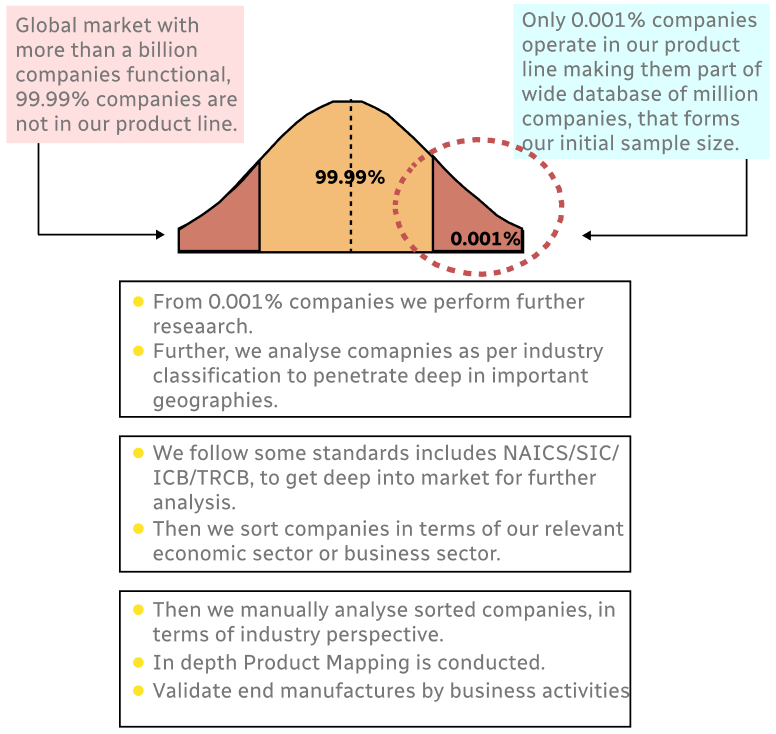
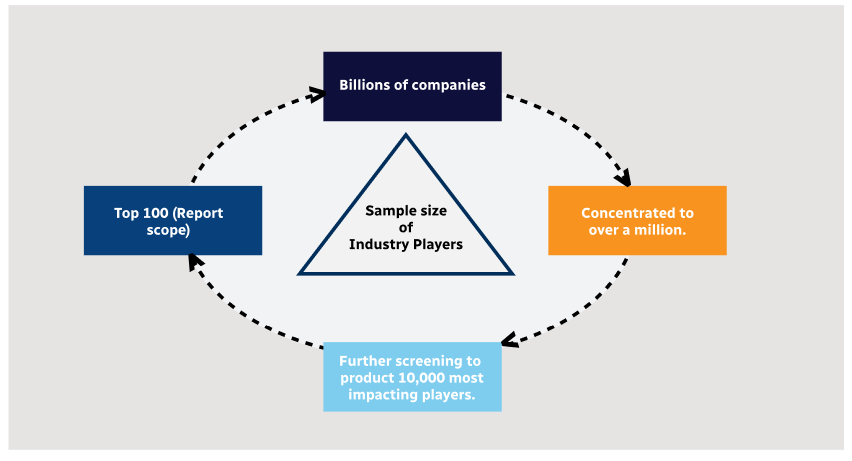
Step 1 - Identification of Relevant Samples Size from Population Database

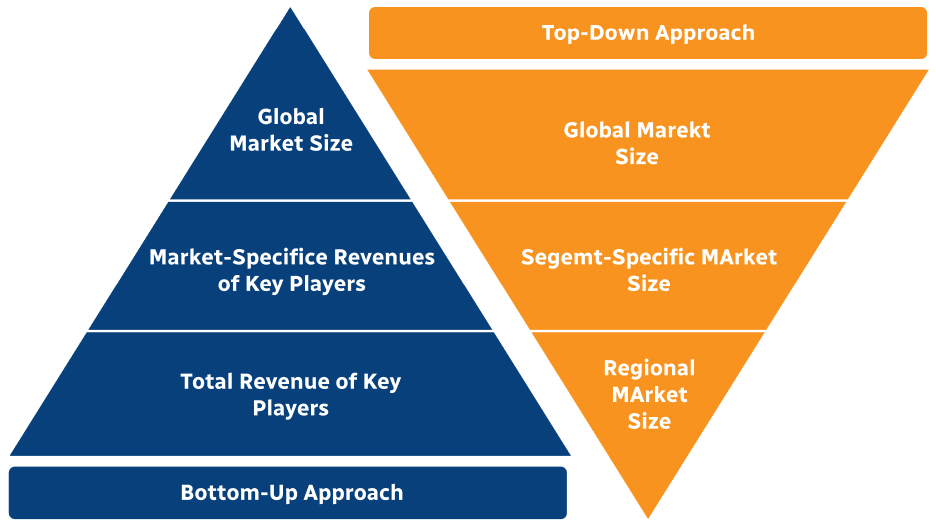
Step 2 - Approaches for Defining Global Market Size (Value, Volume* & Price*)
Note*: In applicable scenarios
Step 3 - Data Sources
Primary Research
- Web Analytics
- Survey Reports
- Research Institute
- Latest Research Reports
- Opinion Leaders
Secondary Research
- Annual Reports
- White Paper
- Latest Press Release
- Industry Association
- Paid Database
- Investor Presentations
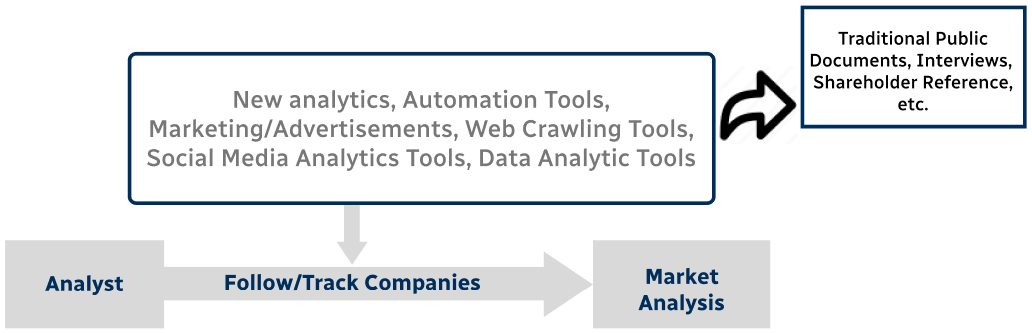
Step 4 - Data Triangulation
Involves using different sources of information in order to increase the validity of a study
These sources are likely to be stakeholders in a program - participants, other researchers, program staff, other community members, and so on.
Then we put all data in single framework & apply various statistical tools to find out the dynamic on the market.
During the analysis stage, feedback from the stakeholder groups would be compared to determine areas of agreement as well as areas of divergence