


Key Insights
The global Sustainable and Bio-based Packaging market is projected for significant expansion. With an estimated market size of $112.49 billion in the base year 2025, the market is anticipated to grow at a Compound Annual Growth Rate (CAGR) of 8.4%. This growth is propelled by increasing consumer demand for environmentally friendly packaging solutions and supportive regulatory frameworks encouraging the transition away from traditional plastics. Key factors driving this trend include rising environmental awareness, a preference for products with a reduced carbon footprint, and substantial corporate investment in R&D for novel bio-based materials. The market's alignment with circular economy principles further strengthens its trajectory, emphasizing biodegradable, compostable, and renewable packaging options.
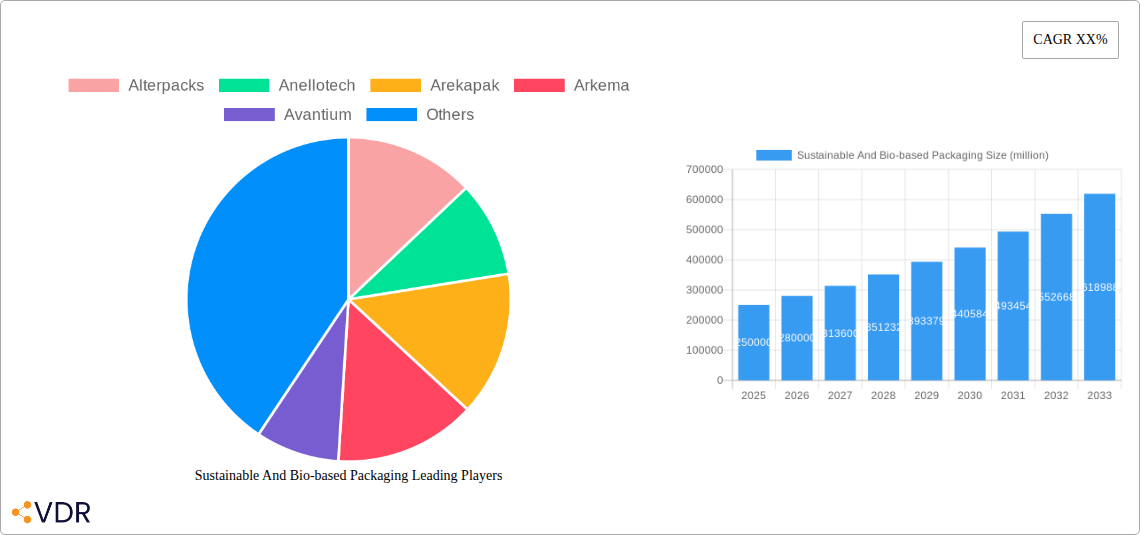
Sustainable And Bio-based Packaging Market Size (In Billion)

The market exhibits dynamic shifts across segments, with notable advancements in flexible packaging and paper/cardboard applications. Innovations in biopolymers, advanced bioplastics, and enhanced paper-based solutions are continuously improving performance, including barrier properties and shelf-life, which are critical for sectors such as food packaging. While the growth outlook is positive, challenges such as higher initial costs for some bio-based materials, production scaling issues, and the need for comprehensive end-of-life management infrastructure persist. However, supportive government policies, incentives for sustainable materials, and proactive engagement from industry leaders are expected to mitigate these restraints. Asia Pacific is poised to become a key growth driver, influenced by rising environmental consciousness and expanding manufacturing capacities.
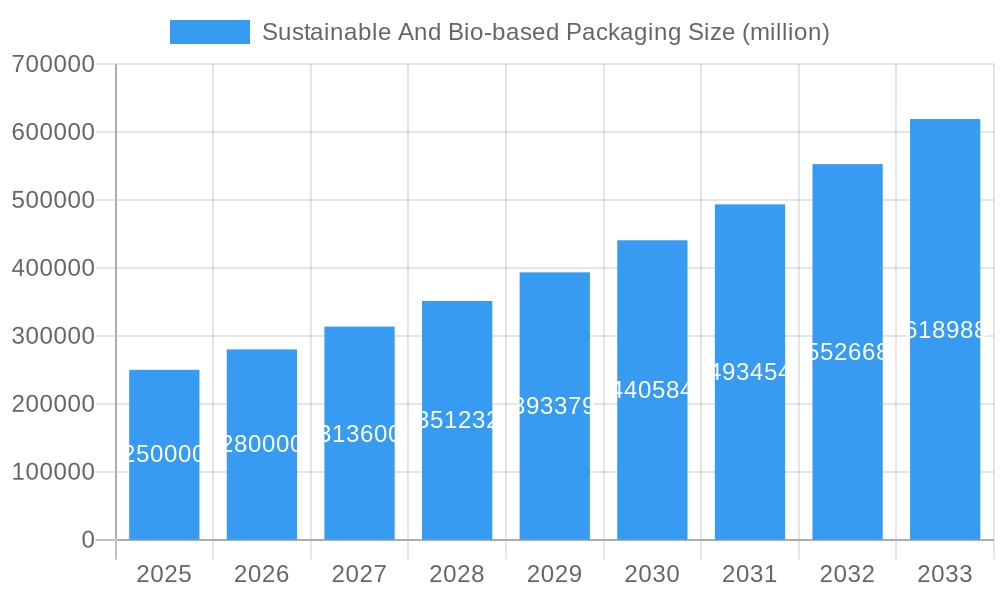
Sustainable And Bio-based Packaging Company Market Share
Sustainable And Bio-based Packaging Market Analysis Report
This comprehensive report delves into the burgeoning Sustainable And Bio-based Packaging market, offering an in-depth analysis of its dynamics, growth trajectories, and key players. Covering the Study Period 2019–2033, with a Base Year and Estimated Year of 2025, and a robust Forecast Period 2025–2033, this report is an essential resource for understanding the evolving landscape of eco-friendly packaging solutions.
The report meticulously examines market segmentation, product innovations, regional dominance, and emerging opportunities within the parent market of sustainable packaging and its child markets of bio-based and compostable packaging. We leverage high-traffic keywords such as "sustainable packaging," "bio-based packaging," "eco-friendly packaging," "circular economy," "biodegradable packaging," "compostable packaging," and "plastic alternative" to ensure maximum search engine visibility. All quantitative data is presented in million units.
Sustainable And Bio-based Packaging Market Dynamics & Structure
The sustainable and bio-based packaging market exhibits a moderately concentrated structure, with a mix of established chemical giants and agile, specialized bio-packaging innovators. Technological innovation is a primary driver, fueled by ongoing research into novel bio-polymers and advanced manufacturing processes. Regulatory frameworks, particularly in developed economies, are increasingly mandating the reduction of single-use plastics and promoting the adoption of sustainable alternatives, acting as significant market push factors. Competitive product substitutes, ranging from recycled paper and cardboard to traditional plastics, still pose a challenge, but the growing consumer and corporate demand for environmental responsibility is shifting the competitive advantage towards bio-based solutions. End-user demographics show a strong preference for brands demonstrating genuine commitment to sustainability, with younger generations playing a pivotal role in driving this demand. Mergers and acquisitions (M&A) trends are on the rise as larger corporations seek to integrate sustainable packaging capabilities into their portfolios and innovative startups aim for scaling.
- Market Concentration: Moderate, with key players like Mitsubishi Chemical Corporation, Huhtamaki, and Futamura Chemical alongside emerging innovators.
- Technological Innovation: Driven by advancements in PHA, PLA, starch-based, and cellulosic materials.
- Regulatory Frameworks: Increasing government support and mandates for reduced plastic usage and enhanced recyclability/compostability.
- Competitive Substitutes: Traditional plastics, recycled paper, and glass remain competitors.
- End-User Demographics: Growing consumer awareness and demand for eco-conscious products.
- M&A Trends: Strategic acquisitions and partnerships to gain market share and technological expertise.
Sustainable And Bio-based Packaging Growth Trends & Insights
The sustainable and bio-based packaging market is poised for significant expansion, driven by a confluence of evolving consumer preferences, stringent environmental regulations, and groundbreaking technological advancements. Market size is projected to witness a robust Compound Annual Growth Rate (CAGR) of approximately 9.5% during the forecast period of 2025–2033. This growth is underpinned by a palpable shift in consumer behavior, with a growing segment of the population actively seeking out products packaged in eco-friendly materials. This demand is not merely a trend but a fundamental re-evaluation of consumption patterns, influenced by heightened awareness of plastic pollution and climate change.
Technological disruptions are continuously enhancing the performance and cost-effectiveness of bio-based packaging. Innovations in material science are yielding polymers with improved barrier properties, greater durability, and broader application ranges, effectively addressing some of the traditional performance limitations. For instance, advancements in polylactic acid (PLA) and polyhydroxyalkanoates (PHA) are enabling their use in a wider array of food packaging applications, from flexible films to rigid containers. Furthermore, the development of advanced composting technologies is increasing the viability of compostable packaging as a genuinely circular solution.
The adoption rates for sustainable packaging are accelerating across various industries. In the food packaging segment, the demand for bio-based alternatives is particularly strong, driven by both consumer preference and regulatory pressures to reduce food-grade plastic waste. Similarly, the paper and cardboard packaging segment is experiencing a surge in demand for sustainably sourced and bio-coated options. The flexible packaging segment, often a significant contributor to plastic waste, is witnessing rapid innovation in bio-based films and coatings.
The parent market of sustainable packaging is benefiting from the growth of its child markets, such as bioplastics derived from renewable resources and compostable materials designed for organic waste streams. The global market for sustainable and bio-based packaging is estimated to reach $250 billion by 2028, with a significant portion attributed to these specialized segments. Consumer education campaigns and corporate sustainability initiatives are further amplifying this trend, fostering a market environment where eco-friendly packaging is becoming the norm rather than the exception. The increasing investment in research and development by leading companies, including Avantium and Kaneka Corporation, signals a strong commitment to unlocking the full potential of bio-based materials.
Dominant Regions, Countries, or Segments in Sustainable And Bio-based Packaging
The Sustainable And Bio-based Packaging market is currently experiencing robust growth, with distinct regions and segments leading the charge. Europe, particularly Germany, France, and the Netherlands, stands out as the dominant region, driven by stringent environmental regulations, high consumer environmental awareness, and significant government incentives promoting the circular economy. The EU’s ambitious targets for reducing plastic waste and promoting sustainable alternatives have fostered a highly receptive market for bio-based and compostable packaging solutions. Economic policies favoring green procurement and Extended Producer Responsibility (EPR) schemes further bolster the adoption of sustainable packaging in these countries. Infrastructure for composting and recycling is also more developed in Europe, facilitating the end-of-life management of these materials.
Within the Type segmentation, Flexible Packaging is a key growth driver, accounting for a substantial market share. This is attributed to its widespread use in the food and beverage industry, cosmetics, and pharmaceuticals, where the demand for reducing plastic waste is particularly acute. Innovations in bio-based films and coatings are enabling flexible packaging to match the performance characteristics of conventional plastics, such as barrier properties and shelf-life extension. The Hard Packaging segment is also showing significant growth, especially in the consumer electronics and luxury goods sectors, where aesthetic appeal and a strong sustainability message are paramount. Companies like Alterpacks and Arekapak are making significant strides in developing bio-based rigid packaging solutions.
In terms of Application, Food Packaging remains the largest and most dynamic segment. The overwhelming global concern over plastic contamination in food supply chains, coupled with consumer preference for sustainable options, is accelerating the shift away from traditional petroleum-based plastics. This includes applications like food wraps, containers, trays, and pouches. The Paper and Cardboard Packaging application, already a staple for sustainable packaging, is seeing further innovation with bio-based coatings and barrier layers, enhancing its suitability for a wider range of products, including those requiring moisture or grease resistance.
The United States and China are also emerging as significant markets, driven by growing environmental consciousness, substantial market size, and increasing investments in bio-material research and production. Countries in Asia Pacific, while still in earlier stages of adoption compared to Europe, are exhibiting high growth potential due to expanding middle classes, increasing disposable incomes, and a growing awareness of environmental issues. The overall market value for sustainable and bio-based packaging is projected to reach over $300 billion by 2030, with these dominant regions and segments playing a pivotal role in achieving this milestone.
Sustainable And Bio-based Packaging Product Landscape
The sustainable and bio-based packaging product landscape is characterized by rapid innovation and a diverse range of materials catering to various applications. Key product developments include advanced bioplastics derived from renewable sources such as corn starch (PLA), sugarcane, and algae. These materials are increasingly engineered to offer comparable or superior performance to conventional plastics in terms of durability, flexibility, and barrier properties. Examples include biodegradable films for food wraps, compostable cutlery, and rigid containers made from plant-based polymers. Companies like Avantium are pioneering the production of FDCA (furan dicarboxylic acid), a key building block for high-performance bio-based plastics like PEF (polyethylene furanoate). Futamura Chemical is a notable player in cellophane films, offering biodegradable and compostable options. The focus is on developing solutions that are not only environmentally friendly but also cost-competitive and highly functional, addressing specific industry needs.
Key Drivers, Barriers & Challenges in Sustainable And Bio-based Packaging
Key Drivers: The sustainable and bio-based packaging market is propelled by a powerful synergy of environmental consciousness and regulatory pressure. Growing consumer demand for eco-friendly products, amplified by media attention on plastic pollution, is a primary driver. Government policies worldwide are increasingly implementing bans on single-use plastics, mandating recycled content, and incentivizing the adoption of sustainable alternatives, significantly boosting market growth. Technological advancements in material science are yielding innovative bio-based and compostable materials with improved performance characteristics and competitive pricing. Corporate sustainability initiatives and commitments to reduce their environmental footprint are also major accelerators.
Barriers & Challenges: Despite its strong growth trajectory, the market faces several hurdles. Supply chain complexities for bio-based raw materials can lead to price volatility and availability issues. Higher initial production costs compared to conventional plastics remain a significant barrier, although this gap is narrowing with technological advancements and economies of scale. Consumer confusion and lack of infrastructure for proper disposal of compostable and biodegradable packaging can lead to contamination and undermine their environmental benefits. Regulatory inconsistencies across different regions can create challenges for global product launches. The need for performance parity with traditional plastics, especially in demanding applications like high-barrier food packaging, also presents a technical challenge.
Emerging Opportunities in Sustainable And Bio-based Packaging
Emerging opportunities in the sustainable and bio-based packaging sector are abundant and span across innovation, application, and market penetration. The development of novel bio-based materials with advanced functionalities, such as enhanced barrier properties, heat resistance, and even active or intelligent packaging features, presents a significant avenue for growth. The untapped potential in emerging economies, where awareness is growing and regulatory frameworks are evolving, offers a vast market for scalable and affordable sustainable packaging solutions. Furthermore, exploring innovative applications beyond traditional food and beverage packaging, such as in the e-commerce, healthcare, and personal care industries, can open new revenue streams. The increasing focus on circular economy models also presents opportunities for developing closed-loop systems for bio-based packaging, including take-back programs and advanced recycling or composting technologies.
Growth Accelerators in the Sustainable And Bio-based Packaging Industry
Several catalysts are accelerating the growth of the Sustainable And Bio-based Packaging industry. Technological breakthroughs in biopolymer synthesis and processing are continuously improving material performance and reducing production costs, making bio-based options more competitive. Strategic partnerships and collaborations between raw material suppliers, packaging manufacturers, and brand owners are crucial for streamlining the supply chain and driving market adoption. For example, collaborations between chemical companies like Arkema and packaging converters are vital. Market expansion strategies, including geographical diversification into new and emerging markets, are further fueling growth. The increasing integration of bio-based packaging into corporate ESG (Environmental, Social, and Governance) strategies is also a significant growth accelerator, driven by investor pressure and a desire for positive brand perception.
Key Players Shaping the Sustainable And Bio-based Packaging Market
- Alterpacks
- Anellotech
- Arekapak
- Arkema
- Avantium
- BIOLO
- Biovox
- BlockTexx
- Carbiolice
- Cellugy
- DuFor Resins BV
- Earthodic
- Esbottle Oy
- Fiberwood Oy
- Full Cycle Bioplastics
- Futamura Chemical
- Futurity Bio-Ventures
- Genecis Bioindustries
- Huhtamaki
- Kaneka Corporation
- Kelpi Industries
- Lactips SA
- Loliware
- Marea
- Mitsubishi Chemical Corporation
Notable Milestones in Sustainable And Bio-based Packaging Sector
- 2019: Launch of advanced PHA bioplastics with improved properties for flexible packaging.
- 2020: Increased government funding for bio-based material research and development in Europe.
- 2021: Major food brands commit to increasing the use of sustainable and bio-based packaging.
- 2022: First commercial-scale production of FDCA-based PEF by Avantium.
- 2023: Significant advancements in industrial composting infrastructure supporting compostable packaging.
- 2024: Marea announces breakthroughs in algae-based packaging solutions.
- 2024: DuFor Resins BV expands its portfolio of bio-based resins for diverse applications.
- 2024: Arkema launches new bio-based adhesives for sustainable packaging solutions.
In-Depth Sustainable And Bio-based Packaging Market Outlook
The Sustainable And Bio-based Packaging market outlook is overwhelmingly positive, driven by persistent global trends towards environmental responsibility and innovation. Growth accelerators, including advancements in biopolymer technology and increasing corporate commitments to sustainability, will continue to propel the market forward. Strategic partnerships and expanding market reach into underserved regions will further unlock significant growth potential. The future market is characterized by a shift towards high-performance bio-based materials that offer not only environmental benefits but also superior functionality and cost-effectiveness. Companies that can effectively navigate regulatory landscapes, optimize supply chains, and innovate rapidly will be well-positioned to capitalize on the immense opportunities within this dynamic sector. The estimated market value is projected to exceed $350 million by 2033, underscoring the significant strategic importance and growth potential.
Sustainable And Bio-based Packaging Segmentation
-
1. Type
- 1.1. Hard Packaging
- 1.2. Flexible Packaging
-
2. Application
- 2.1. Paper and Cardboard Packaging
- 2.2. Food Packaging
- 2.3. Others
Sustainable And Bio-based Packaging Segmentation By Geography
-
1. North America
- 1.1. United States
- 1.2. Canada
- 1.3. Mexico
-
2. South America
- 2.1. Brazil
- 2.2. Argentina
- 2.3. Rest of South America
-
3. Europe
- 3.1. United Kingdom
- 3.2. Germany
- 3.3. France
- 3.4. Italy
- 3.5. Spain
- 3.6. Russia
- 3.7. Benelux
- 3.8. Nordics
- 3.9. Rest of Europe
-
4. Middle East & Africa
- 4.1. Turkey
- 4.2. Israel
- 4.3. GCC
- 4.4. North Africa
- 4.5. South Africa
- 4.6. Rest of Middle East & Africa
-
5. Asia Pacific
- 5.1. China
- 5.2. India
- 5.3. Japan
- 5.4. South Korea
- 5.5. ASEAN
- 5.6. Oceania
- 5.7. Rest of Asia Pacific
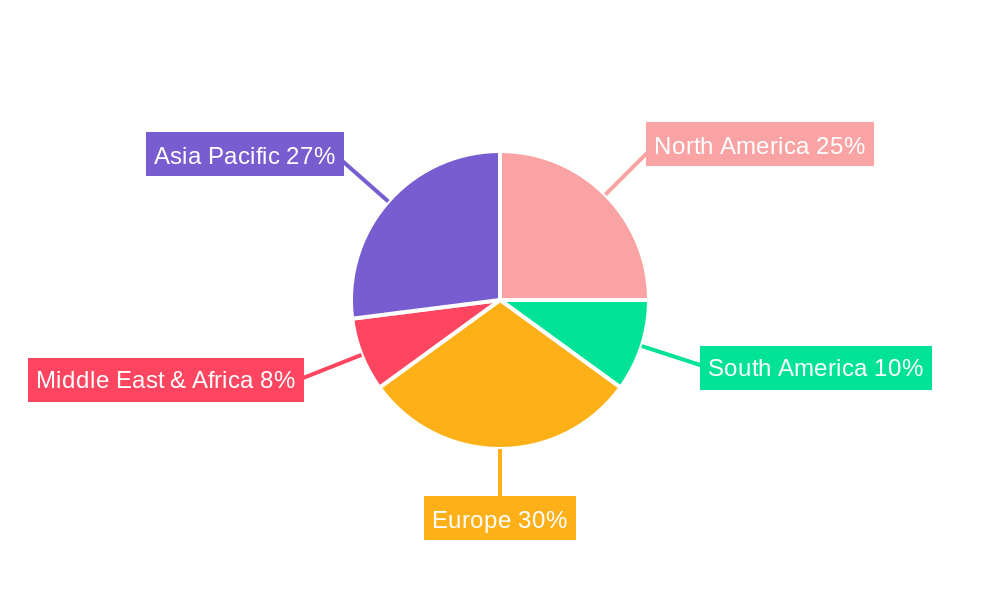
Sustainable And Bio-based Packaging Regional Market Share
Geographic Coverage of Sustainable And Bio-based Packaging
Sustainable And Bio-based Packaging REPORT HIGHLIGHTS
| Aspects | Details |
|---|---|
| Study Period | 2020-2034 |
| Base Year | 2025 |
| Estimated Year | 2026 |
| Forecast Period | 2026-2034 |
| Historical Period | 2020-2025 |
| Growth Rate | CAGR of 8.4% from 2020-2034 |
| Segmentation |
|
Table of Contents
- 1. Introduction
- 1.1. Research Scope
- 1.2. Market Segmentation
- 1.3. Research Methodology
- 1.4. Definitions and Assumptions
- 2. Executive Summary
- 2.1. Introduction
- 3. Market Dynamics
- 3.1. Introduction
- 3.2. Market Drivers
- 3.3. Market Restrains
- 3.4. Market Trends
- 4. Market Factor Analysis
- 4.1. Porters Five Forces
- 4.2. Supply/Value Chain
- 4.3. PESTEL analysis
- 4.4. Market Entropy
- 4.5. Patent/Trademark Analysis
- 5. Global Sustainable And Bio-based Packaging Analysis, Insights and Forecast, 2020-2032
- 5.1. Market Analysis, Insights and Forecast - by Type
- 5.1.1. Hard Packaging
- 5.1.2. Flexible Packaging
- 5.2. Market Analysis, Insights and Forecast - by Application
- 5.2.1. Paper and Cardboard Packaging
- 5.2.2. Food Packaging
- 5.2.3. Others
- 5.3. Market Analysis, Insights and Forecast - by Region
- 5.3.1. North America
- 5.3.2. South America
- 5.3.3. Europe
- 5.3.4. Middle East & Africa
- 5.3.5. Asia Pacific
- 5.1. Market Analysis, Insights and Forecast - by Type
- 6. North America Sustainable And Bio-based Packaging Analysis, Insights and Forecast, 2020-2032
- 6.1. Market Analysis, Insights and Forecast - by Type
- 6.1.1. Hard Packaging
- 6.1.2. Flexible Packaging
- 6.2. Market Analysis, Insights and Forecast - by Application
- 6.2.1. Paper and Cardboard Packaging
- 6.2.2. Food Packaging
- 6.2.3. Others
- 6.1. Market Analysis, Insights and Forecast - by Type
- 7. South America Sustainable And Bio-based Packaging Analysis, Insights and Forecast, 2020-2032
- 7.1. Market Analysis, Insights and Forecast - by Type
- 7.1.1. Hard Packaging
- 7.1.2. Flexible Packaging
- 7.2. Market Analysis, Insights and Forecast - by Application
- 7.2.1. Paper and Cardboard Packaging
- 7.2.2. Food Packaging
- 7.2.3. Others
- 7.1. Market Analysis, Insights and Forecast - by Type
- 8. Europe Sustainable And Bio-based Packaging Analysis, Insights and Forecast, 2020-2032
- 8.1. Market Analysis, Insights and Forecast - by Type
- 8.1.1. Hard Packaging
- 8.1.2. Flexible Packaging
- 8.2. Market Analysis, Insights and Forecast - by Application
- 8.2.1. Paper and Cardboard Packaging
- 8.2.2. Food Packaging
- 8.2.3. Others
- 8.1. Market Analysis, Insights and Forecast - by Type
- 9. Middle East & Africa Sustainable And Bio-based Packaging Analysis, Insights and Forecast, 2020-2032
- 9.1. Market Analysis, Insights and Forecast - by Type
- 9.1.1. Hard Packaging
- 9.1.2. Flexible Packaging
- 9.2. Market Analysis, Insights and Forecast - by Application
- 9.2.1. Paper and Cardboard Packaging
- 9.2.2. Food Packaging
- 9.2.3. Others
- 9.1. Market Analysis, Insights and Forecast - by Type
- 10. Asia Pacific Sustainable And Bio-based Packaging Analysis, Insights and Forecast, 2020-2032
- 10.1. Market Analysis, Insights and Forecast - by Type
- 10.1.1. Hard Packaging
- 10.1.2. Flexible Packaging
- 10.2. Market Analysis, Insights and Forecast - by Application
- 10.2.1. Paper and Cardboard Packaging
- 10.2.2. Food Packaging
- 10.2.3. Others
- 10.1. Market Analysis, Insights and Forecast - by Type
- 11. Competitive Analysis
- 11.1. Global Market Share Analysis 2025
- 11.2. Company Profiles
- 11.2.1 Alterpacks
- 11.2.1.1. Overview
- 11.2.1.2. Products
- 11.2.1.3. SWOT Analysis
- 11.2.1.4. Recent Developments
- 11.2.1.5. Financials (Based on Availability)
- 11.2.2 Anellotech
- 11.2.2.1. Overview
- 11.2.2.2. Products
- 11.2.2.3. SWOT Analysis
- 11.2.2.4. Recent Developments
- 11.2.2.5. Financials (Based on Availability)
- 11.2.3 Arekapak
- 11.2.3.1. Overview
- 11.2.3.2. Products
- 11.2.3.3. SWOT Analysis
- 11.2.3.4. Recent Developments
- 11.2.3.5. Financials (Based on Availability)
- 11.2.4 Arkema
- 11.2.4.1. Overview
- 11.2.4.2. Products
- 11.2.4.3. SWOT Analysis
- 11.2.4.4. Recent Developments
- 11.2.4.5. Financials (Based on Availability)
- 11.2.5 Avantium
- 11.2.5.1. Overview
- 11.2.5.2. Products
- 11.2.5.3. SWOT Analysis
- 11.2.5.4. Recent Developments
- 11.2.5.5. Financials (Based on Availability)
- 11.2.6 BIOLO
- 11.2.6.1. Overview
- 11.2.6.2. Products
- 11.2.6.3. SWOT Analysis
- 11.2.6.4. Recent Developments
- 11.2.6.5. Financials (Based on Availability)
- 11.2.7 Biovox
- 11.2.7.1. Overview
- 11.2.7.2. Products
- 11.2.7.3. SWOT Analysis
- 11.2.7.4. Recent Developments
- 11.2.7.5. Financials (Based on Availability)
- 11.2.8 BlockTexx
- 11.2.8.1. Overview
- 11.2.8.2. Products
- 11.2.8.3. SWOT Analysis
- 11.2.8.4. Recent Developments
- 11.2.8.5. Financials (Based on Availability)
- 11.2.9 Carbiolice
- 11.2.9.1. Overview
- 11.2.9.2. Products
- 11.2.9.3. SWOT Analysis
- 11.2.9.4. Recent Developments
- 11.2.9.5. Financials (Based on Availability)
- 11.2.10 Cellugy
- 11.2.10.1. Overview
- 11.2.10.2. Products
- 11.2.10.3. SWOT Analysis
- 11.2.10.4. Recent Developments
- 11.2.10.5. Financials (Based on Availability)
- 11.2.11 DuFor Resins BV
- 11.2.11.1. Overview
- 11.2.11.2. Products
- 11.2.11.3. SWOT Analysis
- 11.2.11.4. Recent Developments
- 11.2.11.5. Financials (Based on Availability)
- 11.2.12 Earthodic
- 11.2.12.1. Overview
- 11.2.12.2. Products
- 11.2.12.3. SWOT Analysis
- 11.2.12.4. Recent Developments
- 11.2.12.5. Financials (Based on Availability)
- 11.2.13 Esbottle Oy
- 11.2.13.1. Overview
- 11.2.13.2. Products
- 11.2.13.3. SWOT Analysis
- 11.2.13.4. Recent Developments
- 11.2.13.5. Financials (Based on Availability)
- 11.2.14 Fiberwood Oy
- 11.2.14.1. Overview
- 11.2.14.2. Products
- 11.2.14.3. SWOT Analysis
- 11.2.14.4. Recent Developments
- 11.2.14.5. Financials (Based on Availability)
- 11.2.15 Full Cycle Bioplastics
- 11.2.15.1. Overview
- 11.2.15.2. Products
- 11.2.15.3. SWOT Analysis
- 11.2.15.4. Recent Developments
- 11.2.15.5. Financials (Based on Availability)
- 11.2.16 Futamura Chemical
- 11.2.16.1. Overview
- 11.2.16.2. Products
- 11.2.16.3. SWOT Analysis
- 11.2.16.4. Recent Developments
- 11.2.16.5. Financials (Based on Availability)
- 11.2.17 Futurity Bio-Ventures
- 11.2.17.1. Overview
- 11.2.17.2. Products
- 11.2.17.3. SWOT Analysis
- 11.2.17.4. Recent Developments
- 11.2.17.5. Financials (Based on Availability)
- 11.2.18 Genecis Bioindustries
- 11.2.18.1. Overview
- 11.2.18.2. Products
- 11.2.18.3. SWOT Analysis
- 11.2.18.4. Recent Developments
- 11.2.18.5. Financials (Based on Availability)
- 11.2.19 Huhtamaki
- 11.2.19.1. Overview
- 11.2.19.2. Products
- 11.2.19.3. SWOT Analysis
- 11.2.19.4. Recent Developments
- 11.2.19.5. Financials (Based on Availability)
- 11.2.20 Kaneka Corporation
- 11.2.20.1. Overview
- 11.2.20.2. Products
- 11.2.20.3. SWOT Analysis
- 11.2.20.4. Recent Developments
- 11.2.20.5. Financials (Based on Availability)
- 11.2.21 Kelpi Industries
- 11.2.21.1. Overview
- 11.2.21.2. Products
- 11.2.21.3. SWOT Analysis
- 11.2.21.4. Recent Developments
- 11.2.21.5. Financials (Based on Availability)
- 11.2.22 Lactips SA
- 11.2.22.1. Overview
- 11.2.22.2. Products
- 11.2.22.3. SWOT Analysis
- 11.2.22.4. Recent Developments
- 11.2.22.5. Financials (Based on Availability)
- 11.2.23 Loliware
- 11.2.23.1. Overview
- 11.2.23.2. Products
- 11.2.23.3. SWOT Analysis
- 11.2.23.4. Recent Developments
- 11.2.23.5. Financials (Based on Availability)
- 11.2.24 Marea
- 11.2.24.1. Overview
- 11.2.24.2. Products
- 11.2.24.3. SWOT Analysis
- 11.2.24.4. Recent Developments
- 11.2.24.5. Financials (Based on Availability)
- 11.2.25 Mitsubishi Chemical Corporation
- 11.2.25.1. Overview
- 11.2.25.2. Products
- 11.2.25.3. SWOT Analysis
- 11.2.25.4. Recent Developments
- 11.2.25.5. Financials (Based on Availability)
- 11.2.1 Alterpacks
List of Figures
- Figure 1: Global Sustainable And Bio-based Packaging Revenue Breakdown (billion, %) by Region 2025 & 2033
- Figure 2: North America Sustainable And Bio-based Packaging Revenue (billion), by Type 2025 & 2033
- Figure 3: North America Sustainable And Bio-based Packaging Revenue Share (%), by Type 2025 & 2033
- Figure 4: North America Sustainable And Bio-based Packaging Revenue (billion), by Application 2025 & 2033
- Figure 5: North America Sustainable And Bio-based Packaging Revenue Share (%), by Application 2025 & 2033
- Figure 6: North America Sustainable And Bio-based Packaging Revenue (billion), by Country 2025 & 2033
- Figure 7: North America Sustainable And Bio-based Packaging Revenue Share (%), by Country 2025 & 2033
- Figure 8: South America Sustainable And Bio-based Packaging Revenue (billion), by Type 2025 & 2033
- Figure 9: South America Sustainable And Bio-based Packaging Revenue Share (%), by Type 2025 & 2033
- Figure 10: South America Sustainable And Bio-based Packaging Revenue (billion), by Application 2025 & 2033
- Figure 11: South America Sustainable And Bio-based Packaging Revenue Share (%), by Application 2025 & 2033
- Figure 12: South America Sustainable And Bio-based Packaging Revenue (billion), by Country 2025 & 2033
- Figure 13: South America Sustainable And Bio-based Packaging Revenue Share (%), by Country 2025 & 2033
- Figure 14: Europe Sustainable And Bio-based Packaging Revenue (billion), by Type 2025 & 2033
- Figure 15: Europe Sustainable And Bio-based Packaging Revenue Share (%), by Type 2025 & 2033
- Figure 16: Europe Sustainable And Bio-based Packaging Revenue (billion), by Application 2025 & 2033
- Figure 17: Europe Sustainable And Bio-based Packaging Revenue Share (%), by Application 2025 & 2033
- Figure 18: Europe Sustainable And Bio-based Packaging Revenue (billion), by Country 2025 & 2033
- Figure 19: Europe Sustainable And Bio-based Packaging Revenue Share (%), by Country 2025 & 2033
- Figure 20: Middle East & Africa Sustainable And Bio-based Packaging Revenue (billion), by Type 2025 & 2033
- Figure 21: Middle East & Africa Sustainable And Bio-based Packaging Revenue Share (%), by Type 2025 & 2033
- Figure 22: Middle East & Africa Sustainable And Bio-based Packaging Revenue (billion), by Application 2025 & 2033
- Figure 23: Middle East & Africa Sustainable And Bio-based Packaging Revenue Share (%), by Application 2025 & 2033
- Figure 24: Middle East & Africa Sustainable And Bio-based Packaging Revenue (billion), by Country 2025 & 2033
- Figure 25: Middle East & Africa Sustainable And Bio-based Packaging Revenue Share (%), by Country 2025 & 2033
- Figure 26: Asia Pacific Sustainable And Bio-based Packaging Revenue (billion), by Type 2025 & 2033
- Figure 27: Asia Pacific Sustainable And Bio-based Packaging Revenue Share (%), by Type 2025 & 2033
- Figure 28: Asia Pacific Sustainable And Bio-based Packaging Revenue (billion), by Application 2025 & 2033
- Figure 29: Asia Pacific Sustainable And Bio-based Packaging Revenue Share (%), by Application 2025 & 2033
- Figure 30: Asia Pacific Sustainable And Bio-based Packaging Revenue (billion), by Country 2025 & 2033
- Figure 31: Asia Pacific Sustainable And Bio-based Packaging Revenue Share (%), by Country 2025 & 2033
List of Tables
- Table 1: Global Sustainable And Bio-based Packaging Revenue billion Forecast, by Type 2020 & 2033
- Table 2: Global Sustainable And Bio-based Packaging Revenue billion Forecast, by Application 2020 & 2033
- Table 3: Global Sustainable And Bio-based Packaging Revenue billion Forecast, by Region 2020 & 2033
- Table 4: Global Sustainable And Bio-based Packaging Revenue billion Forecast, by Type 2020 & 2033
- Table 5: Global Sustainable And Bio-based Packaging Revenue billion Forecast, by Application 2020 & 2033
- Table 6: Global Sustainable And Bio-based Packaging Revenue billion Forecast, by Country 2020 & 2033
- Table 7: United States Sustainable And Bio-based Packaging Revenue (billion) Forecast, by Application 2020 & 2033
- Table 8: Canada Sustainable And Bio-based Packaging Revenue (billion) Forecast, by Application 2020 & 2033
- Table 9: Mexico Sustainable And Bio-based Packaging Revenue (billion) Forecast, by Application 2020 & 2033
- Table 10: Global Sustainable And Bio-based Packaging Revenue billion Forecast, by Type 2020 & 2033
- Table 11: Global Sustainable And Bio-based Packaging Revenue billion Forecast, by Application 2020 & 2033
- Table 12: Global Sustainable And Bio-based Packaging Revenue billion Forecast, by Country 2020 & 2033
- Table 13: Brazil Sustainable And Bio-based Packaging Revenue (billion) Forecast, by Application 2020 & 2033
- Table 14: Argentina Sustainable And Bio-based Packaging Revenue (billion) Forecast, by Application 2020 & 2033
- Table 15: Rest of South America Sustainable And Bio-based Packaging Revenue (billion) Forecast, by Application 2020 & 2033
- Table 16: Global Sustainable And Bio-based Packaging Revenue billion Forecast, by Type 2020 & 2033
- Table 17: Global Sustainable And Bio-based Packaging Revenue billion Forecast, by Application 2020 & 2033
- Table 18: Global Sustainable And Bio-based Packaging Revenue billion Forecast, by Country 2020 & 2033
- Table 19: United Kingdom Sustainable And Bio-based Packaging Revenue (billion) Forecast, by Application 2020 & 2033
- Table 20: Germany Sustainable And Bio-based Packaging Revenue (billion) Forecast, by Application 2020 & 2033
- Table 21: France Sustainable And Bio-based Packaging Revenue (billion) Forecast, by Application 2020 & 2033
- Table 22: Italy Sustainable And Bio-based Packaging Revenue (billion) Forecast, by Application 2020 & 2033
- Table 23: Spain Sustainable And Bio-based Packaging Revenue (billion) Forecast, by Application 2020 & 2033
- Table 24: Russia Sustainable And Bio-based Packaging Revenue (billion) Forecast, by Application 2020 & 2033
- Table 25: Benelux Sustainable And Bio-based Packaging Revenue (billion) Forecast, by Application 2020 & 2033
- Table 26: Nordics Sustainable And Bio-based Packaging Revenue (billion) Forecast, by Application 2020 & 2033
- Table 27: Rest of Europe Sustainable And Bio-based Packaging Revenue (billion) Forecast, by Application 2020 & 2033
- Table 28: Global Sustainable And Bio-based Packaging Revenue billion Forecast, by Type 2020 & 2033
- Table 29: Global Sustainable And Bio-based Packaging Revenue billion Forecast, by Application 2020 & 2033
- Table 30: Global Sustainable And Bio-based Packaging Revenue billion Forecast, by Country 2020 & 2033
- Table 31: Turkey Sustainable And Bio-based Packaging Revenue (billion) Forecast, by Application 2020 & 2033
- Table 32: Israel Sustainable And Bio-based Packaging Revenue (billion) Forecast, by Application 2020 & 2033
- Table 33: GCC Sustainable And Bio-based Packaging Revenue (billion) Forecast, by Application 2020 & 2033
- Table 34: North Africa Sustainable And Bio-based Packaging Revenue (billion) Forecast, by Application 2020 & 2033
- Table 35: South Africa Sustainable And Bio-based Packaging Revenue (billion) Forecast, by Application 2020 & 2033
- Table 36: Rest of Middle East & Africa Sustainable And Bio-based Packaging Revenue (billion) Forecast, by Application 2020 & 2033
- Table 37: Global Sustainable And Bio-based Packaging Revenue billion Forecast, by Type 2020 & 2033
- Table 38: Global Sustainable And Bio-based Packaging Revenue billion Forecast, by Application 2020 & 2033
- Table 39: Global Sustainable And Bio-based Packaging Revenue billion Forecast, by Country 2020 & 2033
- Table 40: China Sustainable And Bio-based Packaging Revenue (billion) Forecast, by Application 2020 & 2033
- Table 41: India Sustainable And Bio-based Packaging Revenue (billion) Forecast, by Application 2020 & 2033
- Table 42: Japan Sustainable And Bio-based Packaging Revenue (billion) Forecast, by Application 2020 & 2033
- Table 43: South Korea Sustainable And Bio-based Packaging Revenue (billion) Forecast, by Application 2020 & 2033
- Table 44: ASEAN Sustainable And Bio-based Packaging Revenue (billion) Forecast, by Application 2020 & 2033
- Table 45: Oceania Sustainable And Bio-based Packaging Revenue (billion) Forecast, by Application 2020 & 2033
- Table 46: Rest of Asia Pacific Sustainable And Bio-based Packaging Revenue (billion) Forecast, by Application 2020 & 2033
Frequently Asked Questions
1. What is the projected Compound Annual Growth Rate (CAGR) of the Sustainable And Bio-based Packaging?
The projected CAGR is approximately 8.4%.
2. Which companies are prominent players in the Sustainable And Bio-based Packaging?
Key companies in the market include Alterpacks, Anellotech, Arekapak, Arkema, Avantium, BIOLO, Biovox, BlockTexx, Carbiolice, Cellugy, DuFor Resins BV, Earthodic, Esbottle Oy, Fiberwood Oy, Full Cycle Bioplastics, Futamura Chemical, Futurity Bio-Ventures, Genecis Bioindustries, Huhtamaki, Kaneka Corporation, Kelpi Industries, Lactips SA, Loliware, Marea, Mitsubishi Chemical Corporation.
3. What are the main segments of the Sustainable And Bio-based Packaging?
The market segments include Type, Application.
4. Can you provide details about the market size?
The market size is estimated to be USD 112.49 billion as of 2022.
5. What are some drivers contributing to market growth?
N/A
6. What are the notable trends driving market growth?
N/A
7. Are there any restraints impacting market growth?
N/A
8. Can you provide examples of recent developments in the market?
N/A
9. What pricing options are available for accessing the report?
Pricing options include single-user, multi-user, and enterprise licenses priced at USD 4900.00, USD 7350.00, and USD 9800.00 respectively.
10. Is the market size provided in terms of value or volume?
The market size is provided in terms of value, measured in billion.
11. Are there any specific market keywords associated with the report?
Yes, the market keyword associated with the report is "Sustainable And Bio-based Packaging," which aids in identifying and referencing the specific market segment covered.
12. How do I determine which pricing option suits my needs best?
The pricing options vary based on user requirements and access needs. Individual users may opt for single-user licenses, while businesses requiring broader access may choose multi-user or enterprise licenses for cost-effective access to the report.
13. Are there any additional resources or data provided in the Sustainable And Bio-based Packaging report?
While the report offers comprehensive insights, it's advisable to review the specific contents or supplementary materials provided to ascertain if additional resources or data are available.
14. How can I stay updated on further developments or reports in the Sustainable And Bio-based Packaging?
To stay informed about further developments, trends, and reports in the Sustainable And Bio-based Packaging, consider subscribing to industry newsletters, following relevant companies and organizations, or regularly checking reputable industry news sources and publications.
Methodology
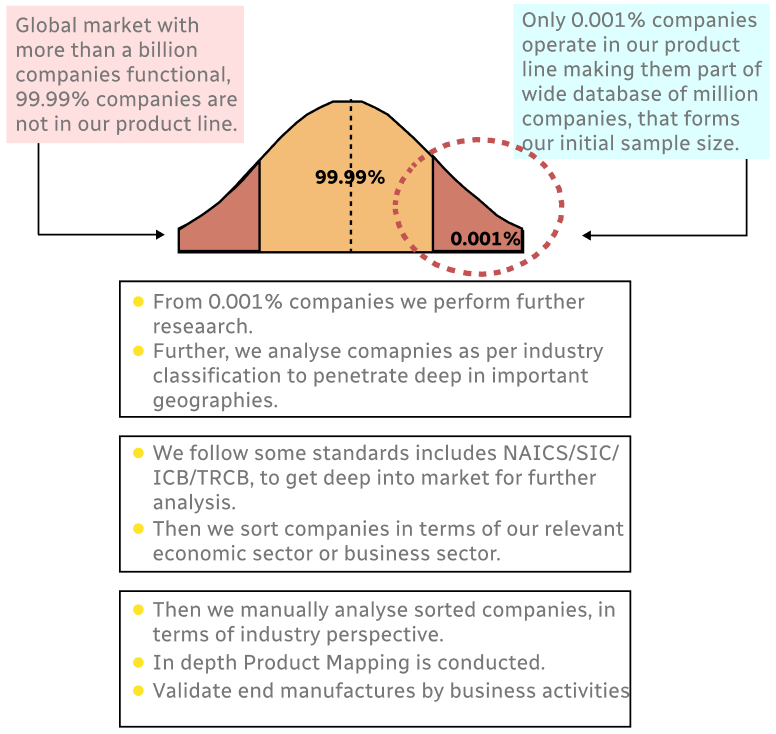
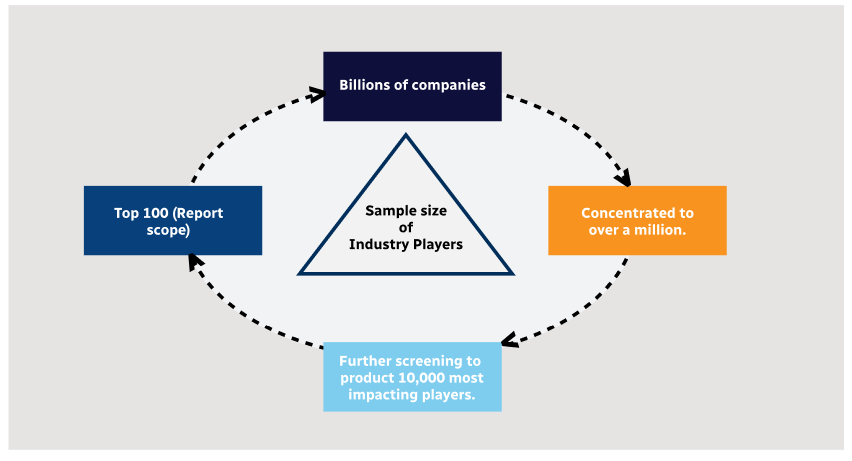
Step 1 - Identification of Relevant Samples Size from Population Database
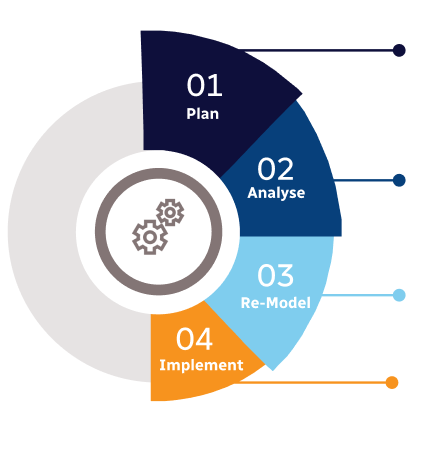
Step 2 - Approaches for Defining Global Market Size (Value, Volume* & Price*)
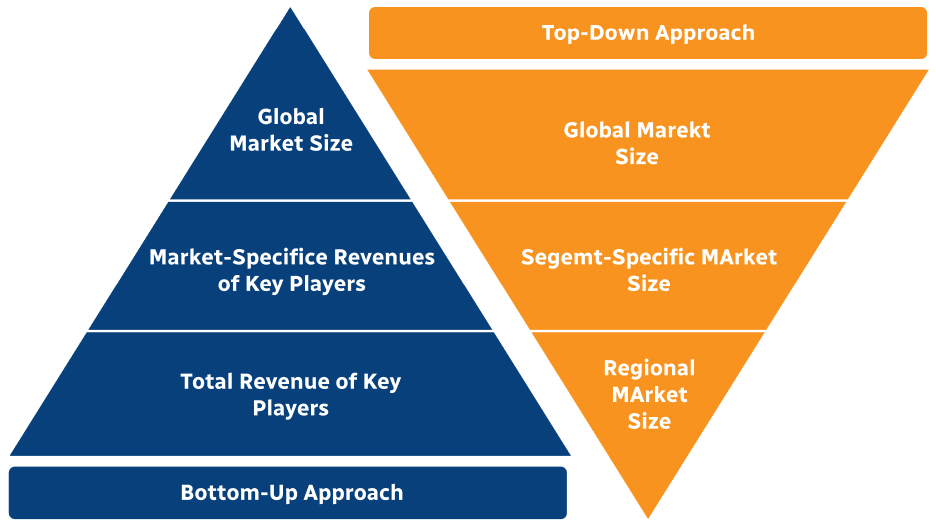
Note*: In applicable scenarios
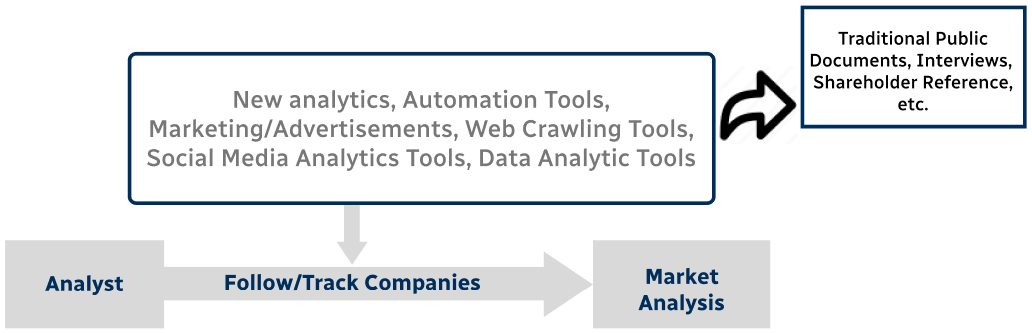
Step 3 - Data Sources
Primary Research
- Web Analytics
- Survey Reports
- Research Institute
- Latest Research Reports
- Opinion Leaders
Secondary Research
- Annual Reports
- White Paper
- Latest Press Release
- Industry Association
- Paid Database
- Investor Presentations
Step 4 - Data Triangulation
Involves using different sources of information in order to increase the validity of a study
These sources are likely to be stakeholders in a program - participants, other researchers, program staff, other community members, and so on.
Then we put all data in single framework & apply various statistical tools to find out the dynamic on the market.
During the analysis stage, feedback from the stakeholder groups would be compared to determine areas of agreement as well as areas of divergence