


Key Insights
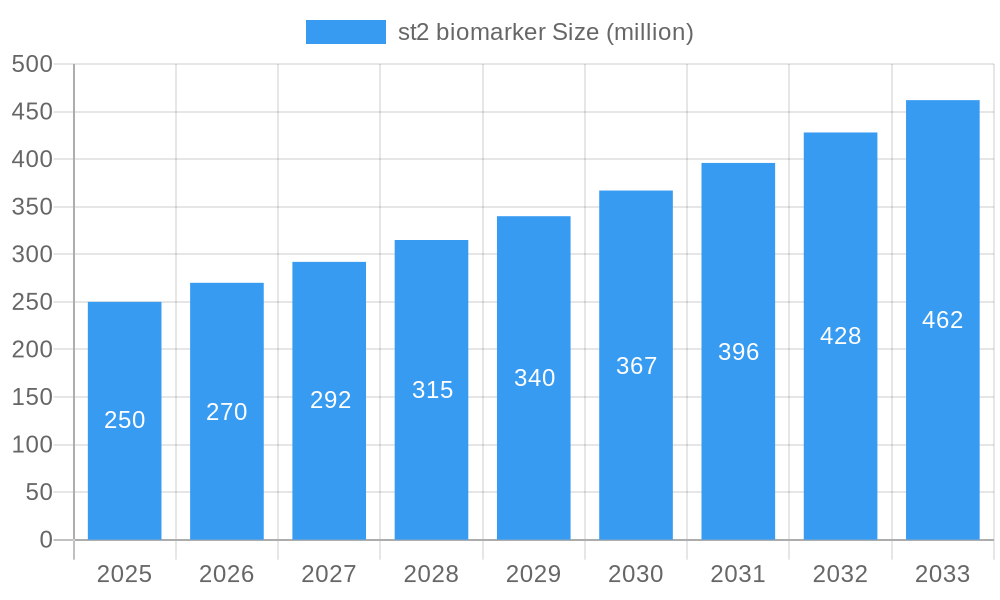
The ST2 biomarker market is poised for significant expansion, driven by its crucial role in the diagnosis and management of cardiovascular diseases, particularly heart failure. The market is estimated to be valued at $250 million in 2025, exhibiting a robust Compound Annual Growth Rate (CAGR) of 8% during the forecast period of 2025-2033. This growth is propelled by increasing global prevalence of cardiovascular conditions, a rising demand for early and accurate diagnostic tools, and advancements in biomarker detection technologies, including ELISA and immunochromatography-based assays. The expanding healthcare infrastructure and growing awareness among healthcare professionals and patients regarding the prognostic value of ST2 are further fueling market penetration. Key applications within Hospitals and Diagnostic Centres are expected to dominate the market share, owing to their established diagnostic capabilities and the high volume of cardiovascular patients they serve.
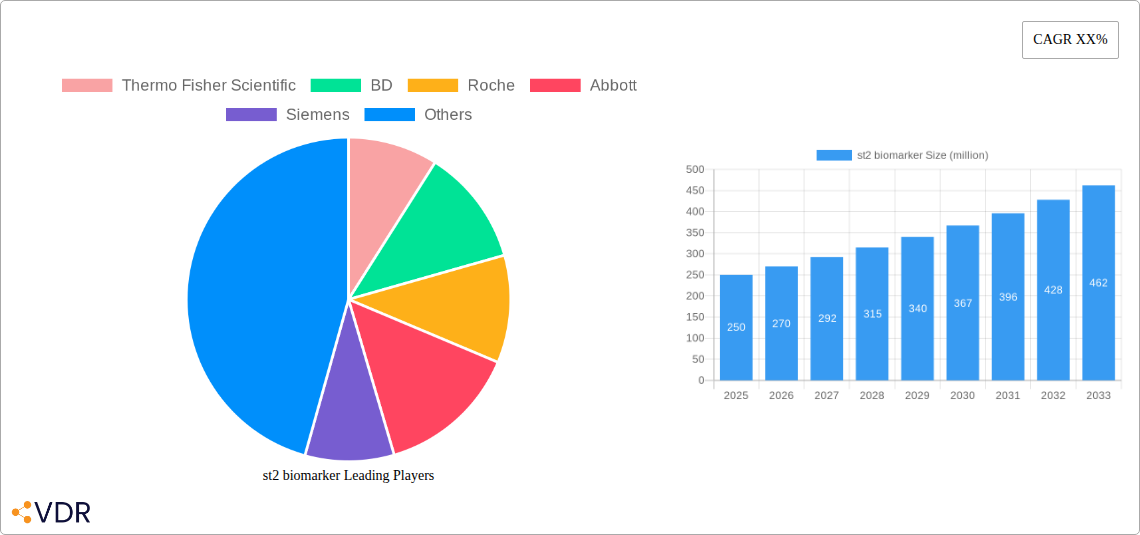
st2 biomarker Market Size (In Million)

While the market demonstrates a strong upward trajectory, certain factors could influence its pace. The cost of advanced diagnostic equipment and reagents, coupled with reimbursement challenges in some regions, may pose minor restraints. However, these are likely to be offset by the growing emphasis on personalized medicine and the development of more cost-effective ST2 testing solutions. Emerging economies are presenting significant growth opportunities due to improving healthcare access and rising disposable incomes. The competitive landscape is characterized by the presence of major global players such as Thermo Fisher Scientific, BD, Roche, Abbott, Siemens Healthineers, Bio-Rad Laboratories, and bioMérieux, who are actively investing in research and development to enhance assay performance and expand their product portfolios. Continued innovation in assay sensitivity, specificity, and turnaround time will be critical for sustained market leadership.
st2 biomarker Company Market Share
Comprehensive ST2 Biomarker Market Analysis: Growth, Trends, and Opportunities (2019-2033)
This in-depth report offers a definitive analysis of the global ST2 biomarker market, projecting significant growth and evolving dynamics. Covering the period from 2019 to 2033, with a base year of 2025, this research delves into market structure, growth trends, regional dominance, product landscape, key drivers, challenges, emerging opportunities, and the competitive arena. We provide granular insights into segments like Hospitals, Diagnostic Centres, and Ambulatory Surgical Centres, and product types including ELISA Based ST2 Biomarker and Immunochromatography Based ST2 Biomarker, crucial for stakeholders in the cardiovascular diagnostics space.
st2 biomarker Market Dynamics & Structure
The ST2 biomarker market is characterized by a moderate to high concentration, with key players like Thermo Fisher Scientific, BD, Roche, Abbott, Siemens, Bio-Rad, and BioMerieux holding significant shares. Technological innovation, particularly in developing more sensitive and rapid detection methods for ST2, is a primary driver. Regulatory frameworks, primarily driven by bodies like the FDA and EMA, are crucial for market access and product approval, ensuring the reliability and efficacy of diagnostic tests. Competitive product substitutes, while limited in direct ST2 measurement, can include other cardiac biomarkers or comprehensive cardiac risk assessment panels, influencing market penetration. End-user demographics, including an aging global population and rising prevalence of cardiovascular diseases, are fueling demand. Mergers & Acquisitions (M&A) activity, while currently moderate, is expected to increase as companies seek to expand their portfolios and geographical reach.
- Market Concentration: Dominated by a few major in-vitro diagnostics (IVD) companies.
- Technological Innovation: Focus on improving assay sensitivity, turnaround time, and integration into automated platforms.
- Regulatory Frameworks: Stringent approval processes ensuring diagnostic accuracy and patient safety.
- Competitive Landscape: Emerging competition from point-of-care solutions and multiplex assays.
- End-User Demographics: Driven by increasing incidence of heart failure and demand for early detection.
- M&A Trends: Potential for consolidation to enhance market presence and R&D capabilities.
st2 biomarker Growth Trends & Insights
The ST2 biomarker market is poised for robust growth, driven by an increasing understanding of its critical role in the diagnosis, prognosis, and management of acute myocardial infarction and heart failure. Market size is projected to expand from approximately $550 million in 2019 to an estimated $1,500 million by 2033, reflecting a Compound Annual Growth Rate (CAGR) of approximately 8.5% during the forecast period (2025-2033). Adoption rates for ST2 testing are accelerating across both hospital and outpatient settings, fueled by its proven utility in stratifying patients and guiding therapeutic interventions. Technological disruptions are primarily centered on the development of rapid, point-of-care (POC) ST2 assays, enabling quicker clinical decision-making at the patient's bedside or in primary care settings. Consumer behavior shifts are also playing a role, with increased patient awareness and demand for personalized cardiovascular risk assessment, encouraging healthcare providers to adopt advanced diagnostic tools like ST2 biomarker testing. The integration of ST2 measurements into routine cardiovascular care pathways, supported by clinical guidelines and reimbursement policies, further solidifies its growth trajectory. Furthermore, advancements in immunoassay technologies are leading to more accurate and reproducible results, building confidence among clinicians. The expanding scope of ST2 applications, beyond traditional heart failure, into areas like sepsis and kidney disease prognosis, also contributes to its market expansion.
Dominant Regions, Countries, or Segments in st2 biomarker
North America currently leads the ST2 biomarker market, driven by its advanced healthcare infrastructure, high prevalence of cardiovascular diseases, and significant investment in diagnostic research and development. The United States, in particular, contributes a substantial portion of the market share, owing to widespread adoption of ST2 testing in hospitals and diagnostic centres, supported by favorable reimbursement policies and proactive clinical guideline recommendations. The high disposable income and advanced technological adoption within the region further amplify demand.
Key Drivers of Dominance in North America:
- Advanced Healthcare Infrastructure: Widespread availability of sophisticated diagnostic equipment and skilled healthcare professionals.
- High Cardiovascular Disease Burden: Significant prevalence of heart failure and related conditions necessitating advanced diagnostic tools.
- Favorable Reimbursement Policies: Robust insurance coverage for ST2 biomarker testing, encouraging its widespread use.
- Early Adoption of Technological Innovations: Rapid integration of new assay technologies and automated platforms.
- Strong R&D Ecosystem: Continuous innovation and development of novel ST2 assays and applications.
In terms of Applications, Hospitals represent the largest segment, accounting for over 60% of the market share. This dominance stems from the critical need for rapid and accurate diagnosis and risk stratification of patients with acute cardiac conditions in inpatient settings. Diagnostic Centres follow closely, driven by their role in routine cardiac screenings and outpatient management of chronic cardiovascular diseases. Ambulatory Surgical Centres are also seeing increasing adoption, particularly for pre-operative risk assessments.
- Application Dominance: Hospitals are the primary consumers of ST2 biomarker tests due to acute care needs.
- Diagnostic Centres' Role: Crucial for chronic disease management and screening programs.
- Ambulatory Surgical Centres: Growing segment for pre-procedural risk assessment.
When examining Types, ELISA Based ST2 Biomarker holds a commanding position due to its established accuracy, sensitivity, and broad availability on automated laboratory platforms. This type is favored for its reliability in clinical decision-making in high-throughput laboratory settings. However, Immunochromatography Based ST2 Biomarker (lateral flow assays) is rapidly gaining traction, especially in point-of-care settings and emergency departments, owing to its speed and ease of use.
- ELISA Based ST2 Biomarker: Dominant due to established accuracy and high throughput capabilities in clinical labs.
- Immunochromatography Based ST2 Biomarker: Emerging as a key player for rapid, point-of-care diagnostics.
st2 biomarker Product Landscape
The ST2 biomarker product landscape is evolving with innovations focused on enhanced sensitivity, specificity, and rapid turnaround times. Leading companies are offering both laboratory-based immunoassay kits, including ELISA and chemiluminescent assays, and point-of-care (POC) devices utilizing immunochromatography. These products are instrumental in aiding the diagnosis and prognosis of heart failure and acute coronary syndromes, providing critical information for patient management. Unique selling propositions often lie in the assay's precision, correlation with clinical outcomes, and seamless integration into existing laboratory workflows or handheld POC devices. Technological advancements include the development of multiplex assays that can simultaneously detect ST2 along with other cardiac biomarkers, offering a more comprehensive cardiovascular assessment from a single sample.
Key Drivers, Barriers & Challenges in st2 biomarker
Key Drivers:
- Rising Incidence of Cardiovascular Diseases: The global surge in heart failure and acute myocardial infarction cases directly fuels demand for ST2 testing.
- Clinical Guideline Endorsements: Inclusion of ST2 biomarker testing in major cardiology guidelines enhances its clinical utility and adoption.
- Technological Advancements: Development of more sensitive, specific, and rapid ST2 assays, including point-of-care solutions.
- Improved Patient Outcomes: Demonstrated ability of ST2 to stratify risk and guide treatment leads to better patient management.
Barriers & Challenges:
- Reimbursement Variations: Inconsistent reimbursement policies across different regions can hinder widespread adoption.
- Clinical Awareness and Education: Need for continued education among healthcare professionals regarding ST2's diagnostic and prognostic value.
- Cost of Testing: High cost of certain advanced ST2 assays may be a barrier in resource-limited settings.
- Competition from Other Biomarkers: While ST2 is crucial, other established cardiac biomarkers also play a role in diagnosis.
- Supply Chain Disruptions: Potential for global supply chain issues impacting reagent availability and manufacturing.
Emerging Opportunities in st2 biomarker
Emerging opportunities in the ST2 biomarker market lie in the expansion of its diagnostic utility beyond traditional heart failure. Research into ST2's role in predicting adverse outcomes in sepsis, acute kidney injury, and even certain oncological conditions presents significant untapped potential. The development of novel, highly sensitive point-of-care devices that offer rapid results at the primary care level or even at home for remote patient monitoring is another key growth avenue. Furthermore, exploring the integration of ST2 data with other multi-omic datasets for personalized risk prediction and treatment strategies offers a future growth frontier.
Growth Accelerators in the st2 biomarker Industry
Growth accelerators for the ST2 biomarker industry are predominantly technological and strategic. The continued refinement of assay sensitivity and specificity, enabling earlier and more accurate detection of cardiac stress, is a primary catalyst. The expansion of ST2 testing into non-cardiac indications, such as sepsis, will significantly broaden its market reach. Strategic partnerships between diagnostic manufacturers and healthcare providers, focused on implementing ST2 testing as a standard of care, will drive adoption. Furthermore, efforts to harmonize clinical guidelines and secure consistent reimbursement across diverse healthcare systems globally will pave the way for accelerated market penetration and sustained growth.
Key Players Shaping the st2 biomarker Market
- Thermo Fisher Scientific
- BD
- Roche
- Abbott
- Siemens
- Bio-Rad
- BioMerieux
Notable Milestones in st2 biomarker Sector
- 2019: Increased focus on ST2 as a prognostic marker for heart failure in clinical practice.
- 2020: FDA approval of new ST2 assay platforms, enhancing laboratory efficiency.
- 2021: Growing research into ST2's role in acute myocardial infarction prognosis.
- 2022: Emergence of more rapid, point-of-care ST2 testing solutions.
- 2023: Expansion of ST2 biomarker applications beyond cardiology into other critical care areas.
- 2024: Development of automated ST2 testing protocols for high-throughput diagnostic centres.
In-Depth st2 biomarker Market Outlook
The future outlook for the ST2 biomarker market is exceptionally bright, driven by its established clinical value and ongoing innovation. Growth accelerators, including the development of more accessible point-of-care diagnostics and the exploration of novel applications in critical care settings, will significantly expand market penetration. Strategic collaborations and supportive regulatory environments will further bolster adoption. The ST2 biomarker is poised to become an indispensable tool in cardiovascular risk assessment and management, presenting substantial long-term growth potential for stakeholders across the in-vitro diagnostics landscape.
st2 biomarker Segmentation
-
1. Application
- 1.1. Hospitals
- 1.2. Diagnostic Centres
- 1.3. Ambulatory Surgical Centres
- 1.4. Others
-
2. Types
- 2.1. ELISA Based ST2 Biomarker
- 2.2. Immunochromatography Based ST2 Biomarker
st2 biomarker Segmentation By Geography
- 1. CA
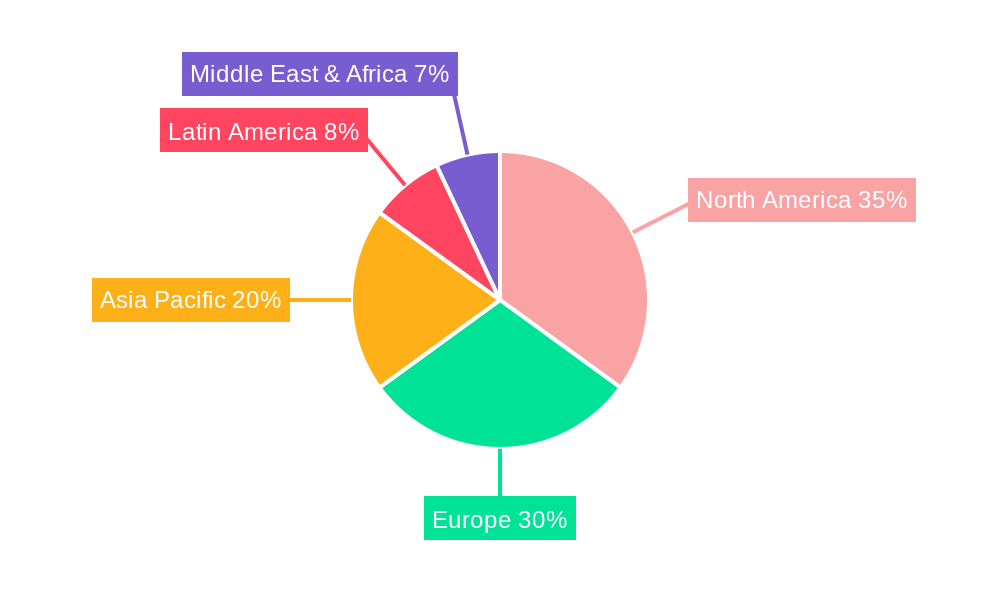
st2 biomarker Regional Market Share
Geographic Coverage of st2 biomarker
st2 biomarker REPORT HIGHLIGHTS
| Aspects | Details |
|---|---|
| Study Period | 2020-2034 |
| Base Year | 2025 |
| Estimated Year | 2026 |
| Forecast Period | 2026-2034 |
| Historical Period | 2020-2025 |
| Growth Rate | CAGR of 16.59% from 2020-2034 |
| Segmentation |
|
Table of Contents
- 1. Introduction
- 1.1. Research Scope
- 1.2. Market Segmentation
- 1.3. Research Methodology
- 1.4. Definitions and Assumptions
- 2. Executive Summary
- 2.1. Introduction
- 3. Market Dynamics
- 3.1. Introduction
- 3.2. Market Drivers
- 3.3. Market Restrains
- 3.4. Market Trends
- 4. Market Factor Analysis
- 4.1. Porters Five Forces
- 4.2. Supply/Value Chain
- 4.3. PESTEL analysis
- 4.4. Market Entropy
- 4.5. Patent/Trademark Analysis
- 5. st2 biomarker Analysis, Insights and Forecast, 2020-2032
- 5.1. Market Analysis, Insights and Forecast - by Application
- 5.1.1. Hospitals
- 5.1.2. Diagnostic Centres
- 5.1.3. Ambulatory Surgical Centres
- 5.1.4. Others
- 5.2. Market Analysis, Insights and Forecast - by Types
- 5.2.1. ELISA Based ST2 Biomarker
- 5.2.2. Immunochromatography Based ST2 Biomarker
- 5.3. Market Analysis, Insights and Forecast - by Region
- 5.3.1. CA
- 5.1. Market Analysis, Insights and Forecast - by Application
- 6. Competitive Analysis
- 6.1. Market Share Analysis 2025
- 6.2. Company Profiles
- 6.2.1 Thermo Fisher Scientific
- 6.2.1.1. Overview
- 6.2.1.2. Products
- 6.2.1.3. SWOT Analysis
- 6.2.1.4. Recent Developments
- 6.2.1.5. Financials (Based on Availability)
- 6.2.2 BD
- 6.2.2.1. Overview
- 6.2.2.2. Products
- 6.2.2.3. SWOT Analysis
- 6.2.2.4. Recent Developments
- 6.2.2.5. Financials (Based on Availability)
- 6.2.3 Roche
- 6.2.3.1. Overview
- 6.2.3.2. Products
- 6.2.3.3. SWOT Analysis
- 6.2.3.4. Recent Developments
- 6.2.3.5. Financials (Based on Availability)
- 6.2.4 Abbott
- 6.2.4.1. Overview
- 6.2.4.2. Products
- 6.2.4.3. SWOT Analysis
- 6.2.4.4. Recent Developments
- 6.2.4.5. Financials (Based on Availability)
- 6.2.5 Siemens
- 6.2.5.1. Overview
- 6.2.5.2. Products
- 6.2.5.3. SWOT Analysis
- 6.2.5.4. Recent Developments
- 6.2.5.5. Financials (Based on Availability)
- 6.2.6 Bio-Rad
- 6.2.6.1. Overview
- 6.2.6.2. Products
- 6.2.6.3. SWOT Analysis
- 6.2.6.4. Recent Developments
- 6.2.6.5. Financials (Based on Availability)
- 6.2.7 BioMerieux
- 6.2.7.1. Overview
- 6.2.7.2. Products
- 6.2.7.3. SWOT Analysis
- 6.2.7.4. Recent Developments
- 6.2.7.5. Financials (Based on Availability)
- 6.2.1 Thermo Fisher Scientific
List of Figures
- Figure 1: st2 biomarker Revenue Breakdown (undefined, %) by Product 2025 & 2033
- Figure 2: st2 biomarker Share (%) by Company 2025
List of Tables
- Table 1: st2 biomarker Revenue undefined Forecast, by Application 2020 & 2033
- Table 2: st2 biomarker Revenue undefined Forecast, by Types 2020 & 2033
- Table 3: st2 biomarker Revenue undefined Forecast, by Region 2020 & 2033
- Table 4: st2 biomarker Revenue undefined Forecast, by Application 2020 & 2033
- Table 5: st2 biomarker Revenue undefined Forecast, by Types 2020 & 2033
- Table 6: st2 biomarker Revenue undefined Forecast, by Country 2020 & 2033
Frequently Asked Questions
1. What is the projected Compound Annual Growth Rate (CAGR) of the st2 biomarker?
The projected CAGR is approximately 16.59%.
2. Which companies are prominent players in the st2 biomarker?
Key companies in the market include Thermo Fisher Scientific, BD, Roche, Abbott, Siemens, Bio-Rad, BioMerieux.
3. What are the main segments of the st2 biomarker?
The market segments include Application, Types.
4. Can you provide details about the market size?
The market size is estimated to be USD XXX N/A as of 2022.
5. What are some drivers contributing to market growth?
N/A
6. What are the notable trends driving market growth?
N/A
7. Are there any restraints impacting market growth?
N/A
8. Can you provide examples of recent developments in the market?
N/A
9. What pricing options are available for accessing the report?
Pricing options include single-user, multi-user, and enterprise licenses priced at USD 3400.00, USD 5100.00, and USD 6800.00 respectively.
10. Is the market size provided in terms of value or volume?
The market size is provided in terms of value, measured in N/A.
11. Are there any specific market keywords associated with the report?
Yes, the market keyword associated with the report is "st2 biomarker," which aids in identifying and referencing the specific market segment covered.
12. How do I determine which pricing option suits my needs best?
The pricing options vary based on user requirements and access needs. Individual users may opt for single-user licenses, while businesses requiring broader access may choose multi-user or enterprise licenses for cost-effective access to the report.
13. Are there any additional resources or data provided in the st2 biomarker report?
While the report offers comprehensive insights, it's advisable to review the specific contents or supplementary materials provided to ascertain if additional resources or data are available.
14. How can I stay updated on further developments or reports in the st2 biomarker?
To stay informed about further developments, trends, and reports in the st2 biomarker, consider subscribing to industry newsletters, following relevant companies and organizations, or regularly checking reputable industry news sources and publications.
Methodology
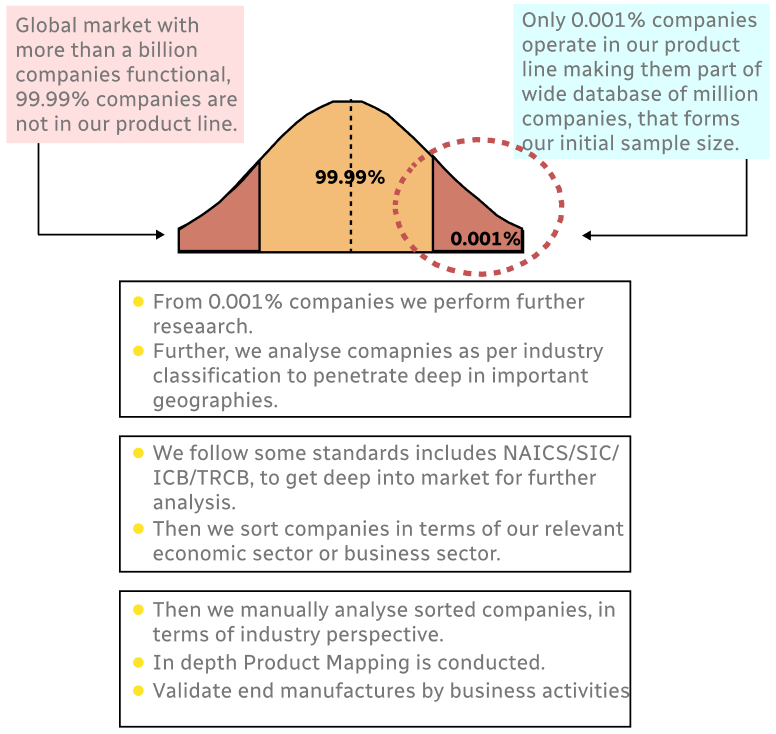
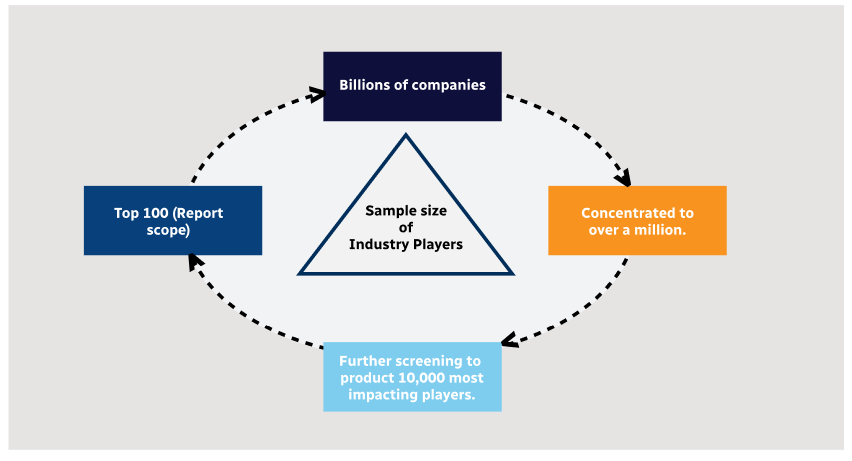
Step 1 - Identification of Relevant Samples Size from Population Database
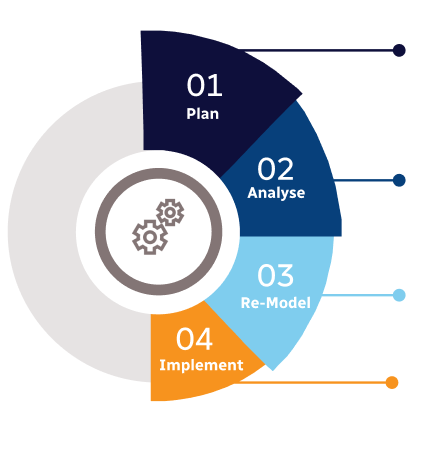
Step 2 - Approaches for Defining Global Market Size (Value, Volume* & Price*)
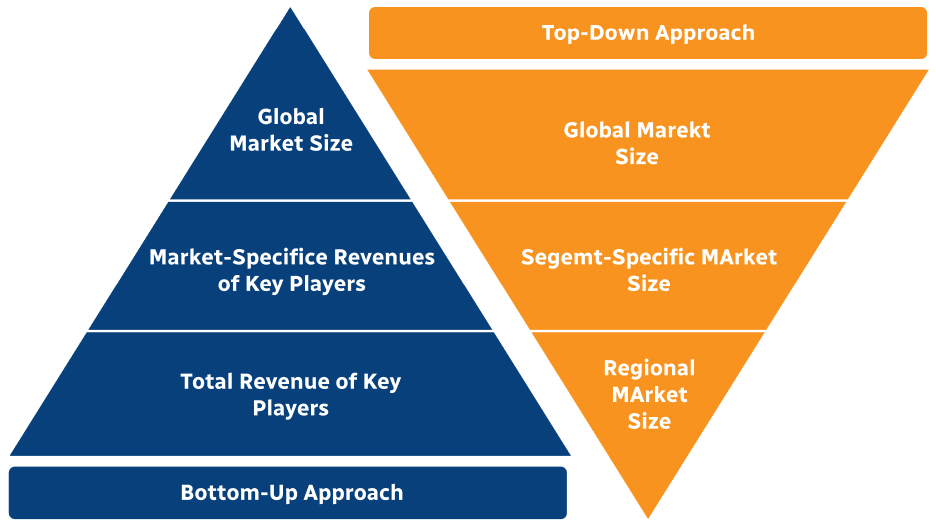
Note*: In applicable scenarios
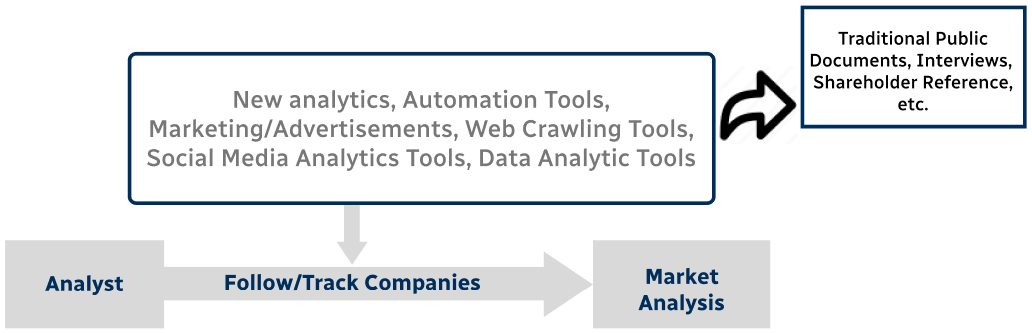
Step 3 - Data Sources
Primary Research
- Web Analytics
- Survey Reports
- Research Institute
- Latest Research Reports
- Opinion Leaders
Secondary Research
- Annual Reports
- White Paper
- Latest Press Release
- Industry Association
- Paid Database
- Investor Presentations
Step 4 - Data Triangulation
Involves using different sources of information in order to increase the validity of a study
These sources are likely to be stakeholders in a program - participants, other researchers, program staff, other community members, and so on.
Then we put all data in single framework & apply various statistical tools to find out the dynamic on the market.
During the analysis stage, feedback from the stakeholder groups would be compared to determine areas of agreement as well as areas of divergence