


Key Insights
The global Skin Microbiome Regulator market is projected for substantial expansion, anticipated to reach USD 9.81 billion by 2025 and continue growing at a Compound Annual Growth Rate (CAGR) of 15.67% through 2033. This growth is driven by increasing consumer awareness of the skin microbiome's role in skin health and a rising demand for natural, scientifically validated skincare. The symbiotic relationship between beneficial microbes and skin functions like barrier protection and immune response modulation is a key catalyst. Advancements in probiotic and prebiotic technologies, alongside research into their efficacy for dermatological concerns, are further fueling adoption. The "clean beauty" movement and a preference for products supporting the body's natural balance are also steering consumer choices towards microbiome-focused formulations.
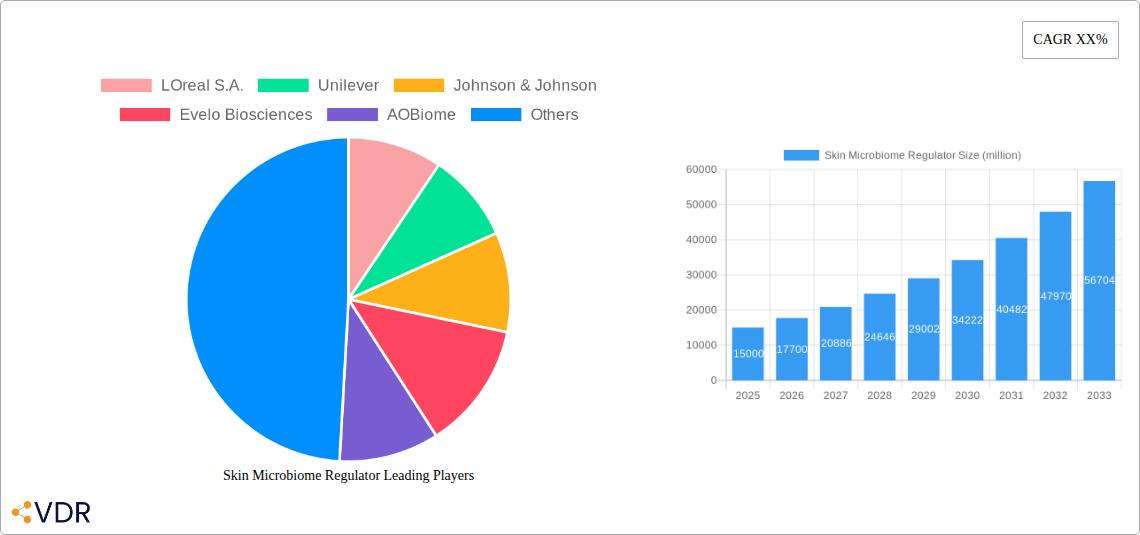
Skin Microbiome Regulator Market Size (In Billion)

The market is dynamic, influenced by innovation and established players. Key drivers include the rising prevalence of skin disorders and the demand for personalized skincare. The market is segmented by application into Skin Care, Hair Care, and Others, with Skin Care leading due to its direct link to dermal health. Types of regulators, including Probiotics, Prebiotics, and Drugs, are developing rapidly, with probiotics and prebiotics prominent in the consumer segment. Leading companies like L'Oréal S.A., Unilever, and Johnson & Johnson are investing in R&D and acquisitions. Emerging companies such as Evelo Biosciences and Azitra are introducing novel therapeutic approaches. North America and Europe currently dominate, with the Asia Pacific region expected to show the fastest growth due to its population and adoption of advanced skincare. Restraints include the need for robust clinical evidence, regulatory hurdles, and potential consumer skepticism.
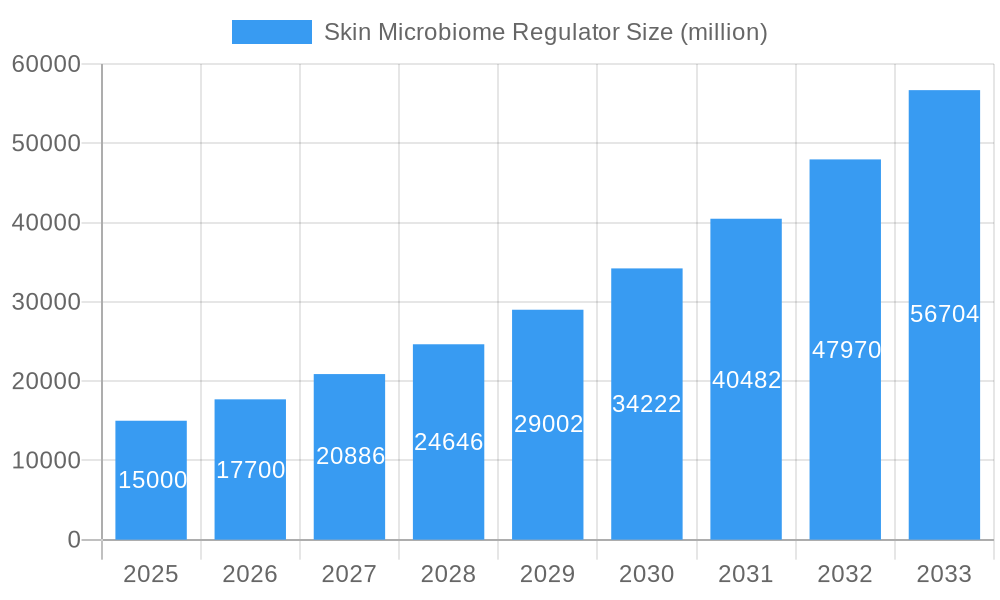
Skin Microbiome Regulator Company Market Share
This report offers an in-depth analysis of the Skin Microbiome Regulator Market, a rapidly evolving sector with significant growth prospects. We examine its dynamics, emerging trends, and future outlook. This analysis is crucial for manufacturers, formulators, researchers, and investors seeking to capitalize on the growing demand for microbiome-centric solutions. The global Skin Microbiome Regulator market is projected to reach USD 9.81 billion by 2025, with a robust CAGR of 15.67% during the forecast period of 2025-2033.
Skin Microbiome Regulator Market Dynamics & Structure
The skin microbiome regulator market exhibits a moderately concentrated structure, with major players like LOreal S.A., Unilever, and Johnson & Johnson holding significant stakes, particularly in the Skin Care application segment. Innovation is primarily driven by advancements in probiotic and prebiotic formulations, coupled with a growing understanding of the human skin microbiome's role in health and immunity. Regulatory frameworks are gradually evolving to accommodate these novel products, with a focus on safety and efficacy claims. Competitive product substitutes range from traditional skincare actives to emerging microbiome-balancing ingredients. End-user demographics are expanding beyond the core beauty consumer to include individuals seeking solutions for specific dermatological conditions. Mergers and acquisitions (M&A) are anticipated to play a crucial role in market consolidation and expansion.
- Market Concentration: Moderate, with key players dominating the skincare segment.
- Technological Innovation Drivers: Advancements in probiotic strains, prebiotic delivery systems, and genomic sequencing of the skin microbiome.
- Regulatory Frameworks: Emerging guidelines for microbiome-based claims and ingredient safety.
- Competitive Product Substitutes: Traditional skincare actives, barrier repair ingredients, and novel microbiome modulators.
- End-User Demographics: Consumers seeking holistic skincare, individuals with sensitive skin, and those addressing specific dermatological concerns.
- M&A Trends: Strategic acquisitions for technological integration and market share expansion.
Skin Microbiome Regulator Growth Trends & Insights
The global skin microbiome regulator market is experiencing an exponential growth trajectory fueled by a paradigm shift in consumer understanding and demand. Historically, the market was nascent, but the study period 2019-2024 witnessed a significant increase in awareness and early adoption, estimated at USD 1,500 million in 2024. The base year of 2025 marks a pivotal point, with the market valued at USD 1,700 million, setting the stage for substantial expansion. This growth is underpinned by rising consumer interest in natural, science-backed ingredients that promote skin health from within. Technological disruptions, such as advancements in fermentation technologies and encapsulation methods, are enabling the development of more potent and stable microbiome-regulating products. Consumer behavior is shifting towards preventative and holistic approaches to skincare, with a growing emphasis on maintaining a healthy skin barrier and a balanced microbial ecosystem. This translates into higher adoption rates for probiotic skincare, prebiotic formulations, and even drug-based microbiome therapies for certain conditions. The estimated year of 2025 shows a market value of USD 1,700 million, with a projected market penetration of 15% in advanced markets. The forecast period of 2025-2033 is expected to see a sustained and accelerated growth rate, driven by further scientific discoveries and expanding product applications across various sectors. The overall market size evolution is impressive, with projections indicating a substantial increase year-on-year.
Dominant Regions, Countries, or Segments in Skin Microbiome Regulator
The Skin Care segment unequivocally dominates the skin microbiome regulator market, driven by a confluence of factors including heightened consumer awareness, strong R&D investments by leading cosmetic and pharmaceutical companies, and a robust demand for innovative anti-aging and therapeutic skincare solutions. In terms of geography, North America is emerging as a leading region, propelled by a well-informed consumer base and significant investment in biotechnology and dermatological research. The United States, in particular, is a powerhouse, with a market share estimated at 30% of the global market by 2025. Key drivers for this dominance include supportive government initiatives for scientific research, favorable economic policies fostering innovation, and a well-established healthcare and personal care infrastructure.
The Type segment of Probiotics is currently the most influential, accounting for approximately 45% of the market share in 2025, due to their direct influence on rebalancing the skin's microbial flora. However, the Prebiotics segment is poised for significant growth, projected to expand at a CAGR of 13.5% during the forecast period, as consumers and formulators recognize their role in nurturing beneficial bacteria. The drug segment is also showing considerable promise, particularly for treating chronic skin conditions like eczema and acne, with an anticipated market share of 20% by 2033.
- Dominant Segment (Application): Skin Care, driven by consumer demand for innovative and scientifically backed products.
- Dominant Region: North America, with the United States leading in market share and innovation.
- Key Drivers in North America: High consumer awareness, strong R&D infrastructure, and supportive economic policies.
- Dominant Type (Current): Probiotics, offering direct modulation of the skin microbiome.
- Fastest Growing Type: Prebiotics, gaining traction for their supportive role in microbial health.
- Emerging Type: Drug-based microbiome therapies, targeting specific dermatological diseases.
- Market Share (Skin Care in 2025): Estimated at 70% of the global market.
- Market Share (Probiotics Type in 2025): Estimated at 45% of the total market.
- Market Share (Drug Type by 2033): Projected to reach 20%.
Skin Microbiome Regulator Product Landscape
The skin microbiome regulator product landscape is characterized by a dynamic evolution of innovative formulations. Products range from topical probiotic serums and creams that introduce beneficial bacteria to the skin, to prebiotic-infused moisturizers that nourish the existing microbial ecosystem. Advanced delivery systems, such as encapsulated probiotics and liposomal prebiotics, are enhancing product efficacy and stability. The market also features drug-based formulations targeting specific conditions like acne, rosacea, and atopic dermatitis, often incorporating postbiotics and bacteriophages. Unique selling propositions emphasize restoring skin barrier function, reducing inflammation, and promoting a balanced microbiome for overall skin health and resilience. Technological advancements are focusing on strain specificity and personalized microbiome-based solutions.
Key Drivers, Barriers & Challenges in Skin Microbiome Regulator
Key Drivers:
- Growing Consumer Awareness: Increasing understanding of the skin microbiome's role in health and beauty.
- Scientific Advancements: Breakthroughs in understanding microbial interactions and developing targeted solutions.
- Demand for Natural and Sustainable Products: Consumer preference for ingredients perceived as natural and beneficial.
- Rising Incidence of Skin Conditions: Increased prevalence of skin issues like acne, eczema, and rosacea driving demand for novel treatments.
Barriers & Challenges:
- Regulatory Hurdles: Evolving regulations for claims and ingredient approvals for microbiome-based products.
- Ingredient Stability and Efficacy: Ensuring the viability and performance of live microbial ingredients.
- Consumer Education: Bridging the knowledge gap and communicating the benefits of microbiome-focused products effectively.
- High R&D Costs: Significant investment required for research, development, and clinical trials.
- Supply Chain Complexity: Sourcing and maintaining the integrity of sensitive microbial ingredients.
- Competitive Landscape: Intense competition from established cosmetic and pharmaceutical brands and emerging startups.
Emerging Opportunities in Skin Microbiome Regulator
Emerging opportunities in the skin microbiome regulator market lie in the development of personalized microbiome diagnostics and treatments, catering to individual skin needs. Untapped markets in developing regions with increasing disposable income and growing awareness of advanced skincare are presenting significant potential. Innovative applications are expanding beyond skincare to areas like scalp health (hair care) and even wound healing. Evolving consumer preferences for transparent labeling and scientifically validated ingredients will continue to drive demand for well-researched and effective microbiome solutions. The integration of AI and machine learning in microbiome analysis offers a pathway to highly customized product development and efficacy prediction.
Growth Accelerators in the Skin Microbiome Regulator Industry
Growth in the skin microbiome regulator industry is being significantly accelerated by continuous technological breakthroughs in genomics and bioinformatics, enabling a deeper understanding of microbial interactions. Strategic partnerships between established players and innovative biotech startups are fostering rapid product development and market penetration. Furthermore, expanding market access through direct-to-consumer (DTC) channels and strategic global distribution networks are vital growth accelerators. The increasing investment in clinical trials to substantiate efficacy claims is building consumer trust and driving broader adoption, particularly for therapeutic applications.
Key Players Shaping the Skin Microbiome Regulator Market
- LOreal S.A.
- Unilever
- Johnson & Johnson
- Evelo Biosciences
- AOBiome
- Azitra
- GALLINEE
- Glowbiotics
Notable Milestones in Skin Microbiome Regulator Sector
- 2019: Launch of early-stage probiotic skincare lines by several independent brands, gaining consumer traction.
- 2020: Increased investment in microbiome research by major cosmetic conglomerates, signaling market validation.
- 2021: Emergence of specialized prebiotic ingredients with enhanced skin penetration capabilities.
- 2022: Significant clinical trial results published demonstrating the efficacy of microbiome modulators for eczema treatment.
- 2023: Key acquisitions of microbiome-focused biotech firms by larger pharmaceutical companies, indicating consolidation.
- 2024: Introduction of next-generation postbiotic ingredients with potent anti-inflammatory properties.
In-Depth Skin Microbiome Regulator Market Outlook
The skin microbiome regulator market outlook is exceptionally positive, driven by its potential to revolutionize skin health and treatment. Growth accelerators, including advanced biotechnological innovation and strategic collaborations, are paving the way for personalized and highly effective solutions. The market is poised to witness a surge in demand for both cosmetic and therapeutic applications, supported by ongoing scientific discovery and increasing consumer trust. Continued investment in research and development, coupled with evolving regulatory landscapes, will further solidify the market's trajectory towards substantial growth and innovation. Strategic opportunities abound for companies that can effectively harness the power of the skin microbiome.
Skin Microbiome Regulator Segmentation
-
1. Application
- 1.1. Skin Care
- 1.2. Hair Care
- 1.3. Others
-
2. Types
- 2.1. Probiotics
- 2.2. Prebiotics
- 2.3. Drug
Skin Microbiome Regulator Segmentation By Geography
-
1. North America
- 1.1. United States
- 1.2. Canada
- 1.3. Mexico
-
2. South America
- 2.1. Brazil
- 2.2. Argentina
- 2.3. Rest of South America
-
3. Europe
- 3.1. United Kingdom
- 3.2. Germany
- 3.3. France
- 3.4. Italy
- 3.5. Spain
- 3.6. Russia
- 3.7. Benelux
- 3.8. Nordics
- 3.9. Rest of Europe
-
4. Middle East & Africa
- 4.1. Turkey
- 4.2. Israel
- 4.3. GCC
- 4.4. North Africa
- 4.5. South Africa
- 4.6. Rest of Middle East & Africa
-
5. Asia Pacific
- 5.1. China
- 5.2. India
- 5.3. Japan
- 5.4. South Korea
- 5.5. ASEAN
- 5.6. Oceania
- 5.7. Rest of Asia Pacific
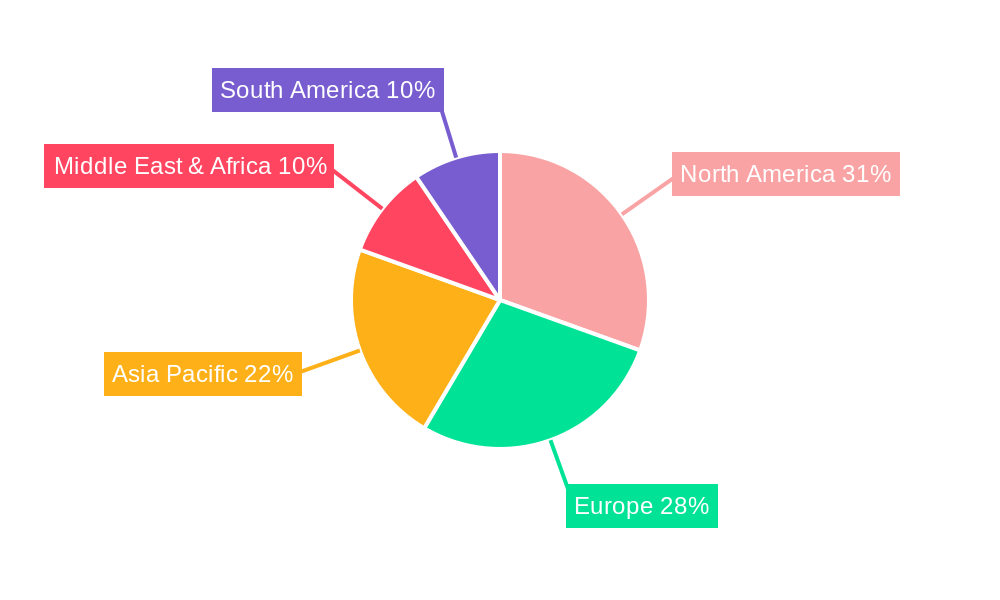
Skin Microbiome Regulator Regional Market Share
Geographic Coverage of Skin Microbiome Regulator
Skin Microbiome Regulator REPORT HIGHLIGHTS
| Aspects | Details |
|---|---|
| Study Period | 2020-2034 |
| Base Year | 2025 |
| Estimated Year | 2026 |
| Forecast Period | 2026-2034 |
| Historical Period | 2020-2025 |
| Growth Rate | CAGR of 15.67% from 2020-2034 |
| Segmentation |
|
Table of Contents
- 1. Introduction
- 1.1. Research Scope
- 1.2. Market Segmentation
- 1.3. Research Methodology
- 1.4. Definitions and Assumptions
- 2. Executive Summary
- 2.1. Introduction
- 3. Market Dynamics
- 3.1. Introduction
- 3.2. Market Drivers
- 3.3. Market Restrains
- 3.4. Market Trends
- 4. Market Factor Analysis
- 4.1. Porters Five Forces
- 4.2. Supply/Value Chain
- 4.3. PESTEL analysis
- 4.4. Market Entropy
- 4.5. Patent/Trademark Analysis
- 5. Global Skin Microbiome Regulator Analysis, Insights and Forecast, 2020-2032
- 5.1. Market Analysis, Insights and Forecast - by Application
- 5.1.1. Skin Care
- 5.1.2. Hair Care
- 5.1.3. Others
- 5.2. Market Analysis, Insights and Forecast - by Types
- 5.2.1. Probiotics
- 5.2.2. Prebiotics
- 5.2.3. Drug
- 5.3. Market Analysis, Insights and Forecast - by Region
- 5.3.1. North America
- 5.3.2. South America
- 5.3.3. Europe
- 5.3.4. Middle East & Africa
- 5.3.5. Asia Pacific
- 5.1. Market Analysis, Insights and Forecast - by Application
- 6. North America Skin Microbiome Regulator Analysis, Insights and Forecast, 2020-2032
- 6.1. Market Analysis, Insights and Forecast - by Application
- 6.1.1. Skin Care
- 6.1.2. Hair Care
- 6.1.3. Others
- 6.2. Market Analysis, Insights and Forecast - by Types
- 6.2.1. Probiotics
- 6.2.2. Prebiotics
- 6.2.3. Drug
- 6.1. Market Analysis, Insights and Forecast - by Application
- 7. South America Skin Microbiome Regulator Analysis, Insights and Forecast, 2020-2032
- 7.1. Market Analysis, Insights and Forecast - by Application
- 7.1.1. Skin Care
- 7.1.2. Hair Care
- 7.1.3. Others
- 7.2. Market Analysis, Insights and Forecast - by Types
- 7.2.1. Probiotics
- 7.2.2. Prebiotics
- 7.2.3. Drug
- 7.1. Market Analysis, Insights and Forecast - by Application
- 8. Europe Skin Microbiome Regulator Analysis, Insights and Forecast, 2020-2032
- 8.1. Market Analysis, Insights and Forecast - by Application
- 8.1.1. Skin Care
- 8.1.2. Hair Care
- 8.1.3. Others
- 8.2. Market Analysis, Insights and Forecast - by Types
- 8.2.1. Probiotics
- 8.2.2. Prebiotics
- 8.2.3. Drug
- 8.1. Market Analysis, Insights and Forecast - by Application
- 9. Middle East & Africa Skin Microbiome Regulator Analysis, Insights and Forecast, 2020-2032
- 9.1. Market Analysis, Insights and Forecast - by Application
- 9.1.1. Skin Care
- 9.1.2. Hair Care
- 9.1.3. Others
- 9.2. Market Analysis, Insights and Forecast - by Types
- 9.2.1. Probiotics
- 9.2.2. Prebiotics
- 9.2.3. Drug
- 9.1. Market Analysis, Insights and Forecast - by Application
- 10. Asia Pacific Skin Microbiome Regulator Analysis, Insights and Forecast, 2020-2032
- 10.1. Market Analysis, Insights and Forecast - by Application
- 10.1.1. Skin Care
- 10.1.2. Hair Care
- 10.1.3. Others
- 10.2. Market Analysis, Insights and Forecast - by Types
- 10.2.1. Probiotics
- 10.2.2. Prebiotics
- 10.2.3. Drug
- 10.1. Market Analysis, Insights and Forecast - by Application
- 11. Competitive Analysis
- 11.1. Global Market Share Analysis 2025
- 11.2. Company Profiles
- 11.2.1 LOreal S.A.
- 11.2.1.1. Overview
- 11.2.1.2. Products
- 11.2.1.3. SWOT Analysis
- 11.2.1.4. Recent Developments
- 11.2.1.5. Financials (Based on Availability)
- 11.2.2 Unilever
- 11.2.2.1. Overview
- 11.2.2.2. Products
- 11.2.2.3. SWOT Analysis
- 11.2.2.4. Recent Developments
- 11.2.2.5. Financials (Based on Availability)
- 11.2.3 Johnson & Johnson
- 11.2.3.1. Overview
- 11.2.3.2. Products
- 11.2.3.3. SWOT Analysis
- 11.2.3.4. Recent Developments
- 11.2.3.5. Financials (Based on Availability)
- 11.2.4 Evelo Biosciences
- 11.2.4.1. Overview
- 11.2.4.2. Products
- 11.2.4.3. SWOT Analysis
- 11.2.4.4. Recent Developments
- 11.2.4.5. Financials (Based on Availability)
- 11.2.5 AOBiome
- 11.2.5.1. Overview
- 11.2.5.2. Products
- 11.2.5.3. SWOT Analysis
- 11.2.5.4. Recent Developments
- 11.2.5.5. Financials (Based on Availability)
- 11.2.6 Azitra
- 11.2.6.1. Overview
- 11.2.6.2. Products
- 11.2.6.3. SWOT Analysis
- 11.2.6.4. Recent Developments
- 11.2.6.5. Financials (Based on Availability)
- 11.2.7 GALLINEE
- 11.2.7.1. Overview
- 11.2.7.2. Products
- 11.2.7.3. SWOT Analysis
- 11.2.7.4. Recent Developments
- 11.2.7.5. Financials (Based on Availability)
- 11.2.8 Glowbiotics
- 11.2.8.1. Overview
- 11.2.8.2. Products
- 11.2.8.3. SWOT Analysis
- 11.2.8.4. Recent Developments
- 11.2.8.5. Financials (Based on Availability)
- 11.2.1 LOreal S.A.
List of Figures
- Figure 1: Global Skin Microbiome Regulator Revenue Breakdown (billion, %) by Region 2025 & 2033
- Figure 2: North America Skin Microbiome Regulator Revenue (billion), by Application 2025 & 2033
- Figure 3: North America Skin Microbiome Regulator Revenue Share (%), by Application 2025 & 2033
- Figure 4: North America Skin Microbiome Regulator Revenue (billion), by Types 2025 & 2033
- Figure 5: North America Skin Microbiome Regulator Revenue Share (%), by Types 2025 & 2033
- Figure 6: North America Skin Microbiome Regulator Revenue (billion), by Country 2025 & 2033
- Figure 7: North America Skin Microbiome Regulator Revenue Share (%), by Country 2025 & 2033
- Figure 8: South America Skin Microbiome Regulator Revenue (billion), by Application 2025 & 2033
- Figure 9: South America Skin Microbiome Regulator Revenue Share (%), by Application 2025 & 2033
- Figure 10: South America Skin Microbiome Regulator Revenue (billion), by Types 2025 & 2033
- Figure 11: South America Skin Microbiome Regulator Revenue Share (%), by Types 2025 & 2033
- Figure 12: South America Skin Microbiome Regulator Revenue (billion), by Country 2025 & 2033
- Figure 13: South America Skin Microbiome Regulator Revenue Share (%), by Country 2025 & 2033
- Figure 14: Europe Skin Microbiome Regulator Revenue (billion), by Application 2025 & 2033
- Figure 15: Europe Skin Microbiome Regulator Revenue Share (%), by Application 2025 & 2033
- Figure 16: Europe Skin Microbiome Regulator Revenue (billion), by Types 2025 & 2033
- Figure 17: Europe Skin Microbiome Regulator Revenue Share (%), by Types 2025 & 2033
- Figure 18: Europe Skin Microbiome Regulator Revenue (billion), by Country 2025 & 2033
- Figure 19: Europe Skin Microbiome Regulator Revenue Share (%), by Country 2025 & 2033
- Figure 20: Middle East & Africa Skin Microbiome Regulator Revenue (billion), by Application 2025 & 2033
- Figure 21: Middle East & Africa Skin Microbiome Regulator Revenue Share (%), by Application 2025 & 2033
- Figure 22: Middle East & Africa Skin Microbiome Regulator Revenue (billion), by Types 2025 & 2033
- Figure 23: Middle East & Africa Skin Microbiome Regulator Revenue Share (%), by Types 2025 & 2033
- Figure 24: Middle East & Africa Skin Microbiome Regulator Revenue (billion), by Country 2025 & 2033
- Figure 25: Middle East & Africa Skin Microbiome Regulator Revenue Share (%), by Country 2025 & 2033
- Figure 26: Asia Pacific Skin Microbiome Regulator Revenue (billion), by Application 2025 & 2033
- Figure 27: Asia Pacific Skin Microbiome Regulator Revenue Share (%), by Application 2025 & 2033
- Figure 28: Asia Pacific Skin Microbiome Regulator Revenue (billion), by Types 2025 & 2033
- Figure 29: Asia Pacific Skin Microbiome Regulator Revenue Share (%), by Types 2025 & 2033
- Figure 30: Asia Pacific Skin Microbiome Regulator Revenue (billion), by Country 2025 & 2033
- Figure 31: Asia Pacific Skin Microbiome Regulator Revenue Share (%), by Country 2025 & 2033
List of Tables
- Table 1: Global Skin Microbiome Regulator Revenue billion Forecast, by Application 2020 & 2033
- Table 2: Global Skin Microbiome Regulator Revenue billion Forecast, by Types 2020 & 2033
- Table 3: Global Skin Microbiome Regulator Revenue billion Forecast, by Region 2020 & 2033
- Table 4: Global Skin Microbiome Regulator Revenue billion Forecast, by Application 2020 & 2033
- Table 5: Global Skin Microbiome Regulator Revenue billion Forecast, by Types 2020 & 2033
- Table 6: Global Skin Microbiome Regulator Revenue billion Forecast, by Country 2020 & 2033
- Table 7: United States Skin Microbiome Regulator Revenue (billion) Forecast, by Application 2020 & 2033
- Table 8: Canada Skin Microbiome Regulator Revenue (billion) Forecast, by Application 2020 & 2033
- Table 9: Mexico Skin Microbiome Regulator Revenue (billion) Forecast, by Application 2020 & 2033
- Table 10: Global Skin Microbiome Regulator Revenue billion Forecast, by Application 2020 & 2033
- Table 11: Global Skin Microbiome Regulator Revenue billion Forecast, by Types 2020 & 2033
- Table 12: Global Skin Microbiome Regulator Revenue billion Forecast, by Country 2020 & 2033
- Table 13: Brazil Skin Microbiome Regulator Revenue (billion) Forecast, by Application 2020 & 2033
- Table 14: Argentina Skin Microbiome Regulator Revenue (billion) Forecast, by Application 2020 & 2033
- Table 15: Rest of South America Skin Microbiome Regulator Revenue (billion) Forecast, by Application 2020 & 2033
- Table 16: Global Skin Microbiome Regulator Revenue billion Forecast, by Application 2020 & 2033
- Table 17: Global Skin Microbiome Regulator Revenue billion Forecast, by Types 2020 & 2033
- Table 18: Global Skin Microbiome Regulator Revenue billion Forecast, by Country 2020 & 2033
- Table 19: United Kingdom Skin Microbiome Regulator Revenue (billion) Forecast, by Application 2020 & 2033
- Table 20: Germany Skin Microbiome Regulator Revenue (billion) Forecast, by Application 2020 & 2033
- Table 21: France Skin Microbiome Regulator Revenue (billion) Forecast, by Application 2020 & 2033
- Table 22: Italy Skin Microbiome Regulator Revenue (billion) Forecast, by Application 2020 & 2033
- Table 23: Spain Skin Microbiome Regulator Revenue (billion) Forecast, by Application 2020 & 2033
- Table 24: Russia Skin Microbiome Regulator Revenue (billion) Forecast, by Application 2020 & 2033
- Table 25: Benelux Skin Microbiome Regulator Revenue (billion) Forecast, by Application 2020 & 2033
- Table 26: Nordics Skin Microbiome Regulator Revenue (billion) Forecast, by Application 2020 & 2033
- Table 27: Rest of Europe Skin Microbiome Regulator Revenue (billion) Forecast, by Application 2020 & 2033
- Table 28: Global Skin Microbiome Regulator Revenue billion Forecast, by Application 2020 & 2033
- Table 29: Global Skin Microbiome Regulator Revenue billion Forecast, by Types 2020 & 2033
- Table 30: Global Skin Microbiome Regulator Revenue billion Forecast, by Country 2020 & 2033
- Table 31: Turkey Skin Microbiome Regulator Revenue (billion) Forecast, by Application 2020 & 2033
- Table 32: Israel Skin Microbiome Regulator Revenue (billion) Forecast, by Application 2020 & 2033
- Table 33: GCC Skin Microbiome Regulator Revenue (billion) Forecast, by Application 2020 & 2033
- Table 34: North Africa Skin Microbiome Regulator Revenue (billion) Forecast, by Application 2020 & 2033
- Table 35: South Africa Skin Microbiome Regulator Revenue (billion) Forecast, by Application 2020 & 2033
- Table 36: Rest of Middle East & Africa Skin Microbiome Regulator Revenue (billion) Forecast, by Application 2020 & 2033
- Table 37: Global Skin Microbiome Regulator Revenue billion Forecast, by Application 2020 & 2033
- Table 38: Global Skin Microbiome Regulator Revenue billion Forecast, by Types 2020 & 2033
- Table 39: Global Skin Microbiome Regulator Revenue billion Forecast, by Country 2020 & 2033
- Table 40: China Skin Microbiome Regulator Revenue (billion) Forecast, by Application 2020 & 2033
- Table 41: India Skin Microbiome Regulator Revenue (billion) Forecast, by Application 2020 & 2033
- Table 42: Japan Skin Microbiome Regulator Revenue (billion) Forecast, by Application 2020 & 2033
- Table 43: South Korea Skin Microbiome Regulator Revenue (billion) Forecast, by Application 2020 & 2033
- Table 44: ASEAN Skin Microbiome Regulator Revenue (billion) Forecast, by Application 2020 & 2033
- Table 45: Oceania Skin Microbiome Regulator Revenue (billion) Forecast, by Application 2020 & 2033
- Table 46: Rest of Asia Pacific Skin Microbiome Regulator Revenue (billion) Forecast, by Application 2020 & 2033
Frequently Asked Questions
1. What is the projected Compound Annual Growth Rate (CAGR) of the Skin Microbiome Regulator?
The projected CAGR is approximately 15.67%.
2. Which companies are prominent players in the Skin Microbiome Regulator?
Key companies in the market include LOreal S.A., Unilever, Johnson & Johnson, Evelo Biosciences, AOBiome, Azitra, GALLINEE, Glowbiotics.
3. What are the main segments of the Skin Microbiome Regulator?
The market segments include Application, Types.
4. Can you provide details about the market size?
The market size is estimated to be USD 9.81 billion as of 2022.
5. What are some drivers contributing to market growth?
N/A
6. What are the notable trends driving market growth?
N/A
7. Are there any restraints impacting market growth?
N/A
8. Can you provide examples of recent developments in the market?
N/A
9. What pricing options are available for accessing the report?
Pricing options include single-user, multi-user, and enterprise licenses priced at USD 3350.00, USD 5025.00, and USD 6700.00 respectively.
10. Is the market size provided in terms of value or volume?
The market size is provided in terms of value, measured in billion.
11. Are there any specific market keywords associated with the report?
Yes, the market keyword associated with the report is "Skin Microbiome Regulator," which aids in identifying and referencing the specific market segment covered.
12. How do I determine which pricing option suits my needs best?
The pricing options vary based on user requirements and access needs. Individual users may opt for single-user licenses, while businesses requiring broader access may choose multi-user or enterprise licenses for cost-effective access to the report.
13. Are there any additional resources or data provided in the Skin Microbiome Regulator report?
While the report offers comprehensive insights, it's advisable to review the specific contents or supplementary materials provided to ascertain if additional resources or data are available.
14. How can I stay updated on further developments or reports in the Skin Microbiome Regulator?
To stay informed about further developments, trends, and reports in the Skin Microbiome Regulator, consider subscribing to industry newsletters, following relevant companies and organizations, or regularly checking reputable industry news sources and publications.
Methodology
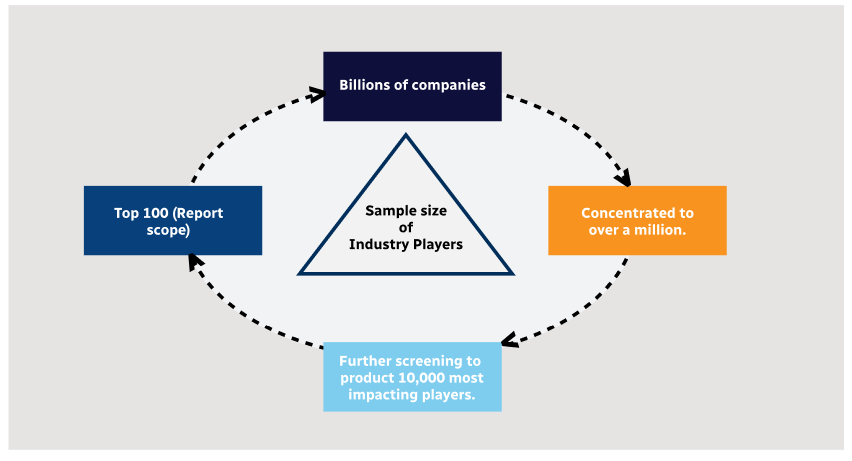
Step 1 - Identification of Relevant Samples Size from Population Database

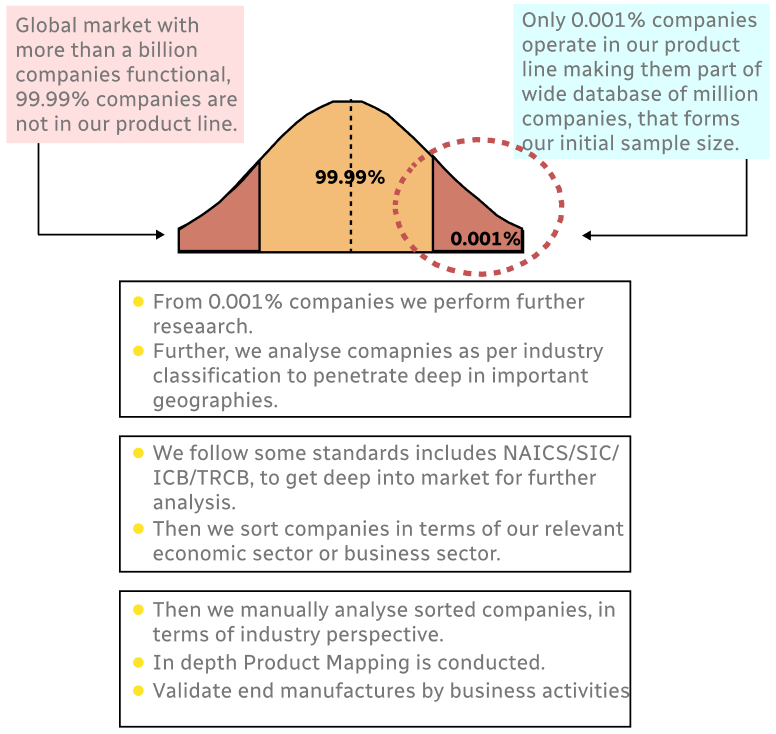
Step 2 - Approaches for Defining Global Market Size (Value, Volume* & Price*)
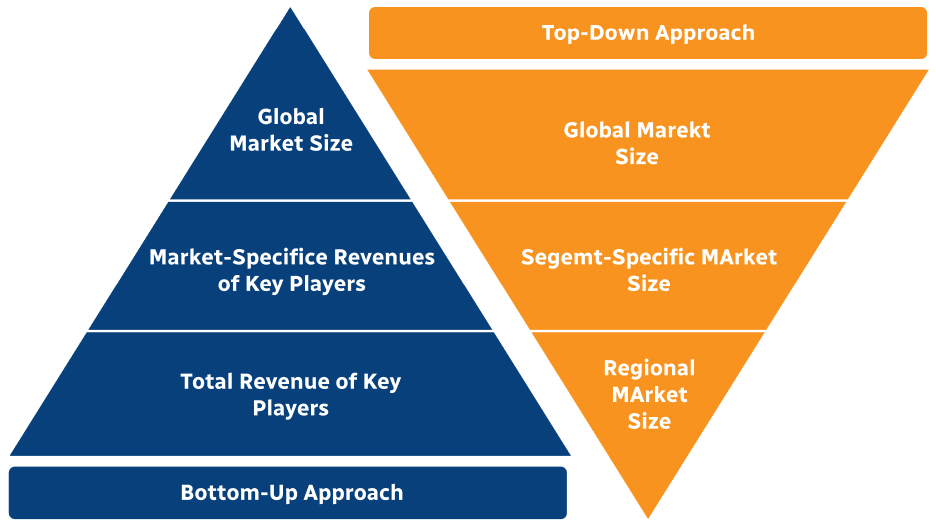
Note*: In applicable scenarios
Step 3 - Data Sources
Primary Research
- Web Analytics
- Survey Reports
- Research Institute
- Latest Research Reports
- Opinion Leaders
Secondary Research
- Annual Reports
- White Paper
- Latest Press Release
- Industry Association
- Paid Database
- Investor Presentations
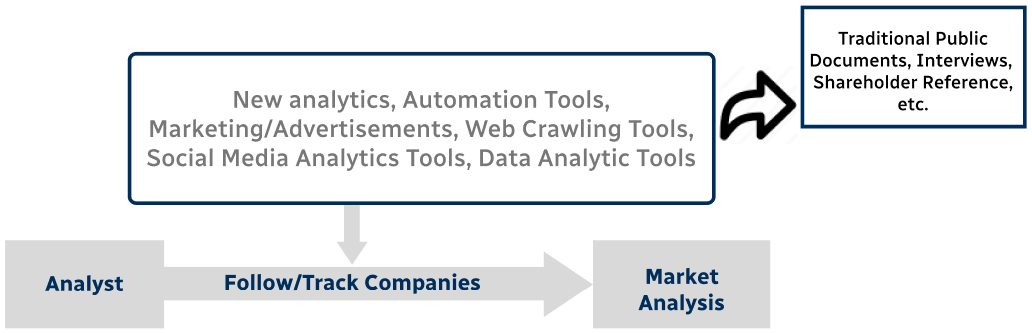
Step 4 - Data Triangulation
Involves using different sources of information in order to increase the validity of a study
These sources are likely to be stakeholders in a program - participants, other researchers, program staff, other community members, and so on.
Then we put all data in single framework & apply various statistical tools to find out the dynamic on the market.
During the analysis stage, feedback from the stakeholder groups would be compared to determine areas of agreement as well as areas of divergence