


Key Insights
The global refurbished sneaker market is experiencing robust growth, projected to reach a substantial market size of approximately $5,800 million by 2025. This expansion is fueled by a confluence of strong market drivers, including a growing consumer consciousness regarding sustainability and environmental impact, a desire for more affordable access to premium and limited-edition footwear, and the increasing prevalence of online resale platforms. The market is anticipated to maintain a Compound Annual Growth Rate (CAGR) of around 12% from 2025 to 2033, indicating sustained momentum and significant future potential. This upward trajectory is further supported by evolving consumer preferences towards pre-owned and upcycled goods, shifting the perception of refurbished sneakers from a niche offering to a mainstream and desirable choice. The increasing adoption of sophisticated cleaning, restoration, and authentication processes by market players also instills greater consumer confidence, thereby bolstering market penetration.
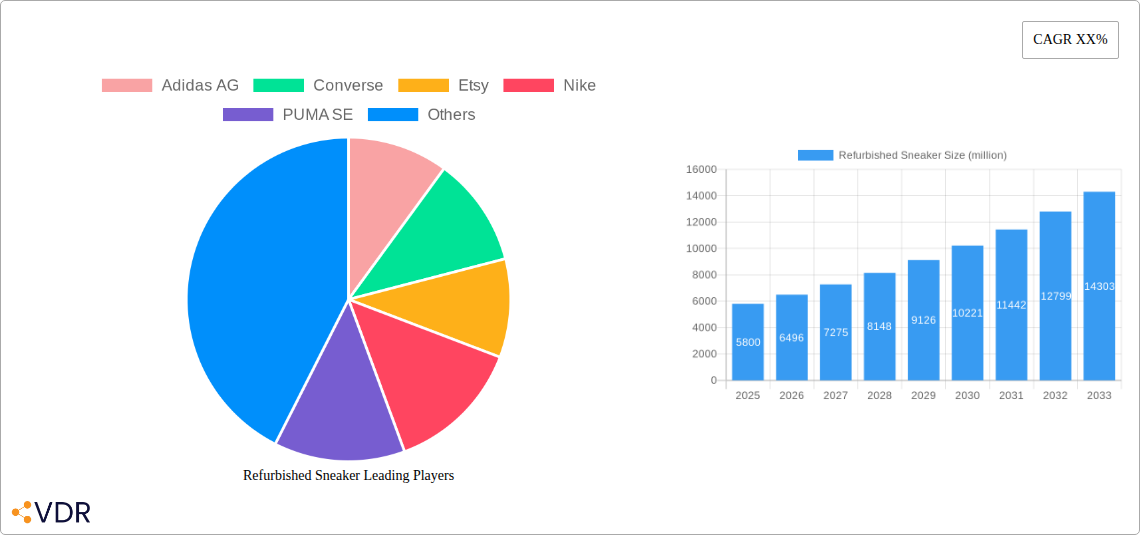
Refurbished Sneaker Market Size (In Billion)

The market is segmented into mass-refurbished and premium-refurbished sneakers, with both categories demonstrating considerable appeal. While mass-refurbished options cater to a broader, price-sensitive audience seeking everyday footwear, the premium segment is driven by collectors and enthusiasts looking for rare or high-value models. Key companies like Nike, Adidas, and PUMA SE are actively participating in or influencing this market, either through their own resale initiatives or by licensing their products for refurbishment. Geographically, North America and Europe currently lead the market due to established resale cultures and higher disposable incomes. However, the Asia Pacific region, particularly China and India, is emerging as a significant growth engine, driven by a burgeoning youth population and increasing adoption of e-commerce. Despite the optimistic outlook, potential restraints such as concerns over authenticity, quality control inconsistencies, and the logistical challenges of reverse logistics could temper the market's full potential if not adequately addressed.

Refurbished Sneaker Company Market Share
Refurbished Sneaker Market: Sustainable Style, Circular Economy Dominance (2019-2033)
This comprehensive report offers an in-depth analysis of the global Refurbished Sneaker market, meticulously dissecting market dynamics, growth trajectories, regional dominance, and key player strategies. Covering the historical period of 2019–2024 and projecting growth through 2033 with a base year of 2025, this report provides actionable insights for industry professionals seeking to capitalize on the burgeoning circular economy for footwear. We delve into the parent and child market segments, including Mass Refurbished Sneaker and Premium Refurbished Sneaker, alongside applications for Men, Women, and Others. All quantitative values are presented in million units.
Refurbished Sneaker Market Dynamics & Structure
The Refurbished Sneaker market is characterized by a dynamic interplay of technological innovation, evolving consumer preferences for sustainability, and a growing regulatory push towards circular economy principles. Market concentration is moderate, with established players and burgeoning recommerce platforms vying for market share. Key drivers include advancements in sneaker refurbishment technologies, enabling higher quality and greater authenticity, alongside the increasing demand for pre-owned luxury and collectible sneakers. Regulatory frameworks are increasingly favoring extended product lifecycles and responsible consumption. Competitive product substitutes include fast fashion footwear and new sneaker releases, but the unique value proposition of refurbished sneakers – affordability and sustainability – is gaining traction. End-user demographics are broad, encompassing environmentally conscious consumers, budget-savvy shoppers, and sneaker enthusiasts seeking rare models. Mergers and acquisitions (M&A) are becoming more prevalent as larger companies aim to integrate recommerce capabilities into their business models and smaller specialized refurbishers seek scale.
- Market Concentration: Moderate, with a mix of specialized platforms and brand-backed initiatives.
- Technological Innovation: Drivers include advanced cleaning, repair, and authentication technologies.
- Regulatory Frameworks: Increasing focus on Extended Producer Responsibility (EPR) and sustainability certifications.
- Competitive Product Substitutes: New footwear, fast fashion, and rental services.
- End-User Demographics: Environmentally conscious millennials and Gen Z, budget-conscious consumers, and collectors.
- M&A Trends: Strategic acquisitions of recommerce platforms and consolidation of refurbishment capabilities.
Refurbished Sneaker Growth Trends & Insights
The Refurbished Sneaker market is poised for significant expansion, driven by a convergence of economic, environmental, and social factors. The market size is projected to witness a Compound Annual Growth Rate (CAGR) of 12.5% from 2025 to 2033, reaching an estimated value of $15.2 billion by 2033. Adoption rates for refurbished sneakers are escalating as consumer trust in the quality and authenticity of these products grows. Technological disruptions, such as AI-powered authentication and advanced cleaning processes, are enhancing the appeal and value of refurbished footwear. Consumer behavior is undergoing a marked shift, with a growing preference for sustainable consumption patterns and a willingness to embrace pre-owned items, particularly in the premium segment. This trend is further amplified by the increasing disposable income of younger generations and their active engagement with recommerce platforms. The perceived value proposition of refurbished sneakers, offering both cost savings and an eco-friendly alternative, is a primary catalyst for this upward trajectory.
The Mass Refurbished Sneaker segment is expected to lead in volume, driven by affordability and wider accessibility. However, the Premium Refurbished Sneaker segment is anticipated to exhibit higher growth rates due to the demand for limited edition and collectible items. The application for Men's refurbished sneakers currently dominates the market, but significant growth is also projected for Women's and Others (e.g., children's, gender-neutral) categories as sustainability awareness permeates across all consumer demographics.
Key metrics supporting this growth include:
- Market Size Evolution: From an estimated $6.5 billion in 2025, projected to reach $15.2 billion by 2033.
- CAGR: 12.5% during the forecast period (2025-2033).
- Market Penetration: Increasing from an estimated 8.2% in 2025 to 15.7% by 2033 within the broader footwear market.
- Adoption Rates: Expected to rise by 35% by 2030 due to enhanced quality assurance and return policies.
- Technological Disruptions: Integration of blockchain for authenticity verification and AI for grading and pricing.
- Consumer Behavior Shifts: A 20% increase in willingness to purchase pre-owned footwear among Gen Z consumers.
Dominant Regions, Countries, or Segments in Refurbished Sneaker
The North America region is currently the dominant force in the global Refurbished Sneaker market, driven by a strong existing culture of sneaker resale and a high level of environmental consciousness among consumers. Within North America, the United States spearheads this growth, boasting a mature resale infrastructure and a large consumer base willing to invest in both value and premium refurbished options. The Men's application segment within the United States commands the largest market share, fueled by the robust demand for athletic and lifestyle sneakers in this demographic. However, the Women's segment is exhibiting rapid growth, mirroring the increasing trend of sustainable fashion choices among female consumers.
The dominance of North America is underpinned by several key drivers:
- Economic Policies: Favorable trade policies and a strong retail landscape encourage the recommerce of goods.
- Infrastructure: Well-established logistics networks and a high density of e-commerce platforms facilitate the buying and selling of refurbished sneakers.
- Consumer Awareness: A heightened awareness of environmental issues and the benefits of a circular economy drives demand for sustainable alternatives.
- Market Share: North America accounts for an estimated 42% of the global refurbished sneaker market share in 2025.
- Growth Potential: The Women's application segment is projected to grow at a CAGR of 15% from 2025-2033, outpacing the Men's segment.
- Premium Refurbished Sneaker: This sub-segment within the US is expected to grow by 18% annually due to the demand for rare and collectible sneakers.
While North America leads, the Europe region is rapidly emerging as a significant player, driven by stringent environmental regulations and a growing consumer base that values sustainability. Countries like Germany and the UK are showing substantial growth in the refurbished sneaker market. Asia-Pacific, particularly China and South Korea, is also a burgeoning market, propelled by the rising disposable incomes and a growing appreciation for both streetwear culture and sustainable consumption.
Refurbished Sneaker Product Landscape
The Refurbished Sneaker product landscape is characterized by a focus on restoring sneakers to near-new condition while preserving their original integrity and authenticity. Innovations in cleaning and sanitization technologies ensure hygiene and quality, while meticulous inspection and repair processes address wear and tear. The unique selling propositions often revolve around the restoration of rare, vintage, or limited-edition models, providing consumers with access to coveted footwear at a more accessible price point. Performance metrics are increasingly tied to the quality of refurbishment, with detailed grading systems and authenticity guarantees becoming standard. Technological advancements in material science are also being explored for more effective and sustainable repair methods.
Key Drivers, Barriers & Challenges in Refurbished Sneaker
Key Drivers:
- Growing Environmental Consciousness: Consumers are increasingly seeking sustainable alternatives to reduce their carbon footprint.
- Cost-Effectiveness: Refurbished sneakers offer a more affordable entry into desirable footwear models.
- Authenticity and Scarcity: Access to rare, vintage, and limited-edition sneakers through trusted refurbishment platforms.
- Technological Advancements: Improved cleaning, repair, and authentication technologies enhance product quality and consumer trust.
- Circular Economy Initiatives: Government and industry support for a more sustainable, closed-loop consumption model.
Barriers & Challenges:
- Perception of Quality and Durability: Some consumers still harbor doubts about the longevity of refurbished products.
- Authenticity Concerns: The risk of counterfeit products entering the refurbished market poses a significant challenge.
- Supply Chain Management: Inconsistent availability of desirable models and efficient logistics for collection and redistribution.
- Regulatory Hurdles: Varying regulations on product refurbishment and resale across different regions.
- Competition from New Products: Aggressive marketing and frequent new releases from major brands can divert consumer attention.
- Scalability of Refurbishment Processes: Maintaining quality and efficiency as demand grows.
Emerging Opportunities in Refurbished Sneaker
Emerging opportunities in the Refurbished Sneaker market lie in expanding beyond basic cleaning and repair to offer more value-added services. This includes customization of refurbished sneakers, integration of smart technology for resale tracking, and the development of subscription-based models for sneaker rotation. Untapped markets in developing economies, where affordability is a key concern, represent significant growth potential. Innovative applications, such as using refurbished sneakers as a base for artistic customization or upcycling projects, could also open new consumer segments. Evolving consumer preferences for personalized and unique items can be met by offering a wider range of refurbishment options and exclusive, pre-loved collections.
Growth Accelerators in the Refurbished Sneaker Industry
Long-term growth in the Refurbished Sneaker industry is being significantly accelerated by several catalysts. Technological breakthroughs in AI-driven authentication and grading systems are building unprecedented consumer trust and streamlining operational efficiency. Strategic partnerships between major sneaker brands and established recommerce platforms are legitimizing the refurbished market and expanding reach. Furthermore, market expansion strategies focused on educating consumers about the benefits of circular fashion and promoting the environmental advantages of purchasing refurbished footwear are proving highly effective. The increasing adoption of sustainable business practices by industry leaders is also creating a positive feedback loop, encouraging further investment and innovation.
Key Players Shaping the Refurbished Sneaker Market
- Adidas AG
- Converse
- Etsy
- Nike
- PUMA SE
- Reebok
- Skechers
Notable Milestones in Refurbished Sneaker Sector
- 2019: Growing awareness of the environmental impact of fast fashion drives early adoption of sneaker resale platforms.
- 2020: Increased online shopping during the pandemic boosts the growth of e-commerce recommerce, including sneakers.
- 2021: Major brands begin exploring or launching their own certified pre-owned or refurbishment programs, signaling industry validation.
- 2022: Advancements in AI and machine learning for sneaker authentication gain traction, improving trust and accuracy.
- 2023: Regulatory discussions around extended producer responsibility and circular economy principles gain momentum globally.
- 2024: Significant investment rounds for prominent refurbished sneaker marketplaces, indicating strong investor confidence.
In-Depth Refurbished Sneaker Market Outlook
The future outlook for the Refurbished Sneaker market is exceptionally bright, fueled by a robust combination of accelerating growth factors. The ongoing shift towards sustainable consumption patterns, coupled with increasing consumer demand for authentic and affordable fashion, positions refurbished sneakers as a cornerstone of the future footwear industry. Technological innovations will continue to enhance the quality, authenticity, and user experience, further demystifying and normalizing the purchase of pre-owned footwear. Strategic alliances between established brands and recommerce specialists, alongside proactive government policies supporting the circular economy, will create an ecosystem ripe for unprecedented expansion. The market is poised to not only grow but also to redefine how consumers engage with fashion, prioritizing both style and sustainability.
Refurbished Sneaker Segmentation
-
1. Application
- 1.1. Men
- 1.2. Women
- 1.3. Others
-
2. Types
- 2.1. Mass Refurbished Sneaker
- 2.2. Premium Refurbished Sneaker
Refurbished Sneaker Segmentation By Geography
-
1. North America
- 1.1. United States
- 1.2. Canada
- 1.3. Mexico
-
2. South America
- 2.1. Brazil
- 2.2. Argentina
- 2.3. Rest of South America
-
3. Europe
- 3.1. United Kingdom
- 3.2. Germany
- 3.3. France
- 3.4. Italy
- 3.5. Spain
- 3.6. Russia
- 3.7. Benelux
- 3.8. Nordics
- 3.9. Rest of Europe
-
4. Middle East & Africa
- 4.1. Turkey
- 4.2. Israel
- 4.3. GCC
- 4.4. North Africa
- 4.5. South Africa
- 4.6. Rest of Middle East & Africa
-
5. Asia Pacific
- 5.1. China
- 5.2. India
- 5.3. Japan
- 5.4. South Korea
- 5.5. ASEAN
- 5.6. Oceania
- 5.7. Rest of Asia Pacific
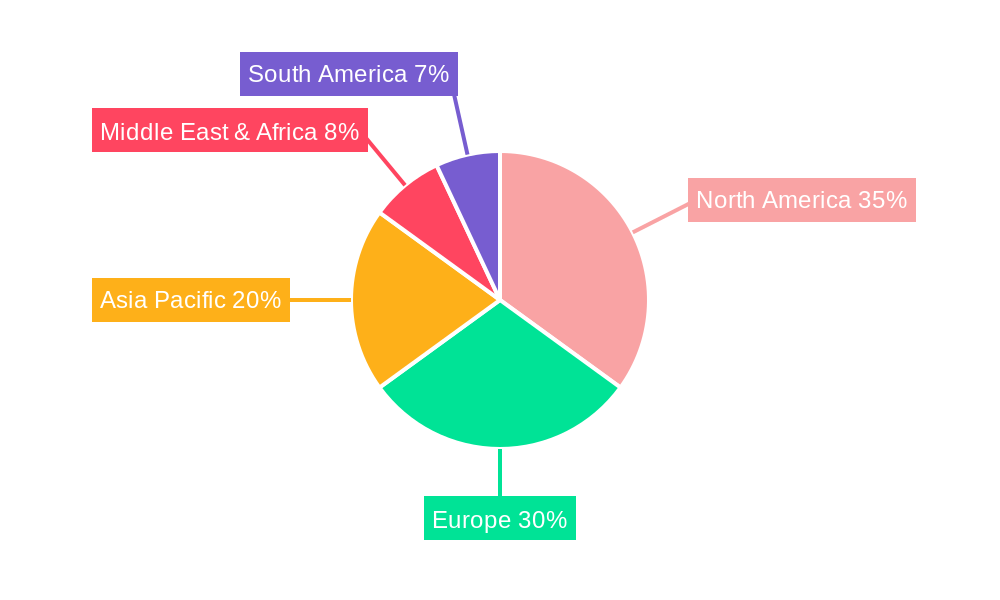
Refurbished Sneaker Regional Market Share
Geographic Coverage of Refurbished Sneaker
Refurbished Sneaker REPORT HIGHLIGHTS
| Aspects | Details |
|---|---|
| Study Period | 2020-2034 |
| Base Year | 2025 |
| Estimated Year | 2026 |
| Forecast Period | 2026-2034 |
| Historical Period | 2020-2025 |
| Growth Rate | CAGR of 9.4% from 2020-2034 |
| Segmentation |
|
Table of Contents
- 1. Introduction
- 1.1. Research Scope
- 1.2. Market Segmentation
- 1.3. Research Methodology
- 1.4. Definitions and Assumptions
- 2. Executive Summary
- 2.1. Introduction
- 3. Market Dynamics
- 3.1. Introduction
- 3.2. Market Drivers
- 3.3. Market Restrains
- 3.4. Market Trends
- 4. Market Factor Analysis
- 4.1. Porters Five Forces
- 4.2. Supply/Value Chain
- 4.3. PESTEL analysis
- 4.4. Market Entropy
- 4.5. Patent/Trademark Analysis
- 5. Global Refurbished Sneaker Analysis, Insights and Forecast, 2020-2032
- 5.1. Market Analysis, Insights and Forecast - by Application
- 5.1.1. Men
- 5.1.2. Women
- 5.1.3. Others
- 5.2. Market Analysis, Insights and Forecast - by Types
- 5.2.1. Mass Refurbished Sneaker
- 5.2.2. Premium Refurbished Sneaker
- 5.3. Market Analysis, Insights and Forecast - by Region
- 5.3.1. North America
- 5.3.2. South America
- 5.3.3. Europe
- 5.3.4. Middle East & Africa
- 5.3.5. Asia Pacific
- 5.1. Market Analysis, Insights and Forecast - by Application
- 6. North America Refurbished Sneaker Analysis, Insights and Forecast, 2020-2032
- 6.1. Market Analysis, Insights and Forecast - by Application
- 6.1.1. Men
- 6.1.2. Women
- 6.1.3. Others
- 6.2. Market Analysis, Insights and Forecast - by Types
- 6.2.1. Mass Refurbished Sneaker
- 6.2.2. Premium Refurbished Sneaker
- 6.1. Market Analysis, Insights and Forecast - by Application
- 7. South America Refurbished Sneaker Analysis, Insights and Forecast, 2020-2032
- 7.1. Market Analysis, Insights and Forecast - by Application
- 7.1.1. Men
- 7.1.2. Women
- 7.1.3. Others
- 7.2. Market Analysis, Insights and Forecast - by Types
- 7.2.1. Mass Refurbished Sneaker
- 7.2.2. Premium Refurbished Sneaker
- 7.1. Market Analysis, Insights and Forecast - by Application
- 8. Europe Refurbished Sneaker Analysis, Insights and Forecast, 2020-2032
- 8.1. Market Analysis, Insights and Forecast - by Application
- 8.1.1. Men
- 8.1.2. Women
- 8.1.3. Others
- 8.2. Market Analysis, Insights and Forecast - by Types
- 8.2.1. Mass Refurbished Sneaker
- 8.2.2. Premium Refurbished Sneaker
- 8.1. Market Analysis, Insights and Forecast - by Application
- 9. Middle East & Africa Refurbished Sneaker Analysis, Insights and Forecast, 2020-2032
- 9.1. Market Analysis, Insights and Forecast - by Application
- 9.1.1. Men
- 9.1.2. Women
- 9.1.3. Others
- 9.2. Market Analysis, Insights and Forecast - by Types
- 9.2.1. Mass Refurbished Sneaker
- 9.2.2. Premium Refurbished Sneaker
- 9.1. Market Analysis, Insights and Forecast - by Application
- 10. Asia Pacific Refurbished Sneaker Analysis, Insights and Forecast, 2020-2032
- 10.1. Market Analysis, Insights and Forecast - by Application
- 10.1.1. Men
- 10.1.2. Women
- 10.1.3. Others
- 10.2. Market Analysis, Insights and Forecast - by Types
- 10.2.1. Mass Refurbished Sneaker
- 10.2.2. Premium Refurbished Sneaker
- 10.1. Market Analysis, Insights and Forecast - by Application
- 11. Competitive Analysis
- 11.1. Global Market Share Analysis 2025
- 11.2. Company Profiles
- 11.2.1 Adidas AG
- 11.2.1.1. Overview
- 11.2.1.2. Products
- 11.2.1.3. SWOT Analysis
- 11.2.1.4. Recent Developments
- 11.2.1.5. Financials (Based on Availability)
- 11.2.2 Converse
- 11.2.2.1. Overview
- 11.2.2.2. Products
- 11.2.2.3. SWOT Analysis
- 11.2.2.4. Recent Developments
- 11.2.2.5. Financials (Based on Availability)
- 11.2.3 Etsy
- 11.2.3.1. Overview
- 11.2.3.2. Products
- 11.2.3.3. SWOT Analysis
- 11.2.3.4. Recent Developments
- 11.2.3.5. Financials (Based on Availability)
- 11.2.4 Nike
- 11.2.4.1. Overview
- 11.2.4.2. Products
- 11.2.4.3. SWOT Analysis
- 11.2.4.4. Recent Developments
- 11.2.4.5. Financials (Based on Availability)
- 11.2.5 PUMA SE
- 11.2.5.1. Overview
- 11.2.5.2. Products
- 11.2.5.3. SWOT Analysis
- 11.2.5.4. Recent Developments
- 11.2.5.5. Financials (Based on Availability)
- 11.2.6 Reebok
- 11.2.6.1. Overview
- 11.2.6.2. Products
- 11.2.6.3. SWOT Analysis
- 11.2.6.4. Recent Developments
- 11.2.6.5. Financials (Based on Availability)
- 11.2.7 Skechers
- 11.2.7.1. Overview
- 11.2.7.2. Products
- 11.2.7.3. SWOT Analysis
- 11.2.7.4. Recent Developments
- 11.2.7.5. Financials (Based on Availability)
- 11.2.1 Adidas AG
List of Figures
- Figure 1: Global Refurbished Sneaker Revenue Breakdown (undefined, %) by Region 2025 & 2033
- Figure 2: North America Refurbished Sneaker Revenue (undefined), by Application 2025 & 2033
- Figure 3: North America Refurbished Sneaker Revenue Share (%), by Application 2025 & 2033
- Figure 4: North America Refurbished Sneaker Revenue (undefined), by Types 2025 & 2033
- Figure 5: North America Refurbished Sneaker Revenue Share (%), by Types 2025 & 2033
- Figure 6: North America Refurbished Sneaker Revenue (undefined), by Country 2025 & 2033
- Figure 7: North America Refurbished Sneaker Revenue Share (%), by Country 2025 & 2033
- Figure 8: South America Refurbished Sneaker Revenue (undefined), by Application 2025 & 2033
- Figure 9: South America Refurbished Sneaker Revenue Share (%), by Application 2025 & 2033
- Figure 10: South America Refurbished Sneaker Revenue (undefined), by Types 2025 & 2033
- Figure 11: South America Refurbished Sneaker Revenue Share (%), by Types 2025 & 2033
- Figure 12: South America Refurbished Sneaker Revenue (undefined), by Country 2025 & 2033
- Figure 13: South America Refurbished Sneaker Revenue Share (%), by Country 2025 & 2033
- Figure 14: Europe Refurbished Sneaker Revenue (undefined), by Application 2025 & 2033
- Figure 15: Europe Refurbished Sneaker Revenue Share (%), by Application 2025 & 2033
- Figure 16: Europe Refurbished Sneaker Revenue (undefined), by Types 2025 & 2033
- Figure 17: Europe Refurbished Sneaker Revenue Share (%), by Types 2025 & 2033
- Figure 18: Europe Refurbished Sneaker Revenue (undefined), by Country 2025 & 2033
- Figure 19: Europe Refurbished Sneaker Revenue Share (%), by Country 2025 & 2033
- Figure 20: Middle East & Africa Refurbished Sneaker Revenue (undefined), by Application 2025 & 2033
- Figure 21: Middle East & Africa Refurbished Sneaker Revenue Share (%), by Application 2025 & 2033
- Figure 22: Middle East & Africa Refurbished Sneaker Revenue (undefined), by Types 2025 & 2033
- Figure 23: Middle East & Africa Refurbished Sneaker Revenue Share (%), by Types 2025 & 2033
- Figure 24: Middle East & Africa Refurbished Sneaker Revenue (undefined), by Country 2025 & 2033
- Figure 25: Middle East & Africa Refurbished Sneaker Revenue Share (%), by Country 2025 & 2033
- Figure 26: Asia Pacific Refurbished Sneaker Revenue (undefined), by Application 2025 & 2033
- Figure 27: Asia Pacific Refurbished Sneaker Revenue Share (%), by Application 2025 & 2033
- Figure 28: Asia Pacific Refurbished Sneaker Revenue (undefined), by Types 2025 & 2033
- Figure 29: Asia Pacific Refurbished Sneaker Revenue Share (%), by Types 2025 & 2033
- Figure 30: Asia Pacific Refurbished Sneaker Revenue (undefined), by Country 2025 & 2033
- Figure 31: Asia Pacific Refurbished Sneaker Revenue Share (%), by Country 2025 & 2033
List of Tables
- Table 1: Global Refurbished Sneaker Revenue undefined Forecast, by Application 2020 & 2033
- Table 2: Global Refurbished Sneaker Revenue undefined Forecast, by Types 2020 & 2033
- Table 3: Global Refurbished Sneaker Revenue undefined Forecast, by Region 2020 & 2033
- Table 4: Global Refurbished Sneaker Revenue undefined Forecast, by Application 2020 & 2033
- Table 5: Global Refurbished Sneaker Revenue undefined Forecast, by Types 2020 & 2033
- Table 6: Global Refurbished Sneaker Revenue undefined Forecast, by Country 2020 & 2033
- Table 7: United States Refurbished Sneaker Revenue (undefined) Forecast, by Application 2020 & 2033
- Table 8: Canada Refurbished Sneaker Revenue (undefined) Forecast, by Application 2020 & 2033
- Table 9: Mexico Refurbished Sneaker Revenue (undefined) Forecast, by Application 2020 & 2033
- Table 10: Global Refurbished Sneaker Revenue undefined Forecast, by Application 2020 & 2033
- Table 11: Global Refurbished Sneaker Revenue undefined Forecast, by Types 2020 & 2033
- Table 12: Global Refurbished Sneaker Revenue undefined Forecast, by Country 2020 & 2033
- Table 13: Brazil Refurbished Sneaker Revenue (undefined) Forecast, by Application 2020 & 2033
- Table 14: Argentina Refurbished Sneaker Revenue (undefined) Forecast, by Application 2020 & 2033
- Table 15: Rest of South America Refurbished Sneaker Revenue (undefined) Forecast, by Application 2020 & 2033
- Table 16: Global Refurbished Sneaker Revenue undefined Forecast, by Application 2020 & 2033
- Table 17: Global Refurbished Sneaker Revenue undefined Forecast, by Types 2020 & 2033
- Table 18: Global Refurbished Sneaker Revenue undefined Forecast, by Country 2020 & 2033
- Table 19: United Kingdom Refurbished Sneaker Revenue (undefined) Forecast, by Application 2020 & 2033
- Table 20: Germany Refurbished Sneaker Revenue (undefined) Forecast, by Application 2020 & 2033
- Table 21: France Refurbished Sneaker Revenue (undefined) Forecast, by Application 2020 & 2033
- Table 22: Italy Refurbished Sneaker Revenue (undefined) Forecast, by Application 2020 & 2033
- Table 23: Spain Refurbished Sneaker Revenue (undefined) Forecast, by Application 2020 & 2033
- Table 24: Russia Refurbished Sneaker Revenue (undefined) Forecast, by Application 2020 & 2033
- Table 25: Benelux Refurbished Sneaker Revenue (undefined) Forecast, by Application 2020 & 2033
- Table 26: Nordics Refurbished Sneaker Revenue (undefined) Forecast, by Application 2020 & 2033
- Table 27: Rest of Europe Refurbished Sneaker Revenue (undefined) Forecast, by Application 2020 & 2033
- Table 28: Global Refurbished Sneaker Revenue undefined Forecast, by Application 2020 & 2033
- Table 29: Global Refurbished Sneaker Revenue undefined Forecast, by Types 2020 & 2033
- Table 30: Global Refurbished Sneaker Revenue undefined Forecast, by Country 2020 & 2033
- Table 31: Turkey Refurbished Sneaker Revenue (undefined) Forecast, by Application 2020 & 2033
- Table 32: Israel Refurbished Sneaker Revenue (undefined) Forecast, by Application 2020 & 2033
- Table 33: GCC Refurbished Sneaker Revenue (undefined) Forecast, by Application 2020 & 2033
- Table 34: North Africa Refurbished Sneaker Revenue (undefined) Forecast, by Application 2020 & 2033
- Table 35: South Africa Refurbished Sneaker Revenue (undefined) Forecast, by Application 2020 & 2033
- Table 36: Rest of Middle East & Africa Refurbished Sneaker Revenue (undefined) Forecast, by Application 2020 & 2033
- Table 37: Global Refurbished Sneaker Revenue undefined Forecast, by Application 2020 & 2033
- Table 38: Global Refurbished Sneaker Revenue undefined Forecast, by Types 2020 & 2033
- Table 39: Global Refurbished Sneaker Revenue undefined Forecast, by Country 2020 & 2033
- Table 40: China Refurbished Sneaker Revenue (undefined) Forecast, by Application 2020 & 2033
- Table 41: India Refurbished Sneaker Revenue (undefined) Forecast, by Application 2020 & 2033
- Table 42: Japan Refurbished Sneaker Revenue (undefined) Forecast, by Application 2020 & 2033
- Table 43: South Korea Refurbished Sneaker Revenue (undefined) Forecast, by Application 2020 & 2033
- Table 44: ASEAN Refurbished Sneaker Revenue (undefined) Forecast, by Application 2020 & 2033
- Table 45: Oceania Refurbished Sneaker Revenue (undefined) Forecast, by Application 2020 & 2033
- Table 46: Rest of Asia Pacific Refurbished Sneaker Revenue (undefined) Forecast, by Application 2020 & 2033
Frequently Asked Questions
1. What is the projected Compound Annual Growth Rate (CAGR) of the Refurbished Sneaker?
The projected CAGR is approximately 9.4%.
2. Which companies are prominent players in the Refurbished Sneaker?
Key companies in the market include Adidas AG, Converse, Etsy, Nike, PUMA SE, Reebok, Skechers.
3. What are the main segments of the Refurbished Sneaker?
The market segments include Application, Types.
4. Can you provide details about the market size?
The market size is estimated to be USD XXX N/A as of 2022.
5. What are some drivers contributing to market growth?
N/A
6. What are the notable trends driving market growth?
N/A
7. Are there any restraints impacting market growth?
N/A
8. Can you provide examples of recent developments in the market?
N/A
9. What pricing options are available for accessing the report?
Pricing options include single-user, multi-user, and enterprise licenses priced at USD 4900.00, USD 7350.00, and USD 9800.00 respectively.
10. Is the market size provided in terms of value or volume?
The market size is provided in terms of value, measured in N/A.
11. Are there any specific market keywords associated with the report?
Yes, the market keyword associated with the report is "Refurbished Sneaker," which aids in identifying and referencing the specific market segment covered.
12. How do I determine which pricing option suits my needs best?
The pricing options vary based on user requirements and access needs. Individual users may opt for single-user licenses, while businesses requiring broader access may choose multi-user or enterprise licenses for cost-effective access to the report.
13. Are there any additional resources or data provided in the Refurbished Sneaker report?
While the report offers comprehensive insights, it's advisable to review the specific contents or supplementary materials provided to ascertain if additional resources or data are available.
14. How can I stay updated on further developments or reports in the Refurbished Sneaker?
To stay informed about further developments, trends, and reports in the Refurbished Sneaker, consider subscribing to industry newsletters, following relevant companies and organizations, or regularly checking reputable industry news sources and publications.
Methodology
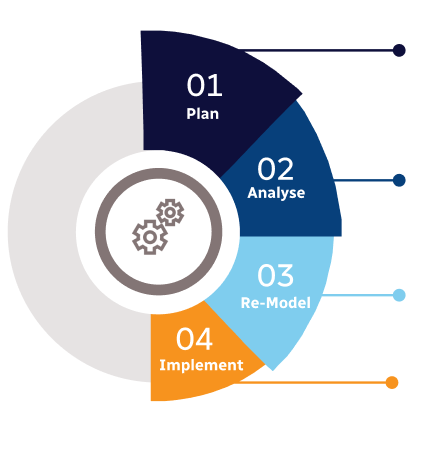
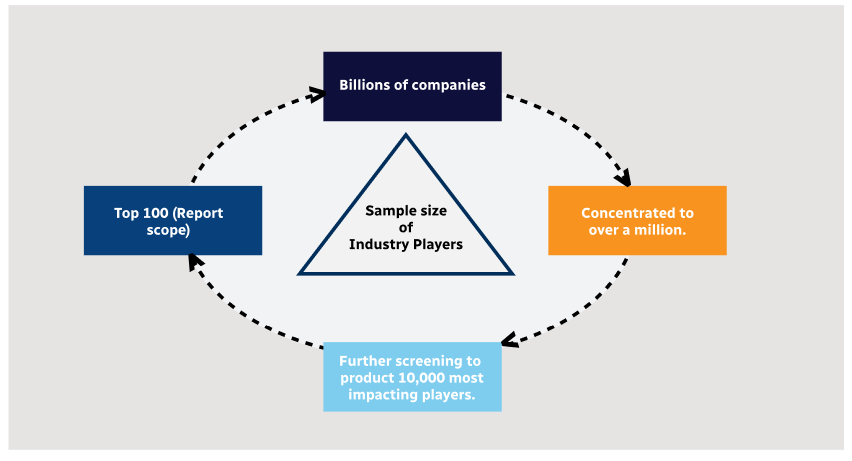
Step 1 - Identification of Relevant Samples Size from Population Database
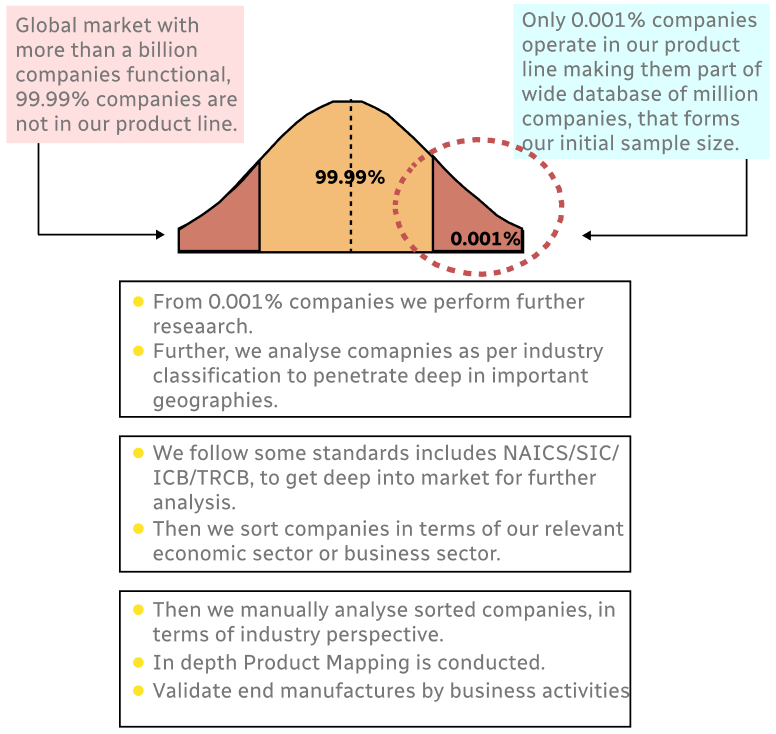
Step 2 - Approaches for Defining Global Market Size (Value, Volume* & Price*)
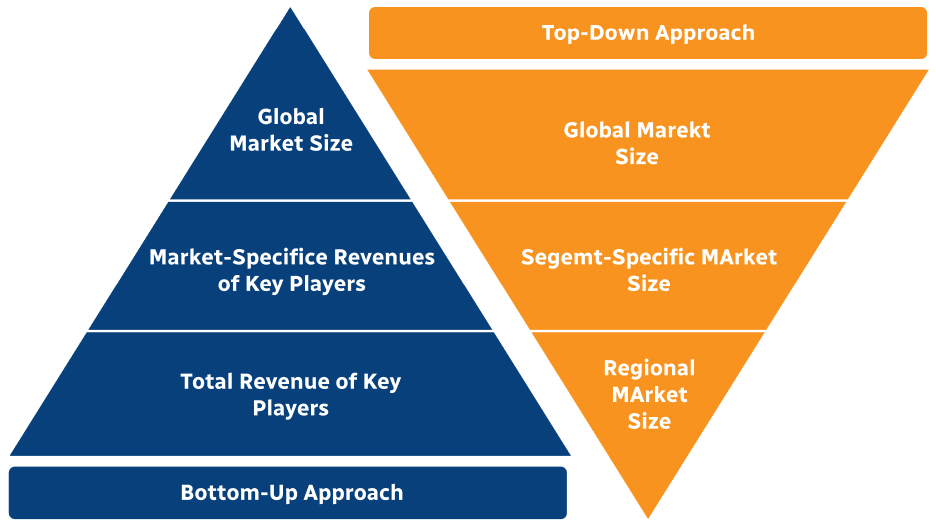
Note*: In applicable scenarios
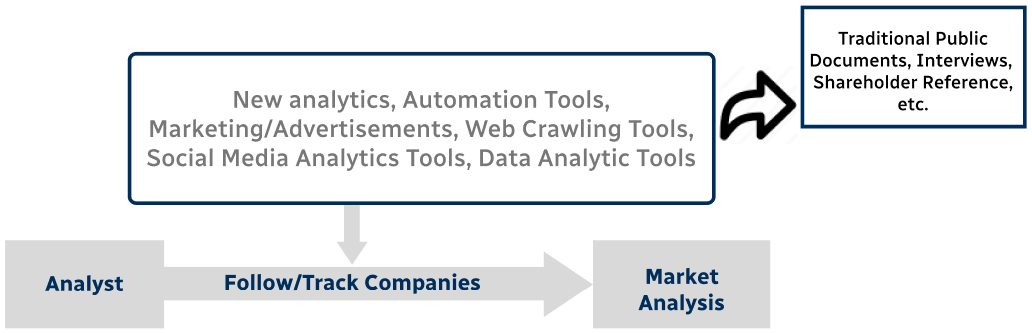
Step 3 - Data Sources
Primary Research
- Web Analytics
- Survey Reports
- Research Institute
- Latest Research Reports
- Opinion Leaders
Secondary Research
- Annual Reports
- White Paper
- Latest Press Release
- Industry Association
- Paid Database
- Investor Presentations
Step 4 - Data Triangulation
Involves using different sources of information in order to increase the validity of a study
These sources are likely to be stakeholders in a program - participants, other researchers, program staff, other community members, and so on.
Then we put all data in single framework & apply various statistical tools to find out the dynamic on the market.
During the analysis stage, feedback from the stakeholder groups would be compared to determine areas of agreement as well as areas of divergence