


Key Insights
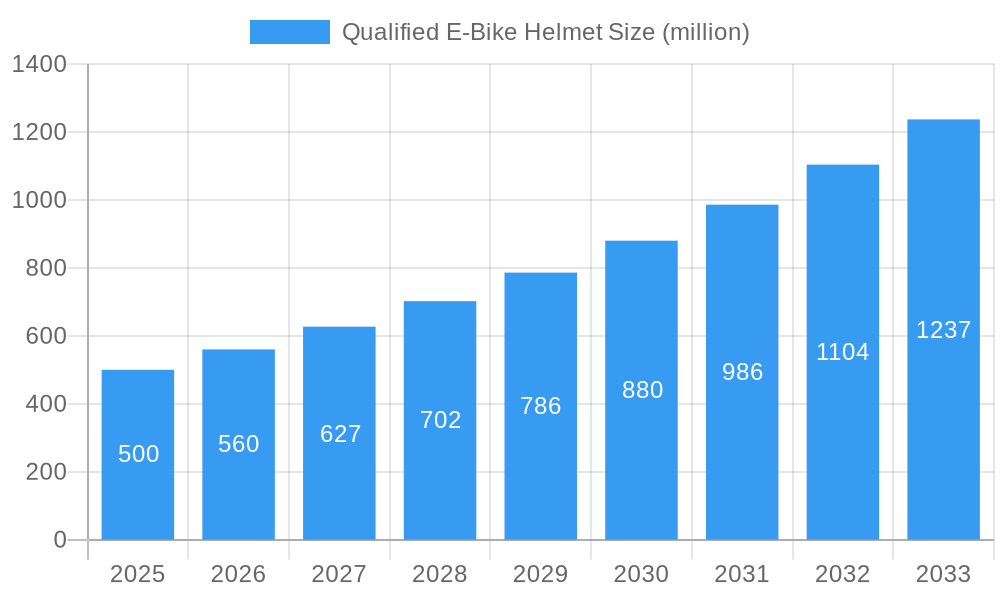
The Qualified E-Bike Helmet market is poised for significant expansion, driven by a confluence of factors including the escalating adoption of e-bikes across diverse demographics and a heightened awareness regarding cyclist safety. With an estimated market size of approximately $500 million in 2025, the sector is projected to experience a robust Compound Annual Growth Rate (CAGR) of around 12% through 2033. This growth is primarily fueled by the increasing demand for helmets specifically designed to withstand the higher speeds and impact forces associated with e-bikes, often exceeding those of traditional bicycles. The "For Kids" segment is showing particularly strong momentum, reflecting parents' proactive approach to child safety as e-bike usage becomes more prevalent among younger riders. Furthermore, advancements in helmet technology, such as integrated lighting systems, improved ventilation, and enhanced impact protection like MIPS (Multi-directional Impact Protection System), are creating new opportunities for market players and appealing to a discerning consumer base. The integration of smart features, including communication systems and crash detection, is also a nascent but promising trend that will likely shape future market dynamics.
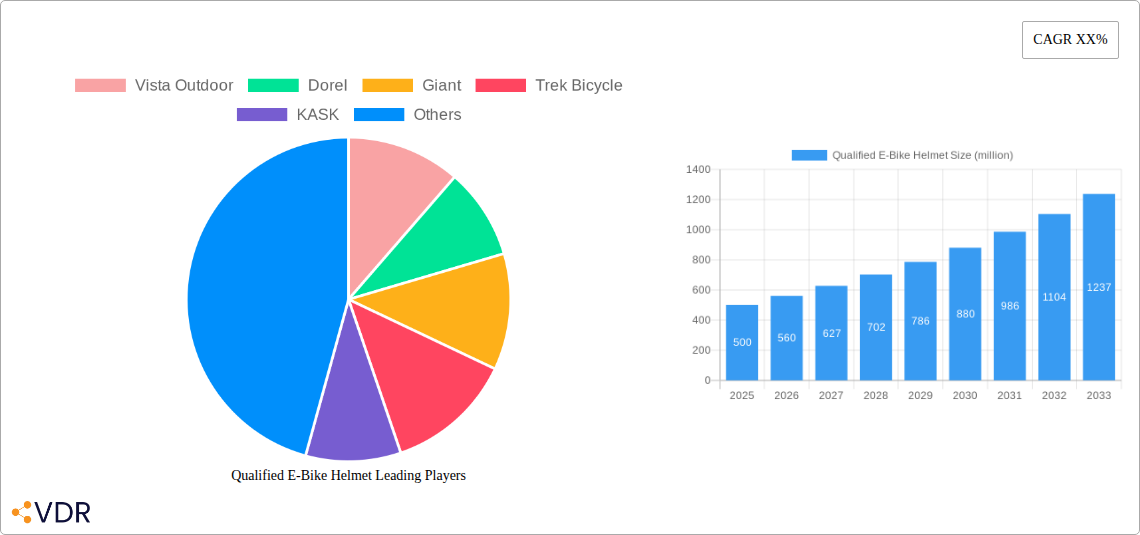
Qualified E-Bike Helmet Market Size (In Million)

The market's trajectory, while promising, is not without its challenges. Stringent regulatory frameworks and varying safety standards across different regions can create complexities for manufacturers and impact product adoption rates. High product costs, especially for advanced or "smart" helmets, may also act as a restraint for some consumer segments. However, these challenges are being offset by key industry trends. The "With Visor" segment is gaining traction, offering enhanced protection from sun, rain, and debris, which is particularly relevant for commuters and recreational riders. Major companies like Vista Outdoor, Dorel, and Trek Bicycle are actively investing in research and development, aiming to capture market share through innovative designs and strategic partnerships. Geographically, North America and Europe currently dominate the market due to high e-bike penetration and established safety regulations, but the Asia Pacific region, particularly China and India, is anticipated to witness the fastest growth in the coming years, driven by increasing disposable incomes and government initiatives promoting sustainable transportation. The focus on developing lightweight, comfortable, and aesthetically appealing helmets that do not compromise on safety will be crucial for sustained market success.
Qualified E-Bike Helmet Company Market Share
Qualified E-Bike Helmet Market Dynamics & Structure
The qualified e-bike helmet market is characterized by a moderately concentrated landscape, with key players investing heavily in technological innovation to enhance safety features and user comfort. Drivers include the increasing adoption of e-bikes across various demographics, stricter government regulations mandating helmet use for e-bike riders, and a growing consumer awareness regarding personal safety. Competitive product substitutes are limited, as specialized e-bike helmets offer distinct advantages in terms of weight, ventilation, and integrated technology compared to standard bicycle helmets. End-user demographics reveal a strong preference for helmets designed for adults, driven by commuter and recreational e-bike users. M&A trends are moderate, with companies like Vista Outdoor and Dorel actively seeking to expand their portfolios through strategic acquisitions of innovative smaller firms to bolster their market share.
- Market Concentration: Moderately concentrated, with leading brands holding significant market share.
- Technological Innovation Drivers: Advanced materials, integrated lighting, smart connectivity, improved ventilation systems.
- Regulatory Frameworks: Increasing mandatory helmet use for e-bikes in various regions, driving demand for certified products.
- Competitive Product Substitutes: Limited, with specialized e-bike helmets offering superior features.
- End-User Demographics: Predominantly adults, with a growing segment of younger riders.
- M&A Trends: Strategic acquisitions of technology-focused companies by larger players.
Qualified E-Bike Helmet Growth Trends & Insights
The global qualified e-bike helmet market is poised for substantial expansion over the forecast period of 2025–2033, driven by a confluence of factors including escalating e-bike sales, heightened safety consciousness, and supportive governmental policies. The market size evolution will be particularly dynamic, with an estimated xx million units in the base year of 2025, projected to reach xx million units by 2033. This translates to an impressive Compound Annual Growth Rate (CAGR) of xx%, underscoring the market's robust trajectory. Adoption rates for qualified e-bike helmets are steadily increasing, mirroring the broader surge in e-bike penetration. Technological disruptions are playing a pivotal role, with manufacturers continuously innovating to integrate smart features such as impact detection sensors, integrated LED lighting for enhanced visibility, and improved aerodynamic designs. Consumer behavior shifts are also evident, with a growing emphasis on perceived value, prioritizing safety certifications, and a willingness to invest in premium protective gear that complements their e-bike investment. The historical period (2019–2024) laid the groundwork for this growth, with steady increases in e-bike ownership and a nascent awareness of specialized helmet requirements. The estimated year of 2025 marks a significant inflection point, where these trends are expected to accelerate. The study period spanning 2019–2033 provides a comprehensive view of both past developments and future potential. The market penetration of qualified e-bike helmets is projected to rise significantly as regulations become more stringent and consumer awareness of the unique safety needs of e-bike riding becomes more pronounced. This increasing penetration is a key indicator of the market's maturity and its capacity for sustained growth. Furthermore, the availability of diverse designs, from sleek, minimalist options to more robust, feature-rich helmets, caters to a wider spectrum of consumer preferences and riding styles, further fueling market expansion.
Dominant Regions, Countries, or Segments in Qualified E-Bike Helmet
The qualified e-bike helmet market exhibits distinct regional and segment-specific growth patterns. North America, particularly the United States and Canada, is emerging as a dominant region, driven by a burgeoning e-bike culture, significant government investments in cycling infrastructure, and robust consumer spending power. The segment for adults is the primary growth driver within this region, as commuting and recreational e-bike usage among adults continues to surge. Economic policies encouraging sustainable transportation and stringent safety standards contribute to the heightened demand for qualified e-bike helmets. The market share for adult helmets is estimated to be xx million units in 2025, with a projected CAGR of xx% throughout the forecast period.
Europe follows closely, with countries like Germany, the Netherlands, and the UK spearheading the adoption of e-bikes and, consequently, specialized helmets. Favorable regulatory frameworks, including subsidies for e-bike purchases and the implementation of mandatory helmet laws for certain e-bike classes, are key drivers. The presence of established bicycle and sporting goods manufacturers, such as Trek Bicycle and Specialized, further strengthens the market in this region. The "With Visor" segment is gaining traction within Europe, catering to riders seeking enhanced protection from elements and sun glare, contributing an estimated xx million units in 2025.
Asia Pacific, particularly China and Japan, represents a rapidly expanding market. While historical adoption rates were lower, the burgeoning middle class, increasing urbanization, and the growing popularity of e-bike sharing services are fueling significant growth. Government initiatives to promote green transportation are also playing a crucial role. The segment for kids, though smaller currently, shows immense potential for future growth as families embrace e-bikes for leisure and commuting.
- Dominant Region: North America, driven by high e-bike adoption and infrastructure development.
- Leading Country (North America): United States, with strong commuter and recreational e-bike markets.
- Dominant Segment (Application): For Adults, accounting for the largest market share.
- Key Drivers (Adults Segment): Commuting, recreational riding, and increasing safety awareness.
- Dominant Segment (Type): With Visor, gaining popularity for enhanced protection.
- Key Drivers (With Visor Segment): Weather protection and improved visibility.
- Emerging Region: Asia Pacific, showing rapid growth potential due to urbanization and e-bike sharing.
- Emerging Segment (Application): For Kids, with significant untapped potential.
- Infrastructure Impact: Investments in cycling lanes and dedicated e-bike paths are crucial growth accelerators.
- Regulatory Impact: Mandatory helmet laws are a significant catalyst for market expansion.
Qualified E-Bike Helmet Product Landscape
The qualified e-bike helmet product landscape is characterized by continuous innovation focused on enhancing rider safety and comfort. Companies like KASK and MET are pioneering the integration of advanced materials such as MIPS (Multi-directional Impact Protection System) technology, which significantly reduces rotational forces on the brain during impact. Product developments include helmets with integrated LED lighting systems for superior visibility in low-light conditions, often featuring rechargeable batteries and multiple flash modes. Ventilation systems are being optimized for e-bike riders who often travel at higher speeds, with designs that promote airflow without compromising structural integrity. Specialized features like detachable visors, magnetic buckle closures, and streamlined aerodynamic profiles are also becoming commonplace, catering to diverse riding needs and preferences. The performance metrics emphasize meeting stringent safety certifications, such as CPSC and EN 1078, alongside improved shock absorption capabilities and reduced weight.
Key Drivers, Barriers & Challenges in Qualified E-Bike Helmet
The qualified e-bike helmet market is propelled by several key drivers. The escalating global adoption of e-bikes, fueled by environmental concerns and the desire for efficient urban mobility, is the primary catalyst. Stringent government regulations and safety mandates in various countries requiring helmet usage for e-bike riders directly boost demand. Technological advancements, including the integration of smart features like impact sensors and enhanced visibility systems, are also significant growth accelerators.
Conversely, the market faces several barriers and challenges. The relatively higher cost of qualified e-bike helmets compared to conventional bicycle helmets can be a deterrent for some price-sensitive consumers. Perceived inconvenience and discomfort associated with wearing helmets, especially for shorter urban trips, remain a persistent challenge. Supply chain disruptions, material shortages, and rising manufacturing costs can impact product availability and pricing. Intense competition from established bicycle helmet manufacturers expanding into the e-bike segment also presents a challenge, requiring continuous innovation and differentiation.
Emerging Opportunities in Qualified E-Bike Helmet
Emerging opportunities in the qualified e-bike helmet market lie in untapped emerging economies where e-bike adoption is on the rise, coupled with a growing awareness of safety. The development of more affordable yet certified e-bike helmets will unlock new consumer segments. Innovative applications, such as helmets with integrated GPS tracking for enhanced security and emergency assistance features, present a significant growth avenue. Evolving consumer preferences for customizable designs and personalized safety solutions offer opportunities for direct-to-consumer brands. Furthermore, partnerships with e-bike manufacturers to bundle helmets with e-bike sales can create synergistic growth.
Growth Accelerators in the Qualified E-Bike Helmet Industry
The qualified e-bike helmet industry is experiencing significant growth acceleration driven by several factors. Technological breakthroughs in lightweight yet durable materials are enabling the creation of more comfortable and protective helmets. Strategic partnerships between helmet manufacturers and prominent e-bike brands, such as Giant and Merida, are expanding market reach and brand visibility. Market expansion strategies targeting emerging economies with tailored product offerings and aggressive marketing campaigns are crucial. The increasing focus on sustainable manufacturing practices and eco-friendly materials also resonates with environmentally conscious consumers, further accelerating adoption.
Key Players Shaping the Qualified E-Bike Helmet Market
- Vista Outdoor
- Dorel
- Giant
- Trek Bicycle
- KASK
- Mavic
- Merida
- Specialized
- Uvex
- Scott Sports
- OGK KABUTO
- MET
Notable Milestones in Qualified E-Bike Helmet Sector
- 2019: Increased regulatory focus on e-bike safety standards in Europe, leading to a surge in demand for certified helmets.
- 2020: Introduction of MIPS technology into a wider range of e-bike helmet models by key manufacturers.
- 2021: Launch of smart helmets with integrated turn signals and brake lights by several innovative companies.
- 2022: Significant increase in e-bike sales globally, driving a corresponding rise in qualified helmet adoption.
- 2023: Major acquisition of a specialized e-bike helmet technology company by a leading sporting goods conglomerate.
- 2024: Enhanced focus on aerodynamic designs and improved ventilation systems in new product releases.
In-Depth Qualified E-Bike Helmet Market Outlook
The outlook for the qualified e-bike helmet market remains exceptionally strong, fueled by sustained growth in e-bike adoption, increasing safety regulations, and continuous technological innovation. Future market potential is vast, particularly in developing regions where e-bike penetration is still in its nascent stages. Strategic opportunities lie in developing smart helmets with advanced connectivity features, catering to the growing demand for integrated digital solutions. Furthermore, focusing on sustainable and eco-friendly product lines will appeal to a significant and growing consumer base. Collaborative efforts between helmet manufacturers, e-bike companies, and regulatory bodies will be instrumental in shaping a safer and more robust future for e-bike riders.
Qualified E-Bike Helmet Segmentation
-
1. Application
- 1.1. For Kids
- 1.2. For Adults
-
2. Types
- 2.1. With Visor
- 2.2. Without Visor
Qualified E-Bike Helmet Segmentation By Geography
-
1. North America
- 1.1. United States
- 1.2. Canada
- 1.3. Mexico
-
2. South America
- 2.1. Brazil
- 2.2. Argentina
- 2.3. Rest of South America
-
3. Europe
- 3.1. United Kingdom
- 3.2. Germany
- 3.3. France
- 3.4. Italy
- 3.5. Spain
- 3.6. Russia
- 3.7. Benelux
- 3.8. Nordics
- 3.9. Rest of Europe
-
4. Middle East & Africa
- 4.1. Turkey
- 4.2. Israel
- 4.3. GCC
- 4.4. North Africa
- 4.5. South Africa
- 4.6. Rest of Middle East & Africa
-
5. Asia Pacific
- 5.1. China
- 5.2. India
- 5.3. Japan
- 5.4. South Korea
- 5.5. ASEAN
- 5.6. Oceania
- 5.7. Rest of Asia Pacific
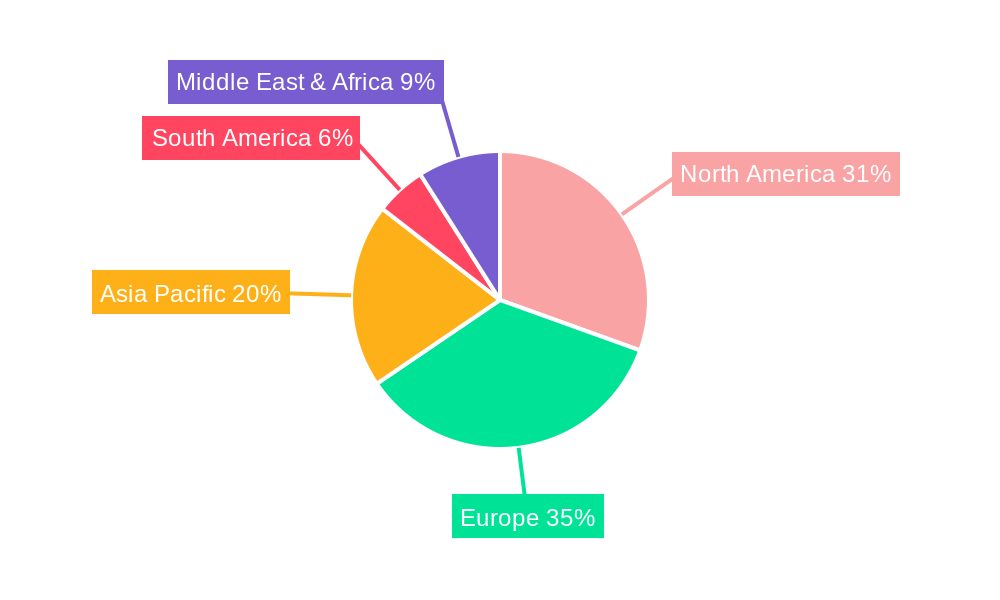
Qualified E-Bike Helmet Regional Market Share
Geographic Coverage of Qualified E-Bike Helmet
Qualified E-Bike Helmet REPORT HIGHLIGHTS
| Aspects | Details |
|---|---|
| Study Period | 2020-2034 |
| Base Year | 2025 |
| Estimated Year | 2026 |
| Forecast Period | 2026-2034 |
| Historical Period | 2020-2025 |
| Growth Rate | CAGR of XX% from 2020-2034 |
| Segmentation |
|
Table of Contents
- 1. Introduction
- 1.1. Research Scope
- 1.2. Market Segmentation
- 1.3. Research Methodology
- 1.4. Definitions and Assumptions
- 2. Executive Summary
- 2.1. Introduction
- 3. Market Dynamics
- 3.1. Introduction
- 3.2. Market Drivers
- 3.3. Market Restrains
- 3.4. Market Trends
- 4. Market Factor Analysis
- 4.1. Porters Five Forces
- 4.2. Supply/Value Chain
- 4.3. PESTEL analysis
- 4.4. Market Entropy
- 4.5. Patent/Trademark Analysis
- 5. Global Qualified E-Bike Helmet Analysis, Insights and Forecast, 2020-2032
- 5.1. Market Analysis, Insights and Forecast - by Application
- 5.1.1. For Kids
- 5.1.2. For Adults
- 5.2. Market Analysis, Insights and Forecast - by Types
- 5.2.1. With Visor
- 5.2.2. Without Visor
- 5.3. Market Analysis, Insights and Forecast - by Region
- 5.3.1. North America
- 5.3.2. South America
- 5.3.3. Europe
- 5.3.4. Middle East & Africa
- 5.3.5. Asia Pacific
- 5.1. Market Analysis, Insights and Forecast - by Application
- 6. North America Qualified E-Bike Helmet Analysis, Insights and Forecast, 2020-2032
- 6.1. Market Analysis, Insights and Forecast - by Application
- 6.1.1. For Kids
- 6.1.2. For Adults
- 6.2. Market Analysis, Insights and Forecast - by Types
- 6.2.1. With Visor
- 6.2.2. Without Visor
- 6.1. Market Analysis, Insights and Forecast - by Application
- 7. South America Qualified E-Bike Helmet Analysis, Insights and Forecast, 2020-2032
- 7.1. Market Analysis, Insights and Forecast - by Application
- 7.1.1. For Kids
- 7.1.2. For Adults
- 7.2. Market Analysis, Insights and Forecast - by Types
- 7.2.1. With Visor
- 7.2.2. Without Visor
- 7.1. Market Analysis, Insights and Forecast - by Application
- 8. Europe Qualified E-Bike Helmet Analysis, Insights and Forecast, 2020-2032
- 8.1. Market Analysis, Insights and Forecast - by Application
- 8.1.1. For Kids
- 8.1.2. For Adults
- 8.2. Market Analysis, Insights and Forecast - by Types
- 8.2.1. With Visor
- 8.2.2. Without Visor
- 8.1. Market Analysis, Insights and Forecast - by Application
- 9. Middle East & Africa Qualified E-Bike Helmet Analysis, Insights and Forecast, 2020-2032
- 9.1. Market Analysis, Insights and Forecast - by Application
- 9.1.1. For Kids
- 9.1.2. For Adults
- 9.2. Market Analysis, Insights and Forecast - by Types
- 9.2.1. With Visor
- 9.2.2. Without Visor
- 9.1. Market Analysis, Insights and Forecast - by Application
- 10. Asia Pacific Qualified E-Bike Helmet Analysis, Insights and Forecast, 2020-2032
- 10.1. Market Analysis, Insights and Forecast - by Application
- 10.1.1. For Kids
- 10.1.2. For Adults
- 10.2. Market Analysis, Insights and Forecast - by Types
- 10.2.1. With Visor
- 10.2.2. Without Visor
- 10.1. Market Analysis, Insights and Forecast - by Application
- 11. Competitive Analysis
- 11.1. Global Market Share Analysis 2025
- 11.2. Company Profiles
- 11.2.1 Vista Outdoor
- 11.2.1.1. Overview
- 11.2.1.2. Products
- 11.2.1.3. SWOT Analysis
- 11.2.1.4. Recent Developments
- 11.2.1.5. Financials (Based on Availability)
- 11.2.2 Dorel
- 11.2.2.1. Overview
- 11.2.2.2. Products
- 11.2.2.3. SWOT Analysis
- 11.2.2.4. Recent Developments
- 11.2.2.5. Financials (Based on Availability)
- 11.2.3 Giant
- 11.2.3.1. Overview
- 11.2.3.2. Products
- 11.2.3.3. SWOT Analysis
- 11.2.3.4. Recent Developments
- 11.2.3.5. Financials (Based on Availability)
- 11.2.4 Trek Bicycle
- 11.2.4.1. Overview
- 11.2.4.2. Products
- 11.2.4.3. SWOT Analysis
- 11.2.4.4. Recent Developments
- 11.2.4.5. Financials (Based on Availability)
- 11.2.5 KASK
- 11.2.5.1. Overview
- 11.2.5.2. Products
- 11.2.5.3. SWOT Analysis
- 11.2.5.4. Recent Developments
- 11.2.5.5. Financials (Based on Availability)
- 11.2.6 Mavic
- 11.2.6.1. Overview
- 11.2.6.2. Products
- 11.2.6.3. SWOT Analysis
- 11.2.6.4. Recent Developments
- 11.2.6.5. Financials (Based on Availability)
- 11.2.7 Merida
- 11.2.7.1. Overview
- 11.2.7.2. Products
- 11.2.7.3. SWOT Analysis
- 11.2.7.4. Recent Developments
- 11.2.7.5. Financials (Based on Availability)
- 11.2.8 Specialized
- 11.2.8.1. Overview
- 11.2.8.2. Products
- 11.2.8.3. SWOT Analysis
- 11.2.8.4. Recent Developments
- 11.2.8.5. Financials (Based on Availability)
- 11.2.9 Uvex
- 11.2.9.1. Overview
- 11.2.9.2. Products
- 11.2.9.3. SWOT Analysis
- 11.2.9.4. Recent Developments
- 11.2.9.5. Financials (Based on Availability)
- 11.2.10 Scott Sports
- 11.2.10.1. Overview
- 11.2.10.2. Products
- 11.2.10.3. SWOT Analysis
- 11.2.10.4. Recent Developments
- 11.2.10.5. Financials (Based on Availability)
- 11.2.11 OGK KABUTO
- 11.2.11.1. Overview
- 11.2.11.2. Products
- 11.2.11.3. SWOT Analysis
- 11.2.11.4. Recent Developments
- 11.2.11.5. Financials (Based on Availability)
- 11.2.12 MET
- 11.2.12.1. Overview
- 11.2.12.2. Products
- 11.2.12.3. SWOT Analysis
- 11.2.12.4. Recent Developments
- 11.2.12.5. Financials (Based on Availability)
- 11.2.1 Vista Outdoor
List of Figures
- Figure 1: Global Qualified E-Bike Helmet Revenue Breakdown (million, %) by Region 2025 & 2033
- Figure 2: Global Qualified E-Bike Helmet Volume Breakdown (K, %) by Region 2025 & 2033
- Figure 3: North America Qualified E-Bike Helmet Revenue (million), by Application 2025 & 2033
- Figure 4: North America Qualified E-Bike Helmet Volume (K), by Application 2025 & 2033
- Figure 5: North America Qualified E-Bike Helmet Revenue Share (%), by Application 2025 & 2033
- Figure 6: North America Qualified E-Bike Helmet Volume Share (%), by Application 2025 & 2033
- Figure 7: North America Qualified E-Bike Helmet Revenue (million), by Types 2025 & 2033
- Figure 8: North America Qualified E-Bike Helmet Volume (K), by Types 2025 & 2033
- Figure 9: North America Qualified E-Bike Helmet Revenue Share (%), by Types 2025 & 2033
- Figure 10: North America Qualified E-Bike Helmet Volume Share (%), by Types 2025 & 2033
- Figure 11: North America Qualified E-Bike Helmet Revenue (million), by Country 2025 & 2033
- Figure 12: North America Qualified E-Bike Helmet Volume (K), by Country 2025 & 2033
- Figure 13: North America Qualified E-Bike Helmet Revenue Share (%), by Country 2025 & 2033
- Figure 14: North America Qualified E-Bike Helmet Volume Share (%), by Country 2025 & 2033
- Figure 15: South America Qualified E-Bike Helmet Revenue (million), by Application 2025 & 2033
- Figure 16: South America Qualified E-Bike Helmet Volume (K), by Application 2025 & 2033
- Figure 17: South America Qualified E-Bike Helmet Revenue Share (%), by Application 2025 & 2033
- Figure 18: South America Qualified E-Bike Helmet Volume Share (%), by Application 2025 & 2033
- Figure 19: South America Qualified E-Bike Helmet Revenue (million), by Types 2025 & 2033
- Figure 20: South America Qualified E-Bike Helmet Volume (K), by Types 2025 & 2033
- Figure 21: South America Qualified E-Bike Helmet Revenue Share (%), by Types 2025 & 2033
- Figure 22: South America Qualified E-Bike Helmet Volume Share (%), by Types 2025 & 2033
- Figure 23: South America Qualified E-Bike Helmet Revenue (million), by Country 2025 & 2033
- Figure 24: South America Qualified E-Bike Helmet Volume (K), by Country 2025 & 2033
- Figure 25: South America Qualified E-Bike Helmet Revenue Share (%), by Country 2025 & 2033
- Figure 26: South America Qualified E-Bike Helmet Volume Share (%), by Country 2025 & 2033
- Figure 27: Europe Qualified E-Bike Helmet Revenue (million), by Application 2025 & 2033
- Figure 28: Europe Qualified E-Bike Helmet Volume (K), by Application 2025 & 2033
- Figure 29: Europe Qualified E-Bike Helmet Revenue Share (%), by Application 2025 & 2033
- Figure 30: Europe Qualified E-Bike Helmet Volume Share (%), by Application 2025 & 2033
- Figure 31: Europe Qualified E-Bike Helmet Revenue (million), by Types 2025 & 2033
- Figure 32: Europe Qualified E-Bike Helmet Volume (K), by Types 2025 & 2033
- Figure 33: Europe Qualified E-Bike Helmet Revenue Share (%), by Types 2025 & 2033
- Figure 34: Europe Qualified E-Bike Helmet Volume Share (%), by Types 2025 & 2033
- Figure 35: Europe Qualified E-Bike Helmet Revenue (million), by Country 2025 & 2033
- Figure 36: Europe Qualified E-Bike Helmet Volume (K), by Country 2025 & 2033
- Figure 37: Europe Qualified E-Bike Helmet Revenue Share (%), by Country 2025 & 2033
- Figure 38: Europe Qualified E-Bike Helmet Volume Share (%), by Country 2025 & 2033
- Figure 39: Middle East & Africa Qualified E-Bike Helmet Revenue (million), by Application 2025 & 2033
- Figure 40: Middle East & Africa Qualified E-Bike Helmet Volume (K), by Application 2025 & 2033
- Figure 41: Middle East & Africa Qualified E-Bike Helmet Revenue Share (%), by Application 2025 & 2033
- Figure 42: Middle East & Africa Qualified E-Bike Helmet Volume Share (%), by Application 2025 & 2033
- Figure 43: Middle East & Africa Qualified E-Bike Helmet Revenue (million), by Types 2025 & 2033
- Figure 44: Middle East & Africa Qualified E-Bike Helmet Volume (K), by Types 2025 & 2033
- Figure 45: Middle East & Africa Qualified E-Bike Helmet Revenue Share (%), by Types 2025 & 2033
- Figure 46: Middle East & Africa Qualified E-Bike Helmet Volume Share (%), by Types 2025 & 2033
- Figure 47: Middle East & Africa Qualified E-Bike Helmet Revenue (million), by Country 2025 & 2033
- Figure 48: Middle East & Africa Qualified E-Bike Helmet Volume (K), by Country 2025 & 2033
- Figure 49: Middle East & Africa Qualified E-Bike Helmet Revenue Share (%), by Country 2025 & 2033
- Figure 50: Middle East & Africa Qualified E-Bike Helmet Volume Share (%), by Country 2025 & 2033
- Figure 51: Asia Pacific Qualified E-Bike Helmet Revenue (million), by Application 2025 & 2033
- Figure 52: Asia Pacific Qualified E-Bike Helmet Volume (K), by Application 2025 & 2033
- Figure 53: Asia Pacific Qualified E-Bike Helmet Revenue Share (%), by Application 2025 & 2033
- Figure 54: Asia Pacific Qualified E-Bike Helmet Volume Share (%), by Application 2025 & 2033
- Figure 55: Asia Pacific Qualified E-Bike Helmet Revenue (million), by Types 2025 & 2033
- Figure 56: Asia Pacific Qualified E-Bike Helmet Volume (K), by Types 2025 & 2033
- Figure 57: Asia Pacific Qualified E-Bike Helmet Revenue Share (%), by Types 2025 & 2033
- Figure 58: Asia Pacific Qualified E-Bike Helmet Volume Share (%), by Types 2025 & 2033
- Figure 59: Asia Pacific Qualified E-Bike Helmet Revenue (million), by Country 2025 & 2033
- Figure 60: Asia Pacific Qualified E-Bike Helmet Volume (K), by Country 2025 & 2033
- Figure 61: Asia Pacific Qualified E-Bike Helmet Revenue Share (%), by Country 2025 & 2033
- Figure 62: Asia Pacific Qualified E-Bike Helmet Volume Share (%), by Country 2025 & 2033
List of Tables
- Table 1: Global Qualified E-Bike Helmet Revenue million Forecast, by Application 2020 & 2033
- Table 2: Global Qualified E-Bike Helmet Volume K Forecast, by Application 2020 & 2033
- Table 3: Global Qualified E-Bike Helmet Revenue million Forecast, by Types 2020 & 2033
- Table 4: Global Qualified E-Bike Helmet Volume K Forecast, by Types 2020 & 2033
- Table 5: Global Qualified E-Bike Helmet Revenue million Forecast, by Region 2020 & 2033
- Table 6: Global Qualified E-Bike Helmet Volume K Forecast, by Region 2020 & 2033
- Table 7: Global Qualified E-Bike Helmet Revenue million Forecast, by Application 2020 & 2033
- Table 8: Global Qualified E-Bike Helmet Volume K Forecast, by Application 2020 & 2033
- Table 9: Global Qualified E-Bike Helmet Revenue million Forecast, by Types 2020 & 2033
- Table 10: Global Qualified E-Bike Helmet Volume K Forecast, by Types 2020 & 2033
- Table 11: Global Qualified E-Bike Helmet Revenue million Forecast, by Country 2020 & 2033
- Table 12: Global Qualified E-Bike Helmet Volume K Forecast, by Country 2020 & 2033
- Table 13: United States Qualified E-Bike Helmet Revenue (million) Forecast, by Application 2020 & 2033
- Table 14: United States Qualified E-Bike Helmet Volume (K) Forecast, by Application 2020 & 2033
- Table 15: Canada Qualified E-Bike Helmet Revenue (million) Forecast, by Application 2020 & 2033
- Table 16: Canada Qualified E-Bike Helmet Volume (K) Forecast, by Application 2020 & 2033
- Table 17: Mexico Qualified E-Bike Helmet Revenue (million) Forecast, by Application 2020 & 2033
- Table 18: Mexico Qualified E-Bike Helmet Volume (K) Forecast, by Application 2020 & 2033
- Table 19: Global Qualified E-Bike Helmet Revenue million Forecast, by Application 2020 & 2033
- Table 20: Global Qualified E-Bike Helmet Volume K Forecast, by Application 2020 & 2033
- Table 21: Global Qualified E-Bike Helmet Revenue million Forecast, by Types 2020 & 2033
- Table 22: Global Qualified E-Bike Helmet Volume K Forecast, by Types 2020 & 2033
- Table 23: Global Qualified E-Bike Helmet Revenue million Forecast, by Country 2020 & 2033
- Table 24: Global Qualified E-Bike Helmet Volume K Forecast, by Country 2020 & 2033
- Table 25: Brazil Qualified E-Bike Helmet Revenue (million) Forecast, by Application 2020 & 2033
- Table 26: Brazil Qualified E-Bike Helmet Volume (K) Forecast, by Application 2020 & 2033
- Table 27: Argentina Qualified E-Bike Helmet Revenue (million) Forecast, by Application 2020 & 2033
- Table 28: Argentina Qualified E-Bike Helmet Volume (K) Forecast, by Application 2020 & 2033
- Table 29: Rest of South America Qualified E-Bike Helmet Revenue (million) Forecast, by Application 2020 & 2033
- Table 30: Rest of South America Qualified E-Bike Helmet Volume (K) Forecast, by Application 2020 & 2033
- Table 31: Global Qualified E-Bike Helmet Revenue million Forecast, by Application 2020 & 2033
- Table 32: Global Qualified E-Bike Helmet Volume K Forecast, by Application 2020 & 2033
- Table 33: Global Qualified E-Bike Helmet Revenue million Forecast, by Types 2020 & 2033
- Table 34: Global Qualified E-Bike Helmet Volume K Forecast, by Types 2020 & 2033
- Table 35: Global Qualified E-Bike Helmet Revenue million Forecast, by Country 2020 & 2033
- Table 36: Global Qualified E-Bike Helmet Volume K Forecast, by Country 2020 & 2033
- Table 37: United Kingdom Qualified E-Bike Helmet Revenue (million) Forecast, by Application 2020 & 2033
- Table 38: United Kingdom Qualified E-Bike Helmet Volume (K) Forecast, by Application 2020 & 2033
- Table 39: Germany Qualified E-Bike Helmet Revenue (million) Forecast, by Application 2020 & 2033
- Table 40: Germany Qualified E-Bike Helmet Volume (K) Forecast, by Application 2020 & 2033
- Table 41: France Qualified E-Bike Helmet Revenue (million) Forecast, by Application 2020 & 2033
- Table 42: France Qualified E-Bike Helmet Volume (K) Forecast, by Application 2020 & 2033
- Table 43: Italy Qualified E-Bike Helmet Revenue (million) Forecast, by Application 2020 & 2033
- Table 44: Italy Qualified E-Bike Helmet Volume (K) Forecast, by Application 2020 & 2033
- Table 45: Spain Qualified E-Bike Helmet Revenue (million) Forecast, by Application 2020 & 2033
- Table 46: Spain Qualified E-Bike Helmet Volume (K) Forecast, by Application 2020 & 2033
- Table 47: Russia Qualified E-Bike Helmet Revenue (million) Forecast, by Application 2020 & 2033
- Table 48: Russia Qualified E-Bike Helmet Volume (K) Forecast, by Application 2020 & 2033
- Table 49: Benelux Qualified E-Bike Helmet Revenue (million) Forecast, by Application 2020 & 2033
- Table 50: Benelux Qualified E-Bike Helmet Volume (K) Forecast, by Application 2020 & 2033
- Table 51: Nordics Qualified E-Bike Helmet Revenue (million) Forecast, by Application 2020 & 2033
- Table 52: Nordics Qualified E-Bike Helmet Volume (K) Forecast, by Application 2020 & 2033
- Table 53: Rest of Europe Qualified E-Bike Helmet Revenue (million) Forecast, by Application 2020 & 2033
- Table 54: Rest of Europe Qualified E-Bike Helmet Volume (K) Forecast, by Application 2020 & 2033
- Table 55: Global Qualified E-Bike Helmet Revenue million Forecast, by Application 2020 & 2033
- Table 56: Global Qualified E-Bike Helmet Volume K Forecast, by Application 2020 & 2033
- Table 57: Global Qualified E-Bike Helmet Revenue million Forecast, by Types 2020 & 2033
- Table 58: Global Qualified E-Bike Helmet Volume K Forecast, by Types 2020 & 2033
- Table 59: Global Qualified E-Bike Helmet Revenue million Forecast, by Country 2020 & 2033
- Table 60: Global Qualified E-Bike Helmet Volume K Forecast, by Country 2020 & 2033
- Table 61: Turkey Qualified E-Bike Helmet Revenue (million) Forecast, by Application 2020 & 2033
- Table 62: Turkey Qualified E-Bike Helmet Volume (K) Forecast, by Application 2020 & 2033
- Table 63: Israel Qualified E-Bike Helmet Revenue (million) Forecast, by Application 2020 & 2033
- Table 64: Israel Qualified E-Bike Helmet Volume (K) Forecast, by Application 2020 & 2033
- Table 65: GCC Qualified E-Bike Helmet Revenue (million) Forecast, by Application 2020 & 2033
- Table 66: GCC Qualified E-Bike Helmet Volume (K) Forecast, by Application 2020 & 2033
- Table 67: North Africa Qualified E-Bike Helmet Revenue (million) Forecast, by Application 2020 & 2033
- Table 68: North Africa Qualified E-Bike Helmet Volume (K) Forecast, by Application 2020 & 2033
- Table 69: South Africa Qualified E-Bike Helmet Revenue (million) Forecast, by Application 2020 & 2033
- Table 70: South Africa Qualified E-Bike Helmet Volume (K) Forecast, by Application 2020 & 2033
- Table 71: Rest of Middle East & Africa Qualified E-Bike Helmet Revenue (million) Forecast, by Application 2020 & 2033
- Table 72: Rest of Middle East & Africa Qualified E-Bike Helmet Volume (K) Forecast, by Application 2020 & 2033
- Table 73: Global Qualified E-Bike Helmet Revenue million Forecast, by Application 2020 & 2033
- Table 74: Global Qualified E-Bike Helmet Volume K Forecast, by Application 2020 & 2033
- Table 75: Global Qualified E-Bike Helmet Revenue million Forecast, by Types 2020 & 2033
- Table 76: Global Qualified E-Bike Helmet Volume K Forecast, by Types 2020 & 2033
- Table 77: Global Qualified E-Bike Helmet Revenue million Forecast, by Country 2020 & 2033
- Table 78: Global Qualified E-Bike Helmet Volume K Forecast, by Country 2020 & 2033
- Table 79: China Qualified E-Bike Helmet Revenue (million) Forecast, by Application 2020 & 2033
- Table 80: China Qualified E-Bike Helmet Volume (K) Forecast, by Application 2020 & 2033
- Table 81: India Qualified E-Bike Helmet Revenue (million) Forecast, by Application 2020 & 2033
- Table 82: India Qualified E-Bike Helmet Volume (K) Forecast, by Application 2020 & 2033
- Table 83: Japan Qualified E-Bike Helmet Revenue (million) Forecast, by Application 2020 & 2033
- Table 84: Japan Qualified E-Bike Helmet Volume (K) Forecast, by Application 2020 & 2033
- Table 85: South Korea Qualified E-Bike Helmet Revenue (million) Forecast, by Application 2020 & 2033
- Table 86: South Korea Qualified E-Bike Helmet Volume (K) Forecast, by Application 2020 & 2033
- Table 87: ASEAN Qualified E-Bike Helmet Revenue (million) Forecast, by Application 2020 & 2033
- Table 88: ASEAN Qualified E-Bike Helmet Volume (K) Forecast, by Application 2020 & 2033
- Table 89: Oceania Qualified E-Bike Helmet Revenue (million) Forecast, by Application 2020 & 2033
- Table 90: Oceania Qualified E-Bike Helmet Volume (K) Forecast, by Application 2020 & 2033
- Table 91: Rest of Asia Pacific Qualified E-Bike Helmet Revenue (million) Forecast, by Application 2020 & 2033
- Table 92: Rest of Asia Pacific Qualified E-Bike Helmet Volume (K) Forecast, by Application 2020 & 2033
Frequently Asked Questions
1. What is the projected Compound Annual Growth Rate (CAGR) of the Qualified E-Bike Helmet?
The projected CAGR is approximately XX%.
2. Which companies are prominent players in the Qualified E-Bike Helmet?
Key companies in the market include Vista Outdoor, Dorel, Giant, Trek Bicycle, KASK, Mavic, Merida, Specialized, Uvex, Scott Sports, OGK KABUTO, MET.
3. What are the main segments of the Qualified E-Bike Helmet?
The market segments include Application, Types.
4. Can you provide details about the market size?
The market size is estimated to be USD XXX million as of 2022.
5. What are some drivers contributing to market growth?
N/A
6. What are the notable trends driving market growth?
N/A
7. Are there any restraints impacting market growth?
N/A
8. Can you provide examples of recent developments in the market?
N/A
9. What pricing options are available for accessing the report?
Pricing options include single-user, multi-user, and enterprise licenses priced at USD 4350.00, USD 6525.00, and USD 8700.00 respectively.
10. Is the market size provided in terms of value or volume?
The market size is provided in terms of value, measured in million and volume, measured in K.
11. Are there any specific market keywords associated with the report?
Yes, the market keyword associated with the report is "Qualified E-Bike Helmet," which aids in identifying and referencing the specific market segment covered.
12. How do I determine which pricing option suits my needs best?
The pricing options vary based on user requirements and access needs. Individual users may opt for single-user licenses, while businesses requiring broader access may choose multi-user or enterprise licenses for cost-effective access to the report.
13. Are there any additional resources or data provided in the Qualified E-Bike Helmet report?
While the report offers comprehensive insights, it's advisable to review the specific contents or supplementary materials provided to ascertain if additional resources or data are available.
14. How can I stay updated on further developments or reports in the Qualified E-Bike Helmet?
To stay informed about further developments, trends, and reports in the Qualified E-Bike Helmet, consider subscribing to industry newsletters, following relevant companies and organizations, or regularly checking reputable industry news sources and publications.
Methodology
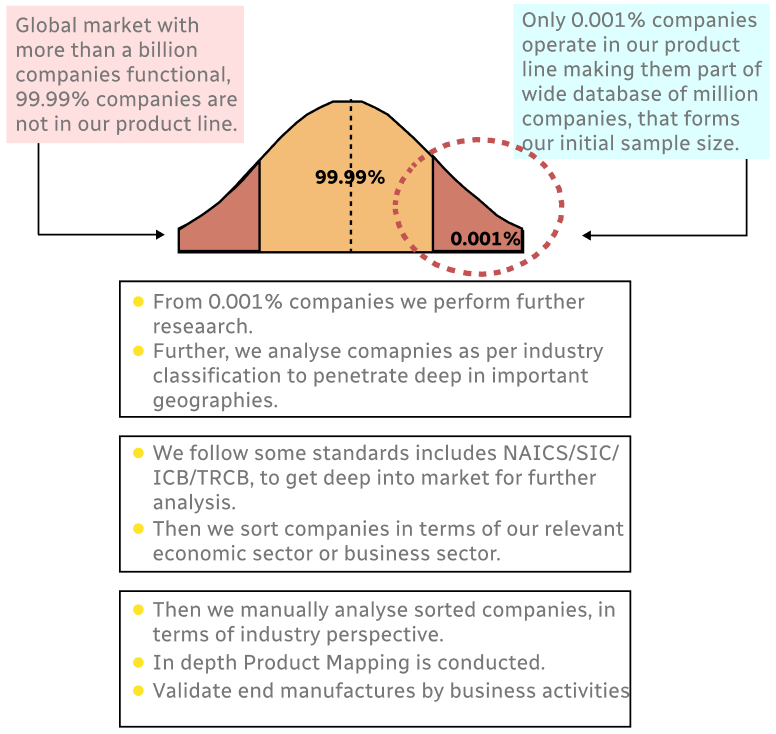
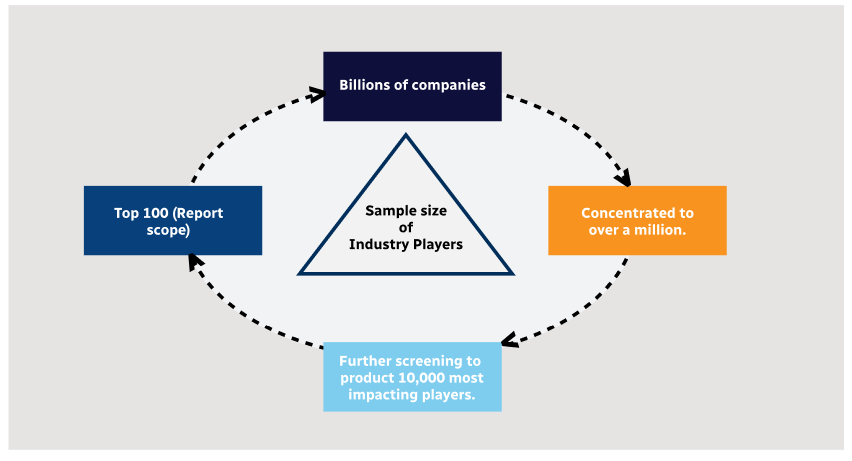
Step 1 - Identification of Relevant Samples Size from Population Database
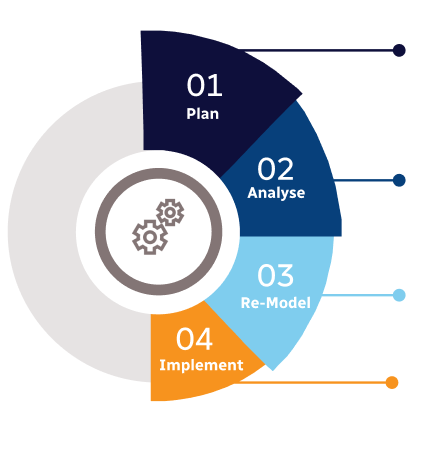
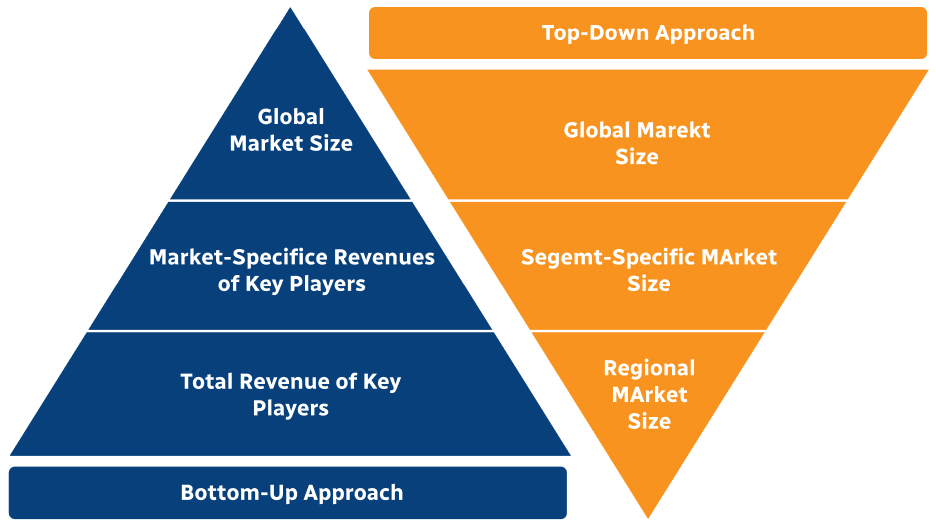
Step 2 - Approaches for Defining Global Market Size (Value, Volume* & Price*)
Note*: In applicable scenarios
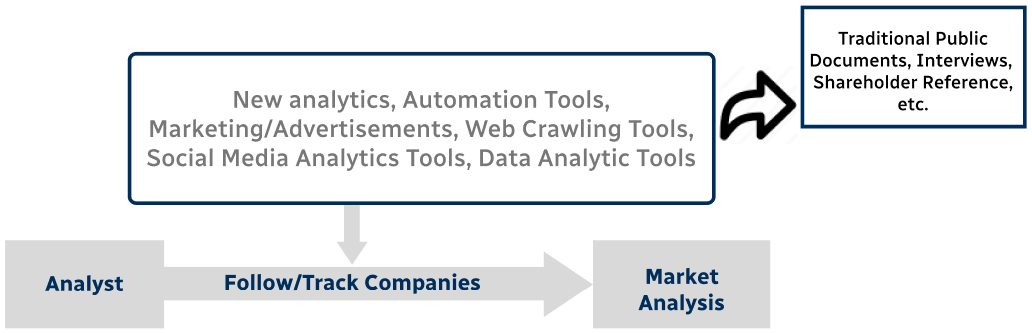
Step 3 - Data Sources
Primary Research
- Web Analytics
- Survey Reports
- Research Institute
- Latest Research Reports
- Opinion Leaders
Secondary Research
- Annual Reports
- White Paper
- Latest Press Release
- Industry Association
- Paid Database
- Investor Presentations
Step 4 - Data Triangulation
Involves using different sources of information in order to increase the validity of a study
These sources are likely to be stakeholders in a program - participants, other researchers, program staff, other community members, and so on.
Then we put all data in single framework & apply various statistical tools to find out the dynamic on the market.
During the analysis stage, feedback from the stakeholder groups would be compared to determine areas of agreement as well as areas of divergence