


Key Insights
The global Pneumonia Treatment Market is projected for significant expansion, expected to reach $21.33 billion by 2025, with a Compound Annual Growth Rate (CAGR) of 7.8% through 2033. This growth is driven by increasing respiratory infections, air pollution, antibiotic resistance, and an aging population. Advancements in diagnostics and novel therapies, including targeted antibiotics and drug delivery systems, are also key drivers. The market is segmented by drug type, with Quinolone and Macrolide antibiotics leading due to their broad-spectrum efficacy. Cephalosporins and Aminopenicilins are vital for empirical treatment, while Glycopeptides are gaining traction for resistant infections. Hospital pharmacies dominate distribution channels, followed by retail pharmacies for outpatient care.
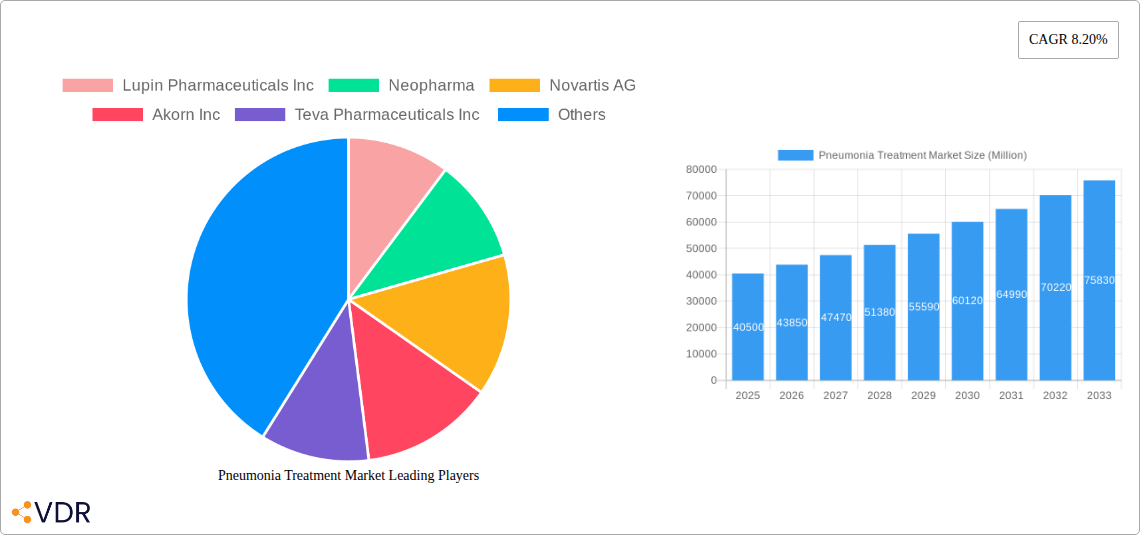
Pneumonia Treatment Market Market Size (In Billion)

Regional dynamics are notable, with North America currently leading due to advanced healthcare infrastructure and high spending. Europe and Asia Pacific exhibit rapid growth, with Asia Pacific being a particularly dynamic market due to its large population, increasing healthcare access, and a rising burden of infectious diseases. Growth is fueled by government initiatives, enhanced awareness, and continuous R&D. Key restraints include the growing threat of antimicrobial resistance (AMR), requiring careful antibiotic stewardship and the development of new drug classes. Stringent regulatory approvals and high R&D costs also present challenges. Despite these, sustained demand for effective therapies and ongoing innovation ensure continued market growth.
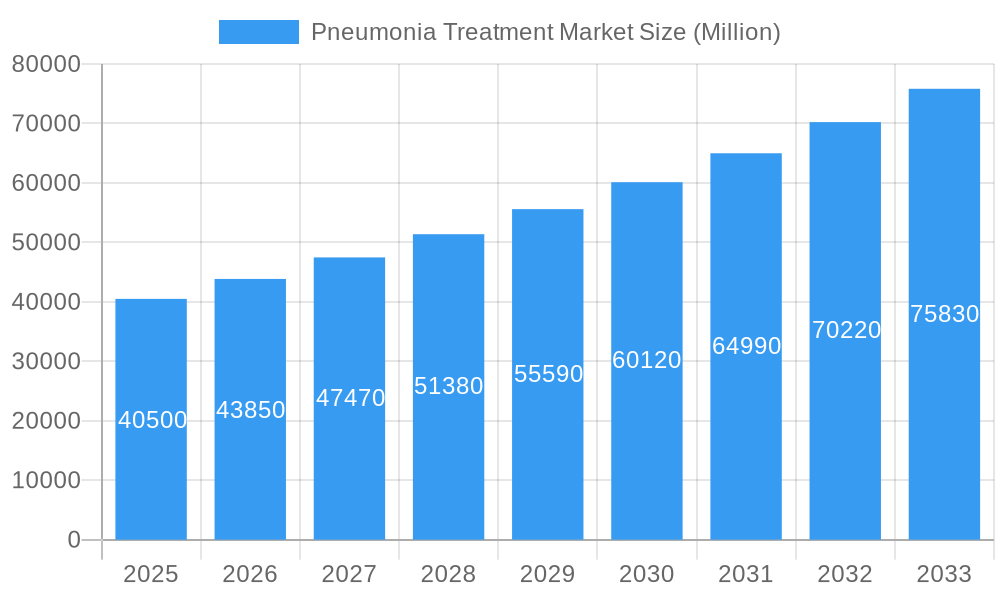
Pneumonia Treatment Market Company Market Share
Gain strategic advantage with this in-depth analysis of the global Pneumonia Treatment Market. This report provides unparalleled insights into market dynamics, growth trajectories, and competitive landscapes, covering the historical period and forecasting to 2033. Essential for pharmaceutical manufacturers, healthcare providers, investors, and policymakers, this report details key segments, regional dominance, and emerging opportunities within the pneumonia therapeutics sector. Our analysis leverages current data and expert projections for informed decision-making.
Pneumonia Treatment Market Market Dynamics & Structure
The Pneumonia Treatment Market is characterized by a moderate to high concentration, with key players investing heavily in research and development to combat evolving pathogens and antibiotic resistance. Technological innovation is a primary driver, focusing on novel drug discovery, advanced diagnostic tools, and the development of more effective vaccines. Regulatory frameworks, established by bodies like the FDA and EMA, significantly influence product approvals and market access, creating both opportunities and barriers to entry. Competitive product substitutes include various classes of antibiotics, antiviral medications, and preventative vaccines, each vying for market share based on efficacy, safety profiles, and cost-effectiveness. End-user demographics, particularly the aging global population and the prevalence of immunocompromised individuals, are crucial determinants of demand. Merger and acquisition (M&A) trends indicate a strategic consolidation aimed at expanding product portfolios, enhancing R&D capabilities, and gaining market access. For instance, approximately 15-20% of M&A activity in the respiratory disease therapeutic area in recent years has involved companies focused on pneumonia treatment solutions. Innovation barriers include the lengthy and expensive drug development process, stringent clinical trial requirements, and the increasing challenge of combating multidrug-resistant strains of bacteria.
Pneumonia Treatment Market Growth Trends & Insights
The global Pneumonia Treatment Market is projected to experience robust growth, driven by a confluence of escalating disease burden, advancements in medical technology, and increasing healthcare expenditure worldwide. The market size is estimated to reach xx Million units in 2025, with a projected Compound Annual Growth Rate (CAGR) of xx% from 2025 to 2033. This sustained expansion is fueled by a rising incidence of both community-acquired pneumonia (CAP) and hospital-acquired pneumonia (HAP), exacerbated by factors such as aging populations, the rise of chronic respiratory conditions, and global public health challenges. Adoption rates of novel therapeutic agents and advanced diagnostic methods are steadily increasing as healthcare providers seek more effective and targeted treatment strategies. Technological disruptions, including the development of rapid diagnostic kits and the exploration of biologics and personalized medicine approaches, are poised to reshape treatment paradigms. Consumer behavior shifts are also playing a significant role, with greater awareness among the public regarding the importance of early diagnosis and treatment, as well as the preventative benefits of vaccination. Market penetration is expected to deepen in emerging economies as healthcare infrastructure improves and access to advanced treatments expands. The overall trajectory indicates a dynamic and expanding market, responsive to both clinical needs and innovative solutions.
Dominant Regions, Countries, or Segments in Pneumonia Treatment Market
The Pneumonia Treatment Market exhibits significant regional and segmental variations, with North America currently leading in market share and growth potential. This dominance is attributed to a well-established healthcare infrastructure, high per capita healthcare spending, and a strong emphasis on research and development for novel pneumonia therapies. The United States, in particular, represents a substantial portion of the North American market due to its advanced healthcare system and a large patient pool suffering from respiratory illnesses.
Drug Type Segmentation Analysis:
- Macrolide antibiotics currently hold a significant market share due to their broad-spectrum efficacy against common bacterial pathogens responsible for pneumonia, such as Streptococcus pneumoniae. Their favorable safety profile and widespread availability contribute to their continued prominence.
- Quinolone antibiotics are also crucial, particularly for treating resistant strains, and are expected to see steady demand growth.
- Aminopenicilin and Cephalosporins remain important, especially in hospital settings, though their market share might be influenced by emerging resistance patterns.
- Glycopeptide Antibiotics are vital for treating severe infections, particularly those caused by Gram-positive bacteria like MRSA, and their market is driven by the rise of resistant infections.
- Others encompass newer classes of antibiotics and investigational drugs, representing a growing segment with high innovation potential.
Distribution Channel Analysis:
- Hospital Pharmacies represent the largest distribution channel, reflecting the severity of pneumonia cases often requiring inpatient care and intravenous administration of medications.
- Retail Pharmacies cater to the outpatient segment, serving patients with less severe forms of pneumonia or those requiring ongoing oral medication.
- Others, including specialized clinics and online pharmacies, are emerging channels with growing influence.
Key drivers for regional dominance include robust government initiatives promoting public health, favorable reimbursement policies, and the presence of leading pharmaceutical companies actively engaged in R&D and market expansion within these regions. Economic policies supporting healthcare innovation and infrastructure development further bolster the growth of dominant regions, making them prime targets for market investment and strategic partnerships.
Pneumonia Treatment Market Product Landscape
The Pneumonia Treatment Market product landscape is characterized by a diverse array of therapeutic agents, primarily focusing on antibiotics and, increasingly, vaccines. Key product innovations include the development of novel antibiotic classes designed to overcome growing antimicrobial resistance, alongside advanced macrolide and quinolone formulations offering improved efficacy and reduced side effects. Vaccine advancements are a critical component, with the introduction of conjugate vaccines targeting a wider range of pneumococcal serotypes to enhance preventative measures against invasive pneumococcal disease and pneumonia. Performance metrics are measured by clinical trial success rates, post-market surveillance data on efficacy and safety, and the ability of products to address specific pathogen profiles. Unique selling propositions often revolve around enhanced spectrum of activity, reduced dosing frequency, and superior patient tolerability, alongside the comprehensive protection offered by new vaccine formulations. Technological advancements are enabling more targeted therapies and improved diagnostic tools to guide treatment decisions.
Key Drivers, Barriers & Challenges in Pneumonia Treatment Market
Key Drivers:
- Rising Incidence of Pneumonia: Increasing prevalence of both community-acquired and hospital-acquired pneumonia, driven by aging populations, co-morbidities, and immunocompromised individuals, fuels demand for effective treatments.
- Antimicrobial Resistance (AMR): The growing threat of drug-resistant pathogens necessitates continuous innovation in antibiotic development and the adoption of newer, more potent therapeutic agents.
- Advancements in Vaccines: The development and uptake of pneumococcal conjugate vaccines play a crucial role in preventing invasive pneumococcal disease and pneumonia, especially in pediatric and elderly populations.
- Improved Diagnostic Technologies: Enhanced diagnostic tools enable earlier and more accurate identification of causative agents, leading to more targeted and effective treatment strategies.
- Increasing Healthcare Expenditure: Growing investments in healthcare infrastructure and patient care, particularly in emerging economies, are expanding access to pneumonia treatments.
Key Barriers and Challenges:
- Antimicrobial Resistance (AMR): The persistent challenge of evolving resistance strains limits the effectiveness of existing antibiotics and increases treatment complexity and cost.
- High Cost of Drug Development: The lengthy and expensive R&D process for new antibiotics and vaccines poses a significant financial barrier for pharmaceutical companies.
- Regulatory Hurdles: Stringent regulatory approval pathways, requiring extensive clinical trials, can delay market entry for novel therapies.
- Reimbursement Policies: Inadequate reimbursement policies in certain regions can hinder the widespread adoption of expensive or novel treatments.
- Supply Chain Disruptions: Global supply chain vulnerabilities can impact the availability and affordability of essential pneumonia medications. The estimated impact of supply chain disruptions on drug availability can range from 5-10% in affected regions.
Emerging Opportunities in Pneumonia Treatment Market
Emerging opportunities in the Pneumonia Treatment Market lie in the development of novel therapeutic modalities beyond traditional antibiotics, such as phage therapy and adjunctive immunotherapies, to combat multidrug-resistant organisms. The growing demand for personalized medicine, utilizing advanced diagnostics to tailor treatment regimens based on specific pathogen profiles and patient characteristics, presents a significant avenue for growth. Furthermore, the untapped potential of emerging economies, with their rapidly expanding healthcare infrastructure and increasing awareness of respiratory diseases, offers substantial market expansion possibilities. Continued innovation in vaccine technology, targeting broader serotype coverage and improved immunogenicity, will remain a key opportunity for preventative strategies. The integration of artificial intelligence (AI) and machine learning in drug discovery and diagnostics also promises to accelerate the development of more effective pneumonia treatments.
Growth Accelerators in the Pneumonia Treatment Market Industry
Growth accelerators for the Pneumonia Treatment Market are primarily driven by significant technological breakthroughs and strategic market expansion initiatives. The continuous development of novel antibiotic classes and vaccines with broader efficacy against resistant strains is a major catalyst. Government initiatives aimed at combating antimicrobial resistance, coupled with increased funding for R&D in infectious diseases, further propel market growth. Strategic partnerships between pharmaceutical companies, research institutions, and healthcare providers are accelerating the development and commercialization of innovative treatments. Moreover, the expanding reach of healthcare services in emerging economies, coupled with rising disposable incomes, is creating new markets for pneumonia therapeutics. The increasing focus on preventative healthcare strategies, including robust vaccination programs, also contributes significantly to long-term market expansion.
Key Players Shaping the Pneumonia Treatment Market Market
- Lupin Pharmaceuticals Inc
- Neopharma
- Novartis AG
- Akorn Inc
- Teva Pharmaceuticals Inc
- Abbott
- Viatris
- AbbVie
- Baxter International Inc
- Pfizer Inc
Notable Milestones in Pneumonia Treatment Market Sector
- September 2022: Merck announced that the CHMP approved VAXNEUVANCE (Pneumococcal 15-valent Conjugate Vaccine) (pronounced VAKS-noo-vans) for active immunization for the prevention of invasive disease, pneumonia, and acute otitis media caused by Streptococcus pneumoniae in infants, children and adolescents from 6 weeks to less than 18 years of age.
- September 2022: Pfizer announced positive top-line results from its pivotal European Union Phase III study in infants (NCT04546425) evaluating its 20-valent pneumococcal conjugate vaccine candidate (20vPnC) for the prevention of invasive pneumococcal disease (IPD), pneumonia, and acute otitis media caused by the 20 Streptococcus pneumoniae (pneumococcus) serotypes contained in the vaccine for the pediatric population.
In-Depth Pneumonia Treatment Market Market Outlook
The Pneumonia Treatment Market is poised for sustained growth, driven by the persistent need for effective interventions against a complex and evolving spectrum of pathogens. Future market potential is significantly influenced by ongoing research into novel antimicrobial agents and the continuous advancement of vaccine technology to broaden serotype coverage and enhance immunogenicity. Strategic opportunities abound in the development of personalized medicine approaches, leveraging diagnostic advancements to guide therapy. Furthermore, the expansion of healthcare access in emerging markets presents a considerable growth avenue. Continued investment in R&D, coupled with supportive regulatory and economic policies, will be crucial in capitalizing on these opportunities and addressing the global burden of pneumonia effectively.
Pneumonia Treatment Market Segmentation
-
1. Drug Type
- 1.1. Quinolone
- 1.2. Macrolide
- 1.3. Aminopenicilin
- 1.4. Cephalosporins
- 1.5. Glycopeptide Antibiotics
- 1.6. Others
-
2. Distribution Channel
- 2.1. Hospital Pharmacies
- 2.2. Retail Pharmacies
- 2.3. Others
Pneumonia Treatment Market Segmentation By Geography
-
1. North America
- 1.1. United States
- 1.2. Canada
- 1.3. Mexico
-
2. Europe
- 2.1. Germany
- 2.2. United Kingdom
- 2.3. France
- 2.4. Italy
- 2.5. Spain
- 2.6. Rest of Europe
-
3. Asia Pacific
- 3.1. China
- 3.2. Japan
- 3.3. India
- 3.4. Australia
- 3.5. South Korea
- 3.6. Rest of Asia Pacific
-
4. Middle East and Africa
- 4.1. GCC
- 4.2. South Africa
- 4.3. Rest of Middle East and Africa
-
5. South America
- 5.1. Brazil
- 5.2. Argentina
- 5.3. Rest of South America
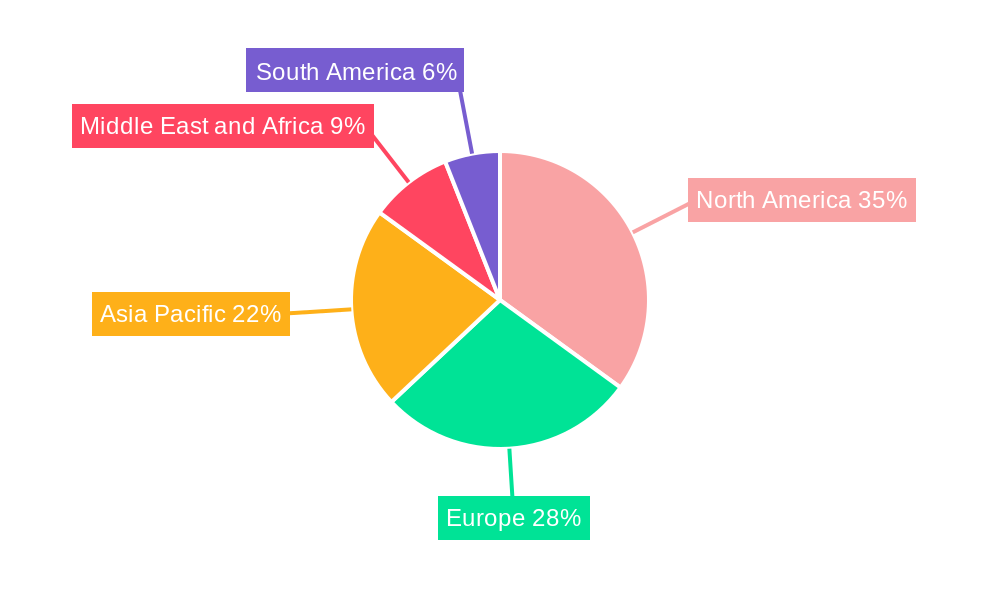
Pneumonia Treatment Market Regional Market Share
Geographic Coverage of Pneumonia Treatment Market
Pneumonia Treatment Market REPORT HIGHLIGHTS
| Aspects | Details |
|---|---|
| Study Period | 2020-2034 |
| Base Year | 2025 |
| Estimated Year | 2026 |
| Forecast Period | 2026-2034 |
| Historical Period | 2020-2025 |
| Growth Rate | CAGR of 7.8% from 2020-2034 |
| Segmentation |
|
Table of Contents
- 1. Introduction
- 1.1. Research Scope
- 1.2. Market Segmentation
- 1.3. Research Methodology
- 1.4. Definitions and Assumptions
- 2. Executive Summary
- 2.1. Introduction
- 3. Market Dynamics
- 3.1. Introduction
- 3.2. Market Drivers
- 3.2.1 The rise in respiratory infections
- 3.2.2 exacerbated by factors like air pollution
- 3.2.3 smoking
- 3.2.4 and viral pandemics (e.g.
- 3.2.5 COVID-19)
- 3.2.6 continues to drive demand for pneumonia treatment options.
- 3.3. Market Restrains
- 3.3.1 The financial burden on patients
- 3.3.2 particularly in countries with fragmented healthcare systems
- 3.3.3 can limit access to treatment
- 3.3.4 especially among the uninsured or underinsured populations.
- 3.4. Market Trends
- 3.4.1 Vaccination is one of the most effective ways to prevent pneumonia
- 3.4.2 and governments and healthcare organizations worldwide are increasing their focus on pneumococcal and influenza vaccinations to reduce the incidence of pneumonia
- 3.4.3 especially among high-risk populations.
- 4. Market Factor Analysis
- 4.1. Porters Five Forces
- 4.2. Supply/Value Chain
- 4.3. PESTEL analysis
- 4.4. Market Entropy
- 4.5. Patent/Trademark Analysis
- 5. Global Pneumonia Treatment Market Analysis, Insights and Forecast, 2020-2032
- 5.1. Market Analysis, Insights and Forecast - by Drug Type
- 5.1.1. Quinolone
- 5.1.2. Macrolide
- 5.1.3. Aminopenicilin
- 5.1.4. Cephalosporins
- 5.1.5. Glycopeptide Antibiotics
- 5.1.6. Others
- 5.2. Market Analysis, Insights and Forecast - by Distribution Channel
- 5.2.1. Hospital Pharmacies
- 5.2.2. Retail Pharmacies
- 5.2.3. Others
- 5.3. Market Analysis, Insights and Forecast - by Region
- 5.3.1. North America
- 5.3.2. Europe
- 5.3.3. Asia Pacific
- 5.3.4. Middle East and Africa
- 5.3.5. South America
- 5.1. Market Analysis, Insights and Forecast - by Drug Type
- 6. North America Pneumonia Treatment Market Analysis, Insights and Forecast, 2020-2032
- 6.1. Market Analysis, Insights and Forecast - by Drug Type
- 6.1.1. Quinolone
- 6.1.2. Macrolide
- 6.1.3. Aminopenicilin
- 6.1.4. Cephalosporins
- 6.1.5. Glycopeptide Antibiotics
- 6.1.6. Others
- 6.2. Market Analysis, Insights and Forecast - by Distribution Channel
- 6.2.1. Hospital Pharmacies
- 6.2.2. Retail Pharmacies
- 6.2.3. Others
- 6.1. Market Analysis, Insights and Forecast - by Drug Type
- 7. Europe Pneumonia Treatment Market Analysis, Insights and Forecast, 2020-2032
- 7.1. Market Analysis, Insights and Forecast - by Drug Type
- 7.1.1. Quinolone
- 7.1.2. Macrolide
- 7.1.3. Aminopenicilin
- 7.1.4. Cephalosporins
- 7.1.5. Glycopeptide Antibiotics
- 7.1.6. Others
- 7.2. Market Analysis, Insights and Forecast - by Distribution Channel
- 7.2.1. Hospital Pharmacies
- 7.2.2. Retail Pharmacies
- 7.2.3. Others
- 7.1. Market Analysis, Insights and Forecast - by Drug Type
- 8. Asia Pacific Pneumonia Treatment Market Analysis, Insights and Forecast, 2020-2032
- 8.1. Market Analysis, Insights and Forecast - by Drug Type
- 8.1.1. Quinolone
- 8.1.2. Macrolide
- 8.1.3. Aminopenicilin
- 8.1.4. Cephalosporins
- 8.1.5. Glycopeptide Antibiotics
- 8.1.6. Others
- 8.2. Market Analysis, Insights and Forecast - by Distribution Channel
- 8.2.1. Hospital Pharmacies
- 8.2.2. Retail Pharmacies
- 8.2.3. Others
- 8.1. Market Analysis, Insights and Forecast - by Drug Type
- 9. Middle East and Africa Pneumonia Treatment Market Analysis, Insights and Forecast, 2020-2032
- 9.1. Market Analysis, Insights and Forecast - by Drug Type
- 9.1.1. Quinolone
- 9.1.2. Macrolide
- 9.1.3. Aminopenicilin
- 9.1.4. Cephalosporins
- 9.1.5. Glycopeptide Antibiotics
- 9.1.6. Others
- 9.2. Market Analysis, Insights and Forecast - by Distribution Channel
- 9.2.1. Hospital Pharmacies
- 9.2.2. Retail Pharmacies
- 9.2.3. Others
- 9.1. Market Analysis, Insights and Forecast - by Drug Type
- 10. South America Pneumonia Treatment Market Analysis, Insights and Forecast, 2020-2032
- 10.1. Market Analysis, Insights and Forecast - by Drug Type
- 10.1.1. Quinolone
- 10.1.2. Macrolide
- 10.1.3. Aminopenicilin
- 10.1.4. Cephalosporins
- 10.1.5. Glycopeptide Antibiotics
- 10.1.6. Others
- 10.2. Market Analysis, Insights and Forecast - by Distribution Channel
- 10.2.1. Hospital Pharmacies
- 10.2.2. Retail Pharmacies
- 10.2.3. Others
- 10.1. Market Analysis, Insights and Forecast - by Drug Type
- 11. Competitive Analysis
- 11.1. Global Market Share Analysis 2025
- 11.2. Company Profiles
- 11.2.1 Lupin Pharmaceuticals Inc
- 11.2.1.1. Overview
- 11.2.1.2. Products
- 11.2.1.3. SWOT Analysis
- 11.2.1.4. Recent Developments
- 11.2.1.5. Financials (Based on Availability)
- 11.2.2 Neopharma
- 11.2.2.1. Overview
- 11.2.2.2. Products
- 11.2.2.3. SWOT Analysis
- 11.2.2.4. Recent Developments
- 11.2.2.5. Financials (Based on Availability)
- 11.2.3 Novartis AG
- 11.2.3.1. Overview
- 11.2.3.2. Products
- 11.2.3.3. SWOT Analysis
- 11.2.3.4. Recent Developments
- 11.2.3.5. Financials (Based on Availability)
- 11.2.4 Akorn Inc
- 11.2.4.1. Overview
- 11.2.4.2. Products
- 11.2.4.3. SWOT Analysis
- 11.2.4.4. Recent Developments
- 11.2.4.5. Financials (Based on Availability)
- 11.2.5 Teva Pharmaceuticals Inc
- 11.2.5.1. Overview
- 11.2.5.2. Products
- 11.2.5.3. SWOT Analysis
- 11.2.5.4. Recent Developments
- 11.2.5.5. Financials (Based on Availability)
- 11.2.6 Abbott
- 11.2.6.1. Overview
- 11.2.6.2. Products
- 11.2.6.3. SWOT Analysis
- 11.2.6.4. Recent Developments
- 11.2.6.5. Financials (Based on Availability)
- 11.2.7 Viatris
- 11.2.7.1. Overview
- 11.2.7.2. Products
- 11.2.7.3. SWOT Analysis
- 11.2.7.4. Recent Developments
- 11.2.7.5. Financials (Based on Availability)
- 11.2.8 AbbVie
- 11.2.8.1. Overview
- 11.2.8.2. Products
- 11.2.8.3. SWOT Analysis
- 11.2.8.4. Recent Developments
- 11.2.8.5. Financials (Based on Availability)
- 11.2.9 Baxter International Inc
- 11.2.9.1. Overview
- 11.2.9.2. Products
- 11.2.9.3. SWOT Analysis
- 11.2.9.4. Recent Developments
- 11.2.9.5. Financials (Based on Availability)
- 11.2.10 Pfizer Inc
- 11.2.10.1. Overview
- 11.2.10.2. Products
- 11.2.10.3. SWOT Analysis
- 11.2.10.4. Recent Developments
- 11.2.10.5. Financials (Based on Availability)
- 11.2.1 Lupin Pharmaceuticals Inc
List of Figures
- Figure 1: Global Pneumonia Treatment Market Revenue Breakdown (billion, %) by Region 2025 & 2033
- Figure 2: North America Pneumonia Treatment Market Revenue (billion), by Drug Type 2025 & 2033
- Figure 3: North America Pneumonia Treatment Market Revenue Share (%), by Drug Type 2025 & 2033
- Figure 4: North America Pneumonia Treatment Market Revenue (billion), by Distribution Channel 2025 & 2033
- Figure 5: North America Pneumonia Treatment Market Revenue Share (%), by Distribution Channel 2025 & 2033
- Figure 6: North America Pneumonia Treatment Market Revenue (billion), by Country 2025 & 2033
- Figure 7: North America Pneumonia Treatment Market Revenue Share (%), by Country 2025 & 2033
- Figure 8: Europe Pneumonia Treatment Market Revenue (billion), by Drug Type 2025 & 2033
- Figure 9: Europe Pneumonia Treatment Market Revenue Share (%), by Drug Type 2025 & 2033
- Figure 10: Europe Pneumonia Treatment Market Revenue (billion), by Distribution Channel 2025 & 2033
- Figure 11: Europe Pneumonia Treatment Market Revenue Share (%), by Distribution Channel 2025 & 2033
- Figure 12: Europe Pneumonia Treatment Market Revenue (billion), by Country 2025 & 2033
- Figure 13: Europe Pneumonia Treatment Market Revenue Share (%), by Country 2025 & 2033
- Figure 14: Asia Pacific Pneumonia Treatment Market Revenue (billion), by Drug Type 2025 & 2033
- Figure 15: Asia Pacific Pneumonia Treatment Market Revenue Share (%), by Drug Type 2025 & 2033
- Figure 16: Asia Pacific Pneumonia Treatment Market Revenue (billion), by Distribution Channel 2025 & 2033
- Figure 17: Asia Pacific Pneumonia Treatment Market Revenue Share (%), by Distribution Channel 2025 & 2033
- Figure 18: Asia Pacific Pneumonia Treatment Market Revenue (billion), by Country 2025 & 2033
- Figure 19: Asia Pacific Pneumonia Treatment Market Revenue Share (%), by Country 2025 & 2033
- Figure 20: Middle East and Africa Pneumonia Treatment Market Revenue (billion), by Drug Type 2025 & 2033
- Figure 21: Middle East and Africa Pneumonia Treatment Market Revenue Share (%), by Drug Type 2025 & 2033
- Figure 22: Middle East and Africa Pneumonia Treatment Market Revenue (billion), by Distribution Channel 2025 & 2033
- Figure 23: Middle East and Africa Pneumonia Treatment Market Revenue Share (%), by Distribution Channel 2025 & 2033
- Figure 24: Middle East and Africa Pneumonia Treatment Market Revenue (billion), by Country 2025 & 2033
- Figure 25: Middle East and Africa Pneumonia Treatment Market Revenue Share (%), by Country 2025 & 2033
- Figure 26: South America Pneumonia Treatment Market Revenue (billion), by Drug Type 2025 & 2033
- Figure 27: South America Pneumonia Treatment Market Revenue Share (%), by Drug Type 2025 & 2033
- Figure 28: South America Pneumonia Treatment Market Revenue (billion), by Distribution Channel 2025 & 2033
- Figure 29: South America Pneumonia Treatment Market Revenue Share (%), by Distribution Channel 2025 & 2033
- Figure 30: South America Pneumonia Treatment Market Revenue (billion), by Country 2025 & 2033
- Figure 31: South America Pneumonia Treatment Market Revenue Share (%), by Country 2025 & 2033
List of Tables
- Table 1: Global Pneumonia Treatment Market Revenue billion Forecast, by Drug Type 2020 & 2033
- Table 2: Global Pneumonia Treatment Market Revenue billion Forecast, by Distribution Channel 2020 & 2033
- Table 3: Global Pneumonia Treatment Market Revenue billion Forecast, by Region 2020 & 2033
- Table 4: Global Pneumonia Treatment Market Revenue billion Forecast, by Drug Type 2020 & 2033
- Table 5: Global Pneumonia Treatment Market Revenue billion Forecast, by Distribution Channel 2020 & 2033
- Table 6: Global Pneumonia Treatment Market Revenue billion Forecast, by Country 2020 & 2033
- Table 7: United States Pneumonia Treatment Market Revenue (billion) Forecast, by Application 2020 & 2033
- Table 8: Canada Pneumonia Treatment Market Revenue (billion) Forecast, by Application 2020 & 2033
- Table 9: Mexico Pneumonia Treatment Market Revenue (billion) Forecast, by Application 2020 & 2033
- Table 10: Global Pneumonia Treatment Market Revenue billion Forecast, by Drug Type 2020 & 2033
- Table 11: Global Pneumonia Treatment Market Revenue billion Forecast, by Distribution Channel 2020 & 2033
- Table 12: Global Pneumonia Treatment Market Revenue billion Forecast, by Country 2020 & 2033
- Table 13: Germany Pneumonia Treatment Market Revenue (billion) Forecast, by Application 2020 & 2033
- Table 14: United Kingdom Pneumonia Treatment Market Revenue (billion) Forecast, by Application 2020 & 2033
- Table 15: France Pneumonia Treatment Market Revenue (billion) Forecast, by Application 2020 & 2033
- Table 16: Italy Pneumonia Treatment Market Revenue (billion) Forecast, by Application 2020 & 2033
- Table 17: Spain Pneumonia Treatment Market Revenue (billion) Forecast, by Application 2020 & 2033
- Table 18: Rest of Europe Pneumonia Treatment Market Revenue (billion) Forecast, by Application 2020 & 2033
- Table 19: Global Pneumonia Treatment Market Revenue billion Forecast, by Drug Type 2020 & 2033
- Table 20: Global Pneumonia Treatment Market Revenue billion Forecast, by Distribution Channel 2020 & 2033
- Table 21: Global Pneumonia Treatment Market Revenue billion Forecast, by Country 2020 & 2033
- Table 22: China Pneumonia Treatment Market Revenue (billion) Forecast, by Application 2020 & 2033
- Table 23: Japan Pneumonia Treatment Market Revenue (billion) Forecast, by Application 2020 & 2033
- Table 24: India Pneumonia Treatment Market Revenue (billion) Forecast, by Application 2020 & 2033
- Table 25: Australia Pneumonia Treatment Market Revenue (billion) Forecast, by Application 2020 & 2033
- Table 26: South Korea Pneumonia Treatment Market Revenue (billion) Forecast, by Application 2020 & 2033
- Table 27: Rest of Asia Pacific Pneumonia Treatment Market Revenue (billion) Forecast, by Application 2020 & 2033
- Table 28: Global Pneumonia Treatment Market Revenue billion Forecast, by Drug Type 2020 & 2033
- Table 29: Global Pneumonia Treatment Market Revenue billion Forecast, by Distribution Channel 2020 & 2033
- Table 30: Global Pneumonia Treatment Market Revenue billion Forecast, by Country 2020 & 2033
- Table 31: GCC Pneumonia Treatment Market Revenue (billion) Forecast, by Application 2020 & 2033
- Table 32: South Africa Pneumonia Treatment Market Revenue (billion) Forecast, by Application 2020 & 2033
- Table 33: Rest of Middle East and Africa Pneumonia Treatment Market Revenue (billion) Forecast, by Application 2020 & 2033
- Table 34: Global Pneumonia Treatment Market Revenue billion Forecast, by Drug Type 2020 & 2033
- Table 35: Global Pneumonia Treatment Market Revenue billion Forecast, by Distribution Channel 2020 & 2033
- Table 36: Global Pneumonia Treatment Market Revenue billion Forecast, by Country 2020 & 2033
- Table 37: Brazil Pneumonia Treatment Market Revenue (billion) Forecast, by Application 2020 & 2033
- Table 38: Argentina Pneumonia Treatment Market Revenue (billion) Forecast, by Application 2020 & 2033
- Table 39: Rest of South America Pneumonia Treatment Market Revenue (billion) Forecast, by Application 2020 & 2033
Frequently Asked Questions
1. What is the projected Compound Annual Growth Rate (CAGR) of the Pneumonia Treatment Market?
The projected CAGR is approximately 7.8%.
2. Which companies are prominent players in the Pneumonia Treatment Market?
Key companies in the market include Lupin Pharmaceuticals Inc, Neopharma, Novartis AG, Akorn Inc, Teva Pharmaceuticals Inc , Abbott, Viatris, AbbVie, Baxter International Inc, Pfizer Inc.
3. What are the main segments of the Pneumonia Treatment Market?
The market segments include Drug Type, Distribution Channel.
4. Can you provide details about the market size?
The market size is estimated to be USD 21.33 billion as of 2022.
5. What are some drivers contributing to market growth?
The rise in respiratory infections. exacerbated by factors like air pollution. smoking. and viral pandemics (e.g.. COVID-19). continues to drive demand for pneumonia treatment options..
6. What are the notable trends driving market growth?
Vaccination is one of the most effective ways to prevent pneumonia. and governments and healthcare organizations worldwide are increasing their focus on pneumococcal and influenza vaccinations to reduce the incidence of pneumonia. especially among high-risk populations..
7. Are there any restraints impacting market growth?
The financial burden on patients. particularly in countries with fragmented healthcare systems. can limit access to treatment. especially among the uninsured or underinsured populations..
8. Can you provide examples of recent developments in the market?
September 2022: Merck announced that the CHMP approved VAXNEUVANCE (Pneumococcal 15-valent Conjugate Vaccine) (pronounced VAKS-noo-vans) for active immunization for the prevention of invasive disease, pneumonia, and acute otitis media caused by Streptococcus pneumoniae in infants, children and adolescents from 6 weeks to less than 18 years of age.
9. What pricing options are available for accessing the report?
Pricing options include single-user, multi-user, and enterprise licenses priced at USD 4750, USD 5250, and USD 8750 respectively.
10. Is the market size provided in terms of value or volume?
The market size is provided in terms of value, measured in billion.
11. Are there any specific market keywords associated with the report?
Yes, the market keyword associated with the report is "Pneumonia Treatment Market," which aids in identifying and referencing the specific market segment covered.
12. How do I determine which pricing option suits my needs best?
The pricing options vary based on user requirements and access needs. Individual users may opt for single-user licenses, while businesses requiring broader access may choose multi-user or enterprise licenses for cost-effective access to the report.
13. Are there any additional resources or data provided in the Pneumonia Treatment Market report?
While the report offers comprehensive insights, it's advisable to review the specific contents or supplementary materials provided to ascertain if additional resources or data are available.
14. How can I stay updated on further developments or reports in the Pneumonia Treatment Market?
To stay informed about further developments, trends, and reports in the Pneumonia Treatment Market, consider subscribing to industry newsletters, following relevant companies and organizations, or regularly checking reputable industry news sources and publications.
Methodology
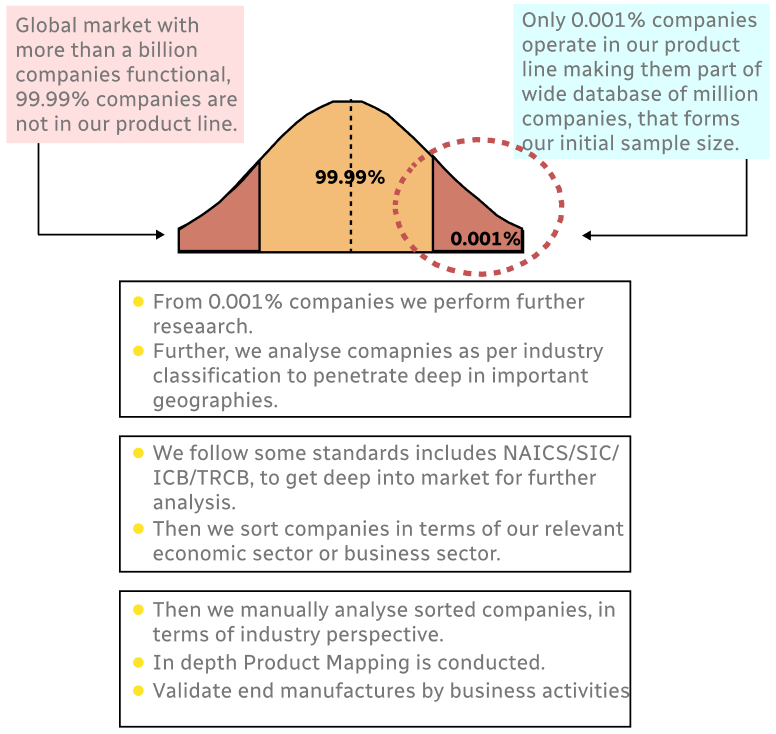
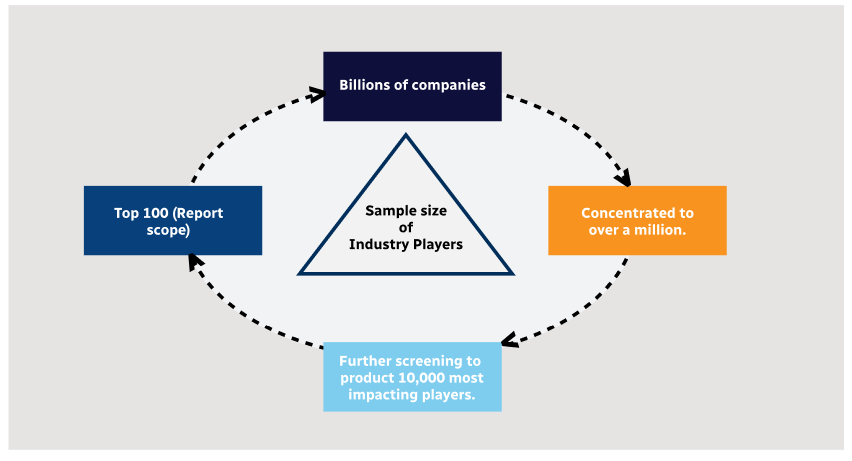
Step 1 - Identification of Relevant Samples Size from Population Database
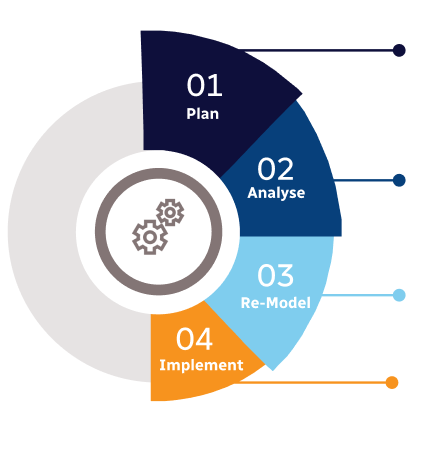
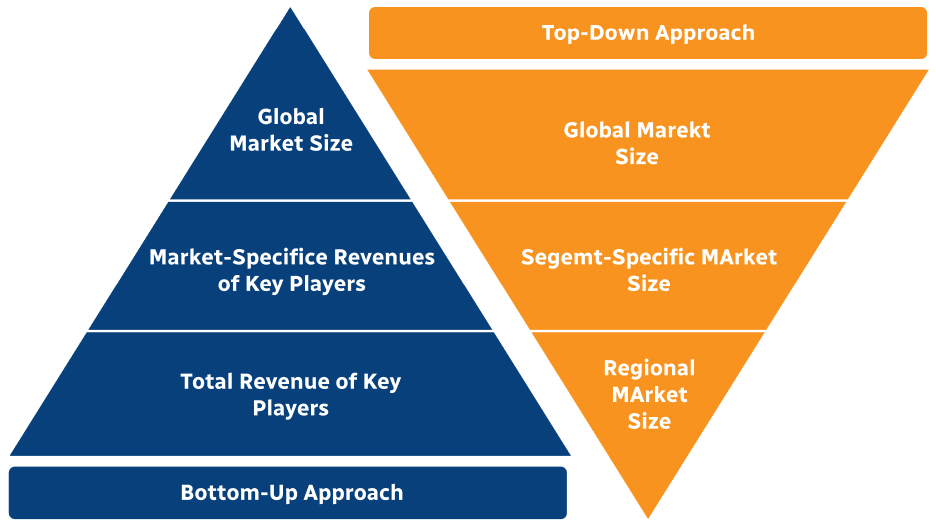
Step 2 - Approaches for Defining Global Market Size (Value, Volume* & Price*)
Note*: In applicable scenarios
Step 3 - Data Sources
Primary Research
- Web Analytics
- Survey Reports
- Research Institute
- Latest Research Reports
- Opinion Leaders
Secondary Research
- Annual Reports
- White Paper
- Latest Press Release
- Industry Association
- Paid Database
- Investor Presentations
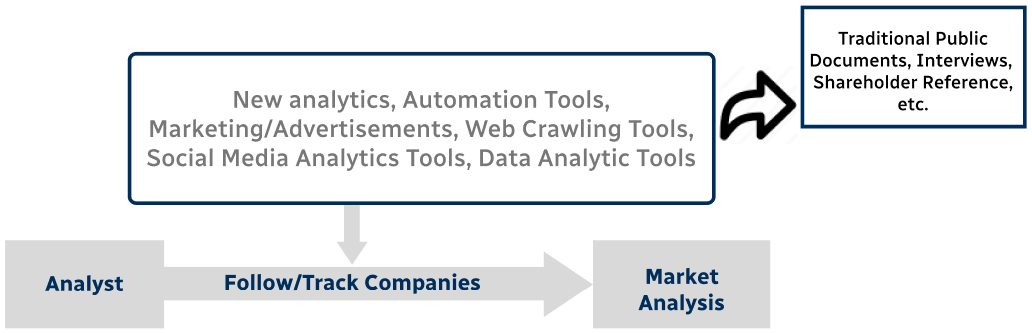
Step 4 - Data Triangulation
Involves using different sources of information in order to increase the validity of a study
These sources are likely to be stakeholders in a program - participants, other researchers, program staff, other community members, and so on.
Then we put all data in single framework & apply various statistical tools to find out the dynamic on the market.
During the analysis stage, feedback from the stakeholder groups would be compared to determine areas of agreement as well as areas of divergence