
Key Insights
The global plain clothing market is projected for substantial expansion, expected to reach $7.8 billion by the base year 2025, with a Compound Annual Growth Rate (CAGR) of 8.4%. This growth is driven by escalating demand for versatile, comfortable apparel across all demographics, influenced by minimalist fashion trends and increased everyday wearability. E-commerce channels are becoming increasingly dominant, offering enhanced accessibility and convenience for consumers seeking essential wardrobe items. The sustained popularity of athleisure and casual wear for both remote work and social settings further fuels demand for core plain clothing items like T-shirts, shirts, and sportswear. The Asia Pacific region, in particular, is poised for significant growth due to rising disposable incomes and a youthful demographic embracing global fashion.
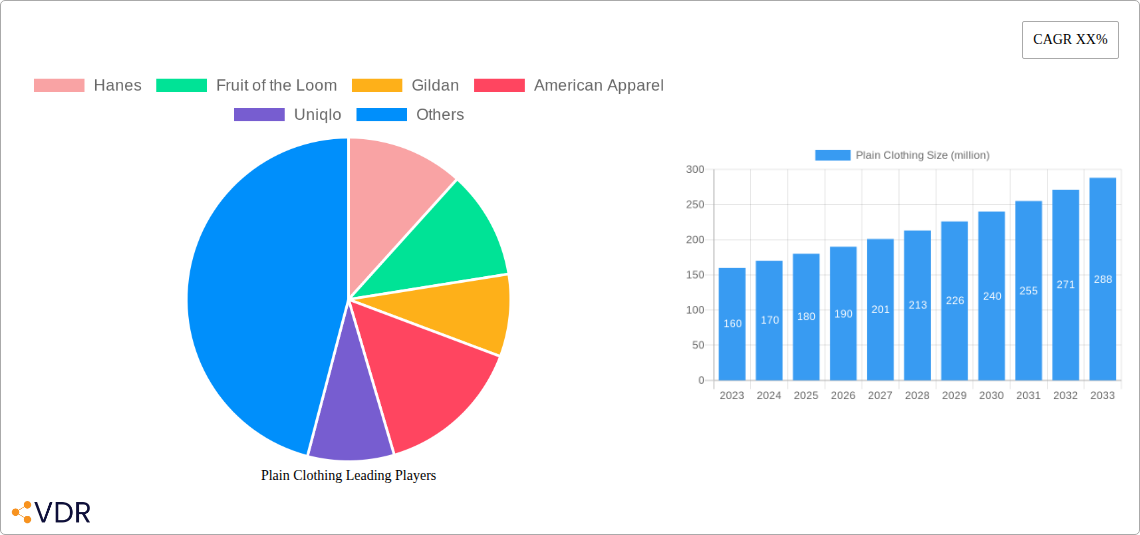
Plain Clothing Market Size (In Billion)

Market challenges include price volatility of raw materials such as cotton and polyester, impacting production costs and profitability. Intense competition from established brands and new entrants also poses pricing and market share challenges. However, strategic focus on sustainable manufacturing, ethical sourcing, and advanced fabric technologies is expected to unlock new opportunities. Companies are increasingly adopting direct-to-consumer (DTC) models and strengthening their online presence to meet evolving consumer expectations. The fundamental necessity of plain clothing ensures consistent market demand, underscoring its inherent resilience.
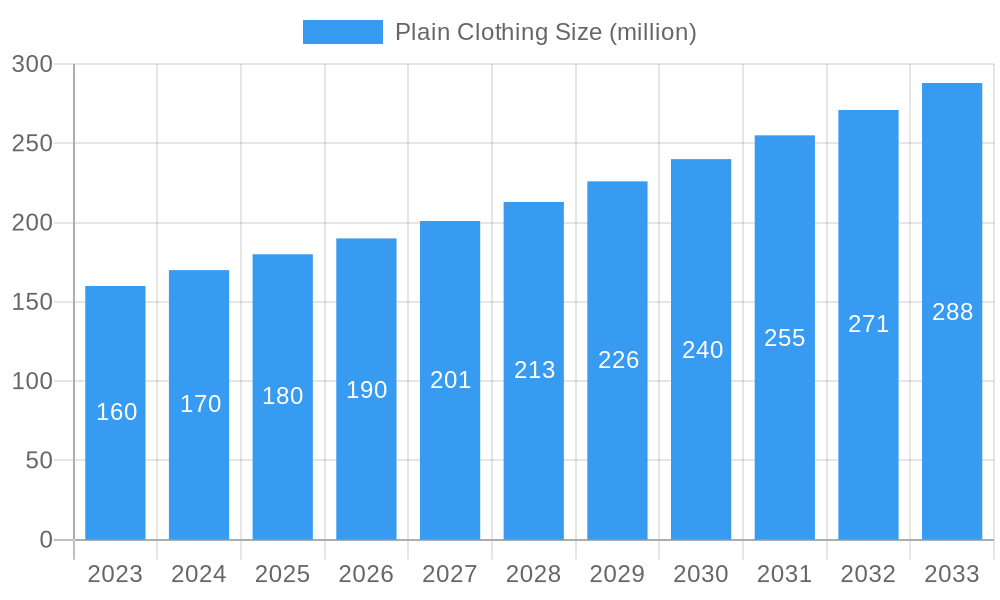
Plain Clothing Company Market Share
Plain Clothing Market Outlook: Comprehensive Analysis & Forecast (2019–2033)
This in-depth report provides a critical analysis of the global plain clothing market, offering comprehensive insights into its dynamics, growth trajectory, and future potential. Examining the landscape from 2019 to 2033, with a base and estimated year of 2025 and a forecast period of 2025–2033, this report is an essential resource for industry professionals, investors, and stakeholders seeking to understand the intricate workings of this evolving sector. Our analysis leverages robust data to highlight market size, key players, emerging trends, and strategic opportunities within the plain clothing industry, encompassing both parent and child markets. All quantitative values are presented in millions of units.
Plain Clothing Market Dynamics & Structure
The plain clothing market exhibits a moderate to highly concentrated structure, influenced by the presence of large, established players alongside a growing number of niche and direct-to-consumer (DTC) brands. Technological innovation is primarily driven by advancements in fabric technology, sustainable production methods, and e-commerce integration. Regulatory frameworks, while generally permissive, are increasingly focusing on environmental compliance and ethical sourcing, impacting manufacturing processes and material choices. Competitive product substitutes include fast fashion alternatives and specialized performance wear. End-user demographics are broad, encompassing virtually all age groups, with a growing emphasis on comfort, versatility, and conscious consumption. Mergers and acquisitions (M&A) play a role in market consolidation and strategic expansion.
- Market Concentration: Dominated by a few key players but with increasing fragmentation in the DTC space.
- Technological Innovation Drivers: Sustainable materials (e.g., organic cotton, recycled polyester), advanced dyeing techniques, supply chain traceability software, and direct-to-garment printing.
- Regulatory Frameworks: Increasing emphasis on ESG (Environmental, Social, and Governance) reporting, labor rights, and waste reduction initiatives.
- Competitive Product Substitutes: Athleisure wear, custom-printed apparel, and upcycled clothing.
- End-User Demographics: Broad appeal across Gen Z, Millennials, Gen X, and Boomers, with varying preferences for comfort, style, and sustainability.
- M&A Trends: Strategic acquisitions by larger brands to expand into new segments or acquire innovative technologies. M&A Deal Volumes: xx million units.
Plain Clothing Growth Trends & Insights
The plain clothing market is projected to experience steady and robust growth over the forecast period, driven by evolving consumer preferences and expanding distribution channels. The market size is anticipated to grow from an estimated $XX,XXX million in 2025 to $YY,YYY million by 2033, exhibiting a Compound Annual Growth Rate (CAGR) of approximately Z.ZZ%. This expansion is fueled by increasing adoption rates of online sales channels, which offer unparalleled convenience and wider product selection. Technological disruptions, such as AI-powered personalization and advanced e-commerce platforms, are enhancing the customer experience and driving engagement. Consumer behavior shifts are characterized by a greater demand for comfortable, versatile, and sustainably produced apparel, influencing purchasing decisions. The rise of the athleisure trend has significantly boosted demand for casual, comfortable plain clothing. Furthermore, the accessibility of online marketplaces has democratized access to a wider variety of plain clothing options, catering to diverse styles and budgets. The integration of seamless online shopping experiences, coupled with efficient logistics, further propels market penetration.
- Market Size Evolution: Projected to grow from $XX,XXX million in 2025 to $YY,YYY million by 2033.
- CAGR: Anticipated at Z.ZZ% during the forecast period.
- Adoption Rates: Significant increase in online sales adoption, surpassing offline sales in certain demographics.
- Technological Disruptions: AI for personalized recommendations, virtual try-on technologies, and blockchain for supply chain transparency.
- Consumer Behavior Shifts: Growing preference for comfort, durability, sustainability, and ethical production.
- Market Penetration: Expanding reach into emerging economies and diverse demographic segments.
Dominant Regions, Countries, or Segments in Plain Clothing
The Online Sales segment is anticipated to be the dominant driver of growth within the plain clothing market globally. This dominance is attributed to the increasing internet penetration, widespread smartphone usage, and the convenience offered by e-commerce platforms. North America and Europe currently lead in terms of online sales penetration, with the United States and Germany emerging as key countries. However, the Asia-Pacific region is exhibiting the fastest growth rate, propelled by the burgeoning middle class, rapid urbanization, and the increasing adoption of e-commerce in countries like China and India. The availability of a wide array of plain clothing options, from budget-friendly to premium brands, accessible at any time and from any location, significantly contributes to the online segment's stronghold. Furthermore, digital marketing strategies, influencer collaborations, and personalized online shopping experiences are effectively capturing consumer attention and driving sales.
- Dominant Application Segment: Online Sales, driven by convenience and accessibility.
- Key Regions: North America, Europe, and rapidly growing Asia-Pacific.
- Leading Countries (Online): United States, Germany, China, India.
- Growth Potential (Online): High, especially in emerging markets.
- Factors Driving Dominance:
- Widespread internet and smartphone penetration.
- Convenient shopping experience and wider product selection.
- Effective digital marketing and e-commerce strategies.
- Emerging market growth and increasing disposable income.
- Market Share (Online Sales - Estimated 2025): XX% of total market.
- Type Segments Driving Online Growth: T-Shirts and Sportswear are particularly strong in online channels.
Within the Types segment, T-Shirts consistently emerge as a foundational category, experiencing substantial demand across all sales channels. Their versatility, affordability, and inherent comfort make them a staple in almost every wardrobe. The global T-shirt market is expected to continue its upward trajectory, fueled by fashion trends, casualization of workplaces, and the ever-present demand for basic apparel. Sportswear also presents a significant growth avenue, driven by the increasing health and wellness consciousness globally, and the crossover appeal of athletic wear into everyday fashion.
- Dominant Type Segment: T-Shirts, due to their universal appeal and versatility.
- Secondary Growth Driver: Sportswear, influenced by health trends and athleisure.
- Market Share (T-Shirts - Estimated 2025): YY% of total market.
- Growth Potential (Sportswear): Significant, driven by lifestyle changes.
- Key Countries for T-Shirt Demand: Globally pervasive, with high volumes in North America, Europe, and Asia.
- Key Countries for Sportswear Demand: USA, UK, Australia, and growing markets in Europe and Asia.
Plain Clothing Product Landscape
The plain clothing product landscape is characterized by an increasing emphasis on fabric innovation, sustainable materials, and minimalist design. Brands are investing in advanced textiles that offer enhanced comfort, durability, and performance, such as moisture-wicking, odor-resistant, and temperature-regulating fabrics. The integration of recycled and organic materials is a significant trend, catering to environmentally conscious consumers. Product applications range from everyday casual wear and active lifestyles to professional settings that embrace relaxed dress codes. Performance metrics focus on longevity, ease of care, and the environmental footprint of production. Unique selling propositions often lie in ethical sourcing, transparent supply chains, and the creation of timeless, versatile pieces. Technological advancements are seen in seamless knitting, advanced dyeing processes that minimize water usage, and the development of biodegradable or compostable materials.
Key Drivers, Barriers & Challenges in Plain Clothing
Key Drivers:
- Growing Demand for Comfort and Versatility: The casualization of dress codes and the popularity of athleisure continue to drive demand for comfortable and adaptable plain clothing.
- E-commerce Expansion: Online retail platforms offer wider accessibility, convenience, and a broad product selection, fueling market growth.
- Sustainability Focus: Increasing consumer awareness and preference for eco-friendly and ethically produced apparel is a significant growth accelerator.
- Global Population Growth: A larger global population naturally translates to increased demand for basic apparel.
Barriers & Challenges:
- Intense Competition and Price Sensitivity: The plain clothing market is highly competitive, leading to price wars and pressure on profit margins.
- Supply Chain Disruptions: Geopolitical events, natural disasters, and logistical challenges can disrupt the supply of raw materials and finished goods, impacting availability and cost. Estimated impact: XX% cost increase.
- Evolving Consumer Trends: Rapid shifts in fashion trends, though less pronounced in plain clothing, can still influence demand for specific styles or colors.
- Regulatory Compliance Costs: Adhering to increasingly stringent environmental and labor regulations can increase production costs.
Emerging Opportunities in Plain Clothing
Emerging opportunities in the plain clothing market lie in the expansion of niche segments and innovative business models. The demand for custom-fit and personalized plain clothing, facilitated by advanced sizing technologies and on-demand manufacturing, presents a significant untapped market. Furthermore, the growth of the "second-hand" and "rental" markets for high-quality, durable plain garments offers a sustainable alternative and caters to budget-conscious consumers. Brands that can effectively leverage direct-to-consumer (DTC) strategies, building strong online communities and offering unique value propositions beyond just the product, will find fertile ground for growth. The increasing focus on inclusive sizing and diverse representation in marketing also opens up new avenues for brands to connect with a broader customer base.
Growth Accelerators in the Plain Clothing Industry
The plain clothing industry's long-term growth is being accelerated by a confluence of strategic initiatives and technological advancements. The persistent rise of e-commerce, supported by sophisticated logistics networks and digital marketing prowess, continues to be a primary growth engine. Strategic partnerships between apparel manufacturers and sustainable material suppliers are fostering innovation and increasing the availability of eco-friendly options. Furthermore, market expansion into developing economies, where disposable incomes are rising and the demand for basic apparel is high, presents substantial growth opportunities. Investments in vertical integration and supply chain optimization are also crucial for enhancing efficiency and cost-effectiveness, thereby supporting sustained growth.
Key Players Shaping the Plain Clothing Market
- Hanes
- Fruit of the Loom
- Gildan
- American Apparel
- Uniqlo
- Gap
- Everlane
- ASOS
- J.Crew
- Old Navy
Notable Milestones in Plain Clothing Sector
- 2019: Increased investment in sustainable sourcing and production methods by major apparel brands.
- 2020: Surge in online sales of plain clothing due to global lockdowns and the shift to remote work.
- 2021: Rise in demand for comfortable loungewear and athleisure as consumers prioritize comfort.
- 2022: Greater emphasis on supply chain transparency and ethical labor practices from consumers and regulators.
- 2023: Expansion of direct-to-consumer (DTC) models by established and emerging plain clothing brands.
- 2024: Advancements in fabric technology for enhanced durability and performance in plain garments.
In-Depth Plain Clothing Market Outlook
The future outlook for the plain clothing market is exceptionally promising, driven by enduring consumer demand for comfortable, versatile, and increasingly sustainable apparel. Growth accelerators such as the continued expansion of e-commerce, strategic collaborations for innovative product development, and targeted market penetration in emerging economies will fuel this positive trajectory. The industry is poised to witness further integration of technology, enhancing personalization and supply chain efficiency. Brands that prioritize ethical production, environmental responsibility, and authentic customer engagement will be best positioned to capitalize on evolving consumer preferences and secure long-term success in this dynamic market. The overall market potential remains substantial, offering significant strategic opportunities for forward-thinking businesses.
Plain Clothing Segmentation
-
1. Application
- 1.1. Online Sales
- 1.2. Offline Sales
-
2. Types
- 2.1. T-Shirts
- 2.2. Shirt
- 2.3. Sportswear
- 2.4. Other
Plain Clothing Segmentation By Geography
-
1. North America
- 1.1. United States
- 1.2. Canada
- 1.3. Mexico
-
2. South America
- 2.1. Brazil
- 2.2. Argentina
- 2.3. Rest of South America
-
3. Europe
- 3.1. United Kingdom
- 3.2. Germany
- 3.3. France
- 3.4. Italy
- 3.5. Spain
- 3.6. Russia
- 3.7. Benelux
- 3.8. Nordics
- 3.9. Rest of Europe
-
4. Middle East & Africa
- 4.1. Turkey
- 4.2. Israel
- 4.3. GCC
- 4.4. North Africa
- 4.5. South Africa
- 4.6. Rest of Middle East & Africa
-
5. Asia Pacific
- 5.1. China
- 5.2. India
- 5.3. Japan
- 5.4. South Korea
- 5.5. ASEAN
- 5.6. Oceania
- 5.7. Rest of Asia Pacific
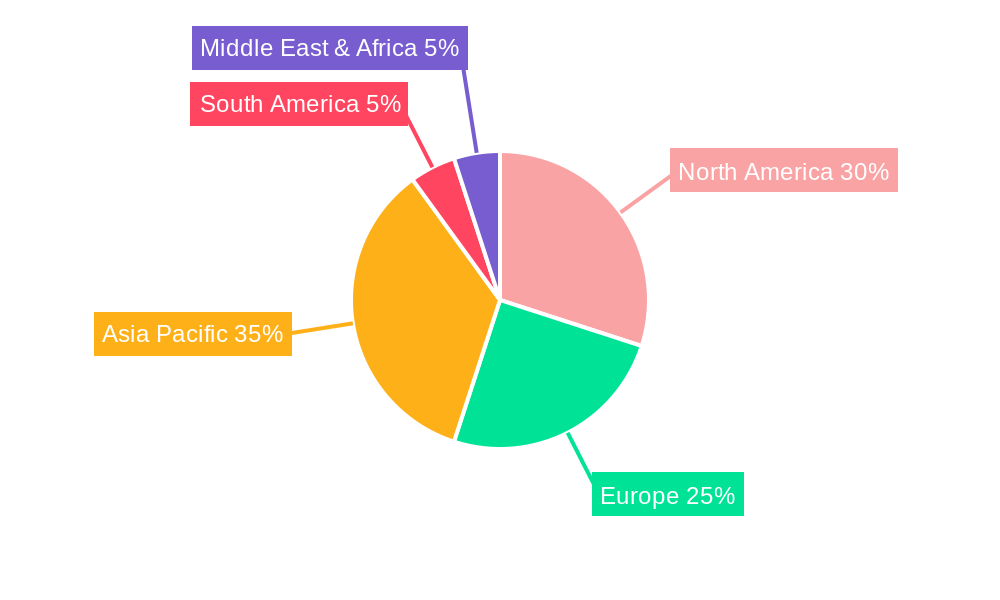
Plain Clothing Regional Market Share
Geographic Coverage of Plain Clothing
Plain Clothing REPORT HIGHLIGHTS
| Aspects | Details |
|---|---|
| Study Period | 2020-2034 |
| Base Year | 2025 |
| Estimated Year | 2026 |
| Forecast Period | 2026-2034 |
| Historical Period | 2020-2025 |
| Growth Rate | CAGR of 8.4% from 2020-2034 |
| Segmentation |
|
Table of Contents
- 1. Introduction
- 1.1. Research Scope
- 1.2. Market Segmentation
- 1.3. Research Methodology
- 1.4. Definitions and Assumptions
- 2. Executive Summary
- 2.1. Introduction
- 3. Market Dynamics
- 3.1. Introduction
- 3.2. Market Drivers
- 3.3. Market Restrains
- 3.4. Market Trends
- 4. Market Factor Analysis
- 4.1. Porters Five Forces
- 4.2. Supply/Value Chain
- 4.3. PESTEL analysis
- 4.4. Market Entropy
- 4.5. Patent/Trademark Analysis
- 5. Global Plain Clothing Analysis, Insights and Forecast, 2020-2032
- 5.1. Market Analysis, Insights and Forecast - by Application
- 5.1.1. Online Sales
- 5.1.2. Offline Sales
- 5.2. Market Analysis, Insights and Forecast - by Types
- 5.2.1. T-Shirts
- 5.2.2. Shirt
- 5.2.3. Sportswear
- 5.2.4. Other
- 5.3. Market Analysis, Insights and Forecast - by Region
- 5.3.1. North America
- 5.3.2. South America
- 5.3.3. Europe
- 5.3.4. Middle East & Africa
- 5.3.5. Asia Pacific
- 5.1. Market Analysis, Insights and Forecast - by Application
- 6. North America Plain Clothing Analysis, Insights and Forecast, 2020-2032
- 6.1. Market Analysis, Insights and Forecast - by Application
- 6.1.1. Online Sales
- 6.1.2. Offline Sales
- 6.2. Market Analysis, Insights and Forecast - by Types
- 6.2.1. T-Shirts
- 6.2.2. Shirt
- 6.2.3. Sportswear
- 6.2.4. Other
- 6.1. Market Analysis, Insights and Forecast - by Application
- 7. South America Plain Clothing Analysis, Insights and Forecast, 2020-2032
- 7.1. Market Analysis, Insights and Forecast - by Application
- 7.1.1. Online Sales
- 7.1.2. Offline Sales
- 7.2. Market Analysis, Insights and Forecast - by Types
- 7.2.1. T-Shirts
- 7.2.2. Shirt
- 7.2.3. Sportswear
- 7.2.4. Other
- 7.1. Market Analysis, Insights and Forecast - by Application
- 8. Europe Plain Clothing Analysis, Insights and Forecast, 2020-2032
- 8.1. Market Analysis, Insights and Forecast - by Application
- 8.1.1. Online Sales
- 8.1.2. Offline Sales
- 8.2. Market Analysis, Insights and Forecast - by Types
- 8.2.1. T-Shirts
- 8.2.2. Shirt
- 8.2.3. Sportswear
- 8.2.4. Other
- 8.1. Market Analysis, Insights and Forecast - by Application
- 9. Middle East & Africa Plain Clothing Analysis, Insights and Forecast, 2020-2032
- 9.1. Market Analysis, Insights and Forecast - by Application
- 9.1.1. Online Sales
- 9.1.2. Offline Sales
- 9.2. Market Analysis, Insights and Forecast - by Types
- 9.2.1. T-Shirts
- 9.2.2. Shirt
- 9.2.3. Sportswear
- 9.2.4. Other
- 9.1. Market Analysis, Insights and Forecast - by Application
- 10. Asia Pacific Plain Clothing Analysis, Insights and Forecast, 2020-2032
- 10.1. Market Analysis, Insights and Forecast - by Application
- 10.1.1. Online Sales
- 10.1.2. Offline Sales
- 10.2. Market Analysis, Insights and Forecast - by Types
- 10.2.1. T-Shirts
- 10.2.2. Shirt
- 10.2.3. Sportswear
- 10.2.4. Other
- 10.1. Market Analysis, Insights and Forecast - by Application
- 11. Competitive Analysis
- 11.1. Global Market Share Analysis 2025
- 11.2. Company Profiles
- 11.2.1 Hanes
- 11.2.1.1. Overview
- 11.2.1.2. Products
- 11.2.1.3. SWOT Analysis
- 11.2.1.4. Recent Developments
- 11.2.1.5. Financials (Based on Availability)
- 11.2.2 Fruit of the Loom
- 11.2.2.1. Overview
- 11.2.2.2. Products
- 11.2.2.3. SWOT Analysis
- 11.2.2.4. Recent Developments
- 11.2.2.5. Financials (Based on Availability)
- 11.2.3 Gildan
- 11.2.3.1. Overview
- 11.2.3.2. Products
- 11.2.3.3. SWOT Analysis
- 11.2.3.4. Recent Developments
- 11.2.3.5. Financials (Based on Availability)
- 11.2.4 American Apparel
- 11.2.4.1. Overview
- 11.2.4.2. Products
- 11.2.4.3. SWOT Analysis
- 11.2.4.4. Recent Developments
- 11.2.4.5. Financials (Based on Availability)
- 11.2.5 Uniqlo
- 11.2.5.1. Overview
- 11.2.5.2. Products
- 11.2.5.3. SWOT Analysis
- 11.2.5.4. Recent Developments
- 11.2.5.5. Financials (Based on Availability)
- 11.2.6 Gap
- 11.2.6.1. Overview
- 11.2.6.2. Products
- 11.2.6.3. SWOT Analysis
- 11.2.6.4. Recent Developments
- 11.2.6.5. Financials (Based on Availability)
- 11.2.7 Everlane
- 11.2.7.1. Overview
- 11.2.7.2. Products
- 11.2.7.3. SWOT Analysis
- 11.2.7.4. Recent Developments
- 11.2.7.5. Financials (Based on Availability)
- 11.2.8 ASOS
- 11.2.8.1. Overview
- 11.2.8.2. Products
- 11.2.8.3. SWOT Analysis
- 11.2.8.4. Recent Developments
- 11.2.8.5. Financials (Based on Availability)
- 11.2.9 J.Crew
- 11.2.9.1. Overview
- 11.2.9.2. Products
- 11.2.9.3. SWOT Analysis
- 11.2.9.4. Recent Developments
- 11.2.9.5. Financials (Based on Availability)
- 11.2.10 Old Navy
- 11.2.10.1. Overview
- 11.2.10.2. Products
- 11.2.10.3. SWOT Analysis
- 11.2.10.4. Recent Developments
- 11.2.10.5. Financials (Based on Availability)
- 11.2.1 Hanes
List of Figures
- Figure 1: Global Plain Clothing Revenue Breakdown (billion, %) by Region 2025 & 2033
- Figure 2: North America Plain Clothing Revenue (billion), by Application 2025 & 2033
- Figure 3: North America Plain Clothing Revenue Share (%), by Application 2025 & 2033
- Figure 4: North America Plain Clothing Revenue (billion), by Types 2025 & 2033
- Figure 5: North America Plain Clothing Revenue Share (%), by Types 2025 & 2033
- Figure 6: North America Plain Clothing Revenue (billion), by Country 2025 & 2033
- Figure 7: North America Plain Clothing Revenue Share (%), by Country 2025 & 2033
- Figure 8: South America Plain Clothing Revenue (billion), by Application 2025 & 2033
- Figure 9: South America Plain Clothing Revenue Share (%), by Application 2025 & 2033
- Figure 10: South America Plain Clothing Revenue (billion), by Types 2025 & 2033
- Figure 11: South America Plain Clothing Revenue Share (%), by Types 2025 & 2033
- Figure 12: South America Plain Clothing Revenue (billion), by Country 2025 & 2033
- Figure 13: South America Plain Clothing Revenue Share (%), by Country 2025 & 2033
- Figure 14: Europe Plain Clothing Revenue (billion), by Application 2025 & 2033
- Figure 15: Europe Plain Clothing Revenue Share (%), by Application 2025 & 2033
- Figure 16: Europe Plain Clothing Revenue (billion), by Types 2025 & 2033
- Figure 17: Europe Plain Clothing Revenue Share (%), by Types 2025 & 2033
- Figure 18: Europe Plain Clothing Revenue (billion), by Country 2025 & 2033
- Figure 19: Europe Plain Clothing Revenue Share (%), by Country 2025 & 2033
- Figure 20: Middle East & Africa Plain Clothing Revenue (billion), by Application 2025 & 2033
- Figure 21: Middle East & Africa Plain Clothing Revenue Share (%), by Application 2025 & 2033
- Figure 22: Middle East & Africa Plain Clothing Revenue (billion), by Types 2025 & 2033
- Figure 23: Middle East & Africa Plain Clothing Revenue Share (%), by Types 2025 & 2033
- Figure 24: Middle East & Africa Plain Clothing Revenue (billion), by Country 2025 & 2033
- Figure 25: Middle East & Africa Plain Clothing Revenue Share (%), by Country 2025 & 2033
- Figure 26: Asia Pacific Plain Clothing Revenue (billion), by Application 2025 & 2033
- Figure 27: Asia Pacific Plain Clothing Revenue Share (%), by Application 2025 & 2033
- Figure 28: Asia Pacific Plain Clothing Revenue (billion), by Types 2025 & 2033
- Figure 29: Asia Pacific Plain Clothing Revenue Share (%), by Types 2025 & 2033
- Figure 30: Asia Pacific Plain Clothing Revenue (billion), by Country 2025 & 2033
- Figure 31: Asia Pacific Plain Clothing Revenue Share (%), by Country 2025 & 2033
List of Tables
- Table 1: Global Plain Clothing Revenue billion Forecast, by Application 2020 & 2033
- Table 2: Global Plain Clothing Revenue billion Forecast, by Types 2020 & 2033
- Table 3: Global Plain Clothing Revenue billion Forecast, by Region 2020 & 2033
- Table 4: Global Plain Clothing Revenue billion Forecast, by Application 2020 & 2033
- Table 5: Global Plain Clothing Revenue billion Forecast, by Types 2020 & 2033
- Table 6: Global Plain Clothing Revenue billion Forecast, by Country 2020 & 2033
- Table 7: United States Plain Clothing Revenue (billion) Forecast, by Application 2020 & 2033
- Table 8: Canada Plain Clothing Revenue (billion) Forecast, by Application 2020 & 2033
- Table 9: Mexico Plain Clothing Revenue (billion) Forecast, by Application 2020 & 2033
- Table 10: Global Plain Clothing Revenue billion Forecast, by Application 2020 & 2033
- Table 11: Global Plain Clothing Revenue billion Forecast, by Types 2020 & 2033
- Table 12: Global Plain Clothing Revenue billion Forecast, by Country 2020 & 2033
- Table 13: Brazil Plain Clothing Revenue (billion) Forecast, by Application 2020 & 2033
- Table 14: Argentina Plain Clothing Revenue (billion) Forecast, by Application 2020 & 2033
- Table 15: Rest of South America Plain Clothing Revenue (billion) Forecast, by Application 2020 & 2033
- Table 16: Global Plain Clothing Revenue billion Forecast, by Application 2020 & 2033
- Table 17: Global Plain Clothing Revenue billion Forecast, by Types 2020 & 2033
- Table 18: Global Plain Clothing Revenue billion Forecast, by Country 2020 & 2033
- Table 19: United Kingdom Plain Clothing Revenue (billion) Forecast, by Application 2020 & 2033
- Table 20: Germany Plain Clothing Revenue (billion) Forecast, by Application 2020 & 2033
- Table 21: France Plain Clothing Revenue (billion) Forecast, by Application 2020 & 2033
- Table 22: Italy Plain Clothing Revenue (billion) Forecast, by Application 2020 & 2033
- Table 23: Spain Plain Clothing Revenue (billion) Forecast, by Application 2020 & 2033
- Table 24: Russia Plain Clothing Revenue (billion) Forecast, by Application 2020 & 2033
- Table 25: Benelux Plain Clothing Revenue (billion) Forecast, by Application 2020 & 2033
- Table 26: Nordics Plain Clothing Revenue (billion) Forecast, by Application 2020 & 2033
- Table 27: Rest of Europe Plain Clothing Revenue (billion) Forecast, by Application 2020 & 2033
- Table 28: Global Plain Clothing Revenue billion Forecast, by Application 2020 & 2033
- Table 29: Global Plain Clothing Revenue billion Forecast, by Types 2020 & 2033
- Table 30: Global Plain Clothing Revenue billion Forecast, by Country 2020 & 2033
- Table 31: Turkey Plain Clothing Revenue (billion) Forecast, by Application 2020 & 2033
- Table 32: Israel Plain Clothing Revenue (billion) Forecast, by Application 2020 & 2033
- Table 33: GCC Plain Clothing Revenue (billion) Forecast, by Application 2020 & 2033
- Table 34: North Africa Plain Clothing Revenue (billion) Forecast, by Application 2020 & 2033
- Table 35: South Africa Plain Clothing Revenue (billion) Forecast, by Application 2020 & 2033
- Table 36: Rest of Middle East & Africa Plain Clothing Revenue (billion) Forecast, by Application 2020 & 2033
- Table 37: Global Plain Clothing Revenue billion Forecast, by Application 2020 & 2033
- Table 38: Global Plain Clothing Revenue billion Forecast, by Types 2020 & 2033
- Table 39: Global Plain Clothing Revenue billion Forecast, by Country 2020 & 2033
- Table 40: China Plain Clothing Revenue (billion) Forecast, by Application 2020 & 2033
- Table 41: India Plain Clothing Revenue (billion) Forecast, by Application 2020 & 2033
- Table 42: Japan Plain Clothing Revenue (billion) Forecast, by Application 2020 & 2033
- Table 43: South Korea Plain Clothing Revenue (billion) Forecast, by Application 2020 & 2033
- Table 44: ASEAN Plain Clothing Revenue (billion) Forecast, by Application 2020 & 2033
- Table 45: Oceania Plain Clothing Revenue (billion) Forecast, by Application 2020 & 2033
- Table 46: Rest of Asia Pacific Plain Clothing Revenue (billion) Forecast, by Application 2020 & 2033
Frequently Asked Questions
1. What is the projected Compound Annual Growth Rate (CAGR) of the Plain Clothing?
The projected CAGR is approximately 8.4%.
2. Which companies are prominent players in the Plain Clothing?
Key companies in the market include Hanes, Fruit of the Loom, Gildan, American Apparel, Uniqlo, Gap, Everlane, ASOS, J.Crew, Old Navy.
3. What are the main segments of the Plain Clothing?
The market segments include Application, Types.
4. Can you provide details about the market size?
The market size is estimated to be USD 7.8 billion as of 2022.
5. What are some drivers contributing to market growth?
N/A
6. What are the notable trends driving market growth?
N/A
7. Are there any restraints impacting market growth?
N/A
8. Can you provide examples of recent developments in the market?
N/A
9. What pricing options are available for accessing the report?
Pricing options include single-user, multi-user, and enterprise licenses priced at USD 2900.00, USD 4350.00, and USD 5800.00 respectively.
10. Is the market size provided in terms of value or volume?
The market size is provided in terms of value, measured in billion.
11. Are there any specific market keywords associated with the report?
Yes, the market keyword associated with the report is "Plain Clothing," which aids in identifying and referencing the specific market segment covered.
12. How do I determine which pricing option suits my needs best?
The pricing options vary based on user requirements and access needs. Individual users may opt for single-user licenses, while businesses requiring broader access may choose multi-user or enterprise licenses for cost-effective access to the report.
13. Are there any additional resources or data provided in the Plain Clothing report?
While the report offers comprehensive insights, it's advisable to review the specific contents or supplementary materials provided to ascertain if additional resources or data are available.
14. How can I stay updated on further developments or reports in the Plain Clothing?
To stay informed about further developments, trends, and reports in the Plain Clothing, consider subscribing to industry newsletters, following relevant companies and organizations, or regularly checking reputable industry news sources and publications.
Methodology
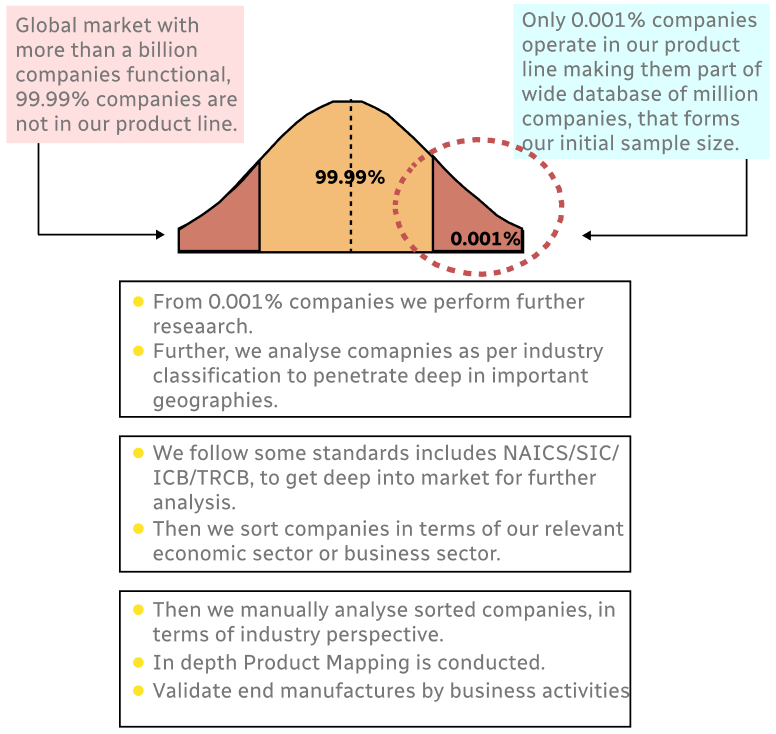
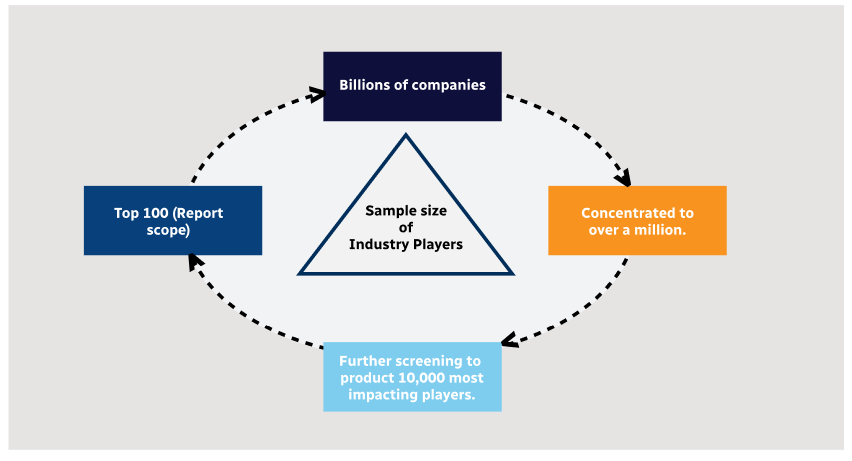
Step 1 - Identification of Relevant Samples Size from Population Database
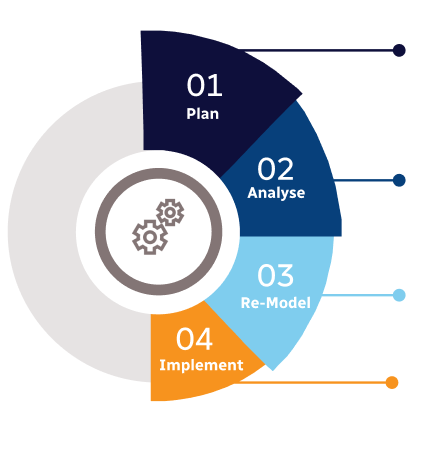
Step 2 - Approaches for Defining Global Market Size (Value, Volume* & Price*)
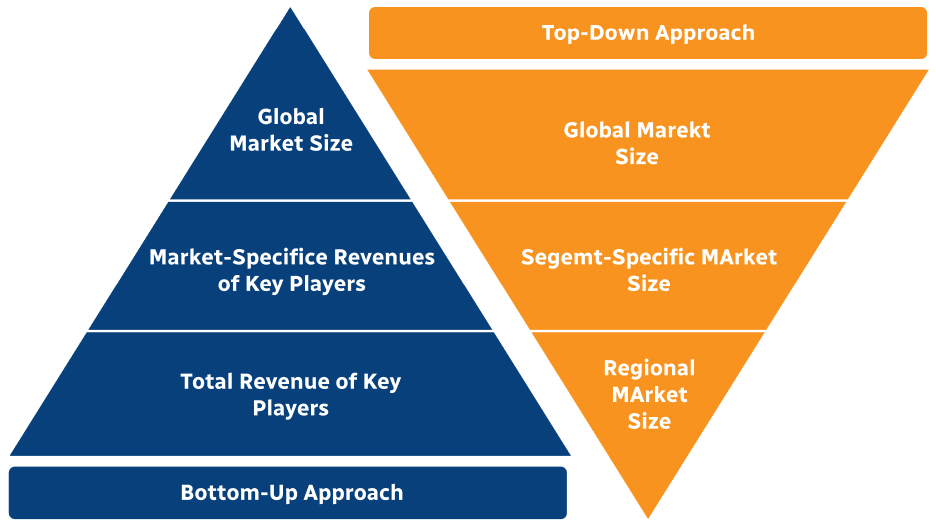
Note*: In applicable scenarios
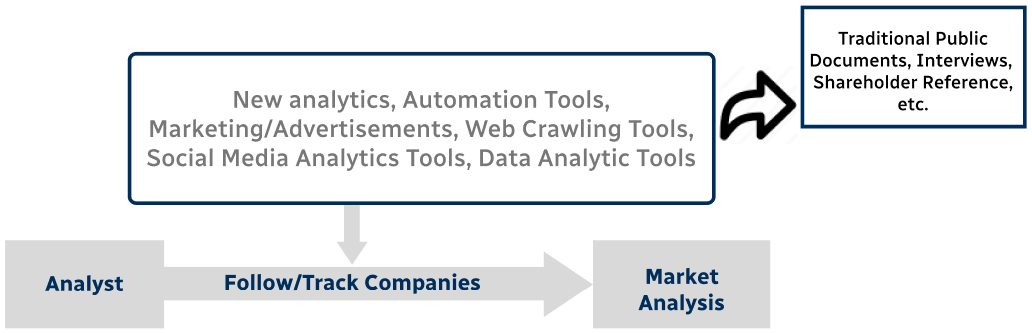
Step 3 - Data Sources
Primary Research
- Web Analytics
- Survey Reports
- Research Institute
- Latest Research Reports
- Opinion Leaders
Secondary Research
- Annual Reports
- White Paper
- Latest Press Release
- Industry Association
- Paid Database
- Investor Presentations
Step 4 - Data Triangulation
Involves using different sources of information in order to increase the validity of a study
These sources are likely to be stakeholders in a program - participants, other researchers, program staff, other community members, and so on.
Then we put all data in single framework & apply various statistical tools to find out the dynamic on the market.
During the analysis stage, feedback from the stakeholder groups would be compared to determine areas of agreement as well as areas of divergence