


Key Insights
The global optical resin lens market is poised for significant expansion, projected to reach an estimated $12,500 million by 2025, driven by a robust Compound Annual Growth Rate (CAGR) of approximately 7.5% between 2025 and 2033. This growth is primarily fueled by the escalating demand from the mobile phone sector, where advancements in camera technology and the proliferation of smartphones with sophisticated optical systems necessitate high-performance, lightweight, and durable resin lenses. The increasing integration of optical lenses in automotive applications, particularly in advanced driver-assistance systems (ADAS) and in-car infotainment, further contributes to this upward trajectory. Moreover, the burgeoning use of optical resin lenses in precision instruments for medical, scientific, and industrial applications underscores their versatility and indispensable role in modern technology. The market is characterized by continuous innovation in material science, leading to lenses with enhanced optical clarity, scratch resistance, and improved light transmission, all of which are critical for delivering superior visual experiences and enabling cutting-edge functionalities.
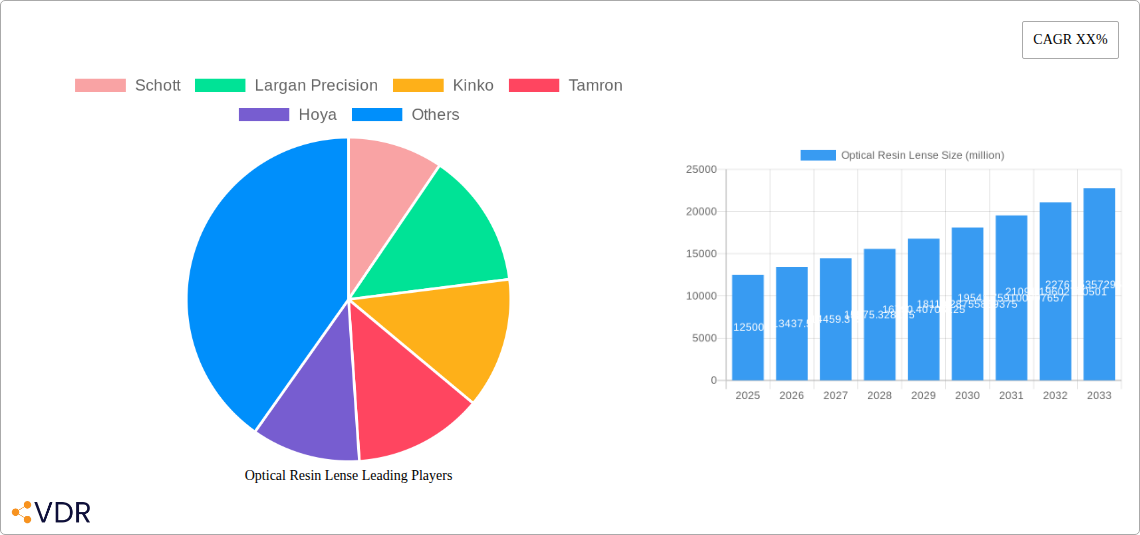
Optical Resin Lense Market Size (In Billion)

Key trends shaping the optical resin lens market include the growing preference for plastic optics over traditional glass due to their lower weight, cost-effectiveness, and design flexibility. The development of advanced manufacturing techniques, such as injection molding, allows for the mass production of complex lens geometries, catering to the miniaturization and customization demands of various end-use industries. While the market benefits from these drivers, certain restraints could influence its pace. The initial high cost of specialized optical resins and the potential for degradation over extended exposure to harsh environmental conditions might pose challenges. However, ongoing research and development efforts are actively addressing these limitations, focusing on creating more resilient and cost-efficient optical resin solutions. Companies such as Schott, Largan Precision, Tamron, and Canon are at the forefront of this innovation, investing heavily in R&D to maintain a competitive edge and capture a larger market share by offering sophisticated lens solutions across a wide spectrum of applications.
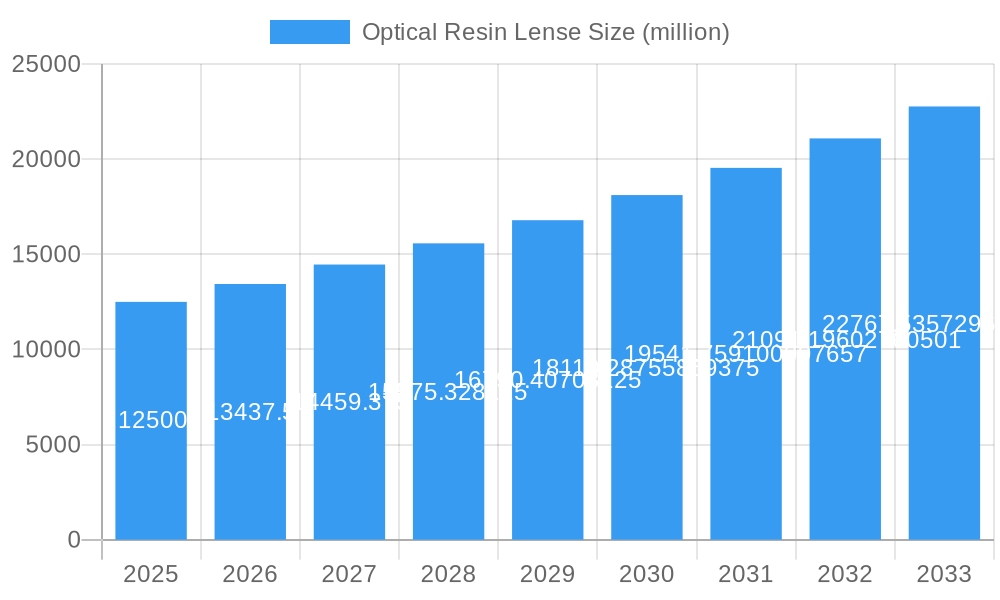
Optical Resin Lense Company Market Share
Comprehensive Optical Resin Lens Market Report: 2019-2033
This in-depth report offers an unparalleled analysis of the global Optical Resin Lens market, meticulously dissecting its dynamics, growth trajectories, and future potential. Covering the period from 2019 to 2033, with a base year of 2025, this study provides actionable insights for stakeholders across the value chain. We explore key market segments including applications like Mobile Phones, Cameras, Instruments, and Automotive, alongside lens types such as Acrylic, PU, and PC lenses. Leveraging proprietary data and expert analysis, this report is designed to equip industry professionals with the knowledge necessary to navigate this rapidly evolving landscape and capitalize on emerging opportunities.
Optical Resin Lens Market Dynamics & Structure
The global Optical Resin Lens market is characterized by a moderately consolidated structure, with leading players like Largan Precision, Sunny Optical, and Canon holding significant market shares. Technological innovation is a primary driver, fueled by advancements in materials science, manufacturing processes, and optical design, particularly for miniaturization and enhanced performance in mobile devices and automotive applications. Regulatory frameworks, while not overly restrictive, often pertain to product safety and environmental compliance, influencing material choices and manufacturing practices. Competitive product substitutes, primarily glass lenses, present an ongoing challenge, though optical resin lenses offer advantages in terms of weight, impact resistance, and cost-effectiveness for specific applications. End-user demographics are increasingly sophisticated, demanding higher resolutions, improved low-light performance, and integrated functionalities. Mergers and acquisitions (M&A) activity, while present, has been strategic, focusing on consolidating manufacturing capabilities or acquiring complementary technological expertise.
- Market Concentration: Moderately consolidated, with key players dominating significant market share.
- Technological Innovation Drivers: Miniaturization, improved optical performance (e.g., higher refractive index, reduced aberrations), advanced coatings, and cost-effective mass production techniques.
- Regulatory Frameworks: Primarily focused on product safety (e.g., impact resistance, material toxicity) and environmental sustainability in manufacturing.
- Competitive Product Substitutes: Glass lenses (traditional alternative), specialty polymers.
- End-User Demographics: Growing demand for high-quality optics in consumer electronics, automotive safety, and advanced instrumentation.
- M&A Trends: Strategic acquisitions to enhance vertical integration, expand product portfolios, or gain access to novel technologies.
Optical Resin Lens Growth Trends & Insights
The global Optical Resin Lens market is projected to witness robust expansion, driven by the pervasive integration of advanced optical components across a multitude of applications. The market size is estimated to reach $12,500 million in 2025, with a projected Compound Annual Growth Rate (CAGR) of 7.2% during the forecast period of 2025–2033. This sustained growth is underpinned by escalating demand from the mobile phone industry, where the pursuit of superior camera functionalities, including multiple lens arrays and enhanced zoom capabilities, remains a key differentiator. The automotive sector's increasing adoption of sophisticated driver-assistance systems (ADAS), such as surround-view cameras, LiDAR, and adaptive headlights, is another significant catalyst, contributing an estimated $2,000 million to the market in 2025. Furthermore, the burgeoning fields of virtual reality (VR) and augmented reality (AR) are opening new avenues for optical resin lenses, demanding lightweight, high-performance optics for immersive experiences. Technological disruptions, such as the development of novel polymer materials with improved optical clarity, scratch resistance, and temperature stability, are continuously pushing the boundaries of what is possible. Consumer behavior shifts, characterized by a growing appetite for high-definition imaging, miniaturized electronics, and personalized devices, further fuel this demand. The market penetration of optical resin lenses is expected to deepen as manufacturers continue to innovate, offering compelling alternatives to traditional glass lenses in terms of performance, cost, and design flexibility.
Dominant Regions, Countries, or Segments in Optical Resin Lense
The Asia-Pacific region is poised to be the dominant force in the global Optical Resin Lens market, driven by its established manufacturing prowess and burgeoning consumer electronics and automotive industries. China, in particular, stands out as a leading country, not only due to its massive production capacity for optical components but also its significant domestic demand for mobile phones and automotive systems. The Mobile Phones application segment is a primary growth engine within this region, accounting for an estimated $4,000 million in market value in 2025. The relentless innovation in smartphone camera technology, with an increasing number of lenses per device and demands for higher resolution and advanced features, directly translates into substantial demand for optical resin lenses. Furthermore, the rapidly expanding automotive market in countries like China, Japan, and South Korea, with a strong focus on incorporating advanced driver-assistance systems (ADAS) and in-car infotainment, further bolsters the demand for specialized optical resin lenses in instruments and cameras. Economic policies supporting manufacturing and technological advancement, coupled with substantial investments in research and development by key players like Largan Precision and Sunny Optical, create a highly conducive environment for market growth. The availability of a skilled workforce and integrated supply chains within Asia-Pacific also contributes significantly to its dominance.
- Leading Region: Asia-Pacific
- Key Country: China
- Dominant Application Segment: Mobile Phones
- Key Drivers:
- Strong manufacturing base and supply chain integration.
- High domestic demand for consumer electronics and automobiles.
- Government support for technological innovation and advanced manufacturing.
- Presence of major optical lens manufacturers.
- Rapid urbanization and increasing disposable incomes.
Optical Resin Lens Product Landscape
The optical resin lens product landscape is characterized by continuous innovation, focusing on enhanced optical performance, miniaturization, and cost-effectiveness. Manufacturers are developing lenses with higher refractive indices to achieve thinner and lighter designs, crucial for mobile devices. Advanced anti-reflective coatings and scratch-resistant layers are standard, improving durability and image quality. Applications span from high-megapixel camera modules in smartphones and digital cameras to complex optical systems in medical instruments and automotive sensors. Unique selling propositions include the ability to mold complex aspheric surfaces, enabling superior aberration correction and optical efficiency, which are challenging and expensive to achieve with glass. Technological advancements are also focusing on materials with improved thermal stability and resistance to UV degradation, expanding the application range into more demanding environments.
Key Drivers, Barriers & Challenges in Optical Resin Lens
Key Drivers:
- Technological Advancements: Development of high-performance polymers, improved molding techniques, and advanced coatings drive innovation and adoption.
- Miniaturization Trend: Increasing demand for smaller, lighter optical components in consumer electronics and portable devices.
- Growth in Automotive Applications: Rising use of optical sensors for ADAS, autonomous driving, and in-car connectivity.
- Consumer Demand for High-Quality Imaging: Continuous desire for better camera performance in smartphones and other imaging devices.
- Cost-Effectiveness: Optical resin lenses often offer a more economical solution compared to glass for mass-produced optics.
Barriers & Challenges:
- Material Limitations: Susceptibility to scratching compared to glass, and potential limitations in extreme temperature environments for certain polymers.
- Supply Chain Disruptions: Fluctuations in raw material prices and availability can impact production costs and lead times.
- Intense Competition: Price pressure from numerous manufacturers, particularly in lower-end segments.
- Regulatory Hurdles: Evolving environmental regulations regarding material sourcing and disposal can necessitate process adjustments.
- Technological Obsolescence: Rapid pace of innovation requires continuous investment in R&D to remain competitive.
Emerging Opportunities in Optical Resin Lens
Emerging opportunities in the optical resin lens market are largely driven by the expansion of augmented reality (AR) and virtual reality (VR) technologies. The demand for lightweight, high-performance, and custom-designed lenses for AR glasses and VR headsets presents a significant growth avenue. Furthermore, the increasing adoption of optical sensors in the industrial IoT (Internet of Things) sector for applications such as smart manufacturing and quality control is creating new demand. The development of advanced optical materials with enhanced UV resistance and durability is opening doors for more specialized outdoor and industrial applications. Innovations in micro-optics for medical devices and specialized scientific instruments also represent a promising niche.
Growth Accelerators in the Optical Resin Lens Industry
Several factors are accelerating growth within the optical resin lens industry. The continuous push for higher resolution and multi-lens camera systems in smartphones by companies like Canon and Nikon is a major driver. The expansion of smart automotive features, including advanced driver-assistance systems (ADAS) and camera-based diagnostics, is significantly boosting demand. Strategic partnerships between lens manufacturers and device makers, such as the collaboration between Largan Precision and leading smartphone brands, facilitate product development and market penetration. Furthermore, ongoing research into novel polymer materials that offer superior optical properties, such as higher refractive indices and improved scratch resistance, is enabling the creation of next-generation optical solutions. The increasing adoption of these lenses in emerging markets, driven by growing consumer electronics penetration, also acts as a significant growth accelerator.
Key Players Shaping the Optical Resin Lens Market
- Schott
- Largan Precision
- Kinko
- Tamron
- Hoya
- Phenix Optical
- Thorlabs
- Ross Optical
- Canon
- Asia Optical
- Sunny Optical
- Esco Optics
- Edmund Optics
- Nikon
- Lensel Optics
- Yudi Optics
- Knight Optical
- ML Optic
Notable Milestones in Optical Resin Lens Sector
- 2019: Increased adoption of multi-lens camera systems in flagship smartphones.
- 2020: Growing demand for optical components in AR/VR headsets.
- 2021: Significant advancements in aspheric lens molding technology for improved optical performance.
- 2022: Rising integration of optical sensors in automotive ADAS and LiDAR systems.
- 2023: Development of new polymer materials with enhanced scratch resistance and optical clarity.
- 2024: Growing focus on sustainable manufacturing processes within the optical lens industry.
In-Depth Optical Resin Lens Market Outlook
The optical resin lens market is poised for sustained growth, driven by the relentless pace of innovation in consumer electronics, automotive technology, and emerging fields like AR/VR. Key growth accelerators include the insatiable consumer demand for superior imaging capabilities in mobile devices and the critical role of optical sensors in the advancement of automotive safety and autonomous driving. Strategic alliances between material suppliers, lens manufacturers, and end-product developers will continue to foster rapid product development and market penetration. The ongoing evolution of polymer science promises to unlock new material possibilities, enabling lighter, more durable, and optically superior lenses, further solidifying the market's upward trajectory and presenting lucrative opportunities for stakeholders.
Optical Resin Lense Segmentation
-
1. Application
- 1.1. Mobile Phones
- 1.2. Cameras
- 1.3. Instruments
- 1.4. Automotive
- 1.5. Others
-
2. Types
- 2.1. Acryl Lense
- 2.2. PU Lense
- 2.3. PC Lense
- 2.4. Others
Optical Resin Lense Segmentation By Geography
-
1. North America
- 1.1. United States
- 1.2. Canada
- 1.3. Mexico
-
2. South America
- 2.1. Brazil
- 2.2. Argentina
- 2.3. Rest of South America
-
3. Europe
- 3.1. United Kingdom
- 3.2. Germany
- 3.3. France
- 3.4. Italy
- 3.5. Spain
- 3.6. Russia
- 3.7. Benelux
- 3.8. Nordics
- 3.9. Rest of Europe
-
4. Middle East & Africa
- 4.1. Turkey
- 4.2. Israel
- 4.3. GCC
- 4.4. North Africa
- 4.5. South Africa
- 4.6. Rest of Middle East & Africa
-
5. Asia Pacific
- 5.1. China
- 5.2. India
- 5.3. Japan
- 5.4. South Korea
- 5.5. ASEAN
- 5.6. Oceania
- 5.7. Rest of Asia Pacific
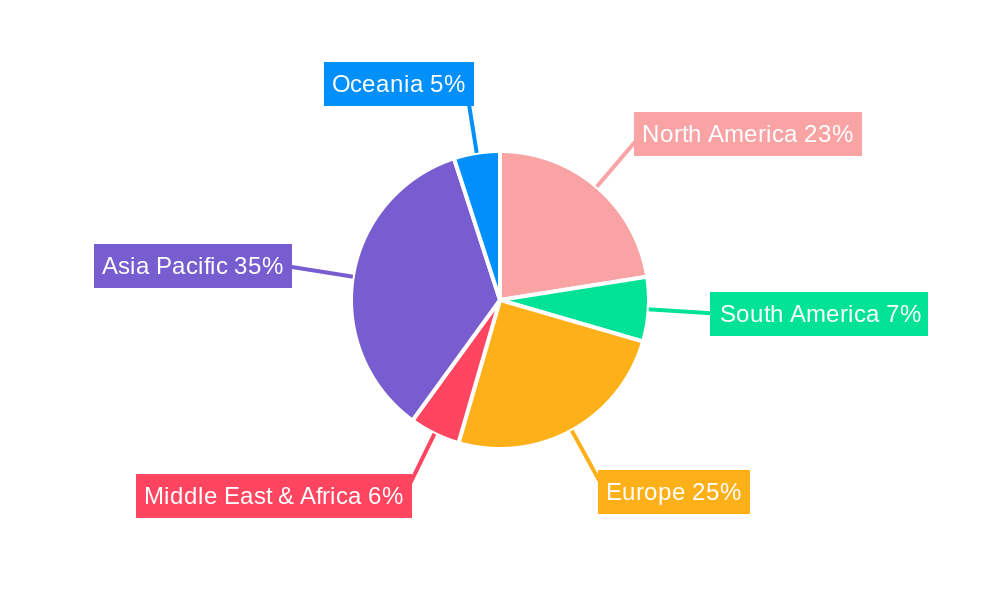
Optical Resin Lense Regional Market Share
Geographic Coverage of Optical Resin Lense
Optical Resin Lense REPORT HIGHLIGHTS
| Aspects | Details |
|---|---|
| Study Period | 2020-2034 |
| Base Year | 2025 |
| Estimated Year | 2026 |
| Forecast Period | 2026-2034 |
| Historical Period | 2020-2025 |
| Growth Rate | CAGR of XX% from 2020-2034 |
| Segmentation |
|
Table of Contents
- 1. Introduction
- 1.1. Research Scope
- 1.2. Market Segmentation
- 1.3. Research Methodology
- 1.4. Definitions and Assumptions
- 2. Executive Summary
- 2.1. Introduction
- 3. Market Dynamics
- 3.1. Introduction
- 3.2. Market Drivers
- 3.3. Market Restrains
- 3.4. Market Trends
- 4. Market Factor Analysis
- 4.1. Porters Five Forces
- 4.2. Supply/Value Chain
- 4.3. PESTEL analysis
- 4.4. Market Entropy
- 4.5. Patent/Trademark Analysis
- 5. Global Optical Resin Lense Analysis, Insights and Forecast, 2020-2032
- 5.1. Market Analysis, Insights and Forecast - by Application
- 5.1.1. Mobile Phones
- 5.1.2. Cameras
- 5.1.3. Instruments
- 5.1.4. Automotive
- 5.1.5. Others
- 5.2. Market Analysis, Insights and Forecast - by Types
- 5.2.1. Acryl Lense
- 5.2.2. PU Lense
- 5.2.3. PC Lense
- 5.2.4. Others
- 5.3. Market Analysis, Insights and Forecast - by Region
- 5.3.1. North America
- 5.3.2. South America
- 5.3.3. Europe
- 5.3.4. Middle East & Africa
- 5.3.5. Asia Pacific
- 5.1. Market Analysis, Insights and Forecast - by Application
- 6. North America Optical Resin Lense Analysis, Insights and Forecast, 2020-2032
- 6.1. Market Analysis, Insights and Forecast - by Application
- 6.1.1. Mobile Phones
- 6.1.2. Cameras
- 6.1.3. Instruments
- 6.1.4. Automotive
- 6.1.5. Others
- 6.2. Market Analysis, Insights and Forecast - by Types
- 6.2.1. Acryl Lense
- 6.2.2. PU Lense
- 6.2.3. PC Lense
- 6.2.4. Others
- 6.1. Market Analysis, Insights and Forecast - by Application
- 7. South America Optical Resin Lense Analysis, Insights and Forecast, 2020-2032
- 7.1. Market Analysis, Insights and Forecast - by Application
- 7.1.1. Mobile Phones
- 7.1.2. Cameras
- 7.1.3. Instruments
- 7.1.4. Automotive
- 7.1.5. Others
- 7.2. Market Analysis, Insights and Forecast - by Types
- 7.2.1. Acryl Lense
- 7.2.2. PU Lense
- 7.2.3. PC Lense
- 7.2.4. Others
- 7.1. Market Analysis, Insights and Forecast - by Application
- 8. Europe Optical Resin Lense Analysis, Insights and Forecast, 2020-2032
- 8.1. Market Analysis, Insights and Forecast - by Application
- 8.1.1. Mobile Phones
- 8.1.2. Cameras
- 8.1.3. Instruments
- 8.1.4. Automotive
- 8.1.5. Others
- 8.2. Market Analysis, Insights and Forecast - by Types
- 8.2.1. Acryl Lense
- 8.2.2. PU Lense
- 8.2.3. PC Lense
- 8.2.4. Others
- 8.1. Market Analysis, Insights and Forecast - by Application
- 9. Middle East & Africa Optical Resin Lense Analysis, Insights and Forecast, 2020-2032
- 9.1. Market Analysis, Insights and Forecast - by Application
- 9.1.1. Mobile Phones
- 9.1.2. Cameras
- 9.1.3. Instruments
- 9.1.4. Automotive
- 9.1.5. Others
- 9.2. Market Analysis, Insights and Forecast - by Types
- 9.2.1. Acryl Lense
- 9.2.2. PU Lense
- 9.2.3. PC Lense
- 9.2.4. Others
- 9.1. Market Analysis, Insights and Forecast - by Application
- 10. Asia Pacific Optical Resin Lense Analysis, Insights and Forecast, 2020-2032
- 10.1. Market Analysis, Insights and Forecast - by Application
- 10.1.1. Mobile Phones
- 10.1.2. Cameras
- 10.1.3. Instruments
- 10.1.4. Automotive
- 10.1.5. Others
- 10.2. Market Analysis, Insights and Forecast - by Types
- 10.2.1. Acryl Lense
- 10.2.2. PU Lense
- 10.2.3. PC Lense
- 10.2.4. Others
- 10.1. Market Analysis, Insights and Forecast - by Application
- 11. Competitive Analysis
- 11.1. Global Market Share Analysis 2025
- 11.2. Company Profiles
- 11.2.1 Schott
- 11.2.1.1. Overview
- 11.2.1.2. Products
- 11.2.1.3. SWOT Analysis
- 11.2.1.4. Recent Developments
- 11.2.1.5. Financials (Based on Availability)
- 11.2.2 Largan Precision
- 11.2.2.1. Overview
- 11.2.2.2. Products
- 11.2.2.3. SWOT Analysis
- 11.2.2.4. Recent Developments
- 11.2.2.5. Financials (Based on Availability)
- 11.2.3 Kinko
- 11.2.3.1. Overview
- 11.2.3.2. Products
- 11.2.3.3. SWOT Analysis
- 11.2.3.4. Recent Developments
- 11.2.3.5. Financials (Based on Availability)
- 11.2.4 Tamron
- 11.2.4.1. Overview
- 11.2.4.2. Products
- 11.2.4.3. SWOT Analysis
- 11.2.4.4. Recent Developments
- 11.2.4.5. Financials (Based on Availability)
- 11.2.5 Hoya
- 11.2.5.1. Overview
- 11.2.5.2. Products
- 11.2.5.3. SWOT Analysis
- 11.2.5.4. Recent Developments
- 11.2.5.5. Financials (Based on Availability)
- 11.2.6 Phenix Optical
- 11.2.6.1. Overview
- 11.2.6.2. Products
- 11.2.6.3. SWOT Analysis
- 11.2.6.4. Recent Developments
- 11.2.6.5. Financials (Based on Availability)
- 11.2.7 Thorlabs
- 11.2.7.1. Overview
- 11.2.7.2. Products
- 11.2.7.3. SWOT Analysis
- 11.2.7.4. Recent Developments
- 11.2.7.5. Financials (Based on Availability)
- 11.2.8 Ross Optical
- 11.2.8.1. Overview
- 11.2.8.2. Products
- 11.2.8.3. SWOT Analysis
- 11.2.8.4. Recent Developments
- 11.2.8.5. Financials (Based on Availability)
- 11.2.9 Canon
- 11.2.9.1. Overview
- 11.2.9.2. Products
- 11.2.9.3. SWOT Analysis
- 11.2.9.4. Recent Developments
- 11.2.9.5. Financials (Based on Availability)
- 11.2.10 Asia Optical
- 11.2.10.1. Overview
- 11.2.10.2. Products
- 11.2.10.3. SWOT Analysis
- 11.2.10.4. Recent Developments
- 11.2.10.5. Financials (Based on Availability)
- 11.2.11 Sunny Optical
- 11.2.11.1. Overview
- 11.2.11.2. Products
- 11.2.11.3. SWOT Analysis
- 11.2.11.4. Recent Developments
- 11.2.11.5. Financials (Based on Availability)
- 11.2.12 Esco Optics
- 11.2.12.1. Overview
- 11.2.12.2. Products
- 11.2.12.3. SWOT Analysis
- 11.2.12.4. Recent Developments
- 11.2.12.5. Financials (Based on Availability)
- 11.2.13 Edmund Optics
- 11.2.13.1. Overview
- 11.2.13.2. Products
- 11.2.13.3. SWOT Analysis
- 11.2.13.4. Recent Developments
- 11.2.13.5. Financials (Based on Availability)
- 11.2.14 Nikon
- 11.2.14.1. Overview
- 11.2.14.2. Products
- 11.2.14.3. SWOT Analysis
- 11.2.14.4. Recent Developments
- 11.2.14.5. Financials (Based on Availability)
- 11.2.15 Lensel Optics
- 11.2.15.1. Overview
- 11.2.15.2. Products
- 11.2.15.3. SWOT Analysis
- 11.2.15.4. Recent Developments
- 11.2.15.5. Financials (Based on Availability)
- 11.2.16 Yudi Optics
- 11.2.16.1. Overview
- 11.2.16.2. Products
- 11.2.16.3. SWOT Analysis
- 11.2.16.4. Recent Developments
- 11.2.16.5. Financials (Based on Availability)
- 11.2.17 Knight Optical
- 11.2.17.1. Overview
- 11.2.17.2. Products
- 11.2.17.3. SWOT Analysis
- 11.2.17.4. Recent Developments
- 11.2.17.5. Financials (Based on Availability)
- 11.2.18 ML Optic
- 11.2.18.1. Overview
- 11.2.18.2. Products
- 11.2.18.3. SWOT Analysis
- 11.2.18.4. Recent Developments
- 11.2.18.5. Financials (Based on Availability)
- 11.2.1 Schott
List of Figures
- Figure 1: Global Optical Resin Lense Revenue Breakdown (million, %) by Region 2025 & 2033
- Figure 2: North America Optical Resin Lense Revenue (million), by Application 2025 & 2033
- Figure 3: North America Optical Resin Lense Revenue Share (%), by Application 2025 & 2033
- Figure 4: North America Optical Resin Lense Revenue (million), by Types 2025 & 2033
- Figure 5: North America Optical Resin Lense Revenue Share (%), by Types 2025 & 2033
- Figure 6: North America Optical Resin Lense Revenue (million), by Country 2025 & 2033
- Figure 7: North America Optical Resin Lense Revenue Share (%), by Country 2025 & 2033
- Figure 8: South America Optical Resin Lense Revenue (million), by Application 2025 & 2033
- Figure 9: South America Optical Resin Lense Revenue Share (%), by Application 2025 & 2033
- Figure 10: South America Optical Resin Lense Revenue (million), by Types 2025 & 2033
- Figure 11: South America Optical Resin Lense Revenue Share (%), by Types 2025 & 2033
- Figure 12: South America Optical Resin Lense Revenue (million), by Country 2025 & 2033
- Figure 13: South America Optical Resin Lense Revenue Share (%), by Country 2025 & 2033
- Figure 14: Europe Optical Resin Lense Revenue (million), by Application 2025 & 2033
- Figure 15: Europe Optical Resin Lense Revenue Share (%), by Application 2025 & 2033
- Figure 16: Europe Optical Resin Lense Revenue (million), by Types 2025 & 2033
- Figure 17: Europe Optical Resin Lense Revenue Share (%), by Types 2025 & 2033
- Figure 18: Europe Optical Resin Lense Revenue (million), by Country 2025 & 2033
- Figure 19: Europe Optical Resin Lense Revenue Share (%), by Country 2025 & 2033
- Figure 20: Middle East & Africa Optical Resin Lense Revenue (million), by Application 2025 & 2033
- Figure 21: Middle East & Africa Optical Resin Lense Revenue Share (%), by Application 2025 & 2033
- Figure 22: Middle East & Africa Optical Resin Lense Revenue (million), by Types 2025 & 2033
- Figure 23: Middle East & Africa Optical Resin Lense Revenue Share (%), by Types 2025 & 2033
- Figure 24: Middle East & Africa Optical Resin Lense Revenue (million), by Country 2025 & 2033
- Figure 25: Middle East & Africa Optical Resin Lense Revenue Share (%), by Country 2025 & 2033
- Figure 26: Asia Pacific Optical Resin Lense Revenue (million), by Application 2025 & 2033
- Figure 27: Asia Pacific Optical Resin Lense Revenue Share (%), by Application 2025 & 2033
- Figure 28: Asia Pacific Optical Resin Lense Revenue (million), by Types 2025 & 2033
- Figure 29: Asia Pacific Optical Resin Lense Revenue Share (%), by Types 2025 & 2033
- Figure 30: Asia Pacific Optical Resin Lense Revenue (million), by Country 2025 & 2033
- Figure 31: Asia Pacific Optical Resin Lense Revenue Share (%), by Country 2025 & 2033
List of Tables
- Table 1: Global Optical Resin Lense Revenue million Forecast, by Application 2020 & 2033
- Table 2: Global Optical Resin Lense Revenue million Forecast, by Types 2020 & 2033
- Table 3: Global Optical Resin Lense Revenue million Forecast, by Region 2020 & 2033
- Table 4: Global Optical Resin Lense Revenue million Forecast, by Application 2020 & 2033
- Table 5: Global Optical Resin Lense Revenue million Forecast, by Types 2020 & 2033
- Table 6: Global Optical Resin Lense Revenue million Forecast, by Country 2020 & 2033
- Table 7: United States Optical Resin Lense Revenue (million) Forecast, by Application 2020 & 2033
- Table 8: Canada Optical Resin Lense Revenue (million) Forecast, by Application 2020 & 2033
- Table 9: Mexico Optical Resin Lense Revenue (million) Forecast, by Application 2020 & 2033
- Table 10: Global Optical Resin Lense Revenue million Forecast, by Application 2020 & 2033
- Table 11: Global Optical Resin Lense Revenue million Forecast, by Types 2020 & 2033
- Table 12: Global Optical Resin Lense Revenue million Forecast, by Country 2020 & 2033
- Table 13: Brazil Optical Resin Lense Revenue (million) Forecast, by Application 2020 & 2033
- Table 14: Argentina Optical Resin Lense Revenue (million) Forecast, by Application 2020 & 2033
- Table 15: Rest of South America Optical Resin Lense Revenue (million) Forecast, by Application 2020 & 2033
- Table 16: Global Optical Resin Lense Revenue million Forecast, by Application 2020 & 2033
- Table 17: Global Optical Resin Lense Revenue million Forecast, by Types 2020 & 2033
- Table 18: Global Optical Resin Lense Revenue million Forecast, by Country 2020 & 2033
- Table 19: United Kingdom Optical Resin Lense Revenue (million) Forecast, by Application 2020 & 2033
- Table 20: Germany Optical Resin Lense Revenue (million) Forecast, by Application 2020 & 2033
- Table 21: France Optical Resin Lense Revenue (million) Forecast, by Application 2020 & 2033
- Table 22: Italy Optical Resin Lense Revenue (million) Forecast, by Application 2020 & 2033
- Table 23: Spain Optical Resin Lense Revenue (million) Forecast, by Application 2020 & 2033
- Table 24: Russia Optical Resin Lense Revenue (million) Forecast, by Application 2020 & 2033
- Table 25: Benelux Optical Resin Lense Revenue (million) Forecast, by Application 2020 & 2033
- Table 26: Nordics Optical Resin Lense Revenue (million) Forecast, by Application 2020 & 2033
- Table 27: Rest of Europe Optical Resin Lense Revenue (million) Forecast, by Application 2020 & 2033
- Table 28: Global Optical Resin Lense Revenue million Forecast, by Application 2020 & 2033
- Table 29: Global Optical Resin Lense Revenue million Forecast, by Types 2020 & 2033
- Table 30: Global Optical Resin Lense Revenue million Forecast, by Country 2020 & 2033
- Table 31: Turkey Optical Resin Lense Revenue (million) Forecast, by Application 2020 & 2033
- Table 32: Israel Optical Resin Lense Revenue (million) Forecast, by Application 2020 & 2033
- Table 33: GCC Optical Resin Lense Revenue (million) Forecast, by Application 2020 & 2033
- Table 34: North Africa Optical Resin Lense Revenue (million) Forecast, by Application 2020 & 2033
- Table 35: South Africa Optical Resin Lense Revenue (million) Forecast, by Application 2020 & 2033
- Table 36: Rest of Middle East & Africa Optical Resin Lense Revenue (million) Forecast, by Application 2020 & 2033
- Table 37: Global Optical Resin Lense Revenue million Forecast, by Application 2020 & 2033
- Table 38: Global Optical Resin Lense Revenue million Forecast, by Types 2020 & 2033
- Table 39: Global Optical Resin Lense Revenue million Forecast, by Country 2020 & 2033
- Table 40: China Optical Resin Lense Revenue (million) Forecast, by Application 2020 & 2033
- Table 41: India Optical Resin Lense Revenue (million) Forecast, by Application 2020 & 2033
- Table 42: Japan Optical Resin Lense Revenue (million) Forecast, by Application 2020 & 2033
- Table 43: South Korea Optical Resin Lense Revenue (million) Forecast, by Application 2020 & 2033
- Table 44: ASEAN Optical Resin Lense Revenue (million) Forecast, by Application 2020 & 2033
- Table 45: Oceania Optical Resin Lense Revenue (million) Forecast, by Application 2020 & 2033
- Table 46: Rest of Asia Pacific Optical Resin Lense Revenue (million) Forecast, by Application 2020 & 2033
Frequently Asked Questions
1. What is the projected Compound Annual Growth Rate (CAGR) of the Optical Resin Lense?
The projected CAGR is approximately XX%.
2. Which companies are prominent players in the Optical Resin Lense?
Key companies in the market include Schott, Largan Precision, Kinko, Tamron, Hoya, Phenix Optical, Thorlabs, Ross Optical, Canon, Asia Optical, Sunny Optical, Esco Optics, Edmund Optics, Nikon, Lensel Optics, Yudi Optics, Knight Optical, ML Optic.
3. What are the main segments of the Optical Resin Lense?
The market segments include Application, Types.
4. Can you provide details about the market size?
The market size is estimated to be USD XXX million as of 2022.
5. What are some drivers contributing to market growth?
N/A
6. What are the notable trends driving market growth?
N/A
7. Are there any restraints impacting market growth?
N/A
8. Can you provide examples of recent developments in the market?
N/A
9. What pricing options are available for accessing the report?
Pricing options include single-user, multi-user, and enterprise licenses priced at USD 2900.00, USD 4350.00, and USD 5800.00 respectively.
10. Is the market size provided in terms of value or volume?
The market size is provided in terms of value, measured in million.
11. Are there any specific market keywords associated with the report?
Yes, the market keyword associated with the report is "Optical Resin Lense," which aids in identifying and referencing the specific market segment covered.
12. How do I determine which pricing option suits my needs best?
The pricing options vary based on user requirements and access needs. Individual users may opt for single-user licenses, while businesses requiring broader access may choose multi-user or enterprise licenses for cost-effective access to the report.
13. Are there any additional resources or data provided in the Optical Resin Lense report?
While the report offers comprehensive insights, it's advisable to review the specific contents or supplementary materials provided to ascertain if additional resources or data are available.
14. How can I stay updated on further developments or reports in the Optical Resin Lense?
To stay informed about further developments, trends, and reports in the Optical Resin Lense, consider subscribing to industry newsletters, following relevant companies and organizations, or regularly checking reputable industry news sources and publications.
Methodology
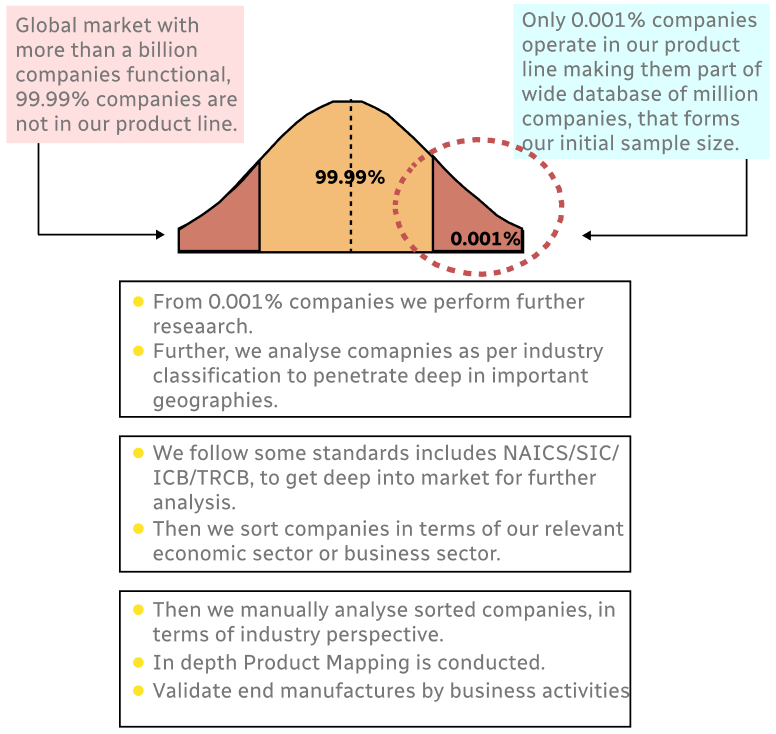
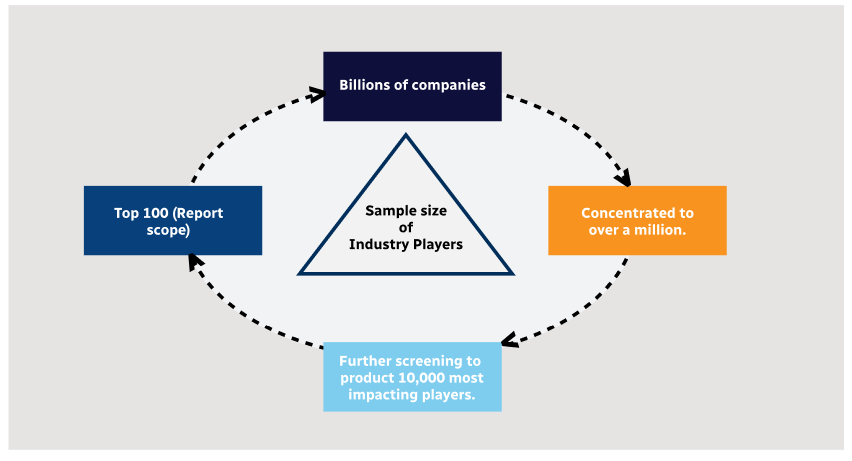
Step 1 - Identification of Relevant Samples Size from Population Database
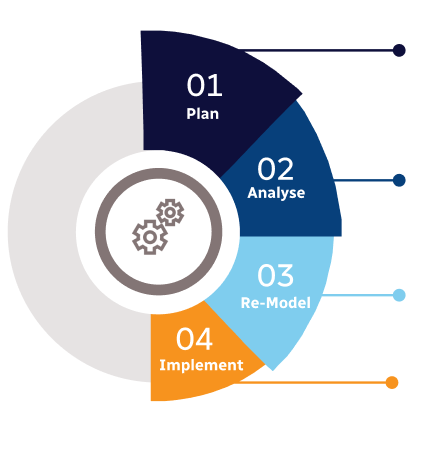
Step 2 - Approaches for Defining Global Market Size (Value, Volume* & Price*)
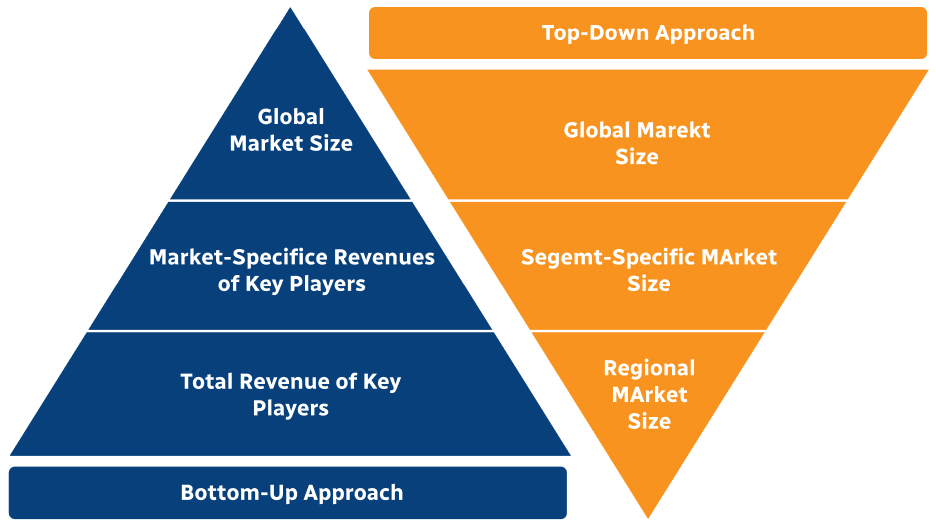
Note*: In applicable scenarios
Step 3 - Data Sources
Primary Research
- Web Analytics
- Survey Reports
- Research Institute
- Latest Research Reports
- Opinion Leaders
Secondary Research
- Annual Reports
- White Paper
- Latest Press Release
- Industry Association
- Paid Database
- Investor Presentations
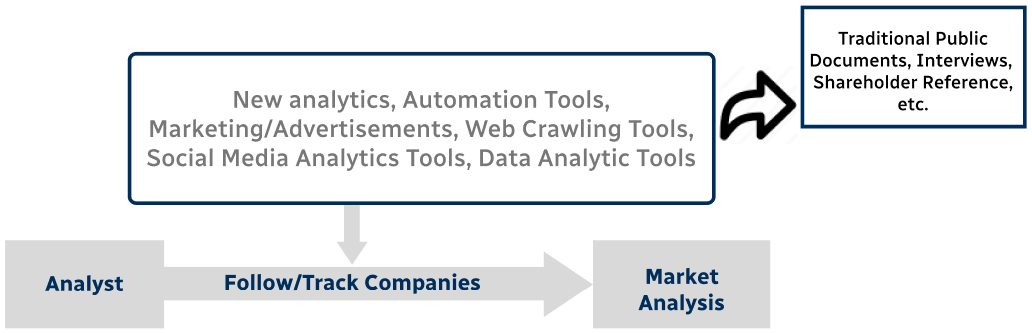
Step 4 - Data Triangulation
Involves using different sources of information in order to increase the validity of a study
These sources are likely to be stakeholders in a program - participants, other researchers, program staff, other community members, and so on.
Then we put all data in single framework & apply various statistical tools to find out the dynamic on the market.
During the analysis stage, feedback from the stakeholder groups would be compared to determine areas of agreement as well as areas of divergence