


Key Insights
The global Ophthalmic Wide Field Imaging System market is poised for robust expansion, projected to reach a substantial USD 1302 million by 2025. This growth is fueled by an impressive Compound Annual Growth Rate (CAGR) of 9.7%, indicating a dynamic and rapidly evolving sector. The increasing prevalence of ophthalmic diseases worldwide, coupled with a growing awareness and demand for advanced diagnostic tools, are primary drivers propelling this market forward. Furthermore, technological advancements in imaging modalities, leading to higher resolution, faster acquisition times, and enhanced diagnostic capabilities, are significantly contributing to market adoption. The aging global population is another key factor, as age-related vision impairments like diabetic retinopathy, glaucoma, and macular degeneration are on the rise, necessitating early and accurate detection through wide field imaging systems. These systems offer a more comprehensive view of the retina compared to traditional methods, allowing for the identification of peripheral abnormalities that might otherwise be missed.
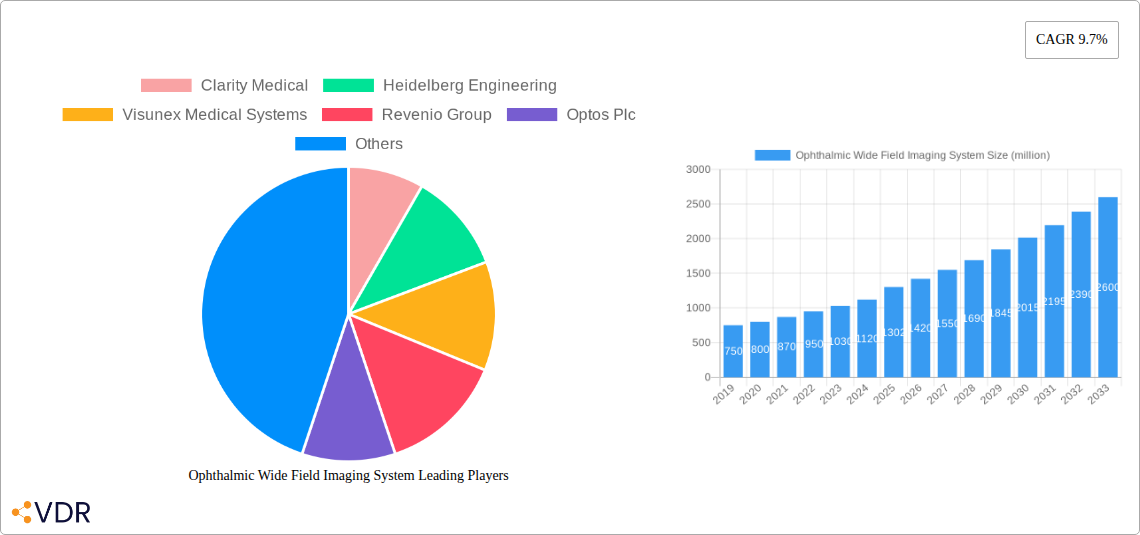
Ophthalmic Wide Field Imaging System Market Size (In Million)

The market segmentation reveals key areas of focus and opportunity. In terms of application, hospitals are expected to dominate the market due to their extensive infrastructure and the high volume of complex ophthalmic cases they handle. Clinics, while representing a smaller segment, are also witnessing growth as they increasingly adopt these advanced diagnostic tools to offer specialized eye care. The type segmentation highlights a strong preference for portable systems, driven by their versatility, ease of use in various clinical settings, and the ability to conduct point-of-care diagnostics. This trend is further supported by the development of more compact and user-friendly imaging devices. Key players such as ZEISS, Heidelberg Engineering, and Natus are at the forefront of innovation, investing heavily in research and development to introduce cutting-edge solutions that cater to the evolving needs of ophthalmologists and patients alike.
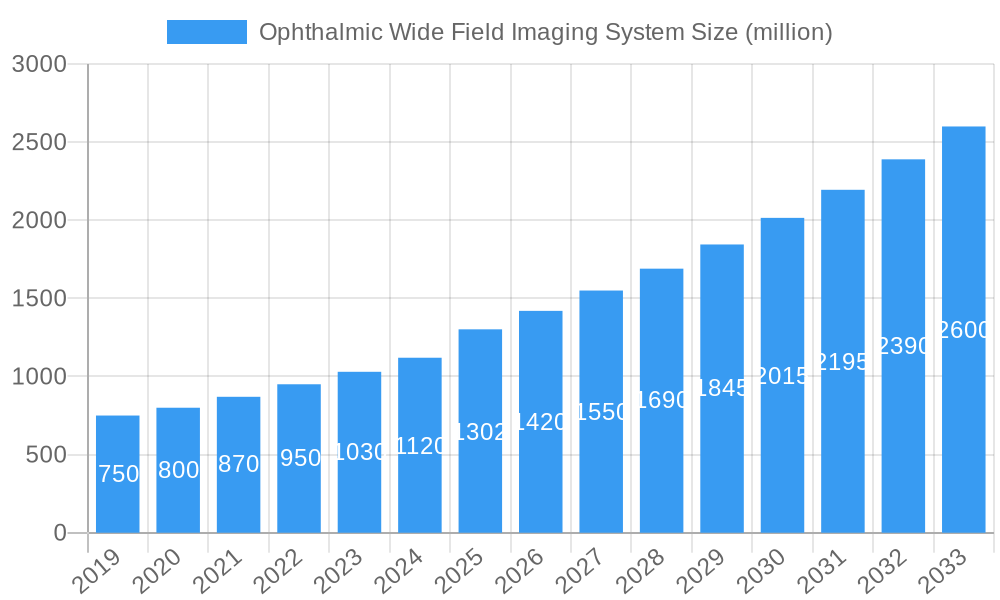
Ophthalmic Wide Field Imaging System Company Market Share
Report Title: Ophthalmic Wide Field Imaging System Market: Global Outlook and Growth Forecast 2019-2033
Report Description:
This comprehensive report provides an in-depth analysis of the global Ophthalmic Wide Field Imaging System market, offering critical insights into its dynamics, growth trends, and future trajectory. Covering the period from 2019 to 2033, with a base and estimated year of 2025 and a forecast period of 2025–2033, this report is an indispensable resource for industry stakeholders. We delve into market concentration, technological advancements, regulatory landscapes, competitive substitutes, end-user demographics, and M&A activities. The analysis highlights market size evolution, adoption rates, disruptive technologies, and shifts in consumer behavior, supported by robust quantitative and qualitative data. Leading regions, countries, and segments within the Application (Hospital, Clinic, Others) and Type (Desktop, Portable) categories are meticulously examined, alongside a detailed examination of product innovations, applications, and performance metrics. Key drivers, barriers, challenges, and emerging opportunities are identified, providing a holistic view of the market's growth potential. Strategic partnerships, technological breakthroughs, and market expansion strategies are highlighted as key growth accelerators. This report features an extensive list of key players, notable milestones, and a forward-looking market outlook to guide strategic decision-making in the rapidly evolving ophthalmic imaging sector.
Ophthalmic Wide Field Imaging System Market Dynamics & Structure
The Ophthalmic Wide Field Imaging System market exhibits a moderately concentrated structure, with established players like ZEISS and Heidelberg Engineering holding significant market shares, estimated at 18% and 15% respectively in the base year 2025. Technological innovation is a primary driver, with ongoing advancements in resolution, speed, and AI-driven diagnostic capabilities enhancing system performance and expanding clinical applications for conditions such as diabetic retinopathy and glaucoma. Regulatory frameworks, particularly those from the FDA and EMA, play a crucial role in market access and product approvals, influencing the pace of innovation and market entry. Competitive product substitutes, including standard fundus cameras and OCT devices, offer alternative diagnostic pathways, though wide-field imaging's ability to capture peripheral retinal details provides a distinct advantage. End-user demographics are increasingly influenced by an aging global population and a rising prevalence of eye diseases, driving demand for advanced diagnostic tools. Mergers and acquisitions (M&A) remain a strategic lever for market consolidation and technology integration; the historical period saw approximately 5 significant M&A deals in the broader ophthalmic diagnostic equipment sector, valued collectively at over $150 million, with projections suggesting continued activity. Innovation barriers include high R&D costs and the need for clinical validation.
- Market Concentration: Moderately concentrated, with key players dominating market share.
- Technological Innovation Drivers: AI integration, enhanced resolution, faster imaging speeds, portable solutions.
- Regulatory Frameworks: FDA, EMA approvals are critical for market entry and growth.
- Competitive Product Substitutes: Standard fundus cameras, OCT systems.
- End-User Demographics: Aging population, increasing prevalence of eye diseases.
- M&A Trends: Ongoing consolidation to enhance product portfolios and market reach.
Ophthalmic Wide Field Imaging System Growth Trends & Insights
The global Ophthalmic Wide Field Imaging System market is poised for substantial expansion, projected to reach a market size of approximately $1,850 million by 2033, from an estimated $950 million in the base year 2025. This growth trajectory is underpinned by a robust Compound Annual Growth Rate (CAGR) of approximately 8.5% throughout the forecast period (2025–2033). The increasing adoption rates are driven by a growing awareness of the benefits of early and comprehensive eye disease detection, particularly in managing prevalent conditions like diabetic retinopathy, glaucoma, and age-related macular degeneration (AMD). Technological disruptions are at the forefront, with advancements in ultra-widefield imaging (UWF) technologies, such as Optos Plc's ultra-widefield retinal imaging, significantly enhancing the diagnostic capabilities by capturing up to 200 degrees of the retina in a single capture. This expanded view allows for earlier detection of peripheral retinal pathologies that might be missed by conventional imaging methods.
Furthermore, the integration of artificial intelligence (AI) and machine learning (ML) algorithms is revolutionizing the interpretation of wide-field images. These AI-powered systems can automate the detection and grading of retinal abnormalities, improving diagnostic accuracy and efficiency for ophthalmologists. For instance, AI algorithms are being developed to aid in the screening of diabetic retinopathy, a leading cause of blindness, particularly in underserved regions. Consumer behavior shifts are also contributing to market growth, as patients become more proactive in managing their eye health and seeking advanced diagnostic solutions for timely interventions. The demand for point-of-care diagnostics and portable imaging solutions is also on the rise, enabling broader access to retinal imaging services in diverse healthcare settings, including rural areas and primary care clinics. This trend is further amplified by the increasing prevalence of chronic diseases that have ocular manifestations, necessitating regular and comprehensive eye examinations. The market penetration of wide-field imaging systems is expected to deepen as healthcare providers recognize their cost-effectiveness in preventing vision loss and reducing long-term healthcare expenditures associated with managing advanced stages of eye diseases. The transition from reactive treatment to proactive screening and early diagnosis is a key behavioral shift fueling market expansion.
Dominant Regions, Countries, or Segments in Ophthalmic Wide Field Imaging System
North America currently dominates the Ophthalmic Wide Field Imaging System market, driven by a strong healthcare infrastructure, high per capita healthcare expenditure, and a high prevalence of eye diseases like diabetic retinopathy and glaucoma. In the base year 2025, North America is estimated to hold a market share of approximately 35% of the global market, translating to a market value of roughly $332.5 million. Within this region, the United States is the primary contributor, accounting for over 75% of the regional market. Key drivers in this country include a robust reimbursement framework for diagnostic procedures, significant investment in medical technology research and development by leading companies such as ZEISS and Heidelberg Engineering, and a high adoption rate of advanced ophthalmic imaging technologies by both hospital and clinic settings. The growing aging population, coupled with the rising incidence of diabetes and cardiovascular diseases that often lead to ocular complications, further fuels the demand for wide-field imaging systems in North America.
The Hospital application segment is the largest contributor within the Application category, holding an estimated market share of 45% in 2025, valued at approximately $427.5 million. Hospitals are equipped with the necessary infrastructure and specialized personnel to utilize advanced imaging modalities for complex diagnoses and treatment planning. The Clinic segment follows closely, with an estimated market share of 40% in 2025, valued at $380 million, as private practices and specialized eye clinics increasingly invest in these systems to enhance their diagnostic capabilities and patient service offerings. The Others segment, including research institutions and mobile eye care units, accounts for the remaining 15%, valued at $142.5 million.
In terms of Type, the Desktop segment is currently dominant, accounting for an estimated 60% of the market in 2025, valued at $570 million. These systems offer comprehensive features and higher resolution, making them ideal for specialized diagnostic centers and hospitals. However, the Portable segment, with an estimated 40% market share in 2025, valued at $380 million, is experiencing rapid growth due to its flexibility, cost-effectiveness, and ability to facilitate wider patient access, especially in remote areas and during public health screenings. Key drivers for the portable segment include initiatives aimed at expanding access to eye care in underserved regions and the growing demand for point-of-care diagnostics.
Ophthalmic Wide Field Imaging System Product Landscape
The ophthalmic wide field imaging system product landscape is characterized by continuous innovation focused on enhancing image quality, diagnostic accuracy, and user experience. Companies are integrating advanced optics and illumination technologies to capture high-resolution images of the retina, including peripheral pathologies. ZEISS offers its CIRRUS HD-OCT 5000 with advanced imaging capabilities, while Optos Plc continues to innovate with its ultra-widefield retinal imaging platforms. Manufacturers are also focusing on developing user-friendly interfaces and efficient workflows, often incorporating AI-powered analytics for automated disease detection and quantification. The portability of certain systems, like those developed by Visunex Medical Systems, is expanding accessibility beyond traditional clinical settings.
Key Drivers, Barriers & Challenges in Ophthalmic Wide Field Imaging System
Key Drivers: The primary forces propelling the Ophthalmic Wide Field Imaging System market include the escalating global prevalence of eye diseases such as diabetic retinopathy, glaucoma, and age-related macular degeneration, driven by an aging population and rising rates of chronic conditions like diabetes. Technological advancements, particularly in ultra-widefield imaging and AI-driven diagnostics, are enhancing diagnostic accuracy and efficiency, making these systems indispensable tools. Increasing healthcare expenditure and government initiatives aimed at early disease detection and blindness prevention also significantly contribute to market growth.
Barriers & Challenges: Despite the robust growth, the market faces several challenges. High initial acquisition costs of advanced wide-field imaging systems can be a barrier for smaller clinics and healthcare providers in resource-limited settings. Stringent regulatory approval processes for new medical devices can delay market entry and increase development costs, with an average approval timeline of 18-24 months for complex ophthalmic devices. Reimbursement policies for wide-field imaging procedures, while improving, can still vary significantly across different regions, impacting adoption rates. Furthermore, the availability of skilled personnel to operate and interpret the images from these sophisticated systems can be a constraint in some areas. Supply chain disruptions, as seen in recent global events, can also impact the availability of components and finished products.
Emerging Opportunities in Ophthalmic Wide Field Imaging System
Emerging opportunities in the Ophthalmic Wide Field Imaging System market lie in the expansion of AI and machine learning integration for automated disease screening and risk stratification, particularly for widespread conditions like diabetic retinopathy. The growing demand for home-based and remote patient monitoring solutions presents an avenue for developing more user-friendly and connected portable imaging devices. Untapped markets in developing economies, with their increasing healthcare spending and rising incidence of eye diseases, offer significant growth potential. Furthermore, the development of multimodal imaging systems that combine wide-field capabilities with other diagnostic modalities, such as OCT and angiography, can create new clinical applications and enhance diagnostic comprehensiveness.
Growth Accelerators in the Ophthalmic Wide Field Imaging System Industry
Several catalysts are accelerating the long-term growth of the Ophthalmic Wide Field Imaging System industry. Technological breakthroughs in miniaturization and sensor technology are enabling the development of more compact, cost-effective, and higher-resolution portable devices. Strategic partnerships between imaging system manufacturers and AI software developers are fostering the creation of intelligent diagnostic platforms that enhance accuracy and workflow efficiency. Market expansion strategies, including direct sales to emerging markets and collaborations with eyecare professional associations, are crucial for reaching a wider patient base. Furthermore, increased investment in research and development for novel applications, such as early detection of systemic diseases through retinal imaging, will unlock new market segments and drive sustained growth.
Key Players Shaping the Ophthalmic Wide Field Imaging System Market
- Clarity Medical
- Heidelberg Engineering
- Visunex Medical Systems
- Revenio Group
- Optos Plc
- ZEISS
- Natus
- careLYFE
- Yishihe Medical
- Suowei Electronic
- Vincennes Medical
- Fuhan Medical
- Sunkingdom Medical
- Aike Lian Medical
Notable Milestones in Ophthalmic Wide Field Imaging System Sector
- 2019: Introduction of AI-powered diabetic retinopathy screening algorithms, enhancing automated analysis of wide-field retinal images.
- 2020: Launch of next-generation ultra-widefield imaging systems with improved resolution and faster capture times, enabling earlier detection of peripheral pathologies.
- 2021: Increased adoption of portable wide-field imaging devices for mobile eye screening programs in underserved regions, improving accessibility to diagnostics.
- 2022: Significant advancements in ultra-widefield fluorescein angiography, providing deeper insights into vascular abnormalities.
- 2023: Emergence of cloud-based platforms for wide-field image storage, sharing, and remote consultation, facilitating collaborative diagnostics.
- 2024: Focus on developing cost-effective wide-field imaging solutions for primary care settings to broaden preventative eye care initiatives.
In-Depth Ophthalmic Wide Field Imaging System Market Outlook
The future outlook for the Ophthalmic Wide Field Imaging System market is exceptionally promising, propelled by sustained technological innovation and a growing global emphasis on preventative eye care. The increasing integration of AI and machine learning will further refine diagnostic capabilities, enabling earlier and more accurate identification of a wider spectrum of ocular conditions. The ongoing development and adoption of portable and more affordable wide-field imaging systems are set to democratize access to advanced ophthalmic diagnostics, particularly in emerging markets and remote areas. Strategic collaborations between technology providers, healthcare institutions, and research bodies will continue to foster breakthroughs, expanding the clinical applications of wide-field imaging beyond traditional retinal diagnoses to potentially encompass early detection of systemic diseases. This synergistic approach will solidify the market's growth trajectory and its pivotal role in global vision health.
Ophthalmic Wide Field Imaging System Segmentation
-
1. Application
- 1.1. Hospital
- 1.2. Clinic
- 1.3. Others
-
2. Type
- 2.1. Desktop
- 2.2. Portable
Ophthalmic Wide Field Imaging System Segmentation By Geography
-
1. North America
- 1.1. United States
- 1.2. Canada
- 1.3. Mexico
-
2. South America
- 2.1. Brazil
- 2.2. Argentina
- 2.3. Rest of South America
-
3. Europe
- 3.1. United Kingdom
- 3.2. Germany
- 3.3. France
- 3.4. Italy
- 3.5. Spain
- 3.6. Russia
- 3.7. Benelux
- 3.8. Nordics
- 3.9. Rest of Europe
-
4. Middle East & Africa
- 4.1. Turkey
- 4.2. Israel
- 4.3. GCC
- 4.4. North Africa
- 4.5. South Africa
- 4.6. Rest of Middle East & Africa
-
5. Asia Pacific
- 5.1. China
- 5.2. India
- 5.3. Japan
- 5.4. South Korea
- 5.5. ASEAN
- 5.6. Oceania
- 5.7. Rest of Asia Pacific
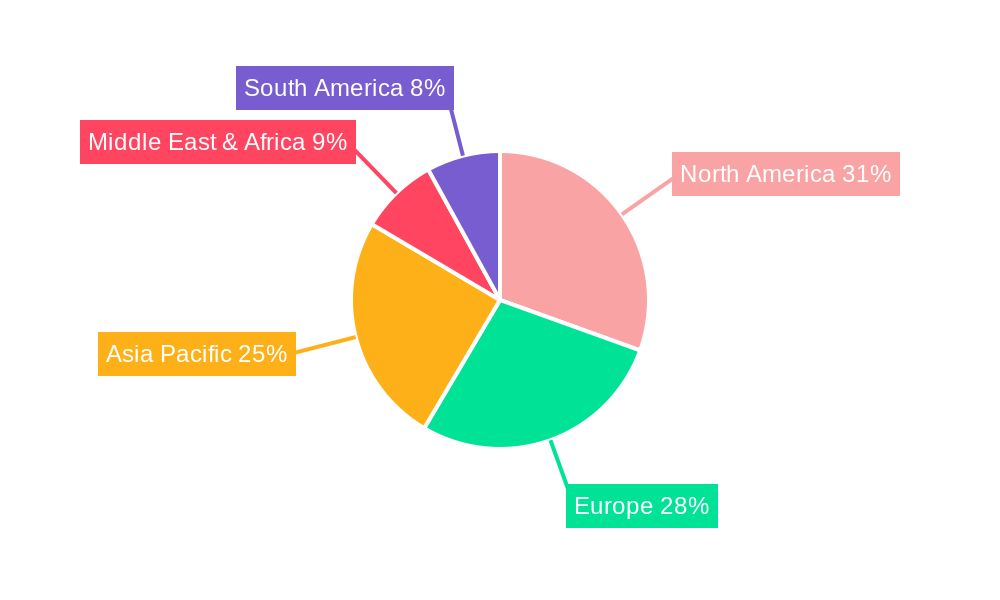
Ophthalmic Wide Field Imaging System Regional Market Share
Geographic Coverage of Ophthalmic Wide Field Imaging System
Ophthalmic Wide Field Imaging System REPORT HIGHLIGHTS
| Aspects | Details |
|---|---|
| Study Period | 2020-2034 |
| Base Year | 2025 |
| Estimated Year | 2026 |
| Forecast Period | 2026-2034 |
| Historical Period | 2020-2025 |
| Growth Rate | CAGR of 9.7% from 2020-2034 |
| Segmentation |
|
Table of Contents
- 1. Introduction
- 1.1. Research Scope
- 1.2. Market Segmentation
- 1.3. Research Methodology
- 1.4. Definitions and Assumptions
- 2. Executive Summary
- 2.1. Introduction
- 3. Market Dynamics
- 3.1. Introduction
- 3.2. Market Drivers
- 3.3. Market Restrains
- 3.4. Market Trends
- 4. Market Factor Analysis
- 4.1. Porters Five Forces
- 4.2. Supply/Value Chain
- 4.3. PESTEL analysis
- 4.4. Market Entropy
- 4.5. Patent/Trademark Analysis
- 5. Global Ophthalmic Wide Field Imaging System Analysis, Insights and Forecast, 2020-2032
- 5.1. Market Analysis, Insights and Forecast - by Application
- 5.1.1. Hospital
- 5.1.2. Clinic
- 5.1.3. Others
- 5.2. Market Analysis, Insights and Forecast - by Type
- 5.2.1. Desktop
- 5.2.2. Portable
- 5.3. Market Analysis, Insights and Forecast - by Region
- 5.3.1. North America
- 5.3.2. South America
- 5.3.3. Europe
- 5.3.4. Middle East & Africa
- 5.3.5. Asia Pacific
- 5.1. Market Analysis, Insights and Forecast - by Application
- 6. North America Ophthalmic Wide Field Imaging System Analysis, Insights and Forecast, 2020-2032
- 6.1. Market Analysis, Insights and Forecast - by Application
- 6.1.1. Hospital
- 6.1.2. Clinic
- 6.1.3. Others
- 6.2. Market Analysis, Insights and Forecast - by Type
- 6.2.1. Desktop
- 6.2.2. Portable
- 6.1. Market Analysis, Insights and Forecast - by Application
- 7. South America Ophthalmic Wide Field Imaging System Analysis, Insights and Forecast, 2020-2032
- 7.1. Market Analysis, Insights and Forecast - by Application
- 7.1.1. Hospital
- 7.1.2. Clinic
- 7.1.3. Others
- 7.2. Market Analysis, Insights and Forecast - by Type
- 7.2.1. Desktop
- 7.2.2. Portable
- 7.1. Market Analysis, Insights and Forecast - by Application
- 8. Europe Ophthalmic Wide Field Imaging System Analysis, Insights and Forecast, 2020-2032
- 8.1. Market Analysis, Insights and Forecast - by Application
- 8.1.1. Hospital
- 8.1.2. Clinic
- 8.1.3. Others
- 8.2. Market Analysis, Insights and Forecast - by Type
- 8.2.1. Desktop
- 8.2.2. Portable
- 8.1. Market Analysis, Insights and Forecast - by Application
- 9. Middle East & Africa Ophthalmic Wide Field Imaging System Analysis, Insights and Forecast, 2020-2032
- 9.1. Market Analysis, Insights and Forecast - by Application
- 9.1.1. Hospital
- 9.1.2. Clinic
- 9.1.3. Others
- 9.2. Market Analysis, Insights and Forecast - by Type
- 9.2.1. Desktop
- 9.2.2. Portable
- 9.1. Market Analysis, Insights and Forecast - by Application
- 10. Asia Pacific Ophthalmic Wide Field Imaging System Analysis, Insights and Forecast, 2020-2032
- 10.1. Market Analysis, Insights and Forecast - by Application
- 10.1.1. Hospital
- 10.1.2. Clinic
- 10.1.3. Others
- 10.2. Market Analysis, Insights and Forecast - by Type
- 10.2.1. Desktop
- 10.2.2. Portable
- 10.1. Market Analysis, Insights and Forecast - by Application
- 11. Competitive Analysis
- 11.1. Global Market Share Analysis 2025
- 11.2. Company Profiles
- 11.2.1 Clarity Medical
- 11.2.1.1. Overview
- 11.2.1.2. Products
- 11.2.1.3. SWOT Analysis
- 11.2.1.4. Recent Developments
- 11.2.1.5. Financials (Based on Availability)
- 11.2.2 Heidelberg Engineering
- 11.2.2.1. Overview
- 11.2.2.2. Products
- 11.2.2.3. SWOT Analysis
- 11.2.2.4. Recent Developments
- 11.2.2.5. Financials (Based on Availability)
- 11.2.3 Visunex Medical Systems
- 11.2.3.1. Overview
- 11.2.3.2. Products
- 11.2.3.3. SWOT Analysis
- 11.2.3.4. Recent Developments
- 11.2.3.5. Financials (Based on Availability)
- 11.2.4 Revenio Group
- 11.2.4.1. Overview
- 11.2.4.2. Products
- 11.2.4.3. SWOT Analysis
- 11.2.4.4. Recent Developments
- 11.2.4.5. Financials (Based on Availability)
- 11.2.5 Optos Plc
- 11.2.5.1. Overview
- 11.2.5.2. Products
- 11.2.5.3. SWOT Analysis
- 11.2.5.4. Recent Developments
- 11.2.5.5. Financials (Based on Availability)
- 11.2.6 ZEISS
- 11.2.6.1. Overview
- 11.2.6.2. Products
- 11.2.6.3. SWOT Analysis
- 11.2.6.4. Recent Developments
- 11.2.6.5. Financials (Based on Availability)
- 11.2.7 Natus
- 11.2.7.1. Overview
- 11.2.7.2. Products
- 11.2.7.3. SWOT Analysis
- 11.2.7.4. Recent Developments
- 11.2.7.5. Financials (Based on Availability)
- 11.2.8 careLYFE
- 11.2.8.1. Overview
- 11.2.8.2. Products
- 11.2.8.3. SWOT Analysis
- 11.2.8.4. Recent Developments
- 11.2.8.5. Financials (Based on Availability)
- 11.2.9 Yishihe Medical
- 11.2.9.1. Overview
- 11.2.9.2. Products
- 11.2.9.3. SWOT Analysis
- 11.2.9.4. Recent Developments
- 11.2.9.5. Financials (Based on Availability)
- 11.2.10 Suowei Electronic
- 11.2.10.1. Overview
- 11.2.10.2. Products
- 11.2.10.3. SWOT Analysis
- 11.2.10.4. Recent Developments
- 11.2.10.5. Financials (Based on Availability)
- 11.2.11 Vincennes Medical
- 11.2.11.1. Overview
- 11.2.11.2. Products
- 11.2.11.3. SWOT Analysis
- 11.2.11.4. Recent Developments
- 11.2.11.5. Financials (Based on Availability)
- 11.2.12 Fuhan Medical
- 11.2.12.1. Overview
- 11.2.12.2. Products
- 11.2.12.3. SWOT Analysis
- 11.2.12.4. Recent Developments
- 11.2.12.5. Financials (Based on Availability)
- 11.2.13 Sunkingdom Medical
- 11.2.13.1. Overview
- 11.2.13.2. Products
- 11.2.13.3. SWOT Analysis
- 11.2.13.4. Recent Developments
- 11.2.13.5. Financials (Based on Availability)
- 11.2.14 Aike Lian Medical
- 11.2.14.1. Overview
- 11.2.14.2. Products
- 11.2.14.3. SWOT Analysis
- 11.2.14.4. Recent Developments
- 11.2.14.5. Financials (Based on Availability)
- 11.2.1 Clarity Medical
List of Figures
- Figure 1: Global Ophthalmic Wide Field Imaging System Revenue Breakdown (million, %) by Region 2025 & 2033
- Figure 2: North America Ophthalmic Wide Field Imaging System Revenue (million), by Application 2025 & 2033
- Figure 3: North America Ophthalmic Wide Field Imaging System Revenue Share (%), by Application 2025 & 2033
- Figure 4: North America Ophthalmic Wide Field Imaging System Revenue (million), by Type 2025 & 2033
- Figure 5: North America Ophthalmic Wide Field Imaging System Revenue Share (%), by Type 2025 & 2033
- Figure 6: North America Ophthalmic Wide Field Imaging System Revenue (million), by Country 2025 & 2033
- Figure 7: North America Ophthalmic Wide Field Imaging System Revenue Share (%), by Country 2025 & 2033
- Figure 8: South America Ophthalmic Wide Field Imaging System Revenue (million), by Application 2025 & 2033
- Figure 9: South America Ophthalmic Wide Field Imaging System Revenue Share (%), by Application 2025 & 2033
- Figure 10: South America Ophthalmic Wide Field Imaging System Revenue (million), by Type 2025 & 2033
- Figure 11: South America Ophthalmic Wide Field Imaging System Revenue Share (%), by Type 2025 & 2033
- Figure 12: South America Ophthalmic Wide Field Imaging System Revenue (million), by Country 2025 & 2033
- Figure 13: South America Ophthalmic Wide Field Imaging System Revenue Share (%), by Country 2025 & 2033
- Figure 14: Europe Ophthalmic Wide Field Imaging System Revenue (million), by Application 2025 & 2033
- Figure 15: Europe Ophthalmic Wide Field Imaging System Revenue Share (%), by Application 2025 & 2033
- Figure 16: Europe Ophthalmic Wide Field Imaging System Revenue (million), by Type 2025 & 2033
- Figure 17: Europe Ophthalmic Wide Field Imaging System Revenue Share (%), by Type 2025 & 2033
- Figure 18: Europe Ophthalmic Wide Field Imaging System Revenue (million), by Country 2025 & 2033
- Figure 19: Europe Ophthalmic Wide Field Imaging System Revenue Share (%), by Country 2025 & 2033
- Figure 20: Middle East & Africa Ophthalmic Wide Field Imaging System Revenue (million), by Application 2025 & 2033
- Figure 21: Middle East & Africa Ophthalmic Wide Field Imaging System Revenue Share (%), by Application 2025 & 2033
- Figure 22: Middle East & Africa Ophthalmic Wide Field Imaging System Revenue (million), by Type 2025 & 2033
- Figure 23: Middle East & Africa Ophthalmic Wide Field Imaging System Revenue Share (%), by Type 2025 & 2033
- Figure 24: Middle East & Africa Ophthalmic Wide Field Imaging System Revenue (million), by Country 2025 & 2033
- Figure 25: Middle East & Africa Ophthalmic Wide Field Imaging System Revenue Share (%), by Country 2025 & 2033
- Figure 26: Asia Pacific Ophthalmic Wide Field Imaging System Revenue (million), by Application 2025 & 2033
- Figure 27: Asia Pacific Ophthalmic Wide Field Imaging System Revenue Share (%), by Application 2025 & 2033
- Figure 28: Asia Pacific Ophthalmic Wide Field Imaging System Revenue (million), by Type 2025 & 2033
- Figure 29: Asia Pacific Ophthalmic Wide Field Imaging System Revenue Share (%), by Type 2025 & 2033
- Figure 30: Asia Pacific Ophthalmic Wide Field Imaging System Revenue (million), by Country 2025 & 2033
- Figure 31: Asia Pacific Ophthalmic Wide Field Imaging System Revenue Share (%), by Country 2025 & 2033
List of Tables
- Table 1: Global Ophthalmic Wide Field Imaging System Revenue million Forecast, by Application 2020 & 2033
- Table 2: Global Ophthalmic Wide Field Imaging System Revenue million Forecast, by Type 2020 & 2033
- Table 3: Global Ophthalmic Wide Field Imaging System Revenue million Forecast, by Region 2020 & 2033
- Table 4: Global Ophthalmic Wide Field Imaging System Revenue million Forecast, by Application 2020 & 2033
- Table 5: Global Ophthalmic Wide Field Imaging System Revenue million Forecast, by Type 2020 & 2033
- Table 6: Global Ophthalmic Wide Field Imaging System Revenue million Forecast, by Country 2020 & 2033
- Table 7: United States Ophthalmic Wide Field Imaging System Revenue (million) Forecast, by Application 2020 & 2033
- Table 8: Canada Ophthalmic Wide Field Imaging System Revenue (million) Forecast, by Application 2020 & 2033
- Table 9: Mexico Ophthalmic Wide Field Imaging System Revenue (million) Forecast, by Application 2020 & 2033
- Table 10: Global Ophthalmic Wide Field Imaging System Revenue million Forecast, by Application 2020 & 2033
- Table 11: Global Ophthalmic Wide Field Imaging System Revenue million Forecast, by Type 2020 & 2033
- Table 12: Global Ophthalmic Wide Field Imaging System Revenue million Forecast, by Country 2020 & 2033
- Table 13: Brazil Ophthalmic Wide Field Imaging System Revenue (million) Forecast, by Application 2020 & 2033
- Table 14: Argentina Ophthalmic Wide Field Imaging System Revenue (million) Forecast, by Application 2020 & 2033
- Table 15: Rest of South America Ophthalmic Wide Field Imaging System Revenue (million) Forecast, by Application 2020 & 2033
- Table 16: Global Ophthalmic Wide Field Imaging System Revenue million Forecast, by Application 2020 & 2033
- Table 17: Global Ophthalmic Wide Field Imaging System Revenue million Forecast, by Type 2020 & 2033
- Table 18: Global Ophthalmic Wide Field Imaging System Revenue million Forecast, by Country 2020 & 2033
- Table 19: United Kingdom Ophthalmic Wide Field Imaging System Revenue (million) Forecast, by Application 2020 & 2033
- Table 20: Germany Ophthalmic Wide Field Imaging System Revenue (million) Forecast, by Application 2020 & 2033
- Table 21: France Ophthalmic Wide Field Imaging System Revenue (million) Forecast, by Application 2020 & 2033
- Table 22: Italy Ophthalmic Wide Field Imaging System Revenue (million) Forecast, by Application 2020 & 2033
- Table 23: Spain Ophthalmic Wide Field Imaging System Revenue (million) Forecast, by Application 2020 & 2033
- Table 24: Russia Ophthalmic Wide Field Imaging System Revenue (million) Forecast, by Application 2020 & 2033
- Table 25: Benelux Ophthalmic Wide Field Imaging System Revenue (million) Forecast, by Application 2020 & 2033
- Table 26: Nordics Ophthalmic Wide Field Imaging System Revenue (million) Forecast, by Application 2020 & 2033
- Table 27: Rest of Europe Ophthalmic Wide Field Imaging System Revenue (million) Forecast, by Application 2020 & 2033
- Table 28: Global Ophthalmic Wide Field Imaging System Revenue million Forecast, by Application 2020 & 2033
- Table 29: Global Ophthalmic Wide Field Imaging System Revenue million Forecast, by Type 2020 & 2033
- Table 30: Global Ophthalmic Wide Field Imaging System Revenue million Forecast, by Country 2020 & 2033
- Table 31: Turkey Ophthalmic Wide Field Imaging System Revenue (million) Forecast, by Application 2020 & 2033
- Table 32: Israel Ophthalmic Wide Field Imaging System Revenue (million) Forecast, by Application 2020 & 2033
- Table 33: GCC Ophthalmic Wide Field Imaging System Revenue (million) Forecast, by Application 2020 & 2033
- Table 34: North Africa Ophthalmic Wide Field Imaging System Revenue (million) Forecast, by Application 2020 & 2033
- Table 35: South Africa Ophthalmic Wide Field Imaging System Revenue (million) Forecast, by Application 2020 & 2033
- Table 36: Rest of Middle East & Africa Ophthalmic Wide Field Imaging System Revenue (million) Forecast, by Application 2020 & 2033
- Table 37: Global Ophthalmic Wide Field Imaging System Revenue million Forecast, by Application 2020 & 2033
- Table 38: Global Ophthalmic Wide Field Imaging System Revenue million Forecast, by Type 2020 & 2033
- Table 39: Global Ophthalmic Wide Field Imaging System Revenue million Forecast, by Country 2020 & 2033
- Table 40: China Ophthalmic Wide Field Imaging System Revenue (million) Forecast, by Application 2020 & 2033
- Table 41: India Ophthalmic Wide Field Imaging System Revenue (million) Forecast, by Application 2020 & 2033
- Table 42: Japan Ophthalmic Wide Field Imaging System Revenue (million) Forecast, by Application 2020 & 2033
- Table 43: South Korea Ophthalmic Wide Field Imaging System Revenue (million) Forecast, by Application 2020 & 2033
- Table 44: ASEAN Ophthalmic Wide Field Imaging System Revenue (million) Forecast, by Application 2020 & 2033
- Table 45: Oceania Ophthalmic Wide Field Imaging System Revenue (million) Forecast, by Application 2020 & 2033
- Table 46: Rest of Asia Pacific Ophthalmic Wide Field Imaging System Revenue (million) Forecast, by Application 2020 & 2033
Frequently Asked Questions
1. What is the projected Compound Annual Growth Rate (CAGR) of the Ophthalmic Wide Field Imaging System?
The projected CAGR is approximately 9.7%.
2. Which companies are prominent players in the Ophthalmic Wide Field Imaging System?
Key companies in the market include Clarity Medical, Heidelberg Engineering, Visunex Medical Systems, Revenio Group, Optos Plc, ZEISS, Natus, careLYFE, Yishihe Medical, Suowei Electronic, Vincennes Medical, Fuhan Medical, Sunkingdom Medical, Aike Lian Medical.
3. What are the main segments of the Ophthalmic Wide Field Imaging System?
The market segments include Application, Type.
4. Can you provide details about the market size?
The market size is estimated to be USD 1302 million as of 2022.
5. What are some drivers contributing to market growth?
N/A
6. What are the notable trends driving market growth?
N/A
7. Are there any restraints impacting market growth?
N/A
8. Can you provide examples of recent developments in the market?
N/A
9. What pricing options are available for accessing the report?
Pricing options include single-user, multi-user, and enterprise licenses priced at USD 2900.00, USD 4350.00, and USD 5800.00 respectively.
10. Is the market size provided in terms of value or volume?
The market size is provided in terms of value, measured in million.
11. Are there any specific market keywords associated with the report?
Yes, the market keyword associated with the report is "Ophthalmic Wide Field Imaging System," which aids in identifying and referencing the specific market segment covered.
12. How do I determine which pricing option suits my needs best?
The pricing options vary based on user requirements and access needs. Individual users may opt for single-user licenses, while businesses requiring broader access may choose multi-user or enterprise licenses for cost-effective access to the report.
13. Are there any additional resources or data provided in the Ophthalmic Wide Field Imaging System report?
While the report offers comprehensive insights, it's advisable to review the specific contents or supplementary materials provided to ascertain if additional resources or data are available.
14. How can I stay updated on further developments or reports in the Ophthalmic Wide Field Imaging System?
To stay informed about further developments, trends, and reports in the Ophthalmic Wide Field Imaging System, consider subscribing to industry newsletters, following relevant companies and organizations, or regularly checking reputable industry news sources and publications.
Methodology
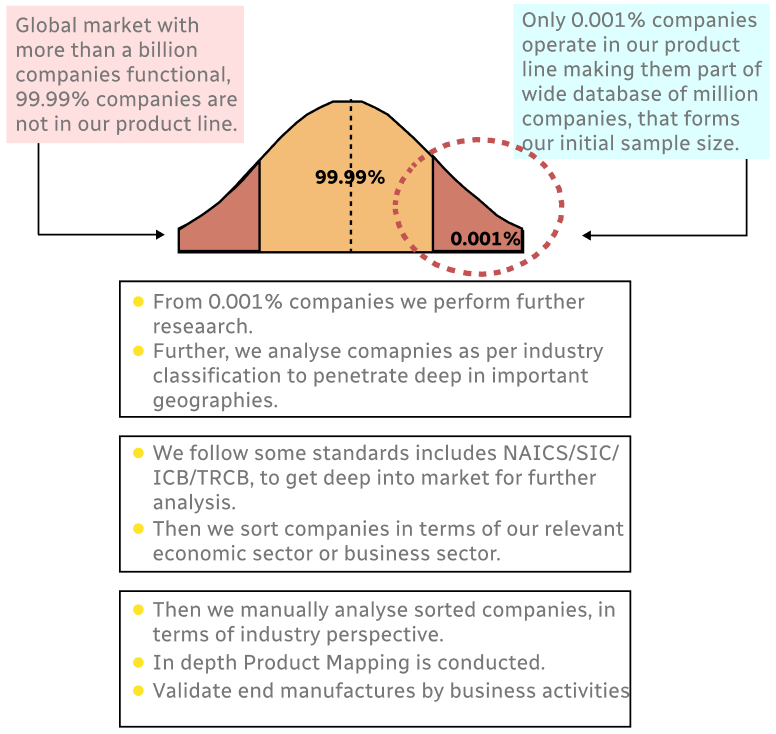
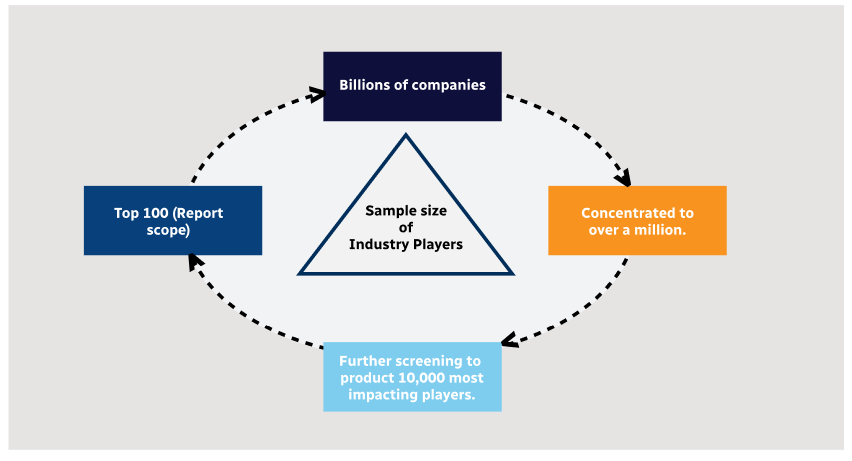
Step 1 - Identification of Relevant Samples Size from Population Database
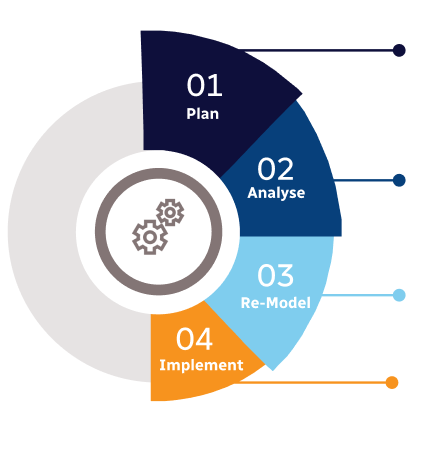
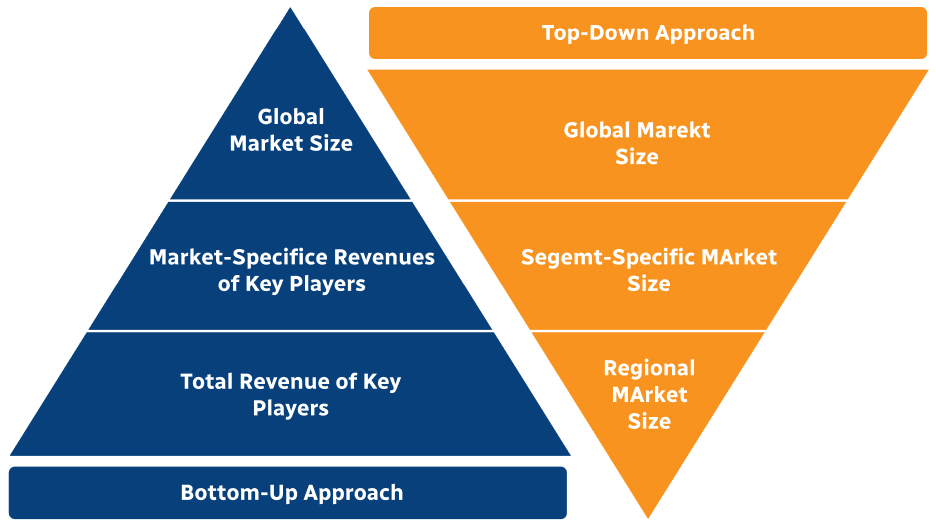
Step 2 - Approaches for Defining Global Market Size (Value, Volume* & Price*)
Note*: In applicable scenarios
Step 3 - Data Sources
Primary Research
- Web Analytics
- Survey Reports
- Research Institute
- Latest Research Reports
- Opinion Leaders
Secondary Research
- Annual Reports
- White Paper
- Latest Press Release
- Industry Association
- Paid Database
- Investor Presentations
Step 4 - Data Triangulation
Involves using different sources of information in order to increase the validity of a study
These sources are likely to be stakeholders in a program - participants, other researchers, program staff, other community members, and so on.
Then we put all data in single framework & apply various statistical tools to find out the dynamic on the market.
During the analysis stage, feedback from the stakeholder groups would be compared to determine areas of agreement as well as areas of divergence