


Key Insights
The global NCM precursor materials market is experiencing robust growth, projected to reach an estimated USD 25,000 million by 2025, with a Compound Annual Growth Rate (CAGR) of approximately 15% during the forecast period of 2025-2033. This significant expansion is primarily propelled by the burgeoning demand for electric vehicles (EVs), which heavily rely on high-performance NCM (Nickel-Cobalt-Manganese) cathode materials for their batteries. The increasing adoption of EVs worldwide, supported by favorable government policies, declining battery costs, and growing environmental consciousness, directly translates to a sustained surge in the need for advanced NCM precursor materials. Furthermore, the consumer electronics sector, encompassing smartphones, laptops, and power banks, continues to be a substantial end-user, driving consistent demand for these essential battery components. The market is characterized by a dynamic landscape with key players investing heavily in research and development to enhance precursor material properties like energy density, lifespan, and safety.
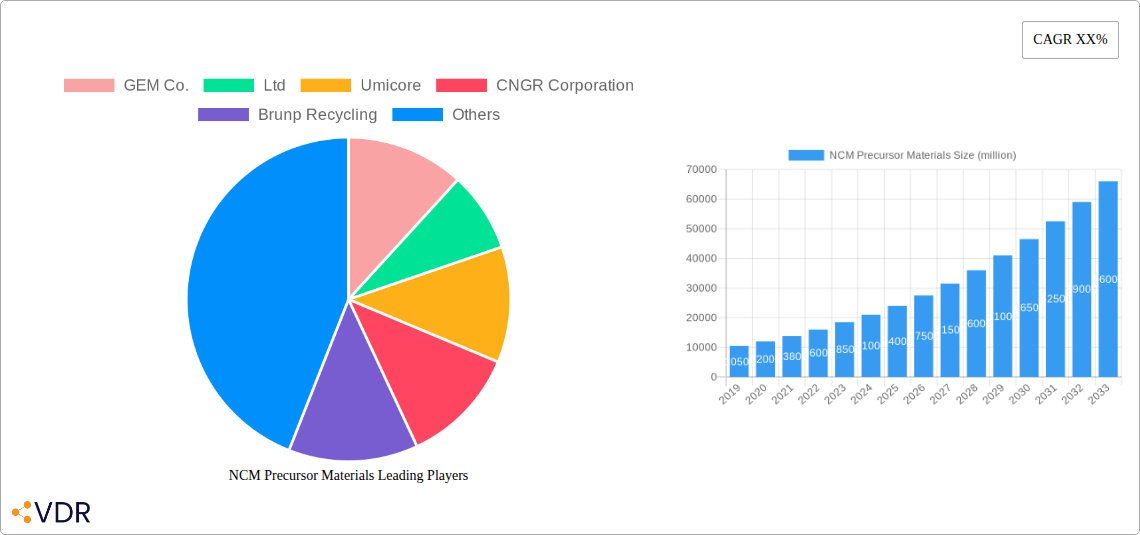
NCM Precursor Materials Market Size (In Billion)

The market is segmented into distinct applications and types, with the Power Battery segment accounting for the largest share due to the EV revolution. Within types, NCM811 and NCM622 are gaining prominence due to their higher nickel content, offering improved energy density crucial for longer EV ranges. However, challenges such as price volatility of key raw materials like nickel and cobalt, coupled with stringent environmental regulations concerning mining and processing, act as restraints. Despite these hurdles, the trend towards technological innovation, including the development of recycling technologies for spent batteries and efforts to reduce cobalt content, is shaping the future trajectory. Asia Pacific, led by China, remains the dominant region, owing to its extensive manufacturing capabilities and the world's largest EV market. North America and Europe are also witnessing significant growth, driven by their own ambitious EV targets and a push for localized battery supply chains.
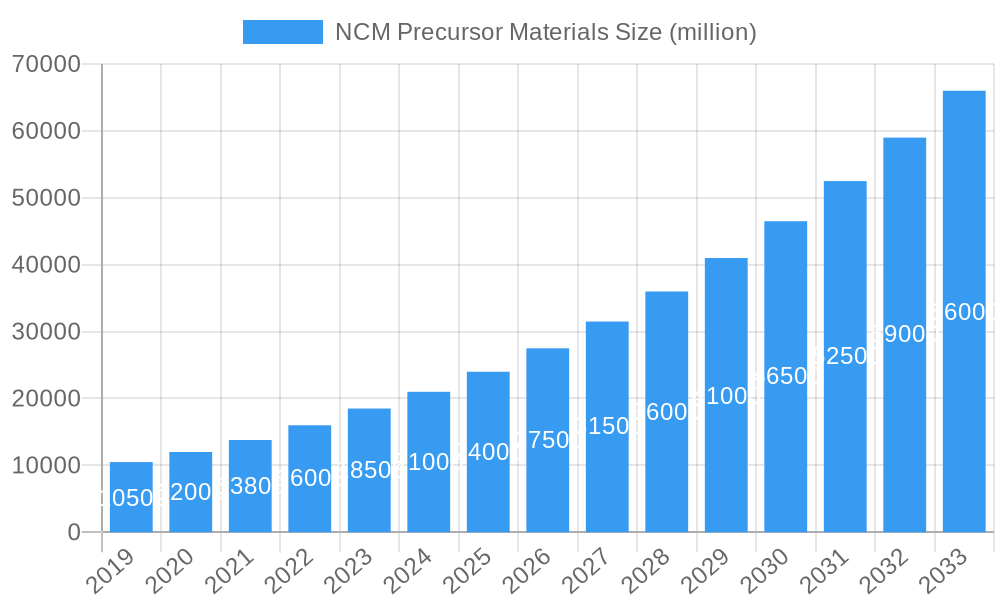
NCM Precursor Materials Company Market Share
NCM Precursor Materials Market: A Comprehensive Analysis (2019-2033)
This report provides an in-depth analysis of the NCM (Nickel-Cobalt-Manganese) precursor materials market, a critical component in the production of advanced lithium-ion batteries. Spanning a historical period from 2019 to 2024, with a base year of 2025 and a forecast period extending to 2033, this study offers crucial insights into market dynamics, growth trends, regional dominance, product landscape, key drivers, emerging opportunities, and the competitive strategies of leading players. We explore both parent and child markets, providing a holistic view of this rapidly evolving sector.
NCM Precursor Materials Market Dynamics & Structure
The NCM precursor materials market is characterized by a moderate to high level of concentration, with a few dominant players holding significant market share. Technological innovation is a primary driver, fueled by the relentless demand for higher energy density, improved safety, and reduced cost in battery technology, particularly for electric vehicles (EVs) and consumer electronics. Regulatory frameworks are increasingly shaping the market, with governments worldwide implementing policies to encourage domestic production, ensure responsible sourcing of raw materials like cobalt, and promote battery recycling. Competitive product substitutes are limited in the short term, as NCM remains a cornerstone for high-performance batteries, but research into alternative cathode chemistries is ongoing. End-user demographics are shifting towards younger, environmentally conscious consumers and automotive manufacturers prioritizing sustainable mobility solutions. Mergers and acquisition (M&A) trends are on the rise as companies seek to secure raw material supply chains, enhance technological capabilities, and expand their global footprint.
- Market Concentration: Dominated by a mix of large chemical manufacturers and specialized battery material producers.
- Technological Innovation Drivers: Focus on increasing nickel content (e.g., NCM811), reducing cobalt usage, enhancing material stability, and improving production efficiency.
- Regulatory Frameworks: Growing emphasis on ethical sourcing of raw materials (e.g., cobalt due diligence), environmental impact reduction, and battery recycling mandates.
- Competitive Product Substitutes: While NCM dominates, research into LFP (Lithium Iron Phosphate) and other chemistries is ongoing, posing a potential long-term threat.
- End-User Demographics: Primarily driven by the burgeoning electric vehicle market and the ubiquitous demand for portable electronics.
- M&A Trends: Strategic acquisitions and joint ventures aimed at vertical integration and securing critical mineral supply.
NCM Precursor Materials Growth Trends & Insights
The global NCM precursor materials market is poised for significant expansion, driven by the accelerating adoption of electric vehicles and the sustained demand for high-performance consumer batteries. The study period (2019-2033) reveals a strong upward trajectory, with the base year (2025) estimating a market size of approximately $22,000 million. The forecast period (2025-2033) is projected to witness a Compound Annual Growth Rate (CAGR) of approximately 12.5%, propelling the market to an estimated $54,000 million by 2033. This growth is underpinned by several key trends: the increasing demand for higher energy density battery chemistries like NCM811, which offer extended range for EVs; advancements in manufacturing processes leading to cost reductions and improved purity of precursors; and a growing emphasis on battery lifecycle management and recycling, creating a circular economy for these critical materials. Consumer behavior shifts, particularly the growing awareness of climate change and the desire for sustainable transportation, are further fueling the adoption of EVs, thereby boosting the demand for NCM precursors. Technological disruptions, such as the development of solid-state batteries, represent a potential long-term influence, but NCM precursors will remain dominant in the lithium-ion battery landscape for the foreseeable future. The market penetration of EVs, a direct indicator of NCM precursor demand, is expected to climb substantially over the forecast period.
Dominant Regions, Countries, or Segments in NCM Precursor Materials
The Power Battery segment, particularly for electric vehicles (EVs), is unequivocally the dominant driver of growth within the NCM precursor materials market. This dominance is fueled by several interconnected factors, including robust government incentives for EV adoption, the establishment of extensive charging infrastructure, and a growing consumer preference for sustainable transportation solutions.
Dominant Segment: Power Battery
- Market Share: Expected to constitute over 75% of the global NCM precursor market by 2033.
- Key Drivers:
- Government Policies & Incentives: Subsidies, tax credits, and stringent emission regulations for internal combustion engine vehicles in major economies.
- Infrastructure Development: Significant investments in public and private EV charging networks.
- Automotive Manufacturer Commitments: Ambitious electrification targets from leading global carmakers.
- Technological Advancements: Continuous improvements in battery energy density and charging speed for EVs.
- Consumer Awareness: Increasing environmental consciousness and a desire for lower operating costs.
Leading Regions & Countries:
- Asia Pacific (APAC): Primarily driven by China, which is not only the largest producer and consumer of EVs but also a dominant player in battery manufacturing and precursor production. South Korea and Japan also contribute significantly to regional demand and innovation.
- China: Accounts for over 50% of the global EV market and is a leader in NCM precursor production capacity.
- South Korea: Home to major battery manufacturers like LG Energy Solution and Samsung SDI, driving significant precursor demand.
- Japan: A key player in battery technology and automotive manufacturing, contributing to regional market growth.
- North America: The United States is experiencing rapid growth in EV adoption, supported by government initiatives and the expansion of domestic battery manufacturing facilities.
- Europe: Driven by stringent emission standards and strong government support for EVs, countries like Germany, France, and Norway are significant consumers of NCM precursors.
- Asia Pacific (APAC): Primarily driven by China, which is not only the largest producer and consumer of EVs but also a dominant player in battery manufacturing and precursor production. South Korea and Japan also contribute significantly to regional demand and innovation.
Dominant NCM Type: While historically NCM111 and NCM442 were prevalent, the market is increasingly shifting towards higher nickel content precursors like NCM622 and NCM811. NCM811, in particular, offers superior energy density, enabling longer EV ranges, and is projected to capture a substantial market share by 2033. The child market for NCM811 precursors is expected to grow at a CAGR of over 15% during the forecast period.
- NCM811 Dominance:
- Growth Potential: Significant adoption driven by demand for longer EV range.
- Technological Focus: Innovation aimed at improving the stability and manufacturability of high-nickel precursors.
- Market Share Projection: Expected to surpass other NCM types in the power battery segment by the end of the forecast period.
- NCM811 Dominance:
NCM Precursor Materials Product Landscape
The NCM precursor product landscape is defined by innovation focused on enhancing battery performance and reducing costs. Key product developments revolve around increasing the nickel content in NCM precursors, such as NCM622 and the rapidly growing NCM811. These high-nickel variants offer superior energy density, enabling longer driving ranges for electric vehicles and extended usage times for consumer electronics. Furthermore, manufacturers are actively developing precursors with improved particle morphology and reduced impurities to enhance electrochemical stability, cycle life, and safety of the final battery cells. Innovations also include tailored precursor formulations to meet specific end-user application requirements, from the high-power demands of electric vehicles to the energy density needs of portable devices. The pursuit of more sustainable and cost-effective production methods, including advanced synthesis techniques and optimized material utilization, is also a critical aspect of the product landscape.
Key Drivers, Barriers & Challenges in NCM Precursor Materials
Key Drivers:
The NCM precursor materials market is propelled by several robust growth drivers. The accelerating global shift towards electric vehicles, spurred by environmental regulations and consumer demand for sustainable transportation, is the foremost catalyst. Technological advancements in battery technology, particularly the development of higher energy density cathode materials like NCM811, directly translate to increased demand for their precursors. Government policies supporting the electrification of transportation, including subsidies and infrastructure investments, further amplify this growth. The expanding consumer electronics market, which relies on high-performance lithium-ion batteries, also contributes significantly.
Barriers & Challenges:
Despite the strong growth prospects, the market faces significant barriers and challenges. The supply chain for key raw materials, especially cobalt and nickel, is subject to price volatility and geopolitical risks, impacting cost and availability. Stringent environmental regulations related to mining and processing can increase operational costs and complexity. Intense competition among a growing number of manufacturers can lead to price pressures. Furthermore, the development of next-generation battery technologies, such as solid-state batteries, poses a potential long-term disruption to the dominance of NCM precursors. Ensuring the consistent quality and purity of precursors at scale remains a technical challenge for many manufacturers.
Emerging Opportunities in NCM Precursor Materials
Emerging opportunities in the NCM precursor materials market lie in several key areas. The growing demand for battery recycling and the establishment of a circular economy present a significant opportunity for recovering and reprocessing critical metals from spent batteries, thereby reducing reliance on primary mining. The development of advanced precursor formulations tailored for specific applications, such as high-voltage power tools or specialized energy storage systems, opens new market niches. Furthermore, the expansion of EV adoption into emerging economies offers substantial untapped market potential. Innovations in sustainable precursor manufacturing processes, aiming to reduce environmental impact and energy consumption, are also gaining traction and could lead to competitive advantages.
Growth Accelerators in the NCM Precursor Materials Industry
Growth accelerators in the NCM precursor materials industry are primarily driven by continuous technological breakthroughs that enhance battery performance and cost-effectiveness. The sustained global push for electrification, particularly in the automotive sector, acts as a major catalyst. Strategic partnerships and collaborations between precursor manufacturers, battery producers, and automotive OEMs are crucial for aligning innovation with market demands and securing long-term supply agreements. Market expansion strategies, including the establishment of new production facilities in high-growth regions and the development of localized supply chains, will further fuel industry growth. The increasing investment in research and development for next-generation battery chemistries that still utilize advanced NCM precursors will also ensure continued demand.
Key Players Shaping the NCM Precursor Materials Market
- GEM Co.,Ltd
- Umicore
- CNGR Corporation
- Brunp Recycling
- Tanaka Chemical Corporation
- Kelong New Energy
- Zhejiang Huayou Cobalt
- Fangyuan New Materials Group
- Greatpower Technology
- Ronbay Technology
- Hunan Changyuan Lico
- Ganfeng Lithium
- Jiana Energy
- Jinchuan Group
- Zhejiang Power
Notable Milestones in NCM Precursor Materials Sector
- 2020: Major battery manufacturers announce significant capacity expansions for NCM-based lithium-ion batteries, signaling increased precursor demand.
- 2021: Several companies launch new precursor production facilities in China and Southeast Asia to meet burgeoning EV market needs.
- 2022: Growing regulatory focus on ethical sourcing of cobalt leads to increased scrutiny and traceability efforts in the supply chain.
- 2022: Advancements in NCM811 precursor synthesis techniques are published, promising improved performance and cost efficiency.
- 2023: Strategic mergers and acquisitions become more prominent as companies seek to secure raw material access and consolidate market positions.
- 2023: Increased investment in battery recycling technologies begins to impact the sourcing strategies for precursor materials.
- 2024: Several key players announce breakthroughs in developing cobalt-free or low-cobalt NCM precursor materials.
In-Depth NCM Precursor Materials Market Outlook
The future outlook for the NCM precursor materials market is exceptionally strong, driven by the indispensable role these materials play in the rapidly expanding lithium-ion battery ecosystem. Growth accelerators such as the continuous refinement of NCM811 and future high-nickel chemistries, coupled with significant global investments in EV manufacturing infrastructure and charging networks, will sustain robust demand. Strategic partnerships between raw material suppliers, precursor manufacturers, and battery cell producers are poised to create more resilient and efficient supply chains. The ongoing technological innovation in battery performance, coupled with increasing consumer adoption of electric vehicles and portable electronics, solidifies the long-term market potential. Emerging opportunities in battery recycling and the development of more sustainable production methods offer avenues for further growth and competitive differentiation, ensuring the NCM precursor market remains a dynamic and vital sector for years to come.
NCM Precursor Materials Segmentation
-
1. Application
- 1.1. Power Battery
- 1.2. Consumer Battery
- 1.3. Others
-
2. Types
- 2.1. NCM111
- 2.2. NCM442
- 2.3. NCM523
- 2.4. NCM622
- 2.5. NCM811
- 2.6. Others
NCM Precursor Materials Segmentation By Geography
-
1. North America
- 1.1. United States
- 1.2. Canada
- 1.3. Mexico
-
2. South America
- 2.1. Brazil
- 2.2. Argentina
- 2.3. Rest of South America
-
3. Europe
- 3.1. United Kingdom
- 3.2. Germany
- 3.3. France
- 3.4. Italy
- 3.5. Spain
- 3.6. Russia
- 3.7. Benelux
- 3.8. Nordics
- 3.9. Rest of Europe
-
4. Middle East & Africa
- 4.1. Turkey
- 4.2. Israel
- 4.3. GCC
- 4.4. North Africa
- 4.5. South Africa
- 4.6. Rest of Middle East & Africa
-
5. Asia Pacific
- 5.1. China
- 5.2. India
- 5.3. Japan
- 5.4. South Korea
- 5.5. ASEAN
- 5.6. Oceania
- 5.7. Rest of Asia Pacific
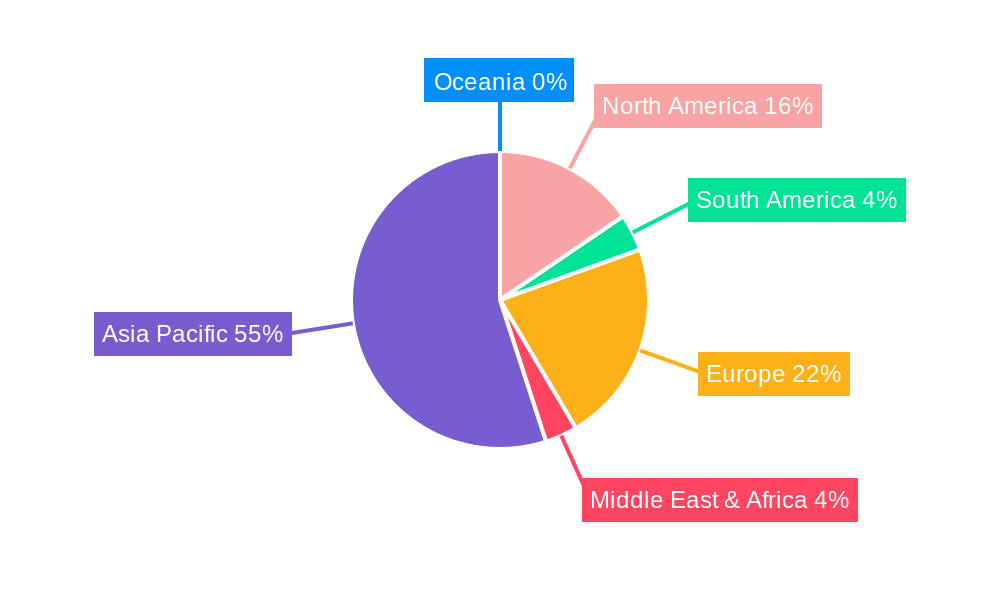
NCM Precursor Materials Regional Market Share
Geographic Coverage of NCM Precursor Materials
NCM Precursor Materials REPORT HIGHLIGHTS
| Aspects | Details |
|---|---|
| Study Period | 2020-2034 |
| Base Year | 2025 |
| Estimated Year | 2026 |
| Forecast Period | 2026-2034 |
| Historical Period | 2020-2025 |
| Growth Rate | CAGR of XX% from 2020-2034 |
| Segmentation |
|
Table of Contents
- 1. Introduction
- 1.1. Research Scope
- 1.2. Market Segmentation
- 1.3. Research Methodology
- 1.4. Definitions and Assumptions
- 2. Executive Summary
- 2.1. Introduction
- 3. Market Dynamics
- 3.1. Introduction
- 3.2. Market Drivers
- 3.3. Market Restrains
- 3.4. Market Trends
- 4. Market Factor Analysis
- 4.1. Porters Five Forces
- 4.2. Supply/Value Chain
- 4.3. PESTEL analysis
- 4.4. Market Entropy
- 4.5. Patent/Trademark Analysis
- 5. Global NCM Precursor Materials Analysis, Insights and Forecast, 2020-2032
- 5.1. Market Analysis, Insights and Forecast - by Application
- 5.1.1. Power Battery
- 5.1.2. Consumer Battery
- 5.1.3. Others
- 5.2. Market Analysis, Insights and Forecast - by Types
- 5.2.1. NCM111
- 5.2.2. NCM442
- 5.2.3. NCM523
- 5.2.4. NCM622
- 5.2.5. NCM811
- 5.2.6. Others
- 5.3. Market Analysis, Insights and Forecast - by Region
- 5.3.1. North America
- 5.3.2. South America
- 5.3.3. Europe
- 5.3.4. Middle East & Africa
- 5.3.5. Asia Pacific
- 5.1. Market Analysis, Insights and Forecast - by Application
- 6. North America NCM Precursor Materials Analysis, Insights and Forecast, 2020-2032
- 6.1. Market Analysis, Insights and Forecast - by Application
- 6.1.1. Power Battery
- 6.1.2. Consumer Battery
- 6.1.3. Others
- 6.2. Market Analysis, Insights and Forecast - by Types
- 6.2.1. NCM111
- 6.2.2. NCM442
- 6.2.3. NCM523
- 6.2.4. NCM622
- 6.2.5. NCM811
- 6.2.6. Others
- 6.1. Market Analysis, Insights and Forecast - by Application
- 7. South America NCM Precursor Materials Analysis, Insights and Forecast, 2020-2032
- 7.1. Market Analysis, Insights and Forecast - by Application
- 7.1.1. Power Battery
- 7.1.2. Consumer Battery
- 7.1.3. Others
- 7.2. Market Analysis, Insights and Forecast - by Types
- 7.2.1. NCM111
- 7.2.2. NCM442
- 7.2.3. NCM523
- 7.2.4. NCM622
- 7.2.5. NCM811
- 7.2.6. Others
- 7.1. Market Analysis, Insights and Forecast - by Application
- 8. Europe NCM Precursor Materials Analysis, Insights and Forecast, 2020-2032
- 8.1. Market Analysis, Insights and Forecast - by Application
- 8.1.1. Power Battery
- 8.1.2. Consumer Battery
- 8.1.3. Others
- 8.2. Market Analysis, Insights and Forecast - by Types
- 8.2.1. NCM111
- 8.2.2. NCM442
- 8.2.3. NCM523
- 8.2.4. NCM622
- 8.2.5. NCM811
- 8.2.6. Others
- 8.1. Market Analysis, Insights and Forecast - by Application
- 9. Middle East & Africa NCM Precursor Materials Analysis, Insights and Forecast, 2020-2032
- 9.1. Market Analysis, Insights and Forecast - by Application
- 9.1.1. Power Battery
- 9.1.2. Consumer Battery
- 9.1.3. Others
- 9.2. Market Analysis, Insights and Forecast - by Types
- 9.2.1. NCM111
- 9.2.2. NCM442
- 9.2.3. NCM523
- 9.2.4. NCM622
- 9.2.5. NCM811
- 9.2.6. Others
- 9.1. Market Analysis, Insights and Forecast - by Application
- 10. Asia Pacific NCM Precursor Materials Analysis, Insights and Forecast, 2020-2032
- 10.1. Market Analysis, Insights and Forecast - by Application
- 10.1.1. Power Battery
- 10.1.2. Consumer Battery
- 10.1.3. Others
- 10.2. Market Analysis, Insights and Forecast - by Types
- 10.2.1. NCM111
- 10.2.2. NCM442
- 10.2.3. NCM523
- 10.2.4. NCM622
- 10.2.5. NCM811
- 10.2.6. Others
- 10.1. Market Analysis, Insights and Forecast - by Application
- 11. Competitive Analysis
- 11.1. Global Market Share Analysis 2025
- 11.2. Company Profiles
- 11.2.1 GEM Co.
- 11.2.1.1. Overview
- 11.2.1.2. Products
- 11.2.1.3. SWOT Analysis
- 11.2.1.4. Recent Developments
- 11.2.1.5. Financials (Based on Availability)
- 11.2.2 Ltd
- 11.2.2.1. Overview
- 11.2.2.2. Products
- 11.2.2.3. SWOT Analysis
- 11.2.2.4. Recent Developments
- 11.2.2.5. Financials (Based on Availability)
- 11.2.3 Umicore
- 11.2.3.1. Overview
- 11.2.3.2. Products
- 11.2.3.3. SWOT Analysis
- 11.2.3.4. Recent Developments
- 11.2.3.5. Financials (Based on Availability)
- 11.2.4 CNGR Corporation
- 11.2.4.1. Overview
- 11.2.4.2. Products
- 11.2.4.3. SWOT Analysis
- 11.2.4.4. Recent Developments
- 11.2.4.5. Financials (Based on Availability)
- 11.2.5 Brunp Recycling
- 11.2.5.1. Overview
- 11.2.5.2. Products
- 11.2.5.3. SWOT Analysis
- 11.2.5.4. Recent Developments
- 11.2.5.5. Financials (Based on Availability)
- 11.2.6 Tanaka Chemical Corporation
- 11.2.6.1. Overview
- 11.2.6.2. Products
- 11.2.6.3. SWOT Analysis
- 11.2.6.4. Recent Developments
- 11.2.6.5. Financials (Based on Availability)
- 11.2.7 Kelong New Energy
- 11.2.7.1. Overview
- 11.2.7.2. Products
- 11.2.7.3. SWOT Analysis
- 11.2.7.4. Recent Developments
- 11.2.7.5. Financials (Based on Availability)
- 11.2.8 Zhejiang Huayou Cobalt
- 11.2.8.1. Overview
- 11.2.8.2. Products
- 11.2.8.3. SWOT Analysis
- 11.2.8.4. Recent Developments
- 11.2.8.5. Financials (Based on Availability)
- 11.2.9 Fangyuan New Materials Group
- 11.2.9.1. Overview
- 11.2.9.2. Products
- 11.2.9.3. SWOT Analysis
- 11.2.9.4. Recent Developments
- 11.2.9.5. Financials (Based on Availability)
- 11.2.10 Greatpower Technology
- 11.2.10.1. Overview
- 11.2.10.2. Products
- 11.2.10.3. SWOT Analysis
- 11.2.10.4. Recent Developments
- 11.2.10.5. Financials (Based on Availability)
- 11.2.11 Ronbay Technology
- 11.2.11.1. Overview
- 11.2.11.2. Products
- 11.2.11.3. SWOT Analysis
- 11.2.11.4. Recent Developments
- 11.2.11.5. Financials (Based on Availability)
- 11.2.12 Hunan Changyuan Lico
- 11.2.12.1. Overview
- 11.2.12.2. Products
- 11.2.12.3. SWOT Analysis
- 11.2.12.4. Recent Developments
- 11.2.12.5. Financials (Based on Availability)
- 11.2.13 GanfengLithium
- 11.2.13.1. Overview
- 11.2.13.2. Products
- 11.2.13.3. SWOT Analysis
- 11.2.13.4. Recent Developments
- 11.2.13.5. Financials (Based on Availability)
- 11.2.14 Jiana Energy
- 11.2.14.1. Overview
- 11.2.14.2. Products
- 11.2.14.3. SWOT Analysis
- 11.2.14.4. Recent Developments
- 11.2.14.5. Financials (Based on Availability)
- 11.2.15 Jinchuan Group
- 11.2.15.1. Overview
- 11.2.15.2. Products
- 11.2.15.3. SWOT Analysis
- 11.2.15.4. Recent Developments
- 11.2.15.5. Financials (Based on Availability)
- 11.2.16 Zhejiang Power
- 11.2.16.1. Overview
- 11.2.16.2. Products
- 11.2.16.3. SWOT Analysis
- 11.2.16.4. Recent Developments
- 11.2.16.5. Financials (Based on Availability)
- 11.2.1 GEM Co.
List of Figures
- Figure 1: Global NCM Precursor Materials Revenue Breakdown (million, %) by Region 2025 & 2033
- Figure 2: North America NCM Precursor Materials Revenue (million), by Application 2025 & 2033
- Figure 3: North America NCM Precursor Materials Revenue Share (%), by Application 2025 & 2033
- Figure 4: North America NCM Precursor Materials Revenue (million), by Types 2025 & 2033
- Figure 5: North America NCM Precursor Materials Revenue Share (%), by Types 2025 & 2033
- Figure 6: North America NCM Precursor Materials Revenue (million), by Country 2025 & 2033
- Figure 7: North America NCM Precursor Materials Revenue Share (%), by Country 2025 & 2033
- Figure 8: South America NCM Precursor Materials Revenue (million), by Application 2025 & 2033
- Figure 9: South America NCM Precursor Materials Revenue Share (%), by Application 2025 & 2033
- Figure 10: South America NCM Precursor Materials Revenue (million), by Types 2025 & 2033
- Figure 11: South America NCM Precursor Materials Revenue Share (%), by Types 2025 & 2033
- Figure 12: South America NCM Precursor Materials Revenue (million), by Country 2025 & 2033
- Figure 13: South America NCM Precursor Materials Revenue Share (%), by Country 2025 & 2033
- Figure 14: Europe NCM Precursor Materials Revenue (million), by Application 2025 & 2033
- Figure 15: Europe NCM Precursor Materials Revenue Share (%), by Application 2025 & 2033
- Figure 16: Europe NCM Precursor Materials Revenue (million), by Types 2025 & 2033
- Figure 17: Europe NCM Precursor Materials Revenue Share (%), by Types 2025 & 2033
- Figure 18: Europe NCM Precursor Materials Revenue (million), by Country 2025 & 2033
- Figure 19: Europe NCM Precursor Materials Revenue Share (%), by Country 2025 & 2033
- Figure 20: Middle East & Africa NCM Precursor Materials Revenue (million), by Application 2025 & 2033
- Figure 21: Middle East & Africa NCM Precursor Materials Revenue Share (%), by Application 2025 & 2033
- Figure 22: Middle East & Africa NCM Precursor Materials Revenue (million), by Types 2025 & 2033
- Figure 23: Middle East & Africa NCM Precursor Materials Revenue Share (%), by Types 2025 & 2033
- Figure 24: Middle East & Africa NCM Precursor Materials Revenue (million), by Country 2025 & 2033
- Figure 25: Middle East & Africa NCM Precursor Materials Revenue Share (%), by Country 2025 & 2033
- Figure 26: Asia Pacific NCM Precursor Materials Revenue (million), by Application 2025 & 2033
- Figure 27: Asia Pacific NCM Precursor Materials Revenue Share (%), by Application 2025 & 2033
- Figure 28: Asia Pacific NCM Precursor Materials Revenue (million), by Types 2025 & 2033
- Figure 29: Asia Pacific NCM Precursor Materials Revenue Share (%), by Types 2025 & 2033
- Figure 30: Asia Pacific NCM Precursor Materials Revenue (million), by Country 2025 & 2033
- Figure 31: Asia Pacific NCM Precursor Materials Revenue Share (%), by Country 2025 & 2033
List of Tables
- Table 1: Global NCM Precursor Materials Revenue million Forecast, by Application 2020 & 2033
- Table 2: Global NCM Precursor Materials Revenue million Forecast, by Types 2020 & 2033
- Table 3: Global NCM Precursor Materials Revenue million Forecast, by Region 2020 & 2033
- Table 4: Global NCM Precursor Materials Revenue million Forecast, by Application 2020 & 2033
- Table 5: Global NCM Precursor Materials Revenue million Forecast, by Types 2020 & 2033
- Table 6: Global NCM Precursor Materials Revenue million Forecast, by Country 2020 & 2033
- Table 7: United States NCM Precursor Materials Revenue (million) Forecast, by Application 2020 & 2033
- Table 8: Canada NCM Precursor Materials Revenue (million) Forecast, by Application 2020 & 2033
- Table 9: Mexico NCM Precursor Materials Revenue (million) Forecast, by Application 2020 & 2033
- Table 10: Global NCM Precursor Materials Revenue million Forecast, by Application 2020 & 2033
- Table 11: Global NCM Precursor Materials Revenue million Forecast, by Types 2020 & 2033
- Table 12: Global NCM Precursor Materials Revenue million Forecast, by Country 2020 & 2033
- Table 13: Brazil NCM Precursor Materials Revenue (million) Forecast, by Application 2020 & 2033
- Table 14: Argentina NCM Precursor Materials Revenue (million) Forecast, by Application 2020 & 2033
- Table 15: Rest of South America NCM Precursor Materials Revenue (million) Forecast, by Application 2020 & 2033
- Table 16: Global NCM Precursor Materials Revenue million Forecast, by Application 2020 & 2033
- Table 17: Global NCM Precursor Materials Revenue million Forecast, by Types 2020 & 2033
- Table 18: Global NCM Precursor Materials Revenue million Forecast, by Country 2020 & 2033
- Table 19: United Kingdom NCM Precursor Materials Revenue (million) Forecast, by Application 2020 & 2033
- Table 20: Germany NCM Precursor Materials Revenue (million) Forecast, by Application 2020 & 2033
- Table 21: France NCM Precursor Materials Revenue (million) Forecast, by Application 2020 & 2033
- Table 22: Italy NCM Precursor Materials Revenue (million) Forecast, by Application 2020 & 2033
- Table 23: Spain NCM Precursor Materials Revenue (million) Forecast, by Application 2020 & 2033
- Table 24: Russia NCM Precursor Materials Revenue (million) Forecast, by Application 2020 & 2033
- Table 25: Benelux NCM Precursor Materials Revenue (million) Forecast, by Application 2020 & 2033
- Table 26: Nordics NCM Precursor Materials Revenue (million) Forecast, by Application 2020 & 2033
- Table 27: Rest of Europe NCM Precursor Materials Revenue (million) Forecast, by Application 2020 & 2033
- Table 28: Global NCM Precursor Materials Revenue million Forecast, by Application 2020 & 2033
- Table 29: Global NCM Precursor Materials Revenue million Forecast, by Types 2020 & 2033
- Table 30: Global NCM Precursor Materials Revenue million Forecast, by Country 2020 & 2033
- Table 31: Turkey NCM Precursor Materials Revenue (million) Forecast, by Application 2020 & 2033
- Table 32: Israel NCM Precursor Materials Revenue (million) Forecast, by Application 2020 & 2033
- Table 33: GCC NCM Precursor Materials Revenue (million) Forecast, by Application 2020 & 2033
- Table 34: North Africa NCM Precursor Materials Revenue (million) Forecast, by Application 2020 & 2033
- Table 35: South Africa NCM Precursor Materials Revenue (million) Forecast, by Application 2020 & 2033
- Table 36: Rest of Middle East & Africa NCM Precursor Materials Revenue (million) Forecast, by Application 2020 & 2033
- Table 37: Global NCM Precursor Materials Revenue million Forecast, by Application 2020 & 2033
- Table 38: Global NCM Precursor Materials Revenue million Forecast, by Types 2020 & 2033
- Table 39: Global NCM Precursor Materials Revenue million Forecast, by Country 2020 & 2033
- Table 40: China NCM Precursor Materials Revenue (million) Forecast, by Application 2020 & 2033
- Table 41: India NCM Precursor Materials Revenue (million) Forecast, by Application 2020 & 2033
- Table 42: Japan NCM Precursor Materials Revenue (million) Forecast, by Application 2020 & 2033
- Table 43: South Korea NCM Precursor Materials Revenue (million) Forecast, by Application 2020 & 2033
- Table 44: ASEAN NCM Precursor Materials Revenue (million) Forecast, by Application 2020 & 2033
- Table 45: Oceania NCM Precursor Materials Revenue (million) Forecast, by Application 2020 & 2033
- Table 46: Rest of Asia Pacific NCM Precursor Materials Revenue (million) Forecast, by Application 2020 & 2033
Frequently Asked Questions
1. What is the projected Compound Annual Growth Rate (CAGR) of the NCM Precursor Materials?
The projected CAGR is approximately XX%.
2. Which companies are prominent players in the NCM Precursor Materials?
Key companies in the market include GEM Co., Ltd, Umicore, CNGR Corporation, Brunp Recycling, Tanaka Chemical Corporation, Kelong New Energy, Zhejiang Huayou Cobalt, Fangyuan New Materials Group, Greatpower Technology, Ronbay Technology, Hunan Changyuan Lico, GanfengLithium, Jiana Energy, Jinchuan Group, Zhejiang Power.
3. What are the main segments of the NCM Precursor Materials?
The market segments include Application, Types.
4. Can you provide details about the market size?
The market size is estimated to be USD XXX million as of 2022.
5. What are some drivers contributing to market growth?
N/A
6. What are the notable trends driving market growth?
N/A
7. Are there any restraints impacting market growth?
N/A
8. Can you provide examples of recent developments in the market?
N/A
9. What pricing options are available for accessing the report?
Pricing options include single-user, multi-user, and enterprise licenses priced at USD 4900.00, USD 7350.00, and USD 9800.00 respectively.
10. Is the market size provided in terms of value or volume?
The market size is provided in terms of value, measured in million.
11. Are there any specific market keywords associated with the report?
Yes, the market keyword associated with the report is "NCM Precursor Materials," which aids in identifying and referencing the specific market segment covered.
12. How do I determine which pricing option suits my needs best?
The pricing options vary based on user requirements and access needs. Individual users may opt for single-user licenses, while businesses requiring broader access may choose multi-user or enterprise licenses for cost-effective access to the report.
13. Are there any additional resources or data provided in the NCM Precursor Materials report?
While the report offers comprehensive insights, it's advisable to review the specific contents or supplementary materials provided to ascertain if additional resources or data are available.
14. How can I stay updated on further developments or reports in the NCM Precursor Materials?
To stay informed about further developments, trends, and reports in the NCM Precursor Materials, consider subscribing to industry newsletters, following relevant companies and organizations, or regularly checking reputable industry news sources and publications.
Methodology
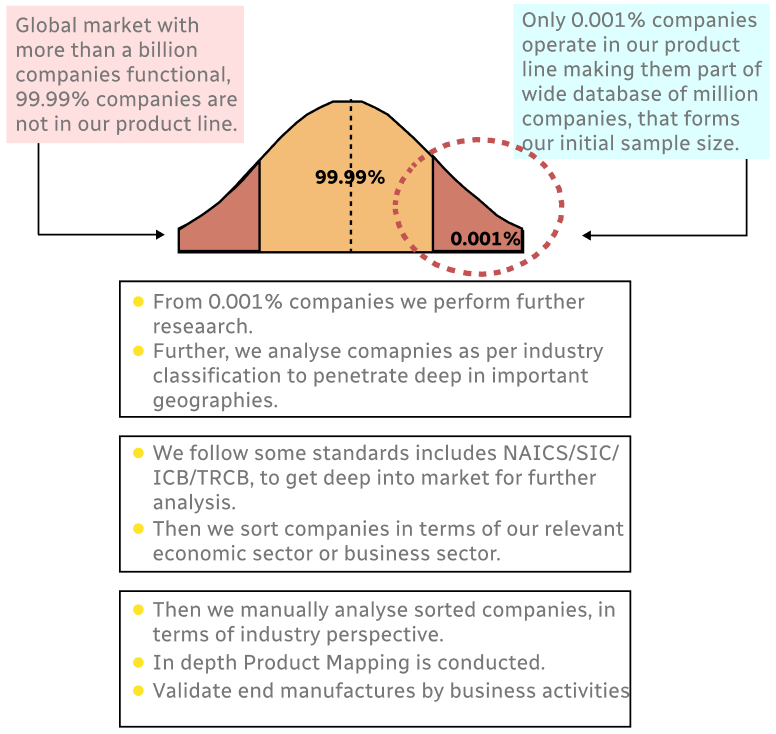
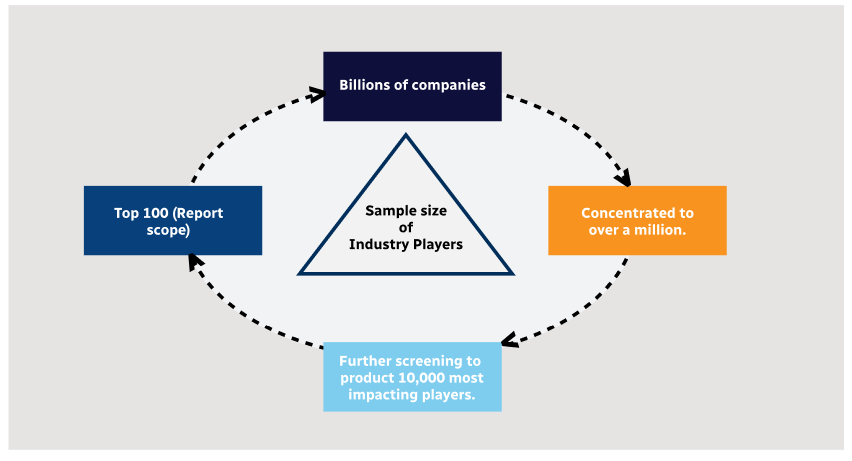
Step 1 - Identification of Relevant Samples Size from Population Database
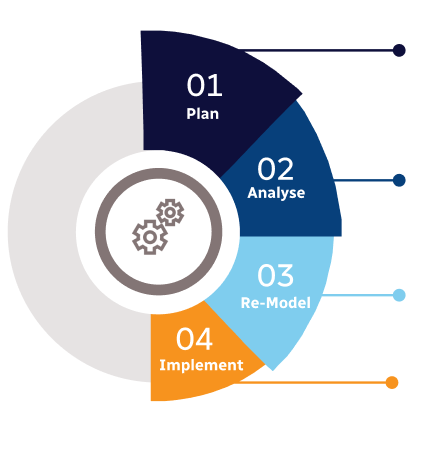
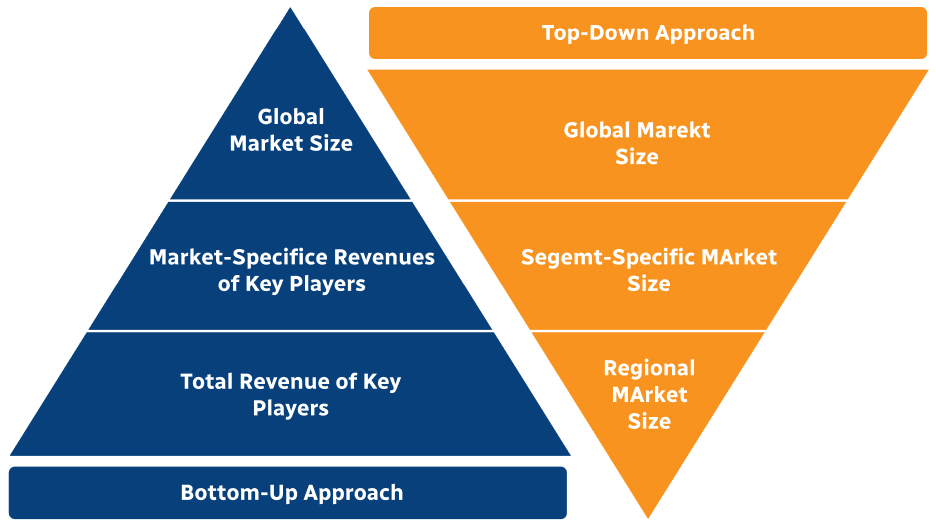
Step 2 - Approaches for Defining Global Market Size (Value, Volume* & Price*)
Note*: In applicable scenarios
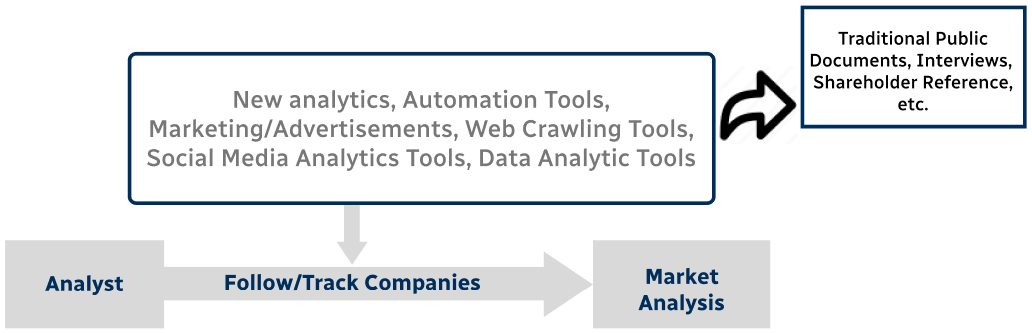
Step 3 - Data Sources
Primary Research
- Web Analytics
- Survey Reports
- Research Institute
- Latest Research Reports
- Opinion Leaders
Secondary Research
- Annual Reports
- White Paper
- Latest Press Release
- Industry Association
- Paid Database
- Investor Presentations
Step 4 - Data Triangulation
Involves using different sources of information in order to increase the validity of a study
These sources are likely to be stakeholders in a program - participants, other researchers, program staff, other community members, and so on.
Then we put all data in single framework & apply various statistical tools to find out the dynamic on the market.
During the analysis stage, feedback from the stakeholder groups would be compared to determine areas of agreement as well as areas of divergence