


Key Insights
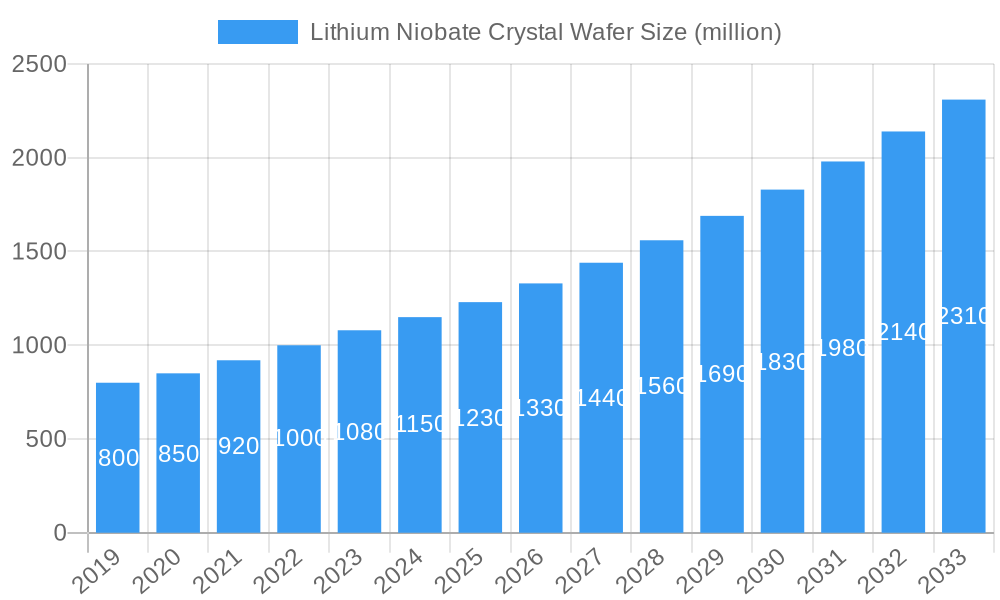
The global Lithium Niobate Crystal Wafer market is poised for substantial growth, projected to reach approximately USD 1,200 million by 2025, with an anticipated Compound Annual Growth Rate (CAGR) of around 8.5% during the forecast period of 2025-2033. This expansion is primarily driven by the increasing demand for advanced electronic components, particularly in the telecommunications, consumer electronics, and sensing industries. The unique piezoelectric, pyroelectric, and optical properties of lithium niobate crystals make them indispensable for a wide array of applications, including Surface Acoustic Wave (SAW) filters, optical modulators, and transducers. The robust growth in 5G infrastructure deployment, the proliferation of smartphones, and the rising adoption of IoT devices are significant catalysts propelling the market forward. Furthermore, advancements in wafer fabrication techniques and the development of novel applications in areas like quantum computing and medical imaging are expected to create new avenues for market expansion.
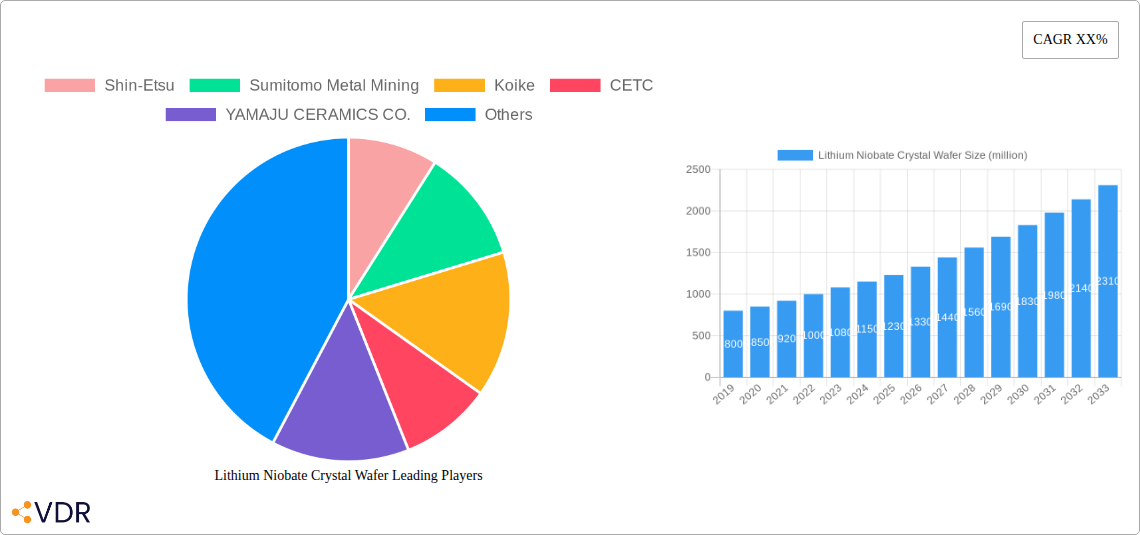
Lithium Niobate Crystal Wafer Market Size (In Million)

The market is characterized by distinct segments, with Surface Acoustic Wave (SAW) applications dominating due to their critical role in mobile device frequency filtering. The "4-8 inch" wafer segment is also expected to witness considerable growth as manufacturers scale up production to meet rising demand for higher-performance devices. Geographically, the Asia Pacific region, led by China and Japan, is anticipated to maintain its leading position due to its strong manufacturing base and significant investments in advanced technologies. North America and Europe are also significant contributors, driven by innovation in cutting-edge applications and a strong presence of key market players. However, challenges such as the complex manufacturing process and the requirement for specialized expertise could pose some restraints, though the overarching technological advancements and increasing application diversity are expected to outweigh these limitations, ensuring a dynamic and upward trajectory for the lithium niobate crystal wafer market.
Lithium Niobate Crystal Wafer Company Market Share
This in-depth report offers a granular analysis of the global Lithium Niobate (LiNbO3) crystal wafer market, a critical material underpinning advancements in telecommunications, optics, and sensing technologies. With a study period spanning from 2019 to 2033, and a base year of 2025, this report leverages extensive historical data, current market intelligence, and robust forecasting to provide unparalleled insights for industry stakeholders. We delve into market dynamics, growth trajectories, regional dominance, product innovations, and the competitive landscape, offering a clear roadmap for strategic decision-making.
Lithium Niobate Crystal Wafer Market Dynamics & Structure
The Lithium Niobate crystal wafer market is characterized by a moderate to high concentration, with key players investing heavily in research and development to drive technological innovation. The increasing demand for high-performance electronic components, particularly in 5G infrastructure and advanced optical systems, acts as a primary innovation driver. Regulatory frameworks concerning material sourcing, environmental impact, and product safety are increasingly influencing market operations. Competitive product substitutes, though present in niche applications, have yet to challenge the superior piezoelectric and electro-optic properties of LiNbO3 in its core segments. End-user demographics are shifting towards sophisticated technology providers in telecommunications, automotive, and medical devices, demanding greater precision and miniaturization. Mergers and acquisitions (M&A) activity, while not yet at peak levels, is anticipated to increase as larger entities seek to integrate LiNbO3 manufacturing capabilities into their broader portfolios. The market is poised for significant growth, fueled by its indispensable role in next-generation technologies.
- Market Concentration: Moderately concentrated with significant R&D investment from leading firms.
- Technological Innovation Drivers: 5G deployment, advanced optical communication, miniaturized sensors, and photonic integrated circuits.
- Regulatory Frameworks: Growing emphasis on sustainable sourcing, manufacturing processes, and product certifications.
- Competitive Product Substitutes: Limited in high-performance applications, but emerging alternatives are being explored for cost-sensitive segments.
- End-User Demographics: Expanding to include automotive LiDAR, medical imaging, and high-frequency electronics.
- M&A Trends: Anticipated increase as companies aim to secure critical material supply chains and technological expertise.
Lithium Niobate Crystal Wafer Growth Trends & Insights
The global Lithium Niobate crystal wafer market is projected to experience robust expansion over the forecast period, driven by sustained demand from its core applications. The market size, estimated to be in the range of $550 million in the base year 2025, is expected to grow at a Compound Annual Growth Rate (CAGR) of approximately 7.5% through 2033. This growth is intrinsically linked to the accelerating adoption of Surface Acoustic Wave (SAW) filters in mobile devices and telecommunications infrastructure, where LiNbO3 offers superior performance characteristics. Technological disruptions, such as the development of thinner and more efficient wafer fabrication techniques, are enhancing performance and reducing costs, thereby expanding market penetration. Consumer behavior shifts, particularly the ever-increasing demand for faster data speeds and more sophisticated mobile functionalities, are indirectly fueling the need for advanced RF components reliant on LiNbO3. Furthermore, the burgeoning use of LiNbO3 in optical modulators for high-speed data transmission and in pyroelectric sensors for thermal imaging and safety systems are significant growth catalysts. The market's penetration is also increasing in the medical device sector for applications like ultrasound imaging and in the automotive industry for advanced driver-assistance systems (ADAS) and LiDAR. Emerging applications in quantum computing and advanced sensing further underscore the bright future of this material.
Dominant Regions, Countries, or Segments in Lithium Niobate Crystal Wafer
The Surface Acoustic Wave (SAW) application segment, powered by the ubiquitous demand for RF filters in smartphones and telecommunication base stations, is currently the dominant force in the global Lithium Niobate crystal wafer market, accounting for an estimated 65% of market share in 2025. This segment's growth is propelled by the ongoing rollout of 5G networks worldwide, which necessitates more sophisticated and higher-frequency filters. The economic policies favoring technological advancement and infrastructure development in countries like China and Japan are significant drivers. China, in particular, has emerged as a leading manufacturer and consumer of LiNbO3 wafers, driven by its massive electronics industry and government support for advanced materials. Japan, with its long-standing expertise in piezoelectric materials and a strong presence of leading telecommunications equipment manufacturers, also plays a pivotal role.
- Dominant Segment: Surface Acoustic Wave (SAW) application, driven by 5G and mobile device proliferation.
- Key Application Drivers:
- 5G Network Expansion: Increased deployment of base stations requiring high-performance SAW filters.
- Smartphone Evolution: Demand for smaller, more efficient, and higher-frequency filters in mobile devices.
- Telecommunications Infrastructure: Upgrades to existing networks and development of new communication technologies.
- Dominant Country/Region: China, due to its extensive electronics manufacturing ecosystem and government initiatives.
- Market Share (China): Estimated 35% of global LiNbO3 wafer consumption in 2025.
- Growth Potential: High, fueled by domestic demand and export capabilities.
- Second Largest Segment: Piezoelectric and Pyroelectric applications, including sensors, actuators, and energy harvesting devices.
- Growth Drivers: Expansion of IoT devices, automotive sensors (e.g., for ADAS), and advanced medical imaging equipment.
- Market Share (Piezoelectric/Pyroelectric): Estimated 25% of global LiNbO3 wafer consumption in 2025.
- Type Dominance: The 4-8 inch wafer segment is gaining traction as manufacturers seek to optimize production yields and reduce costs for high-volume applications, though the Less than 4-inch segment still holds a significant share due to its use in specialized micro-devices and R&D.
- Market Share (4-8 inch): Estimated 55% of wafer production in 2025.
- Market Share (Less than 4-inch): Estimated 45% of wafer production in 2025.
- Regional Growth Factors:
- Asia-Pacific: Dominates due to manufacturing hubs in China, South Korea, and Taiwan, along with substantial R&D investments.
- North America & Europe: Growing demand from advanced research institutions and specialized industries like aerospace and defense.
Lithium Niobate Crystal Wafer Product Landscape
The Lithium Niobate crystal wafer product landscape is defined by continuous innovation focused on improving material purity, crystal quality, and wafer uniformity. Manufacturers are developing advanced wafer processing techniques, including high-precision epitaxy and doping, to tailor LiNbO3 properties for specific applications. Key product innovations include the development of quasi-phase-matched (QPM) LiNbO3 wafers for nonlinear optics, enabling efficient wavelength conversion for advanced laser systems and optical communication. Furthermore, advancements in wafer thinning and substrate preparation are critical for the fabrication of compact and high-performance devices like SAW filters and photonic integrated circuits. The performance metrics being pushed include higher power handling capabilities, reduced insertion loss, improved piezoelectric coupling coefficients, and enhanced electro-optic modulation efficiency, all crucial for meeting the stringent demands of next-generation electronic and photonic systems.
Key Drivers, Barriers & Challenges in Lithium Niobate Crystal Wafer
Key Drivers:
- Explosive Growth of 5G and IoT: The demand for higher frequencies and efficient signal processing directly fuels the need for LiNbO3-based SAW filters and other components.
- Advancements in Photonics and Optical Communications: LiNbO3's electro-optic properties make it indispensable for high-speed data transmission, optical switching, and modulation in data centers and telecommunication networks.
- Miniaturization and High-Performance Sensing: Its piezoelectric and pyroelectric properties are critical for developing smaller, more sensitive sensors used in automotive (LiDAR, ADAS), medical imaging, and consumer electronics.
- Government Initiatives and R&D Funding: Strategic investments in advanced materials research and manufacturing by various nations are accelerating innovation and adoption.
Barriers & Challenges:
- High Manufacturing Costs: The complex growth and processing of high-quality LiNbO3 crystals and wafers can lead to significant production costs, impacting price competitiveness for certain applications.
- Supply Chain Vulnerabilities: Reliance on specific raw material sources and specialized manufacturing equipment can create supply chain risks, as evidenced by past disruptions.
- Technological Complexity and Expertise: Producing wafers with precise crystallographic orientation and minimal defects requires highly specialized knowledge and advanced manufacturing infrastructure.
- Competition from Alternative Materials: While LiNbO3 excels in many areas, research into alternative materials like Gallium Nitride (GaN) for certain high-frequency applications and novel piezoelectric ceramics could pose future competition.
- Environmental and Sustainability Concerns: The energy-intensive nature of crystal growth and potential waste generation during manufacturing necessitate ongoing efforts towards sustainable practices.
Emerging Opportunities in Lithium Niobate Crystal Wafer
Emerging opportunities in the Lithium Niobate crystal wafer market are significantly driven by the expansion into new technological frontiers and niche applications. The burgeoning field of quantum computing presents a substantial opportunity, as LiNbO3 is being explored for its potential in creating superconducting quantum bits (qubits) and other quantum components due to its unique dielectric properties and low loss. In the automotive sector, the increasing adoption of LiDAR technology for autonomous driving creates a direct demand for high-quality LiNbO3 wafers for optical beam steering and signal modulation. Furthermore, advancements in biosensing and medical diagnostics, leveraging the pyroelectric and piezoelectric effects for highly sensitive detection of biological markers, represent another promising avenue. The development of advanced power electronics and energy harvesting devices also opens new avenues for LiNbO3's integration. The growing trend of miniaturization in electronics is also spurring demand for ultra-thin and flexible LiNbO3 wafers, enabling innovative device form factors.
Growth Accelerators in the Lithium Niobate Crystal Wafer Industry
Several key factors are accelerating the long-term growth of the Lithium Niobate crystal wafer industry. Technological breakthroughs in wafer fabrication, particularly in achieving higher crystal perfection and enabling wafer bonding for multi-layer devices, are instrumental. The ongoing development of photonic integrated circuits (PICs), where LiNbO3 serves as a prime platform for optical modulators and switches, is a major growth driver. Strategic partnerships between LiNbO3 wafer manufacturers, device fabricators, and end-product companies, fostering co-development and market penetration, are crucial. Expansion into emerging geographical markets with rapidly growing electronics and telecommunications sectors will also contribute significantly. Furthermore, the continuous push for higher data rates and lower latency in communication systems will sustain the demand for advanced RF and optical components manufactured using LiNbO3. The increasing focus on miniaturized and efficient power management solutions is also opening new applications.
Key Players Shaping the Lithium Niobate Crystal Wafer Market
- Shin-Etsu
- Sumitomo Metal Mining
- Koike
- CETC
- YAMAJU CERAMICS CO.,LTD.
- Fujian Jinan
- CASTECH
- Nano Quarz Wafer
- TDG Holding
- WUZE
- SIOM
- Nihon Exceed Corporation
- KAIJING OPTICS
Notable Milestones in Lithium Niobate Crystal Wafer Sector
- 2019: Increased research into Lithium Niobate on Insulator (LNOI) substrates for advanced photonic integrated circuits.
- 2020: Major telecommunication companies announce accelerated 5G deployment plans, boosting demand for LiNbO3-based RF filters.
- 2021: Advancements in quasi-phase-matching (QPM) technology for LiNbO3, enabling more efficient nonlinear optical devices.
- 2022: Emergence of LiNbO3 as a key material for LiDAR components in advanced automotive systems.
- 2023: Significant investment in expanding LiNbO3 wafer manufacturing capacity, particularly in Asia, to meet rising global demand.
- 2024: Increased focus on developing thinner and flexible LiNbO3 wafers for emerging wearable and flexible electronic applications.
- 2025 (Estimated): Significant progress in integrating LiNbO3 into quantum computing architectures.
- 2026-2030 (Projected): Widespread adoption of LiNbO3 in next-generation optical communication networks and advanced sensing solutions.
- 2031-2033 (Projected): LiNbO3 becomes a cornerstone material for AI-driven autonomous systems and advanced medical technologies.
In-Depth Lithium Niobate Crystal Wafer Market Outlook
The Lithium Niobate crystal wafer market is set for sustained and significant growth, driven by its integral role in powering key technological advancements. Growth accelerators like the continuous evolution of 5G and the advent of 6G communication standards, coupled with the accelerating adoption of photonic integrated circuits for high-speed data processing, will ensure robust demand. The expanding applications in advanced sensing, particularly for automotive LiDAR and medical diagnostics, coupled with the emerging potential in quantum computing, represent substantial untapped markets. Strategic investments in R&D for novel wafer fabrication techniques and the exploration of new doping and substrate modifications will further enhance performance and broaden application scope. Companies that can innovate in cost-effective production and ensure supply chain resilience will be best positioned to capitalize on the immense future potential of this critical material. The market is poised to witness a substantial increase in value, driven by technological necessity and expanding application horizons.
Lithium Niobate Crystal Wafer Segmentation
-
1. Application
- 1.1. Surface Acoustic Wave
- 1.2. Piezoelectric and Pyroelectric
- 1.3. Others
-
2. Types
- 2.1. Less than 4inch
- 2.2. 4-8inch
Lithium Niobate Crystal Wafer Segmentation By Geography
-
1. North America
- 1.1. United States
- 1.2. Canada
- 1.3. Mexico
-
2. South America
- 2.1. Brazil
- 2.2. Argentina
- 2.3. Rest of South America
-
3. Europe
- 3.1. United Kingdom
- 3.2. Germany
- 3.3. France
- 3.4. Italy
- 3.5. Spain
- 3.6. Russia
- 3.7. Benelux
- 3.8. Nordics
- 3.9. Rest of Europe
-
4. Middle East & Africa
- 4.1. Turkey
- 4.2. Israel
- 4.3. GCC
- 4.4. North Africa
- 4.5. South Africa
- 4.6. Rest of Middle East & Africa
-
5. Asia Pacific
- 5.1. China
- 5.2. India
- 5.3. Japan
- 5.4. South Korea
- 5.5. ASEAN
- 5.6. Oceania
- 5.7. Rest of Asia Pacific
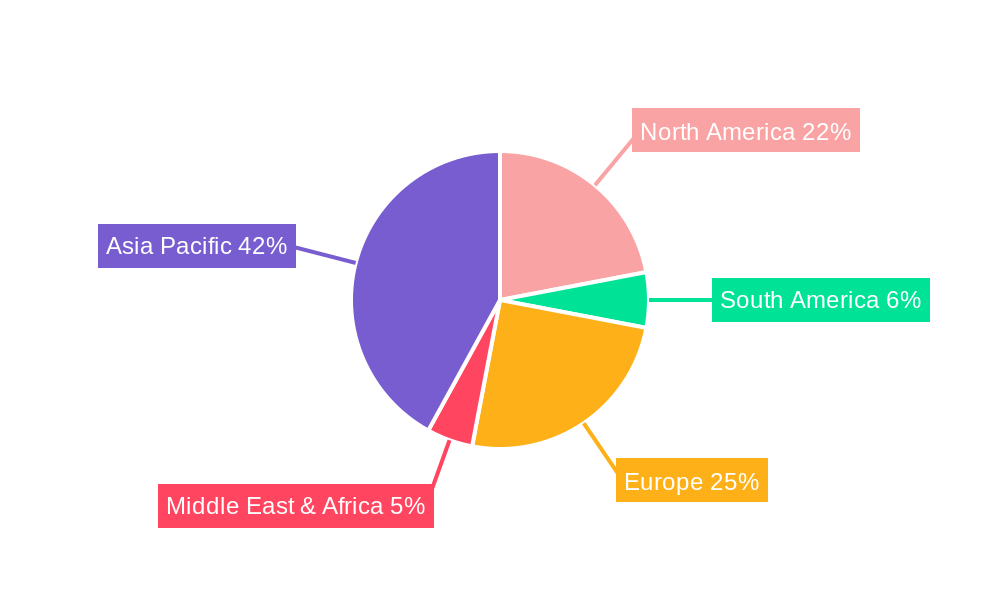
Lithium Niobate Crystal Wafer Regional Market Share
Geographic Coverage of Lithium Niobate Crystal Wafer
Lithium Niobate Crystal Wafer REPORT HIGHLIGHTS
| Aspects | Details |
|---|---|
| Study Period | 2020-2034 |
| Base Year | 2025 |
| Estimated Year | 2026 |
| Forecast Period | 2026-2034 |
| Historical Period | 2020-2025 |
| Growth Rate | CAGR of XX% from 2020-2034 |
| Segmentation |
|
Table of Contents
- 1. Introduction
- 1.1. Research Scope
- 1.2. Market Segmentation
- 1.3. Research Methodology
- 1.4. Definitions and Assumptions
- 2. Executive Summary
- 2.1. Introduction
- 3. Market Dynamics
- 3.1. Introduction
- 3.2. Market Drivers
- 3.3. Market Restrains
- 3.4. Market Trends
- 4. Market Factor Analysis
- 4.1. Porters Five Forces
- 4.2. Supply/Value Chain
- 4.3. PESTEL analysis
- 4.4. Market Entropy
- 4.5. Patent/Trademark Analysis
- 5. Global Lithium Niobate Crystal Wafer Analysis, Insights and Forecast, 2020-2032
- 5.1. Market Analysis, Insights and Forecast - by Application
- 5.1.1. Surface Acoustic Wave
- 5.1.2. Piezoelectric and Pyroelectric
- 5.1.3. Others
- 5.2. Market Analysis, Insights and Forecast - by Types
- 5.2.1. Less than 4inch
- 5.2.2. 4-8inch
- 5.3. Market Analysis, Insights and Forecast - by Region
- 5.3.1. North America
- 5.3.2. South America
- 5.3.3. Europe
- 5.3.4. Middle East & Africa
- 5.3.5. Asia Pacific
- 5.1. Market Analysis, Insights and Forecast - by Application
- 6. North America Lithium Niobate Crystal Wafer Analysis, Insights and Forecast, 2020-2032
- 6.1. Market Analysis, Insights and Forecast - by Application
- 6.1.1. Surface Acoustic Wave
- 6.1.2. Piezoelectric and Pyroelectric
- 6.1.3. Others
- 6.2. Market Analysis, Insights and Forecast - by Types
- 6.2.1. Less than 4inch
- 6.2.2. 4-8inch
- 6.1. Market Analysis, Insights and Forecast - by Application
- 7. South America Lithium Niobate Crystal Wafer Analysis, Insights and Forecast, 2020-2032
- 7.1. Market Analysis, Insights and Forecast - by Application
- 7.1.1. Surface Acoustic Wave
- 7.1.2. Piezoelectric and Pyroelectric
- 7.1.3. Others
- 7.2. Market Analysis, Insights and Forecast - by Types
- 7.2.1. Less than 4inch
- 7.2.2. 4-8inch
- 7.1. Market Analysis, Insights and Forecast - by Application
- 8. Europe Lithium Niobate Crystal Wafer Analysis, Insights and Forecast, 2020-2032
- 8.1. Market Analysis, Insights and Forecast - by Application
- 8.1.1. Surface Acoustic Wave
- 8.1.2. Piezoelectric and Pyroelectric
- 8.1.3. Others
- 8.2. Market Analysis, Insights and Forecast - by Types
- 8.2.1. Less than 4inch
- 8.2.2. 4-8inch
- 8.1. Market Analysis, Insights and Forecast - by Application
- 9. Middle East & Africa Lithium Niobate Crystal Wafer Analysis, Insights and Forecast, 2020-2032
- 9.1. Market Analysis, Insights and Forecast - by Application
- 9.1.1. Surface Acoustic Wave
- 9.1.2. Piezoelectric and Pyroelectric
- 9.1.3. Others
- 9.2. Market Analysis, Insights and Forecast - by Types
- 9.2.1. Less than 4inch
- 9.2.2. 4-8inch
- 9.1. Market Analysis, Insights and Forecast - by Application
- 10. Asia Pacific Lithium Niobate Crystal Wafer Analysis, Insights and Forecast, 2020-2032
- 10.1. Market Analysis, Insights and Forecast - by Application
- 10.1.1. Surface Acoustic Wave
- 10.1.2. Piezoelectric and Pyroelectric
- 10.1.3. Others
- 10.2. Market Analysis, Insights and Forecast - by Types
- 10.2.1. Less than 4inch
- 10.2.2. 4-8inch
- 10.1. Market Analysis, Insights and Forecast - by Application
- 11. Competitive Analysis
- 11.1. Global Market Share Analysis 2025
- 11.2. Company Profiles
- 11.2.1 Shin-Etsu
- 11.2.1.1. Overview
- 11.2.1.2. Products
- 11.2.1.3. SWOT Analysis
- 11.2.1.4. Recent Developments
- 11.2.1.5. Financials (Based on Availability)
- 11.2.2 Sumitomo Metal Mining
- 11.2.2.1. Overview
- 11.2.2.2. Products
- 11.2.2.3. SWOT Analysis
- 11.2.2.4. Recent Developments
- 11.2.2.5. Financials (Based on Availability)
- 11.2.3 Koike
- 11.2.3.1. Overview
- 11.2.3.2. Products
- 11.2.3.3. SWOT Analysis
- 11.2.3.4. Recent Developments
- 11.2.3.5. Financials (Based on Availability)
- 11.2.4 CETC
- 11.2.4.1. Overview
- 11.2.4.2. Products
- 11.2.4.3. SWOT Analysis
- 11.2.4.4. Recent Developments
- 11.2.4.5. Financials (Based on Availability)
- 11.2.5 YAMAJU CERAMICS CO.
- 11.2.5.1. Overview
- 11.2.5.2. Products
- 11.2.5.3. SWOT Analysis
- 11.2.5.4. Recent Developments
- 11.2.5.5. Financials (Based on Availability)
- 11.2.6 LTD.
- 11.2.6.1. Overview
- 11.2.6.2. Products
- 11.2.6.3. SWOT Analysis
- 11.2.6.4. Recent Developments
- 11.2.6.5. Financials (Based on Availability)
- 11.2.7 Fujian Jinan
- 11.2.7.1. Overview
- 11.2.7.2. Products
- 11.2.7.3. SWOT Analysis
- 11.2.7.4. Recent Developments
- 11.2.7.5. Financials (Based on Availability)
- 11.2.8 CASTECH
- 11.2.8.1. Overview
- 11.2.8.2. Products
- 11.2.8.3. SWOT Analysis
- 11.2.8.4. Recent Developments
- 11.2.8.5. Financials (Based on Availability)
- 11.2.9 Nano Quarz Wafer
- 11.2.9.1. Overview
- 11.2.9.2. Products
- 11.2.9.3. SWOT Analysis
- 11.2.9.4. Recent Developments
- 11.2.9.5. Financials (Based on Availability)
- 11.2.10 TDG Holding
- 11.2.10.1. Overview
- 11.2.10.2. Products
- 11.2.10.3. SWOT Analysis
- 11.2.10.4. Recent Developments
- 11.2.10.5. Financials (Based on Availability)
- 11.2.11 WUZE
- 11.2.11.1. Overview
- 11.2.11.2. Products
- 11.2.11.3. SWOT Analysis
- 11.2.11.4. Recent Developments
- 11.2.11.5. Financials (Based on Availability)
- 11.2.12 SIOM
- 11.2.12.1. Overview
- 11.2.12.2. Products
- 11.2.12.3. SWOT Analysis
- 11.2.12.4. Recent Developments
- 11.2.12.5. Financials (Based on Availability)
- 11.2.13 Nihon Exceed Corporation
- 11.2.13.1. Overview
- 11.2.13.2. Products
- 11.2.13.3. SWOT Analysis
- 11.2.13.4. Recent Developments
- 11.2.13.5. Financials (Based on Availability)
- 11.2.14 KAIJING OPTICS
- 11.2.14.1. Overview
- 11.2.14.2. Products
- 11.2.14.3. SWOT Analysis
- 11.2.14.4. Recent Developments
- 11.2.14.5. Financials (Based on Availability)
- 11.2.1 Shin-Etsu
List of Figures
- Figure 1: Global Lithium Niobate Crystal Wafer Revenue Breakdown (million, %) by Region 2025 & 2033
- Figure 2: North America Lithium Niobate Crystal Wafer Revenue (million), by Application 2025 & 2033
- Figure 3: North America Lithium Niobate Crystal Wafer Revenue Share (%), by Application 2025 & 2033
- Figure 4: North America Lithium Niobate Crystal Wafer Revenue (million), by Types 2025 & 2033
- Figure 5: North America Lithium Niobate Crystal Wafer Revenue Share (%), by Types 2025 & 2033
- Figure 6: North America Lithium Niobate Crystal Wafer Revenue (million), by Country 2025 & 2033
- Figure 7: North America Lithium Niobate Crystal Wafer Revenue Share (%), by Country 2025 & 2033
- Figure 8: South America Lithium Niobate Crystal Wafer Revenue (million), by Application 2025 & 2033
- Figure 9: South America Lithium Niobate Crystal Wafer Revenue Share (%), by Application 2025 & 2033
- Figure 10: South America Lithium Niobate Crystal Wafer Revenue (million), by Types 2025 & 2033
- Figure 11: South America Lithium Niobate Crystal Wafer Revenue Share (%), by Types 2025 & 2033
- Figure 12: South America Lithium Niobate Crystal Wafer Revenue (million), by Country 2025 & 2033
- Figure 13: South America Lithium Niobate Crystal Wafer Revenue Share (%), by Country 2025 & 2033
- Figure 14: Europe Lithium Niobate Crystal Wafer Revenue (million), by Application 2025 & 2033
- Figure 15: Europe Lithium Niobate Crystal Wafer Revenue Share (%), by Application 2025 & 2033
- Figure 16: Europe Lithium Niobate Crystal Wafer Revenue (million), by Types 2025 & 2033
- Figure 17: Europe Lithium Niobate Crystal Wafer Revenue Share (%), by Types 2025 & 2033
- Figure 18: Europe Lithium Niobate Crystal Wafer Revenue (million), by Country 2025 & 2033
- Figure 19: Europe Lithium Niobate Crystal Wafer Revenue Share (%), by Country 2025 & 2033
- Figure 20: Middle East & Africa Lithium Niobate Crystal Wafer Revenue (million), by Application 2025 & 2033
- Figure 21: Middle East & Africa Lithium Niobate Crystal Wafer Revenue Share (%), by Application 2025 & 2033
- Figure 22: Middle East & Africa Lithium Niobate Crystal Wafer Revenue (million), by Types 2025 & 2033
- Figure 23: Middle East & Africa Lithium Niobate Crystal Wafer Revenue Share (%), by Types 2025 & 2033
- Figure 24: Middle East & Africa Lithium Niobate Crystal Wafer Revenue (million), by Country 2025 & 2033
- Figure 25: Middle East & Africa Lithium Niobate Crystal Wafer Revenue Share (%), by Country 2025 & 2033
- Figure 26: Asia Pacific Lithium Niobate Crystal Wafer Revenue (million), by Application 2025 & 2033
- Figure 27: Asia Pacific Lithium Niobate Crystal Wafer Revenue Share (%), by Application 2025 & 2033
- Figure 28: Asia Pacific Lithium Niobate Crystal Wafer Revenue (million), by Types 2025 & 2033
- Figure 29: Asia Pacific Lithium Niobate Crystal Wafer Revenue Share (%), by Types 2025 & 2033
- Figure 30: Asia Pacific Lithium Niobate Crystal Wafer Revenue (million), by Country 2025 & 2033
- Figure 31: Asia Pacific Lithium Niobate Crystal Wafer Revenue Share (%), by Country 2025 & 2033
List of Tables
- Table 1: Global Lithium Niobate Crystal Wafer Revenue million Forecast, by Application 2020 & 2033
- Table 2: Global Lithium Niobate Crystal Wafer Revenue million Forecast, by Types 2020 & 2033
- Table 3: Global Lithium Niobate Crystal Wafer Revenue million Forecast, by Region 2020 & 2033
- Table 4: Global Lithium Niobate Crystal Wafer Revenue million Forecast, by Application 2020 & 2033
- Table 5: Global Lithium Niobate Crystal Wafer Revenue million Forecast, by Types 2020 & 2033
- Table 6: Global Lithium Niobate Crystal Wafer Revenue million Forecast, by Country 2020 & 2033
- Table 7: United States Lithium Niobate Crystal Wafer Revenue (million) Forecast, by Application 2020 & 2033
- Table 8: Canada Lithium Niobate Crystal Wafer Revenue (million) Forecast, by Application 2020 & 2033
- Table 9: Mexico Lithium Niobate Crystal Wafer Revenue (million) Forecast, by Application 2020 & 2033
- Table 10: Global Lithium Niobate Crystal Wafer Revenue million Forecast, by Application 2020 & 2033
- Table 11: Global Lithium Niobate Crystal Wafer Revenue million Forecast, by Types 2020 & 2033
- Table 12: Global Lithium Niobate Crystal Wafer Revenue million Forecast, by Country 2020 & 2033
- Table 13: Brazil Lithium Niobate Crystal Wafer Revenue (million) Forecast, by Application 2020 & 2033
- Table 14: Argentina Lithium Niobate Crystal Wafer Revenue (million) Forecast, by Application 2020 & 2033
- Table 15: Rest of South America Lithium Niobate Crystal Wafer Revenue (million) Forecast, by Application 2020 & 2033
- Table 16: Global Lithium Niobate Crystal Wafer Revenue million Forecast, by Application 2020 & 2033
- Table 17: Global Lithium Niobate Crystal Wafer Revenue million Forecast, by Types 2020 & 2033
- Table 18: Global Lithium Niobate Crystal Wafer Revenue million Forecast, by Country 2020 & 2033
- Table 19: United Kingdom Lithium Niobate Crystal Wafer Revenue (million) Forecast, by Application 2020 & 2033
- Table 20: Germany Lithium Niobate Crystal Wafer Revenue (million) Forecast, by Application 2020 & 2033
- Table 21: France Lithium Niobate Crystal Wafer Revenue (million) Forecast, by Application 2020 & 2033
- Table 22: Italy Lithium Niobate Crystal Wafer Revenue (million) Forecast, by Application 2020 & 2033
- Table 23: Spain Lithium Niobate Crystal Wafer Revenue (million) Forecast, by Application 2020 & 2033
- Table 24: Russia Lithium Niobate Crystal Wafer Revenue (million) Forecast, by Application 2020 & 2033
- Table 25: Benelux Lithium Niobate Crystal Wafer Revenue (million) Forecast, by Application 2020 & 2033
- Table 26: Nordics Lithium Niobate Crystal Wafer Revenue (million) Forecast, by Application 2020 & 2033
- Table 27: Rest of Europe Lithium Niobate Crystal Wafer Revenue (million) Forecast, by Application 2020 & 2033
- Table 28: Global Lithium Niobate Crystal Wafer Revenue million Forecast, by Application 2020 & 2033
- Table 29: Global Lithium Niobate Crystal Wafer Revenue million Forecast, by Types 2020 & 2033
- Table 30: Global Lithium Niobate Crystal Wafer Revenue million Forecast, by Country 2020 & 2033
- Table 31: Turkey Lithium Niobate Crystal Wafer Revenue (million) Forecast, by Application 2020 & 2033
- Table 32: Israel Lithium Niobate Crystal Wafer Revenue (million) Forecast, by Application 2020 & 2033
- Table 33: GCC Lithium Niobate Crystal Wafer Revenue (million) Forecast, by Application 2020 & 2033
- Table 34: North Africa Lithium Niobate Crystal Wafer Revenue (million) Forecast, by Application 2020 & 2033
- Table 35: South Africa Lithium Niobate Crystal Wafer Revenue (million) Forecast, by Application 2020 & 2033
- Table 36: Rest of Middle East & Africa Lithium Niobate Crystal Wafer Revenue (million) Forecast, by Application 2020 & 2033
- Table 37: Global Lithium Niobate Crystal Wafer Revenue million Forecast, by Application 2020 & 2033
- Table 38: Global Lithium Niobate Crystal Wafer Revenue million Forecast, by Types 2020 & 2033
- Table 39: Global Lithium Niobate Crystal Wafer Revenue million Forecast, by Country 2020 & 2033
- Table 40: China Lithium Niobate Crystal Wafer Revenue (million) Forecast, by Application 2020 & 2033
- Table 41: India Lithium Niobate Crystal Wafer Revenue (million) Forecast, by Application 2020 & 2033
- Table 42: Japan Lithium Niobate Crystal Wafer Revenue (million) Forecast, by Application 2020 & 2033
- Table 43: South Korea Lithium Niobate Crystal Wafer Revenue (million) Forecast, by Application 2020 & 2033
- Table 44: ASEAN Lithium Niobate Crystal Wafer Revenue (million) Forecast, by Application 2020 & 2033
- Table 45: Oceania Lithium Niobate Crystal Wafer Revenue (million) Forecast, by Application 2020 & 2033
- Table 46: Rest of Asia Pacific Lithium Niobate Crystal Wafer Revenue (million) Forecast, by Application 2020 & 2033
Frequently Asked Questions
1. What is the projected Compound Annual Growth Rate (CAGR) of the Lithium Niobate Crystal Wafer?
The projected CAGR is approximately XX%.
2. Which companies are prominent players in the Lithium Niobate Crystal Wafer?
Key companies in the market include Shin-Etsu, Sumitomo Metal Mining, Koike, CETC, YAMAJU CERAMICS CO., LTD., Fujian Jinan, CASTECH, Nano Quarz Wafer, TDG Holding, WUZE, SIOM, Nihon Exceed Corporation, KAIJING OPTICS.
3. What are the main segments of the Lithium Niobate Crystal Wafer?
The market segments include Application, Types.
4. Can you provide details about the market size?
The market size is estimated to be USD XXX million as of 2022.
5. What are some drivers contributing to market growth?
N/A
6. What are the notable trends driving market growth?
N/A
7. Are there any restraints impacting market growth?
N/A
8. Can you provide examples of recent developments in the market?
N/A
9. What pricing options are available for accessing the report?
Pricing options include single-user, multi-user, and enterprise licenses priced at USD 4900.00, USD 7350.00, and USD 9800.00 respectively.
10. Is the market size provided in terms of value or volume?
The market size is provided in terms of value, measured in million.
11. Are there any specific market keywords associated with the report?
Yes, the market keyword associated with the report is "Lithium Niobate Crystal Wafer," which aids in identifying and referencing the specific market segment covered.
12. How do I determine which pricing option suits my needs best?
The pricing options vary based on user requirements and access needs. Individual users may opt for single-user licenses, while businesses requiring broader access may choose multi-user or enterprise licenses for cost-effective access to the report.
13. Are there any additional resources or data provided in the Lithium Niobate Crystal Wafer report?
While the report offers comprehensive insights, it's advisable to review the specific contents or supplementary materials provided to ascertain if additional resources or data are available.
14. How can I stay updated on further developments or reports in the Lithium Niobate Crystal Wafer?
To stay informed about further developments, trends, and reports in the Lithium Niobate Crystal Wafer, consider subscribing to industry newsletters, following relevant companies and organizations, or regularly checking reputable industry news sources and publications.
Methodology
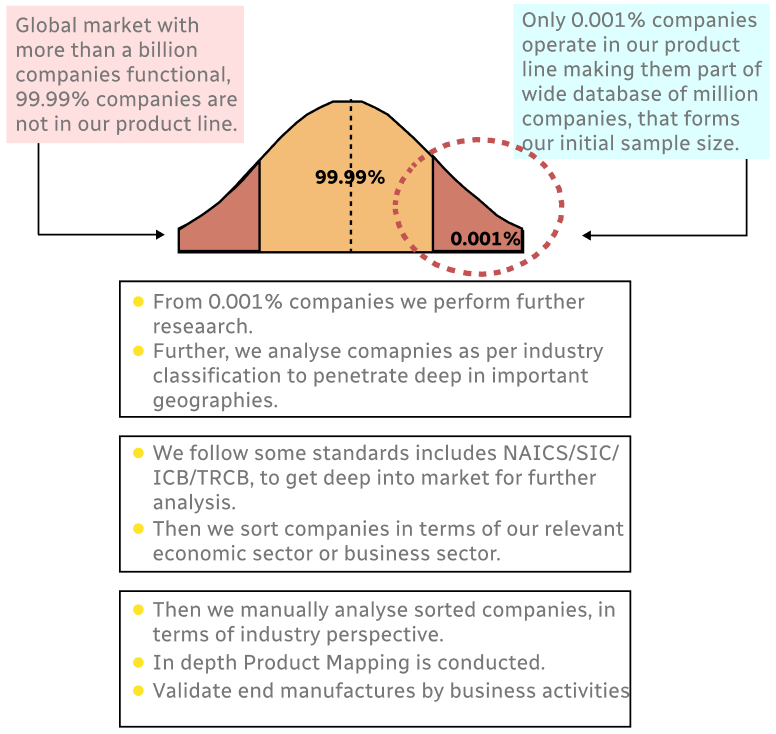
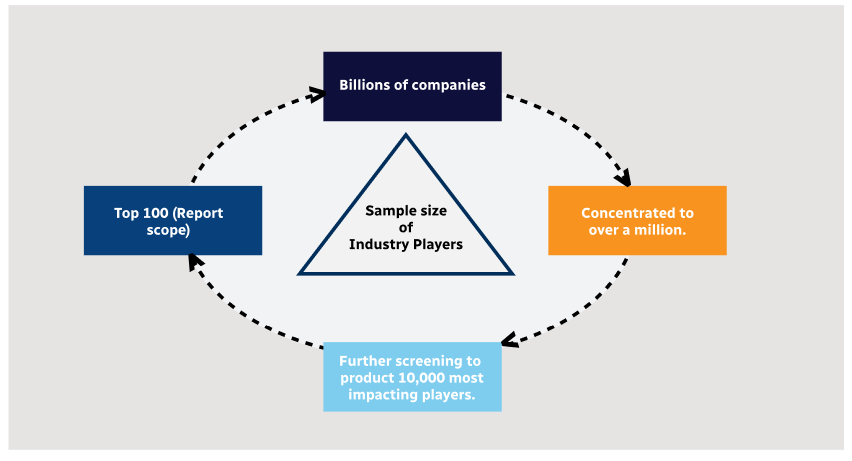
Step 1 - Identification of Relevant Samples Size from Population Database
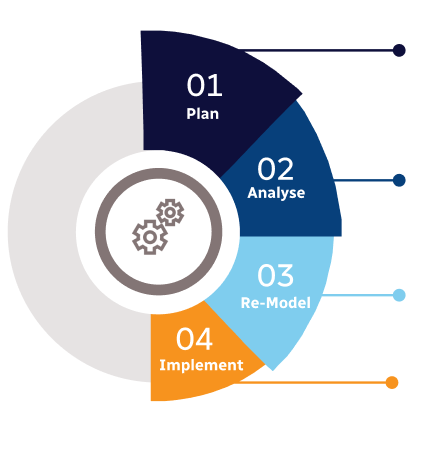
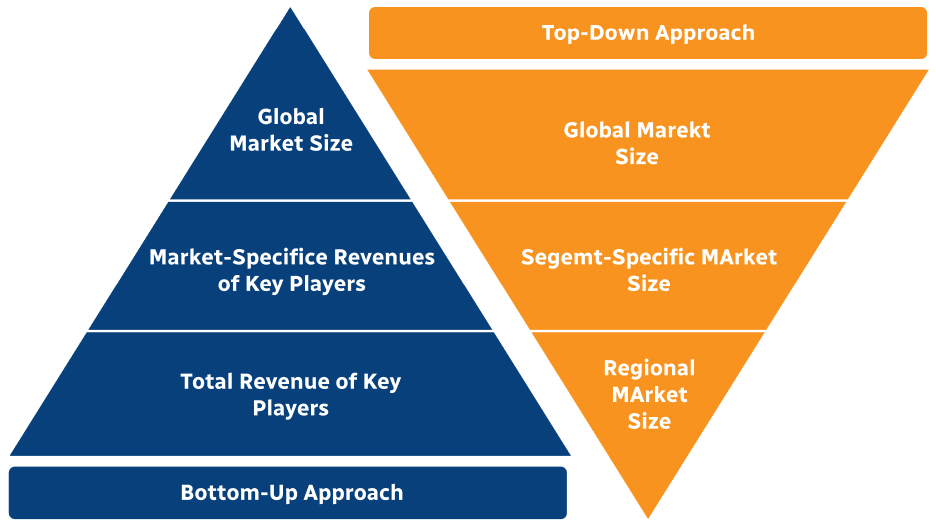
Step 2 - Approaches for Defining Global Market Size (Value, Volume* & Price*)
Note*: In applicable scenarios
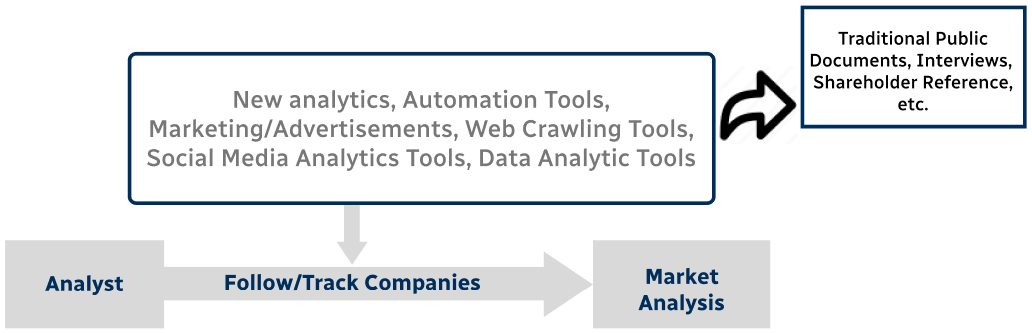
Step 3 - Data Sources
Primary Research
- Web Analytics
- Survey Reports
- Research Institute
- Latest Research Reports
- Opinion Leaders
Secondary Research
- Annual Reports
- White Paper
- Latest Press Release
- Industry Association
- Paid Database
- Investor Presentations
Step 4 - Data Triangulation
Involves using different sources of information in order to increase the validity of a study
These sources are likely to be stakeholders in a program - participants, other researchers, program staff, other community members, and so on.
Then we put all data in single framework & apply various statistical tools to find out the dynamic on the market.
During the analysis stage, feedback from the stakeholder groups would be compared to determine areas of agreement as well as areas of divergence