


Key Insights
The global Insulated Metal Panels (IMP) market is poised for significant expansion, projected to reach $5139.6 million by 2025, driven by a robust Compound Annual Growth Rate (CAGR) of 3.5% through 2033. This steady growth is fundamentally propelled by an increasing demand for energy-efficient building solutions across commercial and industrial sectors. Insulated metal panels offer superior thermal performance, contributing to reduced energy consumption and lower operational costs for buildings, making them an attractive choice for sustainable construction. Furthermore, the growing emphasis on rapid construction and pre-fabricated building components also fuels the adoption of IMPs, as they streamline the construction process and minimize on-site labor. Key applications, including architectural facades and cold storage facilities, are experiencing substantial uptake due to the durability, aesthetic versatility, and inherent insulating properties of these panels.
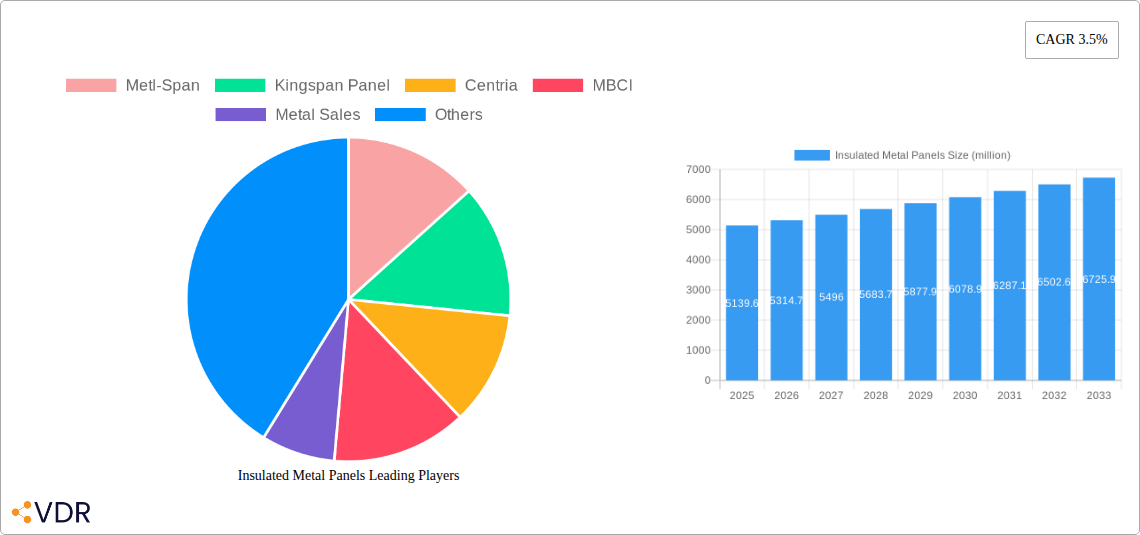
Insulated Metal Panels Market Size (In Billion)

The IMP market's trajectory is further bolstered by ongoing advancements in manufacturing technologies, leading to improved product performance, enhanced fire resistance, and greater design flexibility. These innovations are crucial in addressing evolving building codes and environmental regulations. While the market benefits from these drivers, it also faces certain challenges. The initial cost of IMPs, though offset by long-term energy savings, can be a barrier for some projects. Additionally, fluctuations in raw material prices, particularly for metal and insulation components, can impact profit margins and pricing strategies. Despite these restraints, the overall outlook remains highly positive, with North America and Europe currently leading in market share, followed by the rapidly growing Asia Pacific region, which is witnessing substantial investment in infrastructure and commercial development.
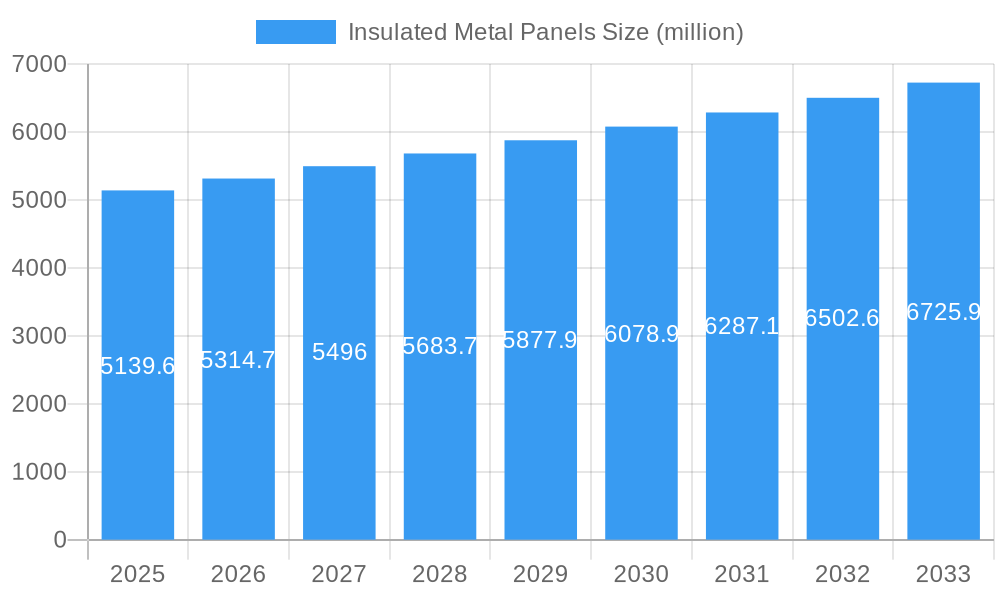
Insulated Metal Panels Company Market Share
Insulated Metal Panels Market Dynamics & Structure
The global insulated metal panels (IMPs) market exhibits a moderate to high concentration, with key players like Metl-Span, Kingspan Panel, Centria, MBCI, Metal Sales, and Nucor dominating significant portions of the industry. Technological innovation is a primary driver, focusing on enhanced thermal performance, fire resistance, and aesthetic versatility. Regulatory frameworks, particularly those related to energy efficiency standards and building codes, are increasingly influencing IMP adoption rates. Competitive product substitutes, such as traditional construction materials and other advanced insulation systems, present a constant challenge, yet IMPs offer a compelling balance of performance, speed of installation, and cost-effectiveness. End-user demographics are shifting towards a greater demand for sustainable and energy-efficient building solutions across both commercial and industrial sectors. Mergers and acquisitions (M&A) have been a notable trend, aimed at consolidating market share, expanding product portfolios, and gaining access to new geographies. For instance, the M&A volume is estimated at XX million units, and key players often acquire smaller, innovative firms to bolster their offerings.
- Market Concentration: Oligopolistic structure with dominant players.
- Technological Innovation: Focus on improved U-values, fire ratings, and advanced core materials.
- Regulatory Influence: Stringent energy codes and sustainability mandates driving demand.
- Competitive Landscape: Competition from conventional building materials and alternative insulation solutions.
- End-User Demand: Growing preference for pre-engineered, sustainable building components.
- M&A Activity: Strategic acquisitions to enhance market position and product breadth.
Insulated Metal Panels Growth Trends & Insights
The global insulated metal panels (IMPs) market is projected for robust growth, driven by escalating demand for energy-efficient and sustainable building solutions. The market size is estimated to reach approximately $XX million in 2025, with a projected Compound Annual Growth Rate (CAGR) of XX% from 2019 to 2033. Adoption rates are accelerating across various applications, propelled by increasing awareness of the long-term cost savings associated with reduced energy consumption and lower maintenance requirements. Technological disruptions, such as advancements in core materials for enhanced insulation and the integration of smart technologies for building performance monitoring, are further stimulating market penetration. Consumer behavior is shifting towards prefabricated and modular construction methods, where IMPs excel due to their ease of installation and predictable performance. The base year of 2025 signifies a pivotal point where the market is expected to exhibit substantial momentum, with the forecast period (2025-2033) poised for sustained expansion. Historical data from 2019-2024 indicates a steady upward trajectory, laying a strong foundation for future growth. The market penetration of IMPs, currently at XX%, is anticipated to rise significantly as construction industries globally prioritize sustainability and operational efficiency. Furthermore, the evolution of architectural designs incorporating IMPs for aesthetic appeal, coupled with the continuous demand from the cold storage sector, contributes significantly to market expansion. The increasing global emphasis on reducing carbon footprints in the built environment is a powerful tailwind for IMPs, positioning them as a preferred building material for environmentally conscious projects. The integration of recycled content in IMP manufacturing is also gaining traction, aligning with circular economy principles and further enhancing their market appeal.
Dominant Regions, Countries, or Segments in Insulated Metal Panels
The Commercial or Industrial application segment is currently the dominant force driving the global insulated metal panels (IMPs) market, accounting for an estimated XX% of the total market value. This dominance stems from the widespread adoption of IMPs in constructing large-scale facilities such as warehouses, factories, distribution centers, and retail spaces, where rapid construction, thermal insulation, and durability are paramount. North America, particularly the United States, stands out as the leading country within this segment, driven by a strong industrial base, significant infrastructure development projects, and stringent energy efficiency regulations that favor IMPs. The region's market share is estimated at XX million dollars, with a projected CAGR of XX% over the forecast period. Key drivers include government incentives for green building, substantial investments in the manufacturing and logistics sectors, and the presence of major IMP manufacturers like Metl-Span and Kingspan Panel.
In terms of product types, Insulated Metal Wall Panels are currently leading the market, representing approximately XX% of the total IMP sales. Their versatility in creating efficient building envelopes for a wide range of structures, from low-rise commercial buildings to high-rise industrial facilities, underpins this dominance. The ability to offer both structural support and superior insulation in a single component makes them highly attractive.
- Dominant Application: Commercial or Industrial facilities, including warehouses, manufacturing plants, and retail centers.
- Market Share: Estimated at XX% of the global IMP market.
- Key Drivers: Need for rapid construction, energy efficiency, durability, and cost-effectiveness.
- Regional Leadership (Application): North America, led by the USA.
- Market Value: $XX million in 2025.
- Growth Potential: Driven by industrial expansion and government sustainability initiatives.
- Dominant Product Type: Insulated Metal Wall Panels.
- Market Share: Estimated at XX% of the global IMP market.
- Functionality: Provide structural integrity, thermal insulation, and aesthetic finishes.
- Applications: Widely used in various commercial and industrial building envelopes.
- Leading Country (Overall IMP Market): United States.
- Market Share: XX% of the global IMP market.
- Contributing Factors: Robust construction activity, favorable regulatory environment, and a mature manufacturing sector.
- Emerging Growth Hubs: Asia Pacific region, particularly China and India, are showing significant growth potential due to rapid industrialization and urbanization.
Insulated Metal Panels Product Landscape
The insulated metal panels (IMPs) product landscape is characterized by continuous innovation aimed at enhancing performance and expanding application possibilities. Manufacturers like Kingspan Panel and Centria are at the forefront, offering IMPs with advanced insulation cores such as polyisocyanurate (PIR) and mineral wool, providing superior thermal resistance (U-values as low as XX) and fire performance (Class A fire ratings). Product variations include diverse facings and coatings to meet specific aesthetic requirements for architectural applications, as well as specialized designs for extreme temperature environments in cold storage. Unique selling propositions revolve around faster construction times, reduced labor costs, and significant energy savings compared to traditional building methods. Technological advancements are also focusing on lighter-weight designs without compromising structural integrity and improved sealing technologies to prevent air and moisture infiltration.
Key Drivers, Barriers & Challenges in Insulated Metal Panels
Key Drivers:
The insulated metal panels (IMPs) market is propelled by a confluence of powerful drivers. Foremost among these is the global imperative for enhanced energy efficiency in buildings, driven by rising energy costs and environmental regulations. The inherent thermal insulation properties of IMPs significantly reduce heating and cooling loads, leading to substantial operational cost savings. Secondly, the increasing demand for sustainable building materials, aligning with green building certifications like LEED, further boosts IMP adoption. Thirdly, the speed and ease of installation offered by IMPs, which are prefabricated off-site, significantly shorten construction timelines and reduce labor expenses, a critical factor in today's fast-paced construction environment. Finally, the growing emphasis on durable and low-maintenance building envelopes, coupled with the aesthetic versatility of IMPs, caters to a broad spectrum of architectural and functional needs.
- Energy Efficiency Mandates: Growing pressure for sustainable building performance.
- Sustainability Focus: Alignment with green building standards and corporate ESG goals.
- Construction Speed & Cost Reduction: Prefabricated nature enables faster project completion and lower labor costs.
- Durability & Low Maintenance: Long lifespan and resistance to environmental factors.
- Aesthetic Versatility: Wide range of finishes and profiles for diverse design requirements.
Barriers & Challenges:
Despite its strong growth trajectory, the IMP market faces several barriers and challenges. Initial material costs for IMPs can sometimes be higher than conventional building materials, presenting a hurdle for budget-conscious projects, though this is often offset by long-term savings. Supply chain disruptions and the availability of raw materials, such as steel and insulation foam, can lead to price volatility and production delays, impacting project timelines and costs. The specialized nature of IMP installation requires trained labor, and a shortage of such skilled workers can be a bottleneck in certain regions. Furthermore, competition from established building materials and emerging alternative insulation technologies necessitates continuous innovation and competitive pricing strategies. The lack of widespread awareness or understanding of IMP benefits among some segments of the construction industry also poses a challenge.
- Initial Cost Perception: Higher upfront investment compared to some traditional materials.
- Supply Chain Volatility: Potential for disruptions in raw material availability and price fluctuations.
- Skilled Labor Requirements: Need for trained installers can be a limiting factor in some areas.
- Market Awareness: Need to educate a broader audience on IMP benefits.
- Competitive Material Landscape: Ongoing competition from established and new building solutions.
Emerging Opportunities in Insulated Metal Panels
Emerging opportunities in the insulated metal panels (IMPs) sector are significantly shaped by evolving construction trends and a growing focus on specialized building needs. The integration of IMPs into modular and prefabricated construction continues to expand, offering scalable solutions for housing, healthcare, and educational facilities. A notable emerging trend is the development of IMPs with enhanced acoustic insulation properties, catering to the increasing demand for quieter environments in urban settings and specialized facilities like data centers and recording studios. Furthermore, the incorporation of advanced functionalities, such as integrated photovoltaic panels or dynamic facade systems, presents a significant avenue for innovation. The increasing demand for retrofitting existing structures to improve energy efficiency also offers a substantial, yet often overlooked, market for IMPs.
Growth Accelerators in the Insulated Metal Panels Industry
Several key catalysts are accelerating the growth of the insulated metal panels (IMPs) industry. Technological breakthroughs in insulation materials, leading to improved thermal performance and fire resistance, are constantly expanding the application scope and enhancing product competitiveness. Strategic partnerships between IMP manufacturers and architectural firms, as well as construction companies, are fostering innovation and driving the adoption of IMPs in larger, more complex projects. Market expansion strategies, particularly the penetration into emerging economies with rapidly industrializing and urbanizing landscapes, are opening up vast new demand centers. The continuous push for governmental support and incentives for green building and energy-efficient construction further acts as a powerful accelerator, creating a more favorable economic environment for IMPs.
Key Players Shaping the Insulated Metal Panels Market
- Metl-Span
- Kingspan Panel
- Centria
- MBCI
- Metal Sales
- Nucor
- Huntsman
- ATAS
- Green Span
- IsoCindu
- Brucha
Notable Milestones in Insulated Metal Panels Sector
- 2019: Launch of advanced PIR foam core IMPs offering improved fire performance.
- 2020: Increased adoption of IMPs in cold storage facilities due to their superior insulation and airtightness.
- 2021: Major manufacturers invest in expanding production capacity to meet growing global demand.
- 2022: Introduction of IMPs with enhanced recycled content, aligning with sustainability initiatives.
- 2023: Development of innovative facade systems incorporating IMPs for architectural aesthetics and performance.
- 2024: Growing interest in retrofitting existing buildings with IMPs for energy efficiency upgrades.
In-Depth Insulated Metal Panels Market Outlook
The future outlook for the insulated metal panels (IMPs) market is exceptionally promising, driven by sustained global trends favoring energy efficiency, sustainability, and rapid construction. Growth accelerators such as ongoing material science innovations, strategic collaborations within the construction ecosystem, and proactive market expansion into developing regions will continue to fuel demand. The increasing integration of IMPs into prefabricated and modular building systems, coupled with their role in achieving stringent environmental building standards, solidifies their position as a preferred building material. Strategic opportunities lie in further developing IMPs with advanced functionalities and in capitalizing on the retrofitting market, promising sustained growth and significant market potential for years to come.
Insulated Metal Panels Segmentation
-
1. Application
- 1.1. Commercial or Industrial
- 1.2. Architectural
- 1.3. Cold Storage
- 1.4. Others
-
2. Types
- 2.1. Insulated Metal Wall Panels
- 2.2. Insulated Metal Roof Panels
Insulated Metal Panels Segmentation By Geography
-
1. North America
- 1.1. United States
- 1.2. Canada
- 1.3. Mexico
-
2. South America
- 2.1. Brazil
- 2.2. Argentina
- 2.3. Rest of South America
-
3. Europe
- 3.1. United Kingdom
- 3.2. Germany
- 3.3. France
- 3.4. Italy
- 3.5. Spain
- 3.6. Russia
- 3.7. Benelux
- 3.8. Nordics
- 3.9. Rest of Europe
-
4. Middle East & Africa
- 4.1. Turkey
- 4.2. Israel
- 4.3. GCC
- 4.4. North Africa
- 4.5. South Africa
- 4.6. Rest of Middle East & Africa
-
5. Asia Pacific
- 5.1. China
- 5.2. India
- 5.3. Japan
- 5.4. South Korea
- 5.5. ASEAN
- 5.6. Oceania
- 5.7. Rest of Asia Pacific
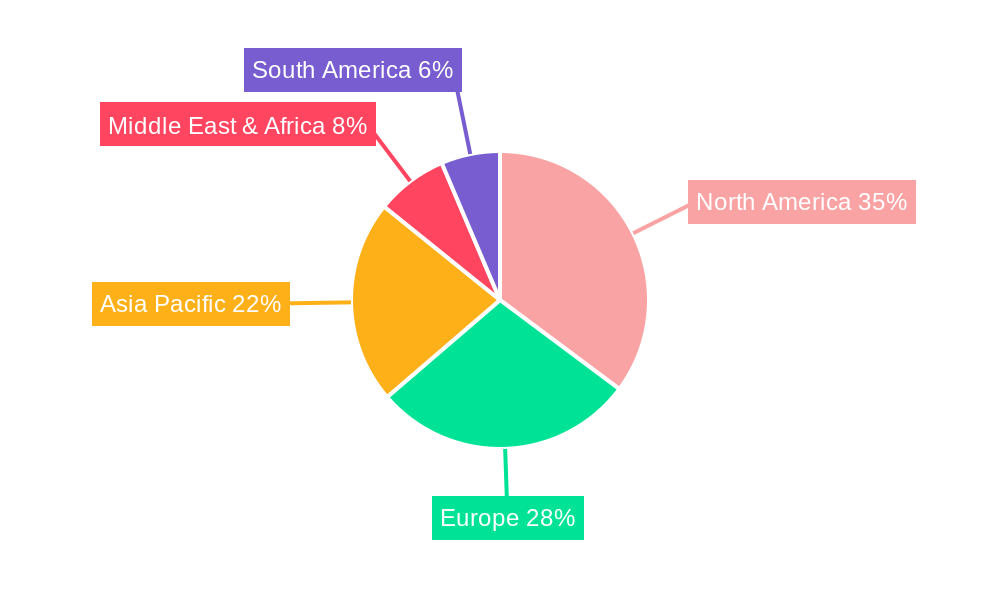
Insulated Metal Panels Regional Market Share
Geographic Coverage of Insulated Metal Panels
Insulated Metal Panels REPORT HIGHLIGHTS
| Aspects | Details |
|---|---|
| Study Period | 2020-2034 |
| Base Year | 2025 |
| Estimated Year | 2026 |
| Forecast Period | 2026-2034 |
| Historical Period | 2020-2025 |
| Growth Rate | CAGR of 3.5% from 2020-2034 |
| Segmentation |
|
Table of Contents
- 1. Introduction
- 1.1. Research Scope
- 1.2. Market Segmentation
- 1.3. Research Methodology
- 1.4. Definitions and Assumptions
- 2. Executive Summary
- 2.1. Introduction
- 3. Market Dynamics
- 3.1. Introduction
- 3.2. Market Drivers
- 3.3. Market Restrains
- 3.4. Market Trends
- 4. Market Factor Analysis
- 4.1. Porters Five Forces
- 4.2. Supply/Value Chain
- 4.3. PESTEL analysis
- 4.4. Market Entropy
- 4.5. Patent/Trademark Analysis
- 5. Global Insulated Metal Panels Analysis, Insights and Forecast, 2020-2032
- 5.1. Market Analysis, Insights and Forecast - by Application
- 5.1.1. Commercial or Industrial
- 5.1.2. Architectural
- 5.1.3. Cold Storage
- 5.1.4. Others
- 5.2. Market Analysis, Insights and Forecast - by Types
- 5.2.1. Insulated Metal Wall Panels
- 5.2.2. Insulated Metal Roof Panels
- 5.3. Market Analysis, Insights and Forecast - by Region
- 5.3.1. North America
- 5.3.2. South America
- 5.3.3. Europe
- 5.3.4. Middle East & Africa
- 5.3.5. Asia Pacific
- 5.1. Market Analysis, Insights and Forecast - by Application
- 6. North America Insulated Metal Panels Analysis, Insights and Forecast, 2020-2032
- 6.1. Market Analysis, Insights and Forecast - by Application
- 6.1.1. Commercial or Industrial
- 6.1.2. Architectural
- 6.1.3. Cold Storage
- 6.1.4. Others
- 6.2. Market Analysis, Insights and Forecast - by Types
- 6.2.1. Insulated Metal Wall Panels
- 6.2.2. Insulated Metal Roof Panels
- 6.1. Market Analysis, Insights and Forecast - by Application
- 7. South America Insulated Metal Panels Analysis, Insights and Forecast, 2020-2032
- 7.1. Market Analysis, Insights and Forecast - by Application
- 7.1.1. Commercial or Industrial
- 7.1.2. Architectural
- 7.1.3. Cold Storage
- 7.1.4. Others
- 7.2. Market Analysis, Insights and Forecast - by Types
- 7.2.1. Insulated Metal Wall Panels
- 7.2.2. Insulated Metal Roof Panels
- 7.1. Market Analysis, Insights and Forecast - by Application
- 8. Europe Insulated Metal Panels Analysis, Insights and Forecast, 2020-2032
- 8.1. Market Analysis, Insights and Forecast - by Application
- 8.1.1. Commercial or Industrial
- 8.1.2. Architectural
- 8.1.3. Cold Storage
- 8.1.4. Others
- 8.2. Market Analysis, Insights and Forecast - by Types
- 8.2.1. Insulated Metal Wall Panels
- 8.2.2. Insulated Metal Roof Panels
- 8.1. Market Analysis, Insights and Forecast - by Application
- 9. Middle East & Africa Insulated Metal Panels Analysis, Insights and Forecast, 2020-2032
- 9.1. Market Analysis, Insights and Forecast - by Application
- 9.1.1. Commercial or Industrial
- 9.1.2. Architectural
- 9.1.3. Cold Storage
- 9.1.4. Others
- 9.2. Market Analysis, Insights and Forecast - by Types
- 9.2.1. Insulated Metal Wall Panels
- 9.2.2. Insulated Metal Roof Panels
- 9.1. Market Analysis, Insights and Forecast - by Application
- 10. Asia Pacific Insulated Metal Panels Analysis, Insights and Forecast, 2020-2032
- 10.1. Market Analysis, Insights and Forecast - by Application
- 10.1.1. Commercial or Industrial
- 10.1.2. Architectural
- 10.1.3. Cold Storage
- 10.1.4. Others
- 10.2. Market Analysis, Insights and Forecast - by Types
- 10.2.1. Insulated Metal Wall Panels
- 10.2.2. Insulated Metal Roof Panels
- 10.1. Market Analysis, Insights and Forecast - by Application
- 11. Competitive Analysis
- 11.1. Global Market Share Analysis 2025
- 11.2. Company Profiles
- 11.2.1 Metl-Span
- 11.2.1.1. Overview
- 11.2.1.2. Products
- 11.2.1.3. SWOT Analysis
- 11.2.1.4. Recent Developments
- 11.2.1.5. Financials (Based on Availability)
- 11.2.2 Kingspan Panel
- 11.2.2.1. Overview
- 11.2.2.2. Products
- 11.2.2.3. SWOT Analysis
- 11.2.2.4. Recent Developments
- 11.2.2.5. Financials (Based on Availability)
- 11.2.3 Centria
- 11.2.3.1. Overview
- 11.2.3.2. Products
- 11.2.3.3. SWOT Analysis
- 11.2.3.4. Recent Developments
- 11.2.3.5. Financials (Based on Availability)
- 11.2.4 MBCI
- 11.2.4.1. Overview
- 11.2.4.2. Products
- 11.2.4.3. SWOT Analysis
- 11.2.4.4. Recent Developments
- 11.2.4.5. Financials (Based on Availability)
- 11.2.5 Metal Sales
- 11.2.5.1. Overview
- 11.2.5.2. Products
- 11.2.5.3. SWOT Analysis
- 11.2.5.4. Recent Developments
- 11.2.5.5. Financials (Based on Availability)
- 11.2.6 Nucor
- 11.2.6.1. Overview
- 11.2.6.2. Products
- 11.2.6.3. SWOT Analysis
- 11.2.6.4. Recent Developments
- 11.2.6.5. Financials (Based on Availability)
- 11.2.7 Huntsman
- 11.2.7.1. Overview
- 11.2.7.2. Products
- 11.2.7.3. SWOT Analysis
- 11.2.7.4. Recent Developments
- 11.2.7.5. Financials (Based on Availability)
- 11.2.8 ATAS
- 11.2.8.1. Overview
- 11.2.8.2. Products
- 11.2.8.3. SWOT Analysis
- 11.2.8.4. Recent Developments
- 11.2.8.5. Financials (Based on Availability)
- 11.2.9 Green Span
- 11.2.9.1. Overview
- 11.2.9.2. Products
- 11.2.9.3. SWOT Analysis
- 11.2.9.4. Recent Developments
- 11.2.9.5. Financials (Based on Availability)
- 11.2.10 IsoCindu
- 11.2.10.1. Overview
- 11.2.10.2. Products
- 11.2.10.3. SWOT Analysis
- 11.2.10.4. Recent Developments
- 11.2.10.5. Financials (Based on Availability)
- 11.2.11 Brucha
- 11.2.11.1. Overview
- 11.2.11.2. Products
- 11.2.11.3. SWOT Analysis
- 11.2.11.4. Recent Developments
- 11.2.11.5. Financials (Based on Availability)
- 11.2.1 Metl-Span
List of Figures
- Figure 1: Global Insulated Metal Panels Revenue Breakdown (million, %) by Region 2025 & 2033
- Figure 2: North America Insulated Metal Panels Revenue (million), by Application 2025 & 2033
- Figure 3: North America Insulated Metal Panels Revenue Share (%), by Application 2025 & 2033
- Figure 4: North America Insulated Metal Panels Revenue (million), by Types 2025 & 2033
- Figure 5: North America Insulated Metal Panels Revenue Share (%), by Types 2025 & 2033
- Figure 6: North America Insulated Metal Panels Revenue (million), by Country 2025 & 2033
- Figure 7: North America Insulated Metal Panels Revenue Share (%), by Country 2025 & 2033
- Figure 8: South America Insulated Metal Panels Revenue (million), by Application 2025 & 2033
- Figure 9: South America Insulated Metal Panels Revenue Share (%), by Application 2025 & 2033
- Figure 10: South America Insulated Metal Panels Revenue (million), by Types 2025 & 2033
- Figure 11: South America Insulated Metal Panels Revenue Share (%), by Types 2025 & 2033
- Figure 12: South America Insulated Metal Panels Revenue (million), by Country 2025 & 2033
- Figure 13: South America Insulated Metal Panels Revenue Share (%), by Country 2025 & 2033
- Figure 14: Europe Insulated Metal Panels Revenue (million), by Application 2025 & 2033
- Figure 15: Europe Insulated Metal Panels Revenue Share (%), by Application 2025 & 2033
- Figure 16: Europe Insulated Metal Panels Revenue (million), by Types 2025 & 2033
- Figure 17: Europe Insulated Metal Panels Revenue Share (%), by Types 2025 & 2033
- Figure 18: Europe Insulated Metal Panels Revenue (million), by Country 2025 & 2033
- Figure 19: Europe Insulated Metal Panels Revenue Share (%), by Country 2025 & 2033
- Figure 20: Middle East & Africa Insulated Metal Panels Revenue (million), by Application 2025 & 2033
- Figure 21: Middle East & Africa Insulated Metal Panels Revenue Share (%), by Application 2025 & 2033
- Figure 22: Middle East & Africa Insulated Metal Panels Revenue (million), by Types 2025 & 2033
- Figure 23: Middle East & Africa Insulated Metal Panels Revenue Share (%), by Types 2025 & 2033
- Figure 24: Middle East & Africa Insulated Metal Panels Revenue (million), by Country 2025 & 2033
- Figure 25: Middle East & Africa Insulated Metal Panels Revenue Share (%), by Country 2025 & 2033
- Figure 26: Asia Pacific Insulated Metal Panels Revenue (million), by Application 2025 & 2033
- Figure 27: Asia Pacific Insulated Metal Panels Revenue Share (%), by Application 2025 & 2033
- Figure 28: Asia Pacific Insulated Metal Panels Revenue (million), by Types 2025 & 2033
- Figure 29: Asia Pacific Insulated Metal Panels Revenue Share (%), by Types 2025 & 2033
- Figure 30: Asia Pacific Insulated Metal Panels Revenue (million), by Country 2025 & 2033
- Figure 31: Asia Pacific Insulated Metal Panels Revenue Share (%), by Country 2025 & 2033
List of Tables
- Table 1: Global Insulated Metal Panels Revenue million Forecast, by Application 2020 & 2033
- Table 2: Global Insulated Metal Panels Revenue million Forecast, by Types 2020 & 2033
- Table 3: Global Insulated Metal Panels Revenue million Forecast, by Region 2020 & 2033
- Table 4: Global Insulated Metal Panels Revenue million Forecast, by Application 2020 & 2033
- Table 5: Global Insulated Metal Panels Revenue million Forecast, by Types 2020 & 2033
- Table 6: Global Insulated Metal Panels Revenue million Forecast, by Country 2020 & 2033
- Table 7: United States Insulated Metal Panels Revenue (million) Forecast, by Application 2020 & 2033
- Table 8: Canada Insulated Metal Panels Revenue (million) Forecast, by Application 2020 & 2033
- Table 9: Mexico Insulated Metal Panels Revenue (million) Forecast, by Application 2020 & 2033
- Table 10: Global Insulated Metal Panels Revenue million Forecast, by Application 2020 & 2033
- Table 11: Global Insulated Metal Panels Revenue million Forecast, by Types 2020 & 2033
- Table 12: Global Insulated Metal Panels Revenue million Forecast, by Country 2020 & 2033
- Table 13: Brazil Insulated Metal Panels Revenue (million) Forecast, by Application 2020 & 2033
- Table 14: Argentina Insulated Metal Panels Revenue (million) Forecast, by Application 2020 & 2033
- Table 15: Rest of South America Insulated Metal Panels Revenue (million) Forecast, by Application 2020 & 2033
- Table 16: Global Insulated Metal Panels Revenue million Forecast, by Application 2020 & 2033
- Table 17: Global Insulated Metal Panels Revenue million Forecast, by Types 2020 & 2033
- Table 18: Global Insulated Metal Panels Revenue million Forecast, by Country 2020 & 2033
- Table 19: United Kingdom Insulated Metal Panels Revenue (million) Forecast, by Application 2020 & 2033
- Table 20: Germany Insulated Metal Panels Revenue (million) Forecast, by Application 2020 & 2033
- Table 21: France Insulated Metal Panels Revenue (million) Forecast, by Application 2020 & 2033
- Table 22: Italy Insulated Metal Panels Revenue (million) Forecast, by Application 2020 & 2033
- Table 23: Spain Insulated Metal Panels Revenue (million) Forecast, by Application 2020 & 2033
- Table 24: Russia Insulated Metal Panels Revenue (million) Forecast, by Application 2020 & 2033
- Table 25: Benelux Insulated Metal Panels Revenue (million) Forecast, by Application 2020 & 2033
- Table 26: Nordics Insulated Metal Panels Revenue (million) Forecast, by Application 2020 & 2033
- Table 27: Rest of Europe Insulated Metal Panels Revenue (million) Forecast, by Application 2020 & 2033
- Table 28: Global Insulated Metal Panels Revenue million Forecast, by Application 2020 & 2033
- Table 29: Global Insulated Metal Panels Revenue million Forecast, by Types 2020 & 2033
- Table 30: Global Insulated Metal Panels Revenue million Forecast, by Country 2020 & 2033
- Table 31: Turkey Insulated Metal Panels Revenue (million) Forecast, by Application 2020 & 2033
- Table 32: Israel Insulated Metal Panels Revenue (million) Forecast, by Application 2020 & 2033
- Table 33: GCC Insulated Metal Panels Revenue (million) Forecast, by Application 2020 & 2033
- Table 34: North Africa Insulated Metal Panels Revenue (million) Forecast, by Application 2020 & 2033
- Table 35: South Africa Insulated Metal Panels Revenue (million) Forecast, by Application 2020 & 2033
- Table 36: Rest of Middle East & Africa Insulated Metal Panels Revenue (million) Forecast, by Application 2020 & 2033
- Table 37: Global Insulated Metal Panels Revenue million Forecast, by Application 2020 & 2033
- Table 38: Global Insulated Metal Panels Revenue million Forecast, by Types 2020 & 2033
- Table 39: Global Insulated Metal Panels Revenue million Forecast, by Country 2020 & 2033
- Table 40: China Insulated Metal Panels Revenue (million) Forecast, by Application 2020 & 2033
- Table 41: India Insulated Metal Panels Revenue (million) Forecast, by Application 2020 & 2033
- Table 42: Japan Insulated Metal Panels Revenue (million) Forecast, by Application 2020 & 2033
- Table 43: South Korea Insulated Metal Panels Revenue (million) Forecast, by Application 2020 & 2033
- Table 44: ASEAN Insulated Metal Panels Revenue (million) Forecast, by Application 2020 & 2033
- Table 45: Oceania Insulated Metal Panels Revenue (million) Forecast, by Application 2020 & 2033
- Table 46: Rest of Asia Pacific Insulated Metal Panels Revenue (million) Forecast, by Application 2020 & 2033
Frequently Asked Questions
1. What is the projected Compound Annual Growth Rate (CAGR) of the Insulated Metal Panels?
The projected CAGR is approximately 3.5%.
2. Which companies are prominent players in the Insulated Metal Panels?
Key companies in the market include Metl-Span, Kingspan Panel, Centria, MBCI, Metal Sales, Nucor, Huntsman, ATAS, Green Span, IsoCindu, Brucha.
3. What are the main segments of the Insulated Metal Panels?
The market segments include Application, Types.
4. Can you provide details about the market size?
The market size is estimated to be USD 5139.6 million as of 2022.
5. What are some drivers contributing to market growth?
N/A
6. What are the notable trends driving market growth?
N/A
7. Are there any restraints impacting market growth?
N/A
8. Can you provide examples of recent developments in the market?
N/A
9. What pricing options are available for accessing the report?
Pricing options include single-user, multi-user, and enterprise licenses priced at USD 4900.00, USD 7350.00, and USD 9800.00 respectively.
10. Is the market size provided in terms of value or volume?
The market size is provided in terms of value, measured in million.
11. Are there any specific market keywords associated with the report?
Yes, the market keyword associated with the report is "Insulated Metal Panels," which aids in identifying and referencing the specific market segment covered.
12. How do I determine which pricing option suits my needs best?
The pricing options vary based on user requirements and access needs. Individual users may opt for single-user licenses, while businesses requiring broader access may choose multi-user or enterprise licenses for cost-effective access to the report.
13. Are there any additional resources or data provided in the Insulated Metal Panels report?
While the report offers comprehensive insights, it's advisable to review the specific contents or supplementary materials provided to ascertain if additional resources or data are available.
14. How can I stay updated on further developments or reports in the Insulated Metal Panels?
To stay informed about further developments, trends, and reports in the Insulated Metal Panels, consider subscribing to industry newsletters, following relevant companies and organizations, or regularly checking reputable industry news sources and publications.
Methodology
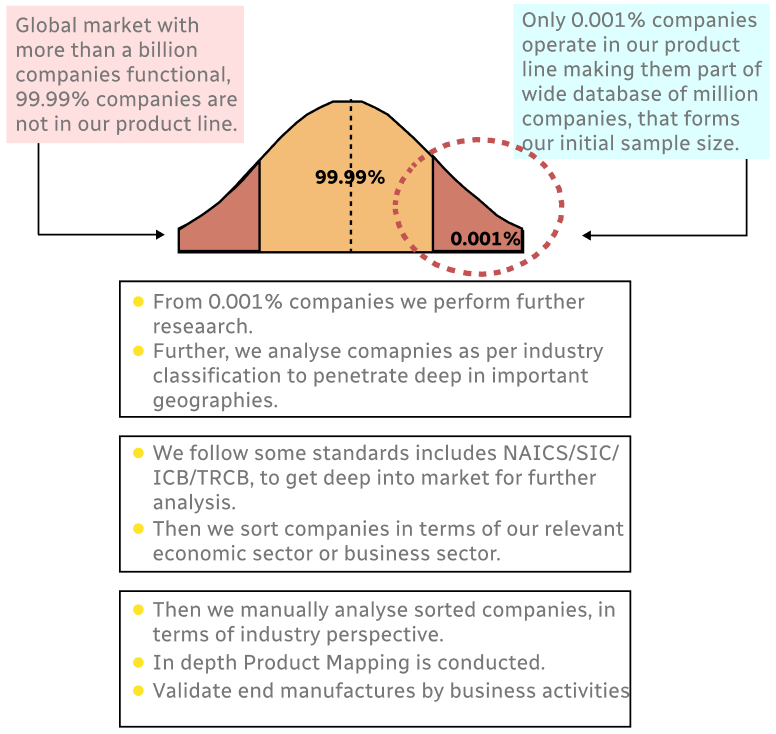
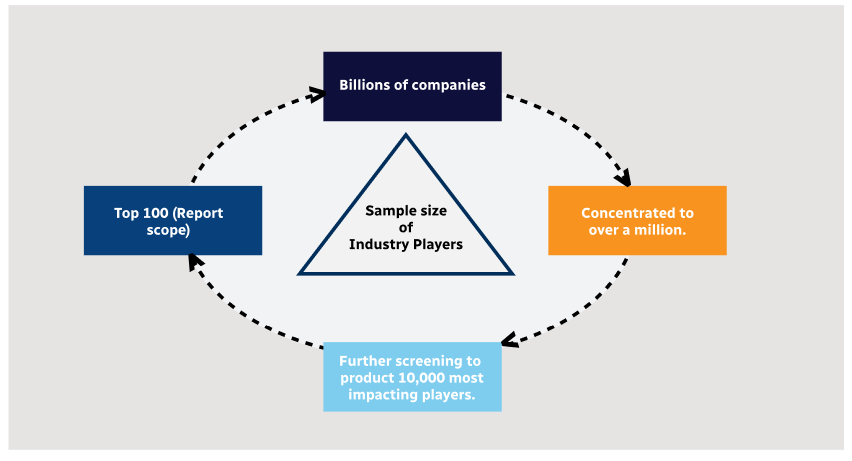
Step 1 - Identification of Relevant Samples Size from Population Database
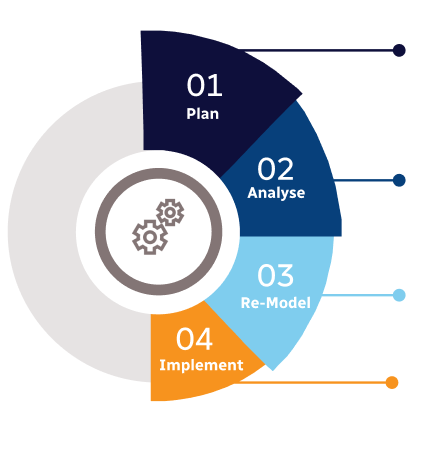
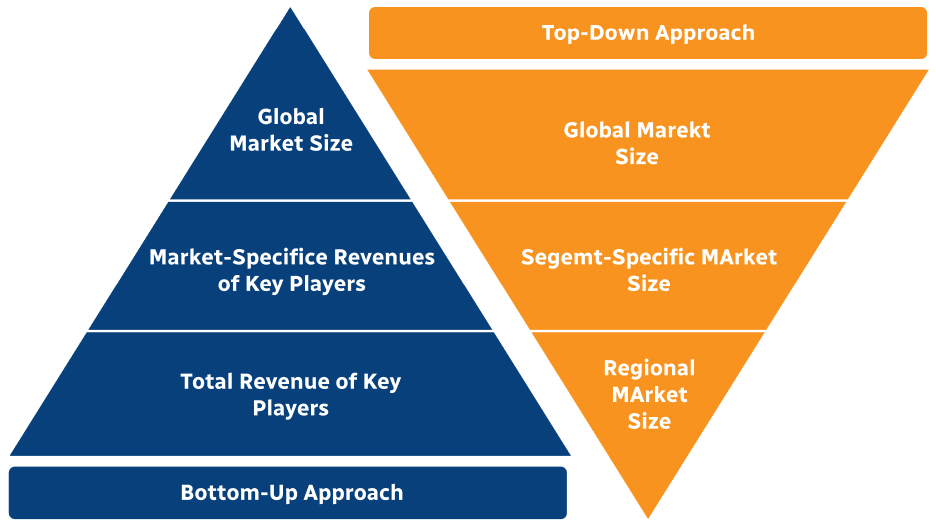
Step 2 - Approaches for Defining Global Market Size (Value, Volume* & Price*)
Note*: In applicable scenarios
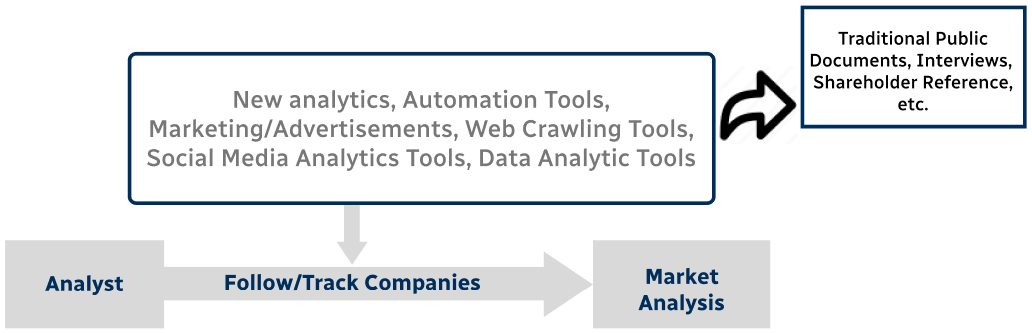
Step 3 - Data Sources
Primary Research
- Web Analytics
- Survey Reports
- Research Institute
- Latest Research Reports
- Opinion Leaders
Secondary Research
- Annual Reports
- White Paper
- Latest Press Release
- Industry Association
- Paid Database
- Investor Presentations
Step 4 - Data Triangulation
Involves using different sources of information in order to increase the validity of a study
These sources are likely to be stakeholders in a program - participants, other researchers, program staff, other community members, and so on.
Then we put all data in single framework & apply various statistical tools to find out the dynamic on the market.
During the analysis stage, feedback from the stakeholder groups would be compared to determine areas of agreement as well as areas of divergence