


Key Insights
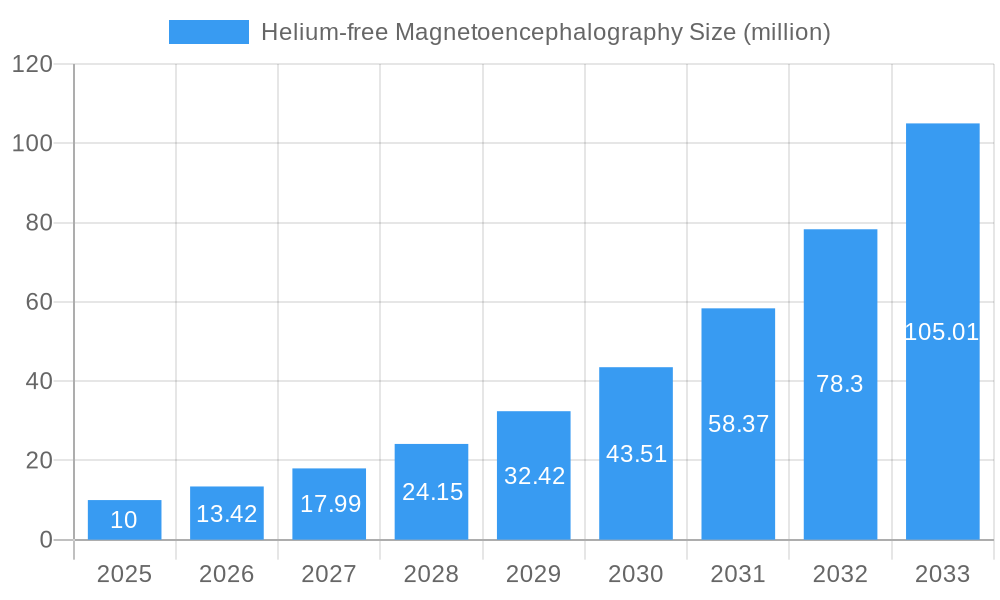
The Helium-free Magnetoencephalography (MEG) market is poised for explosive growth, projected to reach a substantial size of $10 million in 2025 and expand at an impressive Compound Annual Growth Rate (CAGR) of 34.2% through 2033. This remarkable expansion is primarily driven by significant advancements in superconducting technology, leading to the development of more accessible, cost-effective, and user-friendly MEG systems that eliminate the need for liquid helium. The increasing adoption of these innovative systems in both clinical and research settings is a major catalyst. Clinically, the enhanced diagnostic capabilities of helium-free MEG for neurological disorders like epilepsy, Alzheimer's, and Parkinson's disease are driving demand. In research, its superior temporal resolution offers unprecedented insights into brain function and connectivity. The market is segmented into Clinical and Research applications, with Horizontal and Vertical being key types of MEG systems catering to diverse installation and operational needs.
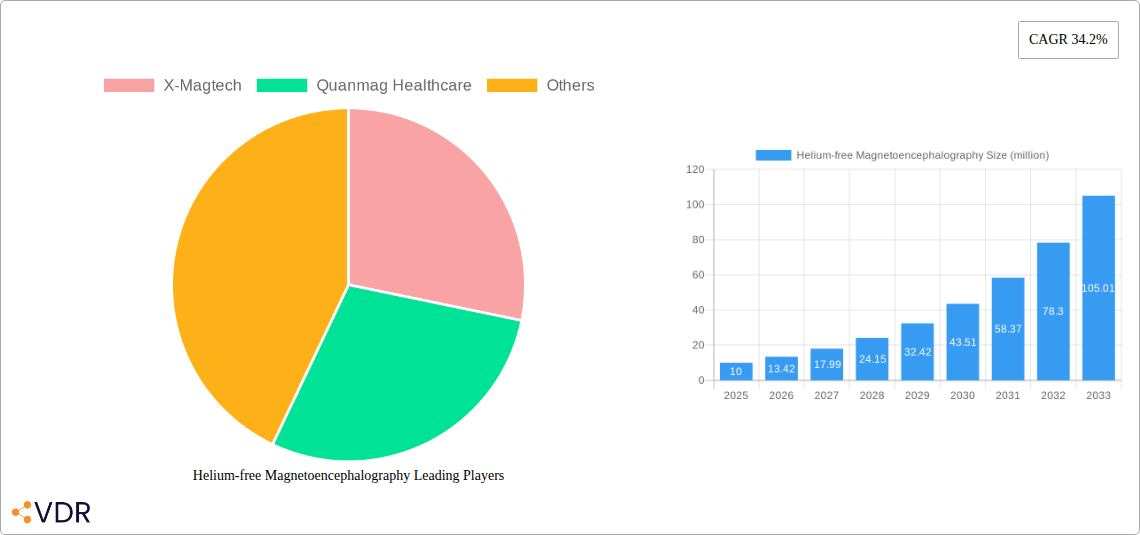
Helium-free Magnetoencephalography Market Size (In Million)

The robust CAGR signifies a transformative period for MEG, shifting it from a niche, high-cost research tool to a more mainstream diagnostic and research modality. This growth trajectory is further bolstered by increasing healthcare expenditure globally, a growing emphasis on early and accurate neurological disease diagnosis, and substantial investments in R&D by key players like X-Magtech and Quanmag Healthcare. While the initial investment cost for these advanced systems might still be a consideration, the long-term operational savings due to the absence of liquid helium, coupled with the inherent advantages of helium-free technology, are expected to outweigh these concerns. Emerging economies, particularly in the Asia Pacific region, are anticipated to witness significant growth due to rising healthcare infrastructure and increasing awareness of advanced neuroimaging techniques, complementing established markets in North America and Europe. The market's trajectory indicates a future where advanced neuroimaging is more democratized and widely accessible.
Helium-free Magnetoencephalography Company Market Share
This comprehensive report offers an in-depth analysis of the burgeoning Helium-free Magnetoencephalography (MEG) market, a transformative technology poised to redefine brain imaging. With its ability to provide non-invasive, high-temporal-resolution insights into brain activity, Helium-free MEG is rapidly gaining traction across clinical and research applications. This study spans the Study Period: 2019–2033, with a Base Year: 2025, Estimated Year: 2025, and a Forecast Period: 2025–2033, building upon Historical Period: 2019–2024. It delves into market dynamics, growth trends, regional dominance, product innovation, key drivers, emerging opportunities, and the competitive landscape, providing actionable intelligence for stakeholders. This report leverages advanced analytics and market intelligence to offer a clear and unadulterated view of this high-growth sector, designed for immediate and impactful use without further modification.
Helium-free Magnetoencephalography Market Dynamics & Structure
The Helium-free Magnetoencephalography market is characterized by a dynamic interplay of technological innovation, evolving regulatory landscapes, and increasing adoption rates in both clinical and research domains. Market concentration is moderate, with key players investing heavily in R&D to overcome existing technological barriers. Major drivers include the demand for non-invasive neurological diagnostics, the limitations of traditional MEG requiring cryogenic cooling, and advancements in superconducting quantum interference devices (SQUIDs) and optical magnetometers. Regulatory frameworks are becoming more accommodating, recognizing the clinical utility of advanced neuroimaging techniques. Competitive product substitutes, primarily fMRI and EEG, offer alternative insights but lack the temporal resolution of MEG. End-user demographics are expanding beyond academic research institutions to include hospitals, neurological clinics, and even specialized rehabilitation centers. Mergers & Acquisition (M&A) trends are anticipated to increase as larger healthcare technology companies seek to integrate Helium-free MEG into their portfolios, potentially consolidating market share. For instance, the market witnessed an estimated xx M&A deal volumes in the historical period, highlighting growing interest. Innovation barriers are primarily associated with system cost and the need for specialized training.
- Market Concentration: Moderate, with leading companies investing in R&D.
- Technological Innovation Drivers: Non-invasive nature, superior temporal resolution, cryogen-free operation.
- Regulatory Frameworks: Evolving to support advanced neuroimaging adoption.
- Competitive Product Substitutes: EEG, fMRI (offering different diagnostic strengths).
- End-User Demographics: Academic research, hospitals, neurological clinics, rehabilitation centers.
- M&A Trends: Anticipated increase in strategic acquisitions by larger entities.
- Innovation Barriers: High initial system cost, need for skilled personnel.
Helium-free Magnetoencephalography Growth Trends & Insights
The global Helium-free Magnetoencephalography market is experiencing robust growth, projected to expand significantly throughout the forecast period. The market size is estimated to grow from an approximate value of $xx million in 2019 to a projected $xx million by 2033, exhibiting a compelling Compound Annual Growth Rate (CAGR) of xx% between 2025 and 2033. This impressive trajectory is fueled by a confluence of factors, including the increasing prevalence of neurological disorders such as epilepsy, Alzheimer's disease, and Parkinson's disease, necessitating advanced diagnostic tools. The critical advantage of Helium-free MEG lies in its ability to offer millisecond-level temporal resolution, providing unparalleled insights into the functional dynamics of the brain. This capability is a significant disruptor compared to existing technologies, enabling earlier and more accurate diagnosis, and facilitating the development of personalized treatment strategies.
Adoption rates are accelerating as the technology matures and becomes more accessible. Initial deployment was largely confined to research settings; however, the development of more compact, cost-effective, and user-friendly Helium-free MEG systems is driving wider adoption in clinical environments. This shift is transforming how neurological conditions are diagnosed and managed, moving towards more precision-based medicine. Consumer behavior is also evolving, with increasing awareness among patients and clinicians about the benefits of advanced neuroimaging, particularly for conditions where subtle functional abnormalities precede structural changes. The transition from helium-dependent systems, which are expensive to maintain and operate, to cryogen-free alternatives, represents a paradigm shift, reducing operational costs and making MEG accessible to a broader range of healthcare providers. This technological disruption is not only enhancing diagnostic capabilities but also opening new avenues for understanding brain plasticity and cognitive processes. Market penetration is expected to rise from an estimated xx% in 2024 to xx% by 2033, indicating a substantial market expansion.
Dominant Regions, Countries, or Segments in Helium-free Magnetoencephalography
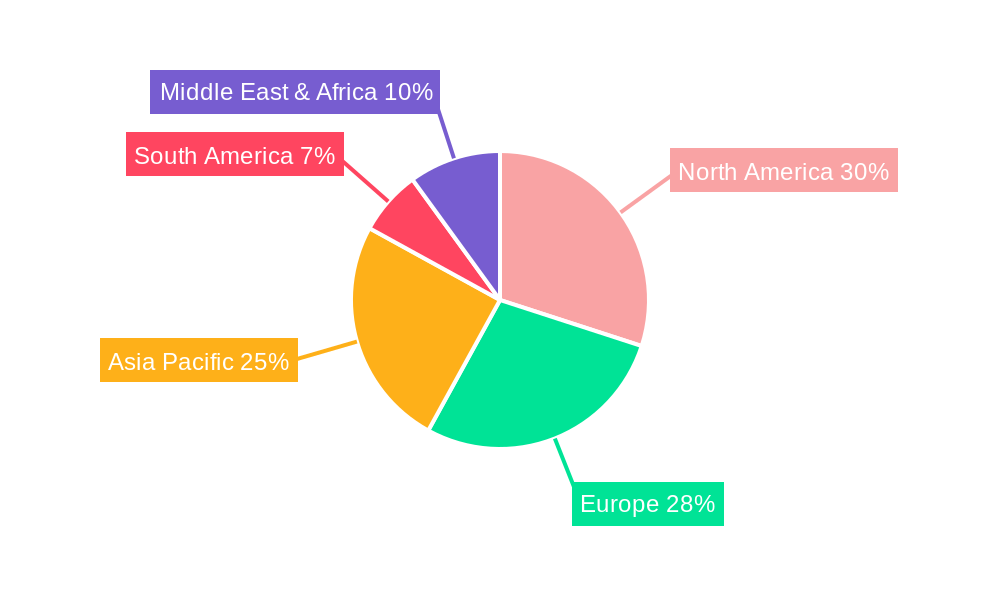
The Helium-free Magnetoencephalography market's growth is being predominantly driven by North America and Europe, owing to their established healthcare infrastructures, significant investments in R&D, and high prevalence of neurological disorders. Within North America, the United States stands out as a key market due to its advanced healthcare system, robust funding for medical research, and the presence of leading research institutions and technology developers. The country's focus on precision medicine and early disease detection further propels the adoption of advanced neuroimaging technologies like Helium-free MEG.
In Europe, Germany, the United Kingdom, and France are leading the charge. These nations benefit from strong government support for healthcare innovation, extensive clinical research networks, and a growing demand for sophisticated diagnostic tools for complex neurological conditions. The regulatory environments in these regions are conducive to the approval and adoption of new medical devices, fostering market expansion.
From a segment perspective, the Clinical Application segment is expected to witness the most substantial growth, driven by the increasing integration of Helium-free MEG into diagnostic pathways for conditions such as epilepsy, stroke, and psychiatric disorders. The ability of Helium-free MEG to accurately localize the source of neural activity with high temporal resolution makes it invaluable for presurgical planning in epilepsy and for understanding the underlying mechanisms of various neurological dysfunctions. The Research Application segment, while already a significant contributor, will continue to expand as researchers leverage the technology to explore fundamental questions in neuroscience, cognitive science, and brain-computer interfaces.
The Horizontal type of Helium-free MEG systems, which offer a more comprehensive view of brain activity, is anticipated to gain more traction than the Vertical type due to its broader applicability in various diagnostic and research scenarios. Market share analysis indicates that North America currently holds an estimated xx% of the global Helium-free MEG market, followed by Europe with xx%. Asia Pacific is an emerging market with significant growth potential, driven by increasing healthcare expenditure and a growing focus on advanced medical technologies.
- Leading Regions: North America (USA), Europe (Germany, UK, France).
- Dominant Country (North America): United States.
- Dominant Countries (Europe): Germany, United Kingdom, France.
- Emerging Region: Asia Pacific.
- Dominant Segment (Application): Clinical Application.
- Growth Drivers (Clinical): Early diagnosis of epilepsy, stroke, psychiatric disorders, presurgical planning.
- Growth Drivers (Research): Fundamental neuroscience, cognitive science, brain-computer interfaces.
- Dominant Segment (Type): Horizontal systems.
- Market Share (North America): ~xx%.
- Market Share (Europe): ~xx%.
- Growth Potential Drivers: Economic policies, advanced healthcare infrastructure, R&D funding, high prevalence of neurological disorders.
Helium-free Magnetoencephalography Product Landscape
The product landscape for Helium-free Magnetoencephalography is characterized by continuous innovation aimed at enhancing usability, reducing system footprint, and improving signal detection. Key advancements include the development of cryogen-free sensor technologies, such as Optically Pumped Magnetometers (OPMs), which eliminate the need for liquid helium cooling, thereby significantly lowering operational costs and complexity. Manufacturers are focusing on creating more compact and integrated systems, allowing for easier installation and deployment in standard clinical settings, rather than requiring specialized shielded rooms. Performance metrics are constantly being refined, with newer systems boasting improved signal-to-noise ratios, wider coverage of the head, and enhanced flexibility for patient positioning. The unique selling propositions of these next-generation Helium-free MEG systems lie in their accessibility, cost-effectiveness, and ability to provide high-fidelity, real-time brain activity mapping, revolutionizing neuroscientific research and clinical diagnostics.
Key Drivers, Barriers & Challenges in Helium-free Magnetoencephalography
Key Drivers:
The Helium-free Magnetoencephalography market is propelled by several key drivers. Foremost is the growing demand for non-invasive diagnostic tools that offer superior temporal resolution compared to existing modalities like fMRI and EEG, enabling a deeper understanding of brain dynamics. The increasing global burden of neurological disorders, including epilepsy, Alzheimer's, and Parkinson's, necessitates advanced diagnostic capabilities for early detection and effective management. Technological advancements, particularly in sensor technology (e.g., OPMs) and miniaturization, are making these systems more accessible and affordable. Furthermore, the inherent advantages of cryogen-free operation, such as reduced operational costs and simplified infrastructure requirements, are significant motivators for adoption.
Barriers & Challenges:
Despite the promising growth, the market faces several challenges. The initial capital investment for Helium-free MEG systems remains substantial, posing a barrier for smaller clinics and research institutions. The need for specialized expertise in operating and interpreting MEG data requires significant training and skilled personnel, which can be a bottleneck. Regulatory approvals for new medical devices can be a lengthy and complex process, potentially delaying market entry. Supply chain disruptions for critical components can also impact manufacturing timelines and product availability. Lastly, while competition from EEG and fMRI exists, the direct comparison and clear differentiation of benefits for specific clinical use cases are ongoing challenges. The estimated impact of supply chain issues could lead to delays of up to xx% in product delivery.
Emerging Opportunities in Helium-free Magnetoencephalography
Emerging opportunities in the Helium-free Magnetoencephalography sector are abundant, driven by evolving research frontiers and clinical needs. The burgeoning field of brain-computer interfaces (BCIs) presents a significant avenue, where the high temporal resolution of Helium-free MEG can enable more precise and responsive control systems for individuals with motor impairments. Furthermore, its application in personalized medicine, particularly in optimizing therapeutic interventions for mental health disorders and neurodegenerative diseases, is a vast and largely untapped market. The integration of Helium-free MEG with other neuroimaging modalities (e.g., fNIRS, EEG) to create multi-modal fusion systems offers enhanced diagnostic accuracy and a more holistic understanding of brain function. Expansion into emerging economies with growing healthcare expenditure and a focus on advanced medical technologies also represents a substantial growth opportunity.
Growth Accelerators in the Helium-free Magnetoencephalography Industry
Several catalysts are accelerating the growth of the Helium-free Magnetoencephalography industry. Continuous technological breakthroughs, particularly in sensor sensitivity and system integration, are making Helium-free MEG more cost-effective and user-friendly, driving wider adoption. Strategic partnerships between technology developers, academic institutions, and healthcare providers are crucial for fostering collaborative research, clinical validation, and market penetration. The increasing focus on early diagnosis and preventative healthcare strategies worldwide highlights the value proposition of advanced neuroimaging technologies like Helium-free MEG. Furthermore, the expanding indications for MEG, including its utility in understanding and treating conditions like concussions and mild traumatic brain injury, are creating new market segments and driving demand. The development of AI-powered data analysis tools is also a significant growth accelerator, promising to streamline the interpretation of complex MEG data and improve diagnostic efficiency.
Key Players Shaping the Helium-free Magnetoencephalography Market
- X-Magtech
- Quanmag Healthcare
- MEGIN Oy (part of Elekta)
- Canon Medical Systems Corporation
- Advanced Magnetoencephalography, Inc.
- Cortech Solutions Inc.
Notable Milestones in Helium-free Magnetoencephalography Sector
- 2019: Initial research breakthroughs in Optically Pumped Magnetometers (OPMs) demonstrating cryogen-free MEG feasibility.
- 2020: First prototypes of portable Helium-free MEG systems showcased at major neuroscience conferences.
- 2021: X-Magtech receives significant funding to accelerate product development for clinical applications.
- 2022: Quanmag Healthcare announces a strategic partnership with a leading hospital for pilot clinical studies.
- 2023: Regulatory submissions for the first commercial Helium-free MEG systems commence in key markets.
- 2024: Expanded clinical trials demonstrate enhanced diagnostic accuracy for epilepsy presurgical evaluation using Helium-free MEG.
In-Depth Helium-free Magnetoencephalography Market Outlook
The future outlook for the Helium-free Magnetoencephalography market is exceptionally bright, characterized by sustained innovation and expanding applications. Growth accelerators such as advancements in OPM technology, reduced operational costs, and increasing awareness of its diagnostic superiority will continue to drive market expansion. Strategic partnerships and collaborations will play a pivotal role in translating research breakthroughs into widespread clinical adoption, particularly in the Clinical Application segment. The market is poised to witness a significant increase in installations within neurological centers and hospitals globally. Furthermore, the development of AI-driven analytics for MEG data promises to unlock new diagnostic insights and streamline workflows, making the technology even more accessible and valuable. The anticipated market size of $xx million by 2033 underscores the transformative potential of Helium-free MEG in revolutionizing the diagnosis and treatment of neurological disorders.
Helium-free Magnetoencephalography Segmentation
-
1. Application
- 1.1. Clinical
- 1.2. Research
-
2. Types
- 2.1. Horizontal
- 2.2. Vertical
Helium-free Magnetoencephalography Segmentation By Geography
-
1. North America
- 1.1. United States
- 1.2. Canada
- 1.3. Mexico
-
2. South America
- 2.1. Brazil
- 2.2. Argentina
- 2.3. Rest of South America
-
3. Europe
- 3.1. United Kingdom
- 3.2. Germany
- 3.3. France
- 3.4. Italy
- 3.5. Spain
- 3.6. Russia
- 3.7. Benelux
- 3.8. Nordics
- 3.9. Rest of Europe
-
4. Middle East & Africa
- 4.1. Turkey
- 4.2. Israel
- 4.3. GCC
- 4.4. North Africa
- 4.5. South Africa
- 4.6. Rest of Middle East & Africa
-
5. Asia Pacific
- 5.1. China
- 5.2. India
- 5.3. Japan
- 5.4. South Korea
- 5.5. ASEAN
- 5.6. Oceania
- 5.7. Rest of Asia Pacific
Helium-free Magnetoencephalography Regional Market Share
Geographic Coverage of Helium-free Magnetoencephalography
Helium-free Magnetoencephalography REPORT HIGHLIGHTS
| Aspects | Details |
|---|---|
| Study Period | 2020-2034 |
| Base Year | 2025 |
| Estimated Year | 2026 |
| Forecast Period | 2026-2034 |
| Historical Period | 2020-2025 |
| Growth Rate | CAGR of 34.2% from 2020-2034 |
| Segmentation |
|
Table of Contents
- 1. Introduction
- 1.1. Research Scope
- 1.2. Market Segmentation
- 1.3. Research Methodology
- 1.4. Definitions and Assumptions
- 2. Executive Summary
- 2.1. Introduction
- 3. Market Dynamics
- 3.1. Introduction
- 3.2. Market Drivers
- 3.3. Market Restrains
- 3.4. Market Trends
- 4. Market Factor Analysis
- 4.1. Porters Five Forces
- 4.2. Supply/Value Chain
- 4.3. PESTEL analysis
- 4.4. Market Entropy
- 4.5. Patent/Trademark Analysis
- 5. Global Helium-free Magnetoencephalography Analysis, Insights and Forecast, 2020-2032
- 5.1. Market Analysis, Insights and Forecast - by Application
- 5.1.1. Clinical
- 5.1.2. Research
- 5.2. Market Analysis, Insights and Forecast - by Types
- 5.2.1. Horizontal
- 5.2.2. Vertical
- 5.3. Market Analysis, Insights and Forecast - by Region
- 5.3.1. North America
- 5.3.2. South America
- 5.3.3. Europe
- 5.3.4. Middle East & Africa
- 5.3.5. Asia Pacific
- 5.1. Market Analysis, Insights and Forecast - by Application
- 6. North America Helium-free Magnetoencephalography Analysis, Insights and Forecast, 2020-2032
- 6.1. Market Analysis, Insights and Forecast - by Application
- 6.1.1. Clinical
- 6.1.2. Research
- 6.2. Market Analysis, Insights and Forecast - by Types
- 6.2.1. Horizontal
- 6.2.2. Vertical
- 6.1. Market Analysis, Insights and Forecast - by Application
- 7. South America Helium-free Magnetoencephalography Analysis, Insights and Forecast, 2020-2032
- 7.1. Market Analysis, Insights and Forecast - by Application
- 7.1.1. Clinical
- 7.1.2. Research
- 7.2. Market Analysis, Insights and Forecast - by Types
- 7.2.1. Horizontal
- 7.2.2. Vertical
- 7.1. Market Analysis, Insights and Forecast - by Application
- 8. Europe Helium-free Magnetoencephalography Analysis, Insights and Forecast, 2020-2032
- 8.1. Market Analysis, Insights and Forecast - by Application
- 8.1.1. Clinical
- 8.1.2. Research
- 8.2. Market Analysis, Insights and Forecast - by Types
- 8.2.1. Horizontal
- 8.2.2. Vertical
- 8.1. Market Analysis, Insights and Forecast - by Application
- 9. Middle East & Africa Helium-free Magnetoencephalography Analysis, Insights and Forecast, 2020-2032
- 9.1. Market Analysis, Insights and Forecast - by Application
- 9.1.1. Clinical
- 9.1.2. Research
- 9.2. Market Analysis, Insights and Forecast - by Types
- 9.2.1. Horizontal
- 9.2.2. Vertical
- 9.1. Market Analysis, Insights and Forecast - by Application
- 10. Asia Pacific Helium-free Magnetoencephalography Analysis, Insights and Forecast, 2020-2032
- 10.1. Market Analysis, Insights and Forecast - by Application
- 10.1.1. Clinical
- 10.1.2. Research
- 10.2. Market Analysis, Insights and Forecast - by Types
- 10.2.1. Horizontal
- 10.2.2. Vertical
- 10.1. Market Analysis, Insights and Forecast - by Application
- 11. Competitive Analysis
- 11.1. Global Market Share Analysis 2025
- 11.2. Company Profiles
- 11.2.1 X-Magtech
- 11.2.1.1. Overview
- 11.2.1.2. Products
- 11.2.1.3. SWOT Analysis
- 11.2.1.4. Recent Developments
- 11.2.1.5. Financials (Based on Availability)
- 11.2.2 Quanmag Healthcare
- 11.2.2.1. Overview
- 11.2.2.2. Products
- 11.2.2.3. SWOT Analysis
- 11.2.2.4. Recent Developments
- 11.2.2.5. Financials (Based on Availability)
- 11.2.1 X-Magtech
List of Figures
- Figure 1: Global Helium-free Magnetoencephalography Revenue Breakdown (million, %) by Region 2025 & 2033
- Figure 2: North America Helium-free Magnetoencephalography Revenue (million), by Application 2025 & 2033
- Figure 3: North America Helium-free Magnetoencephalography Revenue Share (%), by Application 2025 & 2033
- Figure 4: North America Helium-free Magnetoencephalography Revenue (million), by Types 2025 & 2033
- Figure 5: North America Helium-free Magnetoencephalography Revenue Share (%), by Types 2025 & 2033
- Figure 6: North America Helium-free Magnetoencephalography Revenue (million), by Country 2025 & 2033
- Figure 7: North America Helium-free Magnetoencephalography Revenue Share (%), by Country 2025 & 2033
- Figure 8: South America Helium-free Magnetoencephalography Revenue (million), by Application 2025 & 2033
- Figure 9: South America Helium-free Magnetoencephalography Revenue Share (%), by Application 2025 & 2033
- Figure 10: South America Helium-free Magnetoencephalography Revenue (million), by Types 2025 & 2033
- Figure 11: South America Helium-free Magnetoencephalography Revenue Share (%), by Types 2025 & 2033
- Figure 12: South America Helium-free Magnetoencephalography Revenue (million), by Country 2025 & 2033
- Figure 13: South America Helium-free Magnetoencephalography Revenue Share (%), by Country 2025 & 2033
- Figure 14: Europe Helium-free Magnetoencephalography Revenue (million), by Application 2025 & 2033
- Figure 15: Europe Helium-free Magnetoencephalography Revenue Share (%), by Application 2025 & 2033
- Figure 16: Europe Helium-free Magnetoencephalography Revenue (million), by Types 2025 & 2033
- Figure 17: Europe Helium-free Magnetoencephalography Revenue Share (%), by Types 2025 & 2033
- Figure 18: Europe Helium-free Magnetoencephalography Revenue (million), by Country 2025 & 2033
- Figure 19: Europe Helium-free Magnetoencephalography Revenue Share (%), by Country 2025 & 2033
- Figure 20: Middle East & Africa Helium-free Magnetoencephalography Revenue (million), by Application 2025 & 2033
- Figure 21: Middle East & Africa Helium-free Magnetoencephalography Revenue Share (%), by Application 2025 & 2033
- Figure 22: Middle East & Africa Helium-free Magnetoencephalography Revenue (million), by Types 2025 & 2033
- Figure 23: Middle East & Africa Helium-free Magnetoencephalography Revenue Share (%), by Types 2025 & 2033
- Figure 24: Middle East & Africa Helium-free Magnetoencephalography Revenue (million), by Country 2025 & 2033
- Figure 25: Middle East & Africa Helium-free Magnetoencephalography Revenue Share (%), by Country 2025 & 2033
- Figure 26: Asia Pacific Helium-free Magnetoencephalography Revenue (million), by Application 2025 & 2033
- Figure 27: Asia Pacific Helium-free Magnetoencephalography Revenue Share (%), by Application 2025 & 2033
- Figure 28: Asia Pacific Helium-free Magnetoencephalography Revenue (million), by Types 2025 & 2033
- Figure 29: Asia Pacific Helium-free Magnetoencephalography Revenue Share (%), by Types 2025 & 2033
- Figure 30: Asia Pacific Helium-free Magnetoencephalography Revenue (million), by Country 2025 & 2033
- Figure 31: Asia Pacific Helium-free Magnetoencephalography Revenue Share (%), by Country 2025 & 2033
List of Tables
- Table 1: Global Helium-free Magnetoencephalography Revenue million Forecast, by Application 2020 & 2033
- Table 2: Global Helium-free Magnetoencephalography Revenue million Forecast, by Types 2020 & 2033
- Table 3: Global Helium-free Magnetoencephalography Revenue million Forecast, by Region 2020 & 2033
- Table 4: Global Helium-free Magnetoencephalography Revenue million Forecast, by Application 2020 & 2033
- Table 5: Global Helium-free Magnetoencephalography Revenue million Forecast, by Types 2020 & 2033
- Table 6: Global Helium-free Magnetoencephalography Revenue million Forecast, by Country 2020 & 2033
- Table 7: United States Helium-free Magnetoencephalography Revenue (million) Forecast, by Application 2020 & 2033
- Table 8: Canada Helium-free Magnetoencephalography Revenue (million) Forecast, by Application 2020 & 2033
- Table 9: Mexico Helium-free Magnetoencephalography Revenue (million) Forecast, by Application 2020 & 2033
- Table 10: Global Helium-free Magnetoencephalography Revenue million Forecast, by Application 2020 & 2033
- Table 11: Global Helium-free Magnetoencephalography Revenue million Forecast, by Types 2020 & 2033
- Table 12: Global Helium-free Magnetoencephalography Revenue million Forecast, by Country 2020 & 2033
- Table 13: Brazil Helium-free Magnetoencephalography Revenue (million) Forecast, by Application 2020 & 2033
- Table 14: Argentina Helium-free Magnetoencephalography Revenue (million) Forecast, by Application 2020 & 2033
- Table 15: Rest of South America Helium-free Magnetoencephalography Revenue (million) Forecast, by Application 2020 & 2033
- Table 16: Global Helium-free Magnetoencephalography Revenue million Forecast, by Application 2020 & 2033
- Table 17: Global Helium-free Magnetoencephalography Revenue million Forecast, by Types 2020 & 2033
- Table 18: Global Helium-free Magnetoencephalography Revenue million Forecast, by Country 2020 & 2033
- Table 19: United Kingdom Helium-free Magnetoencephalography Revenue (million) Forecast, by Application 2020 & 2033
- Table 20: Germany Helium-free Magnetoencephalography Revenue (million) Forecast, by Application 2020 & 2033
- Table 21: France Helium-free Magnetoencephalography Revenue (million) Forecast, by Application 2020 & 2033
- Table 22: Italy Helium-free Magnetoencephalography Revenue (million) Forecast, by Application 2020 & 2033
- Table 23: Spain Helium-free Magnetoencephalography Revenue (million) Forecast, by Application 2020 & 2033
- Table 24: Russia Helium-free Magnetoencephalography Revenue (million) Forecast, by Application 2020 & 2033
- Table 25: Benelux Helium-free Magnetoencephalography Revenue (million) Forecast, by Application 2020 & 2033
- Table 26: Nordics Helium-free Magnetoencephalography Revenue (million) Forecast, by Application 2020 & 2033
- Table 27: Rest of Europe Helium-free Magnetoencephalography Revenue (million) Forecast, by Application 2020 & 2033
- Table 28: Global Helium-free Magnetoencephalography Revenue million Forecast, by Application 2020 & 2033
- Table 29: Global Helium-free Magnetoencephalography Revenue million Forecast, by Types 2020 & 2033
- Table 30: Global Helium-free Magnetoencephalography Revenue million Forecast, by Country 2020 & 2033
- Table 31: Turkey Helium-free Magnetoencephalography Revenue (million) Forecast, by Application 2020 & 2033
- Table 32: Israel Helium-free Magnetoencephalography Revenue (million) Forecast, by Application 2020 & 2033
- Table 33: GCC Helium-free Magnetoencephalography Revenue (million) Forecast, by Application 2020 & 2033
- Table 34: North Africa Helium-free Magnetoencephalography Revenue (million) Forecast, by Application 2020 & 2033
- Table 35: South Africa Helium-free Magnetoencephalography Revenue (million) Forecast, by Application 2020 & 2033
- Table 36: Rest of Middle East & Africa Helium-free Magnetoencephalography Revenue (million) Forecast, by Application 2020 & 2033
- Table 37: Global Helium-free Magnetoencephalography Revenue million Forecast, by Application 2020 & 2033
- Table 38: Global Helium-free Magnetoencephalography Revenue million Forecast, by Types 2020 & 2033
- Table 39: Global Helium-free Magnetoencephalography Revenue million Forecast, by Country 2020 & 2033
- Table 40: China Helium-free Magnetoencephalography Revenue (million) Forecast, by Application 2020 & 2033
- Table 41: India Helium-free Magnetoencephalography Revenue (million) Forecast, by Application 2020 & 2033
- Table 42: Japan Helium-free Magnetoencephalography Revenue (million) Forecast, by Application 2020 & 2033
- Table 43: South Korea Helium-free Magnetoencephalography Revenue (million) Forecast, by Application 2020 & 2033
- Table 44: ASEAN Helium-free Magnetoencephalography Revenue (million) Forecast, by Application 2020 & 2033
- Table 45: Oceania Helium-free Magnetoencephalography Revenue (million) Forecast, by Application 2020 & 2033
- Table 46: Rest of Asia Pacific Helium-free Magnetoencephalography Revenue (million) Forecast, by Application 2020 & 2033
Frequently Asked Questions
1. What is the projected Compound Annual Growth Rate (CAGR) of the Helium-free Magnetoencephalography?
The projected CAGR is approximately 34.2%.
2. Which companies are prominent players in the Helium-free Magnetoencephalography?
Key companies in the market include X-Magtech, Quanmag Healthcare.
3. What are the main segments of the Helium-free Magnetoencephalography?
The market segments include Application, Types.
4. Can you provide details about the market size?
The market size is estimated to be USD 10 million as of 2022.
5. What are some drivers contributing to market growth?
N/A
6. What are the notable trends driving market growth?
N/A
7. Are there any restraints impacting market growth?
N/A
8. Can you provide examples of recent developments in the market?
N/A
9. What pricing options are available for accessing the report?
Pricing options include single-user, multi-user, and enterprise licenses priced at USD 4900.00, USD 7350.00, and USD 9800.00 respectively.
10. Is the market size provided in terms of value or volume?
The market size is provided in terms of value, measured in million.
11. Are there any specific market keywords associated with the report?
Yes, the market keyword associated with the report is "Helium-free Magnetoencephalography," which aids in identifying and referencing the specific market segment covered.
12. How do I determine which pricing option suits my needs best?
The pricing options vary based on user requirements and access needs. Individual users may opt for single-user licenses, while businesses requiring broader access may choose multi-user or enterprise licenses for cost-effective access to the report.
13. Are there any additional resources or data provided in the Helium-free Magnetoencephalography report?
While the report offers comprehensive insights, it's advisable to review the specific contents or supplementary materials provided to ascertain if additional resources or data are available.
14. How can I stay updated on further developments or reports in the Helium-free Magnetoencephalography?
To stay informed about further developments, trends, and reports in the Helium-free Magnetoencephalography, consider subscribing to industry newsletters, following relevant companies and organizations, or regularly checking reputable industry news sources and publications.
Methodology
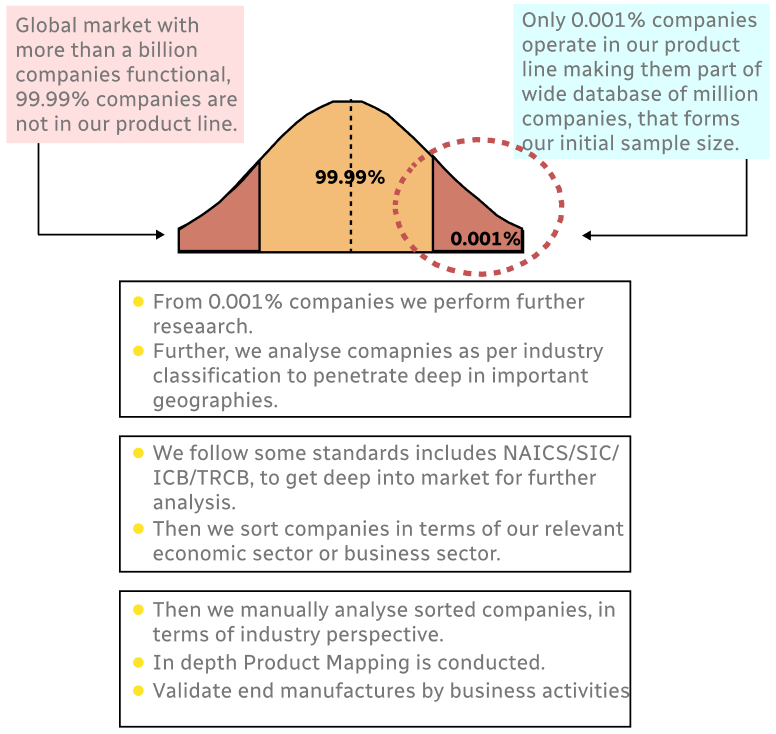
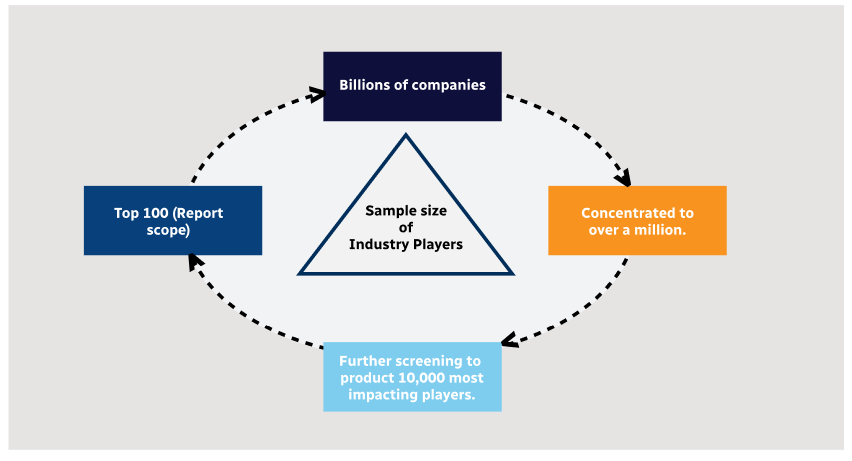
Step 1 - Identification of Relevant Samples Size from Population Database
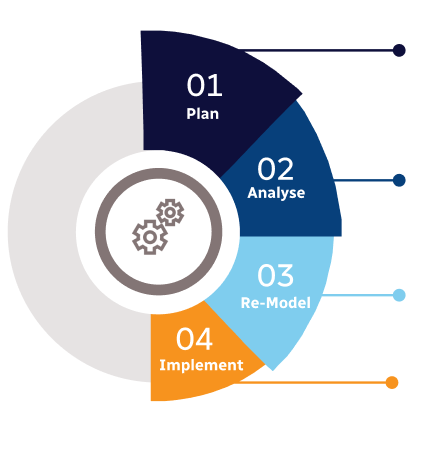
Step 2 - Approaches for Defining Global Market Size (Value, Volume* & Price*)
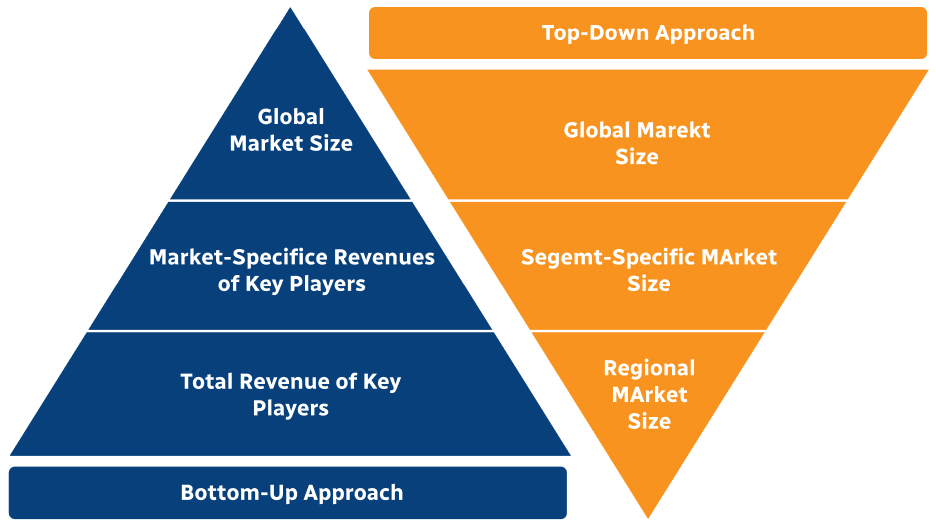
Note*: In applicable scenarios
Step 3 - Data Sources
Primary Research
- Web Analytics
- Survey Reports
- Research Institute
- Latest Research Reports
- Opinion Leaders
Secondary Research
- Annual Reports
- White Paper
- Latest Press Release
- Industry Association
- Paid Database
- Investor Presentations
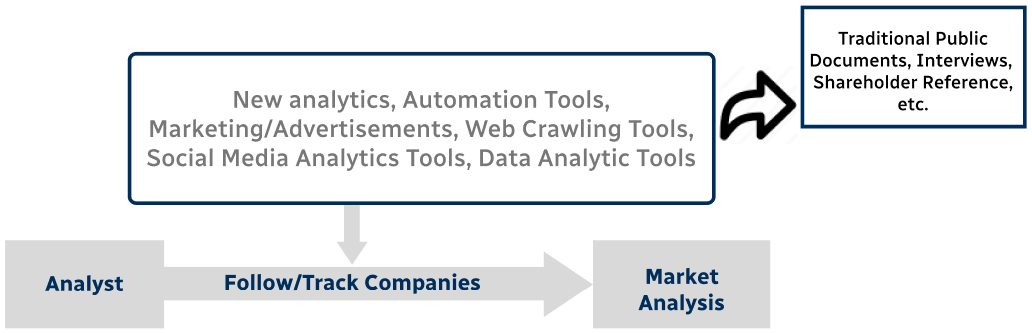
Step 4 - Data Triangulation
Involves using different sources of information in order to increase the validity of a study
These sources are likely to be stakeholders in a program - participants, other researchers, program staff, other community members, and so on.
Then we put all data in single framework & apply various statistical tools to find out the dynamic on the market.
During the analysis stage, feedback from the stakeholder groups would be compared to determine areas of agreement as well as areas of divergence