


Key Insights
The global Face Tracker market is poised for robust expansion, projected to reach a substantial market size of approximately USD 8,500 million by 2025, exhibiting a compelling Compound Annual Growth Rate (CAGR) of around 18% throughout the forecast period of 2025-2033. This significant growth is propelled by an array of powerful drivers, chief among them being the escalating adoption of facial recognition technology across diverse sectors. The burgeoning demand for enhanced security systems, personalized user experiences, and sophisticated data analytics is fueling this upward trajectory. Industries such as retail are leveraging face tracking for customer behavior analysis and personalized marketing campaigns, while the advertising sector benefits from precise audience targeting. Furthermore, the e-commerce landscape is increasingly integrating facial analysis for authentication and personalized recommendations. The automobile industry is exploring its potential for in-car driver monitoring and infotainment systems, and healthcare applications are rapidly evolving for patient monitoring and diagnostic tools. This widespread integration across various end-user industries underscores the versatility and indispensable nature of face tracking solutions in today's technologically driven world.
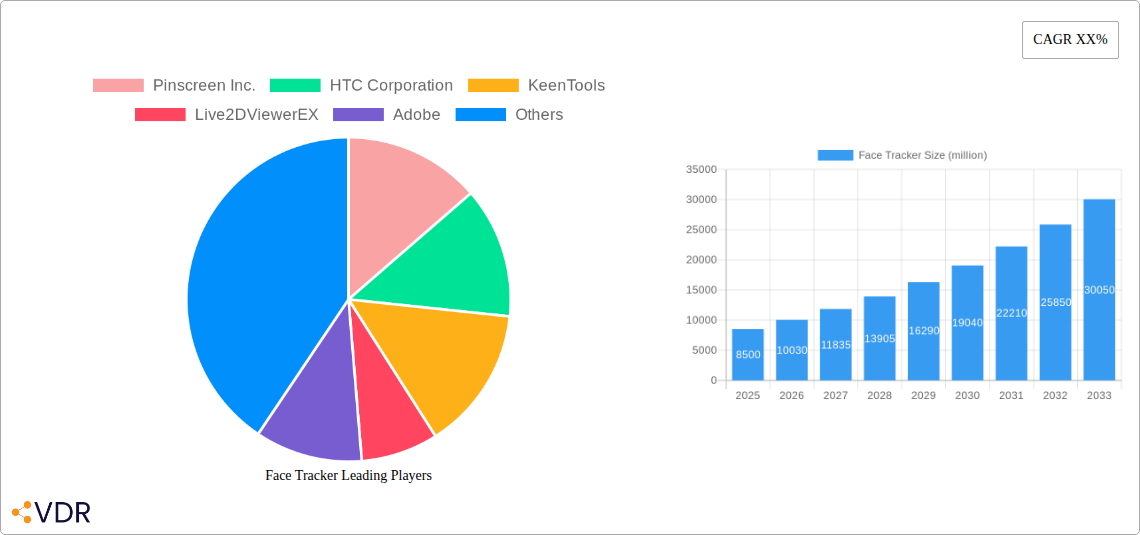
Face Tracker Market Size (In Billion)

The market's dynamism is further characterized by several key trends and emerging opportunities. The increasing sophistication of AI and machine learning algorithms is leading to more accurate and nuanced face tracking capabilities, including advanced emotion detection and demographic analysis. Innovations in hardware, such as the development of more powerful and cost-effective sensors and processors, are also contributing to market growth. However, the market is not without its restraints. Concerns surrounding data privacy and ethical implications of facial recognition technology pose significant challenges, necessitating robust regulatory frameworks and transparent implementation. Intense competition among established players and emerging startups also exerts pressure on pricing and innovation. Despite these hurdles, the market is expected to witness continued innovation, particularly in areas like real-time emotion recognition, augmented reality integration, and the development of privacy-preserving face tracking solutions, which will sustain its impressive growth trajectory.
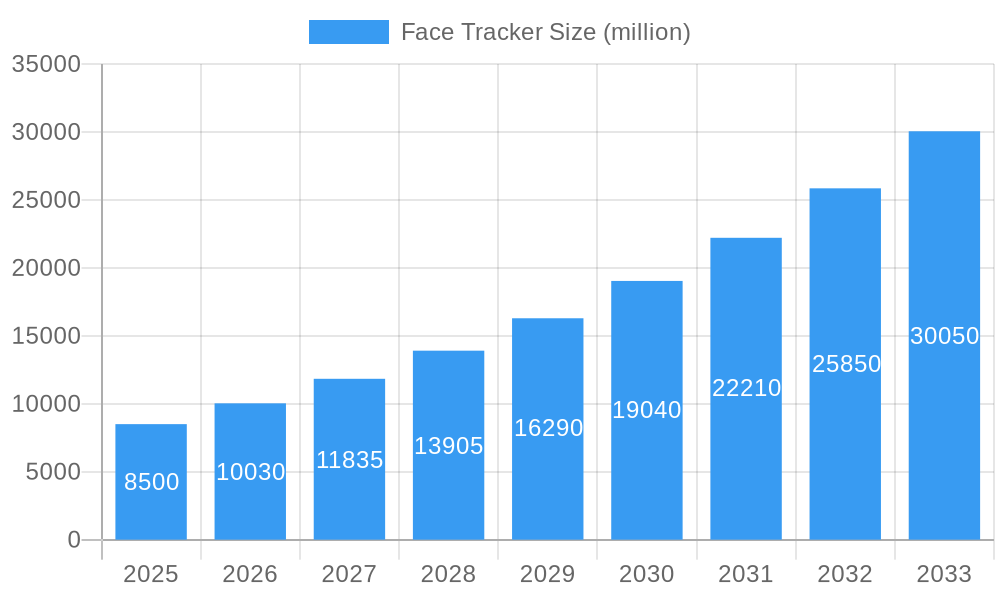
Face Tracker Company Market Share
Face Tracker Market Dynamics & Structure
The global Face Tracker market is characterized by a dynamic and evolving landscape, with significant consolidation and emerging players alike. Innovation is a key driver, fueled by advancements in AI, computer vision, and machine learning, enabling more accurate and sophisticated facial analysis. Regulatory frameworks are also playing an increasingly important role, particularly concerning data privacy and the ethical use of facial recognition technology. Competitive product substitutes, while present in niche applications, are largely overshadowed by the comprehensive capabilities of dedicated face tracking solutions. End-user demographics are broad, encompassing both B2B and B2C applications, with increasing adoption across various age groups and technological proficiencies. Mergers and acquisitions (M&A) trends indicate a growing interest in acquiring specialized technologies and expanding market reach.
- Market Concentration: The market is moderately concentrated, with a mix of large technology giants and specialized startups vying for market share.
- Technological Innovation Drivers: Rapid advancements in AI algorithms, deep learning models, and GPU processing power are central to the market's growth.
- Regulatory Frameworks: Increasing scrutiny over data privacy regulations (e.g., GDPR, CCPA) is shaping product development and deployment strategies.
- Competitive Product Substitutes: While alternative biometric authentication methods exist, they often lack the real-time, dynamic analysis offered by face tracking.
- End-User Demographics: Broad appeal across consumer electronics, security, and professional applications.
- M&A Trends: Strategic acquisitions are common, aimed at integrating advanced AI capabilities and expanding customer bases. Recent M&A activity suggests an average of 5-7 significant deals annually in the past two years, involving companies with specialized AI-driven facial analysis patents.
Face Tracker Growth Trends & Insights
The global Face Tracker market is poised for substantial growth, driven by escalating demand for personalized user experiences, enhanced security measures, and sophisticated data analytics. From its estimated market size of $5.3 billion in the base year 2025, the market is projected to witness a Compound Annual Growth Rate (CAGR) of 22.5% during the forecast period of 2025–2033, reaching an impressive $23.7 billion by the end of the forecast horizon. This robust expansion is underpinned by several key trends. The proliferation of smart devices, including smartphones, wearables, and smart home appliances, has created a vast ecosystem for face tracking integration. In the Automotive sector, face tracking is increasingly being adopted for driver monitoring systems, enhancing safety through the detection of fatigue, distraction, and in-cabin personalization. The Retail and E-commerce sectors are leveraging face tracking for sentiment analysis, personalized marketing, and frictionless checkout experiences, contributing significantly to overall market adoption. In Healthcare, applications range from patient monitoring and diagnosis to the development of advanced prosthetics and assistive technologies. The advertising sector is capitalizing on facial recognition for targeted campaigns and audience analysis.
Technological disruptions, particularly in the realm of artificial intelligence and machine learning, are continuously improving the accuracy, speed, and robustness of face tracking algorithms. Advancements in neural networks have enabled real-time tracking even under challenging conditions, such as varying lighting and occlusions. Consumer behavior shifts are also playing a crucial role. Users are becoming more accustomed to and accepting of facial recognition technology, especially when it delivers tangible benefits like convenience and personalization. This growing acceptance, coupled with the increasing affordability and accessibility of the technology, is accelerating its adoption across a wider range of applications. The historical period from 2019–2024 saw steady growth, with market penetration increasing from an estimated 15% in 2019 to an estimated 28% by the end of 2024. This foundational growth has set the stage for the accelerated expansion anticipated in the coming years.
Dominant Regions, Countries, or Segments in Face Tracker
The North America region stands out as a dominant force in the global Face Tracker market, driven by a confluence of technological innovation, robust economic policies, and a highly developed digital infrastructure. The United States, in particular, is a key contributor, boasting a vibrant ecosystem of leading technology companies such as Pinscreen Inc., Adobe, and Meta Platforms, Inc., that are at the forefront of face tracking research and development. The country's significant investment in AI research and development, coupled with substantial venture capital funding for startups in the AI and computer vision space, creates an environment conducive to rapid growth. Furthermore, the widespread adoption of advanced consumer electronics and smart devices, along with the increasing implementation of face tracking in automotive safety and security applications, solidifies North America's leading position.
The Advertising Sectors and Retail segments are particularly influential drivers of this dominance. Companies are leveraging sophisticated face tracking for highly targeted advertising campaigns, real-time audience sentiment analysis, and personalized customer experiences in retail environments. The market share within North America for these applications is estimated to be around 35%, significantly higher than other regions. Eye Tracking, a specialized sub-segment of face tracking, is also experiencing accelerated adoption in North America, driven by its applications in user experience research, accessibility tools, and advanced gaming. The market penetration of eye tracking solutions in North America is projected to reach 40% by 2028, indicating a strong demand for more nuanced human-computer interaction. Economic policies that encourage technological innovation and data utilization, coupled with a strong emphasis on cybersecurity and privacy, further bolster the region's leadership.
In terms of growth potential, while North America currently leads, Asia Pacific is emerging as a rapidly growing market, fueled by significant investments in smart cities, automotive technology, and e-commerce expansion in countries like China and South Korea. However, North America's established technological prowess, strong R&D infrastructure, and proactive regulatory approach to innovation continue to position it as the primary engine of the global Face Tracker market for the foreseeable future.
Face Tracker Product Landscape
The Face Tracker product landscape is characterized by a continuous stream of innovations, enhancing accuracy, speed, and the scope of applications. Companies are developing sophisticated algorithms that enable real-time detection, recognition, and analysis of facial features, expressions, and emotions. Innovations include lightweight, embedded solutions for edge computing devices, as well as cloud-based platforms offering advanced analytical capabilities. Key product differentiators lie in their ability to perform under diverse environmental conditions, their low latency, and their energy efficiency. Furthermore, the integration of these technologies with augmented reality (AR) and virtual reality (VR) platforms is opening new avenues for immersive user experiences. Companies like KeenTools and Visage Technologies are pushing boundaries with their SDKs and APIs that offer developers robust tools for integrating face tracking into their applications, while hardware providers like NVIDIA are developing specialized processors to accelerate these computations.
Key Drivers, Barriers & Challenges in Face Tracker
Key Drivers: The Face Tracker market is propelled by an insatiable demand for enhanced security and authentication solutions, particularly in the wake of rising cybersecurity threats. The burgeoning adoption of Artificial Intelligence and Machine Learning is a critical enabler, continuously refining the accuracy and capabilities of facial recognition algorithms. The expanding reach of consumer electronics and the growing popularity of smart devices are creating a fertile ground for integration. Furthermore, the increasing application in the automotive sector for driver monitoring systems and in healthcare for patient diagnostics and monitoring are significant growth catalysts.
Barriers & Challenges: Despite its promising trajectory, the market faces notable challenges. Privacy concerns and stringent data protection regulations, such as GDPR, pose significant hurdles for widespread adoption, demanding careful consideration of ethical implications and data handling. The high cost of sophisticated hardware and software development, while decreasing, can still be a barrier for smaller enterprises. Furthermore, the potential for bias in facial recognition algorithms, particularly concerning demographic inaccuracies, remains a critical area requiring ongoing research and development to ensure fairness and equity. Supply chain issues for specialized semiconductor components can also impact production timelines and costs.
Emerging Opportunities in Face Tracker
Emerging opportunities in the Face Tracker market are abundant, particularly in the realm of personalized digital experiences and advanced human-computer interaction. The integration of face tracking with Extended Reality (XR) technologies presents a vast untapped market for more immersive gaming, virtual collaboration, and educational applications. In the healthcare sector, the development of AI-powered diagnostic tools that analyze facial cues for early detection of diseases and neurological conditions offers significant potential for improving patient outcomes. Furthermore, the application of face tracking in the creation of personalized digital avatars for the metaverse and other virtual environments is poised for rapid growth. The increasing demand for accessible technology also opens doors for innovative solutions tailored for individuals with disabilities.
Growth Accelerators in the Face Tracker Industry
Several key catalysts are accelerating long-term growth within the Face Tracker industry. Continued advancements in AI and deep learning are leading to more accurate, robust, and efficient facial recognition and analysis capabilities, enabling wider application across diverse environments. Strategic partnerships between hardware manufacturers, software developers, and end-user industries, such as collaborations between automotive companies and AI solution providers, are crucial for driving adoption and innovation. Market expansion strategies, including the development of localized solutions and the penetration of emerging economies, are further fueling growth. The increasing focus on ethical AI and privacy-preserving technologies is also creating opportunities for companies that prioritize responsible innovation, building greater trust and accelerating adoption.
Key Players Shaping the Face Tracker Market
- Pinscreen Inc.
- HTC Corporation
- KeenTools
- Live2DViewerEX
- Adobe
- NVIDIA
- Visage Technologies
- Prisma Bytes
- Meta Platforms, Inc.
Notable Milestones in Face Tracker Sector
- 2019: Release of advanced real-time face tracking SDKs with improved accuracy and reduced latency by companies like KeenTools, enabling wider developer adoption.
- 2020: Increased investment in AI-driven facial recognition technology by major tech players like Meta Platforms, Inc., signaling growing market potential.
- 2021: Introduction of enhanced driver monitoring systems in the automotive sector by various manufacturers, leveraging face tracking for improved safety.
- 2022: Adobe's significant advancements in facial animation and manipulation tools, expanding creative possibilities for content creators.
- 2023: Growing integration of eye tracking technology in accessibility tools and user experience research, driven by companies like Visage Technologies.
- Early 2024: Launch of new GPU architectures by NVIDIA, specifically optimized for AI and machine learning workloads, further accelerating face tracking performance.
- Mid-2024: Increased focus on privacy-preserving face tracking techniques and ethical AI development by leading research institutions and companies.
In-Depth Face Tracker Market Outlook
The Face Tracker market is on an upward trajectory, poised for sustained expansion driven by relentless technological innovation and an ever-growing array of applications. The seamless integration of AI and machine learning continues to refine accuracy and efficiency, making facial analysis more robust than ever. Strategic collaborations between hardware and software providers are not only accelerating product development but also paving the way for new market segments. As economies worldwide embrace digital transformation, the demand for secure authentication, personalized user experiences, and insightful data analytics will only intensify, creating substantial opportunities for market penetration and growth. The industry's commitment to ethical AI and privacy-conscious solutions will be paramount in building consumer trust and unlocking the full potential of this dynamic technology.
Face Tracker Segmentation
-
1. Application
- 1.1. Retail
- 1.2. Advertising Sectors
- 1.3. E-commerce
- 1.4. Automobile
- 1.5. Healthcare
- 1.6. Others
-
2. Types
- 2.1. Face Tracking
- 2.2. Eye Tracking
- 2.3. Body Tracking
Face Tracker Segmentation By Geography
-
1. North America
- 1.1. United States
- 1.2. Canada
- 1.3. Mexico
-
2. South America
- 2.1. Brazil
- 2.2. Argentina
- 2.3. Rest of South America
-
3. Europe
- 3.1. United Kingdom
- 3.2. Germany
- 3.3. France
- 3.4. Italy
- 3.5. Spain
- 3.6. Russia
- 3.7. Benelux
- 3.8. Nordics
- 3.9. Rest of Europe
-
4. Middle East & Africa
- 4.1. Turkey
- 4.2. Israel
- 4.3. GCC
- 4.4. North Africa
- 4.5. South Africa
- 4.6. Rest of Middle East & Africa
-
5. Asia Pacific
- 5.1. China
- 5.2. India
- 5.3. Japan
- 5.4. South Korea
- 5.5. ASEAN
- 5.6. Oceania
- 5.7. Rest of Asia Pacific
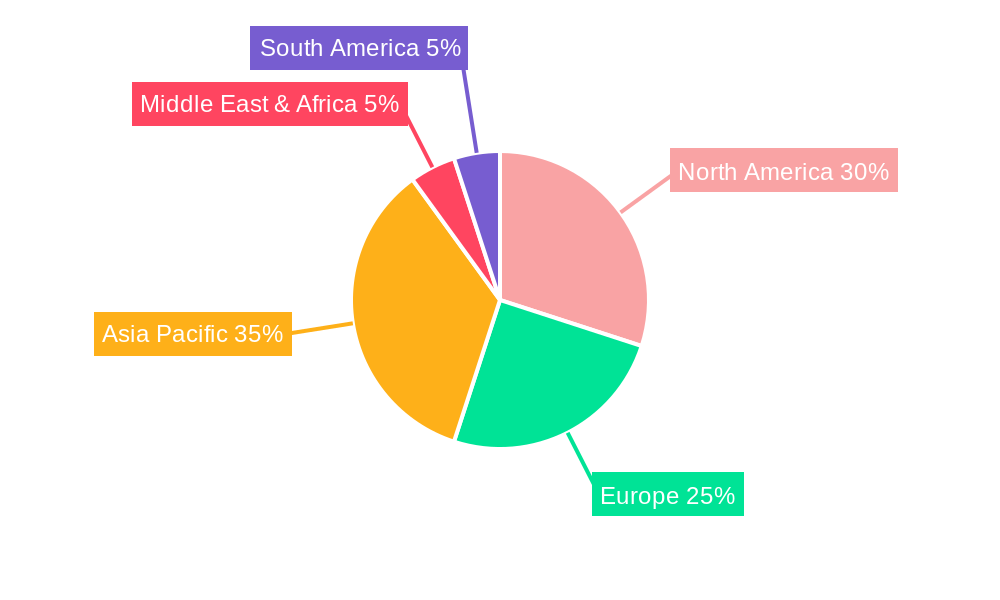
Face Tracker Regional Market Share
Geographic Coverage of Face Tracker
Face Tracker REPORT HIGHLIGHTS
| Aspects | Details |
|---|---|
| Study Period | 2020-2034 |
| Base Year | 2025 |
| Estimated Year | 2026 |
| Forecast Period | 2026-2034 |
| Historical Period | 2020-2025 |
| Growth Rate | CAGR of 15.6% from 2020-2034 |
| Segmentation |
|
Table of Contents
- 1. Introduction
- 1.1. Research Scope
- 1.2. Market Segmentation
- 1.3. Research Methodology
- 1.4. Definitions and Assumptions
- 2. Executive Summary
- 2.1. Introduction
- 3. Market Dynamics
- 3.1. Introduction
- 3.2. Market Drivers
- 3.3. Market Restrains
- 3.4. Market Trends
- 4. Market Factor Analysis
- 4.1. Porters Five Forces
- 4.2. Supply/Value Chain
- 4.3. PESTEL analysis
- 4.4. Market Entropy
- 4.5. Patent/Trademark Analysis
- 5. Global Face Tracker Analysis, Insights and Forecast, 2020-2032
- 5.1. Market Analysis, Insights and Forecast - by Application
- 5.1.1. Retail
- 5.1.2. Advertising Sectors
- 5.1.3. E-commerce
- 5.1.4. Automobile
- 5.1.5. Healthcare
- 5.1.6. Others
- 5.2. Market Analysis, Insights and Forecast - by Types
- 5.2.1. Face Tracking
- 5.2.2. Eye Tracking
- 5.2.3. Body Tracking
- 5.3. Market Analysis, Insights and Forecast - by Region
- 5.3.1. North America
- 5.3.2. South America
- 5.3.3. Europe
- 5.3.4. Middle East & Africa
- 5.3.5. Asia Pacific
- 5.1. Market Analysis, Insights and Forecast - by Application
- 6. North America Face Tracker Analysis, Insights and Forecast, 2020-2032
- 6.1. Market Analysis, Insights and Forecast - by Application
- 6.1.1. Retail
- 6.1.2. Advertising Sectors
- 6.1.3. E-commerce
- 6.1.4. Automobile
- 6.1.5. Healthcare
- 6.1.6. Others
- 6.2. Market Analysis, Insights and Forecast - by Types
- 6.2.1. Face Tracking
- 6.2.2. Eye Tracking
- 6.2.3. Body Tracking
- 6.1. Market Analysis, Insights and Forecast - by Application
- 7. South America Face Tracker Analysis, Insights and Forecast, 2020-2032
- 7.1. Market Analysis, Insights and Forecast - by Application
- 7.1.1. Retail
- 7.1.2. Advertising Sectors
- 7.1.3. E-commerce
- 7.1.4. Automobile
- 7.1.5. Healthcare
- 7.1.6. Others
- 7.2. Market Analysis, Insights and Forecast - by Types
- 7.2.1. Face Tracking
- 7.2.2. Eye Tracking
- 7.2.3. Body Tracking
- 7.1. Market Analysis, Insights and Forecast - by Application
- 8. Europe Face Tracker Analysis, Insights and Forecast, 2020-2032
- 8.1. Market Analysis, Insights and Forecast - by Application
- 8.1.1. Retail
- 8.1.2. Advertising Sectors
- 8.1.3. E-commerce
- 8.1.4. Automobile
- 8.1.5. Healthcare
- 8.1.6. Others
- 8.2. Market Analysis, Insights and Forecast - by Types
- 8.2.1. Face Tracking
- 8.2.2. Eye Tracking
- 8.2.3. Body Tracking
- 8.1. Market Analysis, Insights and Forecast - by Application
- 9. Middle East & Africa Face Tracker Analysis, Insights and Forecast, 2020-2032
- 9.1. Market Analysis, Insights and Forecast - by Application
- 9.1.1. Retail
- 9.1.2. Advertising Sectors
- 9.1.3. E-commerce
- 9.1.4. Automobile
- 9.1.5. Healthcare
- 9.1.6. Others
- 9.2. Market Analysis, Insights and Forecast - by Types
- 9.2.1. Face Tracking
- 9.2.2. Eye Tracking
- 9.2.3. Body Tracking
- 9.1. Market Analysis, Insights and Forecast - by Application
- 10. Asia Pacific Face Tracker Analysis, Insights and Forecast, 2020-2032
- 10.1. Market Analysis, Insights and Forecast - by Application
- 10.1.1. Retail
- 10.1.2. Advertising Sectors
- 10.1.3. E-commerce
- 10.1.4. Automobile
- 10.1.5. Healthcare
- 10.1.6. Others
- 10.2. Market Analysis, Insights and Forecast - by Types
- 10.2.1. Face Tracking
- 10.2.2. Eye Tracking
- 10.2.3. Body Tracking
- 10.1. Market Analysis, Insights and Forecast - by Application
- 11. Competitive Analysis
- 11.1. Global Market Share Analysis 2025
- 11.2. Company Profiles
- 11.2.1 Pinscreen Inc.
- 11.2.1.1. Overview
- 11.2.1.2. Products
- 11.2.1.3. SWOT Analysis
- 11.2.1.4. Recent Developments
- 11.2.1.5. Financials (Based on Availability)
- 11.2.2 HTC Corporation
- 11.2.2.1. Overview
- 11.2.2.2. Products
- 11.2.2.3. SWOT Analysis
- 11.2.2.4. Recent Developments
- 11.2.2.5. Financials (Based on Availability)
- 11.2.3 KeenTools
- 11.2.3.1. Overview
- 11.2.3.2. Products
- 11.2.3.3. SWOT Analysis
- 11.2.3.4. Recent Developments
- 11.2.3.5. Financials (Based on Availability)
- 11.2.4 Live2DViewerEX
- 11.2.4.1. Overview
- 11.2.4.2. Products
- 11.2.4.3. SWOT Analysis
- 11.2.4.4. Recent Developments
- 11.2.4.5. Financials (Based on Availability)
- 11.2.5 Adobe
- 11.2.5.1. Overview
- 11.2.5.2. Products
- 11.2.5.3. SWOT Analysis
- 11.2.5.4. Recent Developments
- 11.2.5.5. Financials (Based on Availability)
- 11.2.6 NVIDIA
- 11.2.6.1. Overview
- 11.2.6.2. Products
- 11.2.6.3. SWOT Analysis
- 11.2.6.4. Recent Developments
- 11.2.6.5. Financials (Based on Availability)
- 11.2.7 Visage Technologies
- 11.2.7.1. Overview
- 11.2.7.2. Products
- 11.2.7.3. SWOT Analysis
- 11.2.7.4. Recent Developments
- 11.2.7.5. Financials (Based on Availability)
- 11.2.8 Prisma Bytes
- 11.2.8.1. Overview
- 11.2.8.2. Products
- 11.2.8.3. SWOT Analysis
- 11.2.8.4. Recent Developments
- 11.2.8.5. Financials (Based on Availability)
- 11.2.9 Meta Platforms
- 11.2.9.1. Overview
- 11.2.9.2. Products
- 11.2.9.3. SWOT Analysis
- 11.2.9.4. Recent Developments
- 11.2.9.5. Financials (Based on Availability)
- 11.2.10 Inc.
- 11.2.10.1. Overview
- 11.2.10.2. Products
- 11.2.10.3. SWOT Analysis
- 11.2.10.4. Recent Developments
- 11.2.10.5. Financials (Based on Availability)
- 11.2.1 Pinscreen Inc.
List of Figures
- Figure 1: Global Face Tracker Revenue Breakdown (undefined, %) by Region 2025 & 2033
- Figure 2: North America Face Tracker Revenue (undefined), by Application 2025 & 2033
- Figure 3: North America Face Tracker Revenue Share (%), by Application 2025 & 2033
- Figure 4: North America Face Tracker Revenue (undefined), by Types 2025 & 2033
- Figure 5: North America Face Tracker Revenue Share (%), by Types 2025 & 2033
- Figure 6: North America Face Tracker Revenue (undefined), by Country 2025 & 2033
- Figure 7: North America Face Tracker Revenue Share (%), by Country 2025 & 2033
- Figure 8: South America Face Tracker Revenue (undefined), by Application 2025 & 2033
- Figure 9: South America Face Tracker Revenue Share (%), by Application 2025 & 2033
- Figure 10: South America Face Tracker Revenue (undefined), by Types 2025 & 2033
- Figure 11: South America Face Tracker Revenue Share (%), by Types 2025 & 2033
- Figure 12: South America Face Tracker Revenue (undefined), by Country 2025 & 2033
- Figure 13: South America Face Tracker Revenue Share (%), by Country 2025 & 2033
- Figure 14: Europe Face Tracker Revenue (undefined), by Application 2025 & 2033
- Figure 15: Europe Face Tracker Revenue Share (%), by Application 2025 & 2033
- Figure 16: Europe Face Tracker Revenue (undefined), by Types 2025 & 2033
- Figure 17: Europe Face Tracker Revenue Share (%), by Types 2025 & 2033
- Figure 18: Europe Face Tracker Revenue (undefined), by Country 2025 & 2033
- Figure 19: Europe Face Tracker Revenue Share (%), by Country 2025 & 2033
- Figure 20: Middle East & Africa Face Tracker Revenue (undefined), by Application 2025 & 2033
- Figure 21: Middle East & Africa Face Tracker Revenue Share (%), by Application 2025 & 2033
- Figure 22: Middle East & Africa Face Tracker Revenue (undefined), by Types 2025 & 2033
- Figure 23: Middle East & Africa Face Tracker Revenue Share (%), by Types 2025 & 2033
- Figure 24: Middle East & Africa Face Tracker Revenue (undefined), by Country 2025 & 2033
- Figure 25: Middle East & Africa Face Tracker Revenue Share (%), by Country 2025 & 2033
- Figure 26: Asia Pacific Face Tracker Revenue (undefined), by Application 2025 & 2033
- Figure 27: Asia Pacific Face Tracker Revenue Share (%), by Application 2025 & 2033
- Figure 28: Asia Pacific Face Tracker Revenue (undefined), by Types 2025 & 2033
- Figure 29: Asia Pacific Face Tracker Revenue Share (%), by Types 2025 & 2033
- Figure 30: Asia Pacific Face Tracker Revenue (undefined), by Country 2025 & 2033
- Figure 31: Asia Pacific Face Tracker Revenue Share (%), by Country 2025 & 2033
List of Tables
- Table 1: Global Face Tracker Revenue undefined Forecast, by Application 2020 & 2033
- Table 2: Global Face Tracker Revenue undefined Forecast, by Types 2020 & 2033
- Table 3: Global Face Tracker Revenue undefined Forecast, by Region 2020 & 2033
- Table 4: Global Face Tracker Revenue undefined Forecast, by Application 2020 & 2033
- Table 5: Global Face Tracker Revenue undefined Forecast, by Types 2020 & 2033
- Table 6: Global Face Tracker Revenue undefined Forecast, by Country 2020 & 2033
- Table 7: United States Face Tracker Revenue (undefined) Forecast, by Application 2020 & 2033
- Table 8: Canada Face Tracker Revenue (undefined) Forecast, by Application 2020 & 2033
- Table 9: Mexico Face Tracker Revenue (undefined) Forecast, by Application 2020 & 2033
- Table 10: Global Face Tracker Revenue undefined Forecast, by Application 2020 & 2033
- Table 11: Global Face Tracker Revenue undefined Forecast, by Types 2020 & 2033
- Table 12: Global Face Tracker Revenue undefined Forecast, by Country 2020 & 2033
- Table 13: Brazil Face Tracker Revenue (undefined) Forecast, by Application 2020 & 2033
- Table 14: Argentina Face Tracker Revenue (undefined) Forecast, by Application 2020 & 2033
- Table 15: Rest of South America Face Tracker Revenue (undefined) Forecast, by Application 2020 & 2033
- Table 16: Global Face Tracker Revenue undefined Forecast, by Application 2020 & 2033
- Table 17: Global Face Tracker Revenue undefined Forecast, by Types 2020 & 2033
- Table 18: Global Face Tracker Revenue undefined Forecast, by Country 2020 & 2033
- Table 19: United Kingdom Face Tracker Revenue (undefined) Forecast, by Application 2020 & 2033
- Table 20: Germany Face Tracker Revenue (undefined) Forecast, by Application 2020 & 2033
- Table 21: France Face Tracker Revenue (undefined) Forecast, by Application 2020 & 2033
- Table 22: Italy Face Tracker Revenue (undefined) Forecast, by Application 2020 & 2033
- Table 23: Spain Face Tracker Revenue (undefined) Forecast, by Application 2020 & 2033
- Table 24: Russia Face Tracker Revenue (undefined) Forecast, by Application 2020 & 2033
- Table 25: Benelux Face Tracker Revenue (undefined) Forecast, by Application 2020 & 2033
- Table 26: Nordics Face Tracker Revenue (undefined) Forecast, by Application 2020 & 2033
- Table 27: Rest of Europe Face Tracker Revenue (undefined) Forecast, by Application 2020 & 2033
- Table 28: Global Face Tracker Revenue undefined Forecast, by Application 2020 & 2033
- Table 29: Global Face Tracker Revenue undefined Forecast, by Types 2020 & 2033
- Table 30: Global Face Tracker Revenue undefined Forecast, by Country 2020 & 2033
- Table 31: Turkey Face Tracker Revenue (undefined) Forecast, by Application 2020 & 2033
- Table 32: Israel Face Tracker Revenue (undefined) Forecast, by Application 2020 & 2033
- Table 33: GCC Face Tracker Revenue (undefined) Forecast, by Application 2020 & 2033
- Table 34: North Africa Face Tracker Revenue (undefined) Forecast, by Application 2020 & 2033
- Table 35: South Africa Face Tracker Revenue (undefined) Forecast, by Application 2020 & 2033
- Table 36: Rest of Middle East & Africa Face Tracker Revenue (undefined) Forecast, by Application 2020 & 2033
- Table 37: Global Face Tracker Revenue undefined Forecast, by Application 2020 & 2033
- Table 38: Global Face Tracker Revenue undefined Forecast, by Types 2020 & 2033
- Table 39: Global Face Tracker Revenue undefined Forecast, by Country 2020 & 2033
- Table 40: China Face Tracker Revenue (undefined) Forecast, by Application 2020 & 2033
- Table 41: India Face Tracker Revenue (undefined) Forecast, by Application 2020 & 2033
- Table 42: Japan Face Tracker Revenue (undefined) Forecast, by Application 2020 & 2033
- Table 43: South Korea Face Tracker Revenue (undefined) Forecast, by Application 2020 & 2033
- Table 44: ASEAN Face Tracker Revenue (undefined) Forecast, by Application 2020 & 2033
- Table 45: Oceania Face Tracker Revenue (undefined) Forecast, by Application 2020 & 2033
- Table 46: Rest of Asia Pacific Face Tracker Revenue (undefined) Forecast, by Application 2020 & 2033
Frequently Asked Questions
1. What is the projected Compound Annual Growth Rate (CAGR) of the Face Tracker?
The projected CAGR is approximately 15.6%.
2. Which companies are prominent players in the Face Tracker?
Key companies in the market include Pinscreen Inc., HTC Corporation, KeenTools, Live2DViewerEX, Adobe, NVIDIA, Visage Technologies, Prisma Bytes, Meta Platforms, Inc..
3. What are the main segments of the Face Tracker?
The market segments include Application, Types.
4. Can you provide details about the market size?
The market size is estimated to be USD XXX N/A as of 2022.
5. What are some drivers contributing to market growth?
N/A
6. What are the notable trends driving market growth?
N/A
7. Are there any restraints impacting market growth?
N/A
8. Can you provide examples of recent developments in the market?
N/A
9. What pricing options are available for accessing the report?
Pricing options include single-user, multi-user, and enterprise licenses priced at USD 3350.00, USD 5025.00, and USD 6700.00 respectively.
10. Is the market size provided in terms of value or volume?
The market size is provided in terms of value, measured in N/A.
11. Are there any specific market keywords associated with the report?
Yes, the market keyword associated with the report is "Face Tracker," which aids in identifying and referencing the specific market segment covered.
12. How do I determine which pricing option suits my needs best?
The pricing options vary based on user requirements and access needs. Individual users may opt for single-user licenses, while businesses requiring broader access may choose multi-user or enterprise licenses for cost-effective access to the report.
13. Are there any additional resources or data provided in the Face Tracker report?
While the report offers comprehensive insights, it's advisable to review the specific contents or supplementary materials provided to ascertain if additional resources or data are available.
14. How can I stay updated on further developments or reports in the Face Tracker?
To stay informed about further developments, trends, and reports in the Face Tracker, consider subscribing to industry newsletters, following relevant companies and organizations, or regularly checking reputable industry news sources and publications.
Methodology
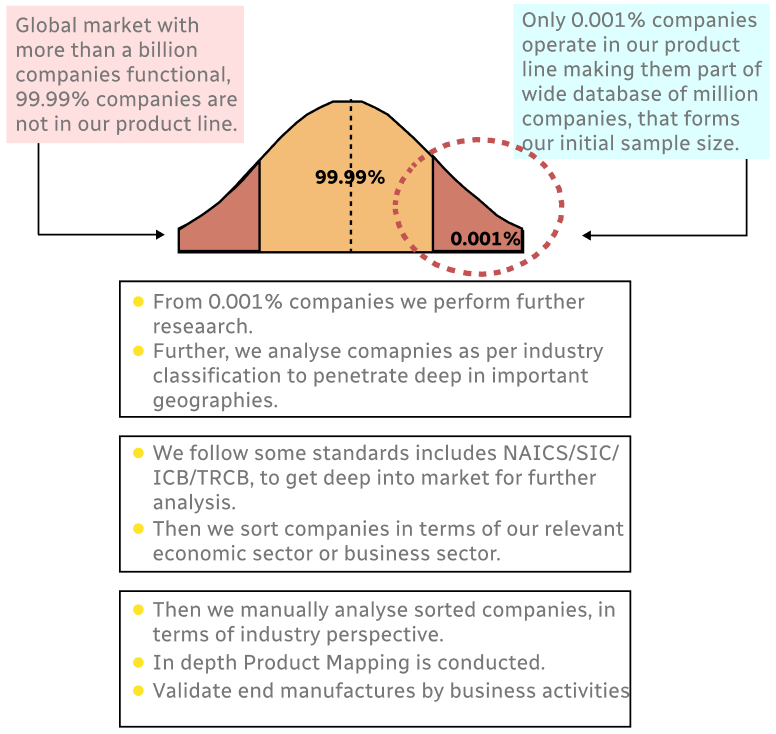
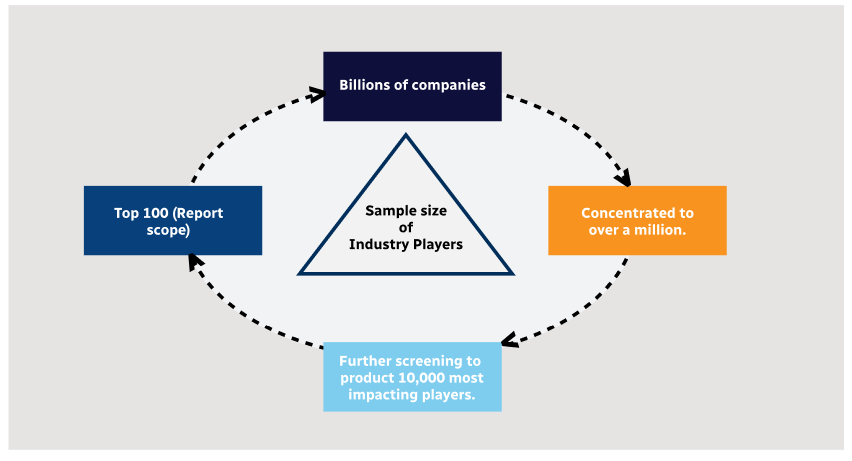
Step 1 - Identification of Relevant Samples Size from Population Database
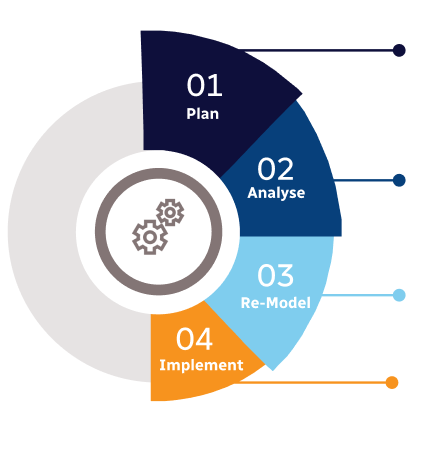
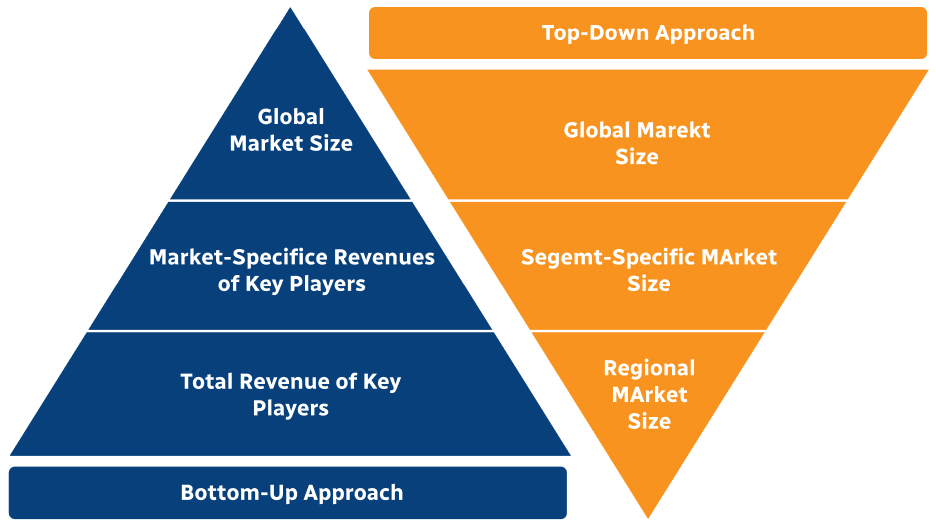
Step 2 - Approaches for Defining Global Market Size (Value, Volume* & Price*)
Note*: In applicable scenarios
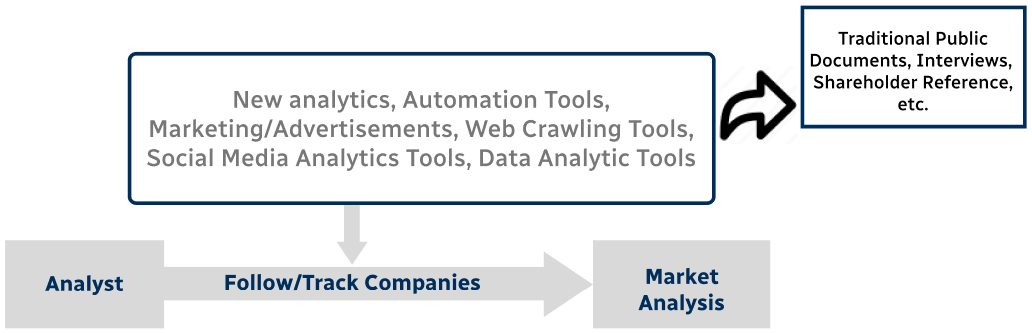
Step 3 - Data Sources
Primary Research
- Web Analytics
- Survey Reports
- Research Institute
- Latest Research Reports
- Opinion Leaders
Secondary Research
- Annual Reports
- White Paper
- Latest Press Release
- Industry Association
- Paid Database
- Investor Presentations
Step 4 - Data Triangulation
Involves using different sources of information in order to increase the validity of a study
These sources are likely to be stakeholders in a program - participants, other researchers, program staff, other community members, and so on.
Then we put all data in single framework & apply various statistical tools to find out the dynamic on the market.
During the analysis stage, feedback from the stakeholder groups would be compared to determine areas of agreement as well as areas of divergence