


Key Insights
The Commercial & Residential Outdoor Lights market is experiencing robust growth, projected to reach an estimated USD XXX million by 2025. This expansion is driven by an increasing emphasis on aesthetic appeal, enhanced security, and energy efficiency in both urban and suburban environments. As property owners and businesses increasingly invest in creating inviting and safe outdoor spaces, the demand for diverse lighting solutions, including decorative fixtures, security lighting, and landscape illumination, is escalating. The integration of smart home technology and the growing adoption of LED lighting, known for its longevity and reduced energy consumption, are further fueling market momentum. Moreover, a surge in new construction and renovation projects worldwide is creating significant opportunities for market players. The market's trajectory is also influenced by a growing awareness of the environmental benefits of energy-efficient lighting, encouraging the replacement of older, less efficient technologies.
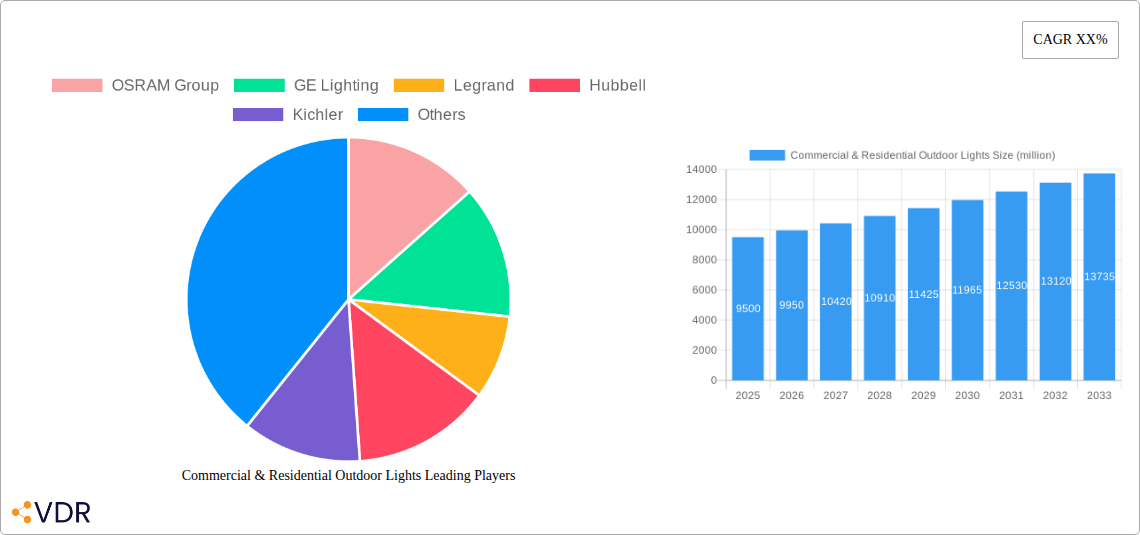
Commercial & Residential Outdoor Lights Market Size (In Billion)

The market is poised for continued expansion, with a projected Compound Annual Growth Rate (CAGR) of XX% anticipated from 2025 to 2033. This sustained growth will be shaped by evolving consumer preferences for innovative lighting designs, smart control systems, and sustainable lighting options. Key market drivers include rising disposable incomes, urbanization, and a heightened focus on outdoor living spaces. While the market benefits from these tailwinds, it also faces certain restraints. The initial cost of high-end and smart outdoor lighting systems can be a deterrent for some consumers, and fluctuations in raw material prices for components like LEDs and metals can impact profitability. Nevertheless, the overarching trend towards creating safer, more attractive, and energy-conscious outdoor environments is expected to overcome these challenges, ensuring a dynamic and growing market for commercial and residential outdoor lighting solutions. The widespread adoption of solar-powered outdoor lights, catering to sustainability trends and off-grid applications, will also play a crucial role in market diversification and growth.

Commercial & Residential Outdoor Lights Company Market Share
Comprehensive Report: Commercial & Residential Outdoor Lights Market Analysis 2019-2033
This in-depth report provides an exhaustive analysis of the global Commercial & Residential Outdoor Lights market, offering critical insights into its structure, growth trajectory, regional dominance, product landscape, and key players. Covering the historical period from 2019 to 2024, with the base and estimated year of 2025, and a detailed forecast period extending to 2033, this study is an indispensable resource for industry stakeholders. It meticulously examines market dynamics, technological advancements, regulatory influences, and competitive strategies, providing actionable intelligence for strategic decision-making.
Commercial & Residential Outdoor Lights Market Dynamics & Structure
The global Commercial & Residential Outdoor Lights market exhibits a moderately concentrated structure, characterized by the presence of established global players and a growing number of regional specialists. Technological innovation remains a pivotal driver, with a constant influx of advancements in LED efficiency, smart lighting controls, and solar integration. Regulatory frameworks, particularly concerning energy efficiency standards and safety certifications, are shaping product development and market access. Competitive product substitutes, such as traditional lighting solutions and unlit areas, present ongoing challenges, while evolving end-user demographics, driven by increased urbanization and a focus on aesthetic landscaping and security, fuel demand. Mergers and acquisitions (M&A) trends are notable, with 15 M&A deals recorded during the historical period, primarily aimed at consolidating market share and expanding product portfolios. For instance, OSRAM Group acquired [Acquired Company Name - xx million units] in 2022 to bolster its smart lighting capabilities. Innovation barriers are primarily linked to the high cost of advanced technology integration and the need for robust infrastructure for smart solutions.
- Market Concentration: Moderately concentrated with key players holding significant market share.
- Technological Innovation Drivers: LED efficiency, smart controls (IoT integration), solar power advancements, and durable material science.
- Regulatory Frameworks: Energy efficiency mandates (e.g., Energy Star), safety standards (e.g., UL certification), and local building codes.
- Competitive Product Substitutes: Traditional lighting, natural lighting, and absence of lighting in certain areas.
- End-User Demographics: Growing demand from urban homeowners, commercial property developers, municipalities, and hospitality sectors.
- M&A Trends: Strategic acquisitions to enhance product offerings, expand geographic reach, and gain technological advantages.
- M&A Deal Volume (Historical Period): 15 deals
- Average Deal Value (Historical Period): $XX million units
Commercial & Residential Outdoor Lights Growth Trends & Insights
The global Commercial & Residential Outdoor Lights market is projected to experience robust growth, with an estimated market size of $12,500 million units in 2025, expanding to $22,000 million units by 2033, reflecting a Compound Annual Growth Rate (CAGR) of 7.5% during the forecast period. This significant expansion is propelled by increasing urbanization, a growing emphasis on home improvement and exterior aesthetics, and the rising adoption of smart home technologies. The commercial sector, driven by the need for enhanced security, energy-efficient building management, and attractive retail and hospitality spaces, contributes substantially to this growth. Residential applications are witnessing a surge in demand for landscape lighting, security lighting, and decorative outdoor fixtures that complement architectural designs.
Technological disruptions, particularly the widespread adoption of LED technology, have dramatically reduced energy consumption and maintenance costs, making outdoor lighting more accessible and appealing. The integration of IoT and smart controls is a key trend, enabling remote operation, scheduling, and customization of outdoor lighting, further enhancing user experience and energy savings. Consumer behavior is shifting towards investing in outdoor spaces for extended living and entertainment, directly impacting the demand for sophisticated and functional outdoor lighting solutions. Market penetration of smart outdoor lighting systems is projected to reach 45% by 2030, up from 22% in 2020. The development of sustainable and solar-powered lighting options is also gaining traction, appealing to environmentally conscious consumers and businesses.
- Market Size Evolution:
- Base Year (2025) Market Size: $12,500 million units
- Forecast Period End (2033) Market Size: $22,000 million units
- CAGR (2025-2033): 7.5%
- Adoption Rates:
- LED Technology Adoption: 95% (across both commercial and residential sectors)
- Smart Outdoor Lighting Penetration (Projected 2030): 45%
- Technological Disruptions:
- Rise of energy-efficient LEDs.
- Integration of IoT for smart control and automation.
- Advancements in solar-powered lighting reliability.
- Consumer Behavior Shifts:
- Increased investment in outdoor living spaces.
- Demand for aesthetically pleasing and functional exterior lighting.
- Growing preference for eco-friendly and energy-saving solutions.
- Market Penetration Insights:
- Smart home ecosystem integration is a key differentiator.
- DIY installation trends in residential segment driving demand for user-friendly products.
Dominant Regions, Countries, or Segments in Commercial & Residential Outdoor Lights
The Commercial & Residential Outdoor Lights market is experiencing dominant growth driven by key segments and regions that capitalize on specific economic policies, infrastructure development, and consumer preferences. Within the Application segment, both Commercial and Residential applications are significant contributors, with the Residential segment projected to account for 58% of the market value by 2033, driven by increasing disposable incomes and a growing emphasis on home beautification and security. The Commercial segment, valued at approximately $5,250 million units in 2025, is expected to grow steadily with a CAGR of 6.8%, fueled by infrastructure projects and the need for energy-efficient lighting solutions in public spaces, retail environments, and hospitality establishments.
In terms of Types, Line Voltage outdoor lights currently dominate the market, representing 45% of the total market share in 2025, due to their established infrastructure and wide availability. However, the Solar lighting segment is poised for substantial growth, with a projected CAGR of 9.2%, as advancements in battery technology and panel efficiency make them increasingly viable and cost-effective. The Low Voltage segment, particularly for landscape lighting, continues to hold a strong position, valued at $3,500 million units in 2025.
Geographically, North America currently leads the market, holding 38% of the global market share in 2025, owing to a mature real estate market, high adoption of smart home technologies, and significant government initiatives promoting energy efficiency. The United States is the primary growth engine within North America, with an estimated market size of $4,100 million units in 2025. Europe follows as the second-largest market, with a projected market size of $3,200 million units in 2025, driven by stringent energy regulations and a growing demand for sustainable lighting solutions. Asia Pacific is the fastest-growing region, with a CAGR of 8.5%, fueled by rapid urbanization, infrastructure development, and increasing per capita income in countries like China and India.
- Dominant Application Segments:
- Residential: Expected to capture 58% of market value by 2033.
- Key Drivers: Home renovation boom, increased focus on outdoor living, and enhanced security needs.
- Commercial: Valued at $5,250 million units in 2025, growing at 6.8% CAGR.
- Key Drivers: Public infrastructure projects, smart city initiatives, and energy-efficient building retrofits.
- Residential: Expected to capture 58% of market value by 2033.
- Dominant Types:
- Line Voltage: Holds 45% market share in 2025.
- Key Drivers: Established infrastructure, wide product availability, and cost-effectiveness for large-scale installations.
- Solar: Fastest-growing segment with 9.2% CAGR.
- Key Drivers: Environmental consciousness, government incentives, and reduced installation costs.
- Low Voltage: Valued at $3,500 million units in 2025.
- Key Drivers: Ideal for landscape lighting, safety, and subtle accent lighting.
- Line Voltage: Holds 45% market share in 2025.
- Dominant Regions:
- North America: Leading with 38% market share in 2025.
- Key Country: United States ($4,100 million units in 2025).
- Key Drivers: High disposable income, strong smart home adoption, energy efficiency mandates.
- Europe: Second-largest market, $3,200 million units in 2025.
- Key Drivers: Strict environmental regulations, growing demand for sustainable solutions.
- Asia Pacific: Fastest-growing region (8.5% CAGR).
- Key Drivers: Rapid urbanization, infrastructure development, emerging economies.
- North America: Leading with 38% market share in 2025.
Commercial & Residential Outdoor Lights Product Landscape
The product landscape for Commercial & Residential Outdoor Lights is characterized by innovation focused on enhancing functionality, aesthetics, and energy efficiency. Advanced LED technology underpins most offerings, providing superior illumination with reduced power consumption. Smart capabilities, including Bluetooth and Wi-Fi connectivity for app-based control, motion sensing, and integration with voice assistants, are increasingly common. Products range from robust, high-intensity floodlights and security luminaires for commercial applications to decorative string lights, path lights, and accent fixtures for residential use. Performance metrics such as lumen output, color rendering index (CRI), ingress protection (IP) ratings for durability against weather, and energy efficiency (lumens per watt) are key differentiators. Emerging trends include the development of adaptive lighting systems that adjust intensity based on ambient light and occupancy, and the integration of advanced materials for enhanced longevity and corrosion resistance.
Key Drivers, Barriers & Challenges in Commercial & Residential Outdoor Lights
Key Drivers:
- Rising demand for enhanced home security and aesthetics: Homeowners are increasingly investing in outdoor lighting to improve safety and curb appeal.
- Growing adoption of smart home technologies: Integration with smart systems offers convenience and energy management benefits.
- Government initiatives promoting energy efficiency: Regulations and incentives favor energy-saving lighting solutions like LEDs.
- Urbanization and infrastructure development: Increased construction of residential and commercial spaces drives demand for outdoor lighting.
- Technological advancements in LEDs and solar power: These innovations lead to more efficient, cost-effective, and sustainable lighting options.
Key Barriers & Challenges:
- High upfront cost of smart and advanced lighting systems: The initial investment can be a deterrent for some consumers and small businesses.
- Complex installation and maintenance for certain systems: Professional installation may be required, increasing overall project costs.
- Supply chain disruptions and raw material price volatility: Global events can impact the availability and cost of components, affecting production and pricing.
- Competition from low-cost, unbranded products: The market is susceptible to price-based competition, potentially impacting quality and innovation.
- Evolving regulatory landscapes: Keeping pace with changing energy efficiency standards and safety certifications can be challenging for manufacturers.
- Consumer awareness and education: Educating consumers about the benefits of advanced outdoor lighting technologies is an ongoing challenge.
Emerging Opportunities in Commercial & Residential Outdoor Lights
Emerging opportunities in the Commercial & Residential Outdoor Lights market are primarily driven by the confluence of technology and evolving consumer lifestyles. The increasing integration of outdoor lighting with smart home ecosystems presents a significant avenue for growth, with demand for seamless control and automation. The development of advanced color-tunable and human-centric lighting solutions for outdoor spaces, mimicking natural light cycles, is an untapped area with potential. Furthermore, the growing emphasis on sustainability is driving demand for highly efficient solar-powered lighting and biophilic lighting designs that complement natural environments. Expansion into emerging economies with developing infrastructure and a rising middle class also represents a substantial growth frontier. The development of modular and easily upgradeable lighting systems will cater to consumers seeking flexible and future-proof solutions.
Growth Accelerators in the Commercial & Residential Outdoor Lights Industry
Several key factors are accelerating growth in the Commercial & Residential Outdoor Lights industry. The rapid advancement and decreasing cost of LED technology, coupled with its superior energy efficiency and lifespan, are fundamental growth accelerators. The widespread adoption of the Internet of Things (IoT) and smart home platforms is creating a demand for connected outdoor lighting solutions, enabling enhanced functionality and user experience. Government policies and incentives focused on energy conservation and sustainability are also playing a crucial role in driving the adoption of efficient outdoor lighting. Furthermore, strategic partnerships between lighting manufacturers and smart home technology providers are expanding product offerings and market reach. The increasing consumer preference for enhancing outdoor living spaces for recreation and entertainment is also a significant catalyst for market expansion.
Key Players Shaping the Commercial & Residential Outdoor Lights Market
- OSRAM Group
- GE Lighting
- Legrand
- Hubbell
- Kichler
- Maxim Lighting
- Philips
- Cree Lighting
- Generation Brands
- Feit Electric Company
- Hudson Valley Lighting
Notable Milestones in Commercial & Residential Outdoor Lights Sector
- 2019: Widespread adoption of higher lumen output LEDs in commercial applications, improving visibility and safety.
- 2020: Increased demand for smart outdoor lighting systems with app control and voice integration, driven by smart home growth.
- 2021: Introduction of more robust and energy-efficient solar-powered outdoor lighting solutions, enhancing their practicality.
- 2022: Major manufacturers began integrating advanced color-tuning technologies into residential landscape lighting, offering greater customization.
- 2023: Growing focus on sustainability with the launch of products made from recycled materials and with extended lifecycles.
- 2024: Enhanced development of adaptive lighting systems that respond to environmental conditions and occupancy.
In-Depth Commercial & Residential Outdoor Lights Market Outlook
The future outlook for the Commercial & Residential Outdoor Lights market is exceptionally positive, driven by sustained technological innovation and evolving consumer preferences. Growth accelerators such as further improvements in LED efficiency, the widespread integration of AI-powered lighting controls, and the expansion of robust solar energy storage solutions will continue to propel the market forward. Emerging opportunities in hyper-customizable lighting experiences, biophilic design integration, and expansion into underserved developing regions offer substantial long-term growth potential. Strategic collaborations between lighting manufacturers, technology developers, and real estate developers will be critical in unlocking new market segments and delivering integrated smart outdoor living solutions. The market is poised for continued expansion, driven by a global commitment to energy efficiency, enhanced safety, and the creation of aesthetically pleasing and functional outdoor environments.
Commercial & Residential Outdoor Lights Segmentation
-
1. Application
- 1.1. Commercial
- 1.2. Residential
-
2. Types
- 2.1. Low Voltage
- 2.2. Line Voltage
- 2.3. Solar
Commercial & Residential Outdoor Lights Segmentation By Geography
-
1. North America
- 1.1. United States
- 1.2. Canada
- 1.3. Mexico
-
2. South America
- 2.1. Brazil
- 2.2. Argentina
- 2.3. Rest of South America
-
3. Europe
- 3.1. United Kingdom
- 3.2. Germany
- 3.3. France
- 3.4. Italy
- 3.5. Spain
- 3.6. Russia
- 3.7. Benelux
- 3.8. Nordics
- 3.9. Rest of Europe
-
4. Middle East & Africa
- 4.1. Turkey
- 4.2. Israel
- 4.3. GCC
- 4.4. North Africa
- 4.5. South Africa
- 4.6. Rest of Middle East & Africa
-
5. Asia Pacific
- 5.1. China
- 5.2. India
- 5.3. Japan
- 5.4. South Korea
- 5.5. ASEAN
- 5.6. Oceania
- 5.7. Rest of Asia Pacific
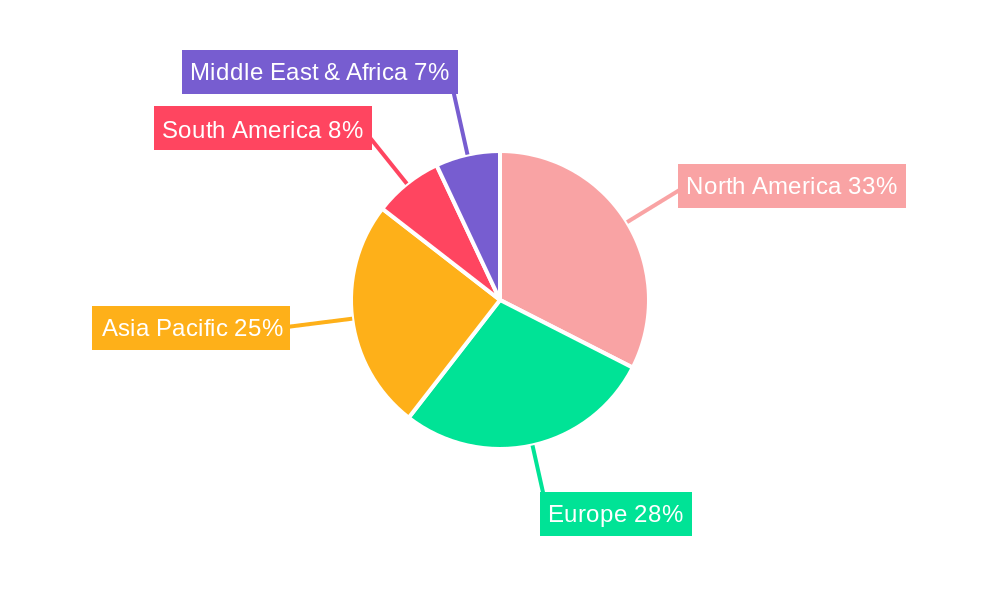
Commercial & Residential Outdoor Lights Regional Market Share
Geographic Coverage of Commercial & Residential Outdoor Lights
Commercial & Residential Outdoor Lights REPORT HIGHLIGHTS
| Aspects | Details |
|---|---|
| Study Period | 2020-2034 |
| Base Year | 2025 |
| Estimated Year | 2026 |
| Forecast Period | 2026-2034 |
| Historical Period | 2020-2025 |
| Growth Rate | CAGR of XX% from 2020-2034 |
| Segmentation |
|
Table of Contents
- 1. Introduction
- 1.1. Research Scope
- 1.2. Market Segmentation
- 1.3. Research Methodology
- 1.4. Definitions and Assumptions
- 2. Executive Summary
- 2.1. Introduction
- 3. Market Dynamics
- 3.1. Introduction
- 3.2. Market Drivers
- 3.3. Market Restrains
- 3.4. Market Trends
- 4. Market Factor Analysis
- 4.1. Porters Five Forces
- 4.2. Supply/Value Chain
- 4.3. PESTEL analysis
- 4.4. Market Entropy
- 4.5. Patent/Trademark Analysis
- 5. Global Commercial & Residential Outdoor Lights Analysis, Insights and Forecast, 2020-2032
- 5.1. Market Analysis, Insights and Forecast - by Application
- 5.1.1. Commercial
- 5.1.2. Residential
- 5.2. Market Analysis, Insights and Forecast - by Types
- 5.2.1. Low Voltage
- 5.2.2. Line Voltage
- 5.2.3. Solar
- 5.3. Market Analysis, Insights and Forecast - by Region
- 5.3.1. North America
- 5.3.2. South America
- 5.3.3. Europe
- 5.3.4. Middle East & Africa
- 5.3.5. Asia Pacific
- 5.1. Market Analysis, Insights and Forecast - by Application
- 6. North America Commercial & Residential Outdoor Lights Analysis, Insights and Forecast, 2020-2032
- 6.1. Market Analysis, Insights and Forecast - by Application
- 6.1.1. Commercial
- 6.1.2. Residential
- 6.2. Market Analysis, Insights and Forecast - by Types
- 6.2.1. Low Voltage
- 6.2.2. Line Voltage
- 6.2.3. Solar
- 6.1. Market Analysis, Insights and Forecast - by Application
- 7. South America Commercial & Residential Outdoor Lights Analysis, Insights and Forecast, 2020-2032
- 7.1. Market Analysis, Insights and Forecast - by Application
- 7.1.1. Commercial
- 7.1.2. Residential
- 7.2. Market Analysis, Insights and Forecast - by Types
- 7.2.1. Low Voltage
- 7.2.2. Line Voltage
- 7.2.3. Solar
- 7.1. Market Analysis, Insights and Forecast - by Application
- 8. Europe Commercial & Residential Outdoor Lights Analysis, Insights and Forecast, 2020-2032
- 8.1. Market Analysis, Insights and Forecast - by Application
- 8.1.1. Commercial
- 8.1.2. Residential
- 8.2. Market Analysis, Insights and Forecast - by Types
- 8.2.1. Low Voltage
- 8.2.2. Line Voltage
- 8.2.3. Solar
- 8.1. Market Analysis, Insights and Forecast - by Application
- 9. Middle East & Africa Commercial & Residential Outdoor Lights Analysis, Insights and Forecast, 2020-2032
- 9.1. Market Analysis, Insights and Forecast - by Application
- 9.1.1. Commercial
- 9.1.2. Residential
- 9.2. Market Analysis, Insights and Forecast - by Types
- 9.2.1. Low Voltage
- 9.2.2. Line Voltage
- 9.2.3. Solar
- 9.1. Market Analysis, Insights and Forecast - by Application
- 10. Asia Pacific Commercial & Residential Outdoor Lights Analysis, Insights and Forecast, 2020-2032
- 10.1. Market Analysis, Insights and Forecast - by Application
- 10.1.1. Commercial
- 10.1.2. Residential
- 10.2. Market Analysis, Insights and Forecast - by Types
- 10.2.1. Low Voltage
- 10.2.2. Line Voltage
- 10.2.3. Solar
- 10.1. Market Analysis, Insights and Forecast - by Application
- 11. Competitive Analysis
- 11.1. Global Market Share Analysis 2025
- 11.2. Company Profiles
- 11.2.1 OSRAM Group
- 11.2.1.1. Overview
- 11.2.1.2. Products
- 11.2.1.3. SWOT Analysis
- 11.2.1.4. Recent Developments
- 11.2.1.5. Financials (Based on Availability)
- 11.2.2 GE Lighting
- 11.2.2.1. Overview
- 11.2.2.2. Products
- 11.2.2.3. SWOT Analysis
- 11.2.2.4. Recent Developments
- 11.2.2.5. Financials (Based on Availability)
- 11.2.3 Legrand
- 11.2.3.1. Overview
- 11.2.3.2. Products
- 11.2.3.3. SWOT Analysis
- 11.2.3.4. Recent Developments
- 11.2.3.5. Financials (Based on Availability)
- 11.2.4 Hubbell
- 11.2.4.1. Overview
- 11.2.4.2. Products
- 11.2.4.3. SWOT Analysis
- 11.2.4.4. Recent Developments
- 11.2.4.5. Financials (Based on Availability)
- 11.2.5 Kichler
- 11.2.5.1. Overview
- 11.2.5.2. Products
- 11.2.5.3. SWOT Analysis
- 11.2.5.4. Recent Developments
- 11.2.5.5. Financials (Based on Availability)
- 11.2.6 Maxim Lighting
- 11.2.6.1. Overview
- 11.2.6.2. Products
- 11.2.6.3. SWOT Analysis
- 11.2.6.4. Recent Developments
- 11.2.6.5. Financials (Based on Availability)
- 11.2.7 Philips
- 11.2.7.1. Overview
- 11.2.7.2. Products
- 11.2.7.3. SWOT Analysis
- 11.2.7.4. Recent Developments
- 11.2.7.5. Financials (Based on Availability)
- 11.2.8 Cree Lighting
- 11.2.8.1. Overview
- 11.2.8.2. Products
- 11.2.8.3. SWOT Analysis
- 11.2.8.4. Recent Developments
- 11.2.8.5. Financials (Based on Availability)
- 11.2.9 Generation Brands
- 11.2.9.1. Overview
- 11.2.9.2. Products
- 11.2.9.3. SWOT Analysis
- 11.2.9.4. Recent Developments
- 11.2.9.5. Financials (Based on Availability)
- 11.2.10 Feit Electric Company
- 11.2.10.1. Overview
- 11.2.10.2. Products
- 11.2.10.3. SWOT Analysis
- 11.2.10.4. Recent Developments
- 11.2.10.5. Financials (Based on Availability)
- 11.2.11 Hudson Valley Lighting
- 11.2.11.1. Overview
- 11.2.11.2. Products
- 11.2.11.3. SWOT Analysis
- 11.2.11.4. Recent Developments
- 11.2.11.5. Financials (Based on Availability)
- 11.2.1 OSRAM Group
List of Figures
- Figure 1: Global Commercial & Residential Outdoor Lights Revenue Breakdown (million, %) by Region 2025 & 2033
- Figure 2: North America Commercial & Residential Outdoor Lights Revenue (million), by Application 2025 & 2033
- Figure 3: North America Commercial & Residential Outdoor Lights Revenue Share (%), by Application 2025 & 2033
- Figure 4: North America Commercial & Residential Outdoor Lights Revenue (million), by Types 2025 & 2033
- Figure 5: North America Commercial & Residential Outdoor Lights Revenue Share (%), by Types 2025 & 2033
- Figure 6: North America Commercial & Residential Outdoor Lights Revenue (million), by Country 2025 & 2033
- Figure 7: North America Commercial & Residential Outdoor Lights Revenue Share (%), by Country 2025 & 2033
- Figure 8: South America Commercial & Residential Outdoor Lights Revenue (million), by Application 2025 & 2033
- Figure 9: South America Commercial & Residential Outdoor Lights Revenue Share (%), by Application 2025 & 2033
- Figure 10: South America Commercial & Residential Outdoor Lights Revenue (million), by Types 2025 & 2033
- Figure 11: South America Commercial & Residential Outdoor Lights Revenue Share (%), by Types 2025 & 2033
- Figure 12: South America Commercial & Residential Outdoor Lights Revenue (million), by Country 2025 & 2033
- Figure 13: South America Commercial & Residential Outdoor Lights Revenue Share (%), by Country 2025 & 2033
- Figure 14: Europe Commercial & Residential Outdoor Lights Revenue (million), by Application 2025 & 2033
- Figure 15: Europe Commercial & Residential Outdoor Lights Revenue Share (%), by Application 2025 & 2033
- Figure 16: Europe Commercial & Residential Outdoor Lights Revenue (million), by Types 2025 & 2033
- Figure 17: Europe Commercial & Residential Outdoor Lights Revenue Share (%), by Types 2025 & 2033
- Figure 18: Europe Commercial & Residential Outdoor Lights Revenue (million), by Country 2025 & 2033
- Figure 19: Europe Commercial & Residential Outdoor Lights Revenue Share (%), by Country 2025 & 2033
- Figure 20: Middle East & Africa Commercial & Residential Outdoor Lights Revenue (million), by Application 2025 & 2033
- Figure 21: Middle East & Africa Commercial & Residential Outdoor Lights Revenue Share (%), by Application 2025 & 2033
- Figure 22: Middle East & Africa Commercial & Residential Outdoor Lights Revenue (million), by Types 2025 & 2033
- Figure 23: Middle East & Africa Commercial & Residential Outdoor Lights Revenue Share (%), by Types 2025 & 2033
- Figure 24: Middle East & Africa Commercial & Residential Outdoor Lights Revenue (million), by Country 2025 & 2033
- Figure 25: Middle East & Africa Commercial & Residential Outdoor Lights Revenue Share (%), by Country 2025 & 2033
- Figure 26: Asia Pacific Commercial & Residential Outdoor Lights Revenue (million), by Application 2025 & 2033
- Figure 27: Asia Pacific Commercial & Residential Outdoor Lights Revenue Share (%), by Application 2025 & 2033
- Figure 28: Asia Pacific Commercial & Residential Outdoor Lights Revenue (million), by Types 2025 & 2033
- Figure 29: Asia Pacific Commercial & Residential Outdoor Lights Revenue Share (%), by Types 2025 & 2033
- Figure 30: Asia Pacific Commercial & Residential Outdoor Lights Revenue (million), by Country 2025 & 2033
- Figure 31: Asia Pacific Commercial & Residential Outdoor Lights Revenue Share (%), by Country 2025 & 2033
List of Tables
- Table 1: Global Commercial & Residential Outdoor Lights Revenue million Forecast, by Application 2020 & 2033
- Table 2: Global Commercial & Residential Outdoor Lights Revenue million Forecast, by Types 2020 & 2033
- Table 3: Global Commercial & Residential Outdoor Lights Revenue million Forecast, by Region 2020 & 2033
- Table 4: Global Commercial & Residential Outdoor Lights Revenue million Forecast, by Application 2020 & 2033
- Table 5: Global Commercial & Residential Outdoor Lights Revenue million Forecast, by Types 2020 & 2033
- Table 6: Global Commercial & Residential Outdoor Lights Revenue million Forecast, by Country 2020 & 2033
- Table 7: United States Commercial & Residential Outdoor Lights Revenue (million) Forecast, by Application 2020 & 2033
- Table 8: Canada Commercial & Residential Outdoor Lights Revenue (million) Forecast, by Application 2020 & 2033
- Table 9: Mexico Commercial & Residential Outdoor Lights Revenue (million) Forecast, by Application 2020 & 2033
- Table 10: Global Commercial & Residential Outdoor Lights Revenue million Forecast, by Application 2020 & 2033
- Table 11: Global Commercial & Residential Outdoor Lights Revenue million Forecast, by Types 2020 & 2033
- Table 12: Global Commercial & Residential Outdoor Lights Revenue million Forecast, by Country 2020 & 2033
- Table 13: Brazil Commercial & Residential Outdoor Lights Revenue (million) Forecast, by Application 2020 & 2033
- Table 14: Argentina Commercial & Residential Outdoor Lights Revenue (million) Forecast, by Application 2020 & 2033
- Table 15: Rest of South America Commercial & Residential Outdoor Lights Revenue (million) Forecast, by Application 2020 & 2033
- Table 16: Global Commercial & Residential Outdoor Lights Revenue million Forecast, by Application 2020 & 2033
- Table 17: Global Commercial & Residential Outdoor Lights Revenue million Forecast, by Types 2020 & 2033
- Table 18: Global Commercial & Residential Outdoor Lights Revenue million Forecast, by Country 2020 & 2033
- Table 19: United Kingdom Commercial & Residential Outdoor Lights Revenue (million) Forecast, by Application 2020 & 2033
- Table 20: Germany Commercial & Residential Outdoor Lights Revenue (million) Forecast, by Application 2020 & 2033
- Table 21: France Commercial & Residential Outdoor Lights Revenue (million) Forecast, by Application 2020 & 2033
- Table 22: Italy Commercial & Residential Outdoor Lights Revenue (million) Forecast, by Application 2020 & 2033
- Table 23: Spain Commercial & Residential Outdoor Lights Revenue (million) Forecast, by Application 2020 & 2033
- Table 24: Russia Commercial & Residential Outdoor Lights Revenue (million) Forecast, by Application 2020 & 2033
- Table 25: Benelux Commercial & Residential Outdoor Lights Revenue (million) Forecast, by Application 2020 & 2033
- Table 26: Nordics Commercial & Residential Outdoor Lights Revenue (million) Forecast, by Application 2020 & 2033
- Table 27: Rest of Europe Commercial & Residential Outdoor Lights Revenue (million) Forecast, by Application 2020 & 2033
- Table 28: Global Commercial & Residential Outdoor Lights Revenue million Forecast, by Application 2020 & 2033
- Table 29: Global Commercial & Residential Outdoor Lights Revenue million Forecast, by Types 2020 & 2033
- Table 30: Global Commercial & Residential Outdoor Lights Revenue million Forecast, by Country 2020 & 2033
- Table 31: Turkey Commercial & Residential Outdoor Lights Revenue (million) Forecast, by Application 2020 & 2033
- Table 32: Israel Commercial & Residential Outdoor Lights Revenue (million) Forecast, by Application 2020 & 2033
- Table 33: GCC Commercial & Residential Outdoor Lights Revenue (million) Forecast, by Application 2020 & 2033
- Table 34: North Africa Commercial & Residential Outdoor Lights Revenue (million) Forecast, by Application 2020 & 2033
- Table 35: South Africa Commercial & Residential Outdoor Lights Revenue (million) Forecast, by Application 2020 & 2033
- Table 36: Rest of Middle East & Africa Commercial & Residential Outdoor Lights Revenue (million) Forecast, by Application 2020 & 2033
- Table 37: Global Commercial & Residential Outdoor Lights Revenue million Forecast, by Application 2020 & 2033
- Table 38: Global Commercial & Residential Outdoor Lights Revenue million Forecast, by Types 2020 & 2033
- Table 39: Global Commercial & Residential Outdoor Lights Revenue million Forecast, by Country 2020 & 2033
- Table 40: China Commercial & Residential Outdoor Lights Revenue (million) Forecast, by Application 2020 & 2033
- Table 41: India Commercial & Residential Outdoor Lights Revenue (million) Forecast, by Application 2020 & 2033
- Table 42: Japan Commercial & Residential Outdoor Lights Revenue (million) Forecast, by Application 2020 & 2033
- Table 43: South Korea Commercial & Residential Outdoor Lights Revenue (million) Forecast, by Application 2020 & 2033
- Table 44: ASEAN Commercial & Residential Outdoor Lights Revenue (million) Forecast, by Application 2020 & 2033
- Table 45: Oceania Commercial & Residential Outdoor Lights Revenue (million) Forecast, by Application 2020 & 2033
- Table 46: Rest of Asia Pacific Commercial & Residential Outdoor Lights Revenue (million) Forecast, by Application 2020 & 2033
Frequently Asked Questions
1. What is the projected Compound Annual Growth Rate (CAGR) of the Commercial & Residential Outdoor Lights?
The projected CAGR is approximately XX%.
2. Which companies are prominent players in the Commercial & Residential Outdoor Lights?
Key companies in the market include OSRAM Group, GE Lighting, Legrand, Hubbell, Kichler, Maxim Lighting, Philips, Cree Lighting, Generation Brands, Feit Electric Company, Hudson Valley Lighting.
3. What are the main segments of the Commercial & Residential Outdoor Lights?
The market segments include Application, Types.
4. Can you provide details about the market size?
The market size is estimated to be USD XXX million as of 2022.
5. What are some drivers contributing to market growth?
N/A
6. What are the notable trends driving market growth?
N/A
7. Are there any restraints impacting market growth?
N/A
8. Can you provide examples of recent developments in the market?
N/A
9. What pricing options are available for accessing the report?
Pricing options include single-user, multi-user, and enterprise licenses priced at USD 4900.00, USD 7350.00, and USD 9800.00 respectively.
10. Is the market size provided in terms of value or volume?
The market size is provided in terms of value, measured in million.
11. Are there any specific market keywords associated with the report?
Yes, the market keyword associated with the report is "Commercial & Residential Outdoor Lights," which aids in identifying and referencing the specific market segment covered.
12. How do I determine which pricing option suits my needs best?
The pricing options vary based on user requirements and access needs. Individual users may opt for single-user licenses, while businesses requiring broader access may choose multi-user or enterprise licenses for cost-effective access to the report.
13. Are there any additional resources or data provided in the Commercial & Residential Outdoor Lights report?
While the report offers comprehensive insights, it's advisable to review the specific contents or supplementary materials provided to ascertain if additional resources or data are available.
14. How can I stay updated on further developments or reports in the Commercial & Residential Outdoor Lights?
To stay informed about further developments, trends, and reports in the Commercial & Residential Outdoor Lights, consider subscribing to industry newsletters, following relevant companies and organizations, or regularly checking reputable industry news sources and publications.
Methodology
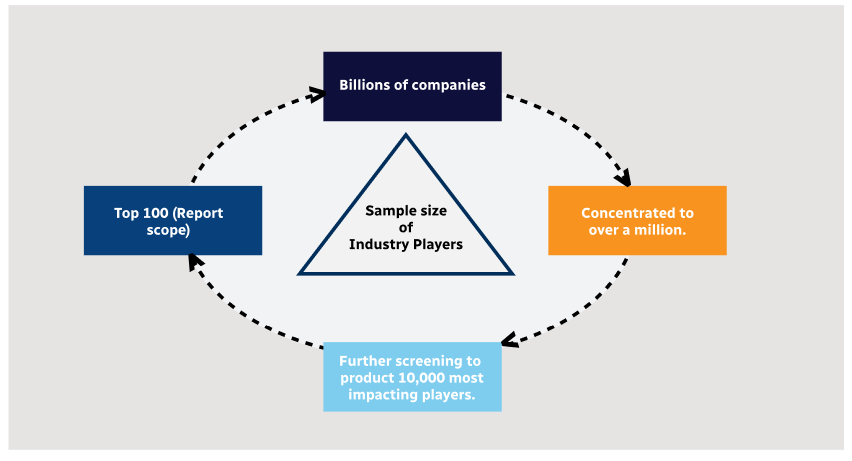
Step 1 - Identification of Relevant Samples Size from Population Database
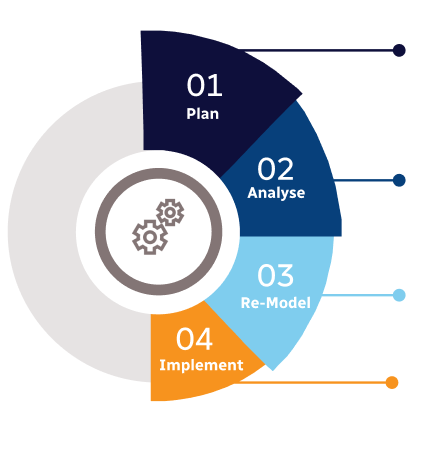
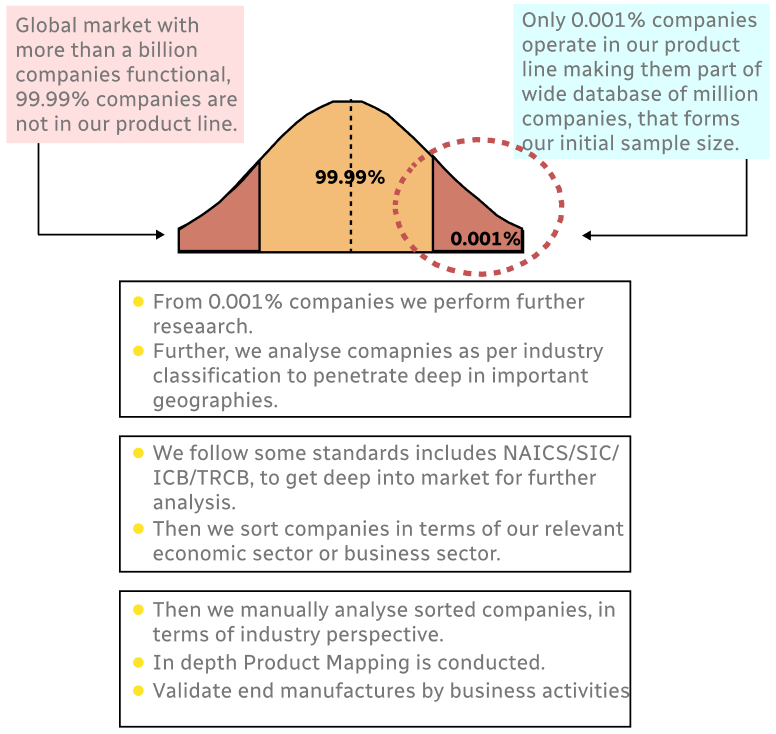
Step 2 - Approaches for Defining Global Market Size (Value, Volume* & Price*)
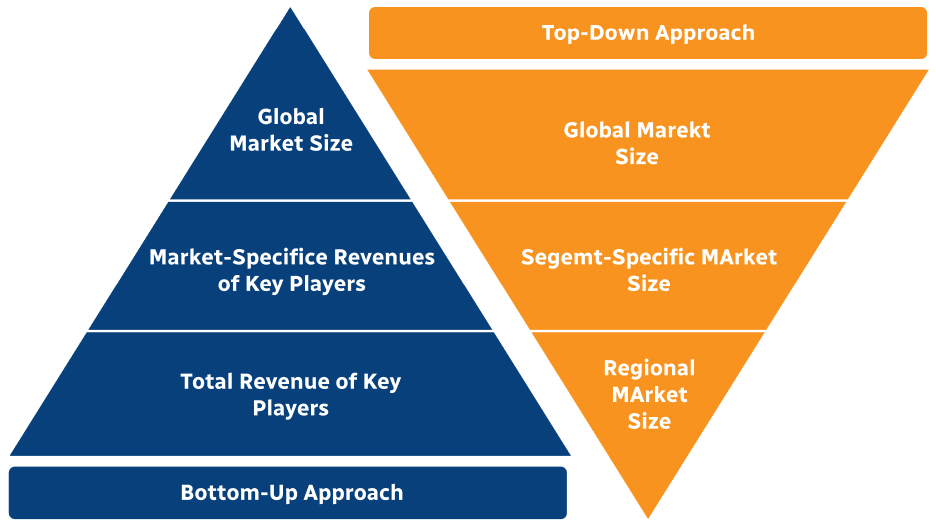
Note*: In applicable scenarios
Step 3 - Data Sources
Primary Research
- Web Analytics
- Survey Reports
- Research Institute
- Latest Research Reports
- Opinion Leaders
Secondary Research
- Annual Reports
- White Paper
- Latest Press Release
- Industry Association
- Paid Database
- Investor Presentations
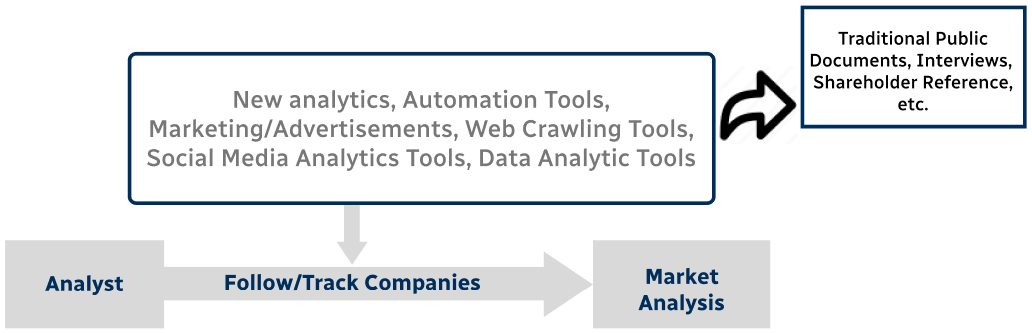
Step 4 - Data Triangulation
Involves using different sources of information in order to increase the validity of a study
These sources are likely to be stakeholders in a program - participants, other researchers, program staff, other community members, and so on.
Then we put all data in single framework & apply various statistical tools to find out the dynamic on the market.
During the analysis stage, feedback from the stakeholder groups would be compared to determine areas of agreement as well as areas of divergence